
Table of Contents
ToggleDid you know that Patagonia spans over 400,000 square miles? Yet, its weather can change from sunny to snowy in just minutes. Planning a trip here requires more than just sturdy boots.
Understanding the dramatic climate shifts is key. Whether you want long summer days for hiking or autumn’s quiet for photography, picking the right time is vital.
We aim to guide you through the logistics of your adventure. By aligning your goals with Patagonia’s seasonal realities, your trip will be unforgettable.
Key Takeaways
- Summer offers the longest daylight hours for extensive hiking adventures.
- Shoulder seasons provide a perfect balance of mild weather and fewer crowds.
- Winter brings extreme conditions but rewards photographers with stunning snow-capped peaks.
- Wind speeds are a significant factor to consider when planning outdoor activities.
- Booking accommodations well in advance is essential for peak travel months.
✈️ TripToGo Travel Deals
Get notified about great travel deals
Hand-picked flight, hotel and destination deals, straight to your inbox. No spam, unsubscribe anytime.
🎉 Thank you for subscribing!
You’re all set — the best travel deals are on their way.
Understanding the Patagonia Climate Guide
Mastering the Patagonia climate guide is key to a successful adventure in this wild region. Spanning 14 degrees of latitude, you’ll encounter a wide range of microclimates. Knowing these shifts is essential for planning your trip.
The geography of this region acts as a massive weather engine. The towering Andes Mountains block moisture-heavy air from the Pacific Ocean. This air rises, cools, and creates lush, rainy forests on the western slopes. The eastern plains, on the other hand, remain dry and rain-shadowed.
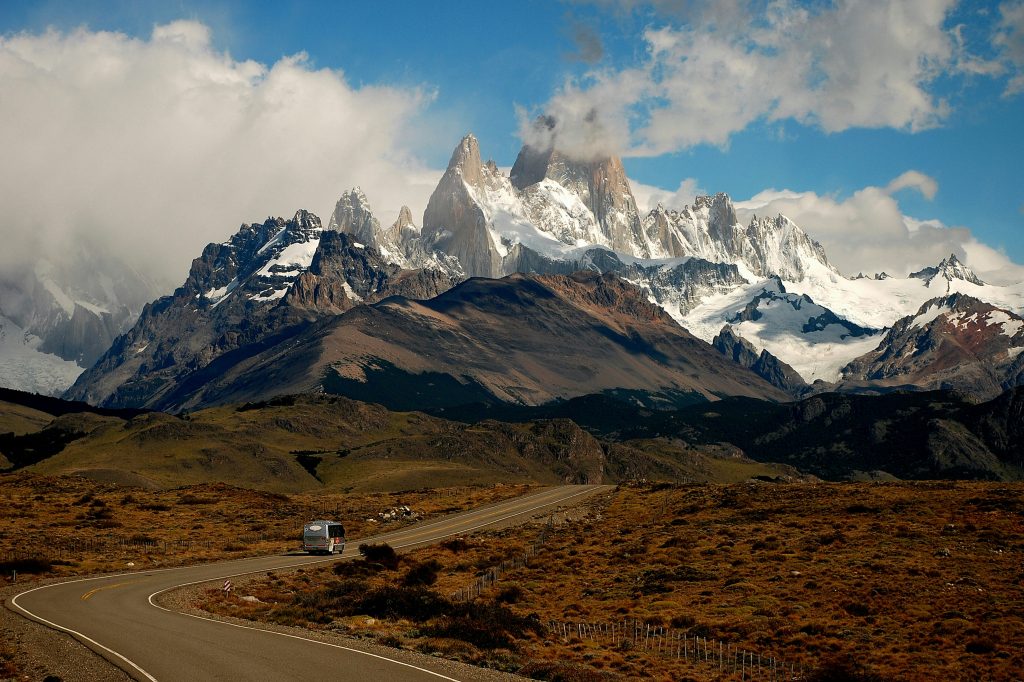
The Atlantic Ocean and southern ice fields also play a role. Their interaction creates the famously unpredictable weather patterns. You might experience four seasons in just one afternoon, regardless of the time of year.
Understanding these forces helps you respect the environment as you explore. By learning how they interact, you can prepare for the rapid changes in temperature and wind. This preparation is critical when planning your trip to Patagonia, ensuring your safety and comfort.
Planning this trip?
Our partner Voyada’s AI itinerary planner builds a day-by-day plan with flights, hotels and a real total cost for your dates — in about a minute, free.
Plan an itinerary →Patagonia by Season at a Glance
The short answer in one table — then the full seasonal detail below.
| When (S. Hemisphere) | Weather & light | What you get |
|---|---|---|
| Dec–Feb | Summer, 10–20°C, up to 17-h days | Peak — all trails and roads open, warmest, longest light; busiest and priciest |
| Nov & Mar | Spring / early autumn | The sweet spot — mild, fewer people, spring flowers or autumn reds; less wind than midsummer |
| Apr | Late autumn | Golden lenga forests, crisp and quiet — some services start closing |
| May–Sep | Winter | Most trekking infrastructure shuts; snow and short days (a few winter specialists stay open) |
The Narrow Nov-Mar Window and the Wind: Key Facts
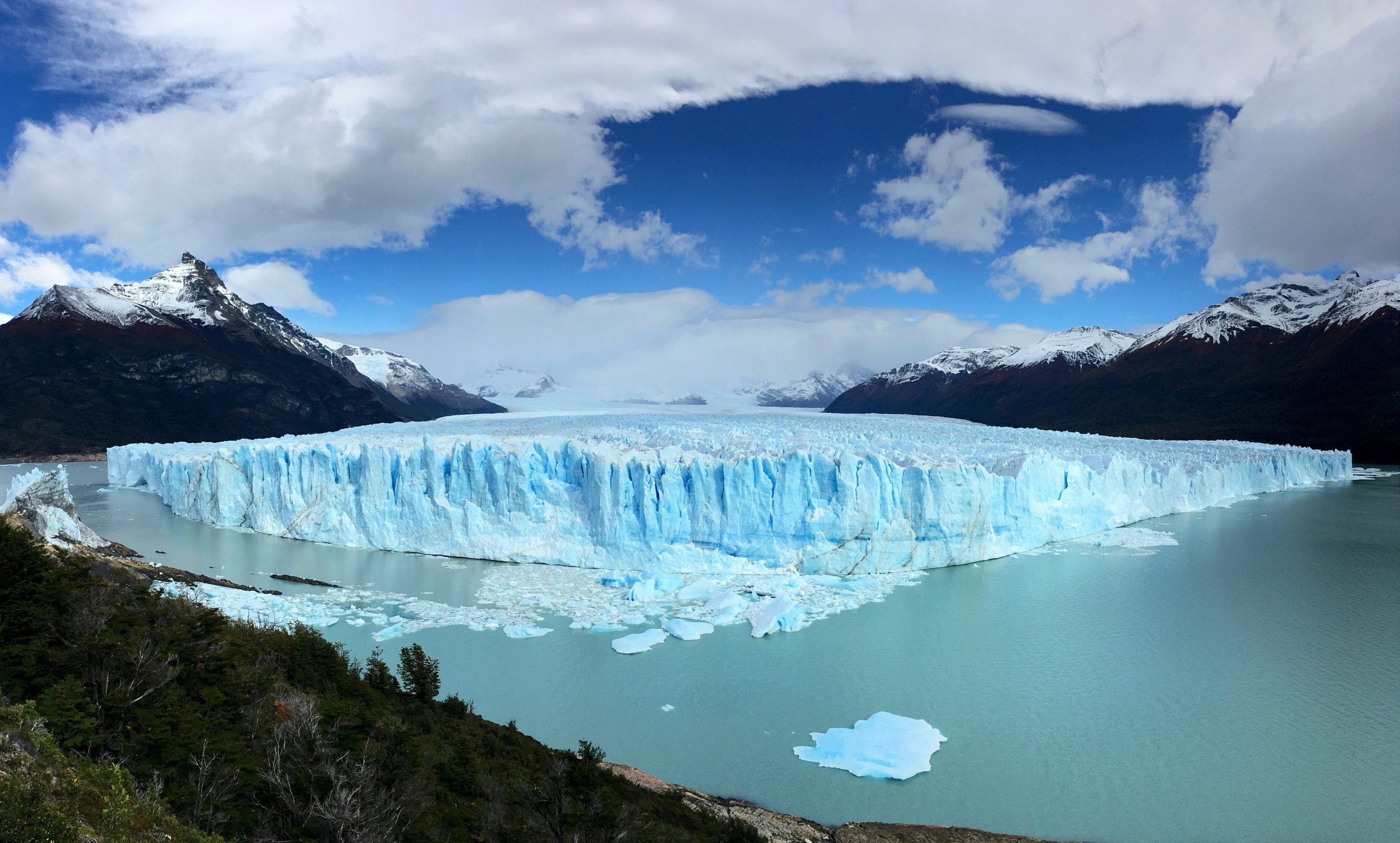
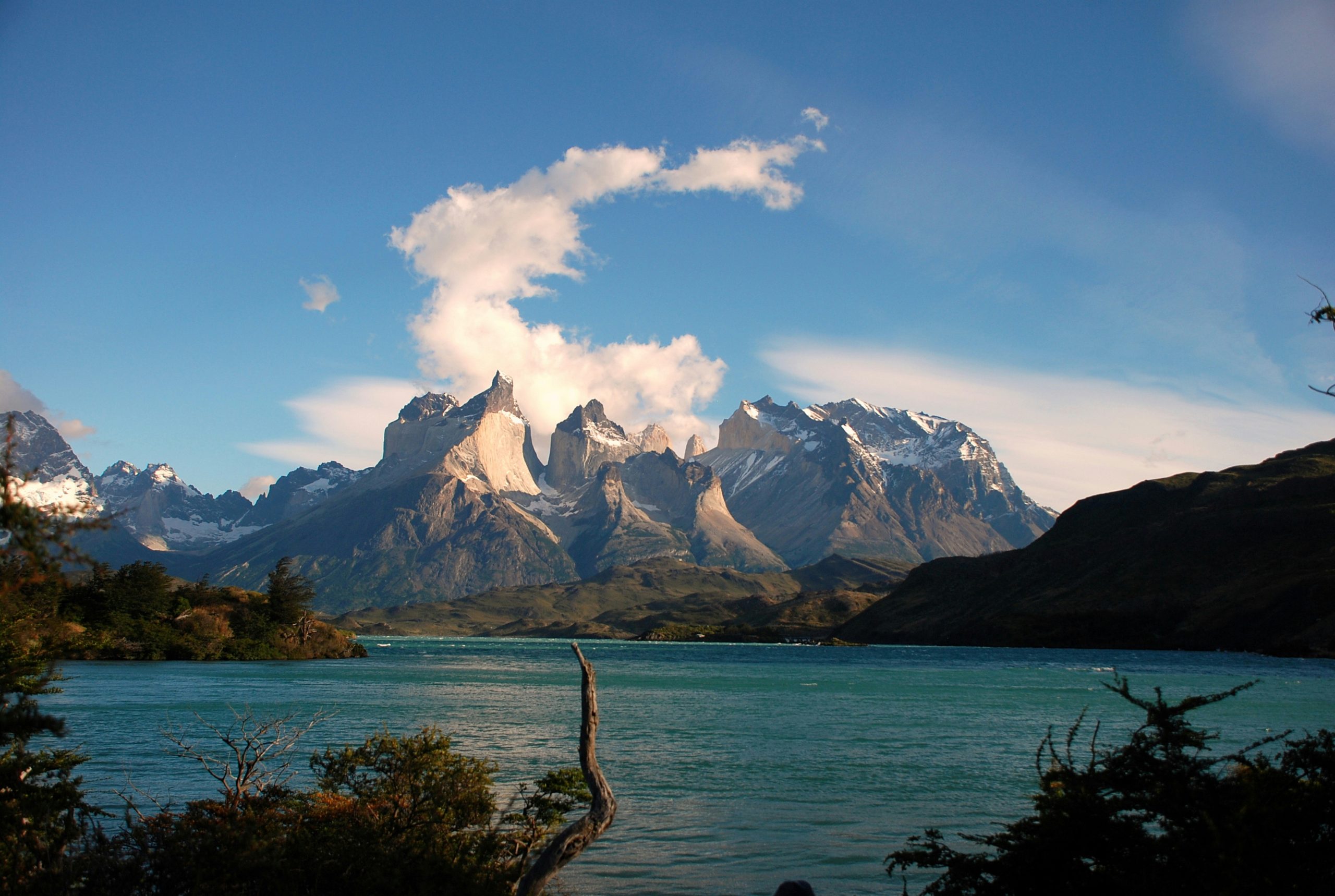
Patagonia’s window is narrow: roughly November to March. These are the prime months for reliably open trails, mild temperatures and the long daylight that lets you cover the big hikes — Torres del Paine’s W-trek, Fitz Roy from El Chaltén, the Perito Moreno glacier from El Calafate. Book lodging and refugios months ahead for December–February.
The wind is the constant, not the temperature. Patagonia is famous for relentless wind that peaks in midsummer; November and March are often calmer as well as quieter, which is why experienced trekkers favour the shoulders. Pack warm, windproof and waterproof layers whatever the month — you can get four seasons in a day.
It spans two countries. The classic circuit combines Argentine Patagonia (El Chaltén, El Calafate) with Chilean Torres del Paine — plan the route with our Argentina itinerary guide and the wider seasons in our best time to travel to Argentina guide. Park info: Visit Argentina.
The Best Time to Visit Patagonia for Optimal Weather
Deciding on the best time for a Patagonia trip hinges on your comfort with wind and your desire for sunshine. For those eager to trek through mountain passes or explore glaciers, December through February is the prime season. These months offer the most stable weather conditions in the area.
With the longest daylight hours of the year, you have ample time to explore trails without the pressure of returning to camp before nightfall. This period is ideal for enjoying the vast landscapes without the constraints of time.
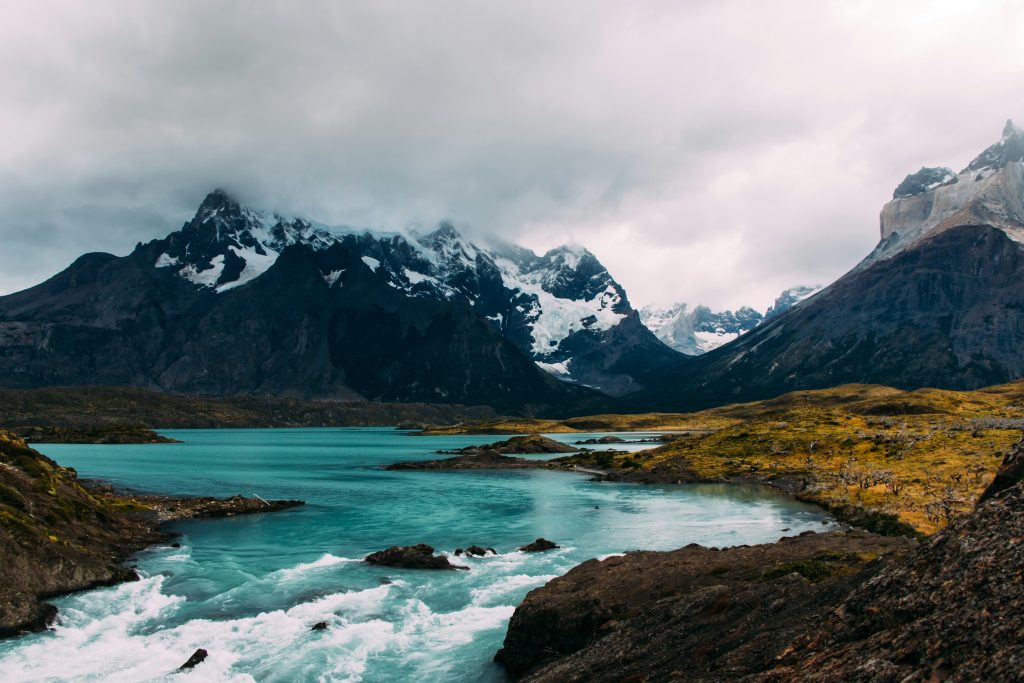
Though temperatures are at their peak, it’s vital to remember that Patagonia’s weather is always unpredictable. Be prepared for the notorious winds that can whip through plains and peaks, even on sunny days.
Opting for the best time to visit Patagonia means finding a balance between comfortable hiking temperatures and the unpredictable climate. By planning your trip during the peak summer months, you increase your chances of clear views and accessible paths.
The perfect time for a Patagonia trip is when you can fully immerse yourself in the elements. While the wind can be fierce, the breathtaking views of granite spires against a bright blue sky make it all worthwhile. Always check the local weather forecasts as you prepare for your journey.
Peak Season in Patagonia: What to Expect
If you dream of iconic landscapes, Patagonia’s peak season is a must-see. It spans from December to February, with the most stable weather and longest daylight hours. This period is ideal for those seeking the best of Patagonia’s accessibility.
The national parks, like Torres del Paine, buzz with energy during these months. You’ll meet adventurers from everywhere, swapping tales at base camps and refuges. Patagonia hiking is at its finest, with clear trails, though the wind is at its strongest.
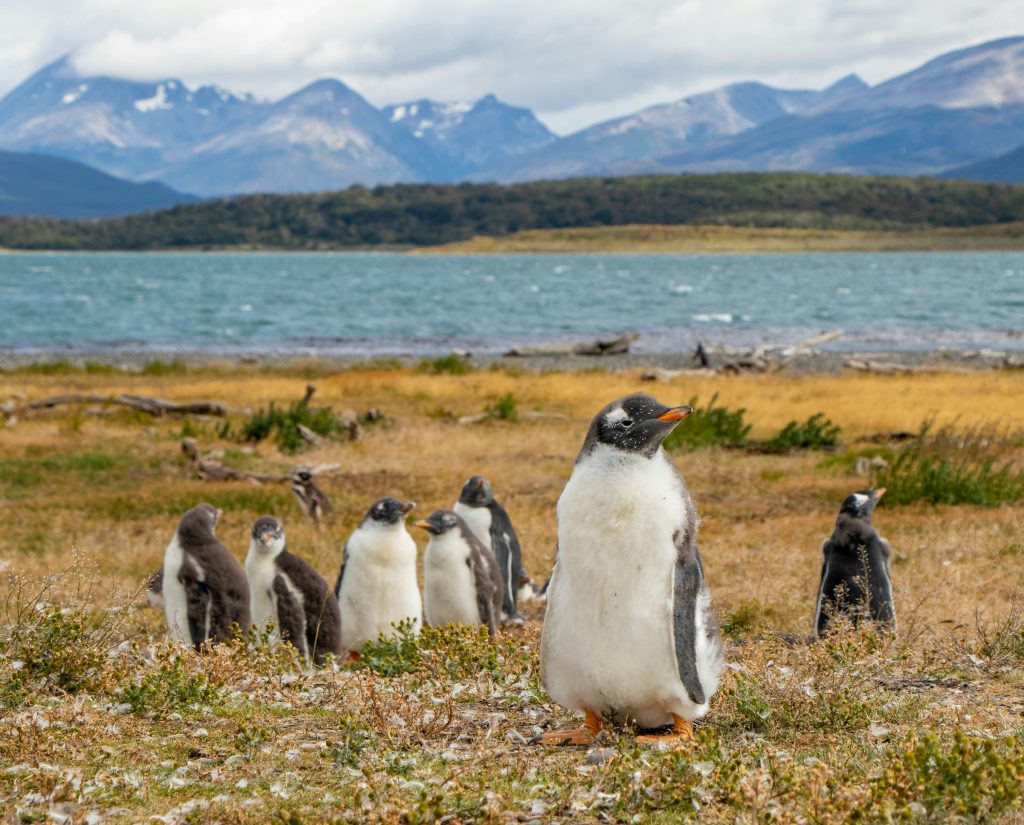
Yet, this peak comes with practical considerations. Bookings for accommodations and campsites need to be made four to six months ahead. Popular trails fill up fast, and last-minute plans can leave you without a place to stay.
Be prepared for higher costs on flights, rentals, and lodging. Travel times between major spots stay consistent, but add extra time for check-ins and shuttle rides at busy park entrances. While there are more people, you get reliable access to high-altitude paths, safer than in the colder months.
Navigating Off-Peak Patagonia Travel
For those who seek the untouched beauty of snow-covered landscapes, off-peak Patagonia travel is ideal. Unlike the summer months, when famous trails are crowded, winter offers a serene solitude. It’s a time for true explorers who desire the region’s authentic, quiet essence.
In the colder months, many areas remain accessible, albeit with adjusted expectations. While some mountain passes and remote refugios close due to snow, major hubs like El Calafate and Puerto Natales stay open. Here, you can enjoy dramatic, icy views without the usual tourist crowds.
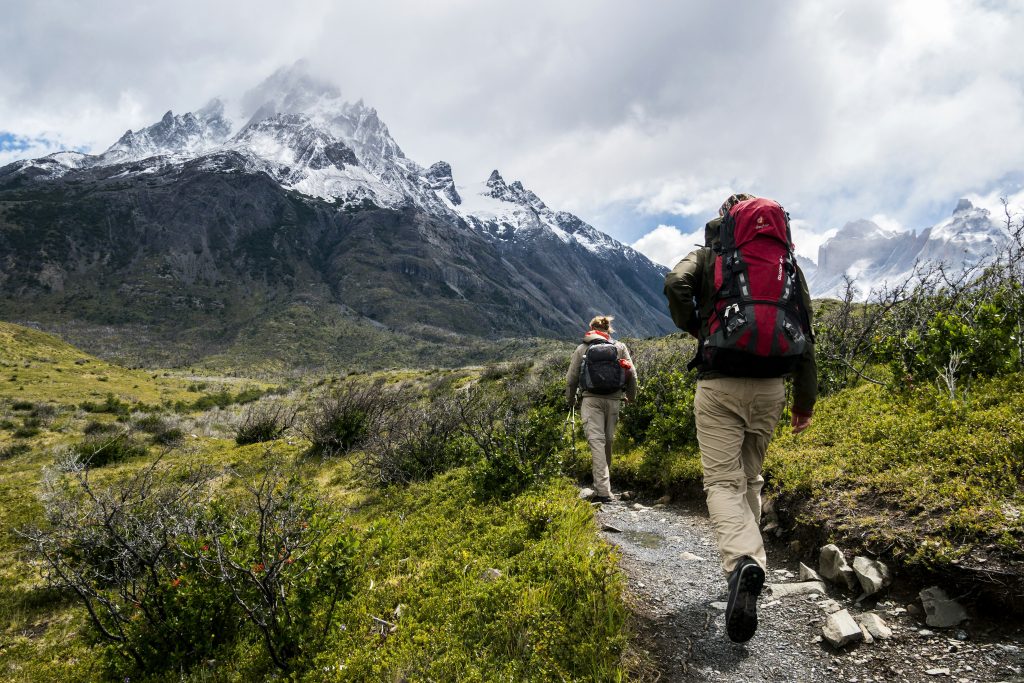
Effective planning is essential for off-peak Patagonia travel. The limited infrastructure means fewer bus routes and reduced flights. It’s wise to include extra days in your itinerary for weather-related delays, as winter storms can alter travel plans swiftly.
Preparation is vital for venturing into the region’s wilder side. You’ll need high-quality, insulated gear and a reliable communication device, as cell service is scarce in remote spots. Always check local weather forecasts daily, as conditions in the southern Andes can change rapidly.
Choosing off-peak Patagonia travel offers a unique view of the world’s last great wilderness. By embracing the elements and planning for quiet, you can see the majestic glaciers and peaks in a rare way. The journey is challenging, but the silence of snow-dusted mountains is well worth the effort.
Shoulder Season Advantages and Trade-offs
Traveling during Patagonia’s shoulder season reveals a unique side of the wilderness. These months, spring and autumn, provide a distinct experience compared to the peak summer rush. Many adventurers find this period ideal for their journey.
Visiting during these times offers tranquility. Popular trails and viewpoints are less crowded than in summer. This allows for a deeper connection with the rugged landscapes and towering peaks.
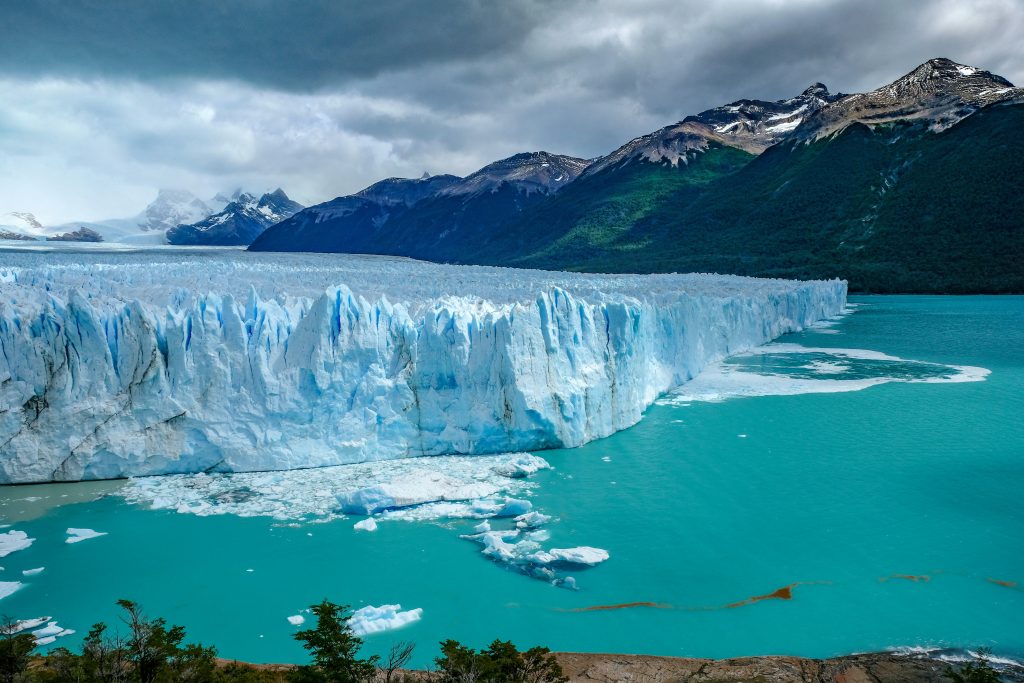
Choosing the shoulder season comes with trade-offs. Be prepared for cooler temperatures and unpredictable weather. Days are shorter, limiting daylight for long treks or scenic drives.
Despite these challenges, the visual rewards are spectacular. Autumn’s forests turn into a vibrant tapestry of gold and crimson leaves. Spring brings colorful blooms and active wildlife, a photographer’s dream.
The Patagonia shoulder season is perfect for those who value solitude and natural beauty over perfect weather. With the right gear and a flexible itinerary, these months offer the most authentic exploration of the region.
Analyzing Patagonia Travel Seasons by Region
Patagonia is not a single, uniform destination. Its vast landscape shifts dramatically from lush forests in the north to rugged ice fields in the south. Understanding these regional differences is key to planning your trip effectively.
Northern Patagonia Lake District Dynamics
The Lake District, centered around Bariloche, boasts a milder climate than the south. It features dense forests, sparkling blue lakes, and rolling mountains. These are accessible for a longer period, making it ideal for hiking and water sports in warmer months.
In the shoulder seasons, the northern forests display vibrant autumn colors or fresh spring blooms. This makes it a great choice for those who want to avoid peak summer crowds. By focusing on these seasons, you can enjoy a more relaxed pace in a stunning natural setting.
Southern Patagonia Glaciers and Peaks
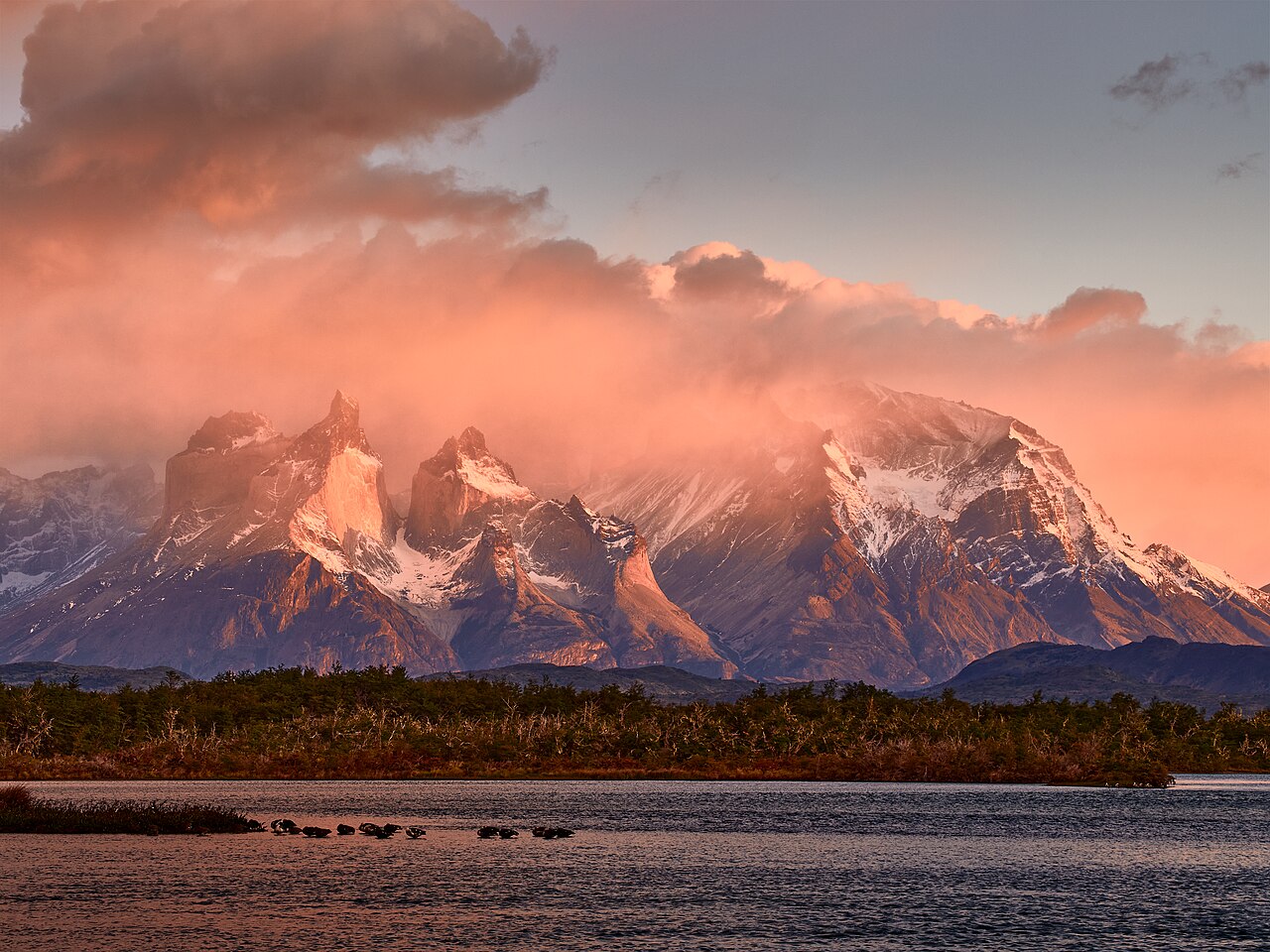
As you move south to Los Glaciares National Park and Torres del Paine, the environment becomes more extreme. The weather is dominated by powerful winds and rapid temperature shifts. This makes outdoor exploration challenging, with a narrower window for comfort.
Most travelers aim for the height of summer for the best chance of clear skies. This allows for breathtaking views of glaciers and granite spires. The southern region is breathtaking but requires careful planning to align with the most favorable seasons. Always check local forecasts, as the ice fields dictate the rhythm of life in this remote wilderness.
Budgeting for Your Trip: Costs Across the Seasons
Planning a trip to Patagonia? Costs vary greatly by season, whether you dream of luxury lodges or rugged camping. A well-managed Patagonia budget lets you enjoy the stunning glaciers and peaks without worrying about your finances.
Understanding the impact of demand on prices is key to a successful adventure. By matching your travel plans with the right season, you can keep your budget in check.
High Season Pricing Realities
Peak travel months, from December to February, see a surge in demand. Flight prices to places like El Calafate or Puerto Natales skyrocket during this time.
Accommodation costs also soar, often doubling compared to the shoulder season. Booking well in advance is a wise move to manage your Patagonia budget effectively.
Guided tours and private transfers are pricier during the high season. Traveling then means paying a premium for convenience and ease of access.
Saving Money During the Low Season
Winter travel offers a chance to save on your trip. Lodges and tour operators often slash prices to attract visitors during the off-peak, chilly months.
Stretching your Patagonia budget is easier by using local buses instead of private shuttles. Many campsites also offer lower fees, providing a budget-friendly way to immerse in the wilderness, though in Torres del Paine you may camp only at authorized marked sites and lighting any fire is prohibited by law after past visitor-caused wildfires.
Choosing to travel within a region instead of jumping between distant spots can also cut costs. With careful planning, you can savor Patagonia’s grandeur without breaking the bank.
Essential Gear for Variable Patagonia Weather
Patagonia is known for its unpredictable weather, which can change rapidly. You might begin your day with clear skies, only to encounter rain or snow by midday. Your choice of gear is critical for safety on the trails.
Adopting professional weather recommendations ensures you remain warm and dry. Emphasizing versatility allows you to enjoy the breathtaking scenery without concern for the weather. Here’s how to prepare for Patagonia’s unique weather challenges.
Layering Strategies for Rapid Climate Shifts
A reliable three-layer system is key to comfort. Begin with a moisture-wicking base layer, such as merino wool or synthetic fabric, to prevent sweat from reaching your skin. Cotton is a bad choice as it retains moisture and pulls heat away.
Next, add an insulating mid-layer, like a fleece or lightweight down jacket, to retain body heat. Finish with a waterproof and windproof shell as your outer layer. This is critical for battling Patagonia’s strong winds.
Footwear and Technical Equipment Requirements
Your feet are essential for mobility, so invest in sturdy, waterproof hiking boots. Ensure they are well broken in to prevent blisters on long walks. Wear moisture-wicking wool socks to keep your feet dry and comfortable.
Consider trekking poles for stability on uneven terrain. A durable backpack with a rain cover is also essential for protecting your gear. With the right equipment, you’ll be prepared to face any trail with confidence.
Logistics and Travel Times Between Major Hubs
Mastering Patagonia logistics is key to a stress-free trip. The vast area demands a balance between air travel and ground transport. This balance ensures you see the best without exhaustion.
Navigating Domestic Flights and Bus Routes
Flying is the best way to traverse long distances between cities like El Calafate, Ushuaia, and Puerto Natales. LATAM and Aerolineas Argentinas offer regular flights. Yet, weather can cause delays.
For shorter trips, buses are a scenic and reliable option. Bus-Sur connects major spots, allowing you to enjoy the scenery. Book your tickets early in summer to secure a seat.
Managing Long-Distance Transfers in Remote Areas
Private shuttles or rental cars are often needed beyond main airports. Driving gives you freedom but be ready for gravel roads with limited services.
Travel times between major spots range from five to eight hours. Always check road conditions before traveling. High winds or rain can alter your plans. Adding extra time to your itinerary helps manage these transfers smoothly.
Wildlife Viewing Opportunities Throughout the Year
Timing your visit correctly is the secret to unlocking the best wildlife encounters in the southern wilderness. Patagonia wildlife thrives in diverse ecosystems, but these animals follow strict seasonal patterns. Planning your trip around these natural cycles ensures you witness the most active periods for local species.
Marine Life and Coastal Migrations
The coastal regions of Patagonia offer spectacular opportunities to observe marine mammals in their natural environment. Between June and December, Southern Right whales migrate to the sheltered bays of the Valdes Peninsula to breed and nurse their calves. This period provides the best chance to see these gentle giants breaching near the shore.
During the warmer months, massive colonies of Magellanic penguins arrive at coastal nesting sites. You can observe these birds from September through March as they raise their chicks. Sea lions and elephant seals also frequent the rocky beaches, making the coastline a vibrant hub for Patagonia wildlife enthusiasts.
Terrestrial Fauna and Seasonal Activity
Inland, the vast steppes and rugged mountains host iconic land animals that remain active throughout the year. Guanacos, the wild relatives of llamas, roam the plains in large herds. They are most visible during the spring and summer months when they graze on the lush, green grasses of the valleys.
Pumas represent the apex predator of the region and require patience to spot. While they hunt year-round, the winter months often force them to lower elevations in search of food, which can improve your chances of a sighting. Observing these majestic cats requires a keen eye and a respectful distance to ensure the safety of both the animals and the observers.
Whether you prefer coastal adventures or mountain treks, understanding these seasonal rhythms helps you maximize your experience. By aligning your travel dates with these natural events, you gain a deeper appreciation for the unique Patagonia wildlife that calls this remote corner of the world home.
Daylight Hours and Their Impact on Your Itinerary
The change in daylight hours across seasons transforms every itinerary in Patagonia. It’s essential to understand how the sun behaves in this remote area. By tracking Patagonia daylight patterns, you can organize your daily activities better. This ensures you make the most of your time outdoors.
In the peak summer months, you’ll experience close to 17 hours of sunlight. This is a dream for hikers and outdoor enthusiasts. You can start your treks early and return late without needing a headlamp. It allows for ambitious long-distance routes that are impossible in regions with shorter days.
As the seasons shift toward winter, the experience changes dramatically. The days become much shorter, often providing only eight or nine hours of usable light. This requires a more contemplative approach to your travel plans. You should focus on shorter excursions and enjoy the cozy atmosphere of local lodges in the evenings.
When planning your daily pace, always check the sunrise and sunset times for your specific dates. Relying on consistent Patagonia daylight is a mistake, as the variation is extreme. Adjusting your expectations to match the natural rhythm of the season will lead to a more rewarding experience.
Whether you’re chasing the long summer sun or embracing the quiet winter shadows, flexibility is key. By aligning your schedule with the available light, you ensure every moment of your trip is both safe and memorable. Keep these shifts in mind to master your time in the wild.
Crowd Management and Booking Strategies
Managing Patagonia crowds is key for a peaceful wilderness experience. The region’s iconic peaks and glaciers are famous, but popular spots get busy in summer. Planning ahead ensures your trip remains authentic and serene.
Booking accommodations early is the best strategy. Lodges and campsites in national parks often fill months in advance. Waiting until the last minute can leave you far from trails, adding travel time to hikes.
Exploring less-traveled trails helps avoid heavy crowds. While main circuits offer stunning views, surrounding areas have similar beauty with less foot traffic. Researching secondary paths allows for a silent nature experience without constant hiker presence.
Timing your hikes can also improve your experience. Starting early in the morning helps you avoid tour groups arriving later. This simple change enhances your connection with the landscape.
Successfully navigating crowded areas requires foresight and flexibility. Choosing the right dates and staying organized allows for confident exploration. Even in busy spots, quiet corners await those who seek them out.
Health and Safety Considerations for Remote Travel
Staying safe in Patagonia’s vast wilderness requires respect for the environment and preparation for the unexpected. The region’s beauty is matched by its remoteness, where help may not be readily available. Ensuring your safety in Patagonia allows you to fully appreciate its glaciers and peaks without worry.
Self-sufficiency is key when venturing into the backcountry. Carry a detailed first-aid kit and enough supplies for sudden weather changes. Being ready for the elements is essential for maintaining safety during your trip.
Effective communication is a vital part of your travel plan. In remote areas, cell service is often non-existent. A satellite messenger or personal locator beacon is essential. These tools enable you to stay in touch with loved ones or call for help in emergencies.
Understanding the terrain is as critical as having the right gear. Always research trail conditions and check local weather before heading out. Making informed decisions, like turning back in bad weather, is key to Patagonia safety.
Lastly, don’t underestimate the value of local knowledge. Park rangers and guides offer the latest trail updates and safety tips. By staying informed and respecting the wild, you can have a safe and rewarding adventure in this stunning region.
Cultural Events and Local Festivals
Exploring Patagonia’s local festivals offers a deeper connection to its residents. The region’s stunning landscapes are captivating, but it’s the authentic culture that truly resonates. Engaging with these traditions allows you to see Patagonia through the eyes of its year-round inhabitants.
In the south, winter brings a unique energy to the towns. The Snow Festival, or Fiesta de la Nieve, is a highlight for locals and travelers. Communities come together to celebrate with music, dance, and impressive ice sculptures. The streets transform into a festive wonderland.
As seasons change, the focus shifts to the land and its bounty. Harvest festivals celebrate the agricultural roots that sustain these remote areas. These events are perfect for sampling local delicacies and witnessing the pride of Patagonia culture.
You might also find smaller, community-led gatherings honoring historical milestones or folklore. These intimate events offer a rare glimpse into local lives and values. Participating in these moments often becomes the most memorable part of a journey.
We encourage you to look beyond hiking trails and seek out these vibrant celebrations. Immersing yourself in local customs enriches your understanding of Patagonia’s spirit. Embracing the local culture will undoubtedly make your adventure more meaningful and complete.
Before you go: turn this guide into a day-by-day plan. Our partner Voyada is a free trip builder that builds the trip with flights, hotels and a real total cost for your dates — in about a minute.
Make a travel itinerary →Patagonia Trekking Tips
Patagonia is a trekker’s dream, but its short season, fierce wind and booked-out huts demand real planning.
- Trek in summer (Nov–Mar): the Torres del Paine W and O circuits and Mount Fitz Roy are at their best.
- Book refugios 3–6 months ahead for Torres del Paine — they sell out early.
- Respect the wind: pack proper layers and waterproofs and expect ‘four seasons in a day’.
- Two sides, one region: Chilean Torres del Paine and Argentine El Chaltén/El Calafate — many travellers combine them.
- El Chaltén’s trails now charge a park entrance fee at the trailhead portals; base in El Calafate for the Perito Moreno glacier.
Patagonia: Month-by-Month Guide
A quick month-by-month reference for planning — at a glance, when to go and what each month brings.
| Month | Verdict | What to expect |
|---|---|---|
| January | Peak | Peak summer; long days; strong winds; busy. |
| February | Peak | Warm summer; busy — book ahead. |
| March | Great | Autumn colours; quieter; good hiking. |
| April | Shoulder | Autumn; cooling; many places close late-month. |
| May | Low | Cold; low season; much of the region closes. |
| June | Winter | Winter; mostly closed; some skiing. |
| July | Winter | Cold; limited access. |
| August | Winter | Cold; limited. |
| September | Spring | Spring; the region reopening; windy. |
| October | Shoulder | Spring; a good shoulder month. |
| November | Great | Late spring; the season starts; good. |
| December | Peak | Summer; peak begins; long days. |
Frequently Asked Questions
When is the best time to visit Patagonia?
The best time is the Southern Hemisphere summer, roughly November to March, when days are long, trails are open and temperatures are mildest. December to February is peak season; the November and March shoulders are quieter with good weather.
How many days do you need in Patagonia?
Plan at least 7–10 days to cover the highlights on one side — Chilean Torres del Paine or Argentine El Chaltén and El Calafate. Two weeks lets you combine both countries without rushing.
Is Patagonia expensive to visit?
Yes, relatively — it’s remote, so flights, park fees and lodges add up. Book refugios and popular treks (the Torres del Paine W-Trek) months ahead, and travel in shoulder season for lower prices.
What is the cheapest time of year to visit Patagonia?
May to September is the cheapest, when lodges and tour operators cut rates to attract winter visitors. The catch is that most trekking infrastructure closes and daylight drops to eight or nine hours. For a better balance, aim for the November and March shoulders, when prices sit below the December to February peak, trails are open and the crowds are thinner. Using local buses instead of private shuttles saves money in any month.
Can you visit Patagonia in winter?
Yes, though the region operates on a reduced scale from May to September. Major hubs such as El Calafate and Puerto Natales stay open, the Perito Moreno glacier remains accessible and a handful of winter specialists keep running trips, but many mountain passes and refugios close under snow. Bus routes and flights thin out, so build spare days into your itinerary for weather delays. Insulated gear and a satellite messenger are worth the investment.
When is Patagonia least windy?
November and March are usually the calmest months of the open season. Patagonian wind is relentless year-round, but it peaks in midsummer, which is one reason experienced trekkers favour the shoulders over December to February. Gusts can still knock you off balance on exposed sections of the W trek or the Fitz Roy trails at any time. Pack a proper windproof shell, and secure hats, hoods and tent guylines before you need to.
How warm does Patagonia get in summer?
Summer temperatures run roughly 10 to 20C from December to February, which is mild rather than hot. Wind chill matters more than the thermometer, and conditions can swing from sun to sleet within an hour. Northern Patagonia around Bariloche is warmer and more settled than the southern ice fields. Even in January you will want an insulating mid-layer and a waterproof shell in your daypack, alongside sun cream and sunglasses for the glare.
How many hours of daylight does Patagonia get?
Around 17 hours in midsummer, which means you can start a trek early and finish late without a headlamp. That long light is what makes December to February the season for ambitious routes. By midwinter the same latitudes get only eight or nine usable hours, forcing shorter excursions and earlier finishes. Daylight varies across the region’s 14 degrees of latitude, so check sunrise and sunset times for your specific dates and location.
When is the best time to hike the W trek in Torres del Paine?
November to March, with December to February the most reliable for warmth and long days, and the shoulders quieter and less windy. Book refugios and campsites at least three to six months ahead, as the popular ones sell out well before the season opens. Outside that window snow closes sections of the route and most park accommodation shuts. Allow four to five days for the W and add a spare day for weather.
When is the best time to see whales in Patagonia?
June to December, when Southern Right whales gather in the sheltered bays of the Valdes Peninsula on the Atlantic coast to breed and nurse their calves. Sightings from the shore and on short boat trips are best in the middle of that window. This sits outside the main trekking season, so whale watching pairs better with a coastal itinerary than with Torres del Paine. Wrap up warmly, as the boats are exposed.
When can you see penguins in Patagonia?
September to March, when Magellanic penguins occupy the coastal nesting colonies and raise their chicks. Numbers build through the southern spring, and the colonies are busiest and noisiest in the middle of the season. Sea lions and elephant seals use the same rocky beaches, so a single coastal day often delivers several species at once. Keep to the marked paths and viewing distances at the colonies, which are strictly managed to protect the birds.
When is the best time to visit the Patagonian Lake District?
The Lake District around Bariloche has a milder climate than the far south and a longer usable season. Summer suits hiking and water sports, while autumn turns the forests gold and crimson and spring brings blooms and active wildlife. Those shoulder months are quieter than the southern parks at the same time of year. Winter here means ski season rather than closure, which makes the north the easier choice outside the November to March window.
What should I pack for Patagonia?
Build everything around a three-layer system: a merino or synthetic base layer, a fleece or light down mid-layer, and a waterproof, windproof outer shell. Leave cotton at home, as it holds moisture and pulls heat away from your skin. Add broken-in waterproof boots, wool socks, a warm hat, gloves and sunglasses. Trekking poles help on uneven ground and a rain cover for your pack is essential. Carry a satellite messenger where there is no phone signal.
How long does it take to travel between Patagonia's main towns?
Road transfers between the main hubs typically take five to eight hours, so plan on losing most of a day to each one. Flying is faster over the long distances between El Calafate, Ushuaia and Puerto Natales, with LATAM and Aerolineas Argentinas running regular services, though wind and weather cause delays. Buses such as Bus-Sur are reliable and scenic for shorter hops. Book summer seats early and leave slack around connecting flights.
How do you get to Patagonia?
By air, in two hops. Long haul flights land in Santiago or Buenos Aires, and domestic services carry on to the regional gateways: Punta Arenas and Puerto Natales for Chilean Patagonia, El Calafate for the glaciers, with El Chalten reached by road from there, Bariloche for the Lake District and Ushuaia for the far south. Buses link the hubs and cross the border, though crossings shut early in the day and fresh food is confiscated. Flights and seats are most plentiful from November to March and thin out sharply in winter, when weather delays are common, so leave a spare day between your last domestic flight and a long haul connection home.
Conclusion
Patagonia rewards those who plan carefully yet remain open to discovery. The decision on when to visit depends on your preferences for weather, crowd levels, and wildlife encounters.
If you seek long, sunny days, the southern summer might be your choice. Or perhaps you prefer the serene, golden landscapes of autumn. Your adventure’s essence hinges on your preparation for Patagonia’s unique environment.
Start by researching the best time to visit Patagonia. This knowledge will help you plan your trip around your desired activities.
Next, secure your necessary permits and book your accommodations promptly. These steps are critical to turning your dream trip into reality. Get your gear ready, confirm your flight details, and prepare for an unforgettable journey into South America’s wilderness.