

Table of Contents
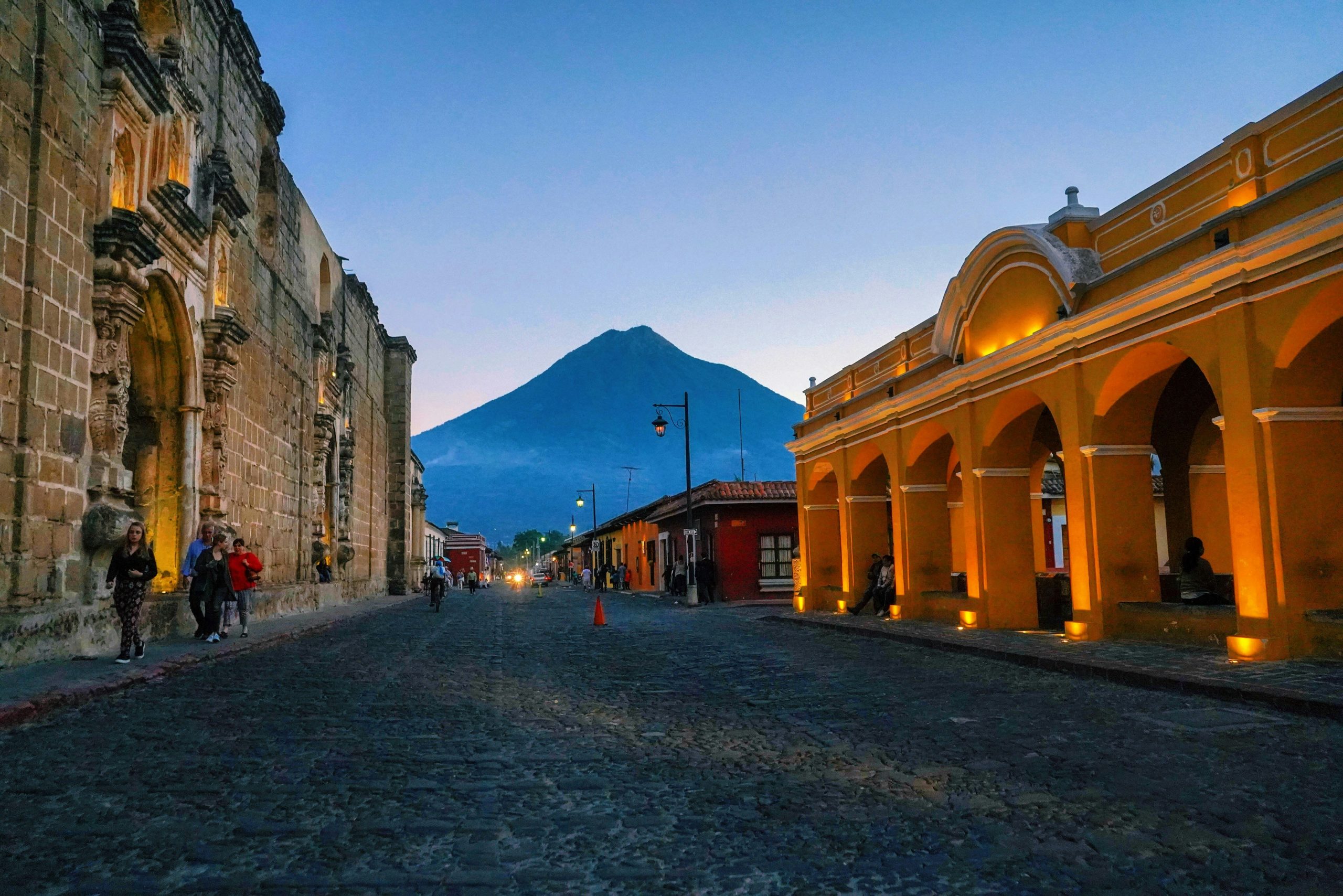
ToggleGuatemala’s weather varies dramatically by region and time of year. The Caribbean coast and lowlands are generally warm and humid year-round, while the highlands (including Antigua and Lake Atitlán) have mild daytime temperatures but can drop to 10–15°C at night — and occasional frost in December–January — so warm layers are essential. For official, up-to-date visitor information, see Visit Guatemala, the official tourism site.
Many sources still recommend November to April as the best time to visit Guatemala because it is the traditionally drier period in much of the country. That remains true for outdoor activities like visiting ruins and volcanoes, but this blanket advice now needs important qualifiers: December–January and Semana Santa (Easter week) see massive crowds, major price spikes, and frequent sellouts — book 6–12 months ahead for peak holidays. Also account for regional variations in rains, smoke from agricultural burning (especially March–April), and health risks in lowland areas.
Understanding local weather, regional temperatures, and seasonal hazards is key to planning a successful trip. Whether your priority is hiking around Lake Atitlán, exploring Antigua’s colonial streets, or trekking to remote ruins, read the region-specific notes below and the safety & booking guidance before you finalize plans.
✈️ TripToGo Travel Deals
Get notified about great travel deals
Hand-picked flight, hotel and destination deals, straight to your inbox. No spam, unsubscribe anytime.
🎉 Thank you for subscribing!
You’re all set — the best travel deals are on their way.
Key Takeaways
- Traditional dry season: November–April — still the best period for many outdoor activities, but not universally ideal.
- Highlands: mild days but cold nights (10–15°C); budget lodging may lack heating — pack warm layers.
- Peak holiday warnings: December–January and Semana Santa require 6–12 months lead time and can see price increases of several hundred percent in places like Antigua.
- Health & hazards: dengue and malaria risks are higher in some lowland/coastal months; March–April burning season can cause severe air-quality problems.
- Plan by region and activity — use the month-by-month and regional guides below to match weather, crowds, and safety to your travel goals.
Understanding Guatemala's Climate and Geography
Guatemala’s weather and best time to visit Guatemala depend heavily on where you go. The country’s volcanic highlands, deep valleys, and coastlines on both the Pacific and Caribbean create many microclimates, so conditions can change dramatically from one province to the next.
Diverse Microclimates Across Regions
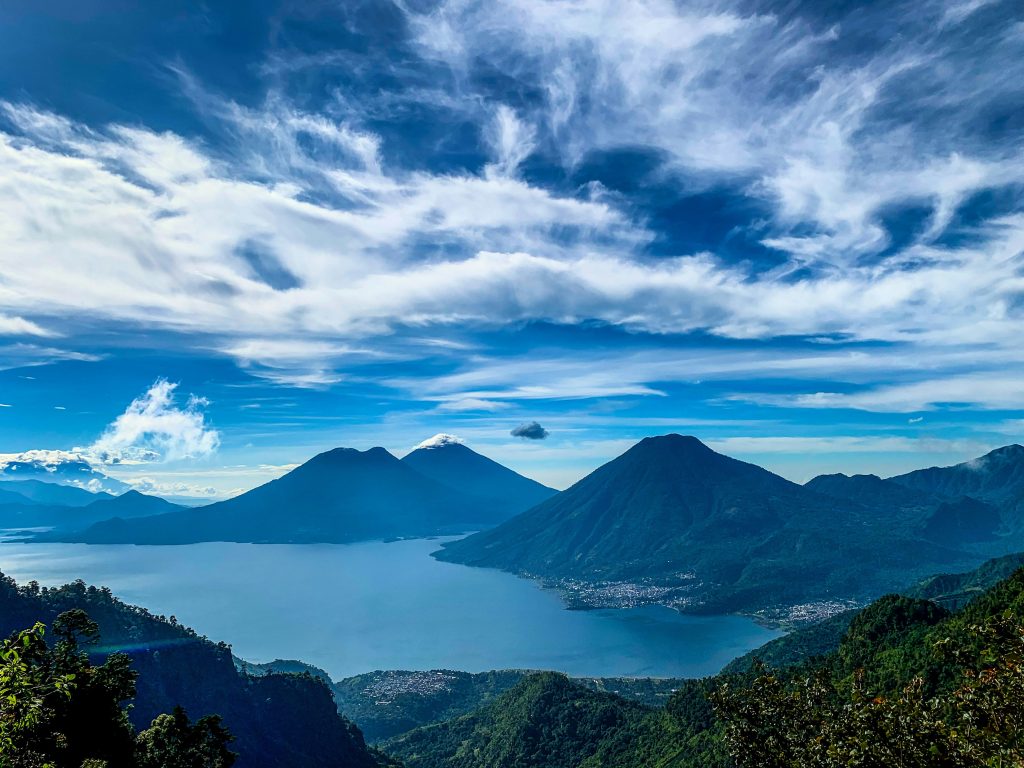
Daytime highs in the highlands are often pleasant (mid‑60s to mid‑70s °F / 18–24°C), but nights commonly fall to 10–15°C (50–59°F) year‑round and can reach frost around December–January at higher elevations. Expect everything from tropical heat and very high humidity in lowland regions like Petén and the Caribbean coast, to much cooler conditions in the highlands around Lake Atitlán and Antigua.
In contrast, Petén and the coastal lowlands regularly see daytime temperatures above 30°C (86°F) with high humidity; in some years March–May brings extreme heat (35–40°C) that can cause heat stress for unacclimated visitors. The Pacific coast is typically hot and drier in the traditional dry season, while the Caribbean coast stays humid and warm year-round.
The Two Main Seasons: Dry and Rainy
Guatemala is commonly described as having two main seasons: a dry season and a rainy (green) season. Traditionally the dry season runs November–April and the rainy season May–October, but recent patterns have become less predictable. In many areas the dry season may not properly begin until mid‑November, and some regions now see the rains start as early as April.
These shifting patterns matter: shoulder months and microregional timing affect the best time to plan activities. For example, the highlands may be pleasant for hiking during November–April but still demand warm layers at night; Petén might be dryer during the heart of the dry season but becomes dangerously hot and humid in late spring. Also note seasonal hazards such as March–April agricultural burning, which can severely reduce air quality and visibility in parts of the country.
Planning this trip?
Our partner Voyada’s AI itinerary planner builds a day-by-day plan with flights, hotels and a real total cost for your dates — in about a minute, free.
Plan an itinerary →Guatemala by Season at a Glance
The short answer in one table, the region-by-region answer in a second — then the full seasonal detail below.
| When | Weather | What you get |
|---|---|---|
| Nov–Dec | Dry begins; landscapes still green from the rains | The sweet spot — clear skies, fewer crowds before the Christmas peak |
| Jan–Feb | Peak dry season; cool highland nights, sunny days | Prime time — the clearest volcano views and driest trails of the year |
| Mar–Apr | Hottest and driest; hazy from agricultural burning | Semana Santa (Holy Week) fills Antigua — spectacular but book a year ahead |
| May–Jun | Rains arrive as afternoon storms; mornings stay clear | Green season begins — lush, cheaper, quieter; plan sightseeing for mornings |
| Jul–Aug | The canícula — a short mid-rainy-season dry spell | Surprisingly good weather; busiest with language students and summer travelers |
| Sep–Oct | Wettest months; heaviest afternoon downpours | Lowest prices and emptiest sites, but road washouts and landslide risk in remote areas |
The Right Region and Trek by Month
| Where | Prime window | Why |
|---|---|---|
| Antigua & the highlands | Nov–Apr | Warm days, cool nights (bring a layer); Semana Santa is the spectacle |
| Lake Atitlán | Nov–Apr | Clearest volcano-and-lake views in the dry months; mornings calmest for boats |
| Tikal & Petén (jungle ruins) | Nov–Feb | Coolest, driest window in the hot, humid lowlands |
| Acatenango / Fuego volcano trek | Nov–Apr | Dry season gives the best odds of clear night views of Fuego’s eruptions |
| Pacific coast & Río Dulce | Feb–Apr | Driest stretch on the humid, hot coasts |
Two Seasons, Semana Santa and Altitude: Key Facts
Guatemala runs on two seasons, not four: a dry season (verano) from November to April and a rainy season (invierno) from May to October. For most trips — volcano treks, Tikal, Lake Atitlán — the dry season wins, with November–February the reliable core.
Semana Santa is the one date to plan around. Antigua’s Holy Week (a moveable feast in March or April) draws some of the most elaborate Easter processions in the world, with streets carpeted in coloured-sawdust alfombras. It is magical — and hotels sell out roughly a year in advance at multiples of normal rates. Come for it deliberately, or avoid that week entirely.
Altitude matters more than the calendar here. The highlands (Antigua, Lake Atitlán, Quetzaltenango, all above ~1,500 m) have warm days and genuinely cold nights year-round — pack a layer even in the dry season. The Petén lowlands around Tikal stay hot and humid all year, with the rains simply making them wetter.
The green season is better than its reputation. May–October rain usually falls as a heavy afternoon downpour after a clear morning, so mornings-first sightseeing works well — and you get lush landscapes, lower prices and thin crowds. The real caution is September–October, the wettest stretch, when remote roads can wash out and landslides are a genuine risk. There is even a reliable mid-summer dry break in July–August, the canícula, prized by locals. If you lean summer, our best places to travel in August guide puts it in context. Official planning resource: INGUAT (Guatemalan Tourism Institute).
The Dry Season: November to April
The dry season—generally November to April—still offers the most reliable conditions for many outdoor activities in Guatemala, but it’s not a one-size-fits-all “best time.” It’s the period with less rain in many regions, making it optimal for hiking, visiting ruins, and water‑based sightseeing; however, region-specific caveats (crowds, heat in the lowlands, cold nights in the highlands) matter a great deal.
Weather Patterns and Temperatures
Lowland areas such as Petén can be very hot, and in some years March–May produces extreme heat (35–40°C / 95–104°F) with high humidity that increases heat‑related illness risk. During the dry months, expect clearer skies but strong regional differences in temperatures. Highland daytime highs are often pleasant (roughly mid‑60s to mid‑70s °F / 18–24°C), while nights commonly drop to 10–15°C (50–59°F)—bring warm layers and note many budget stays lack heating. Coastal zones are warm year‑round but can be driest and sunniest during the traditional dry season.
Pros and Cons of Visiting During Dry Season
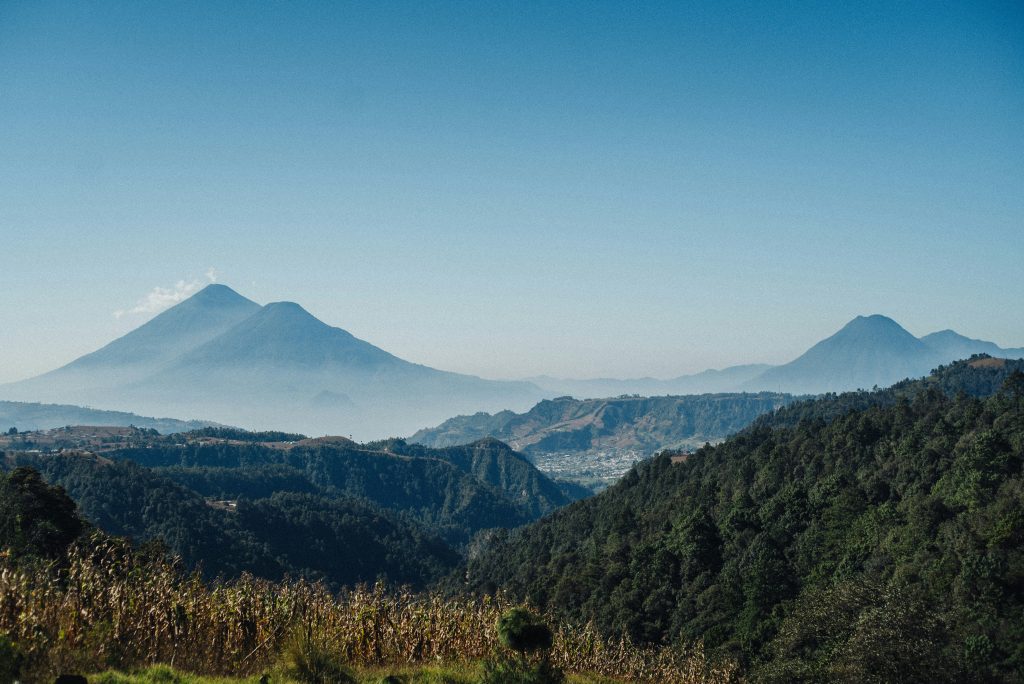
Pros: clearer trails, better visibility at ruins and volcano lookout points, and fewer weather‑related itinerary cancellations in many areas. Cons: this is peak travel time for holidays and festivals, with heavy crowding and major price spikes.
Important booking note: travel around Christmas/New Year and Semana Santa (Easter week) requires advance planning. Expect 6–12 months lead times to secure reasonable accommodations in places like Antigua; some properties report price increases of several hundred percent during the busiest weeks. If you’re planning a trip during those dates, lock in flights and lodging early and choose accommodations with flexible cancellation policies.
Ideal Activities During This Period
The dry months are best for activities that need clear conditions. Hikes and multi‑day treks in the highlands and around Lake Atitlán are most enjoyable when trails are dry. Visiting archaeological sites such as Tikal is generally more comfortable than in heavy rain, though be wary of lowland heat in spring. Volcano excursions are popular in the dry season, but be clear which one you are booking: Pacaya is a guided walk on an active cone, while Fuego is in near-constant eruption and is not climbed. The overnight trek is up neighbouring Acatenango, watching Fuego from across the ravine. Licensed guides are often required, guide and entry fees are common, and eruptions or ash can close routes with little notice.
Practical tip: if your trip includes Antigua or Semana Santa, book 6–12 months ahead; if you’re heading to Petén in late dry season, build in rest days and heat‑mitigation plans (early starts, shade, hydration).
The Rainy Season: May to October
The rainy (or “green”) season traditionally runs from May to October, and many travelers choose these months for lower prices and lush landscapes. However, recent patterns have made this season more volatile in timing and intensity—some regions now see rains start as early as April, and storms can be longer and more severe than the old “brief afternoon shower” description suggests.
What to Expect During Guatemala's Green Season
Expect prolonged storms in some areas—especially in May–June and again during the rainy-season peak—where heavy downpours commonly last 3–6 hours and can cause flash flooding, reduced visibility, and travel disruptions. Landslides and washed-out roads are more frequent; major routes to interior destinations can be closed for 12–24 hours during severe events. Plan buffer days into your itinerary and avoid scheduling back‑to‑back connections on rural roads during peak rains.
Also note regional public‑health impacts: dengue cases rose significantly in 2023–2024 in parts of Petén and coastal areas, so mosquito precautions (repellent, long sleeves, and AC/screens where possible) are essential.
Advantages of Visiting During Rainy Months
Lower prices and fewer crowds are the main advantages: many hotels and tours reduce rates during these months, and natural scenery is at its most vibrant. Coffee plantation tours and cultural visits in towns are often rewarding and less crowded.
But these savings come with tradeoffs—travel delays, elevated health risks in some lowland areas, and occasional poor air quality from seasonal burning (notably March–April in some years) — so weigh cost savings against these hazards for your trip planning.
Activities Best Suited for Rainy Season
Select activities that minimize exposure to severe weather: coffee tours, museums, markets, and birdwatching (early morning sessions) are good choices. If you plan outdoor excursions, pack waterproof boots, quick‑dry clothing, and a reliable rain jacket; carry a flexible itinerary and extra travel days to accommodate possible road or flight disruptions.
Best Time to Visit Guatemala Based on Your Travel Style
Choosing the best time to visit Guatemala depends on your priorities: weather, crowds, health concerns, and the kind of experiences you want. Below are practical, profile‑based recommendations that include regional caveats, booking lead times, and safety/health flags so you can plan a trip that matches your goals.
For First-Time Visitors
Practical notes: avoid traveling during Semana Santa (Easter week) or peak December–January holiday weeks unless you can book far in advance — expect 6–12 months lead times and very high prices. When to go: November–April remains the most commonly recommended period for first‑time visitors because many regions are drier and more accessible. Where to focus: Antigua, Lake Atitlán, and Guatemala City for history, markets, and manageable day trips. Plan 4–7 days for Antigua + Lake Atitlán to get a solid introduction without rushing.
For Families with Children
When to go: Families often prefer the dry season for predictable outdoor activities, but consider shoulder months (April or October) to reduce crowds and costs if you want fewer people and acceptable weather. Practical notes: check school holiday dates (July–August) if you want to travel outside the busiest family windows; summer months can be hot and wet in some regions. Allow 7–10 days for a family trip that includes a leisure day between transfers to account for potential delays.
For Photographers and Nature Enthusiasts
When to go: The green season (May–October) produces lush landscapes and excellent birding, but expect heavier rainfall and possible access disruptions. Practical notes: early mornings are best for wildlife and bird photography; plan flexible itineraries and extra buffer days for road or flight delays. If shooting highland landscapes, remember nights are cold year‑round; pack layers and protective gear for camera equipment.
For Cultural Immersion Seekers
When to go: To experience Guatemala’s festivals and traditions, time your visit around specific events (Semana Santa, Independence Day, local patron saint festivals). Warning: Semana Santa in Antigua draws huge crowds and procession route closures that can make the city effectively impassable and cause accommodation prices to spike by several hundred percent. If attending, book 9–12 months ahead and plan for limited mobility during processions.
Budget-Friendly Travel Periods in Guatemala
Off-Peak Travel Savings
When to go: May–October generally offers the lowest prices on flights and hotels. Advantages: discounts and far fewer crowds. Critical caveats: increased dengue and mosquito activity in some lowland/coastal regions (notably Petén and the Caribbean coast) in recent years — check current health advisories and ensure you have mosquito protection and travel insurance that covers medical evacuation if needed.
Shoulder Season Opportunities
When to go: April–May and November are often sweet spots for balancing weather, lower crowds, and moderate prices. Caveats: April can be affected by agricultural burning and worsening air quality in some years; May may already see the first prolonged rains in some regions. Shoulder months are best for travelers who want fewer crowds but still reasonable weather.
Accommodation and Flight Price Variations
Examples & booking guidance: in peak weeks some Antigua hotels and guesthouses report price increases of several hundred percent and sell out 6–12 months in advance — book early and favor accommodations with flexible cancellation policies. Price behavior: expect the largest price spikes during Christmas/New Year and Semana Santa. For off‑peak savings, verify refund and rescheduling terms in case of weather or road disruptions.
Peak Tourist Seasons in Guatemala
Peak periods: Christmas & New Year, Semana Santa, and summer vacation months (July–August). What to expect: heavier crowds, higher prices, and for festival periods, local route closures and reduced accommodation availability. If you choose to travel during these times, plan logistics well in advance, allow extra time for transfers, and confirm local transport and tour reservations ahead of arrival.
Regional Weather Guide: When to Visit Specific Destinations
Planning a trip to Guatemala means planning by region. The country’s varied landscapes create very different weather, hazards, and best times to visit — so match your chosen destinations to the season and the specific risks listed below.
Guatemala City and Antigua
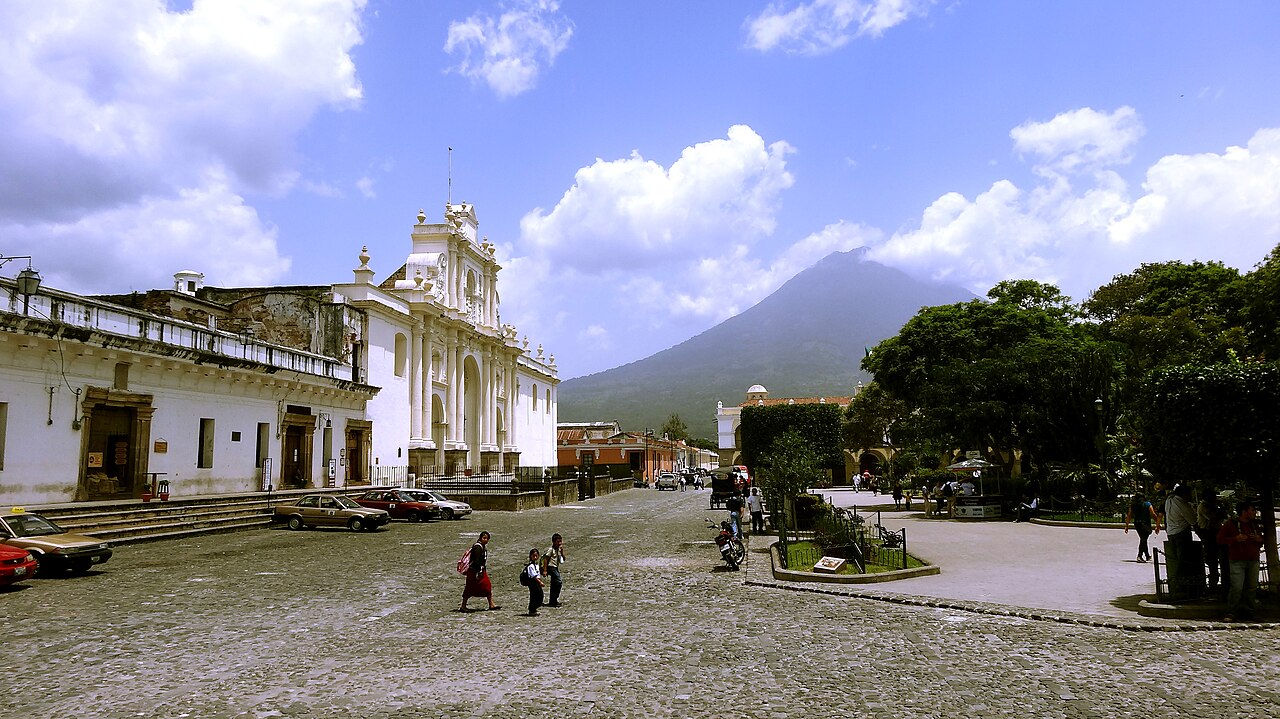
When to go: November–April generally gives the most reliable dry weather for exploring colonial Antigua and Guatemala City. Practical notes: daytime temperatures are usually mild, but highland nights can drop to 10–15°C (50–59°F). During peak holiday weeks (Christmas/New Year and Semana Santa) Antigua can be overwhelmed with visitors and processions that close streets and make parts of the city effectively impassable; expect heavy crowds, major price spikes, and limited mobility.
Booking & mobility tip: if you plan Antigua for Semana Santa, book 9–12 months ahead, allow extra transit time between activities, and pick centrally located lodging to avoid processional closures.
Lake Atitlán and Highland Areas
When to go: the dry months are best for clear lake views and hiking, but always pack warm layers — even in the “dry season” nights can be cold and some higher villages see near‑freezing conditions in December–January. Many budget guesthouses lack heating; check room descriptions and reviews before booking.
Health & access notes: highland days are pleasant for trekking, but altitude effects and cold nights require planning (slow pace for acclimatization; layers and a thermos for nights). If you’re searching for the classic highland “Land of Eternal Spring” experience, expect mild days but don’t underestimate chilly evenings.
Tikal and Petén Lowlands
When to go: the traditional dry season reduces rain-related issues in the Petén, but heat is the bigger hazard here. March–May can bring extreme heat (35–40°C / 95–104°F) with high humidity that increases heat‑exhaustion risk — plan early starts, frequent hydration, and shorter daytime activities.
Health & infrastructure: Petén has more limited medical facilities than central highlands and malaria and dengue are concerns in certain months — check up‑to‑date health advisories before travel. Road access to Tikal can be affected by heavy rains and landslides at times; allow buffer days and consider internal flights or reputable shuttles for long transfers.
Pacific and Caribbean Coasts
When to go: the Pacific coast tends to be driest and sunniest during November–April and offers good surfing and beach conditions; the Caribbean coast (e.g., Livingston) is warm and humid year‑round but can be cloudier and wetter depending on local microclimates.
Coastal hazards: both coasts face hurricane-related rainfall risk between June and November. Also note seasonal mosquito activity and higher dengue risk in some coastal areas during the rainy months — use mosquito protection and check medical guidance.
Guatemala's Festival Calendar: Planning Around Cultural Events
Guatemala’s festivals are a major draw but they can dramatically change the travel experience. Plan festival attendance deliberately and responsibly.
Semana Santa Celebrations
Booking & logistics: secure accommodation 9–12 months in advance for Semana Santa; expect prices to multiply and limited last‑minute options. Why go: Semana Santa in Antigua is world-famous for its alfombras (sawdust carpets) and processions — an extraordinary cultural experience. Why be careful: Antigua’s processions close key routes for hours and bring huge crowds; the city can become effectively impassable for residents and visitors alike.
Etiquette & safety: processions are religious ceremonies — follow local guidance, avoid blocking routeways, and be mindful when taking photos (see photography etiquette note below).
Independence Day and National Holidays
When to go: Independence Day (September 15) and other national holidays like Día de la Revolución (October 20) offer parades, dances, and civic celebrations across the country. These are great for experiencing national traditions, but expect crowds in major cities and some service limitations on those dates.
Indigenous Festivals and Local Celebrations
Why go: Indigenous and town festivals (often linked to agricultural cycles and patron saints) provide unmatched local culture and traditions. Caution: many communities have strict photography expectations; asking permission is essential — photographing sacred rituals without consent can provoke hostile reactions.
Example: the Fiesta de Santiago Atitlán features traditional dances and rituals — attend respectfully, buy local goods, and follow local guidance on behavior and photography.
Day of the Dead and End-of-Year Festivities
When to go: Día de los Muertos (November 1–2) and the December holidays offer rich family and community rituals. Expect lively local customs, altars, and public gatherings; while crowded in towns, these events provide deep cultural insight when approached respectfully.
Quick planning checklist: check festival dates early, book 6–12 months for major holiday windows, research photography etiquette for indigenous events, and factor in mobility constraints during large processions or parades.
Best Months for Outdoor Adventures in Guatemala
Guatemala is an outdoors paradise — volcanic highlands, cloud forests, wetlands and long coasts — but the right months depend on the region and activity. Below are practical, safety‑minded recommendations so your trekking, wildlife watching, or beach time lines up with the weather and local conditions.
Hiking and Volcano Climbing
Budget an extra $50–100+ for certified guides/equipment where required and confirm current access rules before booking. When to go: Generally November–April offers the driest trail conditions in many highland areas, making multi‑day hikes and volcano treks more reliable. Practical cautions: highland nights can be chilly (10–15°C / 50–59°F) so pack warm layers; many budget lodges lack heating. Volcano notes: Pacaya is a guided walk on an active cone, while Fuego is in near-constant eruption and is not climbed — the overnight trek is up neighbouring Acatenango, and routes can close at short notice due to ash.
Water Activities and Beach Visits
When to go: The Pacific coast is at its sunniest and driest in the November–April window, ideal for surfing, beach days, and water sports. The Caribbean coast (e.g., Livingston) is warmer and more humid year‑round and can be influenced by local microclimates. Hurricane season (June–November) raises the risk of heavy rainfall and hazardous sea conditions — avoid low‑lying coastal areas during storm advisories and check insurance exclusions for natural disasters before booking.
Wildlife Viewing Opportunities
Caveats: access to some reserves can be disrupted by heavy rains, and in Petén the hottest months (March–May) can be dangerously hot (35–40°C / 95–104°F) with high humidity. When to go: Many wildlife and birding enthusiasts prefer the green season (May–October) for lush habitat and breeding activity. Plan early‑morning excursions, limit midday activity, and carry extra water and electrolyte supplies in hot months.
When to Avoid Guatemala: Weather Considerations
Guatemala is visitable year‑round, but certain months and regions pose higher risks. Use the following as a checklist when planning.
Hurricane Season Risks
Risk window: June–November. Hurricanes and tropical storms can cause intense inland rainfall, flash floods and landslides that disrupt travel routes and flood lowland areas. Travel insurance frequently excludes “natural disaster” claims — read policies carefully and consider plans that explicitly cover evacuations or disruptions from storms.
Extreme Heat Periods
Risk window: late dry season into spring, particularly March–May in lowland Petén and some coastal zones. Temperatures can reach 35–40°C with high humidity — increase the risk of heat exhaustion. Mitigation: schedule strenuous activities for early morning, use shade and salt/electrolyte replenishment, and prefer guided tours with water and rest plans.
Month-by-Month Guide to Guatemala's Weather
Below is a concise monthly breakdown to help align regions and activities with expected conditions and risks.
January to March: Peak Dry Season
What to expect: generally the clearest, most reliable weather for highland trekking and city touring. Temperatures vary by region (highlands mild by day, cold at night; lowlands warm to hot). Note: this period includes heavy holiday travel (Dec–Jan) — expect crowds and higher prices in Antigua and major towns.
April to June: Transition and Early Rains
What to expect: April can be mixed — some areas are still dry while others begin seeing early rains, and March–April agricultural burning can produce poor air quality that reduces visibility. May and June increasingly see prolonged rains; plan for muddy trails and possible road delays.
July to September: Heart of Rainy Season
What to expect: July and August usually bring the canicula, a mid-rainy-season dry break, before September turns wettest with peak river and landslide risk on rural roads. This is a good period for birding and lower prices, but build buffer days into itineraries for potential travel interruptions.
October to December: Transition to Dry Season
What to expect: rains taper off and conditions improve through November. October can still be wet in some areas; by November many regions shift toward the drier pattern. Important: early booking for December holiday travel is essential as prices rise and availability tightens.
Practical takeaway: match your destination to the month — highland hiking and city touring are best in the traditional dry months, jungle and birding trips benefit from the green season if you accept weather‑related access risks, and beach trips are most reliable on the Pacific coast during November–April. Always build flexibility into your trip plan for weather, road closures, and required permits or guides.
Practical Seasonal Travel Tips for Guatemala
Planning a trip to Guatemala means preparing for regional weather, seasonal hazards, and practical limits on transport and services. Below are concrete, safety‑focused tips for packing, transport, health, and booking so you can enjoy your visit while reducing risk.
Packing Essentials for Different Seasons
Dry season (November–April): bring layers — highland days are pleasant but nights often drop to 10–15°C (50–59°F). Include a warm fleece or lightweight down, hat, and sleep layers because many budget rooms lack heating. High‑SPF sunscreen and sun protective clothing are important: at altitude UV indices can exceed 11 (extreme).
Rainy/green season (May–October): waterproof jacket, waterproof boots, and quick‑dry clothing are essential. Pack a good rain cover for luggage and protective cases for cameras and electronics. A small first‑aid kit, water‑purification tablets, and electrolyte packets are useful year‑round.
Transportation Considerations by Season
Roads and travel times vary by season and region. In the rainy season expect longer delays: heavy storms and landslides can close routes (some major interior roads have experienced 12–24 hour closures). Guatemala lacks reliable country‑wide real‑time road reporting — build buffer days into itineraries, avoid tight same‑day connections on rural roads, and consider internal flights or reputable shuttle services for long transfers.
In peak holiday periods (Semana Santa, Christmas/New Year) urban centers such as Antigua can be congested and partially closed for processions — expect restricted mobility and plan central lodging or extra transit time.
Health and Safety Seasonal Precautions
Vector‑borne illness: dengue cases increased significantly in 2023–2024 in regions including Petén and some coastal areas. Use EPA‑approved insect repellent, wear long sleeves in the morning/evening, sleep under screens or air‑conditioning when possible, and carry a mosquito‑bite treatment. Petén has malaria risk in some zones — check up‑to‑date CDC/WHO travel health notices and discuss prophylaxis with a healthcare provider if your itinerary includes remote lowlands.
Conversely, Petén and some coastal areas can reach 35–40°C with high humidity (March–May) — mitigate by doing strenuous activities early morning, staying hydrated, and monitoring for heat exhaustion. Altitude & heat: altitude sickness is possible in Guatemala City, Antigua and Lake Atitlán — know symptoms (headache, nausea, dizziness) and acclimatize gradually.
Security & money: violent crime has increased in parts of the country; use caution in tourist areas and avoid poorly lit streets at night. ATMs and banking services are limited outside major cities — carry backup cash, notify your bank of travel plans, and consider a mix of cash and cards. Respect local rules around photography — some indigenous ceremonies forbid photos and taking pictures without permission can provoke hostile reactions.
Booking Accommodations: Seasonal Strategies
For volcano trips (Pacaya, or Acatenango for Fuego views) expect mandatory licensed guides and fees (budget an extra $50–100+ in many cases) and confirm current access and safety conditions before booking. Peak weeks (Semana Santa, Christmas/New Year) and some national holidays require long lead times — book 6–12 months ahead for high‑demand weeks; Antigua properties often sell out far in advance during these periods and prices can rise several hundred percent.
Travel insurance: many policies exclude “natural disaster” claims; read terms carefully and consider insurance that explicitly covers travel disruption from storms, evacuations, and medical evacuation for remote areas.
Before You Book — Quick Checklist
- Confirm festival dates and book 6–12 months ahead for Semana Santa or Dec–Jan holidays.
- Check recent health advisories for dengue/malaria and pack repellent and medications.
- Verify volcano access rules and budget for licensed guides/equipment.
- Allow buffer days for road closures; prefer central lodging during festival processions.
- Read travel insurance fine print for natural‑disaster and medical evacuation coverage.
Before you go: turn this guide into a day-by-day plan. Our partner Voyada is a free itinerary planner that builds the trip with flights, hotels and a real total cost for your dates — in about a minute.
Create a travel itinerary →Guatemala Trip Tips
Guatemala packs colonial towns, Maya ruins and volcanoes into a small country — here’s how to plan it.
- Dry season (Nov–Apr) is best; the rainy season (May–Oct) brings afternoon showers.
- Cover the highlights: Antigua (colonial), Lake Atitlán (villages), Tikal (Maya ruins) and volcano hikes.
- Travel smart: ‘chicken buses’ are cheap and chaotic; tourist shuttles are safer and easier.
- Hike Acatenango overnight for erupting Fuego views — book a guide and dress warmly.
- Semana Santa in Antigua is spectacular — book far ahead.
Conclusion: The Ideal Time to Visit Guatemala
The best time to visit Guatemala depends on your goals, region, and tolerance for crowds, weather, and health risks. November–April remains the most reliable dry window for many highland and coastal activities, but weight that against holiday crowds and booking timelines. The green season offers dramatic landscapes and lower prices but brings higher mosquito risk, heavier rains and possible travel disruptions.
Plan by region and activity, use the month‑by‑month and regional notes in this guide, and follow the safety and booking checklist above — that will help you pick the right time and prepare for a safe, rewarding trip to Guatemala.
FAQ
What is the best time to visit Guatemala?
What are the main seasons in Guatemala?
Is Guatemala safe to visit during the rainy season?
What are the advantages of visiting Guatemala during the off-peak season?
What are the must-see attractions in Guatemala?
How does the weather vary across different regions in Guatemala?
What are the best months for outdoor adventures in Guatemala?
How can I save money when traveling to Guatemala?
What health and safety precautions should I take when traveling to Guatemala?
How should I pack for a trip to Guatemala?
When should you attempt the Acatenango overnight trek?
The dry months, roughly November to April, give the best odds of a clear night and a firm trail, though cloud can close in at any time of year. Treat it as a serious mountain rather than a long walk. The camp sits high on a volcano approaching 4,000 metres, altitude sickness is common, and temperatures drop to around freezing after dark; a cold front has killed poorly equipped hikers who went up without guides. Book a licensed operator that supplies rated sleeping gear, and read the bulletins from CONRED, the national disaster agency, and INSIVUMEH, the state volcano institute, which raise alert levels and close routes when Fuego intensifies.
What time of day should you cross Lake Atitlan by boat?
Morning, wherever your schedule allows. The lake generates a daily thermal wind, the Xocomil, which typically builds around the middle of the day and blows hardest through the afternoon, turning a flat surface into a short steep chop. Small open boats take it badly, passengers get soaked, and capsizings with fatalities have happened. Cross early, use the public docks rather than whoever approaches you on the shore, check that life jackets are within reach instead of sealed away under the benches, and step off any boat that is visibly overloaded. Late crossings do run, but they are the ones local people treat most carefully.
Are September and October too wet to travel?
They are the wettest stretch and the riskiest, without being a write-off. Late in the season the ground is saturated, so landslides, rockfalls and washouts peak: the highland stretch of the Pan-American highway, the mountain roads of Alta Verapaz and the route towards the Atlantic coast are the usual casualties, and closures lasting many hours are normal. CONRED and INSIVUMEH publish alerts, and foreign embassies issue rainy-season warnings worth reading. Antigua, the lake and the cities carry on regardless, mornings are often dry, and prices sit at their lowest. Build spare days, skip night driving in the mountains, and keep remote detours out of a tight itinerary.
Should you plan a trip around Semana Santa in Antigua?
Only on purpose. Holy Week falls in March or April, and Antigua stages some of the most elaborate processions anywhere, with sawdust carpets laid overnight and incense hanging over the town. It is a religious observance rather than a show staged for visitors, so watch quietly and follow local direction. Rooms sell out roughly a year ahead at several times normal rates, processions close streets for hours, and crossing town or reaching the airport takes far longer than the map suggests. Go deliberately, book early and stay central, or travel a fortnight either side, when the weather is much the same and the prices are not.
When is the best window for Tikal in particular?
November to February. Peten is hot and humid all year, but those months are the coolest and driest and the going underfoot is easier. From March into May the lowlands can push into the upper thirties Celsius with heavy humidity, which turns climbing temple stairs into a genuine heat risk, and medical facilities in the region are limited. Green-season visits still work if you accept afternoon downpours and the odd road delay. Whatever the month, be at the gate when the site opens, because mornings are cooler and the wildlife is loud and active. Sunrise tours often sell a view that mist blocks, so treat a clear dawn as luck.
