


Table of Contents
ToggleDid you know you can enjoy top-notch adventures, stunning beaches, and delicious street food for just $20 a day? Many think international travel needs a big bank account. But that’s not the case.
Choosing the right places lets your money go further than you think. We’ve put together a list of the best budget-friendly destinations in Asia. They offer great value without compromising on quality.
Whether you’re a budget-conscious backpacker or a luxury-seeker on a tight budget, these spots are perfect. Finding the cheapest countries in Asia for travel has never been easier for today’s adventurer.
Key Takeaways
- Daily budgets as low as $20 are realistic in many regions.
- Smart planning allows for extended stays without breaking the bank.
- Local street food offers the most authentic and affordable dining.
- Public transportation remains the most cost-effective way to navigate.
- Off-peak seasons provide significant savings on accommodation and flights.
✈️ TripToGo Travel Deals
Get notified about great travel deals
Hand-picked flight, hotel and destination deals, straight to your inbox. No spam, unsubscribe anytime.
🎉 Thank you for subscribing!
You’re all set — the best travel deals are on their way.
Cheapest Countries in Asia at a Glance
The best-value countries with indicative daily budgets — then the full guide below.
| Country | Region | Daily budget | Why it’s cheap |
|---|---|---|---|
| Laos | SE Asia | ~$20–30 / day | Slow, scenic and one of the region’s cheapest — Luang Prabang, the Mekong |
| Cambodia | SE Asia | ~$20–30 / day | Angkor Wat on a shoestring; guesthouses and street food are tiny prices |
| Vietnam | SE Asia | ~$25–35 / day | Superb value end to end — $1–2 street bowls, cheap sleepers |
| Nepal | South Asia | ~$20–30 / day | Himalayan trekking and $10 private rooms — unbeatable adventure value |
| India | South Asia | ~$20–35 / day | Vast and inexpensive; trains and thalis cost next to nothing |
| Indonesia | SE Asia | ~$30–40 / day | Bali and beyond — cheap warungs and guesthouses outside the resorts |
| Thailand | SE Asia | ~$30–45 / day | Slightly pricier but superb infrastructure for the money |
Planning this trip?
Our partner Voyada’s trip planning AI builds a day-by-day plan with flights, hotels and a real total cost for your dates — in about a minute, free.
Plan trip with AI →Where Money Goes Furthest, and Budget the Flight: Key Facts
Southeast Asia and South Asia are the world’s best-value regions — Laos, Cambodia, Vietnam, Nepal and India all comfortably fit a $20–35-a-day backpacker budget for a private room, street meals and local transport. The daily numbers above are indicative mid-2026 figures; how you travel matters more than the country.
Where your money goes furthest: street food over restaurants, guesthouses over hotels, trains and buses over flights, and the shoulder/green seasons over peak. A $2 bowl of pho or a $1 thali is the norm, not the exception.
Budget the flight, not the country. The long-haul airfare is the real cost of an Asia trip; once there, daily spend is tiny. Compare with our cheapest countries to visit guide worldwide. Check entry rules (many use e-visas) and health advice at CDC Travelers’ Health before you go.
Vietnam: The Ultimate Budget Traveler Haven
Seeking the ultimate budget-friendly Asian destinations? Look no further than Vietnam’s vibrant streets. This country consistently ranks among the best budget asian travel destinations. It offers a perfect balance of low costs and high-quality experiences.
Daily Budget Expectations and Cost Breakdown
Travelers can manage a daily budget between $25 and $35 while exploring Vietnam. Local food production keeps prices remarkably low. Enjoy authentic bowls of pho or banh mi for under £2.
Accommodation options are equally impressive for those watching their wallet. You’ll find clean, comfortable hostels and guesthouses that offer incredible value for your money.
Best Months for Weather and Value
Timing your trip correctly can save you money while enjoying pleasant conditions. The months of February to April and September to November offer the best balance of mild weather and lower prices.
Visiting during these shoulder seasons helps you avoid the peak summer heat and heavy monsoon rains. You’ll also find fewer crowds at popular sites, making your journey more relaxed.
Navigating Distances Between Major Hubs
Getting around Vietnam is part of the adventure and remains very affordable. Many travelers choose to rent scooters for roughly £5 a day to explore local regions at their own pace.
For longer distances, the country features a reliable network of trains and sleeper buses. While travel times can be long, these options provide a unique way to see the changing landscapes of this stunning country.
Laos: Slow Travel on a Shoestring
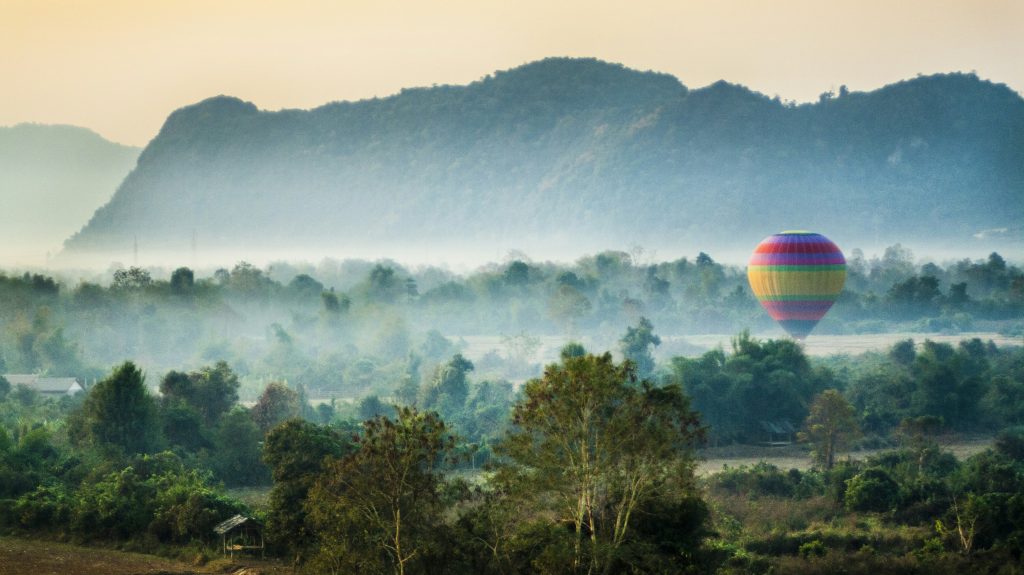
Laos is a serene and budget-friendly haven for those who enjoy slow travel. It invites you to slow down, breathe deeply, and immerse yourself in its lush landscapes. Unlike other destinations, it doesn’t rush you from one spot to the next.
Affordable Accommodation and Local Dining
Finding affordable lodging in Laos is straightforward. You can find clean, comfortable guesthouses for as little as two pounds per night in smaller towns.
Local markets are your go-to for dining. Enjoy fresh, aromatic noodle soups and sticky rice dishes for under five pounds per day. Dining where locals do ensures authentic flavors and keeps your expenses low.
Optimal Timing for Northern and Southern Exploration
Choosing the right time to visit is key to maximizing your trip’s value. The dry season, from November to February, is ideal for trekking in the north’s mountains.
For the south, consider the shoulder months to avoid the heat. This approach helps you avoid crowds and keeps accommodation costs low.
Travel Times and Transportation Realities
Traveling in Laos requires patience, but it’s budget-friendly. Local buses are the main mode of transport, providing a rugged yet affordable way to see the countryside.
Travel times can be long due to mountainous roads. Embracing this slow pace is vital in Laos. Always carry snacks and water, as trips often take longer than expected.
Nepal: High Altitude Adventures for Low Prices
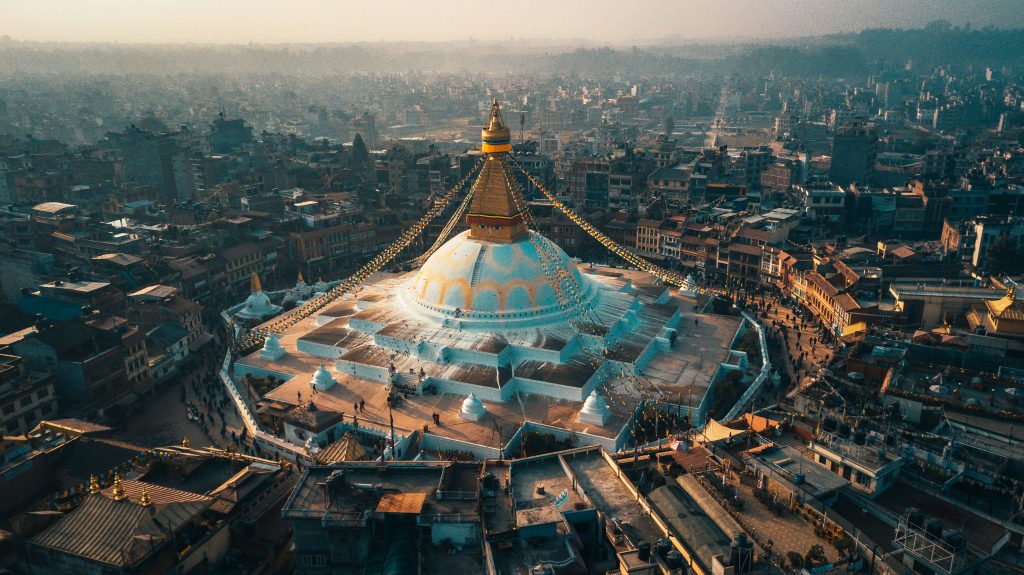
If you dream of high-altitude trekking, Nepal is a top choice for affordable travel. It boasts world-class mountain scenery at a lower cost than other alpine regions. Here, you can witness the Himalayas’ grandeur without breaking the bank.
Budgeting for Trekking Permits and Guides
Trekking in Nepal requires national park or conservation-area fees plus a permit arranged through your registered trekking agency. These costs are set, but joining a group can help save money. A licensed guide is now legally required for foreign trekkers, so build that daily cost into your budget.
Booking a local guide through a reputable agency can offer better value than online bookings. Make sure to confirm what the daily rate includes, such as meals and accommodation. This clarity helps avoid unexpected expenses during your trek.
The Best Seasons for Mountain Visibility
Choosing the right time is key for clear mountain views. The post-monsoon season, from October to November, offers the clearest air and views. These months provide the most rewarding experience for your investment.
Spring, from March to May, is another prime time for trekkers. The rhododendrons bloom, and the weather is mild at lower altitudes. These periods are considered the best for quality views.
Getting Around the Himalayan Terrain
Traveling in Nepal on a budget is achievable with local transport. Public buses are the cheapest way to travel between major cities like Kathmandu and Pokhara. These rides may be long and bumpy but offer a genuine look at the countryside.
For shorter trips, taxis are convenient but haggling is necessary. Always agree on a price beforehand to ensure a fair rate. Mastering these habits makes Nepal a top choice for budget-conscious adventurers.
The Cheapest Countries in Asia to Travel to: Indonesia Beyond Bali
Indonesia is more than just Bali’s crowded beaches. Exploring beyond the tourist hotspots reveals its affordability. This vast archipelago offers authentic cultural experiences without breaking the bank.

Finding Value in Lesser-Known Islands
Java, Sumatra, and Flores offer history and beauty at lower costs. In Java, Borobudur’s ancient temples are accessible for a small fee. Local guesthouses provide a warm welcome and affordable rates.
Sumatra is perfect for nature enthusiasts. Trek through jungles to see orangutans or relax by Lake Toba. Local dining here is affordable, with meals costing just a few dollars.
Weather Patterns and Peak Season Pricing
Choosing the right time to visit is key to saving money. The dry season, from May to September, is the peak tourist time. Prices for flights and accommodations increase during this period.
Traveling during the shoulder months can lead to better deals. The wet season, though rainy, turns the landscape green. It’s ideal for those who don’t mind a quick shower.
Managing Inter-Island Travel Logistics
Planning is essential for such a vast country. Domestic flights are affordable if booked early. Local ferries are a budget-friendly option for shorter trips.
Renting a scooter is the best way to explore. It allows you to discover hidden spots at your own pace. Always wear a helmet and carry your international driving permit for safety.
Cambodia: Rich History at Minimal Cost
Seeking affordable travel spots in Asia? Look no further than Cambodia’s majestic temples. Here, you can explore ancient ruins like Angkor Wat without breaking the bank. With some smart planning, you can embark on a historical adventure of a lifetime at a fraction of the usual cost.
Daily Spending for Temple Hopping
The Angkor Archaeological Park is the heart of any Cambodian trip. A one-day pass is $37, but a three-day pass for $62 is a better deal. Hiring a local tuk-tuk driver is essential for navigating the vast complex, costing between $15 and $25 per day.
Food and water are very affordable. You can find tasty local meals for under $5 at markets near the temple gates. Remember to carry a reusable bottle to save money on plastic water bottles.
When to Visit for Fewer Crowds and Lower Rates
Visiting during the shoulder months of May, June, and September can help you find lower accommodation rates. These months are less crowded, allowing for a more peaceful experience.
While there may be occasional rain, the showers are brief and refreshing. Popular sites are quieter, perfect for capturing photos without the usual tourist chaos. Cambodia is an ideal destination for those seeking a serene and affordable vacation.
Efficient Routes for Regional Transit
Traveling between major cities like Siem Reap and Phnom Penh is easy and affordable. Modern buses and minivans make the six-hour journey for about $10 to $15. Booking through your hotel or a local agency ensures a hassle-free experience.
For those in a hurry, domestic flights are available but more expensive. The bus network offers a more scenic route while keeping costs low. This approach makes your journey both accessible and enjoyable.
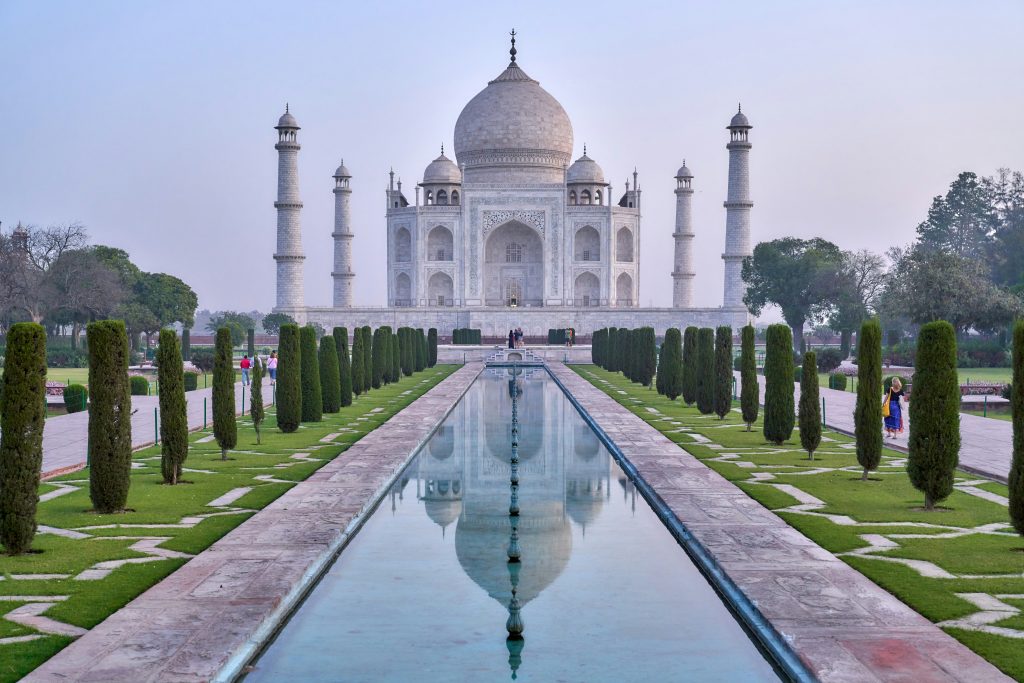
India: Stretching Your Dollar Across a Subcontinent
For those seeking affordable Asian holiday spots, India is a treasure trove. It’s a hotspot for travelers eager to dive into rich history and vibrant culture without overspending. India’s vastness offers a unique experience, making it a prime choice for budget-conscious explorers.
Budgeting for Diverse Regional Costs
India’s size means your spending can vary greatly by location. Cities like Mumbai or Delhi tend to be pricier for lodging and meals. In contrast, smaller towns in Rajasthan or the southern states are more budget-friendly.
Opting for local guesthouses over big hotels can save you money. Dining at dhabas or street stalls is also cost-effective. It offers a genuine taste of local cuisine.
Best Months to Avoid Extreme Heat and Monsoon
Choosing the right time to visit India is key for a pleasant journey. The best months are November to February, when the weather is mild and dry.
Steer clear of the scorching summer months of April and May. The monsoon season, from June to September, should also be avoided to dodge travel hassles due to rain and flooding.
Mastering the Rail Network for Long Distances
The Indian Railways is a cost-effective way to travel long distances. Booking tickets early on official platforms is vital to secure seats on busy routes.
For shorter trips, auto-rickshaws are ideal. Always confirm the fare beforehand or use the meter to avoid overpaying.
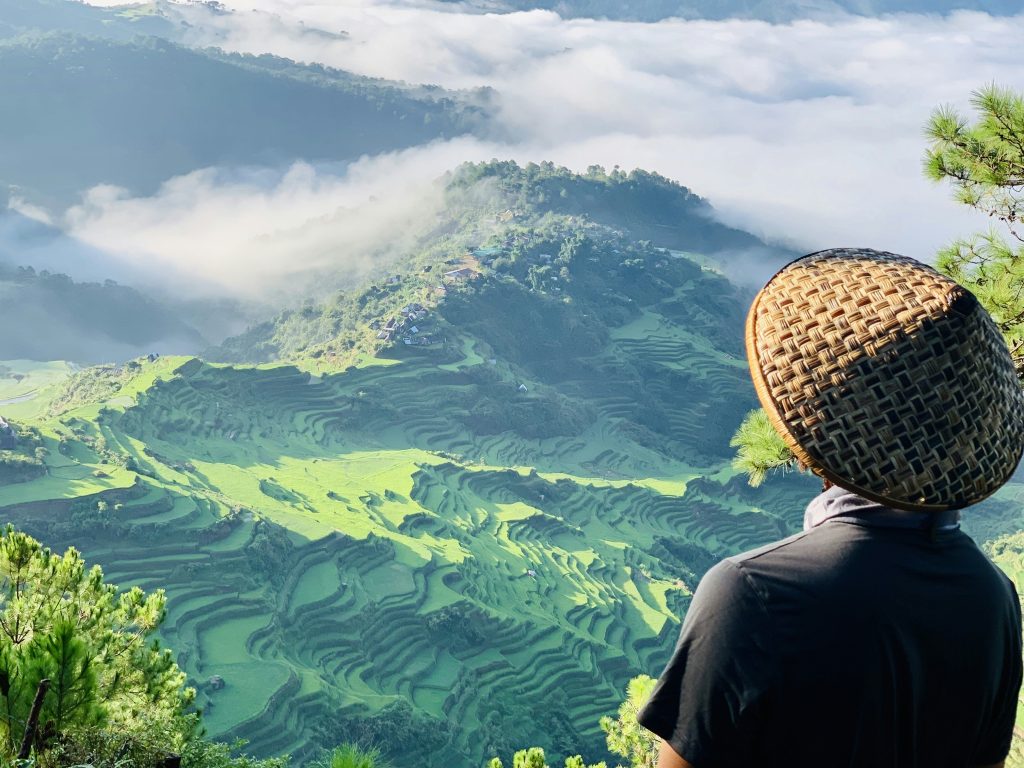
Philippines: Island Hopping on a Budget
If you dream of crystal-clear waters and white sand beaches, the Philippines is a top choice. With over 7,000 islands, it offers endless adventure without the high cost. It’s a prime destination for those seeking a mix of relaxation and exploration on a budget.
Cost-Effective Strategies for Island Transfers
Traveling between islands doesn’t have to empty your wallet. Local ferries are the cheapest way to explore, giving you a glimpse into daily life. For longer trips, consider overnight ferries for basic accommodations, saving on hotel costs.
Always compare ferry prices at the port. Booking a day in advance can get you a better rate than last-minute purchases. Being flexible with your route can also help you find the best deals.
The Ideal Window for Dry Season Travel
Choosing the right time to visit is key for a budget-friendly trip. The dry season, from December to May, is ideal for beach activities and island hopping. Visiting in January or May can offer lower accommodation prices with plenty of sunshine.
Avoiding peak holiday weeks like Christmas and Easter can save you money. These times see a surge in demand, making budget-friendly options scarce. Traveling outside these periods ensures a more affordable and relaxed experience.
Managing Travel Times Between Remote Destinations
The Philippines’ vast size means travel between islands can be lengthy. Grouping destinations by region can help you make the most of your beach time. This approach reduces travel time and expenses.
Use local buses to reach ports efficiently once you’re on a larger island. Always account for possible delays, as schedules can change. Focusing on a specific island group maximizes your time in paradise and minimizes travel time.
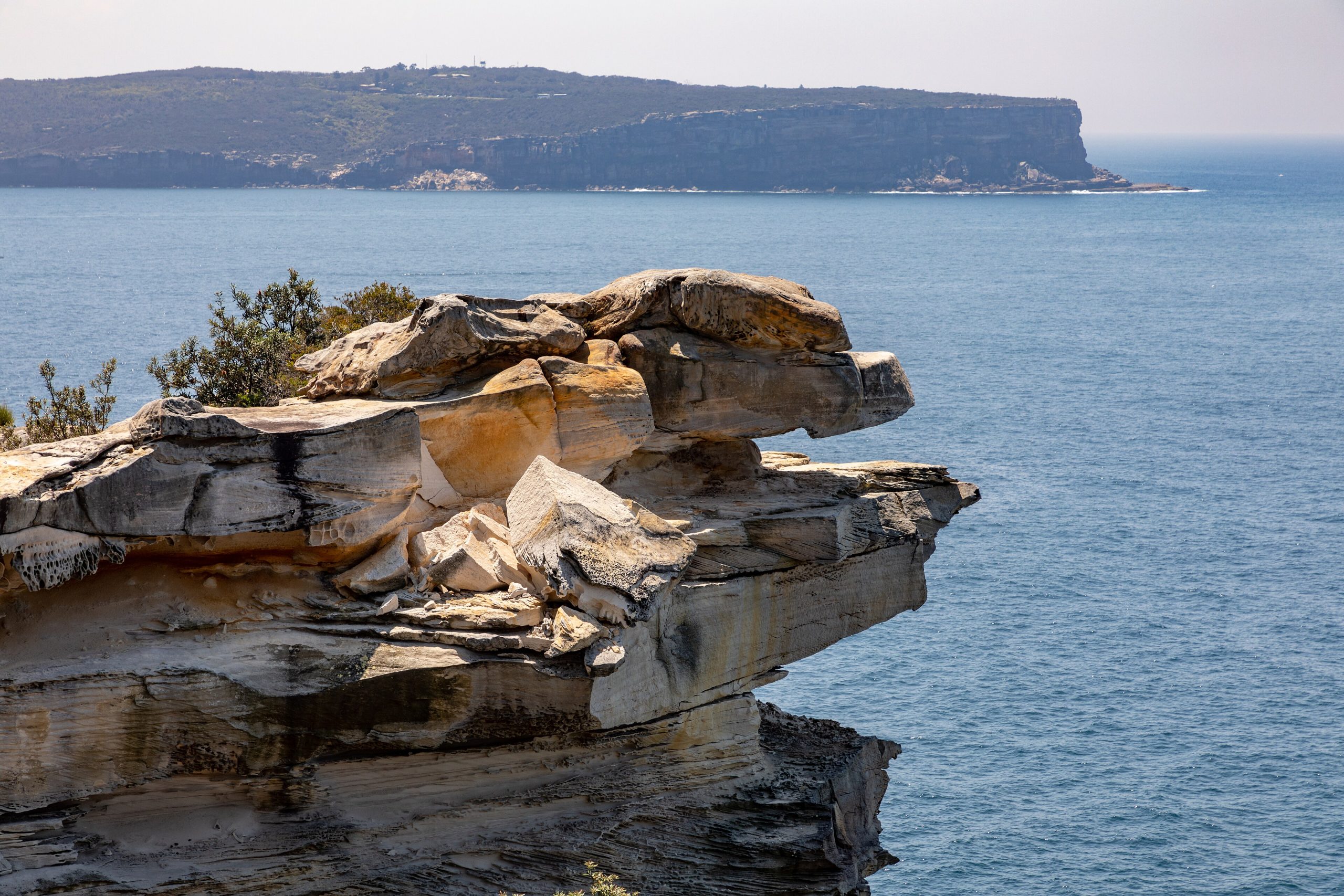
Thailand: Balancing Comfort and Economy
Thailand is a top pick for travelers looking to stretch their budget without giving up comfort. It’s known for being one of the most affordable places in Asia. Here, you can find everything from luxury resorts to cozy guesthouses, making your money go further than in many other places.
Finding Value Outside the Tourist Hotspots
While Phuket is famous, it’s pricier. Head north to cities like Chiang Mai or Chiang Rai for better deals. These areas offer rich culture, amazing food, and affordable stays that fit a modest budget.
Local markets in the north serve up delicious meals for just a few dollars. By avoiding the high costs of beach resorts, you can enjoy a longer trip without spending more. This approach lets you explore more without breaking the bank.
Seasonal Price Fluctuations and Weather
Timing your trip is key to finding the best deals. The high season, from November to February, has pleasant weather but higher prices. Shoulder months like April or October offer discounts on hotels.
The rainy season, from June to October, has the lowest rates. While it might rain in the afternoons, the scenery is lush and crowds are smaller. Planning around these times is a smart way to save money in one of Asia’s most affordable holiday spots.
Efficient Transit Options for Cross-Country Trips
Traveling around Thailand is both easy and budget-friendly. The national rail network is a great way to see the countryside while saving on accommodation costs. Overnight sleeper trains are a hit, combining travel with a night’s rest.
For shorter trips, public buses and minivans are cheap and plentiful. They connect major cities and remote areas, allowing you to explore at your own pace. Opting for local transit over taxis will help keep your travel budget in check.
Sri Lanka: Affordable Tropical Exploration
Searching for an economical destination in Asia? Look no further than Sri Lanka. This island nation boasts a unique blend of biodiversity, ancient history, and vibrant culture. It’s remarkably accessible for budget travelers.
Daily Costs for Food and Transport
Your money will go a long way here, thanks to affordable dining options. A plate of kottu roti from a street stall costs just a few dollars.
Transportation is also budget-friendly. Local buses offer the cheapest way to explore the island, saving you money compared to other destinations.
Best Months for Coastal and Hill Country Visits
Choosing the right time to visit helps you dodge the monsoon rains. For southern and western coastal beaches, December to March is best.
For the cooler, misty hill country, January to April is ideal. Planning your trip around these months ensures great weather for outdoor activities.
Navigating the Island by Train and Bus
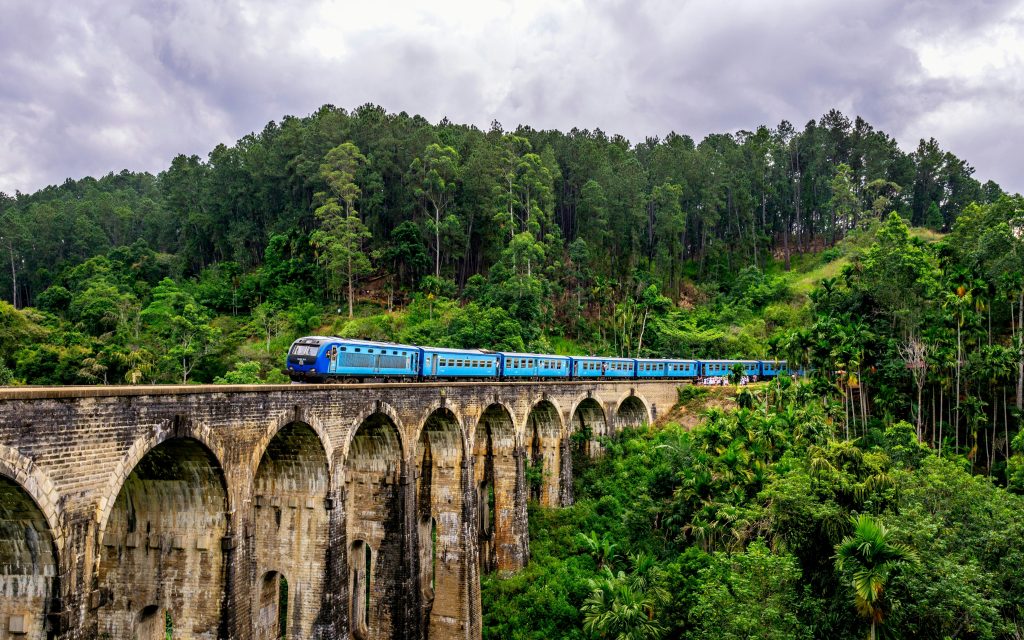
Traveling by train is a must in Sri Lanka. The Kandy to Ella route is famous for its stunning views of tea plantations and mountains.
Buses are frequent and cover almost every part of the island. While rides can be long, they’re a great way to see the countryside affordably. Sri Lanka’s affordability makes it easy to explore more without breaking the bank.
Pakistan: The Underrated Budget Frontier
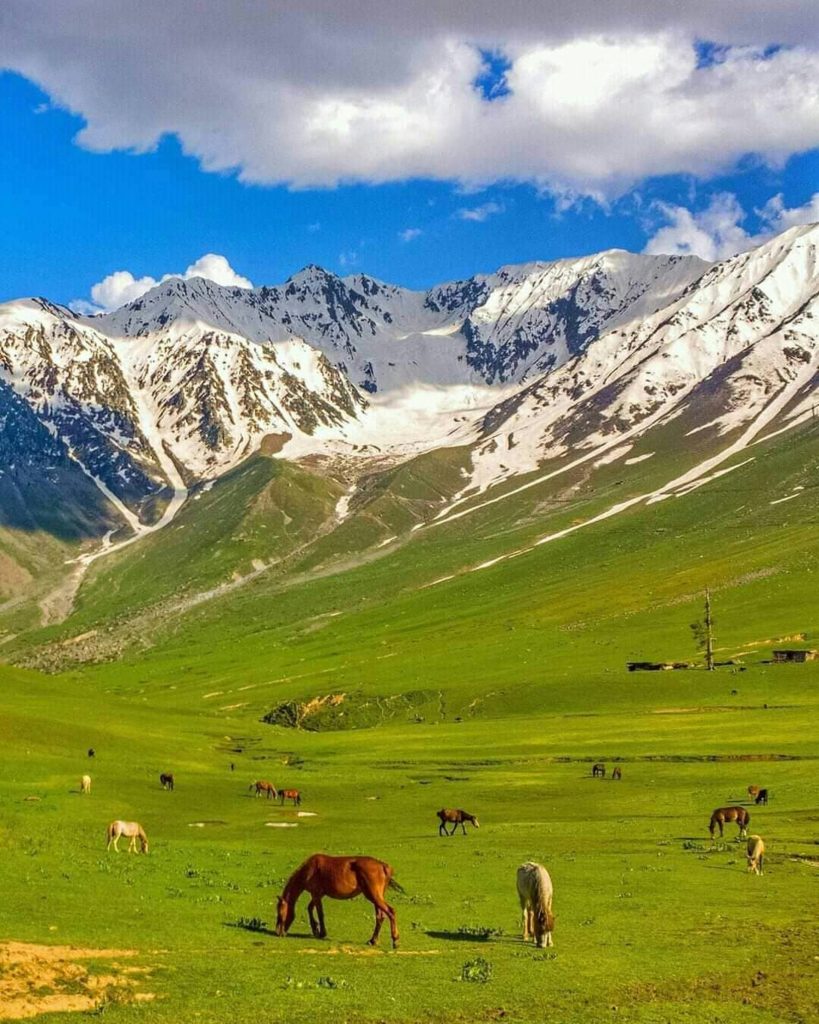
Pakistan is rapidly becoming a top choice for budget travelers in Asia. It boasts towering Himalayan peaks and ancient historical sites, all at wallet-friendly prices. This vast country offers a unique blend of natural beauty and cultural richness.
Budgeting for Hospitality and Local Experiences
Traveling here is a joy due to the legendary local hospitality. Locals often invite you for tea or a meal, keeping food costs low. This warm welcome is a hallmark of Pakistani culture.
For a more budget-friendly stay, opt for local guesthouses over international hotels. These family-run establishments offer authentic cultural immersion at a fraction of the cost. They provide a genuine taste of local life.
Optimal Seasons for Northern Mountain Treks
When planning to trek the northern mountains, timing is key. The best trekking months are June to September, when high-altitude passes are snow-free. This period offers clear paths and breathtaking views.
Visiting during these months helps you avoid harsh winter conditions that block many mountain roads. September, in particular, is a favorite for photographers. It brings crisp air and stunning golden foliage.
Travel Times and Infrastructure Considerations
Traveling in Pakistan requires patience due to rugged terrain and deceptive distances. Major cities are linked by flights, but reaching remote villages involves long bus or jeep rides. Infrastructure is improving, but extra time for transit is essential.
By planning for slower travel, you can savor the journey through breathtaking landscapes. This approach ensures a more relaxed and enjoyable experience.
Choosing Pakistan as your destination is a wise decision for budget-conscious travelers. With proper planning, you can embark on a world-class adventure without breaking the bank.
Essential Money-Saving Strategies for Asian Travel
Traveling through the cheapest countries in Asia becomes more accessible with a few smart financial habits. By opting for local experiences over luxury, you can manage your daily expenses under forty dollars. These universal strategies allow you to extend your journey and explore more of this incredible continent.
Leveraging Local Markets and Street Food
Eating where locals do is a key money-saving tactic. Street food stalls and night markets offer authentic, tasty meals at lower costs than restaurants. These spots provide a deeper cultural connection and keep your expenses in check.
Steer clear of tourist-heavy areas, as prices are often higher. Seek out busy stalls with fresh food for great value. Embracing local ingredients significantly reduces your daily expenses during your trip.
Choosing the Right Transportation for Your Budget
Transportation costs can quickly escalate if you rely on flights. Choosing overland travel, like local buses or trains, is a cost-effective option. It not only saves money but also offers a more immersive experience.
For long-distance travel, consider overnight trains or buses to save on accommodation. Planning ahead helps avoid price hikes. Being flexible with your travel choices is a sign of a savvy traveler.
Smart Booking Habits for Flights and Stays
Timing is critical when searching for the cheapest countries in Asia. Traveling during the off-season can significantly reduce costs on flights and accommodations. Look for travel credit cards with low foreign transaction fees to further cut expenses.
Always compare prices across different platforms before booking. Opting for locally-owned guesthouses or hostels often offers better value than international chains. By staying organized and strategic, you can enjoy a comfortable trip without overspending.
Navigating Language and Cultural Barriers Economically
Don’t let language barriers hold you back from exploring the most affordable Asian travel spots. The journey of navigating a foreign country can be both challenging and rewarding. By showing genuine curiosity and respect, you unlock experiences that most tourists miss.
Using Technology to Reduce Travel Friction
Modern technology is your ally when exploring new territories. Apps like Google Translate enable offline language packs, ensuring you can communicate in remote areas. These tools ease the stress of ordering food or getting directions where English is rare.
Offline maps and ride-sharing apps also help you save on transport. Checking local rates on your phone before haggling ensures you stay within budget. This simple step keeps your expenses in check while exploring various affordable Asian travel spots.
Building Rapport to Access Local Pricing
True savings come from local connections. Learning basic phrases in the local language shows respect for their culture. This often leads to better prices and insider tips.
Smile, listen, and engage in small talk at markets or cafes. This transforms you from a typical tourist to a welcomed guest. Such authentic interactions not only save money but also create lasting memories.
Safety and Health Considerations for Budget Travelers
When planning your budget trip, remember that your health and safety are priceless. Exploring low-cost asian countries can be rewarding, but only if you feel secure and healthy. Safety measures are not optional; they are essential for a successful adventure.
Prioritizing Essential Travel Insurance
Travel insurance is not a luxury; it’s a vital safety net for any international journey. Unexpected medical emergencies or travel disruptions can quickly deplete your savings without insurance. By investing in a reliable policy before you depart, you safeguard yourself from significant financial burdens.
Seek out plans that offer extensive emergency medical coverage and evacuation services. Even in affordable destinations, hospital stays can be extremely costly without insurance. Consider this premium a small price for total peace of mind while exploring.
Staying Healthy Without Overspending
Maintaining your health on the road doesn’t require a large budget. Simple, consistent habits are often the most effective way to avoid illness during your travels. Always prioritize drinking bottled or filtered water to prevent common stomach issues that can ruin your trip.
Practice good hygiene by washing your hands frequently, which is essential before eating street food. Research the local health recommendations for the specific low-cost asian countries on your itinerary to stay ahead of risks. By staying proactive and informed, you can enjoy the excitement of your journey without worrying about your well-being.
Before you go: turn this guide into a day-by-day plan. Our partner Voyada is a free itinerary creator that builds the trip with flights, hotels and a real total cost for your dates — in about a minute.
Build a travel itinerary →Traveling Asia Cheaply
Asia is the world’s best-value region — a few habits stretch a budget remarkably far.
- The cheapest: Southeast Asia (Vietnam, Laos, Cambodia, Indonesia) and South Asia (India, Nepal), often $15–40 a day.
- Eat street food, stay in guesthouses, and use local buses and trains.
- Travel in shoulder season and slowly, going overland where you can.
- Bargain politely, and withdraw larger amounts to spread out ATM fees.
- Balance ultra-cheap with comfort where it matters — the odd nicer room or flight.
The Complete List: 11 Cheapest Countries in Asia
Asia is the world’s best-value region for travellers. Here’s a fuller ranking, with rough daily budgets.
- Vietnam — from around $25 a day; one of the best-value countries anywhere.
- Cambodia — about $20–30 a day.
- Laos — $20–30 a day; slow, scenic and cheap.
- Nepal — $20–30 a day, trekking included.
- India — $20–30 a day for endless variety.
- Indonesia — $30–40 a day across thousands of islands.
- Sri Lanka — $25–35 a day for beaches and hill country.
- Thailand — $30–45 a day; unbeatable value for its comfort.
- Philippines — $25–40 a day among the islands.
- Malaysia — $25–50 a day, a notch pricier but easy.
- How to keep it cheap: eat street food, use local buses and trains, travel in shoulder season, and withdraw larger amounts to spread ATM fees.
Conclusion
Asia is a treasure trove for travelers seeking value without sacrificing quality. You now have the tools to explore these dynamic cultures while managing your budget effectively.
By venturing into budget-friendly Asian destinations, you can trade expensive experiences for genuine ones. From Nepal’s mountains to the Philippines’ beaches, each journey reveals the true extent of your financial reach.
It’s time to choose a destination that piques your interest. Ensure you’re aware of the current entry requirements and begin making travel arrangements. The world is ready for you to explore beyond your comfort zone.
Beyond being cost-effective, these destinations offer unforgettable experiences. Get ready to embark on a journey that will leave you with lasting memories.
FAQ
What are the absolute cheapest countries in Asia to travel to right now?
How can I find budget-friendly Asian destinations that aren't overcrowded?
Which affordable Asian travel spots are best for digital nomads?
Are there low-cost Asian countries that are safe for solo female travelers?
What are the most economical places to visit in Asia for beach lovers?
How do I choose the best budget Asian travel destinations for a two-week trip?
What makes Cambodia one of the most inexpensive Asian vacation spots?
Are there any affordable Asian holiday destinations that offer great hiking?
When is the cheapest time of year to travel in Asia?
Broadly the green or shoulder months either side of each country’s dry-season peak, when rooms sit empty and airlines discount seats. In mainland Southeast Asia that usually means late spring and early autumn; around the Indonesian islands the quieter windows fall differently again. Avoid the genuine price spikes rather than the rain: the Christmas and New Year fortnight, Lunar New Year, and local school holidays, when domestic travellers fill transport and rates climb even in cheap countries. A wet afternoon costs nothing; a public holiday can double a room rate. Shifting a trip by two or three weeks often saves more than any amount of haggling on the ground.
Is Vietnam genuinely cheaper than Thailand?
For most budget travellers yes, though the gap is narrower than the internet suggests. Vietnam tends to win on dorm beds and simple private rooms, on beer, and on short local journeys, and its street food is about as cheap as the region gets. Thailand costs a little more per day but gives you better domestic flights, smoother intercity buses and trains, and more comfort for the money, which matters if you are moving fast or travelling as a pair. The honest answer is that your travel style moves the daily total more than the border does: dorms and street stalls in Thailand still undercut hotels and restaurants in Vietnam.
How much of an Asia trip budget goes on the flight?
Usually the largest single share, and on a short trip it can outweigh everything you spend on the ground. Daily costs across the cheapest countries are low enough that an extra week or two adds surprisingly little, which is why long-haul airfare rewards flexibility more than anything else: shift by a few days, fly in the quieter months, and price flying into one country and home from another rather than doubling back. Book a few months out rather than at the last minute, check the airlines’ own sites for their published fares, and treat any saving here as funding weeks of extra travel.
Do visa fees add much to a multi-country trip?
Individually they are small, typically a few tens of US dollars, but they stack up once you are crossing three or four borders, and some must be paid in cash at the frontier. Several countries in the region waive fees or allow visa-free stays for many nationalities, so check each government’s official immigration site for your passport before you budget anything. Apply only through those official sites, because lookalike agency pages charge a markup for the same document. Allow for passport photos, the occasional exit fee, and the rule in some countries that you show onward travel, which can force you to buy a ticket earlier than planned.
Should I carry cash or rely on cards?
Carry cash and treat cards as the backup. Street stalls, guesthouses, local buses and markets across the cheapest countries are cash-first, and that is precisely where your money goes furthest. Withdraw larger amounts less often, because most machines in the region charge a flat fee per withdrawal that punishes small top-ups, and always decline the machine’s offer to convert to your home currency. Bring two cards from different issuers, keep them in separate places, and tell your bank where you are going. Keep small notes for tuk-tuks and stalls, since change for a large bill is a common friction, and hold a modest emergency reserve.
What health preparation do budget travellers need?
See a travel clinic or your doctor six to eight weeks before you leave. For much of Asia they will check your routine vaccinations and commonly discuss hepatitis A and typhoid, with malaria or dengue precautions depending on exactly where you are going; the CDC’s Travelers’ Health pages set out the country-by-country picture. This is the one part of a cheap trip that is not cheap, and the jabs can cost more than a week on the ground, so budget for them early rather than skipping them. Add insurance with medical evacuation cover, a basic first-aid kit, and enough of any prescription medicine for the whole trip.
Can I get a private room without wrecking the budget?
Easily, in most of the countries here. Family-run guesthouses and small hotels often charge little more than a couple of dorm beds, which makes a private room the better deal for two people travelling together. Ask the property directly rather than assuming the first price you see is the only one: many run their own website or messaging line, and rates for a stay of several nights are frequently negotiable, especially out of season. Expect fan rooms to cost noticeably less than air-conditioned ones, and check for a hot shower and a window before you agree. Walking in and asking is still normal practice outside peak weeks.