
Table of Contents
ToggleDid you know Samuel de Champlain founded a settlement here over 400 years ago? This settlement, established in 1608, is the only fortified town north of Mexico. It offers a unique glimpse into a living history book.
Exploring this UNESCO World Heritage site requires a smart plan. You’re looking for authentic experiences that capture the French-Canadian spirit. Our guide offers actionable advice for travelers eager to explore every cobblestone street.
We focus on the most rewarding activities for your itinerary. From towering architecture to hidden culinary gems, you will find exactly how to maximize your time here. Let us dive into the essential highlights that make this location unforgettable.
Key Takeaways
- Discover the rich history dating back to 1608.
- Explore the only fortified walls in North America.
- Experience authentic French-Canadian culture and cuisine.
- Navigate the unique geography of the Upper and Lower towns.
- Prioritize must-visit landmarks for an efficient trip.
✈️ TripToGo Travel Deals
Get notified about great travel deals
Hand-picked flight, hotel and destination deals, straight to your inbox. No spam, unsubscribe anytime.
🎉 Thank you for subscribing!
You’re all set — the best travel deals are on their way.
Essential Quebec City What to See and Do
Wondering about the best spots in Quebec City? You’re in the right spot. This city is a treasure trove of history, culture, and stunning architecture. It captures the heart of every visitor.
To make the most of your time, balance your itinerary. Focus on the famous historic quarters and the vibrant local neighborhoods. This way, you’ll experience both iconic landmarks and authentic daily life.
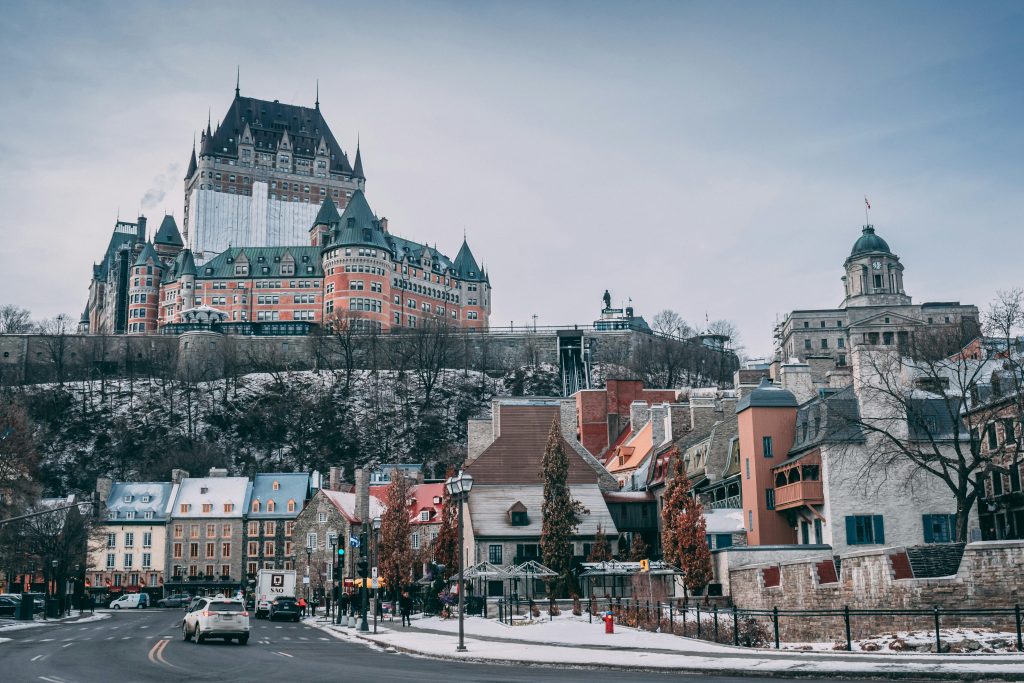
Exploring Quebec City’s most popular attractions doesn’t have to be stressful. By focusing on the most accessible sites, you can maximize your cultural impact. This approach prevents you from feeling rushed or overwhelmed.
We want you to feel confident as you explore these beautiful streets. Whether you’re a history buff or a casual traveler, knowing exactly where to go is key. You’re now ready to discover the magic that makes this destination truly unique.
Planning a trip to Quebec City?
Our partner Voyada’s trip planning AI builds a day-by-day plan with flights, hotels and a real total cost for your dates — in about a minute, free.
Plan trip with AIExploring the Historic Fortifications and Walls
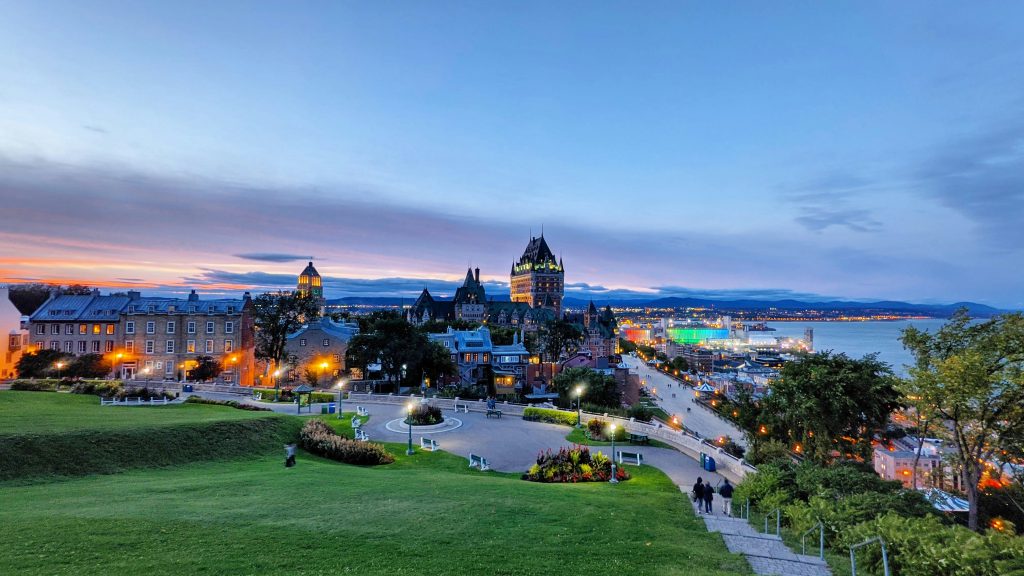
For those seeking iconic experiences in Quebec City, walking the historic walls is essential. Quebec City is the only place in North America with original fortified walls encircling its core. These stone structures offer a direct link to the past, a unique experience found nowhere else on the continent.
Walking the Ramparts
The ramparts provide a scenic path around the old city’s heart. Access points include the Saint-Louis Gate and the Dufferin Terrace. From atop, you’ll enjoy views of the city’s streets and the river.
This activity is perfect for photographers and history enthusiasts. The path is well-maintained, with many spots to pause and admire the views. Wear comfortable shoes, as the paths can be uneven.
Understanding the Military History
The walls’ beauty is matched by their military significance. The Citadelle, at the walls’ center, was built in a star shape for defense. This design was meant to protect the city from invasions during the colonial era.
Over 400 years, these fortifications have defined the city’s boundaries. Learning about the soldiers who guarded here enriches your visit. Exploring these sites is a must for anyone interested in North American history.
Navigating the Charm of Old Quebec
Stepping into Old Quebec is like traveling back in time to Europe’s past. This area, a UNESCO World Heritage site, boasts 17th and 18th-century architecture that’s remarkably preserved. Given the uneven surfaces and steep inclines, it’s vital to wear comfortable shoes to fully enjoy these attractions.
Upper Town Architecture
The Upper Town perches atop cliffs, providing a stunning view of the surroundings. It’s home to grand stone buildings and institutional structures, reflecting the city’s administrative past. This area is a central hub for many attractions, blending regal design with timeless authority.
Exploring here means walking on wide, well-kept paths leading to historic fortifications. Hours can pass by admiring the facades’ details and the imposing stone walls. It’s an ideal spot for capturing skyline photos and enjoying the fresh air.
Lower Town Cobblestone Streets
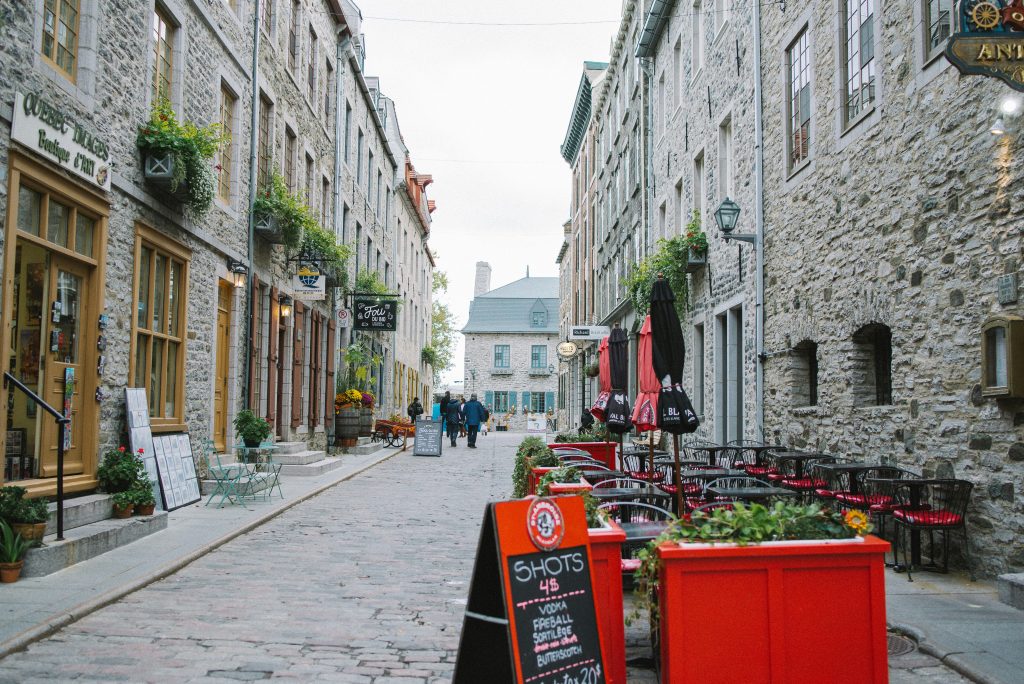
Descending into the Lower Town feels like entering a quaint, secluded village. The narrow, winding cobblestone streets are filled with colorful boutiques, art galleries, and inviting cafes. These streets are among the most photographed spots, capturing the essence of an old-world atmosphere.
As you explore these historic streets, look out for hidden courtyards and murals that share the city’s maritime history. The contrast between the Upper Town’s heights and the river-level streets is fascinating. Take your time to uncover the history hidden in every corner.
The Iconic Chateau Experience
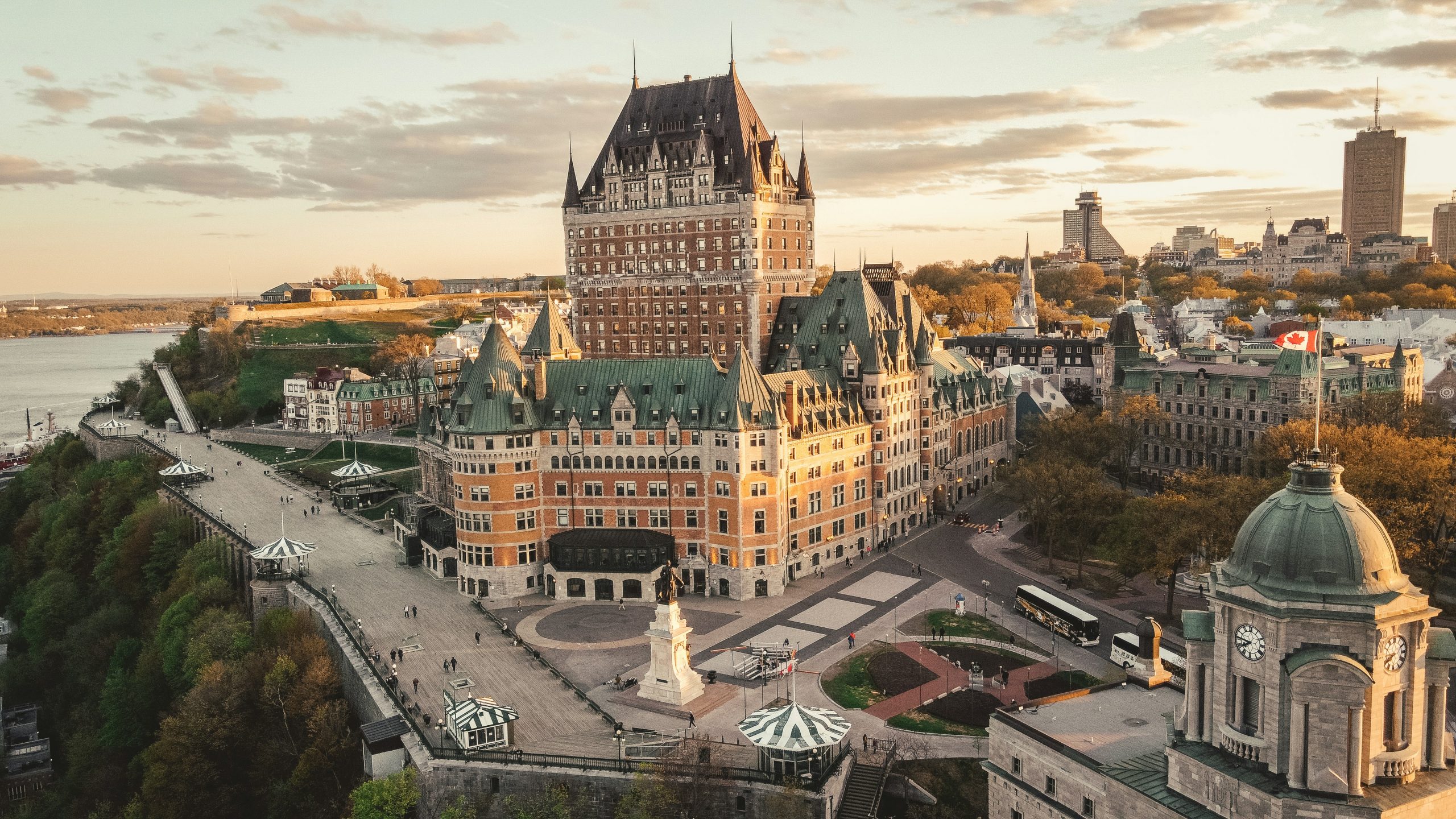
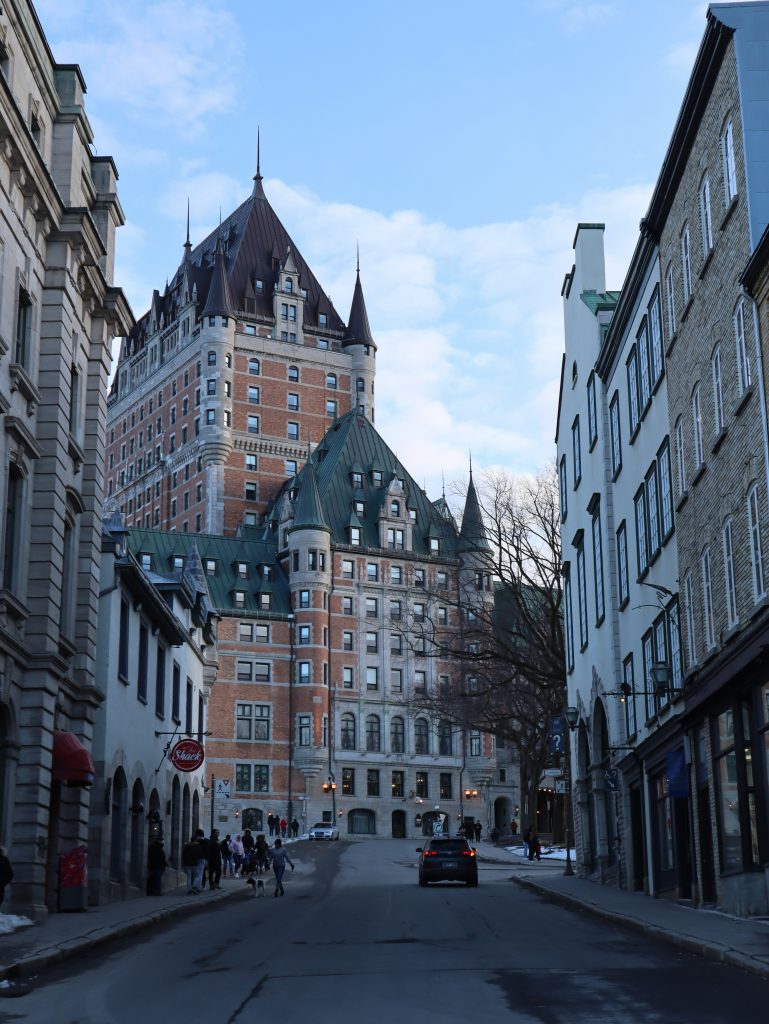
Seeking the ultimate must-see in Quebec City? Look no further than the iconic Fairmont Le Château Frontenac. Originally a grand hotel from 1893, it stands as a symbol of the city’s rich history. Its copper roofs and towering presence evoke the golden age of luxury travel.
Viewing the Landmark from Dufferin Terrace
The best way to appreciate this landmark is by strolling along the Dufferin Terrace. This long wooden boardwalk stretches out beneath the hotel, providing sweeping views of the St. Lawrence River. It’s a must-see in Quebec City for anyone seeking that perfect vacation photo.
To move between the Upper and Lower Town levels without tiring your legs, take the historic funicular. This short ride costs about $6 CAD, cash only, and saves you a steep climb up the cliffside. It’s a convenient and charming way to navigate the area while enjoying the scenery.
Seasonal Activities on the Terrace
The terrace remains a vibrant destination throughout the year, regardless of the weather. During the snowy winter months, the famous toboggan slide becomes the star attraction. Visitors can race down the icy track at high speeds, creating memories that last a lifetime.
If you prefer warmer weather, the best months to visit are between June and September. During this time, the terrace comes alive with street performers, musicians, and artists. Whether you visit in the heat of summer or the chill of winter, this spot remains a must-see in Quebec City for every traveler.
Riverside Views and Promenade Strolls
Exploring the St. Lawrence Riverfront is a must for anyone visiting Quebec City. This area offers a serene contrast to the bustling historic center. Here, you can bask in the cool breeze and admire the river’s natural splendor.
Walking the St. Lawrence Riverfront
The riverfront boasts well-kept trails ideal for a leisurely walk. Taking the Quebec-Lévis ferry is a great way to see the city’s scale. It offers a unique perspective of the skyline that’s hard to get from the streets.
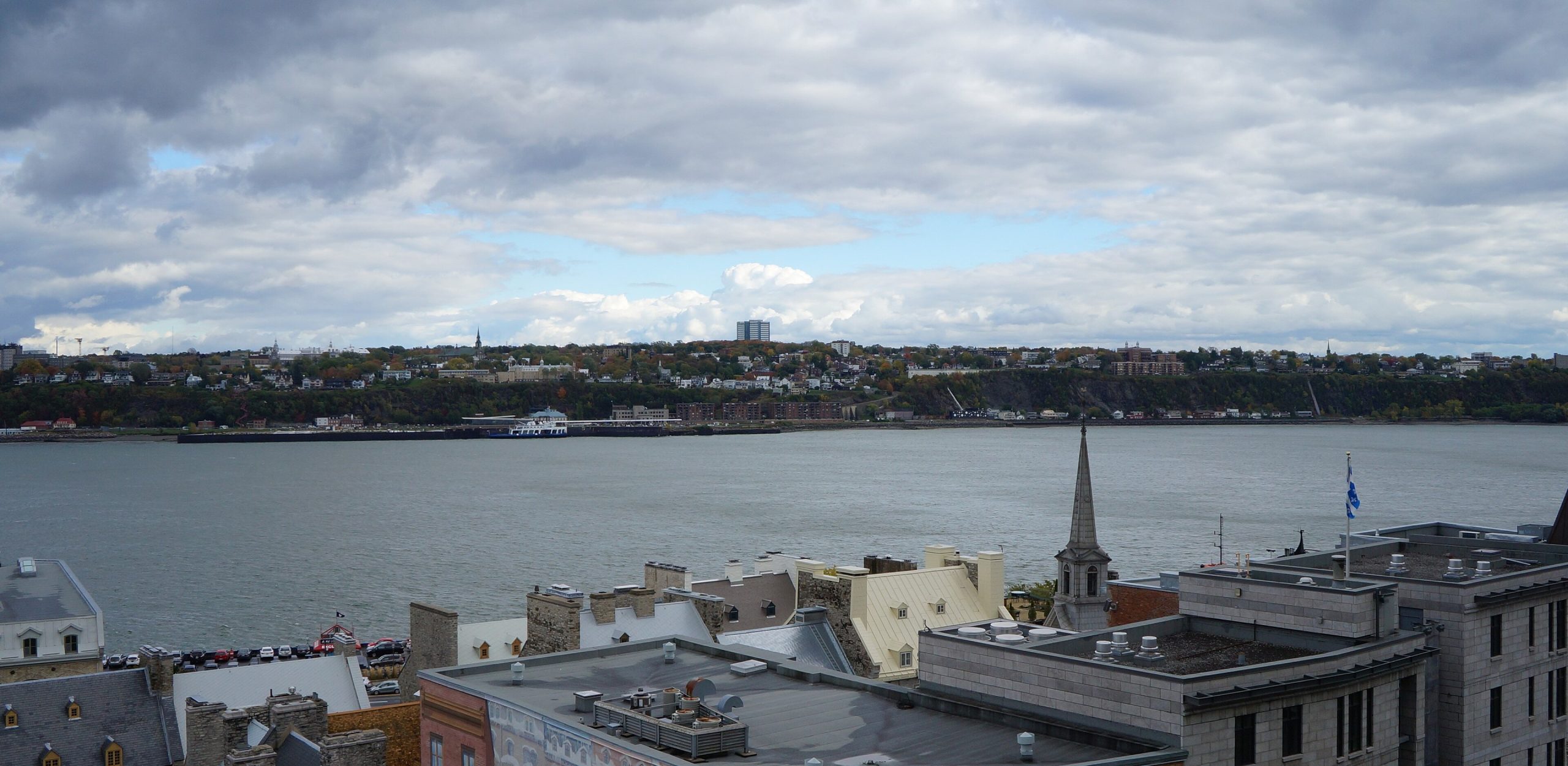
As you cross the water, the city’s iconic architecture comes into view. This experience provides a calming way to grasp the region’s geography. Don’t forget your camera for the breathtaking views during the ferry ride.
Best Times for Waterfront Photography
For the perfect shot, timing is key. We suggest visiting during the golden hour before sunset. The light then casts a magical glow on the historic buildings, making it a photographer’s dream.
Early morning visits are also ideal to dodge the crowds. You’ll have the paths to yourself, perfect for reflection and clear photos. Choosing these quieter times offers a more intimate connection with the river.
Religious Heritage and Architectural Marvels
Quebec City’s religious architecture spans centuries, weaving faith and artistry into its fabric. These sacred sites are key for those exploring the region’s cultural heritage. They stand as silent guardians of the city’s complex history.
Visiting Historic Basilicas
Notre-Dame-des-Victoires, nestled in the Lower Town, is a gem. It’s the oldest stone church north of Mexico. Situated on the city’s first settlement site, it offers a direct link to the past.
Remember, these are places of worship. Visit during quiet hours and show respect. Many find these sanctuaries a serene escape from the city’s hustle.
Appreciating Gothic and Baroque Design
The cathedrals’ interiors are a testament to local craftsmanship. Look for the detailed wood carvings and gilded altars, symbols of Baroque art. These elements reflect the European influence on Quebec’s early development.
Gothic features, like soaring arches and stained glass, evoke awe. For architecture enthusiasts, exploring these sites is a must. It’s a journey through Quebec City’s architectural splendor.
Local Culinary Experiences and Market Culture
Exploring Quebec City’s local food culture is incredibly rewarding. It beautifully merges traditional French-Canadian methods with unique boreal ingredients from the surrounding wilderness. Whether you’re a casual food enthusiast or a dedicated gourmet, the city offers a plethora of authentic flavors. These flavors distinctly define the region.
Sampling Regional Specialties
Trying the iconic poutine is a must. This classic dish features crispy french fries, fresh cheese curds, and savory gravy. You’ll find it in many cozy local diners.
For a more substantial meal, try the tourtière, a beloved meat pie passed down through generations. If you’re feeling bold, sample game meats like venison or rabbit. These dishes showcase the connection between the local landscape and the kitchen. They are must-visit spots in Quebec City.
Navigating Public Markets
Visiting the local public markets is essential to grasp the city’s heart. These lively spots are perfect for discovering fresh, seasonal produce and artisanal goods from nearby farmers. Walking through the stalls, you’ll witness the high-quality ingredients local chefs use daily.
Engage with the vendors and taste local cheeses or maple-infused treats. These markets are more than shopping destinations; they’re cultural landmarks that offer a genuine glimpse into daily life. Including them in your itinerary is a fantastic way to experience the region’s authentic spirit.
Nature Escapes Within City Limits
Exploring the outdoors is a rewarding experience in Quebec City. You don’t have to go far to find forests and landscapes that feel far from the city. The region’s natural beauty is just minutes from the city center, whether you visit in summer or winter.
Visiting the Nearby Waterfall
Montmorency Falls is a must-see natural landmark. It stands at 83 meters, taller than Niagara Falls. It’s perfect for photos and offers a cool mist on hot days.
Getting to the falls takes about 15 minutes by car from Old Quebec. If driving isn’t your preference, guided tours leave daily from the city center. Entrance costs around $15 per person, and the site is open all year.
Park Trails and Green Spaces
The nearby national parks have extensive trails for hiking. In summer, these paths are great for trekking and spotting wildlife. In winter, they’re ideal for snowshoeing and skiing.
Renting a car is the best way to explore these parks. If you don’t have a vehicle, local shuttles and private tours are good alternatives. Visit between June and September for hiking, or January and February for winter magic.
Museums and Cultural Institutions
Exploring local museums is a top choice when the weather is unpredictable. These places offer a great escape and deep insights into Quebec’s heritage. Spending hours indoors can significantly enhance your travel experience.
Fine Arts Collections
The Musée national des beaux-arts du Québec is a must-visit for art enthusiasts. Situated in the stunning Battlefields Park, it boasts a vast collection of historical and contemporary art. It’s a prime example of the best indoor activities in Quebec City.
Visitors can explore galleries that trace the development of Quebec art over centuries. The museum’s architecture is as impressive as its art collection. Don’t miss the rotating exhibitions, which showcase both local and international artists.
Civilization and History Exhibits
The Musée de la civilisation offers a unique look into human history. It’s known for its interactive displays, covering ancient times to modern social movements. Admission is around $15 to $20, making it budget-friendly for travelers.
The museum’s exhibits are engaging for all ages, ensuring everyone learns something new. It’s a top choice for understanding Quebec’s cultural history. Plan to spend at least half a day to fully appreciate the stories and artifacts.
Seasonal Highlights for Every Traveler
Quebec City transforms with the seasons, from winter’s icy sparkle to summer’s warm nights. Each season brings its unique charm to the city’s historic streets. Whether you love the crisp air of winter or the lively vibe of summer, timing your visit is essential.
Winter Carnival and Snow Activities
The Winter Carnival is a highlight of the cold season. It takes place in late January to mid-February, attracting visitors worldwide. An effigy pass, available for a modest fee, grants access to most festival sites.
The city also offers fantastic snowshoeing and ice skating. Remember to wear thermal layers and waterproof boots for these activities. With temperatures often below freezing, dressing warmly is key to enjoying the outdoors.
Summer Festivals and Outdoor Events
Summer brings the city to life with various festivals. July and August are the prime months for these celebrations. Events like the Festival d’été de Québec showcase top-notch music and entertainment in the city’s heart.
Walking is the best way to explore these venues, as they’re close to the historic center. While some concerts require tickets, many street shows and smaller events are free. These activities make your summer trip memorable.
Planning your trip around these peak seasons maximizes your experience. Whether you seek snow or sun, the city’s culture welcomes you. Always check the latest event schedules online before booking your travel dates.
Day Trips and Nearby Excursions
Explore the countryside beyond Quebec’s historic walls, where rural charm and scenic beauty await. The city’s urban core is captivating, but the surrounding countryside offers a fresh perspective. These short excursions allow you to slow down and connect with the region’s heart.
Island Farming Communities
A visit to the beautiful Île d’Orléans is a rewarding trip. Reach this peaceful island by crossing the iconic suspension bridge. It’s like stepping back in time as you explore the quiet, traditional farming landscapes.
The island is renowned for its authentic rural life and high-quality local products. Don’t miss the small farm stands to sample rich, dark maple syrup and unique French-style wines. These local flavors are a highlight of any trip focused on authentic Quebec city tourism.
Coastal Village Drives
For a scenic journey, the coastal roads surrounding the city offer breathtaking views of the water. Renting a car is the best way to explore these routes at your own pace. You’ll find hidden spots along the way perfect for photography or a quiet picnic.
Plan your drive ahead of time to hit the most charming villages and historic sites. These coastal excursions are a staple of modern Quebec city tourism for those who love the open road. Enjoy the freedom of the countryside and make the most of your relaxing day trip away from the city bustle.
Practical Logistics for Your Visit
Maximizing your Quebec City experience begins with careful planning and a well-thought-out budget. The historic center is easily explored on foot. Yet, understanding local logistics ensures a smooth journey. Organizing your travel plans ahead of time will greatly benefit you upon arrival.
Transportation and Getting Around
Exploring the region’s landscapes and quaint villages is best done by car. Renting one allows you to travel at your own pace and discover off-the-beaten-path spots. Most attractions are within a short drive, making day trips effortless.
Within the city, the bus system is dependable and straightforward. Ride-sharing apps or taxis are handy for quick journeys between areas. For those who prefer cycling, many places are bike-friendly, allowing you to enjoy the scenery while getting around.
Budgeting for Your Trip
Effective financial management is key to your trip. The Canadian dollar is the local currency, and most places accept major credit cards. It’s wise to carry some cash for small purchases. Booking accommodations and dining in advance can help you save money.
The ideal time to visit depends on your budget and preferences. Summer and early autumn offer pleasant weather but are peak seasons, increasing costs. Visiting during the shoulder seasons can be more budget-friendly, with lower prices and fewer crowds.
Safety and Local Etiquette
For a fulfilling Quebec City sightseeing experience, blend cultural understanding with practicality. Respecting local customs and staying vigilant ensures a positive encounter for both you and the locals. Embracing the role of a mindful visitor unlocks the true essence of this historic area.
Navigating Language Differences
Though many locals speak English, French is the dominant language. Showing an effort to speak a few basic phrases is greatly appreciated. A simple “Bonjour” or “Merci” can significantly enhance your interactions.
Even if your French is imperfect, the locals are often eager to assist. A polite “Parlez-vous anglais?” can be a lifesaver when you’re unsure. It demonstrates your genuine interest in their culture.
General Safety Tips
Quebec City is generally safe, but it’s wise to exercise caution. Secure your belongings in crowded spots and remain alert while walking. These precautions allow you to fully appreciate the surroundings without undue concern.
When planning your quebec city sightseeing, prioritize safety. Opt for well-lit routes at night and keep valuables secure. By being informed and respectful, your trip will be both memorable and secure in this Canadian treasure.
Frequently Asked Questions
How many days do you need in Quebec City?
Two full days cover Old Quebec comfortably: the ramparts, Place Royale, Petit-Champlain, Dufferin Terrace and one museum. Three days is the sweet spot, adding Montmorency Falls, the Plains of Abraham and the Musée de la civilisation without rushing. Stretch to four or five if you want Île d’Orléans, the Beaupré coast or a full day at the winter carnival. The historic core is small and walkable, so extra days buy you depth and day trips rather than more sights.
Do you need to speak French in Quebec City?
No. French is the working language and the default greeting, but English is widely spoken in hotels, restaurants, museums and shops across the old town. Opening with ‘Bonjour’ and asking ‘Parlez-vous anglais?’ before switching is the local courtesy, and it is almost always met warmly. Signage and menus in the tourist areas are usually bilingual. Outside the city, in the villages along the Beaupré coast or on Île d’Orléans, English is less common, so a few phrases help.
When is the best time of year to visit Quebec City?
June to September for warmth, festivals and long evenings, with the Festival d’été filling the streets in July. Late September and October bring autumn colour, thinner crowds and the best value of the year. Winter is the city at its most distinctive: snow on the ramparts, the toboggan slide on Dufferin Terrace and the Carnaval de Québec from late January to mid-February. Expect deep cold from December through March and pack for it properly.
Do you need a car in Quebec City?
Not for the old town, which is compact, walkable and awkward to park in. Use the funicular between Upper and Lower Town rather than the steep staircase if your legs object; it costs only a few dollars. A car earns its keep for Montmorency Falls, Île d’Orléans, the Beaupré coast and Jacques-Cartier National Park, so consider renting for a day or two rather than the whole trip. Local buses and guided tours also reach the falls.
Do Americans need a passport to visit Quebec City?
Yes. Quebec City is in Canada, so US citizens need a valid passport to fly in, and a passport, passport card, enhanced driver’s licence or NEXUS card to cross by land or sea. Children under 16 arriving by land or sea can travel on a birth certificate. Most other nationalities need either a visa or an electronic travel authorisation (eTA), applied for online before departure. Confirm the current requirements on the official Government of Canada site before you book.
What currency is used in Quebec City?
The Canadian dollar. Cards are accepted almost everywhere, including taxis and small cafes, and contactless payment is standard. Some tourist businesses will take US dollars, but at a poor rate, so pay by card or change money instead. Carry a little cash for the funicular, market stalls and tips. Budget for two sales taxes added at the till rather than shown on the shelf price, and for tipping around 15 to 20 per cent in restaurants.
What is Quebec City known for?
Being the only walled city north of Mexico, and the oldest French-speaking settlement in North America, founded by Samuel de Champlain in 1608. Old Quebec is a UNESCO World Heritage site, built on two levels around the Château Frontenac, the most photographed hotel in the world. It is known too for its winter: the Carnaval de Québec, the ice hotel outside town and the toboggan slide on Dufferin Terrace. And for poutine, tourtière and maple syrup.
How cold does Quebec City get in winter?
Daytime highs sit around minus 8C in January and nights regularly drop below minus 18C, with wind chill making it feel colder still. Snow lies from December to March and the city averages around three metres of it a season. Thermal base layers, an insulated coat, waterproof boots with grip, a hat and gloves are not optional. The city is built for it, with heated interiors everywhere and no shortage of cafes to duck into between sights.
What food should you try in Quebec City?
Poutine, tourtière and maple everything. Poutine is chips, fresh cheese curds and gravy, and the curds should squeak. Tourtière is a spiced meat pie, at its best in winter. Look out for boreal ingredients foraged from the northern forests, game such as venison, elk and rabbit, and the local cheeses and ciders. Le Grand Marché de Québec is the easiest place to taste your way through in one stop, and sugar shacks run maple tastings in late winter.
Is Montmorency Falls worth visiting?
Yes, and it is only about 15 minutes by car from Old Quebec. The falls drop 83 metres, some 30 metres higher than Niagara, and you can cross the suspension bridge directly over the crest, ride the cable car, or climb the staircase beside the cascade. Entry runs around 15 dollars per person and the site is open year round; in deep winter the spray freezes into a cone at the base. Guided tours leave daily from the city centre.
Can you visit Quebec City as a day trip from Montreal?
You can, but it makes for a long day. The drive is about three hours each way, and the train and coach both take a little over three hours, so a day trip leaves you five or six hours on the ground. That is enough for Old Quebec on foot and a decent lunch, and not much else. A single overnight changes the trip completely, letting you see the old town after the coaches leave and again early the next morning.
Which part of Quebec City should you stay in?
Inside the walls in Upper Town if it is your first visit and you want to step out of the door into the old city. It is the most atmospheric option and the priciest, especially in July and on carnival weekends. Lower Town around Petit-Champlain and the old port is quieter after dark and prettier still, though the hill between the two levels becomes a daily commitment unless you use the funicular. Saint-Roch, twenty minutes or so north of the ramparts, is where locals eat and drink and where rates drop noticeably; Saint-Jean-Baptiste sits between the two. Whichever you pick, book months ahead for summer and for the winter carnival.
How do you get from the airport into the old city?
Jean Lesage airport sits about fifteen kilometres west of the old town, and the drive takes roughly twenty minutes outside rush hour. Taxis work to a fixed flat fare into the central zone, posted at the rank, with a higher rate overnight, so traffic is not your problem; ride-hailing operates there too and usually costs a little less. The city bus from the airport runs to the Saint-Roch district in around fifty minutes for a few dollars, though reaching Upper Town needs a transfer, which is awkward with luggage in winter. Car hire desks sit in the terminal, but do not collect a car until the day you leave the city.
Should you choose Quebec City or Montreal for a first trip?
They are different trips rather than rivals. Quebec City is small, walled and concentrated, so three days delivers a complete experience and the European feeling nothing else in North America matches. Montreal is far bigger and rewards a looser, neighbourhood-by-neighbourhood approach, with a deeper restaurant and music scene and a busier festival calendar. For a short first trip built around history and atmosphere, Quebec City is the easier win; for nightlife, shopping and sheer variety, Montreal. Most people with a week take both, giving Montreal three or four nights and Quebec City two or three, and moving between them in an easy half day.
Is Quebec City a good city break with children?
Unusually good, because the things children enjoy are the main sights anyway. The old town is compact and largely car-light, so days are spent walking rather than in transit. The funicular, the ramparts and the cannons on the Plains of Abraham hold most ages for free or close to it, and the city’s history and civilisation museums both build exhibits for younger visitors. Winter is the surprise winner: the toboggan slide beside the boardwalk has run since the 1880s, and the carnival programme is built around outdoor family events, with sledging, tubing and an aquarium a short drive out of town. Bring boots with proper grip, because the cobbles ice over.
Conclusion
Quebec City is a treasure trove for those who explore its historic streets and immerse themselves in its vibrant culture. Every moment here connects you to the past in a unique way.
Discovering the best of Quebec City requires a blend of planning and spontaneity. From ancient fortifications to local cuisine, the city’s offerings leave a lasting impact.
Booking your stay and tours three months in advance is key to a seamless experience. This ensures you can fully enjoy your sightseeing itinerary without any hitches.
Now, it’s time to finalize your travel plans. Don’t forget to pack your walking shoes for an unforgettable adventure in this enchanting North American gem.
Before you go: turn this guide into a day-by-day plan. Our partner Voyada is a free itinerary creator that builds the trip with flights, hotels and a real total cost for your dates — in about a minute.
Build a travel itinerary →