

Table of Contents
ToggleFor most first-time visitors to South America, the Andes come first. Planning your trip requires balancing iconic bucket-list sites with the reality of high-altitude travel.
A three-to-four-day sprint serves as the absolute minimum to experience the essential highlights. Yet, most travelers find that ten to fourteen nights provide a much more comfortable pace for exploration.
Deciding the right duration depends on your desire to blend famous landmarks with deeper cultural immersion. This guide helps you navigate complex geography to build an itinerary that fits your personal style. We will break down logistics and seasonal factors to ensure your journey remains both memorable and manageable.
Key Takeaways
- Four nights is the bare minimum to see major landmarks like Machu Picchu.
- Ten to fourteen nights offer a balanced pace for most international visitors.
- Altitude adjustment is a critical factor when planning your daily schedule.
- Regional geography significantly impacts travel time between major cities.
- Seasonal weather patterns should dictate your choice of arrival month.
✈️ TripToGo Travel Deals
Get notified about great travel deals
Hand-picked flight, hotel and destination deals, straight to your inbox. No spam, unsubscribe anytime.
🎉 Thank you for subscribing!
You’re all set — the best travel deals are on their way.
Determining How Many Days in Peru for Your Travel Style
Planning your perfect Peruvian getaway begins with a fundamental question: how many days in Peru do you need? Your ideal trip length hinges on whether you prefer a fast-paced highlight tour or a slow, immersive exploration of local life. Finding the right balance ensures you enjoy every moment without feeling rushed.
If you are an outdoors enthusiast, you’ll need extra time for trekking, biking, or rafting in the rugged mountains. These activities often require additional days for travel and physical recovery. Planning for these adventures early helps you avoid burnout while exploring the Andes.
On the other hand, if you are a foodie, you should dedicate at least a few days to exploring Lima‘s world-renowned culinary scene. The capital city offers incredible dining experiences that deserve your full attention. Skipping through these gastronomic hubs would mean missing out on the heart of Peruvian culture.
We recommend assessing your physical stamina and interest in archaeology before finalizing your dates. By understanding your own pace, you can decide how many days in Peru will provide the most rewarding experience. Taking the time to plan thoughtfully makes all the difference in your journey.
Planning a trip to Peru?
Our partner Voyada’s trip planning AI builds a day-by-day plan with flights, hotels and a real total cost for your dates — in about a minute, free.
Plan trip with AIThe Minimum Timeframe for a Highlights Trip
Mastering your peru travel duration is key to a successful short-term adventure. A three-to-four-day trip is the minimum to see the country’s highlights. Planning this requires precision, like coordinating flights between the coast and mountains.
The One-Week Sprint: Lima and Cusco
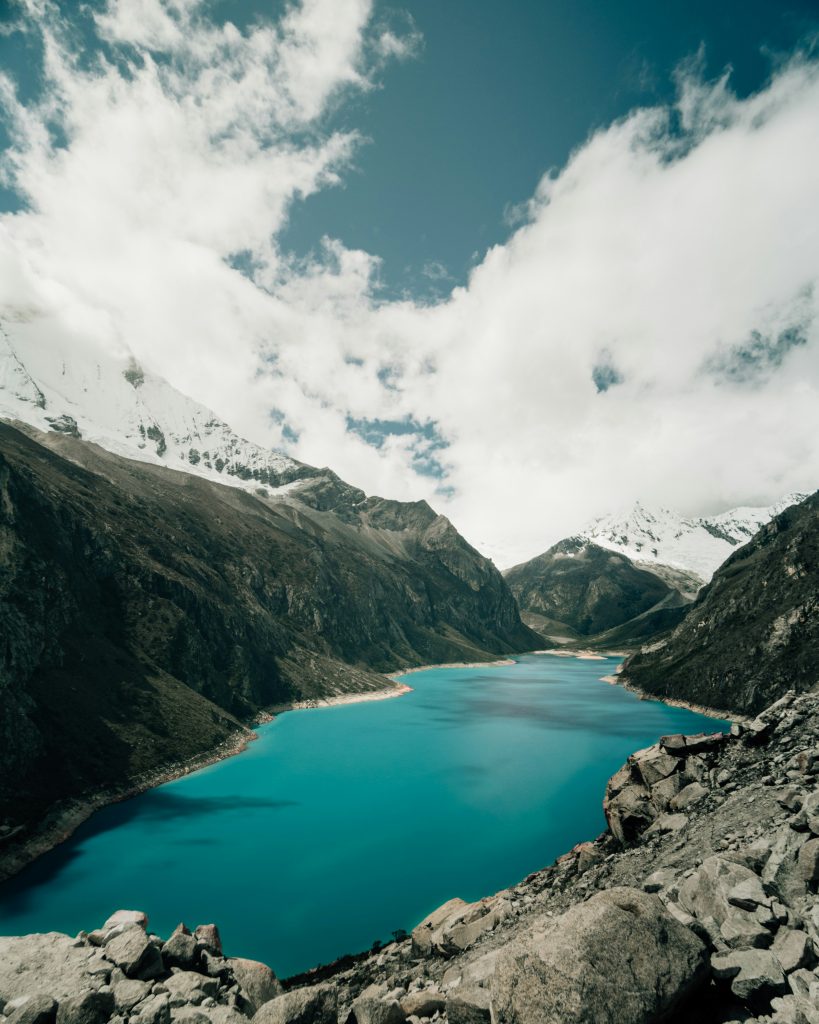
With one week, you can explore Lima’s culinary wonders and Cusco’s historic majesty. Flying from Lima to Cusco takes about 80 minutes, saving time compared to the 20-hour bus ride. The dry season, from May to October, offers reliable flights and stunning Andes views.
When budgeting, consider domestic airfare, which varies by booking time. Expect to spend more on internal flights to make the most of your time. This way, you can visit the Sacred Valley and Machu Picchu without feeling rushed.
Balancing Altitude and Activity Levels
Cusco is at 3,400 meters, causing mild altitude symptoms for newcomers. Your trip must include time for your body to adjust. Spend your first day resting and drinking traditional coca tea to aid acclimation.
Avoid intense hikes or tours on your first day in the highlands. Prioritize your health and hydration to explore ruins later. Pacing yourself makes your short visit rewarding and memorable.
Two Weeks: The Sweet Spot for First-Time Visitors
Deciding on the ideal duration for a trip to Peru can be challenging. Yet, fourteen days often emerges as the optimal choice for many travelers. This period allows for a leisurely exploration of the country, avoiding the rush of seeing everything at once. It’s ample time to immerse yourself in the local culture and visit the key attractions.
Traveling over two weeks enables a more relaxed pace, leaving room for spontaneous discoveries. It’s ideal for those eager to experience both the Andes’ high altitudes and the lively coastal areas. This duration also accommodates travel arrangements and any last-minute itinerary adjustments.
Integrating the Sacred Valley and Machu Picchu
A two-week itinerary grants the luxury of spending several days in the Sacred Valley before reaching Machu Picchu. Many travelers rush to the citadel immediately upon arrival. Instead, take this time to adjust to the altitude while exploring ancient sites and local markets.
This strategy prepares you physically for the Sun Gate hike or Huayna Picchu climb, both of which need their own circuit ticket, booked months ahead. You can also spend valuable time in towns like Pisac or Ollantaytambo, deepening your understanding of the region’s history. This approach enhances your experience at the ruins.
Adding Lake Titicaca or the Amazon Basin
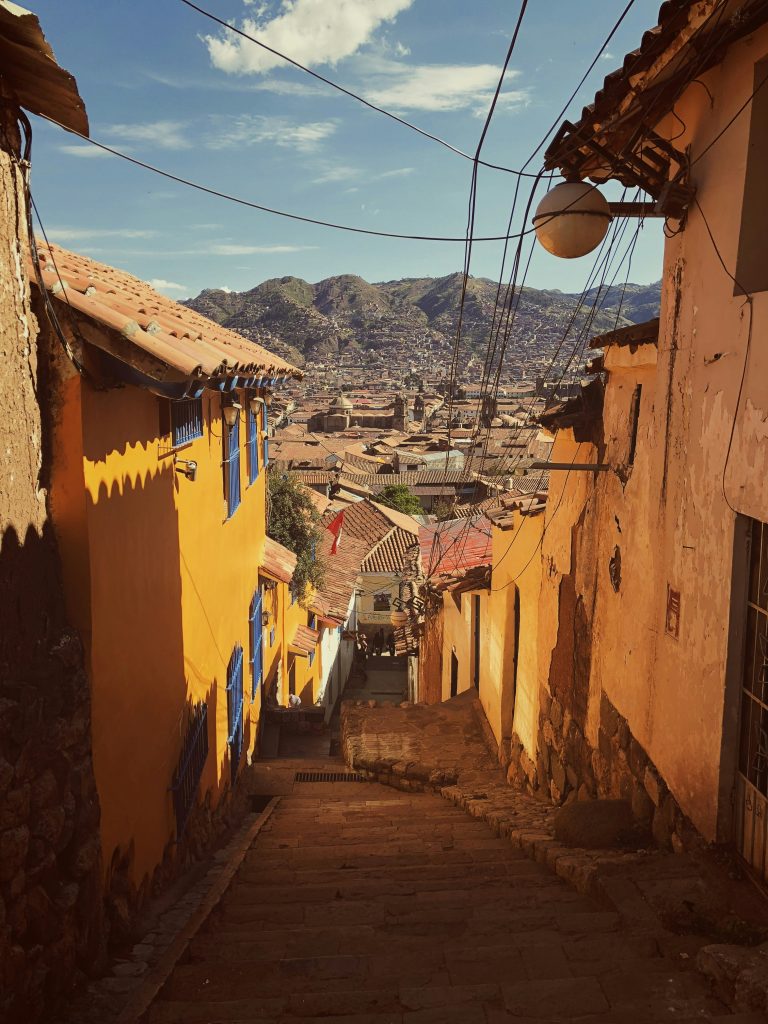
After delving into the Andes, a fourteen-day itinerary allows for a secondary adventure. You might opt to visit the tranquil shores of Lake Titicaca and its floating islands. This area offers a unique perspective on traditional life, distinct from the mountain towns.
Or, you could fly to the Amazon Basin for a taste of the rainforest’s incredible biodiversity. Spending three or four days in the jungle adds a new dimension to your journey. Whether you prefer the high-altitude lakes or the Amazon’s lush canopy, this extended period makes it feasible.
Three Weeks or More: Deep Diving into Peruvian Culture
Starting a journey of three weeks or longer opens up the entire map of Peru for your exploration. This extended duration allows you to move beyond the standard highlights. You can truly connect with the diverse regions of the country. When considering your exploring peru timeframe, having this much time means you can seamlessly transition from the Pacific coastline to the high-altitude Andes and deep into the Amazon basin.
Exploring the Northern Archaeological Sites
Many travelers focus solely on the south, but the north holds some of the most impressive history in the Americas. With extra time, you can visit massive mud-brick cities like Chan Chan, which often remain quiet and crowd-free. These northern sites offer a unique look at pre-Inca civilizations that shaped the region long ago.
The northern route provides a different perspective on the country’s heritage. By dedicating your exploring peru timeframe to these remote areas, you gain a deeper appreciation for the architectural genius of ancient coastal cultures. It is a rewarding experience for anyone who loves history and quiet exploration.
Coastal Adventures and Desert Landscapes
Beyond the ruins, the Peruvian coast offers vast, dramatic desert landscapes that are perfect for adventure. You can spend days exploring towering sand dunes or relaxing in hidden coastal towns that see very few international visitors. This region is ideal for those who want to balance their cultural sightseeing with outdoor excitement.
Whether you are interested in sandboarding or simply watching the sunset over the Pacific, the coast provides a refreshing change of pace. Integrating these desert experiences into your itinerary ensures a well-rounded trip. It is the ultimate way to see the varied landscapes that make this nation so special.
Best Months to Visit and How Seasonality Affects Duration
Peru welcomes visitors all year, but the seasons play a big role in planning your trip. Finding the right visit peru length means weighing clear skies against budget and crowd tolerance.
The dry season, from May to October, is ideal for outdoor activities. Expect sunny days and cool nights, perfect for trekking at high altitudes.
Navigating the Dry Season for Trekking
For hiking the Inca Trail or exploring the Andes, the dry season is best. But, July and August are the busiest months.
These months see crowded sites and higher prices. Extending your visit peru length can help you avoid the rush at famous spots.
Managing Travel During the Rainy Season
The rainy season, from November to March, offers unique challenges and benefits. You’ll face more rain and muddy trails but enjoy fewer crowds and lower costs.
Many prefer the rainy season’s lush landscapes. Adjusting your visit peru length for slower travel in heavy rain can keep your trip relaxed.
Understanding Peru Travel Time and Internal Logistics
Exploring Peru is an adventure that requires careful planning to avoid exhaustion. The country’s vastness and mountainous terrain mean travel times vary greatly. With some preparation, your journey can be enjoyable, not tiring.
Domestic Flight Efficiency Versus Bus Travel
Domestic flights are the best option for covering long distances swiftly. A flight from Lima to Cusco takes just over an hour, saving nearly 22 hours of bus travel. Though flights are pricier, they’re vital for those with tight schedules.
Buses, on the other hand, offer a more affordable and comfortable way to travel. Modern buses have semi-cama seats that make long trips tolerable. Yet, remember to factor in possible delays due to weather or road conditions.
Accounting for Altitude Acclimatization Days
The highlands pose a significant challenge due to their high altitude. Cusco, at 3,400 meters (11,150 feet), is a big jump from Lima’s coastal elevation. Plan for at least one or two days of rest to acclimatize.
Ignoring the need for acclimatization can lead to altitude sickness, spoiling your trip. By including these days in your itinerary, you’ll stay healthy and ready for your adventures. Proper pacing is key to a successful journey in Peru.
Budgeting for Your Peru Trip Length
Planning your adventure in Peru requires a clear understanding of your travel style and trip duration. Your expenses will vary based on your transportation choices and accommodation. By aligning your budget with your ideal trip length, you can enjoy a stress-free journey.
Daily Cost Estimates for Budget Travelers
For those on a tight budget, Peru offers affordable exploration. Using local buses instead of flights can save a lot of money. Dining at local markets provides a true taste of Peruvian food while keeping costs low.
Prices swing with the season, and the November-to-March rainy months bring the lowest rates. Visiting from January to March can lead to lower rates for accommodations and tours. This approach helps extend your trip without overspending.
Mid-Range and Luxury Spending Expectations
Those seeking comfort should expect higher daily expenses for private transport and luxury lodges. Exclusive tours and high-end excursions also increase costs. Always book major attractions early to avoid price hikes during peak seasons.
Effective financial management lets you immerse yourself in Peru’s landscapes and history. Whether your trip is short or long, careful planning ensures a sustainable experience. By balancing your spending, you can enjoy Peru’s best while staying within your budget.
Geographic Distances and Regional Travel Realities
Peru’s vast beauty often surprises first-time visitors. Knowing the country’s size is key when planning your trip. With over 800 miles of coastline, moving between regions takes longer than expected.
The Challenge of Crossing the Andes
The Andes Mountains are a dramatic spine for Peru, creating natural barriers. Driving across these ranges involves navigating winding, high-altitude roads. These roads demand patience and caution due to the steep terrain.
Travel times between mountain hubs are often longer than expected. Weather conditions can change rapidly, causing delays during the rainy season. Always add extra time to your itinerary to ensure safe travel.
Coastal Transit Times Between Major Hubs
Traveling along the coast offers different realities compared to the rugged interior. The Pan-American Highway provides a direct route, but distances between major cities are significant. A bus trip from Lima to southern coastal cities can take a whole day.
Domestic flights are efficient for bridging long gaps. While flights are more expensive than bus tickets, they save hours. Balancing your budget and time is essential for a smooth journey across Peru’s diverse landscape.
Essential Stops for Every Peru Itinerary Duration
Every Peru itinerary, regardless of length, must include key locations that capture the essence of the country. Selecting the right spots maximizes your experience. These foundational destinations offer a perfect blend of history, flavor, and natural beauty.
The Historic Heart of Cusco
Cusco is the undisputed center of Andean culture and history. Its cobblestone streets reveal a fascinating mix of ancient Inca foundations and colonial architecture. It is a vital stop that provides deep insight into the region’s past, making it a priority for any Peru stay length.
The Gastronomic Capital of Lima
Lima serves as the primary gateway for international travelers and is widely recognized as a world-class culinary hub. The city offers a unique fusion of flavors that reflects the country’s diverse cultural heritage. Spending time here allows you to sample everything from fresh coastal seafood to traditional highland recipes in a modern setting.
The Natural Wonders of the Amazon
Venturing into the Amazon rainforest provides a dramatic contrast to the high-altitude landscapes of the Andes. This region is home to incredible biodiversity and offers a chance to connect with nature in its most pristine form. Including this lush environment in your plans ensures a well-rounded trip that highlights the geographic variety of the country.
Managing Altitude and Physical Demands
Planning to spend time in Peru requires extra care for your body due to the high altitude. The Andes mountains offer stunning views, but the thin air can be a shock from sea level. A smart approach to physical well-being ensures you stay energized for every hike and tour.
Why You Need Extra Days in the Highlands
Arriving with a buffer period is key for natural adjustment. Many travelers find that the first forty-eight hours in Cusco or the Sacred Valley at a slower pace make a huge difference. This extra time allows your respiratory system to adapt to lower oxygen levels without the pressure of a packed itinerary.
Rushing into strenuous activities immediately can lead to exhaustion or lightheadedness. By starting with a relaxed schedule, you avoid common altitude sickness pitfalls. This patience ensures you feel stronger when exploring ancient ruins.
Health Precautions for High-Altitude Travel
Preparation is your best defense against the mountains’ physical demands. Before leaving, consult your physician about altitude medication. These steps can greatly enhance your experience in high-altitude regions.
Upon arrival, stay hydrated by drinking plenty of water. Choose light, easily digestible meals to maintain energy without overloading your system. Listening to your body is the most important rule for a successful and enjoyable adventure in Peru.
Packing Strategies for Different Trip Lengths
Traveling through Peru’s diverse landscapes requires a versatile packing strategy. You’ll encounter everything from arid coastal deserts to humid jungles and chilly mountains. Your packing must adapt to these varied environments.
When your itinerary includes multiple domestic flights, packing light is key. This ensures you can navigate airports and transit hubs efficiently, avoiding unnecessary stress.
Layering for Microclimates
Effective temperature management in Peru involves a reliable layering system. Begin with a moisture-wicking base layer to stay dry in the sun. This is essential for active days.
Next, add a warm fleece or synthetic mid-layer for higher altitudes in the Andes. This traps heat effectively. Always carry a windproof, water-resistant outer shell to shield against sudden weather changes or rain.
Gear Essentials for Multi-Day Treks
For mountain treks, your footwear is the most critical item. Invest in high-quality, broken-in hiking boots that offer excellent ankle support and traction. This is vital for uneven terrain.
Remember to pack a reliable headlamp with extra batteries for early starts or evening setups. A sturdy, comfortable daypack is essential for carrying water, snacks, and extra layers on the trails.
Common Pitfalls When Planning Your Peru Stay Length
Even the most seasoned travelers can fall into traps when mapping out their Peru itinerary. The excitement of visiting ancient ruins and vibrant markets is contagious. Yet, failing to account for the country’s unique geography can lead to unnecessary stress. By being mindful of your pace, you ensure that your chosen peru trip length actually allows for genuine exploration.
Underestimating Travel Time Between Cities
One of the most frequent mistakes involves miscalculating the actual peru travel time required to move across the country. Peru features rugged Andean terrain and winding mountain roads. These make travel significantly slower than what you might expect from looking at a map. A distance that appears short on paper can often take an entire day to navigate by bus or private transport.
Always build extra buffer time into your schedule to account for these logistical realities. Whether you are traveling by domestic flight or taking a scenic bus route, unexpected delays are simply part of the adventure. Planning for these gaps prevents you from missing out on the experiences you traveled so far to see.
Over-Scheduling Your First Few Days
It is tempting to pack every hour of your trip with tours and activities. But this often leads to burnout before your vacation truly begins. Your body needs time to adjust to the altitude, which is critical if you are heading straight to high-elevation areas like Cusco. Over-scheduling your first few days can leave you feeling exhausted and unable to enjoy the local culture.
We suggest keeping your initial itinerary light and flexible to help you acclimate comfortably. A realistic peru trip length should prioritize rest as much as sightseeing. By slowing down at the start, you will have much more energy to enjoy the rest of your journey through this beautiful country.
Conclusion
Peru is a treasure trove of discovery, catering to every traveler’s curiosity. Whether you’re drawn to the Andes’ peaks or the Amazon’s depths, your stay’s length is shaped by your interests. The journey is as unique as you are.
Curate your itinerary with places that resonate with you. A balance between famous landmarks and serene retreats prevents exhaustion. Remember, the altitude can be challenging, so plan your days wisely.
Weather conditions play a significant role in your experience. Ensure your stay coincides with the best seasons for your activities. Reliable travel arrangements enhance your enjoyment. Book flights and tours with trusted names like LATAM Airlines or local guides early to secure your spot.
Begin planning your essential destinations now. Your exploration of Peru’s rich diversity is just around the corner.
FAQ
How many days in peru are recommended for a first-time visitor?
What is the absolute minimum peru trip length to see Machu Picchu?
How much does the peru stay length affect the total cost of the trip?
Is the exploring peru timeframe different during the rainy season?
Why is the peru travel time between cities so long?
Can I spend time in peru focusing only on the north?
How many days should I account for altitude acclimatization?
Is Peru safe to visit?
Yes, Peru is generally safe for tourists, and the popular Lima-Cusco-Machu Picchu route sees millions of visitors a year without incident. The US State Department rates Peru as Level 2, meaning increased caution rather than avoidance; a handful of remote areas carry stronger warnings, but these sit well off the standard tourist trail. Watch for pickpocketing and taxi overcharging rather than serious crime.
Is Peru safe for solo female travellers?
Yes, many women travel solo in Peru without major problems, particularly on the well-trodden Lima, Cusco and Machu Picchu route where tourism infrastructure is strong. Sensible precautions help: book registered taxis or ride-hailing apps rather than hailing on the street, avoid walking alone late at night, and dress a little more modestly in smaller Andean towns, where attitudes are more conservative than in Lima.
Is Peru worth visiting?
Yes, few countries pack in as much variety: Inca ruins, Amazon rainforest, desert coastline and some of South America’s best food, all reachable on one trip. It requires more logistics and altitude planning than a beach holiday, but for history, hiking or food-focused travellers, Peru consistently ranks among the continent’s most rewarding destinations.
Is Peru worth visiting without seeing Machu Picchu?
Yes, though most first-timers still prioritise it. Lima’s food scene, the white city of Arequipa, the Sacred Valley’s villages and markets, Lake Titicaca’s floating islands near Puno, and the Amazon basin all stand on their own. Skipping Machu Picchu, along with its permit queues and premium prices, frees up days and budget for these other regions instead.
Is Lima worth visiting?
Yes, Lima has shifted from a mere gateway city to a destination in its own right, largely thanks to a food scene that includes several of the world’s best-ranked restaurants, plus the clifftop Miraflores and bohemian Barranco neighbourhoods. Two to three days is enough to see the historic centre, eat well and explore the coastline before heading on to Cusco or the Andes.
Is Puno worth visiting?
Yes, Puno is the main gateway to Lake Titicaca and the reed-built Uros floating islands, a genuinely unusual sight found nowhere else. The town itself is fairly workaday and sits at very high altitude, over 3,800 metres, so most visitors treat it as a one- or two-night stop for the lake rather than a place to linger.
Is Trujillo worth visiting?
Yes, for travellers interested in pre-Inca history rather than just the Inca trail. Trujillo is the base for Chan Chan, the largest adobe city in the Americas, plus the Moche temples of Huaca del Sol and Huaca de la Luna nearby. It sees far fewer tourists than Cusco, making it a good add-on for a north-of-Peru itinerary rather than a first-trip priority.
Is a hop-on-hop-off bus pass worth it for getting around Peru?
For budget and backpacker travellers, generally yes. Multi-stop bus passes connect major tourist towns such as Lima, Paracas, Arequipa, Puno and Cusco with guided stops at sights along the way, and often work out cheaper than booking each leg separately. They take longer than flying between cities, though, so travellers short on time often mix flights for the long hops with buses for shorter, scenic stretches.
Is Peru expensive to visit?
No, Peru is one of South America’s better-value destinations, especially outside Lima and Cusco’s busiest tourist blocks. Budget travellers can get by on roughly $35-$50 a day covering hostels, local meals and buses, while mid-range travellers spend closer to $100-$150 a day with private transfers, guided tours and nicer hotels. Machu Picchu costs (train, entry, guide) are the main splurge.
Is it expensive to eat out in Peru?
No, eating out in Peru is generally affordable. A set lunch menu (menu del dia) at a local restaurant typically costs around 15-30 soles (roughly $4-$9), while a sit-down meal at a nicer restaurant in Lima or Cusco runs about $15-$30 a person. Lima’s internationally acclaimed fine-dining restaurants are the exception, where a tasting menu can cost well over $100.
What currency does Peru use, and how much cash should I bring?
Peru uses the Peruvian sol (PEN), trading at roughly 3.3-3.4 soles to the US dollar in 2026, though rates shift, so it is worth checking before you travel. Cards are widely accepted in Lima and Cusco, but smaller towns, local markets and some rural buses are cash-only, so carrying a few hundred soles at a time, withdrawn from bank-branch ATMs, is the safest approach.
How far is Peru from the US?
It depends on the departure city, but a nonstop flight from Miami to Lima takes around 5.5 to 6 hours, while flights from New York or Los Angeles typically run 8 to 9 hours nonstop where available, longer with a connection. Lima’s time zone lines up closely with US Eastern time, so jet lag on arrival is minimal.
When is the best time to visit Peru?
The dry season, roughly May to September, is the best time for most of Peru, covering the Andes, Cusco and Machu Picchu with clear skies and minimal rain. June to August is also peak season with the biggest crowds and highest prices, so May and September offer a good balance of good weather and slightly thinner crowds.
When is the best time to visit Machu Picchu?
May and September are the sweet spot: part of the dry season (roughly May to September) with clear skies for photos and hiking, but without the peak-season crowds of June, July and August. Avoid the wettest months, December to March, when trails can close and views are frequently clouded over.
When is the best time to visit the Peruvian Amazon?
The dry season, roughly June to September, brings the easiest hiking conditions and the best wildlife spotting, as animals gather near shrinking water sources. The wet season, November to April, floods the forest and raises river levels, which sounds like a downside but actually opens up more of the jungle to canoe exploration and brings closer encounters with pink river dolphins.
When is the best time to visit Peru as part of a wider South America trip?
May, June and September work well for combining Peru with Bolivia, Ecuador, Argentina or Brazil, since they fall within Peru’s dry season while still being reasonable in most neighbouring countries. Argentina and Brazil sit in the Southern Hemisphere, though, so their own seasons run opposite to Peru’s, meaning a shoulder month is usually the best practical compromise across a multi-country itinerary rather than any single perfect window.
Do US citizens need a visa for Peru?
No, US citizens do not need a visa for tourism and can enter Peru with just a valid passport. Border officials typically grant a stay of up to 90 days, though the exact permitted length can vary; if you need more time, you can apply for an extension at an immigration office before your entry stamp expires.
How many days should I spend in Lima?
Two to three days is enough to see Lima’s historic centre, eat at a handful of its acclaimed restaurants, and explore the clifftop districts of Miraflores and Barranco. Food-focused travellers sometimes stretch this to four or five days to fit in a cooking class or more restaurants, but most itineraries treat Lima as a bookend to the trip rather than the main event.
How many days do you need for Peru and Bolivia together?
Around 12 to 16 days covers a reasonably paced combined trip, split between Peru’s Cusco, Sacred Valley and Machu Picchu circuit and Bolivia’s La Paz, the Uyuni salt flats and the Bolivian side of Lake Titicaca. The overland border crossing near Lake Titicaca (Puno to Copacabana) makes it easy to link the two without flying, though it does add travel time compared with visiting either country alone.
Before you go: turn this guide into a day-by-day plan. Our partner Voyada is a free itinerary creator that builds the trip with flights, hotels and a real total cost for your dates — in about a minute.
Build a travel itinerary →