
Table of Contents
ToggleDid you know over 10 million people visit this coastal gem annually? They come to experience its unique blend of urban life and wild nature. It’s a rare place where you can ski in the morning and lounge on a sandy beach by the afternoon.
This city is a dense playground of lush parks, high-end dining, and vibrant neighborhoods. Crafting the best vancouver itinerary requires a smart balance. You need to explore the bustling downtown core and soak in the breathtaking mountain views.
We aim to help you structure your time effectively. This way, you never miss the major highlights. Follow this vancouver itinerary to ensure your trip is relaxed, authentic, and unforgettable.
Key Takeaways
- Discover how to balance urban exploration with natural beauty.
- Learn the most efficient way to navigate the city’s unique neighborhoods.
- Find expert tips for dining at world-class local restaurants.
- Master the art of a relaxed travel pace without missing key sights.
- Get actionable advice to empower your upcoming British Columbia adventure.
✈️ TripToGo Travel Deals
Get notified about great travel deals
Hand-picked flight, hotel and destination deals, straight to your inbox. No spam, unsubscribe anytime.
🎉 Thank you for subscribing!
You’re all set — the best travel deals are on their way.
Essential Logistics for Your Vancouver Trip
Getting the logistics right is the first step toward an unforgettable Pacific Northwest adventure. Organizing your travel details early lets you enjoy the scenery without worrying about schedules. This vancouver travel guide provides the foundational knowledge you need to navigate the city with confidence.
Best Months to Visit for Optimal Weather
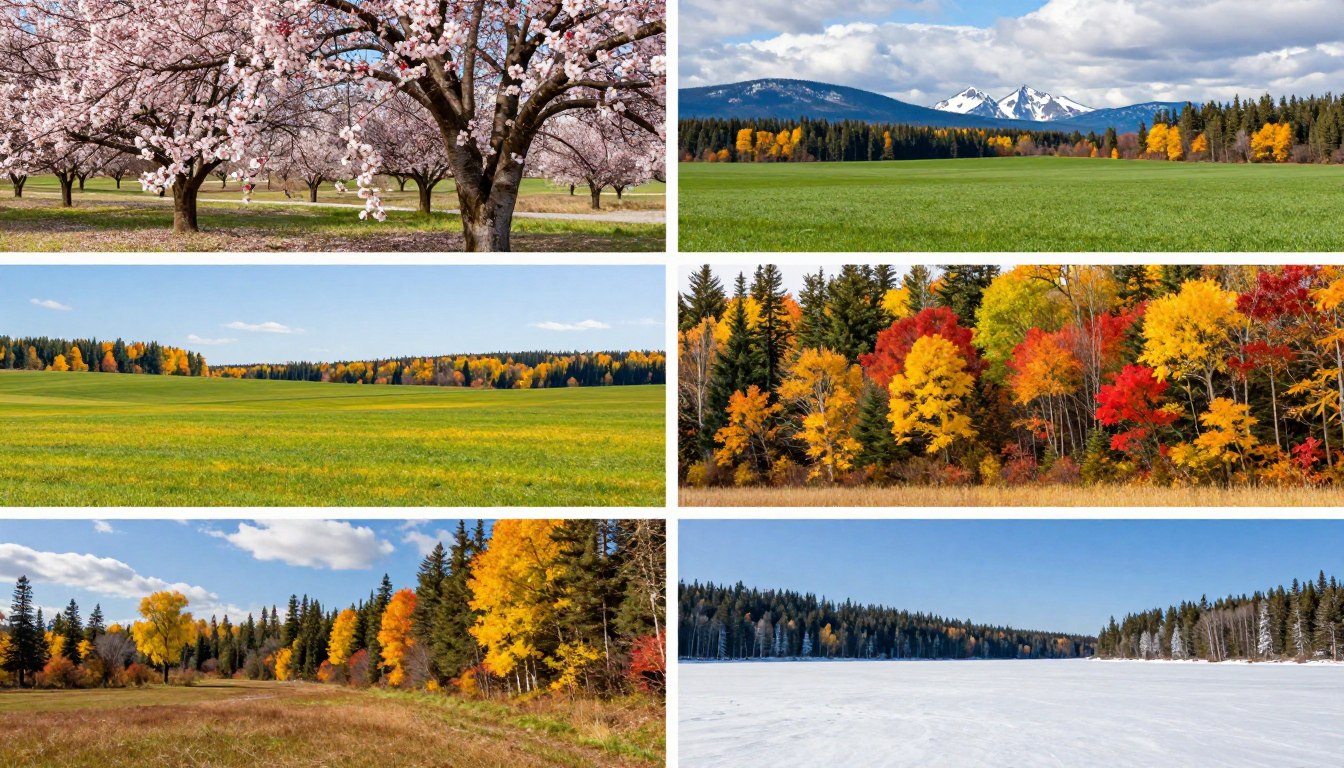
If you are looking for the best weather, aim to visit between May and October. These months offer the most sunshine and are perfect for outdoor activities like hiking or cycling. The city is vibrant and full of life during this peak season.
Winter months bring more rain, but they also offer a quieter, budget-friendly experience. If you prefer cozy cafes and fewer crowds, the off-season might be your ideal time to explore. Every season in this region has its own unique charm.
Navigating Transportation Costs and Transit Passes
Using your vancouver trip planner effectively means understanding how to get around without breaking the bank. The city features an integrated system of buses, the SkyTrain, and the SeaBus. Purchasing a Compass Card is the most efficient way to pay for your fares across all these modes of transport.
Day passes are often the best value for visitors who plan to explore multiple districts in one day. You can easily tap your card or mobile device at station gates and on buses. This seamless connectivity makes public transit the preferred choice for most travelers.
Understanding Travel Times Between Neighborhoods
Vancouver is a compact city, but travel times can vary depending on your chosen mode of transport. For example, traveling from the Downtown core to the popular Kitsilano neighborhood usually takes about 20 to 30 minutes by bus. If you are cycling, you might find the trip even faster during peak traffic hours.
Most major attractions are clustered within a short distance of each other. But, always account for extra time if you are heading to the North Shore or further out to the university grounds. Planning your route in advance will help you maximize your time and keep your vancouver trip planner on track.
Planning a trip to Vancouver?
Our partner Voyada’s trip planning AI builds a day-by-day plan with flights, hotels and a real total cost for your dates — in about a minute, free.
Plan trip with AICrafting Your Ideal Vancouver Itinerary
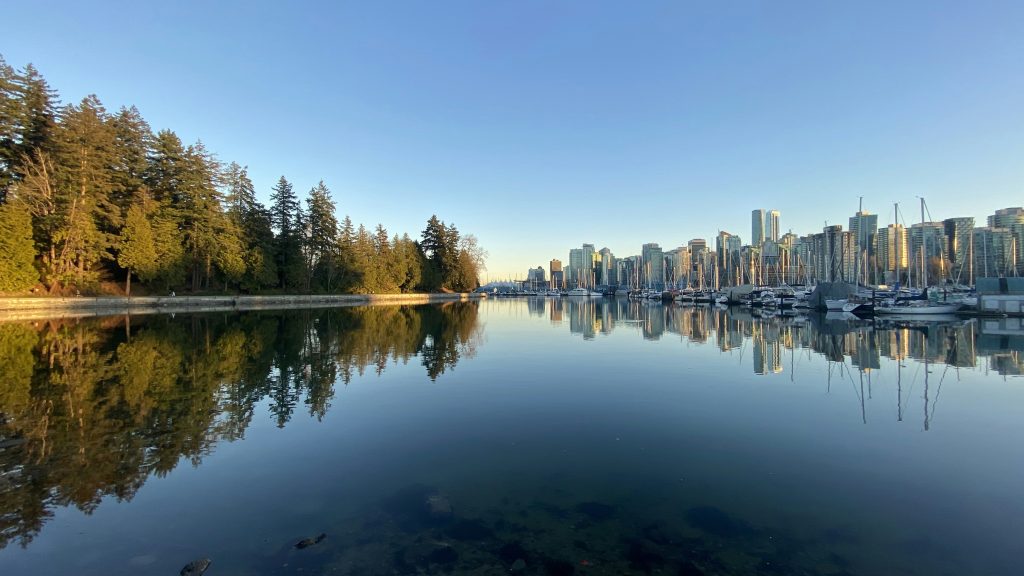
Creating the ultimate Vancouver itinerary is more than just visiting famous places. It’s about finding a balance between the city’s stunning natural landscapes and its lively urban scene.
Spending at least three days in Vancouver is key. It allows for a good mix of museum visits and exploring different neighborhoods. This timeframe ensures you can experience the best without feeling rushed or overwhelmed.
Balancing Urban Exploration and Nature
To maintain your energy, alternate between active outdoor activities and more relaxed cultural experiences. This balance prevents exhaustion and keeps your Vancouver trip exciting every day.
Start your day with a hike through green forests or a bike ride along the coast. Then, spend the afternoon visiting local galleries or enjoying a coffee in a historic area.
Structuring Days to Minimize Commute Times
Using a Vancouver trip planner helps you focus on specific areas. Grouping your activities by neighborhood reduces travel time.
This approach lets you fully experience each district’s unique vibe. When planning your Vancouver itinerary, choose places that are close together to make the most of your time.
Effective planning is the key to a stress-free trip. A well-organized itinerary means you’ll spend more time enjoying the sights and less time stuck in traffic.
Day One: Downtown Core and Waterfront Exploration
Welcome to your first day, a perfect blend of urban sophistication and breathtaking coastal scenery. This initial leg of your journey focuses on the heart of the city, where the skyline meets the Pacific Ocean. It is the ideal way to get your bearings while breathing in the fresh, salty air.
Walking the Seawall from Coal Harbour
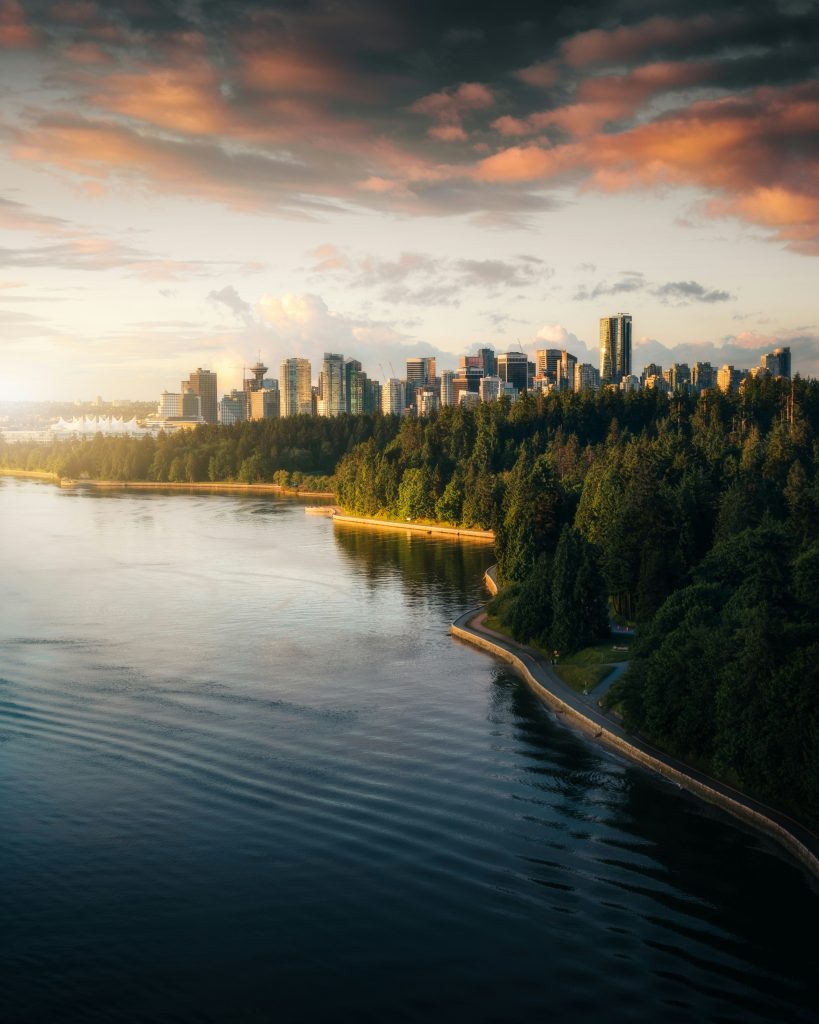
Begin your morning in Coal Harbour, a stunning area that serves as the gateway to the city’s famous waterfront. You will find yourself on the iconic Seawall, a massive 28-kilometer path that offers some of the best views in the entire region.
This uninterrupted pathway is a favorite for locals and visitors alike. As you walk, you will see seaplanes taking off against a backdrop of snow-capped mountains. It is a peaceful yet invigorating way to start your adventure.
Exploring Public Markets and Local Architecture
After your walk, head deeper into the downtown core to admire the city’s unique architectural character. You will notice a mix of modern glass skyscrapers and historic brick buildings that tell the story of Vancouver’s growth.
Make sure to stop by the local public spaces that serve as the city’s living room. These areas are perfect for people-watching and grabbing a quick coffee from a nearby vendor. You will quickly see why this blend of nature and urban design makes Vancouver so special.
Day Two: Stanley Park and West End Immersion
Today, we leave the city’s skyscrapers behind for the towering cedars and coastal paths of Stanley Park. This massive 1,000-acre oasis is the city’s crown jewel, blending manicured gardens with wild, rugged forest. The West End neighborhood is the perfect entry point to this natural sanctuary.
Cycling the Stanley Park Perimeter
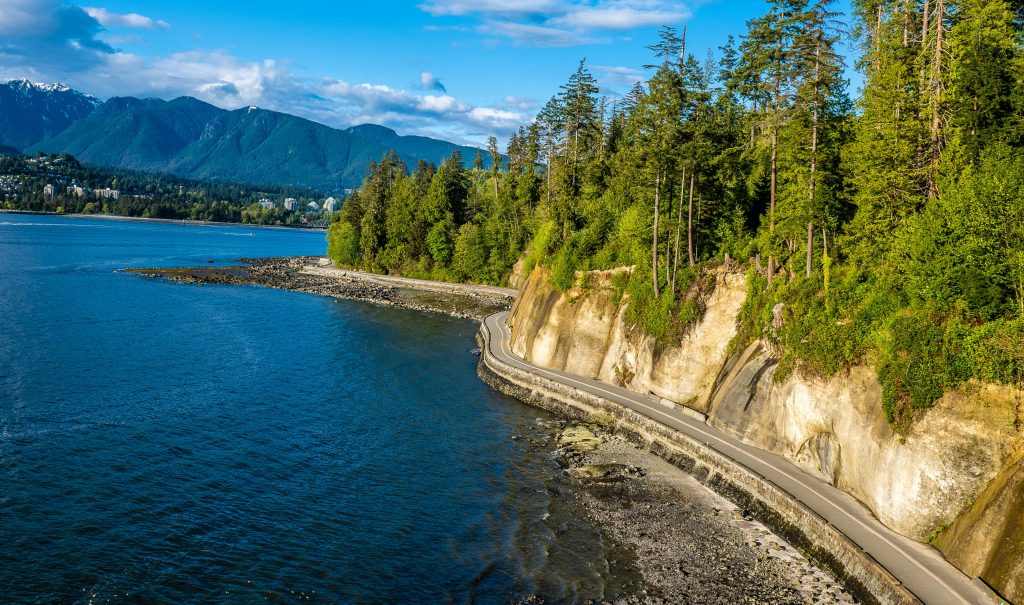
Renting a bicycle is the best way to explore the park, tackling the famous Seawall. This paved path encircles the park, providing stunning views of the Pacific Ocean and the North Shore mountains. Rental shops along Denman Street offer easy access to the park gates.
Be sure to pace yourself on the Seawall. The full loop is about six miles, but you’ll want to stop often for photos of the skyline. The path is shared with pedestrians, so maintain a steady speed and stay to the right.
Discovering Hidden Beaches and Totem Poles
The park conceals several quiet beaches, far from the city’s hustle. Third Beach is a local favorite for a quick rest or picnic. Exploring the interior forest reveals peaceful, moss-covered paths.
A visit isn’t complete without seeing the historic totem poles at Brockton Point. These carvings represent the region’s rich Indigenous history, giving insight into local culture. Take time to read the plaques and understand the significance of these artworks before returning to the West End for dinner.
Day Three: Cultural Districts and Historic Gastronomy
Today, we explore the city’s oldest neighborhoods, trading natural trails for cobblestone charm. Vancouver’s well-preserved districts and vibrant cultural hubs offer a fascinating glimpse into its past. Exploring these areas deepens your connection to local heritage and culinary evolution.
Walking Tours of Gastown
Gastown is Vancouver’s oldest commercial district, known for its iconic Victorian architecture and narrow, lamp-lit streets. As you wander, look out for the famous steam clock, which whistles every quarter hour. It’s a beloved landmark that embodies the nostalgic spirit of Gastown.
The district is also home to unique makers’ shops and independent boutiques. You can spend hours browsing local art, handcrafted jewelry, and bespoke clothing. It’s the perfect spot to find a unique souvenir and experience the creative energy of local artisans.
Visiting Historic Sites in Chinatown
A short walk from Gastown brings you to Chinatown, one of North America’s largest and most historic. This district is a cultural treasure, featuring traditional architecture and bustling markets. You’ll see a unique blend of old-world charm and modern urban life.
The Dr. Sun Yat-Sen Classical Chinese Garden is a peaceful retreat from the city noise. It’s the first classical Chinese garden built outside of China. Take time to admire the rock formations and serene ponds that make this site beautiful.
After visiting the garden, don’t miss the chance to try authentic cuisine at local food halls. Chinatown is renowned for its rich culinary traditions, from traditional dim sum to innovative fusion dishes. It’s a must-visit for anyone wanting to taste Vancouver’s true flavors.
Day Four: Mountain Heights and Suspension Bridges
Enhance your travel adventure by venturing into the towering peaks and lush rainforests across the water. The North Shore transforms your journey from urban streets to rugged mountain landscapes, creating a world apart. It offers both famous landmarks and serene forest trails, making it ideal for an adventurous day.
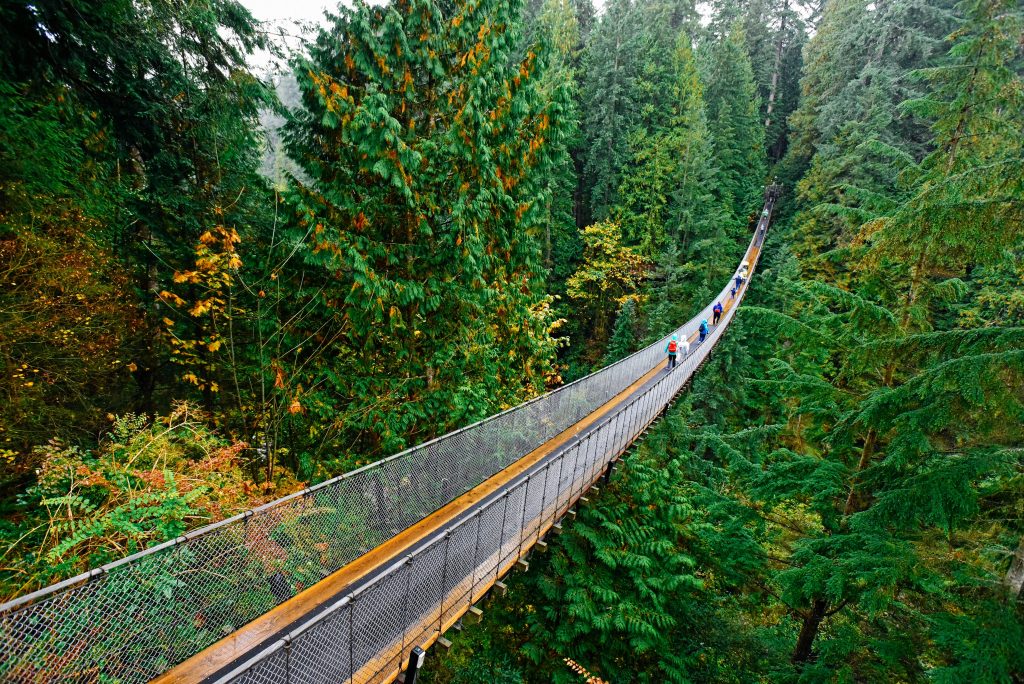
Reaching North Shore Peaks
The North Shore boasts iconic attractions that attract visitors worldwide. The Capilano Suspension Bridge, spanning 450 feet, offers a thrilling view of the rainforest canopy and the deep canyon below. It’s a must-see for those who appreciate engineering marvels and natural splendor.
For a more local experience, visit regional parks like Lynn Canyon. These parks feature smaller, free suspension bridges that provide a similar thrill without the crowds. Reaching these mountain heights is easy with a SeaBus ride, followed by a short bus trip or shuttle.
Safety Tips for High-Altitude Attractions
Exploring mountain peaks requires some preparation to stay comfortable. Temperatures at higher elevations are cooler than in the city, so pack an extra layer. A light windbreaker or fleece jacket will keep you warm against the mountain breeze.
Wearing sturdy footwear is critical for navigating uneven terrain on forest paths and bridge walkways. Ensure your shoes have good grip for potentially slippery surfaces near waterfalls or damp trails. Remember to stay hydrated and apply sunscreen, as the sun’s strength can be surprising even on cooler days.
Day Five: Island Life and Coastal Views
Your fifth day in Vancouver introduces you to the city’s most captivating maritime hub. This area has transformed from a neglected industrial site to a vibrant cultural gem. It’s a testament to the power of transformation.
Taking the Aquabus to Granville Island
The iconic Aquabus is the quintessential mode of transport to this destination. These vibrant ferries offer a unique perspective of the city skyline as they traverse False Creek. It’s a scenic journey that sets the tone for your day.
Boats depart from various docks along the downtown waterfront and the West End. This method is not only quick and affordable but also incredibly enjoyable. It’s a perfect way to begin your day with a splash of adventure.
Browsing Artisan Studios and Food Halls
Upon arriving at the island, the Public Market becomes your focal point. It’s a treasure trove of fresh local produce, artisan cheeses, and gourmet delights. These offerings highlight the finest of British Columbia’s culinary scene.
The island is also a haven for artisans. You can observe glassblowers, potters, and painters in their element. Their creativity is palpable, adding to the island’s allure.
Explore the island’s quieter alleys to uncover hidden galleries and workshops. This unique fusion of industry and artistry makes Granville Island a standout attraction in Vancouver.
Day Six: University Grounds and Botanical Gardens
Day six invites you to explore the academic charm and natural wonders of the university district. Located on the scenic Point Grey peninsula, this area offers a refreshing change of pace from the busy downtown core. You will find a perfect blend of intellectual history and lush, coastal wilderness waiting to be discovered.
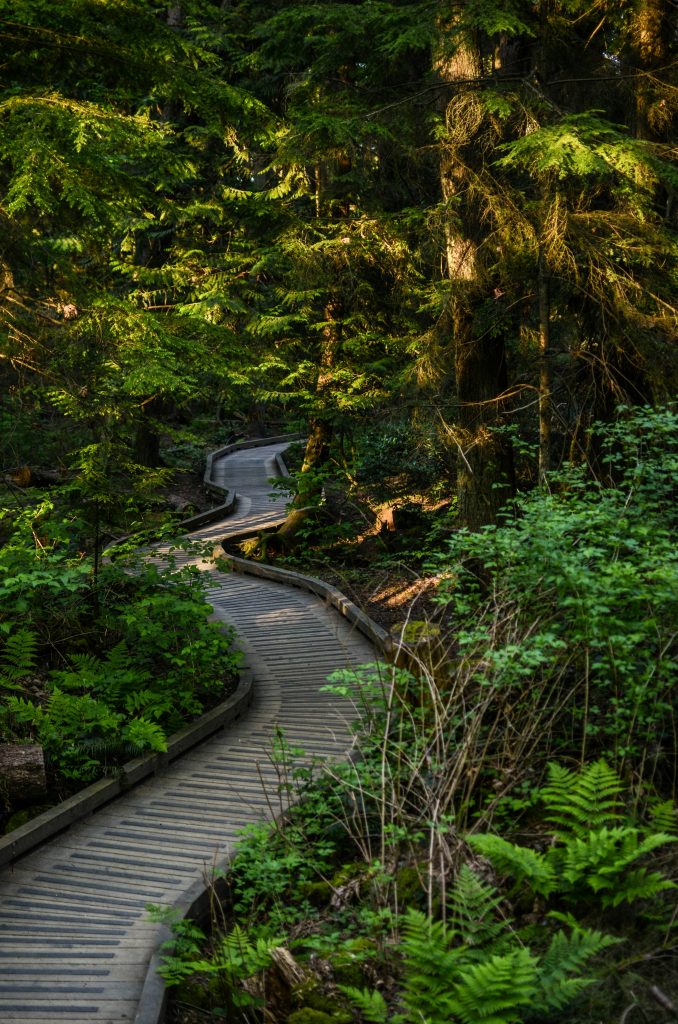
Exploring Pacific Spirit Regional Park
Your morning begins with a deep dive into the serene landscapes of Pacific Spirit Regional Park. This massive green space acts as a natural buffer between the city and the university campus. You can wander through miles of winding trails shaded by towering Douglas fir and ancient cedar trees.
The forest floor is often covered in soft moss, creating a quiet atmosphere that feels miles away from civilization. Whether you prefer a brisk hike or a slow, meditative walk, the park provides endless paths to suit your mood. It is truly a sanctuary for those looking to reconnect with the Pacific Northwest wilderness.
Visiting World-Class Botanical Collections
After your forest adventure, head toward the heart of the university campus to experience its renowned botanical treasures. The area is home to world-class gardens that showcase a stunning variety of plant life from around the globe. You will be amazed by the meticulous design and the sheer diversity of species on display.
Beyond the gardens, the campus also hosts fascinating biodiversity museums that are perfect for science enthusiasts. These institutions offer a unique look at the natural history of the region through interactive exhibits and preserved collections. Spending your afternoon here allows you to appreciate the intersection of academic research and environmental conservation.
Day Seven: Coastal Escapes and Day Trip Ideas
A world of natural wonder awaits those seeking the best Vancouver day trip ideas. Beyond the city’s urban skyline, the surrounding islands and coastal inlets offer a peaceful retreat. These excursions are ideal for those wanting to experience the Pacific Northwest’s true spirit.
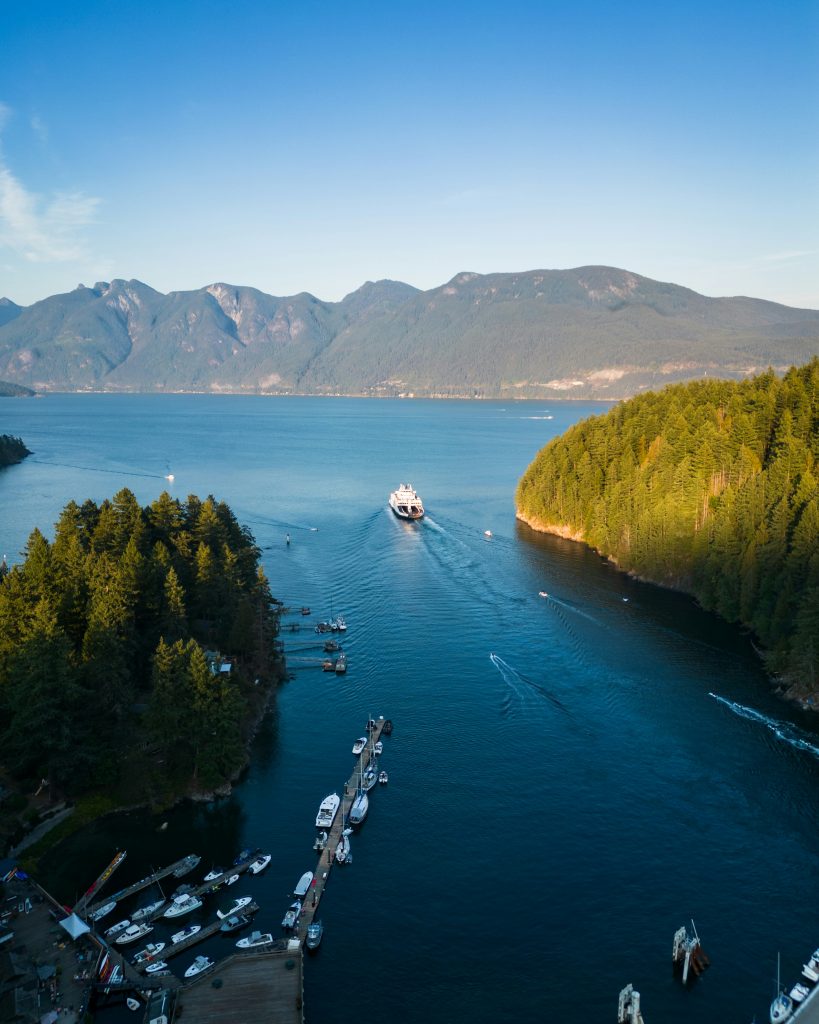
Planning a Trip to Bowen Island
Bowen Island is a great choice for a quick escape, just a short ferry ride from the mainland. The ferry ride takes about 20 minutes, making it an accessible destination for a day trip. Upon arrival, you’ll find a serene environment, far from the city’s hustle.
Outdoor lovers can hike through lush forests or kayak along the calm shoreline. The island’s size allows for a full day of exploration, yet its charm invites you to linger. It’s a top choice for those who adore nature.
Visiting the Sunshine Coast via Ferry
The Sunshine Coast offers a deep connection with British Columbia’s rugged beauty. Board a ferry from Horseshoe Bay to reach this stunning coastline. The ferry ride itself showcases the Howe Sound and mountain peaks.
Upon arrival, explore quaint seaside towns, hidden beaches, and dense rainforests. This region is perfect for those who prefer a slower pace and local coastal culture. Including it in your Vancouver day trip ideas ensures a memorable day of scenery and tranquility.
Budgeting for Your Vancouver Vacation
Planning your finances is key to a stress-free Vancouver vacation. Setting clear spending expectations allows you to enjoy the city’s wonders without worry. A bit of preparation ensures your trip is both fun and affordable.
Daily Cost Estimates for Mid-Range Travelers
Mid-range travelers should budget $150 to $225 USD daily. This covers boutique hotels, public transit, and both casual and formal dining. Remember, accommodation prices change with the season and location.
Managing your spending is essential. Allocate funds for activities and tours to avoid overspending. A small reserve in your budget is wise for unexpected delights or souvenirs.
Strategies for Saving on Dining and Attractions
Vancouver offers many ways to save without losing quality. Enjoying views in Stanley Park or along the Seawall is free. Free walking tours and summer festivals are also great options.
Exploring local markets is a budget-friendly food strategy. Many vendors in places like Richmond only accept cash. Mixing these with occasional restaurant visits keeps your budget in check while exploring diverse culinary scenes.
Navigating Vancouver Public Transit
Unlocking the full adventure of Vancouver lies in mastering its public transportation system. Knowing how to move between neighborhoods saves time and reduces travel stress. This guide will help you navigate like a local.
Using the SkyTrain System Efficiently
The SkyTrain is the heart of Vancouver’s transit network. It connects the Vancouver International Airport to downtown and beyond. It’s a fast, reliable way to avoid traffic during peak hours.
To ride, just tap your contactless card or Compass Card at the gates. Trains run often, making it easy to explore different areas. Always check the signs to ensure you’re going the right way.
Understanding SeaBus Schedules and Connections
The SeaBus links downtown to the North Shore mountains. This passenger ferry offers scenic views of the skyline and harbor. It’s a practical way to cross the Burrard Inlet.
The ferry leaves from Waterfront Station, a major transit hub. Schedules match other lines for smooth transfers. Plan ahead for a seamless journey from city to nature.
Top Vancouver Attractions for Every Season
Vancouver’s charm is evident year-round, regardless of the weather. The city’s culture seamlessly adapts to each season, ensuring your visit is unforgettable. Knowing how to plan your days can make exploring Vancouver’s highlights a breeze.
Indoor Activities for Rainy Days
When rain clouds envelop the city, it’s time to seek refuge indoors. Vancouver is home to world-class museums and cultural centers, perfect for rainy days. The Vancouver Art Gallery and the Museum of Anthropology are ideal for those seeking inspiration.
Science World offers an engaging experience, ideal for families or anyone with a curious mind. These indoor spots are among Vancouver’s top attractions for those who prefer to stay dry while exploring local history and art. You can easily spend an afternoon exploring these vast galleries.
Outdoor Adventures During Summer Months
Summer brings a lively atmosphere to the coast, encouraging everyone to venture outdoors. Whale watching is a favorite activity, available from April to October. The warmest months offer the best whale watching opportunities, making it a summer highlight.
Beach hopping is another great way to enjoy the sun along the coast. From Kitsilano Beach’s sandy shores to Spanish Banks’ rugged beauty, there’s a beach for everyone. These outdoor activities are among Vancouver’s top attractions for nature lovers and those who appreciate coastal views.
Local Etiquette and Sightseeing Tips
Being a thoughtful traveler is key to leaving a positive mark on the community. Grasping local customs allows for a deeper connection with the people you meet. These essential vancouver sightseeing tips will equip you with confidence and grace as you explore the city.
Tipping Culture and Service Expectations
In local eateries and cafes, tipping is a common practice that shows your gratitude for service. Typically, visitors leave a gratuity between 15% and 20% of the pre-tax bill. The service staff are usually friendly and attentive, making dining a pleasant experience.
When using a card to pay, the terminal will ask you to choose a tip percentage before completing the transaction. If service is outstanding, consider tipping on the higher end of that range. These vancouver sightseeing tips aim to make you feel at ease while supporting local workers.
Respecting Indigenous Land and Local Wildlife
Vancouver sits on the traditional, ancestral, and unceded territories of the Coast Salish peoples. It’s vital to acknowledge this history and show respect for the land during your visit. When exploring nature, maintain a safe distance from wildlife and never feed them.
While the city is generally safe, it’s wise to stay alert at all times. Avoid walking in East Hastings and Chinatown late at night due to safety issues. By being informed and mindful, you can fully appreciate the region’s beauty while being a responsible guest.
Must-See Neighborhoods Beyond the Tourist Path
Exploring the city’s heart means venturing into neighborhoods where locals spend their weekends. The downtown core is impressive, but the true spirit of the region lies in its diverse residential districts. These areas are a must-see in vancouver for anyone wanting to experience the city like a local.
Exploring Main Street and Mount Pleasant
Mount Pleasant is a vibrant hub that embodies the city’s creative energy. Walking along Main Street, you’ll find a plethora of independent coffee shops, unique boutiques, and curated thrift stores. It’s the ideal spot for a locally roasted latte and unique vintage finds.
This neighborhood is welcoming and approachable, making it a must-see in vancouver for those who value local craftsmanship. The streets are adorned with colorful murals and bustling patios, inviting you to slow down. It’s no wonder artists and young professionals flock here.
Discovering Commercial Drive Culture
Commercial Drive offers a unique perspective on the city’s history. This historic district is known for its multicultural heritage and eclectic atmosphere. You can spend hours exploring independent bookstores, specialty grocers, and authentic international eateries.
The “Drive,” as locals call it, provides a raw and honest look at the community’s past and present. It’s a must-see in vancouver for those seeking authenticity. Whether enjoying live music or a quiet meal, the neighborhood offers a memorable glimpse into local life.
Packing Essentials for Pacific Northwest Weather
Packing for Vancouver is an art that blends style with the unpredictable coastal weather. The area is known for its quick changes from sunshine to light rain, sometimes in just an hour. Having the right items in your luggage ensures you stay comfortable while exploring the city.
Layering Strategies for Variable Temperatures
Handling the local climate effectively requires a smart layering system. Begin with a moisture-wicking base layer to keep your skin dry during active days. Then, add a fleece or wool sweater as a mid-layer to retain heat when temperatures drop.
Finish your outfit with a high-quality, water-resistant outer shell. This final layer protects you from the famous Pacific Northwest mist. You can easily remove or add these layers as you move between indoor cafes and outdoor parks.
Footwear Requirements for Urban and Trail Walking
Your footwear choice is as critical as your clothing. Vancouver is very walkable, so comfort is key. Opt for supportive, water-resistant sneakers for both city sidewalks and gravel paths.
If you’re heading to local mountain trails, consider a lightweight hiking shoe with good grip. These versatile options work well from a morning coffee run to an afternoon forest hike. Avoid heavy boots unless you’re visiting during the peak of winter.
Conclusion
You are now fully equipped to plan an unforgettable journey through one of Canada‘s most diverse and beautiful cities. This vancouver itinerary offers the perfect blend of urban excitement and the natural tranquility found throughout the Pacific Northwest.
Use this vancouver travel guide to navigate the city with confidence. You have the tools to prioritize the top vancouver attractions while leaving room for spontaneous discovery. Whether you seek mountain peaks or quiet coastal paths, this plan keeps your schedule organized.
Review these vancouver sightseeing tips to ensure your trip remains smooth and stress-free. If you want to explore vancouver itinerary options further, consider adding a few extra days for local hidden gems. You might even find new vancouver day trip ideas that suit your personal interests.
Every must-see in vancouver is now within your reach. Your next step is to book your accommodations and start mapping out your specific daily adventures. We hope this guide serves as a reliable companion as you discover everything this incredible city has to offer.
FAQ
How many days do I need for a complete vancouver itinerary?
What are the top vancouver attractions I shouldn't miss?
Do you have any vancouver day trip ideas for hikers?
What are some essential vancouver sightseeing tips for rainy weather?
What makes this the best vancouver itinerary for families?
How do I use a vancouver trip planner to see wildlife safely?
Is public transit easy to use for first-time visitors?
Is Vancouver safe?
Yes, Vancouver is one of Canada’s safer big cities overall, with violent crime rare in the areas visitors spend time in. The main exception is the Downtown Eastside, a few blocks with a visible open drug crisis; it is safe to drive or walk through in daylight but best avoided, especially after dark, if you are simply passing through.
Is Vancouver safe to walk around at night?
Yes, in most tourist areas Vancouver is safe to walk around at night, including Gastown, Yaletown, the West End and around Granville Street, all of which stay busy into the evening. As in any big city, stick to well-lit main streets, be more cautious around Hastings Street and the Downtown Eastside after dark, and keep valuables out of sight.
Is Vancouver safer than Toronto?
Overall crime rates in the two cities are broadly similar for the areas visitors see, and both feel safe for tourists in their central, walkable districts. Vancouver’s most visible safety issue is the concentrated open drug scene in a few Downtown Eastside blocks, which most visitors simply avoid, while Toronto’s larger footprint spreads its trouble spots more thinly across the city.
Is Vancouver at risk from tsunamis?
The risk to downtown Vancouver itself is low. The city sits inside the sheltered Strait of Georgia, far better protected than the exposed outer coast of Vancouver Island, where towns like Tofino face a real tsunami risk from a major offshore earthquake. A big enough quake could still send smaller waves into the strait, but downtown Vancouver is not considered a high-risk tsunami zone.
Does wildfire smoke affect Vancouver?
Yes, in some summers. Smoke drifting in from wildfires in BC’s interior can push Vancouver’s air quality down for days at a time, typically between late July and September, even though the fires themselves burn well outside the city. It is worth checking an air quality index during a late-summer visit and having an indoor backup plan for smoky days.
Is Vancouver worth visiting?
Yes, Vancouver combines a compact, walkable downtown, Stanley Park’s seawall, and mountains and ocean within view of the skyline, in a way few cities manage. It works well as a standalone city break and as a jumping-off point for Whistler, Vancouver Island or the Rockies, and consistently ranks among the world’s most liveable cities for good reason.
Is Vancouver worth visiting in the fall?
Yes, though pack for rain. September is still mild and relatively dry, making it one of the best months to visit, while October and November bring the region’s wet season in earnest, with grey skies and regular downpours. The upside of visiting later in fall is thinner crowds, lower hotel prices, and spectacular autumn colour in Stanley Park and the North Shore mountains.
Why is Vancouver so expensive?
Vancouver’s cost is driven largely by its housing market, among the priciest in North America, which pushes up wages, rents for restaurants and shops, and ultimately prices for everything from hotel rooms to a cup of coffee. Limited buildable land, hemmed in by mountains and ocean, along with strong demand from locals and international buyers alike, keeps pressure on prices across the board.
Is Vancouver more expensive than Toronto?
The two cities are close, and hotel and restaurant prices are broadly comparable, though Vancouver usually edges out Toronto on housing and rental costs. For a short visit, day-to-day spending on food, transit and attractions feels similar in both cities, so the choice between them rarely comes down to budget alone.
Is Vancouver more expensive than New York?
No, Vancouver is generally cheaper than New York for a typical visitor. Hotel rooms, restaurant meals and taxis in Vancouver usually cost noticeably less than their New York equivalents, even though Vancouver’s own housing costs are famously high; that expense shows up mainly in rent, not so much in the everyday tourist bill.
Is eating out expensive in Vancouver?
Eating out in Vancouver sits at the higher end for Canada, similar to Toronto, though still cheaper than a major US city. Expect around $15-$20 for a casual lunch, roughly $30-$50 a person at a mid-range restaurant with a drink, and considerably more at the city’s well-regarded sushi and fine-dining spots.
How many days do you need for Vancouver Island?
Vancouver Island deserves at least 4 to 5 days on top of any time spent in Vancouver city itself. That is enough for Victoria, a stretch of the wilder west coast around Tofino or Ucluelet, and a couple of stops in between; a full loop of the island with time to properly explore comfortably takes a week or more.
How many days do you need for Vancouver and Victoria together?
Around 5 to 7 days works well: three or four in Vancouver for the city highlights, plus a day trip or overnight in Victoria, reached by a scenic ferry across the Strait of Georgia. Adding an overnight in Victoria rather than a rushed day trip gives more breathing room, since the ferry crossing itself takes a couple of hours each way.
How many rainy days does Vancouver get a year, and how sunny is it?
Vancouver sees rain on roughly 160-190 days a year, concentrated heavily between November and March, while summer is comparatively dry and sunny, especially July, the driest and sunniest month. Overall the city gets close to 2,000 hours of sunshine a year, so a summer visit looks very different from a grey winter one.
How much does public transit cost in Vancouver?
A single adult fare on TransLink (bus, SkyTrain or SeaBus) costs around $2.85 to $3.50 depending on payment method, valid for 90 minutes across the whole system regardless of zones. A day pass costs more but pays off after three or more trips, and tapping a contactless bank card works the same way as a Compass card at faregates and bus readers.
How much does the ferry from Vancouver to Victoria cost?
A one-way foot-passenger ticket on BC Ferries costs around $21, while bringing a standard car costs roughly $89 one-way, with cheaper advance saver fares sometimes available. The sailing itself takes under two hours, but door-to-door time is closer to four hours once you include getting to and from the terminals outside both city centres.
How much does the Vancouver Aquarium cost?
Adult admission uses dynamic pricing and typically runs from around $40 to $55 depending on the day, with lower rates for booking online in advance. Youth, senior and child tickets are all discounted further, and it is worth checking the aquarium’s own website for the exact rate on your visit date rather than relying on one fixed price.
How much is sales tax in Vancouver?
British Columbia charges 5% GST plus 7% PST on most goods, for a combined 12%, though restaurant meals bought for immediate consumption are GST-only. Hotel rooms are taxed more heavily, with an 8% PST plus additional destination and event levies that can push the total tax on a Vancouver hotel bill above 15%, so budget a little extra on top of the advertised room rate.
How far is Vancouver from Toronto?
Vancouver and Toronto sit on opposite sides of the country, about 2,070 miles (3,340 km) apart. There is no realistic driving option for a visit; a nonstop flight takes around 4.5 hours, and the two cities are also three time zones apart, so factor that into any itinerary spanning both.
How far is Vancouver from Seattle?
Seattle is about 140 miles (230 km) south of Vancouver, roughly a two-and-a-half to three-hour drive across the US border at Peace Arch or Pacific Highway. Border wait times can add another hour or more at busy periods, so it is worth checking current crossing times before a day trip, and carrying a passport is essential.
How far is Vancouver from Calgary?
Calgary is about 425 miles (685 km) east of Vancouver, on the far side of the Rocky Mountains. Flying takes around 1 hour 20 minutes, while driving, a genuinely scenic route through the mountains, takes roughly 10 to 11 hours, so most visitors fly unless the drive itself is part of the plan.
When is the best time to visit Vancouver?
Late spring to early autumn, roughly June to September, is the best window, with the driest, sunniest weather and long daylight hours for exploring Stanley Park or day-tripping to Whistler. July and August are driest and busiest; June and September offer a similar experience with fewer crowds and slightly lower prices.
Before you go: turn this guide into a day-by-day plan. Our partner Voyada is a free itinerary creator that builds the trip with flights, hotels and a real total cost for your dates — in about a minute.
Build a travel itinerary →