
Table of Contents
ToggleThe best time to visit Italy is April to June or September to October, when temperatures are pleasant, major sights are accessible without summer’s extreme heat, and hotel prices are significantly lower than peak season. July and August bring intense heat, enormous tourist crowds, and the Ferragosto holiday period when many local restaurants and shops close. Winter (November to March) is ideal for art cities like Rome and Florence — minimal crowds, low prices, and the same cultural riches.
The best time to visit Italy is April–June or September–October — when weather is warm, crowds are manageable, and prices are 20–40% lower than peak summer. July and August in Rome, Florence, and the Amalfi Coast mean temperatures above 35°C, tourist gridlock, and premium pricing on everything. Every experienced Italy traveler eventually learns the same lesson: avoid August. For official, up-to-date visitor information, see Italy’s UNESCO World Heritage listings.
With its varied climate and different regions, planning a trip to Italy can be tricky.
Choosing the right season is key for a great Italian vacation. Spring (April-May) and autumn (September-October) are the best times. The weather is nice, and there are fewer people around.
These seasons are perfect for seeing Italy’s historical sites, enjoying the landscapes, and trying the local food.
Key Takeaways
- Spring (April-May) is a great season to visit Italy due to pleasant weather.
- Autumn (September-October) offers a good balance of comfortable weather and smaller tourist crowds.
- Understanding Italy’s climate helps in planning a more enjoyable trip.
- Regional variations in Italy can affect the travel experience.
- Planning ahead is key to making the most out of your Italian vacation.
Understanding Italy's Diverse Climate and Regions
Italy’s climate changes from the snowy Alps in the north to the warm Mediterranean beaches in the south. This change is due to its geography. The shape of Italy and its mountains greatly affect the weather in different areas.
Geographic Diversity from North to South
Italy stretches into the Mediterranean Sea with mountains running along its spine. The Alps in the north make the climate cooler and more temperate.
Key geographical features that impact Italy’s climate include:
- The Alps in the north, which can be cold and snowy, especially during winter.
- The Po Valley, a significant low-lying area that can experience fog and colder temperatures in winter.
- The Apennine Mountains, which run down the centre of the Italian peninsula, affecting local climates.
- The Mediterranean coastline, which moderates the climate in coastal regions, making it milder.
How Climate Varies Across Italian Regions
The climate in Italy changes a lot from north to south. The north, like Lombardy and Piedmont, has cold winters and warm summers. Central Italy, including Tuscany and Umbria, has a Mediterranean climate with warm summers and mild winters.
Regional climate variations include:
- Northern Italy: Cooler and more temperate, with significant snowfall in the Alps during winter.
- Central Italy: Mediterranean climate, ideal for tourism, with warm summers and mild winters.
- Southern Italy: Warmer and sunnier, with a pronounced Mediterranean climate, especially in regions like Campania and Calabria.
Knowing these differences is key for travelers. It helps them plan their trip based on the weather and activities they want to do.
Popular Italy Itineraries
Best Time to Visit Italy: Month by Month
Italy rewards travel almost year-round, but the sweet spots shift by region and interest. Here is the whole year at a glance, plus the best months for each part of the country.
| Month | Weather | Rome high / low | Crowds | Best for |
|---|---|---|---|---|
| January | Cool, crisp | 12° / 3° | Low | Quiet cities, low prices |
| February | Cool | 13° / 4° | Low | Venice Carnevale, value |
| March | Mild spring | 16° / 6° | Low-mid | Fewer crowds, sightseeing |
| April | Pleasant, Easter | 19° / 8° | Mid-high | Blooms, Easter crowds |
| May | Warm, ideal | 23° / 12° | High | Best weather, shoulder sweet spot |
| June | Hot, busy | 28° / 16° | High | Beaches open, festivals |
| July | Hot, crowded | 31° / 18° | Very high | Peak season, hot cities |
| August | Hot, Ferragosto | 31° / 18° | Very high | Many city shops shut; coast packed |
| September | Warm, easing | 27° / 15° | High | Best month: warm + thinner crowds |
| October | Mild, golden | 22° / 12° | Mid | Harvest, truffles, great value |
| November | Cool, some rain | 16° / 8° | Low | Quiet, low prices |
| December | Cool, festive | 13° / 5° | Low | Christmas markets, Alps skiing |
Average Rome temperatures (°C); the north is cooler, the south and islands warmer. Italy has more UNESCO World Heritage Sites than any country.
✈️ TripToGo Travel Deals
Get notified about great travel deals
Hand-picked flight, hotel and destination deals, straight to your inbox. No spam, unsubscribe anytime.
🎉 Thank you for subscribing!
You’re all set — the best travel deals are on their way.
Italy Weather by City: A Month-Range Data Table
Italy stretches roughly 1,300km from the Alps to Sicily, so a single national forecast is nearly useless. Here are approximate daytime highs across the country’s key cities, plus the warmest sea temperatures and the rainiest stretch — the numbers behind every recommendation in this guide:
| City | Jan | Apr | Jul | Oct | Sea (Aug) | Wettest |
|---|---|---|---|---|---|---|
| Milan (north) | 6°C | 18°C | 30°C | 17°C | — inland | Oct–Nov |
| Venice (northeast) | 7°C | 17°C | 28°C | 18°C | 25°C | Nov |
| Florence (Tuscany) | 10°C | 19°C | 32°C | 20°C | — inland | Nov |
| Rome (central) | 12°C | 19°C | 31°C | 22°C | 25°C | Nov |
| Naples (south) | 13°C | 19°C | 31°C | 23°C | 26°C | Nov |
| Palermo (Sicily) | 15°C | 20°C | 31°C | 25°C | 27°C | Nov–Dec |
The pattern to read from it: the south runs 5–9°C warmer than the north in winter (Palermo in January feels like Milan in April), the sea stays swimmable into October in the south and on the islands, and rain concentrates in November almost everywhere — not summer. Summer is dry and increasingly fierce, which is its own section below.
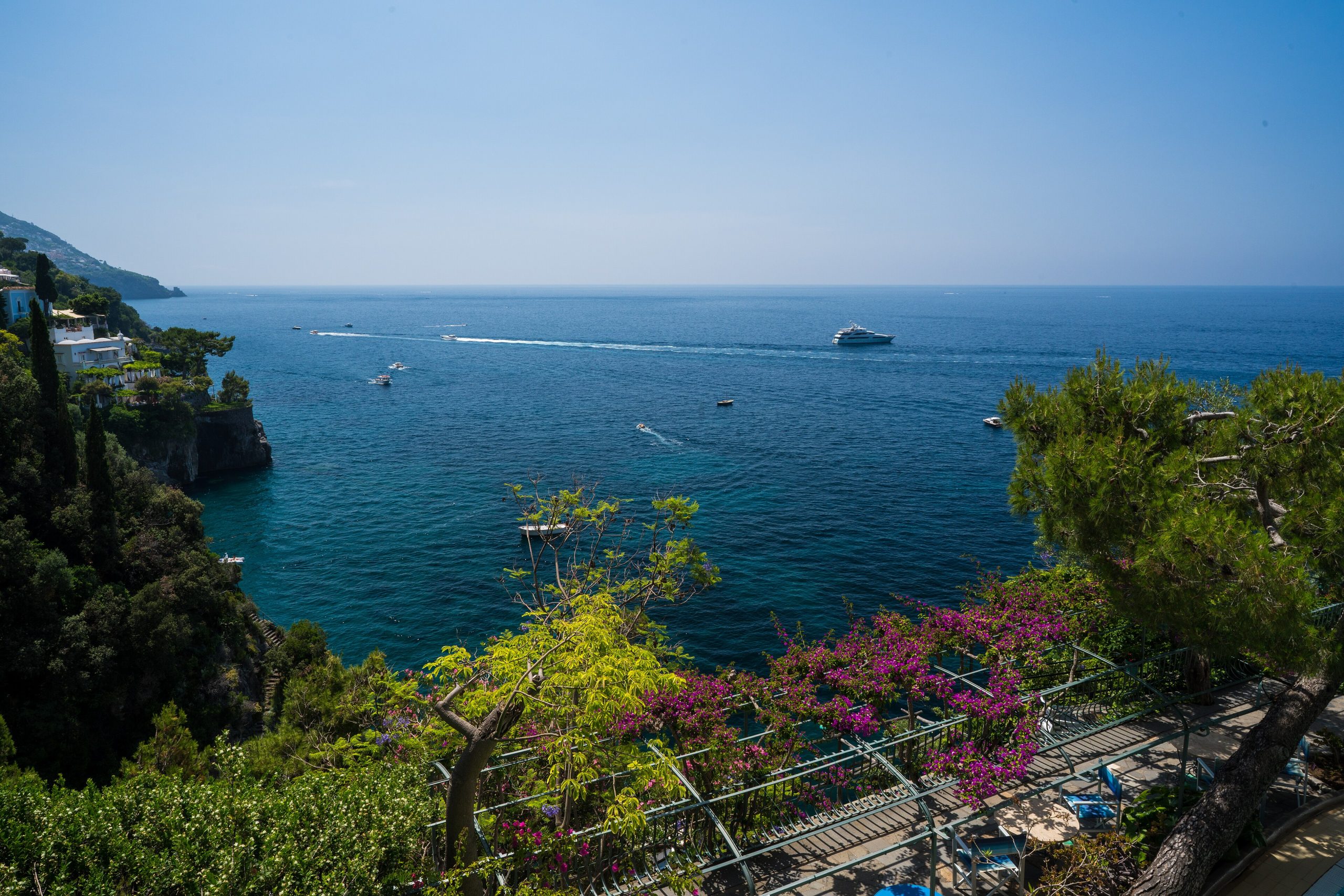
Best Time to Visit Italy by Region
| Region | Best months | Notes |
|---|---|---|
| Northern Italy (Alps, Lakes, Milan, Venice) | May–June, September | Lakes shine in late spring/early autumn; Alps ski December–March |
| Central Italy (Tuscany, Rome, Florence) | April–June, September–October | Spring and autumn are ideal; avoid the August heat |
| Southern Italy (Naples, Amalfi, Puglia) | May–June, September–October | Beaches June–September; August is packed and pricey |
| Sicily & Sardinia | April–June, September–October | The longest warm season; the sea stays swimmable into October |
Picked your month? Price Italy for it
Tell our partner Voyada’s AI vacation planner your dates and it builds the full Italy trip for that window — flights, hotels and a real total cost — in about a minute, free.
Help me plan a trip→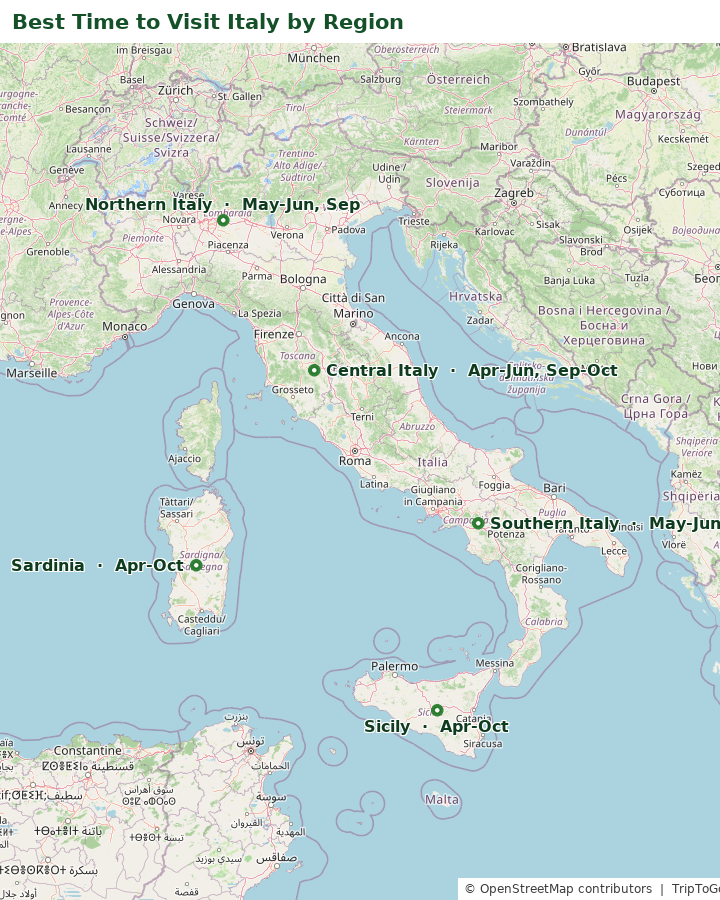
Best Time to Visit Italy: Key Facts
Best time overall: spring (April–June) and autumn (September–October) — warm, lively and far less crowded than midsummer.
Best single month: September — warm weather, the harvest, and thinner crowds than July–August.
Cheapest: November–February (outside Christmas and Carnevale).
When to avoid: August, when many city businesses close for Ferragosto and the coast is at its busiest, and the peak heat of July.
By region: the south and islands have the longest warm season; the Alps and Lakes are best from late spring to early autumn.
The Best Time to Visit Italy: Season by Season Overview
Italy is a great place to visit all year round. But, each season offers a different experience. Knowing these differences is key to planning a unforgettable Italy vacation.
Spring (March-May): Blooming Landscapes and Mild Weather
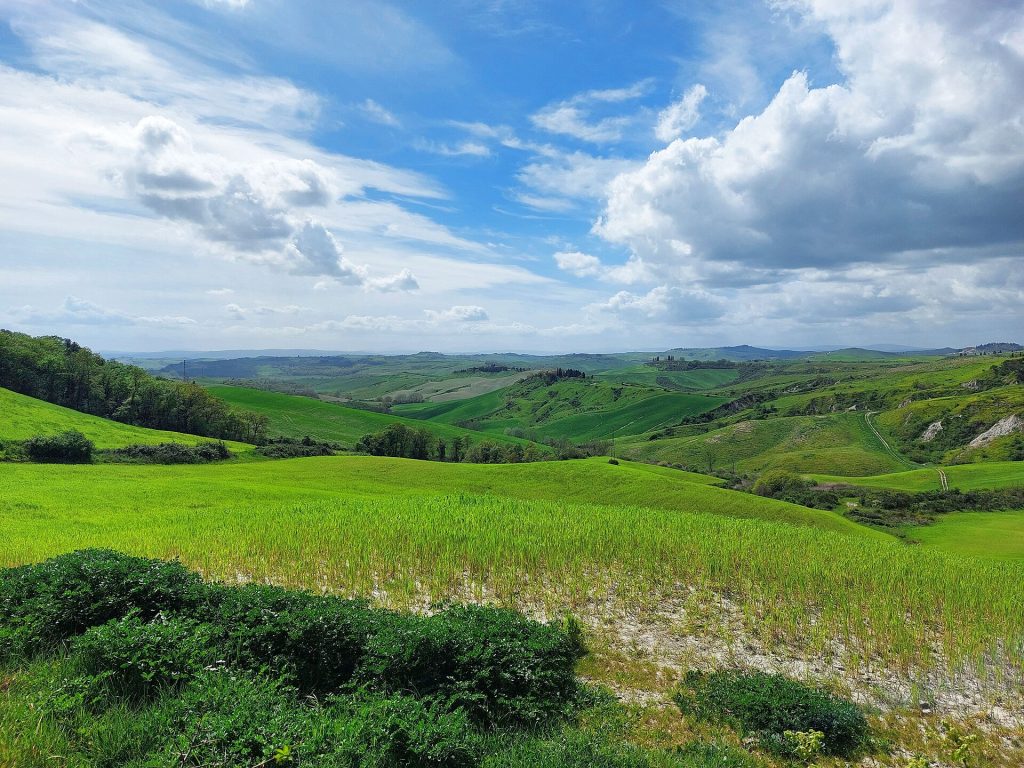
Spring in Italy is lovely, with mild weather and beautiful landscapes. It’s perfect for outdoor fun and sightseeing. Here are some reasons to visit in the spring:
- Mild weather, great for hiking and visiting historical sites
- Blooming gardens and landscapes, like the tulip fields in Villa Taranto
- Fewer tourists than in summer, for a more peaceful trip
Summer (June-August): Peak Season Sunshine and Crowds
Summer in Italy is the busiest time, with warm weather and long days. It’s a good season for:
- Visiting Italy’s beautiful beaches and coastal towns
- Joining outdoor festivals and events
- Exploring the countryside and enjoying meals outside
But, be ready for big crowds and higher prices.
Fall (September-November): Harvest Season and Cooling Temperatures
Autumn in Italy is a time of harvest and change. It offers a mix of cultural events and natural beauty. Highlights include:
- Grape harvest festivals in Tuscany and Piedmont
- Mild temperatures, great for hiking and biking
- Cultural events and food festivals celebrating the harvest
Winter (December-February): Alpine Snow and Mediterranean Mildness
Winter in Italy is different, from snowy Alps to mild Mediterranean coast. It’s ideal for:
- Skiing and snowboarding in the Italian Alps
- Exploring cities, which are less crowded and more local
- Enjoying winter festivals and Christmas markets
By knowing what each season offers, travelers can plan their trip. Whether for cultural events, outdoor fun, or a relaxing break, Italy has something for everyone.
Spring in Italy: A Season of Renewal
Italy in spring is a feast for the senses. You’ll see blooming landscapes, enjoy festive celebrations, and have perfect weather for sightseeing. The mild weather is perfect for exploring Italy’s history, art, and culture.
March: Early Spring Conditions and Events
In March, Italy starts to warm up, but the weather can still surprise you. Early spring events like the Carnevale di Viareggio in Tuscany are unforgettable. You can also see flowers bloom in Rome’s Villa Borghese or walk by the beautiful lakes in Northern Italy.
April: Easter Celebrations and Blooming Gardens
April is special in Italy, filled with Easter celebrations. These festivities bring people together with processions and traditional foods. The gardens and landscapes are in full bloom, with places like the Isola Bella in Lake Maggiore showing off their beauty.
May: Perfect Weather and Pre-Summer Advantages
May is a top month to visit Italy. The weather is just right, and the summer crowds haven’t arrived yet. Outdoor activities like hiking in the Dolomites or visiting Rome’s ancient ruins are a joy. May also has festivals like the Maggio Musicale Fiorentino in Florence, one of Europe’s oldest music festivals.
Spring in Italy is a mix of cultural events, nice weather, and fewer tourists. It’s a great time to see this beautiful country, following the italy sightseeing calendar.
Summer in Italy: Sun-Soaked Adventures
Summer starts in Italy, bringing peak tourist season with it. June welcomes the sun and adventure. Italy’s regions burst with life as days get longer and warmer.
Beginning of High Season
June marks the start of high season in Italy. The weather is warm but not too hot. It’s perfect for exploring cities, towns, and countryside.
- Enjoy mild evenings perfect for al fresco dining
- Explore Italy’s many outdoor festivals and events
- Visit popular destinations before they get too crowded
Peak Tourist Season
July and August are the busiest months for tourists. The weather is hot, especially in the south. Popular spots can be very crowded.
Key experiences during peak season include:
- Visiting iconic cities like Rome, Florence, and Venice
- Enjoying Italy’s beautiful beaches and coastal areas
- Participating in outdoor concerts and cultural events
Summer Festivals and Cultural Events
Summer in Italy is full of cultural events and festivals. You can see opera in historic places or try local food at festivals. There’s something for everyone.
- The Opera Festival in Verona
- Summer concerts in historic sites like the Roman Forum
- Food and wine festivals showcasing regional specialties
Summer is a great time to visit Italy. You can dive into the culture or just enjoy the weather.
Fall in Italy: Harvest Beauty and Cultural Riches
As summer ends, Italy becomes a colorful mix of autumn hues and harvest joy. The fall, from September to November, is perfect for visiting. It combines warm late summer days with cozy autumn nights.
Our Italy weather guide shows that fall is mild, especially in the mornings and evenings. This makes it great for exploring Italy’s culture and trying its famous food.
September: Late Summer Vibes with Fewer Crowds
September is a top time to see Italy. The summer crowds are thinning, and the weather is still warm. It’s perfect for using italy travel tips to visit famous spots without the rush.
The month is full of festivals, like grape harvests in Tuscany and Piedmont. You can enjoy the summer feel while diving into local traditions.
October: Fall Colors and Gastronomic Delights
October is when Italy’s autumn colors really shine. The leaves turn orange and red, making it a dream for photographers. Places like the Dolomites and Tuscany are especially beautiful.
This month is also great for food lovers. Truffles are in season, and you can try lots of local dishes and wines. It’s a fantastic time for those who love to eat and drink.
November: Off-Season Advantages and Early Winter Preparations
November starts Italy’s off-season. This means you can find deals on places to stay and things to do. It’s a good time to save money.
The weather might be cooler and wetter, but November is great for indoor sights. Museums and historical sites are less crowded. Plus, towns and cities start decorating for Christmas.
Winter in Italy: Alpine Wonderland and Mild Mediterranean
When winter hits Italy, the country turns into a magical place. Snow-covered Alps meet the warm Mediterranean coast. This season brings festive markets and top-notch skiing.
December: Christmas Markets and Festivities
December in Italy is magical, filled with Christmas markets and fun. Rome, Florence, and Venice sparkle with lights and decorations. Here, you can:
- Find local crafts and treats at Christmas markets
- Skate on ice in historic squares
- Try Italian Christmas foods like panettone and hot chocolate
January and February: Winter Sports and Low-Season Travel
January and February are perfect for skiing fans. The Italian Alps have some of Europe’s best slopes. Places like Cortina d’Ampezzo, Breuil-Cervinia, and Courmayeur draw skiers worldwide. For a calm escape, Tuscany and inland Sicily rather than the Amalfi Coast are mild and peaceful.
Top winter sports destinations in Italy include:
- Cortina d’Ampezzo: Famous for its glamorous slopes and Dolomite views
- Breuil-Cervinia: Has a huge ski area and the Matterhorn
- Courmayeur: A charming spot at Mont Blanc’s foot
Winter Cultural Events and Indoor Attractions
Winter is also great for exploring Italy’s culture. Museums and galleries have special shows. Highlights include:
- The Venice Carnival, a famous winter event
- Opera at La Scala in Milan
- Winter shows at the Uffizi Gallery in Florence
Italy in winter is perfect for culture lovers. With some planning, you can enjoy both outdoor fun and indoor sights. This makes for a great italy vacation planner trip.
Italy Is Getting Hotter: The New Summer Reality (and How to Beat It)
Here’s the shift the older guidebooks haven’t caught up with: Italian summers have turned genuinely extreme. Recent years have brought repeated 40°C+ heatwaves — the Rome, Florence and Bologna health ministries now issue red-level heat alerts through much of July and August, and the cities’ stone-and-asphalt cores trap the heat well past sunset. “Visit in the shoulder season” is no longer only about crowds; in the cities, it’s increasingly about not sightseeing in a heat emergency.
If summer is your only window, travel like a Roman in August:
- Front-load and back-load the day. Sightsee from opening until about 11am, retreat for a long midday break, and come back out after 6pm — many major sights (the Colosseum, Vatican Museums, Uffizi) run summer evening hours precisely for this.
- Book air conditioning on purpose. It’s far from universal in budget lodgings, and Italian A/C is often modest — confirm it exists and works before you book a July room.
- Use the fountains. Rome’s 2,500 nasoni drinking fountains run cold, clean and free — carry a bottle.
- Go up, or go north. The Dolomites, the Alps, the lakes and the Apennine hill towns sit 5–12°C cooler than the baking cities — the smartest July–August itineraries lean mountain and lake, not city and pavement.
The honest takeaway: for Rome, Florence, Naples and the south, May and October now beat July and August on comfort as well as crowds. Save high summer for the high country and the coast.
Regional Guide: When to Visit Different Parts of Italy
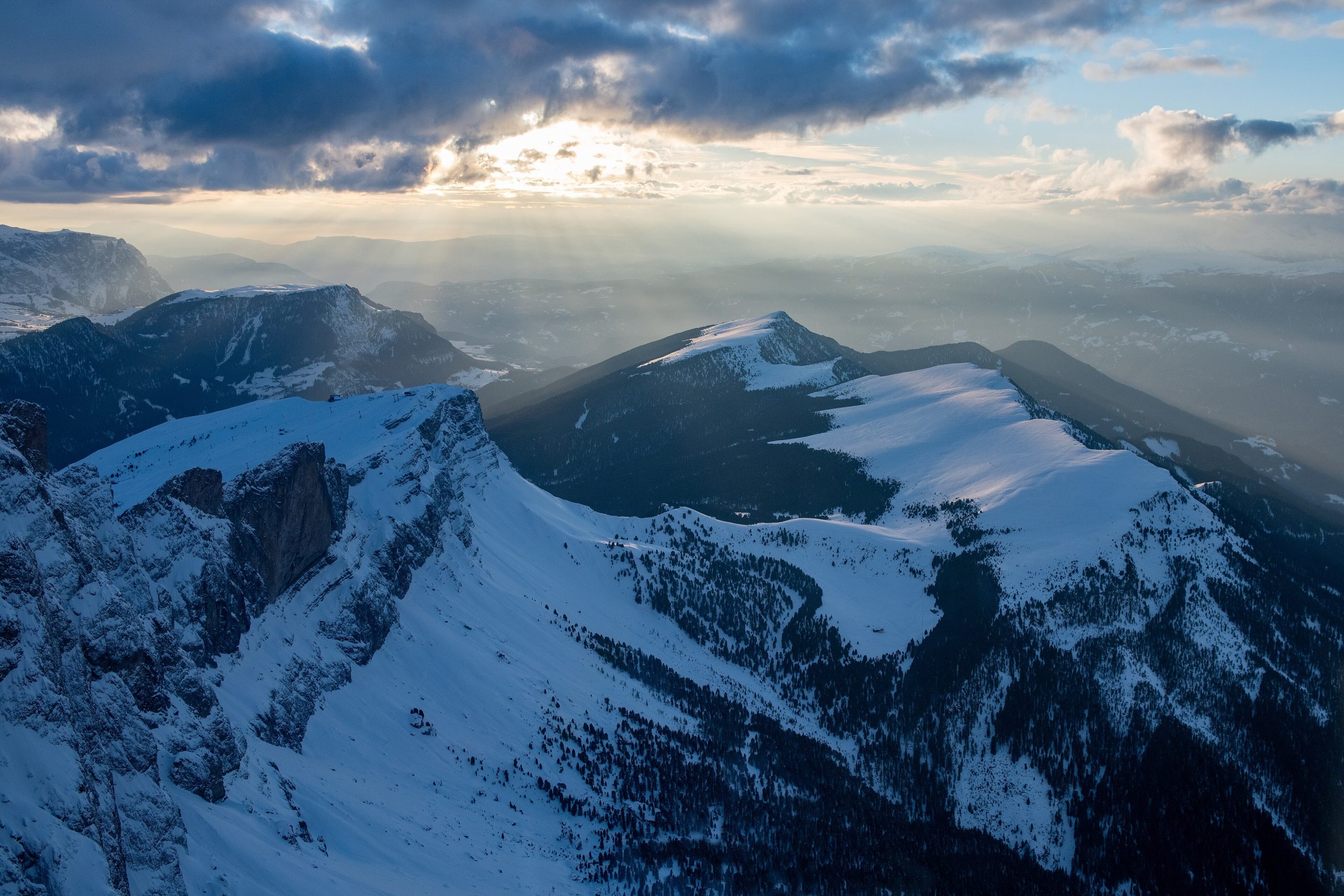
Italy stretches from the Alps in the north to the Mediterranean beaches in the south. Each region has its own charm and the best time to visit. Knowing these differences is key to planning your trip.
Northern Italy: Alps, Lakes, and Historic Cities
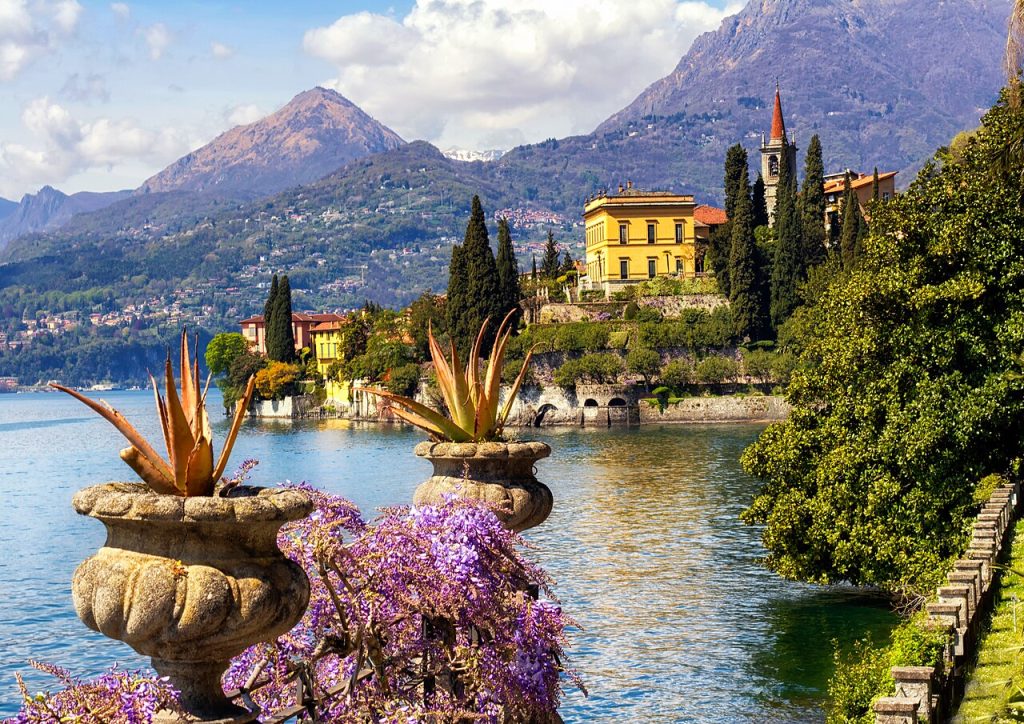
Northern Italy is known for its majestic Alps, serene lakes, and historic cities like Milan and Turin. It offers a mix of natural beauty and cultural heritage. The best time to visit depends on what you’re interested in.
If you love skiing, winter (December to March) is perfect. World-class ski resorts like Cortina d’Ampezzo and Breuil-Cervinia are open. For lake views and city exploration, spring (April to June) and autumn (September to October) are ideal. These seasons have mild weather and fewer tourists than summer.
Central Italy: Tuscany, Rome, and Cultural Heartlands
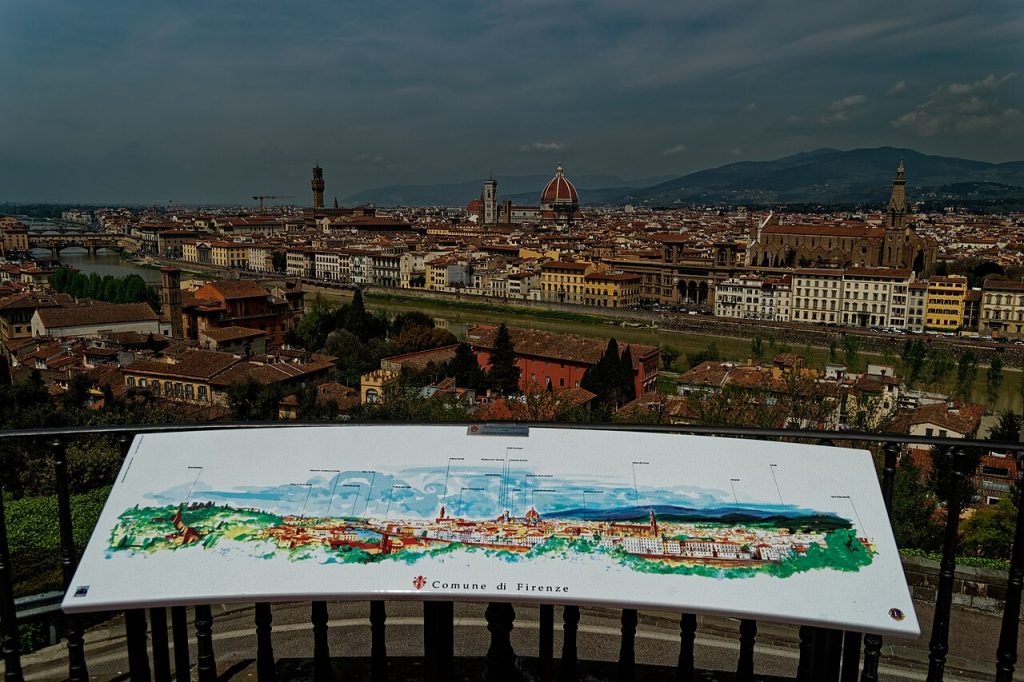
Central Italy, including Tuscany, Rome, and Umbria, is rich in history, art, and cuisine. It has a Mediterranean climate with warm summers and mild winters.
Spring (April to June) is lovely, with pleasant temperatures and blooming landscapes. Autumn (September to October) is also great, with harvest season and comfortable weather. For fewer crowds, late spring and early autumn are best.
Southern Italy: Naples, Amalfi Coast, and Mediterranean Charm
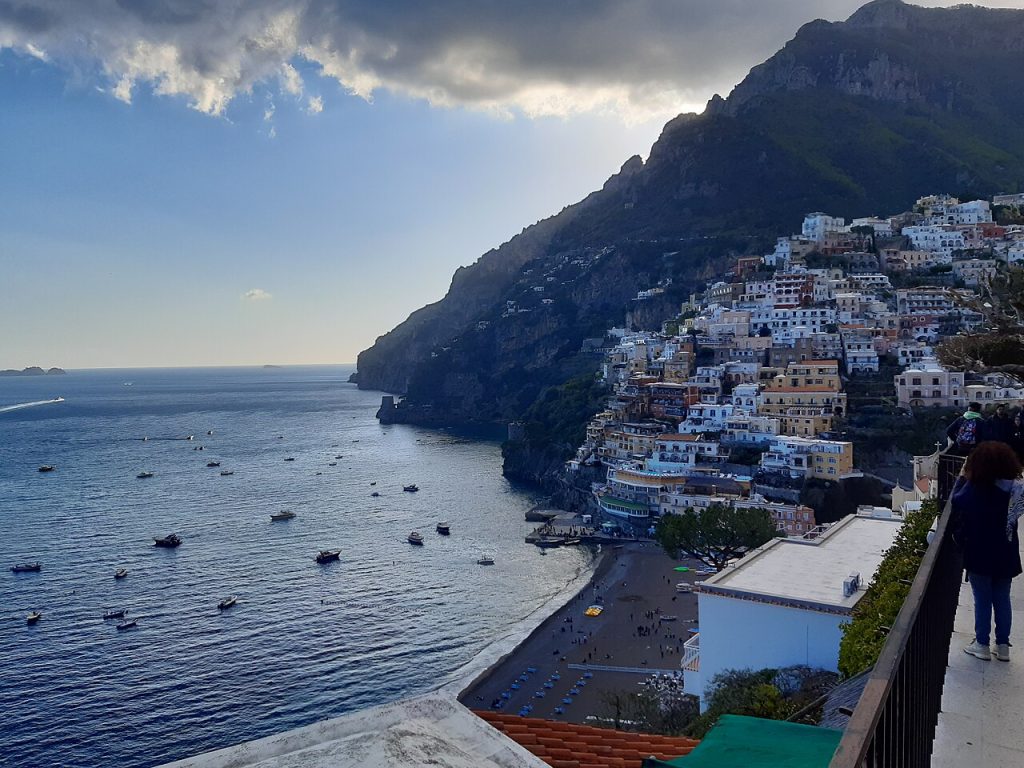
Southern Italy, with Naples, the Amalfi Coast, and Puglia, offers rich culture and stunning landscapes. Its Mediterranean climate means hot summers and mild winters.
The shoulder season (April to June and September to October) is best for visiting. It offers pleasant weather and fewer crowds. Summers can be hot, especially inland, while winters are mild, attracting winter sun seekers.
Italian Islands: Sicily and Sardinia's Unique Climates
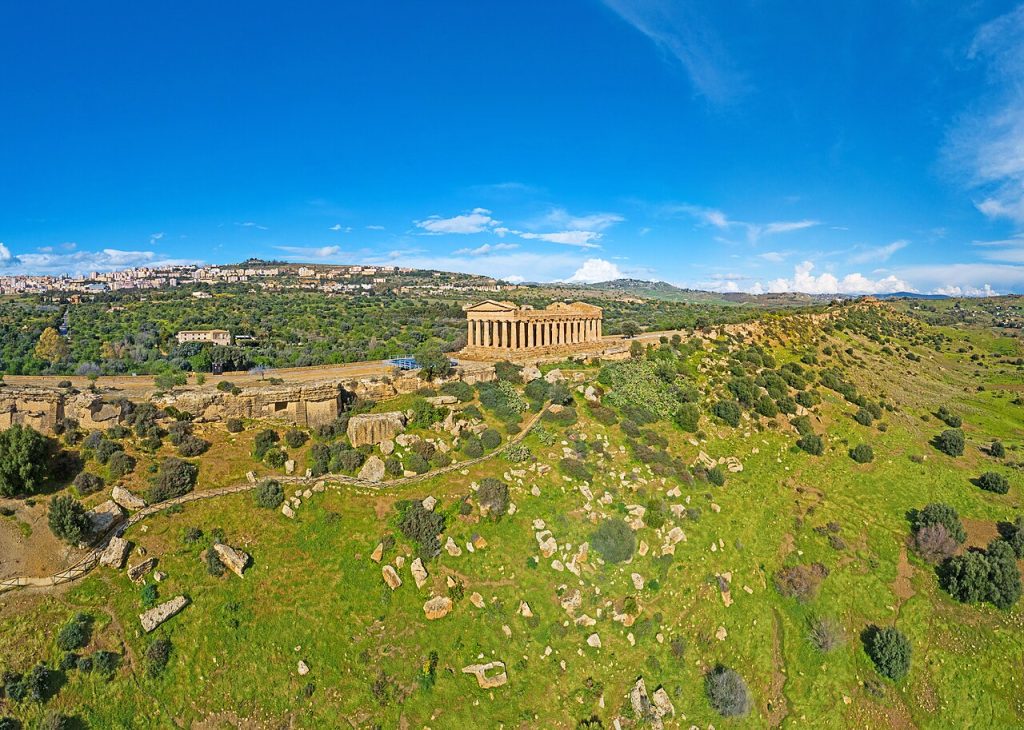
Italy’s islands, Sicily and Sardinia, have unique climates and charms. Both enjoy a Mediterranean climate with warm summers and mild winters.
Summer (June to September) is peak tourist season, great for beach lovers. But spring (April to May) and early autumn (September to October) are also excellent. These times offer pleasant temperatures and fewer crowds, perfect for exploring the islands’ culture and nature.
Acqua Alta: Timing a Venice Visit Around the Floods
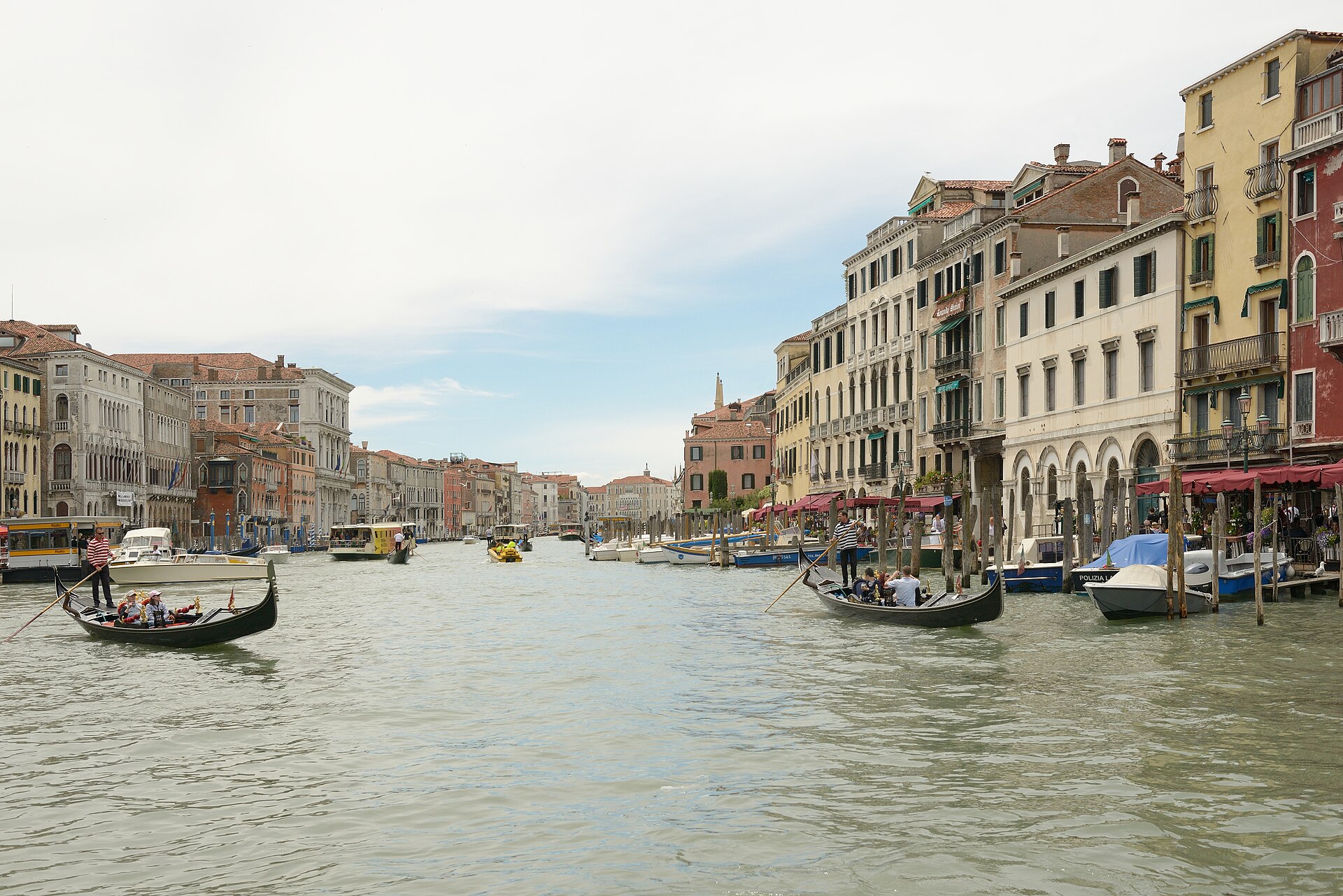
Venice has a season most timing guides skip entirely. From roughly October through December — peaking in November — sirocco winds and high tides push the lagoon up into the city in the phenomenon called acqua alta (high water). Piazza San Marco, the lowest point in Venice, is the first to flood, sometimes under a foot of water while the rest of the city stays dry.
The good news: since 2020 the MOSE barriers — retractable floodgates at the lagoon inlets — are raised whenever an exceptional tide is forecast, and they’ve prevented the catastrophic floods of the past. Serious inundations are now rare. Minor acqua alta still happens, but it’s a manageable few hours, not a ruined trip:
- Check the forecast: the city’s Centro Maree publishes tide predictions and a free app; high water is usually flagged the day before and lasts only a couple of hours around peak tide.
- Follow the passerelle: the city lays out elevated walkways on the main routes during high water.
- Skip the €20 souvenir boots unless you’re there for days — a peak tide passes fast, and a coffee in a raised cafe waits it out nicely.
None of this makes autumn a bad time for Venice — November is gorgeously atmospheric and uncrowded — but it’s worth knowing before you book a ground-floor room near San Marco. For flood-free Venice with warm weather, aim for late April to June or September.
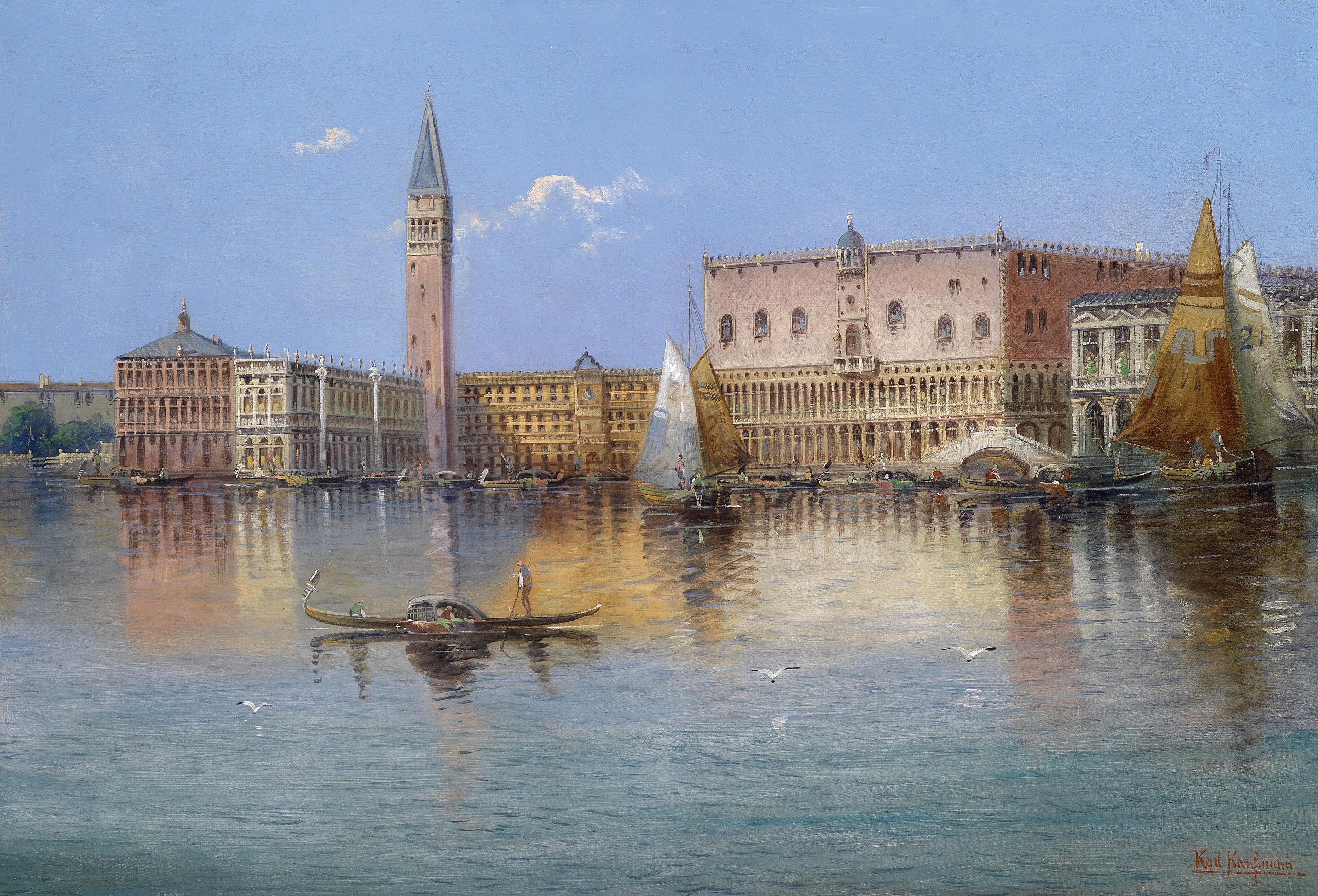
Visiting Italy's Major Cities: Seasonal Considerations
Italy’s major cities are full of experiences all year round. Each season brings its own charm and attractions. Whether you love history, food, or fashion, there’s something for everyone.
Rome: Year-Round Appeal with Seasonal Highlights
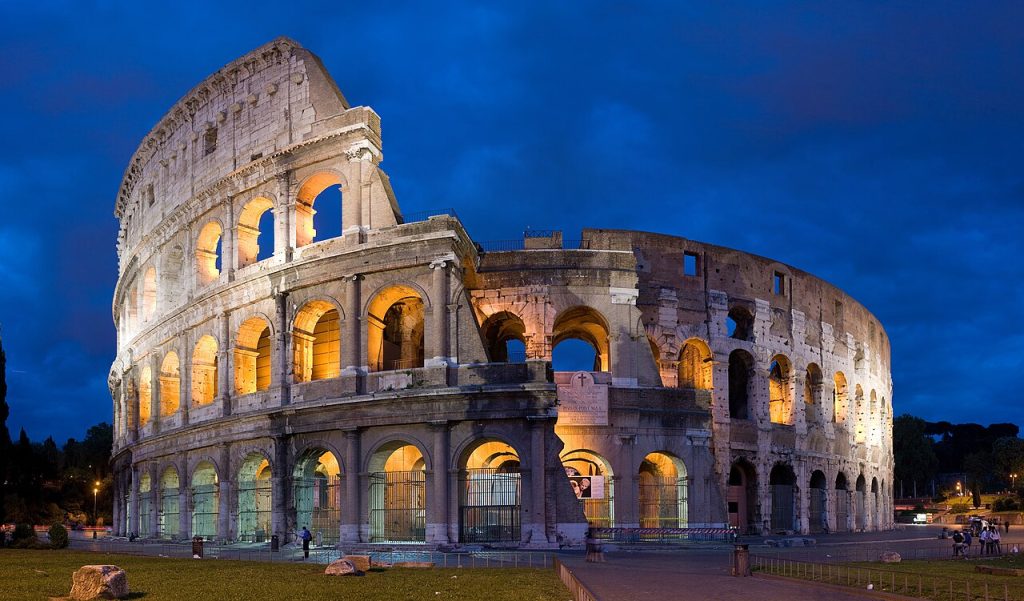
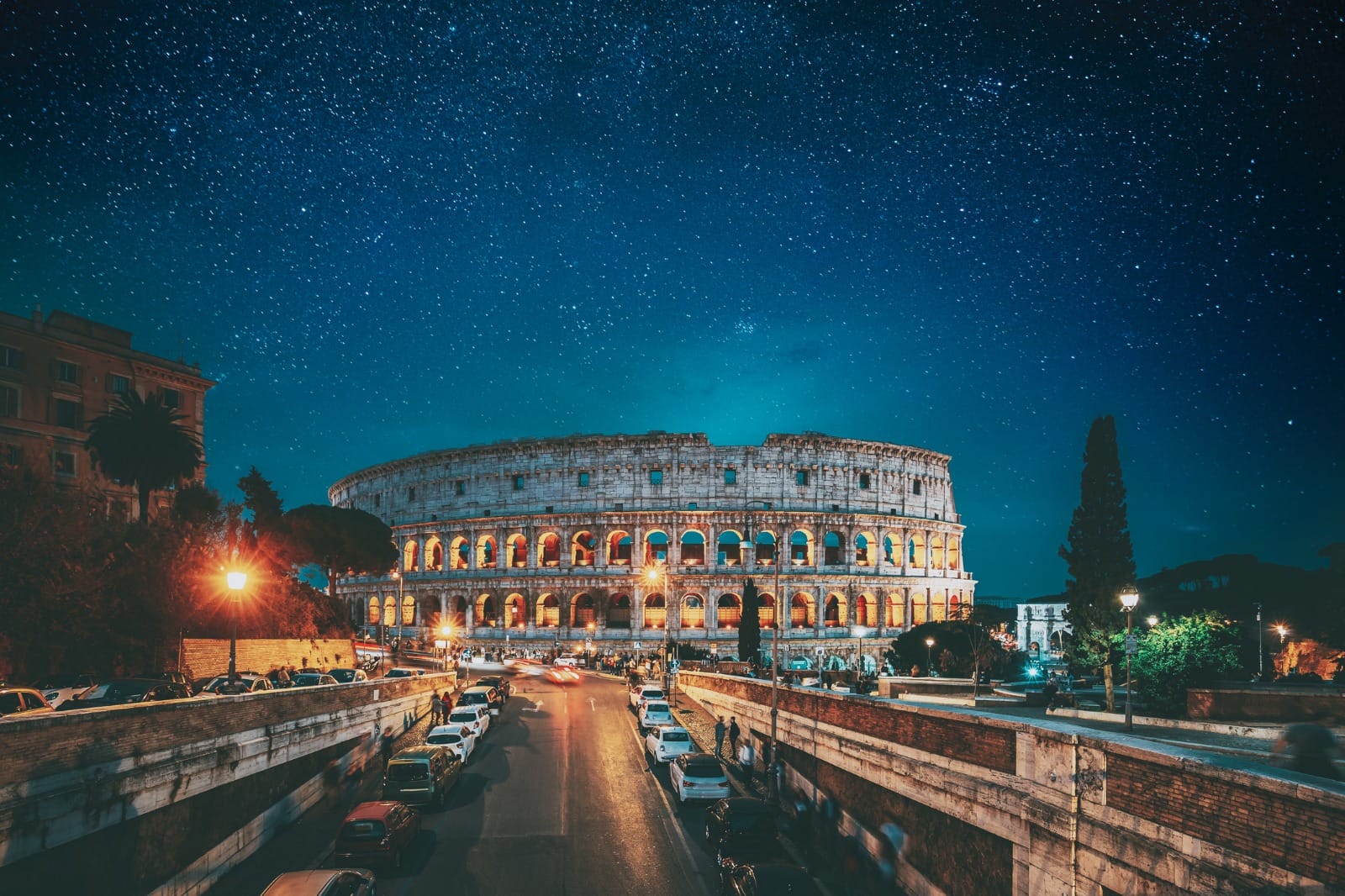
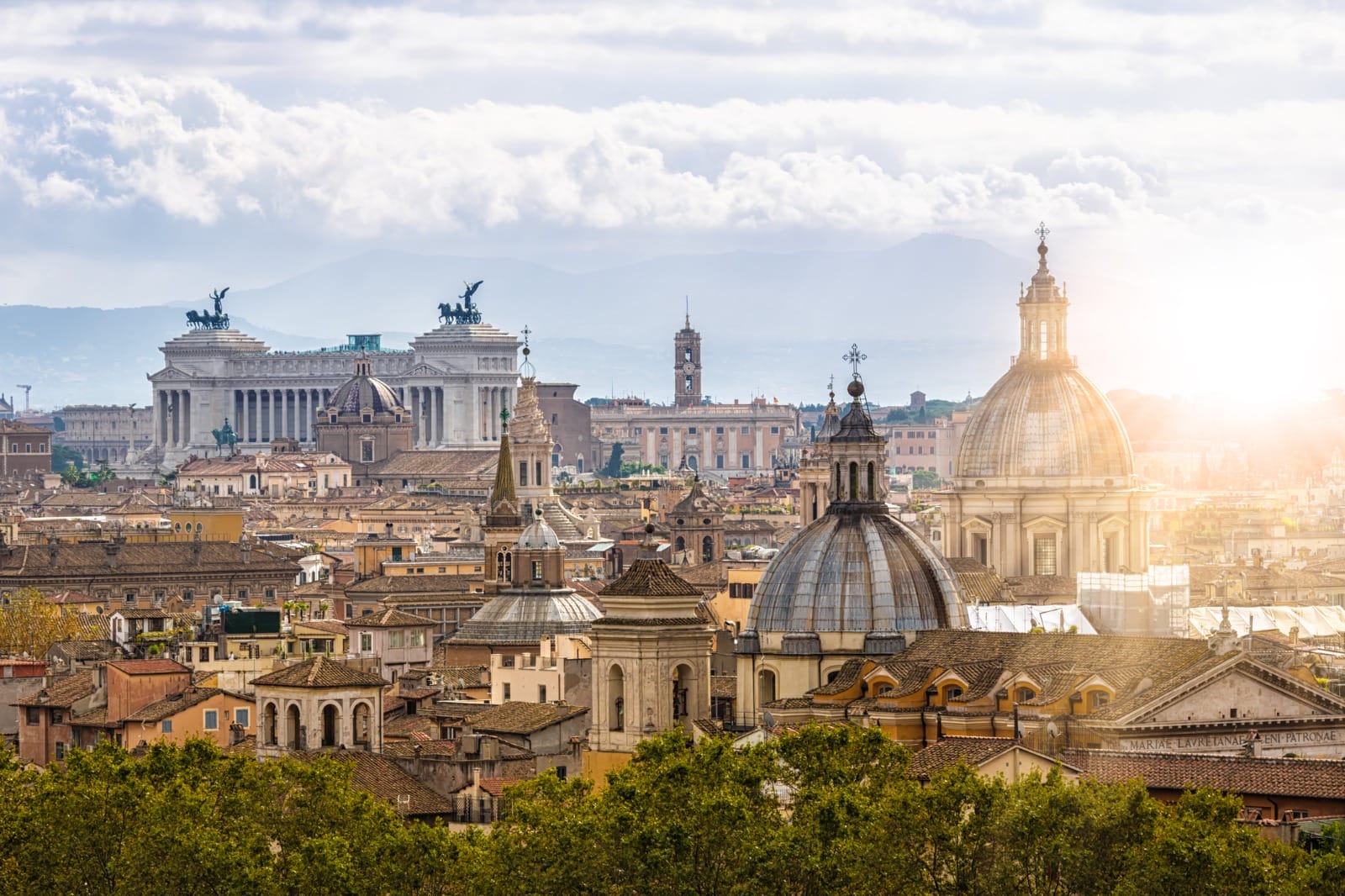
Rome is a must-see any time of year. Spring (March to May) is lovely, with mild weather and fewer tourists. It’s perfect for exploring ancient sites like the Colosseum and Roman Forum.
In summer, Rome gets hot but there are outdoor events and festivals. The Estate Romana festival offers concerts and theater in parks and historic sites.
Florence and Venice: Navigating Tourist Seasons
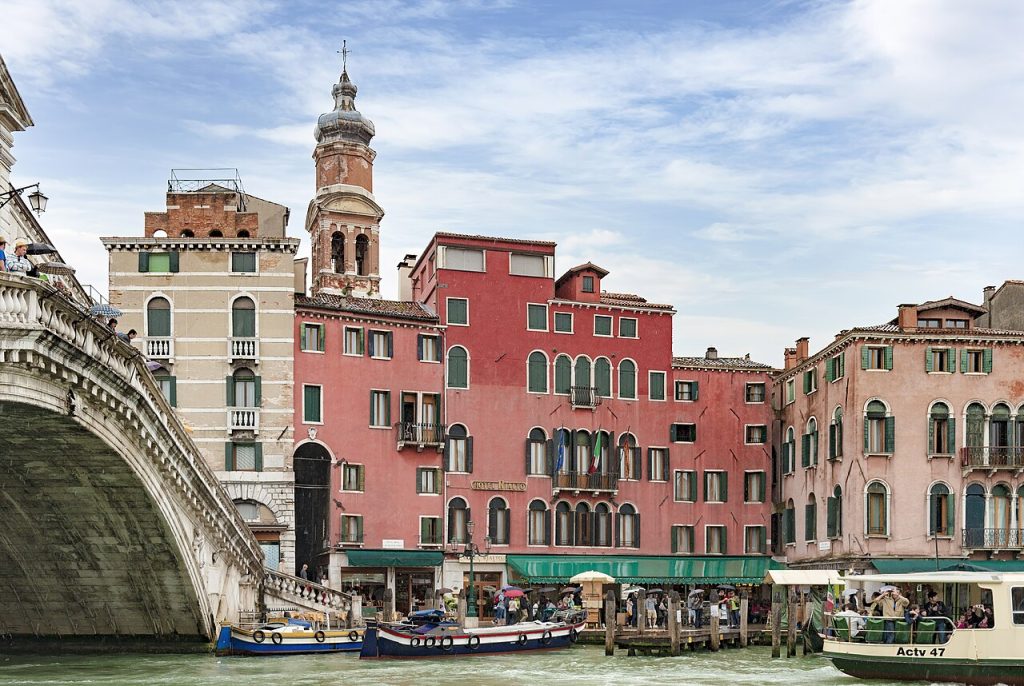
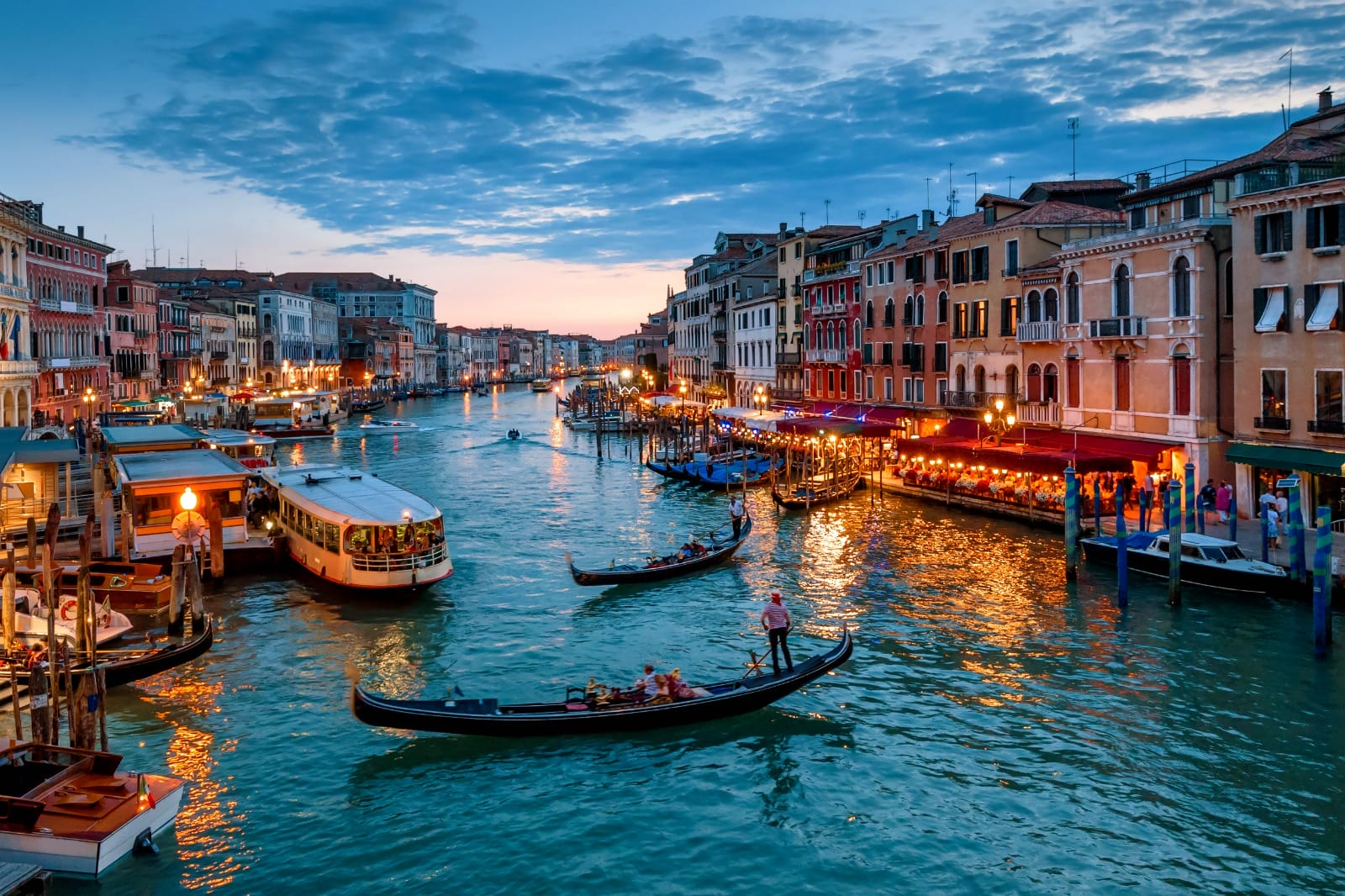
Florence and Venice are top tourist spots, each with its own season. Spring is great for Florence, with comfortable weather and blooming gardens. Venice is less crowded in spring, making it easier to explore.
Autumn is also excellent, with mild weather and cultural events. In Florence, the Uffizi Gallery is less crowded, perfect for art lovers. Venice’s Venice Film Festival in September is a highlight.
Milan: Fashion Weeks and Business Travel Timing
Milan is Italy’s fashion capital. Fashion Week, in February and September, is a must-see for fashion fans. But, it’s crowded and expensive for others.
Milan is also a business hub, with international trade fairs. The Salone del Mobile in April is a major event, attracting professionals worldwide.
Naples and Southern Cities: Mediterranean Climate Advantages
Naples and southern cities have a Mediterranean climate. Spring and autumn are best, with pleasant weather and cultural events.
In Naples, the Napoli Teatro Festival Italia in June and July celebrates the city’s culture. It’s a vibrant time to experience Naples.
Planning is key when visiting Italy’s major cities. Knowing the best times for each city helps tailor your trip to your interests.
Italy’s 2026 Events and Booking Calendar
Some Italian dates are worth building a trip around; others are worth checking so a national holiday doesn’t quietly close the museums on you. The fixed and 2026-specific dates that move crowds and prices:
| 2026 date | Event | What it means |
|---|---|---|
| Late Jan – Feb 17 | Carnevale di Venezia | Masked balls and packed calli; ends on Martedì Grasso (Feb 17) |
| April 5–6 | Easter & Pasquetta | Rome and the pilgrimage cities fill; Easter Monday is a national holiday |
| April 25 / May 1 / June 2 | Liberation, Labour & Republic days | Long weekends — Italians travel, sights are busy, some close |
| July 2 & August 16 | Palio di Siena | Siena’s bareback horse race; the city is mobbed on both dates |
| August 15 | Ferragosto | The peak of the summer exodus (see below) |
| Early September | Venice Film Festival & Regata Storica | Glamour on the Lido; the historic regatta on the Grand Canal |
| Oct–Nov weekends | Alba White Truffle Fair | Piedmont’s gastronomic pilgrimage; book Langhe hotels early |
| Late Nov – Dec 23 | Christmas markets | Bolzano, Merano and Trento lead the Alpine market season |
Two booking rules the calendar dictates. The sights that sell out need advance tickets — Milan’s Last Supper weeks to months ahead, the Vatican Museums and Uffizi days to weeks ahead, the Colosseum’s underground and Borghese Gallery on timed slots. And note the Venice day-tripper access fee (contributo di accesso): on peak spring and summer days, visitors not staying overnight pay roughly €5 (about €10 if booked last-minute) to enter the historic center — check the official day-list before a shoulder-season day trip.
Traveling to Italy for Special Events and Festivals
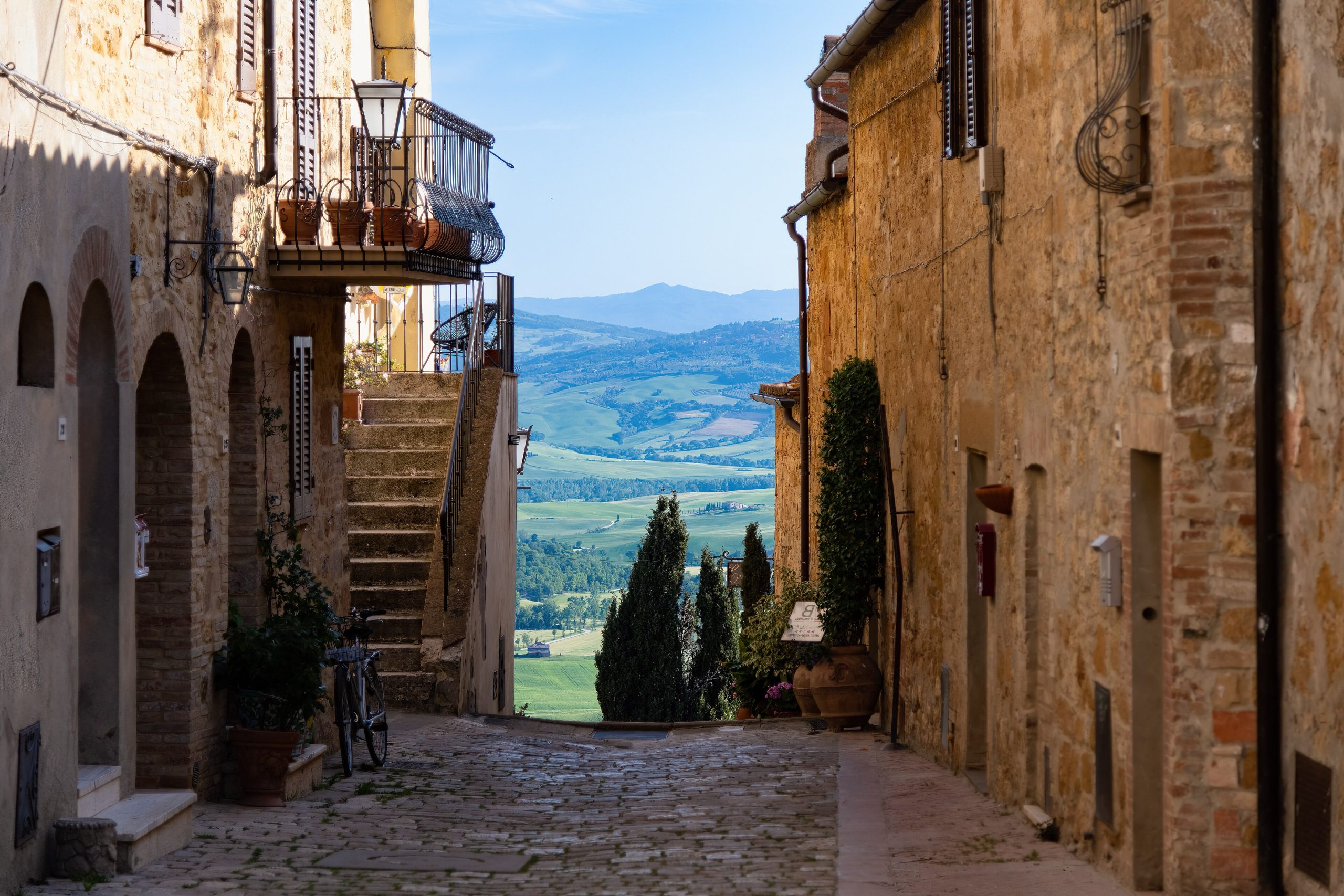
Italy’s calendar is full of exciting events. From religious celebrations to cultural festivals and food events, there’s something for everyone. You can find spiritual experiences, cultural enrichment, or culinary delights.
Religious Celebrations and Holidays
Italy celebrates many religious holidays, thanks to its Catholic heritage. A big event is Easter in Rome, where the Pope leads the Easter Sunday Mass. Other important religious events include:
- The Feast of the Epiphany on January 6th, marking the visit of the Magi to the baby Jesus
- The Assumption of Mary on August 15th, celebrated with processions and festivities
- The Feast of Saint Francis of Assisi on October 4th, honoring the patron saint of Italy
Cultural Festivals and Historic Events
Italy’s cultural festivals show off its rich history and art. Some highlights are:
- The Venice Carnival, known for its elaborate masks and costumes
- The Maggio Musicale Fiorentino, showcasing opera and classical music
- The Lucca Summer Festival, featuring international music acts
These events entertain and give a peek into Italy’s culture and history.
Food and Wine Festivals Throughout the Year
Italy’s food and wine festivals celebrate its culinary scene. Some notable events are:
- The Truffle Festival in Alba, Piedmont, celebrating the prized white truffle
- The Wine Festival in Tuscany, offering wine tastings and vineyard tours
- The Seafood Festival in coastal towns, showcasing fresh seafood dishes
These festivals are a great way to taste Italy’s food and wine.
Flight Prices from North America, Month by Month
The cost of getting to Italy swings by roughly three times across the year — and, unhelpfully, it peaks exactly when the weather is best. Typical round-trip economy fares from the US East Coast to Rome or Milan:
| Month | Typical round trip (US–Rome/Milan) | Notes |
|---|---|---|
| January–February | $450–650 | Cheapest of the year; mild in the south, cold in the north |
| March | $500–750 | Deals persist before the Easter climb |
| April | $650–950 | Easter (Apr 5) spikes the early-month fares |
| May | $700–1,050 | Shoulder-season demand builds |
| June | $900–1,300 | Peak pricing begins |
| July–August | $1,000–1,500 | The annual maximum |
| September | $750–1,050 | Falls after Labor Day — the value-plus-weather sweet spot |
| October | $600–900 | Great weather, dropping fares |
| November | $450–700 | Bargains return (before the Christmas spike) |
| December | $600–1,050 | Cheap early, then a hard Christmas/New Year jump |
Two ways to save real money: Rome (FCO) and Milan (MXP) are consistently the cheapest gateways — flying into Venice, Florence or Naples usually costs more, so consider landing in a hub and taking a fast train onward. And the genuine sweet spots are late October–November and January–February for fares, or September if you want the rare overlap of falling prices and near-perfect weather.
Found your month? Turn it into a trip
Voyada’s ai trip planner builds your Italy itinerary around your dates — flights, hotels, trains and one honest total price. Free, in about a minute.
Plan my Italy trip →Budget Considerations: Finding the Best Value
Planning a trip to Italy means thinking about your budget. The right time to visit can save you money. Knowing how prices change with the seasons helps you enjoy Italy more.
High Season vs. Low Season Pricing
Italy gets very busy from June to August. Prices for hotels, flights, and attractions go up. From November to March, prices drop, but it’s colder and some places are closed.
High season is great for beach lovers and festival fans. But it’s also the most crowded and expensive time.
Shoulder Season: The Perfect Balance
The shoulder season, from April to May and September to October, is ideal. You get nice weather and lower prices. It’s less crowded than peak season.
- Mild weather conditions
- Fewer tourists compared to peak season
- Lower prices for accommodations and tourist services
Regional Price Variations Throughout the Year
Italy’s prices vary by region. Rome, Florence, and Venice are pricier in peak season. But smaller towns might be cheaper even then.
Visit places like Umbria, the Amalfi Coast (in shoulder season), and parts of Tuscany for a budget-friendly trip. They offer a rich Italian experience without breaking the bank.
With the right planning, you can have a great time in Italy without spending too much.
Traveling to Italy with Special Considerations
Italy has something for everyone, whether you’re traveling with family, seeking relaxation, or adventure. Planning with special considerations in mind can enhance your trip.
Family Travel: School Holidays and Kid-Friendly Seasons
Italy is great for family trips, with its history, landscapes, and welcoming vibe. Plan around school holidays to fit your kids’ schedules. The best times for family travel to Italy are during the spring (April-May) and autumn (September-October), when the weather is nice and there are fewer people.
Many Italian cities have attractions for kids, like the Gardens of Villa Borghese in Rome or the Amalfi Coast beaches. Check local event calendars for family-friendly festivals and events.
Senior Travel: Avoiding Extreme Weather and Crowds
Italy can be great for seniors with careful planning. Skip the peak tourist season (June-August) and cold winters. The shoulder season (April-May and September-October) is best, with nice weather and fewer people.
Visit cultural sites early morning or evening to avoid crowds and heat. Many cities offer senior tours, a great way to see Italy’s history and culture.
Adventure and Outdoor Activities: Seasonal Opportunities
Italy is perfect for adventure lovers and outdoor fans, with its varied landscapes and climates. For hiking and trekking, spring and autumn are best, with good weather and scenery.
- For skiing and snowboarding, the Italian Alps are top-notch in winter (December-March).
- Cycling is great for exploring the countryside, with spring and autumn being the best times.
- Summer is ideal for sailing and water sports along Italy’s coasts and islands.
By thinking about your group’s needs and planning, you can have a memorable trip to Italy. Whether you want to relax, have an adventure, or explore culture, Italy has it all.
Practical Tips for Each Season in Italy
Getting ready for your trip to Italy? Knowing the seasonal changes can really enhance your experience. Italy’s varied climate and rich culture mean being prepared is crucial for a great trip.
What to Pack for Different Seasons
Choosing the right clothes for Italy depends on the season. Spring (March to May) is mild, with highs from 17°C to 22°C (63°F to 72°F). Pack light jackets and comfy shoes for walking.
Summer (June to August) can be hot, especially in the south, with highs over 30°C (86°F). Wear light, breathable clothes, and don’t forget sunscreen and a hat.
Autumn (September to November) is cool but pleasant. It’s perfect for outdoor activities. Pack clothes that can be layered for comfort.
In winter (December to February), the north can be cold, especially in the Alps. The south is milder. Bring warm coats and gloves for the north.
Transportation Considerations Throughout the Year
Italy’s transport network is well-developed, with trains, buses, and car rentals. Knowing the seasonal changes helps you travel better.
- Summer months see busier roads and more traffic jams, especially on weekends and at tourist spots.
- In winter, snow may close mountain passes, but cities and towns are still reachable by train and bus.
- Spring and autumn are best for road trips, with nice weather and fewer tourists.
Public transport runs regularly all year. But, check schedules during holidays and peak times to avoid issues.
Frequently Asked Questions
When is the best time to visit Italy?
Late April to early June and September to October are the sweet spots: warm days, manageable crowds and lower prices than peak summer. July and August bring the heat, the highest prices and the biggest queues, though they suit beach and lake trips. Winter is the cheapest time and ideal for cities and skiing, if you can accept short days and some seasonal closures. If you only remember one thing: aim for the shoulder season.
When is the best time to visit Rome?
April to early June and late September to October. Rome sits in central Italy, so spring and autumn deliver comfortable sightseeing weather for the Colosseum, Forum and Vatican without the punishing summer heat, which now regularly tops 35C in July and August. Winter is genuinely underrated here: the city stays mild, hotel rates fall and the major sites are far quieter. Easter is beautiful but the busiest week of the spring.
When is the best time to visit Venice?
April to June and September to October give the best balance of weather and crowds. Avoid the peak-summer combination of heat, humidity and cruise-ship crowds in the narrow calli. Be aware of acqua alta, the seasonal high tides that can flood St Mark’s Square, most likely from October to January. Carnival in February is spectacular but books out early and pushes prices up sharply.
When is the best time to visit Florence and Tuscany?
May, June, September and October. Spring brings green hills and wildflowers, while September and October add the grape and olive harvest, warm light and cooler walking weather. Florence gets extremely hot and crowded in July and August, and its museum queues are at their worst. For the classic golden Tuscan countryside, late September into October is the pick.
When is the best time to visit Sicily?
April to June and September to October. Sicily’s summer is long and intense, often above 35C in July and August, when the island also fills with Italian holidaymakers. The shoulder months give you warm sea temperatures without the extremes, and the sea stays swimmable well into October. Winter is mild and very cheap, though some coastal resorts close.
When is the best time to visit the Amalfi Coast and Capri?
May, June and September. The season runs roughly April to October, and outside it many hotels, restaurants and ferries shut down entirely. July and August are hot, extremely busy and expensive, with the coast road at a crawl. September is arguably the best of all: warm sea, softer crowds and lower rates, while May offers the same weather with the landscape at its greenest.
When is the best time to visit the Dolomites and Lake Como?
Different answers for different trips. For hiking in the Dolomites, aim for late June to September, when the trails and mountain huts are open and clear of snow; for skiing, December to March. Lake Como is at its best from late April to June and in September, when the gardens are in bloom or the light is golden and the day-trip crowds have thinned. Many lakeside hotels close from November to March.
What is the cheapest time to visit Italy?
November to March, excluding the Christmas and New Year period, is the cheapest window. Flights from North America and hotel rates drop sharply, and cities like Rome, Florence and Venice are at their quietest. January and February are the lowest of all. The trade-offs are short daylight, cold and rain in the north, and seasonal closures on the coast and the lakes, so it suits a city-focused trip rather than a beach one.
Should you visit Italy in August?
It is the most difficult month, and worth planning around. August brings the fiercest heat, the highest prices and the heaviest crowds, and around Ferragosto on 15 August many Italians take their own holidays, so family-run restaurants and shops in the cities close for days or even weeks. If August is your only option, favour the coast, the lakes or the mountains over inland cities, book everything well ahead, and plan sightseeing for early morning and evening.
When is the best time to visit Italy and Greece together?
May to early June, or September, works best for a combined trip. Both countries share a Mediterranean rhythm, so the shoulder months give warm, swimmable seas without the July-August heat, crowds and peak pricing, and Greek island ferries are still running full schedules. September is especially good because the sea is at its warmest after the summer, while May gives you greener landscapes and the lowest prices of the two.
Before you go: turn this guide into a day-by-day plan. Our partner Voyada is a free personalized trip planner that builds the route with flights, hotels and a real total cost for your dates — in about a minute.
Create an itinerary →Ferragosto and Italy’s Closure Calendar: When the Country Takes a Break
The most common rookie mistake in Italy isn’t bad weather — it’s arriving when the place you wanted is closed. Italy runs on rhythms that catch first-timers off guard:
- Ferragosto (August 15) and the weeks around it. This national holiday is the peak of the summer exodus. Family-run restaurants and shops — especially in the cities — hang “chiuso per ferie” (closed for holidays) signs and disappear for one to three weeks. Rome, Milan and Florence go eerily quiet while the coast, lakes and mountains overflow. Big sights stay open; your favorite trattoria may not.
- The midday riposo. Outside the big tourist cores — and across much of the south — smaller shops close from roughly 1–4pm, and kitchens serve lunch until about 2:30 and dinner only from 7:30–8pm. Plan sightseeing, not shopping, for the early afternoon.
- Museum closing days. Many state museums close on Mondays (the Uffizi, Accademia and Milan’s Last Supper among them); the Vatican Museums close on Sundays (except the free last Sunday of the month). Churches typically shut for a midday break. Always check the specific day before you build an itinerary around one sight.
- The free first Sunday. On the prima domenica del mese, state museums — the Colosseum, Uffizi, Pompeii and more — are free. Wonderful value, predictably crowded.
Beyond Ferragosto, the 2026 national holidays that thin services and pack sights are: Jan 1, Jan 6 (Epiphany), Apr 5–6 (Easter), Apr 25, May 1, Jun 2, Aug 15, Nov 1, Dec 8, and Dec 25–26. Trains run reduced holiday timetables on these dates — worth checking before a travel day.
Italy's Seasonal Events and Closures to Plan Around
Beyond the weather, Italy’s festivals and holiday closures can make or break your timing. A few dates are worth building your trip around — or away from.
- Venice Carnival (Feb): masked balls and packed streets — magical, but book Venice far ahead and expect premium prices.
- Easter & Ferragosto (Aug 15): Easter fills Rome; in mid-August many family-run restaurants and shops close as Italians take their own holidays, especially in cities.
- Shoulder season wins: Apr–Jun and Sep–Oct give you warmth without the July–August heat and crowds — the sweet spot for most first trips.
- Autumn is food season: truffle fairs (Alba), the grape harvest (vendemmia) and olive pressing make Oct–Nov a foodie’s Italy.
- Book the big sights ahead: the Uffizi, the Vatican Museums and the Accademia (David) use timed tickets that sell out — reserve online days in advance, not on the day.
Best Month by What You Came For: The Decision Matrix
“When is the best time to visit Italy?” has no single answer — it depends entirely on what you’re here to do. Match your trip to its ideal window:
| You came for… | Best months | Why |
|---|---|---|
| Rome & the art cities | Apr–May, Sep–Oct | Mild, walkable, long lit evenings — and no heat emergency |
| The Amalfi Coast & Cinque Terre | June & September | Warm sea, ferries running, either side of the August crush |
| Dolomites & Alps hiking | mid-June–September | Trails and mountain rifugi open; July wildflowers |
| Skiing (Dolomites, Aosta) | December–March | Reliable snow; Christmas-week magic (and prices) |
| Tuscany wine & harvest | September–October | Vendemmia, truffles, golden light, warm days |
| Venice | late Apr–June, September | Before the heat and before acqua alta season |
| Sicily & the deep south | Apr–June, Sept–Oct | Warm not scorching; the sea still swims in October |
| The Lakes (Como, Garda) | May–June, September | Gardens in bloom, swimmable water, clear mountain views |
| Christmas markets | late Nov–Dec 23 | Bolzano, Merano and Trento in full Alpine sparkle |
Read down the table and a clear consensus emerges: late April to June and September to October are the golden windows for most of Italy — which is exactly why the whole country (and this guide) keeps pointing you there. The exceptions prove the rule: go high summer only for the mountains and the sea, and deep winter only for skiing, markets and crowd-free cities.
Match the season to the trip you want
Tell Voyada what you came for — art cities, the Amalfi Coast, Dolomites hiking, Tuscan wine — and it assembles the whole route with live prices in one place.
Build my Italy route →Italy: Month-by-Month Guide
A quick month-by-month reference for planning — at a glance, when to go and what each month brings.
| Month | Verdict | What to expect |
|---|---|---|
| January | Low | Cold and quiet; skiing in the Alps; cheap city breaks. |
| February | Low | Cold; Venice Carnival; quiet elsewhere. |
| March | Shoulder | Cool and warming; fewer crowds; a lovely time. |
| April | Good | Mild and blooming; Easter is busy; beautiful. |
| May | Great | Warm and ideal; gardens in bloom; pre-peak. |
| June | Busy | Warm and sunny; long days; crowds building. |
| July | Peak | Hot; peak crowds; coast and lakes come into their own. |
| August | Peak/closures | Hottest; Ferragosto (15th) closures; packed coast, empty cities. |
| September | Great | Warm and ideal; harvest season; crowds easing. |
| October | Great | Mild; truffle and wine season; fewer crowds. |
| November | Quiet | Cooler and wetter; quiet; Venice acqua-alta risk. |
| December | Festive | Cold; Christmas markets; festive cities. |
Conclusion: Planning Your Perfect Italian Getaway
Planning a trip to Italy means thinking about many things. You need to consider the time of year, the weather in different places, and what you like. Italy has beautiful landscapes, a rich history, and a lively culture. It has something for everyone.
To enjoy your Italian trip, pick the best time to go. You might want a calm beach vacation, an exciting city trip, or a deep dive into the culture. An Italy vacation planner can help you make a trip plan that’s just right for you.
Good trip planning in Italy means knowing about the seasons and the different areas. This way, you can have a trip that’s both memorable and fun. With the tips from this guide, you’re ready to plan your dream trip to Italy. You’ll get to experience all the beauty and fun that Italy has to offer.
FAQ
What is the best time to visit Italy?
The best time to visit Italy depends on what you like. Spring (April-May) and autumn (September-October) are great. The weather is mild, and there are fewer people around.
What are the peak tourist seasons in Italy?
Summer (June-August) is the busiest time in Italy. July is especially crowded. Expect big crowds and higher prices for places to stay and things to do.
Is Italy a good destination for winter sports?
Yes, Italy is perfect for winter sports. The Dolomites and Alps in the north are great for skiing and snowboarding. January and February are the best months.
What are the shoulder seasons in Italy?
April-May and September-October are Italy’s shoulder seasons. The weather is nice, and there are fewer people. It’s a good time to visit if you want to avoid the crowds.
Are there any specific events or festivals I should plan my trip around?
Italy has many events and festivals all year. Easter, summer festivals, and harvest festivals are some examples. But, they can draw big crowds.
How does the climate vary across different regions in Italy?
Italy’s climate changes a lot from north to south. The north is cooler, while the south is warmer. The islands, like Sicily and Sardinia, have their own climates too.
What are the advantages of visiting Italy during the off-season?
Visiting Italy off-season (November-March) has its perks. Prices are lower, and there are fewer people. But, some places might be closed or open less.
How can I plan a trip to Italy that suits my family’s needs?
Plan a family trip to Italy during school breaks. Avoid bad weather and choose places that are fun for kids. Many cities have attractions and services for families.
What should I pack for a trip to Italy based on the season?
Packing for Italy changes with the season. Spring and autumn need layers. Summer is light and breathable, while winter is warm and waterproof.
Are there any regional price variations in Italy throughout the year?
Yes, prices in Italy change by region and season. Places like Rome, Florence, and Venice are pricier, especially in peak season. Try visiting smaller towns for better deals.