
Table of Contents
ToggleDid you know over 1,200 wild deer roam Nara’s streets? They even bow to tourists for crackers. This unique experience draws millions to this historic Japanese spot every year. For official, up-to-date visitor information, see Japan’s official tourism site.
Planning your trip means knowing the seasons. Whether you want to see cherry blossoms or enjoy a quiet winter morning, timing is key.
Finding the best time to visit Nara means matching your travel goals with the region’s natural flow. We’ll guide you through the weather, crowds, and events for an unforgettable trip.
Key Takeaways
- Spring offers iconic cherry blossoms, though it remains the busiest season for tourism.
- Autumn provides stunning foliage and comfortable temperatures for walking through historic parks.
- Winter is ideal for travelers seeking lower prices and fewer crowds at major shrines.
- Summer brings lush greenery but requires preparation for high humidity and warmer weather.
- Check local festival calendars to align your trip with traditional cultural celebrations.
Nara by Season at a Glance
The short answer in one table — then the full seasonal detail below.
| When | Weather | What you get |
|---|---|---|
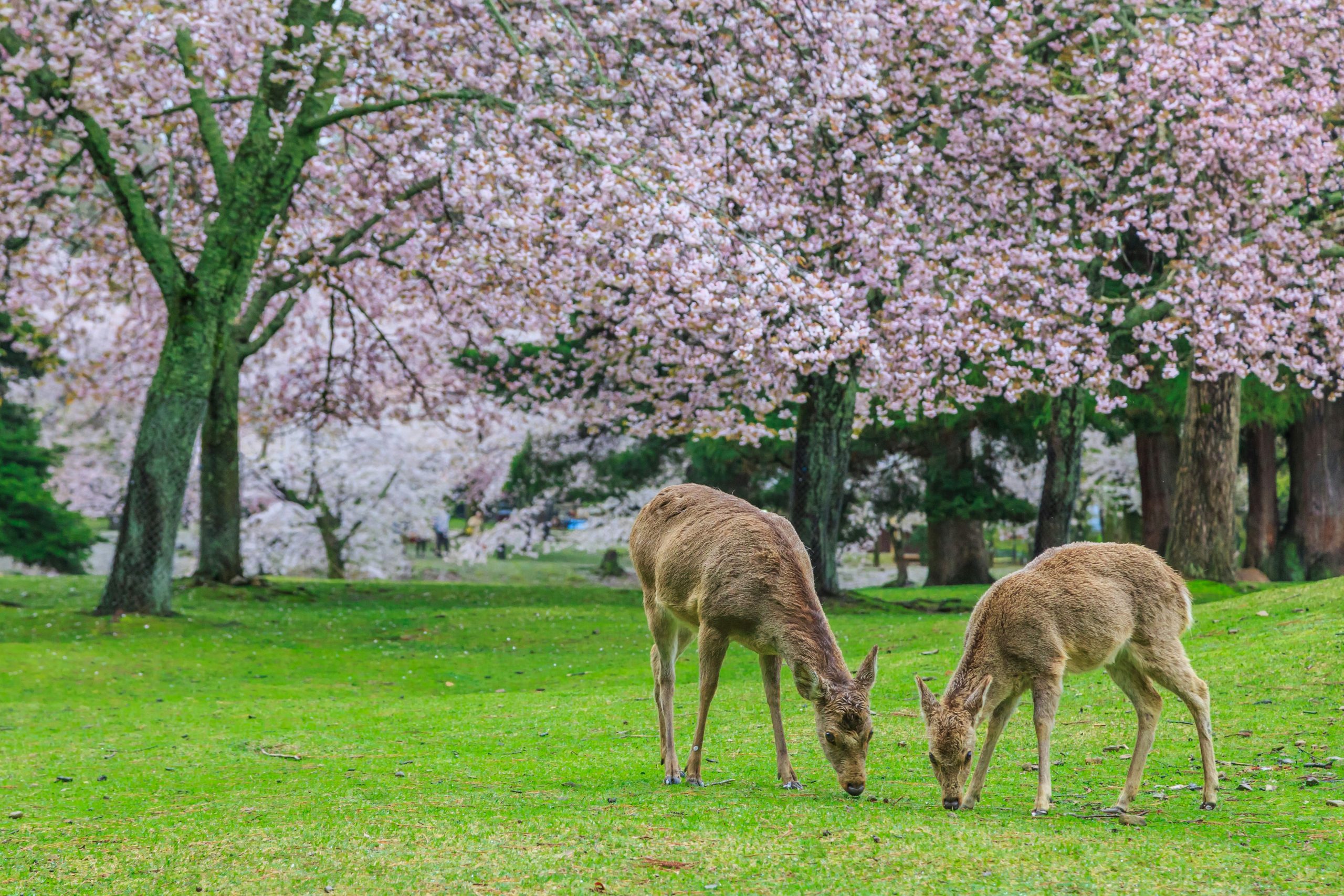
| Late Mar–Apr | 10–19°C, mild | Cherry blossoms in Nara Park — the deer among the sakura; busiest and loveliest |
| May–Jun | 18–27°C, warm; late Jun rains | Fresh green and fewer crowds before the rainy season sets in |
| Jul–Aug | 26–34°C, hot & humid | Nara’s big lantern festivals, but genuinely sweltering |
| Oct–Nov | 12–22°C, crisp, clear | Autumn colour around Todai-ji and the park — the other prime window |
| Dec–Feb | 2–10°C, cold, quiet | Crowd-free temples; occasional snow on the Great Buddha Hall roof |
✈️ TripToGo Travel Deals
Get notified about great travel deals
Hand-picked flight, hotel and destination deals, straight to your inbox. No spam, unsubscribe anytime.
🎉 Thank you for subscribing!
You’re all set — the best travel deals are on their way.
Blossoms, Autumn Colour and the Deer: Key Facts
Nara is a spring-and-autumn city. Late March–April frames its free-roaming deer against cherry blossom; October–November turns the park and the approach to Todai-ji red and gold. Both are the classic times to see the Great Buddha and feed the famous bowing deer.
It’s an easy day trip — roughly 45 minutes by train from Kyoto or Osaka — so most visitors match Nara’s timing to a wider Kansai trip. Pair it with our things to do in Kyoto guide.
Two practical notes: summer (July–August) is hot, humid and includes the tail of Japan’s rainy season, and the deer are wild animals — buy the official shika senbei crackers and mind bags and maps, which they will happily nibble. Official resource: Japan National Tourism Organization.
Understanding the Climate and Nara Weather Guide
Nara has a beautiful temperate climate that changes with the seasons. You can visit any time of year if you pack right. A good nara weather guide helps you enjoy outdoor adventures.
Seasonal Temperature Variations
The temperature in Nara changes a lot with the seasons. Summers are hot and humid, needing light clothes and lots of water. The city is lively in summer, but it can get very hot in the afternoon.
As the year goes on, the air gets cooler. Winters are cold, and sometimes it snows lightly. Make sure to check a nara weather guide for these chilly days.
Precipitation Patterns and Humidity
Summer in Nara is humid, making the heat feel worse. Rain falls all year, but early summer is wetter. It’s wise to carry an umbrella.
Autumn and spring are the best times for walking in parks. Watching the forecast helps you plan your visits. A reliable nara weather guide keeps you comfortable in this historic city.
Planning this trip?
Our partner Voyada’s trip planning AI builds a day-by-day plan with flights, hotels and a real total cost for your dates — in about a minute, free.
Plan trip with AI →Springtime Splendor: Cherry Blossoms and Mild Weather
As winter fades, Nara comes alive with nature’s beauty. The city is filled with fresh greenery and a calm atmosphere. Every walk feels like stepping into a painting.
This season is one of the most beautiful times to visit. The mild weather is perfect for exploring historic streets and parks.
Peak Bloom Timing in Nara Park
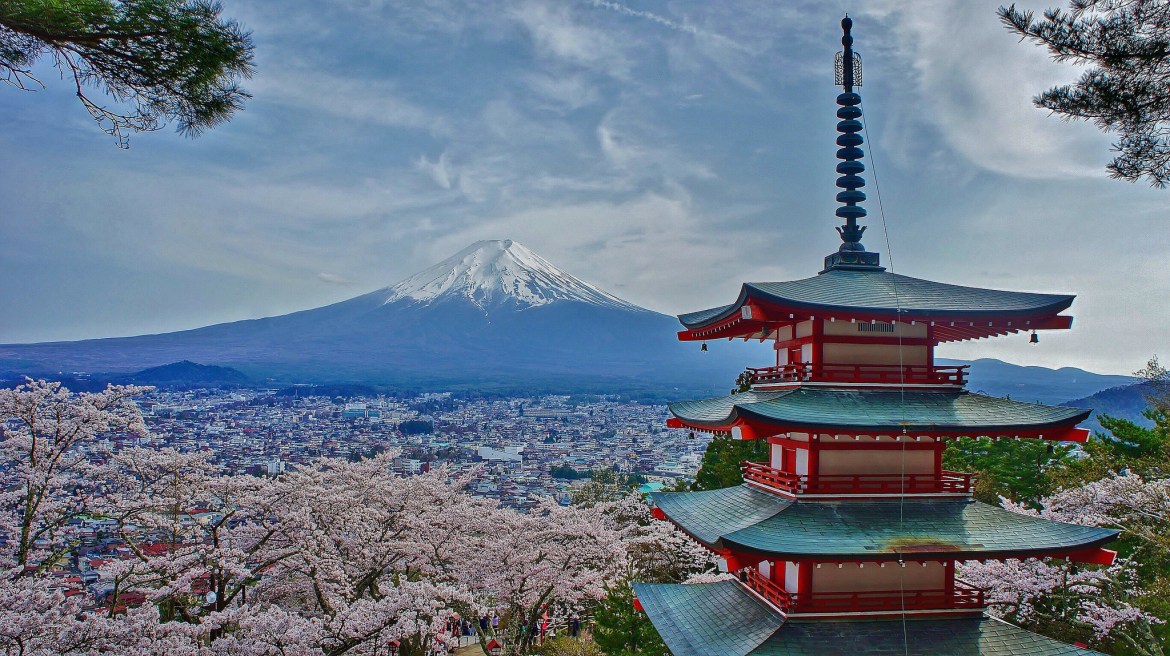
The cherry blossom period is the season’s highlight. These flowers start in late March and peak in early April.
Nara Park turns into a stunning pink and white canopy. People from all over come to see this natural wonder. It fills the grounds with joy and energy.
Outdoor Activities and Temple Grounds
The nice spring weather is great for outdoor fun. Rent a bike and explore the paths to famous landmarks.
The temple grounds are beautiful in spring. You can see flowers and ancient buildings together. But, go early to avoid the crowds.
Summer in Nara: Festivals and Lush Greenery
Summer in Nara turns the city into a colorful mix of deep greens and lively culture. The heat brings out the city’s lush side, making it incredibly vibrant.
The warmer months offer a special view of this historic place. Nature is at its peak, making a beautiful setting for your adventures.
Managing the Heat and Humidity
June starts the rainy season, lasting until July. It brings a lot of humidity. To stay cool, plan ahead and drink plenty of water.
Try to go outside early in the morning or late in the afternoon to avoid the sun. You can also cool off by visiting the mountains around the city.
Visiting shaded temple grounds is a great way to cool down. These places offer a peaceful break from the heat, letting you enjoy the views at your own pace.
Traditional Summer Festivals and Events
Summer in Nara is filled with cultural celebrations. These events show the true spirit of the area and let visitors see local traditions up close.
Evening temple illuminations are a must-see. They light up the old buildings with a magical glow after dark. It’s a perfect time for a calm walk.
Don’t miss the local fireworks displays that light up the sky. Joining in these events is a great way to feel part of the community and enjoy a Japanese summer.
Autumn Foliage: The Most Popular Nara Tourist Season
As the air cools, Nara’s landscape turns into a stunning display of fiery reds and deep oranges. This makes autumn the second-busiest season for visitors. The city feels alive with a crisp, refreshing energy that invites exploration.
Peak fall foliage happens in November, turning parks and temple grounds into a vibrant tapestry. The harvest season also adds a special cultural richness to local life. It’s a great time to see the region’s deep traditions surrounded by natural beauty.
Viewing the Changing Leaves at Isuien Garden
Isuien Garden is a top spot for seeing the seasonal change. It’s famous for its “borrowed scenery” technique, which uses the surrounding mountains in its design.
In November, the maple trees turn brilliant shades of crimson. Walking through the moss-covered paths while the leaves fall creates a serene atmosphere. It feels like stepping into a painting.
Photography Tips for Fall Colors
Capturing the perfect shot takes patience during this busy season. Arrive at popular spots early in the morning to avoid crowds. Take advantage of the soft, golden light.
Focus on the contrast between dark temple wood and bright foliage to make your images pop. Using a tripod helps capture sharp details, even when the light fades in the late afternoon.
Winter Tranquility: Avoiding the Crowds
Winter turns Nara into a peaceful place, great for those who hate big crowds. The city is calm, showing a side it keeps hidden when it’s warm. It’s perfect for those who want to really get to know the local culture without the chaos of big groups.
Experiencing Nara in the Off-Season
Visiting in the off-season lets you see famous sites at your own pace. Nara Park is much bigger, giving you space to enjoy the views. The city’s slower pace makes every meeting feel more real and personal.
With fewer people around, you can find better deals on places to stay and get in quicker at popular spots. It’s a great chance to see the city’s buildings and landscapes in a new way. Plus, the deer might be more friendly when it’s quiet.
Winter Temple Atmosphere and Local Cuisine
The temples are incredibly peaceful in winter. Walking through the historic grounds under a clear sky is very calming. You’ll love the quiet and the beauty of the wooden buildings against the winter sky.
After exploring, try some traditional local food. Small places serve hot sake and warm dishes that are perfect for cold weather. Remember, some places might close during the New Year, so check their hours before you go.
The Best Time to Visit Nara for Wildlife Enthuasiasts
Nara is a unique place where you can easily meet wild animals. The deer here are seen as sacred messengers. They attract visitors all year round.
Interacting with the Deer Population
Remember, these animals are wild, even if they seem friendly. Always be cautious and respect their space. Don’t tease them with food, as it can make them aggressive.
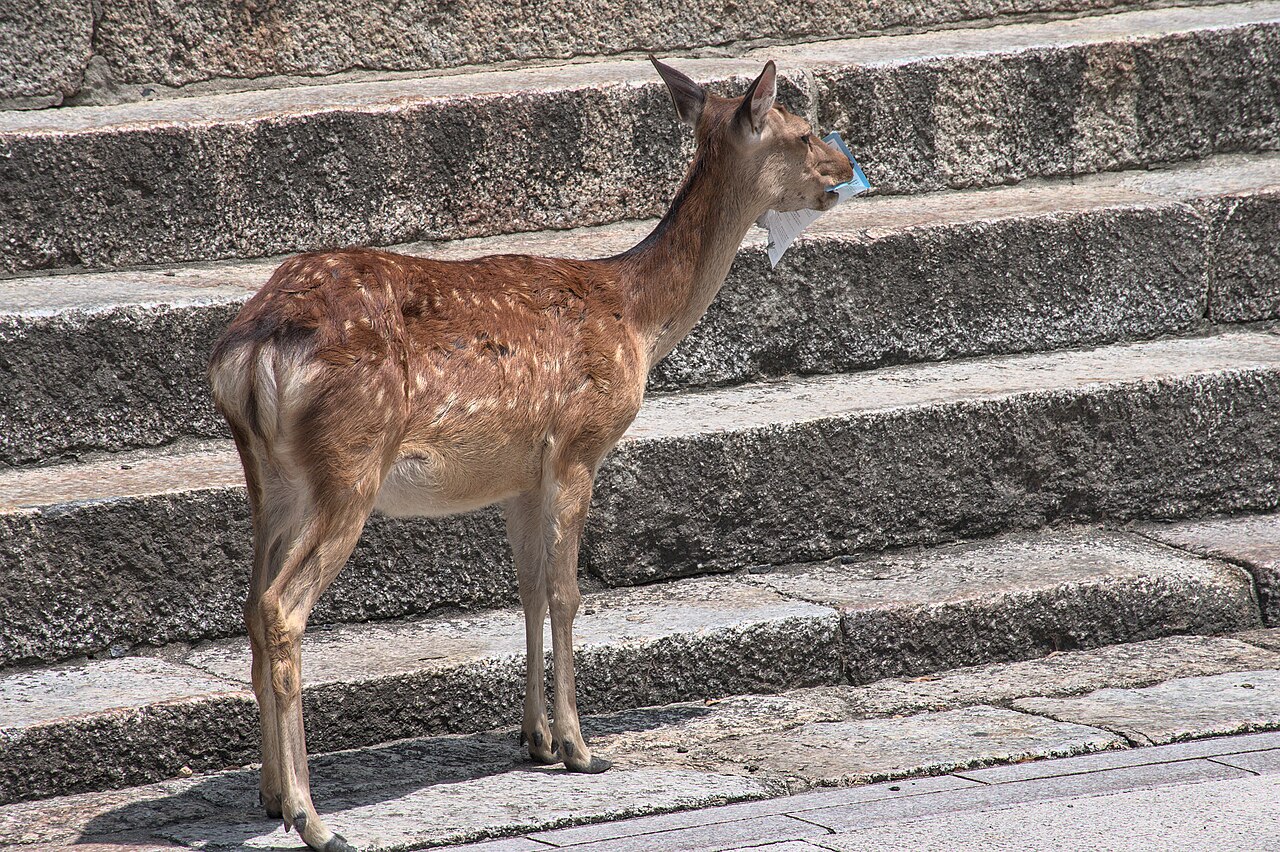
To feed them safely, buy “shika senbei” crackers at kiosks. These are the only snacks they can eat. Keep your things close, as the deer are smart at finding paper or plastic bags.
Don’t miss the “shika no tsunokiri” ceremony in autumn. Experts trim the antlers of the bucks then. This keeps everyone safe during the busy season.
Seasonal Behavior of Nara Deer
Spring is magical in Nara, with the birth of fawns. You’ll see mothers nursing their young in quiet spots.
Autumn brings a change, with the mating season. The bucks are more active and sometimes assertive. It’s important to stay safe and keep a distance.
The deer are always ready to meet visitors, no matter the season. Whether it’s summer or winter, they connect us to nature. Plan your visit to enjoy their natural cycles.
Navigating Nara Peak Visit Time and Crowd Management
Timing your visit right can make a big difference. The city is lovely all year, but picking the right time can help you dodge the crowds. Plan ahead to make your trip calm and unforgettable.
Identifying High-Traffic Holidays
Japan’s national holidays attract lots of visitors. Try to skip Golden Week in late April and early May. It’s the busiest time of the year.
Also, avoid Obon in mid-August. Many locals come back home, making places crowded. Knowing these dates helps you plan better.
Prefer to travel it with a guide?
There are 46 Japan tours on TripToGo, from short city breaks to multi-week routes.
View Japan tours →Strategies for Avoiding Large Tour Groups
Start your day early to avoid crowds. Big tour groups usually arrive later. Wake up early to enjoy the park’s peace.
Visit on weekdays instead of weekends. Tuesdays or Wednesdays are less busy. These small changes can make a big difference.
Explore the city’s hidden spots too. While the main park is famous, smaller gardens and shrines are less crowded. Adding these to your trip can be rewarding.
Cultural Events and Festivals Throughout the Year
Every month in Nara brings a new chance to see the city’s history come alive. These events offer a peek into the region’s soul, beyond the usual tourist spots. By traveling during these times, you can dive into the traditions that make Nara special.
Major Religious Ceremonies
Nara is home to Japan’s most important spiritual sites. These places host ceremonies all year round. You might see monks chanting or processions honoring local gods.
The Omizutori festival at Todai-ji Temple is a highlight. It’s a fire-lighting ritual that shows deep devotion. It attracts visitors worldwide, reminding us of Nara’s rich religious history.
Local Seasonal Celebrations
The city comes alive with local festivals. These events celebrate the changing seasons and the harvest. You’ll see everything from flower festivals in spring to lantern displays in summer.
Joining these festivals lets you meet locals and try traditional foods. It’s a great way to make your trip more authentic. Check the Nara tourism website or local event boards for updates.
Attending these festivals turns a regular trip into a cultural adventure. Whether you watch a parade or join a dance, you’re part of Nara’s story. Plan your visit to catch these vibrant Japanese celebrations.
Nara Sightseeing Seasons for Budget Travelers
Traveling smart means knowing when to go to save money in Japan. Being flexible with your dates can help you see Nara’s beauty without spending too much. Knowing the best times to visit helps you spend on experiences, not just on expensive places to stay.
Finding Value During Shoulder Seasons
Shoulder seasons are great for saving money. They’re the times right before or after the big tourist crowds. The weather is nice, and prices are lower.
Hotels and guesthouses often drop their rates during these times. You can see famous spots with fewer people around. It’s a wonderful way to see the city’s true charm without spending a lot.
Off-Peak Travel Advantages
Winter is a secret treasure for those watching their budget. You can find big discounts on travel and places to stay. The city is quieter, letting you connect with the temples’ calm.
Traveling off-peak is a smart budget move. You skip the long lines and enjoy a calm trip. Choosing the right times to visit makes your journey both affordable and unforgettable.
Essential Nara Travel Tips for Every Season
Planning well is key to enjoying your Nara trip. Being prepared lets you soak in the temples’ beauty and the deer’s charm without stress. These tips will make your visit smooth, no matter the time of year.
Packing Essentials Based on Weather
Dressing in layers is a must in this area. Morning can be cool, but afternoons can get warm. A light jacket or sweater helps you adjust to the changing weather.
Don’t forget comfortable walking shoes. You’ll spend hours walking in parks and temple paths. Good shoes keep your feet happy as you explore.
Transportation and Accessibility Advice
Using the local trains is easy for visitors. The Kintetsu and JR lines cover most areas. Keep a digital transit card ready to speed up your travel.
For a slower pace, try the local buses. Many temples are well-connected, and signs are clear. These tips will make your travel smooth and easy.
Recommended Time to Go for First-Time Visitors
Wondering when to visit Nara for the first time? You’re in the right spot. The right season can make your trip unforgettable. Spring and autumn are the best for visiting historic sites.
Balancing Weather and Sightseeing Opportunities
Spring, from March to May, is mild and beautiful with cherry blossoms. It’s the best time to see Nara alive with color. Autumn, in October and November, offers cool air and stunning foliage around temples.
Both seasons are great for walking in Nara Park. You’ll avoid summer heat and winter cold. This makes sightseeing pleasant and easy.
Creating a Balanced Itinerary
Plan your visit to mix famous spots with quiet moments. Start at big temples early to avoid crowds. Then, explore hidden gardens in the afternoons.
Choosing the right time for you is key. Whether you love spring’s soft colors or autumn’s oranges, balance is key. Enjoy discovering Nara at your pace.
Nara Japan Visit Timing for Photography Lovers
If you love taking photos, the right time to visit Nara is key. The city looks amazing at any time, but the right timing can turn a simple photo into a work of art.
Plan your day to catch the best light. Whether it’s the soft dawn or the dramatic late afternoon, Nara is full of photo opportunities.
Golden Hour and Lighting Conditions
The golden hour is a dream for landscape photographers. It happens right after sunrise and before sunset. This time offers the softest, most flattering light.
During these hours, the harsh shadows of midday fade away. A warm, golden light takes over, making ancient temple wood and stone lanterns look even more beautiful. This timing helps you avoid the dull light of mid-afternoon.
Best Locations for Seasonal Shots
Nara Park is perfect for capturing the seasons. In spring, the pink cherry blossoms create a beautiful backdrop. The morning sun is best for this.
In autumn, the maple trees at Isuien Garden turn fiery orange and deep red. To get the best shots, arrive early to these spots. This way, you can avoid crowds and get the perfect shot before the light gets too strong.
By planning your visit with the sun, your photos will show off Nara’s vibrant colors. A little patience and planning can make your photos truly special.
Before you go: turn this guide into a day-by-day plan. Our partner Voyada is a free trip itinerary maker that builds the trip with flights, hotels and a real total cost for your dates — in about a minute.
Make a travel itinerary →Nara's Deer, Festivals, and Timing
Nara pairs ancient temples with free-roaming deer, and it’s one of Japan’s easiest and most charming day trips.
- Go early: Nara is 45 minutes from Kyoto or Osaka — arrive before the tour groups to enjoy Todai-ji’s Great Buddha and Kasuga Taisha’s lanterns in peace.
- The deer are the stars: buy shika senbei crackers and they’ll bow for them — but keep maps and food tucked away, as they can be pushy.
- Spring and autumn are best for cherry blossoms and foliage in Nara Park, though the deer are there year-round.
- Time it for a festival: Omizutori (March) at Todai-ji and the Nara Tokae lantern festival (August) are highlights.
- It’s compact and walkable — most sights sit within or beside Nara Park, a short walk or bus from the stations.
Nara: Month-by-Month Guide
A quick month-by-month reference for planning — at a glance, when to go and what each month brings.
| Month | Verdict | What to expect |
|---|---|---|
| January | Quiet | Cold and dry; quiet. |
| February | Quiet | Cold; plum blossoms late-month. |
| March | Shoulder | Cool; the first cherry blossoms late-month. |
| April | Peak | Cherry blossoms; mild and busy. |
| May | Great | Warm and ideal. |
| June | Wet | The rainy season; humid. |
| July | Hot | Hot and humid; rains end mid-month. |
| August | Hot | Hottest; the Nara Tokae lantern festival. |
| September | Improving | Heat easing; typhoon season. |
| October | Great | Mild and ideal. |
| November | Peak | Cool; autumn foliage peak. |
| December | Quiet | Cold and dry; quiet. |
Conclusion
Nara is a place that offers something special every season. You might want to see the spring blossoms or enjoy the quiet of winter. This city has a unique charm, no matter when you visit.
Knowing about the weather, crowds, and local events helps you plan your trip. Now, you can explore Nara with confidence and curiosity.
This guide is meant to help you see Nara’s temples and parks on your own terms. Every visitor finds something special here. The best time to visit is when you can experience Japan’s magic in your own way.
What are you most looking forward to on your trip? Share your plans or ask a question about your itinerary. We love hearing about your adventures as you get ready to explore Nara’s wonders.
FAQ
When is the absolute best time to visit Nara for cherry blossoms?
What should I include in my Nara weather guide for a summer trip?
Is there a specific Nara peak visit time I should avoid?
What is the Nara recommended time to go for budget-conscious travelers?
Do you have any Nara travel tips for seeing the famous deer?
What are the best Nara sightseeing seasons for photography?
How much time do you need to see Nara?
Half a day to a full day is enough to cover Nara Park, Todai-ji and the deer, since it is a compact and walkable area easily managed as a day trip from Kyoto or Osaka. If you also want to see Kasuga Taisha, Isuien Garden and the Nara National Museum without rushing, budget a full day rather than a half-day stop.
What time of day is best to visit Nara Park?
Early morning, ideally before 9am, is best — the deer are most active and least crowded with feeding tourists, and Todai-ji’s Great Buddha Hall is far quieter before tour groups arrive. Late afternoon, in the hour or so before closing, is the other good window, with softer light for photos and thinning crowds.
What time does Todai-ji close, and is Nara Park ever closed?
Nara Park itself is open-air and free to enter at any time, with no gates or closing hours — the deer roam it around the clock. Todai-ji’s Great Buddha Hall, however, keeps set hours: 7:30am–5:30pm from April to October and 8am–5pm from November to March, so plan your temple visit within those windows.
How much does it cost to enter Todai-ji Temple?
Entry to the Great Buddha Hall costs around ¥800 (roughly $5–6) for adults and ¥400 for children aged 6–12, with a combined ticket covering the Great Buddha Hall and the Todai-ji Museum available for about ¥1,200 adult / ¥600 child. Nara Park itself is free; the fee is only for the temple buildings.
How do I get from Kyoto to Nara?
The JR Nara Line runs directly between Kyoto and JR Nara Station, with the Miyakoji Rapid service taking around 45 minutes for about ¥720, covered by the Japan Rail Pass. Trains run roughly every 30 minutes, making Nara an easy half-day or full-day trip from a Kyoto base.
How do I get from Osaka to Nara?
From JR Osaka Station, the Yamatoji Rapid service reaches JR Nara Station in about 45 minutes for around ¥840. Alternatively, the Kintetsu line from Osaka-Namba to Kintetsu Nara Station takes as little as 30–40 minutes and lands closer to Nara Park — about an 8-minute walk versus 20 minutes from the JR station — though the Kintetsu line is not covered by the Japan Rail Pass.
Is Nara a good day trip, or should I stay overnight?
Most visitors do Nara as a day trip from Kyoto or Osaka, since the main sights are easily covered in half a day and both cities are under 45 minutes away by train. Staying overnight is worth considering only if you want to see the park at dawn before day-trippers arrive or visit a traditional ryokan, since Nara itself has fewer evening dining and nightlife options than Kyoto or Osaka.
Are Nara's deer dangerous, and do they bite?
They are generally safe but are still wild animals, not pets, and can nip, headbutt or scratch if they think you are withholding food — minor injuries happen occasionally, especially to children holding crackers overhead rather than offering them flat-handed. Bowing to a deer before feeding it often prompts a bow back, a learned behaviour, but keep bags, maps and paper away from them, since they will happily chew anything that looks edible.
Where do you buy deer crackers, and how much do they cost?
Official shika senbei (deer crackers) are sold from small carts and stalls throughout Nara Park, typically for around ¥200 for a stack of ten. Buying from these official vendors is recommended over any unofficial source, since the crackers are made specifically to be safe for the deer to eat.
Is Nara Park free to enter?
Yes, Nara Park itself has no admission fee and no gates — it is open, public parkland that anyone can walk through at any time. Fees only apply to specific buildings inside or near the park, such as Todai-ji’s Great Buddha Hall, Kasuga Taisha’s inner sanctuary, and the Nara National Museum.
What is Nara famous for besides the deer?
Nara was Japan’s first permanent capital and is home to Todai-ji, which houses one of the world’s largest bronze Buddha statues, along with Kasuga Taisha’s thousands of stone and bronze lanterns, the five-storied pagoda at Kofuku-ji, and Isuien, a landscaped Edo-period garden. Eight of Nara’s monuments are collectively a UNESCO World Heritage Site.
When are Kasuga Taisha's lantern festivals?
Kasuga Taisha lights its roughly 3,000 stone and hanging lanterns twice a year: Setsubun Mantoro on the evening of 3 February, and Chugen Mantoro over 14–15 August during the Obon season. Both events typically run from early evening into the night and are among Nara’s most atmospheric seasonal sights.
Is Nara worth visiting in winter?
Yes — winter (December to February) is Nara’s quietest season, with cold but manageable temperatures of around 2–10°C, thin crowds at the major temples, and occasional snow dusting the Great Buddha Hall’s roof. It suits travellers who prioritise a peaceful visit and lower hotel prices over cherry blossoms or autumn colour.
Does Nara have a rainy season I should plan around?
Yes — Japan’s tsuyu rainy season typically sets in around late June and runs into mid-July, bringing frequent showers to Nara after a mild, drier May and early June. It rarely disrupts a visit entirely since most sights are outdoors but walkable in short bursts between showers; pack a compact umbrella or light rain jacket rather than avoiding the period altogether.
Is Nara Park walkable, or do I need transport to get around it?
Nara Park is entirely walkable — Todai-ji, Kasuga Taisha, Kofuku-ji and the main deer areas all sit within about a 20–30 minute walk of each other and of Kintetsu Nara Station. Rental bicycles are available near the station if you want to cover more ground quickly, but a car or bus is unnecessary for the core sights.