
Table of Contents
ToggleThe Eternal City packs nearly 3,000 years of history, art and unbeatable food into one gloriously walkable centre — and 3 days in Rome is the perfect amount of time to experience the best of it. From the Colosseum to the Sistine Chapel to the Trevi Fountain, this is a first-timer’s dream itinerary.
The key to a great Roman holiday is a smart plan that groups the sights by area so you’re not zigzagging across the city. This guide splits Rome into three logical days — Ancient Rome, the Vatican, and Baroque Rome — while leaving room to wander, linger over pasta and simply soak up the atmosphere.
You’ll also find what to eat, the best time to visit, how to get there and around, and where to stay — plus the booking tips that’ll save you hours in line. Andiamo — let’s plan your perfect 3 days in Rome.
✈️ TripToGo Travel Deals
Get notified about great travel deals
Hand-picked flight, hotel and destination deals, straight to your inbox. No spam, unsubscribe anytime.
🎉 Thank you for subscribing!
You’re all set — the best travel deals are on their way.
Key Takeaways
- 3 days is ideal for a first trip — group the sights by area to avoid backtracking.
- Day 1: Ancient Rome (Colosseum, Forum, Pantheon). Day 2: the Vatican. Day 3: Baroque Rome (Trevi, Spanish Steps, Borghese).
- Book the Colosseum, Vatican Museums and Borghese Gallery online in advance to skip long queues.
- Spring and autumn are the best times; summer is hot and crowded, winter quiet and cheap.
- The centre is walkable — no car needed; fly into Fiumicino (FCO).
3 Days in Rome at a Glance
Your 3 days in Rome at a glance.
| Day | Theme | Highlights |
|---|---|---|
| Day 1 | Ancient Rome | Colosseum, Roman Forum, Pantheon, Trastevere |
| Day 2 | The Vatican | Vatican Museums, Sistine Chapel, St. Peter’s, Piazza Navona |
| Day 3 | Baroque Rome | Trevi Fountain, Spanish Steps, Villa Borghese |
How to Spend 3 Perfect Days in Rome
Three days is the sweet spot for a first trip to Rome — enough to see the giants (the Colosseum, the Vatican, the Trevi Fountain) while still leaving time to wander, linger over pasta and soak up the Eternal City’s incomparable atmosphere. Rome layers nearly 3,000 years of history into a walkable, romantic, endlessly photogenic centre.
This itinerary splits the city into three logical days — Ancient Rome, the Vatican, and Baroque Rome — so you cover the essentials without backtracking. Adjust the pace to suit you, and remember: the magic of Rome is as much in a sunset aperitivo and a wrong turn down a cobbled lane as in the monuments. Official resource: Turismo Roma.
Planning a trip to Rome?
Our partner Voyada’s trip planning AI builds a day-by-day plan with flights, hotels and a real total cost for your dates — in about a minute, free.
Plan trip with AIDay 1: Ancient Rome
Start where Rome began. Begin at the mighty Colosseum (book a timed ticket or tour to skip the queues), then explore the adjacent Roman Forum and Palatine Hill, wandering the ruins where emperors once ruled. Climb to Capitoline Hill for Michelangelo’s piazza and sweeping views.
In the afternoon, walk to the astonishing Pantheon, the best-preserved building of ancient Rome (7 euro entry, booked online), then toss a coin at the nearby monuments. As evening falls, cross the river to Trastevere — Rome’s most charming, ivy-draped neighbourhood — for dinner and a stroll through its buzzing lanes.
Day 2: The Vatican & St. Peter's
Dedicate today to the world’s smallest country. Arrive early at the Vatican Museums (pre-book to avoid long lines), a staggering treasury of art that culminates in Michelangelo’s breathtaking Sistine Chapel. Then step into St. Peter’s Basilica, the grandest church in Christendom — climb the dome (cupola) for one of the best views in Rome.
In the afternoon, walk to the riverside Castel Sant’Angelo for more history and views, then spend the evening around beautiful Piazza Navona, with its Bernini fountains, street artists and cafes — a perfect spot for an aperitivo.
Day 3: Baroque Rome & Hidden Corners
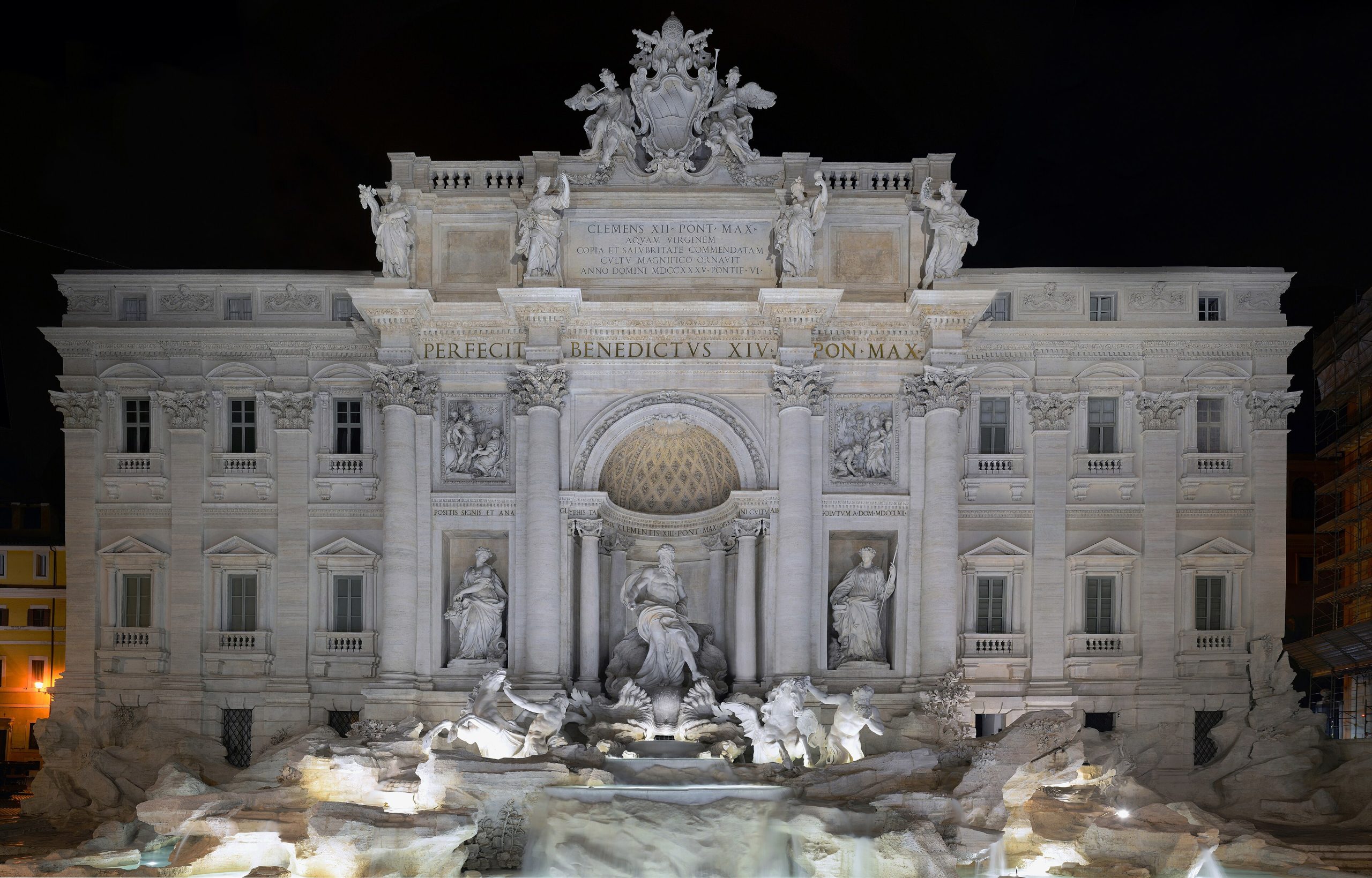
Spend your last day on Rome’s romantic set-pieces. Make an early visit to the Trevi Fountain and buy the 2 euro ticket for the inner basin, where you toss in your coin, climb the Spanish Steps (sitting on them is banned, with fines from 250 euro), and browse the elegant streets around them. Wander to the lively Campo de’ Fiori market and the ancient Largo di Torre Argentina (now a cat sanctuary among the ruins).
In the afternoon, escape to the leafy Villa Borghese gardens and, if you booked ahead, the superb Borghese Gallery (Bernini sculptures and Caravaggio paintings). Finish with a final Roman feast and a gelato as the city glows at dusk.
What to Eat in Rome
Roman food is simple, hearty and unforgettable. Don’t leave without trying the city’s pasta trinity — cacio e pepe, carbonara and amatriciana — plus supplì (fried rice balls), thin crispy Roman pizza, carciofi (artichokes, Roman or Jewish-style) and, of course, gelato. Eat where the locals do, away from the main tourist squares, and embrace the long, leisurely Italian meal.
Best Time to Visit Rome
Spring (April to June) and autumn (September to October) are the best times to visit Rome — warm, sunny days ideal for walking, with the big sights slightly less mobbed than in peak summer. These shoulder seasons are the sweet spot.
Summer (July–August) is hot and crowded, with long queues and many Romans away on holiday, though the city buzzes with outdoor events. Winter is cool, quiet and atmospheric, with the lowest prices and shortest lines — a lovely, underrated time to visit if you don’t mind cooler weather. Whenever you go, book the Colosseum and Vatican ahead.
| Season | Months | Weather | Notes |
|---|---|---|---|
| Spring | Apr–Jun | Warm, sunny | Best; comfortable, book ahead |
| Summer | Jul–Aug | Hot, crowded | Long queues; some closures in August |
| Autumn | Sep–Oct | Warm, pleasant | Excellent; fewer crowds |
| Winter | Nov–Mar | Cool, quiet | Lowest prices & shortest lines |
How to Get There & Get Around
Fly into Rome Fiumicino (FCO) — connected to the centre by the Leonardo Express train in about 30 minutes — or the smaller Ciampino (CIA); Rome is also a major high-speed rail hub, easy from Florence, Venice and Naples. Once there, the historic centre is compact and best explored on foot; a metro, trams and buses fill the gaps, and you won’t need a car (driving in central Rome is restricted and stressful). Because flights or trains, timed monument tickets and where to stay all interlock, an AI planner can build the whole trip for your dates in about a minute.
Where to Stay
For a first visit, base yourself in the historic centre (around the Pantheon, Piazza Navona or the Spanish Steps) to walk to almost everything. Trastevere offers charm and great dining, Monti is a trendy, local-feeling neighbourhood near the Colosseum, and the area near Termini station is convenient and better value. Book well ahead for spring and autumn.
Practical Tips
A few tips for a smooth Roman holiday: book the Colosseum, Vatican Museums and Borghese Gallery online in advance — timed tickets save hours of queuing. Wear comfortable shoes for the cobblestones, carry a refillable bottle (fill up at the free nasoni fountains), dress modestly to enter churches (shoulders and knees covered), and stay alert to pickpockets on crowded transport and at big sights. Three days is perfect for the highlights; add a day for a trip to Ostia Antica or Tivoli.
Related Guides
Frequently Asked Questions
Is 3 days enough for Rome?
Yes — 3 days is the ideal length for a first trip. It’s enough to see the essentials (the Colosseum, the Vatican, the Trevi Fountain and the historic centre) while still leaving time to wander, eat well and soak up the atmosphere. Add a day or two for day trips or a slower pace.
What is the best order to see Rome in 3 days?
Group the sights by area to avoid backtracking: Day 1 for Ancient Rome (Colosseum, Forum, Pantheon), Day 2 for the Vatican (Museums, Sistine Chapel, St. Peter’s), and Day 3 for Baroque Rome (Trevi Fountain, Spanish Steps, Villa Borghese).
Do you need to book the Colosseum and Vatican in advance?
Absolutely — book timed tickets online well ahead for the Colosseum, the Vatican Museums and the Borghese Gallery (which requires reservations). This can save you hours of queuing, especially in spring, summer and autumn.
What is the best time to visit Rome?
Spring (April–June) and autumn (September–October) are best, with warm, comfortable weather and slightly smaller crowds. Summer is hot and very busy; winter is cool, quiet and the cheapest time, with the shortest lines.
Do you need a car in Rome?
No — the historic centre is compact and best explored on foot, with a metro, trams and buses for longer distances. Driving in central Rome is restricted and stressful, so skip the car; use the train for day trips.
What food should you eat in Rome?
Try the Roman pasta classics — cacio e pepe, carbonara and amatriciana — along with supplì (fried rice balls), thin Roman-style pizza, artichokes and plenty of gelato. Eat a little away from the main tourist squares for the best quality and value.
Is the Roma Pass worth it for a 3-day trip?
For most 3-day visitors, yes. The 72-hour Roma Pass costs around €52 and includes free entry to your first two attractions, discounted entry everywhere else, and unlimited public transport for three days. It pays off once you add up ticket prices for two or more paid sites plus transport, though it does not cover the Vatican Museums, since Vatican City is a separate state from Italy.
How much spending money do you need for 3 days in Rome?
Budget travellers can get by on roughly €60-€90 a day covering hostels, casual meals and transit, while a mid-range trip with a nicer hotel, sit-down dinners and paid attractions runs closer to €150-€250 a day per person. On top of daily spending, budget separately for major tickets like the Colosseum and Vatican Museums, which add up quickly over three days.
Is 2 days enough for Rome?
Two days is enough to cover the essentials, the Colosseum and Forum, the Trevi Fountain, the Pantheon and either the Vatican or a walk through the historic centre, but you will have to pick rather than see everything. Rome genuinely rewards a third day, so if your schedule allows even one extra day, it noticeably reduces the rushed feeling of a two-day sprint.
What is there to do in Rome for 3 days with kids?
Rome works well for families over three days if you mix major sights with breaks. The Colosseum’s underground and arena-floor tours, gladiator-themed experiences, gelato stops, and the view from the Gianicolo hill all appeal to children, while spacing out museum time, the Vatican especially, with park breaks in Villa Borghese keeps energy levels up. Booking timed tickets in advance avoids long queues with restless kids.
Where should you stay in Rome for a short trip?
For a short stay, the historic centre around the Pantheon, Piazza Navona or Campo de’ Fiori puts you within walking distance of most major sights. Monti, just behind the Colosseum, is a quieter, well-connected alternative with good restaurants, while staying near Termini station suits anyone prioritising easy transport links over atmosphere.
Do US and UK visitors need a visa for Rome?
No, neither US nor UK passport holders need a visa for a short trip to Rome. Italy is part of the Schengen Area, so both US and UK citizens can stay up to 90 days in any 180-day period visa-free, though this is separate from any entry scheme either country runs for its own inbound visitors.
What is ETIAS, and will it affect a trip to Rome?
ETIAS is a simple online travel authorisation that visa-exempt travellers, including US and UK visitors, will need before entering the Schengen Area, Italy included. It is not a visa, costs around €20, and is expected to launch in the final quarter of 2026, with applications usually approved within minutes. It is free for anyone under 18 or over 70.
How much does it cost to visit the Colosseum?
A standard adult ticket costs around €18 plus a small booking fee, and covers the Colosseum, Roman Forum and Palatine Hill on the same ticket. Upgraded tickets that add the arena floor or underground chambers cost a few euros more, and entry is free for everyone on the first Sunday of each month, though expect much bigger crowds that day.
How much does it cost to visit the Vatican Museums and Sistine Chapel?
A standard adult ticket costs €20 at the door, or around €25 online once the mandatory reservation fee is added for a timed entry slot. The Sistine Chapel is included automatically, since it sits along the one-way museum route rather than being a separate ticket, and the museums are closed most Sundays except the last Sunday of the month, when entry is free but very crowded.
How do you get from Fiumicino Airport to central Rome?
The fastest option is the Leonardo Express train, a non-stop 32-minute ride to Termini station costing around €14, departing every 15 minutes. Cheaper regional trains reach nearby stations for less but take longer and require a change, while a licensed taxi to the centre runs a fixed rate and takes about 45 minutes to an hour depending on traffic.
Is there a dress code for St Peter's Basilica and the Vatican?
Yes, and it is strictly enforced. Shoulders and knees must be covered for everyone, so no vest tops, shorts above the knee or sleeveless dresses, and guards do turn people away at the entrance checkpoint. If you get caught out, stalls just outside St Peter’s Square sell inexpensive scarves and wraps to cover up before you queue.
Can you drink the tap water in Rome?
Yes, Rome’s tap water is safe and heavily tested, and the same water flows from the city’s roughly 2,500 public nasoni fountains found on almost every street. Water from a nasone is free to drink unless a sign specifically says acqua non potabile (not drinkable), so refilling a bottle on the go is both normal and a good way to save money in the summer heat.
Is Rome safe, and should you worry about pickpockets?
Rome is safe from violent crime, but pickpocketing is a genuine, well-documented problem in crowded tourist spots: the Metro (especially Line A), the areas around the Colosseum and Trevi Fountain, and busy buses. Thieves typically work in pairs using a distraction, so a cross-body bag worn in front, a front pocket for your phone, and general awareness in crowds go a long way.
How much does public transport cost in Rome?
A single ATAC ticket costs €1.50 and covers 100 minutes of unlimited bus and tram transfers, though only one metro ride. A 24-hour pass costs around €7, and tapping a contactless card directly at the reader also works, with a daily spending cap of about €8.50, after which further journeys that day are free.
Final Thoughts: Your 3 Days in Rome
Few cities reward a short visit like Rome. With three well-planned days you can stand inside the Colosseum, gaze up at the Sistine Chapel, toss a coin in the Trevi Fountain and still have time for long lunches and aimless wanders through cobbled lanes. Group your sights by area, book the big-ticket monuments in advance, visit in spring or autumn, and base yourself in the walkable centre. Do that, and the Eternal City will leave you already planning your return.
Before you go: turn this guide into a day-by-day plan. Our partner Voyada is a free itinerary creator that builds the trip with flights, hotels and a real total cost for your dates — in about a minute.
Build a travel itinerary →