
Table of Contents
ToggleKey Takeaways
- The big four are on St Mark’s Square: the Basilica, the Campanile, the Doge’s Palace and the Bridge of Sighs — book timed tickets to skip the queues.
- Ride vaporetto Line 1 down the Grand Canal for the cheapest, most scenic tour in Venice; a traghetto is the budget gondola.
- For art, the Gallerie dell’Accademia and the Peggy Guggenheim Collection are both in walkable Dorsoduro.
- The real Venice is in Cannaregio and Dorsoduro — do a cicchetti (small-plates and wine) bar crawl and get deliberately lost.
- Give the lagoon a day: Murano for glass, Burano for its rainbow houses, Torcello for ancient mosaics.
- Visit in April–June or September, mind the day-tripper access fee on peak days, and stay overnight for the magical, empty evening city.
Venice’s Top Sights at a Glance
| Sight / experience | Area | Why go | Book ahead? |
|---|---|---|---|
| St Mark’s Basilica | San Marco | Golden Byzantine mosaics | Yes |
| Doge’s Palace & Bridge of Sighs | San Marco | Gothic halls, secret prisons | Yes |
| Campanile | San Marco | The classic rooftop view | Optional |
| Grand Canal (vaporetto Line 1) | Citywide | 200 palazzi from the water | No |
| Rialto Bridge & Market | San Polo | Iconic bridge, morning market | No |
| Gallerie dell’Accademia | Dorsoduro | The Venetian old masters | Recommended |
| Peggy Guggenheim Collection | Dorsoduro | Modern art on the canal | Recommended |
| Cicchetti bar crawl | Cannaregio | Venetian small plates & wine | No |
| Burano | Lagoon | Rainbow houses, lace | No |
| Murano | Lagoon | 700 years of glassblowing | No |
✈️ TripToGo Travel Deals
Get notified about great travel deals
Hand-picked flight, hotel and destination deals, straight to your inbox. No spam, unsubscribe anytime.
🎉 Thank you for subscribing!
You’re all set — the best travel deals are on their way.
Getting Around Venice (and What to Book Ahead)
Venice has no cars — you move by foot and by water. The vaporetto (water bus) is the public transport; a multi-day travel pass quickly pays off, and Line 1 down the Grand Canal doubles as the cheapest sightseeing cruise in the city. For everything else, expect to walk and, gloriously, to get lost.
- Book skip-the-line, timed tickets for St Mark’s Basilica and the Doge’s Palace — the walk-up queues in San Marco are the worst in the city.
- Day-trippers now pay an access fee (the contributo di accesso, around €5) on peak spring and summer days; overnight guests are exempt. Check the official day-list if you’re visiting on a busy date — more in our best time to visit Italy guide.
- Mind acqua alta (high water) from October to December — it’s brief and manageable, but worth knowing before you book a ground-floor room near San Marco.
St Mark’s Square & Its Landmarks
Napoleon called Piazza San Marco “the drawing room of Europe,” and it’s still the heart of Venice — ringed by arcades, cafes with centuries-old orchestras, and four of the city’s greatest sights.
St Mark’s Basilica
A Byzantine fantasy of five domes and 8,000 square meters of golden mosaics, built to house the relics of St Mark. Entry to the church is quick with a timed ticket; pay the small extra for the Pala d’Oro altarpiece and the upstairs museum, where the original bronze horses are displayed indoors and the balcony overlooks the square.
The Campanile & the Doge’s Palace
Take the elevator up the Campanile (bell tower) for the classic view over the domes and the lagoon. Next door, the pink-and-white Doge’s Palace is a masterpiece of Venetian Gothic — opulent council halls, Tintoretto’s vast paintings, and the Bridge of Sighs leading to the old prisons. The “Secret Itineraries” tour of the hidden chambers is the city’s best.
The Grand Canal & the Rialto
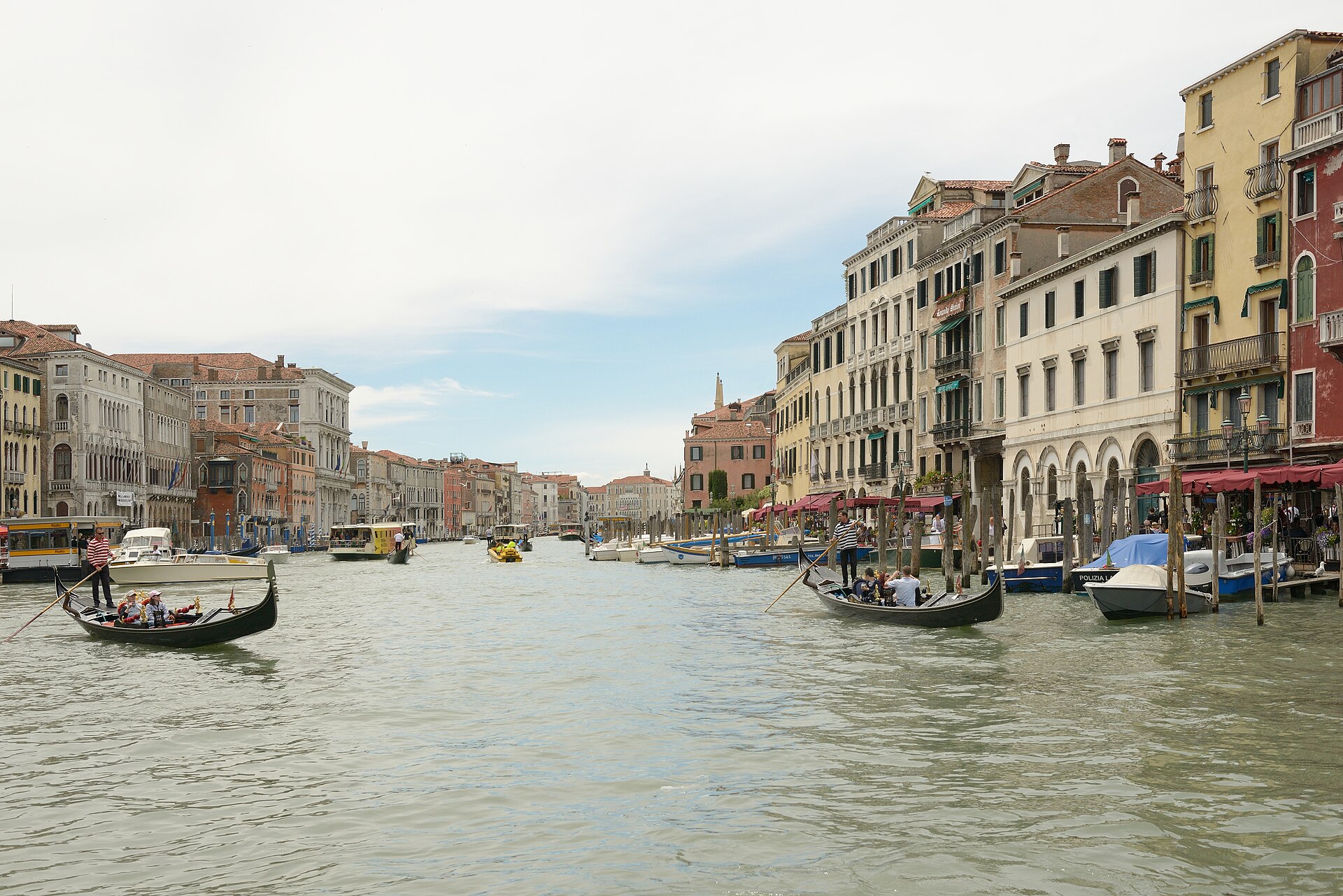
Venice’s main street is water. Ride vaporetto Line 1 the length of the Grand Canal — past 200 palazzi, ideally at sunset — for a few euros. Midway, the Rialto Bridge arcs over the canal in pale Istrian stone; get there early or late to beat the crush. Beside it, the Rialto Market is Venice at its most alive: a morning riot of fish and produce (closed Sundays, and the fish hall on Mondays). To ride a gondola without the €90 price tag, hop a traghetto — a shared gondola ferry across the canal for a couple of euros.
Venice’s Art & Palaces
Few cities pack in this much art. The Gallerie dell’Accademia holds the greatest collection of Venetian masters — Bellini, Titian, Veronese, Tintoretto. A short walk away, the Peggy Guggenheim Collection, in the heiress’s own canal-side palazzo, is a jewel-box of modern art (Pollock, Picasso, Dalí). For a taste of aristocratic Venetian life, tour the palaces Ca’ Rezzonico or the golden-fronted Ca’ d’Oro.
Beyond the Crowds: The Real Venice
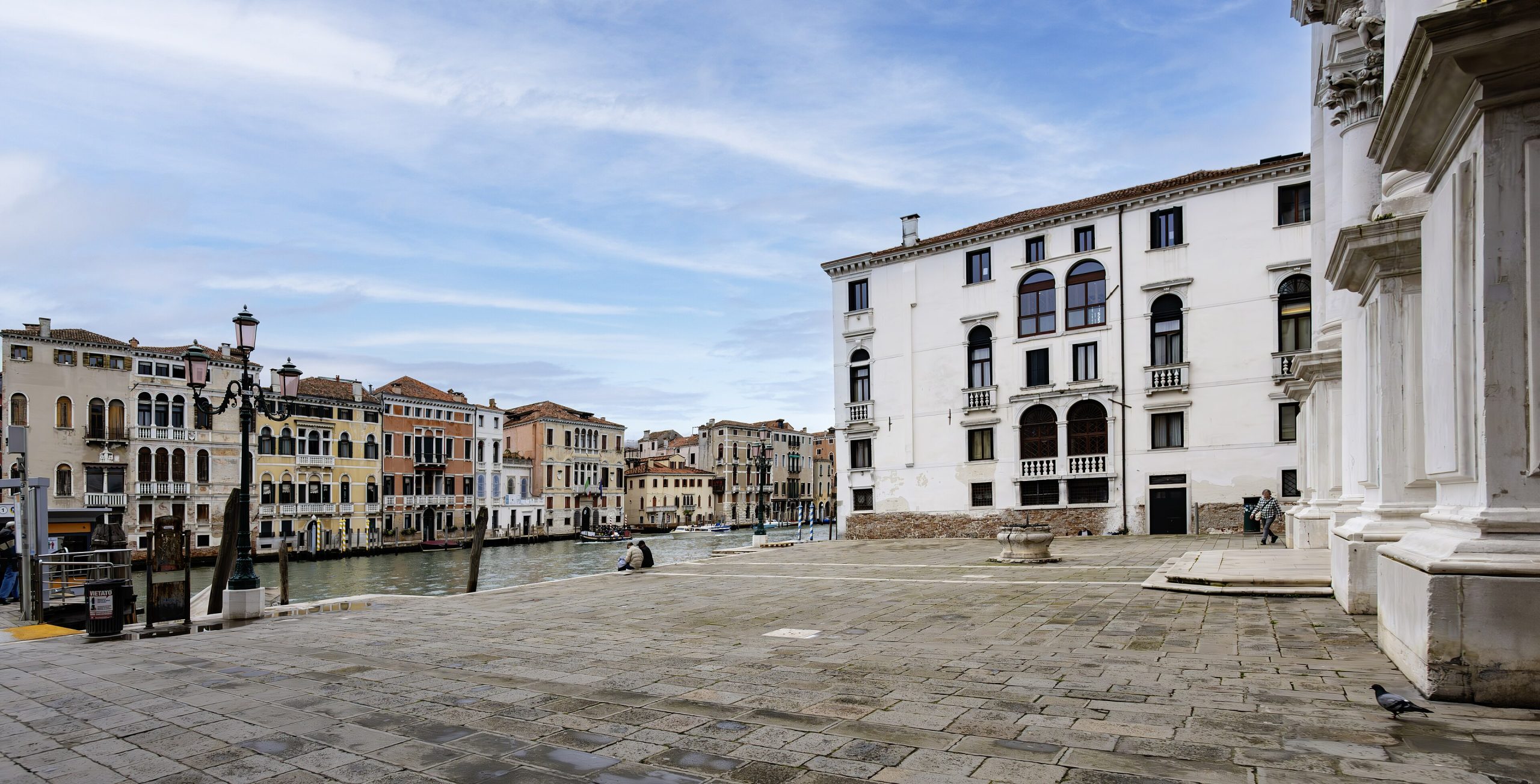
The magic of Venice is what happens when you leave San Marco behind. Wander Cannaregio and Dorsoduro, the lived-in quarters of quiet canals and laundry-strung alleys, and do a cicchetti crawl — hopping between bacari (tiny wine bars) for small plates and an ombra (a little glass of wine), Venice’s answer to tapas. Seek out the Jewish Ghetto, the first in the world (established 1516), the wonderfully soggy Libreria Acqua Alta bookshop, and the Squero di San Trovaso, a working gondola boatyard. This slower, local Venice is the highlight of our Italy hidden gems guide.
Planning a trip to Venice?
Our partner Voyada’s trip planning AI builds a day-by-day plan with flights, hotels and a real total cost for your dates — in about a minute, free.
Plan trip with AIIsland-Hopping the Venetian Lagoon
Give the lagoon a day — the vaporetto reaches a string of islands, each with its own character:
- Murano — the home of Venetian glassblowing for 700 years; watch a furnace demonstration and browse the workshops.
- Burano — a postcard of rainbow-painted fishermen’s houses, a leaning bell tower and a centuries-old lace tradition. The most photogenic spot in the lagoon.
- Torcello — the lagoon’s oldest settlement, now near-empty, with a Byzantine cathedral and golden mosaics that predate Venice itself.
- The Lido — Venice’s beach strip and home of the film festival, for when you want sand and a break from the stone.
The Best of Venice for Your Kind of Trip
Prioritize by what you’re here for:
| If you want… | Don’t miss | Tip |
|---|---|---|
| The big landmarks | St Mark’s Basilica, Doge’s Palace, Rialto | Book timed tickets ahead |
| Art | Accademia, Peggy Guggenheim | Both in Dorsoduro, easy to pair |
| Romance | A sunset gondola, the Grand Canal | Ride Line 1 for the budget version |
| Food & wine | A cicchetti bar crawl in Cannaregio | Go where the locals stand |
| Photography & color | Burano, quiet Dorsoduro canals | Early morning light, few crowds |
| Escaping the crowds | Torcello, the Ghetto, back-canal walks | Get deliberately lost |
When to Visit Venice
Venice is best in April to June and September, when the weather is mild and the light is magic without July and August’s heat, crowds and canal smells. Carnival (February) brings masks and spectacle but packs the city; autumn is atmospheric but brings acqua alta season. Whenever you come, the golden rule is to stay overnight — when the day-trippers and cruise crowds leave, an empty, echoing, floodlit Venice becomes one of the most magical places on Earth. For the full seasonal picture, see our best time to visit Italy guide.
Related Guides
Frequently Asked Questions
What are the top things to do in Venice?
Visit St Mark’s Basilica and the Doge’s Palace on Piazza San Marco, ride a vaporetto or gondola along the Grand Canal, cross the Rialto Bridge and its market, tour the Accademia or Peggy Guggenheim, and take the boat out to Murano and Burano in the lagoon.
How many days do you need in Venice?
Two days cover the main sights — St Mark’s, the Doge’s Palace, the Grand Canal and Rialto — without rushing. A third day lets you slow down for a lagoon-island trip (Murano, Burano, Torcello) and to wander the quieter back canals of Cannaregio and Dorsoduro.
Do you need to book tickets in advance for Venice?
Yes for St Mark’s Basilica and the Doge’s Palace, where timed, skip-the-line tickets save you the worst queues in the city. Also note the day-tripper access fee that applies on peak days if you’re not staying overnight.
Is a gondola ride worth it in Venice?
It’s iconic and romantic but pricey (around €90 by day, more at night, for about 30 minutes). For the views on a budget, ride vaporetto Line 1 along the Grand Canal, or take a traghetto — a shared gondola ferry — across the canal for a couple of euros.
What is the best way to avoid crowds in Venice?
Stay overnight so you have the city in the early morning and evening once the day-trippers leave, explore the Cannaregio and Dorsoduro districts away from San Marco, and visit the big landmarks first thing. Shoulder months (April–June, September) are far calmer than peak summer.
Can you see Venice in a day?
You can cover the headline sights in a day, but it is the least rewarding way to see Venice. Arriving at Santa Lucia by train around 9am gives you St Mark’s Basilica and the Doge’s Palace on pre booked tickets, a vaporetto down the Grand Canal, the Rialto and a cicchetti lunch before an evening train out. You miss the lagoon islands entirely, along with the empty, floodlit city that appears once the day crowds leave.
Is Venice expensive to visit?
Venice costs more than most Italian cities, though the gap is smaller than its reputation suggests. Hotels are the real expense, at roughly 150 to 250 euros a night for a mid range double in shoulder season. Food need not be: cicchetti run around 2 to 4 euros a piece, and an espresso taken standing at the bar costs about 1.50 euros against six or more if you sit down on St Mark’s Square.
How much is the Venice access fee for day-trippers?
The contributo di accesso is around 5 euros if you register in advance, and roughly double that if you leave it late. It applies only on designated peak days in spring and summer, mainly weekends and holidays, and only to visitors arriving for the day between about 8.30am and 4pm. Overnight guests are exempt but still need to register for a QR code. Check the official calendar for your dates before you travel.
How much does a vaporetto ticket cost, and is a pass worth it?
A single vaporetto ride costs around 9.50 euros and is valid for 75 minutes, which makes a pass worth it quickly. A one day pass runs about 25 euros, two days around 35 and three days around 45, and all of them cover the lagoon island routes to Murano and Burano as well as the Grand Canal. If you plan two boat trips a day, or a single island run, the pass has already paid for itself.
How do you get from the airport or train station to your hotel with luggage?
From Marco Polo airport, the Alilaguna water bus costs around 15 euros to the main stops and takes about 75 minutes, while a private water taxi runs roughly 120 euros and drops you closer to the door. From Santa Lucia station you are already on the Grand Canal and can pick up vaporetto Line 1 or 2. Pack light: every route involves stepped bridges with no lifts, and hauling a large case over them is hard work.
Which area of Venice should you stay in?
San Marco is central and convenient but the priciest and busiest. Dorsoduro suits first timers, with the Accademia, the Zattere waterfront and a student feel; Cannaregio is quieter and more residential, with the Jewish Ghetto and the best cicchetti bars; San Polo and Santa Croce sit beside the Rialto market. Castello is calm and better value towards its eastern end. Mestre on the mainland is cheaper, but you lose the evening city entirely.
How do you get to Murano and Burano?
Take vaporetto Line 12 from Fondamente Nove on the northern edge of Cannaregio. Murano is about 10 minutes away, Burano roughly 40 minutes further, and Torcello is a short hop from Burano on Line 9. All of it is covered by a travel pass. Allow a full day if you want all three, go in the morning for the best light on Burano’s painted houses, and check return times, which thin out in the evening.
Is Venice good with kids?
Venice suits children better than many people expect, because the boats are the transport and there are no cars. The Doge’s Palace prisons and the Bridge of Sighs, a glass blowing demonstration on Murano, the painted houses of Burano and a two euro traghetto crossing all land well, and the Lido has a beach when everyone needs a break. The catch is the bridges: pushchairs mean constant lifting, so a baby carrier is easier.
What food is Venice known for?
Venice is a seafood and small plates city rather than a pizza and pasta one. The signature experience is cicchetti in a bacaro, with an ombra of wine or a spritz: try baccalà mantecato, which is whipped salt cod, sarde in saor, sweet and sour sardines, and fried moeche crabs in spring and autumn. Sit down classics include risotto with lagoon seafood and bigoli in salsa. At Carnival, look for frittelle.
Is Venice safe at night?
Venice is very safe after dark, with little street crime and no traffic to contend with. The main risk is pickpocketing in daytime crowds around the Rialto and St Mark’s rather than anything at night. The streets empty early and the alleys can feel disorienting, so download an offline map and remember that routes cross more bridges than they look like they will. Late vaporetti run on reduced timetables, so check the last boat.
Is Venice worth visiting in winter?
Winter is many people’s favourite time here. From late November to February the crowds thin, hotel rates fall, and mist over the canals suits the city. Days are cold and damp rather than freezing, at around 3C to 8C, and some smaller places close for the season. Carnival in February is the exception and fills the city again. Bear in mind that acqua alta is most likely from October to December, when raised walkways appear near St Mark’s.
Can you drink the tap water in Venice?
Yes. Venice’s tap water is piped from the mainland, treated to the same standard as the rest of Italy, and safe to drink. The city has more than 100 public drinking fountains, many of them the ornate stone wells in the campi, where you can refill a bottle free of charge. Unless a tap is marked acqua non potabile, it is fine. It saves both money and plastic in a city where a cafe bottle costs several euros.
Planning Your Trip to Venice
Before you go: turn this guide into a day-by-day plan. Our partner Voyada is a free itinerary creator that builds the trip with flights, hotels and a real total cost for your dates — in about a minute.
Build a travel itinerary →