
Table of Contents
ToggleMany travelers rush through Kyoto in just 48 hours. With a more relaxed, up-to-date Kyoto travel guide you can truly discover the city’s heart and avoid the common timing and logistics pitfalls that frustrate tourists.
A 4-day Kyoto itinerary gives you time to visit ancient temples, lively markets, and peaceful gardens at a comfortable pace — enough to soak in local culture, taste seasonal food, and enjoy a tea ceremony without racing between sites.
Picture yourself wandering Kyoto’s historic areas, taking in the city views, and learning the local ways — this guide packs practical Kyoto sightseeing tips and updated, 2024–2025 travel notes so you can plan smarter (timed-entry rules, bus-pass options, and seasonal crowd advice are included).
Key Takeaways
- Explore Kyoto’s rich history and culture at a leisurely pace across four days
- Discover hidden gems and off-the-beaten-path places that balance the popular sights
- Get practical tips for navigating temples, markets, and gardens — including reservation alerts and bus vs. IC card guidance
- Experience the best of Kyoto’s cuisine and tea culture, and plan ahead for higher-cost kaiseki meals
- Make the most of your 4-day adventure with a realistic, timed itinerary that reduces wasted time and long waits
This itinerary is ideal for first-time visitors who want a comprehensive introduction and for people who prefer a relaxed trip pace rather than a rush of sightseeing. Before you go, check reservation requirements for major temples and book high-demand dinners (kaiseki) early.
Why Four Days Is the Perfect Length for Kyoto
A four-day plan gives you enough time to cover Kyoto’s must-see highlights while leaving breathing room for slower mornings, meals, and unexpected discoveries. This itinerary length balances well between seeing the main temple sites and sampling local neighborhoods without feeling rushed.
Over four days you can experience the city’s cultural landmarks—Kinkaku-ji, the torii-lined paths at Fushimi Inari, and the Arashiyama bamboo grove—while also fitting in quieter moments like a tea ceremony or a walk along the Philosopher’s Path. The schedule allows for both the headline temples and lesser-known places that give Kyoto its character.
If you’re new to Kyoto, try this simple split as a starting point: two days for inner-city temples and historic districts, one day for Arashiyama and western Kyoto nature, and one day for central cultural sites and shopping. If you have mobility or budget limits, prioritize staying near Kyoto Station to save transit time and fares.
Quick choice guide: choose Arashiyama for nature and scenic views kyoto, pick Nara as a day trip if you want deer and grand temples, or head to Osaka if you prefer nightlife and street food. Whatever you choose, the four-day format gives flexibility to tailor the trip to your interests.
Before you go, bookmark the day-by-day schedule and verify reservation requirements for high-demand attractions and kaiseki dinners—many places now use timed slots. This small prep makes the difference between a packed, stressful trip and a relaxed, memorable days kyoto experience.
Best Time to Visit Kyoto for Your Trip
The best time to visit Kyoto depends on whether you prioritize weather, crowds, or seasonal scenery. Each season offers its own charms — from sakura-lined streets to vivid autumn colors — but timing and planning make a big difference to your experience.
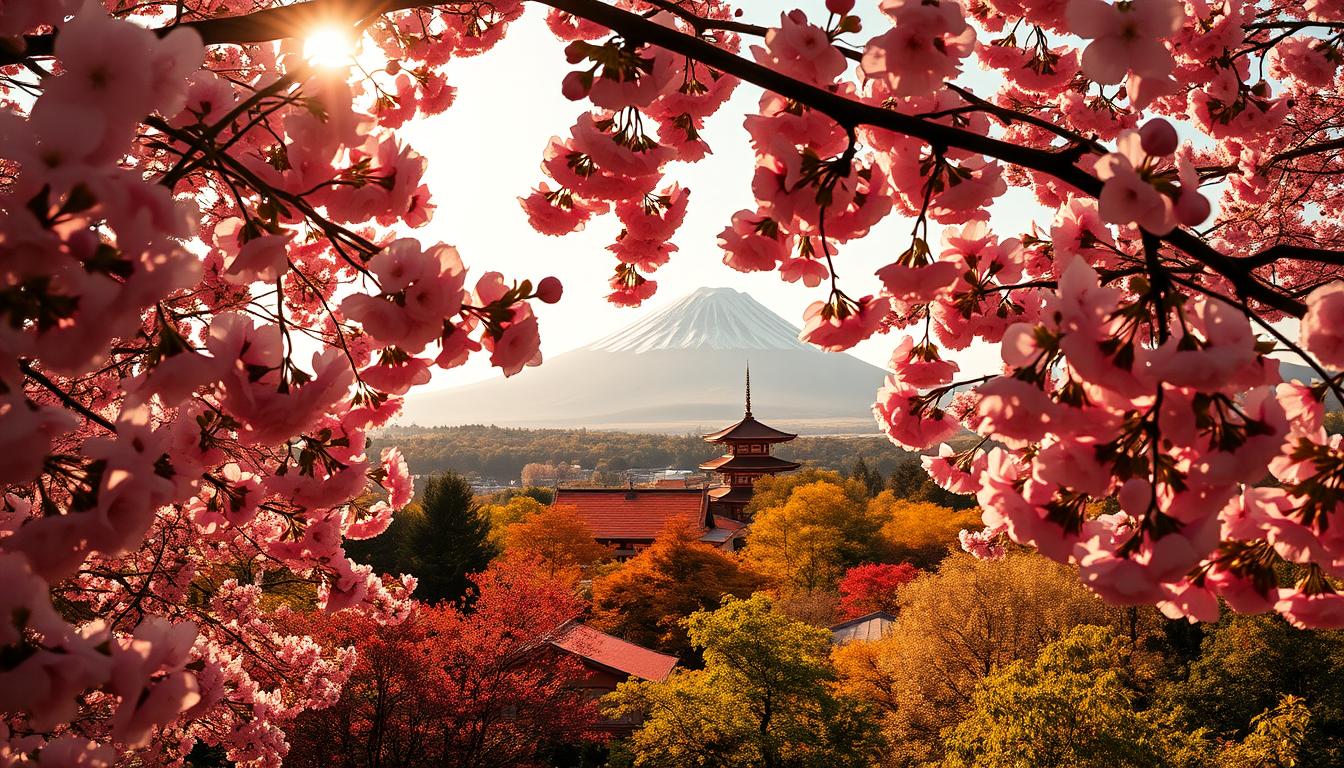
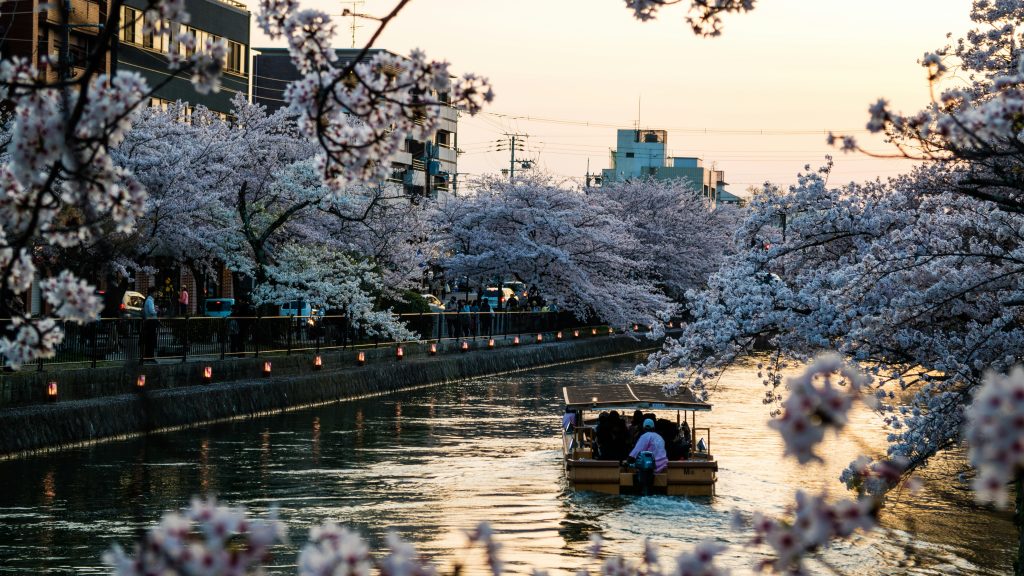
Spring Cherry Blossom Season (late March – early April — check forecasts)
Why go: Kyoto’s cherry blossom displays are world-famous — parks, temple grounds, and riverbanks become breathtaking backdrops for photos and hanami picnics.
What to expect: Bloom dates shift year to year and vary across the region (southern Kyoto tends to bloom earlier than northern/valley areas). Based on recent patterns and the 2025 forecast, many central Kyoto spots are likely to peak around April 4, 2025, so plan accordingly.
Practical tips: Book hotels and transport well in advance for peak weeks. Check a live sakura forecast two weeks before your trip and build a flexible plan (have alternate sites if prime spots are overcrowded). Note that some viewpoints now have crowd-control measures or timed entry during peak cherry blossom season.
Autumn Foliage Season (October – late November)
Why go: Autumn turns temple gardens and river valleys into vivid displays of red, orange, and gold — ideal for scenic views kyoto and photography.
What to expect: Foliage often starts to change earlier in higher elevations and peaks in many city areas in late November. “Mid-November” can be too early for some spots; expect peak color most reliably toward the end of the month.
Practical tips: Foliage season draws heavy numbers of tourists — reserve timed-entry slots where required, arrive early at popular viewpoints, and allow extra transit time because buses and trains can be crowded.
Summer and Winter Travel Considerations
Summer: Expect heat and humidity, plus lively festivals such as Gion Matsuri (July). If you travel in summer, plan indoor breaks, stay hydrated, and book festival-related events early.
Winter: Quieter and crisp, winter offers a different, serene Kyoto. Some attractions may have reduced hours; check schedules and winter closures in advance. Snow can create beautiful scenes on temple roofs but may also affect transit times.
Overall practical advice: Regardless of season, double-check reservation rules for high-demand temples and viewpoints (many introduced timed tickets 2024–2025), and build flexibility into your days so you can swap visits if bloom dates or foliage peaks shift. For blossom watchers, consider nearby Uji or southern spots as alternatives if central Kyoto’s timing doesn’t align with your trip.
Getting Around Kyoto During Your Stay
Kyoto is compact but its transport picture is unique: buses are the workhorse for most sightseeing routes, local trains connect key hubs, and short taxi rides fill gaps. Planning your transfers and choosing the right ticket option will save time and money on your trip.
Kyoto's Subway and Bus Network
Unlike some cities, Kyoto’s subway system is limited in coverage — buses actually serve more tourist areas. The Kyoto City Bus network reaches most temples, shrines, and neighborhoods that trains don’t. For many visitors, a one-day Kyoto City Bus pass (commonly ¥700 in 2024–2025) is the best value when you plan multiple stops in a single day.
Use trains for longer hops (for example, from Kyoto Station to the suburbs or to connect to JR lines), and rely on buses for inner-city loops and direct access to many temple gates. Expect buses to slow during peak seasons — leave extra transit time when traveling between crowded sites.
Bicycle Rentals for Flexible Exploring
Renting a bicycle is a pleasant way to explore flat neighborhoods (Gion, central Kyoto) and uncover small side streets. Rental shops near major station exits rent hourly or daily; allow extra minutes for parking and follow local cycling rules. A bike is ideal for short hops and scenic routes but less practical for long distances or steep inclines.
Using Taxis and Ride-Sharing Apps
Taxis are plentiful at major stations and are a convenient option for late-night returns or groups. Ride-sharing services like Uber operate only in limited areas; most on-demand rides are traditional taxis. English ability varies, so save destinations in Japanese (address + station name) on your phone to show drivers.
Example trips: Kyoto Station → Fushimi Inari (JR Nara Line to JR Inari, about 5 minutes by train plus a short walk) and Kyoto Station → Arashiyama (JR or Hankyu routes take 15–25 minutes depending on the service; buses are slower but drop you closer to some sights). Always check real-time schedules for exact minutes.
Purchasing IC Cards for Seamless Travel
IC cards (ICOCA, SUICA, etc.) work across trains and many buses and are very handy if you plan intercity travel or mixed transport days. If your plan is multiple inner-city stops in one day, compare the IC-card spend against the ¥700 bus pass: a bus pass often wins for heavy single-city use, while an IC card is better for cross-city trips and convenience.
How to choose quickly: if you’ll do many short stops within central Kyoto, buy the one-day bus pass; if you’re traveling between cities or using private railways, carry an IC card. Download a transit app (Jorudan/Hyperdia) and save key addresses in Japanese — this way you’ll avoid confusion and move through the city more efficiently.
Where to Stay in Kyoto for Maximum Convenience
Choosing the right neighborhood makes a big difference to how much you see and how much time you spend on transit. Below are the best areas to consider, with quick pros/cons and who each is best for so you can pick the right base for your days in Kyoto.
Kyoto Station Area for Transit Access
Pros: unbeatable transit links (Shinkansen, JR, local trains and buses), plenty of hotels at a range of prices, luggage services, and easy onward travel to other cities. Cons: less traditional atmosphere than central neighborhoods.
Best for: first-time visitors who want convenience, travelers on a budget, or anyone doing day trips by train. Stay here to minimize transit time and costs when hopping between temples and stations.
Gion District for Traditional Atmosphere
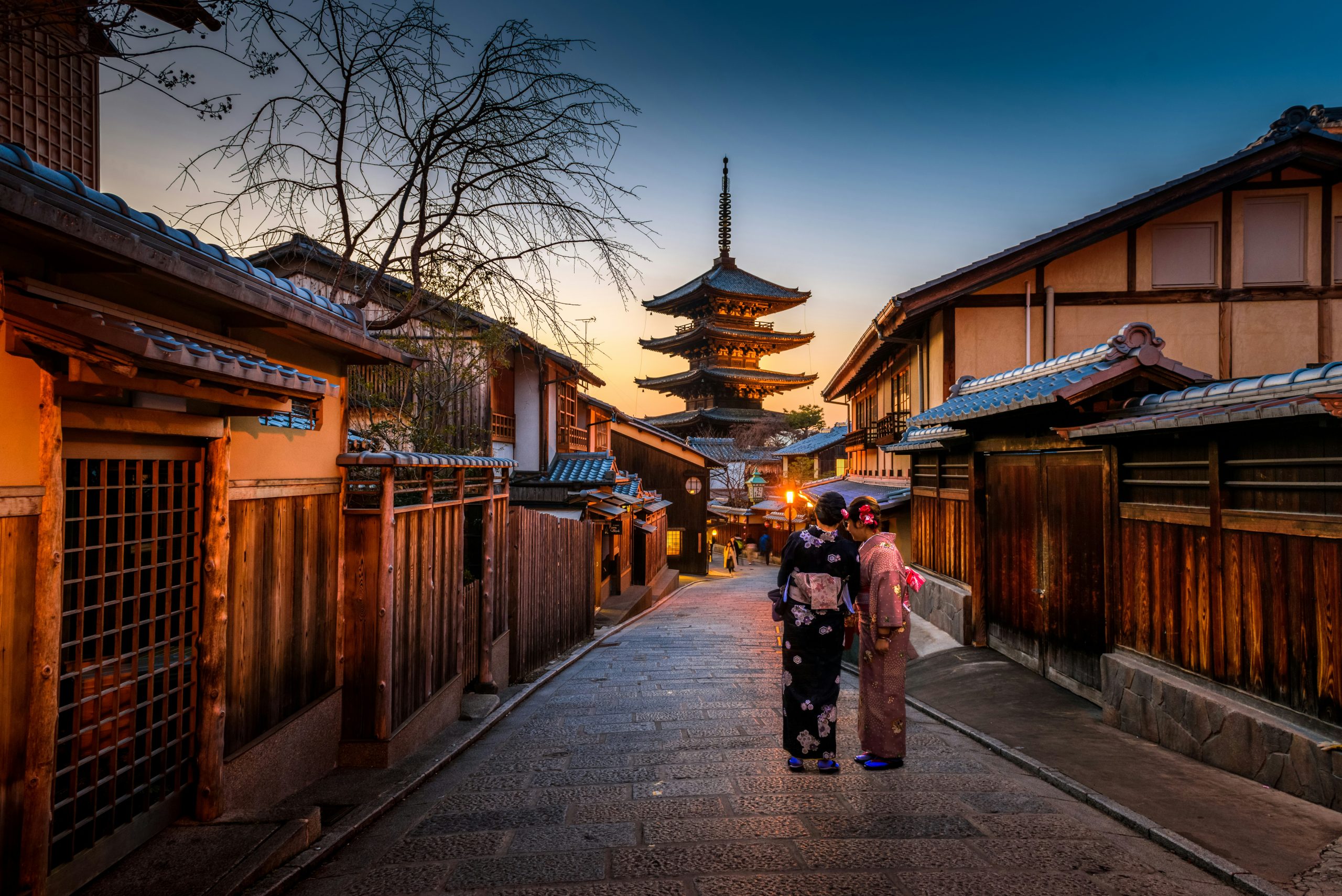
Pros: classic wooden streets, tea houses, and one of Kyoto’s most atmospheric neighborhoods — perfect for evening walks and dining. Cons: Gion hotels and ryokan are typically pricier (often 30–50% more than comparable rooms near Kyoto Station), and the area has strict rules to protect geisha culture (limited tourist photography in certain zones and zero tolerance for harassment or blocking streets).
Best for: travelers seeking a traditional Kyoto place and willing to pay more for atmosphere; book early and be mindful of local rules.
Downtown Kawaramachi for Shopping and Dining
Pros: central nightlife, shopping arcades, cafés, and easy access to shops on Shinkyogoku and Teramachi streets. Cons: busier and louder in the evenings.
Best for: food lovers and shoppers who want to be in the middle of the action and walk to many restaurants and bars.
Arashiyama for Peaceful Nature Stays
Pros: scenic riverside views, bamboo grove access, and tranquil ryokan experiences away from the city center. Cons: farther from central Kyoto; expect longer travel times back to sites like the Kyoto Imperial Palace or downtown shopping.
Best for: travelers prioritizing nature, photography, and a quieter pace; ideal for part of your stay rather than the whole trip if you want quick access to multiple areas.
Quick picks: Best for transit — Kyoto Station; Best for tradition — Gion (but pricier and regulated); Best for shopping/dining — Kawaramachi; Best for nature — Arashiyama. Consider hotel types: business hotels near the station for value, ryokan in Gion/Arashiyama for an authentic overnight experience. Book early for peak days (sakura and foliage seasons) and check cancellation policies and any neighborhood rules before you go.
Day 1: Southern and Eastern Kyoto Highlights
Your first day focuses on southern and eastern Kyoto, where iconic temple sites and historic streets meet — plan realistically for walking, transit, and potential timed-entry rules so the day feels relaxed, not rushed.
Morning: Fushimi Inari Shrine (arrive by 7:00 AM for quieter paths)
Start very early at Fushimi Inari, famous for thousands of vermilion torii gates that climb the mountain. Note: many guides list 8:00–11:00 as “morning,” but that window is often peak arrival time. For a relatively crowd-free experience, aim to be at the trailhead by 7:00 AM or earlier; alternatively, visit after 4:00 PM when arrivals taper off.
Plan your visit depending on how much time you have: a short visit to the torii tunnel and the lower shrines can take 45–90 minutes; the full Fushimi Inari hike to the summit is a 2–3 hour round-trip and is moderately strenuous. Check current trail hours and any crowd-control measures before you go, and allow time to return to the station.
Afternoon: Kiyomizu-dera Temple (allow 90–150 minutes)
From Fushimi Inari, take the JR Nara Line (JR Inari → Kyoto Station) and change to a local bus or subway toward the Higashiyama area; travel and transfers typically take 30–45 minutes depending on connections. Kiyomizu-dera is a UNESCO site known for its wooden stage and sweeping city views kyoto. Be aware the temple underwent major renovation through 2020 and some crowd-control and timed-entry measures remain in place — check Kiyomizu-dera’s official site for up-to-date access rules.
If you only have about 2 hours, prioritize the main hall and the veranda view; if you have more time, explore the sub-temples and nearby historic lanes that lead toward Ninenzaka and Sannenzaka.
Evening: Gion District (best window ~5:30–7:00 PM for spotting geisha)
End the day in Gion, Kyoto’s traditional entertainment quarter. Stroll the atmospheric streets, enjoy dinner, and if you hope to glimpse geisha or maiko, the most reliable window is generally between about 5:30 and 6:30 PM near the main hanamachi corridors — but sightings are never guaranteed and are location-specific.
Important: Gion has strict local rules to protect geisha culture — avoid blocking streets, do not harass performers for photos, and follow signage about restricted photography areas. Gion hotels also tend to be pricier than locations near Kyoto Station, so factor that into your budget if you plan to stay here.
Quick logistics tip: typical transit times—Fushimi Inari to Kiyomizu-dera ~30–45 minutes (train + bus/walk), Kiyomizu-dera to Gion ~10–20 minutes on foot through the historic lanes. If you prefer less walking, take a short taxi (keep a Japanese address saved). For live timing and reservations, check official sites for Fushimi Inari and Kiyomizu-dera before your visit.
Day 2: Northern Kyoto Temples and Zen Gardens
On day two you’ll head north to experience Kyoto’s spiritual core: elegant temple grounds, Zen gardens, and a chance to sample local food. This route balances reflective temple visits with a flexible food stop—just note timing constraints for markets and reservation requirements for some temples.
Morning: Kinkaku-ji Golden Pavilion (arrive early — 9:00 AM or earlier recommended)
Start at Kinkaku-ji, the Golden Pavilion. The temple’s gold-leaf exterior reflected in the pond makes for iconic photos and a peaceful stroll through manicured gardens. Arriving early helps beat the biggest crowds and gives you better light for photos.
Late Morning: Ryoan-ji Temple (mid-morning visit recommended)
From Kinkaku-ji, it’s a short bus or taxi ride to Ryoan-ji, famous for its minimalist rock garden of 15 stones arranged so that only 14 are visible at once. Spend time sitting or walking the grounds—mid-morning often feels calmer than midday. Check whether Ryoan-ji has any timed-entry changes before you go.
Afternoon: Ninna-ji Temple and Surroundings (allow 60–90 minutes)
Next, visit Ninna-ji, a UNESCO site with historic halls and seasonal gardens. Ninna-ji’s spacious complex rewards a relaxed pace. If you prefer, swap Ninna-ji for a longer stay at Ryoan-ji or add a short stop at the nearby temple of your choice.
Late Afternoon / Early Evening: Nishiki Market (best between late morning and ~4–5 PM)
Important timing note: Nishiki Market largely closes by around 6:00 PM and many stalls start winding down around 5:00 PM, so an evening 5:00–7:30 PM tour is usually impractical. Plan your Nishiki visit for late morning to mid-afternoon (best by 4–5 PM) to enjoy the food stalls, fresh snacks, and specialty shops. If your schedule pushes past market hours, choose Pontocho or Teramachi shopping arcade for dinner and nightlife alternatives.
Practical logistics: travel times vary—Kinkaku-ji → Ryoan-ji ~10 minutes by taxi/bus; Ryoan-ji → Ninna-ji ~10 minutes. Expect some walking between sites. Temple admission fees vary; factor small entrance costs into your daily budget and check each site for potential timed tickets or reservation rules introduced in 2024–2025.
If you prefer a guided culinary experience, book a daytime food tour that visits Nishiki or nearby food streets—these typically run earlier and will ensure you hit the best stalls before they close. This day mixes calm temple grounds with Kyoto’s culinary highlights while keeping timing realistic so you don’t miss key stops.
Day 3: Arashiyama and Western Kyoto Exploration
Day 3 takes you to western Kyoto — a quieter side of the city where river scenery, bamboo groves, and temple gardens offer a restorative contrast to the city center. Plan for walking, short transfers, and early starts to avoid crowds at the most popular viewpoints.
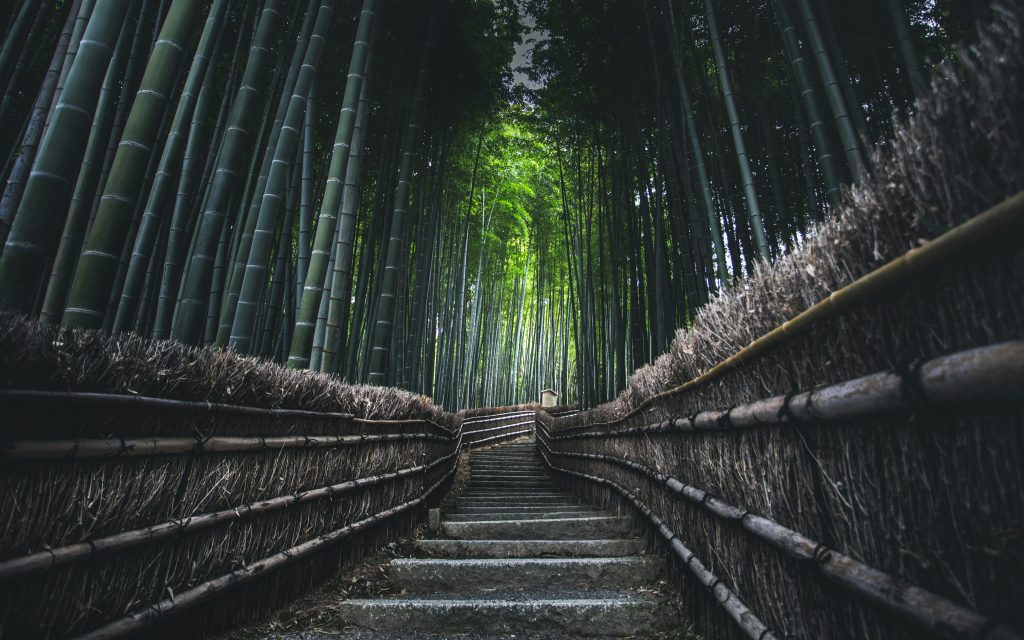
Morning: Arashiyama Bamboo Grove (arrive at or before sunrise if possible)
Arrive very early at the bamboo grove — ideally at sunrise or just after — to enjoy the towering stalks and softer light with far fewer people. The grove is compact but can be overwhelmingly crowded by mid-morning; aim for the first hour of daylight when possible. Expect to spend 30–60 minutes strolling the main path; longer if you’re photographing or exploring side alleys.
Late Morning: Okochi Sanso Villa (allow 60–90 minutes)
From the bamboo grove, walk toward Okochi Sanso Villa (about 10–15 minutes depending on route). This former actor’s villa features layered gardens and tearooms with lovely views kyoto over the valley. Confirm the current hours and admission fee before visiting — seasonal changes and limited-capacity rules sometimes apply.
Afternoon: Monkey Park Iwatayama (1:30 PM - 3:30 PM; check seasonal hours)
Head up to Iwatayama Monkey Park for panoramic vistas and Japanese macaques. The walk up is a steady 20–30 minute climb from the riverbank; wear comfortable shoes and allow extra time for the ascent and descent. Strict feeding rules are enforced — do not attempt to feed the monkeys unless the park’s staff explicitly allow it. Verify opening times and any seasonal restrictions before you go, and consider swapping this stop for extra time at Tenryu-ji if weather or closures affect access.
Evening: Togetsukyo Bridge and Riverside (late afternoon to sunset)
Finish the day drifting along the Katsura River and across the iconic Togetsukyo Bridge. This area is lovely at golden hour; in autumn the riverside foliage is spectacular but busier, so allow extra walking or transit minutes to navigate crowds. If you prefer a quieter finish, consider a short boat ride on the river (seasonal) or a stroll through nearby temples instead.
Practical routing: From central Kyoto, take the JR or Hankyu lines to Saga-Arashiyama station (about 15–25 minutes from Kyoto Station depending on the service), then walk to the grove and riverside. Typical on-foot transfers between the grove, Okochi Sanso, and Monkey Park range from 10–30 minutes. Check each site’s official page the morning of your visit for last-minute hours or timed-entry updates introduced since 2024.
Day 4: Central Kyoto Cultural Immersion
On your final day, focus on central Kyoto’s cultural core: grand temple complexes, historic halls, and atmospheric dining alleys. This day ties together Kyoto’s religious, imperial, and culinary traditions — plan for timed entries and short walks between sites to keep the pace relaxed.
Morning: Tofuku-ji Temple (arrive early — 8:00 AM recommended)
Begin at Tofuku-ji, a major Zen temple noted for its sweeping gardens and striking bridges. Arriving early gives you quieter grounds and better light for photos, especially in autumn when the colors are at their best. Confirm current opening hours and any reservation requirements before you go, as some temple areas introduced timed-entry rules in 2024–2025.
Late Morning: Sanjusangendo Hall (allow 45–75 minutes)
Next, visit Sanjusangendo to see the impressive line of 1,001 life-size Kannon statues housed in the long main hall. The atmosphere is solemn and moving — allow time to absorb the artistry. Entry typically includes access to the main hall; check for any queueing or timed ticket system during busy days.
Afternoon: Kyoto Imperial Palace and Park (guided tours / reservation note)
After lunch, head to the Kyoto Imperial Palace and surrounding gardens. Access rules have changed over recent years: while the palace grounds are usually open for casual walks, guided tours or access to certain interior areas may require advance reservations or limited time slots. Book a tour in advance during peak seasons and arrive with ID if requested. Walking the palace park provides a calm afternoon and a different perspective on Kyoto’s history.
Evening: Pontocho Alley (dinner options from casual to kaiseki)
Finish the day in Pontocho Alley, a narrow lane packed with restaurants ranging from casual izakaya to intimate kaiseki counters. Prices vary widely — casual meals can be affordable, while traditional multi-course kaiseki dinners in central Kyoto commonly range from around ¥10,000 to ¥30,000 per person. Make reservations for popular spots, especially on busy days or during blossom and foliage peak weeks.
Logistics and timing: Typical transit times in central Kyoto are short — expect 10–20 minutes between these sites on foot or a quick bus/taxi hop. If you want a final evening view, some areas near Kiyomizu-dera (referenced earlier in your itinerary) offer sweeping night vistas, though access can be subject to timed visits. Book guided Palace tours and high-end dinners in advance to avoid disappointment.
Your Complete 4 Day Kyoto Itinerary Summary
Use this quick reference to visualize your 4-day plan — each line includes suggested start times, approximate visit lengths, transit mode, and notes about reservations or timing-sensitive sites.
Quick Reference Day-by-Day Schedule
Day 1 — Southern & Eastern Kyoto: Fushimi Inari (arrive by 7:00 AM for quieter visit; short torii walk 45–90 minutes or full hike 2–3 hours), Kiyomizu-dera (allow 90–150 minutes; check timed-entry), Gion evening (best for atmosphere and dinner; geisha sightings most likely ~5:30–6:30 PM in specific corridors). Transit: train + bus/taxi between sites. Note: Fushimi Inari is a long hike if you go to the summit — plan accordingly.
Day 2 — Northern temples & Zen gardens: Kinkaku-ji (arrive early, 45–60 minutes), Ryoan-ji (rock garden, 30–60 minutes), Ninna-ji (60–90 minutes), Nishiki Market (visit late morning–mid-afternoon; most stalls close by ~5:00 PM). Transit: bus/taxi between sites. Note: plan Nishiki earlier in the day or choose Pontocho/Teramachi for evening food.
Day 3 — Arashiyama & western Kyoto: Arashiyama Bamboo Grove (arrive at or before sunrise for best light and fewer people; 30–60 minutes), Okochi Sanso Villa (60–90 minutes), Iwatayama Monkey Park (20–30 minute climb + 60–90 minutes on-site; check feeding rules), Togetsukyo Bridge & riverside (golden hour views). Transit: JR/Hankyu to Saga-Arashiyama then walk. Note: allow hiking/walking time between spots.
Day 4 — Central Kyoto cultural day: Tofuku-ji (arrive early; 60–90 minutes), Sanjusangendo Hall (45–75 minutes), Kyoto Imperial Palace & park (reserve guided slots if needed), evening at Pontocho Alley for dinner (options from casual izakaya to ¥10,000–30,000 kaiseki). Transit: short walks/taxi; central Kyoto is compact.
Total Attractions Covered
This guide covers the main 13 attractions across four days (Fushimi Inari, Kiyomizu-dera, Gion, Kinkaku-ji, Ryoan-ji, Ninna-ji, Nishiki Market, Arashiyama Bamboo Grove, Okochi Sanso, Iwatayama Monkey Park, Togetsukyo Bridge, Tofuku-ji, Sanjusangendo, plus the Kyoto Imperial Palace and Pontocho dining area). That list gives a balanced mix of temples, gardens, historic streets, and culinary stops to help you experience Kyoto’s culture and natural views kyoto.
At-a-glance Checklist (print or save)
- Day 1: Earliest arrival — Fushimi Inari by 7:00 AM. Must-book: check Kiyomizu-dera timed entries. Fallback: shorter torii walk only.
- Day 2: Best time for Nishiki — late morning to 4:00 PM. Must-book: any timed temple tickets announced for Kinkaku-ji/Ryoan-ji.
- Day 3: Bamboo grove at sunrise. Must-check: Monkey Park hours and rules; alternate: spend extra time at Tenryu-ji.
- Day 4: Book Palace tours and high-end dinners in advance. Allow 10–20 minutes walking between central sites.
Print this page or save it to your phone before you travel. Small prep — reservations, a bus pass or IC card, and Japanese addresses saved in your phone — will make your 4-day itinerary run smoothly and let you enjoy Kyoto instead of racing through it.
Essential Kyoto Sightseeing Tips for First-Time Visitors
Visiting Kyoto for the first time is exciting — and a little preparation goes a long way. Below are practical, up-to-date tips to help you respect local customs, avoid crowds, and make the most of limited time.
Top 7 practical tips (quick glance)
- Plan early: arrive before 7:00 AM at Fushimi Inari for the quietest experience; other popular temples are best just after opening.
- Buy a one-day bus pass (¥700) if you’ll do many inner-city stops; use an IC card for intercity travel.
- Check timed-entry and reservation rules — several temples introduced online slots in 2024–2025.
- Bring Japanese addresses saved on your phone for taxis and offline maps for navigation.
- Respect local rules in Gion and other hanamachi — no blocking streets or harassing geisha for photos.
- Wear comfortable shoes and layer clothing for walking between sites and changing weather.
- Book high-demand meals (kaiseki) and guided Palace tours in advance.
Temple and shrine etiquette
Always be respectful on temple grounds. Typical expectations: speak quietly, remove shoes where required, don’t step on altar thresholds, and avoid taking photos inside main hall worship spaces. If you’re unsure, follow signage or ask staff. Some temples now enforce strict timed entries — check each site’s official page before visiting.
Avoiding tourist crowds (site-specific timing)
To dodge crowds, use early mornings and late afternoons strategically: Fushimi Inari — arrive before 7:00 AM for a calmer walk through the torii tunnel (or go after 4:00 PM); Kinkaku-ji and Arashiyama — aim for early opening hours; Kiyomizu-dera — mid-morning or late afternoon outside busiest lunch windows. For markets like Nishiki, visit by late morning or early afternoon (many stalls start closing around 5:00 PM).
Dress and packing recommendations
Kyoto involves a lot of walking on stone streets and temple paths. Pack: comfortable walking shoes, a lightweight rain jacket (summer showers), and layers for chilly mornings in spring/autumn. For temple visits, ensure shoulders and knees are covered. Bring a small daypack, water bottle, and a compact umbrella.
If you have only one morning — where to go first
Short on time? Go early to Fushimi Inari for the iconic torii, or choose an early Kinkaku-ji visit for classic photos and a calm garden walk. Both give a strong, different sense of Kyoto depending on whether you prefer shrine grounds or temple gardens.
Follow these tips and you’ll move through Kyoto more smoothly — less time waiting, more time enjoying the city’s culture, food, and historic streets. Save this mini checklist to your phone for a quick pre-departure review.
Must-Try Kyoto Cuisine and Dining Recommendations
Kyoto’s food scene reflects its seasonal, refined culture — from multi-course kaiseki to simple tofu dishes and matcha sweets. Below are the local specialties worth seeking out, plus practical budget tips and reservation advice so you can eat well without surprises.
Traditional Kaiseki Ryori — the full multi-course experience
Kaiseki is Kyoto’s signature fine-dining tradition: multi-course meals that showcase seasonal, local ingredients and careful presentation. Dining at a respected kaiseki restaurant (for example, Gion Nanba or Kikunoi) is an experience — expect courses that emphasize subtle flavors and seasonal produce.
Budget note: kaiseki typically ranges from about ¥10,000 to ¥30,000 per person (and more at top maisons). If you want the experience without the high price tag, book a lunch kaiseki or a smaller course menu and reserve well in advance, especially during cherry blossom and autumn foliage weeks.
Obanzai, Yudofu and other Kyoto-style home cooking
Kyoto’s home-style cuisine (obanzai) highlights local vegetables and simple, balanced flavors. Yudofu (simmered tofu) is a Kyoto winter specialty often enjoyed near temples in the Higashiyama and Arashiyama areas — a warming, delicate dish reflecting Kyoto’s Buddhist culinary traditions.
Where to try: small family-run restaurants and temple-adjacent eateries serve authentic yudofu; these places are generally affordable and relaxed compared with kaiseki counters.
Ramen — Kyoto variations and local shops
Ramen in Kyoto tends to be lighter and more nuanced than heavy tonkotsu broths from other regions. While national chains like Ippudo are common and reliable, they’re not distinctive to Kyoto. Instead, seek out local shops that specialize in Kyoto-style broths or unique takes (for instance, shops known for shoyu-based or lightly simmered stocks).
Tip: look for lunchtime queues near station areas and check local ramen guides or ask hotel staff for the nearest well-regarded local bowl.
Matcha desserts and Uji tea
Kyoto and nearby Uji are Japan’s matcha heartland. Try matcha sweets, parfaits, and traditional tea at tea houses in Uji or at established shops like Nakamura Tokichi. Uji also offers tea tastings and specialty stores where you can buy high-quality matcha to bring home.
Note: some tea house experiences and Byodo-in visits may require reservations for special tasting sessions — check ahead.
Street food, markets and casual dining
Nishiki Market and nearby food streets are ideal for sampling street snacks — pickled specialties, yakitori, grilled mochi, and sweets. Important timing note: Nishiki’s stalls wind down by late afternoon (many close around 5:00 PM and the market largely closes by 6:00 PM), so plan market visits earlier in the day.
For evening casual dining, head to Pontocho Alley or downtown Kawaramachi for izakaya and yakitori streets.
Budget guide and booking tips
- Street food & snacks: inexpensive (¥200–¥800 per item).
- Casual restaurants / ramen: ¥800–¥1,500 per bowl.
- Mid-range restaurants: ¥2,000–¥6,000 per person.
- Kaiseki (dinner): ¥10,000–¥30,000+ per person; lunch kaiseki is a cheaper option.
Reservation tips: book kaiseki and popular tea-house sessions early. For daytime food tours, choose vendors and guides that operate in late morning to mid-afternoon to align with market hours. Save restaurant addresses in Japanese to show taxi drivers or for offline navigation.
Exploring Kyoto’s culinary landscape is part of the city’s culture: mix a kaiseki night with casual ramen, a temple-side yudofu lunch, and matcha sweets in Uji to get a full taste of regional flavors on your trip.
Authentic Cultural Experiences in Kyoto
Kyoto offers many hands-on cultural experiences that go beyond sightseeing: tea ceremonies, kimono rentals, Zen meditation, and craft workshops let you engage directly with local traditions. Many of these activities are popular and may require advance booking, especially during peak days like cherry blossom and autumn foliage weeks.
Participating in a Traditional Tea Ceremony
Why go: A tea ceremony (chanoyu) distills Kyoto’s aesthetics — hospitality, seasonality, and quiet ritual. Most sessions last about 45–90 minutes and include a short explanation of etiquette and matcha preparation.
How to book: Reserve in advance for English-friendly tea houses or book through tour platforms that list language options. Smaller tea houses in Uji or Higashiyama may offer more authentic, intimate sessions but often have limited English support — check descriptions and ask your hotel concierge for recommendations.
Best for: first-timers interested in tea culture, couples, and slow-travel visitors.
Kimono Rental and Photo Sessions
Why go: Wearing a kimono transforms a walk through Gion or Arashiyama into a memorable experience and great photos. Rentals typically include dressing help and can be booked for half-day or full-day packages (prices vary by outfit and extras).
How to book: Book online or at downtown rental shops; reserve a time slot, especially on weekends and peak season. Many shops offer an English booking page; confirm what’s included (hair styling, makeup, transportation back to the shop).
Best for: couples, families, and visitors wanting iconic photos of Kyoto’s streets.
Zen Meditation at Buddhist Temples
Why go: Zazen sessions provide a window into Zen practice and are often led by temple priests. Durations vary — short introductory sessions can be 30–60 minutes, while deeper retreats last longer.
How to book: Check which temples offer visitor-friendly sessions (some are daily, others weekly or by appointment). Many temples list programs online and note whether English guidance is available; consider booking a guided meditation or a private session if you need translation.
Best for: travelers seeking mindfulness, quiet reflection, or a deeper spiritual context to Kyoto’s temple culture.
Calligraphy and Craft Workshops
Why go: Kyoto’s craft workshops let you try calligraphy, pottery, indigo dyeing, or washi paper-making in short, guided sessions. Typical classes last 60–120 minutes and let you take home a handmade souvenir.
How to book: Look for studios that advertise English instruction or book through reputable activity platforms. Many workshops accept walk-ins during off-peak hours but reserve ahead for guaranteed spots, group sessions, or private lessons.
Best for: families, creative travelers, and anyone who wants a tangible keepsake from their trip.
Practical notes: For each activity, check duration, language options, and cancellation policies. During peak seasons, book tea ceremonies, kimono rentals, and specialized workshops well in advance. If you’d like, I can recommend English-friendly providers for each experience and draft a booking timeline so you can reserve everything before your trip.
Practical Information and Travel Tips
A few practical preparations will make your Kyoto visit smoother. Below are up-to-date tips on money, language, emergency contacts, and transport hubs so you can spend less time troubleshooting and more time enjoying the city.
Money checklist: ATMs, cards, and tipping
- Cash is still essential for many smaller shops, temple stalls, and ryokan. Exchange a small amount on arrival and refill as needed.
- ATMs that reliably accept international cards: 7-Eleven ATMs and Japan Post (post office) ATMs. Not all convenience-store ATMs accept foreign cards — check the ATM signage for international card logos.
- Major credit cards are widely accepted at hotels, larger restaurants, and shops, but always carry some yen for markets and small vendors.
- Tipping is not customary in Japan and can cause confusion — a polite thank-you and good manners are enough.
Using trains, buses and station services
Kyoto Station is your main transport hub — it connects JR lines, local trains, long-distance buses, and the shinkansen. If you plan many short stops in the city center, consider a one-day Kyoto City bus pass (commonly ¥700 in 2024–2025); it’s often cheaper than loading an IC card for heavy single-day city travel. For intercity travel or mixed train/bus days, an IC card (ICOCA/SUICA) is more convenient.
Train and bus timetables change seasonally — allow extra time when traveling during peak days like cherry blossom or autumn foliage weeks, and check live schedules via Jorudan or Hyperdia apps before departure.
Essential Japanese phrases and apps
Learn a few basic phrases — locals appreciate the effort. Useful starters: “konnichiwa” (hello), “arigatou” (thank you), and “sumimasen” (excuse me / sorry). For directions and more complex conversations, download an offline map (Google Maps offline areas or Maps.me) and a translation app (Google Translate works well offline if you download language packs).
Emergencies, lost items, and tourist information
Emergency numbers: 110 for police, 119 for ambulance/fire. If you need help or tourist information, the Tourist Information Center at Kyoto Station and other major stations provide maps, brochures, and multilingual support — check opening hours on their site.
If you lose items or need to file a police report, go to the nearest koban (police box) or station; English help varies, so bring hotel contact info in Japanese. For consular assistance, note your embassy/consulate contact details before travel.
Practical tips and final prep
- Save hotel addresses in Japanese on your phone and take a screenshot in case of no service.
- Carry a portable charger — long days of maps and photos drain batteries fast.
- Check national holidays — some services and shops close on specific dates; ATMs and transport operate on altered schedules.
- Download transit apps and save key station names and transfers in Japanese to avoid confusion with taxi drivers.
Small prep items — the right apps, a mix of cash and card, and saved Japanese addresses — will make your 4-day guide run smoothly. If you want, I can create a compact printable checklist with station names and emergency numbers for your phone.
Optional Day Trips from Kyoto
If you have extra time, a short day trip from Kyoto can add variety to your trip. Nara, Osaka, and Uji are all excellent options — each offers a different flavor of Japan and is reachable by train in under 90 minutes.
Nara: Ancient Temples and Friendly Deer
Why go: Nara’s temples and park feel like stepping back in time. Don’t miss Tōdai-ji and its giant Buddha and the free-roaming deer in Nara Park.
Getting there: Travel time from Kyoto is roughly 45–60 minutes. For direct access to Nara Park, Kintetsu-Nara Station is often more convenient than JR Nara Station (Kintetsu’s service can be faster from downtown Kyoto). If you’re using a JR pass, the JR Nara Line is still a solid option but factor in a slightly longer walk to the park.
Tips: Leave early to avoid crowds and busy return trains; bring cash for deer crackers and small temple fees.
Osaka: Urban Energy and Street Food
Why go: Osaka contrasts Kyoto with bustling nightlife, street food, and modern attractions like Osaka Castle and Dōtonbori’s neon-lit canals.
Getting there: Trains between Kyoto and central Osaka take 15–30 minutes depending on the service (local vs. limited express). Use JR special rapid services or private lines depending on your exact start and end points.
Tips: Pick Osaka if you want lively food scenes and late-night options — ideal as a half- to full-day diversion from Kyoto’s quieter places.
Uji: Tea Capital of Japan
Why go: Uji is famous for matcha and more tranquil tea-house experiences, plus the Byōdō-in Temple (a UNESCO site).
Getting there: Uji is a short 20–30 minute train ride from Kyoto on the JR Nara Line or the Keihan main line. Travel times are convenient for a half-day or full-day trip.
Practical note: Byōdō-in and some tea experiences may require advance reservations for guided tastings or special areas, and English signage can be limited — check opening hours and booking rules ahead of your visit.
Which to pick?
- Nara — pick for history and easy outdoor strolling with deer (one full day recommended).
- Osaka — pick for food, nightlife, and shopping (half- or full-day, depending on your appetite).
- Uji — pick for tea culture and a quieter pace (half-day or full-day; ideal if you love matcha).
Final tips: Check train timetables and whether your JR pass covers the route you plan. Plan departures to avoid rush-hour crowds on commuter trains and reserve any required tickets or tours in advance for a smooth day trip.
Conclusion
This 4-day Kyoto itinerary is designed to give you a balanced, less-rushed experience of Kyoto’s temples, gardens, neighborhoods, and food — with room for cultural activities and a sensible pace between sites. By combining headline attractions and quieter moments, the plan aims to make your trip both memorable and manageable.
Plan before you go (quick checklist):
- Check 2024–2025 seasonal updates — for example, the 2025 cherry blossom forecast currently points to a likely peak near April 4 (confirm closer to your trip).
- Book timed-entry tickets or guided tours for high-demand sites (many temples introduced reservations and timed slots in 2024–2025).
- Decide on transport: buy a one-day Kyoto City bus pass (commonly ¥700) for heavy single-city travel or carry an IC card (ICOCA/SUICA) for mixed train/bus days and intercity trips.
- Schedule Fushimi Inari correctly — arrive very early (by ~7:00 AM) for quieter gates or plan a late afternoon visit; remember the full Inari hike to the summit takes about 2–3 hours if you plan to do it.
- Visit Nishiki Market earlier in the day (many stalls close around 5:00 PM and the market largely closes by 6:00 PM).
Budget snapshot (rough estimates): expect total temple entry fees over four days of roughly ¥3,000–¥5,000 depending on which sites you enter and whether you take guided tours; kaiseki dinners typically cost about ¥10,000–¥30,000 per person at well-known restaurants. Factor in local transit (bus pass vs. IC card), occasional taxis, and small purchases at markets and shops.
If you follow this updated guide — allow extra time for transit on busy days, pre-book where required, and prioritize the experiences that matter most to you — you’ll get a fuller, less stressful view of Kyoto’s culture and scenery. Want downloadable one-page itineraries, printable time-slot checklists, or help booking reservations? Subscribe for updates or ask me to create the printable schedule for your exact travel dates.