
Table of Contents
ToggleTraveling to Japan is exciting, but it can be tricky to understand its culture. One important thing is to dress right to respect local customs and fit in with the locals.
Japan is famous for its unique mix of old and new culture. This is seen in its fashion, from traditional kimonos to modern streetwear. Knowing Japan’s clothing style is key for a smooth trip.
So, how do you get ready for your trip and make a good impression? This detailed guide will cover the basics of Japanese fashion. You’ll learn what to pack and how to dress for different situations.
Key Takeaways
- Understand the cultural significance of dressing modestly in Japan
- Learn about the seasonal variations in Japanese fashion
- Discover the balance between traditional and modern clothing styles
- Get practical advice on what to pack for your trip to Japan
- Explore the dos and don’ts of dressing for specific occasions in Japan
Understanding Japanese Fashion Culture
Japanese fashion culture is all about blending tradition and modernity. It’s known for its unique style that’s both elegant and new. This mix makes Japanese fashion stand out.
The Balance Between Tradition and Modernity
Japanese clothes mix old and new perfectly. Traditional clothes like kimonos still shape today’s fashion. This fusion of past and present makes Japanese fashion truly unique.
The Importance of Appearance in Japanese Society
In Japan, how you look matters a lot. Dressing well shows respect for others and yourself. Cleanliness, modesty, and detail are key. Choosing clothes is a big part of daily life.
Modesty and Neatness as Core Values
Modesty and neatness are at the heart of Japanese fashion. It’s about simple elegance, not loud statements. Clothes are picked for their simplicity, comfort, and quality. This shows the value of subtlety and refinement.
Popular Japan Itineraries
Seasonal Considerations: What to Wear in Japan Throughout the Year
Japan has four seasons, each with its own weather. Visitors need to pack right to enjoy their trip. The climate changes a lot, so it’s key to dress for the season.
Spring (March-May)
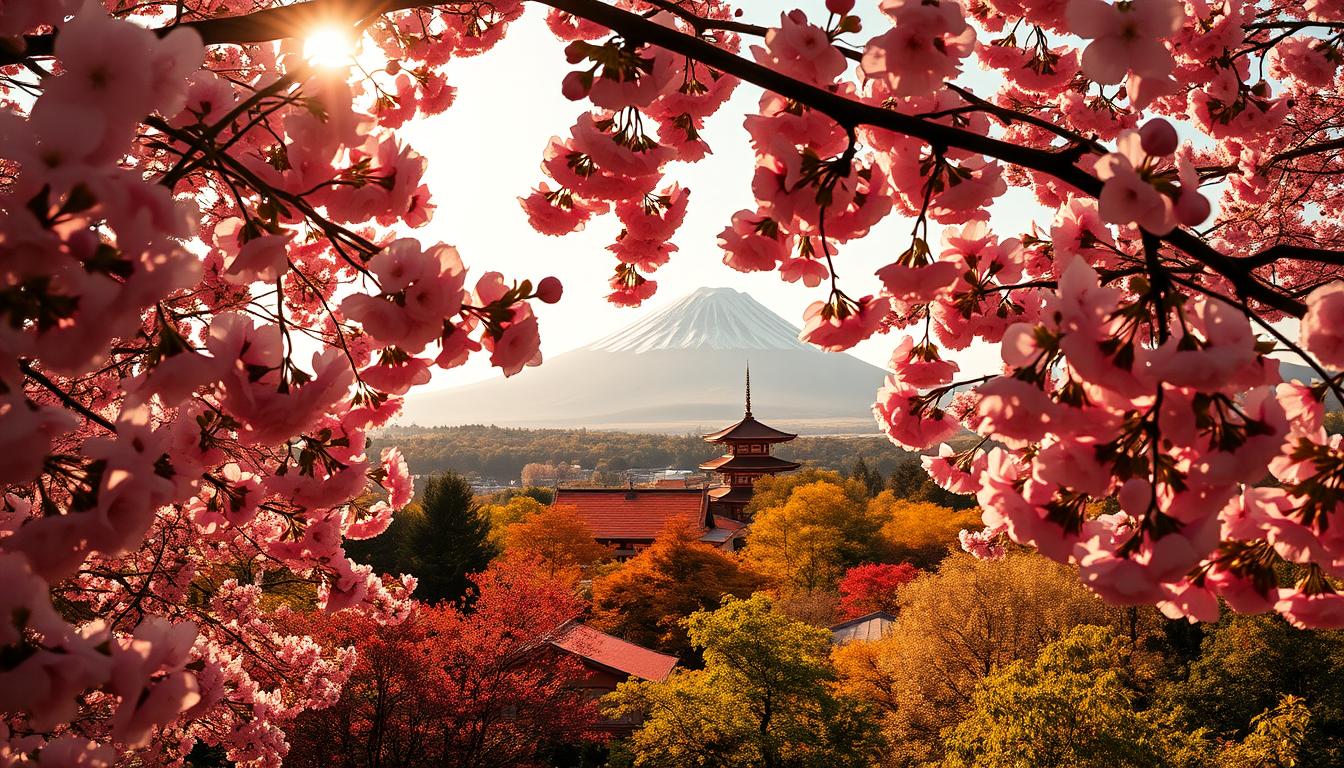
Spring in Japan is beautiful, with cherry blossoms everywhere. You’ll need lightweight layers for this time. It’s good to have clothes you can easily change.
A light jacket or sweater and comfy shoes are must-haves. As spring gets warmer, you can wear lighter clothes. Choose breathable, comfy outfits for outdoor fun.
Summer (June-August)
Summer in Japan is hot and humid. Wear breathable, loose-fitting clothes in natural fibers. Bring a hat, sunglasses, and sunscreen for sun protection.
Summer is festival time, so wear comfy shoes for heat and rain. A lightweight rain jacket or poncho is a smart choice.
Autumn (September-November)
Autumn in Japan is mild and beautiful. Your clothes should be a mix of warm and cool. As it gets cooler, layering is smart.
Good shoes are essential for walking. Pack a light jacket or sweater for chilly days.
Winter (December-February)
Winters in Japan are cold, especially in the north. You’ll need layered, warm clothing. Pack thermal underwear, a good coat, gloves, hats, and scarves.
In cities like Tokyo, you can still find indoor fun. But, the right outdoor clothes make your trip better.
Essential Wardrobe Items for Japan Travel
Traveling to Japan means you need the right clothes for different places. It’s important to pack wardrobe essentials that are both versatile and comfy.
The weather in Japan changes a lot, so your clothes need to change too. Knowing how to dress in Japan means thinking about the season, local customs, and what you plan to do.
Versatile Basics for Everyday Wear
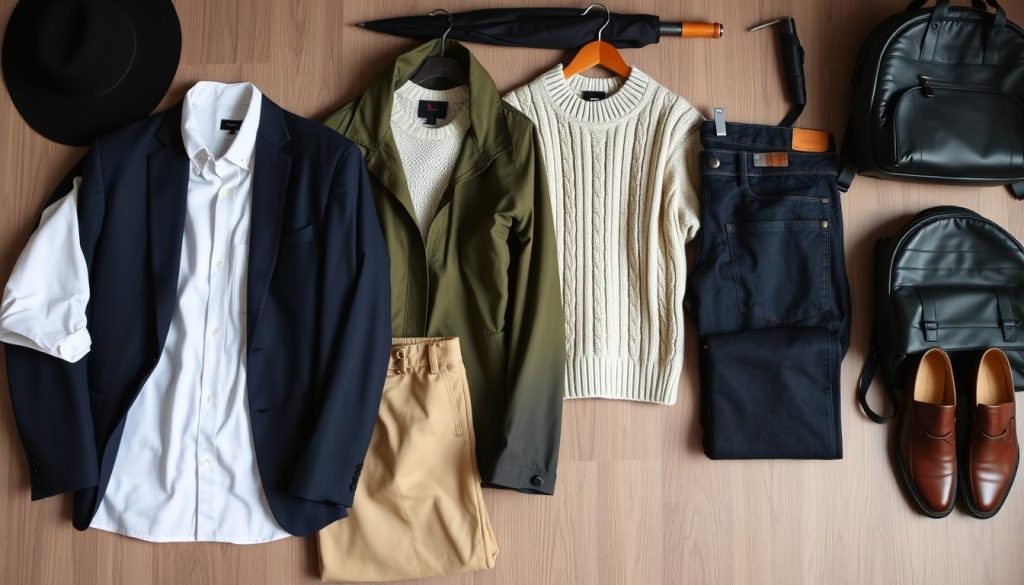
For daily wear in Japan, choose clothes that are comfy and can be layered. You’ll need:
- Lightweight tops for warm days
- Thermal layers for cool mornings and evenings
- Waterproof or water-resistant outerwear
- Comfortable trousers or leggings
- Modest clothes for temple visits
These basics can be mixed and matched for different outfits. You can go from casual sightseeing to more formal events.
Footwear Considerations
Footwear is key, especially in Japan where you’ll likely walk a lot. Pack:
- Comfortable walking shoes
- Sandals or flip-flops for warm weather
- Dress shoes for formal places
Remember, you’ll take off your shoes in homes or some traditional places. So, wear clean socks.
Accessories and Their Importance
Accessories can make your outfits better and are handy for travel. Some japan fashion tips include:
- Scarves or wraps for warmth or style
- Hats and sunglasses for sun protection
- Simple jewelry for easy mixing
- A portable umbrella for rain
By focusing on these key items and thinking about Japan’s culture and practical needs, you’ll be ready for your trip.
Traditional Japanese Attire: When and How to Wear
Traveling to Japan? Knowing about traditional Japanese clothing can make your trip better. It’s not just a part of Japan’s culture. It also plays a big role in daily life, from ceremonies to fashion.
Kimono Basics for Tourists
The kimono is Japan’s most famous traditional clothing. It’s a long robe with wide sleeves, made from silk or other fine materials. For tourists, learning about kimono etiquette is interesting and useful, especially at tea ceremonies or temples.
Key aspects to consider: How you fold and tie your kimono (musubi) can mean different things, like marital status or the occasion. While you don’t need to be an expert, showing respect for these traditions is important.
Yukata for Summer Events and Festivals
Yukata is a casual version of the kimono, made from cotton or synthetic fabric. It’s worn in summer for festivals or hot springs. Yukata is easier for tourists to wear because it’s less formal and can be rented.
Practical tips: Wear geta (wooden sandals) and carry a sensu (fan) with yukata. Many rental shops will teach you how to wear it right.
Appropriate Occasions for Traditional Dress
Traditional Japanese attire is for special times like New Year, Cherry Blossom Viewing, and weddings. Knowing when and where to wear it shows respect for the culture.
Modern Adaptations of Traditional Elements
Modern Japanese fashion mixes traditional clothes in new ways. You’ll see kimono-inspired dresses and yukata-patterned accessories. This shows Japan’s ability to evolve while keeping its heritage.
What to look for: Look for modern takes on traditional clothes in boutiques and department stores. These items make great souvenirs or gifts, bringing a piece of Japan’s culture home.
Dress Codes in Japan: Navigating Social Expectations
The dress code in Japan is more than just what you wear. It’s about understanding the culture and social norms. Japan values tradition and detail, which shows in how people dress for different events.
Business Attire and Office Environments
In Japan, business clothes are formal and modest. Men wear suits and ties, while women choose professional dresses or pantsuits. This shows respect and diligence.
Key elements of business attire in Japan include: dark-colored suits, white shirts, and simple accessories. Your clothes should be clean and pressed. This shows your professionalism and attention to detail.
Casual Settings and Daily Life
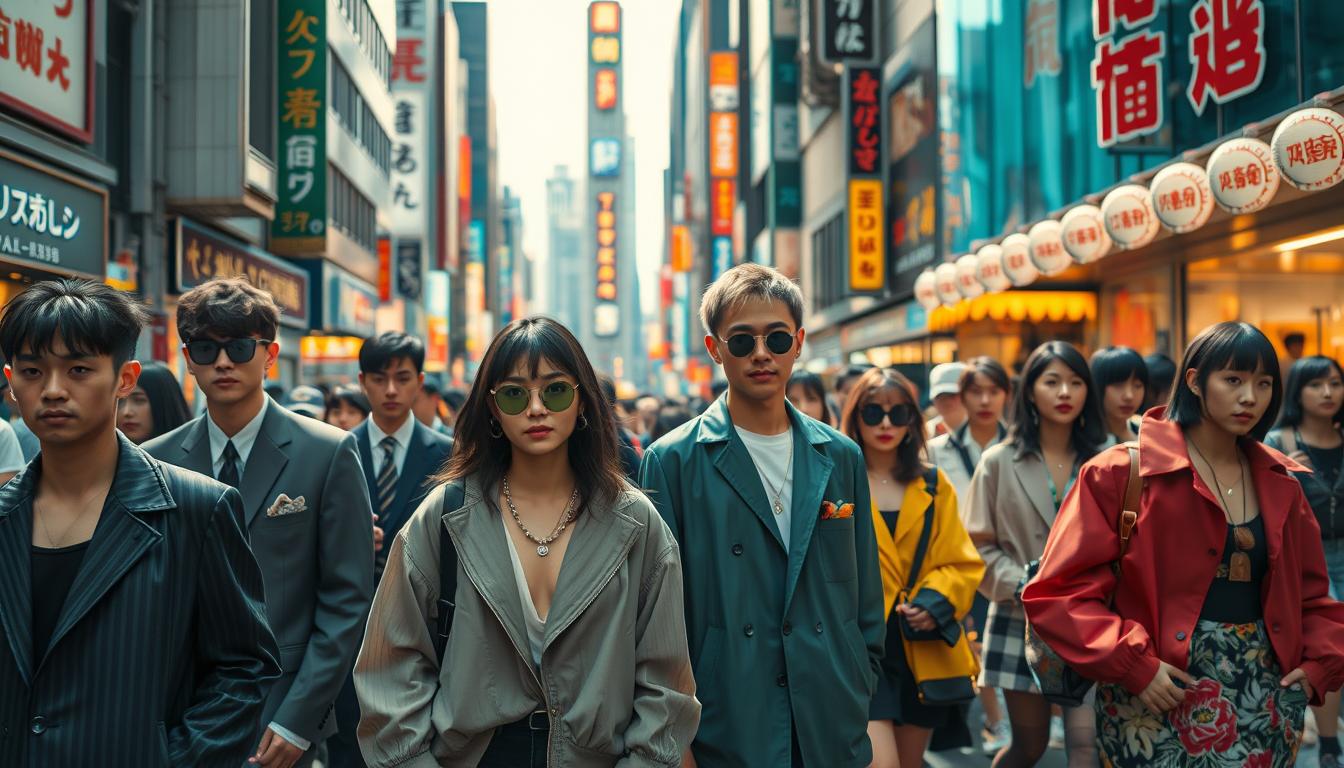
In casual settings, Japanese fashion is relaxed yet stylish. You’ll see a blend of traditional and modern styles. Comfort and practicality are key.
Tips for casual wear in Japan: choose comfortable shoes for walking. Also, pack clothes that can be mixed and matched for different outfits.
Religious Sites and Temples
Visiting religious sites and temples requires respectful dressing. Cover your shoulders and knees, and remove your shoes when asked. Look for signs to guide you.
Dressing for temples and shrines: bring a scarf or shawl for your shoulders. Wear loose, comfortable clothes. Remove your shoes and follow local customs.
Restaurants and Fine Dining
Dining in Japan is a special experience. For fine dining, men wear jackets and ties, and women wear elegant dresses. Even in casual restaurants, dress neatly and avoid revealing clothes.
Tips for dressing for restaurants: check the dress code beforehand. For most places, dressing smartly is best. Avoid loud or bold clothes that might disrupt the meal.
What to Wear in Japan: Practical Packing Lists
Creating a practical packing list is key to a stress-free journey to Japan, regardless of the season or purpose of your trip. The key to a successful trip is understanding what to wear and when, ensuring you’re always dressed appropriately for the occasion.
Two-Week Spring/Fall Trip
For a two-week trip during spring or fall, pack versatile clothing that can be layered for varying temperatures. Include lightweight jackets, comfortable walking shoes, and a mix of short and long-sleeved shirts. Don’t forget an umbrella or raincoat, as spring showers are common.
Summer Vacation Essentials
Summer in Japan calls for light, breathable clothing. Loose-fitting cotton clothes, sunglasses, and a hat are must-haves. If you plan to visit temples or shrines, consider packing modest clothing that covers your shoulders and knees.
Winter Travel Necessities
Winter requires warm, layered clothing. Thermal underwear, a heavy coat, gloves, and a hat are essential. Waterproof boots with good grip are also a must, as sidewalks can be icy.
Business Trip Wardrobe
For a business trip, focus on professional attire. Men should pack suits, ties, and dress shoes, while women should consider modest, professional dresses or pantsuits. Layers are still a good idea, as indoor spaces are often well-heated.
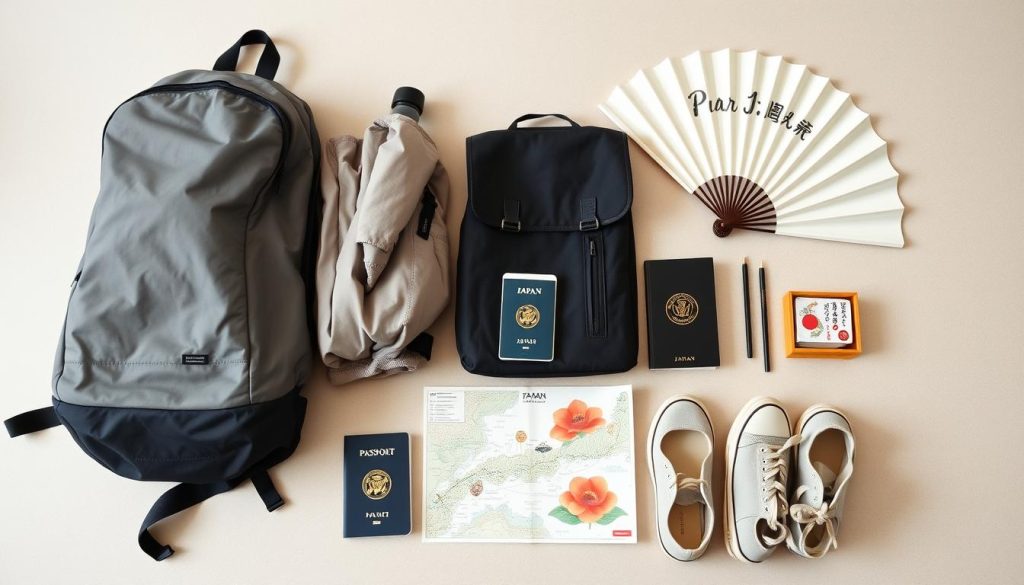
Regardless of the trip’s purpose, consider the activities you plan to do and pack accordingly. Comfortable shoes are a must for any traveler, as is a portable charger for your devices. By packing smart, you’ll ensure a more enjoyable and stress-free trip to Japan.
Fashion Faux Pas: What to Avoid Wearing in Japan
Japan mixes traditional and modern fashion in a unique way. Knowing what to wear and what to avoid can make your trip better. It’s a place where old and new meet, and respecting local customs is key.
Cultural Sensitivities and Taboos
In Japan, there are rules for what to wear. Avoid wearing clothes that are too revealing, especially at temples or shrines. Dressing modestly shows respect.
Also, watch out for clothes with offensive designs. They can be seen as rude or disrespectful.
Some colors or symbols have different meanings in Japan. For example, white is for mourning, not purity like in the West. Knowing these differences helps avoid offending locals.
Practical Considerations for Comfort
Comfort is also important in Japan. Choose comfortable shoes because you’ll walk a lot. Make sure they fit the season too.
In summer, wear light and breathable clothes. Japan’s summers are hot and humid. In winter, wear warm, layered clothes because it gets cold.
Tattoo Etiquette and Coverage Solutions
Tattoos are still frowned upon in Japan. Many places, like onsen, don’t allow them. If you have tattoos, cover them with bandages or tattoo covers.
Respecting this rule is important. If you can’t cover your tattoos, skip onsen or public baths. Look for places with more relaxed tattoo policies.
Footwear Mistakes to Avoid
Footwear is a big part of Japanese fashion. Don’t wear shoes indoors in many homes and traditional places. You’ll need to remove your shoes and wear slippers or go barefoot.
Also, pick the right shoes for the event. Sandals or flip-flops aren’t good for formal events or temples. Choose more formal shoes or dress sandals.
Shopping for Clothes in Japan: Where and What to Buy
Explore Japan’s fashion by visiting its famous department stores, vintage shops, and lively shopping areas. Japan is a haven for shoppers, offering a wide variety of clothes for all tastes.
Department Stores and Shopping Districts
Japan’s department stores are famous for their quality and variety. Mitsukoshi, Isetan, and Takashimaya offer everything from designer items to traditional Japanese clothes. These stores are in major areas like Ginza in Tokyo, Shinsaibashi in Osaka, and Kawaramachi in Kyoto.
Ginza, Tokyo: Ginza offers a luxury shopping experience with many high-end brands. It’s great for finding exclusive Japanese fashion.
Shinsaibashi, Osaka: Shinsaibashi is known for its mix of high-end and affordable fashion. You can find everything from streetwear to traditional Japanese clothes here.
Vintage and Second-Hand Shops
Japan’s vintage and second-hand shops are full of unique finds. Shimokitazawa in Tokyo and Koenji are famous for their vintage clothing. They offer a wide range of styles, from retro Japanese to Western classics.
Souvenirs and Fashion Items Worth Purchasing
When shopping for souvenirs, look for items that show Japan’s culture. Consider traditional kimonos, obi belts, or geta sandals. For modern fashion, find unique accessories, high-quality denim, and innovative textiles.
Popular Souvenir Items:
- Traditional kimonos and yukatas
- Handmade accessories like fans and hairpins
- Unique textiles such as indigo-dyed fabrics
Tax-Free Shopping for Tourists
Japan offers tax-free shopping for tourists on certain items. To qualify, spend over ¥5,000 in one store on the same day. Have your purchases shipped or taken out of the country. Many stores participate in the tax-free program, so look for signs and ask staff for help.
By knowing where and what to buy, travelers can enjoy their shopping in Japan. They’ll take home great clothes and memories of their time in this fascinating country.
Conclusion: Dressing with Respect and Comfort in Japan
Dressing for Japan is about finding a balance. It’s about showing respect for local customs and feeling comfortable. By knowing what to wear, you can explore Japan’s cities and landscapes with ease.
Japan’s fashion tips stress the need for modesty, neatness, and seasonal dress. Whether you’re visiting temples, enjoying a tea ceremony, or just living like a local, dressing with cultural awareness is crucial. It makes your trip better and more enjoyable.
When you’re getting ready for your trip, remember that dressing right is more than following rules. It’s about diving into the culture and making your trip better. With these tips, you’ll be ready to enjoy Japan’s vibrant cities and peaceful gardens in style and comfort.
FAQ
What are the key elements of Japanese fashion culture that I should be aware of?
Japanese fashion combines old and new, focusing on modesty and neatness. It’s all about paying attention to details. Knowing these values helps you dress right for everyday life.
What should I wear during different seasons in Japan?
Japan’s seasons change a lot. In spring, wear light layers. Summer calls for breathable, loose clothes. Autumn is about mixing warm and cool clothes. Winter means warm, layered outfits.
What are the essential items to pack for a trip to Japan?
Bring versatile basics like tops and bottoms. Comfortable shoes and mix-and-match accessories are key. Think about the season and your plans. Don’t forget a yukata for summer events.
How do I dress for traditional Japanese events or temples?
Dress modestly for temples and traditional events. Remove your shoes when asked. Wearing a kimono or yukata shows respect and fits in.
What are some common fashion faux pas to avoid in Japan?
Steer clear of revealing or casual clothes. Be careful with tattoos. Choose comfy shoes for walking. Avoid loud, flashy accessories.
Where are the best places to shop for clothes in Japan?
Japan has many places to shop, from big stores to vintage shops. Look for tax-free shopping for tourists.
Can I wear my tattoos in Japan?
Tattoos are more accepted now, but still best covered in temples or public baths. Use cover-ups or clothes that hide your tattoos.
What’s the dress code for business meetings in Japan?
For business, wear dark, muted colors. Keep grooming and hygiene in check. It’s key in Japanese business culture.
How can I incorporate traditional Japanese elements into my wardrobe?
Add kimono fabrics, obi-inspired accessories, or traditional patterns to your clothes. It shows respect for Japanese culture and makes your wardrobe unique.
What are some must-have accessories for traveling in Japan?
Pack scarves, hats, or bags to add personality to your outfits. Don’t forget a portable charger for your phone.