
Table of Contents
TogglePeru, a land of diverse landscapes and rich cultural heritage, attracts millions of travelers each year. With its vast array of experiences, from the dry Andes to the lush Amazon Rainforest, Peru is a destination that promises something unique in every season. Did you know that Peru is home to more than 10% of the world’s bird species, making it a paradise for birdwatchers and nature enthusiasts?
Whether you’re planning to hike the Inca Trail, explore the vibrant city of Lima, or experience the mystique of the Amazon, understanding the ideal time for your trip is crucial. In this comprehensive guide, we’ll explore the optimal times to visit Peru, ensuring that your trip is nothing short of extraordinary.
Key Takeaways
- Discover the optimal seasons for visiting Peru’s diverse regions.
- Learn how to plan your trip according to the weather and local events.
- Explore the must-see destinations and experiences Peru has to offer.
- Understand how to make the most of your Peru vacation, regardless of the time of year you visit.
- Get insider tips on preparing for your trip to Peru.
Understanding Peru's Diverse Climate Zones
Understanding Peru’s climate is key to planning your trip, as the country’s diverse geography creates a range of weather conditions. Peru’s three main regions – the coastal desert, the Andean highlands, and the Amazon rainforest – each have unique climate characteristics that play a significant role in determining the best time to visit.
The Coastal Region: Desert Climate
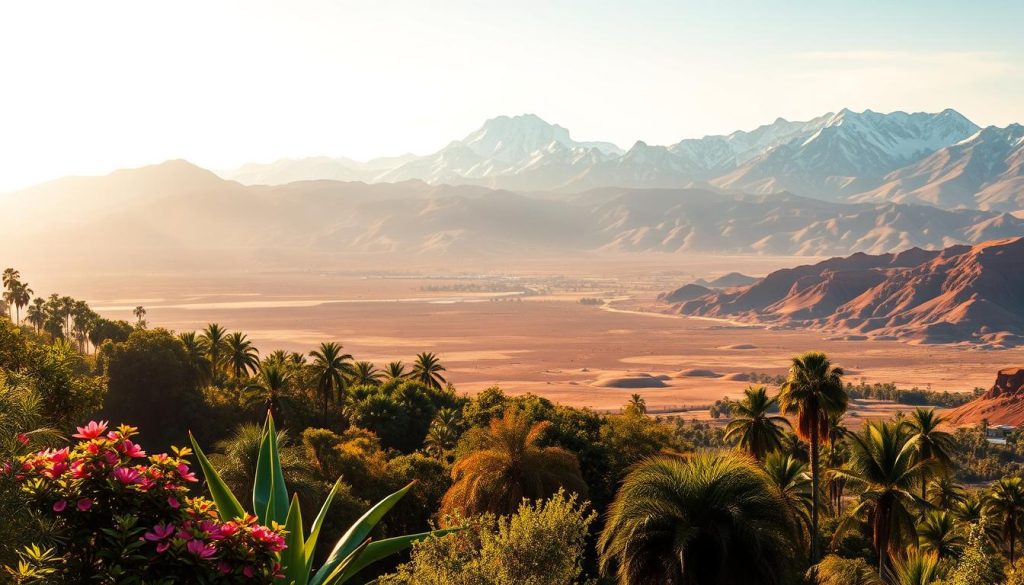
The coastal region, where you’ll find the capital city Lima, is characterized by a mild desert climate. This area is generally dry and temperate, with average temperatures ranging from 65°F to 75°F (18°C to 24°C) throughout the year. The coastal region experiences very little rainfall, making it a great destination for travelers who prefer dry weather. However, the temperature can drop significantly at night, especially during the winter months (June to September).
The Andean Highlands: Mountain Weather Patterns
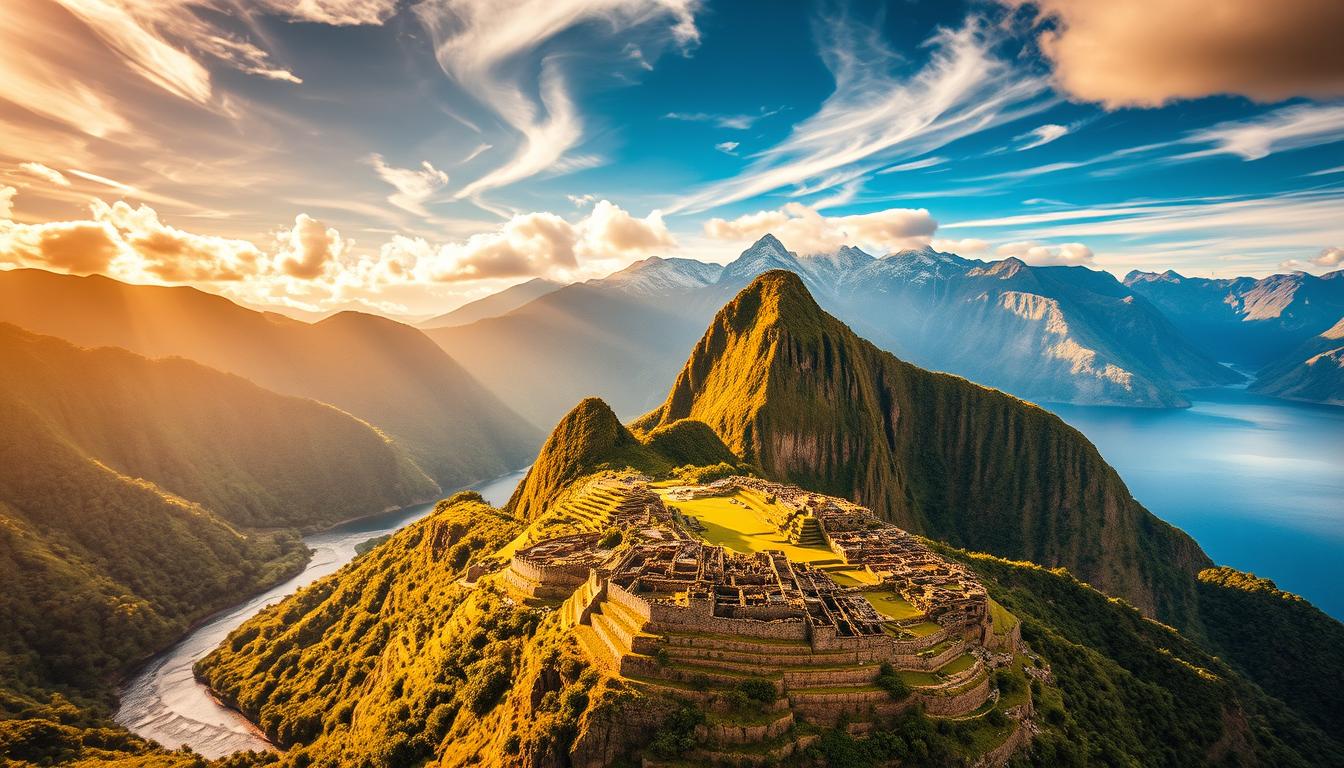
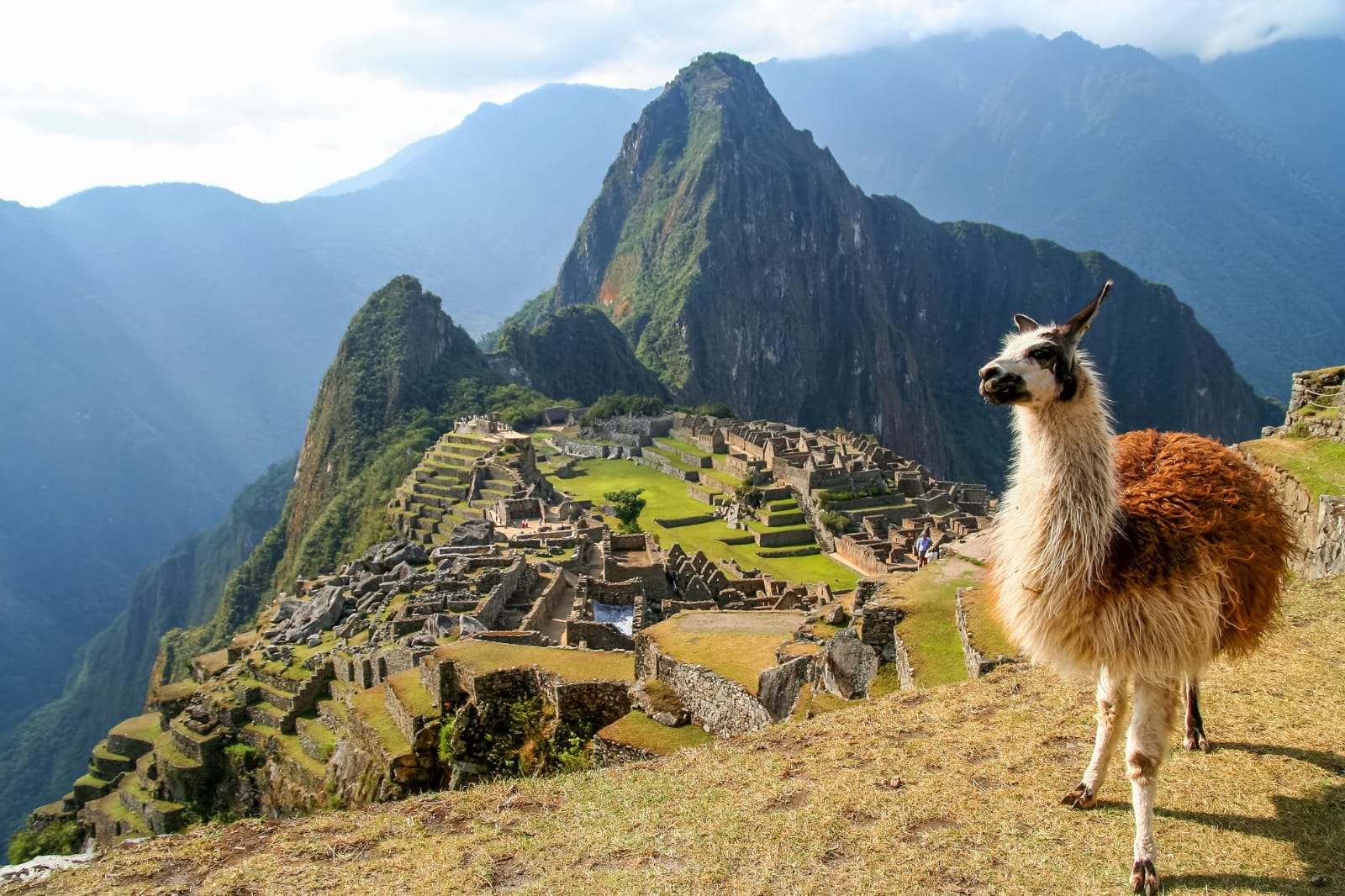
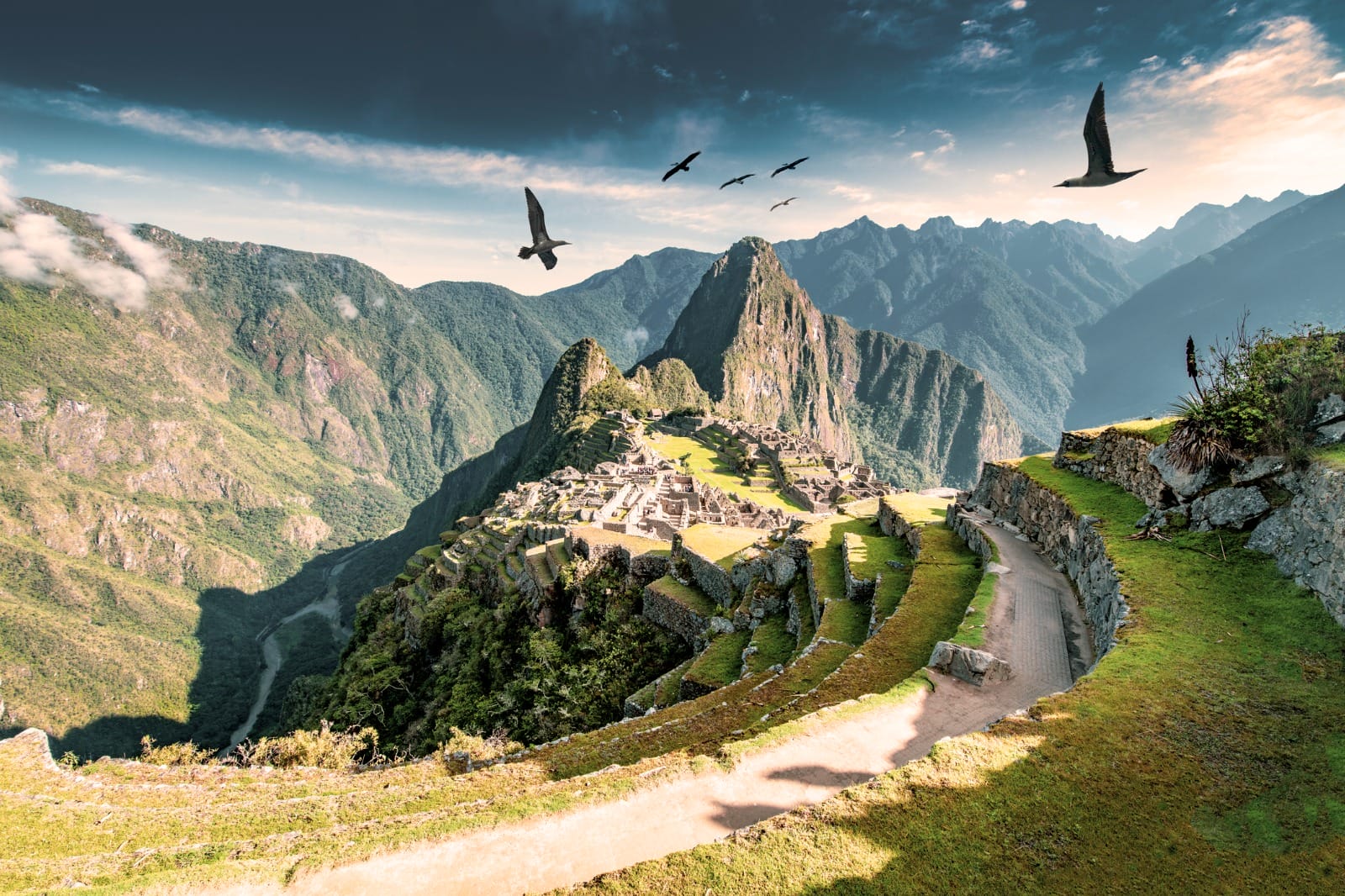
The Andean highlands, home to the famous Inca Trail and Machu Picchu, have a distinctly different climate from the coastal region. The weather here is much colder and can be quite harsh, especially at higher elevations. Temperatures can fluctuate significantly between day and night, and the region experiences a wet season from November to March. The dry season, from May to September, is considered the best time to visit this region, with clearer skies and more stable weather conditions.
The Amazon Rainforest: Tropical Conditions
The Amazon rainforest, covering a significant portion of Peru, is known for its tropical conditions. The region is hot and humid year-round, with frequent rainfall. The high water season, from December to May, makes certain areas more accessible by boat, while the lower water season, from June to November, can make wildlife viewing easier. Travelers to the Amazon should be prepared for the humid climate and potential for rain, regardless of the time of year they visit.
Each of Peru’s climate zones offers a unique experience for travelers. By understanding these diverse climate zones, visitors can better plan their trip to Peru, choosing the best times and regions to visit based on their preferences and the activities they have planned.
Popular Peru Itineraries
The Best Time to Visit Peru: Season Overview
Peru, a land of diverse climates, offers a unique experience in every season, making the best time to visit dependent on your preferences. The country’s varied landscapes, from the arid coastal deserts to the lush Amazon rainforest and the rugged Andean highlands, are shaped by its distinct seasons.
Understanding these seasonal variations is crucial for planning your trip to Peru. The dry season, wet season, and shoulder seasons each bring their own charm and challenges, making some times more suitable for certain activities and experiences than others.
Dry Season (May to October): Peak Tourist Time
The dry season is considered the peak tourist time in Peru, with clear skies and dry conditions ideal for exploring Machu Picchu and other archaeological sites. The weather is generally pleasant across the country, making it perfect for hiking, sightseeing, and outdoor activities.
During this period, the Andean highlands and the Sacred Valley are particularly inviting, with comfortable temperatures and minimal rainfall. It’s the best time for trekking the Inca Trail, visiting Cusco, and enjoying the scenic beauty of the region.
Wet Season (November to April): Pros and Cons
The wet season, while less crowded, brings its own set of challenges and opportunities. The rain can make some roads impassable, and certain attractions might be closed. However, the landscapes are lush and green, and the rainforests are particularly vibrant during this time.
The wet season can also offer lower prices for accommodations and tours, making it an attractive option for budget-conscious travelers. It’s a good time for those who prefer fewer tourists and are prepared for the potential challenges.
Shoulder Seasons: The Hidden Sweet Spots
The shoulder seasons, which include April to May and September to November, offer a balance between the dry and wet seasons. These periods are characterized by relatively dry weather, fewer crowds than the peak season, and lower prices than the high season.
Travelers can enjoy the benefits of both worlds during the shoulder seasons, making them hidden sweet spots for visiting Peru. It’s an ideal time for exploring the country’s diverse regions without the peak season crowds.
Visiting Peru in Summer (December to February)
Summer in Peru is a time of vibrant festivals and warm weather, making it an ideal period for tourists to experience the country’s rich cultural heritage. The season, which spans from December to February, brings with it a unique blend of activities and events that cater to a wide range of interests.
Weather Expectations and Regional Variations
Peru’s climate varies significantly across its regions during the summer. The coastal areas enjoy warm and sunny weather, with temperatures often reaching the mid-80s Fahrenheit. In contrast, the Andean highlands experience a wet season, with frequent rain showers and cooler temperatures. Meanwhile, the Amazon Rainforest is characterized by high temperatures and high humidity, with significant rainfall.
| Region | Weather Conditions | Temperature Range (°F) |
|---|---|---|
| Coastal Region | Warm and Sunny | 75-85 |
| Andean Highlands | Cool and Rainy | 50-65 |
| Amazon Rainforest | Hot and Humid | 80-90 |
Summer Activities and Festivals
Summer is a great time to enjoy Peru’s cultural festivals and outdoor activities. The season is marked by vibrant celebrations, including the Fiestas de la Vendimia (Grape Harvest Festival) in the coastal regions. Visitors can also enjoy surfing, beach activities, and hiking in the Andean highlands, albeit with caution due to the rain.
The Amazon Rainforest offers opportunities for jungle treks, wildlife spotting, and staying in eco-lodges. The warm weather is ideal for exploring the rainforest’s diverse flora and fauna.
Pros and Cons of Summer Travel
Traveling to Peru in the summer has its advantages and disadvantages. On the plus side, the warm weather and festivals make for a lively and engaging experience. However, the peak tourist season means larger crowds and higher prices for accommodations and tourist services.
To make the most of your summer trip to Peru, consider visiting popular destinations early in the morning or later in the evening to avoid the crowds. Additionally, booking your accommodations and tours well in advance can help you secure better rates.
Exploring Peru in Fall (March to May)
Fall in Peru brings a unique blend of cultural experiences and pleasant weather, making it an ideal time to visit. As the summer crowds dissipate, the fall season offers a more relaxed atmosphere, allowing travelers to explore Peru’s diverse regions without the peak season hustle.
Transitional Weather Patterns
During the fall, Peru’s climate transitions from the wet season to the dry season, resulting in mild temperatures across the country. The Andean highlands experience crisp mornings and warm afternoons, while the coastal regions enjoy a gentle warmth. In the Amazon rainforest, the fall season marks the beginning of the dry season, making it an excellent time for trekking and exploration.
The transitional weather patterns make fall an excellent time for outdoor activities, such as hiking, birdwatching, and exploring archaeological sites.
Fall Events and Cultural Experiences
Peru’s fall is rich in cultural events and festivals, offering a glimpse into the country’s vibrant heritage. One of the notable events is the Semana Santa (Holy Week) celebrations, which take place in March or April, depending on the year. This period is marked by elaborate processions and traditional festivities across the country.
Additionally, the fall season hosts various regional festivals, such as the Fiesta de la Vendimia (Grape Harvest Festival) in the wine regions, showcasing Peru’s agricultural bounty and cultural traditions.
Benefits of Visiting During Fall
Visiting Peru during the fall offers several advantages. The mild weather and reduced tourist crowds make it an ideal time to explore popular destinations like Cusco, Machu Picchu, and the Sacred Valley. Moreover, the fall season provides a unique opportunity to experience Peru’s cultural heritage through its various festivals and events.
The top months for Peru vacation during the fall are March, April, and May, offering a great balance of pleasant weather and cultural experiences.
In conclusion, Peru’s fall season is a hidden gem for travelers, offering a blend of cultural richness, pleasant weather, and fewer crowds. Whether you’re interested in history, culture, or nature, the fall season is an excellent time to explore this incredible country.
Peru in Winter (June to August): Peak Season Peru
As the Southern Hemisphere experiences winter, Peru becomes a hotspot for travelers worldwide. The dry and clear weather conditions during this period make it an ideal time to explore Peru’s iconic attractions, particularly in the highlands.
Weather Conditions Across Regions
During the winter months, Peru’s climate varies significantly across different regions. The Andean highlands enjoy dry and sunny weather, making it perfect for trekking and visiting sites like Machu Picchu. In contrast, the coastal regions experience mild temperatures, while the Amazon rainforest remains warm and humid.
The dry season in the highlands is particularly appealing for hikers and adventure seekers. With clear skies and comfortable temperatures, it’s an ideal time for exploring the Inca Trail and other trekking routes.
Popular Winter Activities and Attractions
Winter is the peak season for visiting Peru’s most famous attractions. Tourists flock to Machu Picchu, Cusco, and other historical sites. The clear weather provides perfect conditions for sightseeing and photography.
Some of the popular activities during this season include:
| Activity | Location | Best Time |
|---|---|---|
| Trekking | Inca Trail, Cusco | Early morning |
| Sightseeing | Machu Picchu, Cusco | Anytime |
| Wildlife spotting | Amazon Rainforest | Dawn and dusk |
Managing Crowds and Prices
While the winter season offers ideal weather conditions, it’s also the busiest time of the year. Popular destinations can be crowded, and prices for accommodations and tours tend to be higher.
To manage these challenges, it’s advisable to plan ahead and book tours and accommodations well in advance. Considering alternative destinations or visiting less crowded areas can also enhance your travel experience.
Spring Travel to Peru (September to November)
Spring in Peru is a time of renewal, marked by pleasant weather and vibrant festivals that showcase the country’s rich heritage. As the country transitions from winter, the landscapes become even more breathtaking, making it an ideal time to explore Peru’s diverse regions.
Climate Expectations
During the spring season, Peru experiences a gradual warming of temperatures, especially in the highlands. The Andean regions become mild and sunny, making it perfect for trekking and exploring archaeological sites. In contrast, the Amazon rainforest remains warm and humid, with spring showers contributing to the lush vegetation.
The coastal region enjoys mild temperatures, ranging from 65°F to 75°F (18°C to 24°C), making it ideal for visiting Lima and its surrounding beaches. Overall, spring offers a comfortable climate across Peru, making it an excellent time for various activities and travel.
Spring Festivals and Events
Spring in Peru is also a time for vibrant festivals and cultural events. One of the notable celebrations is the Fiesta de la Vendimia (Grape Harvest Festival) in March, which, while technically at the end of summer, sets the tone for the spring festivities. Spring itself brings events like the Semana Santa (Holy Week) processions, which are deeply rooted in Peruvian culture and attract many visitors.
Advantages of Spring Visits
Visiting Peru in the spring has several advantages. The weather is generally pleasant, making it suitable for a wide range of activities, from hiking the Inca Trail to exploring the Amazon rainforest. Additionally, the spring season sees fewer tourists compared to the peak winter months, allowing for a more relaxed experience at popular attractions.
For travelers planning their trip, spring is considered part of the shoulder season, offering a good balance between comfortable weather and manageable tourist numbers. It’s an ideal time for a Peru trip, especially for those interested in cultural experiences and outdoor adventures.
Best Time for Machu Picchu Weather and Smaller Crowds
Peru’s iconic Machu Picchu citadel is a must-visit destination, and understanding the best time to go can enhance your adventure. The site’s weather and crowd conditions vary significantly throughout the year, impacting the overall experience.
Peak Season vs. Off-Season Experience
The peak tourist season in Machu Picchu is during the dry season, from May to September. This period offers clear skies and dry conditions, ideal for hiking and exploring. However, it’s also the busiest time, with large crowds and higher prices for accommodations and tours.
In contrast, the off-season, which coincides with the wet season from November to March, offers a more serene experience with fewer tourists. While the rain can be a challenge, the landscapes are lush and green, and the Inca Trail is less crowded.
The shoulder season, April and October, provides a balance between favorable weather and manageable crowd sizes.
Weather Considerations for Inca Trail Hiking
The Inca Trail, a four-day hike leading to Machu Picchu, is best undertaken during the dry season when the trail is less slippery and more accessible. However, this is also the peak hiking season, and permits sell out quickly.
For those who prefer fewer crowds, the shoulder season can be a good alternative, offering relatively dry conditions and a more peaceful hiking experience.
Avoiding Crowds at This Wonder of the World
To avoid the crowds at Machu Picchu, consider visiting early in the morning or later in the afternoon. These times not only offer better photo opportunities due to the soft light but also a more peaceful atmosphere as the peak tourist groups have usually left or have not yet arrived.
Planning your visit during the shoulder season can also help in avoiding the large crowds associated with the peak season, making your experience at this wonder of the world more enjoyable and personal.
Optimal Timing for Amazon Rainforest Exploration
Peru’s Amazon Rainforest is a year-round destination, but understanding the seasonal dynamics can greatly enhance your adventure. The Amazon Rainforest in Peru is a vast and biodiverse region that offers unique experiences depending on the season.
Advantages of High Water Season for Boat Travel
The high water season, typically from December to May, allows for easier navigation through the Amazon’s waterways. This is ideal for boat travel, enabling access to remote areas that are otherwise inaccessible during the dry season. You can explore hidden tributaries and enjoy a more intimate experience with the rainforest’s diverse ecosystem.
Better Wildlife Viewing During Low Water Season
In contrast, the low water season, from June to November, concentrates wildlife around the remaining water bodies, making it an optimal time for wildlife viewing and spotting exotic species. The dry conditions make it easier to trek through the forest and increase your chances of encountering the Amazon’s incredible fauna.
Health and Safety Considerations by Season
Regardless of the season, it’s crucial to consider health and safety precautions. During the high water season, be prepared for potential flooding and mosquito-borne illnesses. In the dry season, take measures to protect yourself from the sun and dehydration. Consulting with local guides and tour operators can provide valuable insights into navigating these conditions safely.
Understanding these seasonal variations and taking necessary precautions can significantly enhance your Amazon Rainforest experience, whether you’re navigating through its waterways or trekking through its dense foliage.
Coastal Peru: When to Visit Lima and Beaches
The coastal region of Peru, with Lima at its heart, provides a distinct experience for visitors. This area is characterized by its mild desert climate, making it an attractive destination year-round.
Summer Beach Season
Summer in coastal Peru, which spans from December to March, is the peak season for beachgoers. The warm weather and long days make it ideal for enjoying the region’s beautiful beaches. Popular spots like Mancora and Huanchaco become lively with both locals and tourists.
The warmest months are February and March, with average high temperatures reaching around 82°F (28°C). It’s the perfect time for swimming, sunbathing, and engaging in various water sports.
Lima's Unique Microclimate
Lima, often referred to as the “City of Kings,” has a unique microclimate. Despite being in a tropical region, Lima’s climate is relatively cool due to the cold Humboldt Current offshore. This results in overcast skies for much of the year, a phenomenon known as “cloud cover.”
The best time to visit Lima for clear skies is during the summer months when the cloud cover dissipates. However, the mild temperatures year-round make Lima a great destination at any time.
Surfing Conditions Throughout the Year
Peru is renowned for its consistent surf, making it a favorite among surfers. The coastal waves are suitable for all skill levels, from beginners to professionals. The best surfing conditions vary along the coast, but generally, the waves are at their best during the southern hemisphere’s winter months (April to October).
| Month | Surf Conditions | Water Temperature |
|---|---|---|
| April | Good for all levels | 68°F (20°C) |
| July | Best for experienced surfers | 64°F (18°C) |
| October | Ideal for beginners | 66°F (19°C) |
In conclusion, coastal Peru, including Lima and its beaches, offers a rich experience for travelers. Whether you’re looking to enjoy the summer beach season, explore Lima’s unique microclimate, or ride the waves, there’s a perfect time to visit.
Planning Around Peru's Major Festivals and Events
Peru’s festivals and events are a reflection of its diverse cultural landscape, and visiting during these times can be incredibly rewarding. The country celebrates a wide range of festivals throughout the year, each offering a unique glimpse into its rich heritage.
These events are not just entertaining; they are also a window into the soul of Peruvian culture, showcasing its traditions, music, and dance. By planning your visit around these festivals, you can experience the authentic spirit of Peru.
Inti Raymi: Festival of the Sun
Inti Raymi, or the Festival of the Sun, is one of Peru’s most significant cultural events. Held annually in Cusco on June 24th, it reenacts the ancient Inca winter solstice celebrations. This vibrant festival is a must-experience for any traveler, offering insights into the Inca Empire’s traditions and spiritual practices.
During Inti Raymi, Cusco comes alive with colorful processions, traditional dances, and music, creating an unforgettable atmosphere. It’s a time when locals and visitors alike come together to celebrate the sun’s return, making it a truly immersive cultural experience.
Semana Santa (Holy Week) Celebrations
Semana Santa, or Holy Week, is another significant event in Peru’s cultural calendar. It is a time of deep religious reflection and celebration, marked by elaborate processions and ceremonies throughout the country.
In cities like Cusco and Ayacucho, Semana Santa is observed with great fervor, featuring intricate religious processions that wind through the streets. These events are not only a testament to Peru’s strong religious heritage but also offer a unique opportunity to witness the country’s cultural traditions up close.
Regional Festivals Worth Timing Your Visit For
Beyond Inti Raymi and Semana Santa, Peru is home to a multitude of regional festivals that are worth planning your visit around. These include the Festival de la Vendimia in Ica, celebrating the grape harvest, and the Fiestas de la Candelaria in Puno, which honors the Virgin of Candelaria.
Each of these festivals offers a distinct cultural experience, reflecting the diversity and richness of Peruvian heritage. By timing your visit to coincide with one of these events, you can enjoy a more authentic and memorable travel experience.
Peru Travel Guide: Practical Tips for Each Season
To make the most of your Peru adventure, it’s crucial to be prepared with the right knowledge for each time of the year. Understanding the practical aspects of traveling to Peru can greatly enhance your experience, whether you’re exploring the ancient ruins, trekking through the Andes, or navigating the Amazon rainforest.
Packing Essentials by Season and Region
Peru’s diverse climate means that packing the right gear is essential. During the dry season (May to October), lightweight clothing and sun protection are must-haves, especially for the coastal regions. In contrast, the wet season (November to April) requires waterproof gear and sturdy footwear for navigating the sometimes flooded areas.
For the Andean highlands, it’s crucial to pack layers for the cold temperatures, even during the dry season. The Amazon rainforest, on the other hand, demands insect repellent and breathable clothing to combat the humid tropical conditions.
Transportation Considerations During Wet vs. Dry Seasons
Transportation in Peru can be challenging, especially during the wet season. Roads can become impassable due to flooding or landslides, making it essential to plan for potential delays. During the dry season, road conditions are generally better, allowing for smoother travel between destinations.
For river travel in the Amazon, the wet season can be advantageous as higher water levels allow boats to access more remote areas. Conversely, the dry season can make some river travel challenging due to lower water levels.
Accommodation Availability and Pricing Fluctuations
Accommodation prices in Peru can fluctuate significantly depending on the season. During peak tourist season (June to August and December), prices tend to be higher and availability can be limited, especially in popular destinations like Cusco and Machu Picchu.
In the shoulder season, you may find better deals and more availability, making it a good time to visit if you’re on a budget or prefer fewer crowds. Booking in advance is always a good strategy, regardless of the season.
By being informed and prepared for the seasonal variations in Peru, you can ensure a smoother, more enjoyable trip. Whether you’re a seasoned traveler or embarking on your first adventure, this practical guide will help you make the most of your Peru vacation.
Conclusion: Making the Most of Your Peru Adventure
Peru is a destination that offers something for every traveler, regardless of the season. Understanding the best time to visit Peru and being prepared for seasonal variations can help tailor your trip to your preferences.
Whether you’re drawn to the vibrant culture, majestic landscapes, or rich history, Peru’s diverse regions have something unique to offer. From the dry season to the wet season, and the shoulder seasons in between, each period brings its own charm and advantages.
Visiting Peru in the best season means considering factors like weather, festivals, and tourist crowds. By planning your trip around these elements, you can make the most of your Peru adventure and create unforgettable memories.
The Peru travel season can be optimized by choosing the right time for your activities, whether it’s hiking the Inca Trail, exploring the Amazon Rainforest, or enjoying Lima’s unique microclimate. With this guide, you’re now equipped to plan your trip and experience the best of Peru.
FAQ
What is the best time to visit Peru?
The best time to visit Peru depends on the region you plan to visit. Generally, the dry season from May to October is considered ideal for visiting most parts of the country, including Machu. Picchu and the Andean highlands.
What are the peak months for visiting Peru?
June, July, and August are the peak months for visiting Peru, especially for destinations like Machu to Picchu. These months offer dry and clear weather, ideal for trekking and sightseeing.
How does the weather vary across different regions in Peru?
Peru’s climate varies significantly across its three main regions: the coastal desert, the Andean highlands, and the Amazon rainforest. The coastal region enjoys a mild desert climate, the Andean highlands have harsh mountain weather, and the Amazon rainforest is characterized by tropical conditions.
What is the weather like in Machu. Picchu during the peak season?
During the peak season (June to August), Machu. Picchu experiences dry and clear weather, with average temperatures ranging from 50°F to 68°F (10°C to 20°C). This is ideal for visiting and trekking.
Are there any significant festivals or events in Peru that I should plan around?
Yes, Peru hosts several significant festivals and events throughout the year, such as Inti Raymi (Festival of the Sun) in June and Semana Santa (Holy Week) celebrations. Planning your visit around these events can provide a deeper cultural experience.
How does the wet season affect travel in Peru?
The wet season (November to April) can make some roads and trails impassable, especially in the Andean highlands and the Amazon rainforest. However, it’s also a time of lush landscapes and potentially lower prices for accommodations and tours.
What are the advantages of visiting Peru during the shoulder season?
The shoulder season (April to May and September to November) offers a balance between the dry and wet seasons, with fewer crowds and relatively pleasant weather, making it an attractive time for travelers.
How can I avoid crowds at Machu. Picchu?
Visiting Machu. Picchu during the shoulder season or early in the morning can help avoid the crowds. Additionally, considering alternative trekking routes or visiting during the less busy months can enhance your experience.
What are the health and safety considerations for traveling to the Amazon Rainforest?
When traveling to the Amazon Rainforest, it’s essential to take necessary health precautions, such as vaccinations and malaria prophylaxis, and to be aware of the risks associated with tropical diseases. Safety considerations include being prepared for remote travel and following guide instructions.
When is the best time to visit Lima and the coastal regions of Peru?
Lima and the coastal regions are pleasant year-round due to their mild desert climate. The summer months (December to February) are ideal for enjoying the beaches, while the unique microclimate in Lima makes it a comfortable destination at any time.