
Table of Contents
ToggleBrooding castles and cobbled closes, sweeping Georgian crescents and craggy volcanic hills, ghost stories and world-famous festivals — Edinburgh is one of the most dramatic and beautiful capitals in Europe. If you’re wondering about the best things to do in Edinburgh, Scotland’s atmospheric capital rewards you with layers of history, stunning views and irresistible character.
From exploring the clifftop castle and walking the historic Royal Mile to climbing an extinct volcano and tracing the inspirations for Harry Potter, there’s far more here than a weekend can hold. This guide rounds up the best of it, for first-timers, history buffs, film fans and outdoor lovers alike.
You’ll also find everything you need to plan the trip: the best time to visit (including the famous festivals), how to get there and get around, and where to stay. Let’s explore Edinburgh.
✈️ TripToGo Travel Deals
Get notified about great travel deals
Hand-picked flight, hotel and destination deals, straight to your inbox. No spam, unsubscribe anytime.
🎉 Thank you for subscribing!
You’re all set — the best travel deals are on their way.
Key Takeaways
- Edinburgh is one of Europe’s most dramatic capitals — a UNESCO-listed blend of medieval Old Town and Georgian New Town.
- Top things to do: Edinburgh Castle, the Royal Mile, Arthur’s Seat, Holyroodhouse and whisky tasting.
- Summer brings the world-famous Fringe and festivals in August (busiest); May and September are the sweet spot.
- The compact, hilly centre is best explored on foot — pack a waterproof and good shoes.
- The weather is famously changeable — carry layers and a rain jacket whatever the season.
Best Things to Do in Edinburgh at a Glance
The best things to do in Edinburgh at a glance.
| Thing to do | Type | Best for |
|---|---|---|
| Edinburgh Castle | History | Everyone / first-timers |
| The Royal Mile | Sightseeing | Old Town atmosphere |
| Arthur’s Seat | Hike & views | Best city panorama |
| Palace of Holyroodhouse | History | Royal & Mary Queen of Scots |
| New Town & Dean Village | Neighbourhoods | Elegant streets & photos |
| Harry Potter trail | Culture | Film fans |
| Whisky tasting | Food & drink | Whisky lovers |
Why Edinburgh Enchants
Dramatic, atmospheric and steeped in history, Edinburgh is one of the most beautiful capital cities in Europe. Scotland’s capital is a place of brooding castles and cobbled closes, sweeping Georgian crescents and craggy volcanic hills, ghost stories and grand festivals — all wrapped in a walkable, characterful centre. From the medieval Old Town to the elegant New Town (together a UNESCO World Heritage Site), it feels like stepping into a novel.
From climbing an extinct volcano to sipping whisky in a centuries-old pub, there’s plenty to enjoy. This guide rounds up the best things to do in Edinburgh, plus when to go and how to get around. Official resource: VisitScotland.
Planning an Edinburgh trip?
Our partner Voyada’s trip planning AI builds a day-by-day plan with flights, hotels and a real total cost for your dates — in about a minute, free.
Plan trip with AIThe Best Things to Do in Edinburgh
Explore Edinburgh Castle
Perched dramatically on an extinct volcanic crag, Edinburgh Castle dominates the skyline and the city’s story. Explore its ancient halls, see the Scottish Crown Jewels and the Stone of Destiny, hear the One O’Clock Gun (fired Monday to Saturday), and drink in the views over the city. It’s the essential Edinburgh experience — book tickets ahead.
Walk the Royal Mile
The historic spine of the Old Town, the Royal Mile runs downhill from the castle to the Palace of Holyroodhouse, lined with medieval closes, kilt shops, pubs, cathedrals and street performers. Duck into the atmospheric hidden alleys (closes) and courtyards along the way — and consider a spooky evening ghost or underground-vaults tour.
Climb Arthur's Seat
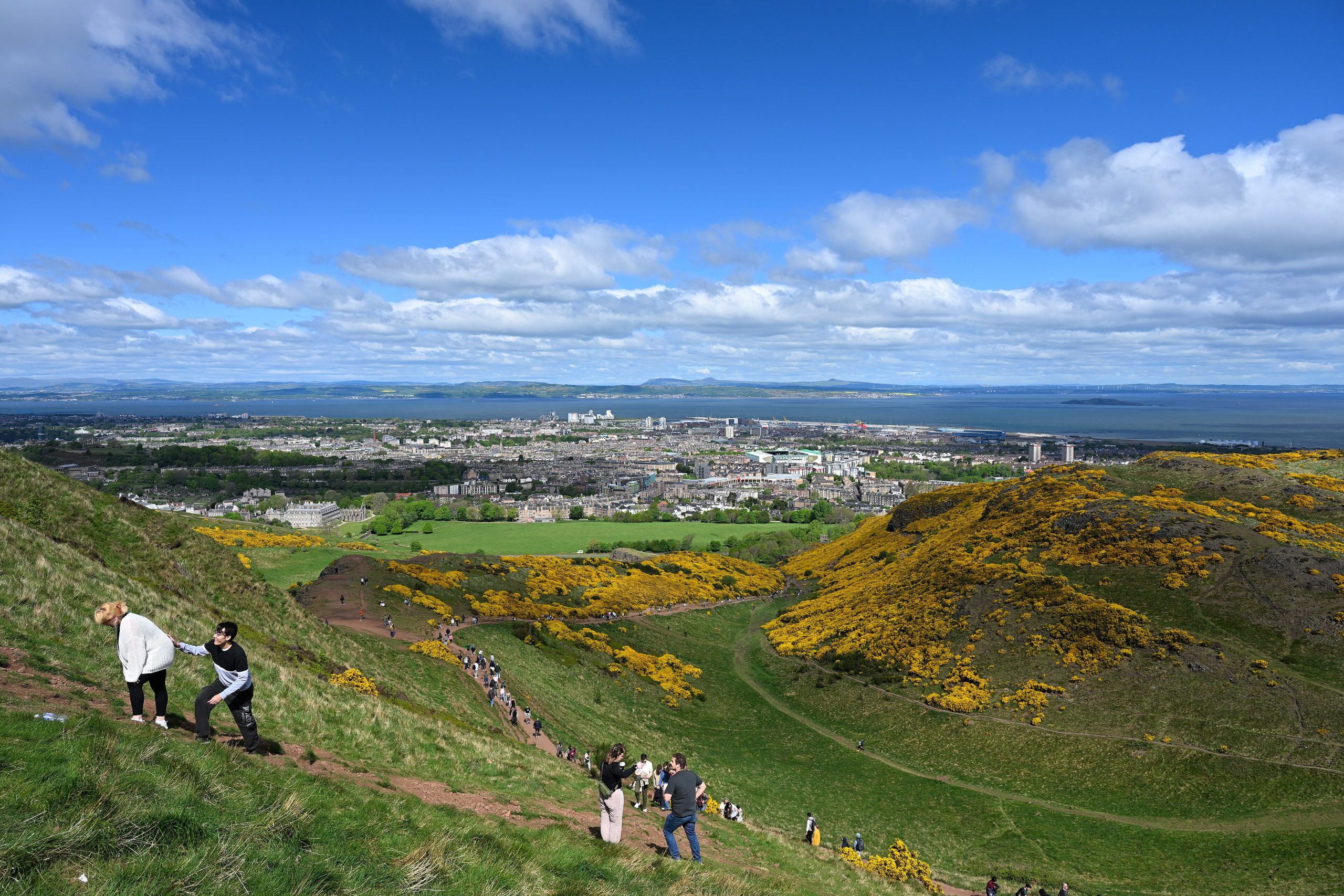
For the best view in the city, hike up Arthur’s Seat, the extinct volcano rising right in the centre within Holyrood Park. The relatively short but rewarding climb delivers a magnificent 360-degree panorama over Edinburgh, the sea and the hills — magical at sunrise or sunset, and a wonderful breath of nature in the heart of the city.
Visit the Palace of Holyroodhouse
At the foot of the Royal Mile, the Palace of Holyroodhouse is the King’s official residence in Scotland, steeped in the drama of Mary, Queen of Scots. Tour its historic state apartments and the romantic ruined abbey, and stroll the surrounding Holyrood Park.
Discover the New Town & Dean Village
Cross to the elegant Georgian New Town, with its grand crescents, Princes Street Gardens (in the shadow of the castle) and the shops of George Street. Nearby, the picture-perfect Dean Village — a tranquil former milling hamlet on the Water of Leith — feels a world away and is one of the city’s most photogenic corners.
Follow the Harry Potter Trail & Explore Museums
Edinburgh helped inspire the world of Harry Potter: see the wonky, colourful Victoria Street (said to inspire Diagon Alley), Greyfriars Kirkyard’s evocative gravestones, and the cafes where J.K. Rowling wrote. For culture, the excellent (and free) National Museum of Scotland and the Scottish National Gallery are superb, especially on a rainy day.
Climb Calton Hill & Taste Whisky
For an easy, iconic viewpoint, stroll up Calton Hill, dotted with grand monuments and offering a classic panorama of the city and castle. And no visit is complete without a Scotch whisky experience — a tasting, a distillery tour or simply a dram in a cosy, historic pub.
Edinburgh for Every Kind of Traveller
- First-timers: Edinburgh Castle, the Royal Mile, Arthur’s Seat, Calton Hill.
- History & culture: Holyroodhouse, the National Museum, ghost and vault tours.
- Harry Potter fans: Victoria Street, Greyfriars Kirkyard, the writing cafes.
- Foodies & whisky lovers: Scotch tastings, haggis, cosy gastropubs.
- Outdoors: Arthur’s Seat, Dean Village, the Water of Leith walk.
- Festival-goers: the Fringe and festivals in August, Hogmanay at New Year.
Best Time to Visit Edinburgh
Summer (June to August) is the most popular time to visit Edinburgh, with the mildest, longest days and the world-famous Fringe and Edinburgh festivals in August, when the whole city becomes a stage. It’s magical but by far the busiest and priciest time, so book accommodation months ahead if you’re coming for the festivals.
The shoulder seasons of late spring (May) and early autumn (September) are arguably the sweet spot — decent weather, fewer crowds and lower prices. Winter is cold, dark and atmospheric, coming alive around the spectacular Hogmanay (New Year) celebrations and Christmas markets. Whenever you go, pack layers and a waterproof — Edinburgh’s weather is famously changeable, with the odd four-seasons-in-a-day.
| Season | Months | Weather | Notes |
|---|---|---|---|
| Summer | Jun–Aug | Mild, long days | Best weather; festivals in August (book ahead) |
| Shoulder | May, Sep | Cool, variable | Sweet spot; fewer crowds |
| Winter | Nov–Feb | Cold, dark | Atmospheric; Hogmanay & Christmas markets |
How to Get There & Get Around
Edinburgh Airport (EDI) is well connected across the UK and Europe, linked to the centre by tram and bus in about 30 minutes; the city is also easily reached by train (about 4.5 hours from London). Once there, the compact historic centre is best explored on foot — though hilly and cobbled, so wear good shoes — with excellent buses and trams for longer trips. You won’t need a car in the city (though one helps for Highland day trips). An AI planner can line up the trains or flights, timing and stays for your dates in about a minute.
Where to Stay
For a first visit, stay in or near the Old Town (around the Royal Mile) for atmosphere and walkability, or the New Town for elegant Georgian streets and easy access to shops and the station. Stockbridge is a charming, villagey neighbourhood with great cafes, while budget options cluster around the centre. Book far ahead for the August festivals and Hogmanay, when the city fills up entirely.
Practical Tips
A few tips: Edinburgh’s weather is unpredictable, so always carry a waterproof jacket and layers, whatever the season. The centre is hilly and cobbled, so comfortable, grippy shoes are a must. Book Edinburgh Castle and popular tours online in advance, especially in summer. Scotland uses the pound sterling, cards are accepted almost everywhere, and tipping is modest (10% in restaurants). Budget for Edinburgh’s 5% visitor levy, added to accommodation since July 2026. Give yourself 2–3 days for the city, plus more for a Highlands or Loch Ness day trip.
Related Guides
Frequently Asked Questions
What is Edinburgh best known for?
Edinburgh is famous for its dramatic clifftop castle, the historic Royal Mile, its UNESCO-listed Old and New Towns, the extinct volcano of Arthur’s Seat, its ghostly history and underground vaults, Scotch whisky, and the world-famous Fringe and Edinburgh festivals held every August.
How many days do you need in Edinburgh?
Two to three days is ideal — enough to see the Castle, walk the Royal Mile, climb Arthur’s Seat, explore the New Town and enjoy the pubs and museums. Add a day or two for a Highlands or Loch Ness day trip, or if you’re visiting during the August festivals.
What is the best time to visit Edinburgh?
Summer (June–August) has the mildest weather and the famous festivals in August, but is busiest and priciest. May and September are the sweet spot, with fewer crowds. Winter is cold and atmospheric, coming alive at Hogmanay (New Year). Pack a waterproof whenever you go — the weather is changeable.
Do you need a car in Edinburgh?
No — the compact historic centre is best explored on foot (it’s hilly and cobbled, so wear good shoes), with excellent buses and trams for longer trips and an easy tram link to the airport. A car is only useful for day trips into the Highlands or countryside.
What is the Edinburgh Fringe?
The Edinburgh Festival Fringe is the world’s largest arts festival, held every August, when thousands of comedy, theatre and music shows take over venues across the city (alongside the Edinburgh International Festival). It’s an electric, unforgettable time to visit — but book accommodation months in advance, as the city sells out.
Is Edinburgh good for Harry Potter fans?
Yes — the city helped inspire the wizarding world. See the colourful, wonky Victoria Street (said to inspire Diagon Alley), the atmospheric gravestones of Greyfriars Kirkyard (with names that inspired characters), and the cafes where J.K. Rowling wrote much of the series. Dedicated Potter walking tours bring it all to life.
Is Edinburgh safe?
Yes, Edinburgh is one of the safer major cities in the UK, with low rates of violent crime and a compact, walkable centre that feels comfortable for most visitors. It is also a welcoming, cosmopolitan city, home to a large student population and international festival crowds, so people of all backgrounds generally find it an easy, friendly place to explore.
Is Edinburgh safe to walk around at night?
Yes, the Old Town, New Town and main tourist areas are generally safe to walk around at night, especially along the busy Royal Mile and Princes Street. As with any city, quieter side streets further from the centre warrant more caution late at night, and it is sensible to stick to main routes after dark, particularly during and after the Fringe when crowds and drinking are heavier.
Is Edinburgh safe for solo female travellers?
Yes, many women travel solo in Edinburgh without issue, helped by a compact centre, good street lighting in tourist areas, and reliable late buses and taxis. Basic precautions apply, as in any city: stick to well-lit streets at night, keep an eye on drinks in busy bars, and book licensed taxis rather than unmarked cars.
Is Edinburgh safer than London?
Overall crime statistics generally favour Edinburgh, a smaller city with a lower crime rate per capita than London, though both feel safe for tourists in their central, well-trodden areas. London’s much larger size means its higher-crime pockets are easier to avoid as a visitor sticking to popular districts, so the practical difference for a short trip is smaller than the raw statistics suggest.
Is Edinburgh safer than Glasgow?
Edinburgh generally records lower crime rates than Glasgow, and its more compact, tourist-focused centre feels notably calmer, especially at night. Glasgow has worked hard to shed its old reputation and is safe for visitors in its main areas too, but for a first-time visitor prioritising an easy, low-stress trip, Edinburgh has a slight edge.
Is Edinburgh worth visiting?
Yes, Edinburgh regularly ranks among the UK’s most-loved cities, combining a dramatic medieval Old Town, an elegant Georgian New Town, a hilltop castle, and one of the world’s biggest arts festivals each August. It works well as a weekend break, a Harry Potter pilgrimage, or the starting point for a wider Scotland trip.
Is Edinburgh worth visiting for just a day?
Yes, a single day is enough to see the essentials: Edinburgh Castle, the Royal Mile, Holyrood Palace and a walk up Arthur’s Seat or Calton Hill for the view. It is a rushed day rather than a relaxed one, so anyone with the flexibility to add an extra night will get a much fuller sense of the city.
Is Edinburgh worth visiting in winter?
Yes, winter brings a completely different Edinburgh: Christmas markets and the Hogmanay street party bring festive energy to December and New Year, hotel prices drop, and the Old Town looks genuinely atmospheric under grey skies or snow. Expect short daylight hours and cold, often wet weather, so pack layers and a proper waterproof.
Is Edinburgh worth visiting in August during the Fringe?
Yes, for most visitors it is worth the extra cost and crowds, since August brings the Fringe, the International Festival, the Tattoo and a citywide buzz found nowhere else in Scotland. Expect significantly higher hotel prices, packed streets, and the need to book major shows and accommodation well ahead, so it suits visitors who want festival energy more than a quiet city break.
Is Edinburgh expensive?
Edinburgh is moderately expensive by UK standards, cheaper than London overall but pricier than most of Scotland and northern England, especially during August’s festival season when hotel rates spike sharply. Outside the festival, a mid-range trip is reasonably good value, with affordable pubs, casual dining and free entry to many museums keeping costs manageable.
Is Edinburgh more expensive than London?
No, Edinburgh is generally cheaper than London, particularly for hotels, which is one reason it makes an appealing alternative UK city break. Restaurant meals, pints and taxis also tend to cost a little less, though prices converge sharply during the August festival season, when demand pushes Edinburgh hotel rates up to, and sometimes past, London levels.
Is a night out expensive in Edinburgh?
A night out in Edinburgh is moderately priced by UK standards: a pint typically costs around £4.50-£6, and cocktails in the Old Town’s better bars run £10-£14. It is cheaper than a comparable night in London, though prices climb noticeably in August, when Fringe crowds fill every pub and late bar in the city centre.
How many days do you need for the Edinburgh Fringe?
Around 4-5 days lets you see a genuinely varied mix of shows, from big-name comedy to fringe theatre and free performers on the Royal Mile, without exhausting yourself. Serious festival-goers often stay a full week or more, since with thousands of shows running each August, there is always another one worth catching.
How many days do you need for Edinburgh and Glasgow together?
Around 4-6 days works well: two or three days in Edinburgh for the Old Town, castle and Arthur’s Seat, plus a day or two in Glasgow for its art, music and food scene. The two cities sit under an hour apart by train, so it is easy to base yourself in one and day-trip to the other rather than switching hotels.
How many days do you need in Edinburgh with kids?
Three to four days works well for families, enough time to see the castle, Camera Obscura, the National Museum of Scotland’s interactive galleries, and a trip to Edinburgh Zoo without feeling rushed. Build in downtime, since the Old Town’s steep hills and cobbles are tiring for younger legs, and a shorter, well-paced itinerary tends to work better than cramming in every sight.
How much does Edinburgh Castle cost?
An adult ticket costs around £20-£22 when booked online in advance, rising to roughly £24 at the gate. Booking ahead is strongly recommended, since timed entry slots regularly sell out two to three days in advance during summer, and the online price also skips the walk-up ticket queue at the entrance.
How much does Edinburgh Zoo cost?
An adult ticket costs around £29-£30 when booked online, with lower rates for children and family tickets available for those visiting as a group. Prices vary a little by season and are usually cheaper booked in advance than paid at the gate on the day.
How much do Royal Edinburgh Military Tattoo tickets cost?
Tickets start at around £42 for the cheapest seats, with most standard seating from roughly £90-£100 and premium packages with fast-track access and a programme running £200 or more. Popular dates sell out months in advance, so booking early through the official Tattoo website matters if you want a specific date or seat.
How much does the Edinburgh tram cost?
A single adult fare within the city zone costs around £2.40, with a separate, higher fare applying to and from Edinburgh Airport. Day tickets covering unlimited tram and bus travel are available and usually work out cheaper than paying for several single fares in one day.
How much does the bus cost in Edinburgh?
A single adult Lothian Buses fare costs around £2 for any journey within the city, with a day ticket available for unlimited travel if you are making several trips. Buses accept contactless payment directly, so there is no need to buy a ticket in advance for casual use.
Do UK visitors and international travellers need a visa or ETA for Edinburgh?
UK and Irish citizens need nothing extra, but most other visa-exempt visitors, including US, EU, Canadian and Australian citizens, now need a UK Electronic Travel Authorisation (ETA) before arrival, costing around £20 and valid for two years. This is separate from the EU’s ETIAS scheme, since the UK is not part of the Schengen Area, so a Schengen visa or ETIAS approval does not cover entry to Scotland.
Final Thoughts: Planning Your Edinburgh Trip
Edinburgh is a city that feels like a story — dramatic, historic and endlessly atmospheric. Explore the clifftop castle, wander the Royal Mile’s hidden closes, climb Arthur’s Seat for the view, trace the roots of Harry Potter and warm up with a dram of whisky. Base yourself in the Old or New Town, visit in late spring or early autumn for the sweet spot (or August for the festival buzz), explore on foot, and always pack a raincoat. Give it a few days, and Scotland’s beautiful capital will cast its spell.
Before you go: turn this guide into a day-by-day plan. Our partner Voyada is a free itinerary creator that builds the trip with flights, hotels and a real total cost for your dates — in about a minute.
Build a travel itinerary →