Table of Contents
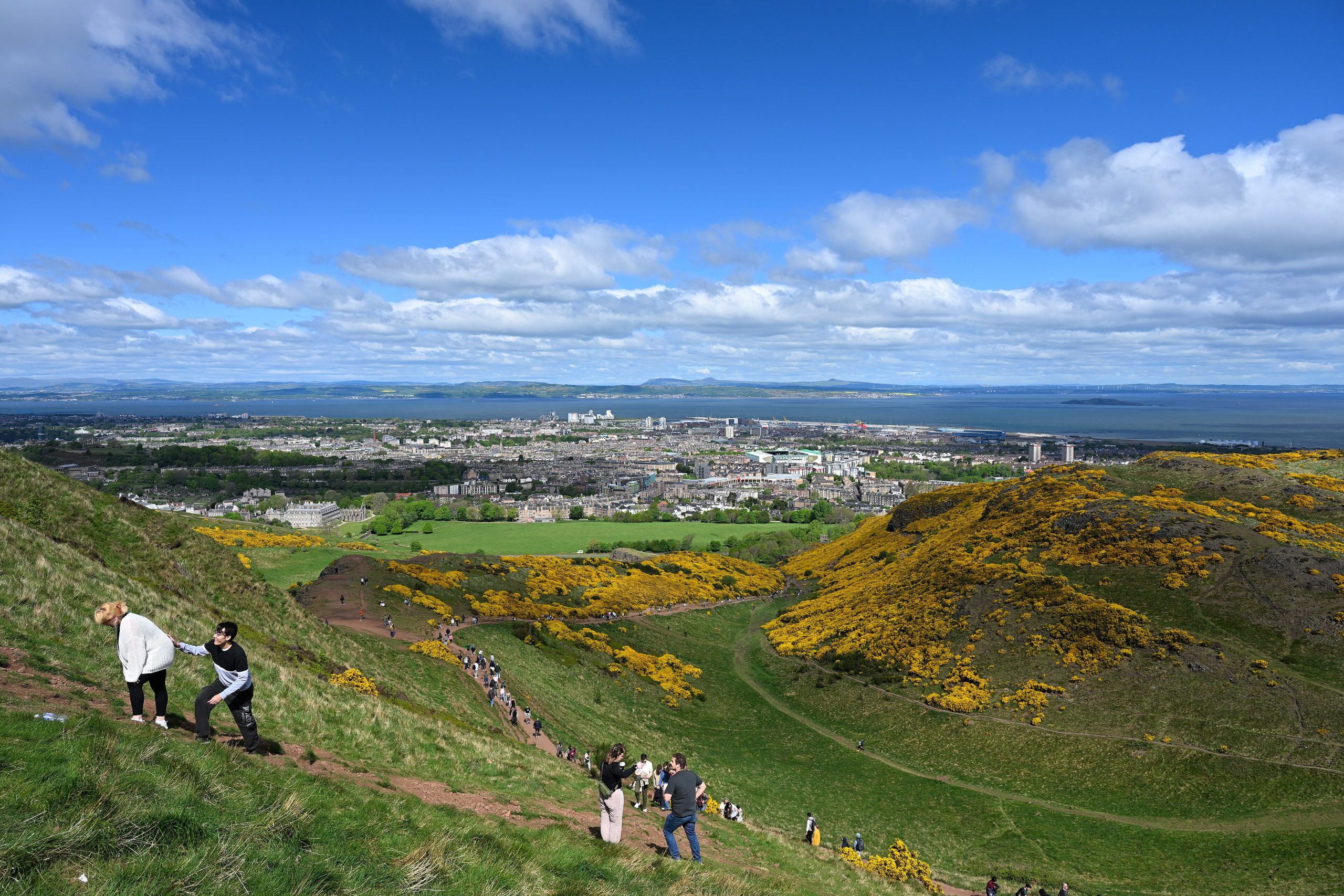
ToggleDid you know that the northern reaches of the United Kingdom experience nearly 18 hours of daylight during the peak of summer? This incredible phenomenon transforms the rugged Highlands into a playground for adventurers seeking endless exploration.
The ideal window for your journey spans from late spring through early autumn. During these months, you will encounter the most pleasant weather conditions for hiking through misty glens or wandering historic castle grounds.
Choosing this period ensures you enjoy vibrant landscapes and a bustling calendar of cultural festivals. By planning your trip during these favorable months, you gain access to the widest range of attractions across the country.
Key Takeaways
- Late spring to early fall offers the most reliable weather for outdoor activities.
- Extended daylight hours provide more opportunities for sightseeing and photography.
- Summer months host a variety of world-class cultural festivals and events.
- Traveling during this window ensures most major attractions remain fully open.
- Planning ahead helps you balance vibrant scenery with comfortable travel conditions.
Scotland by Season at a Glance
The short answer in one table — then the full seasonal detail below.
| When | Weather & light | What you get |
|---|---|---|
| May–Jun | 10–18°C, driest, up to 18-h days | The sweet spot — warmest, driest weather, long light, and midges not yet in force |
| Jul–Aug | 15–19°C, warmest, busy | Peak season — festivals (Edinburgh Fringe) and long days, but crowds, prices and midges |
| Sep–Oct | 8–15°C, cooler, drier than Sep | Autumn shoulder — thinning crowds, golden glens by late October, fewer midges |
| Nov–Apr | 1–9°C, wet, short days | Hogmanay, snow-dusted Highlands and low prices — but limited daylight and many rural sights closed |
✈️ TripToGo Travel Deals
Get notified about great travel deals
Hand-picked flight, hotel and destination deals, straight to your inbox. No spam, unsubscribe anytime.
🎉 Thank you for subscribing!
You’re all set — the best travel deals are on their way.
The May Sweet Spot, Midges and Winter Hours: Key Facts
Aim for May–September for the Highlands — the warmest, driest window with famously long summer light (it’s not fully dark until ~10 pm near the June solstice, perfect for hiking and long drives). Within that, May and early June are the connoisseur’s pick: good-weather odds, long days, and crucially before the midges peak.
The midge is Scotland’s one genuine seasonal pest. These tiny biting insects swarm the west Highlands and islands from roughly June to September, worst in still, humid, overcast conditions at dawn and dusk. Pack repellent and, for camping or hiking, a head net — a breezy day keeps them grounded.
Winter is for a different trip: November–April brings dramatic snow-capped Highlands, Hogmanay and the lowest prices, but daylight shrinks to ~7 hours and many rural attractions run reduced or weekend-only hours. Whatever the month, pack layers and waterproofs. Official resource: VisitScotland.
Determining the Best Time to Visit Scotland for Your Goals
Choosing the right time for your trip is the secret to unlocking the best of Scotland. Whether you crave sunny hiking trails, vibrant city festivals, or the quiet charm of a misty glen, your travel dates will shape every part of your journey. Finding the best time to visit scotland requires balancing your personal interests with the natural rhythm of the seasons.
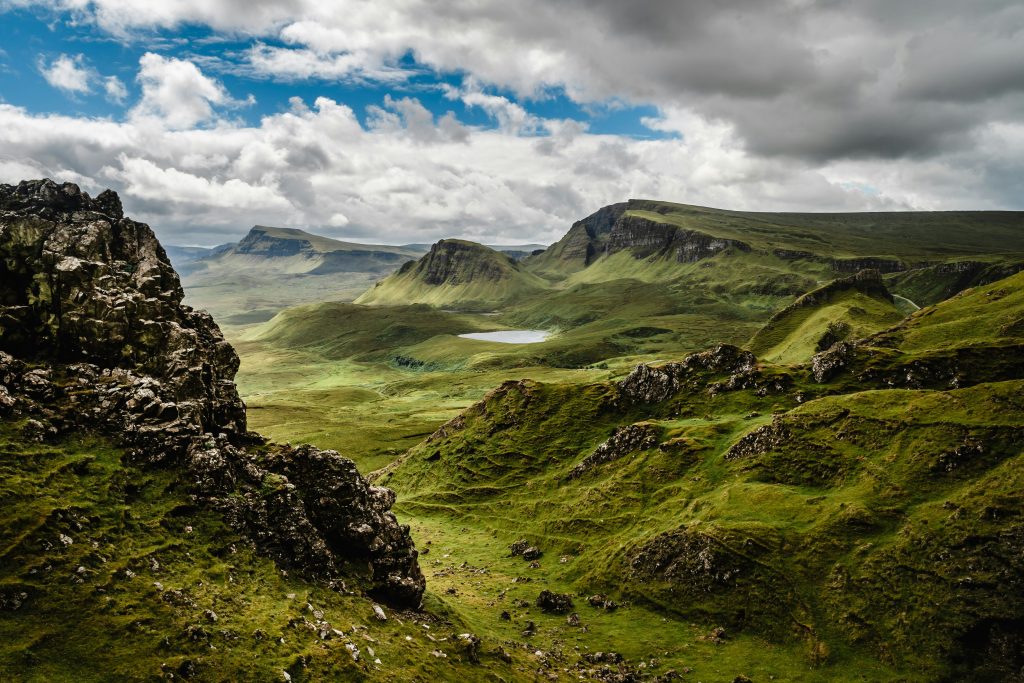
Think about what matters most to you during your travels. If you prefer long, bright days for exploring remote islands, you might choose a different window than someone seeking the cozy, budget-friendly atmosphere of the off-season. Identifying your ideal season for scotland trip planning is the most effective way to ensure your expectations align with the reality of the local climate.
As you start building your scotland trip planner, consider how each month offers a unique perspective on the landscape. By prioritizing your goals now, you can create a flexible itinerary that captures the true spirit of the country. I am here to help you navigate these choices so you can focus on the excitement of your upcoming adventure.
Planning this trip?
Our partner Voyada’s trip plan AI builds a day-by-day plan with flights, hotels and a real total cost for your dates — in about a minute, free.
Plan my vacation →Understanding Scottish Weather Patterns and Seasonal Shifts
Planning a trip to Scotland? Knowing the seasons is key to a memorable visit. The climate’s unpredictability is what makes the landscapes so iconic. A reliable weather guide helps you prepare for the rain and sunshine that can change in minutes.
Understanding what to expect is essential. Whether you love green landscapes or snow-covered peaks, each season offers a unique view of Scotland’s beauty. From the Highlands to historic cities, every season has its charm.
Springtime Bloom and Awakening Landscapes
Spring brings renewal with rising temperatures. The countryside transforms into a vibrant canvas of wildflowers and trees. It’s ideal for those who enjoy crisp air and fewer tourists.
The Reality of Summer Temperatures and Daylight Hours
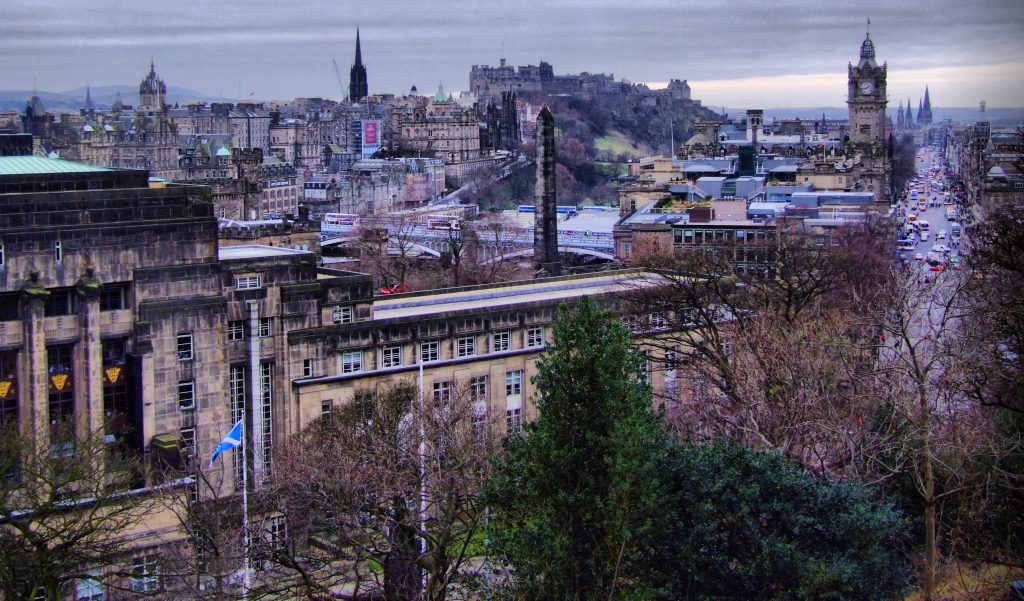
Summer is the warmest season, with highs around 67°F in July and August. It offers the longest daylight, perfect for exploring trails or visiting castles. The long days attract outdoor lovers seeking adventure.
Autumnal Colors and the Transition to Winter
The air grows crisp, painting the landscape with oranges, golds, and browns. This is ideal for photographers. The slower pace of life allows for a deeper connection with local culture.
Winter Travel Realities and Snowfall Expectations
Winter brings cozy firesides and snow-covered mountains. Daylight is shorter, but cities sparkle with festive lights. A good weather guide ensures you stay warm while exploring.
The best time to visit Scotland depends on your preferences. Embracing the weather’s unpredictability is part of the charm. It allows you to experience Scotland’s true, untamed spirit.
Peak Tourist Season and Managing Crowds
Scotland’s summer is vibrant, but it’s also the time when it’s most crowded. The peak tourist season hits in summer, with August being the busiest due to cultural events. To dodge the crowds, visit popular spots early morning or late evening.
Navigating the Edinburgh Festival Fringe
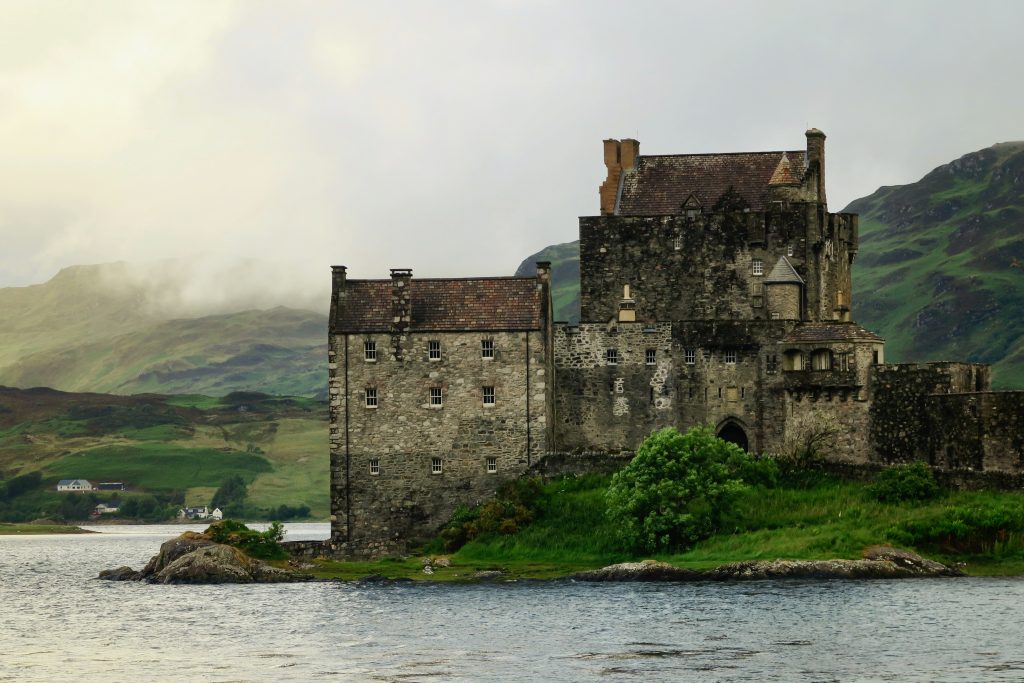
The Edinburgh Festival Fringe turns the city into a vibrant arts scene. It’s essential to book your stay early to avoid missing out. For a quieter experience, explore the city’s hidden spots during peak hours.
Scotland travel tips are key to enjoying the festival without stress. Walking is best in the city center, as public transport gets crowded. Keep your plans flexible for spontaneous adventures away from the main venues.
High Season Logistics in the Highlands
Summer in the Highlands offers stunning views, but requires careful planning. Book your travel and accommodation early to avoid disappointment. Limited parking at remote attractions means arriving early is wise.
With these travel tips, you can enjoy Scotland’s beauty even in the busiest times. Discover hidden trails and smaller villages to avoid the crowds. Proper planning ensures the Highlands’ beauty is accessible to all.
Budgeting for Your Trip Based on Seasonal Costs
Smart travelers understand that the key to a memorable Scottish adventure is timing. By planning your trip yourself, you learn that the dates you choose greatly affect your costs. By adjusting your travel dates, you can enjoy Scotland’s stunning landscapes while saving money.
Off-Season Savings on Accommodations
During these shoulder months, accommodation prices plummet compared to the summer rush — though Edinburgh has added a 5% Visitor Levy to every paid overnight stay since 24 July 2026, in any season. Traveling in April, May, September, and October offers a great mix of value and experience. This means your budget can stretch further, allowing for better accommodations or more local dining.
These months provide a more serene environment, making it easier to find charming guesthouses or boutique hotels. With fewer tourists, you can often negotiate better rates or find last-minute deals. This approach is ideal for those wanting to explore the Highlands without the hefty price tag of peak season.
Peak Pricing for Flights and Car Rentals
The peak tourist season in Scotland, from June to August, increases demand for flights and car rentals. Car rental prices can skyrocket due to limited availability across the country. It’s essential to book your transportation well in advance if visiting during this busy period.
Flight costs also rise during the summer holidays, when international travel peaks. To get the best deal, always compare prices across different months. Consider flying into smaller regional airports. Careful planning of your route can help manage travel times and fuel costs, keeping your budget in check.
The Best Months for Outdoor Adventure and Hiking
Scotland becomes a haven for hikers when the frost melts from the hills. Identifying the best time for a Scotland trip is key to a memorable adventure. Late spring to early autumn offers the best trail access and daylight.
Spring Hiking Conditions in the Cairngorms
Spring in the Cairngorms brings dramatic beauty as nature awakens. The weather warms, but hikers must prepare for snow at higher elevations. This period is perfect for those who love crisp air and fewer crowds.
Summer Access to Remote Island Trails
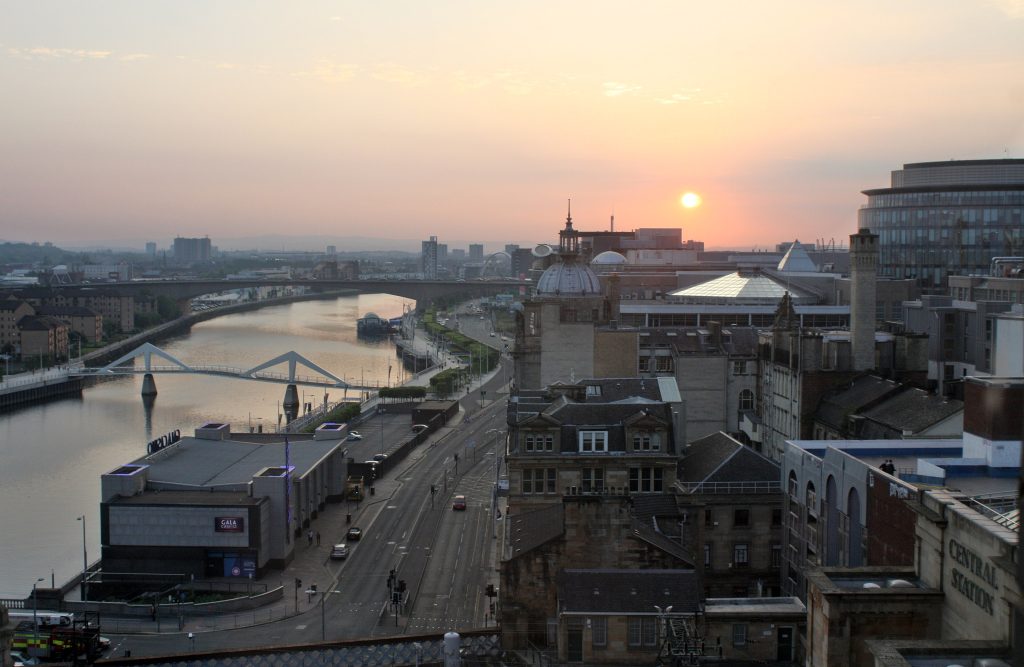
Summer brings the focus to Scotland’s rugged islands. Longer days allow for exploring remote coastal paths. This is the best time for a Scotland trip to enjoy the coastline fully.
Summer weather is more stable, making it safer to navigate challenging terrain. The extended light lets for longer treks without fear of getting lost. Always carry layers, as summer days can quickly turn cold.
Regional Variations in Climate and Accessibility
Exploring Scotland reveals that weather patterns vary greatly by location. Our detailed scottish weather guide aids in understanding these differences. This knowledge is key to a worry-free journey, allowing you to fully appreciate the scenery.
Coastal Weather vs. Inland Mountain Ranges
The climate in Scotland differs between coastal areas and the mountain ranges. Coastal regions benefit from a cool sea breeze, keeping temperatures pleasant. In contrast, the mountains experience more extreme weather. Temperatures can drop quickly, and fog can roll in unexpectedly.
When hiking in the Highlands, visibility can change rapidly. Always carry extra clothing, even if the weather seems clear. A reliable scottish weather guide is essential for preparing for these sudden changes.
Island Hopping Logistics During Shoulder Seasons
Island hopping is a must-do for many, but it requires careful planning in the shoulder seasons. Ferry services often reduce during these periods. It’s vital to check ferry schedules before planning your trip to avoid delays.
Being adaptable is the best approach to island hopping during off-peak times. Staying updated on ferry schedules ensures a smooth trip. A good scottish weather guide is invaluable for managing these travel details.
Daylight Hours and Their Impact on Sightseeing
Scotland’s unique latitude leads to dramatic daylight shifts, impacting your travel plans. Whether planning a rugged hike or a city tour, your schedule must sync with the sun. A reliable scotland trip planner is essential for balancing these natural cycles.
Maximizing Sightseeing During Long Summer Days
Summer in Scotland brings long days, sometimes up to 18 hours in the north. This allows for packed itineraries of outdoor adventures from dawn till dusk. Start hikes at dawn to dodge the crowds at famous spots.
Visiting remote areas in one day is feasible without feeling rushed. The “simmer dim” twilight offers a magical setting for evening photos. Always carry a headlamp for extended explorations.
Planning Around Short Winter Daylight
Winter travel demands a different strategy, with daylight hours much shorter. In December, the sun might set as early as 3:30 PM. Adjust your plans to include indoor activities during the darker afternoons.
Use your scotland trip planner to prioritize museums, historic castles, and cozy pubs in winter. Save outdoor sightseeing for the morning when the light is best. Careful planning ensures you can appreciate Scotland’s beauty, even in winter.
Wildlife Viewing Opportunities Throughout the Year
Planning your trip around the natural rhythms of local wildlife can transform a standard vacation into a magical experience. Scotland is a haven for nature enthusiasts, with diverse species active across the changing seasons. By following these simple scotland sightseeing tips, you can enjoy these encounters responsibly.
Spotting Marine Life and Migratory Birds
The coastal regions of Scotland offer incredible opportunities to see marine mammals in their natural habitat. During warmer months, seals can be seen lounging on rocky outcrops, while dolphins play in the surf. Keep an eye on the horizon for whales, which are occasionally spotted from the shore during migration periods.
Birdwatchers will find the spring months rewarding, as migratory species return to cliffs and wetlands. These birds nest in protected areas, making them easier to observe from a distance. High-quality binoculars are essential for a clear view without disturbing the birds.
Deer Rutting Season and Highland Wildlife
As autumn brings golden hues to the landscape, the Highlands come alive with the deer rutting season. This is a dramatic time to witness red deer stags competing for dominance in the glens. It’s a powerful display that defines the wild spirit of the Scottish mountains.
Regardless of the season, always maintain a respectful distance from wildlife. Never attempt to feed or approach animals, as this can disrupt their natural behaviors and safety. By keeping quiet and using your gear, you can make the most of your scotland sightseeing tips and enjoy a memorable connection with local fauna.
Transportation Tips for Navigating Scotland
Exploring Scotland’s stunning landscapes is an adventure, but it requires the right approach. Whether you’re chasing sunsets in the Hebrides or exploring historic castles, these tips will guide you. Knowing how to get around is key to a successful trip.
Driving Distances and Road Conditions
Scotland’s map distances seem shorter than they are. Many rural roads are narrow and winding, needing patience and careful driving. Always add extra time to your travel plans, more so in the Highlands.
Winter brings ice, snow, and high winds, posing challenges. Always check road reports before heading out, as weather can shift quickly. Following this advice ensures a safe journey through Scotland’s breathtaking scenery.
Public Transit Reliability Across Seasons
Scotland’s major cities, like Edinburgh and Glasgow, have a reliable public transit system. Trains and buses are great for city tours and connecting big cities. But, service frequency drops in remote areas or smaller towns.
For deep countryside exploration, renting a car is best. While public transport works for main routes, a car offers freedom to discover hidden spots on your own time. Keep in mind, winter schedules are more limited than summer ones.
Packing Essentials for Unpredictable Weather
Mastering the art of packing for Scotland is key to enjoying your adventure, no matter the season. The local climate’s rapid shifts mean you need a reliable scottish weather guide. Always prepare for the possibility of experiencing four seasons in one afternoon.
Layering Strategies for Every Season
Embracing a layering system is the most effective way to handle temperature changes. Begin with a moisture-wicking base layer to keep your skin dry during active days. Then, add a warm fleece or high-quality wool sweater as your middle layer to trap heat when it gets chilly.
Even in the summer, keep a warm layer in your daypack. Temperatures can drop unexpectedly, more so in higher elevations or coastal areas. This flexible approach keeps you cozy without the burden of heavy coats.
Essential Gear for Rain and Wind Protection
A high-quality, waterproof jacket is essential for any traveler in the region. Opt for breathable fabrics that can handle heavy mist and sudden gusts of wind. This piece will be your ally when exploring the rugged landscape.
Remember to pack sturdy, broken-in walking shoes or boots. The terrain is often damp, uneven, and rocky, so proper support is critical for your safety. By following this advice, you’ll be ready to enjoy the outdoors in any conditions.
Cultural Events and Festivals Worth Planning Around
Planning your trip around Scotland’s unique festivals offers a deep dive into the country’s soul. These gatherings provide a window into local heritage that you simply cannot find in standard guidebooks. By timing your visit correctly, you can turn a standard vacation into one of the top scotland attractions on your personal travel list.
Traditional Highland Games and Local Gatherings
During the warmer months, the countryside fills with the sound of bagpipes and the excitement of athletic competition. Highland Games are a cornerstone of Scottish culture, featuring feats of strength like the caber toss and hammer throw. These events are not just for show; they are community celebrations where locals and visitors come together to honor ancient traditions.
You will find these gatherings in small towns and villages across the Highlands. They offer a relaxed atmosphere where you can enjoy traditional music, dance, and hearty local food. It is a fantastic way to experience the authentic spirit of the region while enjoying the beautiful summer scenery.
Winter Hogmanay Celebrations and Traditions
As the year draws to a close, Scotland transforms into a hub of warmth and light. Hogmanay, the Scottish celebration of the New Year, is perhaps the most famous cultural event in the country. It is a time for street parties, torchlight processions, and the singing of traditional songs that echo through historic city centers.
Participating in these festivities is a highlight for many travelers seeking to understand the local way of life. Whether you are watching fireworks over a castle or joining a local “first-footing” tradition, the energy is infectious. These winter events are truly among the top scotland attractions for those who want to embrace the festive, welcoming nature of the Scottish people.
Photography Considerations for Different Seasons
When planning your trip to Scotland, think about how the changing light will affect your photos. Each season brings its own unique mood, making Scotland a perfect spot for capturing stunning landscapes.
Capturing the Golden Hour in Summer
Summer in Scotland means long days, giving you more time for photography. The golden hour extends late into the evening, casting a warm glow over the hills and cliffs.
The sun’s position allows for longer exposures, ideal for capturing the water’s movement or the Highland glens’ vibrant greens. It’s a great time to experiment with your shots.
Dramatic Winter Lighting and Landscapes
Winter offers a different vibe, with a low sun that lights up the day. This light is ideal for showing off mountains and valleys’ textures.
The contrast between snow-covered peaks and dark skies adds drama. When exploring Scotland, remember to adjust your camera settings often. This flexibility will help you capture the essence of Scotland’s wilderness.
Avoiding the Midge Season
Before you arrive, it’s important to know about the tiny insects that are part of Scotland’s environment during peak tourist seasons. By understanding a few key facts, you can make sure your trip is both comfortable and enjoyable.
Understanding Midge Behavior and Peak Times
Midges, small biting flies, love damp, sheltered spots. They’re most active in the warmer summer months, when the air is calm. You’ll find them more often in the Highlands or near inland lochs, where the breeze is blocked.
They swarm at dawn and dusk, avoiding strong winds and bright sunlight. This means they’re less active during the middle of the day. By planning your outings around these times, you can dodge the worst of their activity.
Practical Tips for Midge Protection
When hiking in summer, the right gear is key. A fine-mesh head net protects your face and neck. Also, use a high-quality insect repellent made for midges to keep them away.
Visiting in the cooler shoulder months can help you avoid midges altogether. If you must travel in summer, head to coastal areas where a sea breeze keeps them away. These simple steps let you enjoy Scotland’s beauty without midge interruptions.
Health and Safety Considerations for Travelers
Scotland’s wild beauty is an experience like no other, yet safety must be your top priority. Whether trekking in the Cairngorms or exploring the islands, adhering to sound travel tips is essential. Preparation is the key to a successful and safe journey.
Staying Safe on Remote Mountain Trails
The Scottish wilderness is breathtaking, yet it can be unpredictable. Always carry a physical map and compass, not just your smartphone or GPS. This is critical in case your devices fail.
Before hiking, ensure you have enough water, food, and warm clothing. Inform someone about your route and expected return time. This simple step can be a lifesaver in unexpected weather or terrain.
Navigating Rural Medical Access
Scotland boasts excellent healthcare, but rural areas have limited medical facilities. Research the nearest clinics or hospitals in your destination. This preparation offers peace of mind during your travels.
If you have health needs, carry a list of medications and medical information. Knowing local emergency protocols is also vital. Stay informed and prepared to fully enjoy Scotland’s stunning landscapes.
Before you go: turn this guide into a day-by-day plan. Our partner Voyada is a free itinerary planner that builds the trip with flights, hotels and a real total cost for your dates — in about a minute.
Create a travel itinerary →Scotland Trip Tips
Scotland is glorious but weather- and midge-dependent — a little timing and preparation goes a long way.
- May–June and September are best: mild, long days and fewer midges than July–August.
- Beware the midges in the Highlands and islands from late May to September, worst in July–August — carry repellent.
- Drive on the left, and take single-track roads slowly, using the passing places.
- Book ahead in summer for the NC500, Skye and popular castles.
- Pack layers and waterproofs year-round — and build in distilleries, castles and hikes.
Scotland: Month-by-Month Guide
A quick month-by-month reference for planning — at a glance, when to go and what each month brings.
| Month | Verdict | What to expect |
|---|---|---|
| January | Low | Cold, wet and dark; Burns Night; quiet. |
| February | Low | Cold; short days; cheap and quiet. |
| March | Shoulder | Cool and warming; longer days. |
| April | Good | Mild; spring; few midges yet. |
| May | Best | Mild, driest, long days and few midges. |
| June | Great | Warm-ish; very long days; peak building. |
| July | Peak | Warmest; busy; midges out in the Highlands. |
| August | Peak | Busy; the Edinburgh Festival; midges. |
| September | Great | Mild; fewer midges; autumn beginning. |
| October | Shoulder | Cool; glorious autumn colour. |
| November | Low | Cold and wet; short days. |
| December | Low | Cold and dark; Hogmanay; festive. |
Conclusion
Scotland is a destination that captivates all year round, each season bringing its own unique charm. You might seek the lively atmosphere of summer festivals or the serene beauty of a winter morning. The key to a perfect trip lies in aligning your weather preferences with your budget and crowd tolerance.
Heed this expert travel advice to focus on what truly matters to you. Whether it’s the majestic Highlands or the historic city streets, timing is critical. With this knowledge, you can confidently plan your journey through Scotland’s diverse landscapes.
Begin by listing your must-see attractions to sketch out a basic itinerary. Check your calendar to pinpoint the perfect travel window. Booking your main transport in advance ensures a memorable journey through Scotland’s stunning scenery.
FAQ
When is the overall best time to visit Scotland for a balanced experience?
What should I expect from the weather according to a typical scottish weather guide?
When is the best season for hiking in Scotland?
How do I avoid midges in Scotland?
How can I save money on a trip to Scotland?
What are the must-see cultural events to include in my itinerary?
How do daylight hours impact sightseeing during the winter months?
What should I know about driving Scotland's roads?
Can I see the northern lights in Scotland, and which months are best?
Yes, though never on demand. The aurora, called the mirrie dancers up in the northern isles, is seen from northern Scotland in the dark half of the year, roughly October to March, with the weeks around the equinoxes often the most active. Three things must line up: a strong solar event, a clear sky and darkness away from town lights. Your odds rise the further north you go, so Caithness, Orkney and Shetland beat the central belt, and any north-facing coast helps. Sign up for an aurora alert, keep your plans flexible, and treat a sighting as a bonus on a winter trip rather than its purpose.
How much preparation does walking a Munro really need?
More than most first-timers expect. Even in summer a Munro is a long day on rough, exposed ground where the weather turns quickly, cloud can swallow the path and the wind on the summit is far stronger than down in the glen. Carry a map and compass and know how to use them, take spare layers, waterproofs, food and a torch, and tell someone your route and expected return. Check the Met Office mountain forecast or the Mountain Weather Information Service first. From roughly October to April these become winter mountaineering routes needing an ice axe, crampons, training and the Scottish Avalanche Information Service forecasts; Mountaineering Scotland publishes the detail. In emergency, call 999 and ask for police, then mountain rescue.
When is the best time of year to drive the North Coast 500?
May and September are the sweet spots. May brings the driest odds, very long light and few midges; September gives quieter roads, autumn colour and lingering daylight. July and August are busy, with single-track passing places, campsites and rooms all under pressure, so book far ahead for those dates. Winter is spectacular but unforgiving: ice, gales, short days and long gaps between open fuel stops and cafes. Whenever you go, plan shorter driving days than the map suggests, use the passing places to let faster local traffic through, and never park in one.
When can I see puffins in Scotland?
Puffins are ashore only for the breeding season. They usually arrive at the colonies in April, are easiest to watch from May through to early July when adults are shuttling sandeels back to their chicks, and have mostly returned to the open sea by early August. Cliff reserves and island boat trips are the usual way to see them, and sailings depend on the sea state, so leave a spare day. Bring binoculars, stay on marked paths so you do not collapse the burrows underfoot, and keep well back from cliff edges. Seabird centres publish arrival and departure updates each season.
Do I need to book island ferries in advance?
If you are taking a car, yes, and earlier than you would think. Vehicle space on the popular Hebridean routes sells out for summer weekends and school holidays well ahead, and the timetable itself changes between the summer and winter seasons. Foot passengers can usually travel more spontaneously. Book through the ferry operator’s own site, then check the service status on the morning you sail, because gales, swell and technical faults cancel or reroute crossings, most often in winter but possible at any time. Build a slack day into an island itinerary so one missed sailing does not unravel the rest.
How many days do I need for a first trip to Scotland?
A week is the realistic minimum, and it stretches furthest split between one city and one region: a few days in Edinburgh or Glasgow, then a loop through the Trossachs, Glencoe and the Great Glen. Ten days to a fortnight opens up Skye, the Hebrides or the far north without daily packing and endless driving. The usual mistake is counting miles rather than hours, since single-track roads, ferry timetables and photo stops stretch every journey. With only three or four days, pick one base and accept that the Highlands will need a second trip.
Will attractions still be open if I travel between November and March?
City sights stay open all winter: the museums, galleries, castles, pubs and restaurants of Edinburgh and Glasgow keep normal hours, and Hogmanay fills the streets. It is the rural network that thins out. Smaller castles, gardens, distillery visitor centres and island museums often close for the season or drop to weekend and reduced hours, and higher roads and mountain passes can shut temporarily in snow. Check each site’s own opening times for your dates rather than trusting summer information, and keep an indoor alternative ready for the short afternoons. Winter here rewards flexibility far more than a fixed schedule.