

Table of Contents
ToggleKey Takeaways
- Summer (June–September) is the best all-round time — trails, cable cars and passes are open and the lakes are swimmable.
- For skiing, visit December to March, when snow is reliable at resorts like Zermatt, St. Moritz and Verbier.
- June and September are the value sweet spots in summer; the cities are rewarding in any season.
- Beware the Swiss “Zwischensaison” (roughly mid-April to mid-May and November), when many mountain lifts and resorts close.
- Scenic trains like the Glacier Express run year-round — magical in winter snow or summer green.
- Switzerland is expensive, so shoulder-season timing and a rail pass can make a real difference.
Best Time to Visit Switzerland, at a Glance
| Season | Months | Best for |
|---|---|---|
| Summer | June–September | Hiking, lakes, peak excursions |
| Winter | December–March | Skiing, Christmas markets, snow trains |
| Spring | April–May | Waterfalls & blossom (mind lift closures) |
| Autumn | October–early November | Foliage & wine harvest, fewer crowds |
| The cities | Year-round | Zurich, Geneva, Bern, Lucerne |
✈️ TripToGo Travel Deals
Get notified about great travel deals
Hand-picked flight, hotel and destination deals, straight to your inbox. No spam, unsubscribe anytime.
🎉 Thank you for subscribing!
You’re all set — the best travel deals are on their way.
Switzerland Runs on Altitude, Not Just Season
Switzerland has four clear seasons, but the thing that really shapes a trip is elevation. A mild spring day in Lucerne can be deep winter on a 3,000-meter peak an hour away. The valleys and cities are pleasant much of the year; the high mountains keep their own calendar. So the best time to visit depends on whether you’re here for hiking and lakes, skiing, scenic trains or the cities — and two “between” periods catch travelers out entirely.
Summer (June–September): Hiking, Lakes & Peaks
The best all-round time. Mountain trails, cable cars and high passes are open, the lakes are warm enough to swim, the days are long, and the alpine meadows bloom with wildflowers (late June into July). This is the season for the big excursions — Jungfraujoch, the Matterhorn, Lauterbrunnen’s waterfalls — and for lake towns like Lucerne and Lugano. July and August are the busiest and priciest; June and September offer the same access with thinner crowds.
Winter (December–March): Ski Season
Switzerland is one of the world’s great ski destinations — Zermatt, St. Moritz, Verbier, Grindelwald and Davos among the legends — with reliable snow from December to March and a festive run of Christmas markets in December. Even if you don’t ski, the scenic trains (the Glacier Express, the Bernina Express) are at their most magical gliding through the snow, and mountain-top viewpoints stay open.
Shoulder Seasons: The “Zwischensaison” Trap
Spring and autumn bring fewer crowds and lower prices — spring adds thundering snowmelt waterfalls and blossom, autumn adds golden foliage and the Lavaux wine harvest. But beware the Swiss Zwischensaison (between-season): from roughly mid-April to mid-May, and again in November into early December, many mountain lifts, resort hotels and restaurants close for maintenance between the ski and summer seasons. The cities stay fully open, but if your heart is set on a specific mountain, check that it’s actually running.
Planning a trip to Switzerland?
Our partner Voyada’s trip planning AI builds a day-by-day plan with flights, hotels and a real total cost for your dates — in about a minute, free.
Plan trip with AIThe Cities: Year-Round
Switzerland’s cities — Zurich, Geneva, Bern, Lucerne, Lausanne — are rewarding in any season, from lakeside summer strolls to Christmas markets and cozy museums in winter. They make a reliable base when the mountain weather turns, and they’re unaffected by the between-season lift closures. See our things to do in Zurich guide to start.
The Best Time for What You Want to Do
Match the month to the trip:
| If you want… | Best time | Note |
|---|---|---|
| Hiking & mountain excursions | Late June – September | Trails, lifts and passes all open |
| Skiing & snow | December–March | Peak snow; book holidays early |
| Lakes & swimming | July–August | Warmest water and long days |
| Scenic trains | Year-round | Winter snow or summer green |
| Cities & museums | Any time | Unaffected by lift closures |
| Fewer crowds & lower prices | June, September, October | Mind the between-season closures |
When to Visit Switzerland
For most travelers, June to September is the sweet spot — the mountains are fully open and the weather is at its best, with June and September quieter than peak July–August. Ski-focused trips want December to March. If you travel in the shoulder months for value, keep to the cities and lower valleys, or double-check that your chosen mountain resort is open. Whenever you come, Switzerland is expensive, so shoulder-season timing and a rail pass can make a real difference.
Related Guides
Switzerland Month by Month
Switzerland’s weather is driven as much by altitude as by season, but the calendar still tells a clear story — the national tourism board agrees the year unfolds like this:
January
Deep winter and prime ski season — the resorts of Zermatt, St. Moritz, Verbier and the Jungfrau region are in full swing. Days are short and cold, but high-altitude skies are often brilliantly clear above the valley fog. Cities are quiet and festive. Expect peak ski-season prices in the mountains.
February
Peak ski conditions continue, with longer days than January and plenty of sun up high. It’s carnival season — Basel’s Fasnacht and Lucerne’s are spectacular. European school holidays bring crowds and the year’s highest resort prices, so book ahead.
March
Skiing is still excellent at altitude while the valleys begin to thaw. Days lengthen and the sun strengthens — classic spring-skiing weather. Crowds thin after the half-term rush, making it good value in the mountains as the season winds down.
April
Spring arrives in the lowlands — blossom, green meadows and lovely lakes — while the high peaks stay snow-capped. The weather is changeable, and it’s the ‘between seasons’ lull as ski resorts close. Zurich’s Sechseläuten spring festival is a highlight.
May
A gorgeous, underrated month: waterfalls thunder with snowmelt, wildflowers bloom, and low- and mid-altitude hiking trails open up. Crowds are light and prices reasonable, though some high mountain passes and trails remain closed until the snow clears.
June
Early summer is arguably the sweet spot — long days, alpine flowers at their peak, most trails and passes open, and the crowds not yet at full pitch. Lakes are warming for a swim. Excellent light and greenery for photography.
July
High summer: warm, with all trails and mountain passes open and daylight until after 9pm. It’s the busiest and priciest time, with lake swimming, festivals like Montreux Jazz, and the full alpine experience. Afternoon thunderstorms are possible in the mountains.
August
Peak summer continues, kicking off with Swiss National Day (1 August) fireworks over the lakes. Hiking is at its best and the weather warm, though it’s crowded and expensive. Book mountain huts and popular hotels well ahead.
September
For many, the best month of all: warm days, crisp clear air, thinner crowds and the traditional Alpabzug cattle descents from the high pastures. Hiking conditions are superb and prices ease. A wonderful, slightly quieter time to visit.
October
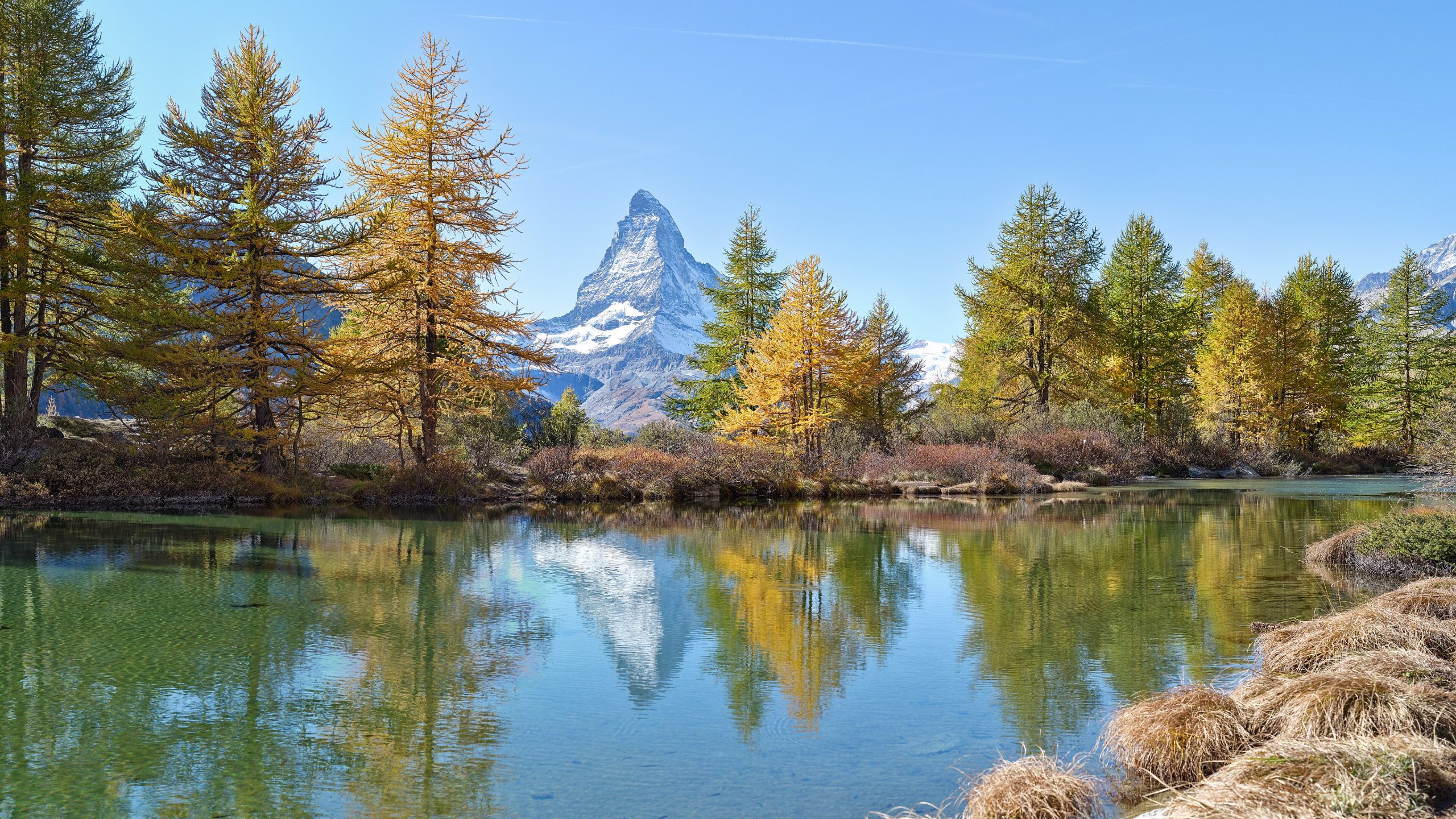
Golden autumn, when the larch forests turn amber and the light is beautiful. It’s crisp, quiet and good value, though the first snow dusts the high peaks and upper trails begin to close. Perfect for lower-altitude hikes and city breaks.
November
The deep ‘Zwischensaison’ lull — many mountain resorts close between the hiking and ski seasons, and the lowlands can be grey and foggy (though it’s often gloriously sunny above the fog). It’s the cheapest, quietest month; cities and museums shine.
December
Winter returns and the ski season opens mid-month. Christmas markets, mulled wine and festive lights fill the towns, and the mountains turn magical. Days are short; the run-up to New Year is peak season in the resorts, so book early.
Festivals & Events in Switzerland
Timing your trip to an event adds real local colour:
- Fasnacht (Feb/Mar): riotous carnival in Basel and Lucerne, all masks, drums and confetti.
- Sechseläuten (Zurich, April): a spring festival that burns a snowman effigy to banish winter.
- Montreux Jazz Festival (July): a world-famous fortnight of music on Lake Geneva.
- Swiss National Day (1 August): bonfires and fireworks over the lakes nationwide.
- Alpabzug (Sep/Oct): flower-decked cattle paraded down from the high pastures — a joyous rural tradition.
- Christmas markets (December): Basel, Zurich and Montreux glow with stalls and mulled wine.
The Cheapest Time to Visit Switzerland
Switzerland is famously expensive, but timing softens the blow:
- The shoulder lulls — May, and late October into November — bring the lowest prices, as the mountains sit between seasons.
- Ski deals appear in early December and late March, at the edges of the ski season.
- Avoid the peaks: July–August, the February half-term and Christmas–New Year are the priciest, busiest windows.
- A Swiss Travel Pass can cut transport costs sharply if you’ll ride a lot of trains, boats and cable cars.
Frequently Asked Questions
What is the best time to visit Switzerland?
June to September is best for most travelers — the mountains, trails and cable cars are all open and the lakes are warm, with June and September quieter than peak July and August. For skiing, visit December to March.
When is the cheapest time to visit Switzerland?
The shoulder months of April–May and October–November have lower prices and fewer crowds, but many mountain lifts and resorts close for maintenance then. Sticking to the cities and lower valleys, or checking your resort is open, gets you the value without the disappointment.
What is the best time to ski in Switzerland?
December to March offers the most reliable snow across the major resorts, with the highest, glacier-backed areas like Zermatt and Saas-Fee extending the season. Book over Christmas, New Year and February half-term well ahead.
Is Switzerland worth visiting in summer?
Very much — summer (June to September) is arguably the best time, with all the mountain trails, cable cars and passes open, swimmable lakes, long days and alpine wildflowers. It’s ideal for the big excursions like Jungfraujoch and the Matterhorn.
What is the Swiss between-season (Zwischensaison)?
It’s the quiet period between the ski and summer seasons — roughly mid-April to mid-May, and November into early December — when many mountain lifts, resort hotels and restaurants close for maintenance. The cities stay open, but check specific mountain resorts before booking then.
What is the cheapest time to visit Switzerland?
The cheapest times are the ‘between seasons’ — May, and late October into November — when the mountains sit between the hiking and ski seasons and prices drop. November in particular is the quietest, most affordable month, though many mountain resorts close and the lowlands can be foggy. Avoid the peak windows of July–August, the February ski half-term, and Christmas–New Year, which are the most expensive and crowded.
Is Switzerland safe for tourists?
Yes, Switzerland is consistently ranked among the safest countries in the world for visitors, with very low rates of violent crime. The main practical risks are mountain-related: unpredictable Alpine weather, altitude sickness on high excursions, and hiking or skiing beyond your ability level or off marked routes. Petty theft such as pickpocketing does happen in busy train stations and tourist spots like Lucerne’s Chapel Bridge, so keep bags zipped and valuables out of back pockets. Stick to marked trails and check weather and avalanche bulletins before any mountain activity, and you are unlikely to run into trouble.
Is Switzerland expensive compared to the US?
Yes, Switzerland is generally more expensive than the US for day-to-day travel costs such as meals, coffee and public transport, largely because of the strong Swiss franc and high local wages. As of September 2026, one US dollar buys around 0.81 Swiss francs, so a basic restaurant meal can easily run 25 to 35 francs, roughly 30 to 43 US dollars, once converted. Hotels and groceries follow the same pattern. A rail pass and picnic lunches from supermarkets are the classic ways travellers cut costs.
Do South African citizens need a visa for Switzerland?
Yes. Unlike US, UK, Irish, EU, Canadian, Australian and New Zealand passport holders, who can enter Switzerland and the wider Schengen area visa-free for up to 90 days in any 180-day period, South African citizens need to apply for a Schengen short-stay visa before travelling. Applications are usually made through a Swiss visa application centre or consulate and require proof of travel insurance, accommodation, return flights and sufficient funds. Apply well ahead of your trip, since processing can take several weeks, especially during busy summer and Christmas travel periods.
How much does a Switzerland visa cost?
Fees for travellers who need a Schengen visa change periodically and vary slightly by consulate, so check the official rate for your nationality directly with the Swiss embassy or visa application centre before applying, rather than relying on an old figure quoted online. Most nationalities, including the US, UK, Ireland, the EU, Canada, Australia and New Zealand, don’t need a visa at all for stays of up to 90 days, so this cost only applies to a minority of travellers, South African citizens among them.
What should you wear in Switzerland in summer?
Pack for genuinely variable conditions, since a warm valley morning can turn cold and wet on a cable car ride to altitude. Lightweight layers, a moisture-wicking t-shirt, a fleece or light jumper, and a packable waterproof jacket cover most days, while shorts and sandals work fine in lakeside cities like Zurich and Lucerne. Sturdy, broken-in walking shoes or hiking boots are essential if you plan any trails, along with sunglasses and sunscreen, since UV exposure is stronger at altitude even on a mild-looking day.
How many days do you need in Switzerland?
A week is a reasonable minimum to get a genuine feel for the country: enough for two or three days in cities such as Zurich, Lucerne or Geneva, plus three or four in the mountains for hiking, a scenic train like the Glacier Express, or skiing. Ten days to two weeks lets you cover more ground without the constant repacking that a fast-paced trip demands, since Switzerland’s small size and excellent trains make even a longer itinerary manageable without much dead travel time.
When do the hiking trails open in Switzerland?
It depends on altitude rather than the calendar. Valley and low-level paths are usually walkable from April or May, mid-altitude routes open through June, and the highest passes, ridge traverses and hut-to-hut routes can hold snow into early July. Late June to September is the dependable window, with September prized for clear air and thinner crowds. Even at the height of summer, alpine weather can turn within the hour and routes close for snow, rockfall or storms, so check the national weather service forecast and the official mountain bulletins on the morning you set out, confirm the lift you are relying on is running, and turn back rather than press on.
Is Switzerland worth visiting in winter if you do not ski?
Yes, and it is one of the better value ways to see the country. Resorts maintain prepared winter walking paths and snowshoe routes, toboggan runs, and mountain railways that carry you up for the view and lunch without skis on your feet. Thermal baths, Christmas markets through December, museums and the lake cities all work well in the cold months, and the scenic rail routes are at their most spectacular under snow. Days are short, so plan one main outing rather than three. Dress for the mountain rather than the valley, check conditions before going up, and keep to marked paths.
When are the autumn colours in Switzerland?
October is the month, though it shifts with altitude. The golden larch forests of the higher valleys usually turn from late September into mid October, while lower valleys, vineyards and lake shores hold their colour into late October and sometimes early November. It is a quiet, good value time, with crisp light and the wine harvest under way. Two things to plan around: the first snow dusts the high peaks and upper trails begin to close, so keep walks lower down, and November is the deep between-season when many mountain lifts and resort hotels shut. The national tourism board publishes a foliage map that is updated through the season.
Planning the Timing of Your Switzerland Trip
Before you go: turn this guide into a day-by-day plan. Our partner Voyada is a free itinerary creator that builds the trip with flights, hotels and a real total cost for your dates — in about a minute.
Build a travel itinerary →