Table of Contents
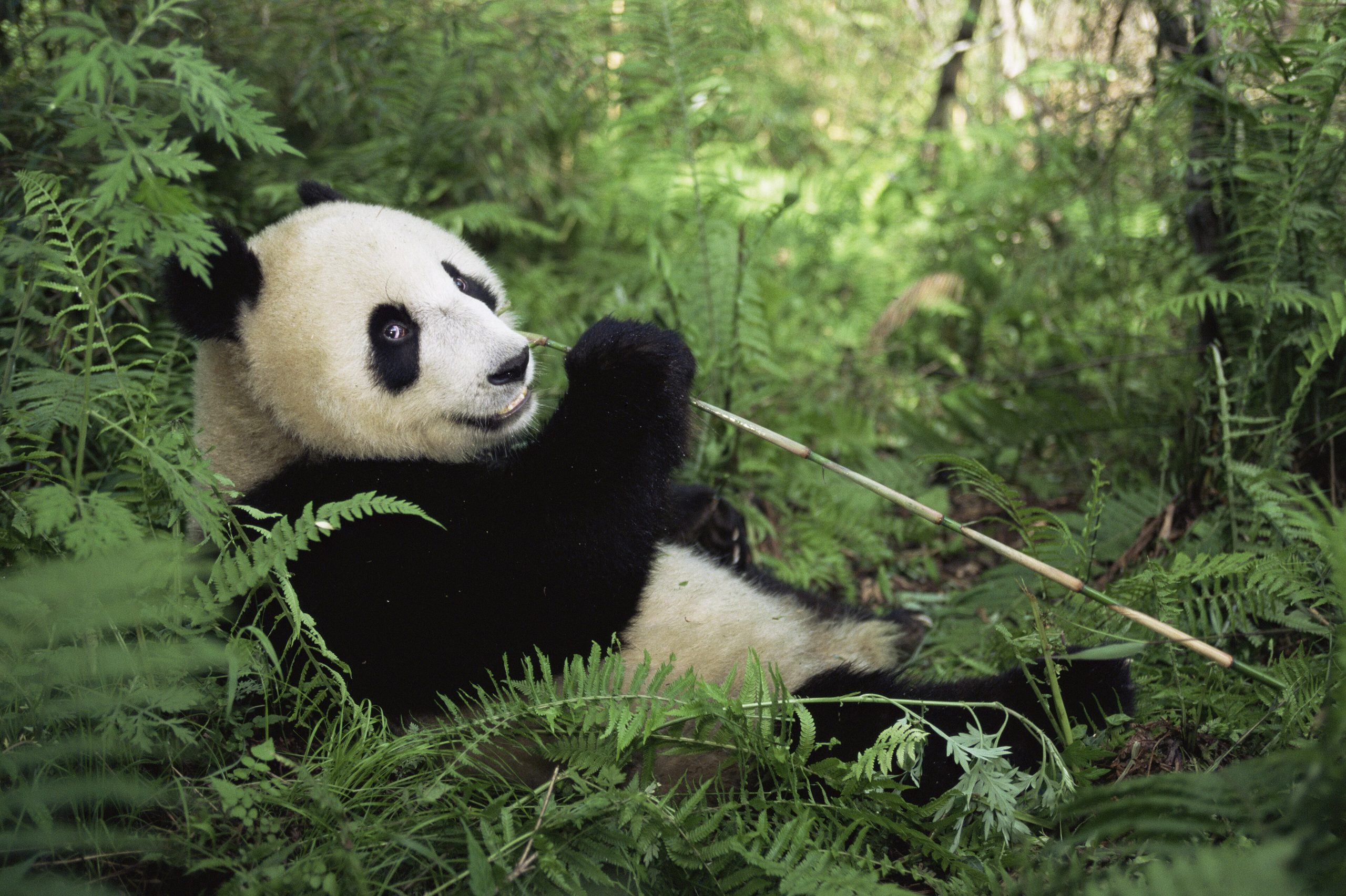
ToggleFew travel experiences are as universally joy-inducing as watching a giant panda tumble about munching bamboo — and China is the only place on earth to do it. These beloved black-and-white bears are the country’s national treasure, and seeing them in person is a highlight of countless China trips.
This guide covers exactly where to see giant pandas in China: the world-famous Chengdu Panda Base, the hands-on volunteer programs at Dujiangyan, the larger wild-feeling reserves of Sichuan, and the city zoos where you can see pandas without a detour — plus the best time to visit and the tips that guarantee an active, close-up encounter rather than a nap-watching session.
✈️ TripToGo Travel Deals
Get notified about great travel deals
Hand-picked flight, hotel and destination deals, straight to your inbox. No spam, unsubscribe anytime.
🎉 Thank you for subscribing!
You’re all set — the best travel deals are on their way.
Key Takeaways
- Best spot: the Chengdu Panda Base — go early for the active morning feeding.
- Get close: volunteer for a day at Dujiangyan Panda Base.
- Wilder setting: the Wolong & Bifengxia reserves in Sichuan.
- No Sichuan? See pandas at Beijing, Chongqing or Shanghai zoos.
- Timing: cooler months + early morning = the most active pandas.
Seeing Pandas in China at a Glance
Your options for a panda encounter.
| Option | Best for |
|---|---|
| Chengdu Panda Base | The classic, easy panda visit |
| Dujiangyan volunteering | Hands-on, up-close time with pandas |
| Wolong / Bifengxia | A wilder, quieter setting |
| City zoos (Beijing etc.) | Seeing pandas without a Sichuan detour |
| Best time | Cooler months, early morning |
The Best Place: Chengdu
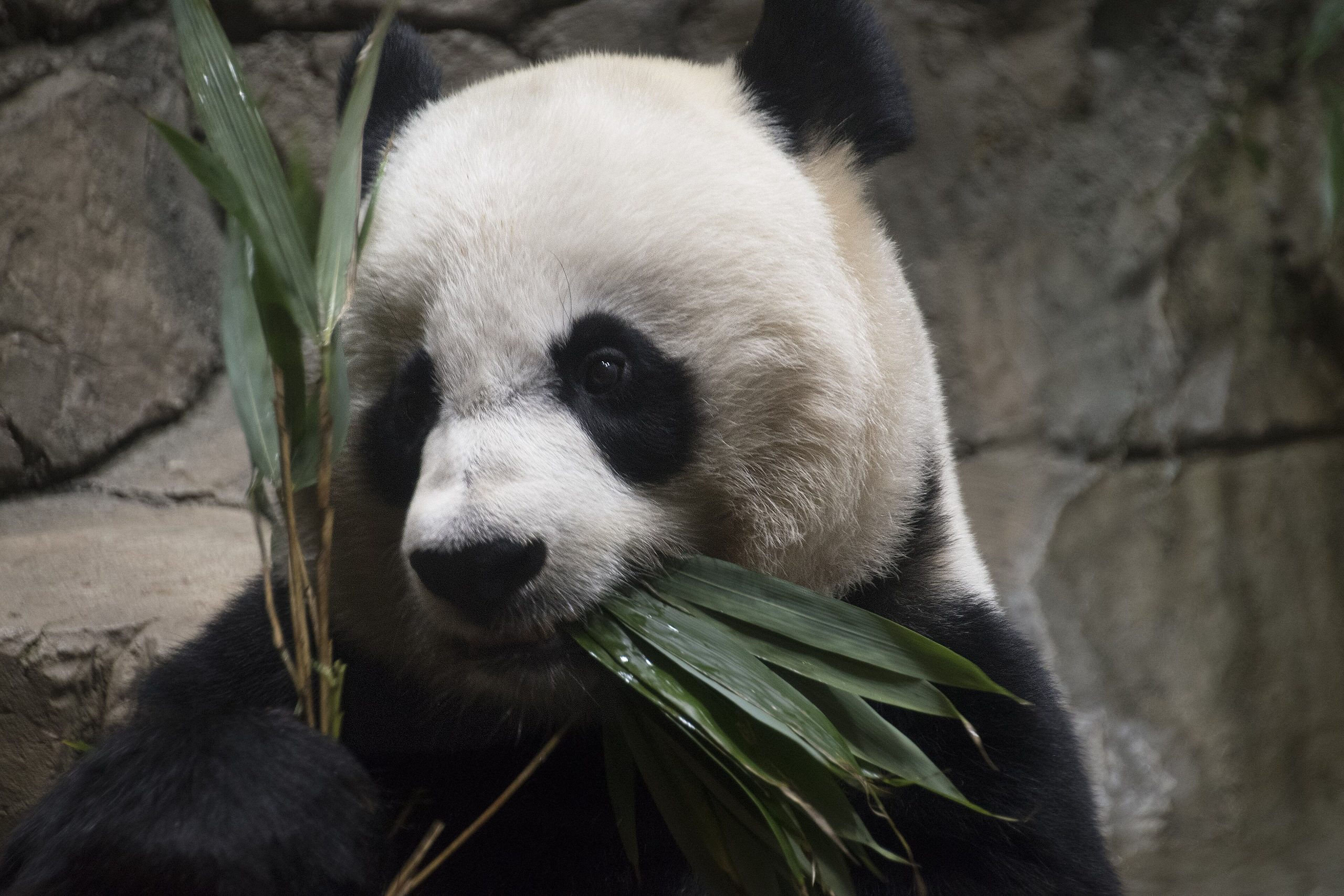
If seeing giant pandas is on your China bucket list, the answer is simple: go to Chengdu, the capital of Sichuan province and the undisputed panda capital of the world. The famous Chengdu Research Base of Giant Panda Breeding (the “Chengdu Panda Base”), just outside the city, is home to dozens of pandas of all ages, including an adorable nursery of cubs.
The golden rule is to arrive at opening time in the morning. Pandas are most active around their morning feeding (roughly 8:30–10am), munching bamboo and clambering about — by midday, especially when it’s warm, they tend to flop down and sleep. Get there early and you’ll see them at their playful best.
Get Closer: Dujiangyan & Volunteer Programs
To go beyond watching from a distance, head to the Dujiangyan Panda Base (Panda Valley), about an hour from Chengdu. It runs popular volunteer programs where, for a day, you help care for the pandas — preparing food, cleaning enclosures and getting far closer to them than at a normal viewing.
- Volunteer for a day to feed and care for pandas up close — the most hands-on experience available.
- Note that direct panda-holding photos have largely been phased out for the animals’ welfare, so treat any “hold a panda” promises with caution.
- Book volunteer spots well in advance — places are limited and fill up.
It’s a genuinely memorable, ethical way to spend real time with pandas rather than just filing past them.
Bigger, Wilder Reserves in Sichuan
For a more natural setting, Sichuan has larger reserves in the mountains where pandas roam bigger, greener enclosures:
- Wolong National Nature Reserve — a large, mountainous panda reserve a few hours from Chengdu, set in beautiful scenery.
- Bifengxia Panda Base — a sprawling, forested base near Ya’an, more spread out and less crowded than the Chengdu Base.
These take more time to reach but reward you with a wilder, quieter panda experience away from the tour-bus crowds.
Planning your panda trip?
Our partner Voyada’s trip planning AI builds a day-by-day plan with flights, hotels and a real total cost for your dates — in about a minute, free.
Plan trip with AI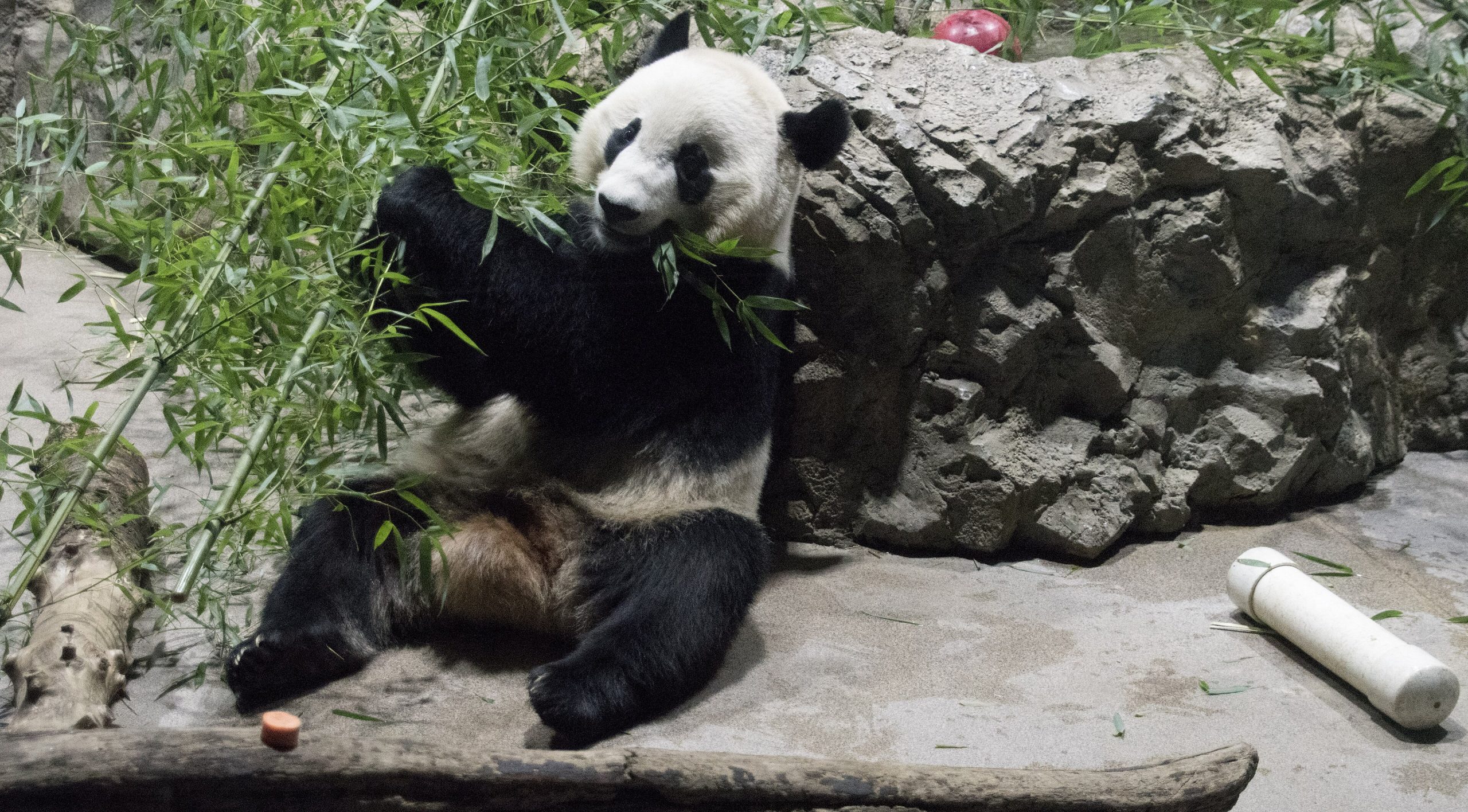
See Pandas Without Going to Sichuan
For most travellers, Sichuan is the place to meet pandas — but if your itinerary never reaches Chengdu, you can still see them in zoos and parks across China. Here are the best options city by city:
Beijing Zoo
The capital’s historic zoo (founded in 1906) keeps a group of giant pandas in a dedicated Panda House, making it the easiest add-on if your China trip centres on Beijing rather than Sichuan. It’s central and cheap to reach on Metro Line 4 (Beijing Zoo station). You won’t get the scale or the cubs of Chengdu, but you’ll still see pandas up close between the Forbidden City and the Great Wall.
Chongqing Zoo
Chongqing has one of the largest panda groups of any Chinese zoo — more than 20 — and is a natural stop for anyone starting or ending a Yangtze River cruise. It’s a short metro ride from downtown (Line 2 to Yangjiaping). For cruise passengers who won’t reach Chengdu, it’s the most convenient serious panda fix in the region.
Shanghai: Zoo & Wild Animal Park
Shanghai offers two options. Shanghai Zoo, near Hongqiao Airport (Metro Line 10), keeps a couple of pandas in landscaped grounds — handy for a half-day. Out east near Pudong Airport, the safari-style Shanghai Wild Animal Park has a larger group and a more spacious, drive-and-walk setting. Either works well tacked onto a city stay.
Hong Kong Ocean Park
Hong Kong’s big marine-and-rides park is home to giant pandas alongside its aquariums and coasters, which makes it a genuinely family-friendly way to see them without heading to the mainland interior. It’s easy to reach on the MTR’s South Island Line. Expect a theme-park day rather than a wildlife one.
Guangzhou Chimelong Safari Park
Chimelong, on the edge of Guangzhou, has one of the biggest panda groups outside Sichuan — including a famous set of triplets — within a vast safari park of exotic animals. It suits travellers in southern China or transiting Guangzhou, and pairs pandas with a full day of other wildlife.
Guilin Seven Star Park
If your route runs through Guilin for its famous karst scenery and the Li River, the zoo inside Seven Star Park keeps a small number of pandas in the middle of town. It’s a modest encounter rather than a destination in itself, but a nice bonus if you’re already there.
Can You See Wild Pandas?
Realistically, no. Wild giant pandas survive only in remote, protected mountain forests of Sichuan, Shaanxi and Gansu, they’re extremely elusive, and access is heavily restricted to protect them. Even researchers rarely spot them. For visitors, the research bases and reserves — where pandas live in spacious, semi-natural enclosures — are as close as it gets, and they’re wonderful.
Tips for the Best Panda Visit
Make the most of your panda day with these:
- Arrive at opening — the morning feeding window is when pandas are most active.
- Visit in cooler months — spring, autumn and winter; in summer heat pandas hide and sleep in shaded or air-conditioned dens.
- Don’t miss the cub nursery at the Chengdu Base — the highlight for most visitors.
- Look for red pandas too — the bases house these smaller, russet cousins, often roaming freely near the paths.
- Allow a half to full day and wear comfortable shoes — the bases are large and leafy.
Visiting the Chengdu Research Base
The Chengdu Research Base of Giant Panda Breeding is the most popular place in the world to see pandas — here’s how to do it well:
- Arrive at opening: get there for around 7:30–8am, when the pandas are fed and at their most active — by midday they’re usually asleep.
- Head to the nursery first: the baby pandas are the star attraction and draw the biggest crowds later in the day.
- Explore the whole base: a bamboo-shaped observation tower, red-panda enclosures, a panda museum and gardens fill an easy half-day.
- Getting there: it’s about 10km northeast of downtown Chengdu, reachable by taxi, or metro plus a shuttle.
The Best Time to See Pandas
Timing shapes how active — and how numerous — the pandas are:
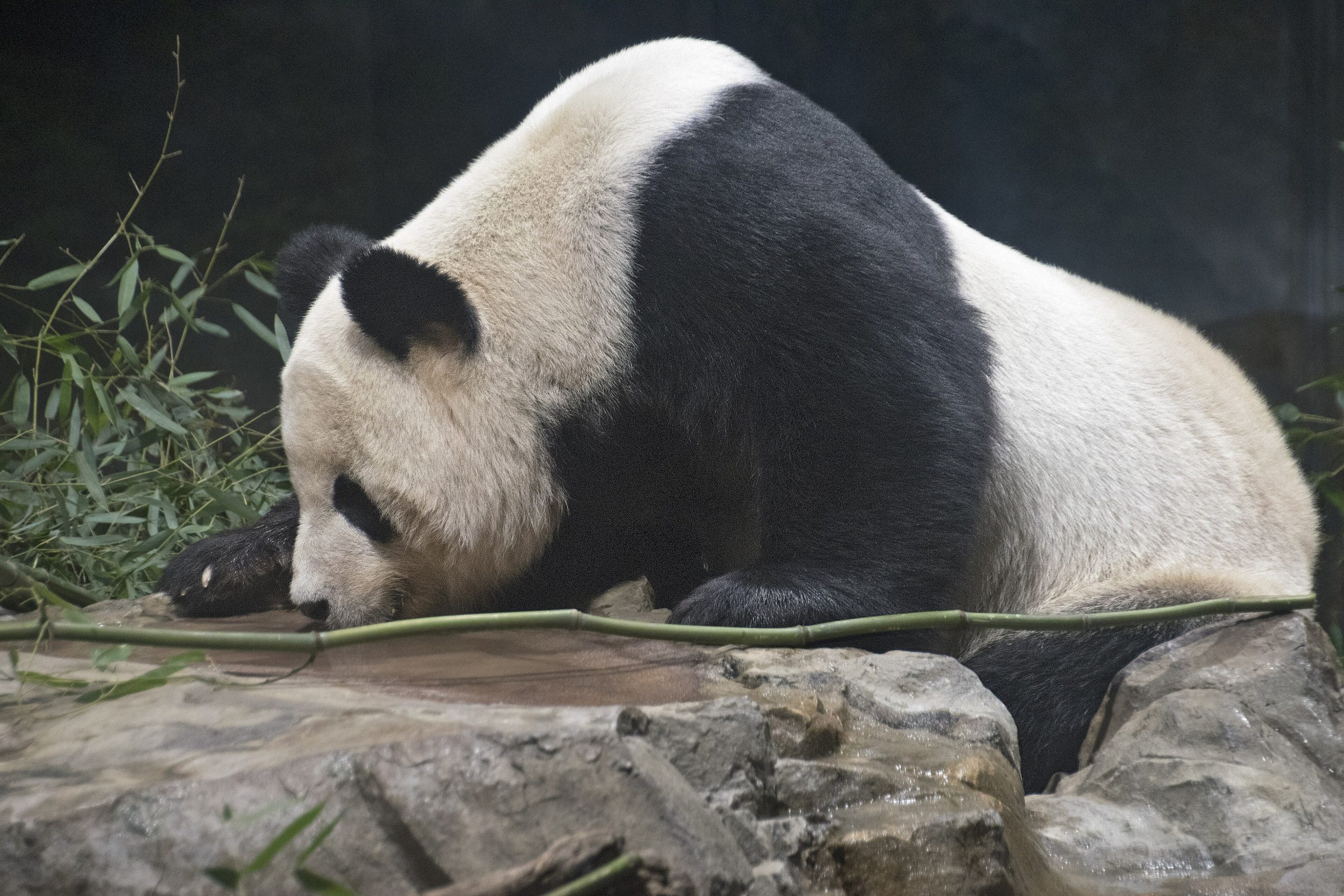
- Go in the morning: pandas eat and play early, then doze through the warm middle of the day.
- Spring and autumn bring the mildest weather; pandas are far less active in the summer heat.
- For the cubs: babies are born in late summer and are best seen in the nursery from autumn into winter.
- Avoid Chinese public holidays, when the bases are extremely crowded.
Getting There & Chengdu Beyond the Pandas
Make a proper trip of it — Chengdu is a wonderful city in its own right:
- Getting to Chengdu: the city has a major international airport and is on China’s high-speed rail network.
- Teahouse culture: linger over tea in a leafy park and try an ear-cleaning, a Chengdu institution.
- Food & old streets: feast on fiery Sichuan hotpot and wander the lantern-lit Jinli and Kuanzhai old streets.
- Day trips: pair the pandas with the giant Leshan Buddha or sacred Mount Emei.
The Panda Bases Near Chengdu, Compared
Chengdu is the springboard for five panda bases, each with a different character — from the big, easy city base to remote mountain reserves. Here’s how they stack up so you can pick the right one (or combine a couple):
Chengdu Research Base of Giant Panda Breeding
The famous one, 16km (about 30 minutes) northeast of the city on Panda Avenue. The Chengdu Research Base is home to the largest captive population — well over 100 giant pandas plus around 70 red pandas — and its nursery is the best place to see cubs. Entry is just 55 RMB (about US$8); reach it on Metro Line 3 to Panda Avenue plus a shuttle, or a 50 RMB taxi. Open roughly 7:30am–6pm. It’s the busiest base but the easiest, and ideal for first-timers. Allow 2–3 hours.
Dujiangyan Base (the volunteer base)
About 1–1.5 hours (62km) from Chengdu and reachable by high-speed train to Qingchengshan plus a local bus, this base of around 40 pandas is the home of the ‘panda keeper’ volunteer program. It’s far quieter than the city base and set in green countryside. Note that it is scheduled to close from 23 April 2026 for facility upgrades, so check the status before planning a visit or volunteer day.
Panda Valley (Dujiangyan)
A semi-wild re-wilding park about an hour from Chengdu, Panda Valley offers some of the closest viewing of giant and red pandas of any base, along easy, well-paved paths — and it’s far less crowded than Chengdu. You’ll mostly see adult pandas here (no nursery), so pair it with the city base if cubs are a priority. Around two hours is plenty.
Wolong Shenshuping Base
Roughly two hours (100km) from Chengdu at 1,700m in the mountains, the Shenshuping base sits inside the UNESCO-listed Wolong reserve and is the most scenic, with mother-and-cub pairs and crisp mountain air. There’s no public transport, so you’ll need a private car or an organised tour, and facilities are limited — bring your own lunch or book a trip that includes it. Best for spectacular surroundings and baby pandas.
Ya'an Bifengxia Base
The furthest and quietest of the five, 150km+ (2.5–3 hours) away, with 40-plus pandas spread through a forested gorge of waterfalls. It takes the most effort to reach — high-speed rail to Ya’an then a taxi and an internal shuttle — and can occasionally close after heavy rain, but you’ll often have enclosures to yourself. The ticket is around 100 RMB including the internal bus, and it’s the base for longer, 1–2 week volunteer stays.
All five charge very little to enter, and none of them — despite the myth — lets you hug or hold a panda.
The Panda Volunteer Experience: What to Expect
Getting behind the scenes as a ‘panda keeper for a day’ is a bucket-list experience, run at the Dujiangyan, Wolong and Ya’an Bifengxia bases (not the busy Chengdu city base). Here’s the reality:
- What you do: prepare bamboo and ‘panda cake’, clean enclosures and help with feeding, all under keeper supervision — and you earn a certificate at the end.
- Hours: a typical day runs from around 7am to 2:30pm.
- Cost: from roughly a few hundred RMB for a single day up to more for multi-day stays at Bifengxia; it’s often booked as part of a tour package.
- Who can do it: most programs take ages 6 to 70, subject to a basic health check.
- The rules: hugging and hand-feeding pandas are not allowed — the old ‘hold-a-cub’ photo is a thing of the past, for the animals’ health and safety.
- Heads-up: the Dujiangyan volunteer base closes for upgrades from April 2026, so confirm which bases are running before you book — the official research centre is the place to check.
When to See Baby Pandas
For many visitors the cubs are the whole point — and timing your trip right hugely improves your chances:
- Birth season: pandas are usually born in late summer, roughly July to September; newborns are tiny, pink and hairless and stay in the nursery.
- Best viewing window: from autumn (September to November) that year’s cubs are on show in the Chengdu base’s nursery — the single best place to see the youngest pandas.
- Year-round toddlers: even outside cub season you’ll usually see playful juveniles clambering about at most bases.
- Ask on the day: which enclosures have cubs changes constantly, so check with staff when you arrive.
Giant Panda Facts & Conservation
A little background makes the visit richer — and the pandas’ story is one of conservation’s rare success stories:
- How many are left: around 1,860 giant pandas survive in the wild, with 600-plus more in breeding centres and zoos worldwide.
- No longer ‘endangered’: after decades of protection, the giant panda was upgraded from Endangered to Vulnerable in 2016 — still at risk, but recovering.
- All about bamboo: pandas eat almost nothing else, getting through 12–38kg a day over as much as 14 hours, helped by a ‘pseudo-thumb’ wrist bone.
- Where they live: the misty mountain forests of Sichuan, Shaanxi and Gansu, including the UNESCO-listed Sichuan Giant Panda Sanctuaries around Wolong.
- Panda diplomacy: China owns virtually every panda on Earth; those living abroad are on loan and remain Chinese property.
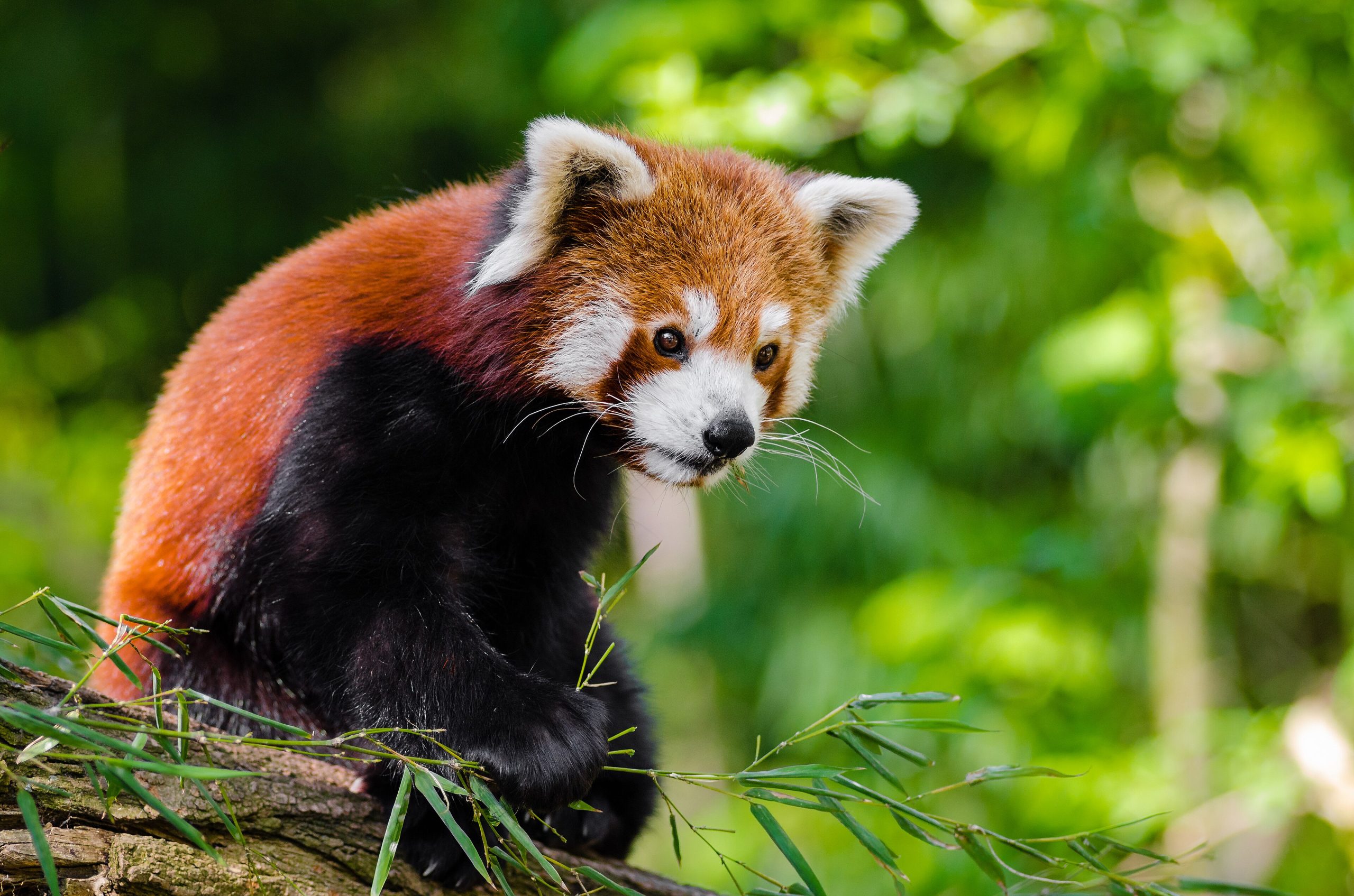
Red Pandas: The Base's Other Star
Don’t overlook the giant panda’s smaller, russet cousin — for many visitors the red pandas steal the show:
- Not closely related: the red panda is a small, raccoon-like animal in its own family, but it shares the giant panda’s bamboo diet and mountain home.
- Where to see them: most Sichuan bases have them — Chengdu keeps around 70, and Panda Valley lets you get especially close.
- More active: they’re nimble and playful, and often lively in the middle of the day when the giant pandas are napping — a perfect midday plan B.
- Also at risk: red pandas are endangered in the wild too, so seeing them is a real treat.
Panda-Base Etiquette: The Rules
Pandas are sensitive animals, and a few simple courtesies keep them calm and everyone’s view clear:
Ready to book China?
TripToGo runs 32 guided and independent trips in China, with dates, inclusions and prices on each one.
See China tours →- Keep quiet: lower your voice — loud noise stresses the pandas and sends them out of sight.
- No flash photography at any enclosure.
- Don’t feed, touch or try to hold the pandas; hand contact is banned to protect their health.
- Never tap the glass or throw anything into an enclosure.
- Share the view: arrive early, take your photos and move on so others can see.
- Stay on the paths and follow the keepers’ instructions.
Tours vs Visiting Independently
Whether you need a tour depends entirely on which base you choose:
- Chengdu base — easy solo: the metro-plus-shuttle or a cheap taxi gets you there, and you can buy tickets on arrival or online. No tour needed.
- Outlying bases — harder solo: Wolong and Bifengxia have little or no public transport, so a hired car or an organised day tour is the practical choice.
- What a tour buys you: early entry, door-to-door transport and a guide who knows which enclosures have cubs that day — genuinely worth it for the far bases and for volunteering.
- Going independent: it’s cheaper and more flexible, and the headline Chengdu base is simple enough that most people do it themselves.
- Either way: aim to arrive at opening time, when the pandas are most active.
How to Plan Your Panda Itinerary
However long you have, here’s how to fit the pandas in — and what to pair them with:
- Half a day: the Chengdu Research Base at opening (aim for 7:30–8am to catch the morning feed), two to three hours, and you’re back in the city for lunch.
- A full day: make a day trip to Dujiangyan — Panda Valley plus the 2,000-year-old irrigation works and Qingcheng Mountain nearby.
- Two days: add a quieter, wilder base such as Wolong or Bifengxia, or spend a day as a volunteer keeper.
- A bigger loop: combine the pandas with the Leshan Giant Buddha and sacred Mount Emei, both UNESCO-listed and an easy add-on south of Chengdu.
- Getting to Chengdu: fly into Tianfu or Shuangliu airports, or take the high-speed rail network from most major Chinese cities.
How Panda Conservation Works: Breeding & Re-wilding
The bases aren’t just tourist attractions — they’re working conservation centres, and understanding what they do makes a visit far more meaningful:
- Why captive breeding matters: pandas breed slowly and cubs are fragile, so centres like Chengdu and Wolong specialise in raising a healthy safety-net population.
- The twin trick: mothers often have twins but usually raise only one, so keepers hand-rear the other and quietly swap them back and forth — a technique that has dramatically improved cub survival.
- Re-wilding: the Wolong programme trains selected pandas in semi-wild enclosures (keepers even wear panda suits) before releasing them into protected forest to rebuild wild numbers.
- The payoff: decades of this work underpinned the 2016 reclassification from Endangered to Vulnerable.
- Where your money goes: entry tickets and volunteer fees at the official research bases help fund the science.
Is It Ethical to Visit the Panda Bases?
It’s a fair question — and the short answer is that visiting the reputable, official bases is a positive, not a problem:
- They’re research centres: the main bases exist to breed pandas and study their conservation, and visitor and volunteer income directly supports that work.
- Welfare has improved: hands-on cub-holding photos have been phased out, and the rules on noise, flash and feeding all exist to protect the animals.
- Choose well: stick to the official research bases (Chengdu, Dujiangyan, Wolong, Bifengxia), keep your distance and never pay anyone to let you touch a panda.
- The bigger picture: captive breeding is a means to an end — restoring wild populations — so responsible visits genuinely help rather than harm.
Pandas Around the World: Seeing Them Outside China
Can’t make it to Sichuan? A small number of pandas live abroad, though the line-up is always shifting:
- All on loan: because China owns virtually every panda, those overseas are lent as part of ‘panda diplomacy’ and returned when agreements end.
- Long-standing homes: major zoos in the United States, Japan and parts of Europe and Asia have hosted pandas for years, though several have recently gone back to China as loans expired.
- New arrivals too: fresh pairs periodically move to big-name zoos under renewed agreements, so a city that had none may gain them.
- Check before you go: panda residents change, so confirm your nearest zoo’s current status before travelling specifically to see them.
- Nothing quite compares: no zoo abroad matches Sichuan for sheer numbers, cubs and mountain setting — but it’s a lovely introduction.
The Story of the Chengdu Panda Base
The world’s most famous panda centre had humble beginnings. The Chengdu Research Base of Giant Panda Breeding was founded in 1987 with just six giant pandas rescued from the wild. Through pioneering breeding work it has grown its family to more than 200 pandas over the decades, without taking further animals from the wild. A major expansion opened in 2022, adding spacious new enclosures and green space, and today the base doubles as a beautifully landscaped park of lakes, bamboo groves and nurseries — the reason it tops almost everyone’s Chengdu itinerary.
What Else to See in Sichuan
The pandas are the headline, but Chengdu is the gateway to some of China’s finest scenery and culture — easy to fold into the same trip:
- Leshan Giant Buddha: the world’s largest stone Buddha, carved into a riverside cliff, an easy day trip south of Chengdu.
- Mount Emei: one of China’s four sacred Buddhist mountains, with cliff-top monasteries, misty forests and cheeky macaques.
- Jiuzhaigou & Huanglong: in northern Sichuan, a wonderland of turquoise lakes and terraced travertine pools — stunning in autumn (a flight or long drive away).
- Mount Qingcheng & Dujiangyan: a serene Taoist mountain beside a 2,000-year-old irrigation system, right next to the Dujiangyan panda bases.
- Chengdu itself: teahouses, the Jinli and Wide-and-Narrow alleys, tongue-numbing Sichuan hotpot and mapo tofu, and face-changing opera.
Where to Stay for a Panda Trip
You don’t need to sleep next to the pandas — a little planning makes the logistics easy:
- Stay central: downtown Chengdu is only 30–40 minutes from the base and far better for food, transport and sightseeing than the base’s outskirts.
- Best areas: around Tianfu Square, Chunxi Road or the Jinli / Wide-and-Narrow Alley district, all with easy metro access (Line 3 runs to the base).
- Early risers: if you want to be first through the gates, some visitors spend a night nearer the base, or in Dujiangyan when combining bases.
- Every budget: Chengdu runs from cheerful hostels to five-star towers and is inexpensive by big-city-China standards.
What to Pack for a Day at the Panda Base
A little preparation makes for a smoother, more comfortable visit:
- Comfortable walking shoes: the Chengdu base is large and hilly, with a lot of ground to cover (an electric cart shuttles between areas if you tire).
- Water, a snack, sun cream and a light rain layer: Sichuan is humid and often drizzly, whatever the forecast.
- Cash or a mobile-pay app: for tickets, the internal shuttle and snacks.
- A decent zoom on your camera or phone — pandas are often set back in leafy enclosures.
- Pick your day: go on a weekday and avoid Chinese public holidays if you can, when the base gets very busy.
Which Panda Base Is Right for You?
Short on time and can only pick one? Use this quick chooser:
- First-time visitors & cubs: the Chengdu Research Base — the biggest population, a nursery for babies and the easiest to reach.
- Closest views without the crowds: Panda Valley at Dujiangyan — near Chengdu, easy paths, giant and red pandas at close range.
- Volunteering as a keeper: Dujiangyan or Ya’an Bifengxia — hands-on programs and certificates (check Dujiangyan’s 2026 closure first).
- Mountain scenery & mother-and-cub pairs: Wolong Shenshuping — the most beautiful setting, best with a car or tour.
- Peace and quiet: Ya’an Bifengxia — the fewest crowds, if you don’t mind the extra travel.
Frequently Asked Questions
Where is the best place to see pandas in China?
The Chengdu Research Base of Giant Panda Breeding, just outside Chengdu in Sichuan province, is the best and most popular place — home to dozens of pandas including a cub nursery. Arrive at opening time, because pandas are most active during their morning feeding and tend to sleep once it warms up. It’s the classic, easy panda experience.
Can you hold a panda in China?
Generally not any more — direct panda-holding photo experiences have largely been phased out to protect the animals’ health and welfare, so be wary of any operator promising you can “hold a panda.” The closest you can ethically get is a volunteer program, such as at the Dujiangyan Panda Base, where you help feed and care for the pandas for a day.
When is the best time to see pandas?
Visit in the cooler months — spring, autumn and winter — and always arrive at opening time. Pandas are most active around their morning feeding (roughly 8:30 to 10am), clambering about and eating bamboo. In summer heat they retreat to shaded or air-conditioned dens and sleep, so a hot midday visit often means watching snoozing pandas rather than playful ones.
Can you see pandas outside of Chengdu?
Yes. If your trip doesn’t pass through Sichuan, you can see giant pandas at several major city zoos, including Beijing Zoo, Chongqing Zoo and Shanghai. They won’t match the scale of the Chengdu Base, but they’re a convenient alternative if pandas are a priority and you’re sticking to China’s big hub cities.
Can you see wild pandas in China?
Realistically, no. Wild giant pandas live only in remote, protected mountain forests of Sichuan, Shaanxi and Gansu; they’re extremely elusive and access is heavily restricted to protect them, so even researchers rarely see one. For visitors, the research bases and reserves — where pandas live in large, semi-natural enclosures — are as close as you can realistically get.
How long do you need at the panda base?
Allow half a day to a full day at the Chengdu Panda Base. It’s a large, leafy park with multiple enclosures, a cub nursery and red pandas too, and there’s plenty of walking between viewing areas. Arriving at opening and spending the morning there lets you catch the pandas at their most active before the midday heat and crowds build.
What is the best place to see pandas in China?
Chengdu in Sichuan is the best base — the Chengdu Research Base of Giant Panda Breeding, just outside the city, is the most popular and accessible. For a quieter experience, the Dujiangyan Panda Base is a little further out, and volunteer programmes there let you get closer to the animals.
What is the best time of day to see pandas?
Early morning, soon after the bases open, is by far the best time. Pandas are fed and most active between roughly 8 and 10am, then spend the warmer middle of the day sleeping. Arriving at opening also means beating the biggest crowds at the popular nursery enclosures.
How much does it cost to visit the Chengdu Panda Base?
Entry to the Chengdu Research Base is just 55 RMB (about US$8), one of the best-value big attractions in China. An optional internal shuttle bus costs a little extra, and a taxi from the city runs around 50 RMB each way. You can buy tickets on arrival or online in advance; children and seniors get discounts. For the rest of your budget, our breakdown of how much a trip to China costs covers hotels, food and high-speed rail.
Can you volunteer with pandas in China?
Yes. The Dujiangyan, Wolong and Ya’an Bifengxia bases run ‘panda keeper’ programs where you prepare food, clean enclosures and help feed under supervision, finishing with a certificate. Days typically run from about 7am to 2:30pm and cost from a few hundred RMB. Hugging and hand-feeding are not allowed. Note that Dujiangyan’s volunteer base is closing for upgrades from April 2026, so check which bases are operating before you book.
When can you see baby pandas at the panda base?
Giant pandas are usually born between July and September, so the best time to see cubs is from autumn onward, when that year’s babies are on display in the Chengdu base’s nursery. Playful juveniles can be seen year-round at most bases, but for the tiniest newborns, plan a September-to-November visit and ask staff which enclosures have cubs that day.
Are giant pandas still endangered?
Not officially — after decades of conservation work the giant panda was reclassified from Endangered to Vulnerable in 2016, with around 1,860 now living in the wild. It’s a genuine success story, though the species still faces threats from habitat loss and fragmentation, which is why the breeding bases and protected reserves remain so important.
Do you need a tour to see the pandas?
Not for the Chengdu base — it’s easy to reach independently by metro and shuttle or by taxi, and you can buy tickets on the spot. For the outlying bases like Wolong and Bifengxia, which have little public transport, a hired car or an organised day tour is the practical way to go, and a guide can point you to the enclosures with cubs.
How many pandas are at the Chengdu Panda Base?
The Chengdu Research Base is home to the world’s largest captive population — well over 100 giant pandas, plus around 70 red pandas — all descended from six animals rescued in the 1980s. The exact number changes as cubs are born and pandas move between centres, but you’ll always see plenty across its enclosures and nurseries.
Can you see pandas around the world outside China?
Yes, a limited number of pandas live in major zoos abroad on loan from China, from the United States to Japan and parts of Europe. However, the roster changes often as loans begin and end, so several have recently returned to China while new pairs have arrived elsewhere. If you’re travelling specifically to see them, check the zoo’s current status first — and know that nowhere abroad rivals Sichuan.
Meeting China’s National Treasure
Seeing a giant panda in the flesh — whether it’s a cub tumbling in the nursery or an adult contentedly demolishing a pile of bamboo — is one of those simple travel joys that lives up to every expectation. Base yourself in Chengdu, get to the panda base early, consider a volunteer day for real closeness, and time your visit for the cooler months. Do that, and you’ll come away with the panda encounter you came to China for.
Before you go: turn this guide into a day-by-day plan. Our partner Voyada is a free itinerary creator that builds the trip with flights, hotels and a real total cost for your dates — in about a minute.
Build a travel itinerary →