
Table of Contents
ToggleThe best time to visit Phuket is November to April, when the Andaman Sea is calm, rainfall is minimal, and sunshine is virtually guaranteed. November and December hit the sweet spot — dry season conditions without the Christmas and New Year price surges. Avoid June to October if you want reliable beach weather, as the southwest monsoon brings heavy rain and rough seas to Phuket’s west coast beaches.
The best time to visit Phuket is November through April, when the Andaman Sea is calm and skies are reliably clear. The monsoon season (May–October) brings heavy rain and rough seas to the west coast — though also prices 30–50% lower and a dramatically less crowded island. Phuket’s east coast stays more sheltered year-round, making it a viable wet-season alternative. For official, up-to-date visitor information, see Tourism Thailand, the official site.
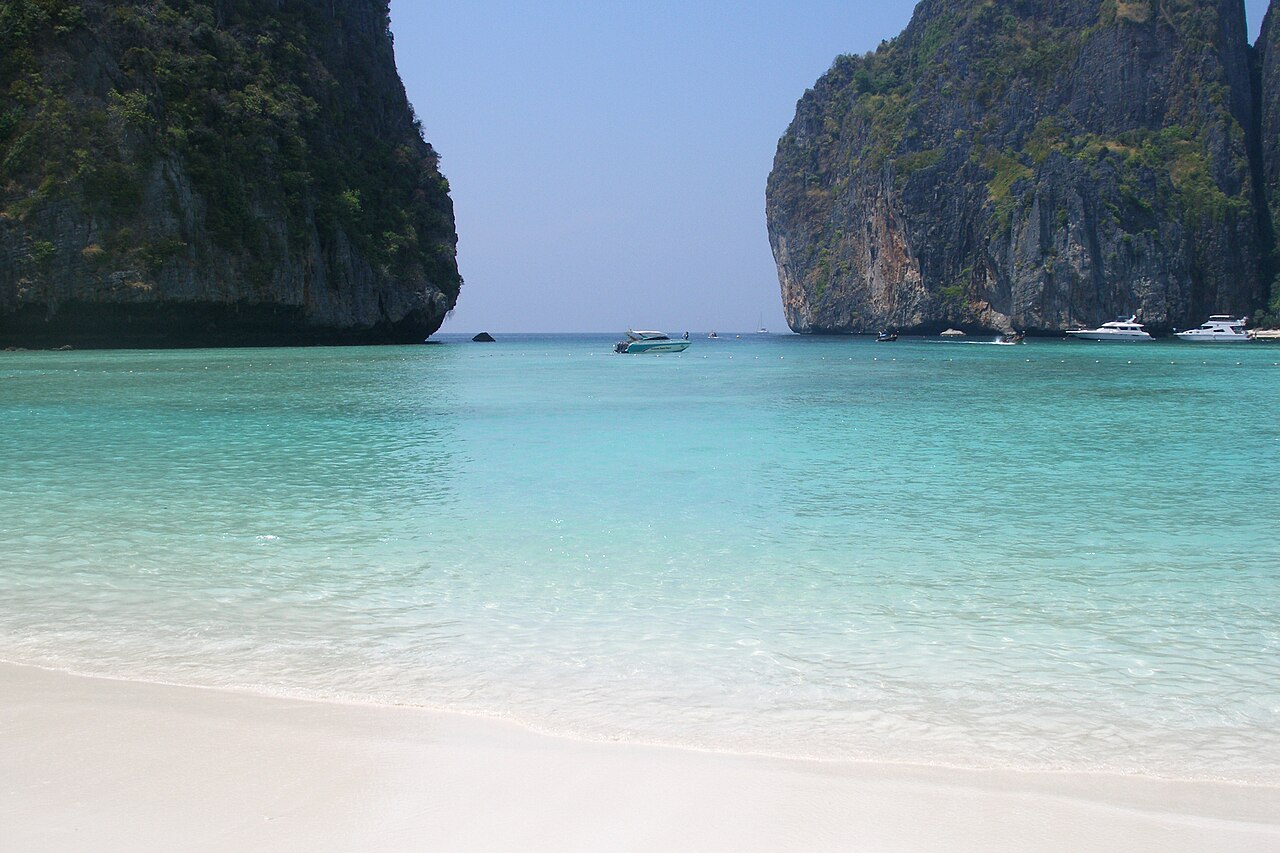
Are you planning a trip to Phuket or later? Knowing the best time to go is key to a great vacation. Whether you want sun or adventure, timing is everything. A bit of planning can make your trip unforgettable.
Phuket Month-by-Month Weather Guide
Phuket sits on the Andaman Sea’s east coast and is governed by the southwest monsoon. This means the island has a clear dry season (November to April) and a wet season (May to October), with significant variation within each period.
| Month | Avg High | Rainfall (mm) | Sea Conditions | Crowd Level | Verdict |
|---|---|---|---|---|---|
| November | 32°C | 90mm | Calming — safe swimming by mid-month | Low-Medium | Excellent value, dry season starting |
| December | 32°C | 55mm | Calm, clear | Very High (Christmas) | Best weather, highest prices |
| January | 32°C | 30mm | Calm, excellent visibility | High | Peak season — book ahead |
| February | 33°C | 25mm | Calm, crystal clear | Medium-High | Best overall month — excellent weather, manageable crowds |
| March | 34°C | 40mm | Still good, some wind | Medium | Good choice, temperatures rising |
| April | 35°C | 75mm | Mostly good, occasional rough days | Medium (Songkran holiday) | Hot but viable; Songkran festival Apr 13-15 |
| May | 34°C | 210mm | Rough — red flag days increasing | Low | Monsoon beginning — prices drop 40% |
| June | 33°C | 235mm | Often rough on west coast beaches | Low | Wet season — east coast beaches (Pattaya Bay) can be OK |
| July | 33°C | 220mm | Rough, red flags frequent | Low | Avoid west coast beaches |
| August | 33°C | 220mm | Rough on west coast | Low-Medium | East coast alternatives possible |
| September | 32°C | 275mm | Roughest month — strong swells | Very Low | Wettest month — only for budget travelers who don’t swim |
| October | 31°C | 220mm | Still rough, improving late month | Low | Wet season ending — prices at lowest |
Data: approximate averages for Phuket’s west coast beaches (Patong, Kata, Karon). Phuket’s east coast (Phuket Town, Chalong Bay) is more sheltered during monsoon season.
Phuket vs Koh Samui: Which to Visit When?
The most important thing to understand about Thai island weather is that Phuket and Koh Samui have almost opposite monsoon seasons. This is because they sit on different coasts of the Thai peninsula:
- Phuket (Andaman Sea, west coast): dry November-April, wet May-October
- Koh Samui (Gulf of Thailand, east coast): dry February-August, wet October-January
Practical consequence: if you’re visiting Thailand between October and January, Koh Samui or Koh Tao are better choices than Phuket. In May-September, Phuket’s monsoon makes beach holidays unreliable, but the Gulf of Thailand islands are in their dry season. Smart Thailand travelers plan their island component based on time of year, not just preference.
Choosing the right time ensures you see the island’s turquoise waters at their best. Our travel tips will help you navigate the seasons like a pro. You deserve a trip that’s both smooth and thrilling.
Looking for festivals or quiet beach days? The right month makes all the difference. Let’s explore how to make your island adventure unforgettable. Discover the Andaman Sea’s secrets with our help.
✈️ TripToGo Travel Deals
Get notified about great travel deals
Hand-picked flight, hotel and destination deals, straight to your inbox. No spam, unsubscribe anytime.
🎉 Thank you for subscribing!
You’re all set — the best travel deals are on their way.
Key Takeaways
- The dry season runs from November through April.
- Monsoon rains typically peak in September and October.
- Peak travel months bring larger crowds and higher prices.
- Shoulder seasons offer a balance of price and weather.
- Water activities are safest during the calm dry season.
- Local festivals provide unique cultural experiences for visitors.
Phuket by Season at a Glance
The short answer in one table — then the month-by-month detail below.
| When | Weather | What you get |
|---|---|---|
| Nov–Feb | 27–31°C, dry, calm seas | Peak season — perfect swimming, every island trip running; highest prices, book months ahead |
| Mar–Apr | 30–36°C, hottest, seas still calm | Hot shoulder — great beach weather, Songkran water festival mid-April, prices easing |
| May–Oct | 28–32°C, monsoon showers | Low season — hotels 40–60 percent off and sunny mornings between bursts, but west-coast swimming turns dangerous |
| Mid-Oct–mid-Nov | 29–31°C, seas settling | The value sweet spot — weather flips back before peak pricing arrives |
Timing Facts Most Visitors Learn Too Late
The red flags are the whole story of low season: May–October rip currents on Patong, Kata and Karon claim lives every year. If you travel in monsoon, pick a hotel pool or the calmer east-coast spots on rough days — the discount is real, the risk is too.
The closures decide island-trip dates for you: the Similan Islands are open only mid-October to mid-May, and Maya Bay closes every August 1–September 30. If those are on your list, aim November–April — the full activity rundown is in our things to do in Phuket guide.
Monsoon rain is bursts, not curtains: outside the September–October peak, most wet-season days deliver a loud hour and then sunshine. September is the one month to genuinely avoid for beach plans.
Two festivals worth planning around: Songkran (April 13–15) turns the island into a nationwide water fight, and the Vegetarian Festival (late Sep/early Oct) fills Old Town with spectacular — and graphic — street processions. Comparing options? See Phuket vs Bangkok and the Thailand-wide timing guide. Official forecasts: Thai Meteorological Department.
Picked your window? Price the trip
Our partner Voyada’s travel planner AI builds your Phuket trip for those exact dates — flights, hotels, island days and a real total cost — in about a minute, free.
Plan a trip for me →Understanding Phuket's Tropical Climate
To plan a perfect trip to Phuket, it’s essential to grasp its tropical climate nuances. Phuket’s tropical climate divides the year into three distinct seasons. These are the Cool Season from November to February, the Hot Season from March to April, and the Monsoon Season from May to October. Understanding these seasons is key for making informed decisions about when to visit and what to expect during your stay.
Year-Round Temperature Patterns
Phuket’s temperature remains relatively warm throughout the year, with average temperatures ranging from 25°C to 35°C (77°F to 95°F). The Cool Season brings the most comfortable temperatures, making it ideal for outdoor activities and sightseeing. During the Summer Season, temperatures can soar, often reaching the mid-30s Celsius. The Monsoon Season sees a slight drop in temperature due to the rain, but the humidity remains high.
The temperature patterns in Phuket are influenced by its geographical location and the surrounding waters. The Andaman Sea plays a significant role in moderating the temperatures, keeping them relatively stable throughout the year.
Humidity Levels Throughout the Year
Humidity is a significant factor in Phuket’s climate, with levels often reaching above 80% during the Monsoon Season. The Summer Season also experiences high humidity, though it’s slightly lower than during the monsoon months. The Cool Season offers the most comfortable humidity levels, making it a favorite among tourists.
Understanding the humidity levels can help you prepare for your trip. Whether it’s packing appropriate clothing or planning indoor activities during the most humid parts of the day, it’s essential.
Monsoon Season Explained
The Monsoon Season, which runs from May to October, is characterized by heavy rainfall and rough seas. While it might deter some travelers, this season has its advantages. These include fewer tourists and lower prices for accommodations and tourist services.
The monsoon rains can be intense but are often followed by sunshine, making the landscapes lush and green. It’s a good time for those who prefer fewer crowds and are looking for a more relaxed atmosphere.
The High Season: November to February
Phuket becomes a vibrant tourist destination from November to February. This period offers pleasant weather, cooler temperatures, and low humidity. It’s the best time for various activities.
Weather Conditions During Peak Months
Phuket enjoys dry and sunny weather during the peak months. Temperatures range from 24°C to 32°C (75°F to 90°F). The humidity is low, making outdoor activities like beach hopping and snorkeling comfortable.
The clear skies and calm seas are perfect for water sports. It’s also an excellent time for sunset viewing and photography, with clear views.
Tourist Crowds and Atmosphere
The high season in Phuket is bustling with large crowds and a vibrant atmosphere. Popular beaches like Patong, Kata, and Karon are filled with tourists. They offer a lively and energetic vibe.
The tourist infrastructure is fully operational during this time. Numerous events, festivals, and activities take place throughout the island. It’s an exciting time to visit, with something always happening.
Pricing and Accommodation Availability
Prices for accommodations tend to be higher during the peak season. It’s wise to book in advance to secure the best rates and preferred accommodations.
Availability of rooms and tour packages can be limited. Planning ahead is essential. Despite this, there are options for all budgets, from luxury resorts to budget-friendly bungalows.
Shoulder Season: March to April
March and April are the shoulder months in Phuket, with temperatures rising and occasional rain. This makes it perfect for those seeking a calmer vibe. The island, now less crowded, offers a unique chance to see its beauty without the usual tourist rush.
Temperature and Weather Expectations
In March and April, Phuket’s temperatures soar into the mid-30s Celsius, around 95°F. Rain showers do occur, but they’re brief, leaving ample sunshine. Travelers often find the weather warm and inviting, ideal for those who love tropical climates without the peak season crowds.
Humidity levels rise, making the heat more noticeable. Yet, the ocean remains warm, perfect for water sports and beach lounging.
Advantages of Visiting in Spring
Spring in Phuket offers several benefits. The crowds are smaller, allowing for a more serene visit to popular spots. Prices for accommodations and services also tend to be lower, providing better value.
The island’s natural beauty shines during this time, with lush greenery and blooming flowers adding to the scenery.
Songkran Festival Considerations
March and April are culturally significant, with the Songkran water festival in mid-April. This festive period brings water fights and celebrations across the island. It’s a fun, refreshing experience but can also mean more tourists and crowded areas.
“Songkran is not just a festival; it’s a way of life in Thailand during those few days. It’s a time for renewal, cleansing, and joy. Visitors are welcomed to participate, making it a memorable experience for those who are there,” said a local Phuket resident.
Visiting during Songkran can be a great way to immerse yourself in Thai culture. Yet, it’s wise to consider the crowds and possibly higher prices for accommodations and services.
The Low Season: May to October
Phuket’s low season, marked by the monsoon period, presents unique benefits for the flexible traveler. Despite the weather challenges, knowing what to anticipate can greatly enhance your Phuket experience during this time.
Monsoon Reality vs Perception
The monsoon season in Phuket is often misconceived. While it’s true that rainfall increases, the island isn’t constantly wet.
Rain showers are intense but brief, allowing ample time for exploration and outdoor activities.
Benefits of Off-Peak Travel
Traveling to Phuket during the off-peak season offers several advantages. One major benefit is the lower costs for accommodations and tourist activities.
The island’s relaxed atmosphere, devoid of crowds, makes it easier to explore popular spots.
What to Expect from Rainy Season
During the rainy season, some businesses and tourist facilities might close or operate on reduced hours.
Yet, this is also a time when Phuket’s lush landscapes are at their most vibrant. Visitors can revel in the beauty of the rainforests and witness the waterfalls at their peak, creating stunning scenery.
The low season in Phuket is more than just rain; it’s a chance to see the island in a new light. With the right approach and planning, travelers can enjoy a serene and cost-effective vacation.
Month-by-Month Weather Breakdown
Phuket’s climate changes a lot throughout the year. A month-by-month breakdown is essential for travelers. This detailed analysis will help you understand the weather patterns and plan your trip.
November Through January Conditions
The months from November to January are considered some of the best times to visit Phuket. The weather is cool and dry, with average highs of around 32°C (90°F) and comfortable nights. These months offer ideal conditions for outdoor activities such as snorkeling, diving, and island hopping.
The sea is calm, and the skies are generally clear, making it perfect for enjoying Phuket’s beautiful beaches and water sports. It’s also a peak tourist season, so you can expect a lively atmosphere and a wide range of events and festivals.
February Through April Conditions
February to April is another excellent period to visit Phuket. The weather remains pleasant, with temperatures gradually warming up. It’s a great time for swimming, sunbathing, and enjoying water activities.
March is one of Phuket’s driest, sunniest months and a strong all-round choice; the Vegetarian Festival people often ask about falls in the ninth lunar month instead, October 10-18 in 2026. April is a good time to enjoy the island before the onset of the monsoon season.
May Through July Conditions
The months from May to July mark the beginning of the monsoon season in Phuket. May marks the onset of the monsoon rather than its peak, with rising rainfall and increasingly rough seas—September is the genuinely wettest month. While this might not be ideal for water activities, it’s a good time for those looking for lower prices and fewer tourists.
The rain showers are often followed by sunshine, and the landscape becomes lush and green. It’s also a period when some businesses and tour operators might close or reduce their services due to the weather conditions.
August Through October Conditions
August to October is within the monsoon season, but the rain tends to decrease by October. The sea can be rough, and some islands might be closed due to bad weather.
For those who don’t mind the occasional rain shower, this can be a good time to enjoy indoor activities, spa treatments, and cultural experiences. The prices for accommodations and tours are generally lower, making it a budget-friendly option.
Understanding Phuket’s weather month by month can significantly enhance your travel experience. Whether you’re looking for the best time to enjoy the beaches or the off-season deals, being informed is key to making the most of your trip to Phuket.
Beach Activities and Water Sports by Season
The island’s beaches and water sports change with the seasons, providing a unique experience all year. Phuket’s diverse marine environment and varied weather make it key to pick the right time for your activities.
Best Months for Swimming and Snorkeling
The dry season, from November to April, is the best for swimming and snorkeling in Phuket. The sea is calm and clear, perfect for underwater exploration. January and February stand out for their pleasant weather and low rainfall.
During these months, Kata Beach and Karon Beach are ideal for swimming. Snorkeling trips to the Phi Phi Islands and other spots are also recommended. The clear waters and abundant marine life make it a great time to explore.
Diving Visibility Throughout the Year
Diving visibility in Phuket changes with the seasons. The best diving is from November to April, with peak visibility in February and March. During these months, the calm waters offer visibility up to 30 meters at sites like Racha Yai and Racha Noi.
The monsoon season, from May to October, reduces visibility due to sediment and plankton. Note that the Similan and Surin national parks shut completely for the monsoon (16 May–14 October), so wet-season diving means the year-round Racha and Phi Phi sites instead.
Water Sports and Sea Conditions
Phuket is famous for its water sports, including jet-skiing, parasailing, and windsurfing. The dry season offers the best conditions. The calm seas and consistent winds are perfect for enthusiasts.
Surfers find the monsoon season ideal, with larger waves on west coast beaches like Patong and Kata. But, the sea can be rough. Always check forecasts and safety advisories before going out.
Cultural Events and Festivals in Phuket
Phuket’s cultural calendar is a vibrant tapestry of events, reflecting the island’s rich heritage. It seamlessly blends traditional Thai celebrations with modern festivals. This makes Phuket an exciting destination for those who love culture.
“The beauty of Phuket’s cultural events lies in their ability to bring together locals and visitors in a celebration of tradition and community,” said a local Phuket resident.
Loy Krathong and Yi Peng
Loy Krathong is Phuket’s big November festival, when floating krathongs are released on the water; the sky-lantern Yi Peng festival often paired with it is a northern Lanna event centred on Chiang Mai, not Phuket. Loy Krathong is about releasing floating lanterns on water, symbolizing the release of negative thoughts and emotions. Yi Peng, the lantern festival, showcases sky lanterns released into the air, creating a breathtaking spectacle.
Vegetarian Festival
The Vegetarian Festival, celebrated in October, is a significant event in Phuket’s cultural calendar. It’s a nine-day festival for spiritual cleansing and purification, where participants abstain from meat and worldly desires. The festival is known for its elaborate processions and rituals.
Songkran Water Festival
The Songkran Water Festival, celebrated in April, marks the Thai New Year. It’s a time for renewal and cleansing, where water is poured on friends, family, and Buddha statues. The festival is a fun and refreshing way to experience Thai culture.
Chinese New Year Celebrations
Phuket’s Chinese New Year celebrations are a vibrant display of culture and tradition. The event, which usually takes place in January or February, includes parades, lion dances, and fireworks. It showcases the island’s rich Chinese heritage.
Budget Considerations for Different Seasons
The cost of a Phuket vacation can vary significantly based on the season, making it essential to plan ahead. Knowing these variations helps travelers make informed decisions about when to visit.
When planning a trip to Phuket, one of the main expenses is flights. Prices for flights to Phuket from the United States change throughout the year, mainly due to demand. Peak season (November to February) sees higher prices as tourists flock to warmer climates.
Flight Prices from the United States
To secure the best flight deals, consider traveling during the shoulder season. This period, from March to April or September to November, offers lower prices.
Accommodation Rate Fluctuations
Accommodation rates in Phuket also fluctuate. High season prices for hotels and resorts are at their peak. In contrast, the low season (May to October) often brings discounts, appealing to budget-conscious travelers.
Activity and Tour Pricing
The cost of activities and tours in Phuket also varies by season. Snorkeling and diving, for instance, may be pricier in high season due to better weather. Yet, other activities might be cheaper or have special promotions during off-peak times.
Understanding these budget considerations allows travelers to plan a more affordable and enjoyable Phuket vacation.
Crowd Levels and Tourism Patterns
Understanding Phuket’s tourism flow is essential for a stress-free vacation. The island’s fame as a tourist spot means crowd levels change a lot. This affects the travel experience significantly.
One traveler shared, “The best time to visit Phuket is when you prefer either a lively atmosphere or a peaceful retreat, depending on your travel style.” This shows how important crowd levels are when planning a trip.
Peak Season Congestion
From December to February, Phuket is packed with tourists. The demand for places to stay and things to do makes beaches and attractions crowded.
The peak season can be too much for some. Yet, for others, it’s what makes Phuket lively and appealing.
Quieter Months for Peaceful Travel
May to October is quieter, with fewer tourists. The rain of the monsoon season means a more relaxed vibe.
Travelers looking for peace will find it in Phuket during these months. They can enjoy lower prices and fewer crowds.
European vs Asian Tourist Seasons
Phuket draws tourists from different places, with different peak seasons. Europeans come in winter (November to February). Asians visit during their holidays and festivals.
“The diversity of tourists in Phuket creates a unique cultural experience, blending different traditions and celebrations throughout the year.”
This mix of cultures enriches Phuket, making it a captivating place for travelers worldwide.
Best Time to Visit Phuket for Different Traveler Types
Phuket caters to all, whether you’re traveling with family, solo, or on a romantic escape. Its climate and activities offer something for everyone. This makes it a versatile destination for various preferences.
Ideal Timing for Families with Children
Families seek a calm, sunny environment for outdoor fun. The dry season, from November to April, is perfect. It’s ideal for beach games and water sports.
December and January are top choices for families. School holidays make it a festive time. Yet, it’s also the busiest season, with more people and higher prices.
Best Months for Solo Travelers
Solo travelers want social spots and personal space. April and May are great for them. The island is less crowded, yet lively with bars and restaurants open.
The Full Moon Party on Haad Rin Beach, Koh Pha-ngan, is a big draw, but it sits on the Gulf coast — a flight or a full day of bus and ferry from Phuket, not a side trip. April is also good for water sports without the crowds.
Couples and Honeymoon Travelers
Couples, including honeymooners, prefer a romantic setting. November and December are ideal. The weather is pleasant, and there are fewer people.
For a quiet escape, visit in March or April. Many resorts offer deals, making it perfect for a romantic trip.
Budget Backpackers
Travelers on a budget should visit from May to October. The monsoon brings short rains and lush landscapes. It’s cheaper for accommodations and flights.
But, some places might be closed or have reduced hours. Plan ahead for the best experience.
Island Hopping and Day Trip Considerations
Phuket’s strategic location makes it a gateway to Thailand’s stunning islands. Island hopping and day trips are key aspects of the Phuket experience. They allow visitors to discover the surrounding islands and attractions.
The islands around Phuket boast natural wonders. They feature crystal-clear waters, white sandy beaches, and lush forests. The ideal time to visit these islands varies, influenced by weather and sea conditions.
Phi Phi Islands Accessibility
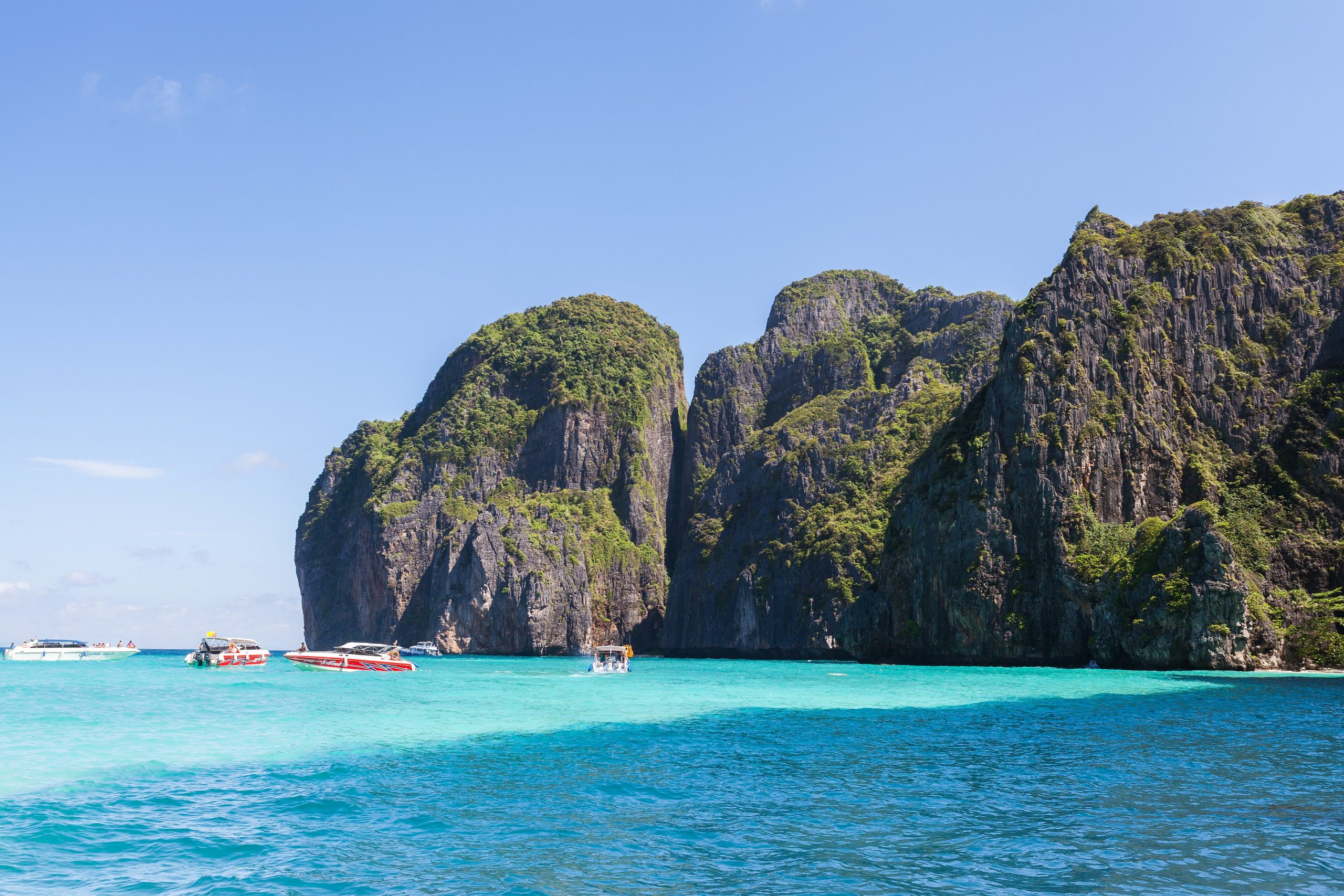
The Phi Phi Islands are a top choice for day trips from Phuket. They are celebrated for their breathtaking beaches, vibrant marine life, and dramatic cliffs. The dry season, from November to April, is the best time to visit. This period offers calm seas and pleasant weather.
Visitors can enjoy snorkeling, swimming, and exploring during this time. The Phi Phi Islands are reachable by ferry or speedboat from Phuket. Several tour operators provide day trips and island-hopping packages.
Similan Islands Season
The Similan Islands are a favorite for island hopping from Phuket. They are renowned for their clear waters and diverse marine life. The dry season, from November to April, is the best time to visit. It ensures calm seas and pleasant weather.
During this period, visitors can dive, snorkel, and explore the islands’ beautiful beaches. The Similan Islands are a protected area. This limits visitor numbers to preserve the environment.
James Bond Island and Phang Nga Bay
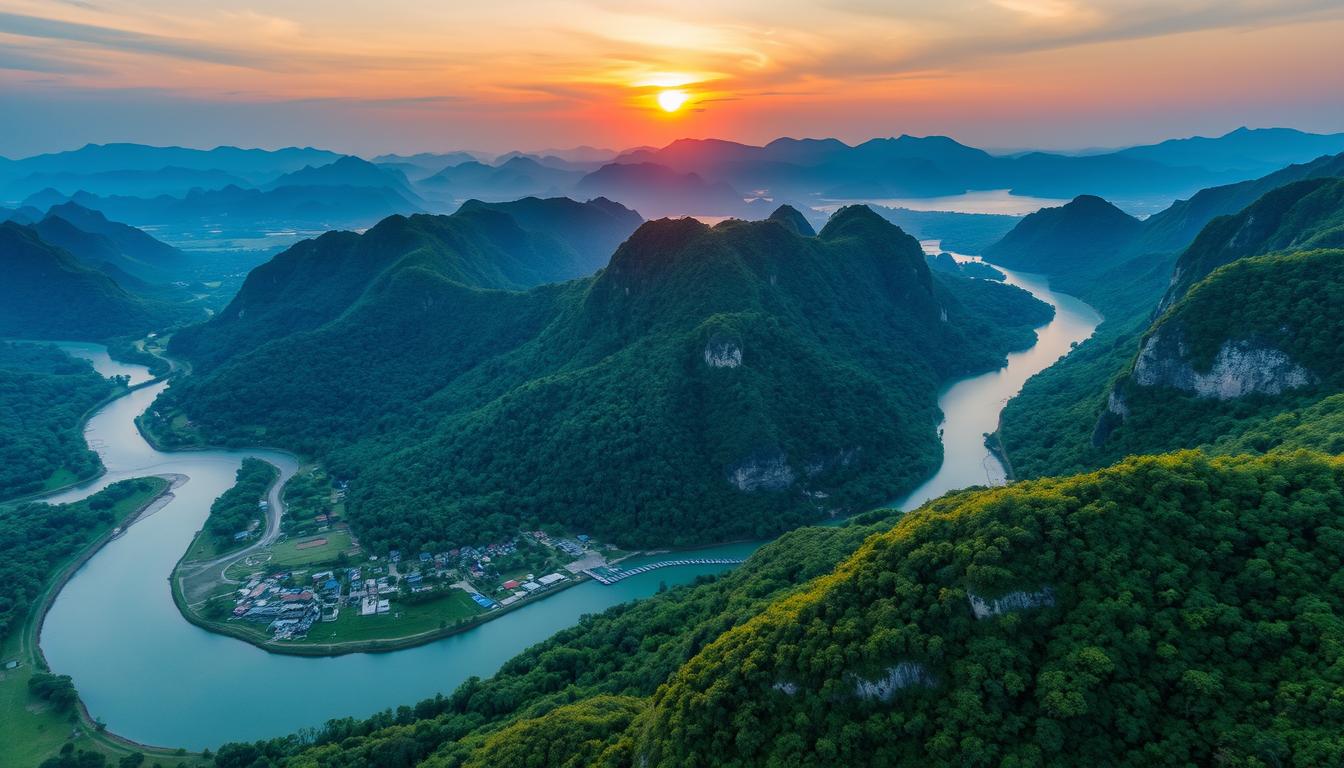
James Bond Island and Phang Nga Bay are famous for their breathtaking landscapes and iconic limestone karsts. Day trips from Phuket allow visitors to explore these attractions. Activities like kayaking and canoeing are available.
The dry season, from November to April, is the best time to visit. It offers pleasant weather and calm seas. This ensures a safer and more enjoyable experience with clearer views of the scenery.
Photography and Scenic Views by Season
Phuket’s weather varies from clear skies to intense monsoons, making it a photographer’s dream. Each season brings unique opportunities for capturing stunning images. From the golden sunrise to the dramatic monsoon storms, the island’s beauty is ever-changing.
Phuket’s landscape transforms with the seasons, attracting photographers worldwide. “The weather is so unpredictable, yet it creates the most breathtaking scenes,” notes a seasoned travel photographer. The island’s beaches, islands, and landscapes offer endless subjects for photography.
Clear Skies for Sunset Photography
The dry season, from November to April, is ideal for capturing clear skies and stunning sunsets. During these months, the lack of cloud cover offers unobstructed views of the horizon. This makes it perfect for photographers aiming to capture the golden hour.
The clear skies also highlight the vibrant colors of Phuket’s flora and fauna. With the right equipment and planning, photographers can capture breathtaking images during these favorable weather conditions.
Dramatic Monsoon Landscapes
The monsoon season, from May to October, brings a different kind of beauty to Phuket. Heavy rainfall and strong winds create dramatic landscapes, with lush greenery and swollen waterfalls.
While rain may deter some, it also offers unique and moody image opportunities. The overcast skies and misty atmosphere add mystery to the island’s landscapes, making for compelling photographs.
Golden Hour Lighting Conditions
The golden hour, occurring during the first and last hour of sunlight, is a favorite among photographers. In Phuket, this time offers soft, warm light that enhances the island’s natural beauty.
During the dry season, the golden hour is striking, with clear skies allowing for unobstructed views of the sun’s descent. Even in the monsoon season, the golden hour can be dramatic, with clouds adding depth and texture to images.
Health and Safety Considerations
Planning a trip to Phuket requires careful consideration of health and safety. The tropical climate and monsoon season present risks. Yet, being well-informed can help manage these challenges.
Protecting Yourself from the Sun
The sun in Phuket is intense, most so from November to February. Use broad-spectrum sunscreen with high SPF, wear light, skin-covering clothing, and carry a hat and sunglasses. Staying hydrated is key, so drink water all day.
Be aware of the sun’s peak hours, 10 am to 4 pm. Seek shade or indoor activities during this time if you can.
Staying Safe During the Monsoon Season
Phuket’s monsoon season, from May to October, brings heavy rain and strong winds. Stay updated with weather forecasts and warnings. Avoid travel during heavy rain and watch for flash flooding.
Never enter the water when a red flag is flying: 56 people drowned off Phuket’s beaches between 2024 and 2026, and Freedom Beach was closed outright in August 2026 after a fatality. Watch for venomous jellyfish too, which reach the west-coast beaches in the monsoon.
Seasonal Health Concerns
Phuket faces specific health concerns at different times. Mosquito-borne illnesses like dengue fever and Zika virus are present all year but increase in the rainy season.
To reduce risk, use insect repellent, wear protective clothing, and stay in screened or air-conditioned accommodations. Consult your healthcare provider about necessary vaccinations or medications before traveling.
Practical Travel Tips for Timing Your Visit
Choosing the right time to visit Phuket can greatly enhance your travel experience. Whether you seek a serene retreat or an exciting adventure, knowing the best times to go is key. This knowledge helps you maximize your trip’s enjoyment.
Booking in Advance vs Last Minute
Booking your trip to Phuket early can bring several advantages. You might find better deals on accommodations and flights. Yet, last-minute bookings can lead to savings if you’re open to different dates.
Whenever you book, remember the paperwork: since 1 May 2025 every foreign arrival must file the free Thailand Digital Arrival Card at tdac.immigration.go.th within 72 hours of landing, and from 15 September 2026 US passport holders get 30 days visa-exempt rather than 60. This ensures access to popular spots and activities.
Flexible Travel Dates Benefits
Being flexible with your travel dates can significantly affect your trip’s cost and quality. Traveling during the shoulder season (March to April, or late October into November) strikes a perfect balance between weather and affordability — skip September, the wettest month of the year.
In these periods, you can enjoy good weather without the crowds and high prices of peak season. Also, some tour operators and hotels offer discounts and promotions to attract visitors during the shoulder season.
Avoiding Major Holidays
Phuket, like many tourist spots, sees a surge in visitors during major holidays and festivals. While these events are exciting and culturally enriching, they also bring large crowds and higher prices.
To enjoy a more relaxed atmosphere, it’s wise to avoid major holidays like Songkran (Thai New Year) and the Vegetarian Festival. Instead, plan your visit during the quieter months for a more peaceful experience.
Length of Stay Recommendations
The ideal stay in Phuket varies based on your travel style and preferences. For a relaxing beach vacation, 7-10 days is usually enough to unwind and appreciate the island’s beauty.
If you’re keen on exploring Phuket’s surroundings, including day trips to Phi Phi Islands or Phang Nga Bay, consider staying for 10-14 days. This allows you to fully experience the best of Phuket and its neighboring islands.
Before you go: turn this guide into a day-by-day plan. Our partner Voyada is a free vacation planner that builds the route with flights, hotels and a real total cost for your dates — in about a minute.
Build a travel itinerary →Phuket's Andaman Seasons
Phuket’s weather swings hard with the Andaman monsoon — timing it right is the difference between calm turquoise seas and rough water.
- High/dry season (Nov–Apr): calm seas, sun and the best island-hopping — also the busiest and priciest.
- Green season (May–Oct): cheaper and lush with short downpours, but rougher seas — heed beach warning flags.
- Book islands and speedboats ahead (Phi Phi, Phang Nga Bay) in high season.
- Pick your base by beach: Patong for nightlife, Kata/Karon for families, Nai Harn for quiet.
- Take red flags seriously — monsoon rip currents are genuinely dangerous.
Phuket: Month-by-Month Guide
A quick month-by-month reference for planning — at a glance, when to go and what each month brings.
| Month | Verdict | What to expect |
|---|---|---|
| January | Peak | Dry with calm seas; ideal. |
| February | Peak | Dry; excellent. |
| March | Good | Hot; still dry. |
| April | Hot | Hottest; Songkran; humid. |
| May | Shoulder | Rains begin; the green season; cheaper. |
| June | Green | Wet; short downpours; low prices. |
| July | Green | Wet and lush, with some sun. |
| August | Low | Wet; low season; deals. |
| September | Wettest | Heaviest rain; rough seas; cheapest. |
| October | Shoulder | Rains easing. |
| November | Great | The dry season returns; Loy Krathong. |
| December | Peak | Dry and calm; ideal, with holiday crowds. |
Conclusion
Choosing the best time to visit Phuket involves considering several factors. These include weather preferences, budget, and personal interests. By weighing these elements, travelers can craft a trip that meets their needs, ensuring a memorable and enjoyable experience.
This guide has delved into Phuket’s tropical climate, cultural events, and activities across different seasons. Whether you seek a relaxing beach getaway, an action-packed adventure, or a cultural immersion, Phuket caters to all preferences year-round.
With the insights from these Phuket travel tips, you’re now ready to plan your visit during the most suitable time. This approach will help you maximize your experience and create lasting memories of this stunning island.
FAQ
When is the ideal season for Phuket visit to ensure the best beach weather?
What should I expect when traveling during the peak season in Phuket?
Are there any specific phuket travel tips for navigating the monsoon season?
What are the top months in Phuket for scuba diving and snorkeling?
How does the visiting Phuket climate affect the cost of a trip?
What is the best time to go to Phuket to experience local culture and festivals?
Is a phuket weather guide accurate enough to plan a wedding or major event?
Why should I consider the shoulder season instead of the traditional high season?
Is it safe to swim in Phuket during the monsoon season?
Often it is not, and this is the one thing to take seriously about low-season travel here. From May to October the south-west monsoon drives surf and rip currents onto the west coast beaches, and people drown every year, including strong swimmers who mistook a calm-looking gap in the waves for the safe spot. A red flag means swimming is prohibited, not merely discouraged; it is enforced, fines are possible, and lifeguards have died pulling out people who ignored it. Swim only where a lifeguard is on duty, stay between the flags, and never swim after drinking. If the flags are red, use the hotel pool, go inland for the day, or find a sheltered bay.
Where can you swim when the west coast beaches are rough?
Phuket’s geography helps here: the monsoon swell hits the west-facing beaches, while the eastern side of the island around Phuket Town and Chalong stays far more sheltered, which is why boat trips still leave from there in the wet months. Those east-coast bays are calm rather than classic swimming beaches, so treat them as somewhere to get out on the water instead of into the surf. Otherwise a hotel pool, a quieter southern cove on a settled day, or an inland trip to waterfalls and the Old Town all work. Whatever the forecast says, judge the water on the day by the flags on the beach in front of you rather than by the month.
Are there jellyfish in Phuket, and what should you do if you are stung?
Yes. Stings are most common in the monsoon months, when onshore winds push jellyfish towards the west coast beaches, and while most are painful rather than dangerous, box jellyfish do occur in Thai waters and can be serious. Get out of the water and keep the person still rather than walking it off, flood the sting with vinegar for at least thirty seconds, which many beaches keep in bottles at lifeguard posts, and lift away tentacles with tweezers rather than bare hands. Do not rub the area or rinse it with fresh water. Call the national emergency number, 1669, for severe pain, breathing difficulty, chest tightness or collapse.
Which is the worst month to visit Phuket?
September, on almost every measure. It is the wettest month of the year, the sea is at its roughest on the west coast, red flags are frequent, and some smaller businesses and boat services cut back or close. It is also the cheapest month, which is the trade-off: if you are coming for spas, food, the Old Town and low room rates rather than swimming and island trips, it can still be a good-value week. August and October are only marginally better for sea conditions, though October improves late in the month as the monsoon eases. For a beach-first trip, pay for the dry season instead.
How many days do you need in Phuket?
Most people find a week comfortable: two or three beach days, one or two boat trips, and time for the Old Town, a viewpoint and a spa afternoon without rushing. Three to five days is enough for the highlights if that is all you have, though one rough-sea or rainy day takes a bigger bite out of a short trip. Ten days to a fortnight makes sense if you want several island days or plan to pair Phuket with a quieter neighbour. In the monsoon months, build in a spare day or two, since boat trips are cancelled at short notice and rescheduling needs slack in the plan.
Do you need a visa and an arrival card for Thailand?
Many nationalities, including most Western passport holders, enter Thailand visa-free for tourism, but the length of that stay has been changing, so confirm the current allowance for your passport on the official Thai immigration pages shortly before you travel rather than relying on an older figure. Separately, every foreign arrival must complete the free Thailand Digital Arrival Card online within the three days before landing; it is not a visa and there is no charge, so treat any site that asks for a fee with suspicion. You also need at least six months of passport validity and, officially, proof of onward travel, both of which can be checked at the airport.
Do you need to worry about mosquitoes in Phuket?
Worry is too strong, but precautions are sensible. Dengue is present year-round in southern Thailand and cases rise during and after the rainy season, and the mosquito that carries it bites in daylight, so repellent in the morning and late afternoon matters more than a net at night. Use a repellent with a proven active ingredient, cover up at dusk, and choose a room with screens or air conditioning. There is no travel jab you can rely on, so bite avoidance is the whole strategy, and a fever with severe aches after your trip is worth mentioning to a doctor along with where you have been. Malaria is not a concern on the island itself.