
Table of Contents
ToggleThailand is famous for its culture, food, and beautiful landscapes. It draws millions of visitors each year. The country offers a mix of city life and beach relaxation, making it a great place to visit any time.
Choosing the right time to visit Thailand is key to a great trip. You might want to see Chiang Mai’s temples, Phuket’s beaches, or Bangkok’s nightlife. Knowing the seasonal changes in each area helps plan your trip.
Key Takeaways
- Understand the seasonal variations in Thailand to plan your trip
- Explore regional differences to make the most of your visit
- Get insights into the best activities and events happening throughout the year
- Learn how to pack and prepare for your trip based on the season
- Discover tips for making the most of your Thailand travel experience
Thailand's Climate Overview
Travelers need to know about Thailand’s climate. The country has a tropical climate with three seasons. These seasons change across different areas. The north and south have very different climates.
Tropical Climate Patterns
Thailand’s climate is always warm and humid. Two monsoons shape the weather: the southwest monsoon from May to October, and the northeast monsoon from November to February.
The weather in Thailand varies a lot. The temperature changes with the region. This makes it great for tourists, with lots of sunshine all year.
Three Main Seasons Explained
Thailand has three main seasons: cool, hot, and rainy. The cool season, from November to February, is the best time to visit. It’s comfortable and less humid.
The hot season, from March to May, is very warm and humid. The rainy season, from June to October, brings a lot of rain.
- Cool Season: Comfortable temperatures, ideal for outdoor activities and cultural events.
- Hot Season: High temperatures, perfect for beach vacations and water sports.
- Rainy Season: Significant rainfall, but a good time for fewer tourists and lower prices.
Regional Weather Variations
Thailand’s weather changes a lot by region. The southern islands have a steady tropical climate. The northern regions have a cooler season, with big temperature drops at night.
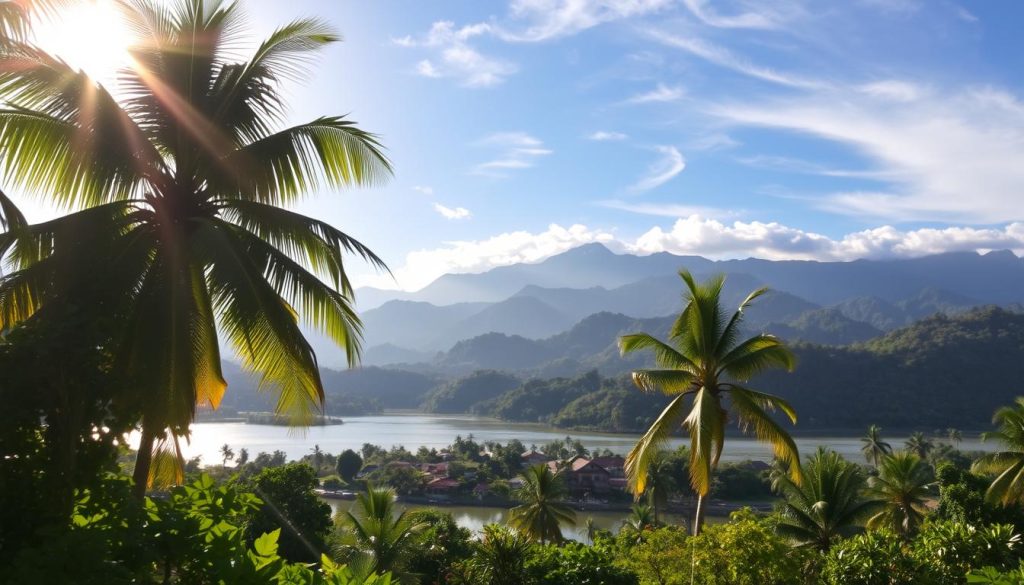
Knowing about regional weather is key for planning a trip to Thailand. It helps travelers pick the best time for their destinations. This makes their trip more enjoyable and comfortable.
Popular Thailand Itineraries
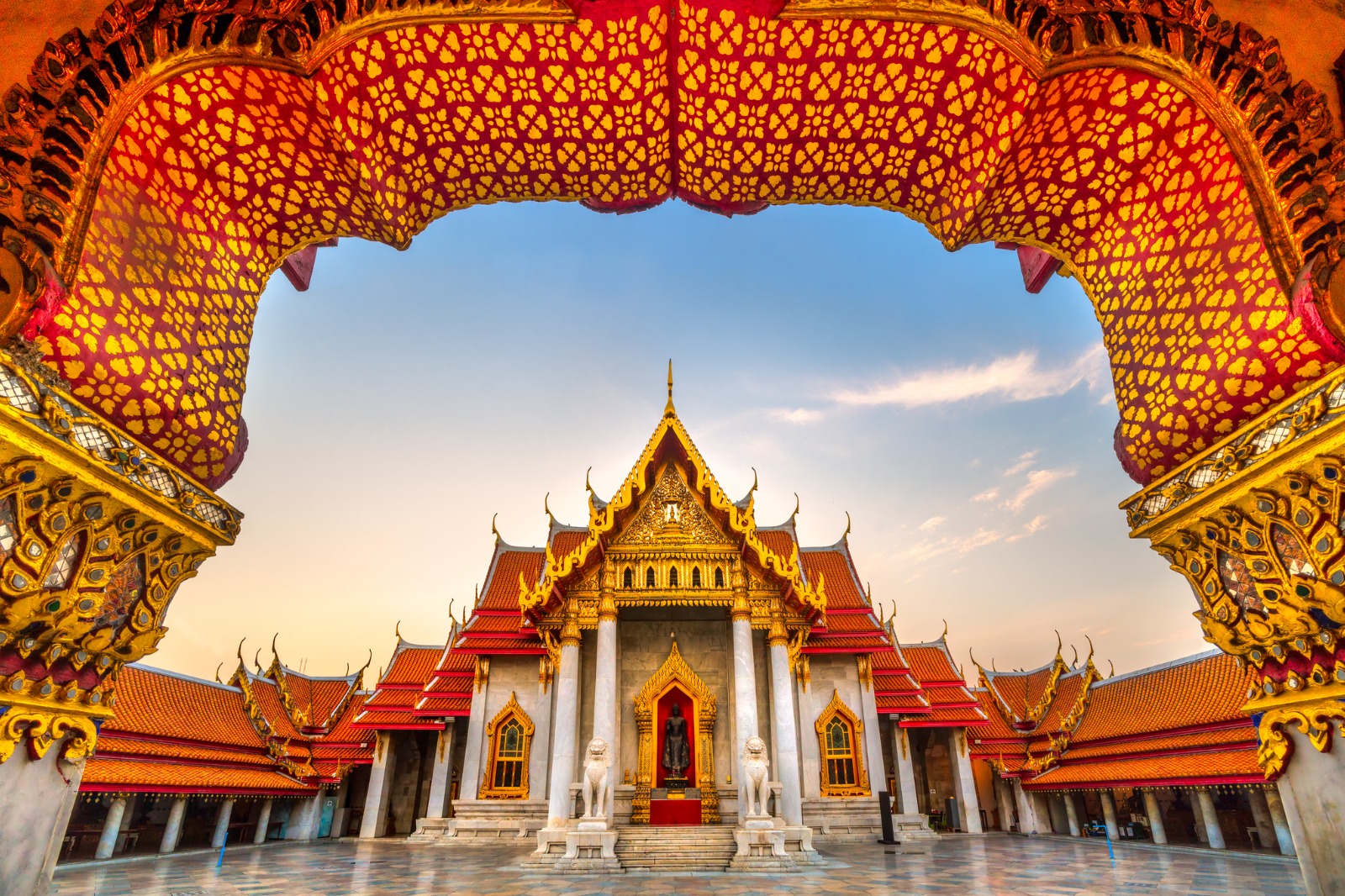
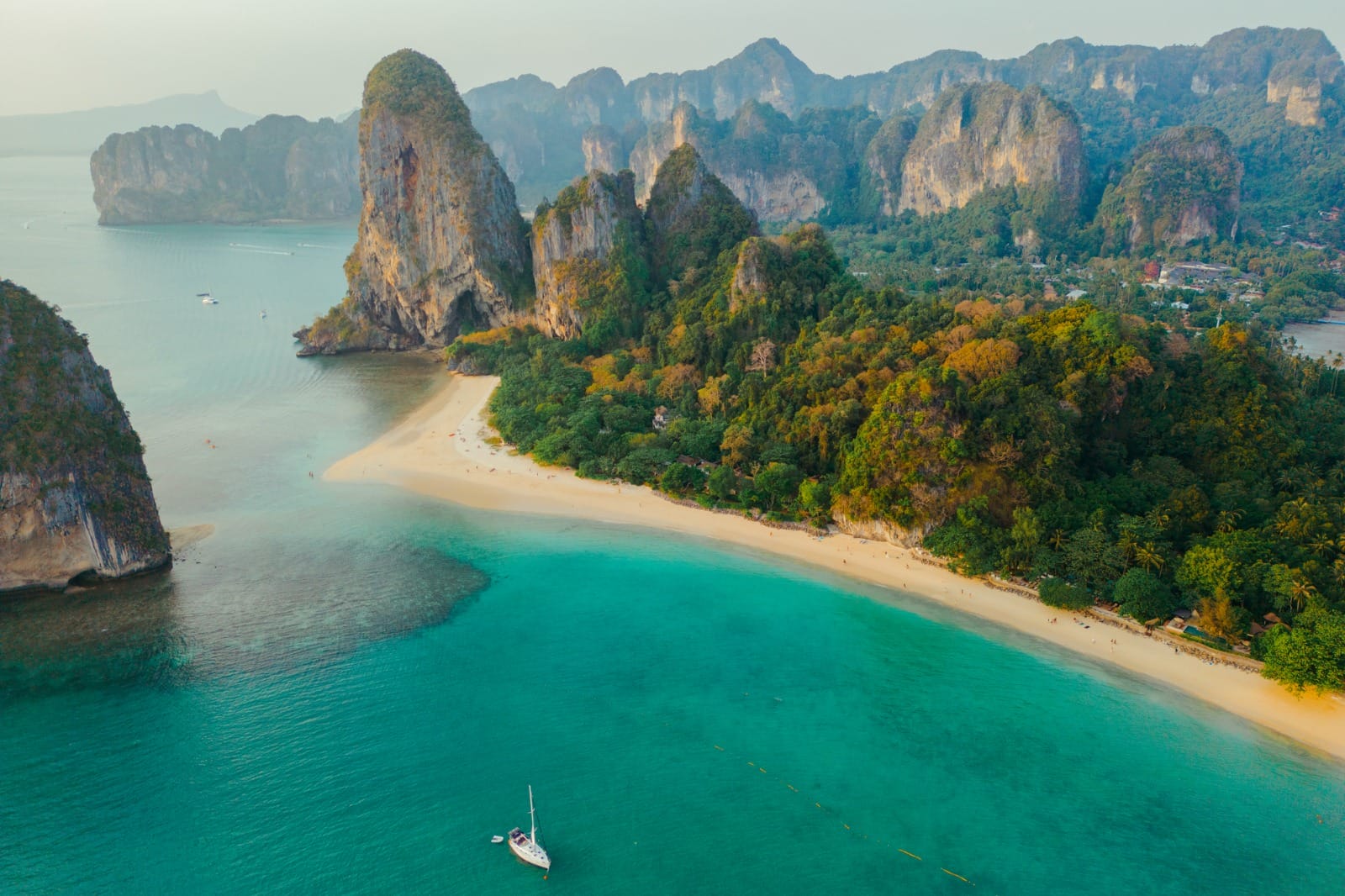
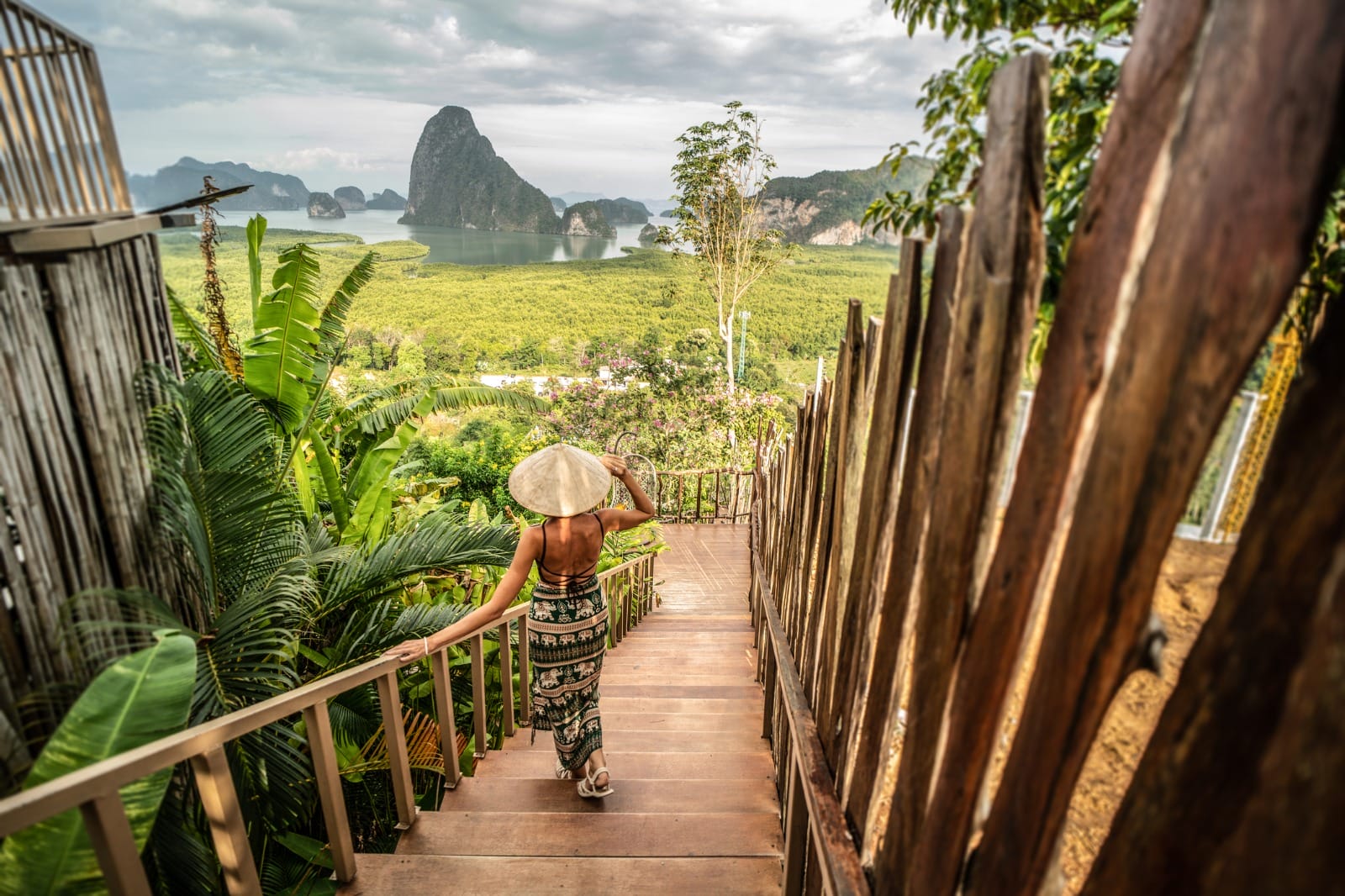
The Best Time to Visit Thailand
Planning a trip to Thailand? Knowing the seasonal changes is essential for a great vacation. The country has three main seasons: cool, hot, and rainy. Each region has its own climate, affecting your travel experience.
November to February: The Ideal Months

Shoulder Seasons: March-April and September-October
March-April and September-October are good if you want to avoid crowds. The weather is nice, and there are fewer tourists. March and April can be warm, but they’re great for festivals like Songkran in April.
Balancing Good Weather with Fewer Tourists
Visiting in the shoulder season is a smart choice. You’ll see fewer people and find better deals. For example, September and October are perfect for beach lovers, with less rain.
By choosing these months, you get a more relaxed Thai experience. Whether you want to see cultural sites, enjoy outdoor fun, or just relax, Thailand has it all.
Cool Season: November to February
November to February is the peak tourist season in Thailand. The weather is perfect for outdoor fun and temple visits. It’s a great time to dive into the country’s culture and beautiful landscapes.
Weather Conditions and Temperature Ranges
Thailand’s cool season offers pleasant weather. Temperatures range from 84°F to 95°F (29°C to 35°C). This makes it ideal for city explorations, temple visits, and outdoor fun.
Regional temperature variations:
- Northern Thailand: Cooler mornings and evenings, with average temperatures around 70°F (21°C).
- Southern Thailand: Warmer temperatures, averaging around 80°F (27°C).
- Islands: Pleasant temperatures, perfect for beach activities.
Tourism Levels and Pricing Expectations
The cool season is the busiest time in Thailand. Popular spots can get crowded. But, there’s a wide range of places to stay.
Pricing expectations:
- Accommodation: Expect higher prices for hotels and resorts, mainly in popular areas.
- Tour packages: Many tour operators offer packages, which can be a good deal.
- Food and drink: Prices might be a bit higher at tourist spots.
Best Activities and Destinations During Cool Season
The cool season is great for exploring Thailand’s outdoors and cultural spots. Some top activities include:
- Visiting ancient temples and historical sites.
- Exploring national parks and wildlife reserves.
- Enjoying water sports and activities on the islands.
- Taking part in cultural festivals and events.
Top destinations during this time include:
- Chiang Mai for its cultural festivals and temple visits.
- Bangkok for its vibrant street life and historical sites.
- The islands, such as Phuket and Koh Samui, for beach activities.
- Northern Thailand for trekking and exploring hill tribes.
Hot Season: March to June
Thailand’s hot season starts when the cool weather ends. It brings high temperatures and fun cultural events. This season goes from March to June, with rising heat and high humidity.
Temperature and Humidity Levels
Temperatures in Thailand can hit 35°C (95°F) or more. This is common in the central and northern parts. The humidity also goes up, making the heat feel even hotter. Travelers need to get ready for these conditions.
Key temperature ranges to expect:
- Daytime temperatures: 32-40°C (90-104°F)
- Nighttime temperatures: 25-28°C (77-82°F)
- Humidity levels: 60-80%
Songkran Festival Experience
The Songkran water festival is a highlight in the hot season. It happens from April 13 to 15. This Thai New Year celebration includes water fights, parades, and religious events. It’s a fun way to cool off.
Tips for enjoying Songkran:
- Be ready for water fights and use a waterproof phone case.
- Join the parades and ceremonies to see the local culture.
- Drink lots of water and rest in cool places.
Beach Destinations and Water Activities
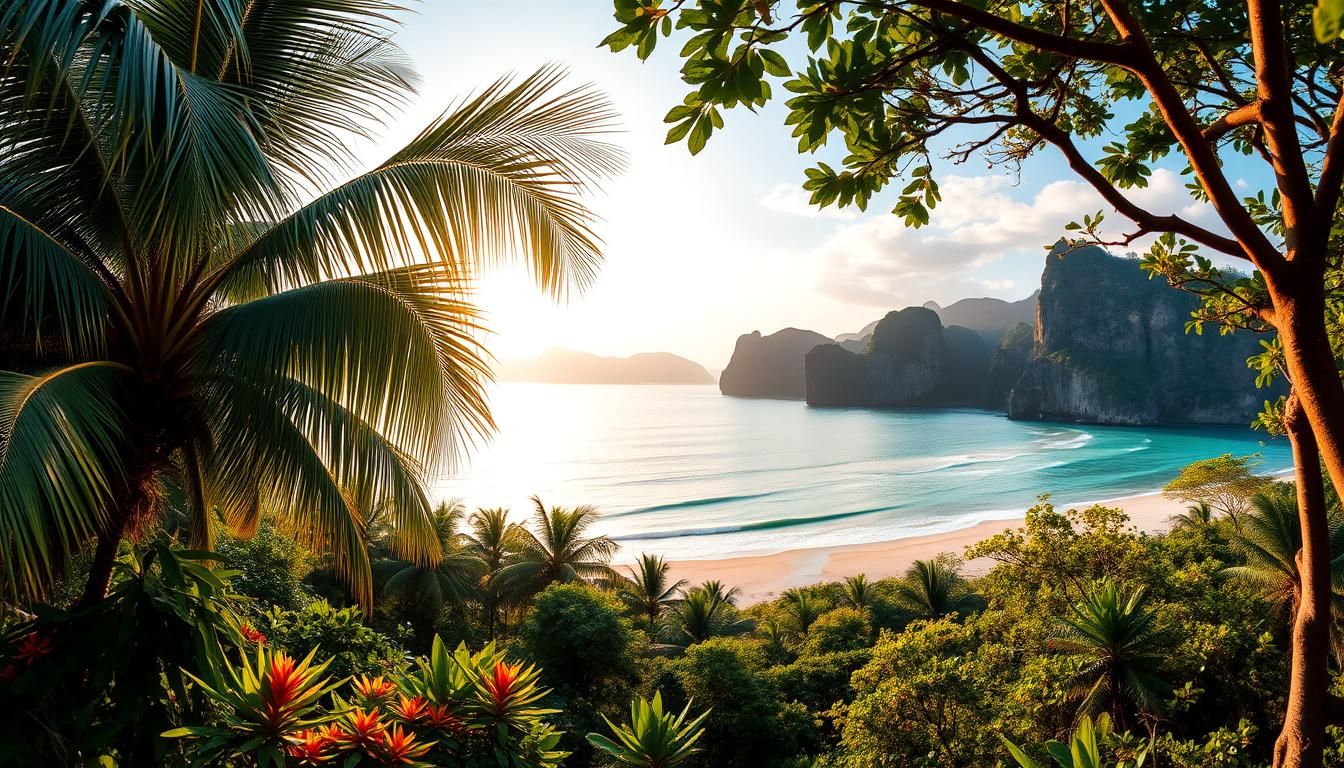
The hot season is great for visiting Thailand’s beaches and islands. Places like Phuket, Koh Samui, and Krabi offer snorkeling, diving, and boat trips. These activities are perfect for the water.
Top beach activities:
- Snorkeling and diving in clear waters.
- Relaxing on the beach with a book.
- Exploring islands by boat.
Handling the Heat: Practical Tips
To enjoy your trip in the hot season, it’s important to stay cool. Here are some tips:
Staying cool and hydrated:
- Drink lots of water all day.
- Wear light, breathable clothes.
- Take breaks in cool or air-conditioned places.
- Avoid hard activities when it’s hottest.
Rainy Season: July to October
The rainy season in Thailand, from July to October, brings rejuvenated landscapes and a serene travel experience. It’s often seen as the low season, but it offers unique advantages for travelers.
Monsoon Patterns and Regional Variations
Thailand’s rainy season shows different monsoon patterns across regions. The southwest monsoon brings heavy rain to the west and south. The east gets less rain.
Regional variations are key to understanding the weather. For example, islands like Koh Samui and Krabi get less rain than the mainland. This makes them good travel spots.
Benefits of Low Season Travel
Traveling in Thailand’s rainy season has many benefits. The crowds dissipate, making places more peaceful. Hotels and resorts also offer big discounts, making luxury travel affordable.
- Fewer tourists at popular sites
- Lower prices for accommodations and tours
- Lush, green landscapes ideal for photography
Activities to Enjoy Despite Rain
There’s plenty to do in Thailand, even when it rains. Indoor activities like visiting museums and cooking classes are great. For adventure, try white-water rafting in Chiang Mai or exploring caves in Krabi.
- Explore Bangkok’s temples and markets
- Enjoy a rejuvenating spa day
- Take a cooking class to learn Thai cuisine
Rainy Season Travel Tips
To enjoy your trip, be prepared. Pack waterproof gear and have a flexible plan. Always check the weather forecast and have indoor plans for rainy days.
For a smooth trip, follow these thailand vacation tips: stay informed about local weather, be ready for flooding, and use off-season discounts. With planning, your trip can be a thailand trip planner‘s dream, even in the rain.
Regional Guide: When to Visit Different Parts of Thailand
Thailand has many different landscapes and climates. The best time to visit depends on where you go. Knowing these differences is key to a great trip.
Bangkok and Central Thailand
Bangkok and its areas are best in the cool season, from November to February. The weather is nice and not too humid. This makes exploring the city’s streets, temples, and markets fun.
- Enjoy the Grand Palace and Wat Phra Kaew without the sweltering heat.
- Explore the floating markets and historic sites comfortably.
- Experience the city’s vibrant nightlife as the temperatures drop.
Northern Thailand (Chiang Mai, Chiang Rai, Pai)
Northern Thailand has a cooler climate than the south. The best time to visit is from November to February. The weather is perfect for trekking and exploring the hills.
Top activities include:
- Trekking through the hills and forests.
- Visiting ancient temples and cultural sites.
- Enjoying the cool weather festivals and events.
Southern Thailand and Islands
The southern islands, like Phuket, Koh Samui, and Krabi, are famous for their beaches. The best time to visit is from December to April. The sea is calm, and the weather is sunny.
- Dive and snorkel in the clear waters.
- Relax on the beautiful beaches.
- Explore the islands by boat.
Eastern Thailand (Pattaya, Koh Chang, Koh Samet)
Eastern Thailand, including Pattaya and its islands, is great all year. But the best time is from November to March. The weather is nice, and there are fewer rainy days.
Must-try activities:
- Visit the beaches and islands for water sports.
- Explore the nightlife in Pattaya.
- Enjoy the local seafood.
Knowing when to visit different parts of Thailand helps plan a great trip. Whether you want culture, adventure, or relaxation, you can find it here.
Activity-Based Timing Guide
From snorkeling and diving to trekking and cultural exploration, knowing the best time for your activities is key to a great trip to Thailand.
Best Time for Diving and Snorkeling
The dry season, from November to April, is the best time for diving and snorkeling in Thailand. The waters are calm, and visibility is excellent. This makes it perfect for seeing the rich marine life.
Top diving spots: The Similan Islands, Koh Tao, and Koh Phi Phi are famous for their vibrant coral and diverse marine life.
Optimal Hiking and Trekking Seasons
The cool season, from November to February, is the best time for hiking and trekking in Thailand. The weather is pleasant, with comfortable temperatures. It’s perfect for exploring the hills and forests of northern Thailand.
- Explore the hills of Chiang Mai
- Visit the ancient cities of Ayutthaya
- Trek through the jungles of Kanchanaburi
Beach Vacation Timing
The dry season, from November to April, is the best time for a beach vacation. The weather is sunny and dry. Koh Samui, Koh Phangan, and Phuket are popular spots during this time.
Tips for a relaxing beach vacation: Avoid the peak tourist season (December to January) if you prefer fewer crowds.
Cultural Exploration and Temple Visits
Thailand’s cultural heritage can be explored all year, but the cool season (November to February) is best. The weather is comfortable, making it ideal for exploring Bangkok’s streets or Chiang Mai’s ancient ruins.
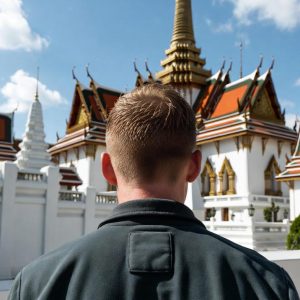
Must-visit cultural sites: The Grand Palace in Bangkok, Wat Phra That Doi Suthep in Chiang Mai, and the ancient city of Ayutthaya.
Thailand's Major Festivals and Events Calendar
Thailand’s festivals are a peek into its soul, giving unforgettable experiences. The country’s cultural calendar is full of events that show its heritage, spirituality, and community spirit. Whether you want to join water fights, release lanterns, or just enjoy the vibe, Thailand’s festivals are a must-see.
Songkran (Thai New Year) in April
Songkran, Thailand’s New Year, is a big deal. It happens in April and is all about water fights, symbolizing cleansing and new beginnings. The streets turn into playgrounds for fun and laughter as everyone joins in.
- Experience the water fights in Chiang Mai and Bangkok
- Participate in traditional ceremonies and processions
- Enjoy the festive atmosphere with music and local food
Loy Krathong and Yi Peng (November)
In November, Thailand celebrates Loy Krathong and Yi Peng. Loy Krathong is about releasing floating baskets on rivers, letting go of negative thoughts. Yi Peng in Chiang Mai lights up the sky with lanterns, creating a stunning view.
Key Highlights:
- Release krathongs on the Chao Phraya River in Bangkok
- Witness the sky lit up by lanterns in Chiang Mai during Yi Peng
- Enjoy traditional dances and performances
Vegetarian Festival (October)
The Vegetarian Festival in October is big in Phuket. It’s a time for spiritual cleansing, with people not eating meat and doing rituals. The festival ends with colorful processions and street shows.
- Observe the processions and rituals in Phuket
- Try vegetarian cuisine, a highlight of the festival
- Participate in or watch the firewalking ceremonies
Elephant Festivals and Cultural Celebrations
Thailand also has many elephant festivals and cultural events all year. These events show the country’s love for elephants and its rich culture.
Notable Events:
- Surin Elephant Festival, showing off elephant talents
- Khao Chee Chan (Candle Ceremony) in Ubon Ratchathani
- Phi Ta Khon (Ghost Festival) in Dan Sai, Loei Province
Thailand’s festivals mix culture, spirituality, and fun, making any time a great visit. Planning your trip around these events can give you a deeper look into Thai culture.
Practical Travel Planning by Season
Thailand’s climate and culture change with the seasons. Planning your trip for the best season can make it unforgettable. Knowing what to expect and prepare for each season is key.
Seasonal Packing Lists
What you pack for Thailand depends on the season. For the cool months (November to February), lightweight clothes with warm layers for chilly nights are best. In the hot months (March to June), wear light, airy clothes and protect your skin from the sun. For rainy months (July to October), pack waterproof items and clothes that dry fast.
- Cool Season: Include warm layers, comfortable walking shoes, and light jackets.
- Hot Season: Pack lightweight, loose-fitting clothes, sunscreen, and a hat.
- Rainy Season: Bring a waterproof jacket, umbrella, and quick-drying clothing.
Booking Windows and Advance Planning
Booking early can get you better deals on places to stay and flights. For the busy season (November to February), book 3-6 months ahead. For the shoulder season, 1-3 months’ notice is enough.
- Peak Season (November to February): Book 3-6 months in advance.
- Shoulder Season (March to April, September to October): Book 1-3 months in advance.
- Low Season (July to October): Look for last-minute deals.
Budget Considerations and Seasonal Pricing
Prices in Thailand change with the seasons. Expect higher costs in peak season. But, the low season is cheaper, even if some places are closed.
Budget Tips:
- Peak Season: Be prepared for higher prices.
- Low Season: Look for discounts and package deals.
Health and Safety Tips for Each Season
Traveling in Thailand safely means knowing the health risks by season. In the hot season, drink lots of water and protect your skin from the sun. In the rainy season, watch out for waterborne and mosquito-borne diseases.
- Hot Season: Stay hydrated, use sunscreen, and wear protective clothing.
- Rainy Season: Avoid flooded areas, use insect repellent, and drink boiled or bottled water.
Conclusion
Figuring out the best time to visit Thailand depends on several things. These include the area you want to see, your favorite activities, and what you like. Thailand’s varied climate and rich culture make it special all year round.
For a great trip, think about visiting from November to February. The weather is cool and dry, perfect for city adventures, beach relaxation, or forest treks. If you prefer a calmer vibe and lower costs, try March-April or September-October.
Keep in mind Thailand’s big festivals and events, like Songkran in April and Loy Krathong in November. These can add excitement to your trip. With these tips, you can plan a trip that fits your style.
Thailand offers something for everyone, from diving in clear waters to exploring ancient temples or enjoying lively nights. Picking the right time to visit can make your trip unforgettable.