
Table of Contents
ToggleDid you know this northern area attracts over one million visitors every year? It’s a mountain spot known for its unique buildings and lush green hills. It feels like a hidden gem waiting for discovery.
Experience the magic of rolling green hills where aromatic leaves grow. These vast tea estates offer a serene escape from busy lifestyles. Local culture and breathtaking views await at every turn.
Explore colorful sites that break old rules with unique designs. This northern area blends old history with bold new styles. Every corner tells a great story.
Looking for a helpful northern travel guide? Our tips help find the best spots. Golden landmarks and misty peaks captivate every explorer now.
Key Takeaways
- Uncover modern temple masterpieces defying traditional architecture.
- Wander through emerald tea hills for a peaceful afternoon.
- Experience the bold creativity of local artistic monuments.
- Breathe fresh mountain air while exploring natural trails.
- Connect with northern heritage through vibrant cultural sites.
- Capture stunning visuals at every unique destination point.
1. Marvel at the White Temple (Wat Rong Khun)
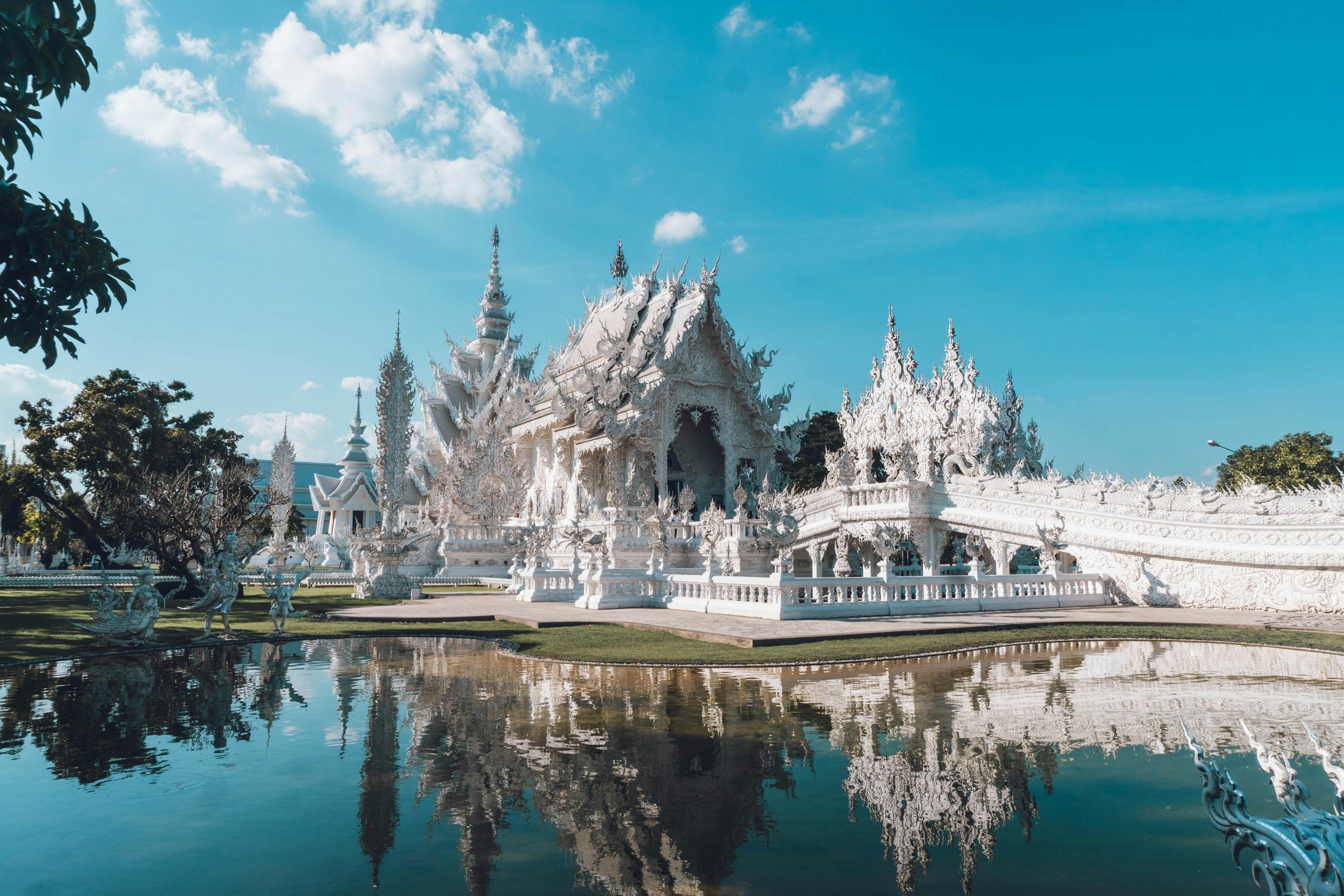
Wat Rong Khun, known as the White Temple, is a key attraction in Chiang Rai. It showcases innovative design and spiritual symbolism. This contemporary art temple was designed by Chalermchai Kositpipat, a true masterpiece.
Understanding the Symbolism and Design
The White Temple is more than a religious site; it’s an art piece. It combines Buddhist symbolism with modern elements. The temple’s white color represents Buddha’s purity, while mirrored mosaics symbolize wisdom reflecting Buddha’s light.
The design blends traditional Thai architecture with modern art. This creates a unique visual experience. Visitors are encouraged to explore the temple’s detailed symbolism.
Navigating the Temple Complex
Upon entering the White Temple complex, visitors find a bridge. It symbolizes the journey from the mortal world to Buddha’s realm. The complex includes various structures, each with its own significance and artistic value.
Dressing modestly and following the temple’s rules is essential for a respectful visit. The complex is compact, making it easy to explore on foot.
Best Times for Photography
The White Temple is a photographer’s dream, with its stunning architecture and details. The best times for photography are early morning and late afternoon. Soft light enhances the temple’s beauty during these times.
Visitors should be respectful of other tourists and monks when taking photos. Some areas may have restrictions. It’s wise to check with the temple staff.
2. Explore the Blue Temple (Wat Rong Suea Ten)
Chiang Rai’s cultural scene is enhanced by the Blue Temple, a modern architectural gem. This temple, known as Wat Rong Suea Ten, is a key attraction for those exploring Chiang Rai’s temple-rich landscape.
The Stunning Interior Design
The Blue Temple is famous for its blue color scheme, complemented by gold accents. These represent the Buddha’s wisdom and the purity of Buddhism. Upon entering, the vibrant blue interior creates a serene yet dynamic atmosphere.
The walls and ceiling feature detailed designs and patterns. These are not just visually appealing but also carry deep symbolic meanings. They add a spiritual layer to the visitor’s experience.
Viewing the Giant Buddha Statue
The Blue Temple’s centerpiece is a majestic white Buddha statue. It embodies peace and serenity. This statue is a key element of the temple’s design, serving as a focal point for meditation and reverence.
Visitors can observe the statue up close. They can appreciate the fine details of its construction and the calm it radiates. This makes for a deeply enriching experience.
Visitor Guidelines and Etiquette
Visitors to the Blue Temple should dress modestly and respectfully. It’s important to cover your shoulders and knees as a sign of respect. This is part of the temple’s dress code.
It’s also important to maintain a respectful demeanor. Avoid loud conversations and disruptive behavior. This helps preserve the temple’s tranquil atmosphere.
3. Discover the Black House Museum (Baan Dam)
For those seeking something unconventional, Chiang Rai’s Black House Museum is a must-see. It showcases the artistic vision of Thawan Duchanee through a collection of buildings. These structures display a mix of traditional Lanna architecture and contemporary art, challenging visitors’ perceptions.
Exploring the Dark Art Collection
The Black House Museum is famous for its dark art collection. It features unconventional and thought-provoking pieces. These include animal hides, bones, and other materials, unlike anything found in traditional art museums. Each building in the museum offers a different aspect of Thawan Duchanee’s artistic expression.
This collection not only highlights the artist’s creativity but also invites visitors to ponder the themes and inspirations behind the artwork. The dark art collection is a key reason why the Black House Museum stands out among Chiang Rai museums.
Traditional Lanna Architecture
Despite focusing on contemporary and provocative art, the Black House Museum also celebrates traditional Lanna architecture. The buildings reflect the region’s cultural heritage, with wooden structures and designs reminiscent of northern Thailand’s traditional houses.
This fusion of old and new creates a unique cultural landscape. It is visually striking and deeply rooted in local traditions. Visitors can admire the craftsmanship and attention to detail in the architecture, which enhances the artwork on display.
The Philosophy Behind the Artwork
Thawan Duchanee’s artwork is not just visually striking; it is also deeply philosophical. The artist’s use of unconventional materials and themes aims to provoke thought and challenge assumptions. The Black House Museum offers a platform for understanding the artist’s vision and the cultural context in which he worked.
By exploring the museum, visitors can gain insights into the philosophy behind the artwork. They can appreciate the complexity of Thawan Duchanee’s creative output. This makes the museum a fascinating destination for those interested in Chiang Rai attractions that offer more than just visual appeal.
4. Visit the Golden Triangle Region
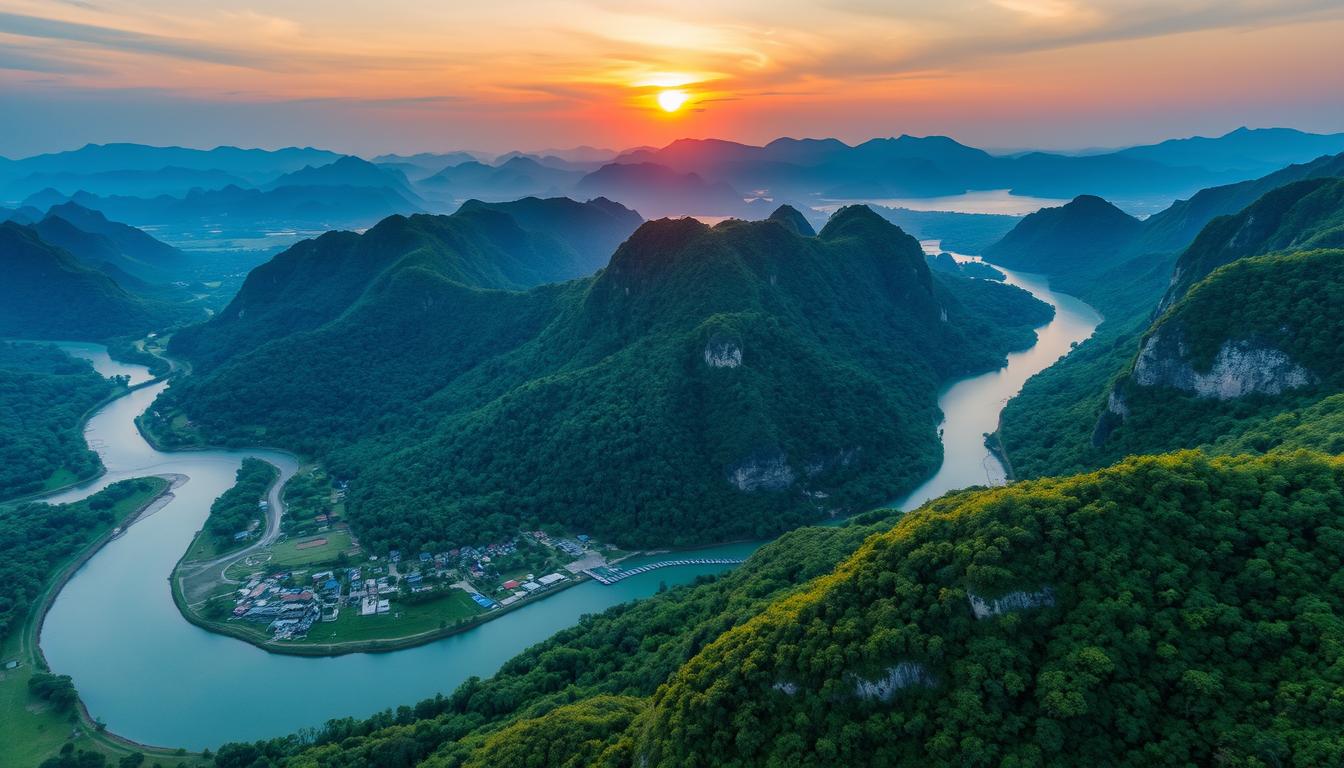
The Golden Triangle, at the heart of Southeast Asia, is a blend of history, culture, and natural splendor. Situated where Thailand, Laos, and Myanmar meet, it’s a key landmark in Chiang Rai. It draws tourists with its rich heritage and stunning landscapes.
Historical Context and Significance
The Golden Triangle’s past is marked by its role as a major opium trade hub. Today, it stands as a cultural and historical gem, drawing global visitors. Its history is alive, with remnants of the past visible everywhere.
Viewing Points at the Three Borders
The Golden Triangle’s main draw is its viewing points at the confluence of the three countries. Here, visitors can marvel at the Mekong River and the surrounding vistas. It’s perfect for photography, giving a unique view of the area.
Museums and Educational Centers
The region boasts several museums and educational centers. They shed light on the Golden Triangle’s history and culture. These places offer deep insights into the opium trade, local communities, and Southeast Asia’s significance. They provide a well-rounded experience, enriching your visit.
The Golden Triangle is a standout chiang rai landmark. It’s essential for anyone interested in history, culture, and nature. It’s an excellent addition to your chiang rai tours, promising a memorable journey.
5. Experience the Chiang Rai Night Bazaar
Chiang Rai’s Night Bazaar is where the city’s spirit comes alive. It offers a mix of shopping, dining, and entertainment under the stars. As you step into the bustling market, you’re immediately enveloped in a world of vibrant colors, enticing aromas, and lively sounds.
Shopping for Handicrafts and Souvenirs
The Night Bazaar is a treasure trove for those looking to take home a piece of Chiang Rai. You can find a wide range of handicrafts, from intricately woven textiles to beautifully crafted wooden items. Local artisans sell their wares, providing unique souvenirs that reflect the region’s rich cultural heritage.
Sampling Northern Thai Street Food
No visit to the Chiang Rai Night Bazaar is complete without indulging in the local street food. The market offers a diverse array of Northern Thai cuisine, from spicy dishes like Khao Soi to sweet treats like Khanom Buang. Be sure to try some of the local specialties to experience the authentic flavors of the region.
Live Entertainment and Performances
The Night Bazaar is not just about shopping and dining; it’s also a hub for live entertainment. You can enjoy traditional Thai performances, including dance and music, adding to the lively atmosphere of the market. It’s a great way to unwind and soak up the local culture.
Visiting the Chiang Rai Night Bazaar is an experience that encapsulates the essence of Chiang Rai’s vibrant culture and community spirit. Whether you’re shopping for souvenirs, savoring local cuisine, or enjoying the entertainment, the Night Bazaar is a must-visit destination during your stay in Chiang Rai.
6. Wander Through Mae Fah Luang Art and Culture Park
In Chiang Rai, the Mae Fah Luang Art and Culture Park stands as a gem. It’s a place where art, culture, and nature converge. It’s a must-see for anyone eager to dive into the area’s rich heritage.
Traditional Lanna Architecture and Buildings
The park is celebrated for its traditional Lanna architecture. This architecture is preserved and displayed in its buildings. Visitors can see the detailed structures that tell the story of the Lanna Kingdom.
Each building in the park showcases the craftsmanship and detail of Lanna architecture. The ornate details and overall design reflect the region’s cultural heritage.
Botanical Gardens and Landscapes
The Mae Fah Luang Art and Culture Park is not just about architecture. It also boasts beautiful botanical gardens and landscapes. These gardens are a paradise for nature enthusiasts, featuring native flora.
The park’s serene landscapes and well-kept gardens offer a peaceful retreat. It’s perfect for those seeking a break from city life and a chance to connect with nature.
Art Exhibitions and Cultural Displays
The park also features art exhibitions and cultural displays. These showcase the talents of local and regional artists. They provide a glimpse into Chiang Rai’s cultural and artistic traditions.
Visitors can see a wide range of art, from traditional Lanna styles to modern pieces. These works reflect the evolving cultural landscape of the region.
7. Best Things to Do in Chiang Rai for Nature Enthuasiasts
For those seeking adventure and a deep connection with nature, Chiang Rai is a treasure trove. It boasts lush landscapes, diverse wildlife, and stunning scenery. This makes it a paradise for nature lovers.
Trekking in Doi Tung and Doi Mae Salong
Trekking is a prime way to explore Chiang Rai’s natural splendor. Doi Tung and Doi Mae Salong feature some of the most scenic trails. These paths weave through dense forests, past cascading waterfalls, and into the heart of hill tribe communities.
These treks offer not just awe-inspiring vistas but also a peek into local culture. Travelers can witness a variety of flora and fauna. They might even catch a glimpse of the area’s unique wildlife.
Visiting Tea and Coffee Plantations
Chiang Rai is celebrated for its tea and coffee plantations. These are vital to the local economy and present breathtaking scenery. Visitors can explore these plantations to learn about the cultivation process, from seed to cup.
Many plantations also host tasting sessions. This allows guests to savor some of the region’s finest teas and coffees. It’s a perfect way to unwind amidst the picturesque surroundings.
Chasing Waterfalls in the Province
Chiang Rai is dotted with waterfalls, each with its own allure. From accessible spots to hidden gems, these waterfalls provide a cool respite from the heat. They offer a chance to immerse oneself in nature’s embrace.
Guests can swim in the natural pools, embark on hikes to secluded falls, or enjoy a picnic amidst the scenery. The waterfalls are essential for anyone wanting to experience Chiang Rai’s natural splendor.
8. Take a Day Trip to Hill Tribe Villages
A day trip to the hill tribe villages around Chiang Rai offers a unique chance to dive into the traditional lives of ethnic minority groups. Chiang Rai is home to various hill tribes, each with their own culture, language, and customs.
Learning About Akha Culture and Traditions
The Akha tribe is a prominent hill tribe in the region, known for their detailed handicrafts and traditional clothing. Visitors can learn about Akha culture through guided tours, which often include visits to Akha villages. Here, you can see the tribe’s daily life, from farming to spiritual rituals.
Visiting Karen Long Neck Communities
The Karen tribe, known as the Kayan or “Long Neck” community, is another significant group in Chiang Rai. They are famous for wearing brass coils around their necks, stretching their necks significantly. Visiting a Karen Long Neck community offers a unique look into their cultural practices and traditions.
Responsible Tourism Practices
When visiting hill tribe villages, practicing responsible tourism is key. This means respecting local customs, not littering, and supporting local economies by buying handicrafts directly from artisans. Responsible tourism ensures that visits benefit both visitors and local communities.
Traditional Handicrafts and Textiles
Visiting hill tribe villages offers a chance to see and buy traditional handicrafts and textiles. The hill tribes are skilled in weaving, embroidery, and jewelry crafting. These items make unique souvenirs and connect you to the culture and traditions of the hill tribes.
By taking a day trip to hill tribe villages, you enhance your travel experience and support the local economy. Chiang Rai’s hill tribe villages are a top attraction, providing a deep and enriching experience that complements the city’s other sights.
9. Relax at Natural Hot Springs
Chiang Rai’s natural hot springs offer a perfect retreat for those seeking relaxation. These hot springs, rich in minerals, provide a serene environment for travelers to unwind. They are a testament to the region’s natural beauty and healing properties.
Pong Phra Bat Hot Springs Experience
Pong Phra Bat Hot Springs is a favorite among visitors, thanks to its stunning setting and therapeutic waters. The warm waters are believed to have healing properties, making it a go-to spot for relaxation.
The area is enveloped in lush greenery, creating a tranquil atmosphere. It’s perfect for those who want to escape the hustle and connect with nature.
Facilities and Amenities Available
The hot springs area boasts well-equipped facilities, ensuring a comfortable visit for all. Visitors can enjoy changing rooms, restaurants, and shops selling local handicrafts. This makes the experience both enjoyable and convenient.
Some hot springs also offer spa services, including massages and wellness treatments. These add to the overall relaxation experience, making it even more special.
Health Benefits of Mineral Waters
The mineral-rich waters of Chiang Rai’s hot springs offer more than just relaxation. They are believed to have health benefits such as relieving muscle tension and improving circulation. Soaking in these waters can enhance overall well-being.
Many visitors report feeling invigorated and refreshed after a visit. This makes the hot springs a must-see for those looking to relax and rejuvenate in Chiang Rai.
10. Explore Historic Wat Phra Kaew
The historic Wat Phra Kaew temple is a treasure trove of Chiang Rai’s past. It offers insights into its cultural and religious heritage. This revered site is not just a significant religious landmark but also a testament to the region’s rich history.
The Temple's Role in Thai History
Wat Phra Kaew has played a significant role in Thai history. It was once the home of the revered Emerald Buddha. Now, the Emerald Buddha resides in Bangkok’s Wat Phra Kaew. Yet, Wat Phra Kaew in Chiang Rai remains a symbol of the country’s deep-rooted Buddhist traditions.
Architecture and Sacred Grounds
The temple’s architecture is a blend of traditional Thai styles. It features intricately designed structures that reflect the craftsmanship of the era. Visitors can explore the sacred grounds, taking in the serene atmosphere and admiring the beauty of the temple’s structures.
The City Pillar and Surrounding Area
A visit to Wat Phra Kaew also includes exploring the city pillar, known as Lak Mueang, and the surrounding area. This pillar is believed to be the spiritual center of Chiang Rai. The area around it is steeped in local legend and history.
Exploring Wat Phra Kaew is a journey through Chiang Rai’s history and culture. It makes it one of the top chiang rai attractions and a significant part of any chiang rai sightseeing tour. It’s a place where visitors can experience the essence of Thai heritage and spirituality.
11. Cross International Borders
Visiting Chiang Rai offers a thrilling chance to cross international borders. Its strategic location makes it easy to enter Myanmar and Laos. This provides a unique experience for travelers.
Mae Sai: Thailand's Northernmost Point
Mae Sai is a key border town in Chiang Rai Province, marking Thailand’s northernmost point. Visitors can cross into Myanmar at the Mae Sai Bridge, spanning the Sai River. This bridge is a hotspot for tourists, allowing them to immerse in local culture and trade.
On the Myanmar side, Tachileik town awaits with its lively markets and casinos. It’s vital to know the border crossing rules and any needed documents before going.
Chiang Saen and the Mekong River
Chiang Saen, another significant spot in Chiang Rai, offers international border experiences. It’s on the Mekong River, which divides Thailand from Laos. Boat trips along the river provide breathtaking views and a chance to see the area’s beauty.
The Mekong River is more than a geographical feature; it’s a cultural and historical treasure. Chiang Saen’s location makes it perfect for experiencing the blend of Thai, Lao, and other regional cultures.
Laos Border Experiences
For those heading to Laos, Chiang Saen is a convenient crossing point. The Golden Triangle, where Thailand, Laos, and Myanmar meet, is nearby. A boat ride to the Golden Triangle offers scenic views and a glimpse into the region’s past.
Traveling to Laos from Chiang Rai is rewarding, with chances to dive into Lao culture, visit ancient temples, and enjoy the area’s natural splendor. Always check the latest travel requirements and regulations before international travel.
12. Immerse Yourself in Coffee Culture
Explore the rich coffee culture of Chiang Rai, where nature, tradition, and innovation blend. Known for its coffee plantations and lively café scene, it’s a haven for coffee lovers.
Touring Local Coffee Plantations
Visiting local coffee plantations is a prime way to dive into Chiang Rai’s coffee culture. These tours reveal the coffee-making process, from seed to cup. You’ll learn about coffee varieties, the farmers’ challenges, and the methods for growing premium coffee.
Plantations are set against stunning landscapes, creating a peaceful setting for the tour. It’s a chance to connect with nature and appreciate the dedication of coffee farmers.
Understanding Arabica Bean Production
Chiang Rai is renowned for its Arabica coffee beans, prized for their mild taste and low caffeine. The region’s climate and soil are perfect for Arabica, with many farms focusing on this variety.
Arabica production involves meticulous steps like hand-picking and sun-drying. This knowledge deepens your respect for the coffee’s quality and the skill of local farmers.
Urban Café Scene and Coffee Tasting
In Chiang Rai’s cities, cafes abound, each highlighting the local coffee scene. They offer a variety of coffee tastings, from traditional Thai to specialty blends using local beans.
Coffee tasting in Chiang Rai is more than just drinking coffee. It’s about enjoying the flavors, aromas, and textures of expertly brewed coffee. Many cafes also serve local treats, making the experience even richer.
13. Discover the Clock Tower and City Center
Chiang Rai’s city center is a treasure trove of experiences, with the iconic Clock Tower at its heart. This landmark is not just a time-telling device but a symbol of the city’s vibrancy and cultural richness.
The Golden Clock Tower Light Show
The Clock Tower is renowned for its spectacular light show that illuminates the night sky. This display is a must-see, captivating visitors of all ages with its mesmerizing spectacle.
Saturday Walking Street Market
Every Saturday, the city center transforms into a bustling Walking Street Market. Here, visitors can browse through a variety of stalls selling local handicrafts, souvenirs, and street food. It’s a chance to immerse oneself in the local culture.
Exploring the Old City Area
Beyond the Clock Tower, the old city area is filled with historical significance and architectural charm. Visitors can wander through the streets, discovering quaint shops, traditional eateries, and remnants of the past. These tell the story of Chiang Rai’s rich heritage.
Exploring the Clock Tower and city center is an essential part of any Chiang Rai sightseeing itinerary. It offers a blend of modern attractions and historical exploration. This makes it a key Chiang Rai attraction for travelers.
14. Conclusion
Chiang Rai is a city that seamlessly blends cultural richness with natural beauty. It offers a diverse range of activities and attractions for visitors. From the stunning temples like the White Temple (Wat Rong Khun) and Blue Temple (Wat Rong Suea Ten) to the historic significance of the Golden Triangle Region, there’s no shortage of exciting experiences.
Whether you’re a nature enthusiast looking to trek through Doi Tung and Doi Mae Salong, or a culture vulture eager to explore the Black House Museum (Baan Dam) and Mae Fah Luang Art and Culture Park, Chiang Rai has something for everyone. This chiang rai travel guide highlights the best things to do in Chiang Rai, from relaxing at natural hot springs to immersing yourself in the local coffee culture.
As you plan your trip, you’ll find that Chiang Rai’s unique blend of traditional and modern attractions makes it an unforgettable destination. With its rich history, vibrant markets, and breathtaking landscapes, Chiang Rai is a must-visit for any traveler. So why wait? Start planning your things to do in Chiang Rai itinerary today and discover the hidden gems of this enchanting city.
FAQ
What are the best things to do in Chiang Rai for first-time visitors?
When is the best time for photography at the White Temple (Wat Rong Khun)?
Are there specific visitor guidelines for the Blue Temple (Wat Rong Suea Ten)?
What makes the Black House Museum (Baan Dam) a unique cultural attraction?
Is it worth taking one of the Chiang Rai tours to the Golden Triangle?
What should I try at the Chiang Rai Night Bazaar?
What can nature enthusiasts do in the Mae Fah Luang Art and Culture Park?
What are the top things to do in Chiang Rai for outdoor adventure?
How can I visit hill tribe villages responsibly?
What are the benefits of visiting the Pong Phra Bat Hot Springs?
Why is Wat Phra Kaew historically significant?
Can I cross into Laos or Myanmar from Chiang Rai?
Where can I experience the best of Chiang Rai’s coffee culture?
What happens at the Golden Clock Tower in the evening?