
Table of Contents
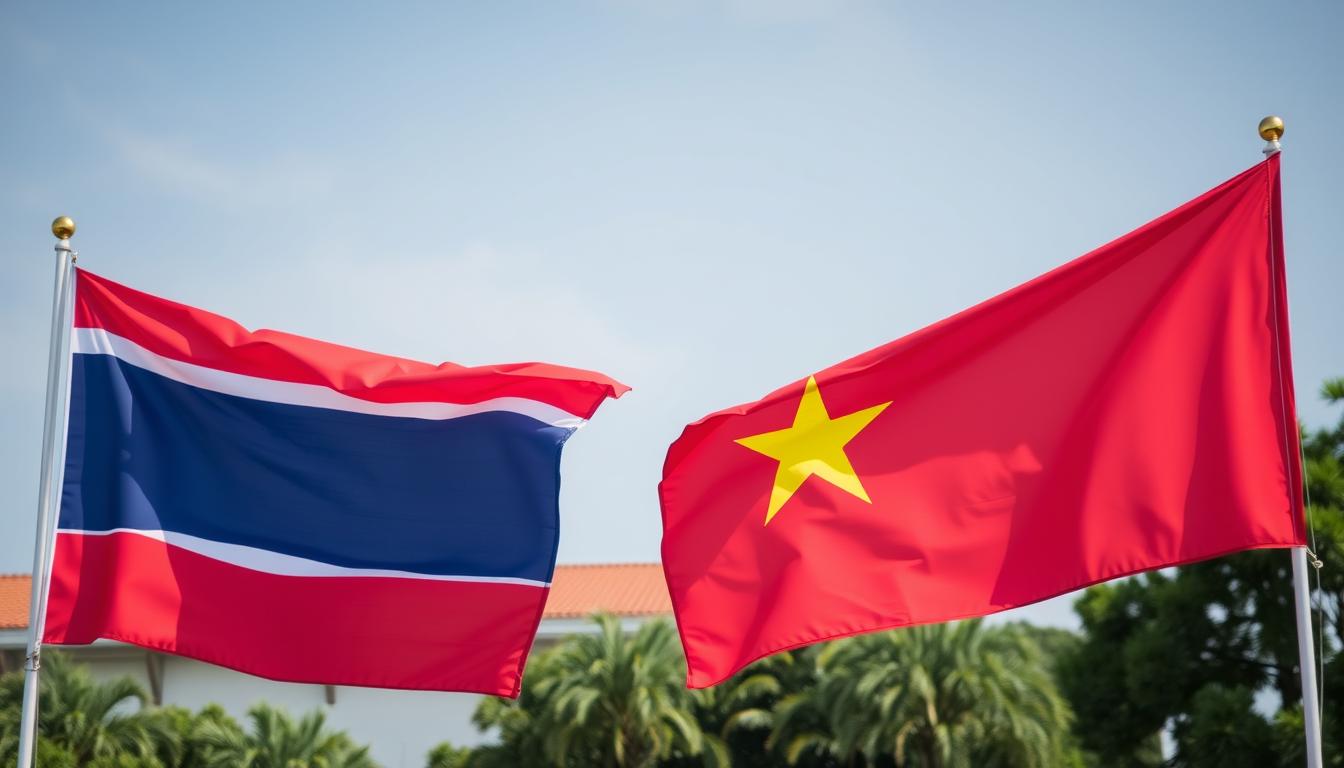
ToggleAre you torn between Bangkok’s bustling streets and Ha Long Bay’s serene landscapes? Choosing between Thailand and Vietnam for your next adventure can be tough.
Both countries have a rich cultural heritage, delicious food, and stunning scenery. They are among the top spots in Southeast Asia. When planning your trip, you might wonder which country fits your travel style better.
Let’s dive into a comparison that will help you make an informed decision.
Key Takeaways
- Understand the unique attractions of each country.
- Compare the cultural experiences offered by Thailand and Vietnam.
- Discover the best destinations for your travel style.
- Learn about the local cuisine and dining options.
- Get insights into the cost and value for money.
Choosing Between Southeast Asian Gems
Thailand and Vietnam are in the heart of Southeast Asia. They draw millions of visitors each year. Knowing their geography, culture, and tourism is key to choosing.
Geographical Differences
Thailand is known for its beaches and islands, like Phuket and Koh Samui. It’s a dream spot for beach fans. Vietnam, however, has mountains, like Sapa, and the Mekong River’s deltas. Vietnam’s varied landscapes offer more for nature lovers.
Cultural Highlights
Both countries have rich cultures. Thailand is known for its lively festivals, like Songkran and Loy Krathong. These show its Buddhist roots. Vietnam, meanwhile, has historical sites like Hoi An and Hue. Visitors to Vietnam can see many historical sites that tell its story.
Tourism Infrastructure
Thailand’s tourism is well-developed, with many airports and resorts. Vietnam is catching up, especially in Da Nang and Nha Trang. Both countries offer options for all budgets, from luxury to budget.
Knowing these details helps travelers choose their Southeast Asian trip. Whether you prefer Thailand’s cities and beaches or Vietnam’s history and nature, both offer amazing experiences.
Tourism Popularity and Growth Trends
Both countries draw massive crowds, but recent data reveals shifting trends. In 2024, Thailand welcomed approximately 35.5 million international visitors, solidifying its lead in Southeast Asia. Vietnam, however, is catching up fast with 17.5-17.6 million arrivals, boasting a 38-39% year-over-year growth rate compared to Thailand’s 26-28%—indicating Vietnam’s rising star status post-pandemic. Based on our analysis of UNWTO-aligned data, Vietnam’s surge is driven by markets like India and China, while Thailand relies on established European and Australian visitors. For context, here’s a quick comparison of recent tourism stats:
| Metric | Thailand (2024) | Vietnam (2024) | Insight |
|---|---|---|---|
| International Arrivals | 35.5 million | 17.5-17.6 million | Thailand leads in volume, but Vietnam’s growth outpaces it by ~10-13%. |
| Growth from 2023 | 26-28% | 38-39% | Vietnam is recovering faster, potentially closing the gap by 2030. |
| Top Source Markets | China, Malaysia, India | South Korea, China, U.S. | Diversified appeal in both, with Vietnam gaining from Asian neighbors. |
This data suggests Thailand suits high-volume tourism seekers, while Vietnam offers a fresher, less crowded alternative.
Vietnam vs Thailand: Which Suits Your Travel Style?
Both Vietnam and Thailand are top spots in Southeast Asia. They cater to different travel styles. Whether you want a beach vacation, cultural experience, adventure, or food journey, knowing what each offers helps you decide.
For Beach Lovers
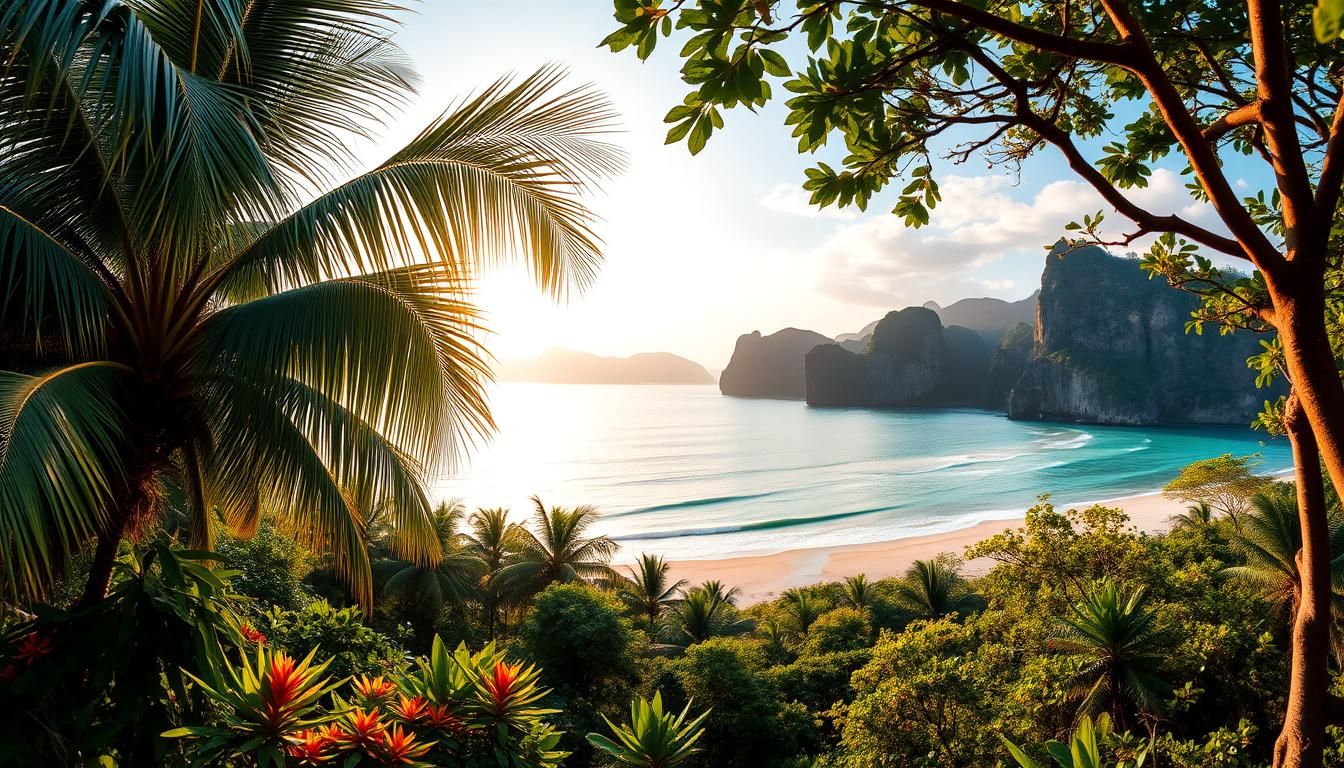
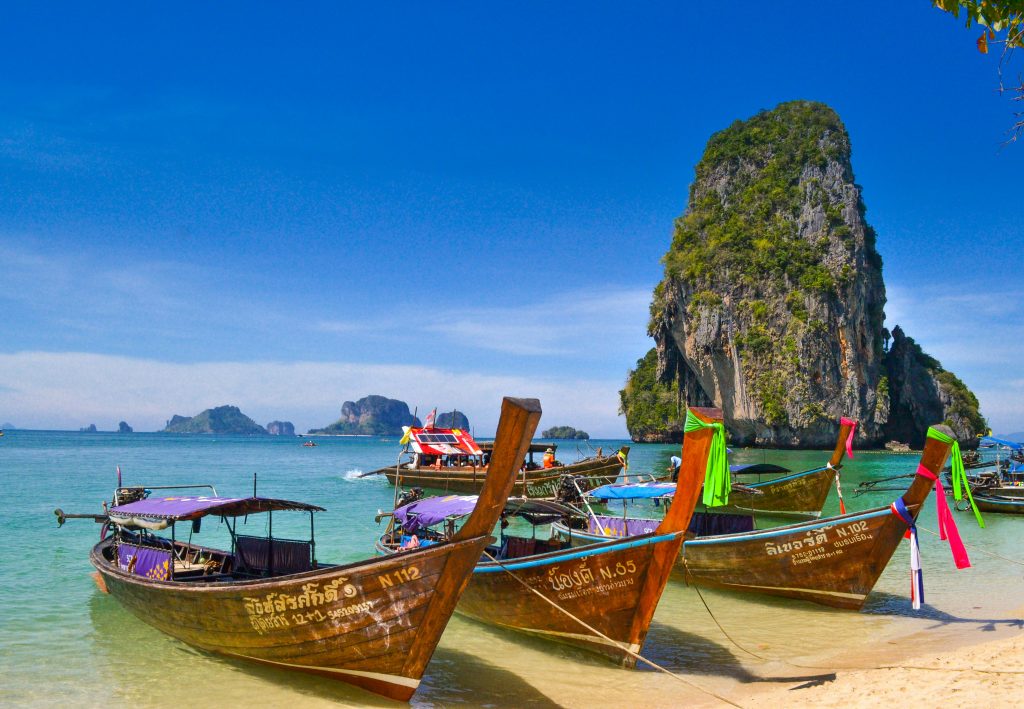
Thailand is famous for its beautiful beaches and lively island vibe. Phuket, Koh Samui, and Krabi are top picks. They have clear waters, white sand, and a fun nightlife. Thailand’s islands are ideal for a classic beach trip.
Vietnam also has great beaches like Nha Trang and Da Nang. They’re known for their clean beaches and water sports. Vietnam is more laid-back and less crowded than Thailand.
For Cultural Enthusiasts
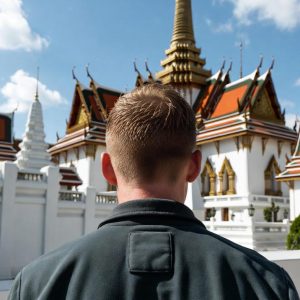
Both countries are rich in culture and traditions. Thailand is known for its temples, festivals, and royal palaces. The Grand Palace in Bangkok and Chiang Mai are must-sees. Thailand’s culture mixes tradition and modernity, offering a unique experience.
Vietnam has ancient towns like Hoi An and Hue. They show its rich history and imperial past. Local markets and villages in both countries give a real cultural feel.
For Adventure Seekers
Adventure lovers have lots to do in both Vietnam and Thailand. Thailand has rock climbing in Railay and diving in Koh Tao. Thailand’s varied landscapes offer many adventure activities.
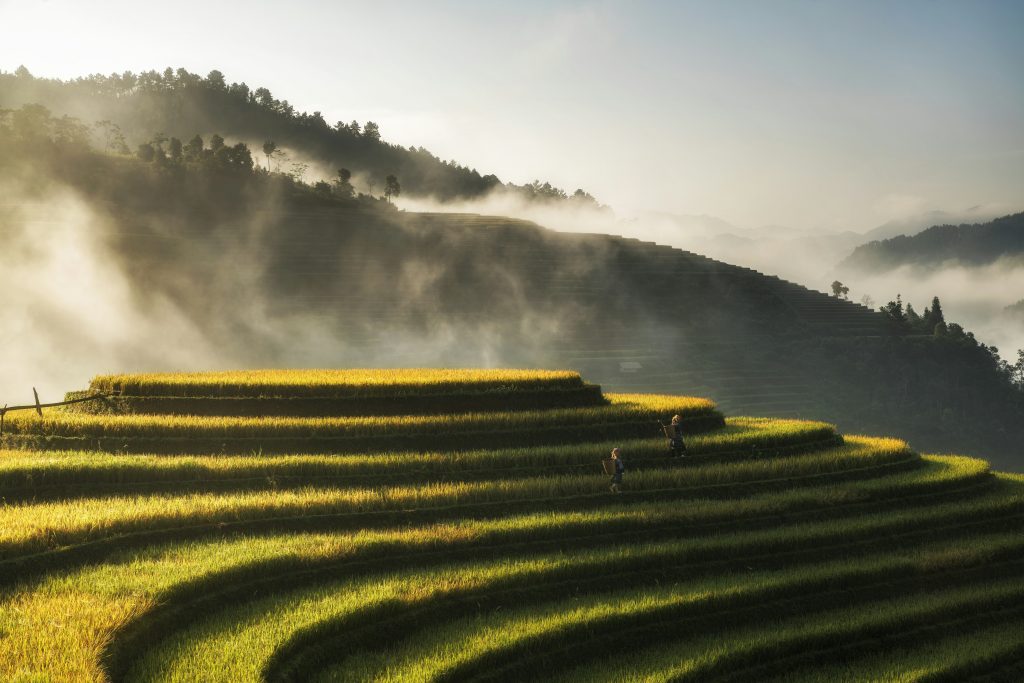
Vietnam is great for trekking in Sapa. You can hike through rice terraces and meet hill tribes. Both countries offer exciting off-the-beaten-path adventures.
For Foodies
Food lovers will enjoy the cuisine in both countries. Thai food is spicy and famous for street food, like Pad Thai and Som Tam. Vietnamese food is fresh and herby, with favorites like Pho and Banh Mi. Both offer cooking classes and food tours to explore local flavors.
Best Time to Visit: Seasonal Considerations
Choosing between Thailand and Vietnam depends on the season. Knowing the climates and best times to visit can make your trip better and less stressful.
Thailand's Climate and Seasons
Thailand has a tropical climate all year. It has three seasons: hot from March to May, rainy from June to October, and cool from November to February. The cool season is the best time to visit Thailand, perfect for exploring outdoors.
Vietnam's Climate and Seasons
Vietnam’s climate changes from north to south. The north has four seasons, while the south is warm and humid all year. The dry season, from November to April, is best for visiting Vietnam, great for travel and outdoor fun.
Ideal Months for Different Activities
Thailand and Vietnam have activities for every season. Beach lovers enjoy the dry seasons (November to April) for water sports and sunbathing. Cultural fans might like festivals like Thailand’s Songkran in April or Vietnam’s Tet in January/February, but these times are busy.
For trekking and outdoor fun, the cooler months (November to February) are best. Planning your trip with these seasons in mind will make it unforgettable. Whether you’re exploring Bangkok, Phuket’s beaches, Hoi An’s history, or Ho Chi Minh City’s vibe, the right time can make it even better.
Cost Comparison: Budget Considerations
Travelers often face a tough choice between Thailand and Vietnam. A detailed cost comparison can help decide which destination fits their budget. Both countries offer various experiences for different budgets, but prices differ in many areas.
Accommodation Costs
Vietnam is more budget-friendly for accommodations, especially hostels and guesthouses. In cities like Hanoi and Ho Chi Minh City, you can find affordable options starting at $5-10 per night. Thailand, especially in Phuket and Koh Samui, might have slightly higher prices, starting at $10-15 per night.
Luxury travelers will find high-end resorts and hotels in both countries. Prices range from $200-500 per night, depending on location and amenities. Vietnam has seen an increase in luxury resorts, especially in Da Nang and Nha Trang.
Food and Dining Expenses
Food is a big part of any trip, and both countries offer delicious cuisine. Vietnam has more affordable street food, with meals starting at $1-2. Thailand’s street food is also affordable, but prices start at $3-5.
Dining at mid-range restaurants costs between $10-20 per meal in both countries. Vietnam has more affordable options for street food and mid-range dining.
Transportation Costs
Transportation in both countries is relatively affordable. Vietnam has a well-developed public transportation system, with fares starting at $1-5. Thailand also has good public transport, especially in cities like Bangkok, with similar prices.
Tuk-tuks and ride-hailing services are common in both countries. Prices vary based on distance and traffic. Vietnam often has more competitive pricing for these services.
Activities and Attractions Pricing
Both countries offer many cultural and natural attractions. Vietnam’s historical sites and natural wonders have lower entrance fees, ranging from $1-10. Thailand’s attractions might be pricier but offer great value, with many costing $5-20 to visit.
Tour packages vary in price based on the operator and what’s included. Both countries offer a range of tour options, from budget-friendly group tours to private tours. This gives travelers flexibility in planning their activities.
Transportation Costs
To give a clearer picture, recent traveler surveys and cost indexes show Vietnam as consistently more affordable for daily expenses. A realistic budget traveler can expect $25-40 per day in Vietnam versus $35-50 in Thailand, covering basics like hostels, street food, and local transport. Mid-range travelers might spend $50-100 in Vietnam compared to $50-90 in Thailand, with Vietnam’s edge in housing (30-50% cheaper apartments in cities like Hanoi vs. Bangkok). Our compilation of 2024 data from sources like Numbeo and backpacker reports highlights these differences:
| Budget Tier | Thailand Daily Cost (USD) | Vietnam Daily Cost (USD) | Key Savings in Vietnam |
|---|---|---|---|
| Budget (Hostels, Street Food, Buses) | $35-50 | $25-40 | 20-30% on food and lodging. |
| Mid-Range (Hotels, Meals Out, Taxis) | $50-90 | $50-100 | Cheaper domestic flights ($30-70 vs. $40-90). |
| Luxury (Resorts, Fine Dining) | $150-400+ | $150-400+ | Similar, but Vietnam offers more value in eco-lodges. |
These figures assume solo travel; couples or groups can shave 10-20% off by sharing costs. Vietnam’s lower overall cost of living (39% cheaper than Thailand on average) makes it ideal for longer stays.
Major Cities and Urban Experiences
The major cities in Thailand and Vietnam are full of life and history. These cities are more than just entry points to their countries. They are places with their own culture, history, and fun.
Bangkok vs Ho Chi Minh City
Bangkok and Ho Chi Minh City are the heartbeats of Thailand and Vietnam. Bangkok’s beauty shines in its temples and the Grand Palace. Ho Chi Minh City’s past comes alive in its war museums and the Cu Chi Tunnels. Both cities are alive with street food and night markets, making them key stops for travelers.
Chiang Mai vs Hanoi
Chiang Mai and Hanoi offer a calmer city life. Chiang Mai is a spiritual center with many temples and a vibrant culture. Hanoi, meanwhile, is rich in history, with the Old Quarter and Ho Chi Minh Mausoleum. Both cities are cultural treasures, showing the traditional life in Thailand and Vietnam.
Pattaya vs Da Nang
Pattaya and Da Nang are coastal cities loved for their beaches and modern comforts. Pattaya is famous for its nightlife and water sports. Da Nang is more laid-back, with beautiful beaches and ancient sites like My Son. Both cities mix city fun with beach time.
Phuket Town vs Hoi An
Phuket Town and Hoi An are quaint cities that show the relaxed side of Thai and Vietnamese culture. Phuket Town has Sino-Portuguese buildings and local markets. Hoi An is known for its ancient town, lanterns, and tailors. Both cities are ideal for those wanting a calm urban experience with a rich cultural setting.
Beach Destinations: Thailand vs Vietnam
Thailand and Vietnam are known for their stunning beaches. They offer different experiences for various tastes and preferences.
Thailand's Island Paradise
Thailand is famous for its islands, like Phuket and Koh Samui. Phuket is known for its lively nightlife and Patong Beach. It’s perfect for those who love a bustling atmosphere.
Koh Samui is more laid-back. It has beautiful beaches and luxury resorts. It’s great for those who want to relax.
Phuket’s diverse beaches include bustling Patong and secluded Kata and Karon. Koh Samui has stunning beaches like Chaweng and Bophut.
Vietnam's Coastal Gems
Vietnam has a long coastline with many beautiful beaches. Nha Trang and Phu Quoc are top beach spots. Nha Trang is known for its clear waters and lively beach scene.
Phu Quoc offers a more relaxed vibe. It has pristine beaches and national parks. It’s perfect for those seeking peace and natural beauty.
Nha Trang’s beaches are great for swimming and snorkeling. Tran Phu Beach is a favorite among tourists. Phu Quoc’s Bai Sao and Bai Dai are ideal for quiet getaways.
Both Thailand and Vietnam offer amazing beach experiences. Whether you want a lively beach party or a quiet retreat, they have it all.
Cultural Attractions and Historical Sites
Thailand and Vietnam are two Southeast Asian countries known for their rich history. They have many cultural attractions and historical sites that attract travelers from all over. Both countries show their history through their architecture, art, and cultural practices.
Thailand's Temples and Palaces
Thailand is famous for its beautiful temples and palaces. These places are not just religious sites but also architectural wonders. The Grand Palace in Bangkok is a must-see, with its detailed carvings and golden stupas.
Other places to visit include the ancient city of Ayutthaya, a UNESCO World Heritage Site. And the Wat Phra Kaew, where the revered Emerald Buddha is kept.
Vietnam's War History and Ancient Towns
Vietnam gives a look into its past through sites like the Cu Chi Tunnels and the War Remnants Museum in Ho Chi Minh City. The ancient town of Hoi An is also a highlight. It has well-preserved ancient architecture, lively local markets, and delicious Vietnamese food.
UNESCO World Heritage Sites Comparison
Both Thailand and Vietnam have UNESCO World Heritage Sites. Thailand’s Sukhothai Historical Park and Vietnam’s Ha Long Bay are examples. These sites are recognized worldwide for their natural and cultural value.
While Thailand’s sites focus on its religious and royal heritage, Vietnam’s sites show its natural beauty and historical importance.
In conclusion, both Thailand and Vietnam have unique cultural attractions and historical sites. Whether you’re interested in Thailand’s temples or Vietnam’s war history and ancient towns, both countries offer enriching experiences.
Food and Culinary Experiences
Traveling to Southeast Asia is exciting, especially when you try the local food. Both Thailand and Vietnam have amazing food scenes. Their dishes are fresh, flavorful, and bring people together. Let’s see what makes each country’s food special.
Thai Cuisine Highlights
Thai food is spicy, aromatic, and balanced. Popular dishes include Tom Yum soup, Pad Thai, and Green Curry. These dishes show off Thai flavors. Street food in Thailand is also a hit, with Som Tam and Khao Soi being favorites.
Vietnamese Culinary Treasures
Vietnamese food focuses on fresh ingredients and herbs. Pho, Banh Mi, and Goi Cuon (spring rolls) are must-try dishes. They often come with fresh herbs, lime, and chili. Vietnamese food also uses nuoc cham, a fish sauce, to add flavor.
Street Food Safety and Recommendations
Street food in Thailand and Vietnam is popular, but safety matters. Choose stalls with lots of customers and locals eating there. In Thailand, try Pad Thai from street vendors. In Vietnam, go for Banh Mi from carts. Make sure food is cooked before you and served hot.
Cooking Classes and Food Tours
For a deeper food experience, take a cooking class or food tour. Thai classes teach you about curries and noodles. Vietnamese classes focus on Pho and spring rolls. Food tours in both countries take you through markets and eateries, sharing the culture and history of the dishes.
Accommodation Options and Standards
Thailand and Vietnam offer a wide range of places to stay, from luxury resorts to budget hostels. Both countries have improved their tourism services a lot. This means there’s something for everyone, no matter your budget or preferences.
Luxury Resorts Comparison
Looking for luxury? Both countries have top-notch resorts with amazing amenities. In Thailand, Amanpuri Phuket and Soneva Fushi are known for their luxury. Vietnam’s Anantara Mui Ne and Four Seasons Resort The Nam Hai also offer great experiences.
When choosing luxury resorts, think about location, amenities, and service. Thai resorts are famous for their beach views and spa services. Vietnamese resorts mix luxury with local culture.
Mid-range Hotels and Boutique Stays
For those on a moderate budget, there are many mid-range hotels and boutique stays. Thailand’s cities and tourist spots have hotels that are both comfortable and affordable. Vietnam’s Hanoi and Ho Chi Minh City also have many mid-range hotels with a local touch.
Boutique hotels offer a unique stay with stylish decor and personalized service. Chiang Mai and Bangkok in Thailand, and Hoi An and Da Nang in Vietnam, are great places to find them.
Budget Accommodations and Hostels
Travelers on a tight budget can find many affordable options, including hostels and guesthouses. Thailand’s Phuket and Koh Samui have lots of hostels. Vietnam’s Hanoi and Ho Chi Minh City also have many budget-friendly places to stay.
Hostels in both countries are great for meeting other travelers. They often have tours and activities to make your trip better.
Unique Stays: Homestays and Eco-Lodges
Homestays and eco-lodges offer a real local experience. They let you dive into the culture and environment. In Thailand, places like Chiang Rai and Nan have homestays. Vietnam’s Sapa and Mai Chau are famous for their homestays among ethnic minorities.
Eco-lodges focus on sustainable tourism, often near national parks. Thailand’s Khao Yai National Park and Vietnam’s Phong Nha-Ke Bang National Park have eco-lodges. They let you connect with nature.
Transportation and Getting Around
Traveling in Thailand and Vietnam is easy thanks to their good transport systems. You can island-hop, see rural areas, or explore cities. Both countries have many ways to travel, fitting your style.
Internal Flights and Airlines
Internal flights are great for long trips or when you’re short on time. Thailand’s major airlines include Thai Airways and Bangkok Airways, covering many domestic routes. In Vietnam, Vietnam Airlines and Vietjet Air offer wide coverage. Book early to get the best prices.
Train and Bus Networks
Trains and buses are cheaper for traveling within Thailand and Vietnam. Thailand’s train network connects cities and tourist spots, showing off the countryside. Vietnam’s Reunification Express runs from north to south. For buses, BKS in Thailand and Futa Bus in Vietnam offer good services.
Local Transportation Options
Local transport is key once you reach your destination. In Thailand, tuk-tuks and songthaews (red trucks) are good for short trips. In Vietnam, cyclos and motorbike taxis are common. Ride-hailing apps like Grab are also available in cities.
Renting Vehicles: Considerations and Cautions
Renting a car or motorbike gives you freedom. In Thailand, car rental services are widely available in tourist spots. Vietnam also has car rentals, but motorbikes are more popular among tourists. Always wear a helmet and know local driving rules.
Knowing how to get around Thailand and Vietnam makes your trip better. You’ll move easily and confidently through these countries.
Safety Considerations for Travelers
Both Vietnam and Thailand are great places to visit, but knowing about safety is important. These countries are mostly safe for tourists. Still, it’s wise to take some steps to stay safe.
Common Scams to Avoid
Watch out for theft and scams in tourist spots. Be careful of people who seem too friendly, as they might be trying to steal from you. Always keep your valuables safe and be cautious of offers that seem too good to be true.
Health Concerns and Precautions
Traveling in Southeast Asia can lead to health issues like food poisoning and mosquito-borne diseases. Make sure your vaccinations are up to date and protect yourself from mosquitoes. Drinking bottled water and eating at known places can help keep you healthy.
Areas to Exercise Caution
Some places in Vietnam and Thailand are safer than others. Do your research and stay updated on local conditions. Don’t travel alone at night and use trusted taxi services or ride-sharing apps.
Travel Insurance Recommendations
Getting good travel insurance is key. It can help with medical costs, trip cancellations, and lost luggage. Choose policies that cover adventure activities if you plan on doing them.
Quantifying safety, the 2023 Global Peace Index ranks Vietnam at 1.721 (41st globally) and Thailand at 2.017 (higher score indicates lower peace), suggesting Vietnam edges out in overall stability. However, Numbeo’s 2024 Crime Index shows Thailand slightly safer day-to-day (Crime Index 37.3, Safety 62.7) versus Vietnam (40.8, Safety 59.2). Our analysis: Vietnam excels in lower violent crime rates (e.g., murder rate half of Thailand’s), while both share similar tourist scams. Here’s a snapshot:
| Safety Metric | Thailand | Vietnam | Notes |
|---|---|---|---|
| Global Peace Index (2023) | 2.017 | 1.721 | Lower is better; Vietnam ranks higher for peace. |
| Numbeo Safety Index (2024) | 62.7 | 59.2 | Thailand feels safer for petty crime. |
| Tourist Concerns | Scams, traffic | Pickpocketing, road safety | Both recommend insurance and vigilance. |
Overall, both are safe for tourists, with Vietnam’s improvements making it a strong contender.
Language Barrier and Communication
Knowing the local language can really improve your trip, whether in Thailand or Vietnam. Both countries have their own languages and dialects. But, learning a few key phrases can make a big difference.
English Proficiency Levels
Thailand and Vietnam have more English speakers, especially among the young and in tourism. But, the English level can change a lot based on where you are and who you meet.
Thailand has more English speakers, especially in places like Phuket and Bangkok. But, going to rural areas can be harder because there’s less English spoken.
Vietnam has also improved in English, with many young people speaking it well. Cities like Hanoi and Ho Chi Minh City have lots of English speakers. This makes it easier for tourists to get around.
Useful Thai Phrases to Know
Learning a few basic Thai phrases can really help. Here are some essentials:
Sawatdee (Hello)
Khop Khun Krap (Thank you)
Chai/Nai (Yes/No)
Using these phrases can help you connect with locals and show respect for their culture.
Useful Vietnamese Phrases to Know
In Vietnam, knowing some basic Vietnamese phrases can also improve your trip:
Xin chào (Hello)
Cảm ơn (Thank you)
Có/Không (Yes/No)
Vietnamese people like it when visitors try to speak their language, even if it’s just a few words.
Visa Requirements and Entry Regulations
Planning a trip to Thailand or Vietnam? Start by learning about visa rules. Each country has its own visa needs. It’s key to know these to plan your trip well.
Thailand's Visa Policies for Americans
Traveling to Thailand is easy for Americans. You can enter without a visa for up to 30 days by air or 15 days by land. For longer stays, you’ll need a visa on arrival or a tourist visa before you go.
Vietnam's Visa Policies for Americans
Vietnam’s visa rules are a bit more complex. Americans need a visa to visit Vietnam. You can get a single-entry e-visa for 30 days or a visa on arrival for more options. The e-visa is easy to get online.
Extended Stay Options
For longer stays or work/study, Thailand and Vietnam have special visas. Thailand needs a non-immigrant visa for longer stays. Vietnam has work and student visas, each with its own rules.
Border Crossing Information
Traveling between Thailand and Vietnam or from nearby countries? Know the border crossing rules. Both countries have many crossings, and rules can change. Always check the latest on border crossings and visa needs for your trip.
Nightlife and Entertainment Scenes
When choosing between Vietnam or Thailand for vacation, think about the nightlife. Both countries have lively scenes that fit different tastes.
Famous Party Destinations in Thailand
Thailand is famous for its exciting nightlife. Places like Phuket, Koh Phangan, and Bangkok are top spots. Phuket’s Patong Beach is a party paradise with many bars and clubs.
Koh Phangan’s Full Moon Party is a global attraction. The vibe in these places is electric and lively. It’s perfect for those who love to party.
Vietnam's Emerging Nightlife
Vietnam’s nightlife is growing fast, with Hanoi and Ho Chi Minh City leading. Hanoi’s Old Quarter has hidden bars and speakeasies for a more laid-back scene. Ho Chi Minh City’s District 1 has everything from rooftop bars to dance clubs.
Vietnam’s nightlife is still growing but offers a mix of old and new. It’s becoming more popular.
Cultural Shows and Entertainment
Both Thailand and Vietnam have rich cultural scenes. In Thailand, you can see traditional Khon mask dances or Muay Thai fights. Vietnam’s water puppet shows are unique and fascinating.
These shows are not just fun but also give a peek into local culture and heritage. They’re a must-see for travelers.
Unique Experiences in Each Country
Exploring Thailand and Vietnam reveals a treasure trove of unique cultural, natural, and adventurous experiences. Both countries offer distinct flavors of Southeast Asian culture, history, and natural beauty. They cater to a wide range of traveler interests.
Only-in-Thailand Experiences
Thailand is known for its vibrant culture and festivities. The Full Moon Party on Koh Phangan is iconic. Travelers from around the world gather to dance the night away under the stars.
The loy krathong festival is another unique experience. Lanterns are released onto rivers and streams, creating a breathtaking spectacle.
For adventure, Thailand’s rock climbing in Railay and scuba diving in the Similan Islands are unparalleled. Visitors can also indulge in a rejuvenating Thai massage. Or explore the bustling streets of Bangkok, where modernity meets tradition.
Only-in-Vietnam Experiences
Vietnam offers its own set of unique experiences. Trekking in Sapa allows visitors to immerse themselves in the local hill tribes’ culture. They witness the stunning natural beauty of rice terraces.
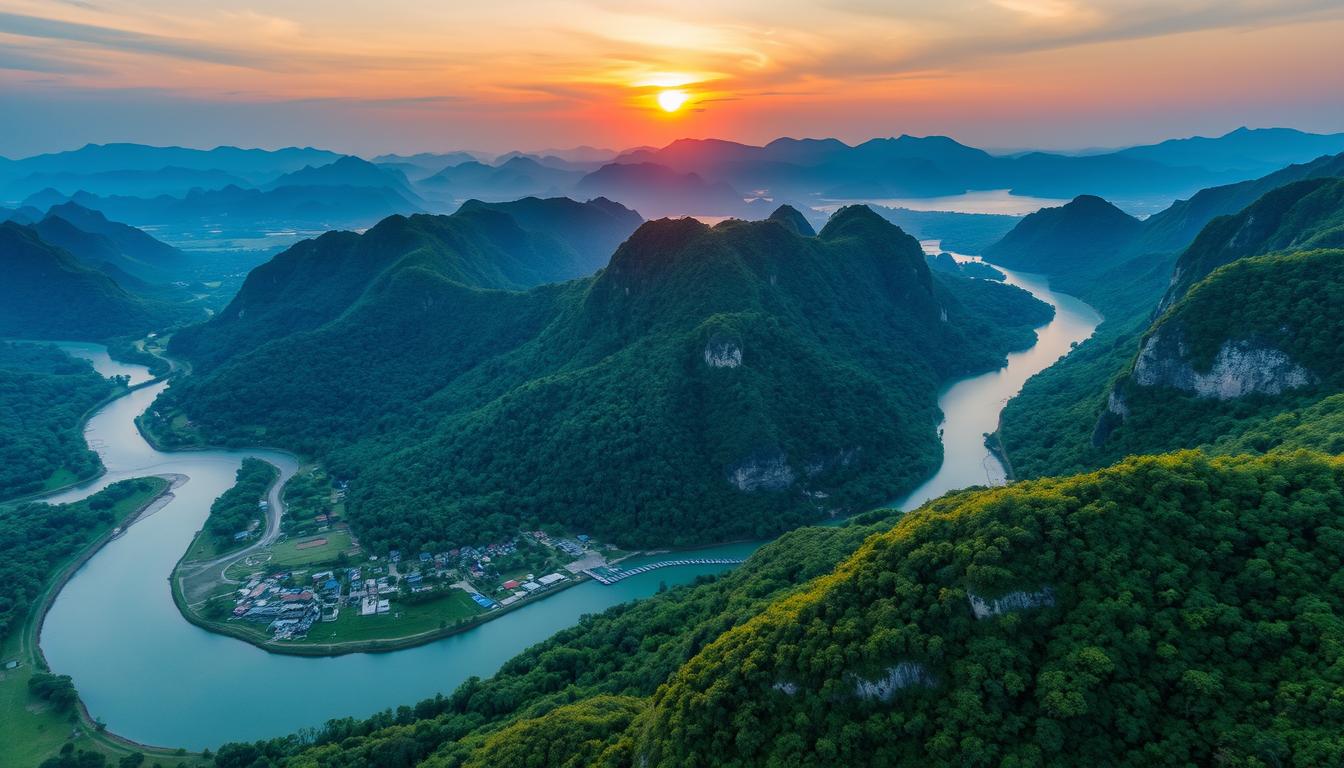
Ha Long Bay is perfect for kayaking and overnight cruises. Its emerald waters and limestone karsts are breathtaking. For history buffs, visiting the Cu Chi Tunnels provides insight into Vietnam’s past.
The ancient town of Hoi An offers a chance to explore well-preserved architecture and enjoy local cuisine. The bustling streets of Hanoi are also a must-experience. They showcase rich cultural heritage and friendly locals.
Off-the-Beaten-Path Recommendations
For travelers looking to venture off the beaten path, both Thailand and Vietnam have hidden gems. In Thailand, the Isaan region offers a glimpse into rural Thai life. It has ancient ruins, waterfalls, and traditional festivals.
In Vietnam, the Con Dao Islands are a lesser-known destination. They boast pristine beaches, historical sites, and a chance to see sea turtles. Another offbeat destination is Ninh Binh. It has picturesque landscapes and ancient temples.
Whether you’re drawn to the bustling cities, serene landscapes, or cultural festivities of Thailand and Vietnam, there’s something for every kind of traveler. By exploring these unique experiences, you’ll gain a deeper appreciation for the rich cultural heritage and natural beauty of these Southeast Asian countries.
Conclusion: Making Your Final Decision Between Thailand and Vietnam
Deciding between Thailand and Vietnam for your next trip can be tough. Both countries have their own special things to offer. Your choice depends on what you like and what you’re looking for.
Thailand is famous for its lively culture, tasty food, and gorgeous beaches. If you love a busy nightlife, big cities, and beautiful temples, Thailand might be for you. Vietnam, on the other hand, has a rich history, stunning nature, and cultural sites. It’s perfect if you want a calm trip, beautiful views, and to learn about history.
Think about what you really want from your trip. Do you want the excitement of Bangkok or the peaceful beauty of Ha Long Bay? Your choice should match what you enjoy most.
By looking at the points we’ve discussed, you can decide which country is right for you. Whether you pick Thailand or Vietnam, you’ll have a trip you’ll never forget in Southeast Asia.