

Table of Contents
ToggleDid you know pickpocketing accounts for the majority of crimes reported by visitors in Europe’s busiest tourist cities? These numbers might seem daunting, but you have the power to outsmart thieves. By adopting a few simple habits before you leave, you can greatly reduce the risk of losing your valuables. For official traveler safety information, see the U.S. State Department.
Learning how to avoid pickpockets can turn your travel into a journey of confidence and discovery. We aim to share expert strategies to keep your belongings safe. You’ll discover effective ways to protect against theft, ensuring your trip remains enjoyable and worry-free.
Key Takeaways
- Prioritize situational awareness in crowded public spaces.
- Use anti-theft gear like hidden money belts or slash-proof bags.
- Keep your most important documents in a secure hotel safe.
- Distribute your cash and cards across different pockets or bags.
- Trust your instincts if a situation or person feels suspicious.
✈️ TripToGo Travel Deals
Get notified about great travel deals
Hand-picked flight, hotel and destination deals, straight to your inbox. No spam, unsubscribe anytime.
🎉 Thank you for subscribing!
You’re all set — the best travel deals are on their way.
Mastering Situational Awareness in Crowded Spaces
Entering a bustling city requires heightened awareness. This vigilance serves as your primary defense against thieves who prey on tourists. By maintaining eye contact and avoiding phone fixation, you convey alertness, making yourself less of a target.
Identifying High-Risk Zones
Some areas naturally draw individuals looking to exploit unsuspecting visitors. Be extra cautious in high-risk zones like busy train stations, crowded city centers, and famous landmarks. Pickpockets often hide in these dense crowds, going unnoticed.
Spotting these areas is key to avoiding pickpockets. Upon entering a transit hub or a bustling market, focus on your personal safety. This mindset shift is essential for protecting yourself from theft before it occurs.
Maintaining Personal Space Buffers
Physical distance is a traveler’s ally. Keeping a buffer of at least three feet around you helps detect unwanted closeness. If someone gets too close, step away or change direction without hesitation.
Your body language also plays a critical role in theft prevention. Standing upright and keeping belongings close to your body conveys confidence. This stance makes it difficult for others to approach you, safeguarding your valuables.
Planning this trip?
Our partner Voyada’s AI trip planner builds a day-by-day plan with flights, hotels and a real total cost for your dates — in about a minute, free.
Plan my trip for me →Common Scams and How to Beat Them
The pickpocket playbook is small and predictable — here are the moves and the defence for each, then the full guide below.
| The scam | Where it happens | How to beat it |
|---|---|---|
| The transit crush | Metros & buses (Paris, Barcelona, Rome) | Bag in front, hand on the zip; watch the doors-closing moment |
| The petition / clipboard | Tourist squares | A group thrusts a clipboard while another dips your pocket — say no and walk on |
| The friendship bracelet / rose | Landmarks (Sacré-Cœur, Rome) | They tie it on, then demand money — keep hands in pockets, don’t stop |
| The ‘spill’ helper | Anywhere | Something is spilled on you and a ‘helper’ cleans you off — secure your bag, decline |
| The fake police | Tourist areas | ‘Officers’ ask to check your wallet for ‘fake notes’ — never hand it over; ask for ID |
| Restaurant bag-snatch | Cafe terraces | Never hang a bag on a chair back or leave a phone on the table |
| ATM shoulder-surf | Street ATMs | Use bank-lobby ATMs, cover the keypad, decline ‘help’ |
The Two Habits That Stop Most Thefts: Key Facts
Pickpocketing is opportunistic, not random — thieves target distraction and easy access. The two habits that defeat most attempts: keep valuables in front of your body and zipped, and stay alert at the predictable hotspots (packed metros, famous landmarks, crowded markets).
Split your valuables. Carry the day’s cash and one card in a front pocket or anti-theft crossbody; leave your passport, spare card and backup cash in the hotel safe or a money belt under your clothes. If one stash goes, the trip doesn’t.
Prepare in five minutes: photograph your passport and cards, save your bank’s international lost-card number, and enable a strong lock and remote-wipe on your phone. If you are pickpocketed, file a local police report for the reference number your insurer needs. Country advice: US State Department.
Essential Gear to Safeguard Your Belongings
Protecting your valuables begins with gear designed to outsmart thieves. Investing in specialized equipment creates a physical barrier against criminals. These proactive choices are key for travelers in crowded areas.
Selecting Anti-Theft Bags and Packs
Your daypack or purse is your first line of defense against theft. Opt for bags with slash-proof fabric to prevent thieves from accessing your belongings. Also, choose bags with lockable zippers to keep your items secure while exploring.
Choosing gear with these features makes your belongings harder to access. This simple upgrade is a highly effective way to prevent pickpocket incidents. Always keep your bag in front of your body, not slung over your back.
Utilizing Hidden Money Belts and Neck Wallets
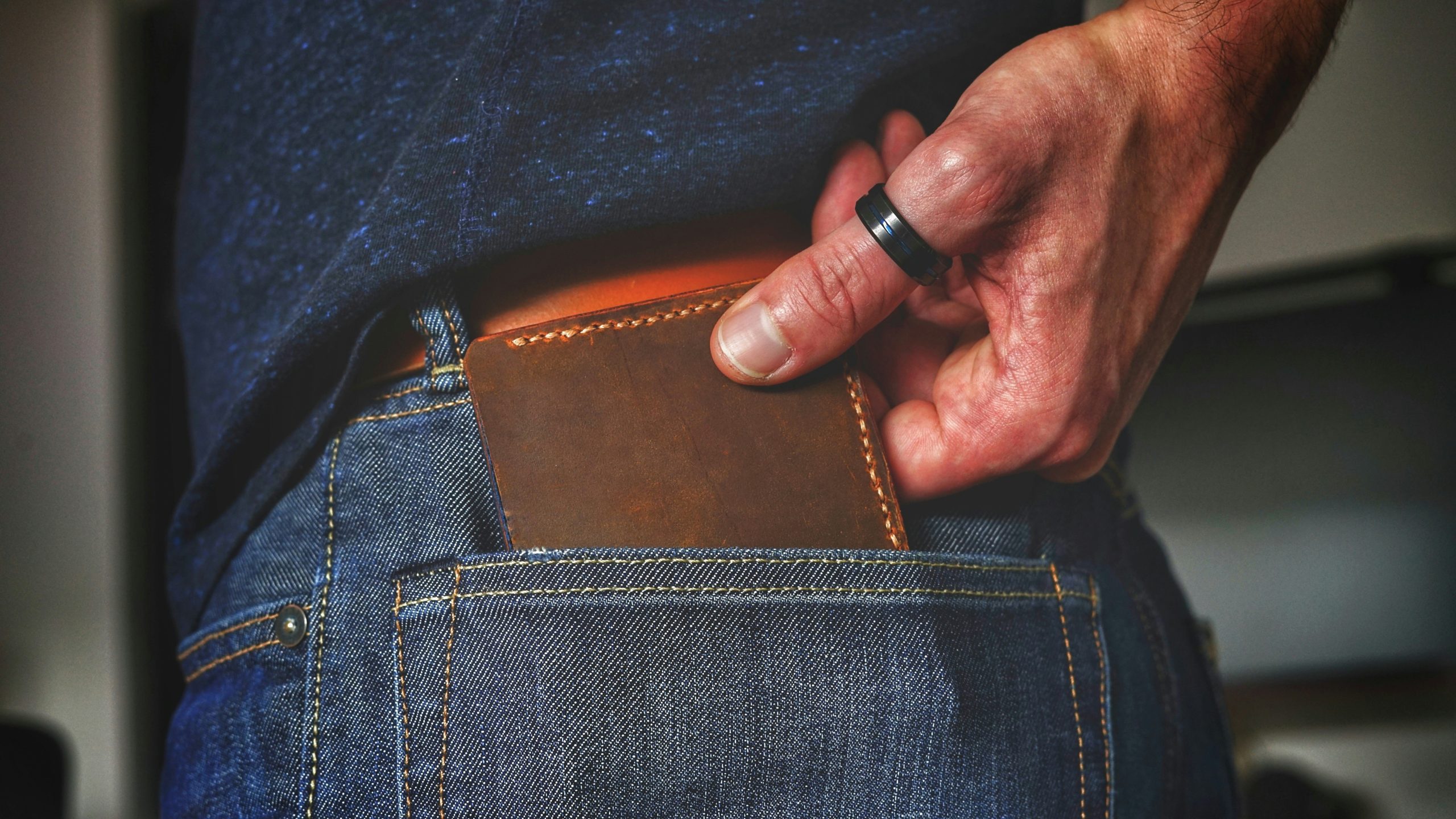
A hidden money belt is essential for your most critical items, like your passport and credit cards. These slim pouches are worn discreetly under your clothes, keeping valuables out of sight. They offer a security level that a standard wallet cannot match.
Neck wallets provide a similar benefit, keeping your emergency cash and ID hidden under your shirt. This ensures your most important documents are safe, even if your main bag is compromised. Using these accessories helps maintain peace of mind during your travels.
How to Avoid Pickpockets Using Strategic Clothing Choices
Your wardrobe choices are key to safeguarding your valuables while exploring new cities. By choosing the right gear, you can deter thieves before they even consider you a target. These simple tips focus on making your belongings hard to access.

Layering for Security
Layering is a travel hack that offers more than warmth in changing climates. Wearing a light jacket or sweater over your base layer creates a protective shield. This method allows you to hide a money belt or neck wallet comfortably against your body.
These items remain hidden under your outer garments, making them invisible to onlookers. This is a highly effective way to prevent pickpocket incidents in crowded areas. Thieves seek easy targets, and hidden items are much harder for them to access.
Choosing Apparel with Internal Pockets
Modern travel clothing often features hidden, zippered pockets for security. Look for jackets or trousers with these internal compartments for your cash, room keys, or credit cards. Keeping your most important items inside your clothing removes the temptation for opportunistic thieves.
When your pockets are empty on the outside, you become a much less attractive target. Using these specialized garments is one of the best ways to prevent pickpocket incidents during your daily sightseeing. By planning your outfit with security in mind, you can enjoy your trip with much greater peace of mind.
Navigating Public Transportation Safely
Stepping onto a crowded subway or bus requires immediate focus on protecting your valuables. Public transit systems are bustling hubs that demand constant awareness. A few smart pickpocket prevention tips can significantly enhance your gear’s security as you navigate the city.
Securing Bags on Trains and Buses
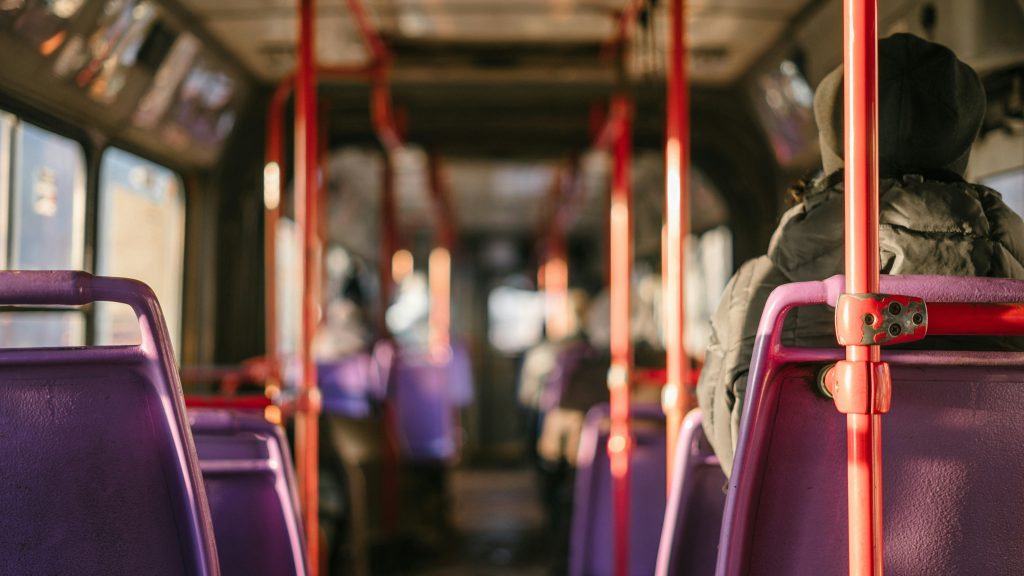
Always maintain physical contact with your bag while riding public transit. The safest method is to wear your backpack or messenger bag on your chest, where you can see it at all times. If you must wear it on your back, keep a hand firmly on the zipper or strap.
When you find a seat, do not let your guard down. Loop the strap of your bag securely around your arm or the leg of the chair. This simple action creates a physical barrier that makes it much harder for someone to snatch your belongings and run.
Managing Personal Items During Peak Travel Times
Peak travel times, such as morning and evening commutes, are when crowds are at their densest. These high-traffic periods provide the perfect cover for thieves to operate unnoticed. You must remain hyper-vigilant during these windows to effectively prevent pickpocket incidents.
Avoid the common mistake of setting your phone, wallet, or bag down on train seats or tables. These items become instant targets for a quick grab as the doors open and close. By keeping your belongings in your lap or firmly held, you minimize the window of opportunity for anyone looking to take advantage of your commute.
Protecting Your Valuables in Tourist Hotspots
Protecting your valuables in cities like Rome or Paris is straightforward. Stay ahead of thieves by being vigilant. Popular landmarks are stunning, but they’re also hotspots for theft. Being alert is your strongest defense against opportunistic crime.
Managing Distractions at Landmarks
Thieves exploit the excitement of tourist sites to create distractions. Whether it’s the Eiffel Tower or the Colosseum, keep your bags close when a commotion happens. These simple steps help you enjoy iconic cities without becoming a victim.

Handling Cash and Cards in Busy Markets
Markets like Istanbul’s Grand Bazaar demand extra caution. When buying souvenirs, handle your money and cards discreetly. Avoid showing large sums of money, as it attracts unwanted attention.
Keep your payment methods in a secure pocket until the last moment. By following these tips, you can shop confidently. Remember, being aware of your surroundings keeps your travel experiences positive and worry-free.
Understanding Common Pickpocket Schemes
Knowledge is your first line of defense against thieves. By recognizing the tactics used by criminals, you can quickly identify suspicious behavior. This prevents theft attempts before they happen.
Learning these anti-theft techniques helps you stay alert in crowded places. You become a prepared traveler, not an easy target.
Recognizing the Distraction Technique
Thieves often use staged events to distract you from your valuables. They might spill a drink on you, start a loud argument, or ask for directions while pointing at a map.
Their aim is to divert your attention for just a few seconds. In that brief moment, an accomplice will try to access your pockets or bag.
Identifying the Bump and Grab Method
The bump and grab method involves physical contact to distract you. A thief might push you in a crowded place like a subway station or market aisle.
This contact has two effects: it makes you lose your balance and hides the sensation of a hand reaching for your wallet. Being alert in tight spaces is key to protecting your belongings from this tactic.
Always keep your hands on your bag if you feel an unexpected push. Using these anti-theft techniques ensures you can enjoy your trip without worry.
Managing Your Finances and Documents
Smart travelers understand the importance of not putting all their money in one place. Carrying all your cash in one wallet can lead to disaster if you’re not careful. By dividing your funds, you create a safety net that ensures your trip remains on track.
Distributing Cash Across Multiple Locations
It’s wise to never have all your travel money in one place. Use anti-theft techniques by splitting your cash into smaller amounts. Carry a small daily allowance in your pocket and store the rest in secure, separate locations.
Consider keeping backup funds in a hotel safe or a hidden compartment in your luggage. If you lose your main wallet, these hidden reserves will keep you from being stranded. These simple steps offer peace of mind as you explore new cities.
Securing Passports and Identification
Your passport is your most valuable travel document and needs extra care. Never leave it in a backpack or an outer pocket where it can be easily stolen. Always keep it in a dedicated money belt or a secure neck wallet worn under your clothing.
These hidden storage options are the best way to keep your belongings safe while navigating busy tourist areas. By keeping your identification close to your body, you make it nearly impossible for pickpockets to access your sensitive items. Taking these steps will help you secure your belongings and focus on enjoying your journey.
Best Months and Times for Secure Travel
Smart travelers understand the importance of choosing the right time to visit a destination. Selecting travel dates that avoid crowded areas can significantly reduce your risk of encountering thieves. This proactive strategy helps safeguard you from pickpocketing even before you arrive at your destination.
Traveling During Off-Peak Seasons
Traveling to popular cities during the shoulder season offers a more relaxed experience. Months like April, May, September, and October provide pleasant weather without the overwhelming tourist crowds of mid-summer. With fewer people around, it’s easier to evade pickpocket schemes.
Steering clear of major holidays and peak vacation weeks also helps. These periods attract opportunistic criminals due to the dense crowds. Traveling during quieter times allows for a more secure experience in local markets and transit hubs. This simple change in your travel plans can be a powerful security measure.
Timing Sightseeing to Avoid Peak Crowds
Even in busy seasons, you can plan your day to reduce risks. Most pickpockets target the chaotic mid-day rush when landmarks are filled with distracted visitors. By visiting iconic sites in the early morning or late evening, you can enjoy them with fewer people around.
This approach helps you avoid high-density areas where thieves often operate. Visiting museums or squares at opening time offers a calmer experience, keeping you away from afternoon congestion. Using this timing strategy is a smart way to outsmart pickpocket schemes and ensure a secure, memorable trip.
Maintaining Distance from Possible Threats
Did you know that keeping a certain distance can deter thieves? Your physical space in public areas is critical in defending against pickpocketing. By staying vigilant and maintaining a clear area around you, it becomes more challenging for someone to access your belongings.
Establishing a Three-Foot Safety Perimeter
It’s wise to keep a three-foot buffer in crowded spots. If someone gets too close in a busy area, like a transit line or famous landmark, it’s a red flag. This small gap makes it harder for thieves to reach your pockets or bag.
Regularly enforcing this distance helps thwart pickpocketing by eliminating surprise. When you control your space, you’re in control of your surroundings. Don’t hesitate to step back; your safety is the utmost concern while exploring.
Reading Body Language in Public Areas
Understanding body language is essential for travelers. Watch for individuals intensely eyeing your bag or pockets instead of the surroundings. This behavior often signals their intent to steal.
If someone appears nervous or keeps glancing at your valuables, listen to your instincts and move. These actions help you outsmart pickpocketing attempts. Being alert and keeping a safe distance is key to safeguarding your belongings during your travels.
Digital Security and Electronic Theft Prevention
Did you know thieves can steal your info without touching your stuff? Modern travel demands protection from pickpocketing in both the digital and physical worlds.
By being alert, you can safeguard your sensitive data against tech-savvy crooks. Simple steps can keep your journey worry-free and your identity secure.
Blocking RFID Skimming Attempts
Many credit cards and passports have chips that send out info wirelessly. Skimming is far rarer than it sounds — modern chip cards send a one-time code and e-passports stay locked until scanned in person.
Use RFID-blocking wallets or travel pouches to block this. These items act as a shield, stopping unauthorized scanning of your personal info.
Securing Mobile Devices in Public
Your smartphone is a treasure trove for digital thieves seeking easy access to your accounts. Always use strong passwords or biometric locks to secure your device.
Before leaving, activate “find my phone” features. These tools help you track or erase your data if your device is lost or stolen. They thwart pickpocket schemes that exploit technology to breach your privacy.
Handling Interactions with Strangers
Your ability to manage social interactions effectively is a key way to deter pickpockets. While most people you meet are genuine and kind, it’s vital to stay cautious. By setting clear personal boundaries, you keep your focus on your travel goals, not security risks.
Setting Boundaries with Street Vendors
Aggressive street vendors use proximity to distract you while an accomplice searches for an opening. Keep a firm distance and don’t stop for unsolicited goods. A polite but firm “no” can deter them from pursuing you further.
If a vendor tries to place an item in your hand or insists on showing you something, keep your hands in your pockets or firmly on your bag. Never let them touch your clothing or gear. Staying mobile and maintaining a steady pace can effectively deter pickpockets who target stationary individuals.
Managing Unsolicited Assistance
It’s common for strangers to offer help with your luggage or directions, often in busy transit hubs. While some offers are genuine, others aim to distract you, leaving your bags vulnerable. Always decline help with your luggage, as you’re best equipped to manage your belongings.
If you’re lost, seek help from official sources like transit staff or police officers, not random individuals. Keeping your hands free and your eyes on your surroundings helps you stay in control. Trust your instincts; if an interaction feels forced or uncomfortable, move to a crowded, well-lit area immediately.
Emergency Protocols After a Theft
When your security is compromised, having a clear action plan is essential. Nobody wants to imagine losing their wallet or phone. But knowing what to do next helps you regain control swiftly. Being prepared for these moments is a key way to deter pickpockets, ensuring you stay composed and ready to act.
Reporting Incidents to Local Authorities
If you realize your items are missing, head to the nearest police station immediately. Filing an official report is critical. Most travel insurance providers require this documentation to process any claims for stolen property.
Always ask for a copy of the report before leaving the station. Keep this document in a safe place. It serves as your primary proof of the incident for both your insurance company and your home country’s embassy.
Canceling Financial Accounts Immediately
Time is of the essence when it comes to your money. Contact your bank or credit card issuer immediately to freeze your accounts and prevent unauthorized transactions.
Most major banks have international toll-free numbers for travelers in distress. If your passport was also taken, contact your local embassy or consulate right away to begin the emergency replacement process.
Taking these swift actions minimizes the damage and helps you get back to enjoying your trip. Remember, staying organized and alert remains one of the best ways to deter pickpockets throughout your journey.
Cost-Effective Security Measures for Every Budget
Travel security is within reach for all, regardless of budget. You don’t need to spend a lot to protect yourself from pickpockets. By adopting smart habits and using simple tools, you can greatly reduce theft risk without overspending.
Low-Cost DIY Security Hacks
Many effective security solutions are free or very cheap. For instance, a metal paper clip or a small zip tie can lock your zipper pulls. This simple action makes it hard for thieves to open your bag in crowded areas.
Another clever trick is using a locking carabiner on your bag straps. These are available at hardware stores for under five dollars. By clipping your bag to a chair leg or your belt loop, you add a layer of protection. This discourages thieves in cafes and other public places.
Investing in Reliable Anti-Theft Hardware
With a bit more budget, investing in specialized gear offers lasting security. Brands like Pacsafe and Travelon offer bags with slash-resistant fabric and locking zippers. These items, though pricier, are effective against pickpockets for years.
Consider a dedicated money belt or a neck wallet made of moisture-wicking material. These cost between fifteen and thirty dollars. They keep your passport and cash hidden under your clothes. Investing in quality hardware is a wise choice. It safeguards your valuables while you enjoy your travels.
Psychological Tactics to Deter Criminals
Your mindset is your first line of defense when exploring new cities. By controlling how you carry yourself, you can effectively safeguard against theft before a situation even arises. Criminals constantly scan crowds for individuals who seem distracted or unsure of their surroundings.
Projecting Confidence and Purpose
Walking with a clear sense of direction is one of the best ways to signal that you are not an easy mark. Even if you are navigating a new neighborhood, keep your head up and maintain a steady pace. This simple shift in body language helps you safeguard against theft by showing that you belong exactly where you are.
Avoiding the Appearance of a Target
Avoid behaviors that broadcast your status as a vulnerable tourist. Constantly checking your pockets or fumbling with a map makes you stand out to those looking for an opportunity. Instead, keep your movements fluid and stay observant of the people around you.
Projecting an air of constant awareness acts as a powerful deterrent. When you look like you are paying attention to your environment, you naturally safeguard against theft. Stay alert, walk with purpose, and enjoy your travels with peace of mind.
Before you go: turn this guide into a day-by-day plan. Our partner Voyada is a free trip builder that builds the trip with flights, hotels and a real total cost for your dates — in about a minute.
Make a travel itinerary →Beating Pickpockets: Real Tactics
Pickpocketing is the one crime most likely to spoil a trip — and it’s largely preventable.
- Wear an anti-theft crossbody in front, zipped, and keep spares in a money belt.
- Split your cash and cards, leave your passport in the safe, and carry a copy.
- Stay extra alert on transit, in tourist crowds, and during any distraction or scam.
- Back pockets and open bags are targets — and never leave a phone on a café table.
- Learn the local scams (the petition, the spill, the fake ‘police’).
Conclusion
Traveling around the world can be incredibly rewarding, filled with joy and discovery, when you feel safe. Learning to avoid pickpockets is not only possible but also essential. It requires a combination of vigilance and preparation.
Now, you have the tools to safeguard your valuables on every journey. By adopting these strategies, you can travel new cities with confidence. This way, you can enjoy the beauty of your travels without worrying about losing something precious.
It’s time to review your travel gear and start practicing these habits on your next trip. Inspect your zippers, use Pacsafe bags, and keep your eyes on the wonders around you.
Always stay alert and ready for your next adventure. With the right precautions, you can protect your belongings and make unforgettable memories worldwide.
FAQ
What are the most effective ways to deter pickpockets at an outdoor cafe?
How can I outsmart pickpocket schemes that involve "helpful" strangers?
What should I do to protect myself from pickpocketing when using a smartphone for navigation?
Are there specific anti-theft techniques for people who prefer using backpacks?
How can I safeguard against theft if I need to carry a large amount of cash?
What is the best way to prevent pickpocket incidents in high-density areas like festivals?

Olivia Carter
How do I avoid pickpockets in Paris specifically?
Keep bags zipped and worn across the front on the Metro, especially lines 1 and 4 and around Montmartre, the Eiffel Tower and Châtelet–Les Halles, where crowding is used as cover. Be wary of strangers holding a clipboard, petition or gold ring, and of anyone pointing out a mark on your coat — both are classic distraction set-ups. Keep your passport at the hotel and carry only the cash and one card you need for the day.
What should I do immediately if I get pickpocketed?
First check what is missing, then cancel your cards straight away by calling your bank’s international number — most have one that works from abroad. Report the theft to the local police to get a report for insurance purposes, and if your passport was taken, contact your nearest embassy or consulate immediately, since you will need their help to travel home or continue your trip.
Are pickpockets dangerous or likely to turn violent?
Almost never — pickpocketing relies on stealth and distraction, not confrontation, because a thief who is noticed simply walks away rather than risk a fight. It is very different from mugging or robbery, which do involve direct contact or threats. The real risk with pickpocketing is financial and logistical (lost cards, cash and documents), not physical harm, though you should still avoid grabbing at a suspected thief directly.
Which cities have the worst reputation for pickpocketing in Europe?
Barcelona, Rome, Paris, Prague and Athens are consistently named among Europe’s most reported for pickpocketing, largely because they combine huge visitor numbers with dense metro systems, markets and landmark queues — the exact conditions pickpockets need. That does not make other cities safe by comparison; it simply means extra vigilance around major stations, trams and tourist squares pays off most in these places.
Do I need an RFID-blocking wallet to prevent theft?
Not really — contactless card skimming with hidden readers is far rarer in practice than old-fashioned pickpocketing, and most banks already cap contactless transaction limits and refund fraudulent charges. An RFID-blocking wallet or sleeve does no harm and costs little, but it is a minor precaution compared with the basics: a zipped, front-worn bag, split cash and cards, and awareness in crowds.
Is a money belt or a crossbody bag better against pickpockets?
A money belt worn under clothing is the more secure option for your passport, spare cards and most of your cash, since it is essentially invisible to a thief. A slash-resistant crossbody bag worn in front is more practical for the small amount of cash and one card you need during the day. Most experienced travellers use both together rather than relying on either alone.
What are the most common pickpocket scams to watch for?
Classic set-ups include the fake petition or clipboard survey that occupies your hands while an accomplice takes your bag, the dropped ring or spilled drink that creates a distraction and an excuse for contact, and someone offering unsolicited help with a ticket machine or map. All rely on the same trick: getting you to lower your guard or free your hands for a few seconds.
Is it safe to use ATMs while travelling abroad?
Yes, provided you use common sense: choose ATMs attached to banks rather than free-standing street machines, cover the keypad when entering your PIN, and check the card slot for anything loose or unusual that could suggest a skimming device. Avoid counting cash in the open once you withdraw it, and if a machine looks tampered with or you feel watched, walk away and try another one.
Does travel insurance cover stolen belongings?
Most travel insurance policies do cover theft, but usually only up to a set per-item and total limit, and only if you report the theft to local police within 24 hours and get a written report. Keep receipts or photos of valuable items before you travel, since insurers typically ask for proof of ownership and value, and expect a deductible to apply to any claim.
Should I report a pickpocketing incident to the police?
Yes, even though it rarely leads to recovering your belongings. A police report is usually required for a travel insurance claim, and if your passport or ID was stolen, you will need it to get an emergency replacement from your embassy. Most tourist-heavy cities have English-speaking officers or a dedicated tourist police unit that can take the report quickly.
Are pickpockets a bigger risk on the metro or subway than elsewhere?
Yes — crowded train doors, the moment of boarding and alighting, and the general press of rush hour are among the highest-risk situations, because the crowd itself hides the theft and makes a quick getaway easy. Keep bags in front of you and zipped, avoid back pockets entirely, and be extra alert right as the doors open and close, which is when most metro thefts happen.
What is the best way to protect my passport while sightseeing?
Leave your passport in the hotel safe and carry a photocopy or a photo of it on your phone instead — most situations that ask for ID, from bar entry to police checks, accept a copy. If local law requires carrying the original, keep it in an under-clothing money belt rather than a bag or back pocket, where it is far more exposed to theft.
Do pickpocket gangs really use children to steal?
Yes, this is a documented tactic in several major European tourist cities, where children or teenagers work in small groups, sometimes using a piece of cardboard or newspaper to shield their hands while going through pockets or bags. Authorities in these cities actively police the practice, but the same rules apply regardless of who approaches you: keep bags zipped and front-worn, and step back from anyone crowding your space.
Is it safe to leave luggage unattended on night trains or buses?
No — luggage racks and overhead shelves on night trains and long-distance buses are a known target, since passengers sleep for hours with their bags out of sight. Use a cable lock to secure your bag to a fixed rail or your seat, keep your passport, cards and phone on your person rather than in the bag, and choose a bunk or seat near your luggage where possible.
Should I avoid wearing expensive jewellery or watches while travelling?
It is safer to leave statement jewellery and luxury watches at home, since they visibly signal that you are worth targeting, both for pickpockets and for the rarer but more serious risk of a snatch-and-grab. A plain watch and minimal jewellery draw far less attention, and anything sentimental or high-value is safer left in a hotel safe than worn on the street.
Are pickpockets more active at certain times of day or year?
Pickpocketing peaks during the summer tourist season and around major holidays, festivals and public events, when crowds are thickest and thefts are easiest to hide. Within a day, the busiest commuting hours and the moments around popular sights opening or closing — when crowds bunch up at entrances — see the most activity, so extra vigilance at these times pays off most.