


Table of Contents
ToggleDid you know most new parents dread that first flight more than the trip itself? Taking your baby on a plane can seem overwhelming, but with the right prep, it’s manageable. Airlines permit infants as young as seven days old, but pediatricians often advise waiting until they’re two to three months old. This wait helps their immune system grow stronger before facing crowded airports. For official guidance on flying with children, see the U.S. Federal Aviation Administration.
Traveling by air is more than just packing diapers. Knowing the best times and how to prepare ensures a smooth trip. Whether you’re flying with a newborn or planning your first family trip, these tips for flying with a baby will boost your confidence.
Key Takeaways
- Wait until your infant is at least 8 to 12 weeks old to improve immune health.
- Check airline policies regarding infant seating and bassinet availability before booking.
- Pack a dedicated carry-on bag with extra supplies for unexpected delays.
- Consult your pediatrician about travel safety and necessary vaccinations.
- Prioritize direct flights to minimize transitions and reduce overall travel time.
Strategic Planning for Your First Family Trip
Starting a journey with your little one is a significant milestone. It requires careful planning, focusing on the practical aspects of infant care. Organizing your logistics early can make the transition smoother, allowing you to enjoy your first trip as a family.
✈️ TripToGo Travel Deals
Get notified about great travel deals
Hand-picked flight, hotel and destination deals, straight to your inbox. No spam, unsubscribe anytime.
🎉 Thank you for subscribing!
You’re all set — the best travel deals are on their way.
Choosing the Best Months for Travel
Timing is critical when planning your first family trip. Air travel and crowded airports can increase the risk of your child getting sick. We recommend traveling during off-peak months to avoid flu season.
When flying with a newborn, opt for quieter travel times to reduce germ exposure. Choose shoulder seasons for less crowded airports and cleaner public spaces. This simple change can greatly benefit your baby’s health.
Budgeting for Baby-Friendly Logistics
Many parents overlook the value of convenience in favor of cheap fares. When flying with a baby, direct flights are generally better than layovers. They reduce travel time and stress, making it easier to manage your gear.
Invest in more comfortable accommodations with extra space or kitchenettes. Having a dedicated area for bottles or a quiet spot for naps can save your sanity. Prioritizing these needs over cost savings ensures a memorable trip for everyone.
Planning this trip?
Our partner Voyada’s AI trip planner builds a day-by-day plan with flights, hotels and a real total cost for your dates — in about a minute, free.
Plan my trip for me →Flying With a Baby: The Checklist at a Glance
Everything that matters in one table — then the full guide below.
| Area | What to do | The key detail |
|---|---|---|
| Seats | Bassinet bulkhead row, or a seat + car seat | Book the bassinet the moment you ticket — limited and first-come |
| Documents | Passport for the baby; ESTA/visa as needed | Even newborns need their own passport to fly internationally |
| Ears | Feed or offer a pacifier on takeoff & landing | Sucking equalises ear pressure and prevents most crying |
| Milk & formula | Reasonable quantities allowed through security | Declare breast milk/formula to security — exempt from the 100 ml liquid rule |
| Diaper bag | Diapers for the flight plus delays, wipes, 2 changes | Pack a full change of clothes for the baby and a spare top for you |
| Gear | Gate-check the stroller and car seat | Free on most airlines; you keep the stroller to the aircraft door |
Bassinet, Ears and the Security Rules: Key Facts
The two things that make or break the flight: book a bassinet bulkhead seat early (they’re free but scarce), and feed on the way up and the way down — sucking clears the ear-pressure that causes most infant crying.
Security is friendlier to parents than you fear. You may carry reasonable quantities of breast milk, formula and baby food through security above the usual liquid limit — just declare them for separate screening. A baby also flies free as a lap infant on most domestic routes (under 2), though international tickets add taxes and a small fare. There is still no federal rule guaranteeing you a seat beside your child, so check your airline’s family-seating policy before you book — Alaska, American, Frontier, Hawaiian and JetBlue guarantee it free, others do not.
Pack for delays, not just the flight: carry roughly double the diapers, a full change of clothes for the baby and a spare top for you, and gate-check the stroller so you keep it to the aircraft door. Check your airline’s infant policy, and for US security specifics see the TSA traveling-with-children page.
Essential Tips for Flying with a Baby
Embarking on a journey with a baby can seem daunting, but with the right preparation, it becomes an exciting adventure. Understanding the intricacies of air travel allows you to focus on the thrill of your destination. These tips will equip you with the knowledge to navigate flying with a baby confidently.
Booking the Right Seat Configuration
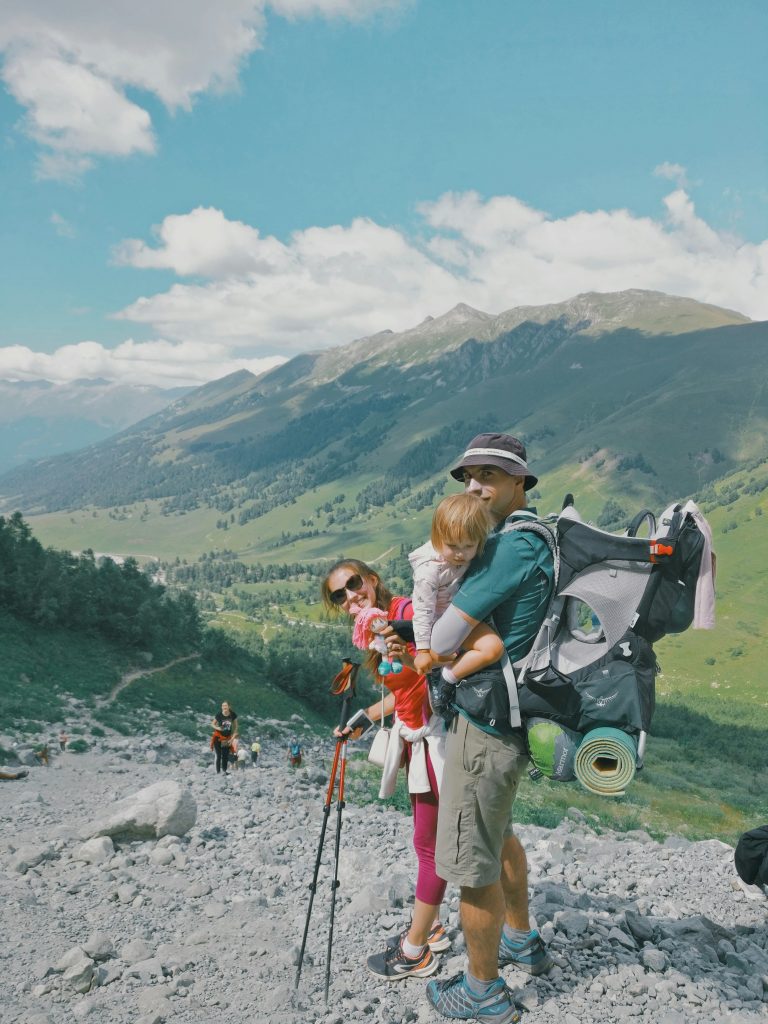
Choosing the right seat for your baby is a critical decision. The FAA doesn’t require a ticket for children under two, but holding a baby on your lap for extended periods can be exhausting. Many experts recommend purchasing a separate seat for safety and comfort.
Opting for a seat allows you to use an FAA-approved car seat for your child. This provides a familiar, secure space for your baby and enhances protection during turbulence. It also gives you a much-needed break to stretch your arms during the flight.
Navigating Airport Security with Infants
Passing through security checkpoints can be a major concern for new parents. Fortunately, the rules are designed to be family-friendly. You are allowed to bring medically necessary liquids, including breast milk, formula, and baby food, through security in larger quantities than usual.
Ensure these baby flight essentials are packed in an easily accessible part of your carry-on. You must declare these items to the security officer before screening. Staying organized at this stage minimizes stress and keeps your travel day on track.
Managing Flight Logistics and Timing
When flying with an infant, the success of your trip often hinges on the timing of your departure. Careful planning helps you avoid unnecessary stress while navigating busy terminals. By focusing on the logistics early, you create a smoother experience for both you and your little traveler.
Selecting Optimal Flight Durations
For longer distances, booking direct flights is almost always the best strategy. Fewer stops mean fewer transitions, which significantly lowers the chance of delays or missed connections. While direct flights might sometimes carry a higher price tag, the convenience of staying on one plane is worth the extra cost.
Reducing the time spent in transit is one of the most important baby flight essentials to consider. Shorter travel days keep your baby’s routine as stable as possible. Aim for routes that minimize total travel time to ensure everyone arrives at the destination feeling refreshed.
Coordinating Travel Times with Nap Schedules
Try to align your departure or arrival times with your baby’s natural nap schedule. If you can book a flight that overlaps with their longest sleep period, you increase the odds of a quiet, peaceful journey. This simple adjustment can make a world of difference in your overall comfort.
Safety remains the top priority during any flight. Turbulence is the leading cause of injuries for children on airplanes, so keeping your baby secured in an FAA-approved car seat is vital. Always check your airline’s specific policies on car seat usage before you head to the airport.
Mastering these timing strategies is a key part of your baby flight essentials toolkit. By staying flexible and planning around your infant’s needs, you turn a potentially chaotic day into a manageable adventure. Remember that a well-rested baby is a happy traveler, no matter the distance.
Packing Essentials for the Modern Parent
Mastering the art of packing is key to a smooth journey when flying with an infant. You aim to carry enough for comfort without the burden of heavy bags. A thoughtful packing strategy keeps you organized amidst the chaos of terminals.

The Carry-On Survival Kit
Your carry-on bag serves as a mobile nursery during the flight. Ensure you have at least one full change of clothes for both you and your baby. Also, pack a sufficient amount of diapers, wipes, and essential medications to maintain your baby’s happiness.
Store these items in a pouch or clear bag for easy access. This setup allows for quick retrieval of necessities without rummaging through your entire suitcase. Being ready for unexpected spills makes flying with an infant less stressful.
Managing Strollers and Car Seats at the Gate
Many parents fret about handling bulky gear during travel. Fortunately, most airlines exempt strollers, car seats, and booster seats from standard luggage limits. This policy is a significant relief for families needing their equipment at the destination.
These items can usually accompany you to the boarding gate. Once at the aircraft door, you can gate-check them for immediate retrieval upon arrival. This process is standard for infants on airplanes, eliminating the need for baggage claim.
Always verify your airline’s specific rules before heading to the airport. Some carriers impose size restrictions on strollers, so being informed ahead of time avoids last-minute stress. Proper planning ensures your gear’s safe arrival, allowing you to focus on your child.
Health and Safety Protocols in Transit
Traveling with a baby demands a dual focus on comfort and health. Your main aim is to ensure your infant’s happiness and well-being throughout the journey. By preparing in advance, you can tackle common travel challenges with ease.
Handling Cabin Pressure and Ear Pain
Changes in cabin pressure can be uncomfortable for babies during takeoff and landing. Encourage your baby to swallow to equalize ear pressure. This can be done by giving them a bottle, pacifier, or breastfeeding during these times.
It’s important to note that you don’t have to adhere to liquid restrictions for your baby. Liquid formula, breast milk, and water for mixing are exempt from the 3.4-ounce limit. Having these items readily available helps soothe your child during pressure changes.
Maintaining Hygiene in Public Spaces
Airports and cabins are crowded areas that need extra cleanliness attention. When flying with infants, being proactive about your seat’s environment is wise. Carrying antibacterial wipes is a simple yet effective way to protect your baby.
Before your baby settles in, sanitize the tray table, armrests, and seatbelt buckle. These surfaces are frequently touched by many. A quick wipe-down makes your baby’s space safer and cleaner for play or rest.
Ground Transportation Strategies
Ground transportation poses a significant challenge after the plane journey. You must devise a strategy to transport your family and luggage safely from the terminal to your destination. Whether opting for a rental car or local transit, thorough preparation is essential for a seamless arrival.
Securing Reliable Car Seat Rentals
The decision to bring your own car seat or rent one locally is a common conundrum. Bringing your own seat ensures its safety and history, but it increases luggage bulk. Renting offers convenience, but it’s vital to choose a reputable agency that guarantees the seat’s condition and cleanliness.
Inspect any rental seat meticulously before installation. Look for missing straps, expired dates, or wear that could jeopardize safety. Having a backup plan, like a lightweight travel seat, can alleviate concerns when flying with a baby.
Navigating Public Transit with a Stroller
Public transit, including buses, trains, and subways, can efficiently explore a new city. Yet, accessibility of your route is critical. Ensure stations have elevators and that your stroller fits through turnstiles or crowded platforms.
For frequent public transit use, consider a lightweight, umbrella-style stroller. Its quick foldability aids in navigating stairs or tight spaces during busy travel times. Keeping your hands free while securing your baby enhances your urban adventure.
Choosing Accommodations for Maximum Comfort
The choice of where to stay is as critical as the journey itself when traveling with a baby. The right lodging can help maintain a consistent routine away from home. A suitable space is essential for rest after a day of travel.
Evaluating Hotel vs. Vacation Rental Amenities
Vacation rentals offer a significant advantage for parents. They provide a separate living area, allowing you to move freely after your baby sleeps. A kitchenette is also a plus for preparing meals or warming up baby food.
Hotels, while convenient, may lack the space for a full crib setup. Opt for suites with extra room if staying at a hotel. Always verify if cribs are available or if you must bring your own.
Setting Up a Portable Sleep Environment
Creating a familiar sleep space is key when traveling with a baby. Replicate your home environment with the same sleep sack or white noise machine. These cues help your baby understand it’s time to sleep.
Bring a portable blackout shade to control light levels in new rooms. This tool is vital for maintaining nap schedules. A consistent environment ensures your baby feels secure and sleeps well during your trip.
Feeding Schedules While on the Move
Mastering on-the-go nutrition is key for a smooth family journey. Away from your home kitchen, a consistent routine is vital. It requires preparation and flexibility. Whether at a busy terminal or in your seat, keeping your little one happy is essential.
Breastfeeding and Pumping During Travel
Breastfeeding while traveling is the ultimate convenience, as you don’t need extra supplies. For privacy, look for dedicated nursing rooms in major airports. These spaces offer a quiet spot away from the terminal’s noise.
For pumping parents, a portable, battery-operated pump is essential for expressing milk anywhere. Carry a small cooler with ice packs to keep milk chilled. Don’t forget extra storage bags and cleaning wipes for hygiene.
Managing Formula and Solid Food Logistics
If you’re traveling with a baby on a plane, keep things simple. Pre-measure formula powder into individual containers before leaving. This makes mixing a fresh bottle easy with bottled water.
When traveling with a baby on a flight, time feedings with takeoff or landing. This helps equalize ear pressure, reducing discomfort. It’s a lifesaver for many parents during long trips.
For babies starting solids, use easy-to-serve pouches or soft snacks. Pack extra servings in your carry-on for unexpected delays. Staying prepared makes traveling with a baby on a plane enjoyable for all.
Keep bibs and burp cloths handy for quick cleanups. When traveling with a baby on a flight, having these items ready prevents minor spills from becoming major issues. With these tips, you can enjoy the journey with your little one.
Managing Baby Sleep Patterns Across Time Zones
Wondering how to fly with a baby across time zones? You’re not alone. Crossing multiple time zones can upset a child’s internal clock, causing fussiness and early wake-ups. Yet, a few simple adjustments can help your family adjust to a new location’s rhythm.
Infants under two months often have irregular sleep patterns, which can be beneficial. These young ones might sleep better at night than during the day. Choosing flight times that match their natural sleep patterns can greatly reduce travel stress.
Adjusting to New Environments
Upon arrival, light exposure is key for resetting your baby’s clock. Spend lots of time outdoors during the day to help their body adjust to local time. Natural sunlight aids in melatonin production, vital for nighttime sleep.
Keep your baby’s sleep environment consistent, even in unfamiliar places. A familiar blanket or portable white noise machine can offer comfort. Consistency helps your baby feel secure, easing the transition to a new time zone.
Strategies for Minimizing Jet Lag
For long-distance trips, start adjusting your baby’s schedule a few days before departure. Gradually shift their schedule by fifteen to thirty minutes each day. This small adjustment can significantly ease the landing impact. Patience is essential, as it may take one day for every hour of time difference to adjust fully.
Plan for extra downtime during the first few days of your trip. While travel costs can be high, a slower pace helps manage stress. Embrace flexibility and remember, your baby will adapt to the new schedule with your gentle guidance.
Keeping Your Baby Entertained During Transit
Learning to fly with a baby reveals the importance of preparation. To keep a baby happy in a small space, you need creativity and the right tools. It’s not about overpacking, but having a few clever tricks can make a huge difference.
Age-Appropriate Travel Toys
The key to success is introducing new things. Choose small, age-appropriate toys that your baby hasn’t seen before. These new items hold their attention longer than familiar toys.
Opt for soft books, textured sensory rings, or quiet fidget toys that don’t make noise. Switching these items keeps the journey exciting and fresh for your baby.
Digital Entertainment and Screen Time Guidelines
Technology can be a helpful ally during long trips. A tablet with high-contrast videos or gentle music can be a lifesaver. It’s a backup plan, not the first choice.
Knowing how to fly with a baby means being flexible. Use digital devices sparingly to keep your baby calm and happy until you arrive.
Handling Unexpected Travel Challenges
Even the most seasoned travelers face unexpected hurdles when exploring the world with a little one. While you might have mastered the basics of how to fly with a baby, life on the road can throw a curveball your way. Staying calm is your most powerful tool, as your infant often mirrors your emotional state during stressful moments.
Managing Meltdowns in Public
Public meltdowns are a common reality for many parents, but they do not define your trip. If your baby becomes overwhelmed in a crowded terminal, try to find a quiet corner or a less busy gate area to help them reset. Remember that you are doing your best, and most fellow travelers are more understanding than you might fear.
Focus on soothing techniques that work at home, such as gentle rocking or a favorite pacifier. When you know how to fly with a baby, you learn that keeping your own heart rate low helps the baby settle much faster. Take a deep breath, stay patient, and keep your focus on your child’s immediate comfort.
Emergency Medical Preparedness
Peace of mind comes from knowing you are ready for minor health concerns. Always pack a well-stocked medical kit that includes infant-safe pain relievers, a digital thermometer, and basic bandages. Having these items on hand ensures you can address small issues quickly without searching for a pharmacy in an unfamiliar city.
Consult your pediatrician before your departure to get advice on appropriate dosages for your specific destination. By preparing for these scenarios, you can handle any minor hiccup with grace. This proactive approach is a vital part of learning how to fly with a baby and ensures your family adventure remains a positive experience.
Navigating Cultural Differences and Local Resources
Traveling internationally reveals vast differences in parenting styles and resources. Embracing these variations is essential for connecting with new cultures while ensuring your family’s comfort. Smart baby travel tips can help you adapt your routine to the new environment.
Before you leave, remember that your infant needs a valid passport. This requires an in-person application, so start early to avoid last-minute stress. Choosing the best travel months for your destination can also help you avoid harsh weather, making it easier to find local resources.
Finding Baby Supplies Abroad
Finding diapers, formula, or baby food in a foreign country can seem daunting. Research local grocery stores or pharmacies online before you arrive. This way, you can identify familiar brands or suitable local alternatives, saving time and reducing the need for excessive packing.
When booking your accommodation, consider the distance to the nearest reliable pharmacy. In remote areas, you may need to carry more supplies than in major cities. These tips ensure you’re never caught off guard by a lack of essential items.
Adapting to Local Parenting Norms
Every culture has its unique approach to raising children, making observations a highlight of your trip. You might find locals in some regions are very welcoming to infants in public, while others have different quiet time expectations. Staying open-minded allows you to learn from these traditions while meeting your baby’s needs.
Flexibility is key when navigating these social nuances. If local nap schedules or feeding times differ, try to adjust your travel times to match. By blending your parenting style with local customs, you create a richer, more authentic experience for your family.
The Financial Reality of Traveling with an Infant
Understanding the true cost of traveling with a baby is the first step toward a stress-free vacation. While the memories you create are priceless, the logistics of moving a tiny human across distances often require a shift in your financial planning. Incorporating smart baby travel tips early on helps you avoid surprises while keeping your budget on track.
Hidden Costs of Baby Travel
Many parents overlook the smaller expenses that accumulate during a trip. You might face unexpected baggage fees for extra gear like portable cribs or specialized strollers. Sometimes, booking an extra seat for safety becomes a necessary expense, even if your infant could technically sit on your lap.
We recommend reallocating your budget to prioritize convenience over absolute rock-bottom prices. Choosing direct flights or central accommodations often saves you significant time and energy, which is worth the premium. These baby travel tips ensure you spend less time navigating transit and more time enjoying your destination.
Maximizing Value and Rewards
You can offset these costs by leveraging travel rewards and loyalty programs effectively. Many credit cards offer points for everyday purchases that can be redeemed for flights or hotel stays. By planning your trips during the off-season or shoulder months, you can often secure better rates for the same high-quality amenities.
Consistency is key when managing your travel funds. By understanding the financial reality of family travel, you can make informed decisions that align with your long-term goals. Always look for ways to maximize your rewards to keep your future adventures affordable and fun.
Maintaining Your Own Well-Being as a Traveling Parent
While caring for your little one, don’t forget about your own well-being. It’s the key to a smooth vacation. Your mental state influences the whole family’s experience. Simple baby travel tips can keep you grounded as you explore.
Managing Expectations and Stress
Lowering your expectations before you leave can reduce stress. Realize that a trip with a baby is just parenting in a new setting. You’ll face the usual challenges, but with a new backdrop.
Letting go of the “perfect” vacation opens the door to real enjoyment. Acknowledge that some days will be tougher. Keeping your goals realistic saves your energy and patience.
The Importance of Flexibility
Flexibility is essential when traveling with an infant. Plan for only one main activity a day to avoid burnout. This allows for rest and unexpected discoveries.
Your baby’s mood can shift quickly, and that’s okay. Being adaptable means you can adjust plans when needed. These tips help you focus on making memories, not following a strict schedule.
Before you go: turn this guide into a day-by-day plan. Our partner Voyada is a free travel itinerary planner that builds the trip with flights, hotels and a real total cost for your dates — in about a minute.
Build an itinerary →Flying with a Baby: Survival Tips
Flying with an infant is far more manageable with a little preparation.
- Book a bassinet/bulkhead seat, and feed on takeoff and landing to ease their ears.
- Pack extra nappies, wipes and clothes in your carry-on — plus a change of top for you.
- Board early (or late to shorten the flight), and gate-check the stroller.
- Bring familiar comfort items and low-key distractions.
- Check the paperwork — some airlines want proof of age — and know that milk and formula are allowed through security.
Conclusion
Exploring the world with your baby creates bonds that last a lifetime. This journey requires careful planning, patience, and a positive mindset. It ensures everyone stays happy.
Perfection is not the goal of your travels. Focus on the joy of discovery, not a rigid schedule. Every small challenge you overcome builds your confidence as a parent on the move.
Start by creating your own personalized baby travel checklist today. Use reliable gear from brands like UPPAbaby or Ergobaby to simplify your logistics. Booking your first trip with these tools will turn your anxiety into excitement.
Embrace the process of seeing new places through your child’s eyes. Stay flexible when plans change and cherish the unique memories you create together. Your next great adventure is just one booking away.
FAQ
When is it safe to start flying with a newborn?
What is the safest seating arrangement for infants on airplanes?
How can I manage ear pain when traveling with a baby on a plane?
What are the must-have baby flight essentials for my carry-on?
Do you have any specific baby travel tips for navigating airport security?
How to fly with a baby while keeping their sleep schedule intact?
What are your top tips for flying with a baby on international trips?
Is flying with an infant easier if I am breastfeeding or using formula?
How do I handle sleep disruptions when traveling with a baby on a flight across time zones?
Does a baby need a passport or ID to fly?
For international flights, babies almost always need their own passport, whatever their age; most countries no longer allow a child to travel on a parent’s document, and some destinations want a visa or entry authorisation for the infant too. Apply early, because children’s passports can take longer than adults’ and usually need an in-person appointment. For domestic flights the picture differs by country: in the United States, for example, the TSA does not require identification for passengers under 18, but the airline may still ask for proof of age for a lap infant, so carry a copy of the birth certificate. Check your airline’s conditions of carriage and your national passport service before booking.
Do you have to pay for a baby on a plane?
It depends on the route and the carrier rather than on any universal rule. On many domestic services a child under two travels free on a parent’s lap with no fare at all, while international tickets normally carry an infant fare, commonly a share of the adult fare plus taxes and surcharges, and a few airlines charge taxes only. Buying a separate seat means paying something nearer a full fare, though some carriers discount it. Baggage entitlement for an infant also varies, from a full allowance to none. Fares and rules change constantly, so treat any figure you read anywhere as indicative and confirm on the airline’s own site.
How do you book a bassinet for a long-haul flight?
Bassinets, also called carrycots or skycots, clip to the bulkhead wall, so they exist only in bulkhead rows and only on aircraft fitted for them, generally larger long-haul types. They are usually free but scarce and allocated first come, first served, so request one as soon as you have ticketed rather than at check-in, and reconfirm if your aircraft type changes. Age, weight and length limits vary by airline and by aircraft, and the crew have the final say if your baby has outgrown it. Babies are normally lifted out for takeoff, landing and turbulence. Confirm the details directly with your airline, since published limits differ widely.
Can you hold your baby in a sling or carrier during takeoff and landing?
Generally no. Aviation regulators do not treat soft slings and carriers as approved restraints, and crew will ask you to take the baby out for taxi, takeoff, landing and turbulence. What happens instead depends on where the aircraft is registered. Many regulators outside North America, including in Europe and Australia, have a lap infant secured by a supplementary loop belt that attaches to the parent’s belt, whereas the United States and Canada do not permit loop belts and have the baby held in your arms. An approved child restraint device in a seat of its own is the option regulators rate highest. Ask your airline which rules apply.
Can you take a stroller and a car seat on the plane?
Most airlines carry one stroller and one car seat per child free of charge, outside your normal baggage allowance, and let you keep the stroller as far as the aircraft door, where it is gate-checked and handed back on the jet bridge or at the steps. That is a widespread convention rather than a legal right, and the detail varies: some carriers cap the folded size or weight, some take bulky travel systems at check-in instead, some return gate-checked items at baggage reclaim, and few accept liability for damage. A padded travel bag helps. On a multi-airline itinerary, check each carrier separately, as the rules rarely match.
Should you fly if your baby has a cold or an ear infection?
Ask a doctor rather than a search engine. Congestion narrows an infant’s already narrow eustachian tubes, which makes equalising cabin pressure on descent harder, so a blocked nose can turn a manageable flight into a painful one. Many clinicians will still clear a baby with a mild cold to fly, while some advise postponing with a significant ear infection, recent ear surgery or fluid behind the eardrum. Only your paediatrician or health service can judge your child’s case and advise on any medication or dosing. Speak to them before you travel rather than at the airport, and be ready to move the flight if you are told to wait.