
Table of Contents
ToggleDid you know solo trips are now one of the fastest-growing ways people travel? Embarking on your journey is a massive milestone that fosters true independence and deep self-discovery. For official traveler safety information, see the U.S. State Department.
Many people feel nervous before their initial departure. This is completely normal. Everyone feels awkward when starting a new adventure, but that feeling is just part of the growth process.
You can master this experience with the right mindset. My goal is to provide essential first-time solo trip advice. This will help you transition from a hesitant planner to a confident explorer. Taking this leap is the most important step in your personal journey.
Key Takeaways
- Solo journeys build lasting confidence and independence.
- Feeling nervous is a natural part of the process.
- Preparation helps turn hesitation into excitement.
- Embrace the awkward moments as learning opportunities.
- Your personal growth begins the moment you depart.
✈️ TripToGo Travel Deals
Get notified about great travel deals
Hand-picked flight, hotel and destination deals, straight to your inbox. No spam, unsubscribe anytime.
🎉 Thank you for subscribing!
You’re all set — the best travel deals are on their way.
Defining Your Solo Travel Goals and Budget
Starting a solo journey is a thrilling step that needs careful planning. Before you start packing, think about what you hope to achieve. These key solo travel tips will guide you in matching your goals with your budget.

Assessing Your Comfort Zone
Your comfort level is the cornerstone of a great trip. Decide if you want a calm beach getaway or an energetic city adventure. This choice affects whether you need luxury or can be happy in budget hostels.
Be truthful about your comfort with language and navigation. If solo travel is new to you, start with a place you know. This way, you can grow without feeling overwhelmed.
Setting a Realistic Financial Plan
Creating a solid budget is essential. Begin by listing your fixed costs, like flights and booked stays. Remember to include daily expenses like food, transport, and tour fees.
Work backward from your savings to ensure you have enough for your trip. Always save for emergencies or last-minute changes. With travel insurance and daily expenses in mind, your journey will be both fun and affordable.
Planning this trip?
Our partner Voyada’s AI travel planner builds a day-by-day plan with flights, hotels and a real total cost for your dates — in about a minute, free.
Plan my vacation →Best Destinations for a First Solo Trip
Where to point a first solo trip — safe, easy and sociable — then the full planning guide below.
| Destination | Difficulty | Why it suits a first solo trip |
|---|---|---|
| Japan | Very easy | Exceptionally safe, superb transport, low-hassle even without the language |
| Portugal | Very easy | Friendly, affordable, walkable cities, English widely spoken |
| New Zealand | Very easy | Safe, English-speaking, built for independent backpackers |
| Iceland | Very easy | Among the safest countries on earth; small and simple to navigate |
| Thailand | Easy, social | Cheap, a well-worn backpacker trail, easy to meet others |
| Ireland | Easy, social | English, sociable pub culture, safe and compact |
The Best Destinations for Your First Solo Trip
The right first destination does half the work for you: somewhere safe, easy to get around, where a little English goes a long way and it’s completely normal to see other people travelling alone. These are the beginner favourites that come up again and again.
| Destination | Region | Why it’s perfect for a first solo trip |
|---|---|---|
| Iceland | Europe | Ranked the safest country on earth; everyone speaks English; easy day tours |
| Portugal (Lisbon) | Europe | Affordable, warm and walkable, with sociable hostels |
| Ireland | Europe | Famously friendly locals and an easy English-speaking road trip |
| Japan | Asia | Ultra-safe, spotless and efficient — solo travel is the norm |
| Thailand | Asia | Cheap, welcoming, and the beating heart of the backpacker trail |
| New Zealand | Oceania | Very safe, road-trip heaven, adventure with guided options |
| Costa Rica | Americas | Safe, tour-rich and easy for meeting other travelers |
| Croatia | Europe | A safe, stunning coastline where English is widely spoken |
| Netherlands (Amsterdam) | Europe | Effortless transit, perfect English, easy day trips |
Not ready to fly far? Start with a long weekend somewhere closer to home to find your rhythm — the skills transfer and confidence compounds. Dreaming of Italy for your first trip? See why we rate it in Italy: the best place for your solo trip.
Staying Safe, Social and On-Budget: Key Facts
For a first solo trip, pick easy mode: a safe, easy-to-navigate country where you speak the language or English is common. Japan, Portugal, New Zealand and Iceland consistently top that list — you spend your energy enjoying the trip, not decoding logistics.
Stay social and stay safe. Book the first two nights before you fly, choose social accommodation (hostels with common areas, or small guesthouses) to meet people, and share your itinerary and daily check-ins with someone at home. Trust your instincts and keep cash in reserve.
Budget for the solo tax. Solo travellers pay more per head — no one to split rooms and taxis with, and hotels often add a ‘single supplement’. Hostels, guesthouses, day tours and public transport keep it sane. Solo-female travellers should check destination safety notes on the US State Department country pages first.
Selecting Your First Solo Destination
Choosing the right destination is key to a great solo travel experience. For beginners, it’s vital to pick a place that feels welcoming. You want a spot that’s exciting yet safe, providing the support you need to feel confident.
Criteria for Beginner-Friendly Locations
Opt for cities with good walkability and reliable public transit. Places like Copenhagen, Tokyo, or London are great. They make exploring easy without the need for a car or taxis.
Choose areas where English is common or the tourist infrastructure is strong. Having clear signs, helpful centers, and user-friendly apps is a big plus. These elements support you as you explore your first solo destinations.
Evaluating Distance and Travel Time
It’s tempting to choose a far-off dream spot. But, think about your vacation days. A week-long trip with two days of travel can leave you tired and rushed. Opt for a place that lets you spend more time exploring than traveling.
Be careful with your travel time before booking flights. A shorter flight to a nearby city is often better than a long one. This way, your first trip is both relaxing and rewarding.
Timing Your Trip for Success
Timing is everything when planning your first solo adventure. The right dates can make all the difference, turning a chaotic trip into a smooth, enjoyable vacation. Look for the “shoulder season” when researching solo travel destinations. This period offers pleasant weather and manageable crowds.
Analyzing Best Months for Weather and Crowds
Popular spots have a peak season with high prices and crowded attractions. Avoiding these busy months allows for more space and interaction with locals. Researching the climate of your chosen destinations helps you dodge extreme weather or rainy seasons.
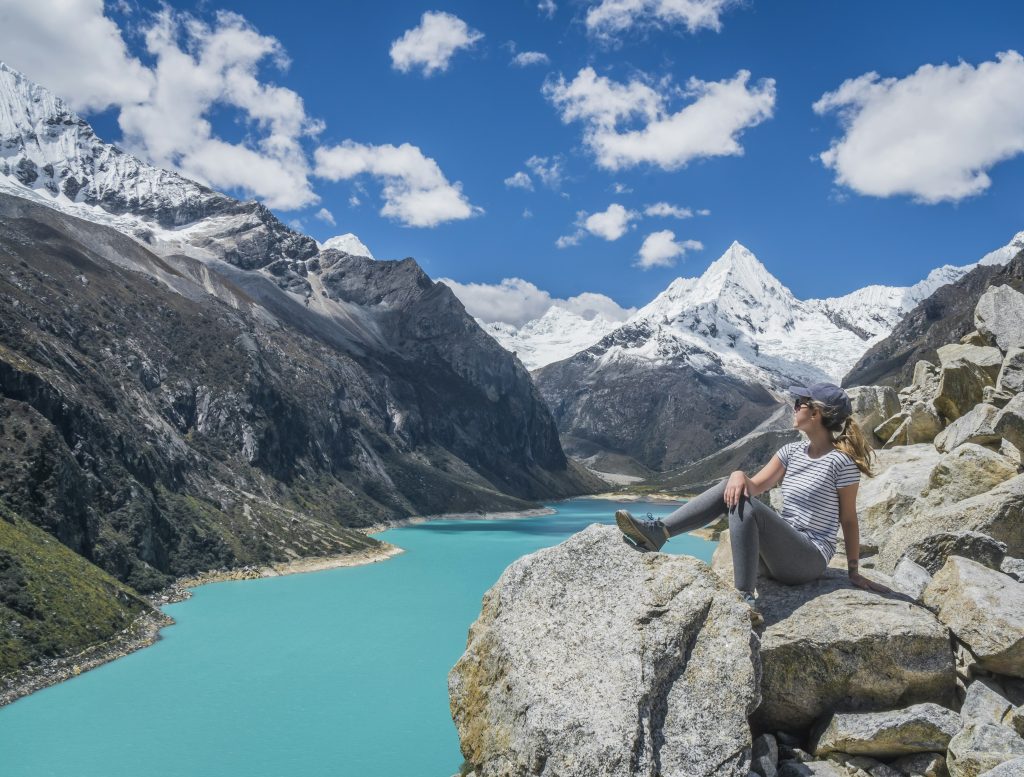
Target the weeks before or after the main tourist rush. This approach often provides ideal weather and a flexible itinerary. Navigating museums and landmarks becomes much easier without the crowds.
Off-Season Benefits for Solo Travelers
Traveling in the off-season significantly cuts costs. You’ll find lower rates on flights and accommodations, stretching your budget. This extra money allows for unique experiences or longer stays.
The off-season also offers a more authentic experience. You’re more likely to connect with locals and enjoy a slower pace of life. Exploring destinations during quieter times fosters a deeper, more personal connection.
Essential Pre-Departure Logistics
Logistics might seem dull, but they’re the backbone of every solo adventure. As a solo traveler, you’re your own project manager. Staying organized is key to a safe journey. Preparing your documents before you leave can prevent stress once you arrive.

Documenting Your Itinerary and Sharing Access
Create a digital folder with your passport, visa, and flight confirmations. It’s smart to carry a physical copy of your hotel address and emergency contacts in your carry-on. This way, you can find your way to your accommodation, even without phone or internet.
Always share your detailed itinerary with someone you trust. Give them access to your flight numbers and hotel bookings. If your plans change, update them quickly. This keeps your support network informed of your whereabouts.
Securing Travel Insurance and Health Coverage
Health coverage is essential for any solo traveler. Invest in travel medical insurance — basic nomad policies typically start in the region of $60 a month for under-40s, but always price your own age and destination. It covers unexpected emergencies, giving you peace of mind while abroad.
Check if your current health insurance covers you internationally. If not, look for travel insurance providers with full coverage. Prioritizing your health and financial security is critical for a safe solo trip.
Packing Strategies for Independent Travel
Mastering the art of packing is essential for solo travelers. Your luggage is your only concern, making it vital to keep it manageable. A lighter bag makes navigating through crowded areas easier.
The Art of Packing Light
For solo adventurers, the key is to use one carry-on bag and a small daypack. This setup keeps you mobile and stress-free. It allows you to change plans without hassle.
Choose versatile clothing for different climates and social situations. Opt for neutral colors and layers that adapt to weather changes. Washing clothes on the go eliminates the need for excess.
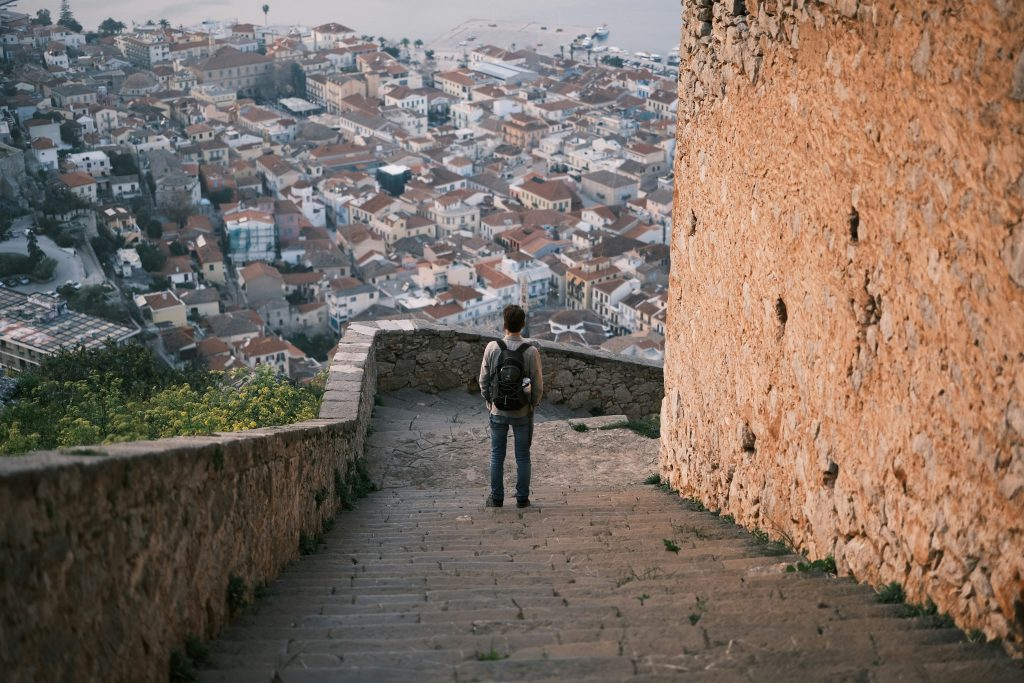
Essential Gear for Safety and Connectivity
When it comes to technology, simplicity is best. Pack only what’s necessary, like a smartphone, portable charger, and universal adapter. Avoid heavy gadgets that weigh you down.
Safety gear should be compact and practical. A money belt or hidden pouch for your passport and cards is essential. It keeps your documents safe while allowing easy access.
Focus on connectivity tools to stay in touch and navigate. Lightweight noise-canceling headphones are invaluable during long trips. These items ensure you’re safe and connected on your journey.
Navigating Transportation Solo
Mastering a foreign transit system might seem daunting, yet it’s a step towards true independence. Learning to navigate from one place to another is a significant achievement for solo travelers. By taking charge of your travel, you evolve from a lost tourist to a self-assured adventurer.
Booking Flights and Trains Efficiently
Advance planning is key to securing better rates and avoiding last-minute hassles. Utilize platforms like fare-tracking tools or route-planning apps to compare fares and schedules before departure. Booking early guarantees a reserved seat and a well-planned arrival.
Opt for daylight arrivals whenever feasible. Arriving when the sun is out allows for clearer assessment of your surroundings. This simple practice enhances your safety and ease in finding your lodging.
Managing Local Transit Systems
Upon arrival, the local transit system becomes your ally for city exploration. Whether it’s subways, buses, or trams, the key is to observe local behavior. Note where they stand, how they pay, and which exits they use in stations.
Don’t hesitate to seek assistance if unsure about a route or ticket machine. Most commuters are willing to offer quick guidance if approached politely. With each successful journey, navigating a new city becomes more natural.
Choosing the Right Accommodation
Your choice of accommodation is key to a great solo travel experience. It’s your base, a place to rest and recharge after exploring. Finding the right balance between comfort and budget is essential.
Comparing Hostels, Hotels, and Rentals
Hostels are great for meeting other travelers and saving money. They often have private rooms for those who want more space but also enjoy social vibes. Read recent reviews before you commit, and favour hostels with 24-hour reception if you expect a late arrival.
Hotels offer privacy and consistent service. They’re perfect for those seeking a quiet, reliable place to stay. For a local experience, consider vacation rentals on vacation rental sites. They let you live like a local.
Prioritizing Location and Security Features
Choose accommodations in central locations to avoid late-night travel. Staying in well-lit, busy areas makes it safer to explore. You’ll feel safer walking back to your room when there’s activity around.
When looking at properties, focus on security features. A 24-hour reception desk is a big plus, as it means help is always available. Also, check reviews for mentions of secure door locks and safe storage for your valuables.
Mastering Solo Travel Safety Tips
Mastering solo travel safety lets you enjoy the thrill of discovery without fear. It’s about being ready and mindful of your surroundings. By following these key solo travel tips, you can confidently explore new places.
Situational Awareness in Unfamiliar Environments
Being aware of your surroundings is key to avoiding trouble. Always keep your phone charged for maps and emergency contacts. Stick to well-lit, public spots, mainly at night.
Listening to your gut is essential for solo travelers. If something feels wrong, leave right away. Your instincts are your best defense in unfamiliar territories.
Protecting Your Digital and Physical Assets
Securing your belongings is vital for safety. Carry your valuables in a small crossbody bag in front of you. This makes theft much harder. Never put your wallet or phone in a back pocket.
It’s smart to spread out your money and important documents. This way, you’re never without resources. These simple tips will help you stay focused on the amazing experiences ahead.
Solo Female Travel: Extra Safety Tips
Solo travel is overwhelmingly safe and rewarding for women — millions do it every year — but a few extra habits stack the odds even further in your favour.
- Dress to blend in with local norms rather than stand out as a tourist.
- Choose accommodation with strong reviews from other solo women, and consider women-only hostel dorms.
- Avoid arriving somewhere new after dark — schedule flights and trains for daytime.
- Share your live location with someone at home and check in daily.
- Where unwanted attention is common, a simple wedding band can quietly deter it.
- Pack a doorstop or portable door alarm for extra peace of mind in budget lodging.
- Trust your gut over politeness — it’s always okay to leave, lie or say no.
The golden rule every experienced solo woman repeats: your instincts are your best safety tool. If something feels off, act on it — you never owe a stranger an explanation.
The Safest Countries for Solo Female Travel
Some destinations make traveling alone as a woman genuinely easy: low crime, respectful cultures, great infrastructure, and plenty of other solo women already on the road. If it’s your first solo trip as a woman, start here and build your confidence.
| Country | Why it’s ideal for solo women |
|---|---|
| Iceland | Consistently ranked the safest country on earth; tiny crime rate |
| New Zealand | Very safe, English-speaking, road-trip and adventure friendly |
| Japan | Extremely safe and orderly; solo female travel is completely normal |
| Switzerland | Low crime, efficient, and effortless to get around alone |
| Ireland | Warm, welcoming locals and an easy shared language |
| Portugal | Affordable, relaxed and friendly, with sociable hostels |
| Slovenia | Safe, green and walkable, with very low harassment |
| Austria | Clean, safe cities and superb public transport |
| Canada | Friendly and safe, from big cities to the great outdoors |
Save higher-hassle or higher-risk destinations for once you’ve found your feet — and always check your government’s latest travel advice before you book.
Safety Gear Every Solo Female Traveler Should Pack
A few small items buy outsized peace of mind. None are expensive, and all fit in a daypack.
| Item | Why pack it |
|---|---|
| Personal safety alarm | A loud deterrent that clips onto a keyring |
| Portable door alarm or doorstop | Extra security in budget rooms and hostels |
| Cross-body anti-theft bag | Locking zips and slash-proof panels foil pickpockets |
| RFID-blocking wallet | Protects your cards from digital skimming |
| Hidden money belt or bra stash | Keeps emergency cash and a spare card out of sight |
| Portable charger | A dead phone is a safety risk, not just an inconvenience |
Accommodation, Transport and Nights Out as a Solo Woman
Where you sleep and how you move around are the two decisions that most affect how safe you actually feel. A handful of habits make both easier:
- Choose central, well-reviewed accommodation — read reviews from other solo women, and consider women-only hostel dorms; they’re worth the small premium.
- Screenshot your accommodation’s address and a nearby landmark before you arrive, so you never have to stand on a corner looking lost.
- Use app-based taxis (Uber, Bolt, Grab) or official ranks, and share your ride status with someone at home.
- On nights out, watch your drink, keep enough battery and cash for a ride home, and tell hostel staff or a new friend your plans.
- Trust your instincts about a neighbourhood after dark — if it feels off, take a taxi rather than walk.
Women’s Travel Communities and Group Tours
You are never really alone out there. A huge, supportive network of women travelers is a tap away — and women-only tours take the planning (and much of the safety worry) off your plate entirely.
- Girls LOVE Travel and Host a Sister (Facebook) — enormous communities for advice, meetups and local tips.
- Women-only group tours from operators like Flash Pack, Intrepid (Women’s Expeditions) and G Adventures.
- Women-focused hostels and ‘poshtels’ that run female-only dorms and social events.
- Apps built specifically to connect women travelers, such as Tourlina and NomadHer.
For a first trip, a women-only small-group tour is a brilliant confidence bridge — you travel independently but with a built-in safety net and instant friends.
Handling Unwanted Attention and Local Norms
In some places, unwanted attention comes with the territory. It’s rarely dangerous, but knowing how to shut it down keeps it from spoiling your trip.
- Research local dress norms and dress to blend in, especially at religious sites and in more conservative regions.
- A firm, unsmiling ‘no’ and walking away is universally understood — you don’t owe anyone politeness.
- A wedding band and a vague ‘my husband is meeting me’ can end persistent attention fast.
- Sit near families or other women on public transport where you can.
- Learn the local word for ‘no’ and the emergency number before you arrive.
None of this should scare you off. Millions of women travel solo every year and come home buzzing — preparation simply lets you relax and enjoy it.
Your Solo Travel Safety Checklist
Screenshot this, or just internalise it — these are the small habits that keep experienced solo travelers out of trouble.
| Do this | Why it matters |
|---|---|
| Arrive before dark | Easier to orient and reach your accommodation safely |
| Book your first night in advance | No scrambling for a bed when you land tired |
| Share your itinerary + live location | Someone always knows where you should be |
| Carry passport copies, stored separately | Fast recovery if the original is lost or stolen |
| Split cash and cards across bags | One theft or loss never strands you |
| Use official or app-based taxis only | Sidesteps the classic unlicensed-driver scam |
| Use a VPN on public Wi-Fi | Protects your banking and logins |
| Eat where it’s busy | Fresher food and safety in numbers |
| Save emergency numbers offline | Reachable even with no signal or data |
Managing Finances While on the Road
Effective financial management is key to a stress-free solo travel experience. In a new country, having a solid financial plan is essential. It ensures you can fully enjoy your journey without financial worries. Carry a mix of local currency and backup cards in separate places to avoid being stranded without funds.
Using Local Currency and ATMs
Accessing cash is a must, but security should always be your top priority. Always withdraw money from ATMs inside bank branches, not from street machines. This simple step greatly reduces the risk of card skimming and keeps your accounts secure.
Keep a small amount of local cash for small purchases at markets or local cafes. Use a debit card with low international fees to save money. Before you leave, check with your bank to ensure your cards are ready for international use.
Avoiding Common Tourist Scams
Being vigilant is your best defense against financial scams in new places. Be cautious of overly friendly strangers who offer unsolicited advice or shop tours. These interactions often lead to high-pressure sales or requests for money.
Also, beware of unofficial taxi drivers who might overcharge. Always use official taxi stands or reputable ride-sharing apps for fair prices. By staying alert and trusting your instincts, you can safeguard your money and enjoy your solo travels.
Building Confidence Through Small Steps
Confidence grows with each step outside your comfort zone. You don’t need to fly across oceans to begin. Start with small, achievable challenges to master the basics of solo travel.
Starting with Day Trips
Begin with a day trip to a nearby town or city. This lets you practice using public transit without the stress of being far from home. It’s a chance to get comfortable with reading maps and following schedules in a safe space.
Use these trips to try dining alone at a local cafe or restaurant. Many find this daunting at first. But mastering it is key for solo travelers. Once you can enjoy a meal alone, you’ll feel ready for longer journeys.
Overcoming Social Anxiety in Public Spaces
Feeling awkward in public is normal when traveling alone. You might think others are watching or judging you. But, most people are too caught up in their own lives to notice you.
See these moments as chances for freedom, not anxiety. Being alone means you decide where to go and what to do, without compromise. This autonomy is a major benefit of solo travel.
Remember, discomfort is temporary. As you gain more experience, your confidence will grow. Keep taking these small steps, and you’ll soon be ready for any adventure.
Connecting with Others While Traveling Alone
Traveling solo can lead to unexpected connections. You might start alone, but soon find yourself more open to others. It’s a chance to grow your social circle while seeing the world.
Finding Community Without Losing Independence
It’s easy to find community without giving up your freedom. Hostels are great places where people from different backgrounds come together. They have common areas and kitchens where you can start conversations.
For more privacy, try local workshops or cooking classes. These activities let you connect with locals and other travelers through shared interests. A simple smile or a local tip can start a conversation, making you feel at ease.
Utilizing Group Tours and Social Events
Free walking tours are a great way to meet people in a new city. They offer a chance to learn about the area while making friends. You can walk and talk with others, feeling no pressure.
Look out for pub crawls, language exchange meetups, or local events. These gatherings are perfect for meeting new people. They let you enjoy your solo time while also connecting with others.
The Best Ways to Meet People (and Beat Loneliness)
The fear that stops most first-timers isn’t danger — it’s loneliness. Here’s the reassuring truth: solo travelers meet more people than couples do, because you’re approachable and you have to reach out. These are the tried-and-true ways in.
- Stay in social hostels — the number-one way to meet other travelers, even if you book a private room.
- Join a free walking tour on day one; it orients you and introduces you to people at once.
- Book a group day tour, food tour or cooking class built around a shared activity.
- Use your hostel booking app’s in-chat feature to connect with other guests before you even arrive.
- Eat at communal tables or hostel family dinners.
- For longer trips, try Workaway or Worldpackers to live and work alongside others.
- Join online communities like the Girls LOVE Travel group for meetups and advice.
- Carry a deck of cards — it breaks the ice across any language barrier.
And when loneliness does creep in — it will, for an evening here and there — that’s normal, not failure. Build in downtime, call home, and remember it usually passes by morning.
Essential Apps for Solo Travelers
A handful of apps quietly replace a travel companion — for directions, safety, budgeting and company. Download these before you go and set up offline access where you can.
| App | What it does for you |
|---|---|
| Google Maps (offline) or Maps.me | Navigate confidently without data |
| A multi-modal route planner | Work out how to get anywhere, by any transport |
| Uber / Bolt / Grab | Safe, upfront-priced rides |
| A hostel booking app | Book hostels and chat with other guests |
| Tour and experience marketplaces | Tours and classes to meet people |
| Stay in touch and share your live location | |
| Google Translate | Break the language barrier (camera + offline) |
| A VPN (NordVPN, ExpressVPN) | Secure your data on public Wi-Fi |
| Splitwise / TravelSpend | Track your spending on the road |
Handling Unexpected Challenges
Even the most seasoned explorers occasionally hit a bump in the road during their solo adventures. While you cannot predict every flight delay or lost reservation, you can control your reaction to these surprises. Staying calm is your greatest asset when plans shift unexpectedly.
Troubleshooting Travel Disruptions
When a train is canceled or a hotel booking goes missing, take a deep breath before taking action. Start by checking official apps like Google Maps or route-planning tools to find immediate alternatives. If you are at a station or airport, approach the information desk with a polite and clear request for assistance.
Keep your important documents, such as your passport and insurance details, in a secure, easily accessible place. Having a digital backup of your itinerary on a cloud service like Google Drive ensures you can access your plans even if your phone battery dies. Remember that most problems have a solution, even if it requires a little extra patience.
Maintaining Mental Well-being During Solo Trips
Solo travel is incredibly rewarding, but it can also be mentally exhausting due to constant decision-making. If you feel overwhelmed by the pace of your journey, give yourself permission to take a “rest day.” Staying in your accommodation to read, watch a movie, or simply nap is a valid and necessary part of your itinerary.
Listen to your body and mind when they signal that you need a break from the stimulation of new environments. You do not need to see every single tourist attraction to have a successful trip. Prioritizing your mental health ensures you remain resilient and ready to enjoy the rest of your adventure.
Documenting Your Solo Travel Experiences
Recording your solo travels creates a lasting memory of your growth. The thrill of the moment is unforgettable, but writing and photographing your experiences keeps those memories alive. This way, you can relive the journey long after it’s over.
Documenting your travels is more than just collecting memories. It’s a way to reflect on your feelings and the independence you’ve gained. Exploring the world alone allows you to experience life on your own terms.
Journaling and Photography Tips
Photography captures the essence of your trip beautifully. To take high-quality photos of yourself, use apps like Lensbuddy for perfect shots without asking strangers.
Journaling should go beyond listing places you visited. Describe the sounds, smells, and emotions you felt during your travels. This adds depth to your journal.
Be honest and raw in your journal entries. Whether you prefer digital apps or traditional notebooks, writing daily keeps you present and mindful.
Reflecting on Personal Growth
Looking back at your notes and photos after your trip reveals much. You’ll see how you handled challenges and grew more confident with each new city.
Your travel diary is a tool for personal growth. Reviewing your experiences helps you see the skills you’ve developed and fears you’ve overcome. This reflection transforms a simple vacation into a life-changing event.
Reflecting on your journey shows how you’ve become a more capable and self-assured traveler. It provides a clear map of your personal development.
The Reality of Travelling Alone for the First Time
Your first solo journey is often more rewarding than the fears you hold. Many hesitate due to the unknown. Yet, stepping out first reveals a world more welcoming than expected.
Debunking Common Solo Travel Myths
One myth is that solo travel means loneliness or danger. In truth, solo travelers often meet more people than those in groups. They become more accessible to locals and other travelers.
Safety is another concern. But solo travel makes you more vigilant. This awareness can make you safer than being distracted by a group.
Embracing the Freedom of Independent Travel
One joy of solo travel is the freedom to control your schedule. You decide when to wake up, where to eat, and what to explore. This autonomy is a key reason solo travel is transformative.
Trust in your instincts and make choices that reflect your interests. Whether it’s a quiet museum visit or a challenging hike, the choice is yours. These experiences boost your confidence, lasting long after you return.
Resources for Ongoing Solo Travel Planning
Mastering solo travel requires a solid toolkit. Having the right resources at your disposal simplifies planning future trips. Whether you’re new to solo travel or have years of experience, a detailed guide can boost your confidence on the road.
Reliable Apps and Websites for Travelers
Modern technology is a game-changer for solo travelers. Use travel apps for up-to-date flight, weather, and event information. These tools are key for tracking expenses, finding safe places to stay, and staying in touch with loved ones.
Reading a top-notch solo travel blog can spark inspiration and offer practical advice. Bookmark sites with verified reviews and safety tips to make informed decisions. Regular use of these resources ensures every trip is a success.
Building Your Personal Travel Network
Travel is more fulfilling when you share your experiences and insights. Join online forums and social media groups to grow your travel network. This way, you can exchange tips on hidden spots and safety measures with fellow adventurers.
Don’t be shy about connecting with independent travel communities. Sharing your adventures on a solo travel blog can help you find support and encouragement. This network is invaluable for future solo trips, making you feel less alone on the journey.
Before you go: turn this guide into a day-by-day plan. Our partner Voyada is a free travel itinerary generator that builds the trip with flights, hotels and a real total cost for your dates — in about a minute.
Create itinerary for trip →Your First Solo Trip
The first solo trip is a rite of passage — start easy and it’s pure freedom.
- Begin somewhere easy and safe — Japan, Portugal, New Zealand or well-trodden Europe.
- Book the first night, and stay social through hostels, group tours and free walking tours.
- Share your itinerary and check in with someone back home.
- Trust your instincts, keep copies of documents, and try to arrive in daylight.
- Embrace the freedom — eat alone confidently and do exactly what you want.
Conclusion
Embarking on a solo journey is a transformative experience, opening doors to personal growth and discovery. You now have the tools to explore new places with confidence and safety.
This guide is your roadmap to making your solo travel dreams a reality. Every seasoned traveler began where you are today.
Choose a destination that stirs your soul and book your travel plans today. Whether it’s a serene retreat or a vibrant city, the key is to start your journey.
Continue to explore our solo travel blog for ongoing inspiration and advice. The world eagerly awaits your independent exploration.
FAQ
Is solo travel safe?
For the vast majority of travelers, yes — solo trips are safe and often life-changing. Stick to beginner-friendly destinations, follow basic habits (arrive by day, share your location, trust your gut), and you tilt the odds firmly in your favour.
What is the best destination for a first solo trip?
Iceland, Portugal, Japan, New Zealand and Costa Rica top most beginner lists — all safe, easy to navigate and welcoming to solo travelers. If you’re nervous, start with a long weekend closer to home.
Is solo travel lonely?
Occasionally, and that’s completely normal. But most solo travelers are surprised how social it is — hostels, walking tours and group activities make meeting people easy. Loneliness usually passes quickly; build in downtime and stay loosely connected to home.
How do you meet people when traveling alone?
Stay in social hostels, join free walking tours and group day tours, use your hostel app’s chat, and try online communities. Shared activities are the easiest icebreakers of all.
What apps do solo travelers need?
At minimum: offline maps, a multi-modal route planner, a ride-hailing app, a messaging app for check-ins, a translation app, and a VPN for public Wi-Fi.
Is it safe to travel alone as a woman?
For the vast majority of women, yes — solo travel is safe and hugely rewarding. Choosing safe destinations, arriving by daylight, staying somewhere well-reviewed and trusting your instincts removes most of the risk. Millions of women travel solo every single year.
What is the safest country for solo female travelers?
Iceland is consistently ranked number one, followed by the other Nordic countries, New Zealand, Japan, Switzerland and Ireland — all with low crime, respectful cultures and easy logistics.
How do solo female travelers stay safe at night?
Arrive by day where possible, use app-based taxis rather than walking unfamiliar streets, keep phone battery and cash for a ride home, watch your drink, and tell someone your plans. Trust your gut over politeness.
What are the best solo travel tips for a first-timer?
Where can I find a reliable solo traveler guide for specific cities?
What is the most important first-time solo trip advice you can give?
Can you share some essential solo travel safety tips?
How does independent travel for beginners differ from a group tour?
Where can I read about real solo travel experiences to get inspired?
What are the top solo travel destinations right now?
Why should I consider starting a solo travel blog?