Table of Contents
ToggleDid you know that over one million cruise ship passengers visit the Pearl of the Adriatic every year? Navigating these massive crowds requires a smart strategy. This way, you can enjoy the city walls without feeling like a sardine in a tin.
Planning your getaway during the shoulder seasons offers a perfect balance. You get mild temperatures and local charm. By choosing the right window, you escape the sweltering heat and the peak summer rush. You’ll also enjoy everything this coastal gem offers.
Our guide provides essential travel tips to help you master your itinerary. We focus on seasonal shifts. This way, you can experience the authentic side of Croatia with ease and confidence.
Key Takeaways
- Aim for May or September to enjoy pleasant weather and fewer crowds.
- Check the cruise ship schedule online to avoid the busiest days in the Old Town.
- Pack layers, as coastal breezes can make evenings feel surprisingly cool.
- Book your accommodations well in advance if you plan to travel during the summer months.
- Prioritize early morning or late afternoon walks to see the city at its most peaceful.
Dubrovnik by Month at a Glance
The quick answer first — then the detailed season-by-season breakdown below.
| When | Temps | Crowds | Verdict |
|---|---|---|---|
| May | 17–23°C / 63–73°F | Moderate | Best overall — warm walls-walking weather, sea just swimmable |
| June | 21–27°C / 70–81°F | Building | Beach season starts, evenings long |
| July–Aug | 24–31°C / 75–88°F | Peak + cruise crush | Hot, crowded, priciest — book months out |
| September | 20–26°C / 68–79°F | Easing | Best sea temps of the year, crowds fade |
| October | 15–21°C / 59–70°F | Low | Golden light, walls almost to yourself |
| Nov–Apr | 8–16°C / 46–61°F | Minimal | Quiet coastal escape; some restaurants close |
✈️ TripToGo Travel Deals
Get notified about great travel deals
Hand-picked flight, hotel and destination deals, straight to your inbox. No spam, unsubscribe anytime.
🎉 Thank you for subscribing!
You’re all set — the best travel deals are on their way.
Timing Tricks the Guidebooks Skip
The crowd variable nobody checks: cruise ships. Two ships in port can double the Old Town’s density by 10 a.m. The Dubrovnik Port Authority publishes the cruise arrival schedule — pick your walls-and-Stradun morning on a zero-ship day and even August feels different.
Walk the walls at open or golden hour: 8 a.m. or two hours before sunset — midday on the white stone in July is a cooking surface.
UNESCO note: the entire Old City of Dubrovnik is a World Heritage Site — the wall-walk ticket also funds its restoration.
Budgeting by season: May and October rooms run 40–60 percent below August — our Croatia cost guide has the full numbers. Official events calendar: Dubrovnik Tourist Board.
Determining the Best Time to Visit Dubrovnik for Your Travel Style
Get Dubrovnik priced for your dates
Tell our partner Voyada’s AI trip planner your dates and it builds the full Dubrovnik trip for that window — flights, hotels and a real total cost — in about a minute, free.
Plan my trip for me→Choosing the best time to visit Dubrovnik requires balancing your desire for sun, culture, and quiet exploration. Every traveler has a unique vision for their perfect getaway. Whether it’s lounging on a sun-drenched beach or wandering through ancient, empty stone streets, understanding your priorities is key. This way, you can align your trip with the city’s natural and social rhythms.
If you love high-energy atmospheres and vibrant cultural festivals, summer is unmatched. The city buzzes with life, outdoor performances, and a lively social scene that goes late into the night. Yet, this excitement comes with larger crowds and higher temperatures, which might not appeal to those seeking a relaxing retreat.
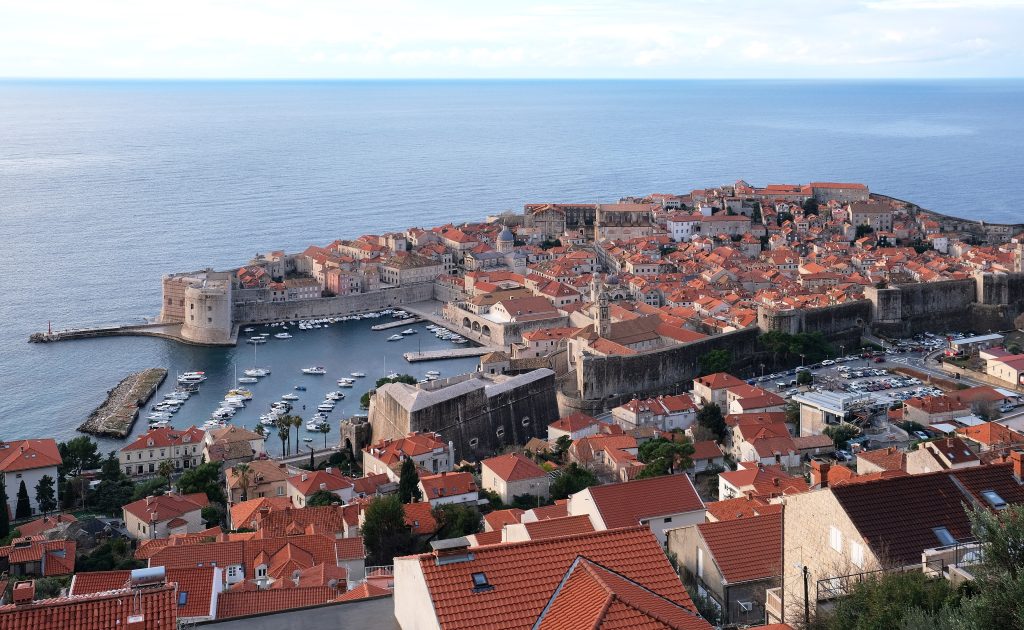
For a more tranquil experience, consider the shoulder and winter seasons. These periods offer a different perspective, allowing you to enjoy stunning architecture and coastal views without the hustle of peak season. Choosing the best time to visit Dubrovnik often means deciding between solitude and the convenience of full-service tourism.
Your decision should reflect what matters most to you during your travels. Whether you prioritize warm swimming weather or the chance to photograph historic landmarks in peace, there’s a perfect window for everyone. By weighing the benefits of peak energy against the serenity of the off-season, you can ensure your trip to this Croatian gem is unforgettable.
Peak Season Dynamics: Navigating July and August
Mastering the peak season in Dubrovnik requires a mix of strategic planning and a deep appreciation for Mediterranean culture. July and August turn the city into a lively, energetic hub, attracting visitors worldwide. To navigate this, it’s key to manage your time effectively.
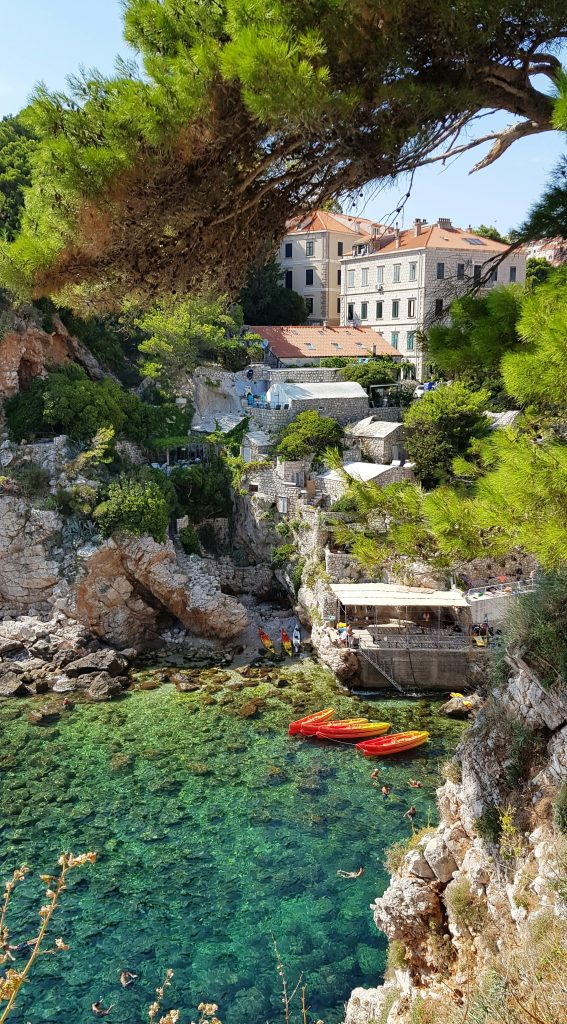
Managing Crowds in the Old Town
The historic Old Town swells with crowds during the day, mainly when cruise ships arrive. To avoid the chaos, plan your visits for the early morning before 9:00 AM. Or, explore the city walls or narrow alleys after 6:00 PM, when the day-trippers have left.
This strategy allows you to appreciate the architecture without the crowds. By adjusting your schedule, you transform a busy visit into a more serene and personal experience.
Temperature Expectations and Humidity Levels
Summer in Dubrovnik is characterized by sunny days and warm evenings. Temperatures often reach 86°F (30°C), with noticeable humidity. It’s important to stay hydrated and seek shade during the hottest part of the day.
Locals recommend taking a midday break at a nearby beach or a cool cafe. Wear light, breathable clothing to stay comfortable while exploring. Always carry a reusable water bottle to refill at the city’s historic fountains.
Budgeting for High-Season Premium Pricing
Traveling in the summer means facing higher prices for flights and accommodations. Demand is at its peak, so booking well in advance is wise. This approach helps you avoid the high rates that come with last-minute bookings.
Look for dining spots outside the main areas to save money. Many hidden gems offer authentic local cuisine at lower prices than the tourist-heavy squares. With proper planning, you can enjoy summer in Dubrovnik without breaking the bank.
The Sweet Spot: Why May and September Offer the Ideal Balance
For those seeking the Adriatic’s charm without summer’s crowds, timing is key. The shoulder months, May and September, offer a rewarding experience in this historic coastal city. These months are perfect for those who prioritize comfort and ease in their travel plans.
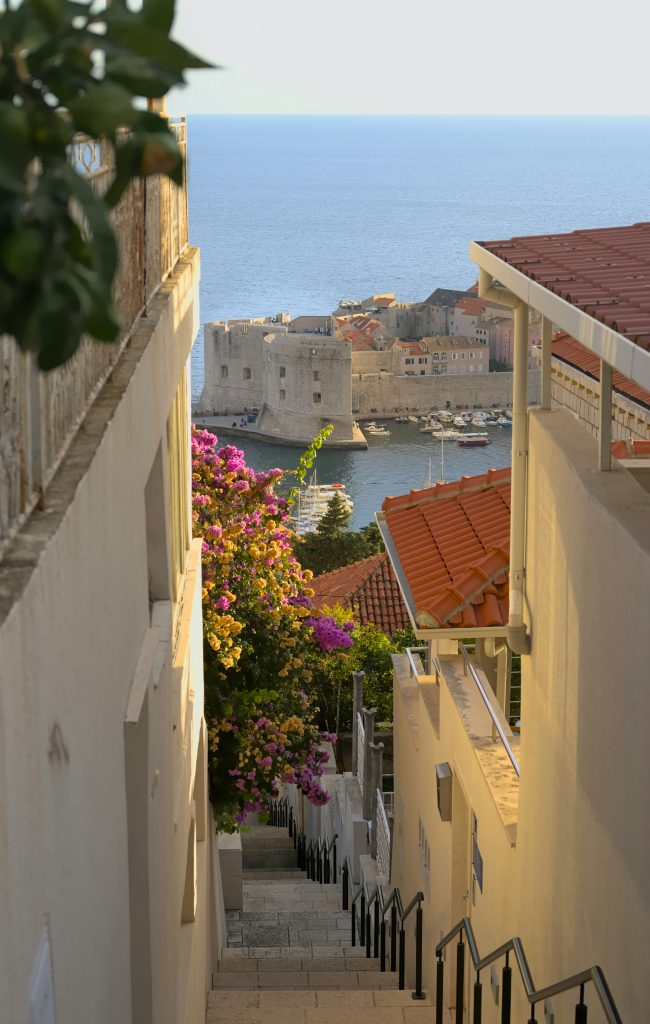
Weather Patterns and Sea Temperatures
In May and September, the Mediterranean climate is at its best. Expect warm, sunny days ideal for exploring the City Walls without the summer heat. The sea temperatures are also inviting, making beach visits enjoyable without the struggle for space.
Availability of Tours and Local Experiences
Visiting during these months offers easy access to local attractions. Tour operators and museums are fully open, with shorter lines than in peak summer. It’s easier to book a boat trip to the Elafiti Islands or a table at a popular restaurant.
Cost Comparisons Against Peak Summer Rates
Traveling during these months can also save you money. Accommodation prices drop significantly compared to summer, allowing for better value. Choosing May or September means you can afford better lodging or more experiences, which might be unaffordable in peak season.
Exploring Dubrovnik During the Shoulder Season
Discovering the Pearl of the Adriatic during the transition months offers a unique, intimate perspective. Many savvy travelers find that the off-peak season Dubrovnik experience provides a much deeper connection to the local culture. You can wander through history without the overwhelming intensity of the summer sun.
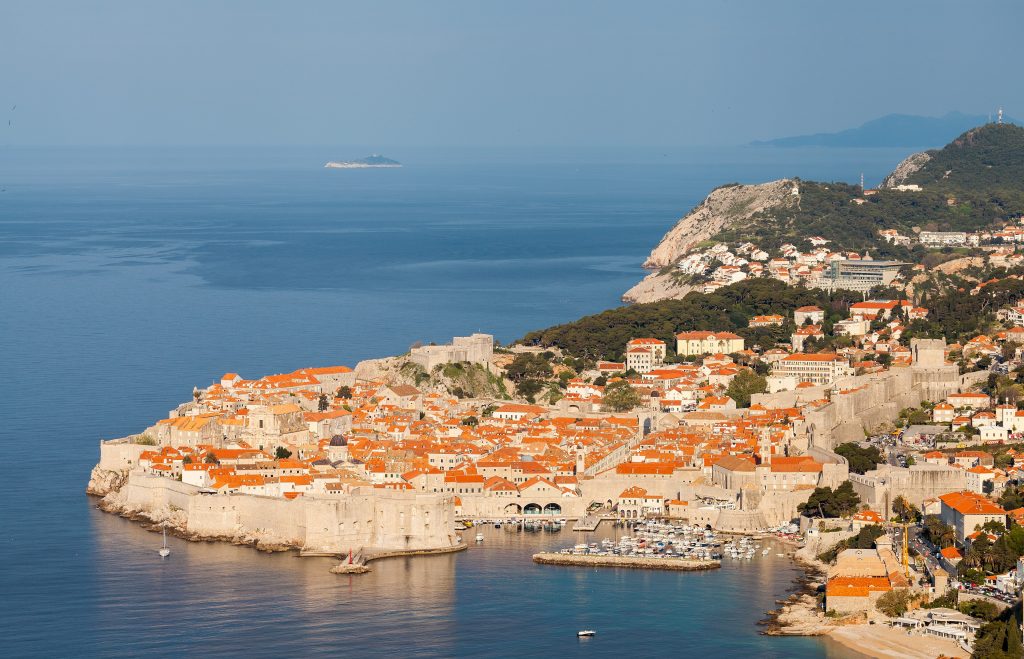
April and October Travel Advantages
Visiting in April or October brings a refreshing change of pace to your coastal getaway. The weather remains pleasantly mild, making it ideal for long walks along the coast or exploring the narrow stone alleys. You will find that the local atmosphere feels more authentic and relaxed during these months.
Cafes and restaurants often have more space, allowing you to enjoy a coffee while watching the world go by. This is the perfect time to engage with locals who have more time to share stories about their beautiful city. The overall vibe is significantly more laid-back compared to the busy summer months.
Reduced Foot Traffic at Major Landmarks
One of the greatest benefits of an off-peak season Dubrovnik trip is the ability to explore major sites at your own speed. You can walk the famous City Walls without navigating through dense crowds of tourists. This allows for better photography and a more peaceful appreciation of the stunning Adriatic views.
Popular landmarks like the Rector’s Palace and the Franciscan Monastery are much quieter during these times. You will rarely need to wait in long lines to enter these historic treasures. It truly transforms your sightseeing into a stress-free and highly rewarding experience.
Logistical Considerations for Off-Peak Transport
Navigating the city becomes much simpler when you travel during the shoulder months. While some ferry routes may operate on a reduced schedule, the local bus network remains reliable and efficient. You will find it easier to secure seats and move between the Old Town and surrounding areas.
It is wise to check transport timetables in advance to ensure your plans align with the seasonal shifts. Most major connections from the airport remain active, ensuring that your arrival and departure stay smooth. Embracing these logistical changes is a small price to pay for the tranquility you gain.
Winter in Dubrovnik: A Quiet Coastal Escape
Summer’s crowds dissipate, revealing Dubrovnik’s quiet, coastal charm in the off-peak season. This time, the city shows a reflective side, unseen by most tourists. It’s ideal for those who prefer slow travel and want to explore the historic walls without the usual rush.
Understanding the Mediterranean Winter Climate
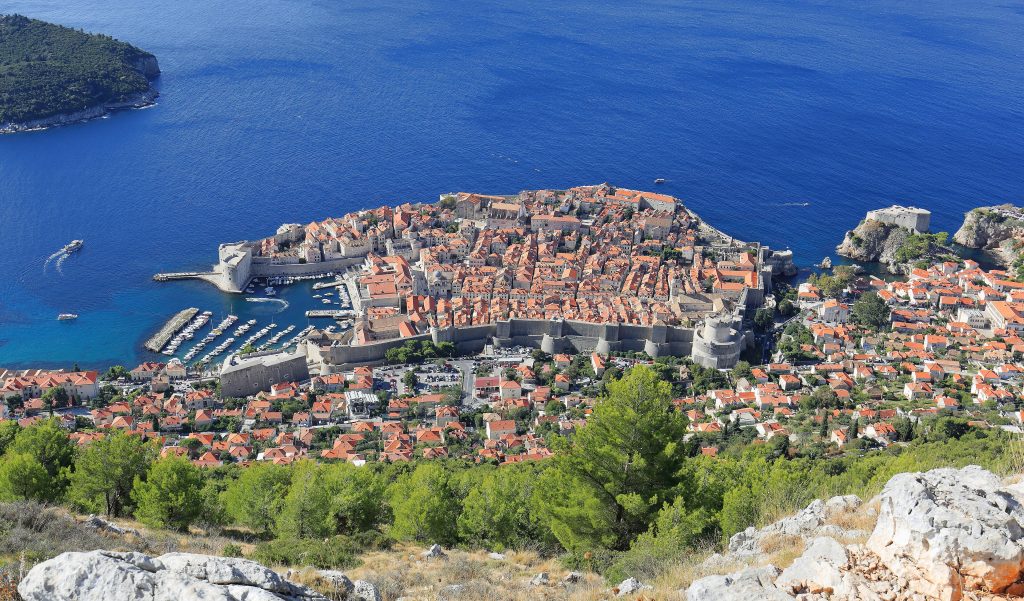
Dubrovnik’s mild Mediterranean climate persists even in winter’s chill. Daytime temperatures range from 50°F to 55°F, perfect for leisurely walks. Though rain and the “bura” wind may occur, the sun frequently breaks through, adding warmth.
The Benefit of Lower Accommodation Costs
Visiting Dubrovnik in the off-peak season offers a significant cost advantage. Luxury hotels and quaint guesthouses reduce their rates by more than half compared to peak months. This makes high-end amenities accessible at a fraction of the usual cost.
Your travel budget will go further during these months. You can afford better accommodations or extend your stay without financial strain. It’s a great chance to experience Dubrovnik’s elegance without overspending.
Limited Services and Seasonal Closures
Keep in mind that some tourist services operate on a reduced schedule. Certain boat tours and seasonal restaurants may close until spring. Yet, local life continues, with many authentic cafes open for both residents and visitors.
Effective planning is essential for a smooth trip during this time. Verify the hours of major museums and attractions before venturing out. Embracing the slower pace makes an off-peak season Dubrovnik visit truly rewarding.
Monthly Breakdown of Dubrovnik Weather and Tourism Trends
Dubrovnik changes with the seasons, each time bringing a unique experience. By checking a detailed visit Dubrovnik calendar, you can pick the best time for your visit. This guide helps you find the ideal period for your exploration.
Spring Awakening: March to May
Spring is enchanting as Dubrovnik awakens from winter. Temperatures rise, making it perfect for strolling the historic walls. It’s the best time for those who love mild weather and vibrant landscapes. For what to do once you’re there, see our list of the best things to do in Dubrovnik, from the City Walls to Lokrum island.
Summer Heat and High-Energy Atmosphere: June to August
Summer energizes the Adriatic coast. Our dubrovnik weather guide shows these months have long, sunny days for swimming and island trips. The city buzzes with life, and evening festivals create lasting memories.
Autumnal Calm: September to November
As summer fades, Dubrovnik becomes serene. The sea stays warm for swimming in September, a calm alternative to peak season. These months offer a balance of pleasant weather and fewer crowds.
Winter Tranquility: December to February
Winter shows Dubrovnik’s quiet side. Though services are limited, you can enjoy local culture without crowds. It’s a time to see the city’s true essence at a slower pace.
Budgeting for Your Trip: Cost Variations by Season
As you plan your Dubrovnik trip, you’ll see that the season affects your costs. Effective money management lets you enjoy the city without financial stress. Knowing how demand changes prices helps you budget accurately, ensuring a stress-free journey.
Fluctuations in Flight and Accommodation Pricing
Airfare and lodging prices follow a pattern based on demand. In Dubrovnik’s peak season, expect higher prices for flights and hotel rooms. Booking early can help you snag better rates before prices skyrocket.
Traveling in the shoulder or winter months can be more budget-friendly. Many upscale hotels offer discounts during these times. This way, you can enjoy luxury at a lower cost than in the summer.
Dining Costs and Seasonal Menu Availability
Dining in the Old Town is a must, but prices change with the seasons. Restaurants adjust their menus and prices with the tourist influx. A meal can cost more in July than in November.
Seek out local taverns outside the main tourist areas for better value. These places use fresh, seasonal ingredients and are often cheaper. Embracing local dining is a key part of planning your Dubrovnik trip.
Hidden Expenses During Peak Tourism Months
During the busiest times, expect extra fees beyond basic travel costs. Popular activities like boat tours or guided walks cost more in summer. Plan for these expenses to avoid surprises.
Also, be prepared for higher entry fees or limited-time event tickets. Always have a small budget reserve for unexpected costs. This way, you can fully enjoy your coastal adventure without financial worries.
Navigating Dubrovnik: Travel Times and Connectivity
Unlocking a relaxing Mediterranean getaway starts with mastering the journey’s logistics. Understanding how to navigate the city saves you hours of frustration. Proper planning ensures a smooth transition from the airport to the historic center, keeping your trip stress-free.
Reaching the City from Major International Hubs
Most international travelers land at Dubrovnik Airport, about 12 miles south of the city. A shuttle bus takes 30 to 40 minutes to reach the Pile Gate, the Old Town’s main entrance. Private transfers or taxis offer a quicker route, usually under 25 minutes, depending on traffic.
Local Transit Options and Walking Distances
The Old Town is a pedestrian-only zone. Walking is the best way to explore, with major landmarks close to each other. For trips outside, the Libertas bus network offers reliable, affordable service to areas like Lapad or Gruž.
Taxis and ride-sharing services are available for those seeking comfort. During peak summer months, traffic near the city gates can be heavy. Traveling during off-peak hours helps avoid delays.
Optimizing Your Itinerary to Minimize Travel Time
Group your activities by location to optimize your stay. Spend mornings exploring the City Walls when it’s cooler and less crowded. This approach reduces travel time across the city.
Check the local ferry schedules for the Elafiti Islands if you plan to visit. Booking tickets in advance prevents long waits and keeps your schedule on track. These tips transform your vacation into a smooth, memorable experience.
Must-See Attractions and the Best Times to Visit Them
Planning the perfect Dubrovnik trip hinges on finding the right time to explore its landmarks. By timing your visit to avoid crowds, you can turn a bustling outing into a serene adventure.
Timing Your Walk Along the City Walls
The City Walls are a must-see, but they can be sweltering and crowded in the middle of the day. Arriving early in the morning offers a cooler, less crowded experience. You’ll get to enjoy the stunning views of the Adriatic Sea in the soft morning light.
Visiting an hour or two before closing time is another great option. The evening brings a cooler breeze and softer light, ideal for capturing the city’s beauty.
Avoiding Cruise Ship Crowds at Popular Sites
Dubrovnik’s Old Town often sees a surge in visitors when cruise ships dock. Checking online port schedules can help you plan around these busy times.
When cruise ships are in, consider exploring the city’s outskirts or visiting local beaches. Early morning or late evening sightseeing allows you to wander the narrow streets in peace.
Best Hours for Photography and Sightseeing
Photographers will love the golden hour, which offers the best light for capturing the city’s beauty. This time frame is just after sunrise or before sunset, creating a warm, inviting atmosphere.
Choosing the right time for your Dubrovnik trip means avoiding the harsh midday sun. Early risers can enjoy the city’s tranquility before the crowds arrive, making for unforgettable photos.
Packing Essentials Based on Your Chosen Travel Window
Your packing list for Dubrovnik will change significantly based on the specific time of year you choose to visit. Preparing for the Mediterranean climate requires a thoughtful approach to ensure you stay comfortable throughout your journey. By selecting the right gear, you can focus on enjoying the stunning views without worrying about your wardrobe.
Summer Gear for Sun and Sea
When visiting during the peak summer months, prioritize lightweight and breathable fabrics like linen or cotton. These materials help you stay cool while exploring the sun-drenched limestone streets of the Old Town. Don’t forget to pack high-quality sunglasses, a wide-brimmed hat, and reliable sunscreen to protect yourself from the intense Adriatic sun.
Beach time is inevitable, so pack swimwear plus a cover-up: walking the Old Town in swimwear is fined from about 150 euros. Sturdy water shoes are also a smart addition, as many coastal spots feature rocky shores. These items will keep you ready for spontaneous dips in the crystal-clear sea.
Layering Strategies for Shoulder Season Transitions
Spring and autumn in Dubrovnik bring mild temperatures that can shift quickly throughout the day. The best way to handle this is by packing versatile layers that you can easily add or remove. A lightweight waterproof jacket is essential, as these seasons occasionally see brief rain showers.
Consider bringing a mix of short-sleeved shirts and long-sleeved tops to accommodate changing conditions. A comfortable cardigan or a light sweater will serve you well during cooler evenings by the harbor. This flexible approach ensures you remain comfortable whether you are hiking the city walls or dining al fresco.
Winter Essentials for Coastal Breezes
Winter travel to the coast requires a focus on warmth and wind protection. While the temperatures rarely drop to freezing, the famous “Bura” wind can make the air feel much colder than the thermometer suggests. A windproof jacket or a stylish coat is your most important piece of gear for this season.
Pack a warm scarf, gloves, and a hat to stay cozy during your walks along the quiet waterfront. Comfortable, closed-toe walking shoes are also vital for navigating the smooth, sometimes slippery stone streets. With these essentials, you will be perfectly prepared to enjoy the peaceful charm of the city during its quietest months.
Local Events and Festivals to Time Your Visit Around
Planning your visit around the local event calendar can turn a regular vacation into a memorable cultural dive. Whether you love classical music or ancient traditions, the city walls buzz with activity. Before booking, check the official visit dubrovnik calendar to see if you want to join the festivities or seek a more serene experience.
The Dubrovnik Summer Festival Highlights
The Dubrovnik Summer Festival is the city’s cultural highlight. It runs from mid-July to August, transforming Old Town into a massive stage. Here, you can see top artists perform in historic fortresses and open-air squares under the stars.
Cultural Celebrations and Local Traditions
The city also celebrates its heritage through various festivals. The Feast of St. Blaise in February is a major event, featuring colorful processions and traditional costumes. These events offer a unique look into the locals’ authentic lives, away from the usual tourist routes.
How Events Impact Accommodation Availability
Major festivals greatly affect the local hospitality market. During peak event weeks, hotels and private rentals fill up months in advance. If you’re planning to visit dubrovnik calendar events, book your stay early to avoid high prices or limited choices.
Practical Tips for a Seamless Dubrovnik Experience
Mastering the logistics of your visit is key to a stress-free Mediterranean getaway. By adopting a few essential habits, your trip can become unforgettable. These tips will make you navigate Dubrovnik like a local.
Booking Strategies for Popular Accommodations
Dubrovnik’s popularity means top spots fill up early. For summer visits, book your lodging well in advance. This secures better rates and ensures a stay within the historic walls.
Effective planning involves checking for flexible cancellation policies. This ensures peace of mind if travel dates change. Also, verify if your accommodation offers luggage storage, which is handy for early arrivals.
Navigating the Old Town Pedestrian Zones
The historic center’s pedestrian-only status creates a unique atmosphere. It requires some physical effort, though. Wear comfortable shoes with good grip for the smooth, polished streets and occasional stairs.
For heavy luggage, arrange a transfer to a main gate. Many guesthouses assist with luggage, so contact them beforehand. This makes your arrival much easier.
Staying Connected and Managing Local Currency
Croatia uses the Euro, simplifying transactions for Europeans. While credit cards are common, keep cash for small purchases. This is a critical part of your planning.
Staying connected is straightforward with local eSIMs or affordable roaming plans. Cafes and public areas offer reliable Wi-Fi. This lets you plan your route or check reviews anytime. Keep your phone charged for those perfect moments.
Before you go: turn this guide into a day-by-day plan. Our partner Voyada is a free smart trip maker that builds the route with flights, hotels and a real total cost for your dates — in about a minute.
Make a travel itinerary →Dubrovnik Timing and Crowd Tips
Dubrovnik is stunning but small and popular — a little timing keeps the Old Town magical rather than mobbed.
- May–June and September–October are best; July–August is hot and cruise-crowded.
- Walk the city walls early morning or late afternoon — midday means heat, crowds and full sun.
- Check cruise-ship schedules and explore the Old Town when the big ships aren’t in port.
- Day-trip to Lokrum island, the Elafiti islands, or Kotor in Montenegro.
- Book the walls and cable car ahead — Dubrovnik is Croatia’s priciest city.
Dubrovnik: Month-by-Month Guide
A quick month-by-month reference for planning — at a glance, when to go and what each month brings.
| Month | Verdict | What to expect |
|---|---|---|
| January | Low | Cool with some rain; very quiet; many places closed. |
| February | Low | Cool; quiet low season. |
| March | Shoulder | Mild and warming; the shoulder begins. |
| April | Good | Warm; Easter; the city waking up. |
| May | Great | Warm and ideal; swimmable sea; few crowds. |
| June | Busy | Warm and sunny; crowds building; the walls get hot. |
| July | Peak | Hot; peak cruise crowds; expensive. |
| August | Peak | Hottest; packed — book ahead. |
| September | Great | Warm and ideal; warm sea; crowds easing. |
| October | Shoulder | Mild; winding down late in the month. |
| November | Low | Cooler and wetter; quiet. |
| December | Low | Cool; quiet, with a little festive cheer. |
Conclusion
Dubrovnik is a standout destination all year round, catering to every traveler’s needs. The experience you have depends on when you visit.
Perhaps you’re drawn to the vibrant summer festivals or the serene shoulder season. The key is to match your travel dates with your personal preferences.
Consider your budget, the local weather, and crowd levels. Reflecting on these factors ensures your trip aligns with your ideal getaway.
Now is the time to check availability for your preferred month. Begin booking your Adriatic adventure today. Secure the best spots in this historic coastal gem.
FAQ
When is the best time to visit Dubrovnik to balance warm weather and manageable crowds?
What should I expect from a Dubrovnik weather guide regarding summer temperatures?
How can I save money while Dubrovnik vacation planning?
Are there specific Dubrovnik tourism insights for avoiding cruise ship crowds?
Is the off-peak season in Dubrovnik worth it during the winter?
What is the ideal time for a Dubrovnik trip if I want to attend local festivals?
What are the essential Dubrovnik travel tips for packing?
How does the visit Dubrovnik calendar affect local transport and accessibility?

Olivia Carter
How many days do you need to see Dubrovnik properly?
Two full days cover the essentials without rushing: one for the walls, the Stradun and the Old Town museums, another for the sea, whether that means Lokrum, a swim or the viewpoint above the city. A third day is the one most visitors wish they had, since it buys a boat trip to the Elafiti islands or a run down the coast to Cavtat and the Konavle valley. In peak summer add time rather than activities, because heat and crowds slow everything down. Out of season the same sights take less time, but shorter opening hours reward checking before you build a tight plan.
Which months are the wettest in Dubrovnik?
The coast is dry in summer and surprisingly wet in late autumn and winter. Rain is rare in July and August, builds through October, and is usually heaviest around November and December, when it tends to arrive as short, intense downpours rather than all-day drizzle. Sunny spells often follow within hours, so a wet forecast in the low season does not write off a trip. What it does mean is practical packing: a waterproof and shoes with grip, since the polished limestone of the Old Town turns slippery, plus an indoor option such as a museum held in reserve.
What is the bura wind and will it affect my visit?
The bura is the cold, dry wind that funnels down to the Adriatic from the north-east, mainly between late autumn and spring. It arrives in gusts, drops the temperature sharply and roughens the sea, which matters more than the thermometer when you are up on the walls or on a harbour terrace. The practical effects are worth knowing: the cable car pauses in strong wind, and catamaran and ferry sailings can be delayed or cancelled. It also scours the air clean, giving the sharpest views and photographs of the year. Pack a windproof layer for any winter or early spring visit.
When is the sea warm enough for swimming?
Swimming weather builds slowly here. The sea holds its winter chill well into spring, becomes genuinely pleasant from around June, and is at its warmest in late summer and early autumn once months of sun have done the work, which is why September swimming has such a good reputation. October dips still suit many people after a hot summer, while April and early May are bracing at best. Remember that most local swimming spots are rock or pebble rather than sand, so water shoes help, and the shaded coves under the walls stay cooler than they look.
Do boat trips to Lokrum and the islands run all year?
Not all of them. The small passenger line out to the Elafiti islands runs year round, although sailings thin considerably in winter, while the short hop across to Lokrum is a seasonal service that generally operates from spring into autumn and stops in the coldest months. Longer excursions, including the fast boats down to Montenegro, are mostly summer only. If one particular island day matters to you, check the operator’s own timetable for your dates rather than assuming, and keep a spare day in hand, because rough seas and strong wind cancel sailings at short notice.
Is the Old Town manageable for someone with limited mobility?
Partly, and it helps to know in advance. The Stradun itself is broad and flat, so the main spine of the Old Town, its cafes and several churches are straightforward. Almost everything off it climbs: the side lanes are flights of stone steps, and the walls circuit means steep, narrow staircases with no lift and no shortcut once you are up there. Centuries of feet have polished the limestone smooth, and it turns slippery in rain. The cooler, quieter months are far kinder to anyone moving slowly, and the cable car delivers the view without the stairs when the wind allows.
What is the best time of day to ride the cable car up Mount Srd?
Late afternoon is the classic choice: arrive well before sunset and you get the Old Town rooftops and the islands in warm light, then the lit city on the way down. Queues build sharply in that same window in summer, so either go up an hour or so ahead of the crowd or ride first thing after opening, when the air is clearest and the terrace is quiet. Two things to check before committing: the service pauses in strong wind, and it can shut for maintenance in the depths of winter. The operator’s own site lists current hours and closures.