

Table of Contents
ToggleBalloon-filled dawns over Cappadocia, the mosques and bazaars of Istanbul, ancient ruins and the shimmering Turquoise Coast — Turkey is a country of dazzling variety, and timing your trip well makes all the difference. Knowing the best time to visit Turkey helps you match the weather to what you most want to see, from beach days to snowy fairy chimneys.
For most travellers, spring and autumn are the sweet spots — mild, comfortable and ideal for sightseeing across the country. But summer is prime beach season on the coast, and even quiet winter has its magic. This guide breaks it all down by season and region.
You’ll also find the best time for a Cappadocia balloon flight, how to get there and around, and the practical essentials to know before you go. Let’s find your perfect time to visit Turkey.
✈️ TripToGo Travel Deals
Get notified about great travel deals
Hand-picked flight, hotel and destination deals, straight to your inbox. No spam, unsubscribe anytime.
🎉 Thank you for subscribing!
You’re all set — the best travel deals are on their way.
Key Takeaways
- Spring (Apr–May) and autumn (Sep–Oct) are the best overall times — mild and ideal for sightseeing.
- Summer (Jun–Aug) is beach season on the Turquoise Coast but scorching inland.
- Winter is quiet and cheap, with snowy Cappadocia, atmospheric Istanbul and skiing.
- Cappadocia balloon flights run year-round but are most reliable in the shoulder seasons — build in a spare day.
- Time your trip to your region, and combine Istanbul, Cappadocia and the coast over 7–10 days.
Best Time to Visit Turkey at a Glance
The best time to visit Turkey at a glance, by season.
| Season | Months | Best for | Notes |
|---|---|---|---|
| Spring | Apr–May | Istanbul, Cappadocia, ruins | Best overall; mild & blooming |
| Summer | Jun–Aug | Beaches & the Turquoise Coast | Hot inland; peak & priciest |
| Autumn | Sep–Oct | Everything + warm sea | Excellent; fewer crowds |
| Winter | Nov–Mar | Snowy Cappadocia, city breaks, skiing | Quiet, cheap; coast closes |
Turkey's Seasons at a Glance
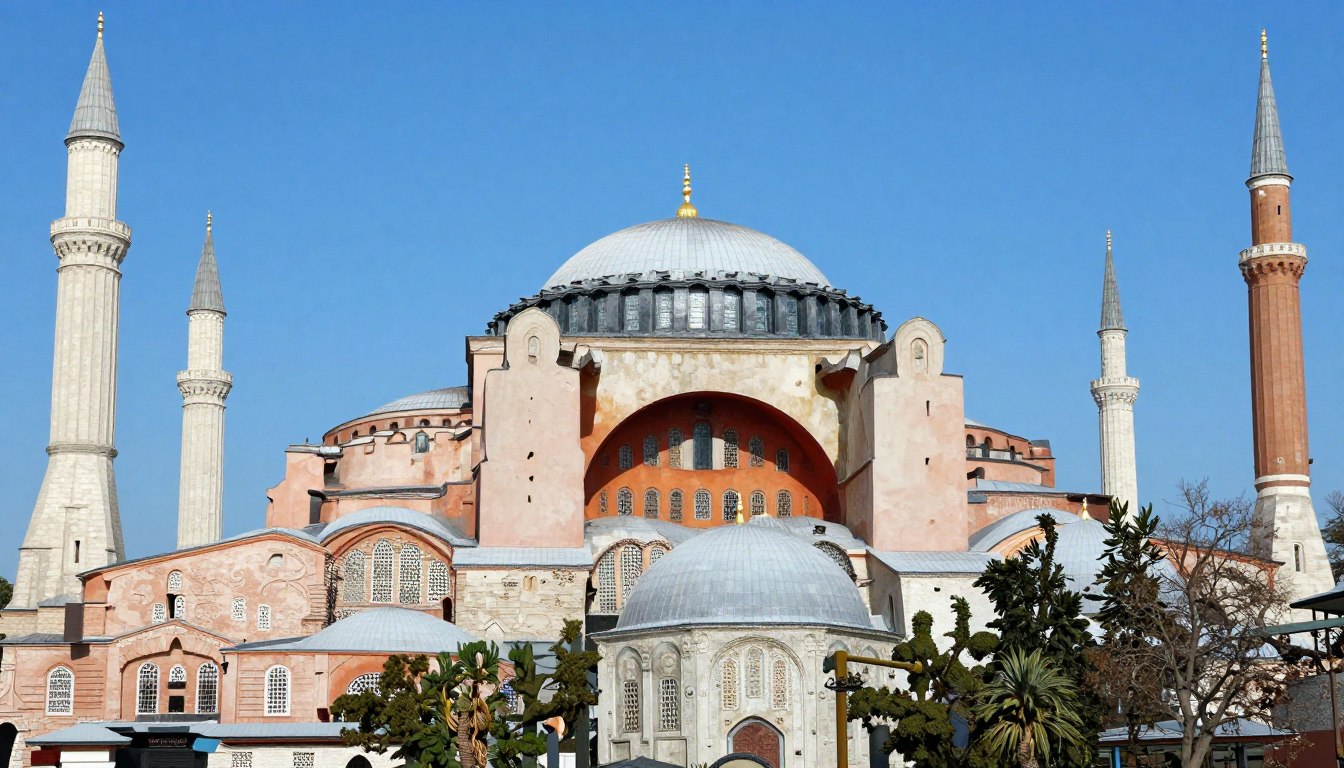
Turkey straddles two continents and several climates, so the best time to visit depends on what you want to do. Istanbul’s mosques and bazaars, Cappadocia’s balloon-filled skies, the ancient ruins of Ephesus and the beaches of the Turquoise Coast each have their own ideal window — but for the country as a whole, two seasons stand out.
Spring (April to May) and autumn (September to October) are the best overall times to visit — mild, sunny and comfortable for sightseeing, with smaller crowds than peak summer. Summer is beach season on the coast but scorching inland, and winter is quiet, cold and atmospheric. This guide breaks it down by season and region. Official resource: Go Türkiye.
Planning a trip to Turkey?
Our partner Voyada’s trip planning AI builds a day-by-day plan with flights, hotels and a real total cost for your dates — in about a minute, free.
Plan trip with AI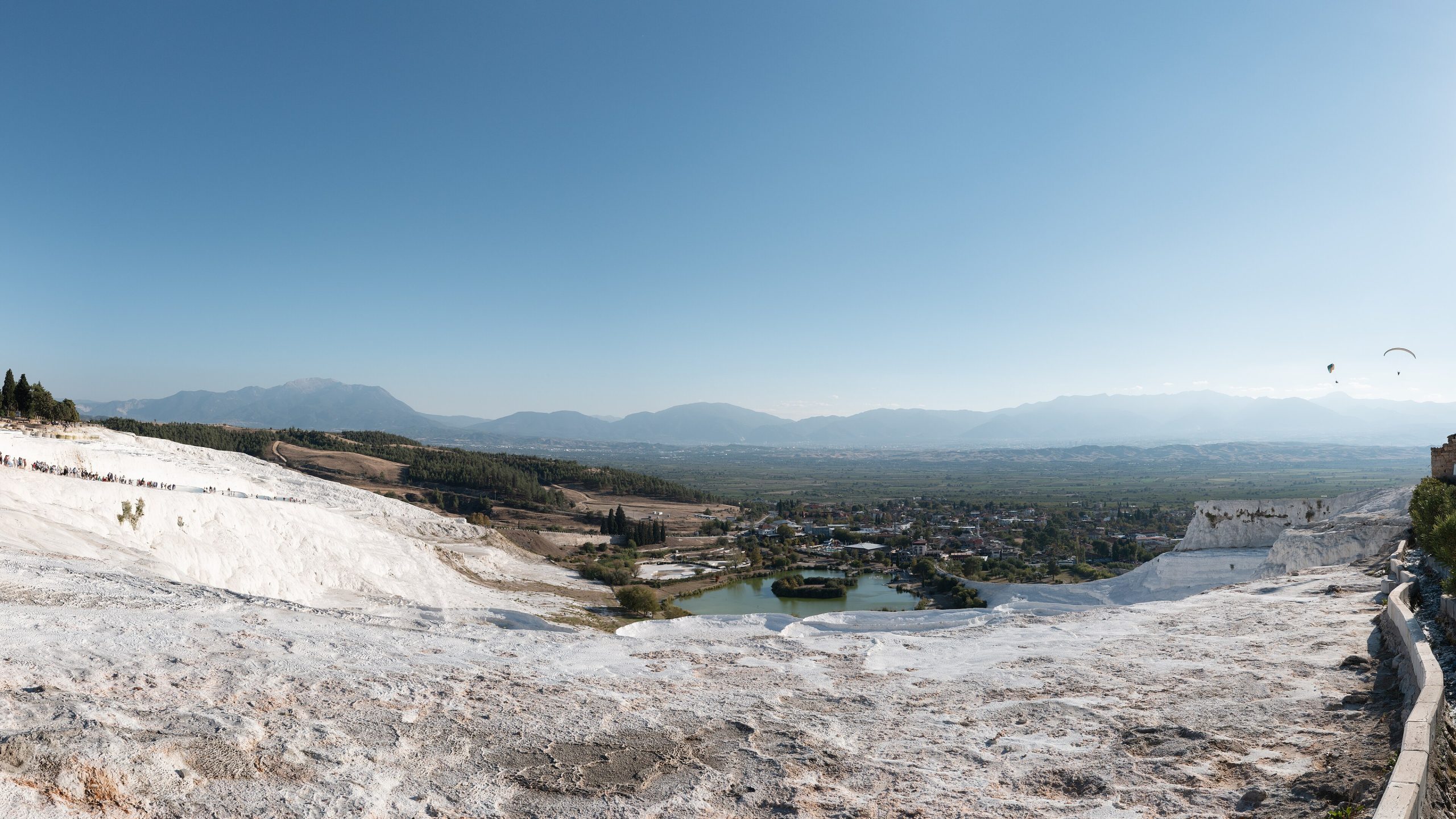
Spring & Autumn: The Sweet Spots
The shoulder seasons are ideal for most travellers. In spring (April–May), wildflowers bloom, Istanbul’s tulips are famous, and temperatures are perfect for walking the city, exploring Cappadocia and touring the classical ruins along the Aegean coast without the summer heat.
Autumn (September–October) offers the same comfortable warmth, with the added bonus that the sea is still warm enough to swim after a summer of sunshine — so you can combine sightseeing with a beach day. Both seasons bring pleasant weather, good value and manageable crowds, making them the top choice for a first trip.
Summer (June to August): Beach Season
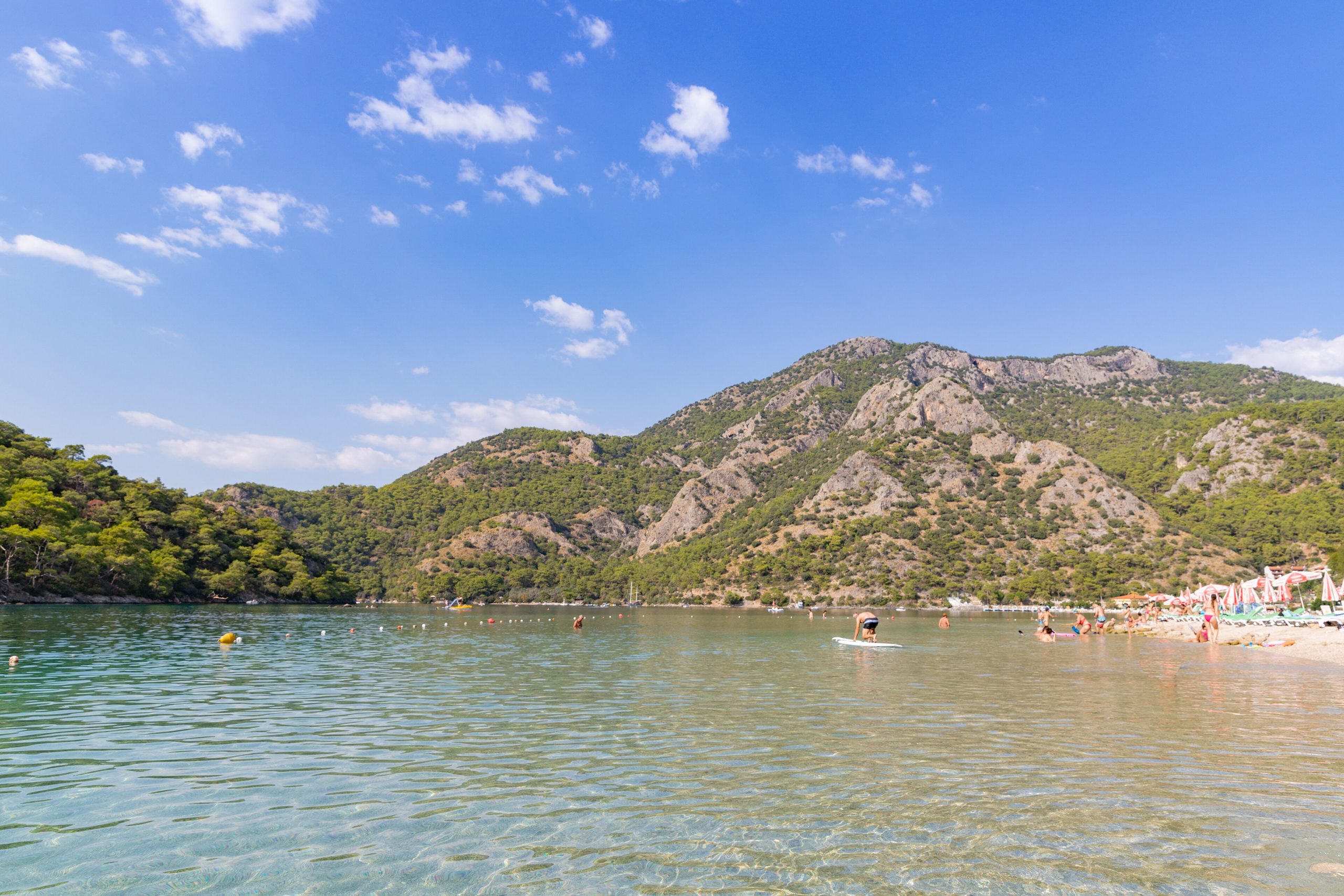
Summer is peak season on the coast. The Mediterranean and Aegean resorts — Antalya, Bodrum, Fethiye and the gorgeous Turquoise Coast — are at their best, with hot, sunny days and warm seas ideal for beaches, boat trips and swimming. It’s lively, busy and the priciest time on the coast.
Inland, however, summer is intense: Istanbul is hot and humid, and Cappadocia and the interior can be very hot for daytime sightseeing (though balloon rides still launch at dawn). If you’re focused on the coast, come in summer; if on cities and history, the shoulder seasons are far more comfortable.
Winter (November to March): Quiet & Atmospheric
Winter is Turkey’s low season — cold and quiet, but with its own magic. Istanbul is moody and atmospheric (and cheapest) with far fewer tourists, and Cappadocia under a dusting of snow is spectacular, its fairy chimneys and dawn balloon flights looking straight out of a fairy tale. Turkey even has ski resorts, like Uludağ near Bursa.
The coast largely shuts down and the weather can be wet and cold, so winter suits city breaks, Cappadocia and skiing rather than beaches or extended touring. Days are short, but prices and crowds are at their lowest.
Best Time to Visit Turkey by Region
Istanbul & the Marmara Region
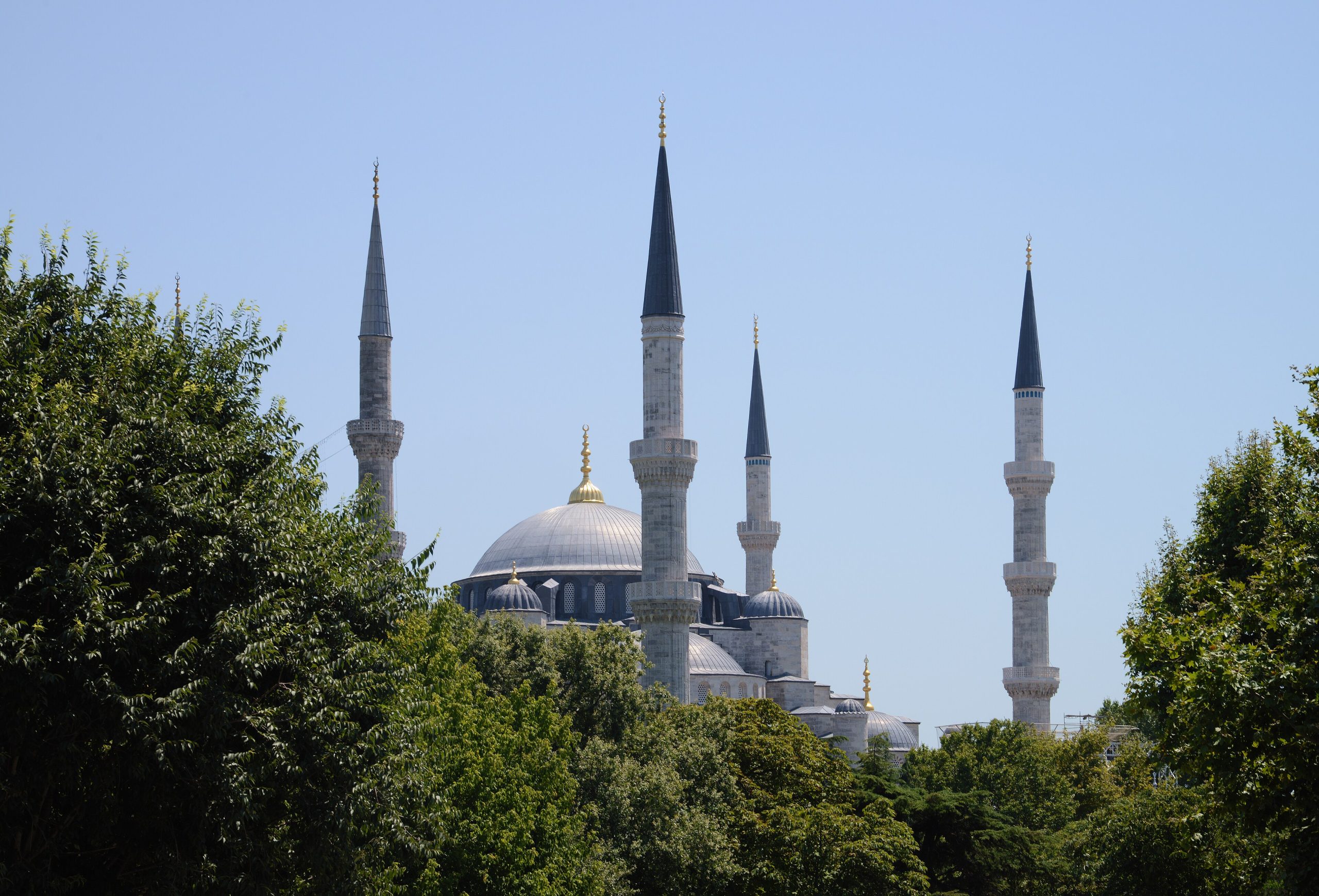
Turkey’s great city is at its best in spring (April–May) and autumn (September–October), when mild temperatures and long days make walking between mosques, bazaars and the Bosphorus a pleasure — and April adds the Tulip Festival. Summer is lively but hot and humid, with peak crowds at the headline sights. Winter is cold and often grey, yet delivers an atmospheric, snow-flecked city, thinner queues and the lowest hotel prices outside the New Year peak.
Cappadocia & Central Anatolia
The fairy-chimney country of Göreme shines in spring and autumn, when calm, clear skies give the best hot-air ballooning and the valleys are perfect for hiking. Summer is hot and dry — balloons still fly at dawn, but midday is fierce. Winter is genuinely magical, with snow settling over the rock formations, though nights drop below freezing and balloon flights are cancelled more often. The high plateau is always cooler than the coast.
The Aegean Coast
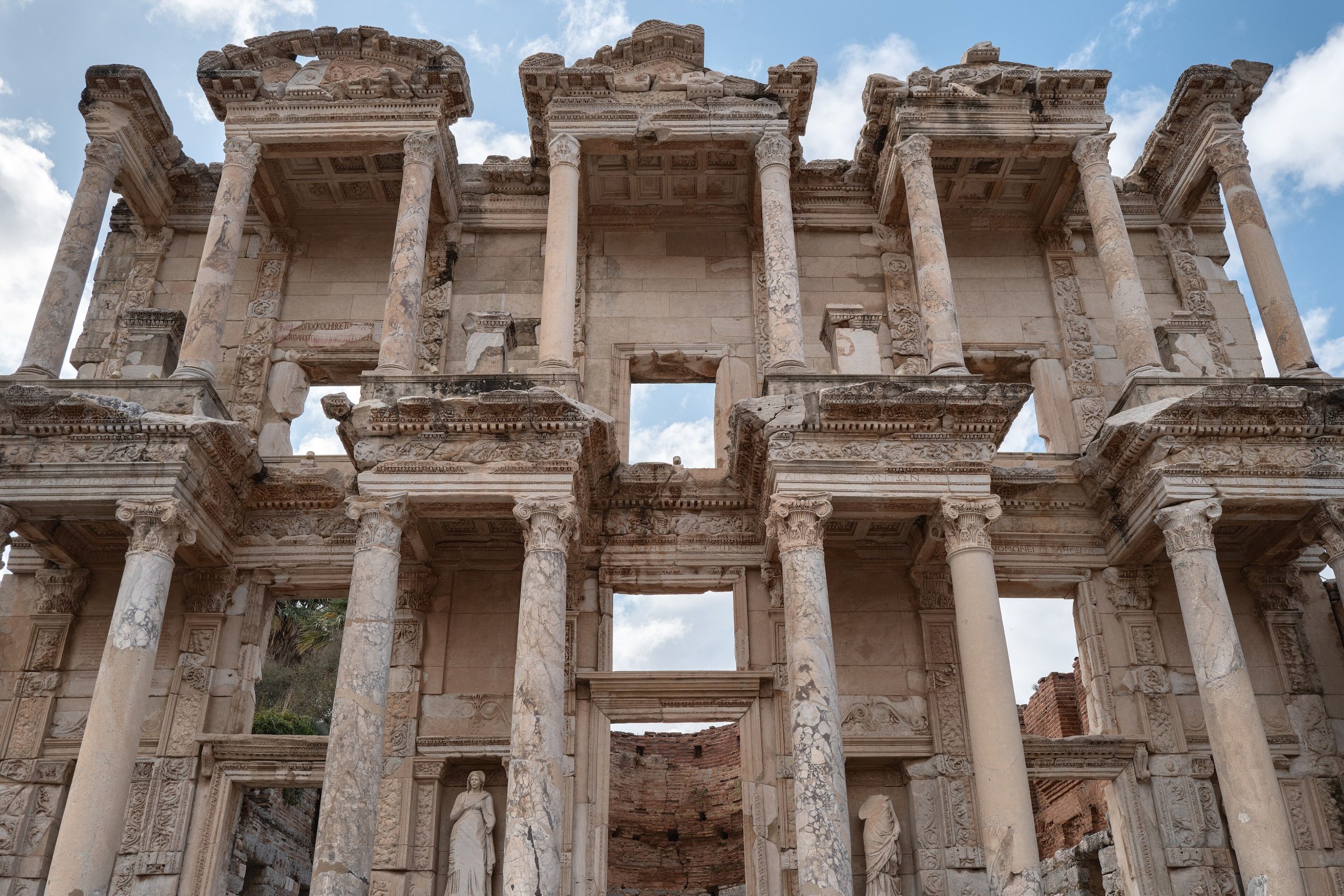
Home to Ephesus, the white terraces of Pamukkale and resort towns like Bodrum, Çeşme and Kuşadası, the Aegean has a long, warm season. For beaches, June to October is prime, with the sea swimmable and breezes taking the edge off the heat. For the ancient sites, April–May and September–October are ideal — comfortable temperatures and softer light, without August’s crowds and heat haze.
The Mediterranean / Turquoise Coast
Antalya, Fethiye, Kaş and Kalkan enjoy Turkey’s longest beach season, roughly April to November. The sea is warm from late May into late October and peaks near 28°C in August — when it’s also hottest and busiest. September is the sweet spot: warm water, gentler heat and thinner crowds. Winters are mild but wet, and many resorts wind down, so it’s a quiet, low-key time rather than a beach one.
Eastern Anatolia
The wild east — the giant stone heads of Mount Nemrut, Lake Van, Kars and Doğubayazıt — is realistically a summer destination, June to September, when the passes are clear and days are warm. Late spring brings wildflower-strewn meadows. From November to March the region is snowbound and bitterly cold, with sites hard to reach, so this is one part of Turkey where timing really matters.
The Black Sea Coast
Turkey’s greenest, mistiest coast — Trabzon, Rize and the highland yaylas around Ayder — is also its wettest, so pack rain gear whatever the month. Summer (June to September) is the best window, with the lushest scenery and the warmest, if still modest, sea; it’s the time for highland plateaus, tea gardens and cool escapes from the southern heat. Expect showers year-round and a shorter, cooler beach season than the south.
Cappadocia's Hot-Air Balloons: When to Go
For many, a dawn balloon flight over Cappadocia is the trip’s highlight — and flights run year-round, weather permitting. The most reliable conditions are in the shoulder seasons (April–June and September–October), when winds are calmest and cancellations rarest. Winter offers magical snowy scenery but more weather cancellations, while summer flights launch early to beat the heat. Build a spare day into your itinerary to allow for a weather delay.
How to Get There & Get Around
Turkey’s main gateway is Istanbul (IST), a major global hub, with Antalya (AYT) serving the coast and internal flights reaching Cappadocia (via Kayseri/Nevşehir) and other regions. Given the distances, most travellers use cheap domestic flights for long hops and comfortable long-distance buses or a rental car for shorter, scenic journeys. Istanbul itself is best explored on foot, tram and ferry. Because a Turkey trip juggles cities, Cappadocia and the coast, an AI planner can map the route, flights and timing for your dates in about a minute.
What to Know Before You Go
US, Canadian and UK ordinary passport holders no longer need a visa or e-Visa for Türkiye — visa-free entry for tourism is up to 90 days in any 180-day period, with a passport valid at least six months. Some other nationalities still need an e-Visa; check the official evisa.gov.tr site (never a third-party reseller) for yours.onalities are visa-exempt — check before you travel. Dress modestly to enter mosques (women should carry a scarf for their hair; shoulders and knees covered for all), and remove your shoes. Pack layers for the shoulder seasons and warm gear for winter or high-altitude Cappadocia mornings. The Turkish lira fluctuates, so carry some cash alongside cards. Give yourself at least 7–10 days to combine Istanbul, Cappadocia and one more region.
Turkey Month by Month
January
Deep winter and the quietest month. Istanbul is cold and often grey (highs around 8–9°C) with occasional snow, while Cappadocia wears a dusting of snow over its fairy chimneys (daytime highs near 4°C, sub-zero nights). The coast is mild (~15°C) but many resorts are shuttered. Crowds are at their thinnest and prices at their lowest. Best for atmospheric Istanbul, steamy hammams, snowy Cappadocia photos (balloons still fly on clear mornings) and skiing at Uludağ, Palandöken or Erciyes.
February
Still firmly winter and much like January, with the first hints of spring by month’s end. Almond blossom appears on the southern coast, and the Aegean’s quirky camel-wrestling season is in full swing around Selçuk. Istanbul hovers near 10°C. Crowds and prices stay low. A fine month for museums, bathhouses and the ski slopes, and a bargain time to have Istanbul’s great sights almost to yourself.
March
The shoulder shift begins. Weather is changeable — bright, mild spells broken by showers — with Istanbul around 13°C and the coast warming toward 18°C, though the sea is still too cold to swim. Wildflowers start to colour the countryside. Tourist numbers remain low and prices gentle, making it good for city sightseeing, early Cappadocia ballooning and whirling-dervish and cultural events.
April
Spring in full swing and arguably the loveliest month. Istanbul (~18°C) hosts the dazzling Tulip Festival, when millions of tulips carpet parks such as Emirgan — see the official Türkiye tourism site for dates. The coast is pleasant (~21°C) though the sea is still brisk, Cappadocia offers superb calm-air ballooning, and the great ancient sites are glorious without summer heat or crowds. Prices are climbing but still shoulder-season. Expect busier days around Easter week.
May
The peak of spring — warm, sunny and green. Istanbul reaches ~23°C and the coast ~26°C, with the sea warming to a swimmable ~20–21°C by late month. It is superb for almost everything: uncrowded pre-season beaches, the first gulet cruises, excellent Cappadocia ballooning and the Lycian Way at its wildflower best. Long daylight hours and manageable crowds make May a top-tier choice.
June
Summer arrives and beach season hits its stride. The coast is hot (~31°C) with a warm sea (~24°C), while Istanbul is warm and humid (~28°C) and Cappadocia hot but dry. Yachting, gulet cruises and island-hopping are in full flow. Early June — before most European school holidays — is a sweet window ahead of the July crush. Prices climb toward peak. Ideal for beaches and sailing; inland sightseeing is best kept to mornings.
July
Peak summer: the hottest, busiest and priciest month. The coast tops 34°C with a bath-warm sea (~26–27°C), while inland — Cappadocia, Pamukkale and the southeast — bakes, so sightseeing is best at dawn or dusk. European school holidays fill the resorts, so book well ahead. Music festivals, water sports and nightlife are in full swing. Best for a dedicated beach holiday; tough going for heavy sightseeing.
August
As hot and crowded as July, and often hotter inland, with the sea at its warmest of the year (~28°C on the Med). Peak prices and peak crowds prevail, and many Turks are on holiday too. The ancient sites are punishing at midday. Best for a beach-and-sea trip — carry water, seek shade and save Pamukkale or Ephesus for the cool of early morning.
September
A sweet spot, and for many the best all-round month. The fierce heat eases (coast ~31°C) yet the sea stays at its warmest (~26–27°C) after a summer of sun. Crowds thin once the school rush ends and prices soften. The grape harvest is on in Cappadocia and the Aegean. It is perfect for combining beaches with sightseeing, gulet cruises and ballooning — highly recommended.
October
Golden autumn and outstanding value. Istanbul sits around 21°C, the coast ~27°C, and the southern sea is still swimmable (~24°C early in the month). It is superb for comfortable sightseeing at Ephesus, Pamukkale and Istanbul, for Cappadocia ballooning and for hiking. Crowds are low and prices lower. Late October cools and rain increases — a beautiful, mellow time to travel.
November
Late autumn turns cooler, wetter and quiet. Istanbul (~16°C) sees more rain, the coast (~22°C) winds down as resorts close, and the sea cools to around 21°C early in the month before dropping. Cappadocia is crisp and clear. With low crowds and low prices, it suits city breaks, culinary trips and photographers who love moody light. Beach season is effectively over.
December
Winter and festive. Istanbul is cold (~11°C) but atmospheric, lit up for New Year, while Cappadocia is often snowy and magical (balloons fly on clear days) and the ski season opens. The coast is quiet and mild-ish (~17°C) but wet, with many resorts closed. Prices stay low except for the New Year peak in Istanbul. Mid-month brings the moving Mevlâna (whirling-dervish) ceremonies in Konya, honouring Rumi. Best for city culture, snow scenery and skiing.
The Cheapest Time to Visit Turkey
Turkey is already good value, and timing your trip makes it even better:
- Winter (November–March) brings the lowest flight and hotel prices, outside the Christmas and New Year peak.
- Good value with good weather: the shoulder months of April and October combine mild conditions with softer prices.
- Avoid for cost: July and August on the coast are the busiest and most expensive.
- Check the Ramadan dates, which shift each year and can affect daytime dining and opening hours.
Best Time to Visit Turkey by What You Want to Do
Turkey rewards travellers with wildly different trips depending on the season. Match your timing to the experience you’re after:
- Beaches & swimming: June to October, with the sea warmest in August and September and still swimmable into late October on the southern coast.
- Cappadocia hot-air ballooning: April–May and September–October bring the calmest, clearest skies and the fewest weather cancellations; balloons fly year-round when conditions allow, even over winter snow above Göreme’s valleys.
- Blue-cruise gulet sailing (Bodrum, Fethiye, Göcek): late May to September — June and September give warm seas without peak-August crowds.
- Hiking the Lycian Way or Cappadocia’s valleys: April–May and October–November for wildflowers or autumn colour and cool walking temperatures; avoid the summer furnace.
- Ancient sites (Ephesus, Pamukkale, Aphrodisias, Troy): April–May and September–October for comfortable temperatures and soft light, without August’s heat haze and tour crowds.
- City sightseeing in Istanbul: April–May and September–October dodge summer humidity and winter chill.
- Skiing: late December to March at Uludağ (near Bursa), Palandöken (Erzurum) and Erciyes (near Kayseri).
- Scuba diving (Kaş, Ayvalık): June to October, with the best visibility and warmest water in late summer.
Festivals & Events: Timing Your Trip Around Turkish Culture
Turkey’s calendar is full of colour. Planning around a festival can transform a trip — the official Türkiye tourism site lists current dates:
- Istanbul Tulip Festival (April): millions of tulips bloom across the city, with Emirgan Park the showpiece.
- Kirkpinar Oil Wrestling (late June/early July, Edirne): a UNESCO-listed tradition dating back over 600 years.
- International Istanbul festivals (music, film and jazz, spring through autumn): world-class arts programming through the warmer months.
- Grape harvest (September): wine-country celebrations in Cappadocia and the Aegean.
- Mevlâna commemoration (mid-December, Konya): the Şeb-i Arus whirling-dervish ceremonies honouring the poet Rumi.
- Camel wrestling (December–February, Aegean, especially Selçuk in January): a quirky, only-in-Turkey winter spectacle.
- Republic Day (29 October) and other national holidays: flags, parades and a festive mood — but busy domestic travel.
Ramadan & Public Holidays: What to Know
Two things can shape your trip more than the weather — the holy month of Ramadan and Turkey’s national holidays. Neither should put you off, but it pays to plan around them:
- Ramadan (Ramazan) shifts about 11 days earlier each year, so it drifts through the seasons. Most sites, restaurants and bars in Istanbul and the resorts run normally, though in conservative areas some cafes close during daylight — and evenings buzz with festive iftar meals.
- The two Bayram holidays (Şeker Bayramı ending Ramadan, and Kurban Bayramı) are Turkey’s biggest domestic-travel periods: transport and coastal resorts fill and prices spike, so book well ahead or travel just outside the dates.
- National holidays such as Republic Day (29 October) and Victory Day (30 August) close banks and offices but bring lively public celebrations; the tourism board publishes the yearly calendar.
- Opening days: most museums and ruins open daily, but a few close one day a week (often Monday), so check before you go.
Sea Temperatures: When You Can Actually Swim
Air temperature only tells half the story on a beach holiday — the sea lags behind, which is why September often swims better than June. Here’s how the coasts compare:
- Mediterranean / Turquoise Coast (Antalya, Fethiye, Kaş): the longest swimming season, warm enough (22°C+) from late May to late October and peaking near 28°C in August.
- Aegean Coast (Bodrum, Çeşme, Kuşadası): swimmable June to October, a touch cooler and breezier than the Med, with an ideal 24–26°C in high summer.
- Sea of Marmara & Istanbul: swimmable July to September, but not the reason you visit.
- Black Sea (Trabzon, Amasra): the coolest and wettest coast — realistically a July–August swim only.
Crowds & Prices: Peak, Shoulder and Low Season
When you go changes both how much you pay and how much company you’ll have:
- Peak (July–August, plus New Year in Istanbul): hottest coast, highest prices and busiest sites — book months ahead.
- Shoulder (April–June and September–October): the sweet spot — great weather, a warm sea (especially September), thinner crowds and better value. Most travellers’ ideal window.
- Low (November–March, excluding New Year): the lowest prices and fewest tourists; cold inland and many coastal resorts closed, but Istanbul, Cappadocia and the ski resorts shine.
- Save money: travel in shoulder or low season, go midweek, and avoid the Bayram holiday spikes.
What to Pack for Turkey, Season by Season
Turkey’s range of climates — from Mediterranean coast to snowbound plateau — means packing to the season:
- Spring & autumn: layers — T-shirts with a light jacket or sweater for cool mornings and evenings — plus a compact umbrella and comfortable shoes for cobbles and ruins.
- Summer: light, breathable clothing, strong sun protection, a hat and a refillable water bottle; inland midday heat is fierce. Add swimwear for the coast.
- Winter: a warm coat, hat and gloves for Istanbul and Cappadocia (sub-zero nights) and waterproofs; bring or rent ski gear for the mountains.
- Year-round: modest clothing to cover shoulders and knees for mosques (a scarf for women to cover the head), and sturdy shoes for uneven ancient sites.
When to Avoid Turkey (and How to Work Around It)
There’s no truly bad time to visit Turkey — only mismatches between the season and your plans. Watch for these:
- Peak August heat inland: Cappadocia, Pamukkale and the southeast can top 35–40°C — visit sites at dawn, or save them for spring and autumn.
- July–August coast crowds and prices: if you can, shift a beach trip to June or September for the same warm sea with far fewer people.
- Deep winter in the east: Eastern Anatolia (Kars, Van, Mount Nemrut) is snowbound and bitterly cold from November to March — go June to September.
- Bayram holiday rushes: domestic travel peaks around the two Eids, so book transport and hotels far ahead or travel just outside the dates.
- Late autumn on the coast: many Mediterranean and Aegean resorts wind down from November, so for a beach holiday stick to the May–October window.
Best Time for Every Kind of Turkey Trip
The “best” month depends on the trip you have in mind. Here’s the ideal window for the most popular ways to see Turkey:
- First-timer’s classic loop (Istanbul + Cappadocia + coast): May or September — warm enough for the coast, cool enough for cities and ruins, and a warm sea for a few beach days.
- Beach holiday: June to September for reliable heat and warm water; September for the best balance of warm sea and thinner crowds.
- Culture & history (Istanbul, Ephesus, Cappadocia): April–May or October, when comfortable temperatures make long days of sightseeing a pleasure.
- Photography: April–May for wildflowers and green landscapes, October for golden light and autumn colour, or winter for snow-dusted Cappadocia.
- Families: late June and early September fit school holidays while dodging the very hottest, most crowded peak; the coast is warm and safe for swimming. Even so, people drown in Turkey every year, so swim from beaches with lifeguards, follow the flag system and never let children swim unsupervised, as some beaches can have strong undercurrents.
- Couples & honeymoons: May, September and early October pair warm evenings, romantic gulet cruises and sunrise ballooning without peak-summer crush.
- Budget trips: November to March (outside New Year) for the lowest flights and hotels — lean into Istanbul, Cappadocia and skiing rather than the coast.
Planning a Multi-Region Trip: When to Combine Istanbul, Cappadocia & the Coast
Most first trips string together Istanbul, Cappadocia and a stretch of coast — three places with very different climates. Getting the season right lets you enjoy all three in one trip:
- Aim for the shoulders: May, September and early October are the only windows when the coast is warm for swimming, Cappadocia is comfortable for ballooning and hiking, and Istanbul is mild for walking — all at once.
- Allow 10–14 days for the classic three-region loop: roughly 3–4 days in Istanbul, 2–3 in Cappadocia, and 3–5 on the coast, plus travel time.
- Sequence by heat: in high summer, do inland sightseeing (Istanbul, Cappadocia, ruins) in the cooler mornings and end on the coast; in spring or autumn the order matters far less.
- Domestic flights save days: internal hops between Istanbul, Cappadocia (Kayseri/Nevşehir) and the coast are short and frequent — worth it to avoid long overland drives.
- Avoid the Bayram weeks for a multi-region trip: domestic transport and resorts fill fast, which is exactly when you don’t want to be moving between regions.
Weather Across Turkey: A Temperature Cheat-Sheet
Turkey is big enough to hold several climates at once, so a single “Turkey forecast” is misleading. Typical daytime highs by region give a clearer picture:
- Istanbul: spring 13–23°C, summer 28–31°C (humid), autumn 16–27°C, winter 8–11°C with occasional snow.
- Aegean coast (Izmir, Bodrum): spring 18–26°C, summer 30–34°C, autumn 22–31°C, winter 12–15°C.
- Mediterranean coast (Antalya): spring 21–26°C, summer 31–34°C, autumn 22–31°C, winter a mild 15–17°C.
- Cappadocia (central plateau): spring 15–23°C with chilly nights, summer 28–30°C and dry, autumn 14–23°C, winter 3–6°C with snow and sub-zero nights.
- Eastern Anatolia (Erzurum, Van): short warm summers around 25–28°C, but long, harsh winters well below freezing with heavy snow.
Daylight Hours & Sunrise: Timing Your Days
How much daylight you get — and when the sun comes up — shapes how much you can fit into a Turkish day, especially if a dawn balloon ride is on the list:
- Summer (June–July): long days of about 15 hours, with sunrise near 5:30am — start sightseeing and balloon launches early to beat the midday heat.
- Winter (December–January): short days of roughly 9–10 hours, sunrise around 8am and sunset by 4:45pm, so plan fewer stops and earlier finishes.
- Spring & autumn: a comfortable 12–13 hours of light with civilised sunrise times — the easiest seasons for a packed itinerary.
- Cappadocia ballooning: flights launch 30–60 minutes before sunrise year-round and are weather-dependent, so confirm the night before and keep a spare morning in case of a cancellation.
Related Guides
Frequently Asked Questions
What is the best month to visit Turkey?
April, May, September and October are the best months — mild, sunny and comfortable for exploring Istanbul, Cappadocia and the ancient ruins, with smaller crowds than summer. September and October have the bonus of a sea still warm enough for a beach day.
When is the best time to visit Cappadocia?
April to June and September to October offer the most comfortable weather and the most reliable hot-air-balloon flights (calmest winds, fewest cancellations). Winter brings magical snowy scenery but more weather cancellations, and summer days are hot, so flights launch at dawn.
When is beach season in Turkey?
June to September is beach season on the Mediterranean and Aegean coasts — Antalya, Bodrum, Fethiye and the Turquoise Coast — with hot, sunny days and warm seas. May and October are pleasant shoulder months with fewer crowds.
Is winter a good time to visit Turkey?
Yes, for the right trip. Winter is quiet and cheap, Istanbul is atmospheric, Cappadocia under snow is spectacular, and there’s even skiing. But the coast largely shuts down and the weather is cold and wet, so winter suits cities, Cappadocia and skiing rather than beaches.
Do you need a visa to visit Turkey?
Many nationalities need an e-Visa, which is quick and easy to arrange online before you travel, while some are visa-exempt for short stays. Always check the current requirements for your passport before booking.
How many days do you need in Turkey?
Allow at least 7–10 days to combine the big three — Istanbul, Cappadocia and either the coast or the Aegean ruins (Ephesus, Pamukkale). Two weeks lets you travel at a more relaxed pace and add another region.
What is the cheapest time to visit Turkey?
Winter, roughly November to March, is the cheapest time, with the lowest flight and hotel prices once the Christmas and New Year peak passes. It’s cold for the coast but great for atmospheric city breaks in Istanbul and for skiing. The shoulder months of April and October offer better weather at still-reasonable prices.
What is the hottest month in Turkey?
July and August are the hottest, with temperatures regularly climbing into the mid-30s Celsius, especially inland and in the south. It’s ideal beach weather on the Mediterranean and Aegean coasts, but uncomfortable for exploring ancient sites and cities, where spring and autumn are far more pleasant.
Is Turkey good to visit in winter?
Yes, for the right trip. Winter is cold but atmospheric — Istanbul’s sights without the crowds, snow-dusted Cappadocia, and skiing in the mountains — all at the lowest prices of the year. The coast and many resort areas are quiet or closed, so winter suits city and culture trips rather than beach holidays.
What is the best time to visit Turkey to avoid crowds?
The shoulder seasons — April to mid-June and September to October — give you warm weather and a warm sea (especially September) with far thinner crowds than July and August. For the fewest tourists and lowest prices of all, travel in the low season (November to March), when Istanbul, Cappadocia and the ski resorts are at their most atmospheric, even if the coast is quiet and cold.
Is September a good time to visit Turkey?
September is arguably the single best month. The fierce summer heat has eased, yet the Mediterranean and Aegean seas are at their warmest of the year after months of sun, so swimming is superb. Crowds thin out once European school holidays end, prices soften, and conditions are ideal for combining beaches with sightseeing, gulet cruises and Cappadocia ballooning.
When is Ramadan in Turkey and does it affect travel?
Ramadan moves about 11 days earlier each year, so its dates shift through the calendar — in the late 2020s it falls in late winter and early spring. Tourism carries on largely as normal: sites, restaurants and bars in Istanbul and the resorts stay open, though some cafes in conservative areas close during daylight, and evenings come alive with festive iftar meals. The bigger practical issue is the two Bayram holidays that bracket Ramadan and mid-year, when domestic travel peaks and you should book ahead.
When is the best time to visit Istanbul?
Spring (April to May) and autumn (September to October) are ideal for Istanbul, with mild temperatures, long days and manageable crowds — April even brings the city-wide Tulip Festival. Summer is lively but hot and humid, while winter is cold and can be grey, yet gives you a moody, atmospheric city and the lowest hotel prices outside the busy New Year period.
Is Turkey safe to visit, and are there seasonal risks to plan around?
Yes for the great majority of trips. Istanbul, Cappadocia and the coastal resorts are heavily visited, and ordinary city sense covers most of it: watch your bag in crowds, use licensed taxis or a ride app, and be wary of strangers steering you into a bar. Government travel advice, such as that from the US State Department and the UK Foreign Office, advises against travel to areas near the Syrian border, so keep to the west and centre. Turkey also sits on active fault lines, and the disaster authority AFAD publishes guidance worth reading. Season matters too: high summer brings extreme heat and wildfire risk on the coast, while winter can close mountain roads.
When is the best time for a gulet or blue cruise along the Turkish coast?
Late May to September, with June and September the sweet spots. The sea has warmed enough for swimming by late spring, the water tends to be calmest early and late in the season, and boats are not sailing at full school holiday capacity. July and August bring the hottest days, the busiest anchorages and the strongest northerly winds, which can make the Aegean legs lumpy and push skippers to change route or shelter for a day. Most crews wind down through late October. If you want warm water with thinner crowds, September is hard to beat.
Final Thoughts: Timing Your Turkey Trip
Turkey rewards travellers who time it to their plans. For the classic combination of Istanbul, Cappadocia and ancient ruins, come in the mild shoulder seasons of spring or autumn — with autumn adding a warm sea for the coast. Choose summer for a beach-focused trip on the Turquoise Coast, or quiet, snowy winter for atmospheric cities and fairy-tale Cappadocia. Match the season to your region, build in a spare day for a balloon flight, and give yourself a week or more. Do that, and Turkey will amaze you at every turn.
Before you go: turn this guide into a day-by-day plan. Our partner Voyada is a free itinerary creator that builds the trip with flights, hotels and a real total cost for your dates — in about a minute.
Build a travel itinerary →