
Table of Contents
ToggleKey Takeaways
- Walking the 2km City Walls is the must-do — go at opening or before sunset to avoid the heat and cruise-ship crowds.
- The Dubrovnik Pass bundles the walls, transport and museums, and is usually the best value for a day or more.
- Explore the compact Old Town on foot: the marble Stradun, Onofrio’s Fountain, the Rector’s Palace and hidden lanes.
- Ride the Mount Srđ cable car for the definitive panorama over the walled city — best at sunset.
- Dubrovnik played King’s Landing in Game of Thrones; Fort Lovrijenac and the Jesuit Stairs are key spots.
- Cool off on Lokrum island or at the Buža cliff bars, and use the city as a base for the Elaphiti Islands, Kotor and Mostar.
✈️ TripToGo Travel Deals
Get notified about great travel deals
Hand-picked flight, hotel and destination deals, straight to your inbox. No spam, unsubscribe anytime.
🎉 Thank you for subscribing!
You’re all set — the best travel deals are on their way.
Dubrovnik’s Top Sights at a Glance
| Sight / experience | Why go | Book ahead? |
|---|---|---|
| The City Walls | The definitive Dubrovnik experience | Yes — or Dubrovnik Pass |
| The Old Town & Stradun | Marble streets, palaces, churches | No |
| Mount Srđ cable car | The best panoramic view | Timed ticket helps |
| Fort Lovrijenac | Cliff-top fortress & views | With Dubrovnik Pass |
| Game of Thrones sites | Walk through King’s Landing | For guided tours |
| Lokrum Island | Swimming, peacocks, monastery | Ferry ticket |
| Buža cliff bars | A drink and a swim off the rocks | No |
| Day trips (Elaphiti, Kotor) | Islands and border escapes | Boats / tours |
Walk the City Walls (and Time It Right)
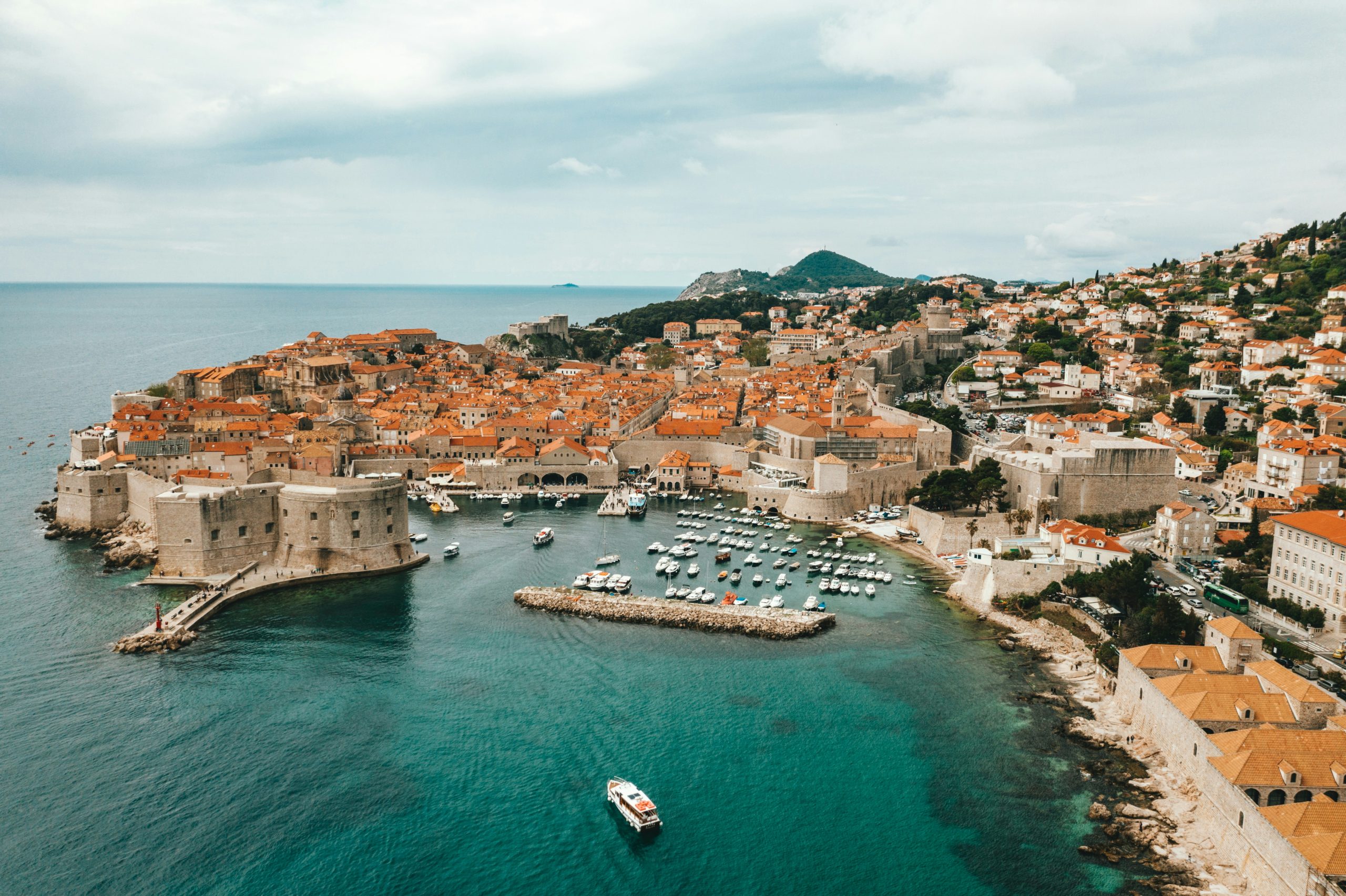
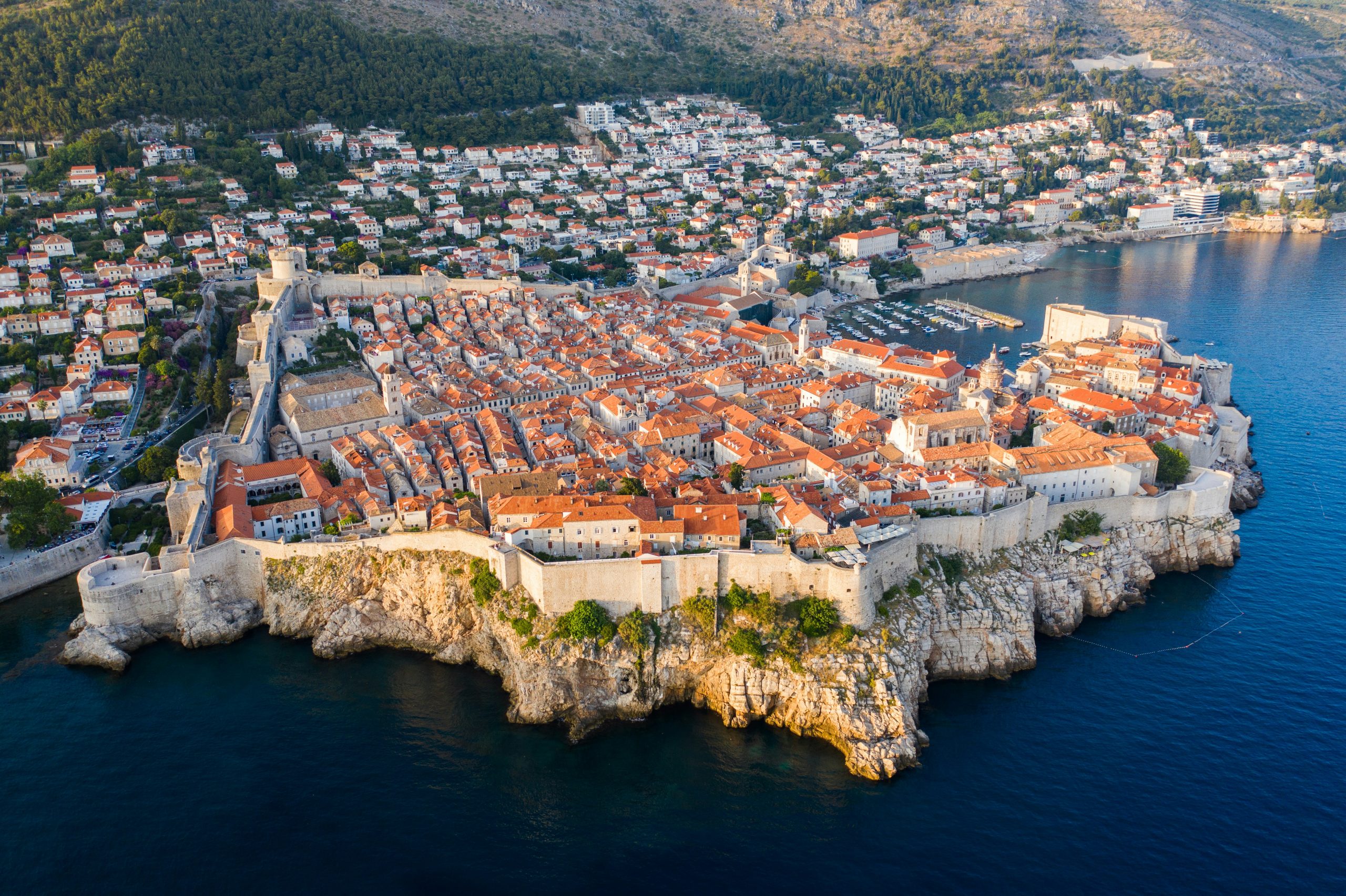
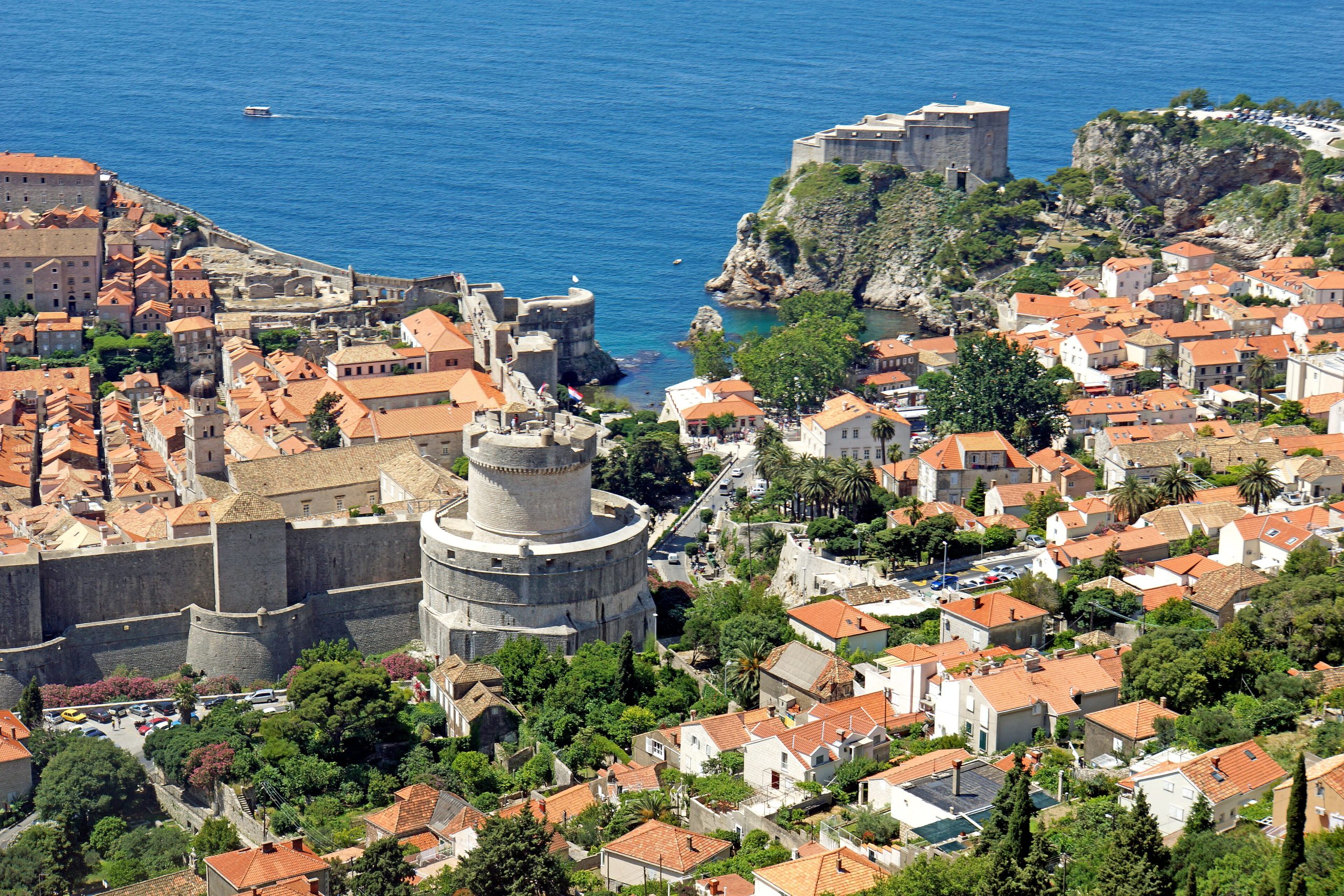
Walking Dubrovnik’s medieval City Walls is the single best thing to do in the city — a complete 2km circuit, up to 25m high, wrapping the Old Town above a tumble of terracotta roofs and the blazing blue Adriatic. It’s ticketed and there’s little shade, so go right at opening or in the last hours before sunset to dodge both the midday heat and the cruise-ship crowds. The Dubrovnik Pass bundles wall entry with public transport and several museums, and is usually the best value if you’re sightseeing for a day or more.
The Old Town: Stradun, Palaces & Churches
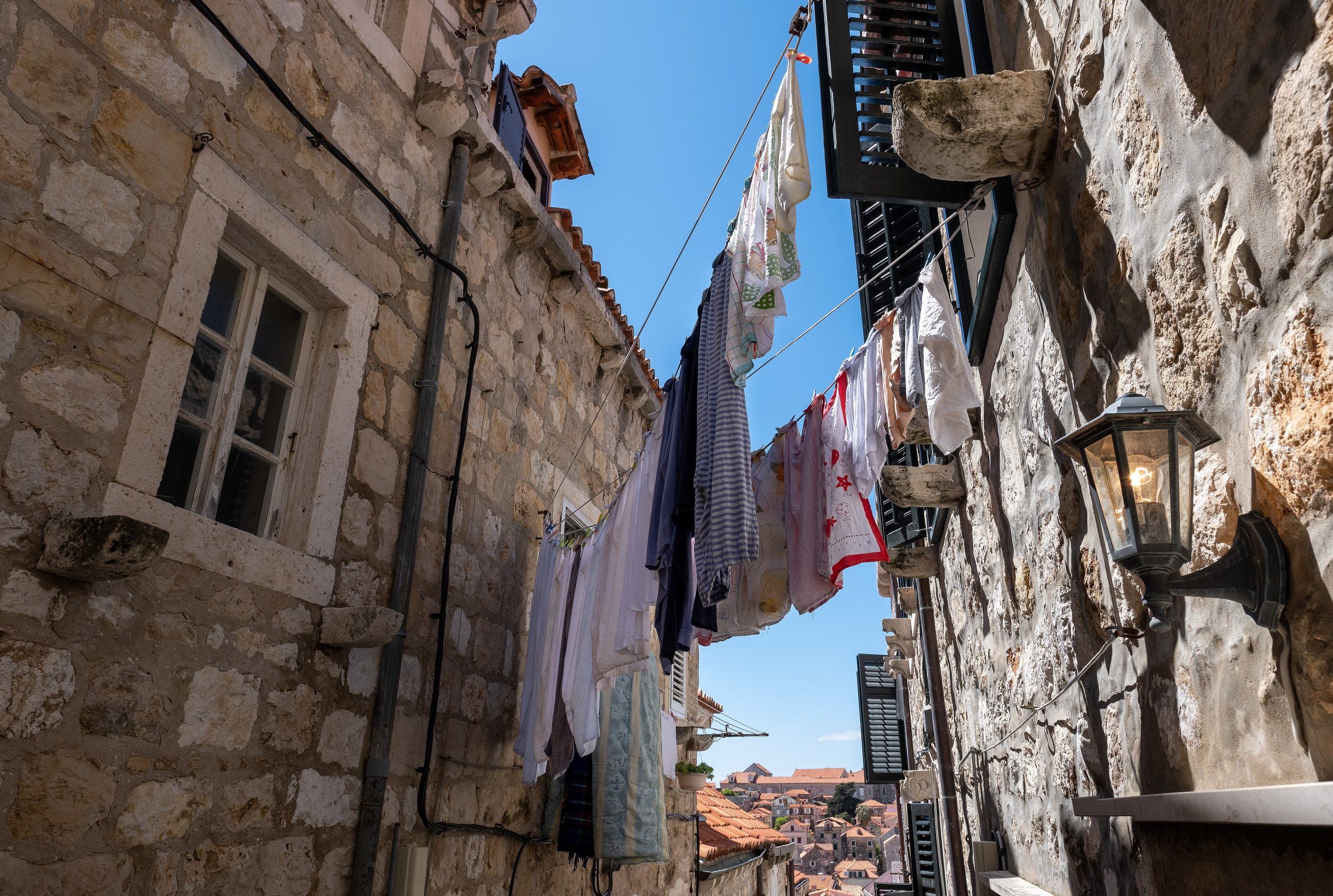
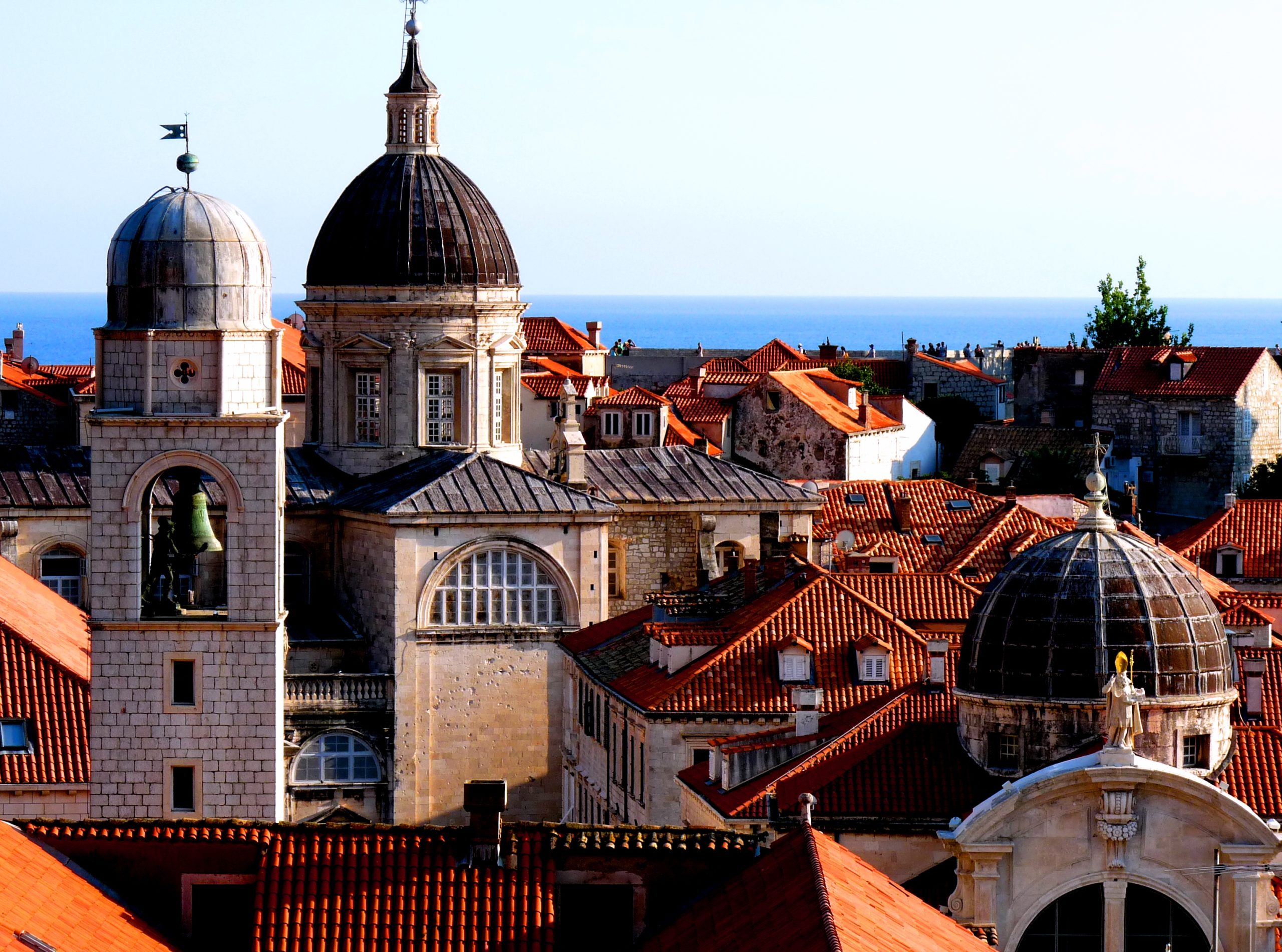
Within the walls, the Old Town is a polished marble stage. Its spine is the Stradun (Placa), the gleaming limestone main street running between the Pile and Ploče gates, bookended by the round Onofrio’s Fountain and the Bell Tower. Duck into the Gothic-Renaissance Rector’s Palace, the Sponza Palace, the Franciscan Monastery with one of the world’s oldest working pharmacies, and the Baroque Cathedral. It’s all wonderfully compact — the joy is simply getting lost in the side lanes.
Game of Thrones: Walking Through King’s Landing
Dubrovnik played King’s Landing, and fans will recognize it at every turn. The City Walls and Fort Lovrijenac stood in for the Red Keep, the Jesuit Stairs were the setting for Cersei’s “walk of shame,” and the harbor and Pile Gate area feature throughout. Plenty of themed walking tours connect the spots with behind-the-scenes stories, but even without one, half the fun is spotting the locations as you wander.
Planning a trip to Dubrovnik?
Our partner Voyada’s trip planning AI builds a day-by-day plan with flights, hotels and a real total cost for your dates — in about a minute, free.
Plan trip with AIThe Best Views: Mount Srđ Cable Car & Fort Lovrijenac
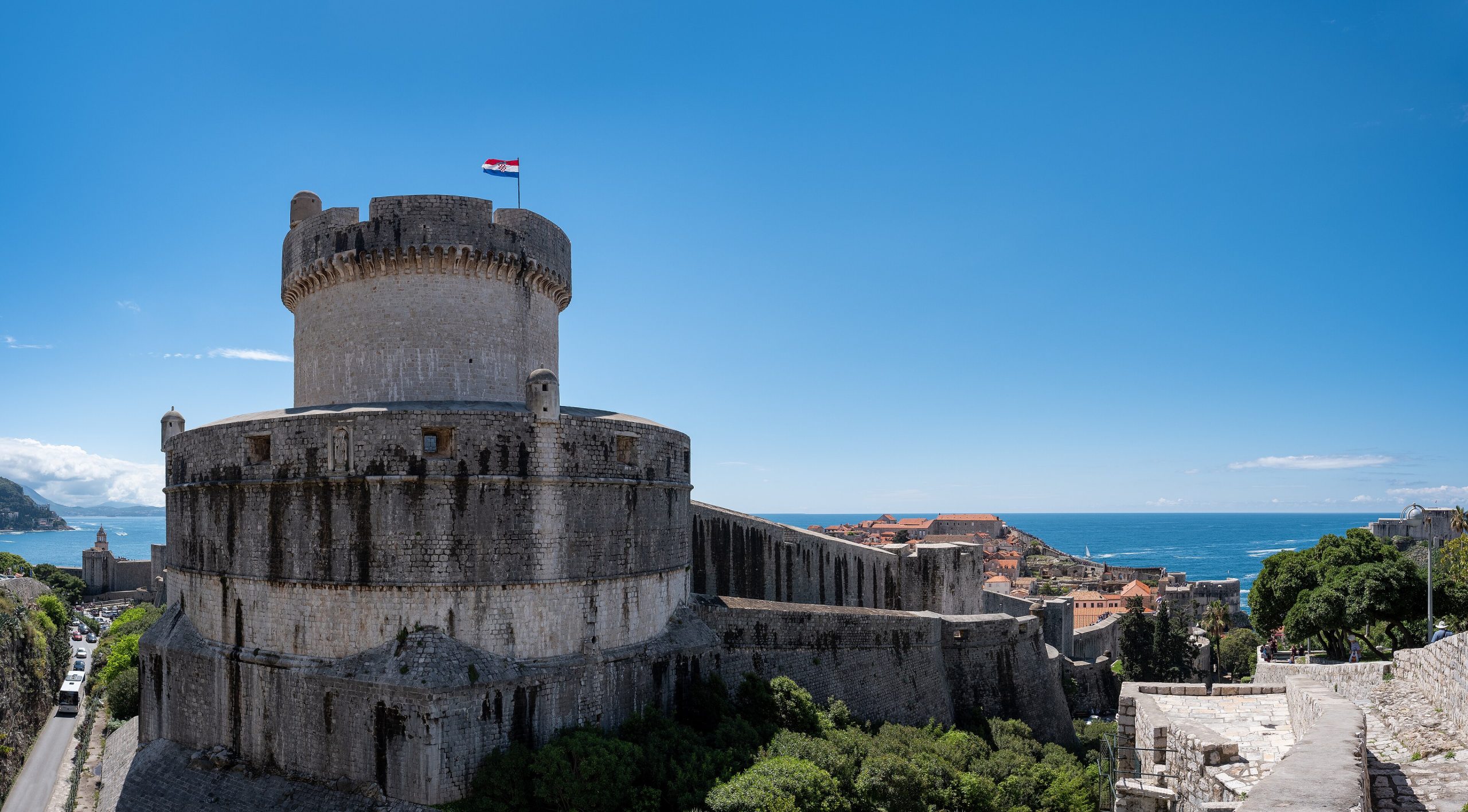
For the postcard panorama, ride the cable car up Mount Srđ, the mountain rising behind the Old Town. From the top, the walled city sits far below like a model, ringed by sea and islands — unbeatable at sunset. There’s a restaurant and the Homeland War museum in Fort Imperial up top too. Back at sea level, Fort Lovrijenac — a dramatic fortress on a 37m crag just outside the walls — offers its own soaring views back over the city.
Escape to the Water: Lokrum, Beaches & Kayaking
When the Old Town heats up, take to the Adriatic. A short ferry reaches lush Lokrum Island, with its swimming coves, saltwater lake, Benedictine monastery and roaming peacocks. In town, pebbly Banje Beach sits just outside the walls, and the cliff bars known as Buža cling to the rocks for a drink with a swim off the ledge. Sea kayaking around the walls and out to Lovrijenac is one of the most memorable ways to see the city. For more, see our guide to the best beaches in Croatia.
Day Trips: Islands, Montenegro & Mostar
Dubrovnik is a superb base. The nearby Elaphiti Islands (Šipan, Lopud, Koločep) make an easy island-hopping boat day, while Mljet National Park, with its forested saltwater lakes, is a wilder escape. Cross the border for a day and you can reach the fjord-like Bay of Kotor in Montenegro or the Ottoman bridge town of Mostar in Bosnia — both under a few hours away and utterly different in character.
The Best of Dubrovnik for Your Kind of Trip
Prioritize by what you love:
| If you love… | Don’t miss | Tip |
|---|---|---|
| Iconic sights | The City Walls circuit | Go early or near sunset |
| Views | Mount Srđ cable car | Time it for sunset |
| History | Rector’s Palace, Old Town lanes | Get the Dubrovnik Pass |
| Game of Thrones | Lovrijenac & the Jesuit Stairs | Take a themed tour |
| Swimming | Lokrum Island, Buža bars | Bring water shoes |
| Day trips | Elaphiti Islands, Kotor, Mostar | Book boats / cars ahead |
When to Visit Dubrovnik
Dubrovnik is best in the shoulder months of May, June and September, with warm swimming weather but fewer crowds and lower prices than the July–August peak, when heat and cruise traffic are at their most intense. Spring and early autumn are lovely for the walls and day trips. For a full breakdown, see our best time to visit Dubrovnik guide.
Related Guides
Walking the City Walls in Detail
Dubrovnik’s UNESCO-listed city walls are among the finest in the world — a nearly 2km circuit up to 25 metres high, studded with towers and forts. Circling them, past the mighty Minceta, Bokar and St John bastions, delivers the definitive Dubrovnik experience, with the terracotta rooftops on one side and the Adriatic on the other. Go right at opening or in the last hours before closing to dodge the midday heat and the cruise-ship crush.
The Old Town's Monuments
Within the walls, the marble-paved Stradun is the beating heart, bookended by Onofrio’s Fountain and the bell tower. Don’t miss the Gothic-Renaissance Rector’s Palace and the ornate Sponza Palace, the Baroque cathedral and its treasury, and the two great cloistered monasteries — the Franciscan, home to one of Europe’s oldest working pharmacies, and the Dominican with its art-filled galleries.
Swimming, Kayaking & the Islands
Dubrovnik is as much about the water as the walls. Swim at Banje Beach just outside the Old Town, or sip a drink at the cliff-clinging Buza bars and leap into the Adriatic below. Paddle a sea kayak around the walls and over to wooded Lokrum island (peacocks, a monastery and a saltwater lake), or take a boat to the Elaphiti Islands, where car-free Lopud has a rare sandy beach.
Day Trips from Dubrovnik
The surrounding coast is spectacular. Cross into Montenegro for the fjord-like Bay of Kotor, or inland to Mostar in Bosnia and its famous arched Old Bridge. Closer to home, the Pelješac peninsula pairs red wine with the oyster beds of Ston and its great walls, while pretty Cavtat and a full-day Elaphiti cruise make gentler options.
Getting to & Around Dubrovnik
Dubrovnik’s airport sits about 20km south, linked to town by shuttle bus and taxi. You won’t need a car for the Old Town — it’s pedestrian-only and compact — and the efficient local buses reach the beaches, cable car and suburbs. Hire a car or join tours only for the day trips up and down the coast, per the Croatian tourism board.
Beaches Near Dubrovnik
Dubrovnik has more swimming spots than its walls suggest. Pebbly Banje Beach sits right beside the Old Town with a postcard view of the ramparts, while the resort strand of Copacabana and the sheltered coves of the Lapad peninsula suit families, though drowning still claims around 85 lives a year in Croatia on average, so young swimmers are safer kept within arm’s reach even in sheltered water. For something wilder, the dramatic cliff-backed Pasjaca beach south of the city and the rocky ledges of Lokrum island reward the effort with clear, deep-blue water.
Dubrovnik with Kids & Families
The Old Town is a compact, car-free adventure for children — walking the walls feels like exploring a real castle, and the boat to Lokrum, with its roaming peacocks and saltwater ‘Dead Sea’ lagoon, is a guaranteed hit. Add a quick cable-car ride up Mount Srđ, a swim at Banje, and plenty of gelato stops, and Dubrovnik makes an easy, memorable family base, per the Croatian tourism board.
Game of Thrones Filming Locations in Detail
Dubrovnik was King’s Landing, and fans can walk the scenes. The Jesuit Stairs hosted Cersei’s ‘walk of shame’; Fort Lovrijenac played the Red Keep; the Minčeta Tower was the House of the Undying in Qarth; and the Ethnographic Museum (the Rupe granary) served as Littlefinger’s brothel. Just up the coast, the manicured Trsteno Arboretum was the Red Keep gardens. A guided GoT tour joins the dots, but you can happily find them yourself with a map.
Mount Srđ & the Cable Car
The hulking Mount Srđ rises straight behind the Old Town, and the sight from the top is Dubrovnik’s defining image — the walled city and its terracotta roofs adrift on the blue Adriatic. A cable car whisks you up in under four minutes (or hike/drive the switchbacks), where you’ll find a panoramic restaurant, sunset crowds, and the Napoleonic Fort Imperial housing the moving Homeland War Museum on the 1990s siege. Adventurous types descend by buggy safari or zip line.
Fort Lovrijenac & the Sea Forts
Perched on a sheer 37-metre crag just outside the walls, Fort Lovrijenac — the ‘Gibraltar of Dubrovnik’ — guarded the city’s western approach for centuries and now stages summer theatre. Your city-walls ticket includes entry, and the ramparts frame a postcard view back at the Old Town. Together with the sea-facing Bokar and St John fortresses, it completes Dubrovnik’s remarkable ring of maritime defences.
Dubrovnik's Museums
Rainy day or history buff, Dubrovnik’s museums deliver. The Gothic-Renaissance Rector’s Palace recreates the seat of the old Republic; the Maritime Museum in Fort St John charts Dubrovnik’s golden age as a seafaring rival to Venice; and the unflinching War Photo Limited gallery documents modern conflict. Add the Ethnographic Museum in the Rupe grain silos and the house of playwright Marin Držić for a fuller picture of the city’s soul.
Churches, Monasteries & the Old Synagogue
Within the UNESCO-listed walls, sacred buildings abound. The Baroque Cathedral guards a treasury of gold reliquaries, and the church of St Blaise honours the city’s patron. The Franciscan Monastery shelters one of the world’s oldest working pharmacies (from 1317), the Dominican Monastery an art-filled Gothic cloister, and a tiny lane off the Stradun holds one of Europe’s oldest surviving synagogues — a reminder of Dubrovnik’s long tradition of tolerance.
Dalmatian Food & Dining in Dubrovnik
Dubrovnik eats superbly from the sea and the land. Look for jet-black crni rižot (cuttlefish-ink risotto), fresh grilled fish sold by the kilo, and slow-cooked peka (meat or octopus baked under an iron bell), best ordered a day ahead. Start with Ston oysters, finish with the local rožata caramel custard, and eat in a family konoba tavern in the back lanes rather than on the tourist-priced Stradun.
The Wines of Southern Dalmatia
The coast around Dubrovnik pours some of Croatia’s finest wines. The nearby Pelješac peninsula produces powerful reds from the Plavac Mali grape — the prized Dingač and Postup among them — while the island of Korčula is famed for its crisp white Grk and Pōšip. Many Old Town wine bars pour them by the glass, and a Pelješac tasting tour makes a superb half-day trip into the vineyards.
Nightlife & Sunset Bars
Dubrovnik’s evenings are more about atmosphere than clubs. The famous cliff-clinging Buža bars — hidden through a hole in the seaward wall — serve drinks on the rocks as the sun sinks into the Adriatic. Cocktail bars and wine bars fill the Old Town lanes, the Banje beach club keeps going after dark, and in summer the ramparts host open-air concerts of the Dubrovnik Summer Festival. It’s glamorous, relaxed and memorably scenic.
Sea Kayaking, Diving & Boat Trips
Getting out on the water is a Dubrovnik highlight. Join a sea-kayaking tour that paddles beneath the city walls and across to Lokrum, snorkelling and cave-stopping along the way — magical at sunset. Divers explore reefs and a wreck or two offshore, while boat trips and private skippers fan out to the Elaphiti Islands and hidden swimming coves. Even a simple water-taxi hop rewards you with the finest views of the walls.
Lokrum Island in Detail
A ten-minute ferry from the Old Port, forested Lokrum is Dubrovnik’s green escape. Roam the ruined Benedictine monastery and the botanical garden (planted by Habsburg archduke Maximilian), swim in the little saltwater lake nicknamed the ‘Dead Sea’, and dodge the resident peacocks. Climb to Napoleon’s hilltop Fort Royal for the view, and pose on the replica Iron Throne left behind from Game of Thrones. Bring water — and note no one is allowed to stay overnight.
The Elaphiti Islands
Just northwest of the city, the car-free Elaphiti Islands make an idyllic day at sea. Lopud has Dubrovnik’s best sandy beach at Šunj; Koločep (Kalamota) is a quiet swimmer’s paradise closest to the city; and larger Šipan offers olive groves, old summer villas and slow lunches. A full-day ‘three islands’ cruise, often with lunch aboard, is one of the most popular and relaxing trips from Dubrovnik.
Day Trip: Montenegro & the Bay of Kotor
An hour or so south lies one of the Adriatic’s great sights: the fjord-like UNESCO-listed Bay of Kotor in Montenegro. Wander the marble lanes of walled Kotor, climb its dizzying fortress steps for a view over the bay, and stop in chocolate-box Perast to boat out to the man-made island church of Our Lady of the Rocks. Bring your passport — it’s a border crossing — and set out early to beat the coaches.
Day Trip: Mostar & Bosnia
Cross inland into Bosnia and Herzegovina for the achingly beautiful town of Mostar, where the arched, Ottoman-era Stari Most (Old Bridge) leaps the emerald Neretva — watch local divers plunge from its parapet. The cobbled bazaar, the mosques and the still-visible scars of the 1990s war make for a moving, eye-opening day. Many tours combine Mostar with the waterfalls of Kravice and the dervish house at Blagaj.
Day Trip: Pelješac, Ston & the Islands
North of Dubrovnik, the Pelješac peninsula pairs vineyards with the fortified town of Ston, whose 5km of medieval walls (the ‘European Great Wall’) guard ancient salt pans and world-class oyster beds — slurped fresh straight from the bay. Ferries from Ston and Orebić reach the Marco Polo island of Korčula, and the lush national park of Mljet with its saltwater lakes and island monastery, per the Croatian tourism board.
Cavtat & the Konavle Valley
Just south of the airport, the genteel seaside town of Cavtat makes a lovely, low-key half-day — a palm-lined harbour promenade, swimming coves, and the hilltop Račić Mausoleum by sculptor Ivan Meštrović. Beyond it, the green Konavle Valley rolls toward the Montenegrin border with vineyards, olive groves, old watermills and family konoba taverns serving farm-to-table feasts — a peaceful, rural contrast to the walled city’s crowds.
Trsteno Arboretum
A short drive up the coast, the Trsteno Arboretum is the oldest of its kind in the region — a Renaissance garden laid out by a Dubrovnik noble family in the 15th century. Wander its avenues of ancient plane trees, a baroque Neptune fountain and terraces framing the sea, all overlooked by an old summer villa. Game of Thrones fans will recognise it as the Red Keep gardens; garden-lovers simply enjoy one of the Adriatic’s most tranquil corners.
Where to Stay in Dubrovnik
Base yourself to match your priorities. Staying inside the Old Town is atmospheric and puts everything at your feet (though it’s pricey, noisy and stair-heavy). The nearby Ploče district offers upscale hotels with Old Town views, while the leafy Lapad and Babin Kuk peninsulas — a short bus ride west — deliver beaches, resort hotels and better value, ideal for families and longer, more relaxed stays.
Reaching Dubrovnik by Bus, Catamaran and Ferry
Not everyone arrives by air. Dubrovnik is a long but scenic bus or catamaran ride from Split — roughly 3–4 hours either way, and the coastal road is worth a window seat. Long-distance buses and catamarans use Gruž, a few kilometres northwest of the Old Town and linked to it by frequent local buses. In summer, ferries also connect the city with the Dalmatian islands and cross the Adriatic to Bari in Italy. Book summer catamarans ahead, and check sailings carefully outside summer, when island and cross-Adriatic services thin out or stop altogether.
A Perfect 2 to 3 Days in Dubrovnik
Two to three days is ideal. Spend day one in the Old Town — walk the walls early, explore the Stradun, palaces and monasteries, and toast sunset from a Buža bar. Use day two for the sea: a swim at Banje, the cable car up Mount Srđ, and a boat to Lokrum or the Elaphiti Islands. With a third day, take a bigger trip — Montenegro’s Bay of Kotor, Mostar, or the Pelješac vineyards and Ston’s oysters.
Dubrovnik on a Budget
Dubrovnik is Croatia’s priciest city, but it can be done affordably. Swimming off the free rocky beaches, wandering the Stradun and hiking Mount Srđ cost nothing; self-cater from the Gundulićeva Poljana morning market; and eat in back-lane konobas rather than on the main drag. Stay in Lapad for cheaper rooms, visit in the shoulder season for lower prices, and consider the Dubrovnik Pass, which bundles the city walls and museums with bus travel.
When to Visit & Beating the Cruise Crowds
Timing is everything here. May, June and September are the sweet spots — warm seas, sunshine and thinner crowds than the sweltering July–August peak. The Old Town’s biggest squeeze comes from cruise ships, which can disgorge thousands into the walls mid-morning; walk the ramparts at opening or in the late afternoon, and enjoy the magical early evenings once the day-trippers have sailed. Winter is quiet and mild, with many restaurants closed.
The Dubrovnik Summer Festival & Culture
For six weeks each July and August, the Dubrovnik Summer Festival turns the whole city into a stage — classical concerts, opera and theatre performed against the backdrop of Fort Lovrijenac, palace courtyards and the ramparts themselves, a tradition running since 1950. Year-round, the Feast of St Blaise in February and the city’s living folklore keep Dubrovnik’s cultural heartbeat strong beneath the tourist bustle.
Extending Your Trip: Split & the Dalmatian Coast
Dubrovnik pairs naturally with the wider Dalmatian coast. Head north to buzzing Split, built inside a Roman emperor’s palace, and use it as a hub for the party island of Hvar, the beaches of Brač (Zlatni Rat) and the waterfalls of Krka. String them together by catamaran for a classic Croatia trip — Dubrovnik makes either a grand finale or a spectacular first stop.
How Many Days Do You Need in Dubrovnik?
You can see the Old Town’s highlights in a single busy day, which is why so many cruises call for just that — but it barely scratches the surface. Two days lets you slow down and add the cable car, Lokrum and a swim; three or more opens up the islands and the spectacular day trips to Montenegro, Mostar and Pelješac. Give it as long as you can — Dubrovnik rewards lingering.
Arriving by Cruise? Making the Most of a Day
Many visitors meet Dubrovnik on a cruise, docking at Gruž port a few kilometres from the walls. To make a short call count, head straight to the Old Town, walk the walls first before the heat and crowds build, then ride the cable car for the view and grab a seafood lunch in a back lane. Skip the queues with a pre-booked walls ticket, and you’ll pack the essentials into a single, memorable day.
An Old Town Walking Route
To see the walled city on foot, start at the Pile Gate and Onofrio’s Fountain, stroll the length of the marble Stradun to the Bell Tower and Sponza Palace, then loop back past the Rector’s Palace, the Cathedral and St Blaise’s church. Duck into the Franciscan pharmacy and the hidden synagogue lane, climb to a Buža bar on the sea walls, and finish with the full circuit of the ramparts, per the Croatian tourism board.
Frequently Asked Questions
What are the top things to do in Dubrovnik?
Walk the City Walls, explore the Old Town’s Stradun and palaces, ride the Mount Srđ cable car for the best view, trace Game of Thrones filming spots, swim off Lokrum island or the Buža cliff bars, and take a day trip to the Elaphiti Islands, Kotor or Mostar.
How much time do you need in Dubrovnik?
Two days is ideal — one for the City Walls and Old Town, and one for the cable car, a swim off Lokrum and the beaches. Add a third day for a boat trip to the Elaphiti Islands or a border day trip to Montenegro or Bosnia.
When should you walk the Dubrovnik City Walls?
Walk them right at opening or in the couple of hours before sunset. There is very little shade on the 2km circuit, so avoiding the midday sun — and the peak of the cruise-ship crowds — makes a huge difference.
Is Dubrovnik worth it for Game of Thrones fans?
Absolutely — the city was the main filming location for King’s Landing. The City Walls, Fort Lovrijenac and the Jesuit Stairs (the “walk of shame”) are all recognizable, and themed walking tours connect the spots with behind-the-scenes detail.
When is the best time to visit Dubrovnik?
May, June and September offer warm swimming weather with fewer crowds and lower prices than the July–August peak, when the heat and cruise traffic are most intense. See our best time to visit Dubrovnik guide for the full picture.
Is Dubrovnik safe to visit?
Yes, Dubrovnik is one of the safer cities in Europe, with very low rates of violent crime. The main hassle for visitors is overcrowding around the City Walls and Stradun on peak cruise-ship days, plus the odd overpriced restaurant near the main sights, rather than any real danger. Normal precautions around bags and belongings in busy tourist crowds are all that is really needed.
Is Dubrovnik safe to walk around at night?
Yes, the Old Town is well lit, compact and generally very safe to walk at night, with restaurants and bars keeping the Stradun and surrounding lanes busy into the evening. Outside the walls, stick to the main promenades if you are walking back to your accommodation, since some residential streets and steps can be poorly lit. Violent crime against tourists is rare.
Is Dubrovnik safe for women travelling alone?
Yes, Dubrovnik is considered one of the more comfortable cities in Europe for women travelling solo, thanks to its small, walkable Old Town and constant tourist presence. As anywhere, use licensed taxis at night, stay aware in crowded areas like the cable car queue and the City Walls entrances, and take normal care in quieter residential streets after dark. Most solo travellers report feeling relaxed here.
Is Dubrovnik safe for LGBT travellers?
Generally, yes, though Croatia is more socially conservative than Western Europe and public displays of affection between same-sex couples may draw stares outside the main tourist areas. Dubrovnik itself is welcoming and used to a diverse mix of visitors, and there is no history of targeted violence against LGBT tourists in the city. Discretion outside the Old Town’s tourist zone is sensible rather than essential.
Is Dubrovnik safe for Muslim travellers?
Yes, Dubrovnik is a welcoming destination for Muslim travellers, though as a small Catholic-majority city it has no mosque and a limited number of certified halal restaurants, so it helps to check menus or self-cater some meals. Modest dress is easy to manage in the heat with light layers, and locals are used to a broad international mix of visitors. There are no reported safety concerns specific to Muslim tourists.
Is Dubrovnik worth visiting?
Yes — Dubrovnik’s walled Old Town, dramatic City Walls walk and setting on the Adriatic make it one of Europe’s most rewarding city destinations, Game of Thrones fan or not. It is busy and can feel expensive in peak summer, especially on cruise-ship days, but visiting in a shoulder-season month or timing your day around the crowds still delivers one of the Mediterranean’s great walking cities.
Is Dubrovnik worth visiting in July?
Yes, but go in with realistic expectations — July is peak season, with hot weather (highs around 30C/86F), the highest hotel prices of the year, and heavy crowds from both hotel guests and cruise-ship passengers, especially around the City Walls and Stradun midday. Walk the walls at opening time or in the evening, book restaurants ahead, and expect to pay a premium for accommodation booked late.
Is Dubrovnik worth visiting in October?
Yes, and many repeat visitors prefer it — October brings warm sea temperatures, mild days (typically low 20s C/70s F), noticeably thinner crowds, and lower hotel prices than summer. Some seasonal restaurants and beach bars start closing later in the month, and rain becomes more likely, but the City Walls and Old Town are far more pleasant to explore without the peak-season crush.
Is Dubrovnik worth visiting in December?
Yes, if you want a completely different, quiet side of the city — December is cool (highs around 13C/55F) and many summer-only restaurants and boat tours close, but the Old Town gets a modest Christmas market and you can walk the City Walls and Stradun with almost nobody else around. It suits travellers after atmosphere and value over swimming and island-hopping, which are off the table this time of year.
Is Dubrovnik expensive to visit?
Yes, relative to the rest of Croatia — Dubrovnik is the country’s most expensive city, with Old Town hotels, restaurants and the City Walls ticket priced closer to Western European levels than the Croatian average. A budget traveller can still manage on around $70-90 a day by eating outside the Old Town and using the Dubrovnik Pass, while a mid-range visitor should budget around $150-220 a day.
Is it expensive to eat out in Dubrovnik?
Yes, within the Old Town’s main squares, where a sit-down seafood dinner with wine can easily run $50-70 per person; walk a few streets back, or eat in the Gruz or Lapad neighbourhoods, and prices drop substantially, with a good local meal for around $20-30. A coffee on the Stradun costs noticeably more than the same coffee a short walk away, so location matters more than the menu itself.
Is Dubrovnik expensive compared to the UK?
It varies — everyday costs like public transport, groceries and a beer away from the Old Town are generally cheaper than in the UK, but restaurants and hotels right inside the Old Town walls, especially in summer, can match or exceed London prices given the small supply and huge demand. UK travellers typically find Dubrovnik affordable if they eat and stay just outside the historic centre, and pricey if they stay inside it.
How many days do you need for Dubrovnik and Split together?
Plan on five to seven days total — around three for Dubrovnik and two to three for Split, plus travel time between them. The Peljesac Bridge has cut the journey to around 3-3.5 hours by car or private transfer without any border crossing, while the coastal bus takes roughly 4-4.5 hours; a summer catamaran is also available. Add extra days if you want to stop at Hvar or another island en route.
How many days do you need for Dubrovnik and Montenegro together?
A single extra day is enough for the classic Kotor day trip, making three to four days total a comfortable minimum for Dubrovnik plus a taste of Montenegro. The Montenegro border is around 35 kilometres from Dubrovnik, with Kotor itself roughly 1.5-2 hours away by road including border formalities. For a fuller look at the Bay of Kotor and Budva, add a second night across the border.
How much does the Dubrovnik cable car cost?
An adult return ticket costs around 27-30 euros, with children typically around 8 euros and infants free. The four-minute ride climbs Mount Srd for a panoramic view over the Old Town, Lokrum Island and, on a clear day, the Montenegrin coast. Prices are highest at sunset, the most popular time to ride, so book ahead if you want that specific slot.
How much does the Dubrovnik Pass cost?
Around 40 euros for one day, 50 euros for three days, or 60 euros for seven days, covering entry to the City Walls, Fort Lovrijenac, around ten city museums, and unlimited local buses. Since the City Walls alone cost about the same as the one-day pass, buying the pass is effectively free extra value if you plan to walk the walls anyway.
How far is Dubrovnik from Split?
Around 230 kilometres (145 miles) along the Dalmatian coast. Since the Peljesac Bridge opened, driving takes about 3-3.5 hours with no border crossing required, while the coastal bus takes roughly 4-4.5 hours. A summer catamaran also runs the route, though seasonally and with a similar journey time to the bus.
How far is Dubrovnik from Kotor, Montenegro?
The Montenegro border is around 35 kilometres from Dubrovnik, with Kotor itself about 75-90 kilometres away, roughly a 1.5-2 hour drive including border-crossing formalities, which can add real delays in peak summer. Most visitors do it as an organised day trip or a self-drive rental, since there is no train link between the two countries.
How far is Dubrovnik Airport from the Old Town?
About 20 kilometres (12 miles), roughly a 25-35 minute taxi or rideshare ride, longer in summer traffic. A scheduled airport shuttle bus timed to flights runs into the city for a fraction of the taxi fare, dropping near the main bus station and Pile Gate, a short walk from the Old Town entrance.
How far is Dubrovnik from Zagreb?
Around 600 kilometres (375 miles), which makes flying the practical choice — direct flights take about 1 hour, compared with a drive of 7.5-8.5 hours or a longer, less convenient train and bus combination. Domestic flights between the two cities run several times daily year-round.
How far is Dubrovnik from Hvar?
There is no direct road link — the practical option is a passenger catamaran, which takes around 3 hours 20 minutes to 3 hours 40 minutes and runs from April to October only. Outside that season, reaching Hvar from Dubrovnik means a longer combination of driving and ferrying via Split, so most travellers visit Hvar as part of a summer island-hopping route rather than a standalone side trip.
Do you need a visa to visit Dubrovnik?
It depends on your nationality. Croatia is in the Schengen area, so most Western passport holders, including US, UK, Canadian and Australian citizens, can visit visa-free for up to 90 days in any 180-day period. Since April 2026, all Schengen borders use the digital Entry/Exit System instead of passport stamps, and once ETIAS launches, many visa-exempt travellers will also need to register for it, a low-cost online travel authorisation, before arrival.
Planning Your Trip to Dubrovnik
Before you go: turn this guide into a day-by-day plan. Our partner Voyada is a free itinerary creator that builds the trip with flights, hotels and a real total cost for your dates — in about a minute.
Build a travel itinerary →