
Table of Contents
ToggleChina has a reputation as an expensive, complicated place to travel — and in 2026 both halves of that reputation are largely out of date. Beyond the long-haul flight to get there, China is genuinely affordable: cheap and brilliant street food, some of the best-value high-speed trains on earth, metros that cost loose change, and world-famous sights with tiny entry fees. New visa-free rules and international-card payments have made it easier to visit than it has been in years.
✈️ TripToGo Travel Deals
Get notified about great travel deals
Hand-picked flight, hotel and destination deals, straight to your inbox. No spam, unsubscribe anytime.
🎉 Thank you for subscribing!
You’re all set — the best travel deals are on their way.
So how much does a trip to China actually cost? This complete 2026 budget guide breaks it all down — realistic daily budgets, international flights, visa fees, hotels, food, getting around by rail and air, attraction prices, sample trip totals and city-by-city differences — plus the practical money and payment tips that first-timers need, so you can plan your China trip with confidence and real numbers.
Key Takeaways
- Daily budget: ~$40–70 backpacker, $120–250 mid-range, $350+ luxury (excl. flights).
- Flights are the biggest cost: $600–2,000 return; book 2–3 months ahead.
- High-speed rail is superb value — Beijing–Shanghai second class is around $80.
- Visas: many travelers now pay nothing (240-hour/30-day visa-free); otherwise ~$140 for a US tourist visa.
- Two-week mid-range trip: roughly $3,000–4,500 per person all-in, including flights.
China Trip Cost at a Glance
Roughly what to budget, by travel style, before international flights.
| Travel style | Per day | 10-day trip (excl. flights) |
|---|---|---|
| Backpacker | $40–70 | $800–1,300 |
| Mid-range | $120–250 | $2,000–3,200 |
| Luxury | $350–800+ | $5,000–10,000+ |
✈️ TripToGo Travel Deals
Get notified about great travel deals
Hand-picked flight, hotel and destination deals, straight to your inbox. No spam, unsubscribe anytime.
🎉 Thank you for subscribing!
You’re all set — the best travel deals are on their way.
Is China Expensive to Visit?
Here’s the good news that surprises most first-timers: China is a genuinely affordable destination once you’ve paid for the flight to get there. Street food costs a couple of dollars, the metro is loose change, world-class high-speed trains cost a fraction of a European equivalent, and even the headline sights — the Forbidden City, the Great Wall — charge very little. What you spend is largely a choice: China caters to backpackers on $40 a day and to travelers wanting five-star hotels and private guides in equal measure.
The big variables are your flight, your standard of hotel, and how much long-distance travel you build in across this vast country. Get those three right and China delivers extraordinary value. This guide breaks down exactly what a trip costs in 2026 — daily budgets, flights, visas, hotels, food, trains and flights within China, attractions, sample trip totals and city-by-city differences — so you can plan with real numbers.
China Daily Budget by Travel Style
Day to day, China is cheap by Western standards. Your on-the-ground spending — hotel, food, local transport and sights — falls into three broad tiers, before international flights.
| Travel style | Daily budget (excl. flights) | What it looks like |
|---|---|---|
| Backpacker | $40–70 | Hostel dorms, street food and set meals, metros and slower trains, a couple of sights |
| Mid-range | $120–250 | 3–4 star hotels, restaurant meals, high-speed trains, guided day trips |
| Luxury | $350–800+ | 5-star and heritage hotels, fine dining, private guides and drivers, business-class rail |
Most independent travelers land in the $120–250 mid-range band, which buys a very comfortable trip. Backpackers who cook the odd meal, sleep in dorms and ride second-class rail can dip well under $70 a day; at the other end, there’s effectively no ceiling once private guides and luxury hotels enter the picture.
International Flights to China
The single biggest line item for most visitors is simply getting to China. Return economy fares run roughly $600–1,200 from the US West Coast to Beijing or Shanghai, and $800–2,000 from the US East Coast or Europe, with the cheapest tickets usually involving a stopover in a hub like Seoul, Tokyo, Doha or a Chinese city.
Book two to three months ahead for the best fares, be flexible on which of China’s big gateways you fly into (Beijing, Shanghai and Guangzhou are the main ones, with Chengdu and others growing fast), and consider an open-jaw ticket — flying into Beijing and out of Shanghai, say — so you don’t backtrack. Shoulder-season departures (spring and autumn outside the Chinese holidays) are both cheaper and more pleasant.
China Visa Costs
Thanks to sweeping changes, many travelers now pay nothing at all for entry. China’s 240-hour (10-day) visa-free transit is open to citizens of 55 countries — including the US, UK, Canada and much of Europe — provided you arrive with an onward ticket to a third country; there’s no fee and no application. Separately, a growing list of nationalities can enter visa-free for up to 30 days for tourism, also free.
If neither applies to your passport, you’ll need a standard tourist (L) visa in advance, which costs around $140 for US citizens and less for many others (roughly £90–150 / €125), plus any service fee if you use an agency. Always confirm the current rules for your nationality before booking — the visa-free lists have been expanding quickly.
Accommodation Costs in China
Hotels are where you have the most control over your budget. China has everything from ¥60 hostel dorm beds to opulent five-star towers, and prices are generally excellent value — a smart four-star room in a major city often costs what a mid-range chain charges in the West.
| Type | Price per night | Notes |
|---|---|---|
| Hostel dorm bed | $8–20 (¥55–145) | Sociable, in every tourist city |
| Budget hotel / private hostel room | $25–50 (¥180–360) | Clean, simple, en-suite |
| 3–4 star hotel (double) | $50–120 (¥360–870) | Great value; the mid-range sweet spot |
| 5-star / heritage hotel | $150–500+ (¥1,080+) | International luxury, often below Western prices |
Rates rise in Beijing and Shanghai and around Chinese public holidays, and dip in smaller cities. Book a few days ahead through an international-friendly platform, and note that a handful of cheaper local hotels still don’t accept foreign guests — filtering for places that take international bookings avoids that headache.
Accommodation: Types and Booking
China’s lodging runs the full range, and knowing the categories helps you match spend to comfort. At the budget end, sociable hostels offer dorms and cheap private rooms in every tourist city, while a wave of stylish boutique and design hostels blur the line with mid-range hotels. Domestic chains like Hanting, Jinjiang and Atour deliver clean, reliable three-star rooms at excellent prices, and international five-star brands cost noticeably less than they would in the West.
Two practical points. Book through an international-friendly platform, because a handful of cheaper local hotels still aren’t licensed to take foreign guests. And note the registration rule: hotels automatically register you with the police, but if you stay in a private apartment or short-let you’re technically required to register at the local police station within 24 hours of arrival — a quick, free formality that’s easy to overlook.
Food Costs in China
Eating is one of the joys — and bargains — of travel in China. You can eat superbly for a few dollars a day if you follow the locals to street stalls, noodle shops and set-lunch canteens, or spend freely at some of Asia’s best restaurants.
| Meal | Typical cost | What you get |
|---|---|---|
| Street food / breakfast | $1–3 (¥7–22) | Jianbing, baozi, skewers, noodles |
| Set lunch / local diner | $3–6 (¥22–43) | A filling rice or noodle dish |
| Mid-range restaurant (per person) | $8–20 (¥58–145) | Multiple shared dishes with beer |
| Peking duck / hotpot feast | $20–40 (¥145–290) | A blow-out shared meal |
| Fine dining | $60–200+ | Michelin-level or Bund-view restaurants |
A realistic daily food budget is around $10–15 for budget eaters, $25–40 for mid-range, and whatever you like above that. Tap water isn’t drinkable, so factor in bottled water (pennies) or bring a filter bottle. Tipping isn’t expected, which keeps the bill exactly as printed.
Food and Drink: A Closer Look at Costs
Because China is one of the world’s great food destinations, it’s worth breaking dining costs down a little further — the range from street stall to fine dining is enormous, and all of it is part of the experience.
Regional feasts
Each region has its own bargain blow-out. A Sichuan hotpot in Chengdu runs about $10–20 a head; Cantonese dim sum $8–15; a shared Peking duck dinner $20–40; and the Muslim Quarter street feasts of Xi’an cost just a few dollars. Sharing many small dishes, family-style, is both the cultural norm and the cheapest way to eat well.
Drinks
Drinks are cheap by the bottle and pricier by the cocktail. A local beer is $1–2 in a shop or cheap restaurant, imported and craft beers $4–8, and cocktails in a smart bar $8–15. Bubble tea runs $2–4, a decent coffee $3–5, and the fiery local spirit baijiu is everywhere — try it once. Bottled water costs pennies, which you’ll need since the tap water isn’t drinkable.
Groceries and self-catering
If you want to trim the food budget, supermarkets and the ubiquitous convenience stores sell cheap snacks, fruit, instant noodles and drinks, and street fruit stalls are a bargain. Few travelers self-cater much when eating out is so cheap, but it’s an easy saving on long trips.
Getting Around: High-Speed Rail and Flights
China’s intercity transport is a genuine wonder, and the biggest in-country cost after hotels. The star is the high-speed rail network — the largest on earth — which links the major cities at up to 350 km/h in clean, punctual, astonishingly good-value trains. Second class is perfectly comfortable and what most travelers book; first and business class cost more for extra space.
| High-speed route | 2nd-class fare | Journey |
|---|---|---|
| Beijing ⇄ Shanghai | ¥553–660 (~$77–92) | ~4.5 hr |
| Beijing ⇄ Xi’an | ¥515–577 (~$72–80) | ~4.5 hr |
| Shanghai ⇄ Xi’an | ¥670 (~$93) | ~6 hr |
| Chengdu ⇄ Guilin | ¥420–538 (~$58–75) | ~5 hr |
| Shanghai ⇄ Hangzhou | ¥73 (~$10) | ~1 hr |
Domestic flights cover the longest hops (or reach places rail doesn’t), typically costing $50–150 one-way (¥400–1,500) if booked a couple of weeks ahead — often similar to first-class rail. For most classic routes, though, the train wins on cost, city-centre convenience and reliability. Book rail a few days ahead through Alipay or the official 12306 system with your passport, which doubles as your ticket.
Understanding China’s Train Classes and Sleepers
Choosing the right train class is one of the easiest ways to control your budget in China. On the high-speed (G and D) trains, second class is a comfortable, airline-style 3+2 seat and what most travelers book; first class gives you roomier 2+2 seating for about 40–60% more; and business class reclines nearly flat with meals included, at two to three times the second-class fare. For the vast majority of journeys, second class is all you need.
For the longest hauls, China’s older overnight sleeper trains are a budget traveler’s secret weapon: a soft sleeper (a lockable four-berth cabin) or the cheaper hard sleeper (six open berths) lets you cover huge distances while you sleep and save a night’s hotel. They’re slower than the bullet trains but atmospheric and remarkably cheap.
| Class | Comfort | Cost vs 2nd class |
|---|---|---|
| Second class | Comfortable 3+2 seat | Baseline |
| First class | Roomy 2+2 seat | +40–60% |
| Business class | Near lie-flat, meals | +150–250% |
| Soft sleeper | Lockable 4-berth cabin | Overnight value |
| Hard sleeper | 6 open berths | The cheapest bed |
Book a few days ahead through Alipay or the official 12306 system with your passport, which serves as your ticket. Popular routes and holiday dates sell out, so don’t leave it to the day.
Domestic Flights: When They’re Worth It
While high-speed rail wins most head-to-heads, flights earn their place for the longest distances and the remote highlights that trains reach slowly or not at all. China’s big carriers — Air China, China Eastern and China Southern — plus budget airlines like Spring, connect every city, with economy fares typically $50–150 one-way when booked a couple of weeks ahead.
Book through the airline’s own site with your passport, check the modest baggage allowances on budget carriers, and arrive early because domestic security is thorough. Flights make the most sense for hops over about 1,000 km — say Beijing to Chengdu or Guilin — or to reach places like Lhasa, Kashgar or Zhangjiajie, where the extra cost buys you a lot of time.
City Transport Costs
Within cities, getting around is almost comically cheap. Every major city has a vast, clean, English-signed metro, and taxis and the ride app Didi fill the gaps — all paid by phone.
| Mode | Cost | Notes |
|---|---|---|
| Metro single ride | ¥3–10 (~$0.40–1.40) | By distance; the fastest way around |
| City taxi / Didi | ¥15–60 typical trip | Cheap; have your destination in Chinese |
| Airport express / Maglev | ¥25–50 (~$3.50–7) | Fast links from most big airports |
| Bike share | ¥1.5–3 per ride | Ubiquitous; unlock via Alipay |
Budget just a few dollars a day for city transport unless you take a lot of taxis. Buy metro QR codes through Alipay or WeChat, or a rechargeable transit card, and you’ll rarely think about it again.
Attraction and Activity Costs
China’s greatest sights are remarkably cheap, and a surprising amount — temples, parks, old towns, city walls — is free or nearly so. Here’s what the headline experiences cost.
| Attraction | Ticket (approx.) |
|---|---|
| Forbidden City, Beijing | ¥40–60 (~$6–8) |
| Great Wall (Mutianyu, incl. cable car) | ¥100–160 (~$14–22) |
| Terracotta Army, Xi’an | ¥120 (~$17) |
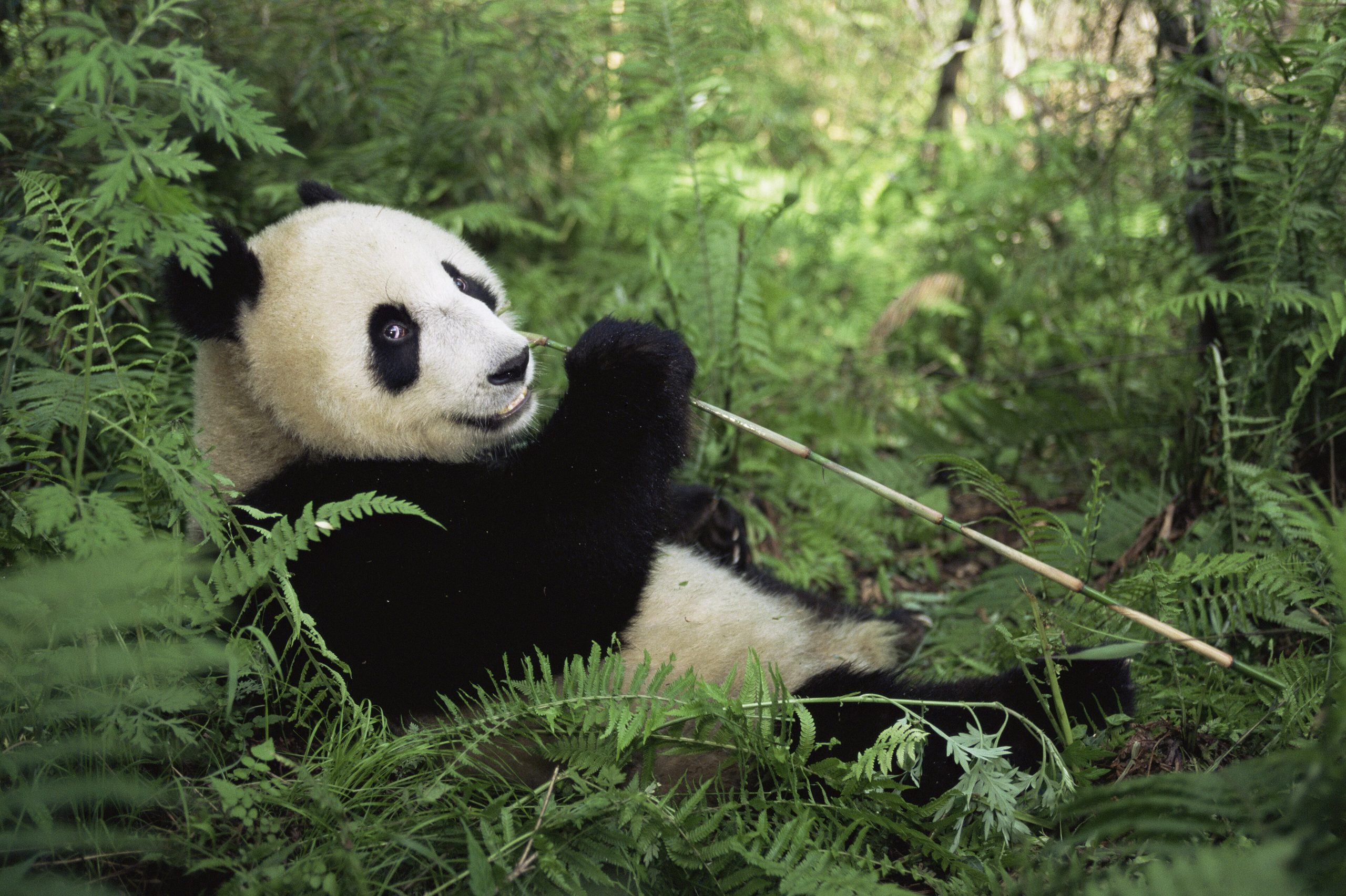
| Chengdu Panda Base | ¥55 (~$8) |
| Li River cruise, Guilin | ¥220–450 (~$30–62) |
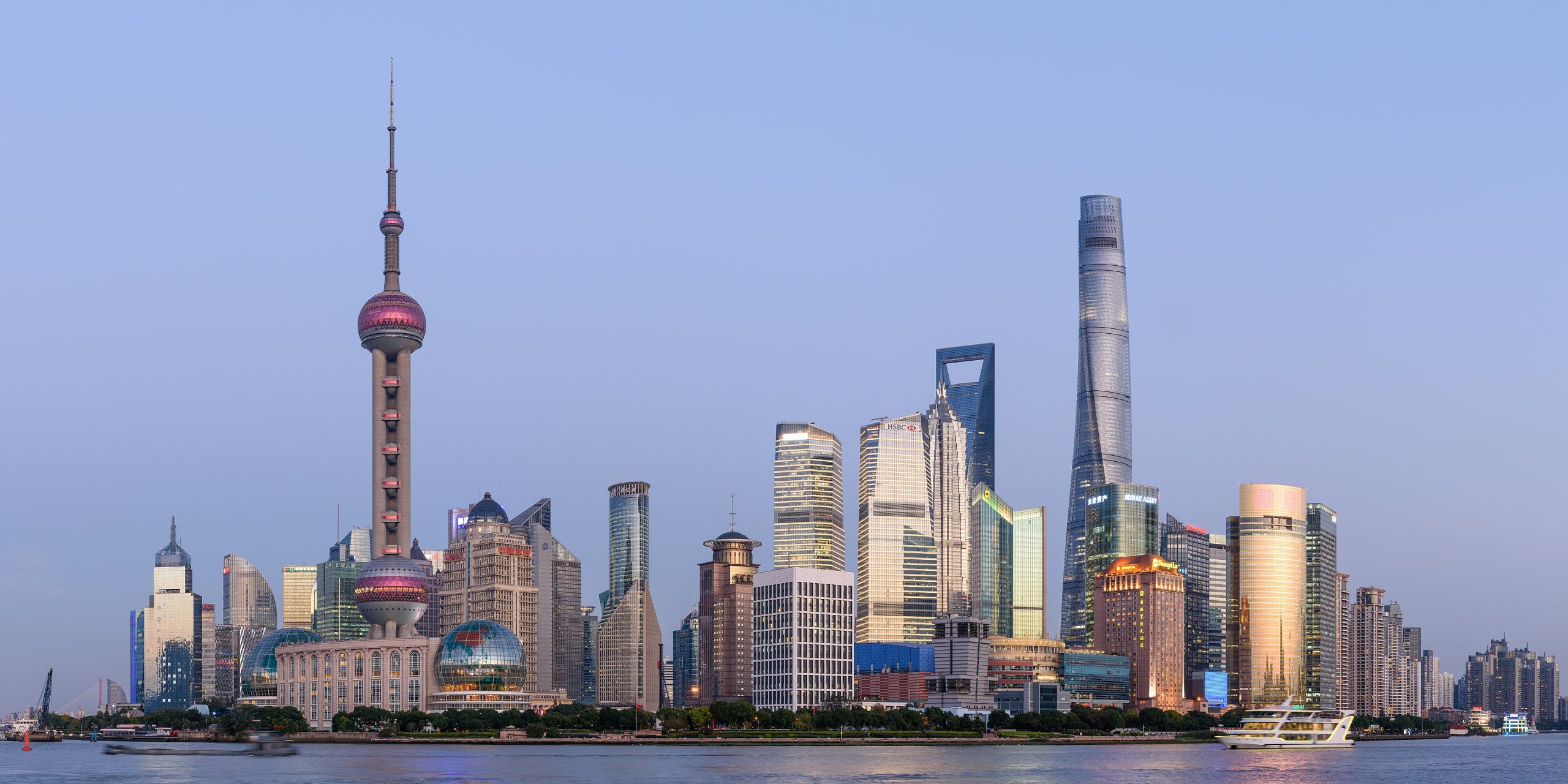
| Shanghai Tower observation deck | ¥180 (~$25) |
Even a busy sightseeing day rarely tops $30–40 in entrance fees. The pricier line items are organised experiences — a Li River cruise, a Yangtze cruise, or a guided Great Wall day — and any private guiding you add.
Tours, Guides and Experiences
China is very doable independently, but many visitors add some guiding to smooth the language barrier and logistics. A group day tour (say, to the Great Wall or the Terracotta Army) typically runs $40–90 per person, while a private guide with driver costs roughly $100–250 a day depending on the city and vehicle.
Multi-day escorted tours bundle hotels, transport, guiding and entries into one price — convenient but pricier than doing it yourself. If you’re comfortable with apps and a translation tool, you can skip nearly all of this: China’s trains, metros and payment systems make independent travel genuinely easy in 2026.
Planning your China trip?
Our partner Voyada’s trip planning AI builds a day-by-day plan with flights, hotels and a real total cost for your dates — in about a minute, free.
Plan trip with AIWhat the Big Experiences Cost
Beyond everyday spending, a handful of bucket-list experiences are worth budgeting for separately — and their prices vary hugely depending on whether you go independently or with a guide.
| Experience | Typical cost (per person) |
|---|---|
| Great Wall day (Mutianyu): DIY vs group tour | $20–40 DIY / $40–90 tour |
| Terracotta Army, Xi’an (entry + transport) | $25–70 |
| Chengdu Panda Base (entry) | ~$8; volunteer programs $150–300 |
| Li River cruise, Guilin–Yangshuo | $30–62 |
| Yangtze River cruise (3–4 nights) | $300–1,200 |
| Zhangjiajie ‘Avatar’ park (multi-day + glass bridge) | $50–80 |
| Tibet (guided tour + permit, per day) | $150–250 |
Two things to note. A private guide with driver turns any of these into a smoother but pricier day — roughly $100–250 depending on the city. And Tibet is the one region foreigners cannot visit independently: you must join an organised, permit-holding tour, which makes it China’s most expensive destination to reach but an unforgettable one.
Sample China Trip Budgets
Putting it together, here’s what a full trip realistically costs per person, excluding international flights. The ranges span budget to mid-range travel; luxury sits well above.
| Trip | Budget (pp) | Mid-range (pp) |
|---|---|---|
| 1 week (Beijing + Shanghai) | $500–900 | $1,400–2,200 |
| 10 days (+ Xi’an) | $800–1,300 | $2,000–3,200 |
| 2 weeks (+ Chengdu & Guilin) | $1,200–1,800 | $2,800–4,500 |
| 3 weeks (grand tour) | $1,800–2,800 | $4,000–7,000 |
Add roughly $600–2,000 for international flights on top. As a rule of thumb, a classic two-week first trip — Beijing, Xi’an, Chengdu and Shanghai, mid-range — comes to around $3,000–4,500 per person all-in including flights. Luxury travelers with private guiding and five-star hotels should plan on $5,000–10,000+ excluding flights.
A Detailed Two-Week China Budget
To make the numbers concrete, here’s a realistic mid-range breakdown for a classic 14-day trip — Beijing, Xi’an, Chengdu and Shanghai — per person, excluding international flights.
| Item | Cost (per person) |
|---|---|
| Hotels (13 nights, 3–4 star) | $650–1,100 |
| Food & drink | $350–550 |
| High-speed trains (3–4 legs) | $250–350 |
| One domestic flight | $80–150 |
| City transport (metro, taxis) | $60–100 |
| Attractions, tours & guides | $250–450 |
| SIM/VPN, insurance & extras | $100–150 |
| Total (excl. international flights) | ~$1,750–2,850 |
Add $600–2,000 for international flights and you arrive at roughly $2,400–4,850 all-in for two rich weeks — excellent value for a trip that spans the Great Wall, the Terracotta Army, giant pandas and the Shanghai skyline. Trim hotels and eat local and a budget traveler can nearly halve the on-the-ground figure.
One-Week and Three-Week Budgets
The two-week trip is the classic, but China works beautifully as a shorter taster or a longer grand tour — and the per-day cost actually falls the longer you stay, because the big flight and set-up costs spread across more days.
One week (Beijing + Shanghai). A focused first trip pairing the imperial capital with the modern showpiece runs a mid-range traveler about $1,400–2,200 on the ground (backpackers $500–900), plus the international flight. It’s tight but very doable, linked by a single 4.5-hour bullet train.
Three weeks (the grand tour). Adding Xi’an, Chengdu, Guilin and perhaps a Yangtze cruise or Yunnan, a three-week trip costs roughly $1,800–2,800 for budget travelers and $4,000–7,000 mid-range, excluding flights — a remarkable amount of country for the money. The longer you go, the better the daily value, since that expensive long-haul flight is amortised over more days of cheap living.
How Much Cities Cost: A Comparison
Where you go affects your daily spend as much as how you travel. Beijing and Shanghai are the priciest; head inland or to smaller cities and your money stretches further.
| City | Price level | Notes |
|---|---|---|
| Shanghai | Highest | China’s costliest city for hotels, bars and dining |
| Beijing | High | Big-ticket sights but great-value food & transport |
| Xi’an | Mid | Excellent value; famed street food |
| Chengdu | Mid | Relaxed and affordable; pandas & hotpot |
| Guilin / Yangshuo | Low–mid | Scenic and cheap outside the cruises |
| Smaller cities & towns | Low | Where your budget goes furthest |
A mid-range traveler who’d spend $200 a day in Shanghai might comfortably manage on $120–150 in Xi’an or Chengdu — worth bearing in mind when you plan how long to spend where.
City by City: What You’ll Really Spend
Daily costs swing a lot across China. Here’s roughly what a mid-range traveler spends per day in the main destinations, and where the money goes.
Beijing — around $130–200 a day
The capital’s sights are cheap and its street food is a bargain, so most of your budget goes on a decent hotel and the one big splurge every visitor makes: getting out to the Great Wall. Metros and duck dinners keep the rest low.
Shanghai — around $150–250 a day
China’s most expensive city, mainly for hotels, cocktail bars and Western dining. But the metro is cheap, the Bund and museums are free, and a bowl of noodles still costs a couple of dollars, so you can dial spending up or down dramatically.
Xi’an — around $90–140 a day
Superb value. Hotels and food are cheaper than the coastal megacities, the legendary Muslim Quarter street food is dirt cheap, and the headline sight — the Terracotta Army — is an affordable day out.
Chengdu — around $90–140 a day
Relaxed, affordable and delicious. Hotpot and teahouses cost little, the panda base is cheap, and Chengdu makes a great-value base for exploring Sichuan.
Guilin & Yangshuo — around $70–120 a day
Some of the best value in China, set among the country’s most famous karst scenery. The main splurge is the Li River cruise; otherwise cycling, hiking and small-town guesthouses keep costs low.
Premium regions: Tibet, Yunnan and Zhangjiajie
Costs climb for the harder-to-reach highlights. Tibet is the priciest, since foreigners must join a permit-holding guided tour (budget $150–250 a day all-in). Yunnan (Lijiang, Dali, Shangri-La) is beautiful and still affordable, while Zhangjiajie’s ‘Avatar’ mountains are moderate once you add the multi-day park and cable-car fees.
How the Season Affects What You Pay
Timing has a big impact on cost. Prices spike sharply during China’s three great holiday periods — Chinese New Year (late January or February), the Labour Day break (early May) and the National Day ‘Golden Week’ (the first week of October) — when hundreds of millions of Chinese travel at once, hotels can double, and trains and flights sell out weeks ahead.
The shoulder seasons — spring and autumn outside those holidays — offer the best combination of pleasant weather, availability and price, which is exactly why they’re the recommended time to visit. Winter is the cheapest season (except around New Year), and summer, while busy and hot, can push up prices in cooler escapes like the mountains.
Beyond the Classics: Costs for Deeper China
If your trip stretches past the Beijing–Xi’an–Shanghai circuit, budgets shift for the more remote and specialised experiences.
A Yangtze River cruise
The classic three-to-four-night cruise through the Three Gorges costs roughly $300–1,200 per person depending on the ship’s standard, and bundles cabins, meals and shore excursions — a relaxing, scenic way to cross the country’s heart.
Tibet and the far west
Tibet is China’s most expensive region because foreigners must travel on a permit-holding organised tour (about $150–250 a day all-in, plus the flight or train to Lhasa). The Silk Road cities of Xinjiang and the deserts beyond add long-haul flights or epic train rides to the bill, but reward you with a China few visitors ever see.
Yunnan, Guizhou and Zhangjiajie
Happily, some of the most beautiful corners are also affordable. Yunnan (Lijiang, Dali, Shangri-La) and Guizhou’s minority villages remain gentle on the wallet, while Zhangjiajie’s soaring ‘Avatar’ pillars are moderate once you factor in the multi-day park pass, cable cars and the glass bridge.
Shopping and Souvenirs: What to Budget
China is a shopper’s paradise at every price point, so set aside a flexible souvenir allowance. At the bargain end, markets like Beijing’s Silk Street and Shanghai’s AP Xinyang Market are haggling arenas for silk, tea, electronics and copies — open at a fraction of the asking price and be ready to walk away. Fixed-price malls, meanwhile, cover international and homegrown brands, often cheaper than back home.
For gifts worth carrying home, the classics are tea (from a reputable shop, not a tourist ‘tea ceremony’), silk, carved name chops, cloisonné enamelware, calligraphy and porcelain. None need cost much, and because almost every stall now takes Alipay or WeChat, you’ll pay by phone — just link a card before you shop. Budget whatever suits you, from a token $50 to a serious silk-and-tea haul.
Hidden and Extra Costs
A few smaller costs are easy to forget when budgeting for China:
- SIM / eSIM & VPN: an international eSIM or a VPN subscription to reach blocked apps — roughly $5–30 for a trip.
- Travel insurance: essential for medical cover — typically $30–80 for a two-week trip.
- Bottled water: a few yuan a day, since tap water isn’t drinkable.
- Left luggage & laundry: small but real on longer trips.
- Attraction extras: cable cars, golf-cart shuttles and optional galleries add up at big sights.
- Tips: effectively zero — tipping isn’t customary, though private guides and drivers appreciate a little.
Connectivity Costs: SIMs, eSIMs and VPNs
Staying online is a small but essential line item. The simplest option is an international eSIM with roaming ($5–30 for a trip), which conveniently tunnels around China’s firewall so your usual apps just work. A local China SIM is cheaper for heavy data but is firewalled without a VPN, and pocket-wifi rentals are a third route for groups.
If you go the local-SIM route, budget a few dollars for a reputable VPN subscription (roughly $3–13 a month) and install it before you arrive, since you can’t easily download one inside China. Either way, set up WeChat — it’s woven into everyday life — and remember to switch the VPN off before making any payment.
Insurance, Health and Safety Costs
Two health-related costs are worth building in. Travel insurance with solid medical and evacuation cover typically runs $30–80 for a two-week trip and is genuinely essential — private hospital care for foreigners can be expensive, and evacuation from remote regions more so. Most travelers need no special vaccinations for the main cities, though a doctor may suggest hepatitis A or typhoid cover for rural travel; check current advice before you go.
Day to day, China is very safe, so security spending is minimal — no need for pricey precautions beyond keeping your belongings close in crowds. Pharmacies are widespread and cheap for minor ailments; bring any prescription medicine in its original packaging with a doctor’s note. The emergency numbers are 110 (police), 120 (ambulance) and 119 (fire).
Travelling China with Kids: The Cost Angle
China is a surprisingly affordable family destination. Children benefit from generous height-based discounts — under about 1.2 m often travels free on trains and enters many attractions free, with half-price fares up to roughly 1.5 m — and family rooms or serviced apartments cut lodging costs on longer stays. Food is cheap, plentiful and easy for young palates, from dumplings to fruit and rice.
The main added costs are extra train seats or flights for a larger family, and the convenience of a private guide-and-driver on complex days, which many families find worth it. The big-ticket splurges are the theme parks — Shanghai Disneyland and Universal Studios Beijing — each a full, world-class (and pricier) day out worth booking ahead.
Paying for Everything in China
China is effectively cashless, and understanding the payment system is key to budgeting comfortably. The great news for 2026 is that Alipay and WeChat Pay now accept international Visa, Mastercard and Amex cards (up to about ¥6,000 per transaction), so you can link your home card and pay by QR almost everywhere within minutes of landing.
Set up Alipay before you arrive, choose the international version, and link a card; it runs payments, transit, taxis and train bookings. Carry a little cash (yuan, from an airport ATM) as backup for the rare vendor or app glitch, and remember to switch off any VPN before you pay, as a foreign VPN location can trigger a security block. The currency is the renminbi (yuan), written CNY or ¥, at roughly ¥7.2 to the US dollar.
Currency, ATMs and Managing Your Money
China’s currency is the renminbi, usually called the yuan and written CNY or ¥, at roughly ¥7.2 to the US dollar. In practice you’ll rarely handle it, because Alipay and WeChat Pay — now linked to international cards — run almost every transaction, from street stalls to trains.
Still, carry a little cash as a safety net. Withdraw ¥1,000–2,000 from an ATM at the airport on arrival (Bank of China, ICBC and other big banks accept foreign cards), tell your bank you’re travelling so your card isn’t blocked, and keep some small notes for the occasional cash-only vendor or temple donation box. Physical foreign credit cards are accepted only at upscale hotels and a few shops, so don’t rely on them — the phone apps are the real payment system.
China on $50 a Day vs Luxury China
The shoestring version. Sleep in hostel dorms, eat street food and set lunches, ride second-class high-speed or hard-sleeper trains, use the metro and bike share, and stick to the many free or cheap sights. Travel this way and China comfortably comes in at $40–60 a day — one of the best-value big-country trips on earth.
The luxury version. Book five-star and heritage hotels, hire private English-speaking guides and drivers, fly or take business-class rail between cities, dine at the best restaurants, and add a Yangtze cruise or a Tibet tour. At this level you’ll spend $400–800+ a day — still often less than an equivalent luxury trip in Europe, for arguably grander sights.
The Apps That Save You Money
A handful of apps do the heavy lifting on both convenience and cost in China. Download and set these up before you fly:
- Alipay (and/or WeChat Pay) — the payment system for everything, now linked to international cards.
- 12306 — the official high-speed rail system; book with your passport, which doubles as your ticket.
- Didi — ride-hailing in English, cheaper and clearer than flagging taxis.
- Amap or Baidu Maps — reliable navigation where Google Maps fails.
- A translation app (Pleco or Google Translate, with offline packs) — to read menus and signs and show taxi drivers your destination.
- A VPN or international eSIM — to reach blocked apps; install before arrival.
How to Save Money in China
China is already affordable, and a few habits stretch your budget even further.
- Eat like a local — street food, set lunches and noodle shops cost a fraction of Western restaurants.
- Take second-class high-speed rail instead of flights or first class; it’s comfortable and far cheaper.
- Use the metro and bike share rather than taxis in cities.
- Enjoy the many free or near-free sights — temples, parks, old towns, museums and city walls.
- Travel independently with apps and a translation tool instead of booking pricey private tours.
- Avoid the national holidays (early October, early May and Chinese New Year), when prices spike; go in the shoulder seasons.
- Base longer in cheaper inland cities like Xi’an and Chengdu, where your budget goes furthest.
Related Guides
Frequently Asked Questions
Is China cheap or expensive to travel?
Once you’ve paid for the flight to get there, China is genuinely cheap. Street food costs a couple of dollars, metros are loose change, high-speed trains are excellent value, and famous sights charge tiny entry fees. Your main costs are the international flight, your hotel standard, and long-distance travel within the country.
How much does a 2-week trip to China cost?
A mid-range two-week trip covering the classics — Beijing, Xi’an, Chengdu and Shanghai — costs roughly $2,800–4,500 per person for on-the-ground expenses, plus $600–2,000 for international flights, so around $3,500–6,000 all-in. Backpackers can do it for far less; luxury travelers much more.
How much money do I need per day in China?
Budget travelers can manage on $40–70 a day, mid-range travelers should plan $120–250, and luxury travelers $350 or more — all excluding international flights. Big cities like Shanghai and Beijing cost more; inland cities like Xi’an and Chengdu are cheaper.
How much are flights to China?
Return economy fares run about $600–1,200 from the US West Coast and $800–2,000 from the US East Coast or Europe, usually cheaper with a stopover. Book two to three months ahead and consider flying into one city and out of another to avoid backtracking.
How much do high-speed trains cost in China?
Second-class high-speed fares are excellent value: Beijing to Shanghai is around ¥550–660 (~$77–92), Beijing to Xi’an about ¥515–577 (~$72–80), and shorter hops like Shanghai to Hangzhou just ¥73 (~$10). Trains are usually cheaper and more convenient than domestic flights for classic routes.
Do I need to pay for a China visa?
Often, no. Travelers from 55 countries can use the 240-hour visa-free transit (with an onward ticket to a third country), and many nationalities can now enter visa-free for up to 30 days — both free. If neither applies, a tourist (L) visa costs around $140 for US citizens and less for many others.
How do I pay for things in China as a tourist?
China is almost entirely cashless. Set up Alipay or WeChat Pay before you arrive and link an international Visa, Mastercard or Amex card — now accepted up to about ¥6,000 per transaction. Carry a little cash as backup, and switch off any VPN before paying.
What is the cheapest way to travel China?
Eat street food and set lunches, sleep in hostels or budget hotels, ride second-class high-speed rail and the metro, enjoy the many free sights, travel independently rather than on private tours, and avoid the national holidays. Doing all that, backpackers routinely travel China on $40–60 a day.
Which Chinese cities are most expensive?
Shanghai is the priciest, followed by Beijing, mainly for hotels, bars and Western dining. Inland and smaller cities — Xi’an, Chengdu, Guilin — are noticeably cheaper, so spending more of your trip there stretches your budget.
Should I take trains or flights within China?
For most classic routes, high-speed trains win — they’re cheaper, arrive in the city centre, and are punctual and comfortable. Flights make sense for the longest distances or places rail doesn’t reach; book them a couple of weeks ahead for fares around $50–150 one-way.
Can I travel China on a budget?
Absolutely — China is one of the best-value big destinations once you’re there. Backpackers who use hostels, street food, second-class or sleeper trains, the metro and free sights routinely travel on $40–60 a day. The main cost is simply the international flight to reach the country.
How much does it cost to visit the Great Wall?
The entrance itself is cheap — around ¥100–160 (~$14–22) for Mutianyu including the cable car and toboggan. The bigger cost is getting there: a do-it-yourself trip runs $20–40, a group day tour $40–90, and a private car with guide $150 or more.
How much is a bullet train from Beijing to Shanghai?
A second-class seat on the Beijing–Shanghai high-speed train costs around ¥550–660 (~$77–92) for the 4.5-hour journey. First class runs about 60% more and business class two to three times as much. It’s usually cheaper and more convenient than flying.
Do you tip in China?
No — tipping is not customary in mainland China, and restaurant and taxi bills are exactly as stated. The one exception is that private tour guides and drivers appreciate a modest tip for good service, but it’s never obligatory.
How much cash should I bring to China?
Very little, because Alipay and WeChat Pay (now linked to international cards) cover almost everything. Withdraw ¥1,000–2,000 from an ATM on arrival as a backup for the rare cash-only vendor, and top up from ATMs as needed rather than carrying a large sum.
Is a guided China tour worth the money?
It depends on your comfort with the language and logistics. China is very doable independently in 2026 thanks to easy trains, metros and phone payments, so confident travelers can skip tours entirely. Guiding is most worth it for complex regions like Tibet (where it’s required), the Yangtze, or if you simply prefer everything arranged for you.
What is the average cost of a trip to China?
For a mid-range independent traveler, expect around $120–250 a day on the ground, so a two-week trip runs roughly $2,800–4,500 per person plus $600–2,000 for international flights — about $3,500–6,000 all-in. Backpackers can travel for far less and luxury travelers considerably more.
How much does food cost per day in China?
Very little if you eat locally. Budget eaters spend about $10–15 a day on street food and set meals, mid-range travelers $25–40 eating in restaurants, and there’s no upper limit at fine-dining level. Sharing many dishes family-style is both traditional and economical.
Are hotels in China expensive?
No — they’re excellent value. A clean three-to-four-star double often costs $50–120 a night, hostels far less, and even international five-stars usually undercut Western prices. Rates rise in Beijing and Shanghai and around Chinese holidays, and dip in smaller cities.
How much does it cost to fly within China?
Domestic economy flights typically cost $50–150 one-way when booked a couple of weeks ahead. They’re worth it for the longest routes or remote destinations, but for classic city-to-city hops the high-speed train is usually cheaper and more convenient.
Do I need travel insurance for China?
Yes — it’s strongly recommended. Comprehensive cover with medical and evacuation protection costs about $30–80 for a two-week trip, and it protects you against the high cost of private healthcare or, in remote regions, an emergency evacuation.
How much spending money do I need for a week in China?
On top of your hotel and pre-booked trains, budget roughly $200–350 for a week’s food, local transport, attractions and incidentals as a mid-range traveler — less if you eat street food and skip taxis. Because everything is paid by phone, you’ll rarely carry more than a little backup cash.
Is China cheaper than Japan?
Generally yes. Day-to-day costs — food, local transport, attractions and mid-range hotels — tend to be lower in China than in Japan, and high-speed rail is cheaper too. Flights to reach either from the West are similar. Both offer excellent value, but China usually stretches a budget further.
How much does a China visa cost?
Many travelers now pay nothing, using the free 240-hour visa-free transit or 30-day visa-free entry. If your nationality needs a tourist (L) visa, it costs around $140 for US citizens and less for many others (roughly £90–150 or €125), plus any agency service fee.
What is the cheapest time of year to visit China?
Winter (excluding Chinese New Year) is the cheapest season, with the lowest hotel and flight prices and the thinnest crowds, though it’s cold in the north. For the best balance of price, weather and availability, travel in the spring or autumn shoulder seasons — just avoid the early-May and early-October national holidays, when prices spike.
Can you use credit cards in China?
Only at upscale hotels and a limited number of shops. The real payment system is Alipay and WeChat Pay, both of which now link to international Visa, Mastercard and Amex cards, so set one of those up before you arrive and carry a little backup cash from an ATM.
How much is a meal in China?
It ranges enormously: street food and breakfast run –3, a set lunch or local diner –6, a mid-range restaurant meal –20 per person with drinks, and a shared Peking-duck or hotpot blow-out 0–40. Fine dining climbs from there, but you can eat superbly for very little.
Is it expensive to get around China?
Not at all. City metros cost pennies, taxis and Didi are cheap, and the high-speed rail network is superb value — a second-class seat between major cities is a fraction of a European equivalent. Intercity trains and the occasional flight are your main transport costs, and both are reasonable.
How far in advance should I book a China trip?
Book international flights two to three months ahead for the best fares. Hotels and high-speed trains can be booked from a couple of weeks out (earlier around Chinese holidays, when they sell out), while specialised trips like a Tibet tour or a Yangtze cruise are best arranged several weeks in advance.
How much does a guided China tour cost?
A group day tour typically costs 0–90 per person and a private guide with driver about 00–250 a day, while multi-day escorted tours that bundle everything vary widely by standard. China is very doable independently in 2026, so guiding is optional except in regions like Tibet where it is required.
Do prices in China include tax and service?
Yes — the price you see is generally the price you pay. Restaurant and shop prices include tax, there is no expected tipping, and only some higher-end hotels and restaurants add a service charge, which will be shown on the bill.
What currency does China use?
China uses the renminbi, commonly called the yuan and written CNY or the symbol ¥, at roughly ¥7.2 to the US dollar. In practice you will rarely handle cash, since Alipay and WeChat Pay — both now accepting international cards — run nearly every transaction from a phone.
How much does a week in China cost including flights?
For a mid-range one-week trip, budget roughly ,400–2,200 for hotels, food, trains and sights, plus 00–2,000 for international flights — so about ,000–4,200 all-in per person. Backpackers can do it for well under that, and luxury travelers considerably more.
Is China good value for money?
Exceptionally. Beyond the long-haul flight, China offers some of the best value of any major destination — cheap and world-class food, superb-value high-speed rail, inexpensive metros, and famous sights with tiny entry fees. Your money stretches especially far in inland cities like Xi’an and Chengdu.
Do I need to bring cash to China or can I pay by phone?
You can pay by phone for almost everything. Alipay and WeChat Pay, both linked to international cards, are accepted from street stalls to high-speed trains, and the country is effectively cashless. Still, withdraw a small amount of yuan from an airport ATM as a backup for the occasional cash-only vendor, temple donation box, or in case an app briefly glitches — but you will rarely need it.
Will China get more expensive in the future?
Costs are creeping up as China’s economy grows — high-speed rail fares on the busiest routes rose in 2026, and top-city hotels are pricier than a few years ago — but the country remains outstanding value overall, and the new visa-free rules and international-card payments have actually made a trip cheaper and simpler to organise than before.
Budgeting for Your China Trip
China rewards travelers who plan the big rocks — the flight, the hotel standard and the intercity travel — and then relax about the rest, because day-to-day life is so affordable. Set up Alipay, book your high-speed trains, mix pricey Beijing and Shanghai with cheaper Xi’an and Chengdu, and you’ll be astonished how far your money goes. For most travelers a comfortable two-week trip lands around $3,500–6,000 per person all-in — remarkable value for one of the world’s great destinations.
Before you go: turn this guide into a day-by-day plan. Our partner Voyada is a free itinerary creator that builds the trip with flights, hotels and a real total cost for your dates — in about a minute.
Build a travel itinerary →