Table of Contents
ToggleDid you know that an estimated 25,000 historic fortifications dot the landscape of this European nation? From rugged medieval strongholds to opulent royal palaces, these structures offer a fascinating glimpse into centuries of power and artistry.
Planning your dream trip should be exciting, not stressful. This guide provides essential logistics, pricing, and expert travel tips to help you navigate these architectural wonders with ease. We focus on actionable advice so you can spend less time organizing and more time exploring the breathtaking beauty of the Black Forest and beyond.
Whether you are a first-time visitor or a seasoned traveler, these recommendations ensure an authentic experience. Get ready to discover the most iconic sites that define the rich heritage of the region.
Key Takeaways
- Discover over 20,000 historic sites ranging from medieval ruins to grand palaces.
- Learn essential logistics and pricing to simplify your travel planning process.
- Gain expert tips for exploring scenic areas like the Black Forest efficiently.
- Receive actionable advice tailored for both first-time visitors and experienced explorers.
- Ensure an authentic and memorable journey through these architectural landmarks.
All 10 Castles at a Glance
The full list with regions and the easiest base for each — details, prices and access below.
| # | Castle | Region | Nearest base | Why go |
|---|---|---|---|---|
| 1 | Neuschwanstein | Bavaria (Alps) | Munich (2 h) | The fairytale icon — timed tickets only |
| 2 | Burg Eltz | Moselle Valley | Koblenz (40 min) | Untouched medieval, same family for 850 years |
| 3 | Hohenzollern | Baden-Württemberg | Stuttgart (1 h) | Imperial hilltop fortress above the clouds |
| 4 | Wartburg | Thuringia | Eisenach (10 min) | UNESCO site where Luther translated the Bible |
| 5 | Heidelberg | Baden-Württemberg | Heidelberg (funicular) | Germany’s most romantic ruin |
| 6 | Schwerin | Mecklenburg | Schwerin (walk) | Island palace on a lake |
| 7 | Lichtenstein | Swabian Alb | Stuttgart (1 h) | Tiny neo-Gothic castle on a cliff edge |
| 8 | Cochem (Reichsburg) | Moselle Valley | Cochem (walk) | Gothic tower over wine terraces |
| 9 | Marksburg | Rhine Valley | Koblenz (20 min) | The only Rhine castle never conquered |
| 10 | Drachenburg | Rhine (Siebengebirge) | Cologne (45 min) | Rhine-view villa-castle above Königswinter |
✈️ TripToGo Travel Deals
Get notified about great travel deals
Hand-picked flight, hotel and destination deals, straight to your inbox. No spam, unsubscribe anytime.
🎉 Thank you for subscribing!
You’re all set — the best travel deals are on their way.
Castle-Hopping Logistics: Key Facts
The one ticket that ruins trips: Neuschwanstein interiors are timed-entry only — book on the official Hohenschwangau ticket centre well ahead in summer. No ticket, no interior; the Marienbrücke view is free either way. Pair it with our guide to Munich as your base.
Seasonal closures: Burg Eltz opens roughly April–early November; Hohenzollern and Marksburg run year-round with shorter winter hours. Always check official sites the week before.
Rail passes beat driving for most of this list: the €63/month Deutschland-Ticket covers all regional trains and buses — Eltz, Marksburg, Cochem, Drachenburg, Heidelberg and Wartburg are all reachable with it. Route planning at bahn.com.
UNESCO note: Wartburg is a World Heritage Site, as are Neuschwanstein (inscribed in 2025 with Ludwig II’s other palaces) and Schwerin (2024), and Marksburg sits inside the Upper Middle Rhine Valley listing.
Winter bonus: several castle towns (Cochem, Heidelberg) double as storybook Christmas market destinations in December. Official tourism info: Germany.travel.
Neuschwanstein Castle: The Fairytale Icon
Ready to castle-hop?
Our partner Voyada’s AI itinerary planner turns your German castle picks into a realistic route with flights, hotels and a real total cost — in about a minute, free.
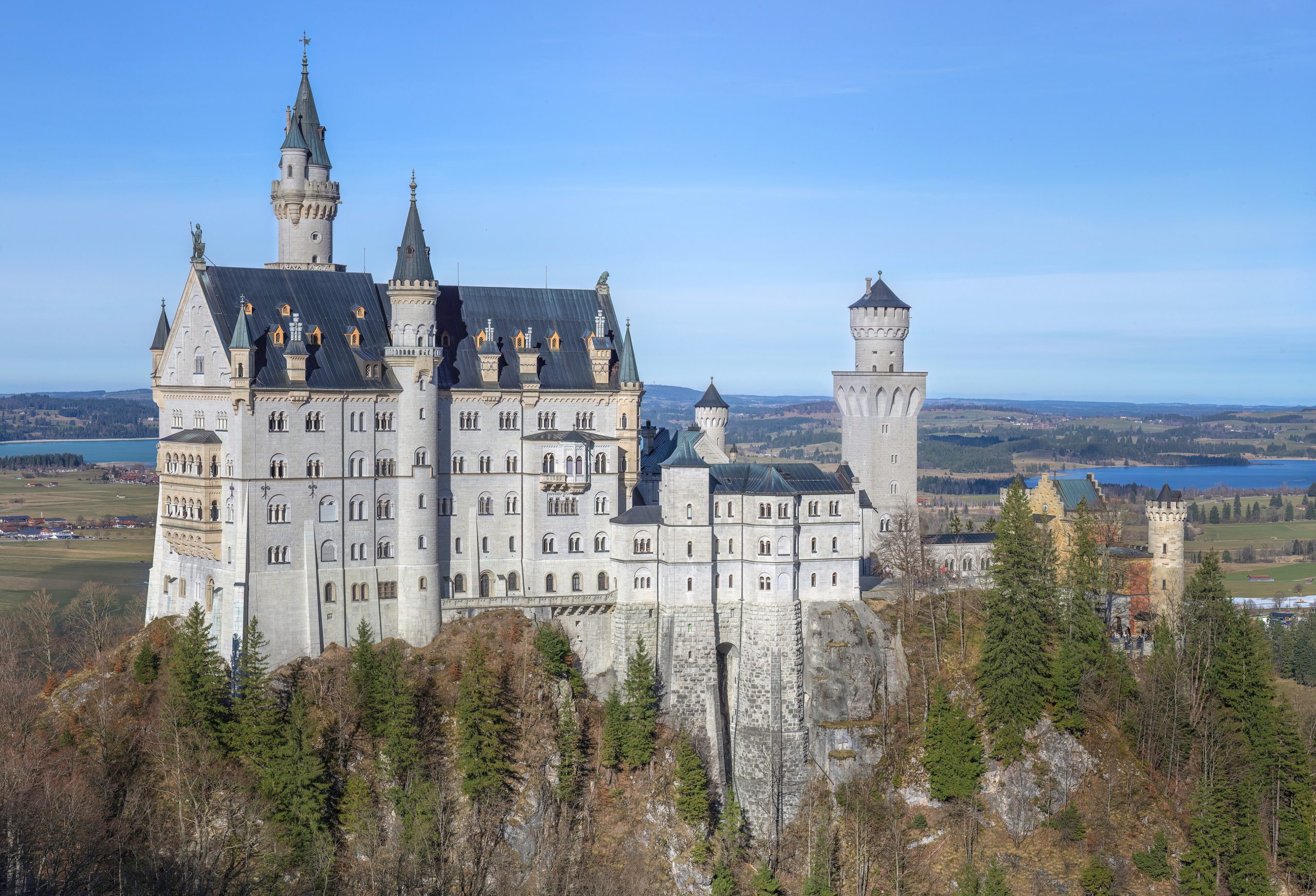
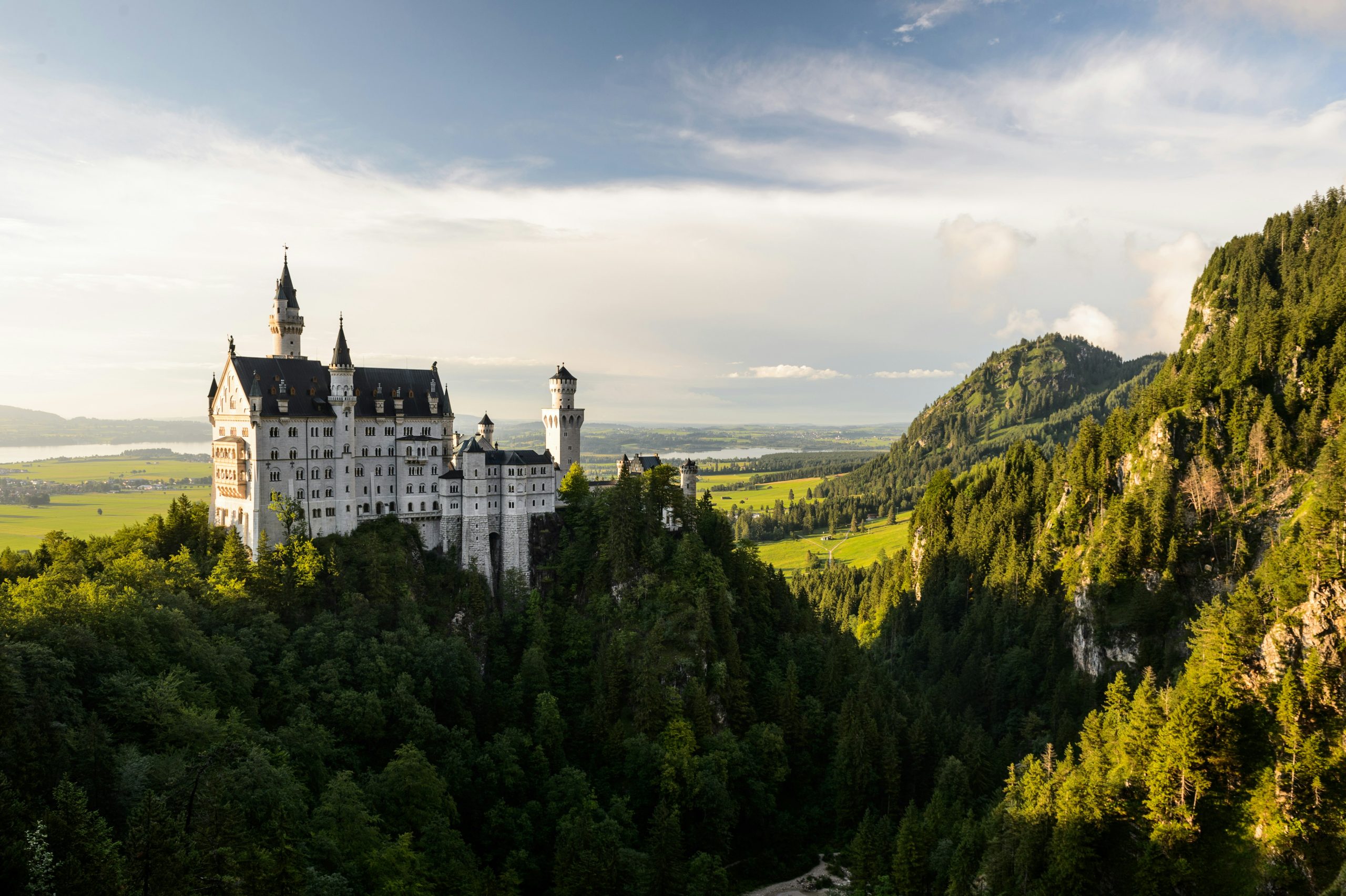
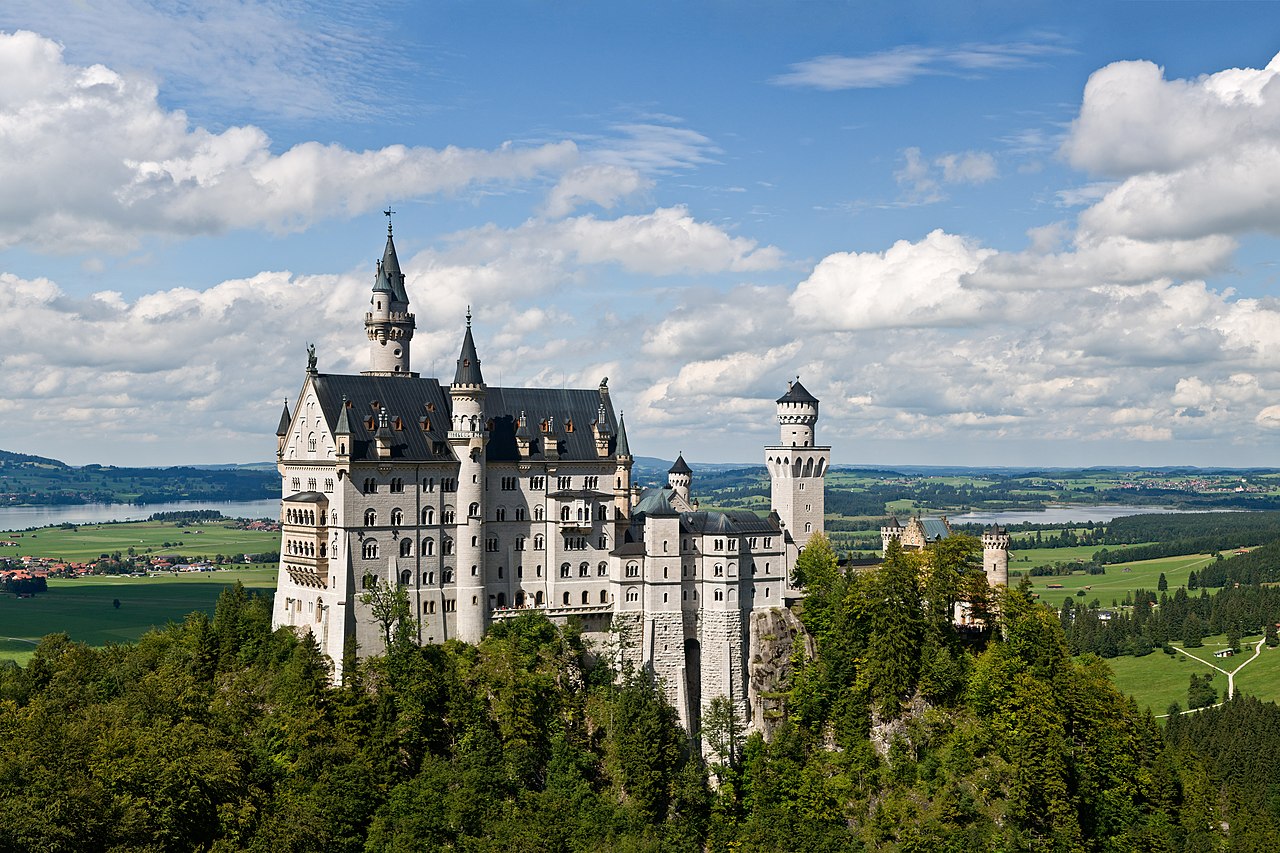
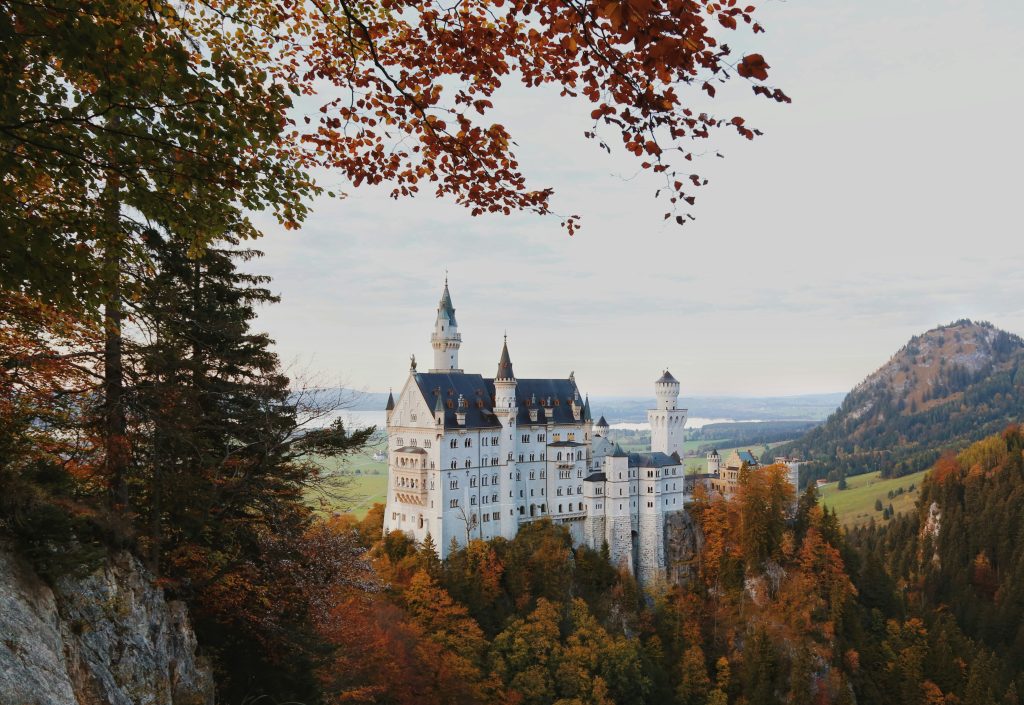
Plan an itinerary→Neuschwanstein Castle stands out as a symbol of enchantment, with its soaring spires set against the backdrop of Bavaria’s rugged hills. It was the muse behind Disney’s Sleeping Beauty castle. Today, it’s a top destination, attracting over 1.3 million visitors annually.
Logistics and Travel Planning
Getting to this mountain gem requires some planning. Most visitors take the train from Munich to Füssen, a two-hour journey. From there, buses connect to Hohenschwangau village at the castle’s base.
Upon arrival, you face a choice: ascend the castle via a scenic path or opt for the shuttle bus. Winter visits offer a unique charm, with snow-covered landscapes and fewer crowds than the summer months.
Ticket Pricing and Reservation Requirements
€21 is Neuschwanstein’s 2026 adult admission, €20 reduced, and everyone under 18 enters free.
Given its popularity, securing tickets is essential. Walk-ins are rarely accommodated. It’s advisable to book online at least three days in advance to secure your entry.
The adult ticket is 21 euros, plus a 2.50 euro booking fee when reserved online. Always verify current prices and availability on the official website. Early booking ensures you don’t miss out on this historic marvel.
Burg Eltz: The Medieval Treasure
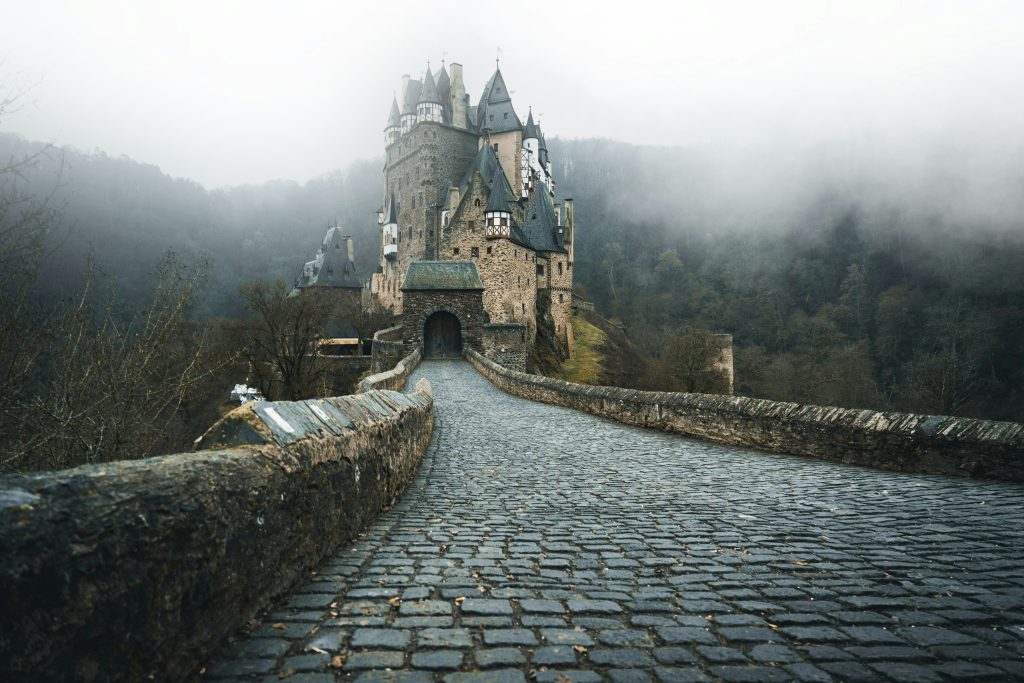
Burg Eltz stands out as a true marvel among the best castles in Germany. Nestled in the Moselle valley’s lush greenery, it’s a fortress untouched by war. This makes it a rare treasure among picturesque German castles.
It’s a unique gem, held by the same family for over 850 years. This family legacy is palpable the moment you step foot inside. It’s a testament to the enduring power of history.
Navigating the Forest Trail
The path to Burg Eltz is as enchanting as the castle itself. Many opt to hike from the parking area, surrounded by dense, scenic forests. This journey builds excitement as the castle slowly emerges from the trees.
It’s a chance to admire the castle’s architectural splendor before entering. This prelude enhances the overall experience, making every step worthwhile.
Entry Fees and Guided Tour Options
€14 adult admission to Burg Eltz covers the guided tour, the inner courtyard and the Treasury; tours last around 35 to 40 minutes, and English and French tours are also offered.
Upon arrival, visitors find a welcoming atmosphere. The family’s private residence remains in one wing, while two others are open to the public from April to October. This allows guests to immerse themselves in the castle’s history.
Guided tours are available to enhance your exploration. They offer insights into the family’s rich legacy. Always check the official website for the latest on ticket prices and reservations before your visit.
Hohenzollern Castle: The Imperial Fortress
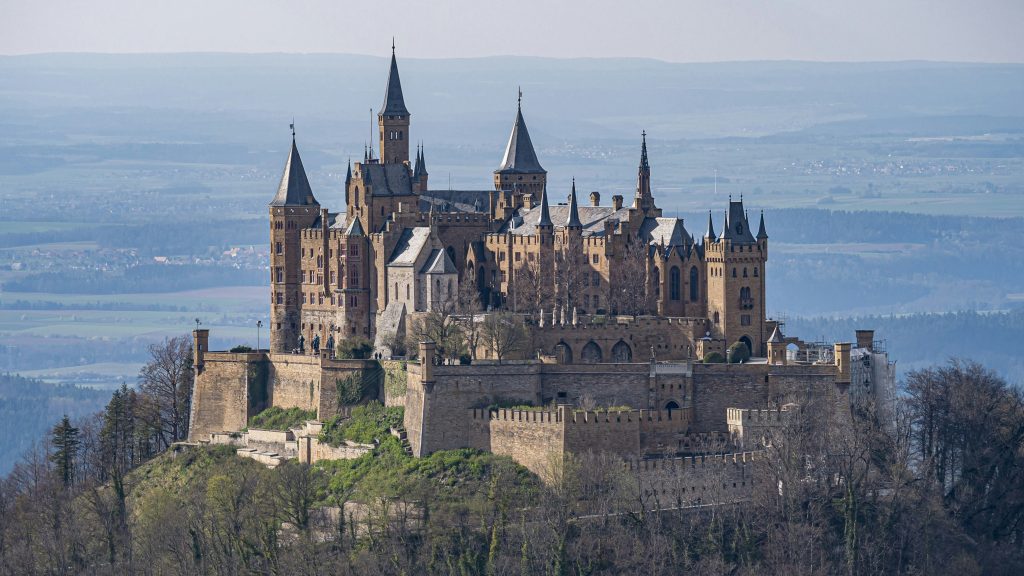
The Hohenzollern fortress is a standout among Germany’s historic castles, captivating many with its grandeur. Completed in 1842, it sits atop a site with a rich history. This makes it a prime example of why medieval castles in Germany are so sought after.
Strategic Location and Views
Located on a rugged hilltop, the fortress boasts breathtaking views of the Swabian Alp region. From this vantage point, you can see miles of rolling green landscapes below.
For photographers, a trip to Zeller Horn mountain is essential. A fifteen-minute hike leads to a viewpoint that perfectly frames the castle against the sky. It’s a photographer’s dream.
Seasonal Operating Hours
The castle welcomes visitors all year, with hours varying by season. Booking a 45-minute guided tour in advance is highly recommended to secure your spot.
This tour grants access to the castle’s lavish interiors and the famous Prussian King’s Crown. Always check the official website before visiting to confirm the daily schedule and avoid any disappointment.
Wartburg Castle: A UNESCO World Heritage Site
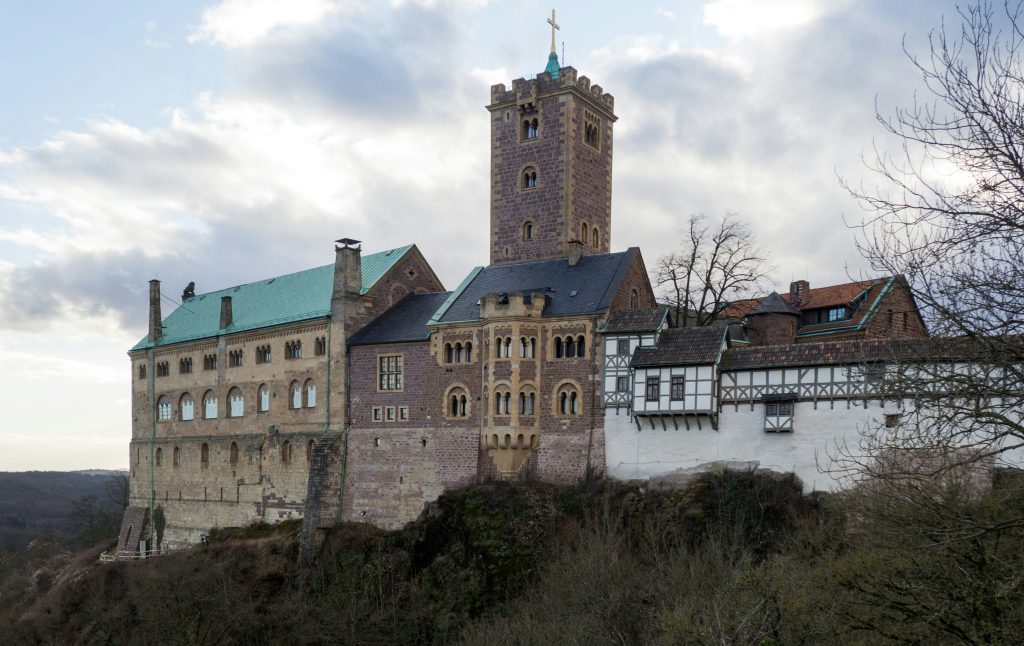
Wartburg Castle towers over Eisenach, standing as a testament to Germany’s rich history. It’s a fortress that offers a glimpse into medieval architecture’s evolution. As a UNESCO World Heritage site, it attracts those who value both beauty and cultural significance.
Historical Significance and Architecture
The castle is renowned for its role in historical events, including Martin Luther’s time in hiding. Walking through its halls, you’ll see a mix of Romanesque and later architectural styles. This blend reflects centuries of transformation, making it a standout among German castles for those interested in history.
It offers a unique glimpse into medieval nobility and scholars’ lives. The wood carvings and the Great Hall are highlights. Each part of the castle has its own story, making it essential for history enthusiasts.
Visitor Costs and Accessibility
€13 buys adult entry to the Wartburg’s interior rooms, while the courtyards and grounds are free, and the minibus up from the car park costs €4 one way.
Planning your visit is key to fully enjoying it. Allocate a full day to explore the castle and the Thuringian landscape. For more, the interactive exhibits at Leuchtenburg Castle are nearby.
Ticket prices are affordable, given the wealth of information from guided tours. The climb can be challenging, but shuttles are available. This ensures everyone can appreciate the castle’s views and heritage.
Heidelberg Castle: The Romantic Ruin
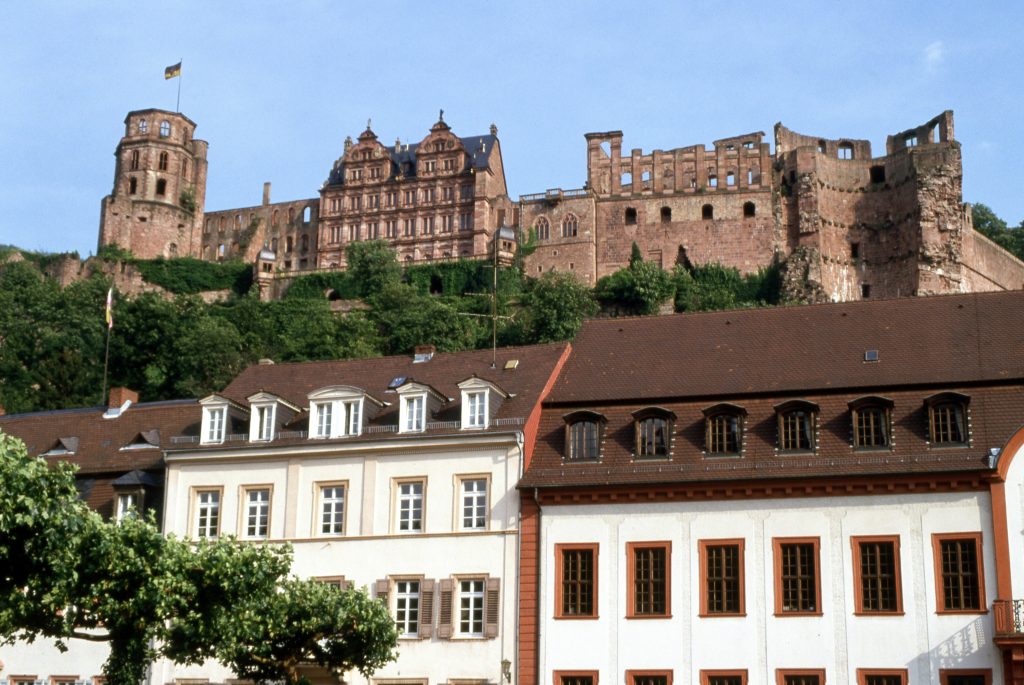
The ruins of Heidelberg Castle are a true marvel, captivating the imagination of all who see them. Dating back to the 13th century, it stands as one of Europe’s most romantic ruins. Perched above the Neckar River, it offers a breathtaking view of the historic Old Town below.
As a renowned German castle, it attracts visitors from across the globe. They come to marvel at its red sandstone walls. The castle’s architecture, a blend of Gothic and Renaissance styles, creates a unique atmosphere that seems to be suspended in time.
Exploring the Castle Grounds
Exploring the castle’s expansive grounds reveals its grand scale. A visit to the German Apothecary Museum within the castle walls is a must. It showcases a collection of historical pharmacy objects, giving insight into the past of medicine.
The courtyards and terraces are perfect for wandering and absorbing the atmosphere. Each corner of the ruin holds stories of nobility and architectural progress. It’s a paradise for photographers.
Transportation and Funicular Details
€11 adult admission to Heidelberg Castle includes the funicular railway, the courtyard, the Great Tun and the German Apothecary Museum.
The journey to the top is part of the adventure. The funicular ride offers a convenient and unique view of the city as you ascend. You’ll enjoy panoramic views of rooftops and the river valley during the short journey.
For those who prefer walking, a steep path leads up from the Old Town. It’s a great way to get some exercise. Regardless of your choice, Heidelberg Castle is a must-see among German castles. Remember to check the funicular’s daily schedule to plan your visit efficiently.
Schwerin Castle: The Island Palace
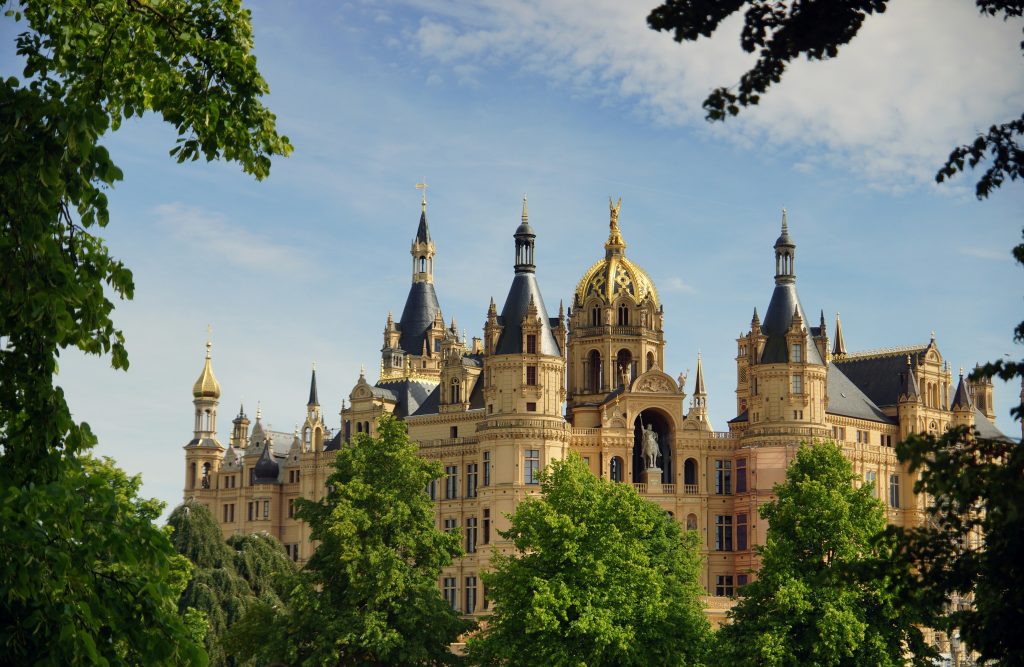
Step into the enchantment of Schwerin Castle, an island palace straight from a fairy tale. This iconic landmark is a must-see in Germany, nestled on a small island amidst a shimmering lake. It captivates visitors with its unique setting.
Architectural Highlights
The castle showcases historic architecture at its finest, with ornate towers and a golden dome that glimmers against the lake. Its design, a blend of romantic styles, is a photographer’s paradise.
Inside, lavish rooms are adorned with detailed wood carvings and impressive art collections. Each room tells a tale of the grand dukes who resided here.
Planning Your Visit to the Lake District
A visit here offers more than just the castle. The Lake District, with its scenic walks and outdoor adventures, is ideal for nature lovers.
Before you go, check the local event calendar. The castle grounds often host cultural events and festivals, enriching your visit.
Exploring the gardens or taking a boat ride on the lake is unforgettable. Plan your day to fully appreciate the serene lake and the castle’s historic charm.
Lichtenstein Castle: The Neo-Gothic Gem
Known as the “fairytale of Württemberg,” this hidden gem is a must-see on your next trip to Germany. It offers a quiet, magical atmosphere, like something from a storybook. Located near Hohenzollern Castle, it’s perfect for those planning german castle tours in the region.
Unique Cliffside Positioning
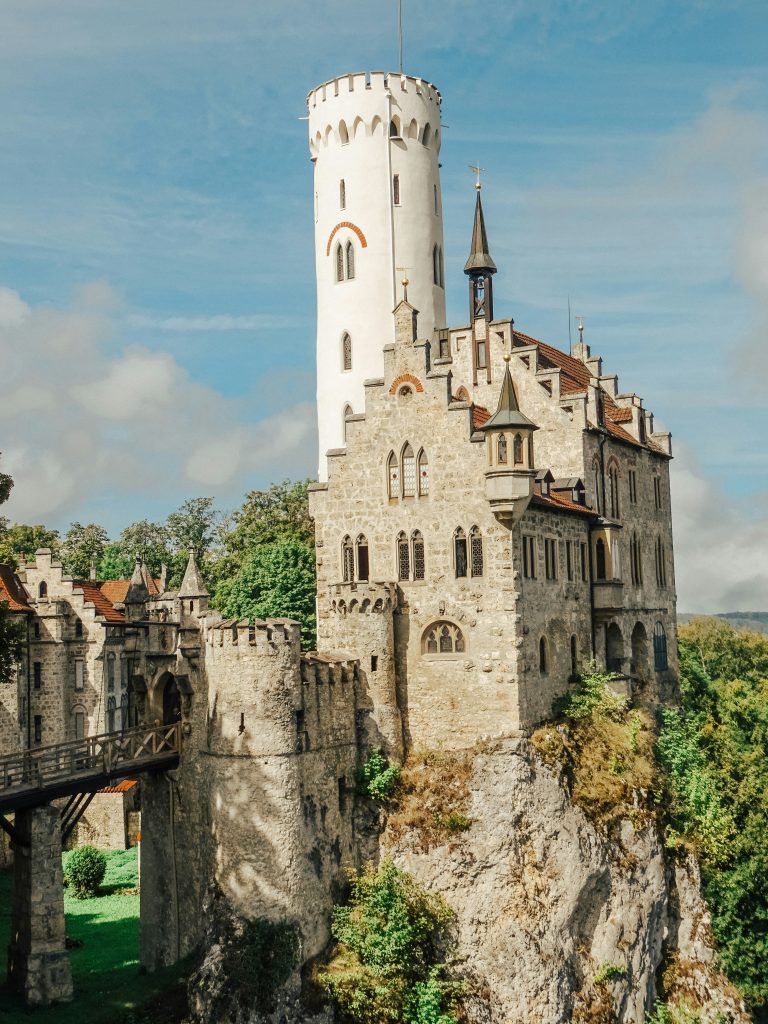
The castle sits dramatically on a steep cliff overlooking the Echaz Valley. This vantage point offers sweeping views of the lush Swabian Alp landscape below. The architecture is a masterpiece of the Neo-Gothic style, embodying the romantic ideals of the 19th century.
Its narrow perch makes the structure seem to defy gravity as it rises from the rock face. Photographers will find the lighting here stunning during the early morning hours. It’s a highlight for anyone exploring southern Germany’s natural beauty.
Practical Tips for Day Trippers
If driving, a convenient parking area is located just a short walk from the castle entrance. Arrive early in the day to secure a spot, as it gets busy in summer. Remember, the only way to view the interior is by joining an official guided tour.
These tours are essential for understanding the history and unique construction of the site. They offer insights you can’t get by exploring alone. Adding these expert-led experiences to your german castle tours will deepen your appreciation for this architectural treasure.
Cochem Castle: The Moselle Valley Landmark
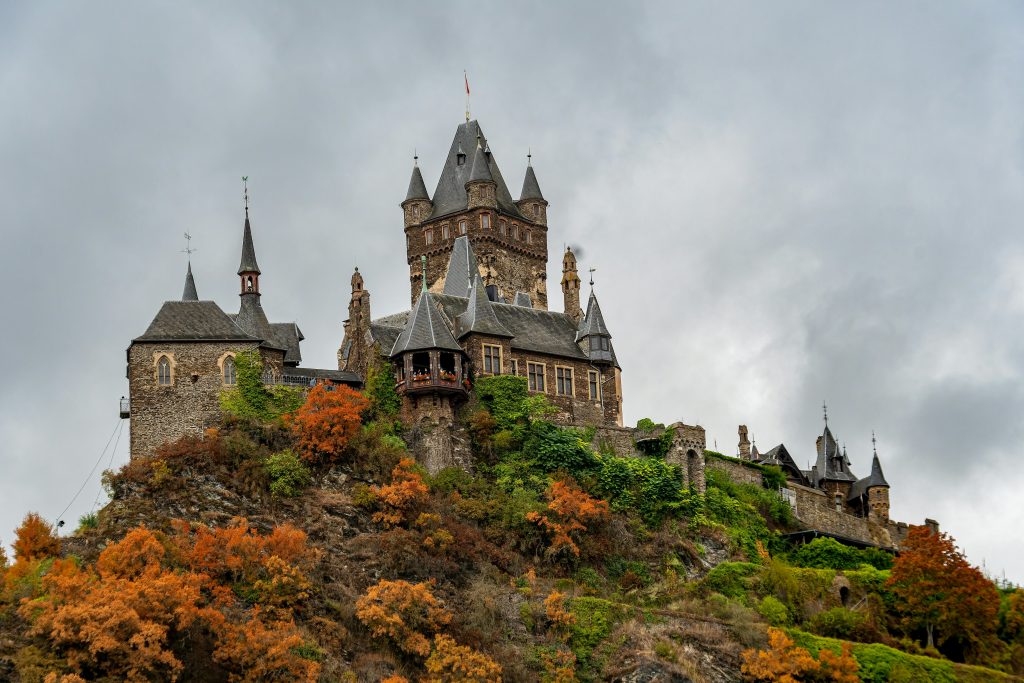
Cochem Castle, perched high above the Moselle River, is a stunning example of medieval architecture. Its iconic fortress towers over the landscape, captivating visitors from around the globe. It’s a must-see for those exploring german castle tours in the region.
River Views and Hillside Access
The path to the castle entrance is an adventure. Climbing the steep hillside, you’ll be greeted with breathtaking views of the river valley. The route is perfect for capturing stunning photos of the vineyards and Cochem town.
Wear comfortable shoes for the climb. The effort is rewarded by the panoramic views. At the top, the castle’s massive stone walls and towers leave a lasting impression.
Touring the Interior
Entering the castle feels like stepping into the past. The interior, restored to its former glory, showcases period furniture and artifacts. Guides lead tours, sharing stories that bring history to life.
Guided tours are a key part of german castle tours. You’ll see the Great Hall, dining chambers, and private quarters. Check the daily schedule to fit a tour into your plans.
Marksburg Castle: The Only Unconquered Fortress
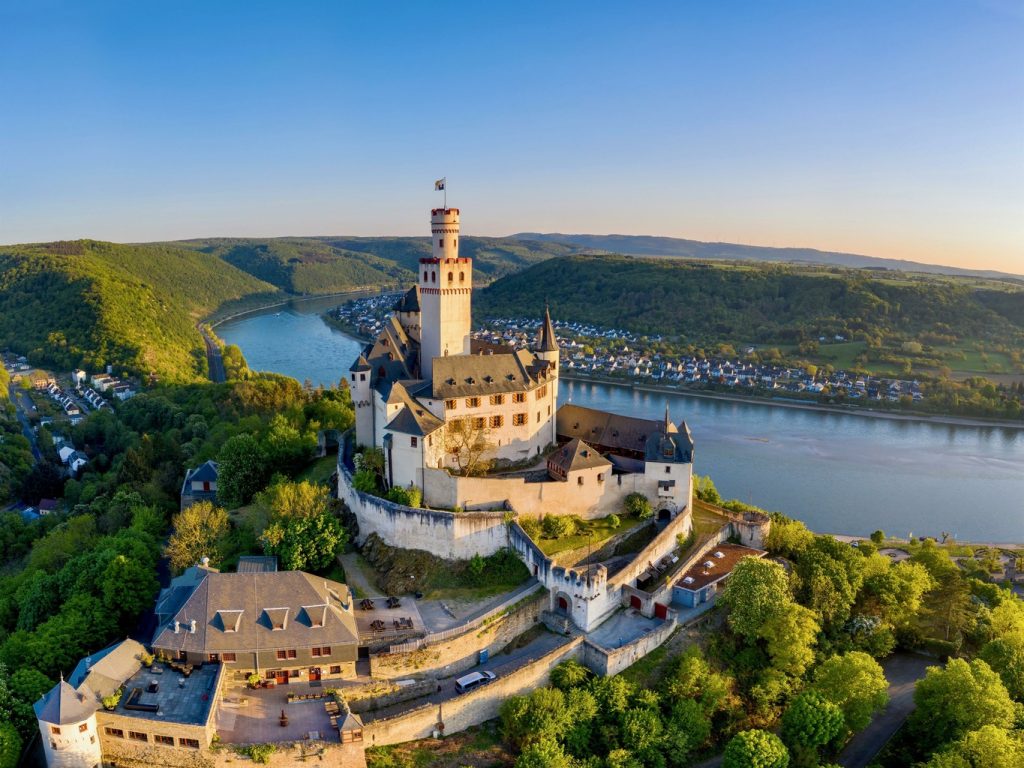
Explore the uniqueness of Marksburg Castle, a standout among Germany’s medieval castles. Situated atop the Rhine River, it boasts a record few can match. It remains the only fortress in the area never conquered or destroyed, throughout its extensive history.
Authentic Medieval Preservation
Entering Marksburg Castle is like stepping back in time. Its untouched layout and structure, preserved due to its unscathed history, offer a glimpse into the past. You’ll witness original features that have endured for centuries, untouched by major reconstruction.
This site offers a genuine look at medieval life. Each stone and timber holds tales of survival and strategic design. It’s a must-see for history enthusiasts who value authenticity.
Guided Tour Expectations
Joining a guided tour is key to unlocking Marksburg’s secrets. Experts reveal the fortress’s defensive marvels that repelled invaders for centuries. You’ll learn about its daily functions, from kitchens to living areas.
Tours enliven the castle’s walls with captivating stories. They highlight the ingenuity needed to maintain such a stronghold. Be sure to check the tour schedule to plan your visit to this historical gem.
Drachenburg Castle: The Rhine Valley Masterpiece
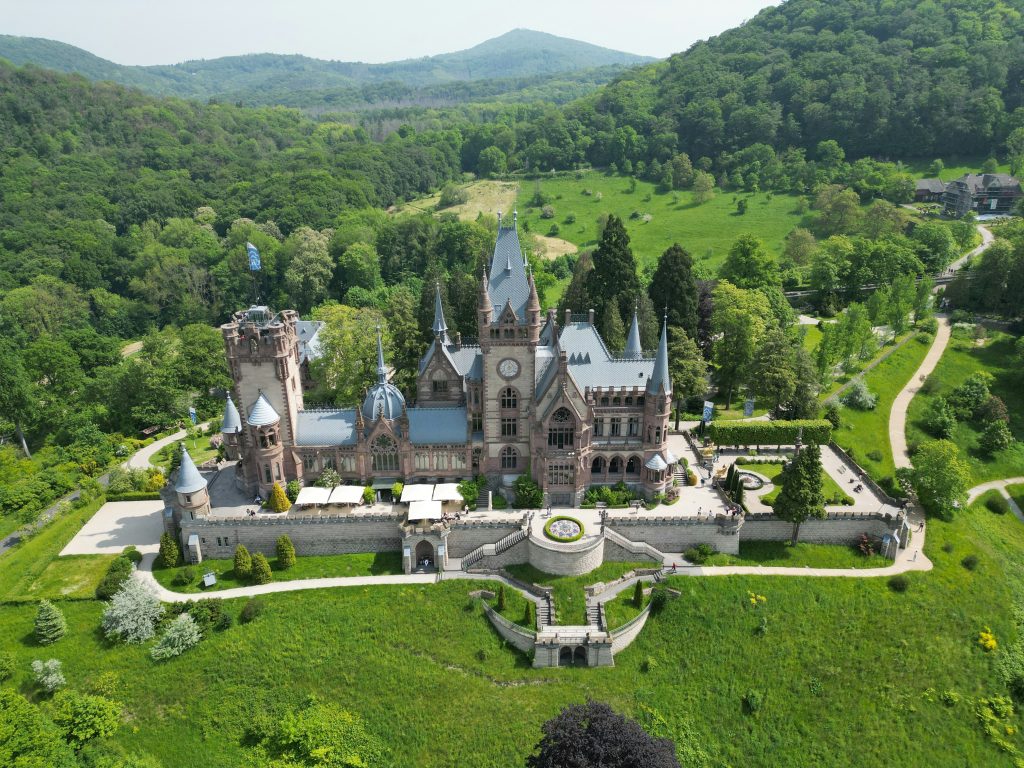
Drachenburg Castle sits atop the Rhine, revealing a world of enchantment. It’s celebrated as one of Germany’s most iconic castles, thanks to its cliffside perch and fairy-tale look. It’s a must-see for those seeking a blend of history and stunning landscapes.
Architecture and Garden Design
The castle’s architecture is a marvel of late 19th-century design, mixing neo-Gothic flair with regal grandeur. Its every corner is adorned with exquisite stonework and meticulous craftsmanship, evoking a bygone era of romance.
The gardens surrounding the castle offer a serene escape from the tourist throngs. They provide spectacular views of the Rhine Valley below. Exploring these verdant spaces is a highlight for anyone visiting these iconic German castles.
Travel Times from Cologne
Getting to this gem is straightforward for those in Cologne. The trip takes about 45 to 60 minutes by regional train, making it perfect for a day trip. The scenic route follows the river, passing through the region’s heart.
Upon arrival, a short walk or a funicular ride will lead you to the castle. Its easy access makes it a favorite among travelers who value efficiency. Visit in the morning for the best light for your photos.
The Best Castles in Germany for Photography
Planning a trip to Germany’s must-visit castles demands more than just a camera. It requires a sharp eye for light and timing. These historic sites offer breathtaking backdrops, elevating any travel portfolio.
For the most stunning images, focus on the “golden hour.” This period, shortly after sunrise or before sunset, casts a soft, warm glow. It beautifully highlights the stonework of these fortresses.
Golden Hour Locations
The Marienbrucke at Neuschwanstein Castle is a photographer’s dream. It offers a perfect view of the castle against the Bavarian Alps’ dramatic backdrop.
Arriving early is key to securing a spot on the bridge before the crowds. The light hitting the towers in the first hour of the day creates a magical atmosphere for your shots.
Equipment and Access Tips
A wide-angle lens is essential for capturing these sites’ massive scale. It allows you to include the entire structure and the surrounding landscape in your frame.
While exterior photography is generally free, always check the rules for interior shots. Many castles in Germany prohibit cameras inside to protect artifacts and maintain the visitor experience.
Lastly, consider a lightweight tripod for low-light conditions. It ensures sharp images while you wait for the perfect light moment.
Essential Travel Tips for German Castle Tours
Exploring Germany’s majestic architecture is an unforgettable experience. With the right strategy, navigating your trip becomes seamless. Smart transportation and time management are key to a smooth visit to various german castles.
Understanding Regional Rail Passes
Germany’s train network is among the most efficient worldwide. It’s ideal for traveling between historic sites. Regional rail passes offer a cost-effective way to explore different regions, allowing you to visit multiple german castles without overspending.
These passes provide flexibility for spontaneous day trips. You can easily hop on and off trains, saving time for enjoying the views. Always verify your pass’s coverage area to maximize savings.
Booking Tickets in Advance
€2.50 per ticket, children’s free tickets included, is Neuschwanstein’s online booking fee; the Hohenschwangau Ticket Center sells only same-day tickets, subject to availability, so online is the only way to book ahead.
Securing your entry tickets online before arrival is essential. Popular sites have long lines during peak season, wasting valuable sightseeing time. Booking ahead ensures you skip the crowds and get straight to the entrance.
This simple step saves hours of waiting and guarantees a spot for guided tours. Whether visiting famous landmarks or hidden gems, advance planning is key. It makes your tour of german castles stress-free and enjoyable.
Navigating Seasonal Crowds and Weather
1.09 million visitors toured Neuschwanstein in 2025, per the Bavarian Palace Administration’s February 2026 results, barely up on 1.08 million in 2024, and same-day tickets often sell out very early.
Timing is everything when you want to experience the magic of Germany’s historic fortresses. Choosing the right window for your trip can drastically change your overall experience.
Many travelers flock to famous german castles during the warm summer months. While the weather is beautiful, these popular sites often see their highest volume of tourists during this time.
Peak Season vs. Off-Season Benefits
Off-season hours are three hours shorter at Neuschwanstein: 10am to 4pm from 16 October to 27 March, against 9am to 6pm from 28 March to 15 October.
If you prefer a quieter atmosphere, consider visiting during the shoulder or off-season. Winter offers a unique, snowy charm that many summer visitors completely miss.
Walking through a frost-covered courtyard provides a peaceful perspective on these famous german castles. You will often find shorter lines and more space to capture the perfect photograph without the crowds.
Packing Essentials for Castle Exploration
Regardless of the season, your comfort depends on proper preparation. Most castle grounds feature uneven cobblestones and steep, winding inclines that require sturdy footwear.
Always pack comfortable walking shoes to navigate these historic paths safely. You should also plan to dress in layers for your daily excursions.
The temperature inside stone fortresses is often significantly cooler than the outdoor air. Bringing a light jacket or sweater ensures you stay comfortable while exploring the interior of these famous german castles.
Budgeting for Your Castle Hopping Itinerary
Mastering your travel budget is key to enjoying more of Germany’s best castles. These historic sites are invaluable, but visiting several can quickly add up. With some planning, you can spend your money on experiences, not unnecessary fees.
Average Daily Costs
€63 a month — about €2 a day over a full calendar month — buys the Deutschland-Ticket, valid on second-class regional trains plus buses, trams, U-Bahn and S-Bahn nationwide, but not ICE, IC or EC.
When planning your daily budget, consider train tickets, bus transfers, and entrance fees. Most find setting aside a daily amount for food and transport keeps their finances in check. Remember, tourist hotspots often have higher prices for dining and services.
Don’t forget small costs like parking or locker rentals at larger sites. Staying in smaller towns near castles can cut your accommodation costs. This frees up more budget for guided tours and souvenirs.
Saving Money on Entry Fees
One smart way to save is by looking for regional combo tickets. For instance, tickets for Neuschwanstein and Hohenschwangau are often bundled. These packages are ideal for seeing multiple castles without the full price tag.
Another tip is to skip pricey castle restaurants and pack a picnic. Many sites offer beautiful grounds and trails for outdoor lunches. This simple change saves money and lets you enjoy the scenery in peace.
Before you go: turn this guide into a day-by-day plan. Our partner Voyada is a free trip builder that builds the route with flights, hotels and a real total cost for your dates — in about a minute.
Make a travel itinerary →Planning a German Castle Trip
Germany’s castles range from fairytale to fortress — a route and a few bookings turn them into a great trip.
- Neuschwanstein is the icon — book timed tickets online well ahead, as it sells out daily.
- String together the Rhine Valley castles (Marksburg, Rheinstein) by car or boat, plus Heidelberg, Hohenzollern and Burg Eltz.
- Spring to autumn is best; some castles cut hours or close in winter.
- Combine Bavaria (Neuschwanstein, Hohenschwangau) with a drive along the Romantic Road.
- Arrive early at Neuschwanstein — it’s an uphill walk or shuttle from the ticket centre.
The Complete List: 15 Castles Worth the Trip in Germany
Germany has an estimated 25,000 castles — more than any country on earth. Beyond Neuschwanstein, here are the ones most worth building a route around.
- Neuschwanstein (Bavaria) — the fairytale icon that inspired Disney; book timed tickets far ahead.
- Hohenschwangau (Bavaria) — Neuschwanstein’s warm-yellow neighbour, where King Ludwig II grew up.
- Burg Eltz (Mosel) — a medieval gem hidden in the forest, furnished as it was 500 years ago.
- Burg Rheinstein & Rheinfels (Rhine Valley) — classic Rhine fortresses reached by road or river cruise.
- Hohenzollern Castle (Baden-Württemberg) — the ancestral seat of Prussia’s royals, floating on a hilltop.
- Lichtenstein Castle (Baden-Württemberg) — a storybook castle on a narrow rocky outcrop.
- Heidelberg Castle — romantic red-sandstone ruins over the Neckar, a Renaissance masterpiece.
- Cochem Castle (Mosel) — perched above a candy-coloured wine town.
- Wartburg (Thuringia) — a UNESCO site where Martin Luther translated the New Testament.
- Marksburg (Rhine) — the only Rhine hilltop castle never destroyed, superbly preserved.
- Schwerin Castle (Mecklenburg) — a lake-island palace often called the ‘Neuschwanstein of the North’.
- Nymphenburg Palace (Munich) — a grand Baroque summer residence with vast gardens.
- Sanssouci (Potsdam) — Frederick the Great’s rococo palace and terraced vineyards.
- Wernigerode Castle (Harz) — a romantic hilltop castle above a half-timbered town.
- Eltz vs the rest — plan by region: cluster the Rhine/Mosel castles together, and pair Bavaria’s two with the Romantic Road.
Conclusion
Exploring historic castles in Germany offers a unique glimpse into centuries of art and architectural brilliance. You now have the tools to make your dream vacation a reality.
Start by choosing two or three regions that interest you. A focused approach means less time on trains and more time exploring grand halls.
Booking your tickets for these castles in Germany ahead of time saves hours. Secure your entry passes online to avoid long lines at popular sites.
Your adventure into European history awaits. Pack your camera, grab your rail pass, and start your journey today.
FAQ
Which German castles should first-time visitors see?
How far in advance should I book tickets for Neuschwanstein Castle?
Can you go inside Germany's castles?
Where can I find the most picturesque german castles for photography?
What makes Marksburg Castle different from Germany's other castles?
Can you reach Germany's castles by public transport?
How can I save money while planning a castle-hopping itinerary?
What should I bring for a day of castle visits in Germany?
Are there any UNESCO World Heritage sites included in these castle tours?
Which castle is best for a quick day trip from a major city like Cologne?

Olivia Carter
How many of these castles fit into a single trip?
Fewer than the list suggests, because they sit in five separate regions. A realistic week covers two clusters. The Rhine and Mosel group works from a base near Koblenz, putting Marksburg, Cochem, Burg Eltz and Drachenburg within day-trip range. The southern group pairs Hohenzollern and Lichtenstein with Heidelberg from Stuttgart, and Bavaria stands alone with Neuschwanstein from Munich. Wartburg in Thuringia and Schwerin in the north are outliers that need a travel day each. Budget half a day per castle including the journey, and resist stacking two big interiors into one day, since guided tours run to fixed times.
Is the guided tour inside Neuschwanstein worth booking?
It depends what you came for. The castle was never finished, so the timed tour covers only the completed rooms, takes around half an hour, involves roughly 180 steps and forbids photography inside. The throne hall, the singers’ hall and the artificial grotto are genuinely extraordinary, while the unfinished parts are bare. If the image in your head is the exterior against the mountains, the viewpoints on the approach and the bridge, when it is open, deliver that with no ticket at all. Anyone interested in Ludwig II should go inside. Anyone on a tight day trip can skip the interior without much regret.
What is the easiest way to reach Burg Eltz?
By car, drive to the car park above the valley and cover the last stretch of roughly 800 metres on foot downhill, or use the small shuttle that runs during opening hours. Without a car, the classic approach is the regional train to Moselkern and a walk of about an hour up the Elz stream, shaded and lovely but muddy after rain and no place for smooth soles. A seasonal bus links Mosel villages to the car park, though often only at weekends in summer. Check the castle’s own opening season first, because it closes over the winter.
Are these castles manageable with limited mobility?
It varies far more than you would expect. Neuschwanstein has a lift and can take a wheelchair user on the tour, though only a limited number each hour for fire safety, and the approach from the ticket centre is a long steep climb best done by shuttle or carriage. Hohenschwangau next door cannot take wheelchairs at all. Marksburg is an unaltered medieval fortress of steep stone stairs and narrow passages, and is not accessible. Heidelberg, reached by funicular, and Schwerin with its level grounds are much easier. Contact each castle’s own visitor office in advance, as they answer precisely and can reserve a lift slot.
What closes in winter, and is the cold season worth it?
Winter buys thin crowds, snow on the hilltops and soft light, at the cost of choice. Burg Eltz shuts for the season and reopens in spring. Neuschwanstein, Hohenzollern and Marksburg stay open on shorter hours, and the bridge above Neuschwanstein usually closes once ice makes it unsafe, which removes the postcard viewpoint. Gardens, terraces and some outlying towers close too. Daylight is short, and most of these sites need a hillside walk at each end of the visit. December is the pick, when Cochem and Heidelberg add Christmas markets. Confirm hours on each castle’s own site the week before you go.