Table of Contents
ToggleThe Mediterranean draws well over 300 million travellers a year. Yet, many arrive without a clear financial plan. To know if your dream vacation fits your budget, you must look beyond myths. Whether you seek luxury or a budget-friendly adventure, understanding the real costs is key.
Budget-conscious travelers can manage daily expenses between $70 and $100. On the other hand, those looking for high-end resorts might spend $300 or more daily. The question of whether Greece is expensive to visit depends on your travel style and chosen islands.
This guide offers the essential framework for your journey. We focus on actionable data to help you budget confidently today.
Key Takeaways
- Budget travelers can enjoy the country for $70 to $100 per day.
- Luxury vacationers should plan for daily budgets exceeding $300.
- Costs fluctuate significantly based on your specific destination and season.
- Strategic planning allows for authentic experiences at various price points.
- Understanding local pricing helps you avoid common financial pitfalls.
✈️ TripToGo Travel Deals
Get notified about great travel deals
Hand-picked flight, hotel and destination deals, straight to your inbox. No spam, unsubscribe anytime.
🎉 Thank you for subscribing!
You’re all set — the best travel deals are on their way.
Greece Costs at a Glance
Before the detailed breakdown: what a day in Greece really costs by travel style.
| Travel style | Daily cost (pp) | What that buys in Greece |
|---|---|---|
| Budget | $70–100 | Guesthouses & ferries deck class, gyros and tavernas, free beaches, mainland + one island |
| Mid-range | $140–220 | 3-star or boutique stays, mixed dining, a couple of tours, island-hopping by ferry |
| Comfort | $300+ | 4–5 star, caldera-view rooms in Santorini, private transfers, sunset catamarans |
Per person per day, excluding international flights. A 7-day mid-range trip typically totals $1,000–$1,550 per person before airfare.
The Levers That Actually Move the Bill
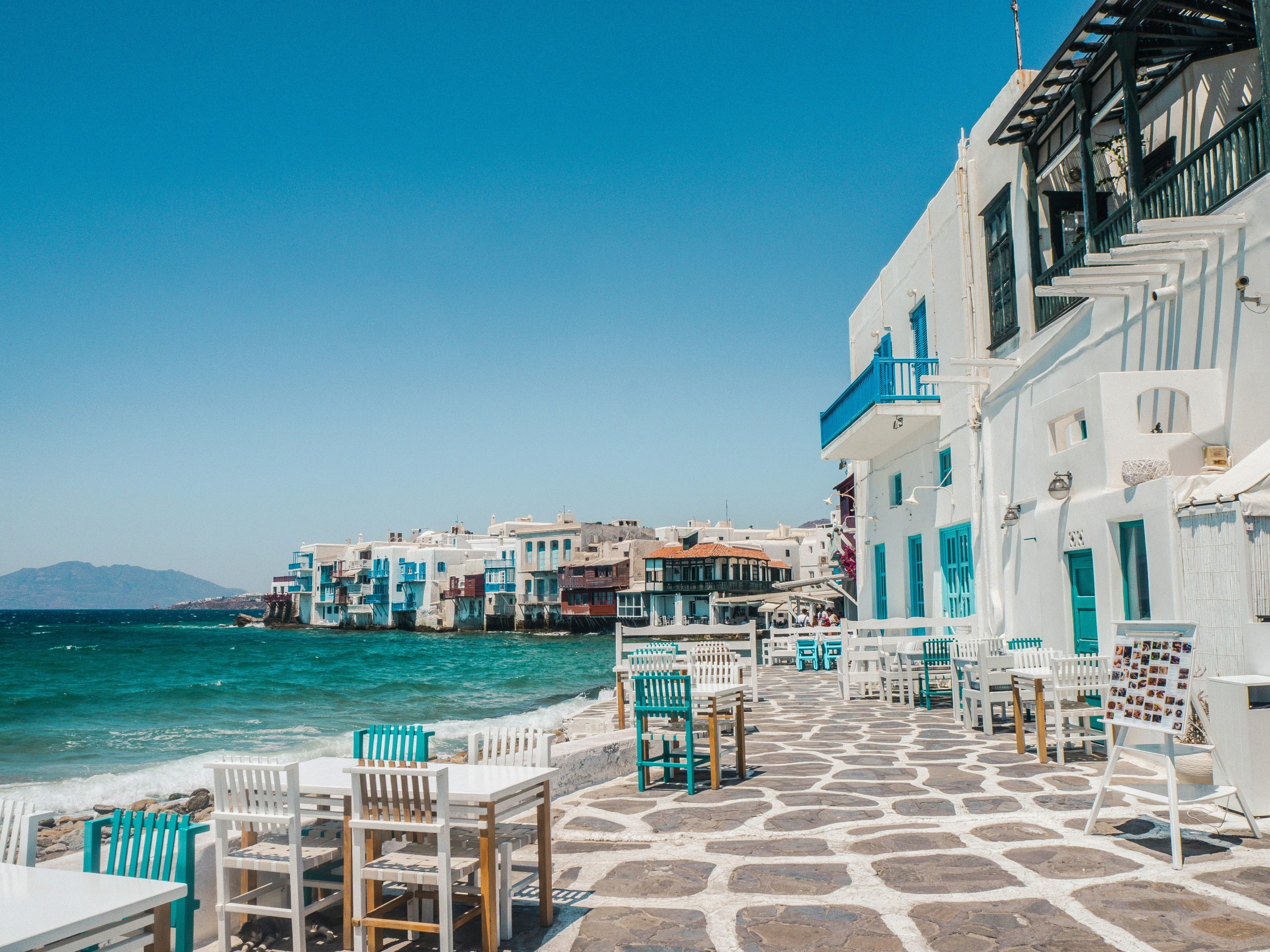
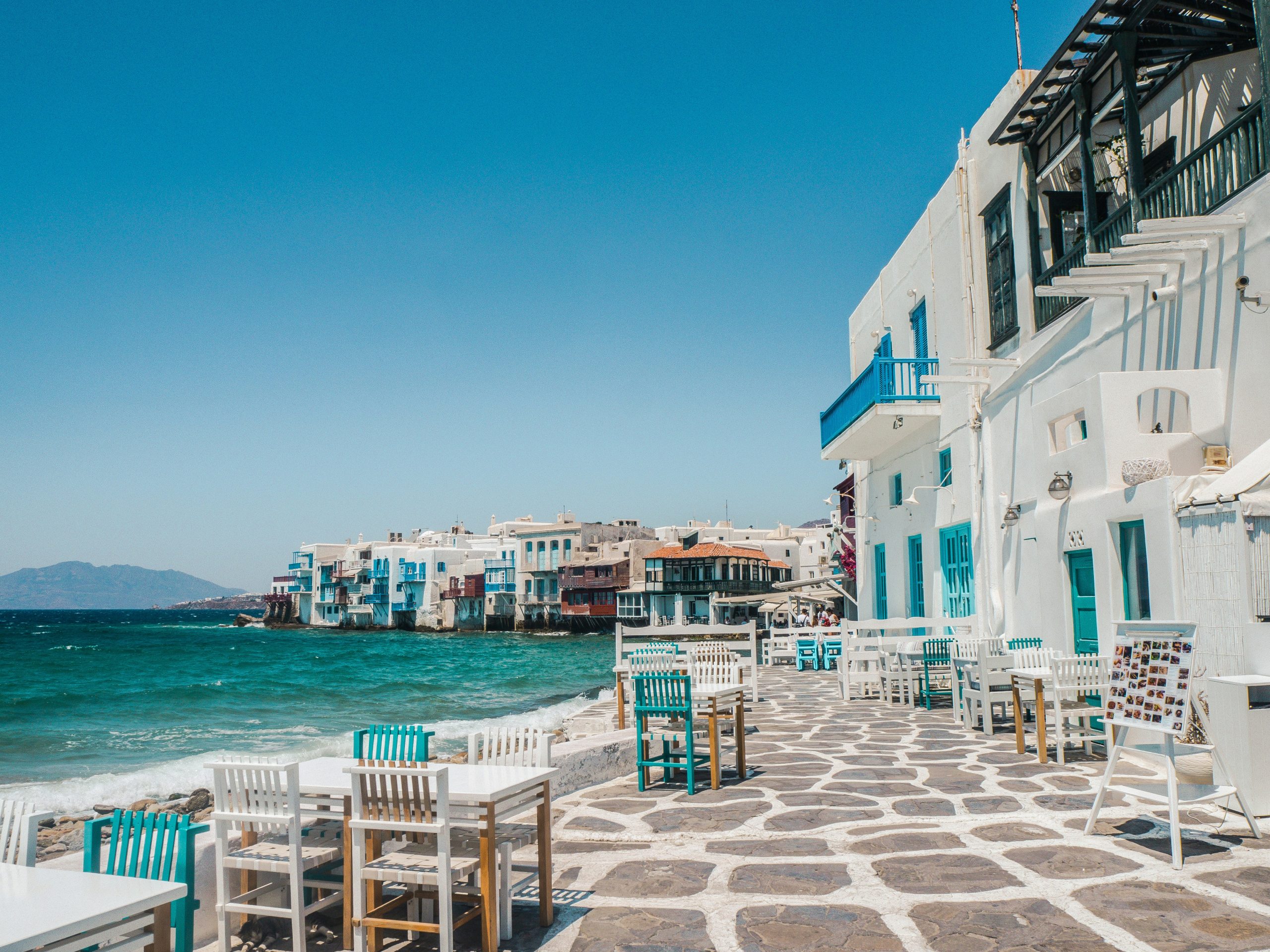
The island premium is the whole story: Santorini and Mykonos run 2–3× the price of the mainland or of islands like Naxos, Paros and Milos — same sea, same light, different bill. Our guide to the quieter Greek islands is effectively a cost-cutting document.
Timing moves the number more than haggling ever will: June and September deliver beach weather at 20–40 percent below July–August rates — the full picture is in our best time to visit Greece guide.
Ferries: book the slow boat. Conventional ferries cost roughly half the high-speed catamarans and turn the crossing into sightseeing. Schedules consolidate in winter — always check the operator’s official timetable.
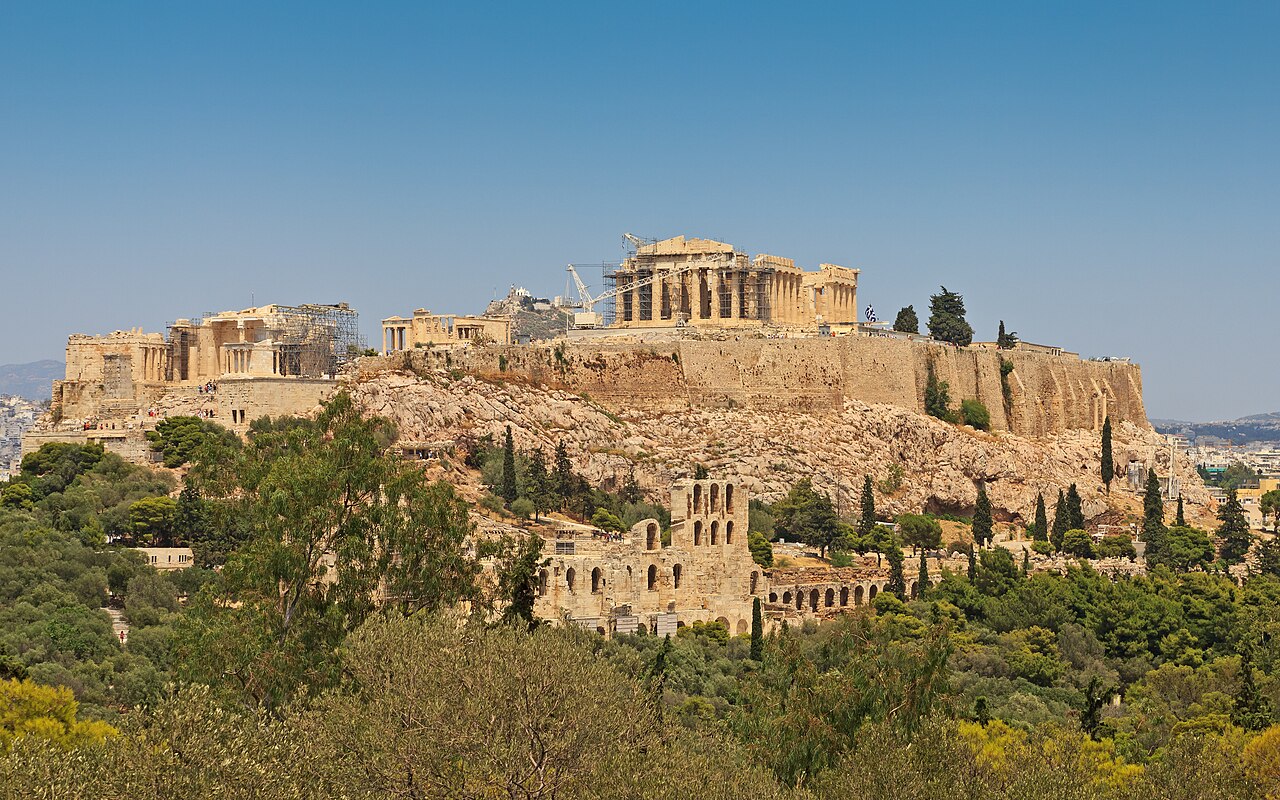
Sites are cheap; skip-the-line is not always needed: the multi-site combo ticket has been discontinued and a single Acropolis ticket now costs around €30 — buy from the official Hellenic Heritage ticket portal. General trip info: Visit Greece.
Get Greece priced for your dates and islands
Our partner Voyada’s trip planning AI builds the route, prices flights, ferries and stays, and gives you a real total — in about a minute, free.
Plan my trip for me →Is Greece Expensive to Visit for the Average Traveler?
Planning a trip to the Mediterranean often leads to one big question: is Greece expensive to visit? It’s a concern many travelers have. But the reality is more encouraging than expected. Greece is one of the most accessible and welcoming destinations in Europe for various budgets.
You don’t need a massive fortune to enjoy Greece’s crystal-clear waters and historic charm. Smart choices about where you stay and travel can help you stay within budget. Your daily decisions on dining and local transport significantly impact your total costs.

Many worry that popular spots will drain their savings. Yet, authentic experiences are available at every price point. Whether you prefer luxury resorts or cozy guesthouses, there’s something for everyone’s budget. If you’re wondering if Greece is expensive, remember that flexibility is key to keeping costs low.
You can confidently plan your dream vacation in Greece, knowing it offers incredible value. With research and careful planning, your money will stretch further than in many European hotspots. Enjoy the journey of discovery as you create an itinerary that balances your budget with your desire for adventure.
Understanding Daily Budget Tiers for Greek Vacations
Creating a realistic daily budget is key to a stress-free Mediterranean getaway. By setting your expectations early, you avoid financial surprises. This way, you can fully enjoy your trip. Understanding these tiers helps match your greece travel costs with your vacation goals.

Budget Traveler Expectations
Looking to stretch your dollars? You can have an amazing time by focusing on local experiences. Budget travelers often save by staying in hostels or guesthouses run by families. Enjoying street food like gyros and souvlaki can also help keep costs down.
Mid-Range Comfort Standards
A mid-range budget offers a great balance of comfort and value. This tier includes staying in boutique guesthouses that offer a unique experience. You can afford to dine at local tavernas daily, keeping your greece travel costs in check.
Luxury and High-End Experiences
For those seeking ultimate indulgence, the Greek islands offer world-class luxury. This tier includes exclusive experiences like private yacht charters and high-end dining. Staying in premium villas with sea views adds to the luxury. While it increases costs, it provides unmatched comfort and access to top spots.
Airfare and International Transportation Costs
For those aiming for affordable travel in Greece, learning to book flights is essential. Airfare is typically the biggest expense for American travelers. This makes it a key area for cost savings.
Understanding pricing can help you allocate more funds to the actual experience. By planning smartly, you can reach the islands without breaking the bank before you even arrive.
Seasonal Fluctuations in Flight Pricing
Flight prices to Greece follow a predictable pattern, influenced by demand. Summer months, July and August, see the highest prices as everyone seeks the Mediterranean sun.
Traveling in the shoulder seasons, May, June, or September, can lead to lower rates. These months offer pleasant weather and more affordable flights.

Strategies for Booking Affordable Transatlantic Flights
Setting up fare alerts on travel search engines is a smart move. These tools alert you when prices drop for your desired dates.
Consider flying into major European hubs like London, Frankfurt, or Paris before connecting to Athens. Booking two separate tickets can often be cheaper than a single long-haul flight.
Lastly, be flexible with your travel dates. A slight shift in your trip can result in significant savings. This flexibility is key to an affordable Greece travel plan.
Accommodation Expenses Across Different Regions
The choice of where to stay greatly influences your overall greek vacation expenses. Your lodging choice not only affects your comfort but also how much money you have left for daily adventures.
Understanding the regional price gaps is essential for planning a trip that suits your budget. Whether you prefer the city’s energy or the tranquility of coastal views, knowing the market is critical.
Cost Differences Between Athens and the Islands
Athens is an excellent choice for travelers seeking quality at a reasonable price. Here, you’ll find a variety of hotels that offer great value compared to other tourist hotspots.
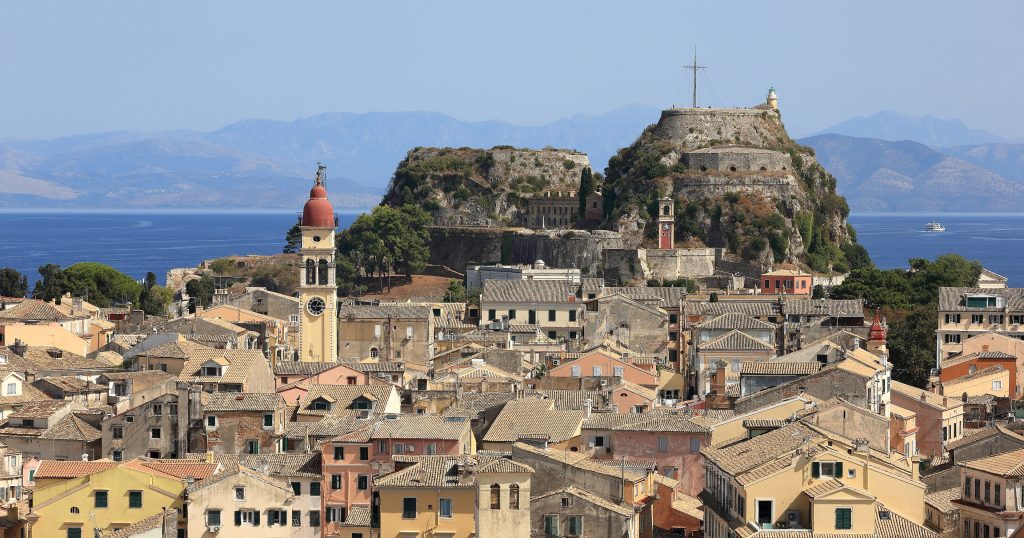
On the other hand, islands like Santorini or Mykonos come with a higher price tag. These destinations are highly sought after, leading to increased nightly rates during peak summer months.
Value of Boutique Guesthouses Versus Large Resorts
Many travelers prefer boutique guesthouses for their authentic experience over large, impersonal resorts. These smaller properties often boast local charm and personalized service at a lower cost.
While large resorts may offer extensive amenities, they usually come with a higher price. Opting for a family-run guesthouse is a wise choice to manage your greek vacation expenses while supporting local businesses.
Always consider the total value, not just the nightly rate. Sometimes, a slightly higher price for a central location can save you money on local transportation costs.
Dining Out and Food Budgeting
Understanding the local food scene is key when planning your Mediterranean getaway. Greek cuisine is both world-class and budget-friendly. By choosing wisely, you can enjoy authentic flavors without breaking the bank.
Average Costs for Taverna Meals
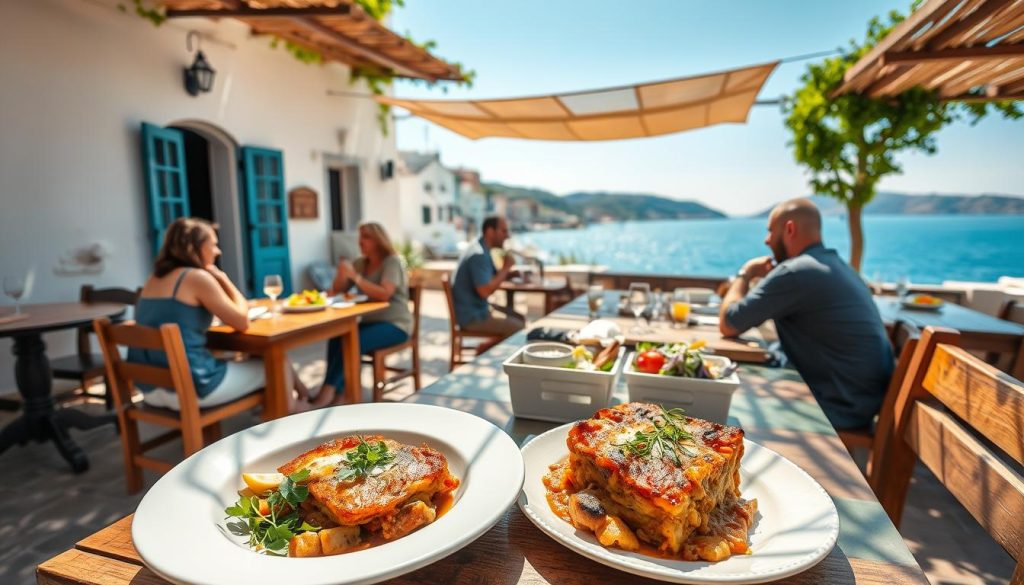
A traditional taverna is the heart of Greek social life, serving hearty, affordable meals. Expect to pay between $15 and $25 per person for a full dinner. This includes a main dish, a shared salad, and a glass of house wine. To save money, look for tavernas a few streets away from the main waterfront or tourist squares.
Street Food and Quick Bites for Savings
A classic gyro or souvlaki pita costs between $4 and $7, making it a great, filling lunch. Street food is your best friend for saving money. These quick bites offer a genuine taste of daily life in cities like Athens or Thessaloniki.
Alcohol and Beverage Pricing
A local beer or a glass of house wine at a casual spot costs around $4 to $6. Beverage costs vary based on your choices and location. Imported spirits or cocktails at high-end beach bars, on the other hand, can be much pricier. Opting for local Greek wines and refreshing frappes is a smart way to enjoy the culture while keeping your wallet happy.
Transportation Within Greece
Mastering Greek transit is key to saving money while traveling. You’ll need to use ferries, buses, and possibly rental cars. By carefully choosing your routes, you can control your travel expenses.
Ferry Travel Costs and Booking Strategies
Ferries are essential for island hopping, but prices differ. High-speed catamarans are faster but pricier. Opting for slower ferries can save you money if you’re not in a rush.
Booking tickets online in advance is wise. It secures the best rates and prevents price increases. Early-bird discounts are available, making it easier to save. Use comparison websites to find the best deals.
Domestic Flight Pricing Versus Ground Travel
Domestic flights can save time, but budget airlines charge extra for luggage. Compare flight costs with ferry tickets and travel time to the port. This helps you make an informed decision.
The KTEL bus system is affordable and reliable for mainland travel. It connects cities and villages efficiently. Using Athens metro or local buses is also budget-friendly.
Car Rental and Fuel Expenses
Renting a car offers freedom to explore the mainland and islands. Fuel prices in Greece are high, so budget for this. Small, fuel-efficient cars are best for navigating tight streets.
Check if your rental includes insurance and unlimited mileage. Returning the car to a different location can be expensive. Plan your route carefully to avoid extra fees.
The Best Time to Visit Greece Financially
Timing your vacation correctly is the ultimate secret to stretching your travel budget further in Greece. By aligning your travel dates with local demand, you can significantly lower your overall costs. Finding the best time to visit greece financially requires a balance between your bank account and your desire for perfect weather.
High Season Pricing Realities
The peak summer months of July and August represent the most expensive time to explore the country. During this period, demand for flights and island accommodation reaches its absolute maximum. You will find that prices for everything from boutique hotels to daily meals are at their highest point.
Traveling during this window often means paying a premium for convenience and the classic sunny experience. If you choose to visit now, you must book months in advance to secure reasonable rates. It is rarely the best time to visit greece financially if you are looking to save money.
Shoulder Season Benefits for Your Wallet
Many savvy travelers find that the shoulder season, from May to October, offers the best value. During these months, the weather remains warm enough for swimming and outdoor dining. The massive crowds of mid-summer have dissipated, leading to lower hotel rates.
You will often find that flight prices drop significantly compared to the peak summer rush. This period is widely considered the best time to visit greece financially for those who want a comfortable experience. You get to enjoy the beauty of the islands without the inflated price tags of August.
Off-Season Travel Advantages and Trade-offs
Visiting between November and April provides the lowest possible prices for your trip. Accommodation costs plummet, and you can often find incredible deals on flights. This is the most affordable option for budget-conscious explorers who do not mind cooler temperatures.
There are trade-offs to consider when traveling during the winter months. Many island businesses and ferry routes operate on a limited schedule or close entirely. While it is the best time to visit greece financially, you must be prepared for a quieter, more local experience.
Activity and Sightseeing Costs
To enjoy Greece on a budget, a smart plan for daily activities is essential. The country boasts world-class historical sites, but entrance fees can quickly accumulate. By focusing on your top destinations and planning wisely, you can explore Greece’s rich history without breaking the bank.
Entrance Fees for Archaeological Sites
Iconic landmarks like the Acropolis in Athens require a ticket. To save, consider multi-attraction passes that offer discounted access to several sites. These are ideal for those aiming to see a lot while staying within budget.
Check official websites for free admission days, often during the off-season or national holidays. Planning visits around these times can greatly reduce expenses.
Free Cultural Experiences and Walking Tours
You don’t need to pay for a guided tour to experience local culture. Greek cities and villages offer walkable neighborhoods that serve as open-air museums. Exploring the Plaka district in Athens or the alleys of a Cycladic village is free.
Joining a “free” walking tour, where you tip the guide based on satisfaction, is a great way to learn about local history. These tours reveal hidden gems and are a budget-friendly way to support local guides.
Want this planned for you?
TripToGo has 13 Greece itineraries, each with its own departure dates and a full list of what's included.
Browse Greece trips →Water Sports and Island Excursion Pricing
Island hopping can be expensive due to boat trips and water activities. Opt for public beaches over private clubs with high fees. Bringing your own snorkeling or swimming gear allows for free enjoyment of the waters.
When booking boat excursions, compare prices from local vendors, not your hotel. Booking directly at the port can offer better rates and the chance for discounts. Being flexible with your island plans ensures a memorable trip without overspending.
Regional Cost Variations
To master affordable travel in Greece, look beyond the most famous spots. Geography significantly impacts your vacation budget in the Mediterranean. By avoiding the most marketed areas, you can save a lot without losing quality.
Mainland Greece Versus Popular Cyclades
The Cyclades, with Santorini and Mykonos, have high prices due to their fame. The white-washed architecture draws crowds, increasing costs for dining, lodging, and transport. These islands are stunning but pricey.
The Greek mainland offers history and culture at lower costs. The Peloponnese has coastlines and ruins as beautiful as any island. Choosing the mainland is wise for those on a tight budget seeking authentic experiences.
Hidden Gems and Less Expensive Island Alternatives
You don’t have to give up island life for affordable travel in Greece. Naxos and Paros offer Mediterranean charm at lower prices than famous islands. They have beautiful beaches and traditional tavernas at local prices.
Exploring lesser-known islands stretches your budget further. These hidden gems offer a relaxed atmosphere and a deeper local connection. With smart planning, your wallet stays happy while enjoying the Greek islands’ best.
Managing Currency and Payment Methods
Effective money management is key to controlling your expenses in Greece. Knowing how to handle your funds ensures you enjoy your experiences without worrying about bank fees. A bit of planning can make your financial transactions smooth and worry-free.
Avoiding Unnecessary Transaction Fees
Before you travel, check with your bank about international transaction fees. Many credit cards charge a percentage for purchases abroad, which can quickly increase your costs. Look for travel-friendly cards with no foreign transaction fees to minimize your expenses.
When using ATMs, always choose to be charged in the local currency, the Euro. Decline any offer to convert the amount into US Dollars. Your home bank usually offers a better exchange rate than the local ATM.
Cash Versus Card Usage in Rural Areas
In Greece, cash remains the preferred payment method, even in major cities. Boutique shops, small tavernas, and remote cafes often require cash. Carrying a modest amount of Euros ensures you can always pay for a meal or a souvenir.
In rural areas, relying only on a credit card can be frustrating if terminals are unavailable. Keep small denominations in your wallet for daily purchases. This habit helps you confidently explore local markets and hidden gems.
Hidden Costs to Anticipate
Even the most meticulous travelers can find themselves surprised by extra costs during their journey. When planning your budget, it’s easy to overlook smaller, less obvious fees. These are the key to keeping your greek vacation expenses in check.
Tourist Taxes and Local Levies
Greece has specific charges for visitors, known as climate resilience levies or occupancy taxes. These fees depend on the hotel’s star rating or the rental property type.
These fees are collected in cash at check-in. It’s wise to set aside cash for this purpose. Checking your booking confirmation or contacting your host can help estimate these costs.
Travel Insurance and Emergency Funds
Unexpected events can happen to anyone, no matter how well they plan. Investing in travel insurance is a smart move. It covers flight cancellations, lost luggage, and sudden medical needs.
Keeping an emergency fund accessible is also wise. It helps with missed ferry connections or last-minute travel plan changes. Planning for these expenses ensures your trip remains enjoyable and stress-free.
Practical Money-Saving Tips for Your Greece Trip
Travelers who plan wisely can save a lot on their Greece trip. By adopting consistent habits, you can make your money go further. These essential tips will help you manage your budget while exploring this stunning country.
Booking Strategies for Peak Season
Summer travel in Greece can be pricey for flights and hotels. Booking your stay six months in advance can secure early-bird discounts. These deals are not available to those who book at the last minute.
Being flexible with your travel dates can also save you money. Mid-week flights are often cheaper than weekend ones. Flexibility with your arrival and departure airports can lead to significant savings.
Dining Habits to Reduce Daily Expenses
Eating out is a big part of the Greek experience, but it can be expensive. Look for local tavernas away from tourist areas for authentic meals at lower prices. These spots offer better value than high-traffic areas.
Visit local bakeries or markets for breakfast and lunch. A fresh spanakopita or local fruit is a tasty way to save for dinner. Avoid restaurants with aggressive touts or menus in multiple languages for better value.
Leveraging Public Transportation
Traveling in Greece doesn’t need to be expensive. The KTEL bus network is reliable and affordable for mainland travel. It’s used by locals and offers a great way to see the countryside while saving money.
When island hopping, compare ferry costs. Faster ferries save time but are pricier. Slower ferries are cheaper and offer a more relaxed journey. Use local public transit or walk to explore once you arrive.
By following these budget tips, you can enjoy Greece without overspending. A bit of research and planning can make your trip more affordable and memorable.
Estimating Total Trip Duration and Distance Costs
Choosing how long to stay in Greece is a critical step in budget planning. The trip’s length and island-hopping distances significantly affect your spending. Understanding these factors helps you manage your budget while enjoying the Mediterranean.
How Travel Time Impacts Your Daily Spend
Traveling between islands incurs costs like ferry tickets or domestic flights. Frequent travel between distant locations quickly adds up, impacting your daily budget. Staying in one region for longer minimizes these transportation expenses.
Short, high-speed trips across the Aegean might seem convenient but are often pricey. Unforeseen transfer costs can surprise visitors. Focusing on a specific island group reduces these costs.
Balancing Itinerary Pace with Budget Constraints
A 5 to 7-day trip in one region can be efficient. This allows for deep exploration of local culture without the stress of constant travel. Using money-saving tips, like local buses over taxis, keeps your budget intact.
Longer stays offer more relaxed, budget-friendly exploration. Slowing down your pace opens up better deals on accommodations and dining. These tips work best when you avoid the rush of seeing too many places.
Comparing Greece to Other Mediterranean Destinations
Considering the cost of travel, it’s wise to compare Greece to other Mediterranean spots. Countries like Italy or France are undeniably charming but come with a hefty price tag. Greece, on the other hand, offers a high-quality experience that’s more budget-friendly.
Enjoying top-notch history, breathtaking turquoise beaches, and delicious Mediterranean cuisine is possible without the high costs of Western Europe. This balance attracts travelers seeking to make the most of their vacation without overspending. Knowing the best time to visit Greece financially is key to keeping your trip affordable.
Value for Money Analysis
In terms of accommodation and dining costs, Greece often beats its competitors. A mid-range hotel in a Greek island town offers better value than a similar room in the French Riviera. The local taverna culture also lets you enjoy fresh, authentic meals at lower prices than tourist-heavy restaurants elsewhere.
Choosing the right season is critical for keeping expenses down. By identifying the best time to visit Greece financially, you can find cheaper flights and lodging while enjoying pleasant weather. This approach allows you to spend more on unique excursions and island hopping.
Greece is a rare gem that combines luxury with affordability, making it a top choice for travelers. Whether you’re exploring ancient ruins or lounging on a sun-kissed beach, your money stretches further here. This makes Greece an ideal destination for anyone looking to maximize their Mediterranean getaway.
Essential Planning Tools for Budget Tracking
Managing your travel funds becomes much simpler with the right technology. Smart digital resources help you stay organized and informed. These tools are essential for those looking to save on their Greece trip.
For tracking flights, fare-alert tools are game-changers. They allow you to set price alerts, so you’re notified when fares drop. You can compare different dates and airlines to avoid overpaying.
For finding the perfect place to stay, small family-run hotels and apartment rentals are usually the best value. Booking directly often gets you a better rate or a free upgrade. This helps you find the best value for your money, a key budget tip for planning your Greece trip.
Using these digital tools keeps you organized and prevents overspending. By tracking expenses in real-time, you can adjust plans to stay within budget. Embrace these resources for a stress-free, affordable adventure in the Greek islands.
Before you go: turn this guide into a day-by-day plan. Our partner Voyada is a free itinerary builder that builds the route with flights, hotels and a real total cost for your dates — in about a minute.
Create a travel itinerary →Greece on a Budget
Greece can be surprisingly affordable if you travel like a local and dodge the August island peak.
- Keep costs down with ferries (deck class), gyros and souvlaki, and family-run domatia rooms or studios.
- Time it: the islands are priciest in August — shoulder season and lesser-known islands cost far less.
- Athens is affordable; Mykonos and Santorini are the big splurges.
- Free and cheap wins: ancient sites (buy combo tickets), beaches, hiking and sunsets cost little or nothing.
- Book ferries and August beds ahead — last-minute peak prices sting.
Greece Cost Breakdown
A per-person, per-day breakdown by travel style (excluding international flights). Ferries and August spike the mid and luxury tiers.
| Category | Budget | Mid-range | Luxury |
|---|---|---|---|
| Accommodation | €25–50 | €70–140 | €250+ |
| Food | €15–25 | €35–60 | €100+ |
| Transport (ferries/local) | €10–25 | €30–60 | €100+ |
| Activities | €0–15 | €25–50 | €100+ |
| Daily total | €55–90 | €150–250 | €500+ |
Conclusion
Planning a trip to the Mediterranean is an exciting endeavor that rewards those who take the time to prepare financially. Mastering greece travel costs allows you to focus on the magic of the islands. This way, you can enjoy your trip without worrying about your bank balance.
You can have an unforgettable experience without breaking the bank. Choose the right season and use local tips to explore greece on a budget. Prioritize authentic experiences over expensive tourist traps.
Your next step is to start setting your fare alerts today. Booking your accommodation 8 to 12 weeks in advance helps you lock in the best rates.
You are now ready to explore the beauty of the Aegean with confidence and ease. Pack your bags and get ready to create memories that will last a lifetime.
FAQ
Is Greece expensive to visit for solo travelers?
How much does a 7-day trip to Greece cost?
How can I keep island hopping in Greece affordable?
How do I find cheap travel to Greece in peak summer?
What does it cost to live in Greece long term?
Are greek vacation expenses significantly higher in Santorini and Mykonos?
When is the cheapest time to visit Greece?
How can I eat out in Greece on a budget?
Can you enjoy Greece on a tight budget?
Do you have to pay for a sunbed on Greek beaches?
No, and it is worth knowing where you stand. Beach access in Greece is free by law, concession holders may occupy only part of the sand, and a free strip must be left for anyone laying down a towel. In practice sunbed rows have crept across some beaches, which has prompted a public backlash and periodic enforcement against operators who overstep. Prices vary enormously: a pair of loungers on a quiet island beach is a modest daily outlay, while front-row beds at a fashionable beach club can cost more than a night’s accommodation elsewhere. Packing a towel and a cheap umbrella takes the line out of your budget entirely.
Are Greek beaches supervised by lifeguards?
Mostly not, and this is a genuine risk rather than a technicality. Lifeguards are required only at beaches formally designated as organised, they cover a limited season and limited daily hours, and staffing shortfalls are reported most summers, so the great majority of coastline is unsupervised. Greece records hundreds of drowning deaths a year, with older swimmers by far the largest group. The practical rules matter: do not swim alone, or straight after a heavy meal or drinking; take the meltemi wind seriously, because an offshore breeze makes the swim back much harder than the swim out; and keep children within arm’s reach even in calm shallows.
Is there a tourist tax on accommodation in Greece?
Yes, and it is usually absent from the price you were first quoted. Greece levies a nightly accommodation charge that varies with the type and rating of the property, and it is substantially higher over the summer than in winter, with smarter hotels and villas paying the most and simple rooms the least. It is normally charged per room rather than per person and collected at check-in or check-out, often in cash, so set money aside for it separately. Cruise passengers landing at the busiest islands pay a separate per-head fee in peak months. The rates have been revised more than once recently, so confirm the current amount with your accommodation.
Do you need to tip in Greece, and how much?
Tipping is appreciated but nothing like the obligation it is in the United States, and nobody will chase you down the street over it. In tavernas, rounding the bill up or leaving a small percentage for good service is normal; in a cafe or bar, leaving the coins from your change is plenty. Hotel porters and housekeeping, taxi drivers and boat crews all welcome a small note without expecting one. Cash is the safer way to tip, because many card terminals still offer no tip line and the money is more likely to reach the person who actually served you. Check first whether a service charge has already been added.
Can you pay by card everywhere in Greece, or do you need cash?
Cards work in most hotels, supermarkets, petrol stations and town restaurants, and Greece has pushed hard to widen card acceptance, so a trip can run largely cashless. Cash still matters in precisely the places that save you money: village tavernas, bakeries, roadside stalls, small ferry and bus kiosks, some island taxis, and anywhere the connection drops. Two habits protect the budget. Always decline the machine’s offer to charge you in your home currency, which buries a poor exchange rate in the transaction, and withdraw larger amounts less often from bank-owned cash machines rather than the standalone ones on tourist strips.
Is Greece cheaper than Italy or Spain?
Broadly comparable, and the answer depends far more on where you go than on which country you choose. Mainland Greece, the Peloponnese and the less fashionable islands work out cheaper than most of Italy and roughly level with Spain, and Athens is good value measured against other European capitals. The famous Cycladic islands are the exception: in high summer they price alongside the Amalfi Coast or Ibiza, and ferry fares and island transfers add a layer of cost that a Spanish or Italian road trip simply does not carry. Pick the region carefully and Greece wins on value; pick the postcard islands in August and it will not.