Table of Contents
ToggleEstimates put the number of digital nomads worldwide in the tens of millions. This massive shift has transformed how we view the traditional office, turning the entire globe into a possible workspace.
As countries compete to attract top talent, they are rolling out specialized visa programs and upgrading high-speed internet infrastructure. Finding the right hub is the most critical step in building a successful career while you travel.
We have curated a list of prime locations that offer the perfect balance of community, connectivity, and culture. Whether you seek a quiet beach town or a bustling metropolis, these spots provide everything you need to thrive.
Key Takeaways
- Remote work has evolved into a sustainable, global lifestyle choice for millions of professionals.
- Nations are actively creating visa programs to welcome international remote workers.
- Reliable infrastructure and high-speed internet are non-negotiable requirements for your success.
- Choosing a location that aligns with your personal goals is essential for long-term productivity.
- Modern hubs now offer vibrant communities that make transitioning to a new country seamless.
✈️ TripToGo Travel Deals
Get notified about great travel deals
Hand-picked flight, hotel and destination deals, straight to your inbox. No spam, unsubscribe anytime.
🎉 Thank you for subscribing!
You’re all set — the best travel deals are on their way.
Criteria for Selecting the Best Cities for Digital Nomads
What makes a city stand out for remote professionals today? It’s about finding a balance between reliable internet, affordable living, and easy access to community. These elements are key to identifying the top cities for digital nomads.
Look for places that offer fast internet and a welcoming social scene. A stable internet connection is essential for staying productive on the move. Without it, even the most stunning views can turn into a source of frustration.
Another critical factor is the availability of digital nomad visas. These visas determine your legal status and the ease of your long-term stay abroad. Researching these requirements early can save you from unnecessary stress during your transition.
When evaluating cities, consider the local culture and networking opportunities. The best cities for digital nomads offer spaces to connect with others. This social support is vital for avoiding burnout and staying motivated.
This framework helps you narrow down destinations that meet your needs. By focusing on these core requirements, you can confidently pick the best cities for digital nomads that match your career goals. Embracing the prime cities for digital nomad lifestyle ensures your journey is both productive and fulfilling.
Planning this trip?
Our partner Voyada’s AI trip planner builds a day-by-day plan with flights, hotels and a real total cost for your dates — in about a minute, free.
Plan my trip for me →Best Cities for Digital Nomads at a Glance
The top bases and why they work — then the full city-by-city guide below.
| City | Country | Why nomads choose it |
|---|---|---|
| Lisbon | Portugal | Big nomad community, coworking, D8 nomad visa — but rising costs |
| Chiang Mai | Thailand | The original nomad hub — cheap, cafe-dense, huge community |
| Medellín | Colombia | Spring-like weather, low costs, El Poblado’s nomad scene |
| Mexico City | Mexico | Culture, food and a big remote-work crowd — convenient US time zones |
| Bali (Canggu/Ubud) | Indonesia | Beach-and-jungle lifestyle, cheap, strong community; new nomad visa |
| Bangkok | Thailand | Fast wifi, low cost, and a SE-Asia travel hub |
| Tbilisi | Georgia | 1-year visa-free stays for many, very cheap, growing scene |
| Barcelona | Spain | Lifestyle over savings — beach, culture and Spain’s digital-nomad visa |
Cost, Wifi, Community, Visa — and Time Zones: Key Facts
The right base comes down to four things: cost, wifi, community and visa. The classic hubs — Lisbon, Chiang Mai, Medellín, Bali, Mexico City — win because they stack all four: affordable living, reliable internet, a ready-made community of remote workers, and increasingly a formal digital-nomad visa.
Match the city to your working hours, not just the vibe. Latin American bases (Medellín, Mexico City) suit US-timezone jobs; European ones (Lisbon, Barcelona) suit EU/UK hours; Southeast Asia works for flexible or Asia-facing schedules. Time-zone overlap makes or breaks remote work.
Sort the visa before you commit to months: dozens of countries now offer dedicated nomad visas (Portugal, Spain, Estonia, Indonesia and more), each with income thresholds — check the official immigration site, not third parties. General guidance: your destination’s official government immigration portal.
Lisbon, Portugal: The European Hub for Remote Professionals
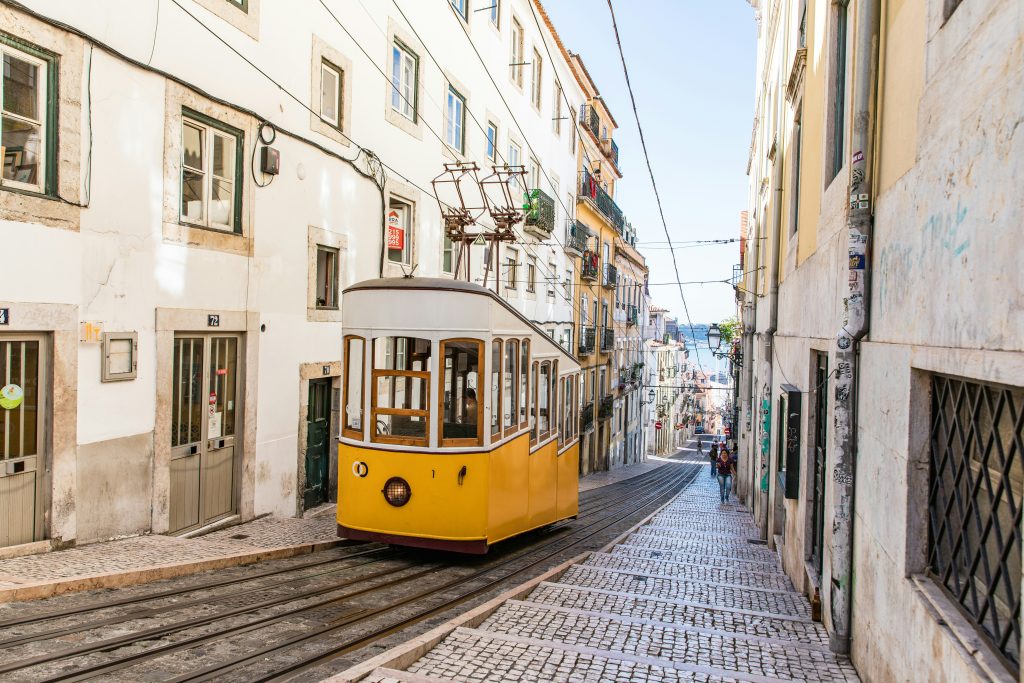
If you’re on the hunt for the ideal European base, Lisbon’s sun-kissed hills are your answer. This city stands out as a top choice for digital nomads, merging historic allure with a cutting-edge tech scene. With the D8 digital nomad visa (and related options like the D7 for passive income), Portugal simplifies the path for global professionals to set up a lasting home.
Cost of Living and Infrastructure
Lisbon’s living costs are surprisingly low compared to other Western European capitals. Even with rising prices, finding a cozy spot outside the historic center is possible. The city boasts widespread high-speed fiber internet, ensuring you stay connected all day.
Lisbon’s coworking spaces are a hub for digital nomads, providing more than just a desk. They foster a community of entrepreneurs. The local infrastructure supports a productive work environment, all while keeping you in touch with Lisbon’s lively social scene.
Optimal Travel Windows and Climate
Lisbon’s mild Mediterranean climate makes it delightful to explore all year. Yet, the best cities for digital nomads have peak seasons to steer clear of. We suggest visiting during spring or autumn for the most pleasant weather.
These seasons offer ideal temperatures for outdoor work or weekend explorations, without the summer heat. You’ll also dodge the tourist crowds, allowing for a truly local experience. Adopting this strategy ensures you maximize your time in Portugal.
Medellin, Colombia: The Latin American Tech Hotspot
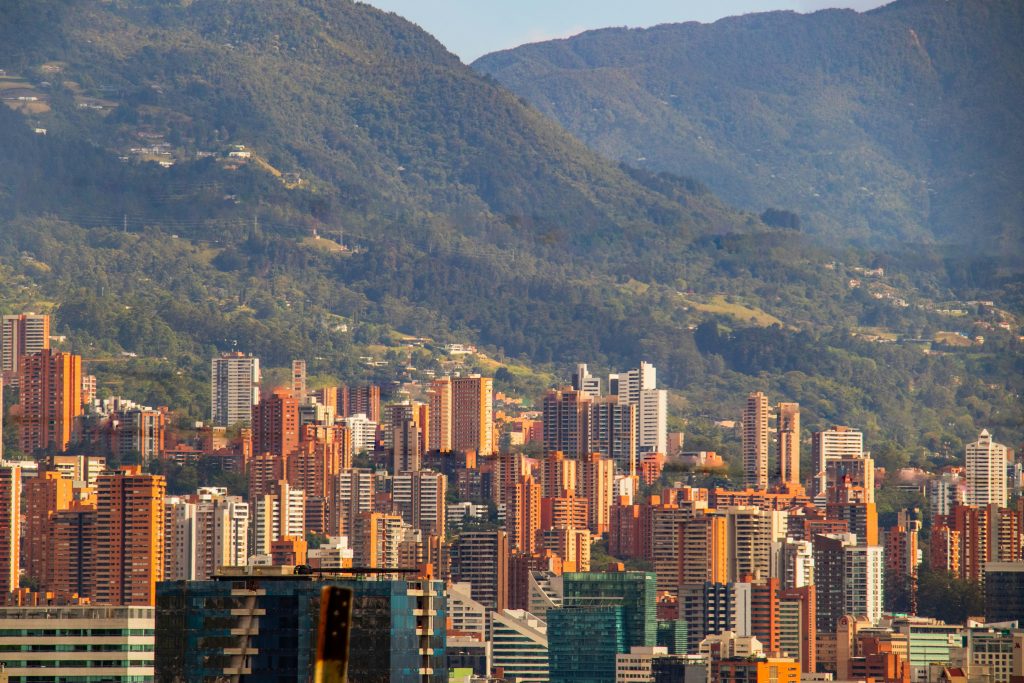
Looking for a city that blends modern tech with a warm culture? Medellin is your answer. This vibrant city has become a top choice for remote workers seeking excitement and growth. Its Andean setting offers a breathtaking view for your workday.
Budgeting for Long-Term Stays
Medellin stands out for its cost-effectiveness. Compared to North American cities, your expenses on rent, food, and transport will be much lower. This financial advantage lets you live better while keeping your savings intact.
Renting a furnished apartment in sought-after areas is wise. Local markets and neighborhood eateries are great for saving money. They also let you dive into the local culture.
Connectivity and Coworking Culture
Medellin is a hotspot for remote workers thanks to its strong internet. High-speed fiber is common in homes and cafes, ensuring smooth workdays. Your video calls and uploads will be uninterrupted.
The city’s coworking scene is vibrant, making networking simple. Areas like El Poblado and Laureles are hubs for shared workspaces. These spaces host events, helping you connect with others in your field.
Chiang Mai, Thailand: The Classic Choice for Remote Entrepreneurs
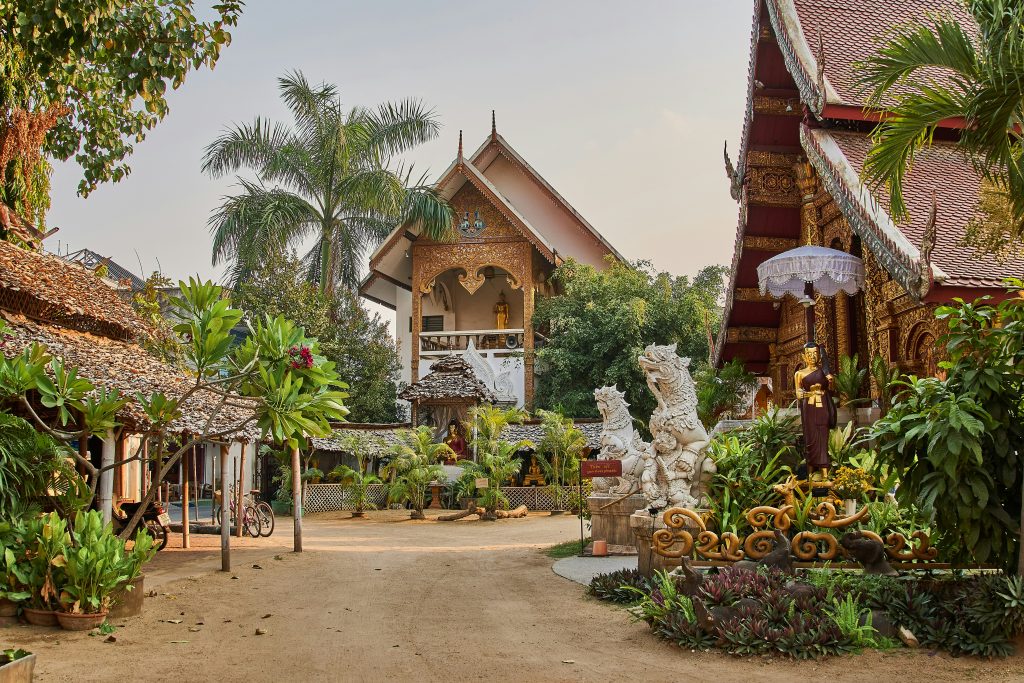
Chiang Mai stands out as a top pick for remote entrepreneurs, blending culture with productivity. It’s renowned for its affordability and a large, supportive community. This makes it a favorite spot for many professionals to stay for months.
Navigating Local Logistics and Transport
Getting around Chiang Mai is easy for newcomers. Most people use ride-sharing apps like Grab for safe, efficient travel. These apps keep your daily commute costs low.
Renting a motorbike is another popular choice for those who value independence. Make sure you have the right documents and always prioritize safety. This freedom lets you discover hidden gems and coworking spaces at your own pace.
Best Months for Weather and Community Events
Choosing the right time to visit can greatly enhance your experience. We suggest planning your stay from November to February. The weather is cool and perfect for both work and outdoor activities during these months.
This period also sees a surge in community events. You’ll find many networking meetups, workshops, and social gatherings. Arriving then lets you dive into the city’s lively atmosphere, making it a global favorite.
Bansko, Bulgaria: The Mountain Escape for Focused Work
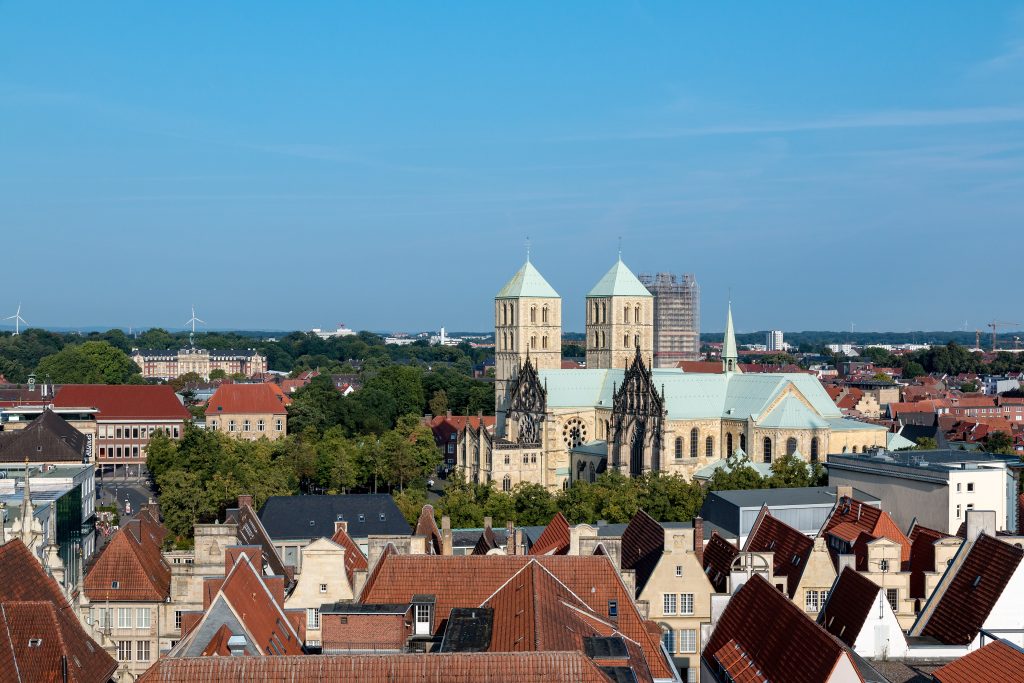
Seeking a mountain retreat that merges intense work with outdoor fun? Bansko is emerging as a prime spot for remote workers. It offers a serene environment where focus is the standard, not the exception.
Affordability and Community Dynamics
Bansko’s allure lies in its low cost of living. Enjoy a high quality of life, including fresh local food and comfortable homes, without overspending. This financial flexibility lets you invest in personal growth and travel.
The town also has a lively, close-knit community of professionals. It’s simple to meet others who value productivity and mountain living. Summer hikes or winter skiing, you’ll find friends to share the experience.
Travel Times and Accessibility
Concerned about reaching such a remote mountain town? Accessibility is well-managed with regular shuttle services from the nearest airport. These services make settling into your new workspace surprisingly easy.
This ease of access solidifies Bansko’s status as a top city for remote workers. Once you arrive, the town’s walkability lets you dive into your projects. It’s ideal for recharging your creative energy while staying connected worldwide.
Buenos Aires, Argentina: Cultural Richness Meets Remote Flexibility
Buenos Aires stands out as a city where culture and work life blend seamlessly. It’s a top choice for digital nomads, providing an experience unlike any office. The city’s mix of old-world charm and modern buzz is perfect for sparking creativity.

Managing Currency and Daily Expenses
Understanding Argentina’s financial scene is key to managing your budget. The local currency’s value can change, so keeping up with exchange rates is essential. Using international money transfers or local digital wallets can make daily spending easier.
In Buenos Aires, you can enjoy top-notch dining and entertainment without overspending. By monitoring your expenses, you can savor the city’s renowned steak houses and lively nightlife. Staying informed lets you dive into the local culture while keeping your work on track.
Time Zone Advantages for North American Teams
Working from Buenos Aires offers a significant advantage: it’s in sync with Eastern US time. This means you can work with your team in real-time, without disrupting your sleep. It’s a boon for digital nomads needing to stay in touch with clients across the Atlantic.
This alignment removes the hassle of delayed responses and disjointed work. You can join morning meetings, tackle projects during the day, and then explore the city at night. It’s ideal for those who want to excel in their careers while living an exciting, adventurous life.
Canggu, Bali: The Tropical Standard for Location-Independent Professionals
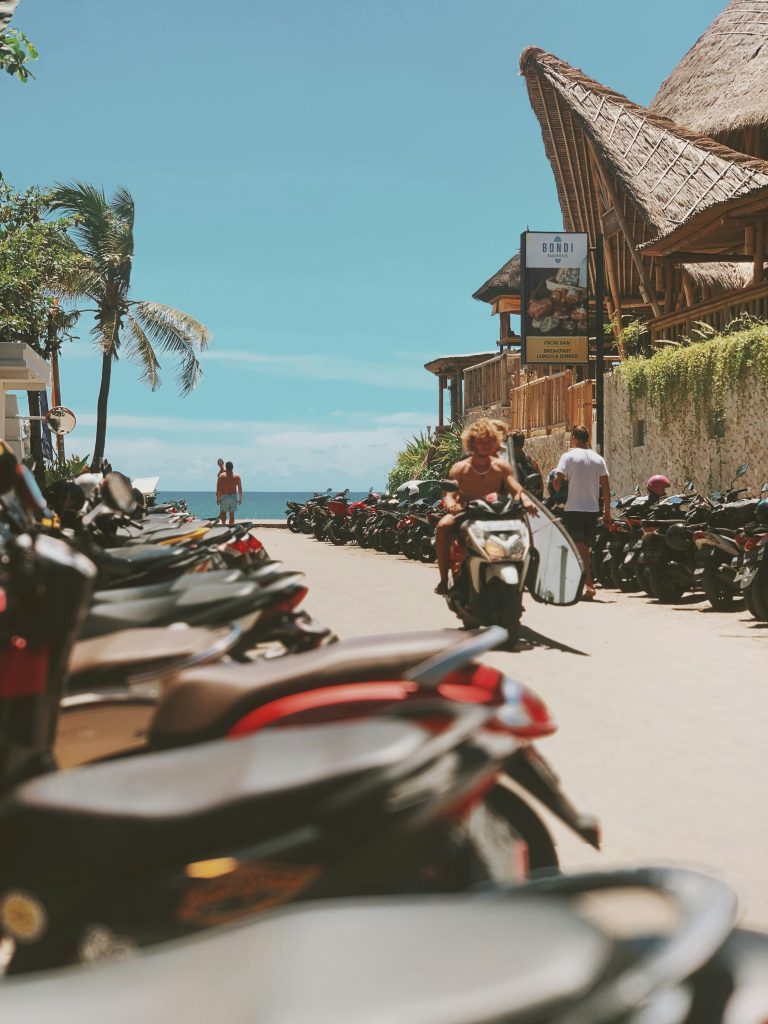
Canggu’s shores embody the essence of location-independent work. This coastal village has transformed into a hotspot for digital nomads seeking a blend of professional development and tropical escapades. It’s a prime example of an urban hub catering to those who wish to leave the traditional office behind.
Infrastructure and Internet Reliability
Canggu’s laid-back vibe is contrasted by its solid infrastructure. The area boasts numerous modern coworking spaces, equipped with top-notch furniture and backup power. These spaces are tailored to meet the needs of remote teams worldwide.
Yet, not all villas offer the same level of connectivity. It’s wise to check internet speeds with your host before committing to a long-term stay. Opting for accommodations with high-speed fiber optics ensures your work remains uninterrupted, allowing you to fully immerse in the island’s charm.
Balancing Productivity and Island Lifestyle
Adapting to Canggu’s lifestyle while maintaining productivity is the main challenge. The active social scene can easily sidetrack you with surf sessions or networking events. Establishing consistent work hours is key to staying focused on your projects.
By dedicating your mornings to deep work, you can enjoy the beach or community events in the afternoons. This strategy makes Canggu an ideal location for digital nomads aiming to excel in their careers while enjoying a tropical lifestyle.
Mexico City, Mexico: The Urban Powerhouse for Remote Workers
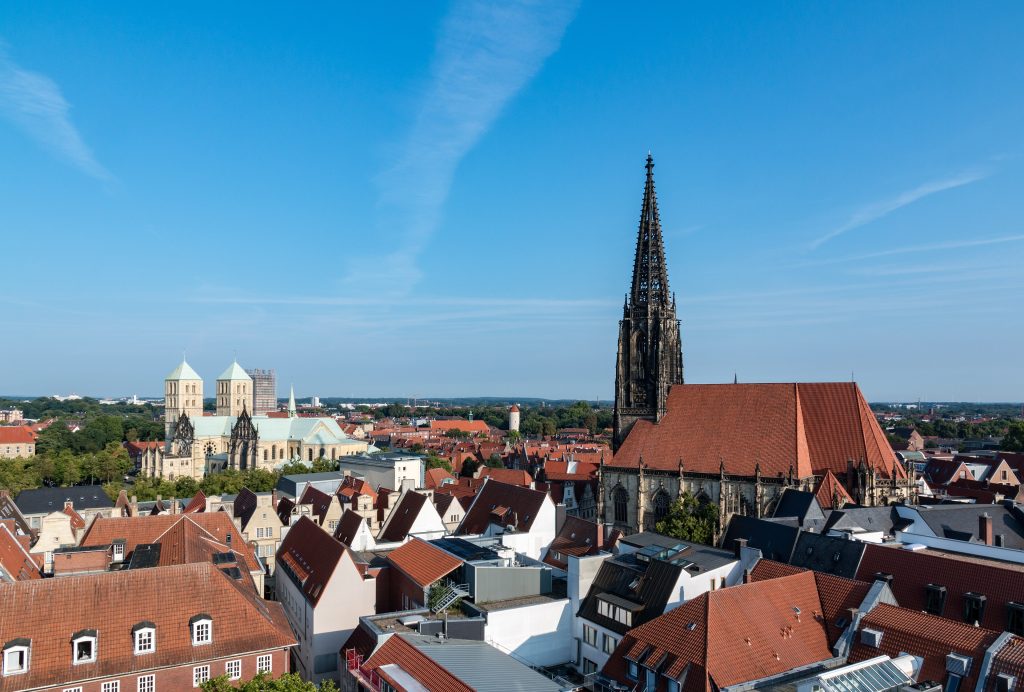
Seeking a vibrant urban center that blends deep culture with fast connectivity? Mexico City is your answer. This vast metropolis has become a hotspot for digital nomads seeking professional growth and endless exploration. It offers a unique setting, with historic architecture and modern conveniences, perfect for your daily tasks.
Neighborhoods and Commute Times
Choosing the right base is key to enjoying Mexico City. Focus on central areas like Roma Norte, Condesa, or Juarez to cut down travel time. These spots are pedestrian-friendly, close to top coworking spaces and cafes.
Staying central helps you avoid the city’s notorious traffic. It lets you focus on networking and less on commuting. It’s ideal for digital nomads who value efficiency and accessibility.
Cultural Integration and Networking
Mexico City’s community is incredibly welcoming, making it easy to form connections. Engage with the local culture by visiting markets, attending language exchange meetups, or coworking events. This will deepen your experience beyond the usual tourist spots.
Networking here is natural, often over meals or coffee. Don’t hesitate to start conversations with others. Embracing the local vibe is key to thriving in this dynamic setting while keeping your career on track.
Tallinn, Estonia: The Digital Pioneer for Remote Entrepreneurs
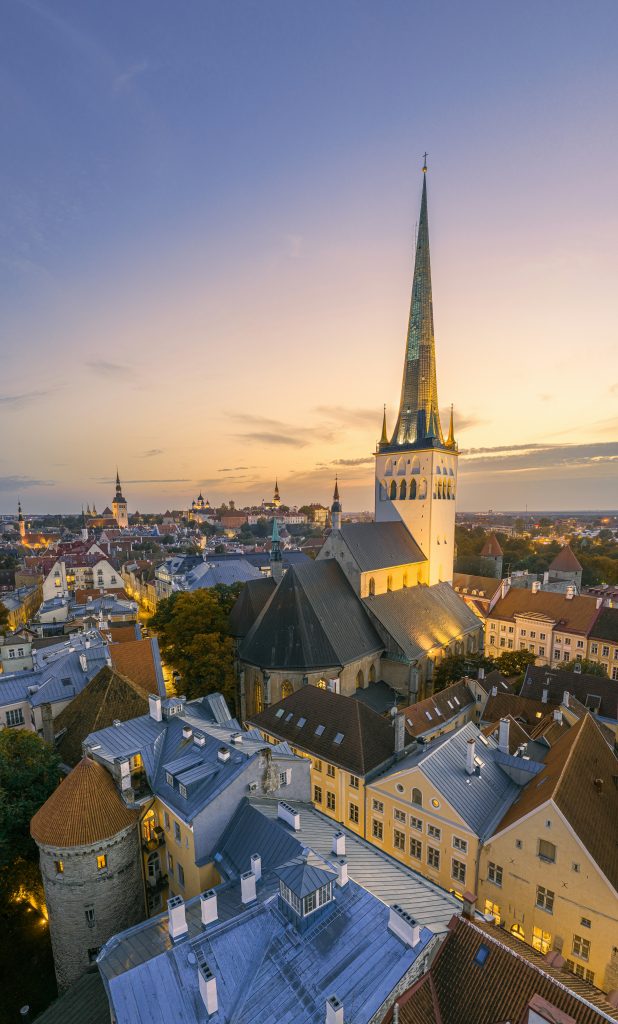
Tallinn shines as a hub for entrepreneurs seeking efficiency and digital freedom. This city, once steeped in history, now thrives as a tech-forward haven. It seamlessly blends medieval charm with modern innovation, creating a unique environment for remote professionals.
E-Residency and Administrative Ease
Estonia’s e-residency program is a game-changer for global business. It lets anyone manage a European Union company from anywhere. This initiative simplifies the often complex process of starting a business abroad.
With Estonia’s digital infrastructure, you can handle banking, taxes, and legal matters online. This ease of administration is a boon for entrepreneurs, allowing them to focus on growth. It’s a prime spot for remote entrepreneurs aiming to expand their businesses efficiently.
Seasonal Considerations for Northern Europe
Living in Northern Europe requires planning, mainly for the seasons. Tallinn’s summers are stunning, with long days and lively festivals. The city buzzes with energy during this time.
Winter brings colder temperatures and shorter days. Yet, Tallinn remains functional and warm. Many remote workers find the winter ideal for focused work and planning, thanks to its quiet atmosphere.
Cape Town, South Africa: Scenic Beauty and Growing Tech Scenes
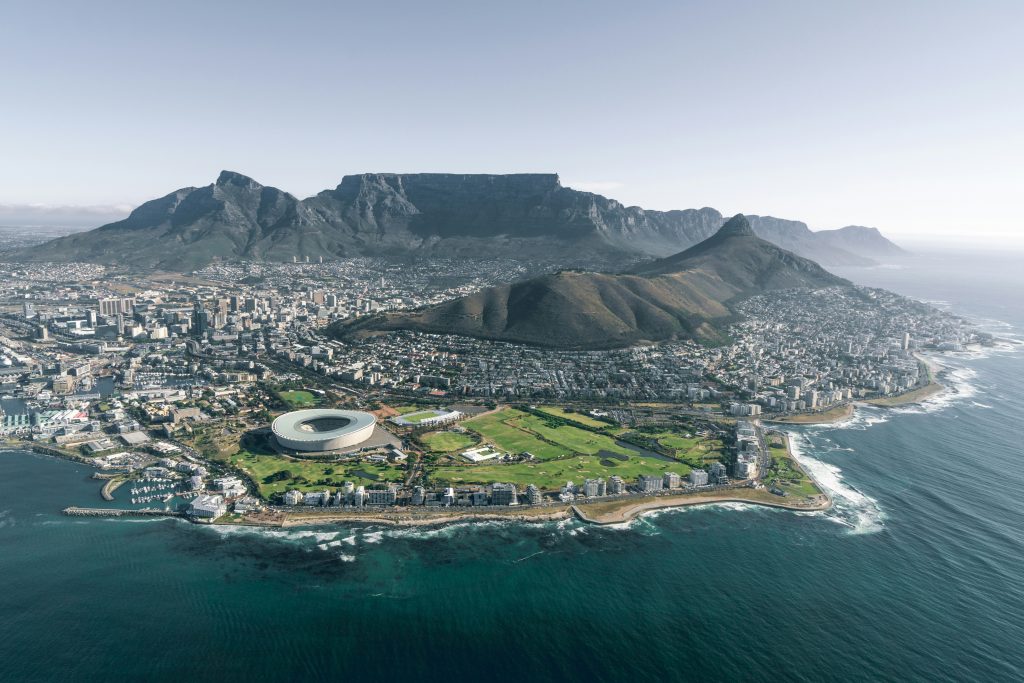
Cape Town stands out for its unique mix of coastal allure and entrepreneurial spirit. It has become a hotspot for location-independent professionals seeking both adventure and a reliable work environment. The city’s stunning mountain vistas and burgeoning tech scene offer a refreshing respite for digital nomads.
Safety and Practical Living Tips
Ensuring safety is a top concern for remote workers in new cities. We suggest staying in areas like the City Bowl, Sea Point, or Gardens. These spots boast excellent infrastructure and are well-guarded.
For your commute, opt for trusted ride-sharing services like Uber instead of walking alone at night. Keeping your belongings secure and staying vigilant will help you navigate smoothly. By choosing central locations, you’re close to coworking spaces and networking events.
Optimal Seasons for Remote Productivity
Timing your visit is key to maximizing productivity. The summer months, from December to March, are ideal. You’ll enjoy long, sunny days perfect for your workspace.
These months are ideal for balancing work with outdoor activities. Whether hiking Table Mountain or visiting beaches, the weather supports a healthy work-life balance. Cape Town is a prime choice for remote entrepreneurs aiming to merge professional dedication with an active lifestyle.
Da Nang, Vietnam: The Coastal Alternative for Remote Workers
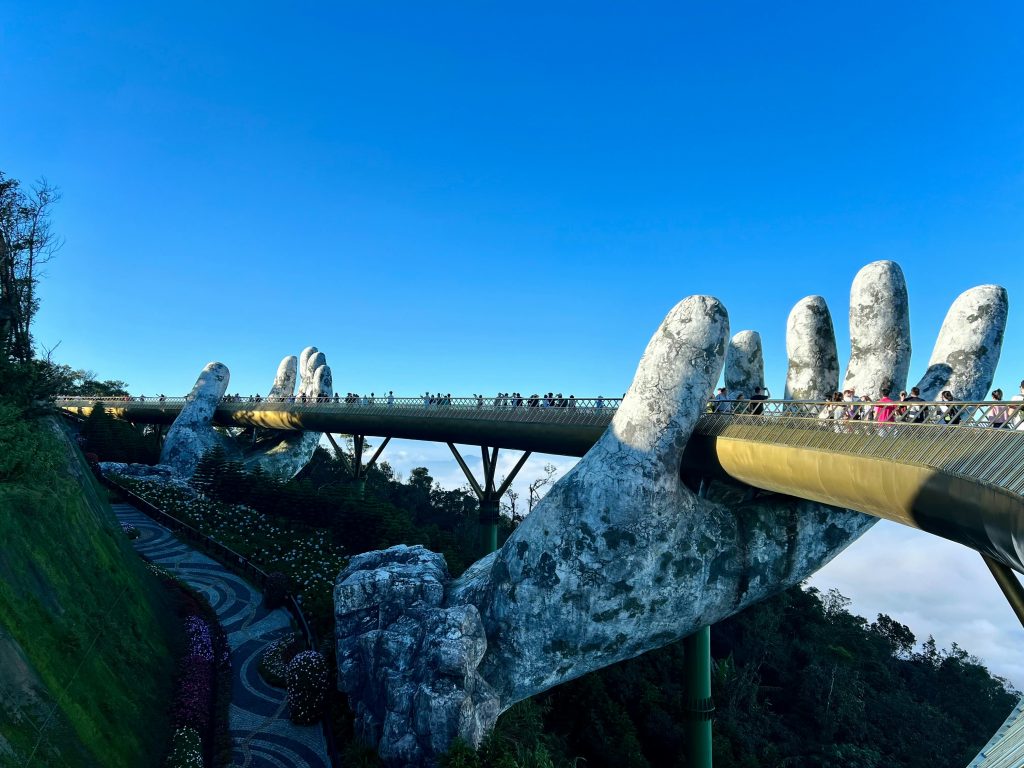
Vietnam’s coastal gem, Da Nang, is redefining the concept of working from anywhere. This vibrant city has become a top choice for location-independent professionals seeking a high quality of life at lower costs. It offers a unique mix of urban convenience and relaxed beachside living, making it a standout destination.
Cost-Efficiency and Quality of Life
Living in Da Nang maximizes savings without compromising comfort. Modern apartments, fresh local cuisine, and various leisure activities are available at a fraction of Western city costs. The local food scene is a highlight, providing delicious and affordable meals that make daily life exciting.
The city’s low cost of living is complemented by a high standard of life, attracting many travelers. Clean beaches and a welcoming local culture create an environment where you can thrive. It’s no wonder Da Nang is a top choice for remote entrepreneurs seeking a sustainable long-term base.
Connectivity and Local Amenities
Reliable internet is essential for a successful remote career, and Da Nang excels in this area. High-speed connectivity is available throughout the city, ensuring productivity. Whether working from a quiet apartment or a bustling beachside cafe, the infrastructure supports your professional needs.
The city is highly walkable, making it easy to move between work and local amenities. You can seamlessly transition from work to play, exploring the coastline. This balance of work and play makes Da Nang a smart choice for those seeking productivity and a refreshing lifestyle.
Tbilisi, Georgia: The Emerging Haven for Global Nomads
If you seek a hidden gem, Tbilisi is rapidly becoming a top choice for remote entrepreneurs. This vibrant capital city offers a unique mix of ancient history and modern infrastructure. It’s a welcoming place for those looking to avoid the usual tourist spots while staying productive.
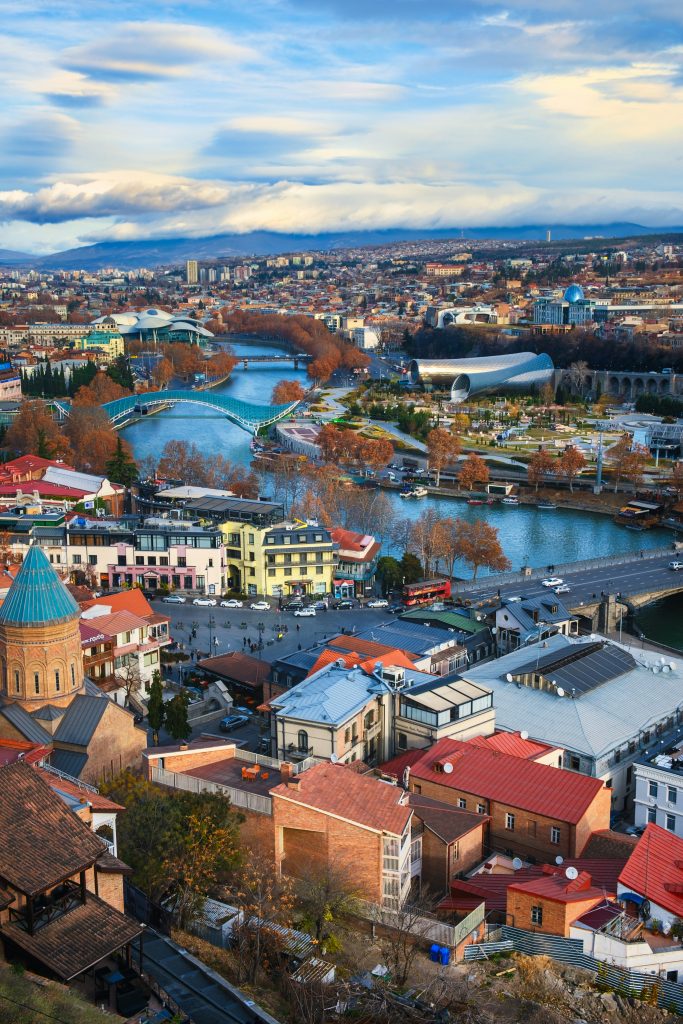
Visa Policies and Long-Term Residency
Georgia is renowned for its welcoming stance towards international visitors. Most travelers can enter visa-free for a year, a significant perk for long-term stays. This policy simplifies the move abroad, reducing administrative hurdles.
The process is straightforward, requiring minimal paperwork compared to other global hubs. You can arrive, find a local apartment, and start working without the hassle of complex residency permits. This ease makes it a prime spot for remote entrepreneurs who value flexibility and simplicity.
Geographic Accessibility and Travel Hubs
Tbilisi is strategically located at the crossroads of Europe and Asia, making it an ideal base for regional exploration. The city is a central hub with affordable flights to major cities across the Caucasus, the Middle East, and Eastern Europe. You can easily spend your weekends hiking in nearby mountains or visiting neighboring countries.
The local transportation network is reliable and affordable, making it easy to get around the city. Whether you’re heading to the Black Sea coast or exploring historic wine regions, the location is ideal for adventurous professionals. Tbilisi’s unique charm and central position offer the perfect balance for your work-life journey.
Essential Tools and Strategies for Global Remote Work
Embarking on a journey of working from anywhere is thrilling but requires specific strategies to stay productive. Whether you’re in a top destination for remote entrepreneurs or a hidden gem, your success hinges on adaptability. Mastering a few key logistics ensures high performance amidst the freedom of a nomadic lifestyle.
Managing Time Zones Across Continents
Managing work hours with team schedules back home is a significant challenge. Instead of constant real-time meetings, adopt asynchronous communication. Tools like Slack, Notion, or Trello facilitate team collaboration without needing everyone online simultaneously.
This method reduces stress and offers more flexibility to explore your surroundings. Use scheduling apps to find optimal meeting times. Planning ahead ensures you’re a reliable team member, regardless of your current time zone.
Securing Reliable Connectivity Abroad
Never risk your internet access when working remotely. While many cafes and coworking spaces offer Wi-Fi, having a backup is wise. A portable hotspot or local SIM card can prevent disruptions during critical calls.
Research network quality at your chosen location before arriving. Having a secondary connection ensures uninterrupted work hours. These habits allow you to enjoy top destinations for remote entrepreneurs while advancing your career.
Frequently Asked Questions
Which are the best cities for digital nomads?
The proven hubs are Lisbon and Madeira, Chiang Mai and Bangkok, Canggu and Ubud in Bali, Medellin, Mexico City, Tbilisi, Tallinn, Barcelona and Valencia, Da Nang and Ho Chi Minh City, Buenos Aires and Cape Town. They persist because they stack the same four things: affordable living, reliable internet, an established community of remote workers, and increasingly a formal digital nomad visa. Bansko in Bulgaria is the outlier, a small mountain town built around focused work.
What makes a city good for remote work?
Four things: cost of living, internet reliability, community and visa access. Fast, stable internet is the non-negotiable one, since a good view is no use during a dropped video call. Community matters more than most people expect, because coworking spaces and meetups are what stop a long stay turning isolating. Add safety and healthcare to the list before committing to months. A city that fails on any of the four rarely works long term.
How do you choose a city that fits your working hours?
Match the time zone to your team or clients before anything else. Latin American bases such as Medellin, Mexico City and Buenos Aires overlap with US working hours, with Buenos Aires close to Eastern time. Lisbon, Barcelona and Valencia suit EU and UK hours. Southeast Asian hubs such as Chiang Mai, Bangkok and Da Nang work for flexible or Asia-facing schedules. If the overlap is poor, shift to asynchronous tools rather than living on night calls.
Which countries offer digital nomad visas?
Dozens now do, including Portugal, Spain, Estonia and Indonesia, and the list keeps growing. Each sets its own income threshold, length of stay and tax treatment, so the detail matters more than the headline. Check the destination government’s official immigration portal rather than a third-party summary, since requirements change often. Sort this before committing to a long lease, not after. Georgia is the simplest of the group, allowing many nationalities a visa-free stay of up to a year.
Which are the most affordable cities for digital nomads?
Chiang Mai remains the benchmark for low costs with a dense cafe and coworking scene. Da Nang and Ho Chi Minh City are comparably cheap with modern apartments and a strong local food scene. Tbilisi combines very low costs with long visa-free stays, and Bansko in Bulgaria offers mountain living at a low price. Medellin sits slightly higher but delivers spring weather year round. Lisbon and Barcelona buy lifestyle rather than savings.
Is Bali good for remote work?
Canggu and Ubud have a large remote-worker community and a good number of modern coworking spaces with backup power, which matters during outages. The catch is accommodation: villa internet varies widely, so test speeds with your host before committing to a long stay and look for a fibre connection. The other challenge is discipline, as the social and surf scene eats into the working day. Blocking out mornings for deep work is the usual fix.
When is the best time of year to base yourself in Chiang Mai?
November to February is the window most remote workers aim for. The weather is cool and dry, which makes both working and exploring comfortable, and the community calendar is at its fullest, with meetups, workshops and social gatherings running through those months. Getting around is straightforward with ride-hailing apps or a rented motorbike. Arriving at the start of that season gives you the longest run before the hotter, hazier months arrive.
Is Cape Town safe for remote workers?
It asks for more situational awareness than most hubs, but is manageable if you choose your area carefully. Stay in the City Bowl, Sea Point or Gardens, which have solid infrastructure and put you within reach of coworking spaces and meetups. Use ride-hailing rather than walking alone at night, and keep valuables out of sight. December to March gives long sunny days, though it is also the busiest and most expensive stretch of the year.
Where should you stay in Mexico City as a remote worker?
Roma Norte, Condesa and Juarez are the usual choices. All three are walkable, dense with cafes and coworking spaces, and central enough to keep you out of the city’s notorious traffic. Staying in these neighbourhoods means you spend your time at meetups and language exchanges rather than commuting. The community here is genuinely welcoming, and networking tends to happen over meals and coffee rather than at formal events.
How should you handle internet reliability abroad?
Never rely on a single connection. Cafes and coworking spaces are fine as a default, but keep a backup such as a local SIM with a data allowance or a portable hotspot for critical calls. Research network quality for your specific neighbourhood before you arrive, not just the city as a whole, and test speeds in your accommodation on day one. Prioritise a fibre connection when choosing an apartment for a stay of a month or more.
How long should you stay in a city before committing to a long lease?
Do a short trial stay first, ideally a few weeks in a flexible rental, before signing anything longer. That gives you time to test the internet at different hours, visit two or three coworking spaces, see whether the community suits you, and gauge how the time zone actually feels against your working hours. It is a cheap way to avoid being locked into a city that looked better online than it works in practice.
Before you go: turn this guide into a day-by-day plan. Our partner Voyada is a free custom travel itinerary that builds the trip with flights, hotels and a real total cost for your dates — in about a minute.
Build a travel itinerary →Where do you actually pay tax as a digital nomad?
Rarely nowhere, which is the assumption that causes the trouble. Most countries treat you as tax resident once you spend roughly half the year there, and many also apply tests based on where your home, family and centre of economic interests sit, so a long stay with a lease and local clients can trigger residency below the day count. Your home country may keep taxing you regardless, and citizens of some countries, notably the United States, file wherever they live. A nomad visa does not automatically exempt you either, as several now carry local tax obligations. Check the destination’s own tax authority and take professional advice before a stay runs long.
What health cover do digital nomads need?
More than a holiday policy, in most cases. Standard travel insurance is built for short trips: it usually caps the length of any single stay, excludes routine and ongoing care, and can refuse claims once you are working or have been abroad longer than the policy assumed. International health insurance costs more but covers consultations, prescriptions and chronic conditions rather than emergencies alone. Whatever you choose, check three things: how pre-existing conditions are treated, whether repatriation and emergency evacuation are included, and whether the cover still applies in your home country between stays. Most nomad visas require documented cover as a condition of approval, so read that country’s own requirement first.
Can you work remotely on a tourist visa?
Technically, in most countries, no. Tourist entry is for tourism, and remote work for a foreign employer sits in a grey area that many immigration services have spent recent years closing. Enforcement is inconsistent rather than absent: people are usually waved through, but border officers do ask about your purpose, and refused entry, a fine or a future ban are real outcomes. Repeated border runs to reset a stay attract growing suspicion. Long tourist stays also build tax exposure without any of the paperwork that makes it defensible. If you intend to stay for months, use the proper permit and confirm the current rules on that country’s own immigration site.
How do you get paid and manage money across countries?
Currency conversion is where remote income quietly leaks away. A multi-currency account that gives you local receiving details in the currencies your clients pay in stops their bank converting on the way out, and cards that convert close to the mid-market rate save more over a year than most people expect from a charge they never see itemised. Keep an account open in your home country, since it anchors your credit history and is often needed for tax filing and visa paperwork. Always decline dynamic currency conversion when a terminal offers to charge you in your own currency, and carry a second card stored somewhere separate.
Choosing a Nomad Base: Practical Tips
The right base for remote work comes down to more than vibe — four factors make or break it.
- Match the city to your working hours — time-zone overlap with your team or clients is decisive.
- Sort the visa first: many countries now offer dedicated nomad visas with income thresholds.
- Test the wifi and coworking before committing to months, and gauge the community.
- Weigh cost of living, safety and healthcare alongside the lifestyle.
- Do a shorter trial before signing a long lease.
The Complete List: 12 Top Digital-Nomad Cities
The best base for remote work stacks affordability, wifi, community and an easy visa. Here’s a fuller list of proven hubs.
- Lisbon & Madeira (Portugal) — big community and a dedicated nomad visa.
- Chiang Mai (Thailand) — the original hub: cheap, cafe-dense and social.
- Bali – Canggu/Ubud (Indonesia) — beach-and-jungle lifestyle with a new nomad visa.
- Medellín (Colombia) — spring weather, low costs and a US-friendly time zone.
- Mexico City & Playa del Carmen (Mexico) — culture, food and convenient time zones.
- Bangkok (Thailand) — fast wifi, low cost and a Southeast-Asia hub.
- Tbilisi (Georgia) — long visa-free stays and very low costs.
- Barcelona & Valencia (Spain) — lifestyle over savings, with Spain’s nomad visa.
- Tallinn (Estonia) — the pioneer of the digital-nomad visa.
- Da Nang & Ho Chi Minh City (Vietnam) — ultra-affordable and increasingly popular.
- Buenos Aires (Argentina) — European feel, low cost, great food.
- Cape Town (South Africa) — stunning setting and a favourable time zone for Europe.
- How to choose: match the city to your working hours (time-zone overlap is decisive), sort the visa first, and test the wifi and community before committing to months.
Conclusion
Choosing the right base for your work is a delicate balance between professional goals and personal happiness. You have the power to create a career that combines global exploration with steady productivity.
The top destinations for remote entrepreneurs are rich in unique cultures and advanced digital infrastructure. Your decision should align with your needs for community, climate, and connectivity.
Begin by researching visa requirements for your top three choices. Many countries now offer digital nomad visas to make your transition smoother.
Consider a short-term stay to test the local environment before committing to a long-term lease. This strategy reduces risk while increasing your chances of finding a place that feels like home.
The world is teeming with vibrant hubs ready for your arrival. Take the first step today and seize the freedom of a location-independent career.