
Table of Contents
ToggleThe best time to visit Iceland depends on what you’re chasing: June–August for long daylight hours and highland hiking, or November–February for Northern Lights viewing. Shoulder months (May, September) offer fewer crowds and a genuine shot at both experiences. For official, up-to-date visitor information, see Visit Iceland, the official tourism site.
Summer brings vibrant colors, while winter offers quiet beauty. Iceland is a year-round destination with something special in every season. Whether you’re interested in the midnight sun or the Northern Lights, each season has its own magic.
Key Takeaways
- Understand the seasonal variations in Iceland to plan your trip.
- Choose the best season based on your interests and activities.
- Discover the unique experiences each season offers.
- Plan your trip to enjoy Iceland’s natural wonders and culture.
- Learn about tourism trends and how they affect your travel plans.
Iceland by Season at a Glance
The season overview in one table, then exactly when to go for each bucket-list sight — the full breakdown follows below.
| When | Weather & light | What you get |
|---|---|---|
| Jun–Aug | 10–15°C, near 24-h daylight | Midnight sun & the Highlands — every F-road and puffin colony open; peak crowds and prices |
| Sep–Oct | 5–10°C, darkening evenings | Shoulder sweet spot — first auroras, fall colour, thinner crowds, decent weather |
| Nov–Jan | −2–4°C, very short days | Deepest aurora darkness and blue-ice caves — but only ~4–5 hours of daylight |
| Feb–Mar | 0–5°C, lengthening days | The other aurora sweet spot — more daylight for sightseeing, ice caves still open |
| Apr–May | 5–10°C, spring | Quiet and green; auroras fade by mid-April, Highlands not yet open |
✈️ TripToGo Travel Deals
Get notified about great travel deals
Hand-picked flight, hotel and destination deals, straight to your inbox. No spam, unsubscribe anytime.
🎉 Thank you for subscribing!
You’re all set — the best travel deals are on their way.
When to Go for Aurora, Midnight Sun, Ice Caves and More
| To see… | Best window | Note |
|---|---|---|
| Northern lights | Sep–mid-Apr | Darkest Nov–Jan; clearest skies often Sep–Oct & Feb–Mar — and 2025–26 is a strong solar-maximum period |
| Midnight sun | Late May–early Aug | Near-24-hour daylight; June is the peak |
| Ice caves (natural blue) | Nov–Mar | Guided only — they form and are safe to enter in winter |
| Highlands & F-roads (Landmannalaugar) | Late Jun–Sep | Mountain roads open only in summer |
| Puffins | Late May–Aug | Nesting season on the coasts and Westman Islands |
| Whales | Jun–Aug | Peak sightings from Húsavík and the north |
Two Trips in One, and the Aurora Reality: Key Facts
Iceland is really two trips. Summer (June–August) is the land of the midnight sun, open Highlands and puffins; winter (roughly November–March) is auroras and ice caves. The September–October and February–March shoulders are the clever compromise — enough darkness for northern lights, enough daylight to sightsee, and fewer crowds.
On the aurora specifically: you need darkness (Sep–mid-Apr), a clear sky and solar activity. The current solar cycle peaked around 2025 and stays elevated into 2026, so these are unusually good aurora years — but it is never guaranteed on any single night; build in several nights and chase clear skies.
Weather is the wildcard in every season — the local saying ‘if you don’t like the weather, wait five minutes’ is earned. Check conditions and road status daily on the official SafeTravel.is, and never drive closed F-roads. Tourist resource: Visit Iceland.
Understanding Iceland's Unique Climate
Iceland’s weather is known for being unpredictable. But knowing what to expect can make a big difference in your travel plans. The country’s climate is shaped by its location near the Arctic Circle and its unique geography. This includes volcanoes, glaciers, and a rugged coastline.
The Four Distinct Seasons of Iceland
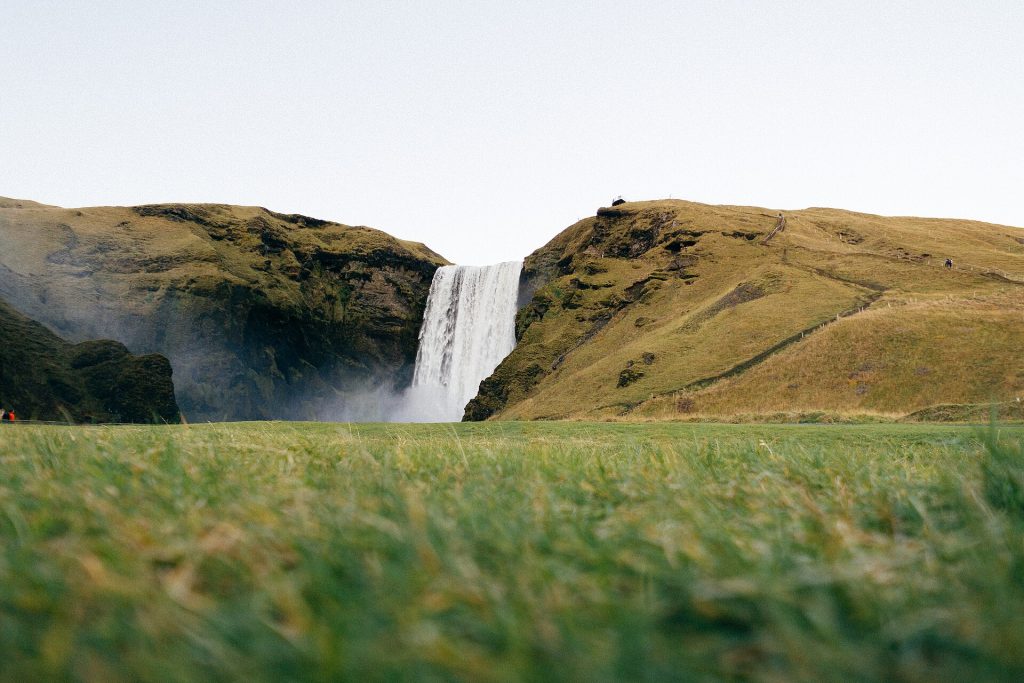
Iceland has four distinct seasons, each with its own feel. Summer brings long days and mild temperatures. Autumn is known for its changing foliage and cooler weather. Winter is cold and might offer a chance to see the Northern Lights. Spring brings new life to the landscapes.
Each season offers a unique experience for travelers. For example, summer is great for hiking and exploring the countryside. Winter is perfect for seeing the Northern Lights or enjoying snow sports.
How Iceland's Weather Patterns Differ from the United States
Iceland’s weather patterns are quite different from most of the United States. Being close to the Arctic Circle means more extreme daylight changes throughout the year. Also, Iceland’s climate is generally cooler and more unpredictable than many U.S. areas.
For travelers from warmer climates, packing layers is essential for Iceland. Knowing these differences helps you prepare for your journey. It ensures you make the most of your time in Iceland.
Planning this trip?
Our partner Voyada’s AI trip planner builds a day-by-day plan with flights, hotels and a real total cost for your dates — in about a minute, free.
Plan my trip for me →Summer in Iceland: June to August
Summer in Iceland is a peak tourist season. It offers a memorable experience with pleasant temperatures and the midnight sun. The country becomes a vibrant destination, drawing travelers worldwide.
Weather Conditions During Summer Months
Summer in Iceland has mild temperatures, from 10°C to 15°C (50°F to 59°F). It’s perfect for exploring the outdoors. The weather is calm, with longer days for enjoying Iceland’s stunning landscapes.
Reykjavik, the capital, has an average summer temperature of 12°C (54°F). July is usually the warmest month. Remember to pack layers as the weather can change suddenly.
The Midnight Sun Phenomenon
The midnight sun is a unique experience in Iceland’s summer. The country is near the Arctic Circle. In summer, the sun stays visible at midnight, giving 24-hour daylight.
This phenomenon is breathtaking and allows for more exploration hours. The midnight sun is most pronounced in June and July, making these months ideal for experiencing it.
Popular Summer Activities and Attractions
Summer is great for enjoying Iceland’s outdoors. Activities include hiking, camping, and exploring natural wonders like waterfalls and glaciers.
Reykjavik, the capital, buzzes with life in summer. It has outdoor festivals and concerts. Visitors can also go whale watching, horseback riding, and explore scenic coastal roads.
Fall in Iceland: September to November
Iceland’s fall season is serene and beautiful. The landscapes change, showing off natural wonders and outdoor fun.
Weather Transitions and What to Expect
Fall in Iceland means cooler weather. Temperatures can drop from 0°C to 10°C. It’s smart to wear layers, including waterproof clothes, because of rain and wind.
Even though it’s chilly, fall is a good time to see the Northern Lights. The nights are darker than in summer.
Fall Foliage and Landscape Transformations
Iceland’s fall foliage is stunning. Moss, birch forests, and other plants turn colors. The scenery is breathtaking, with green, yellow, and orange against Iceland’s rugged terrain.
The changing leaves also mean winter is coming. Some areas start to see snow.
Reduced Crowds and Pricing Advantages
Fall in Iceland means fewer tourists. This leads to shorter lines at attractions and lower prices. Tour operators often offer discounts during this time.
With fewer people, you can enjoy Iceland’s wonders more. It’s a great time for those who want a peaceful trip.
Visiting Iceland in the fall is special. You get to see natural beauty, enjoy outdoor activities, and have a relaxed trip. It’s perfect for exploring landscapes, seeing the Northern Lights, or just enjoying the quiet.
Winter in Iceland: December to February
Winter in Iceland is magical, with snow-covered landscapes and the Northern Lights’ ethereal glow. The country’s rugged beauty shines with frost and snow, creating a winter wonderland. This attracts visitors from all over the world.
Weather Conditions and Driving Considerations
Iceland’s winter weather is harsh, with short days and severe storms. Temperatures can drop below freezing, and snow covers the country. When driving, be ready for snow-covered roads and ice. Four-wheel-drive vehicles are highly recommended, for off-main routes.
Weather can change quickly, so check forecasts often. Be ready for sudden changes. Many rental companies offer winter gear like snow chains and shovels, which are very useful.
Northern Lights Viewing Opportunities
Seeing the Northern Lights is a top reason to visit Iceland in winter. The long nights and dark skies are perfect for viewing. Peak viewing times are usually between 10 PM and 1 AM, but the aurora can appear anytime.
Many tour operators offer Northern Lights packages. These include guided viewing sessions and photography tips. Popular spots for viewing include Thingvellir National Park and Jökulsárlón glacier lagoon.
Winter Activities and Holiday Festivals
Winter is great for Iceland’s unique activities. Ice caving is a favorite, letting visitors explore ice formations in glaciers. Other fun activities include snowmobiling on glaciers and guided winter hiking tours.
Iceland also has winter festivals, like the Reykjavik Christmas Light Festival and Yule Lads visits. These add to the festive atmosphere. Visiting in winter lets you enjoy cozy cafes and cultural events, making for a memorable trip.
Spring in Iceland: March to May
Spring in Iceland brings new life to the country’s stunning scenery. As winter fades, the landscape changes, showing off its vibrant side.
Weather Patterns and Road Conditions
The weather in spring is unpredictable. Temperatures swing, and rain or wind can hit suddenly. But, the days grow longer, and it’s warmer, between 0°C to 15°C (32°F to 59°F).
Road conditions are tricky in early spring. Melting snow and ice make some roads tough. But, main roads open up as spring goes on. Always check the latest road info on the Icelandic Road Administration’s website.
Blooming Landscapes and Returning Wildlife
As spring gets underway, Iceland’s landscapes burst with color. Greenery and flowers add vibrant colors to the scenery. Puffins and other birds return to the shores, a highlight of the season.
The thawed landscapes are perfect for hiking and exploration. The highlands, once snowed under, reveal hidden wonders and stunning views.
Spring Activities and Attractions
Spring is great for many activities in Iceland. Whale watching is easier as sea ice melts, and the calm seas make it more comfortable. The longer days and better weather are perfect for glacier hiking and exploring.
Seeing the Northern Lights fade as nights get lighter is a unique experience. Spring festivals and local events also offer a peek into Icelandic culture and community life.
Best Times to Visit Iceland for Northern Lights
The Aurora Borealis, or Northern Lights, is a natural wonder that attracts visitors worldwide. Seeing the Northern Lights is a top experience for many. With the right timing and knowledge, you can increase your chances of witnessing this spectacular sight.
Prime Months for Aurora Borealis Viewing
The best time to see the Northern Lights in Iceland is during the winter. From September to April, the nights are dark enough for great viewing. The peak season is from November to January, when the nights are longest and the aurora is most active.
Optimal Viewing Conditions and Forecasting Tools
Clear skies and low light pollution are key for the best Northern Lights viewing. Checking aurora forecasts can greatly improve your chances. Use apps and websites for forecasts. Also, go to areas with little light pollution, like national parks or remote countryside, for clearer views.
Top Locations for Northern Lights Photography
Iceland has many great spots for Northern Lights photography. Þingvellir National Park offers a unique backdrop for aurora photos. Jökulsárlón Glacier Lagoon and Diamond Beach are also excellent, with their stunning ice, sea, and sky contrasts.
To get the best photos, use a tripod, wide-angle lens, and a camera that handles low light. Try different exposure settings to capture the perfect shot.
Best Times for Whale Watching in Icelandic Waters
Iceland’s waters are a haven for whale watching fans. You can see everything from the massive blue whale to the playful orca. Its location near the Arctic Circle means a wide variety of marine life.
Peak Whale Watching Seasons by Species
Throughout the year, different whales can be seen in Icelandic waters. Humpback whales are most common from April to October, with the best time in July and August. Minke whales are around all year but summer is their peak.
Orcas are seen all year, but more in winter when they hunt herring. Blue whales, the biggest animals, are spotted from May to October, with August being the best time.
Regional Differences in Whale Populations
Iceland’s marine life varies by region. The North Atlantic waters around Iceland are teeming with life. Places like Húsavík and Akureyri in the north are great for whale watching.
The Snaefellsnes and the Westman Islands are famous for orca sightings. Around Reykjavik and Faxafloi Bay, you can see minke and humpback whales. Knowing these areas can make your whale watching trip better.
Top Whale Watching Departure Points
Iceland has many places to start whale watching tours. Reykjavik is easy to get to and offers tours to Faxafloi Bay. Húsavík is known as the whale watching capital, with tours in Skjálfandi Bay.
Akureyri and Eyjafjörður are great for orcas and humpback whales. Picking the right spot can make your whale watching trip even better.
Iceland's Peak Tourist Season: Pros and Cons
Planning a trip to Iceland during its busiest time? Knowing the pros and cons of peak season is key. The peak season, from mid-June to mid-August, offers long days, mild weather, and lots of activities.
When is Peak Season in Iceland
Peak season in Iceland starts around June 15th and ends on August 15th. This time, the sun stays up almost all night. This is called the Midnight Sun, perfect for exploring Iceland’s stunning landscapes.
Long days and good weather are great for outdoor fun like hiking and camping. Iceland’s popular spots and facilities are open, giving you many choices for places to stay and things to do.
Advantages of Visiting During High Season
Visiting in peak season means you can access highland roads and scenic paths. These roads are only open in summer. Also, tourist facilities like hotels and restaurants are fully open, giving you lots of options.
Peak season is perfect for outdoor activities like hiking and glacier hiking. The weather is great, and the days are long, making it easy to explore Iceland’s unique landscapes.
Disadvantages and Challenges of Summer Visits
Peak season has its downsides too. One big challenge is the large crowds and long lines at popular spots. Places like the Blue Lagoon and Gullfoss waterfall can get very busy. The Blue Lagoon also closes at short notice during Reykjanes eruptions, so book flexibly and check safetravel.is.
Another issue is the higher prices for places to stay and things to do. With more people coming, prices go up, making your trip more expensive.
To enjoy your trip to Iceland during peak season, plan ahead and book early. This way, you can avoid the crowds and high prices, making your trip more enjoyable and stress-free.
Off-Peak Travel to Iceland: Benefits and Considerations
Traveling to Iceland off-peak can save you money and offer a closer look at the country’s beauty. While the peak season has its perks, off-peak visits can be just as rewarding. They provide a unique experience for those ready to explore.
Defining Iceland's Off-Peak Periods
The off-peak season in Iceland is from September to November and March to May. These times offer good weather and fewer tourists than the busy summer months.
Cost Savings and Special Deals
One big plus of off-peak travel in Iceland is the chance to save money. Hotels, guesthouses, and tour operators give discounts to attract visitors. This means lower prices for places to stay, cars, and tours.
Also, you can see Iceland’s famous spots without the crowds. This makes for a more genuine and calm visit.
Potential Limitations and Necessary Preparations
Off-peak travel has its downsides. The weather can be unpredictable, with colder temperatures and possible road closures.
To have a great off-peak trip, pack right for the season. Check the roads often. And book your stay and tours early to avoid problems.
Being ready and flexible can lead to a memorable and affordable trip to Iceland during the off-peak season.
Regional Variations: When to Visit Different Parts of Iceland
Iceland’s landscapes and climates change a lot from one region to another. Knowing when to visit each area is key to a great trip.
South Iceland Timing Recommendations
South Iceland is famous for its waterfalls and black sand beaches. Summer (June to August) is the best time to see it. The weather is nice, and days are long, perfect for exploring.
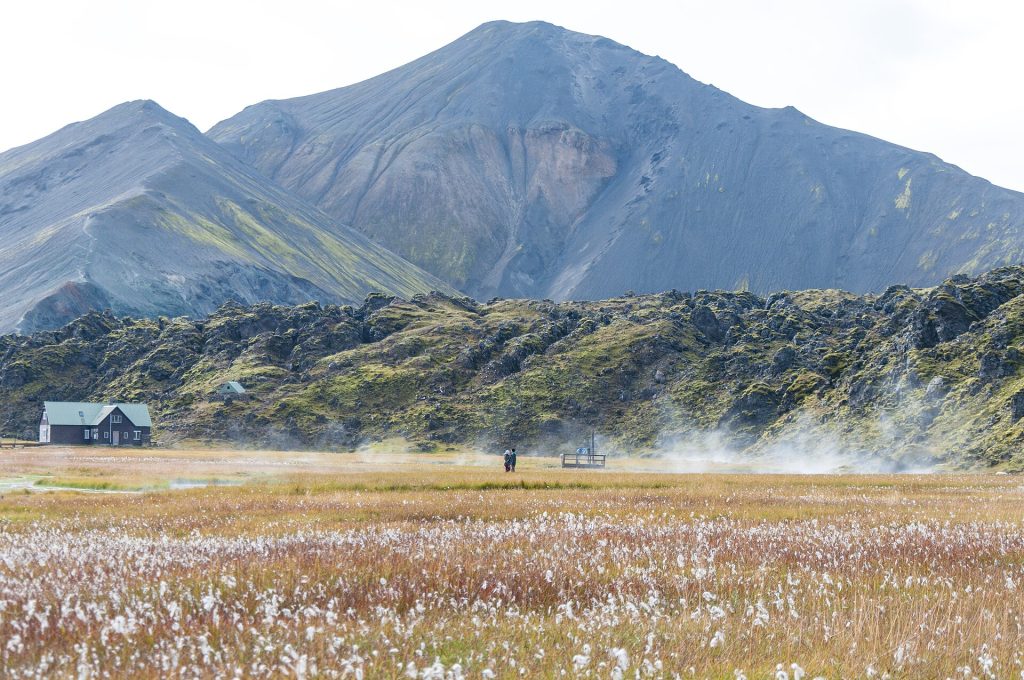
Summer is great for hiking and camping in places like Thorsmork and Landmannalaugar.
If you want fewer people around, visit in the shoulder season (April to May or September to October). The weather is mild, and it’s quieter at popular spots.
North Iceland Optimal Visiting Periods
North Iceland has wonders like Lake Myvatn, Godafoss and the Husavik whale coast. It has a colder winter and warmer summer than the south. Summer is the best time to see its trails and attractions.
For the Northern Lights, visit North Iceland in winter (December to March). The nights are dark, making it perfect for viewing.
Westfjords and East Iceland Seasonal Considerations
The Westfjords are rugged and remote. Summer is the best time to visit because the weather is milder and roads are open. Summer is the only time some areas are accessible due to snow and ice.
East Iceland is beautiful in summer. But, its landscapes are also great in the shoulder season when it’s less crowded.
Highlands Access Periods and Restrictions
The Icelandic Highlands are stunning but hard to get to. The Highlands are open from late June to early October, depending on the weather. Visitors need to be ready for rough terrain and unpredictable weather.
Always check the latest road conditions before going to the Highlands. Some routes might be closed because of weather or maintenance.
Special Events and Festivals by Season
Iceland’s events calendar is filled with cultural experiences all year round. The country’s unique heritage and vibrant culture offer something for everyone. Whether you’re into winter wonderlands or summer festivals, there’s always something to enjoy.
Winter Festivals and Celebrations
Winter in Iceland is magical, with festive events that warm the heart. The Christmas season is special, with markets and light displays everywhere. The Yule Lads, Iceland’s Santa, are a hit with families.
Reykjavik hosts many winter festivals, like the Reykjavik Christmas Lights Festival. The city’s landmarks shine with beautiful lights. The Yule Cat and the Jolabokaflod book flood add to the festive feel.
Summer Cultural Events
Summer is the best time for cultural events in Iceland. Festivals celebrate music, art, and literature. The Reykjavik Arts Festival is a highlight, blending music, art and theatre. The Viking Festival takes you back to Iceland’s Viking Age.
The Reykjavik Pride parade is a major event, celebrating diversity. For book lovers, the Reykjavik International Literary Festival is a must-see. It brings authors and publishers from around the world.
Unique Seasonal Traditions Worth Experiencing
Iceland’s seasonal traditions offer a peek into its cultural heritage. The Þorrablót feast in late January and February is a unique tradition. Icelanders come together to enjoy traditional foods and drinks.
In early August, the Verslunarmannahelgi weekend is a time to relax and enjoy the outdoors. These traditions, along with festivals, make Iceland a fascinating destination any time of the year. Whether you’re into cultural events, seasonal celebrations, or just experiencing local life, Iceland has something for you.
Weather Considerations for American Travelers
For Americans planning a trip to Iceland, knowing the weather is key. Iceland’s climate is shaped by its Arctic location and the Gulf Stream. This mix creates a unique and sometimes tricky environment for visitors.
Unpredictable Weather Patterns
Iceland’s weather changes fast. Weather forecasts are essential tools for planning. Conditions can go from sunny to snowy or stormy in just hours. This unpredictability means travelers need to pack right and stay flexible.
The country’s mountains and glaciers also affect the weather. Knowing this helps travelers prepare for any weather challenges they might face.
Packing Essentials for Each Season
Packing for Iceland needs careful thought, given the different seasons and sudden weather changes. Here are some must-haves for each season:
Summer (June to August): Wear lightweight, waterproof clothes. Bring sturdy hiking boots and layers for cooler nights.
Fall (September to November): You’ll need waterproof gear, warm clothes, and good rainwear. This is for the rain and cooler temps.
Winter (December to February): Insulated, waterproof clothes are a must. Don’t forget warm hats, gloves, and scarves. Thermal underwear is essential for cold days.
Spring (March to May): Pack layered clothes for changing temps. Waterproof boots and crampons or ice grips for icy spots are also good ideas.
Weather-Related Travel Disruptions and Contingency Planning
Iceland’s weather can cause travel issues, like road closures. Staying informed through local weather and road reports is important.
Think about getting travel insurance that covers weather issues. Having a flexible plan and being ready to adjust can make your trip better.
Getting ready for Iceland’s weather will make your trip more enjoyable. It’s a beautiful and rugged country.
Budget Considerations by Season for U.S. Travelers
Planning a trip to Iceland means you need to budget carefully. Knowing how prices change by season is key. As a U.S. traveler, finding ways to save on your trip is important.
Let’s look at how seasons affect your costs. Knowing these changes can help you plan a budget-friendly trip.
Seasonal Price Variations for Accommodations
Accommodation prices in Iceland change a lot by season. In peak season (June to August), prices for hotels and guesthouses go up. For example, a budget guesthouse might cost $100 per night in June. But, the same place could be $80 in May or September.
Booking early can get you better rates, even in peak season. Staying in Reykjavik or nearby towns in shoulder season (April to May or September to October) can be cheaper.
Flight Cost Fluctuations from Major U.S. Cities
Flight prices from major U.S. cities to Iceland change with the season. They tend to be higher in summer and holidays. But, being flexible with your travel dates can lead to better deals.
For example, a New York to Reykjavik flight in July might be $800. But, the same flight in April could be $600. Using flight comparison tools and setting price alerts can help you find the best times to book.
Activity and Tour Pricing Throughout the Year
The cost of activities and tours in Iceland also changes by season. Some, like glacier hiking or ice climbing, are only available in certain months. Popular tours and activities are pricier in peak season because of more demand.
Booking guided tours in shoulder season can be cheaper. You’ll have a great experience with fewer people. Some tour operators offer discounts for off-peak travel, so ask about these when planning your trip.
Before you go: turn this guide into a day-by-day plan. Our partner Voyada is a free itinerary planner that builds the trip with flights, hotels and a real total cost for your dates — in about a minute.
Create a travel itinerary →Iceland by Season: Lights, Midnight Sun, and Roads
Iceland is really two destinations — the bright, open-road summer and the dark, aurora-lit winter. Your choice shapes everything.
- Northern Lights (Sep–Mar): you need dark skies and clear weather — the aurora is never guaranteed, so give yourself several nights and check the forecast.
- Midnight sun (Jun–Jul): near-24-hour daylight, all Highland roads open, puffins and lush landscapes — the easiest time to drive the full Ring Road.
- Ice caves (Nov–Mar): the blue glacier caves are only accessible and safe in winter, with a guide.
- Watch the roads: interior F-roads need a 4×4 and only open in summer; winter driving demands care — check conditions daily on road.is and safetravel.is.
- Shoulder months (May, Sep) balance decent daylight, open roads and thinner crowds — often the best value.
Iceland: Month-by-Month Guide
A quick month-by-month reference for planning — at a glance, when to go and what each month brings.
| Month | Verdict | What to expect |
|---|---|---|
| January | Winter | Cold, dark and snowy; Northern Lights and ice caves; few daylight hours. |
| February | Winter | Cold; lights and ice caves; slightly more daylight. |
| March | Shoulder | Cold; lights; days lengthening fast. |
| April | Shoulder | Cool; lights fading; long days; fewer crowds. |
| May | Great value | Cool and greening; long days; roads opening. |
| June | Peak | Mild; the midnight sun; puffins; highlands opening. |
| July | Peak | Warmest; midnight sun; all roads open. |
| August | Peak | Mild; long days; peak season easing late. |
| September | Great | Cool; the Northern Lights return; great value. |
| October | Shoulder | Cold; lights; days shortening. |
| November | Winter | Cold and dark; lights; ice caves begin. |
| December | Winter | Cold and darkest; lights; festive; ice caves. |
Conclusion: Choosing Your Ideal Time to Visit Iceland
Exploring Iceland’s seasons shows that the ideal time to visit iceland varies by what you seek. Whether it’s adventure, relaxation, or culture, Iceland meets your needs all year round.
Summer is great for those who love long days and mild weather, perfect for hiking. Winter is the best for seeing the Northern Lights. Spring and fall offer nice weather and fewer crowds.
Think about what you want to do when planning your trip. Summer is best for whale watching. Winter is ideal for the Northern Lights.
The best time to visit Iceland is when it matches your interests. Choosing wisely ensures a trip you’ll always remember.
FAQ
What is the best time to visit Iceland?
Is Iceland open to tourists year-round?
What are the peak tourist season dates in Iceland?
How does Iceland's weather vary by season?
What are the advantages of visiting Iceland during the off-peak season?
How can I plan my trip to Iceland effectively?
Are there any specific activities or attractions that are seasonal in Iceland?
What should I pack for a trip to Iceland?
How do I stay informed about weather conditions in Iceland?
Can I visit the highlands of Iceland year-round?
What are the best times for specific activities like glacier hiking or ice caving?

Olivia Carter
Is it safe to drive in Iceland in winter?
It is doable with care, but conditions change by the hour and closures are frequent from roughly October to April. The Icelandic Road and Coastal Administration publishes a live colour-coded map of the network: a road shown as closed is not passable in any vehicle, and the category below that means conditions are severe and driving is discouraged. Separately the Icelandic Meteorological Office issues yellow, orange and red warnings, and an orange or red warning routinely closes exposed sections of the main ring route. Look at both the forecast and the road map before setting off and again at midday, leave a travel plan with the national safe travel service, and treat a closure as final.
Is Reynisfjara black sand beach safe to walk on?
It is beautiful and genuinely dangerous, and it is the one stop on the south coast where people have been killed. The hazard is sneaker waves: an occasional wave far larger than those before it, which runs much further up the sand and then drags back over a steep shelf into very cold water. They come without pattern and in calm-looking weather, and several visitors have died there over the past decade or so. The site now carries multilingual warning signs and a condition-based warning light marking how far up the beach is safe that day. Obey it, stay well back from the waterline, never turn your back on the sea, and keep children close.
How many days do you need in Iceland?
Five to seven days suits most first visits, which is enough for the south coast, the Golden Circle and a day or two around Reykjavik without driving every waking hour. Seven to ten lets you take the full ring road at a sane pace, and eight or more is sensible if you attempt it in winter, when short daylight and weather closures eat into every day. Three or four days works only if you stay based near the capital and accept a narrow itinerary. Whatever the length, hold one flexible day in reserve: storms, closed roads and cancelled boat trips are normal here rather than bad luck, and a plan with no slack in it loses something.
When do puffins arrive and leave?
Roughly May to August. The birds spend most of the year at sea and come ashore only to breed, reaching the cliff colonies from about mid-April into May and mostly gone again by mid-August, with stragglers into early September in some years. June and July are the reliable months, when colonies are full and adults are shuttling in with beakfuls of fish. That overlaps neatly with the midnight sun, so summer visitors get both at once. Anyone travelling between autumn and spring will not see them at all, which is worth knowing if puffins matter to you, because it pulls the trip towards the season with the least chance of aurora.