

Table of Contents
ToggleDid you know that this hidden European gem allows you to ski in the morning and swim in the Mediterranean by sunset? This compact nation packs an incredible variety of landscapes into a small area, making it perfect for a quick getaway.
If you are wondering how to spend 5 days in slovenia, you have come to the right place. Our expert team designed this high-impact plan to help you navigate the best regions without wasting a single hour of your vacation.
This detailed slovenia travel guide 5 days focuses on the vibrant capital of Ljubljana, the breathtaking Julian Alps, and the sparkling Adriatic coast. We prioritize smart logistics so your journey remains seamless from the moment you land.
Follow this efficient 5 days in slovenia itinerary to experience iconic sights and local culture with ease. Let’s turn your travel dreams into a perfectly organized reality.
Key Takeaways
- Experience diverse landscapes ranging from alpine peaks to coastal beaches.
- Focus your time on Ljubljana, the Julian Alps, and the Adriatic coastline.
- Maximize your limited schedule with optimized travel logistics.
- Discover iconic landmarks while avoiding common tourist traps.
- Enjoy a seamless trip planned for maximum efficiency and enjoyment.
✈️ TripToGo Travel Deals
Get notified about great travel deals
Hand-picked flight, hotel and destination deals, straight to your inbox. No spam, unsubscribe anytime.
🎉 Thank you for subscribing!
You’re all set — the best travel deals are on their way.
Essential Planning for Your Slovenia Trip
Planning your trip to Slovenia in five days requires some logistical effort. The country’s compact size allows you to see a lot without spending too much time driving. This makes your journey both efficient and enjoyable.
Effective preparation ensures your trip remains stress-free and fun. Knowing about timing, costs, and travel options lets you focus on the stunning scenery. This way, you can immerse yourself in the beauty of Slovenia without worrying about the details.
Best Months to Visit for Optimal Weather
The best time to visit Slovenia is from late spring to early autumn. These months offer ideal weather for hiking in the Alps or swimming in the Adriatic Sea.
May and June provide lush landscapes and fewer tourists. September is also great, with a cooler climate after the summer heat.
Understanding Travel Costs and Budgeting
Slovenia is more affordable than its western neighbors, but costs vary. You’ll need to budget for daily expenses like park fees, meals, and accommodations.
Mid-range travelers can enjoy quality local food and comfortable stays without breaking the bank. Always have some extra cash for unexpected purchases in small villages or local markets.
Navigating Distances and Transportation Options
Traveling around Slovenia is easy due to its small size. For instance, Ljubljana is just a 2.5-hour drive from Zagreb, Croatia. This makes it a prime spot for international visitors.
Renting a car gives you the most flexibility to explore at your own pace. If driving isn’t your preference, the bus and train networks are reliable. They efficiently connect most major tourist spots.
Planning a trip to Slovenia?
Our partner Voyada’s trip planning AI builds a day-by-day plan with flights, hotels and a real total cost for your dates — in about a minute, free.
Plan trip with AIDay One: Arrival and the Charm of Ljubljana
Your journey starts in Ljubljana, a city that feels like a fairy tale. This compact city is the perfect starting point for your adventure. Its welcoming atmosphere makes it one of the best things to do in Slovenia in 5 days.
Exploring the Pedestrian-Friendly City Center
Ljubljana’s car-free center makes walking the streets a joy. You can stroll along the riverbanks without traffic worries. The local layout encourages you to slow down and enjoy the vibrant cafe culture.
The main attractions are within walking distance of each other. This makes seeing the highlights easy without needing a car or public transit. It’s a refreshing way to experience the local pace of life.
Must-See Cultural Landmarks and Bridges
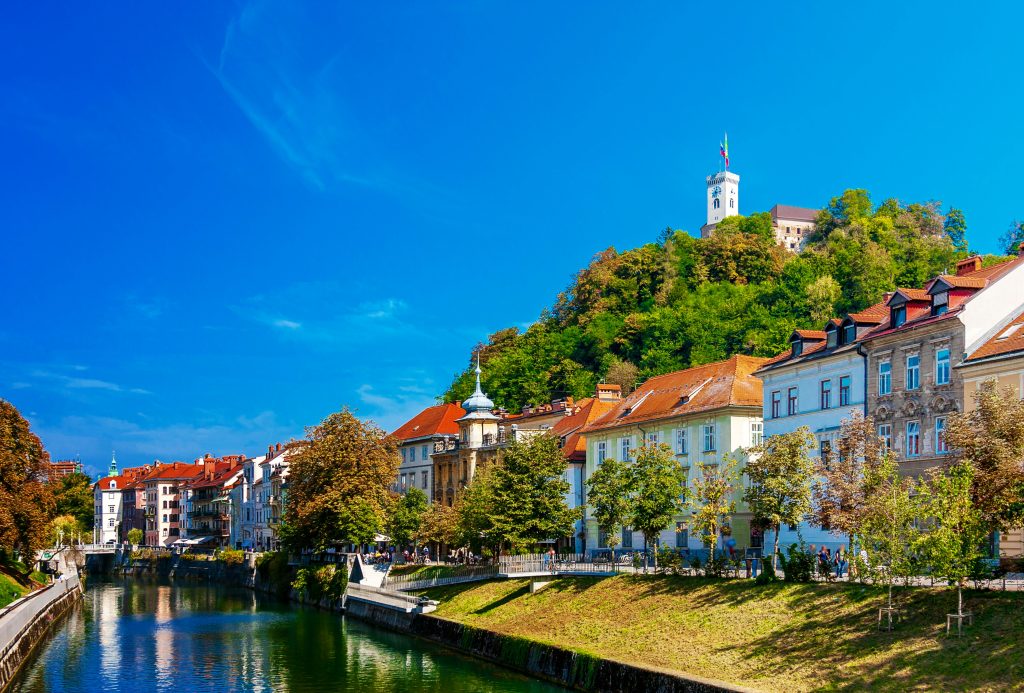
No visit is complete without crossing the iconic bridges in the Old Town. Each bridge has unique architecture and tells a story of the city’s past. These landmarks are great for photos and serve as natural meeting points.
Don’t miss the hilltop castle for a stunning view of the landscape. Entry to the viewpoint tower and museums costs 10€, or 19€ including the return funicular ride. It’s a small price for the best view of the city and distant mountains.
After descending, explore the local culinary scene near the river. Finding the best things to do in Slovenia in 5 days begins with these authentic experiences in the capital’s heart.
Day Two: The Alpine Beauty of Lake Bled
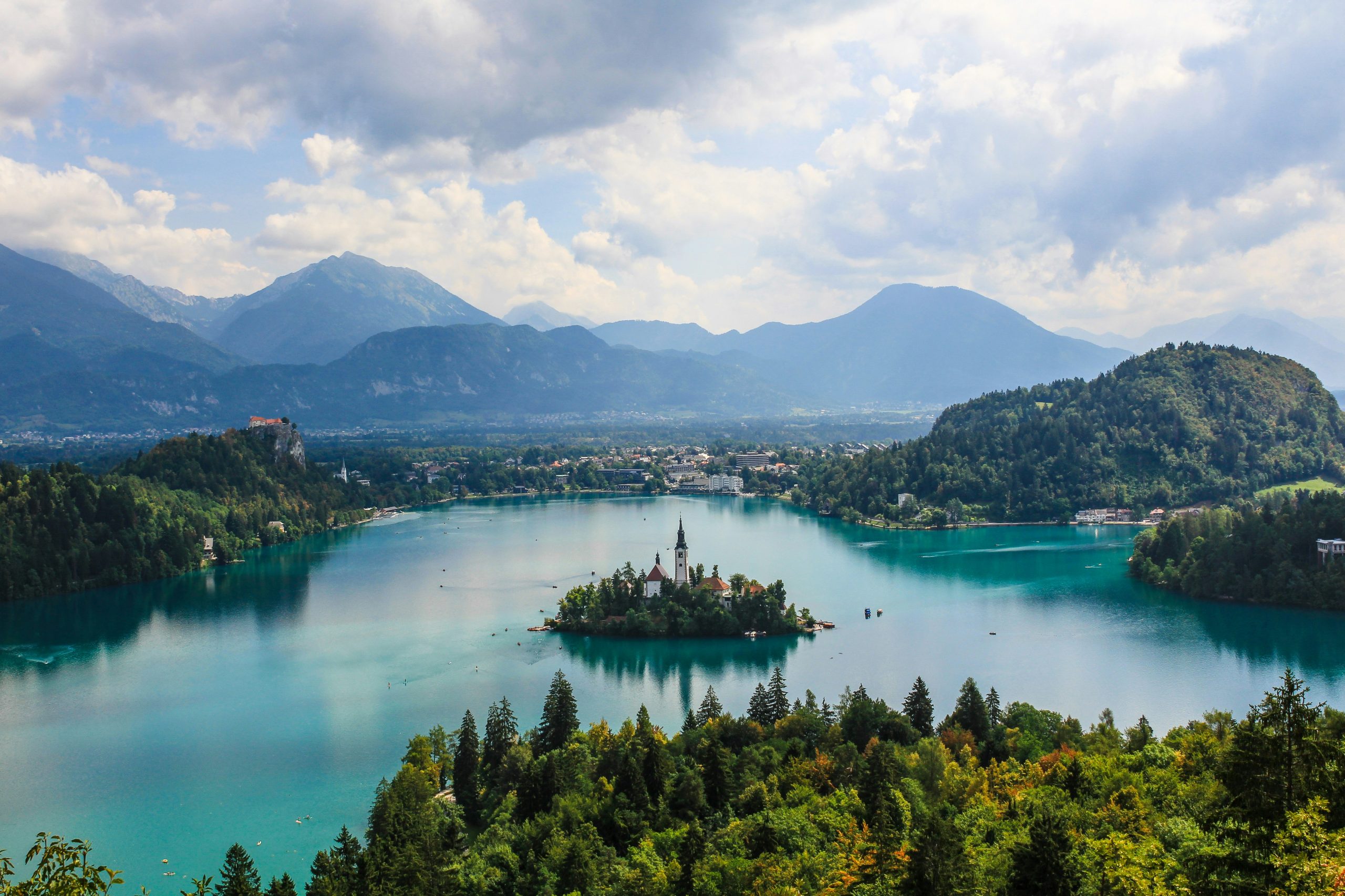
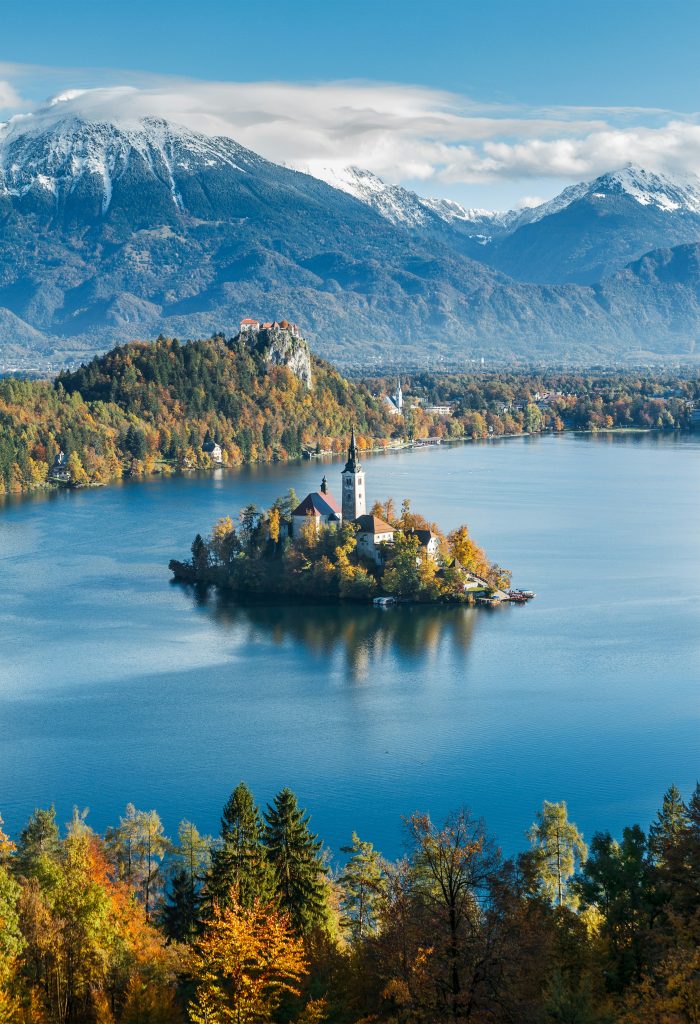
Every journey to this country must include a visit to Lake Bled, a true fairytale setting. As you explore further, this iconic spot combines medieval history with breathtaking natural beauty. The island church against the Julian Alps is a sight that will stay with you forever.
Getting from Ljubljana to Lake Bled
Getting to this alpine gem is straightforward. Lake Bled is just a one-hour drive from Ljubljana, making it perfect for a day trip. You can rent a car for more freedom or take a public bus, which runs frequently.
Activities on the Water and Around the Shore
Upon arrival, the lake beckons. Renting a traditional wooden rowboat is the best way to reach the island and ring the famous wishing bell. For those who prefer to stay on land, a walk around the lake offers stunning views from every side.
For a higher view, hike up to the Ojstrica viewpoint. This short but steep trail rewards you with a panoramic view of the lake. To avoid crowds, visit these spots early in the morning as part of your slovenia itinerary 5 days.
Day Three: Venturing into the Julian Alps
Day three of your journey takes you to the awe-inspiring landscapes of Triglav National Park. This area is the highlight of any slovenia itinerary 5 days. It boasts dramatic peaks and lush valleys, embodying the country’s natural splendor. The air here is crisp, clean, and refreshingly invigorating.
Hiking and Scenic Views in Triglav National Park
The park is a haven for outdoor enthusiasts, catering to all skill levels. You can opt for a leisurely walk through alpine meadows or tackle a challenging climb to a rugged summit, though the high summits here finish on exposed sections secured with fixed cables, where the park recommends a helmet, climbing harness and self protection kit or a licensed guide. Always check the local weather before heading out to maximize your mountain views.
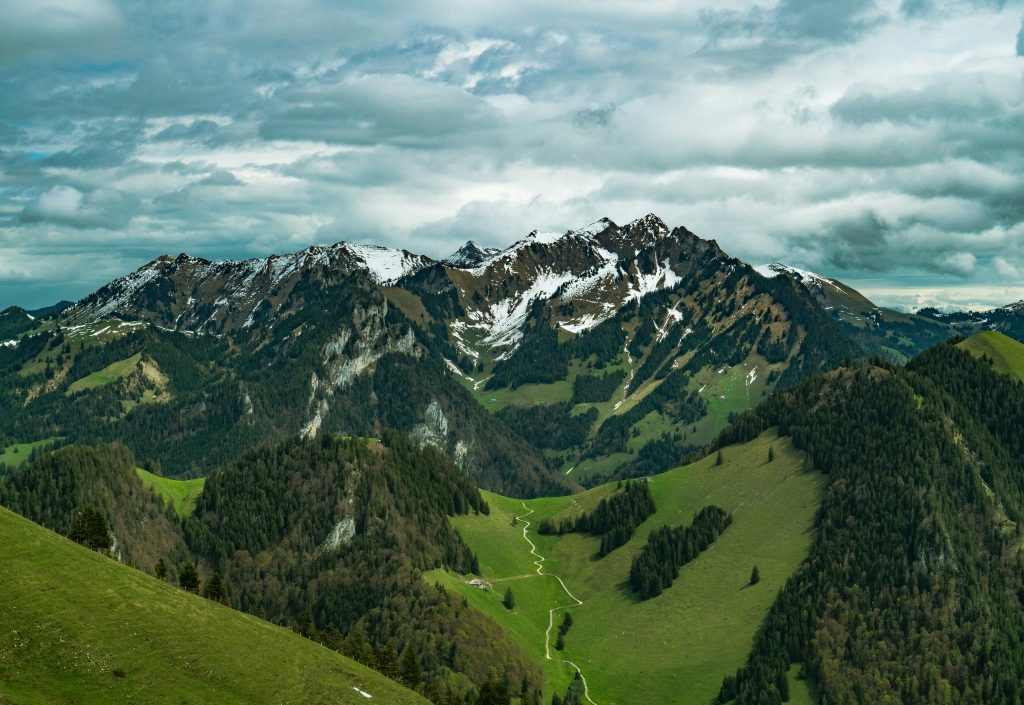
Visiting the Stunning Lake Bohinj
Post-hike, head to the tranquil shores of Lake Bohinj. This glacial lake offers a serene experience, unlike other tourist hotspots. It’s a peaceful gem in your slovenia itinerary 5 days, perfect for connecting with nature in silence.
Accessing the lake is easiest by the shuttle bus from Bohinjska Bistrica; lakeside parking is capped at two hours and costs about 3 euro an hour in high summer. Upon arrival, consider renting a small boat or walking the perimeter path. This allows you to appreciate the mountain reflections on the water, a great way to unwind before your next adventure.
Day Four: The Underground Wonders of the Karst Region
The Karst region is a must-see for those seeking unique experiences in Slovenia. It boasts dramatic limestone landscapes and mysterious subterranean worlds. The geology here is unlike anywhere else in the country.
Exploring Famous Cave Systems
The Karst region is home to two world-renowned cave systems: Postojna and Škocjan. They are just a 25-minute drive apart. Postojna Cave is famous for its underground train, which takes visitors deep into the mountain. It’s a great way to see massive stalactites and stalagmites without hiking.
For a more rugged experience, the Škocjan Caves offer a massive underground canyon. It feels like a fantasy novel come to life. Both sites are must-see places in Slovenia 5 days. Choose the one that suits your comfort level. You’ll be amazed by their sheer scale.
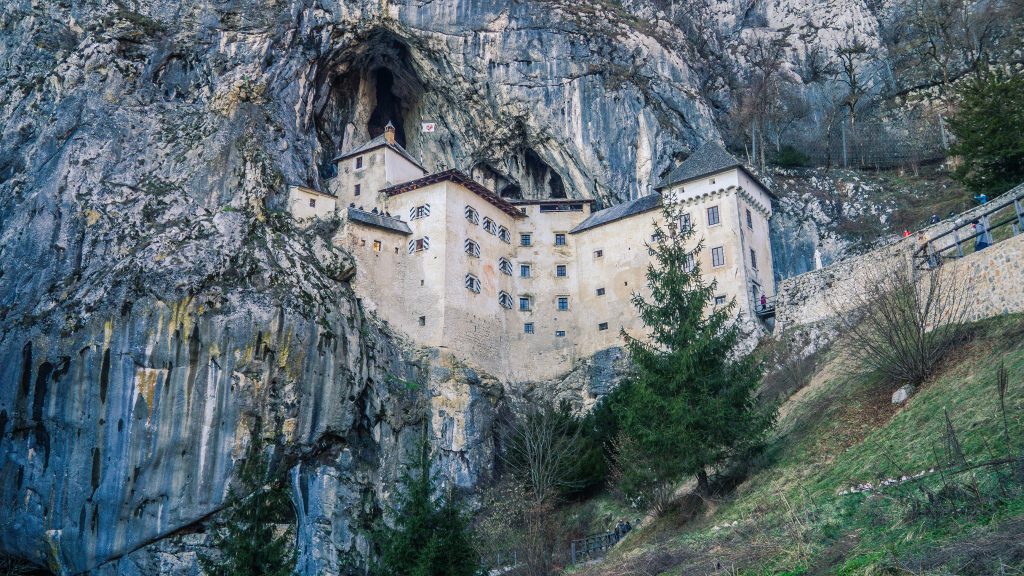
The History of Predjama Castle
After exploring the caves, visit Predjama Castle. It’s built into a towering cliff face. This makes it the largest cave castle in the world, a true highlight of any trip.
The castle’s history is as captivating as its location. It was a fortress for the legendary knight Erazem of Predjama. He held off a siege for over a year. Exploring its secret tunnels and hidden chambers is a perfect way to end your day.
Day Five: Coastal Escapes and Piran
Swap your hiking boots for sandals as you journey to Piran’s sun-kissed shores. This final part of your trip brings a welcome respite from the mountainous terrain. It’s a key destination for anyone seeking to fully grasp Slovenia’s varied landscapes.
Traveling from the Mountains to the Adriatic Sea
The drive from the mountains to the coast is both scenic and efficient. Piran is just a 1.5-hour drive from Ljubljana, though the old town is car-free: park at the Fornace garages and take the free shuttle to Tartini Square. As you near the sea, the air warms, and the scenery shifts to olive groves and vineyards.
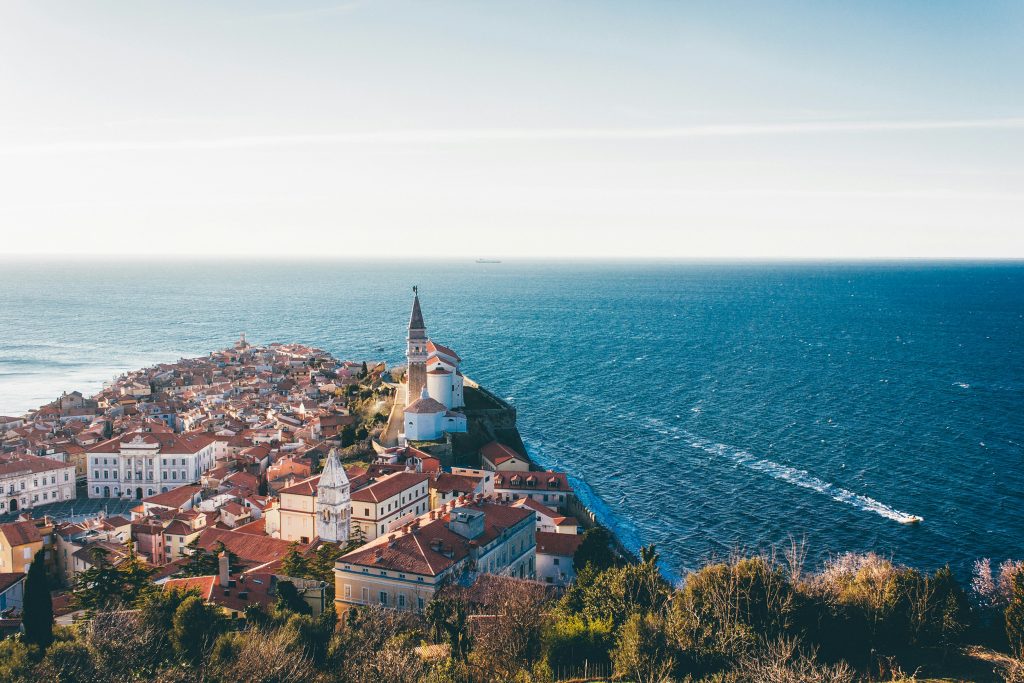
Walking the Historic Streets of Piran
Upon arrival, Piran’s Venetian architecture is immediately apparent. Explore the town’s narrow alleys, leading to hidden squares and lively cafes. These streets are best navigated on foot, allowing you to absorb the town’s unique ambiance at your leisure.
Don’t miss the chance to climb the ancient town walls for breathtaking views of the Adriatic. Afterwards, indulge in fresh seafood at a local harbor restaurant. It’s an ideal way to wrap up your journey, leaving you with unforgettable coastal memories.
Crafting Your Perfect 5 Days in Slovenia Itinerary
Creating a 5 days in Slovenia itinerary demands a balance between activity and rest. You aim to experience the highlights without feeling rushed. This balance ensures your trip is both fulfilling and enjoyable.
A successful journey includes both spontaneous moments and quiet downtime. By alternating between energetic exploration and calm afternoons, your vacation remains engaging throughout.
Balancing Adventure and Relaxation
Begin your days with active activities like hiking through alpine trails or exploring deep caves. These experiences offer breathtaking views and unforgettable stories.
As the afternoon sun approaches, shift to a more relaxed pace. Enjoy a coffee in a historic square or relax by a serene lake, immersing yourself in the local ambiance.
Customizing Your Route Based on Interests
Your 5 days in slovenia itinerary should mirror your travel preferences. History enthusiasts might spend more time at medieval castles and ancient city walls.
Nature aficionados can opt for more time in the Julian Alps, swapping city tours for mountain vistas. Adjust your daily plans to focus on the landscapes or cultural sites that captivate you the most.
Remember, this itinerary serves as a guide, not a strict schedule. Feel free to modify it to create a 5 days in slovenia itinerary that’s uniquely yours.
Top Attractions You Cannot Miss
Exploring Slovenia’s essence requires a blend of untamed nature and historical allure. With numerous sights to see, pinpointing the most iconic spots is key to maximizing your visit. These selections are the quintessence of the best things to do in slovenia in 5 days, catering to every traveler’s taste.
Natural Wonders and Protected Landscapes
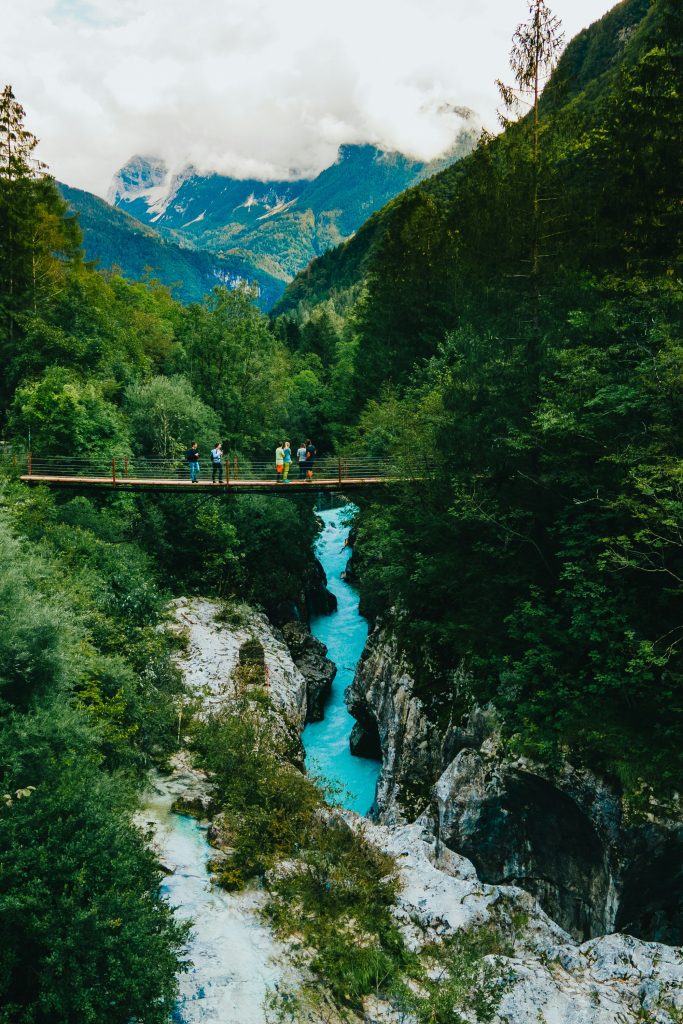
Slovenia is renowned for its untouched environment and safeguarded parks. The Soča Valley, with its vibrant green river, is a haven for outdoor aficionados. The Julian Alps, home to Triglav National Park, offer a breathtaking panorama.
These landscapes are not merely picturesque; they embody the nation’s essence. For those embarking on a top attractions slovenia 5 day trip, these areas are a must-see. Whether you seek serene trails or panoramic vistas, the scenery here is unparalleled.
Architectural Highlights Across the Country
The country’s architecture mirrors its rich history. The capital city’s baroque cathedrals and distinctive bridges encapsulate its urban essence. Strolling through these historic quarters is akin to a journey through time.
Many of the best things to do in slovenia in 5 days involve these architectural gems. From medieval fortresses to elegant town squares, the diversity is striking. Incorporating these landmarks into your itinerary guarantees a balanced and enriching experience during your visit.
Practical Tips for Seamless Travel
Mastering local etiquette and logistics can greatly enhance your travel experience. By following this slovenia travel guide 5 days, you’ll discover that small details significantly impact your comfort. Being well-prepared lets you enjoy the scenery without worrying about minor issues.
Understanding Local Etiquette and Customs
Slovenians are known for their politeness and reserve. A simple “dober dan” (good day) can go a long way when entering shops or cafes. Remember, punctuality is valued, so aim to arrive on time for any engagements.
Tipping is not required but is appreciated for excellent service. In restaurants, leaving a 10% tip is common. Always respect the environment by staying on marked trails and disposing of trash correctly.
Staying Connected and Managing Currency
Slovenia uses the Euro, making it easy for travelers from many European countries. While credit cards are accepted in cities and tourist areas, carrying cash for rural areas is wise. ATMs are readily available in most towns.
Staying connected is straightforward with local SIM cards or roaming plans within the European Union. Most hotels and cafes offer reliable Wi-Fi. This ensures you can easily find directions or share your photos. These tips will make your slovenia travel guide 5 days stress-free and enjoyable.
Dining and Culinary Experiences
Slovenia’s culinary journey spans from the mountains to the coast, promising unforgettable experiences. It’s a place where Mediterranean, Alpine, and Pannonian cultures converge, creating a unique gastronomic scene. This blend offers both comfort and diversity in every dish.
What to Expect from Traditional Slovenian Cuisine
Traditional Slovenian meals are hearty, designed to fuel your explorations. Rich stews, known as “jota,” are common, combining beans, sauerkraut, and potatoes. These dishes reflect the rugged landscape and the need for energy during long days.
Sausages are a must-try, served in various styles with fresh bread and local mustard. For dessert, indulge in “potica” nut roll or “kremna rezina” cream cake. These treats offer a delightful end to any meal.
Finding Authentic Local Flavors
Finding the best dining spots requires local knowledge. Look for restaurants with signs saying “lokalno” or “domače,” indicating locally sourced ingredients. These places prioritize seasonal produce, ensuring fresh flavors.
Steer clear of restaurants with large, multi-language menus on the sidewalk. Instead, explore smaller taverns or “gostilna” settings away from tourist squares. These family-run venues offer genuine hospitality and authentic flavors.
Safety and Health Considerations
Slovenia is a haven for travelers, whether you’re strolling through city streets or trekking in the mountains. It’s one of the safest countries globally, making exploration a breeze. Yet, being prepared is key to a seamless and stress-free trip.
General Safety for Travelers in Slovenia
In bustling cities like Ljubljana, basic precautions are usually enough. Be mindful of your belongings in crowded areas and use caution in nightlife hotspots. While rare, petty crime does occur, so staying vigilant is essential.
Exploring the Julian Alps or remote nature reserves requires different precautions. Always check the weather forecast before hiking, as mountain conditions can change quickly. It’s also wise to follow marked trails and inform someone of your route before venturing out.
Emergency Services and Medical Access
In case of an emergency, help is just a call away. The universal emergency number in Slovenia is 112, connecting you to police, fire, and ambulance services. Operators are proficient in multiple languages, ensuring clear communication during emergencies.
Major towns and cities boast modern medical facilities, providing top-notch care. If you have health concerns, carry your medical records and a list of medications. Pharmacies are readily available for minor issues or travel-related health problems.
Travel insurance is a must-have for your trip. It covers medical emergencies and unexpected evacuations, giving you peace of mind. With these precautions, you can fully enjoy the wonders and adventures Slovenia has to offer.
Packing Essentials for Every Season
Mastering the art of packing is key to enjoying your Slovenian adventure without the weight of heavy luggage. The country’s diverse landscapes, from rugged mountains to charming historic city centers, demand a versatile suitcase. By selecting items that adapt to various climates, you can stay comfortable, no matter where you are.
Gear for Outdoor Activities and Hiking
For adventures in the Julian Alps or Triglav National Park, sturdy footwear is essential. Ensure your hiking boots are broken in to prevent blisters. Pack moisture-wicking base layers to stay dry during climbs and warm in cooler evenings.
A lightweight, waterproof jacket is a must for outdoor enthusiasts. Mountain weather can change quickly, so a reliable shell protects you from rain or wind. Carry a small daypack for your essentials, like water, snacks, and extra layers.
Appropriate Attire for Urban Exploration
Transitioning from trails to city streets in Ljubljana or Piran, comfort is key. Comfortable walking shoes are vital for navigating cobblestone streets. Choose shoes that offer support and look good for a nice dinner.
Slovenian fashion leans towards smart-casual, making layering essential. A light sweater or stylish scarf can transform a simple outfit for evening outings. Focus on versatile pieces to stay prepared and keep your luggage light.
Sustainable Tourism Practices
Slovenia stands at the forefront of green travel, thanks to your mindful choices. These actions ensure the country remains a pristine paradise for all. Every decision you make plays a role in preserving this stunning landscape.
Respecting the Natural Environment
The Julian Alps and lush forests depend on visitors who respect the land. Always follow marked trails to protect the alpine vegetation and prevent erosion. This keeps you safe and preserves habitats for local wildlife.
Effective waste management is key to your journey. Use a reusable water bottle at public fountains. Remember to pack out any trash to maintain the cleanliness of trails and parks.
Supporting Local Communities Responsibly
Supporting local businesses can positively impact your visit. Opt for family-run guesthouses and small cafes over international chains. This ensures your money goes directly to the local community.
Choose authentic souvenirs made by local artisans over mass-produced items. Buying handmade crafts or regional food products supports traditional skills. Your choices empower small communities and deepen your connection to local culture.
Common Mistakes to Avoid
Even the most seasoned travelers can make mistakes when exploring a beautiful destination like Slovenia. The urge to see every corner of the country is strong. Rushing through your journey often leads to unnecessary stress. A balanced approach ensures you actually enjoy the sights.
Over-scheduling Your Daily Itinerary
It is tempting to pack your days with back-to-back activities, but this often leads to exhaustion. When you create your slovenia road trip itinerary, try to leave room for spontaneous discoveries or a quiet coffee in a local square. Over-scheduling prevents you from soaking in the unique atmosphere of each town.
Remember that travel is about quality, not quantity. By limiting your daily goals, you allow yourself the flexibility to linger at a scenic viewpoint or explore a hidden alleyway. This relaxed pace is the key to a truly memorable vacation.
Underestimating Travel Times Between Regions
Slovenia is a compact country, but its mountainous terrain can significantly impact your driving speed. Many visitors assume that short distances on a map translate to quick trips, which is not always the case. Failing to account for winding roads or traffic can derail your carefully planned slovenia road trip itinerary.
Always check local traffic reports and allow extra time for your transitions between regions. This buffer helps you avoid the frustration of rushing and keeps your journey smooth. Planning for realistic travel times ensures that your time on the road remains as enjoyable as your time at the destination.
Maximizing Your Time in Slovenia
Planning to explore Slovenia in just five days? Your accommodation choice is key. Opting for a central location saves time on packing and unpacking. This way, you can dive straight into your adventure.
Strategic Base Locations for Day Trips
Choosing a central base, like Ljubljana, is a traveler’s dream. It’s within a two-hour drive to most major sights. This makes it an ideal starting point for your journey, eliminating the need to find new lodging each night.
Or, consider dividing your stay between the mountains and the coast. This approach is great for experiencing varied landscapes without long drives. A well-thought-out road trip itinerary often benefits from this balanced exploration.
Optimizing Your Daily Schedule
Visit popular spots early in the morning or late in the afternoon. These times offer fewer crowds, providing a more serene experience. Nature and history sites are more enchanting when you arrive before the rush.
Always check attraction hours before heading out. A flexible itinerary lets you adjust plans if the weather changes or if a site is busy. Staying flexible ensures your trip remains enjoyable and productive.
Conclusion
Slovenia is a treasure trove of beauty, all packed into a small space. You now have the perfect plan for a getaway that combines mountain freshness with the allure of the coast.
With a 5-day plan, you can explore the heart of Europe without the usual crowds. This itinerary is your starting point for a journey of true discovery.
By focusing on the top attractions for a 5-day trip, you’ll experience the best of the Julian Alps and the Adriatic coast. The real magic lies in embracing the local way of life.
Be ready to be flexible as you explore the winding roads and hidden valleys. Spontaneous stops often turn into the most unforgettable moments of your trip.
Next, book your flights and accommodations. Securing these early ensures you get the best deals for your adventure.
Now, pack your bags for an unforgettable journey in Europe’s green heart. The mountains and sea eagerly await your arrival.
FAQ
Is a 5 days in Slovenia itinerary enough time to see the major highlights?
What are the best things to do in Slovenia in 5 days for nature lovers?
Do I need a car for a Slovenia road trip itinerary, or is public transport better?
What are the must-see places in Slovenia 5 days into a trip if I want to see the coast?
How to spend 5 days in Slovenia while sticking to a reasonable budget?
Which cave system should I choose for my slovenia itinerary 5 days?
Do I need a visa to visit Slovenia?
No, most visitors do not need a visa. Slovenia is part of the Schengen Area, so citizens of the US, UK, Canada, Australia and most of Europe can enter visa-free for up to 90 days in any 180-day period. Once ETIAS launches, visa-exempt travellers will also need to register online via it before arrival, similar to the US ESTA system.
What is ETIAS, and do I need it for Slovenia?
ETIAS is a simple online pre-travel authorisation required for visa-exempt visitors entering the Schengen Area, including Slovenia. It is not a visa, costs around €20, and is expected to launch in the final quarter of 2026, with most applications approved automatically within minutes. It is free for anyone under 18 or over 70.
Is Slovenia part of the EU, and does it use the euro?
Yes, Slovenia has been an EU member since 2004 and adopted the euro in 2007, so there is no currency to change coming from Italy or Austria. Cards are widely accepted in Ljubljana, Bled and Piran, though it is worth carrying some cash for small villages, farmers markets and cave-system cafes where card readers can be unreliable.
Is Slovenia in the Balkans or Central Europe?
It genuinely straddles both, though its EU membership, Alpine geography and higher living standards mean it is usually grouped with Central Europe rather than the Balkans. The north shares an Alpine character with Austria, the short Adriatic coast feels Mediterranean, and only the southeast carries a stronger Balkan influence.
Is Slovenia safe to visit?
Yes, Slovenia is consistently ranked among the safest countries in the world, with low crime and very little risk of violent incidents. Normal city precautions cover Ljubljana’s nightlife areas, while in the mountains weather and terrain are the bigger concern, so checking the forecast and sticking to marked trails matters more than personal safety.
Can you drink tap water in Slovenia?
Yes, tap water across Slovenia is safe to drink and rated among the best quality in Europe, drawn from protected underground sources. Carrying a refillable bottle is a good idea, since Ljubljana and many towns have public drinking fountains. The one exception is straight after heavy rain, when some rural supplies can briefly turn turbid and are best avoided until the all-clear.
Do you need a vignette to drive on Slovenia's motorways?
Yes, all cars using Slovenia’s motorways need a vignette, a digital toll pass linked to your number plate rather than a paper sticker. The weekly e-vignette most visitors need costs around €16, bought online in advance or right at the border, and driving without one risks a substantial fine at roadside checks.
How much does it cost to visit Postojna Cave?
A standard adult ticket for the train-and-walking tour costs roughly €29–€35, depending on the season, with the summer peak at the higher end. A combined ticket covering both Postojna Cave and Predjama Castle works out cheaper than buying the two separately, and parking at the cave park costs a few euros for the day.
How much does the boat to Lake Bled Island cost?
A traditional pletna boat to the island costs around €20 per adult return, with a lower rate for children, and includes about 40 minutes ashore to see the church and ring the wishing bell. The pletna rowers take cash only, so bring euros. Renting a self-rowed wooden boat by the hour is a cheaper alternative if you want more time on the water.
How do you get from Ljubljana Airport to the city centre?
The cheapest option is the public Arriva bus (line 28), which costs only a few euros and takes 45 to 60 minutes into town. Private shuttles such as Nomago cost more, around €12 per person, but run door to door on a fixed schedule, while a taxi is the fastest option at roughly 25–30 minutes but costs several times more than the bus.
Is Lake Bled or Lake Bohinj better to visit?
Both are worth the trip, but they suit different moods. Lake Bled has the postcard island church, hilltop castle and lively lakeside cafes, so it draws far bigger crowds, while Lake Bohinj, half an hour further into Triglav National Park, is larger, quieter and wilder, and better suited to hikers or anyone wanting a swim without a crowd. Many itineraries fit both into one day.
Is Ljubljana walkable?
Yes, Ljubljana is one of Europe’s most walkable capitals. Its historic centre has been largely car-free since the mid-2000s, so the main sights, riverside cafes, bridges and castle funicular all sit within easy walking distance of each other, and most visitors need neither public transport nor a car once they are in the city itself.
Is Slovenia cheaper to visit than Italy or Croatia?
Slovenia is generally cheaper than Italy or Austria, and roughly on par with, or a touch pricier than, inland Croatia. Mid-range meals, transport and museum entries cost noticeably less than in Venice or Vienna, though prices in tourist hotspots like Bled and Piran run higher than in smaller Slovenian towns just a short drive away.
When is the best time to visit Slovenia?
Late spring to early autumn, roughly May to September, is the best window, when Alpine trails are snow-free and the Adriatic coast is warm enough for swimming. May, June and September are the sweet spot, with lush scenery, comfortable temperatures and noticeably fewer crowds than the July–August peak.
What language is spoken in Slovenia, and is English widely understood?
Slovene is the official language, but English is widely spoken in Ljubljana, Bled, Piran and other tourist areas, especially by younger people and anyone working in hospitality. In smaller villages and with older residents, German or Italian may be more useful than English, and a simple dober dan (good day) always goes down well.
Can you swim in Lake Bled?
Yes, swimming is popular and permitted, particularly from the small lidos near the castle and along the main lakeside promenade. The glacial water stays genuinely cold for most of the year, only warming to a comfortable temperature in July and August, and there is a designated public swimming area rather than a formal sandy beach.
How far is Ljubljana from Venice, and can you combine the two on one trip?
Ljubljana is about 140 miles (225 km) from Venice, roughly a two-and-a-half-hour drive. It is a popular pairing for a longer trip, though the direct train is slower than driving, typically taking several hours with a change, so a hire car or a direct bus is the more time-efficient way to combine the two cities.
Before you go: turn this guide into a day-by-day plan. Our partner Voyada is a free itinerary creator that builds the trip with flights, hotels and a real total cost for your dates — in about a minute.
Build a travel itinerary →