
Table of Contents
ToggleDid you know Lima, the coastal capital, is shrouded in mist for nearly seven months? Unlike the tropical sunshine many expect, Lima’s unique microclimate offers a moody, atmospheric charm. Understanding these seasonal rhythms is key to a successful Peruvian trip.
Whether you dream of sun-kissed beach days or prefer cooler weather for museum explorations, your experience hinges on your arrival time. We’ve compiled vital lima travel tips to help you navigate the local weather. By choosing the right time, you’ll fully enjoy Lima’s culinary wonders and lively neighborhoods without surprises.
Deciding on the best time to visit Lima means balancing outdoor adventures with the city’s famous gray skies. This guide offers the expert advice you need for an unforgettable trip. Let’s explore the seasonal details so you can book your flight with confidence.
Key Takeaways
- The city experiences a thick, persistent fog known as “garúa” from June through November.
- December to April offers the warmest weather, perfect for enjoying the coastal beaches.
- Cultural exploration is often more comfortable during the cooler, overcast months.
- Peak tourist season aligns with the sunny summer months, leading to higher demand for accommodations.
- Dining reservations should be made well in advance regardless of the season you choose.
✈️ TripToGo Travel Deals
Get notified about great travel deals
Hand-picked flight, hotel and destination deals, straight to your inbox. No spam, unsubscribe anytime.
🎉 Thank you for subscribing!
You’re all set — the best travel deals are on their way.
Understanding the Lima Climate and Seasonal Patterns
Lima, nestled in a coastal desert, challenges the typical South American city image. It’s not a tropical paradise, but a unique, temperate climate awaits. A reliable lima weather guide is essential for understanding the conditions you’ll face.

The Coastal Desert Reality
The city’s most notable feature is its dryness, thanks to its location between the Pacific and the Andes. Temperatures remain steady, avoiding the extremes found elsewhere. This consistency makes packing easier, as you won’t need to worry about sudden rain.
Yet, the weather isn’t always sunny. The lack of rain doesn’t mean constant brightness. Our lima climate recommendations help you adapt to humidity and cloud changes.
Decoding the Garua Mist
The “garúa,” a gray mist, is a key weather phenomenon in Lima. It covers the city for months, creating a moody atmosphere. This fog is a natural part of the coastal ecosystem, familiar to locals.
Visiting during these months? Don’t let the mist deter you. It usually clears by afternoon, revealing beautiful views. Understanding these climate patterns helps you plan your outdoor adventures in Lima.
Planning a trip to Lima?
Our partner Voyada’s trip planning AI builds a day-by-day plan with flights, hotels and a real total cost for your dates — in about a minute, free.
Plan trip with AIThe Best Time to Visit Lima for Ideal Weather
Planning your trip to Lima for sunny days is key. The city’s charm is present all year, but your experience varies by season. A reliable Lima weather guide helps you pick the best time for your preferences.

Why Summer Months Offer the Most Sunshine
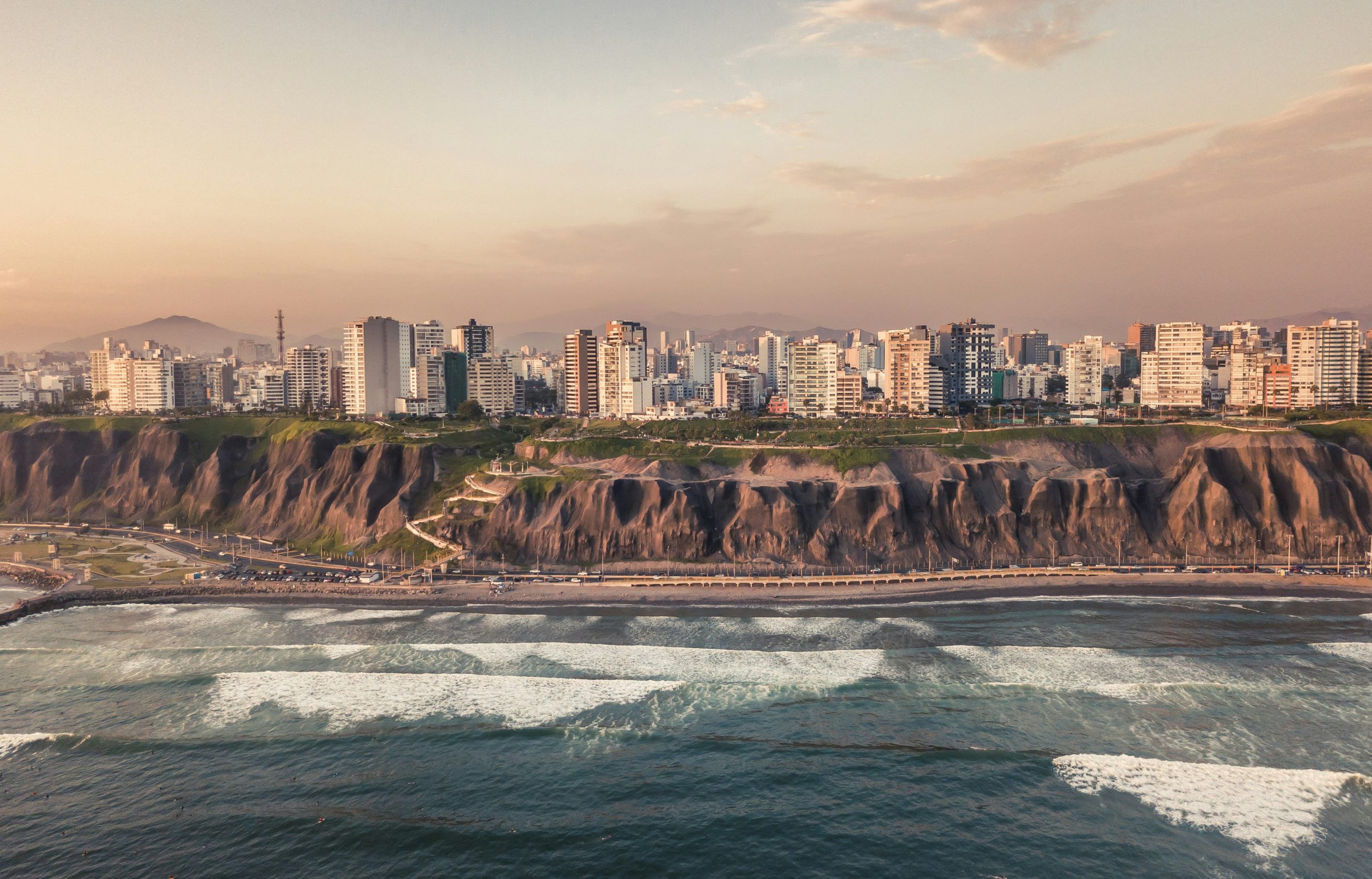
For sun-seekers, December to March is the prime time. The coastal fog lifts, revealing stunning coastal bluffs. This makes it perfect for beach enthusiasts.
Warmer temperatures enhance outdoor activities during this period. It’s the ideal time for enjoying Lima’s famous sunsets. Whether strolling along the Malecon or relaxing by the Pacific, the summer sun enlivens the city.
Avoiding the Gray Skies of Winter
Winter months, on the other hand, are often gray, known as the garua. This mist, while unique, might not suit those seeking a traditional beach vacation. If you dislike overcast skies, plan your visit for another time.
Yet, these cooler, cloudier months are great for museum visits and exploring the historic center. A detailed Lima weather guide helps you decide. Knowing the seasonal variations ensures your trip meets your expectations for a perfect getaway.
Navigating the Peak Tourism Season
The lima tourism calendar reveals a notable increase in activity during winter. From June to August, the city welcomes a flood of visitors heading to the Andes for the dry season. This influx brings excitement but also crowds the capital.
Managing Crowds at Popular Landmarks
During the peak lima vacation season, iconic sites face long lines and heavy foot traffic. Arriving at museums and historical parks early in the morning is key. This approach helps you dodge the biggest tour groups and enjoy a serene exploration of Lima’s heritage.
For a more serene visit, consider weekdays over weekends. Weekends attract both tourists and locals, exacerbating the crowds. By adjusting your schedule, you can savor the sights without the chaos.
Booking Accommodations in Advance
Traveling during lima tourist peak times demands early planning. High-quality lodging sells out quickly, so booking early is vital. It secures a comfortable base for your adventures, avoiding last-minute stress.
Reserving dining at popular restaurants also requires foresight. Doing so ensures you enjoy Lima’s culinary highlights without disappointment. These proactive steps enhance your experience of the city’s lively atmosphere.
Finding Value During the Low Season
Visiting Lima during the quieter months can lead to significant savings. While the city buzzes with tourists in summer, opting for a different time offers a more serene experience. Planning your trip during the off-peak season is a wise choice for any traveler looking to save.
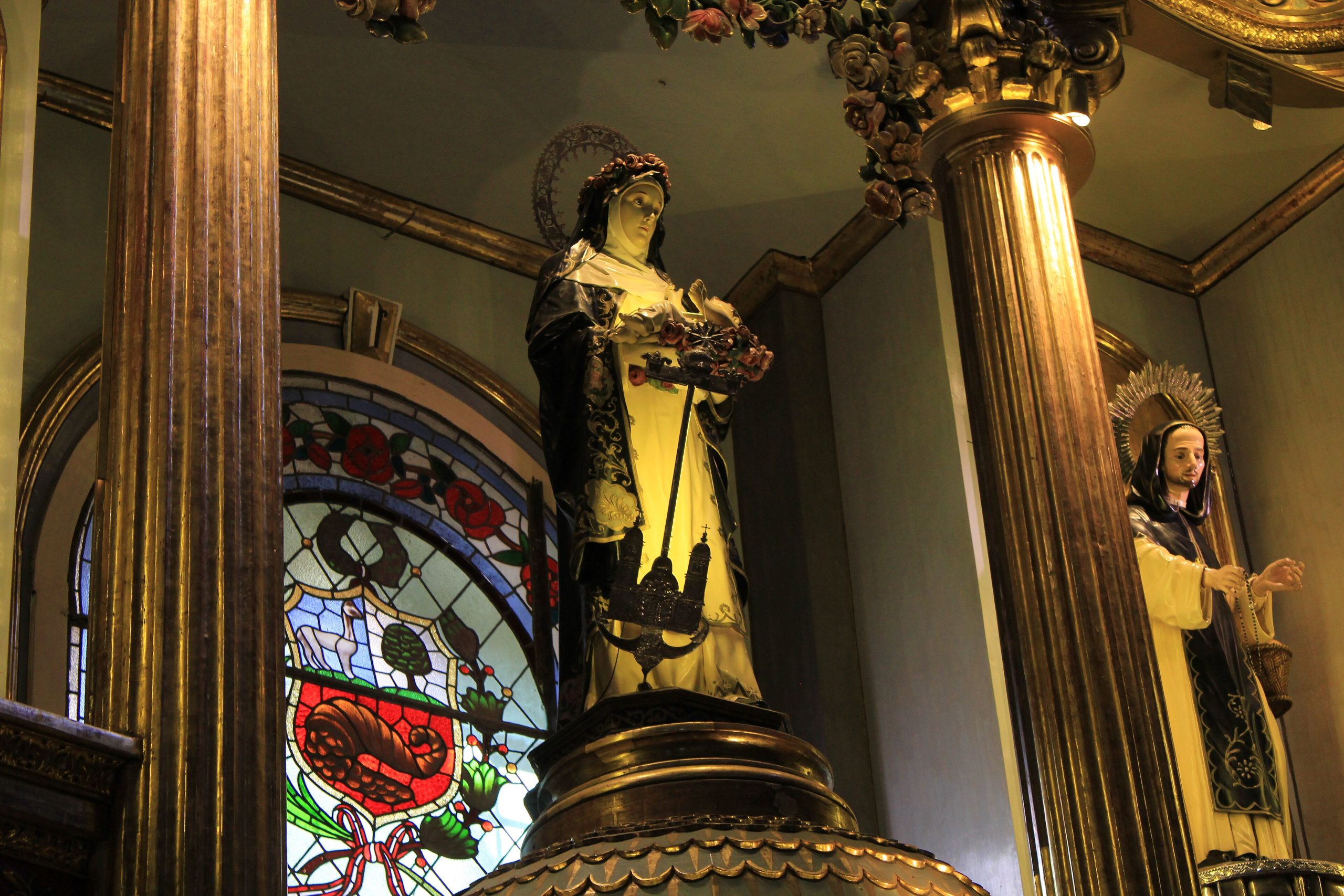
Benefits of Traveling During Off-Peak Months
Traveling between January and March provides a unique opportunity to enjoy Lima’s luxury at lower prices. Popular spots are less crowded, allowing for a deeper exploration of the city’s history. Also, securing a table at top restaurants becomes much easier during this time.
Budget-Friendly Strategies for Lima
To stretch your budget, look for hotel specials that appear when demand is low. Many upscale hotels offer discounted rates or extras to attract visitors during these periods. Being flexible with your travel dates can help you save more while enjoying a high-end experience.
Another smart move is to focus on local markets and street food tours, which are affordable all year. Combining these with off-peak hotel deals makes your trip both memorable and budget-friendly. With some planning, you can experience Lima’s best without breaking the bank.
The Best Time to Visit Lima for Culinary Experiences
Discovering the best time to visit Lima for culinary experiences is key to a memorable vacation. This city is a global food lover’s paradise, with a vibrant scene that thrives all year round.
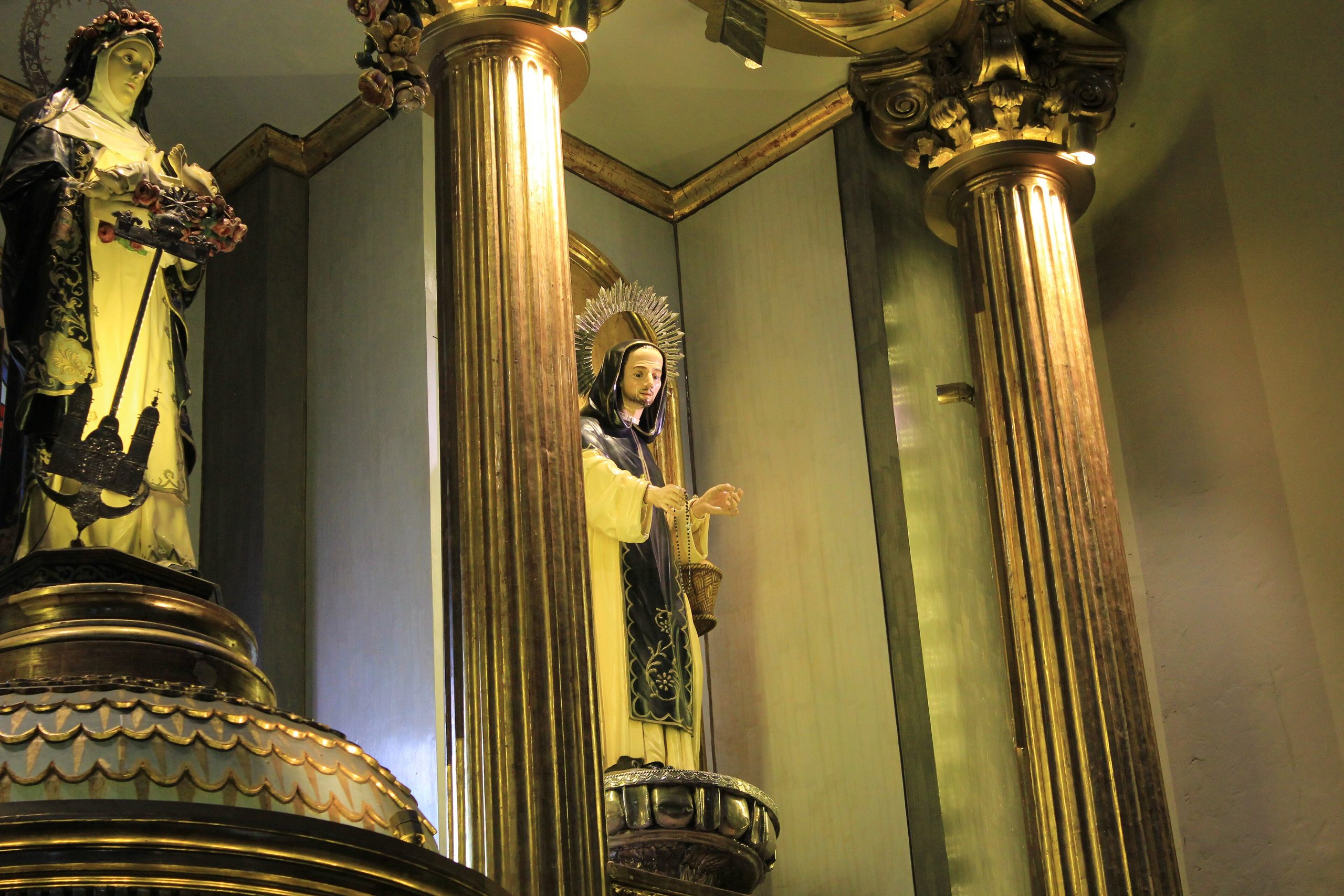
Seasonal Ingredients and Market Availability
The city’s local markets are always filled with fresh, high-quality ingredients, no matter the time of year. These bustling hubs offer a glimpse into the heart of Peruvian cuisine.
For the quintessential experience of fresh ceviche and a crisp pisco sour, summer is unbeatable. The sunny weather enhances these refreshing dishes, making it the best time to visit Lima for classic coastal flavors.
Timing Your Visit for Gastronomic Events
Beyond the daily food scene, Lima hosts massive celebrations that highlight its culinary status. If you’re a dedicated food enthusiast, plan your trip for mid-September.
Lima’s huge Mistura festival ended in 2017, but smaller food events still run. It showcases hundreds of talented vendors and unique dishes. Attending this event lets you sample a wide variety of regional specialties in one energetic location.
Seasonal Coastal Activities and Surfing Conditions
The Pacific Ocean transforms Lima’s rugged coastline into a dynamic playground for water sports enthusiasts. Whether you’re an experienced athlete or a curious newcomer, the local waters offer unique experiences year-round. This makes it a prime destination for those seeking adventure on the waves.
Best Months for Surfing the Pacific Swells
For catching waves, summer months from December to February are ideal. During this time, water temperatures are most comfortable for swimming and surfing. The Pacific swells are consistent, making it perfect for surfing.
Always check local surf reports before heading to the beach. Conditions along the Pacific coast can change quickly due to currents and wind. Staying informed ensures a safe and productive time in the water.
Beach Life and Coastal Recreation
The shoulder season in April is a hidden gem for those who prefer a relaxed pace. It offers great conditions for kayaking and paddleboarding without the summer crowds. Enjoy the serene coastline beauty and mild weather.
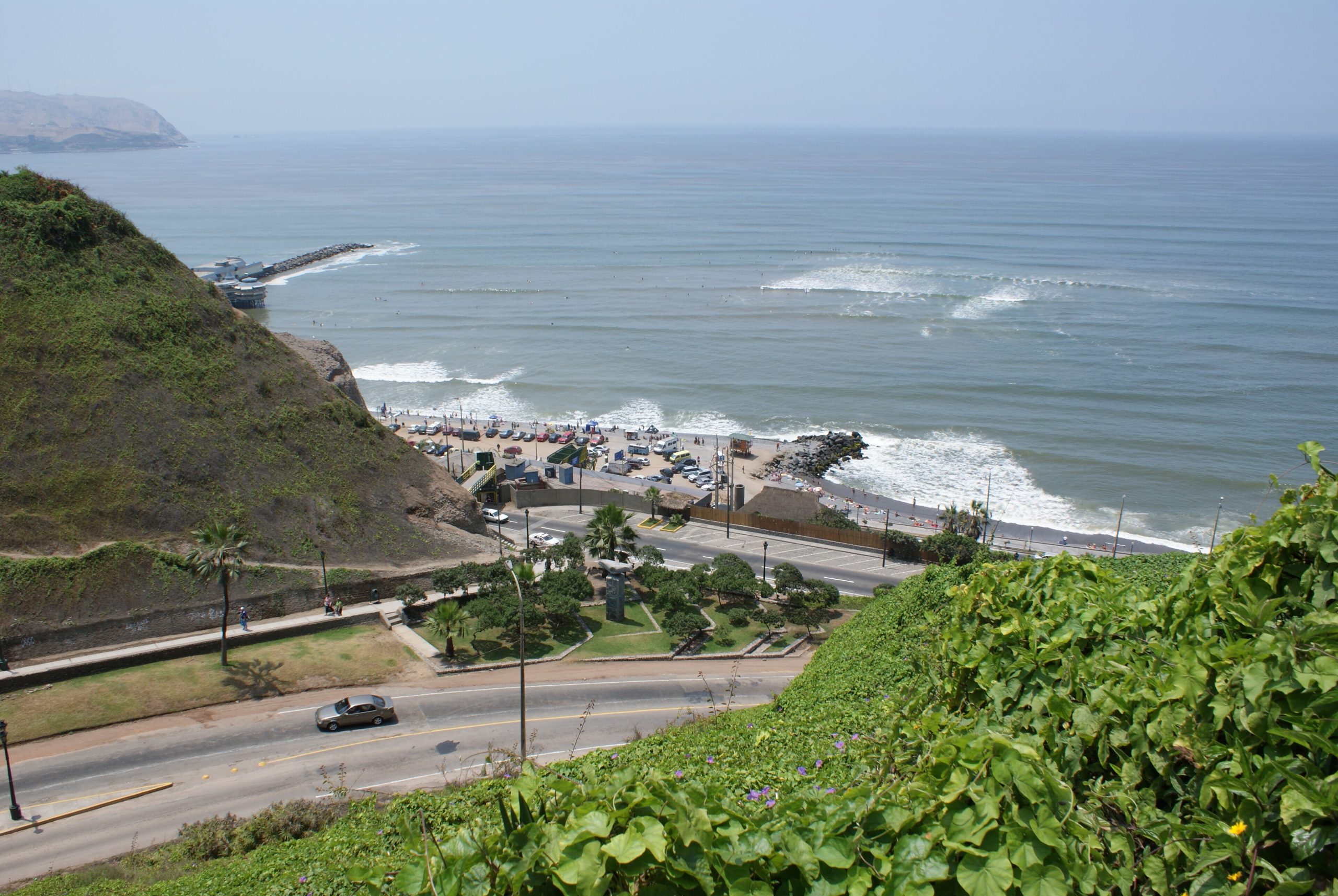
Beaches also provide ample space for coastal recreation and sunset walks. Locals and visitors alike gather along cliffs for fresh sea air. It’s a perfect way to balance urban exploration with ocean time.
Cultural Festivals and Public Holidays to Consider
Planning your trip around local festivities adds a layer of magic to your Lima adventure. By checking the lima tourism calendar, you can align your visit with the most vibrant moments in the city. These events offer a deep dive into the rich heritage and traditions that define the Peruvian spirit.
Major National Celebrations and Parades
One of the most exciting times to visit is during late July for Independence Day. The city transforms into a sea of red and white, reflecting the national pride of the Peruvian people. You will find the streets filled with energetic parades, traditional music, and a contagious festive atmosphere that invites everyone to join the fun.
Beyond the main national holidays, smaller regional festivals often pop up throughout the year. These gatherings provide a fantastic opportunity to taste local delicacies and witness traditional dances. Engaging with these celebrations allows you to see a side of the city that many standard tours might overlook.
Impact of Holidays on Sightseeing
While festivals are wonderful, they do change the pace of daily life in the capital. It is important to remember that during major public holidays, some museums and local businesses may have limited hours. In some cases, popular attractions might close entirely to allow staff to celebrate with their families.
We recommend checking the local holiday schedule before finalizing your sightseeing itinerary. This simple step ensures you do not miss out on key landmarks during your stay. By staying informed with the current lima tourism calendar, you can easily adjust your plans and keep your vacation running smoothly.
Managing Travel Costs Throughout the Year
Understanding the year’s cost shifts is essential for a great Lima vacation. The city’s accessibility varies with travel dates, affecting your daily expenses. Knowing these patterns helps you make budget-friendly choices.
Peak tourist times in Lima increase demand for flights and accommodations. Prices for hotels in areas like Miraflores or Barranco rise during these periods. Traveling during the shoulder or low seasons can lead to better rates and a more serene experience.
Fluctuations in Flight and Hotel Pricing
Airfare to Lima mirrors global travel trends. Prices surge in summer and during major holidays. Booking flights well in advance can help you avoid high costs.
Hotel rates also peak during favorable sightseeing weather. Being flexible with your dates can lead to luxury stays at lower costs. Always look for seasonal promotions that hotels offer to attract visitors during off-peak times.
Daily Budget Estimates for Travelers
A daily budget of $80 to $120 per person is a good starting point for a mid-range experience. This covers accommodations, meals, and basic city transport. For those who prefer upscale dining and private tours, increase this amount.
Travelers on a budget can manage with $50 to $70 per day by using public transport and street food. Regardless of your spending, keep a small emergency fund for unexpected adventures. This ensures you don’t miss out on Lima’s best experiences.
Transportation Logistics and Travel Times
Exploring Peru’s capital is an adventure. As the main entry point, Lima offers endless discoveries. Yet, mastering the city’s transportation is key to a smooth trip.
Navigating Lima Traffic Patterns
Traffic in Lima is a daily challenge, worse during peak hours. Expect delays when crossing the city during these times. Plan to spend at least 45 to 60 minutes between major spots to avoid stress.
The city’s layout can be daunting for newcomers. Traffic patterns vary by district. Stay updated with local traffic reports to dodge bottlenecks. Traveling during less busy times will enhance your experience.
Getting Around the City Efficiently
Convenience and safety are essential when moving through Lima. Ride-sharing apps are the most efficient way to get around. They offer clear pricing and tracking, making travel more comfortable.
Booking transport through your hotel or a trusted tour operator is another good option. It’s perfect for airport transfers or long trips between neighborhoods. Grouping activities by district reduces travel time and lets you dive deeper into local culture.
Packing Essentials for Lima’s Unique Microclimate
Visiting Lima requires a wardrobe as adaptable as the city itself. The weather can change dramatically, from sunny to misty, in a short time. To stay comfortable, it’s vital to follow smart lima climate recommendations. Be ready for anything the Pacific coast may bring.
Layering Strategies for Variable Temperatures
Dressing for Lima involves the timeless layering technique. In the warmer summer months, begin with light, breathable fabrics like cotton or linen. These keep you cool under the sun. When the day cools or the mist rolls in, add a medium-weight jacket or a cozy sweater over your base layer.
This method lets you adjust your outfit quickly without needing to return to your hotel. By making your layers easy to add or remove, you’ll always be ready for the temperature changes. These lima climate recommendations help you stay comfortable while exploring the city’s varied neighborhoods.
Must-Have Items for Coastal Exploration
Comfortable walking shoes are a must for any Lima traveler. You’ll likely spend hours exploring historic areas and scenic cliffside parks. Choose shoes that offer support and durability. A sturdy pair of sneakers will be perfect for the uneven sidewalks and coastal paths.
Remember, the sun’s power is significant, even when the sky appears gray and overcast. High-quality sunscreen, sunglasses, and a hat are key items to pack. By following these simple lima climate recommendations, you can fully enjoy your trip without worrying about the weather.
Safety and Neighborhood Recommendations
Your choice of neighborhood can truly define your experience in the Peruvian capital. Selecting a strategic home base allows you to enjoy the city’s charm while keeping your logistics simple and stress-free. Following sound lima sightseeing advice ensures that your focus remains on the incredible culture. This way, you avoid unnecessary travel hurdles.
Choosing the Right Base for Your Stay
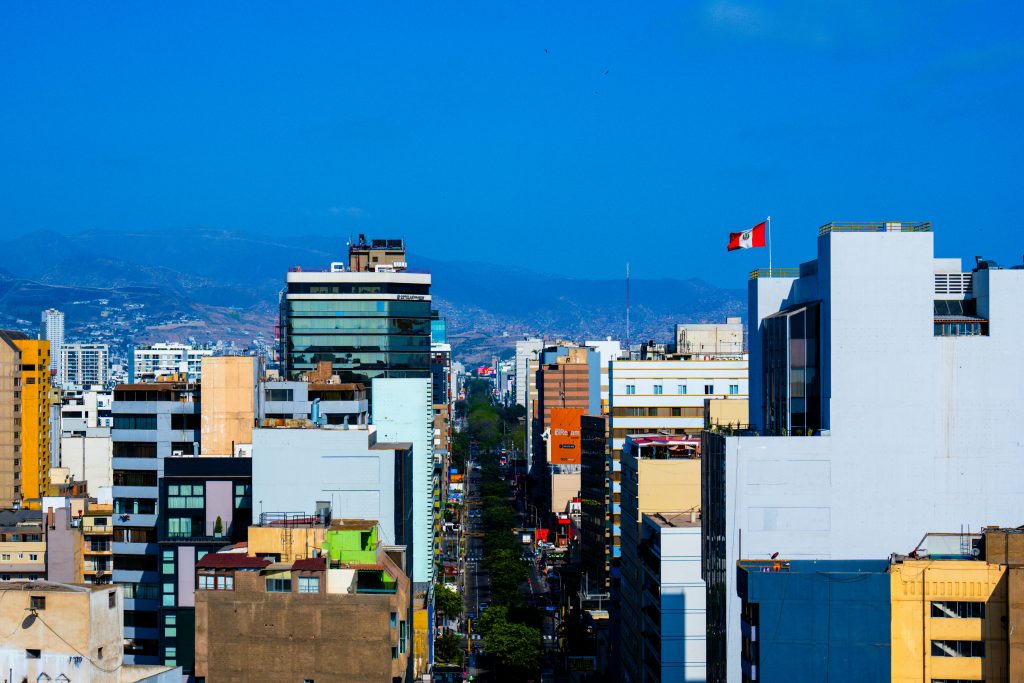
For most travelers, Miraflores and Barranco stand out as the premier districts to call home. These areas are highly walkable, with easy access to stunning ocean views and some of the best culinary experiences in the world. Staying here puts you in the heart of the action. It makes it simple to explore local parks and vibrant street art.
General Safety Protocols for Tourists
Lima is welcoming, but violent crime has risen sharply and the government has declared repeated states of emergency over the city, so check the latest advisory and stay alert. Stick to well-traveled, tourist-friendly districts to ensure you remain in areas with high foot traffic and active local businesses. This simple lima sightseeing advice helps you navigate the city with confidence and peace of mind.
When moving around at night, avoid walking through unlit or deserted areas. Always use registered taxis or trusted ride-sharing apps instead of hailing random cars on the street. By following these basic safety protocols, you can fully enjoy your adventure. This way, your trip remains smooth and secure.
Day Trips and Excursions from the Capital
Exploring beyond Lima’s city limits reveals a treasure trove of ancient history and natural splendor. Lima acts as a prime base for those eager to uncover Peru’s coastal and archaeological marvels. By following expert lima sightseeing advice, you can optimize your time and uncover hidden gems beyond the city’s limits.
Planning Trips to Nearby Archaeological Sites
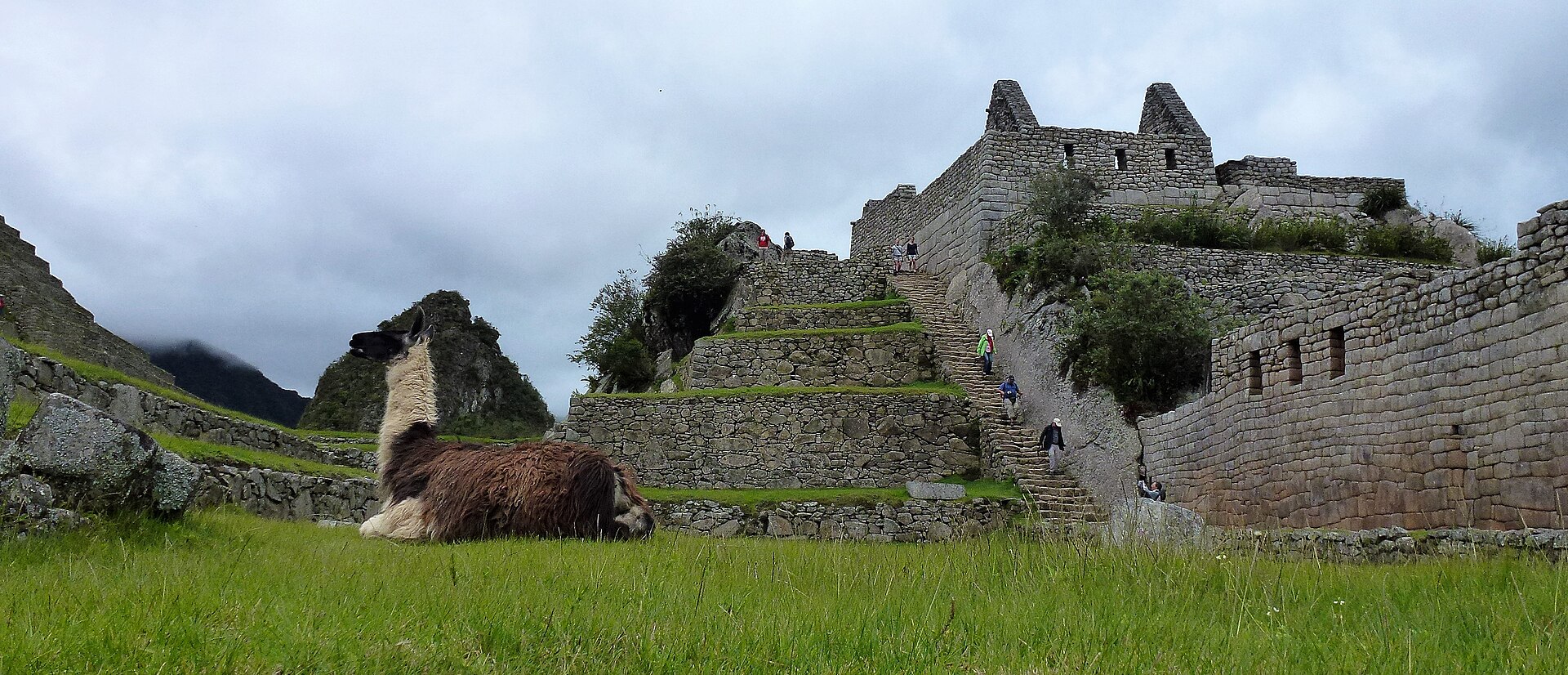
Visiting sites like Pachacamac offers a unique glimpse into Peru’s pre-Incan past. This vast archaeological site contrasts sharply with Lima’s modern skyline. Engaging a local guide, as advised by quality lima sightseeing experts, can transform these ancient ruins into living narratives.
Nature enthusiasts should consider coastal excursions. The Ballestas Islands or Paracas National Reserve provide a refreshing escape. Here, you can witness sea lions, penguins, and a variety of bird species in their natural setting, creating a memorable day.
Distance and Travel Time Considerations
Most excursions demand a full day commitment. Be prepared for several hours of travel each way, as city traffic can be unpredictable. Departing early in the morning is a critical piece of lima sightseeing advice to avoid heavy traffic.
Booking professional guided tours is advisable to manage the complexities of these trips. This allows you to relax and fully appreciate the landscapes and history. By entrusting experts with the logistics, you ensure a stress-free journey that enhances your Peruvian coastal experience.
Essential Lima Travel Tips for First-Timers
Planning your first trip to Peru’s capital? These essential tips will get you started. Understanding local customs and practical details is key to enjoying Lima’s vibrant atmosphere.
Currency and Tipping Etiquette
The Sol is Peru’s local currency. While many upscale places accept credit cards, cash is essential for everyday activities.
Keep small bills ready for local markets, street food, and taxi rides. Tipping around ten percent in restaurants is a sign of appreciation for service.
Communication and Connectivity Advice
Staying connected is vital for today’s traveler. Buy a local SIM card at the airport or shops for affordable data. This ensures you can use apps and tools on your phone.
Check if your provider offers international roaming. Reliable internet lets you navigate and translate easily. With these steps, you’ll be set to explore Lima confidently.
Conclusion
Lima is a gateway to endless discovery, blending deep history with world-class gastronomy and stunning coastal views. Every traveler finds something rewarding in this vibrant capital city.
Choosing the best time to visit Lima depends on your personal goals for the trip. You might prefer the bright sunshine of summer for beach days. Or the cooler, misty winter months for exploring museums and historic sites.
Your next step involves finalizing your travel dates to secure the best rates on flights and hotels. Booking your accommodations early ensures you get the perfect base for your urban exploration.
Pack your layers and prepare for the unique microclimate of the Pacific coast. The magic of Peru awaits your arrival. Start your journey today and experience the culture of this remarkable destination firsthand.
FAQ
What is the best time to visit Lima for sunny weather?
When is the peak tourism season in Lima?
What is the "Garúa" and how does it affect sightseeing?
Is Lima a good destination for a budget-friendly vacation?
What are some essential lima travel tips for first-time visitors?
How should I pack for Lima's unique weather?
When is the best time for foodies to visit?
Are there any major holidays I should be aware of?
Do you need to worry about altitude in Lima?
No. Lima sits on the coast at close to sea level, so altitude sickness is not a concern in the city itself. The confusion comes from the rest of the country: Cusco, the Sacred Valley and Lake Titicaca all sit far higher, and Machu Picchu is well above sea level too. If your trip continues into the Andes, plan a gentle first day after flying up, drink plenty of water, go easy on alcohol, and talk to a doctor beforehand if you have heart or lung problems. A night or two in Lima costs you nothing, but it does not prepare your body for altitude either.
How warm does Lima get in summer, and how cool is winter?
Lima’s temperature range is narrow. In the summer months of December to March, daytime highs usually sit in the mid to high twenties Celsius, and the sun feels fierce once the cloud burns off. Winter, roughly June to September, is mild rather than cold: days often stay in the high teens, nights are cooler, and damp sea air makes it feel sharper than the numbers suggest. Frost and snow are unknown. Worth knowing that heating is uncommon in Lima buildings, so a room can feel clammy on a grey August morning even though the thermometer never drops far.
When is the shoulder season in Lima, and is it worth targeting?
April and May, and again November, fall between the bright summer and the greyest depths of the coastal cloud. Many visitors find these months the sweet spot: the sea still holds some summer warmth in April, the overcast is not yet constant, and the city is quieter than the June to August rush of travellers passing through on Andean trips. Rates for rooms and flights generally sit below those peak months, and tables at well-known restaurants are easier to get at short notice. The trade-off is unpredictability, since any given week can turn out sunny or stubbornly grey.
Can you swim in the sea at Lima, and how cold is the water?
You can, and locals do all summer, but the water is colder than the latitude suggests. The Humboldt Current pushes cool water up this coast, so even in February the sea off Lima feels brisk rather than tropical, and outside summer most surfers wear wetsuits. The beaches below the Miraflores and Barranco cliffs are pebbly rather than sandy. Currents are a genuine hazard along the Peruvian coast, and the coastguard and municipal lifeguards post warnings and flags at busy beaches in season. Swim where other people are swimming, follow those instructions, and stay out of the water when it looks rough.
How many days do you need in Lima?
Two to three days suits most visitors. One full day covers the historic centre and a museum, a second covers Miraflores, Barranco and the clifftop coast, and a third makes room for a food tour, a market or a half day at a nearby archaeological site. Remember that many long-haul flights land late at night, so you can lose most of the following morning to sleep. If Lima is only a connection on a wider Peru trip, even one well-planned day and evening is enough for a museum, a walk along the cliffs and one memorable meal.
Does El Nino affect Lima's weather, and how would I know?
It can. The usual coastal pattern is remarkably steady, but in El Nino years the ocean off Peru turns unusually warm, and the coast can see hotter summers, thinner morning mist and, in the far north, heavy rain and flooding. Lima itself rarely gets serious rain, though a strong event can push summer temperatures well above the normal range and make the middle of the day uncomfortable. Peru’s national weather service, Senamhi, publishes seasonal outlooks and heat alerts, and the national civil defence body issues warnings when flooding threatens roads or rail. Check both before travelling in an El Nino summer.
When should I visit Lima if the trip also includes Cusco or the Amazon?
This is the awkward trade-off in Peru. Lima is sunniest from December to March, which is exactly when the Andes are wettest and the Inca Trail closes for its annual February maintenance. The Andean dry season of roughly June to August gives the best highland weather, but that is when Lima sits under its grey coastal cloud. If the mountains are the main event, accept the mist in the capital and treat it as a food and museum stop at the start or end. If you want both in reasonable shape, the shoulder months either side are the usual compromise.
Before you go: turn this guide into a day-by-day plan. Our partner Voyada is a free itinerary creator that builds the trip with flights, hotels and a real total cost for your dates — in about a minute.
Build a travel itinerary →