
Table of Contents
ToggleAncient palaces beneath a neon skyline, traditional hanok villages next to K-pop and cutting-edge tech, and street-food markets that buzz past midnight — Seoul is a city of exhilarating contrasts. If you’re wondering about the best things to do in Seoul, South Korea’s dynamic capital blends deep history with futuristic energy and one of the world’s most exciting food and pop-culture scenes.
From touring a 600-year-old royal palace and wandering Bukchon’s traditional lanes to feasting at Gwangjang Market and taking a sobering day trip to the DMZ, there’s far more here than a first visit can hold. This guide rounds up the best of it, for first-timers, foodies, history buffs and K-culture fans alike.
You’ll also find everything you need to plan the trip: the best time to visit, how to get there and get around, and where to stay. Let’s explore Seoul.
✈️ TripToGo Travel Deals
Get notified about great travel deals
Hand-picked flight, hotel and destination deals, straight to your inbox. No spam, unsubscribe anytime.
🎉 Thank you for subscribing!
You’re all set — the best travel deals are on their way.
Key Takeaways
- Seoul blends ancient palaces and hanok villages with a futuristic, neon-lit, food-and-pop-culture powerhouse.
- Top things to do: Gyeongbokgung Palace, Bukchon Hanok Village, N Seoul Tower, the street-food markets and the DMZ.
- Spring (cherry blossoms) and autumn (foliage) are the best times to visit.
- The clean, cheap, English-friendly subway (with a T-money card) makes getting around effortless — no car needed.
- Seoul is one of the world’s safest big cities, with free wi-fi everywhere and no tipping.
Best Things to Do in Seoul at a Glance
The best things to do in Seoul at a glance.
| Thing to do | Type | Best for |
|---|---|---|
| Gyeongbokgung Palace | History | Everyone / first-timers |
| Bukchon Hanok Village | Neighbourhood | Photos & tradition |
| N Seoul Tower | Viewpoint | Sunset & views |
| Gwangjang Market | Food | Foodies |
| Myeongdong & Hongdae | Shopping & nightlife | Shoppers & night owls |
| The DMZ | Day trip | History & the divided peninsula |
| Jjimjilbang bathhouse | Relaxation | Cultural experience |
Why Seoul Buzzes
Seoul is a city of thrilling contrasts, where centuries-old palaces and serene temples sit beneath a skyline of neon and glass. South Korea’s dynamic capital pairs ancient hanok villages and royal history with cutting-edge technology, K-pop and K-drama culture, buzzing night markets and one of the world’s most exciting food scenes. It’s safe, futuristic, endlessly energetic and remarkably easy to explore.
From wandering a 600-year-old palace to feasting at a midnight street market, there’s an enormous amount to do. This guide rounds up the best things to do in Seoul, plus when to go and how to get around. Official resource: the Korea Tourism Organization.
Planning a Seoul trip?
Our partner Voyada’s trip planning AI builds a day-by-day plan with flights, hotels and a real total cost for your dates — in about a minute, free.
Plan trip with AIThe Best Things to Do in Seoul
Tour Gyeongbokgung Palace
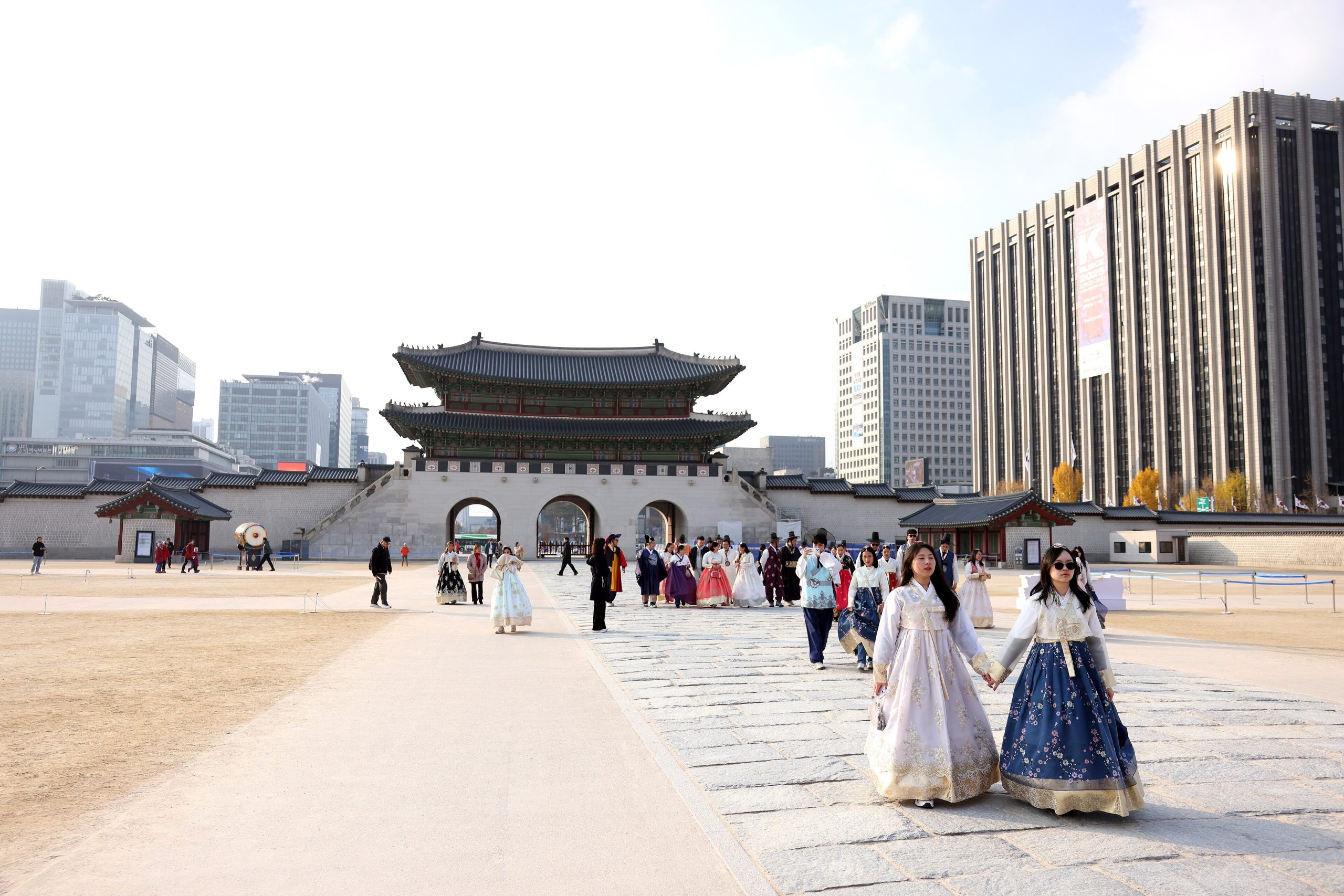
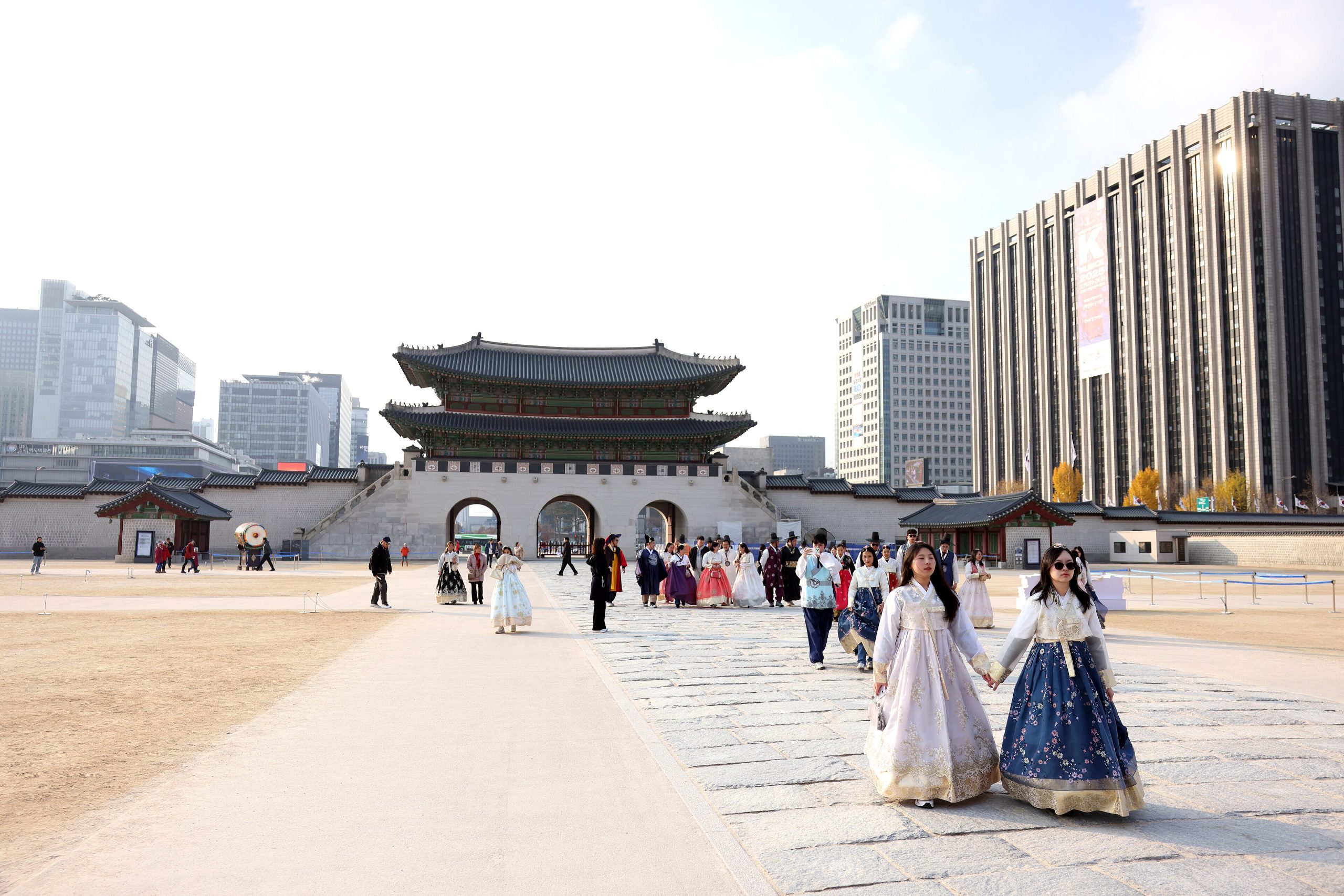
The grandest of Seoul’s five royal palaces, Gyeongbokgung is a majestic complex of gates, throne halls and gardens dating to 1395. Time your visit for the colourful changing-of-the-guard ceremony, and rent a traditional hanbok costume (which gets you free palace entry) for a magical, photo-worthy experience.
Wander Bukchon Hanok Village
Between the palaces, Bukchon Hanok Village is a preserved neighbourhood of traditional Korean hanok houses along steep, atmospheric lanes — a beautiful glimpse of old Seoul with skyline views. Wander respectfully — people live here, and the residential Red Zone is closed to tourists from 5pm to 10am (KRW 100,000 fine) — then explore the galleries, teahouses and craft shops of artsy Insadong.
Take in the View from N Seoul Tower
Perched atop Namsan Mountain, N Seoul Tower offers sweeping panoramas over the vast, glittering city. Ride the cable car up, add your ‘love lock’ to the famous fence, and time it for sunset to watch Seoul light up. The surrounding Namsan Park is lovely for a walk, especially in cherry-blossom or autumn-foliage season.
Feast at a Street-Food Market
Seoul is a food-lover’s dream, and its markets are the beating heart of it. Graze on tteokbokki (spicy rice cakes), hotteok (sweet pancakes), mandu and freshly made bindaetteok at the legendary Gwangjang Market, or explore Myeongdong’s street-food stalls. And of course, no trip is complete without a smoky Korean BBQ feast.
Shop & Play in Myeongdong & Hongdae
Myeongdong is Seoul’s buzzing shopping mecca, famous for K-beauty and fashion, while youthful Hongdae (around the university) pulses with indie music, street performances, quirky cafes and vibrant nightlife. For a taste of the glamorous side, the upscale Gangnam district lives up to its famous name.
Visit the DMZ
One of the most fascinating day trips in the world, the DMZ (Demilitarized Zone) on the border with North Korea offers a sobering, unforgettable window into the divided peninsula — from observation points to the infiltration tunnels (public tours of the Joint Security Area have been suspended since 2023). Book a guided tour in advance, as independent access is restricted.
Relax at a Jjimjilbang & a Temple
Experience a beloved local ritual at a jjimjilbang, a Korean bathhouse and sauna complex where you soak, steam and unwind. For calm and spirituality, visit a Buddhist temple like Bongeunsa or Jogyesa, or hike up Bukhansan National Park’s granite peaks for a breath of nature right on the city’s edge.
Seoul for Every Kind of Traveller
- First-timers: Gyeongbokgung, Bukchon, N Seoul Tower, a street-food market.
- Foodies: Gwangjang Market, Korean BBQ, street food, cafe-hopping.
- History & culture: the palaces, hanok villages, temples, the DMZ.
- Shoppers & K-culture fans: Myeongdong, Hongdae, Gangnam, K-beauty and K-pop.
- Nightlife: Hongdae, Itaewon, Gangnam bars and clubs.
- Nature & relaxation: Bukhansan hiking, the Han River parks, a jjimjilbang.
Best Time to Visit Seoul
Spring (April to May) and autumn (September to October) are the best times to visit Seoul — mild, sunny weather ideal for exploring, plus two of the city’s most beautiful natural spectacles: the cherry blossoms in April and the fiery autumn foliage in October. These shoulder seasons are the sweet spot, if the most popular.
Summer (June to August) is hot, humid and includes a rainy monsoon spell (heaviest around July), while winter (December to February) is cold and dry, occasionally snowy — atmospheric and good for nearby skiing, but bundle up. For the ideal weather and the blossoms or autumn colours, aim for spring or autumn.
| Season | Months | Weather | Notes |
|---|---|---|---|
| Spring | Apr–May | Mild, sunny | Best; cherry blossoms |
| Summer | Jun–Aug | Hot, humid, monsoon | Rainy spell in July |
| Autumn | Sep–Oct | Crisp, clear | Excellent; stunning foliage |
| Winter | Dec–Feb | Cold, dry | Chilly; nearby skiing |
How to Get There & Get Around
Incheon International Airport (ICN), regularly rated the world’s best, is a major global hub connected to the city by the fast AREX train. Getting around Seoul is a dream: the clean, cheap, extensive and English-friendly subway reaches everywhere, and a rechargeable T-money card also works on buses and in convenience stores. Taxis are affordable too. You certainly won’t need a car. Because Seoul pairs well with the rest of Korea and East Asia, an AI planner can line up the flights, timing and stays for your dates in about a minute.
Where to Stay
For first-timers, Myeongdong is central and convenient for shopping and sights; Insadong/Jongno puts you by the palaces and traditional culture; Hongdae is best for youthful energy and nightlife; and Gangnam is the upscale, modern district. Seoul offers everything from capsule hotels and guesthouses to luxury towers — choose your area by whether you want sights, shopping or nightlife.
Practical Tips
A few tips: get a T-money card on arrival for seamless transport. Seoul is one of the safest big cities in the world, and free wi-fi is everywhere. Learn a few Korean phrases and the basics of dining etiquette (two hands when giving/receiving, wait for elders). Many restaurants and markets are cash-and-card friendly, and tipping is not customary. Comfortable shoes help for the hilly palaces and villages. Give yourself 3–4 days for the city, plus a day for the DMZ.
Related Guides
Frequently Asked Questions
What is Seoul best known for?
Seoul is famous for its blend of ancient and ultramodern — royal palaces like Gyeongbokgung and traditional hanok villages alongside a futuristic, neon-lit metropolis. It’s the home of K-pop and K-beauty, a world-class food and street-food scene, buzzing shopping and nightlife, and the fascinating DMZ nearby.
How many days do you need in Seoul?
Three to four days is ideal — enough to tour the palaces and Bukchon, take in N Seoul Tower, eat through the markets, shop in Myeongdong and Hongdae, and add a day trip to the DMZ. More time lets you go deeper or explore beyond the city.
What is the best time to visit Seoul?
Spring (April–May) and autumn (September–October) are best, with mild weather and either cherry blossoms or spectacular autumn foliage. Summer is hot, humid and has a rainy monsoon spell (heaviest in July), while winter is cold and dry, atmospheric and good for nearby skiing.
Do you need a car in Seoul?
No — Seoul has one of the world’s best subway systems: clean, cheap, extensive and English-friendly. Get a rechargeable T-money card (which also works on buses and in shops), and you’ll reach everywhere easily. Taxis are affordable too, so a car is unnecessary.
Is the DMZ worth visiting from Seoul?
Yes — a guided tour to the DMZ (Demilitarized Zone) on the border with North Korea is one of the most fascinating and moving day trips in the world, taking in observation points, infiltration tunnels and, on some tours, the Joint Security Area. Book in advance, as independent access is restricted.
What food should you try in Seoul?
Don’t miss Korean BBQ, plus street-food favourites like tteokbokki (spicy rice cakes), hotteok (sweet pancakes), mandu (dumplings) and bindaetteok at markets like Gwangjang. Round it out with bibimbap, Korean fried chicken and, of course, kimchi with everything.
Is Seoul safe?
Yes, Seoul is consistently ranked as one of the safest major cities in the world, with low violent crime and a strong, visible police presence. Petty theft is rare even in busy nightlife areas, and it is common to see people leave phones or bags to save a cafe seat, though normal city awareness is still sensible around Itaewon and Hongdae late at night.
Is Seoul safe at night, especially for women?
Yes, Seoul is widely regarded as one of the safer cities in the world for walking around at night, including for women, thanks to bright, busy streets, extensive CCTV coverage and late-running public transport. Nightlife districts like Hongdae and Itaewon stay crowded well past midnight, and solo women commonly eat out, shop or take taxis alone after dark without issue.
Is Seoul safe for solo female travellers?
Yes, Seoul is one of Asia’s most popular destinations for solo female travel, helped by low crime, reliable late-night transport and a culture where dining or exploring alone draws no particular attention. Standard precautions still apply, like using licensed taxis or a ride-hailing app rather than unmarked cars, but solo women travel extensively around the city without major problems.
Is Seoul worth visiting?
Yes, Seoul combines ultra-modern neighbourhoods, centuries-old palaces, world-class street food and K-pop and K-drama culture in a way few other cities match. It works equally well as a short city break or as the anchor for a wider South Korea trip that includes Busan, Jeju or the DMZ.
Is Seoul worth visiting in winter?
Yes, December and January bring cold, often snowy weather, festive lights and markets, and noticeably thinner crowds at major palaces and attractions than in spring or autumn. Pack proper winter layers, since temperatures regularly drop below freezing, but indoor attractions, spas (jjimjilbang) and hearty Korean comfort food make the season easy to enjoy despite the cold.
Is Seoul worth visiting with kids?
Yes, Seoul is a genuinely easy, family-friendly city: public transport is clean, safe and well-signed in English, and attractions like Lotte World, the N Seoul Tower cable car, Everland and interactive museums keep children entertained. Korean culture is also notably welcoming toward children in restaurants and public spaces, which makes day-to-day logistics easier than in many other major cities.
Is 3 days enough to see Seoul?
Three days is enough to cover the highlights: a palace or two (Gyeongbokgung especially), the Myeongdong and Hongdae neighbourhoods, a street food crawl and a DMZ day trip if you want one. It is a full, fast-paced schedule rather than a relaxed one, so an extra day or two lets you add Busan, Jeju or simply slow down.
Is Seoul expensive?
Seoul sits in the middle of the pack for major Asian capitals, pricier than Southeast Asian cities but generally cheaper than Tokyo or Hong Kong for day-to-day spending. Public transport, street food and casual dining are all good value, while hotels in central districts like Myeongdong or Gangnam and imported goods push the cost up if you are not careful with budget.
Is Seoul more expensive than Tokyo?
Generally, no, Seoul tends to run a little cheaper than Tokyo for hotels and dining, though the gap has narrowed as Tokyo has become more affordable thanks to a weak yen. Public transport and street food are inexpensive in both cities, so day-to-day budget travel feels fairly similar, with the bigger cost differences showing up in accommodation and shopping.
Is Seoul more expensive than Mumbai?
Yes, Seoul is significantly more expensive than Mumbai across almost every category, from hotels and restaurant meals to transport and shopping, reflecting South Korea’s much higher overall cost of living. Budget travellers can still get by reasonably cheaply in Seoul using street food and public transport, but it is not a budget destination in the way Mumbai is.
Is food expensive in Seoul?
No, eating in Seoul is generally good value. Street food snacks like tteokbokki or gimbap cost only a few thousand won each, and a casual restaurant meal typically runs around 8,000-15,000 won (roughly $6-$11), while Korean barbecue and higher-end dining cost noticeably more. Convenience store meals and food courts offer an even cheaper option for a quick, filling lunch.
How many days do you need for Seoul and Busan together?
Around 5-7 days works well: three or four in Seoul for the palaces, markets and neighbourhoods, plus two or three in Busan for its beaches, seafood markets and coastal temples. The KTX high-speed train connects the two cities in about two and a half hours, so it is an easy, comfortable add-on rather than a major detour.
How many days do you need for Seoul and Jeju together?
Around 6-8 days gives a good balance: three or four in Seoul, then three or four on Jeju Island for its volcanic scenery, waterfalls and beaches. Jeju is a short flight from Seoul, under an hour, so it slots in easily as an island add-on to a mainland itinerary rather than requiring separate long-haul planning.
How much does the Seoul subway cost?
A single ride starts at around 1,550 won (about $1.10) using a T-money card, or slightly more paying cash for a single ticket, with the fare rising a little for longer distances. Buying a rechargeable T-money card, sold at convenience stores across the city, is the easiest way to get around and also covers free transfers between subway and bus within 30 minutes.
How much does the KTX train from Seoul to Busan cost?
A standard one-way KTX ticket costs roughly 60,000-80,000 won (around $40-$55) depending on the specific train and time of day, with the fastest services covering the route in about two hours fifteen minutes. Booking ahead is worth it for weekend travel, since popular departure times can sell out and prices are generally higher during peak periods.
When is the best time to visit N Seoul Tower?
Sunset and just after dark are the best times, since you get daylight views over the city followed by Seoul’s skyline lighting up without needing a second trip. Weekday mornings are the quietest time to avoid crowds and queues for the cable car up Namsan, while weekend evenings, especially around sunset, draw the biggest crowds of the week.
Do you need a visa to visit Seoul?
Most visitors from the US, UK, Canada, Australia and much of Europe do not need a visa for short tourist stays and are currently also exempt from South Korea’s K-ETA electronic travel authorisation, an exemption extended through the end of 2026. Even exempt travellers must complete a free digital arrival card online before entering, so it is worth checking the current requirement close to your travel dates, since rules do change.
Final Thoughts: Planning Your Seoul Trip
Seoul is a city that thrills at every turn — ancient and futuristic, serene and electric, and utterly delicious. Tour a royal palace in a hanbok, wander Bukchon’s old lanes, watch the city glitter from N Seoul Tower, feast at Gwangjang Market and confront history at the DMZ. Base yourself in Myeongdong or Insadong, visit in spring for the blossoms or autumn for the foliage, ride the superb subway, and come hungry. Give it three or four days, and South Korea’s dazzling capital will leave you wanting more.
Before you go: turn this guide into a day-by-day plan. Our partner Voyada is a free itinerary creator that builds the trip with flights, hotels and a real total cost for your dates — in about a minute.
Build a travel itinerary →