
Table of Contents
ToggleDid you know South Korea has four distinct, predictable seasons that dramatically change the landscape? From the delicate pink cherry blossoms of spring to the crisp, snowy peaks of winter, your experience changes drastically depending on when you arrive. For official, up-to-date visitor information, see South Korea’s UNESCO World Heritage listings.
Planning your perfect trip starts with understanding these seasonal shifts. Whether you are chasing vibrant festivals or quiet mountain trails, knowing the weather patterns is the most important step in your travel preparation.
This guide provides the essential expertise you need to navigate the country’s climate, costs, and cultural highlights with total confidence. We will dive straight into the best time to visit south korea so you can start your adventure immediately.
✈️ TripToGo Travel Deals
Get notified about great travel deals
Hand-picked flight, hotel and destination deals, straight to your inbox. No spam, unsubscribe anytime.
🎉 Thank you for subscribing!
You’re all set — the best travel deals are on their way.
Key Takeaways
- The country features four distinct seasons, each providing unique travel experiences.
- Spring and autumn are widely considered the most comfortable periods for outdoor exploration.
- Winter offers excellent opportunities for skiing and enjoying festive holiday lights.
- Summer brings warmer temperatures and lush greenery, perfect for coastal getaways.
- Understanding seasonal weather patterns helps you manage your budget and travel expectations effectively.
Understanding the Best Time to Visit South Korea
South Korea’s beauty is in its four distinct seasons, each with its own charm. Whether you’re after cherry blossoms or snowy peaks, knowing when to visit is key. The country’s climate is straightforward, making trip planning easy.
The year is divided into spring, summer, autumn, and winter. These seasons allow you to plan activities based on your preferences. Understanding these patterns is essential for creating a memorable trip.
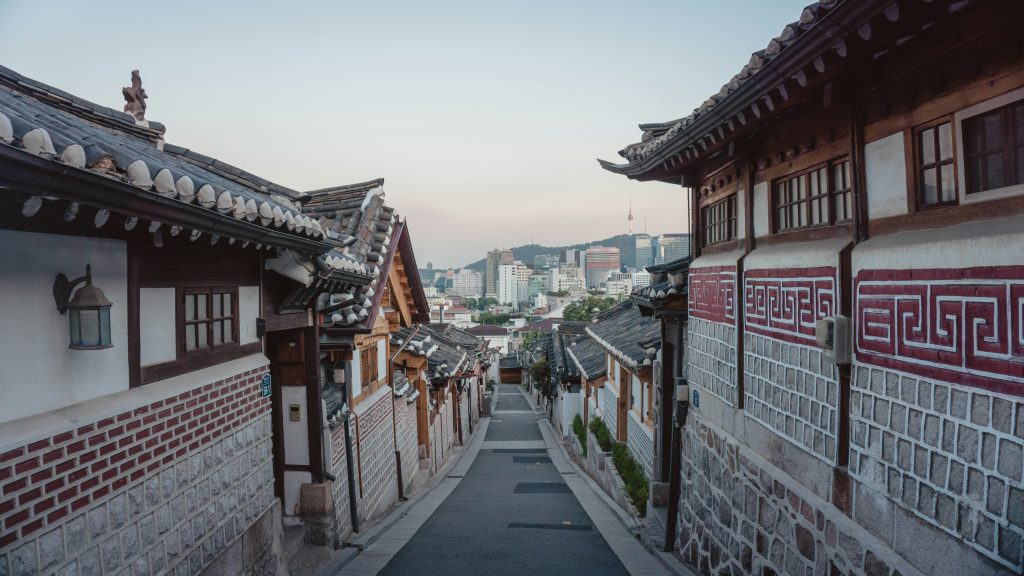
Regional temperatures differ across the peninsula. The interior experiences more extreme temperatures than the coast. These geographical differences affect how seasons feel.
Traveling during seasonal shifts can enhance your experience. Whether you love fall’s colors or winter’s quiet, choosing the right time ensures your trip meets your expectations.
Planning this trip?
Our partner Voyada’s AI itinerary planner builds a day-by-day plan with flights, hotels and a real total cost for your dates — in about a minute, free.
Plan an itinerary →South Korea by Season at a Glance
The short answer in one table, the region-by-region answer in a second — then the full seasonal detail below.
| When | Weather | What you get |
|---|---|---|
| Late Mar–Apr | 10–18°C, cherry blossoms | Peak spring — the famous bloom; mild, sunny, and busy. Book around the blossom window |
| May–Jun | 18–26°C, warm and clear | Underrated sweet spot — green, comfortable, fewer crowds before the rains |
| Jul–Aug | 25–33°C, humid, monsoon | Jangma rainy season plus typhoon risk — hot and sticky; cheapest but least pleasant |
| Sep–Nov | 10–22°C, crisp, foliage | Peak autumn — rival to spring; national parks blaze red and gold, low rainfall |
| Dec–Feb | −6–5°C, cold and dry | Ski season, palace snow, quiet cities — clear skies but genuinely cold |
The Right Region by Month
| Where | Prime window | Why |
|---|---|---|
| Seoul & the north | Apr–May, Sep–Oct | Blossoms peak early April; foliage peaks late October |
| Busan & the south coast | Late Mar, Oct–Nov | Warmer and drier — the bloom starts here first |
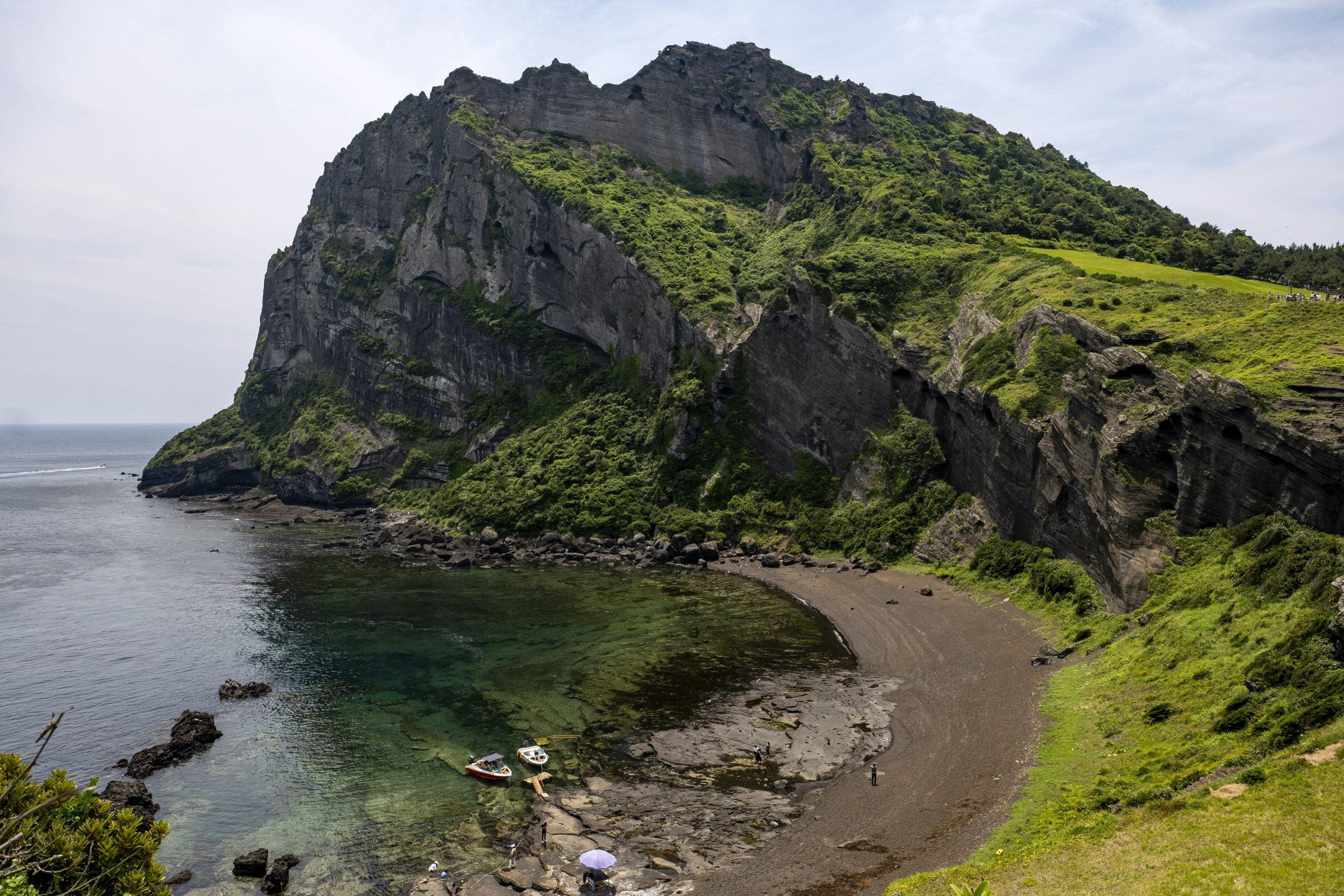
| Jeju Island | Apr–Jun, Sep–Oct | Mildest all year; canola fields in April, avoid the July–Aug typhoon peak |
| Seoraksan & national parks | mid-Oct | Korea’s foliage epicentre — a two-week window that draws the whole country |
| Pyeongchang / ski country | Dec–Feb | Olympic-grade snow within 2 hours of Seoul |
Blossoms, Holidays and 2026 Entry: Key Facts
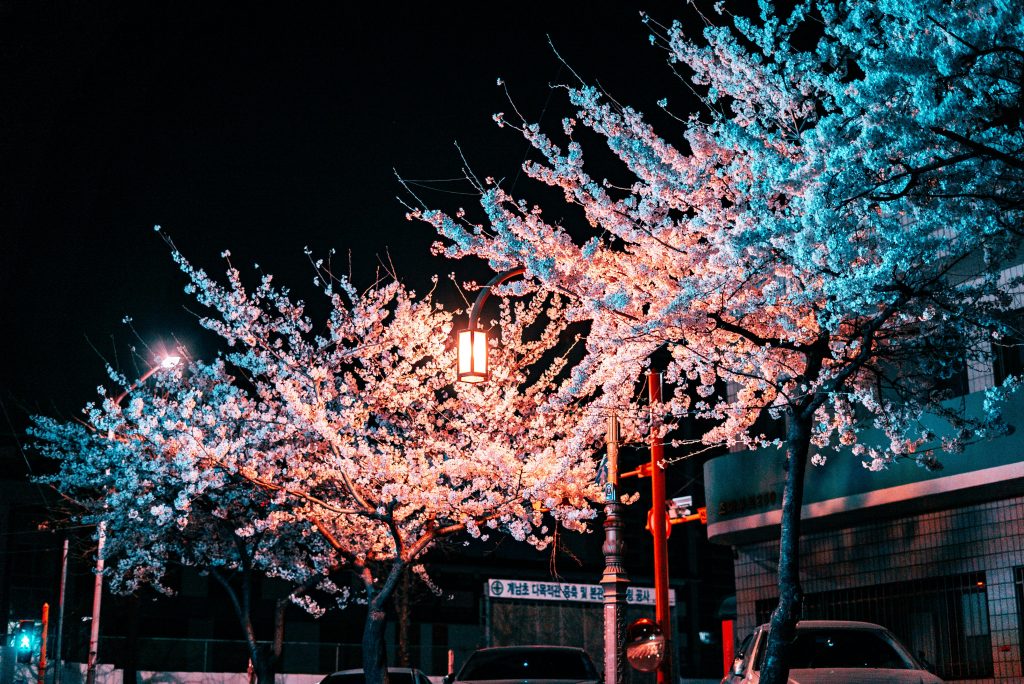
Chase the blossom north: cherry blossoms open in late March in Jeju and Busan and roll up to Seoul by early-to-mid April — so if you miss them in the capital, they may still be peaking further south (or vice versa). The bloom lasts only about a week per city; the Busan and Jeju guides cover the southern timing.
The two holidays that shut the country: Seollal (Lunar New Year, Jan/Feb) and Chuseok (harvest festival, Sep/Oct) see the entire nation travel home — trains and buses sell out weeks ahead, and many shops and restaurants close. Both shift dates each year; check before you lock a trip.
2026 entry, in one line: the K-ETA is waived for 67 nationalities through December 31, 2026 (US, UK, Canada, Australia and more), but since January 2026 everyone must file the digital e-Arrival Card within 72 hours before landing. Do both only at the official K-ETA portal — never third-party sites.
Autumn quietly beats spring on value: September–November brings the same mild weather and spectacular colour with slightly lower prices than blossom season — and Seoraksan in mid-October is the single most beautiful fortnight in the country. Still deciding between countries? Our Japan or South Korea comparison settles it. Official resource: Korea Tourism Organization.
Springtime Splendor: Cherry Blossoms and Mild Temperatures
Spring is the perfect time to visit South Korea, with its mild temperatures and vibrant landscapes. It’s ideal for those who love walking and enjoying nature’s beauty. The country transforms beautifully as the weather warms up.
Navigating the Peak Cherry Blossom Season
The cherry blossom season attracts huge crowds to parks and historic sites. Gyeongju, in particular, is bustling in early April. Expect long lines and crowded transport during this time.
Given its popularity, booking your stay early is key. Secure your accommodation to enjoy the festivities comfortably. Early planning helps you avoid last-minute hassles and fully immerse in the blossoms.
Regional Differences in Spring Bloom Times
Spring blooms vary across the peninsula. Southern regions bloom first, while the north and high elevations follow later. This staggered timing gives visitors more chances to see blossoms in different areas.
National parks like Seoraksan and Jirisan are perfect for outdoor lovers. They offer stunning views as nature awakens. The mild climate makes spring the best time for hiking and sightseeing.
Summer Travel: Managing Humidity and Monsoon Season
Traveling in South Korea during summer requires careful planning to stay comfortable. The season brings vibrant energy and lush landscapes, but also high humidity and monsoon rains. Knowing these weather patterns helps you enjoy your trip without being overwhelmed.
Preparing for the July and August Rainfall
The rainy season peaks in July and August. Expect sudden downpours, so carry a compact umbrella or a lightweight rain jacket. These will keep you dry while exploring the city.
Choosing the right clothes is key in humid air. Opt for breathable, moisture-wicking fabrics that dry quickly. Light layers are best for moving between humid outdoors and cool indoor spaces.
Coastal Escapes and Beach Destinations
When the city gets too hot, locals and travelers seek the coast. Cities like Busan offer sea breezes that cool the summer heat. The ocean provides a refreshing escape and a chance to enjoy local beach culture.
Jeju Island offers cooling sea breezes, though July and August are its typhoon peak. It boasts volcanic beaches and coastal paths that are cooler than urban areas. Relaxing on the sand or exploring seaside cliffs, the coast offers a lively summer experience.
Autumn Foliage: The Most Popular Season for Sightseeing
As the air cools and leaves transform, South Korea shines in its most breathtaking season. Many travelers prefer autumn over spring, enjoying the low rainfall and mild temperatures. It’s ideal for exploring the country without the summer’s heat or humidity.
Why October is the Ideal Month for Hiking
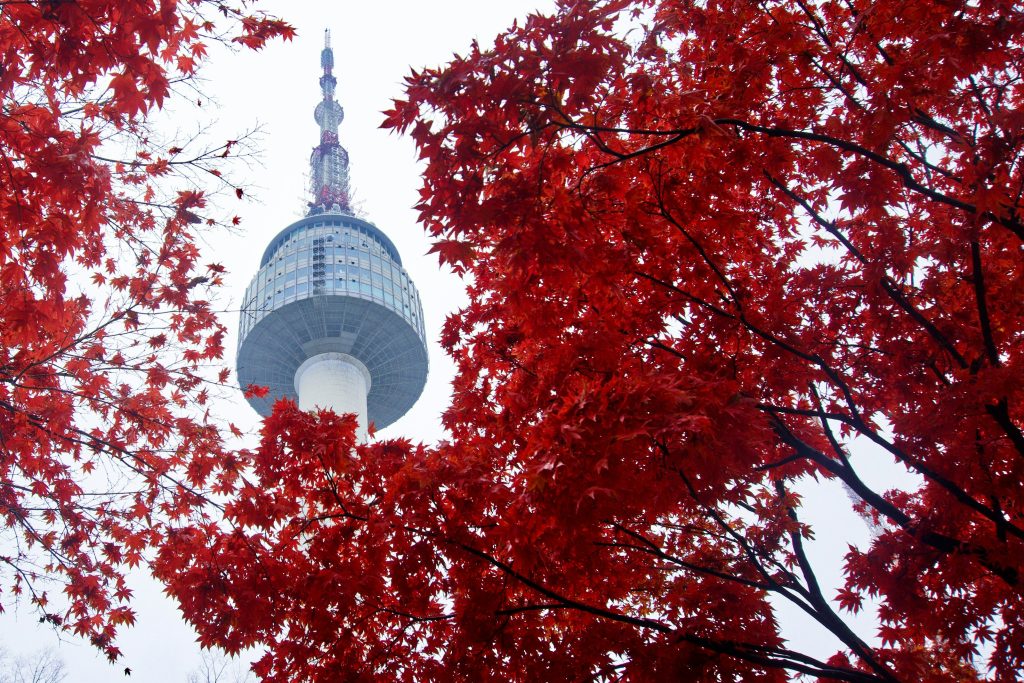
October is the top choice for outdoor lovers. The landscape turns into a kaleidoscope of colors, from gold to deep crimson. Whether strolling through city gardens or hiking rugged trails, the views are spectacular.
The cooler, drier weather enhances outdoor activities, making them more enjoyable than in summer. Seoraksan National Park, for example, becomes a photographer’s paradise. It’s the perfect time to explore the peninsula’s natural wonders.
Cultural Festivals and Harvest Celebrations
Autumn is also a time of deep tradition and community spirit. Cultural festivals showcase the region’s rich history. These events, often tied to the harvest, offer a unique look into the country’s heritage.
These celebrations feature traditional music, dance, and seasonal foods. Joining in offers a meaningful way to connect with local culture. It’s a chance to see South Korea’s authentic side in the fall.
Winter Wonderland: Skiing and Traditional Experiences
Exploring South Korea in winter reveals a world of snowy slopes and cultural traditions often missed by travelers. Despite the cold, the country turns into a magical, crowd-free wonderland. It’s ideal for those seeking a crisp, winter adventure.
To stay warm while exploring, pack high-quality thermal layers and heavy winter gear. Being well-prepared lets you fully appreciate the beauty of snow-draped mountains and historic sites. You can do so without the wind’s biting chill.
Budgeting for Winter Sports and Resort Stays
South Korea boasts world-class skiing and snowboarding, mainly in the northern provinces. These areas enjoy reliable snowfall and modern, well-equipped resorts. They cater to both beginners and seasoned pros.
When planning your trip, look for package deals that include lift tickets and accommodation. Many resorts offer mid-week discounts. These can greatly reduce your travel budget while ensuring ample time on the slopes.
Experiencing the Lunar New Year Traditions
Winter sports are just part of the season’s allure. The Lunar New Year offers a unique glimpse into local culture. It’s a time when families come together, and experiencing these traditions connects you to the country’s heart.
Keep in mind that many shops and restaurants close during the holiday peak. It’s best to plan your itinerary with this in mind. Yet, the quiet atmosphere allows for a serene appreciation of the snow-covered scenery. This is not possible during busier months.
Analyzing Travel Costs Across Different Seasons
Understanding seasonal changes is key to a stress-free Korean adventure. Flight and hotel prices vary greatly throughout the year. This is due to local demand and weather patterns. By tracking these trends, you can spend more on unique experiences and local food.
Finding Value During the Shoulder Seasons
Visiting during the shoulder seasons can save you money. These periods are between the busy spring and autumn months. They offer pleasant weather and lower prices.
Traveling in late winter or early summer can also save you money. Luxury resorts often offer discounts during these times. This way, you can enjoy popular attractions without the high prices of peak travel dates.
Peak Pricing for Flights and Accommodations
Prices rise during the most popular times of the year. The spring cherry blossom season and autumn foliage months see high demand. Airlines and hotels raise their rates to meet this demand.
Booking early is vital if you must travel during these times. Expect to pay more for flights and accommodations in cities like Seoul or Busan. Planning ahead helps avoid price hikes and ensures your preferred lodging options.
Regional Weather Variations Across the Peninsula
South Korea, despite its small size, exhibits varied weather patterns across its regions. A reliable south korea weather guide is essential for understanding these differences. It helps you pack more effectively and plan your activities with precision.
Coastal Climates Versus Inland Mountain Ranges
The coastal areas of South Korea differ significantly from the mountainous interior. The ocean breeze makes these regions windier and slightly milder year-round. This offers a welcome respite from summer’s heat or winter’s chill.
Conversely, the inland mountain ranges experience more pronounced temperature fluctuations. These areas stay cooler in summer but rapidly drop in temperature with autumn’s onset. Hikers should always check the local forecast for their specific altitude.
Urban Heat Islands and City Sightseeing Tips
Major cities like Seoul and Busan have warmer air due to the urban heat island effect. This phenomenon occurs when concrete and asphalt absorb and retain heat. During summer’s peak, city streets can be much hotter than rural areas or coastal zones.
To stay cool, plan outdoor sightseeing for early morning or late evening. During the hottest part of the day, seek refuge in air-conditioned spaces like museums, cafes, or malls. A detailed south korea weather guide will help you prepare for these warmer city afternoons.
Essential South Korea Travel Tips for Every Season
Traveling in South Korea requires a few key habits to ensure a smooth journey. Being well-prepared is the most critical tip to keep your trip enjoyable. By planning ahead, you can immerse yourself in the vibrant culture and stunning landscapes without stress.
Packing Strategies for Variable Weather
The weather in South Korea can change rapidly, making versatility essential. Pack lightweight layers that you can add or remove as needed. This strategy is vital during spring and autumn, when temperatures vary significantly between day and night.
A reliable, waterproof jacket is a must-have for your luggage. Even outside the monsoon season, sudden rain showers can occur. By following these tips, you’ll stay comfortable, no matter the weather forecast.
Navigating Public Transportation During Peak Times
South Korea’s transit system is highly efficient but can be crowded during certain hours. To avoid the chaos, plan your travel outside the morning and evening rush. This approach helps you dodge the largest crowds and enjoy a smoother commute.
If you must travel during a busy time, keep your belongings secure and stay alert. Transit apps can offer real-time updates, helping you navigate like a local. These tips will make your travel through South Korea seamless.
South Korea Tourism Season: Crowds and Queue Management
Timing is key to enjoying the best of South Korea’s attractions without stress. Effective crowd management is essential, making your visit to iconic landmarks smooth and memorable. By planning ahead, you can transform a crowded trip into a seamless adventure.
Avoiding Major National Holidays
Major national holidays like Chuseok and Seollal are the busiest times to travel. Millions of locals visit family, making public transport and popular sites very crowded. It’s wise to avoid these dates for a quieter experience.
If you must travel during these holidays, expect limited hours for shops and museums. Always check local calendars to see if your plans will be impacted. Being flexible is key during these peak travel times.
Strategic Timing for Popular Tourist Attractions
Arriving early in the morning or late in the afternoon can make your visit to major attractions more peaceful. Avoiding the largest tour groups allows you to fully appreciate the history and culture. This simple timing adjustment can significantly reduce your wait times.
Many popular spots are less crowded at opening or closing times. Exploring smaller neighborhoods during the midday can offer a refreshing break from the crowds. This approach ensures you spend less time waiting and more time exploring.
South Korea Vacation Planner: Creating Your Itinerary
Creating the perfect itinerary is key to enjoying every moment in South Korea. A reliable vacation planner helps organize your days, ensuring you see the highlights without feeling rushed. By mixing experiences, your trip remains exciting and relaxing.
Balancing Outdoor Activities with Indoor Culture
The best trips blend South Korea’s natural beauty with its historical roots. Spend mornings hiking in Bukhansan National Park and afternoons at the National Museum of Korea. This mix keeps your schedule fresh and prevents fatigue during the peak season.
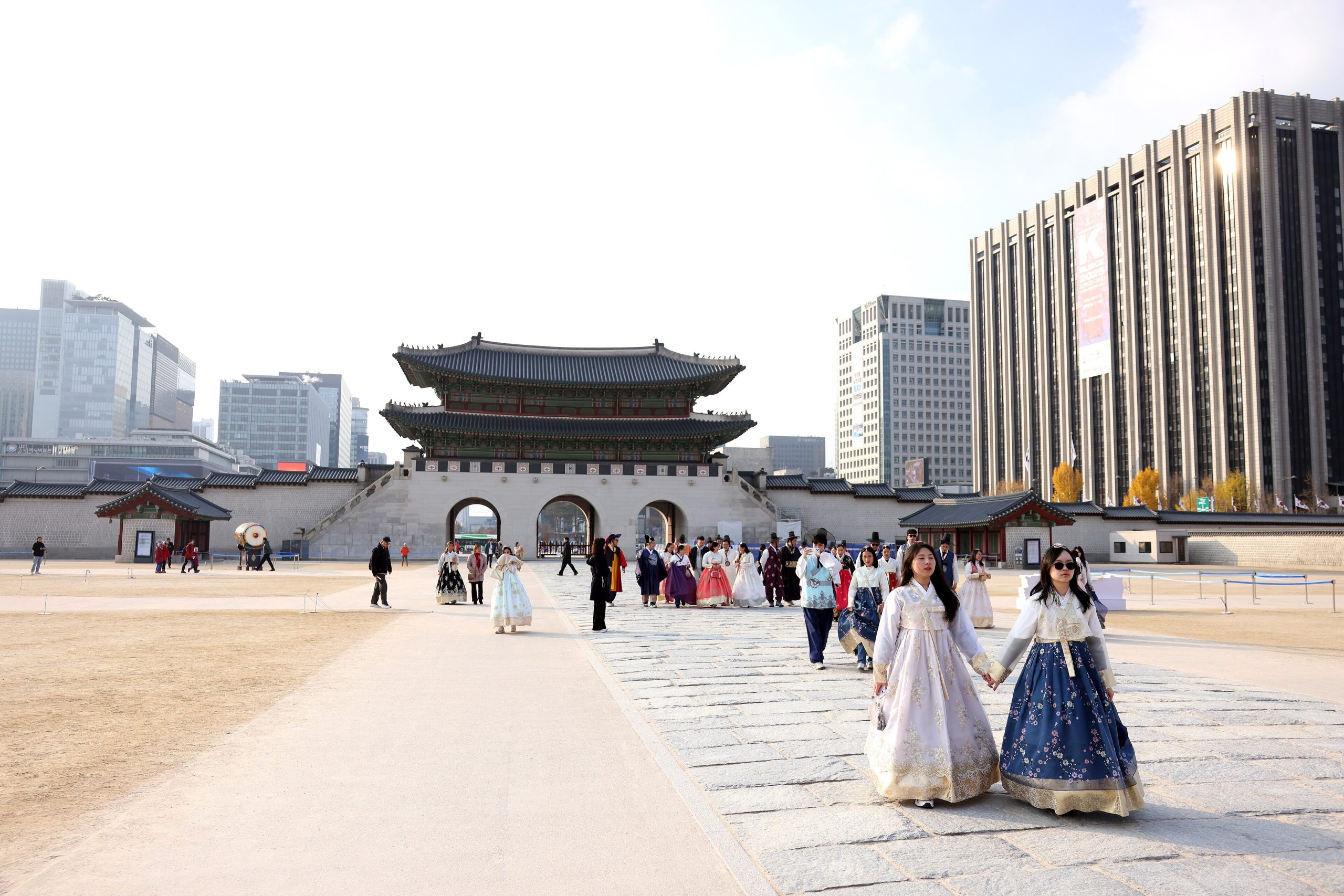
Include visits to ancient palaces like Gyeongbokgung and modern art galleries in Seoul. Indoor sites offer a great escape if the weather turns bad. Always leave room for spontaneity, as some of the best memories come from unexpected moments.
Allocating Time for Travel Between Major Cities
Efficient travel is essential for a stress-free journey across the peninsula. The high-speed KTX rail network makes traveling between major hubs like Seoul and Busan fast and comfortable. A typical trip from Seoul to Busan takes just under three hours, maximizing your time on the ground.
When using your vacation planner, remember to account for transit time to and from train stations. Limit your travel days to ensure you have enough energy to explore your destination upon arrival. Grouping activities by region minimizes transit time and allows for more discovery.
South Korea Sightseeing Recommendations by Month
Creating the ideal itinerary requires a balance between outdoor activities and indoor comfort. Being flexible with your plans allows you to adapt to the year’s weather changes. These south korea sightseeing recommendations will enhance your journey, no matter the season.
Must-See Landmarks During the Spring and Fall
Spring and autumn are the best times for outdoor exploration. You should prioritize visiting iconic hiking trails like those in Bukhansan National Park or Seoraksan.
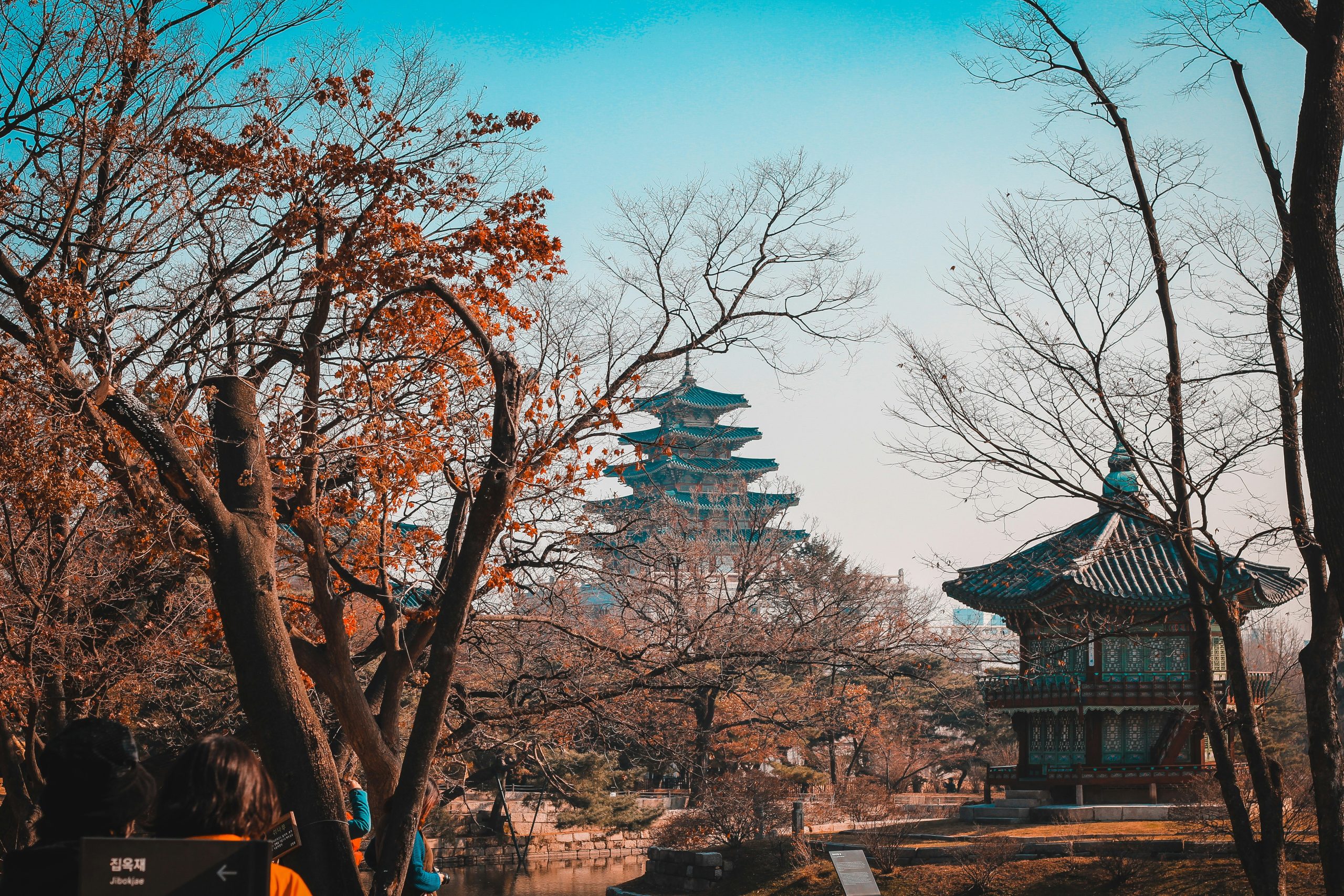
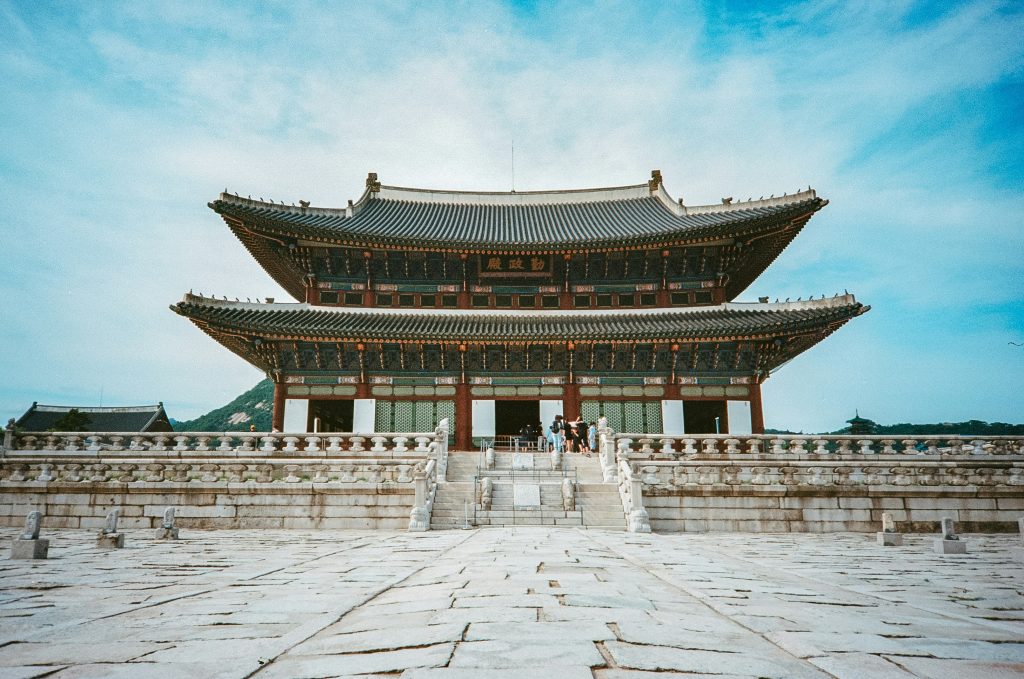
The historic palaces in Seoul, such as Gyeongbokgung, shine when the weather is mild. Walking through these ancient grounds lets you fully appreciate the stunning architecture and seasonal foliage.
Indoor Alternatives for Rainy or Cold Days
Even the best plans can be derailed by rain or cold. When the weather turns, explore the country’s top indoor museums and cultural centers.
The National Museum of Korea is perfect for learning about local history. For relaxation, visit a traditional jjimjilbang, or Korean bathhouse, to warm up and recharge.
Having a backup plan for each month keeps your trip enjoyable. Mixing indoor options with outdoor goals showcases why these south korea tourist attractions are favorites all year.
South Korea Trip Planner: Logistics and Distances
Efficient travel is key to a successful South Korea trip planner, focusing on major hubs. Mastering the local transit network saves time in stations and more time exploring vibrant neighborhoods. A bit of logistical planning ensures your journey remains relaxed and enjoyable.
Understanding High-Speed Rail Travel Times
The Korea Train Express, or KTX, is the top choice for long-distance travel. These high-speed trains link major cities with speed and comfort. For example, Seoul to Busan takes just under three hours, making day trips or multi-city stays feasible.
Booking tickets in advance is wise during peak seasons. Check schedules and buy seats through official websites or mobile apps. This step avoids long queues and keeps your schedule on track.
Optimizing Your Route for Maximum Efficiency
When planning your South Korea vacation, group sightseeing by region. Exploring one area thoroughly before moving to the next minimizes transit time. This strategy maximizes cultural immersion.
Start in the capital and move south or east in a logical loop. This reduces backtracking and uncovers more hidden gems. Using a map helps visualize distances and maintain a steady pace.
South Korea Travel Advice for First-Time Visitors
Starting your first journey to South Korea is an exciting milestone that requires thoughtful planning. By following sound south korea travel advice, you can ensure your trip is smooth, respectful, and deeply rewarding. Whether you are exploring bustling city streets or quiet mountain trails, these insights will help you feel like a local.
Cultural Etiquette and Local Customs
Respecting local traditions is key to a positive experience in this beautiful country. When visiting historic temples, always dress modestly by covering your shoulders and knees to show proper reverence. A simple bow when greeting locals or thanking someone goes a long way in demonstrating your appreciation for their culture.
Keep in mind that public spaces are generally quiet, so try to keep your voice low while using public transit. These small gestures are essential south korea travel tips that help you connect more authentically with the people you meet. Being mindful of these customs will make your interactions much more pleasant.
Staying Connected and Managing Currency
Staying connected is vital for any modern traveler, specially when navigating new cities. We recommend picking up a local SIM card or renting a portable Wi-Fi device at the airport upon arrival. This ensures you have constant access to maps and translation apps, which are lifesavers for your south korea trip planner.
While South Korea is a highly digital society where credit cards are accepted almost everywhere, carrying a small amount of cash is wise. You will need coins for local buses or small street food stalls that might not take cards. Using this practical south korea trip planner approach will keep your logistics stress-free. With your connectivity and finances sorted, you are ready to enjoy everything this incredible destination has to offer.
Before you go: turn this guide into a day-by-day plan. Our partner Voyada is a free personalized trip planner that builds the trip with flights, hotels and a real total cost for your dates — in about a minute.
Make an itinerary →South Korea's Festivals and Travel Peaks
Korea’s seasons come with standout festivals — and two holidays when the country effectively shuts down for family travel.
- Cherry blossoms (early–mid Apr): bloom sweeps north from Jeju and Busan to Seoul — brief, beautiful and busy.
- Autumn foliage (Oct–Nov): arguably Korea’s best season, with crisp weather and fiery colour in the mountains and palaces.
- Summer fun: the Boryeong Mud Festival (July) is a raucous highlight, but summer is hot, humid and includes the monsoon (jangma).
- Avoid Seollal and Chuseok: the Lunar New Year and autumn-harvest holidays see mass domestic travel and many closures — check the dates, which shift yearly, before booking.
- Spring haze: fine dust (misemeonji) can be heavy in spring — check air-quality apps and pack a mask if you’re sensitive. Grab a T-money card for effortless transit.
South Korea: Month-by-Month Guide
A quick month-by-month reference for planning — at a glance, when to go and what each month brings.
| Month | Verdict | What to expect |
|---|---|---|
| January | Cold | Cold and dry; skiing; quiet. |
| February | Cold | Cold, easing late; Seollal closures (date varies). |
| March | Shoulder | Cool and warming; spring begins; fine dust possible. |
| April | Great | Mild; cherry blossoms; lovely (watch for fine dust). |
| May | Great | Warm and ideal; lush and comfortable. |
| June | Warm | Warm; the monsoon (jangma) starts late; humid. |
| July | Wet | Hot and wet; monsoon peak; Boryeong Mud Festival. |
| August | Hot | Hottest and humid; typhoon risk; peak domestic travel. |
| September | Good | Warm, easing; Chuseok closures (date varies); pleasant. |
| October | Peak | Crisp and clear; autumn foliage; ideal. |
| November | Great | Cool and dry; late foliage; quieter. |
| December | Cold | Cold and dry; skiing; winter illuminations. |
Conclusion
South Korea is a dynamic blend of ancient traditions and modern vibrancy, evolving with each season. It offers a unique experience for every traveler, from the soft pink cherry blossoms of spring to the crisp winter snows. This destination is a treasure trove of experiences.
With our south korea weather guide, you’re equipped to navigate the peninsula’s climate shifts. This knowledge allows you to plan your trip around the experiences you most desire. It’s your key to unlocking the best of South Korea.
Our travel advice ensures you’re ready for local customs and logistics. You can now craft an itinerary that seamlessly blends bustling city life with serene mountain retreats. This balance is essential for a well-rounded trip.
Our sightseeing recommendations help you focus on the landmarks that spark your imagination. These insights prevent common mistakes and help you make the most of your time. They ensure your journey is both memorable and fulfilling.
Now, it’s time to set your travel dates and book your accommodations. Booking early secures the best rates for your dream vacation. Get ready to explore the wonders of this remarkable country.
FAQ
When is the best time to visit South Korea for cherry blossoms?
Do you have any essential south korea travel tips for first-timers?
Where can I find a reliable south korea weather guide for packing?
How should I prepare for the south korea tourism season peaks?
What should I include in my south korea vacation planner for a 10-day trip?
What are your top south korea sightseeing recommendations for nature lovers?
How can a south korea trip planner help me save money?
What is the most important south korea travel advice regarding etiquette?
What are the must-see south korea tourist attractions in Seoul?
When does the autumn foliage peak?
Colour sweeps from north to south, the reverse of the cherry blossom. The first turn usually shows in the north eastern mountains in early October, the big national parks are at their best around the middle to end of the month, and the cities, the capital included, come good from late October into early November, with the far south and the island holding colour a little later. A foliage forecast is published each year ahead of the season, so check it a few weeks out rather than fixing dates far in advance. Mid to late October is the safest single window for mountains and city parks in one trip, and also the busiest, so book transport early.
Is spring or autumn the better choice?
Both work, and the tie breakers are crowds, cost and what you want to look at. Spring is built around the blossom, which lasts only about a week in any one city, pulls the heaviest domestic crowds and the highest room rates, and coincides with the spring dust haze. Autumn is longer and more dependable: low rainfall, crisp clear air, and colour in the mountains and palace grounds for several weeks rather than days. Choose spring if the blossom is the whole point and you can stay flexible with dates. Choose autumn if you want reliable weather for hiking and long days on foot, which is why many repeat visitors prefer it.
Is July or August a bad time to visit?
It is the least comfortable stretch, and worth understanding before you book. The jangma rains arrive in late June and run through July, delivering heavy, sustained downpours rather than passing showers, while August is the hottest and most humid month and carries the typhoon risk alongside the domestic holiday peak. The Korea Meteorological Administration issues heat, heavy rain and typhoon warnings in English, and a passing storm can shut flights, ferries and mountain trails at short notice. It is not a write off, since costs are lower, the summer festivals are excellent and indoor spaces are heavily air conditioned. Plan an indoor anchor for each day, keep bookings flexible and avoid tight connections.
How do Seollal and Chuseok affect a trip?
These are the two dates to check before booking anything. Seollal, the lunar new year, falls in January or February and Chuseok, the harvest holiday, in September or October, and both move each year. Across the three or four days around each, much of the country travels home at once: high speed rail seats sell out as soon as reservations open, motorways gridlock, and banks, small restaurants, family run shops and some museums close. City subways and buses keep running, chains and major attractions mostly stay open, and some palaces waive admission. If your dates overlap, stay put in one city rather than moving between them.
How bad is the spring fine dust?
It is a genuine seasonal nuisance rather than a reason to cancel. Fine dust and desert dust blown in from the west peak between roughly March and May, and a bad day turns the skyline milky and makes long walks unpleasant, particularly for anyone with asthma or a heart condition. Most spring days are not bad days, and readings swing widely from one to the next. Korea’s environment ministry publishes real time air quality readings and alerts, which local weather apps carry, and the national weather service warns of incoming dust events. Check each morning, move the heavy walking to clearer days, and bring a properly rated filtering mask if you are sensitive.
When is the ski season?
The season usually runs from around early December to early March, and the higher resorts in the north east can hold on a little longer. January and February bring the coldest, most reliable conditions and the best natural snow, though resorts lean heavily on snowmaking, so runs generally open on schedule whatever the winter delivers. The main ski country sits within a couple of hours of the capital, which makes a two or three day snow leg easy to add to a city trip. Weekends and school holiday weeks are crowded, midweek is calmer and cheaper, and lift and lodging packages tend to offer the better value.