
Table of Contents
TogglePlanning a first trip to Asia feels daunting, and fitting two very different cities into one journey sounds harder still. Hong Kong and Seoul are the easiest place in the region to start: both run world-class transit, both sign everything in English, and a direct flight links them in under four hours. With a well-structured Hong Kong and Seoul itinerary, the trip that looks complicated on paper turns into a genuinely smooth adventure.
Hong Kong and Seoul offer the perfect balance of high-energy urban exploration and deep cultural discovery. These two hubs provide world-class public transit and English-friendly signage, making them ideal for those new to Asian travel. Preparation is the secret ingredient that transforms a stressful trip into a collection of unforgettable memories.
We have designed this guide to help you bypass common pitfalls that leave many visitors feeling lost. With the right plan, you can focus on the dim sum, the neon lights, and the historic palaces waiting for you. Let’s dive into how you can master this dual-city journey with confidence.
Key Takeaways
- Combine Hong Kong and Seoul for a perfect mix of modern city life and rich tradition.
- Use efficient public transportation systems to navigate both cities like a local.
- Prioritize pre-trip planning to avoid common travel fatigue and logistical stress.
- Focus on iconic food experiences to ground your journey in local culture.
- Follow a balanced schedule to ensure you see the highlights without burning out.
✈️ TripToGo Travel Deals
Get notified about great travel deals
Hand-picked flight, hotel and destination deals, straight to your inbox. No spam, unsubscribe anytime.
🎉 Thank you for subscribing!
You’re all set — the best travel deals are on their way.
Hong Kong vs Seoul at a Glance
| Hong Kong | Seoul | |
|---|---|---|
| Days to allow | 3–4 | 4–5 |
| Mid-range daily budget | $100–150 | $80–130 |
| Transit card | Octopus | T-money |
| Airport to centre | Airport Express, ~24 min | AREX express, ~43 min |
| Entry (US passport) | Visa-free short stays | Confirm current K-ETA status |
| Best months | Oct–Dec | Sep–Nov, Apr–May |
| Signature experience | Victoria Peak & Star Ferry | Palaces & Gwangjang market |
Planning your first trip to Asia?
Our partner Voyada is an AI trip planner that turns this two-city route into a day-by-day plan with flights, hotels and a real total cost for your dates — in about a minute, free.
Plan my trip for mePlanning Your First Timer Itinerary to Hong Kong & Seoul
Are you ready to dive into the vibrant worlds of Hong Kong and Seoul? Let’s craft your Hong Kong and Seoul itinerary. This journey blends Hong Kong’s dynamic streets with Seoul’s rich culture, promising an unforgettable adventure.
Creating a successful itinerary begins with a well-thought-out plan. It’s essential to consider the unique rhythms of each city. By scheduling wisely, you can make the most of your time and avoid exhustion.
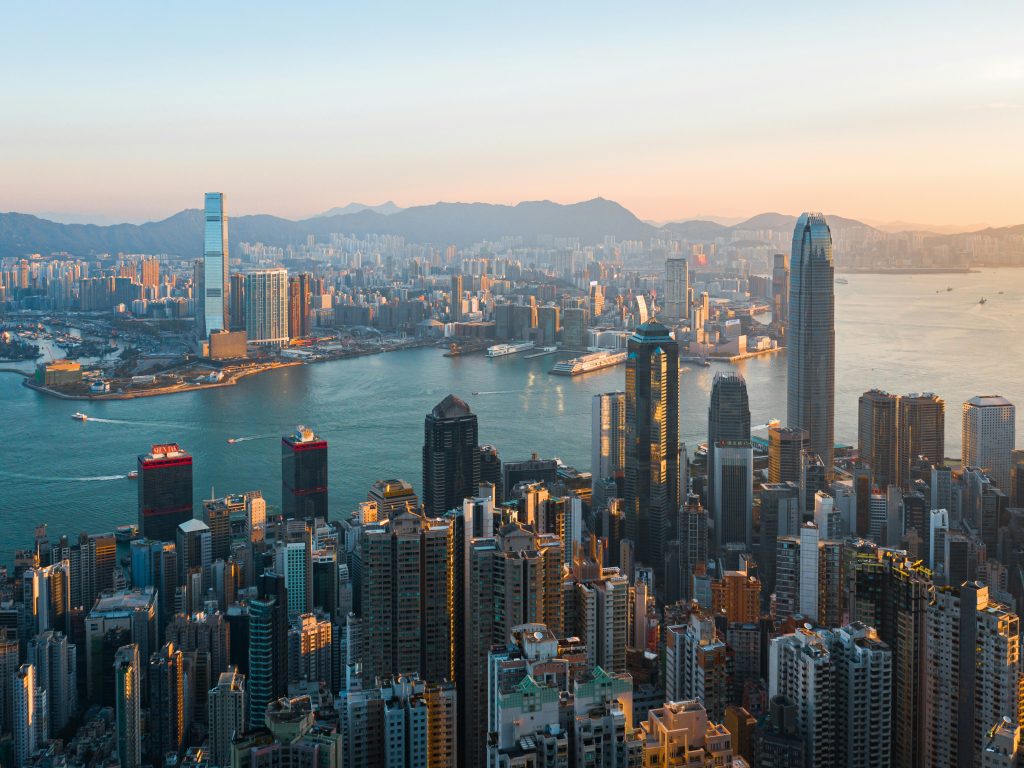
Ideal Seasons for Visiting East Asia
Choosing the right time for your trip is key. The ideal period for exploring both cities is from late September to early November.
During this time, Hong Kong’s humidity decreases, making outdoor activities more enjoyable. Seoul, on the other hand, offers cool air and breathtaking autumn colors, turning city parks into vibrant scenes.
By avoiding the summer heat and winter cold, you’ll have more time to explore. This season provides the best weather for strolling through markets and historic sites.
Managing Travel Logistics Between Cities
Traveling between these cities requires a thoughtful plan to keep your journey smooth. When planning your Hong Kong and Seoul itinerary, look for direct flights to save time.
Booking your flights as a multi-city ticket can simplify your travel. It often streamlines baggage handling and reduces document complexity.
After landing, arrange your airport transfers to your accommodation in advance. A well-planned arrival ensures you can immerse yourself in local culture without delay.
Budgeting for Your Dual-City Adventure
Mastering your finances is key to a stress-free journey through Hong Kong and Seoul. Even though these cities are digitally advanced, carrying cash for local markets and transit is vital. By following these practical tips, you can manage your spending effectively as you explore.
Daily Cost Estimates for Hong Kong
In Hong Kong, a mid-range budget of $100 to $150 USD per day is typical. This covers your stay, meals, and transportation. You can save by engaging in activities like hiking the Dragon’s Back or visiting the Man Mo Temple.
Food prices vary greatly, from local cha chaan tengs to upscale eateries. It’s wise to set aside a daily buffer for unexpected expenses or ferry rides. This way, you can extend your stay and discover more of the city.
Daily Cost Estimates for Seoul
Seoul offers a similar budget range, with daily expenses of $80 to $130 USD feasible. This includes your accommodation, meals, and subway fares. Exploring historic palaces and traditional villages is cost-effective.
By prioritizing your spending, you can enjoy the city’s highlights without overspending. Whether shopping in Myeong-dong or relaxing in a park, these tips help stretch your budget. Always have local currency for street food vendors who might not accept cards.
Navigating Hong Kong Transportation
Exploring Hong Kong’s vibrant streets is easier with the right transportation knowledge. The city’s transit system is top-notch, connecting every part of the territory efficiently. Traveling between districts is both budget-friendly and quick.
Using the Octopus Card System
The Octopus card is your key to hassle-free travel in Hong Kong. This reusable smart card is accepted on most public transit, including trains, buses, and some ferries. You can buy one at any MTR station or convenience store when you arrive.
Just tap your card on the yellow readers at stations or on vehicles. It makes paying for travel easy and saves time. Always check your balance at a station kiosk to avoid running out of funds.
Understanding the MTR and Ferry Networks
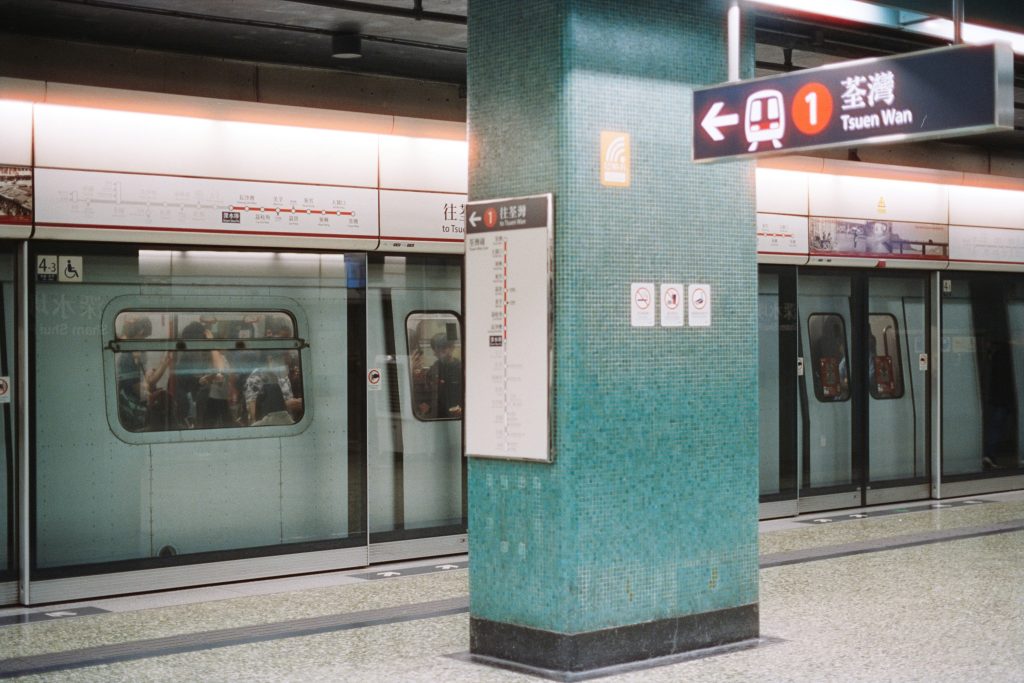
The Mass Transit Railway, or MTR, is the heart of Hong Kong’s transit system. It’s clean, dependable, and has clear signs in English and Chinese. You can easily find your way to major attractions using the subway map’s color-coded lines.
The Star Ferry offers a scenic alternative. These historic boats give you a unique view of Victoria Harbour and the skyline. Using these transportation options will help you make the most of your time in the city.
Must-See Attractions in Hong Kong
Ready to explore Hong Kong’s best spots? This city is a mix of towering skyscrapers and deep-rooted culture. This guide will help you find the top attractions without getting lost in the crowds.
Iconic Skyline Views and Peak Experiences
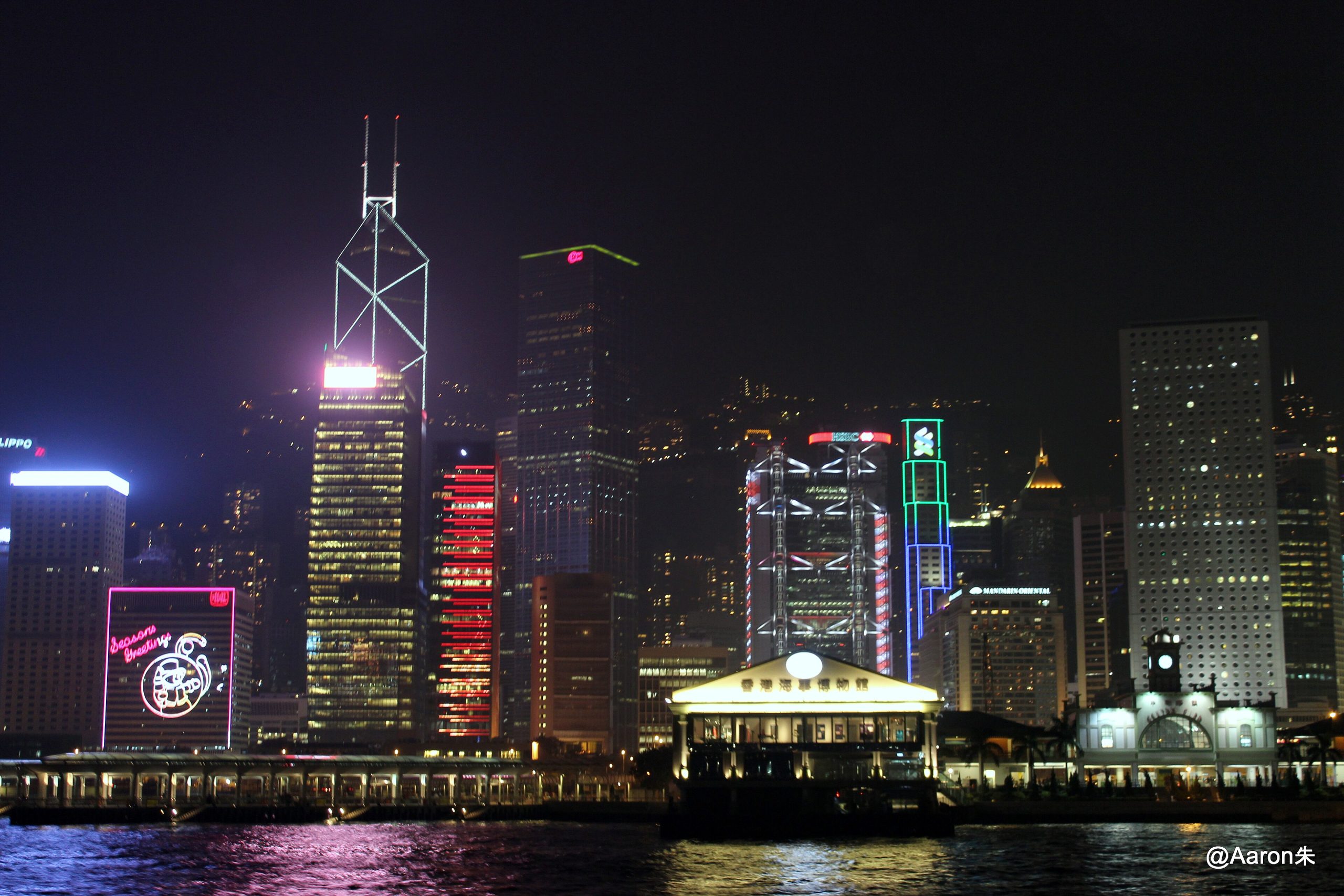
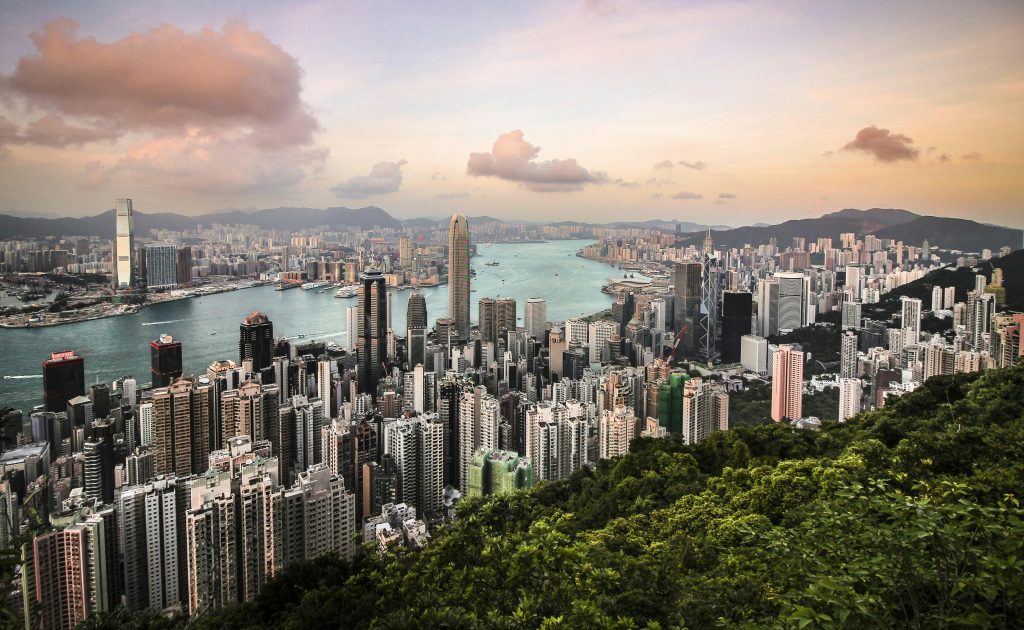
Victoria Peak offers the best views of the city. Skip the tram lines and take a bus or taxi for a smoother ride. The views of the harbor and skyscrapers are breathtaking.
For a unique view, take the Star Ferry at sunset. It’s a classic experience that’s both affordable and stunning. It’s a must-see for anyone visiting.
Exploring Traditional Markets and Temples
Experience local heritage by exploring historic districts. Start at the Man Mo Temple, where incense fills the air. It’s a peaceful oasis in the city.
Then, visit the Temple Street Night Market. It’s great for unique souvenirs and authentic street food. This guide helps you balance modern sights with traditional markets.
Local Cuisine Suggestions in Hong Kong
Exploring Hong Kong’s culinary scene is the best way to grasp the city’s essence. It’s a blend of tradition and innovation, catering to all tastes. By following these local cuisine suggestions, you’ll savor the best of the region.
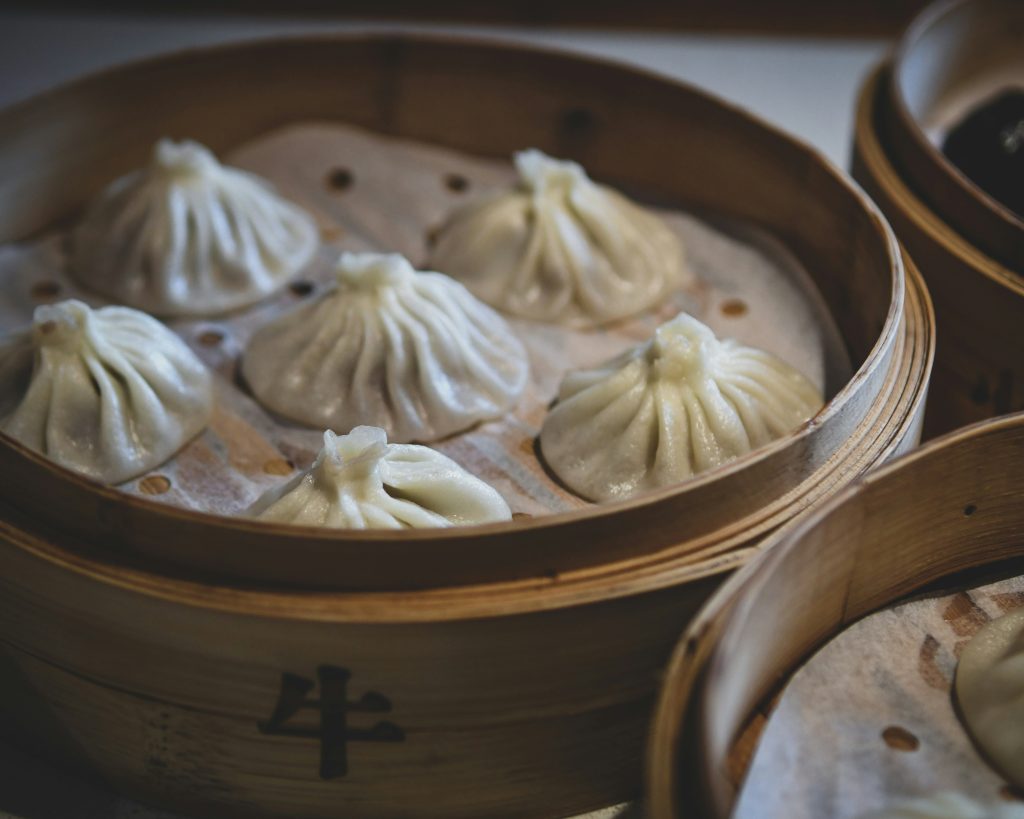
Dim Sum Culture and Street Food Staples
Indulging in authentic dim sum is a must. These small, steamed or fried treats are perfect with hot tea in a lively tea house. For top picks, try har gow shrimp dumplings and fluffy char siu bao pork buns.
For a quick bite, Hong Kong’s street food is unmatched. Enjoy a warm egg waffle or savory curry fish balls. These snacks capture the essence of local eating.
Dining Etiquette for First-Time Visitors
Visiting a busy restaurant can be daunting, but a few rules can ease the experience. It’s customary to rinse your utensils in hot tea before eating. This act shows respect for the place and others.
When it’s time to pay, a simple wave or nod will suffice. Many places prefer cash, so have small bills ready. These tips will make you feel like a local as you enjoy your meals.
Two cities, one trip — without the spreadsheet
Splitting days between Hong Kong and Seoul is the fiddly part. Our partner Voyada is an itinerary generator that sequences both cities, books the hop between them and gives you a real total cost — free, in about a minute.
Make an itineraryTransitioning from Hong Kong to Seoul
Moving from Hong Kong’s vibrant streets to Seoul’s dynamic energy is an exciting step. These cities, though culturally distinct, are connected smoothly. Traveling between them is a highlight of any East Asian journey.
Flight Durations and Airport Transfers
Direct flights from Hong Kong International Airport to Incheon International Airport last about three and a half to four hours. This short time allows for enjoying breakfast in one city and dinner in the other. Several major carriers operate this route daily, accommodating your schedule.
Upon arrival at Incheon, you have excellent options for reaching the city center. The Airport Railroad Express (AREX) train is the fastest, providing a comfortable ride with ample space for luggage. For a door-to-door service, airport limousine buses are convenient, dropping you off near major hotels.
Essential Travel Documents and Entry Requirements
Before heading to the airport, check your passport’s validity for at least six months beyond your departure date. Most international travelers need to verify their entry requirements in advance. Staying updated with official immigration guidance helps avoid border issues.
US, Canadian, UK, Australian and 18 other nationalities are currently exempt from the Korea Electronic Travel Authorization (K-ETA) — the waiver has been extended through 31 December 2026. Applying is optional and only worth doing if you want to skip the e-Arrival card. Confirm your own nationality on the official k-eta.go.kr site before you fly. Having both digital and physical copies of your travel documents ensures a seamless transition between these two incredible destinations.
Mastering Seoul Public Transit
Seoul boasts some of the most efficient transportation systems globally, perfect for the curious traveler. Despite its vast size, navigating from one neighborhood to another is remarkably easy. This is thanks to the city’s well-designed infrastructure.
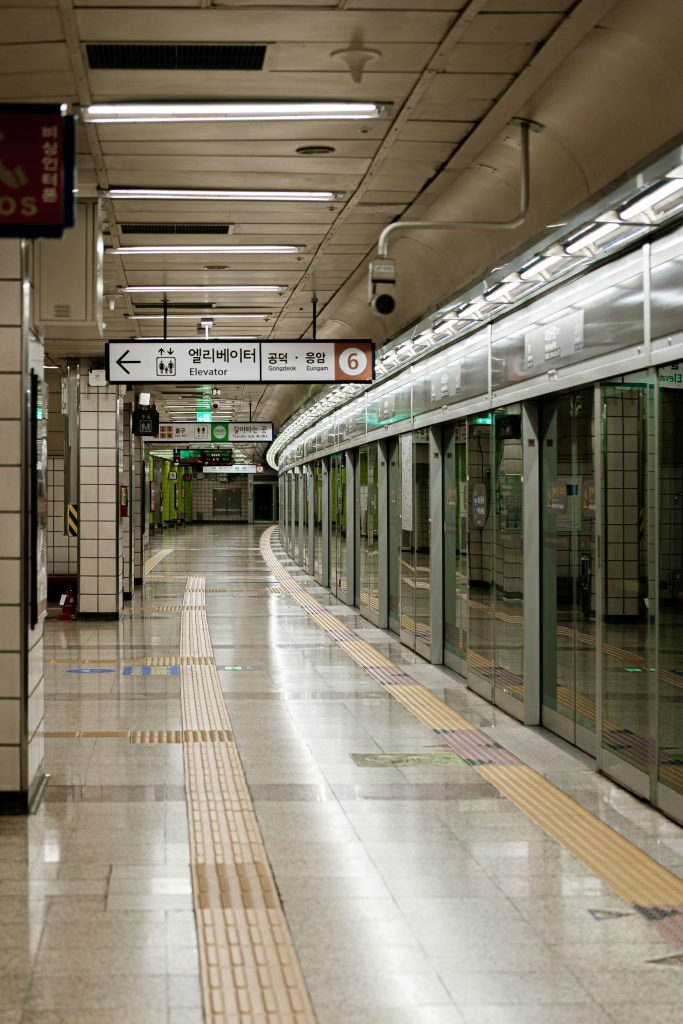
Navigating the Subway System
The subway is the lifeblood of Seoul’s travel network. Each line is color-coded, and stations are numbered for easy route tracking.
Maps in English are readily available, simplifying your journey. To avoid the chaos, steer clear of peak hours: 8:00 AM to 9:00 AM and 6:00 PM to 7:00 PM.
Using T-Money Cards for Seamless Travel
A T-Money card is essential for exploring Seoul’s transport options. It’s a reloadable smart card that works on subways, buses, and some taxis.
You can buy these cards at convenience stores or subway kiosks. Just tap your card on the reader to pay your fare automatically.
This system beats buying paper tickets for each trip. It keeps your commute smooth, allowing you to enjoy Seoul’s lively culture.
Top Cultural Experiences in Seoul
Seoul is a city where ancient dynasties’ echoes merge with modern life’s hum. This vibrant capital offers a wide range of cultural experiences for all travelers. Whether you’re into history or urban vibes, this guide will show you the city’s best spots.
Visiting Historic Palaces and Traditional Villages
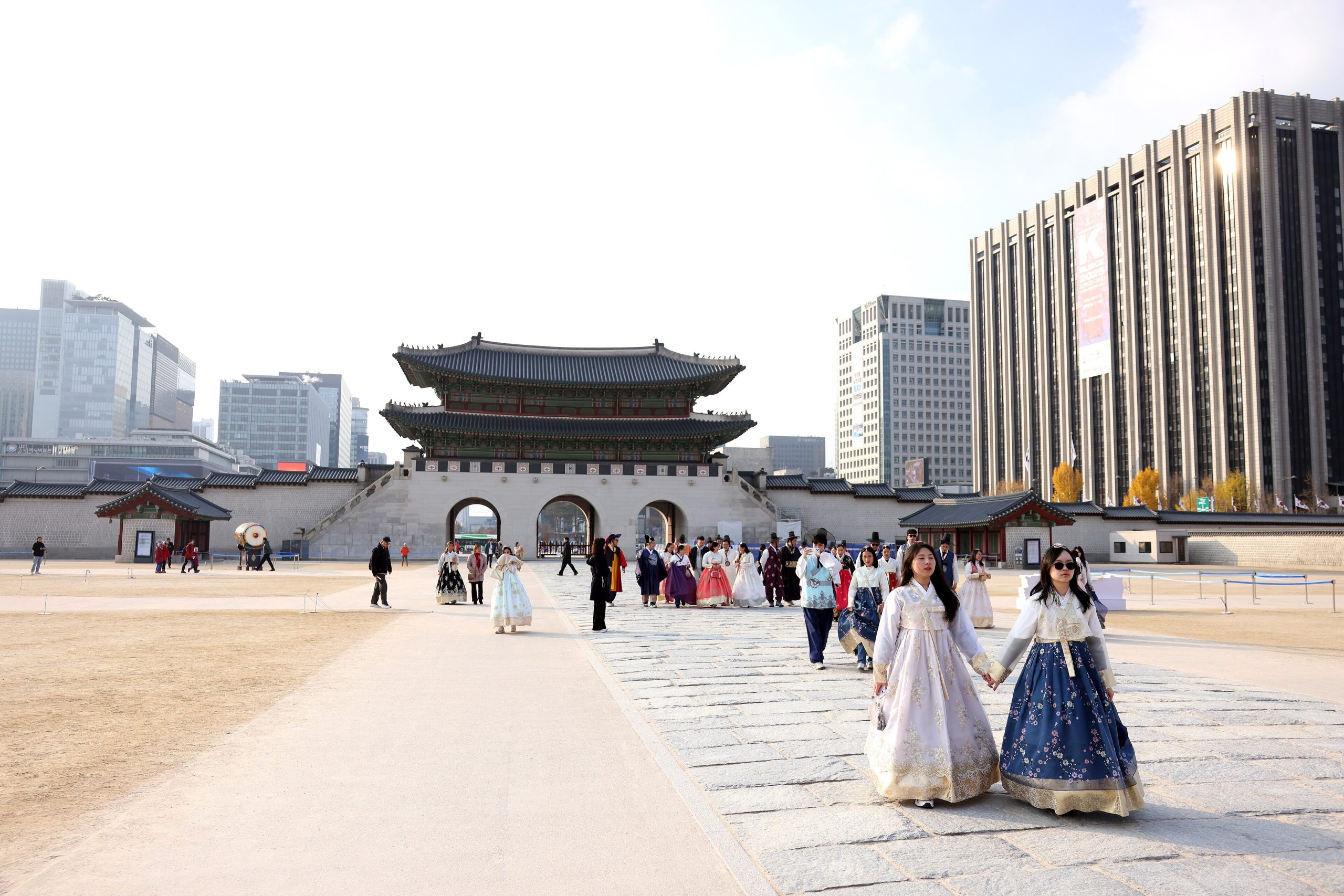
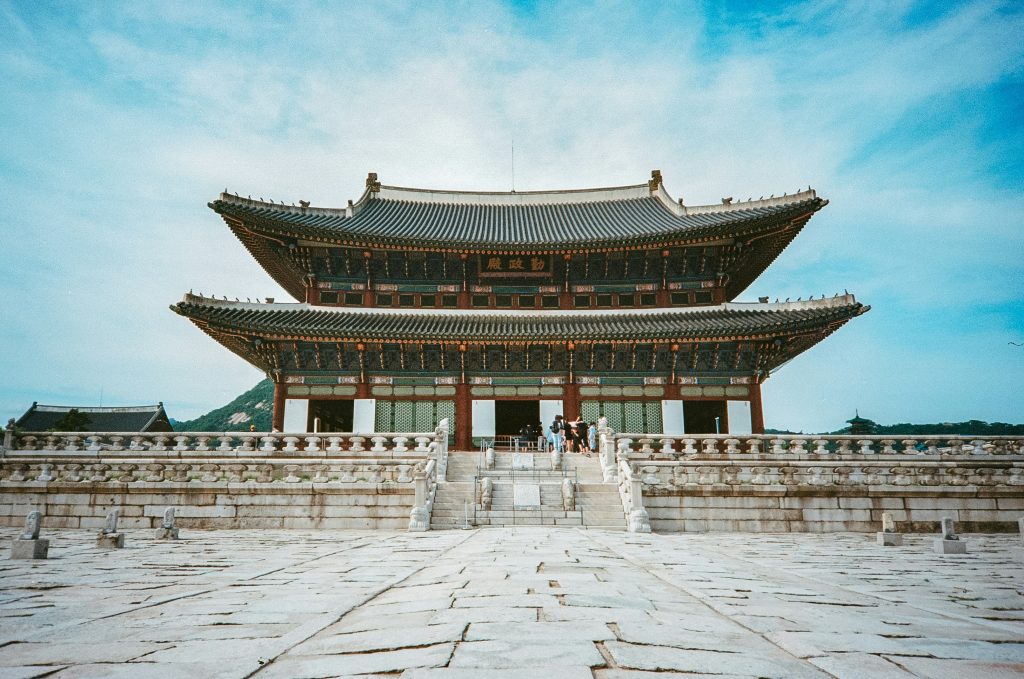
Begin at Gyeongbokgung Palace, the largest of the Five Grand Palaces. Here, you can see the colorful changing of the guard ceremony, giving a peek into the royal past. It’s a must-see for anyone visiting the city.
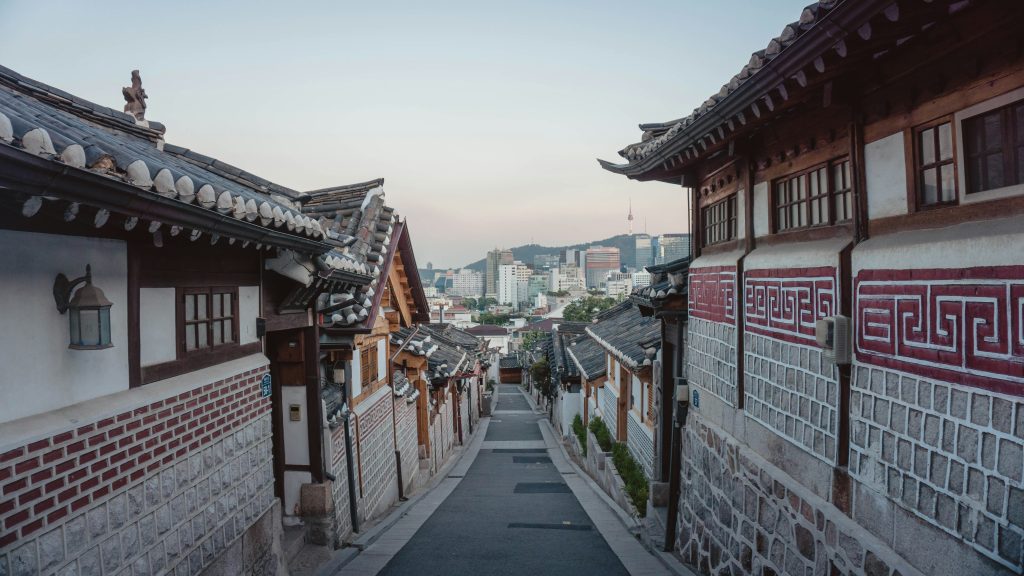
Next, visit Bukchon Hanok Village — but go between 10am and 5pm. The main residential lanes around Bukchon-ro 11-gil are a designated Special Management Area where tourist visits outside those hours carry a KRW 100,000 fine. Keep your voice down: people live here.le.
Modern Districts and Shopping Hubs
After immersing yourself in history, experience Seoul’s modern districts. Myeong-dong is a shopper’s dream, with endless skincare boutiques and trendy fashion stores. It’s a lively area that reflects the local youth’s contemporary lifestyle.
For luxury and futuristic architecture, visit Gangnam district. It’s known for its massive shopping malls and upscale dining. Exploring these areas gives you a full view of Seoul’s cultural diversity.
Authentic Korean Dining Experiences
Korean dining is a communal experience that invites you to share, taste, and connect. It is a central part of the local culture, providing a unique way to bond with friends or family over a sizzling grill. By following a few local cuisine suggestions, you can turn every meal into a memorable highlight of your trip.
Must-Try Dishes for Beginners
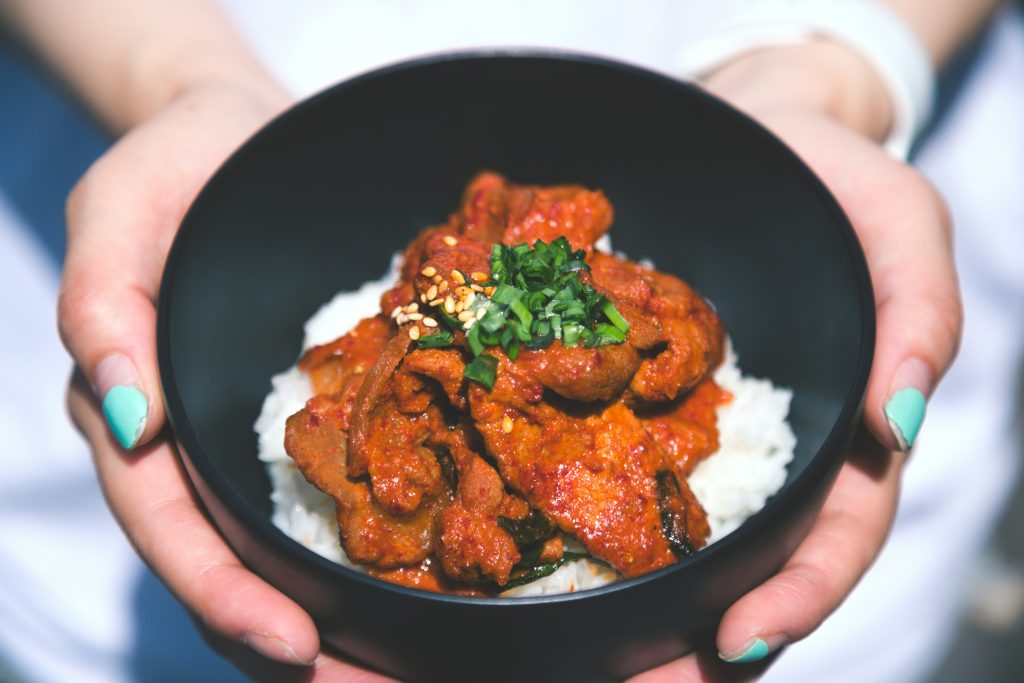
If you are new to the flavors of Seoul, start with Bibimbap. This colorful bowl of mixed rice, vegetables, meat, and a fried egg is both healthy and satisfying. It is one of our top recommendations for anyone wanting a balanced introduction to Korean staples.
Next, try Bulgogi, which consists of thinly sliced, marinated beef grilled to perfection. The sweet and savory flavor profile is incredibly approachable for first-time visitors. Do not forget to pair your meal with various side dishes, known as banchan, which are usually included at no extra cost.
Understanding Korean Table Manners
Dining in Korea involves specific customs that show respect to your hosts and fellow diners. For instance, it is polite to wait for the eldest person at the table to pick up their spoon before you begin eating. This simple gesture is a cornerstone of Korean cultural experiences.
When using your utensils, remember that chopsticks are for food, while the long-handled spoon is for rice and soups. Avoid sticking your chopsticks vertically into a bowl of rice, as this is considered disrespectful. Lastly, if you are pouring drinks, use both hands to hold the bottle as a sign of courtesy to your companions.
Safety and Connectivity Tips
Before arriving in Hong Kong or Seoul, prioritize your digital and physical security. A well-thought-out plan for mobile data and personal awareness will ease your journey. These travel tips help you focus on exploration, not worries.
Staying Connected with Local SIM Cards
Staying connected is key to navigating a new city confidently. Buying an E-Sim before arrival ensures constant access to maps and translation tools.
Digital connectivity lets you quickly find transit routes or the nearest restaurant. Setting up your data plan early saves you from Wi-Fi stress in unfamiliar areas. Reliable internet is a must for today’s traveler.
General Safety Advice for Urban Travelers
Hong Kong and Seoul are safe for visitors, but vigilance is wise. Secure your belongings in crowded spots like night markets or busy subway stations. Being mindful of your surroundings enhances your experience without worry.
Trust your instincts if a situation seems off or unclear. Keeping a digital copy of your passport and emergency contacts on your phone is also wise. These simple tips ensure your safety as you uncover East Asia’s hidden treasures.
Day Trip Opportunities Near the Cities
Exploring the outskirts of Hong Kong and Seoul uncovers a side of East Asia often missed by tourists. The urban buzz of these cities is undeniable, yet the surrounding areas offer a serene contrast. Adding these trips to your itinerary allows for budget-friendly activities that deepen your connection to the local environment.
Nature Escapes Outside Hong Kong
Hong Kong’s vast country parks, just a short ride from the city, are a surprise. Hike the Dragon’s Back trail for breathtaking coastal views or visit Sai Kung for its pristine beaches and volcanic formations. These outdoor adventures are ideal for those looking to enjoy the region’s natural splendor without spending a lot.
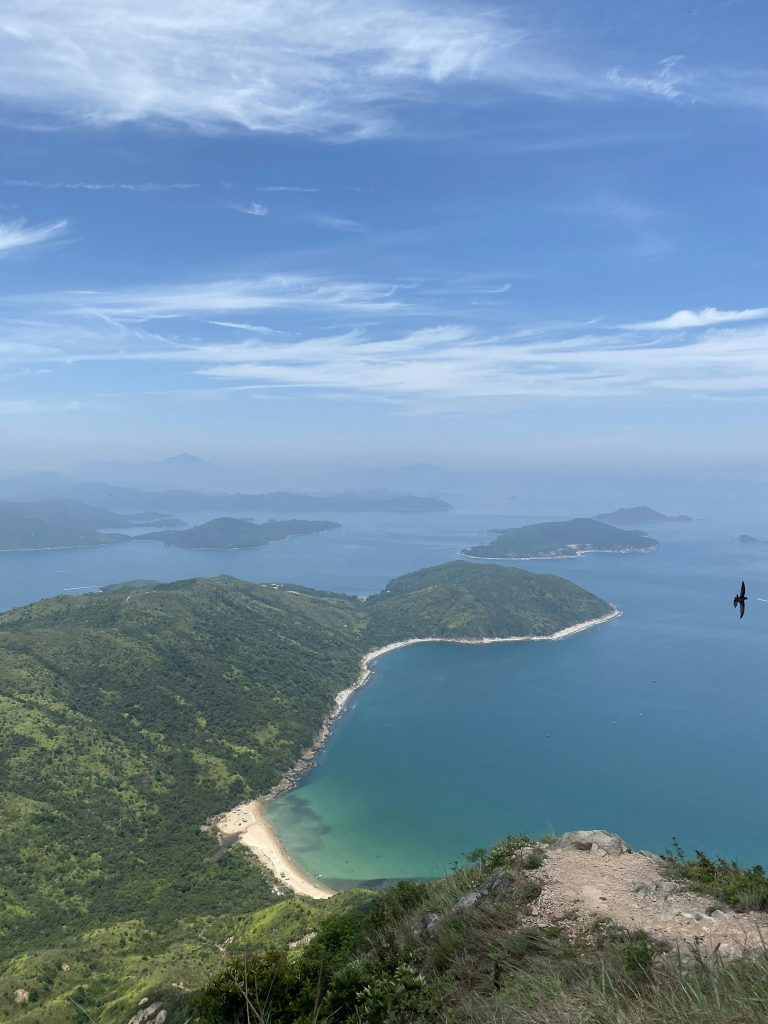
Lantau Island offers a peaceful escape from the city’s hustle. Visit the Big Buddha or explore the traditional stilt houses of Tai O fishing village. These spots provide a serene retreat without breaking the bank.
Historical Sites Within Reach of Seoul
For a journey into the past, several historical gems are just outside Seoul. The Suwon Hwaseong Fortress, a UNESCO World Heritage site, boasts impressive walls and gates perfect for a scenic walk. It’s a top choice for history enthusiasts looking for budget-friendly activities.
The Korean Folk Village is another must-see, where you can immerse yourself in traditional life. With preserved houses and cultural performances, it’s a great place to learn about Korea’s heritage. Accessible by public transit, it’s perfect for a day trip, enriching your understanding of the region’s history.
Packing Essentials for Your Trip
Mastering the art of packing for two climates is key to a hassle-free journey. You aim to be comfortable in Hong Kong’s vibrant streets and Seoul’s ancient quarters. A well-organized suitcase lets you enjoy your travels without the burden of heavy luggage.
Adapting to Climate Variations
Hong Kong’s summer is hot and humid, making lightweight, breathable fabrics essential. Opt for linen or moisture-wicking synthetics to stay cool. Don’t forget a compact umbrella to shield you from sudden rain.
Seoul’s climate is more variable, with spring and autumn bringing temperature swings. Layering is the smart choice for these seasons. Always check the weather forecast to pack a light jacket or sweater for cooler nights.
Gear and Tech Requirements
Staying connected is critical when exploring new cities alone. A universal travel adapter is indispensable due to the different outlets in Hong Kong and Seoul. Ensure your adapter supports various plug types to keep your devices charged.
A high-capacity portable charger is your ally for long sightseeing days. Your phone will be your go-to for maps, translations, and photos. Carry a lightweight power bank in your daypack to avoid battery drain.
Before you go: turn this guide into a day-by-day plan. Our partner Voyada is a free travel itinerary planner that builds both cities with flights, hotels and a real total cost for your dates — in about a minute.
Create a travel itinerary →Conclusion
Your journey through Hong Kong and Seoul promises to be unforgettable. With the right preparation and an open mind, you’ll experience a unique blend of ancient traditions and modern innovation. This experience will stay with you long after you return home.
Mastering the transit systems and respecting local customs are key to navigating these massive cities. You now have the tools to handle everything from navigating the MTR to ordering authentic street food with confidence. This knowledge will make your travels smoother and more enjoyable.
Begin by marking your must-see spots on a map today. Get ready to discover the incredible culture and energy of East Asia. Your next great travel story begins the moment you step off the plane.
FAQ
When is the best time to follow a Hong Kong and Seoul itinerary?
What are the most efficient transportation options for navigating these cities?
What are the must-see attractions for a first-time visitor in Hong Kong and Seoul?
Can you recommend some budget-friendly activities that don't sacrifice the experience?
Do you have any local cuisine suggestions for beginners?
How do I stay connected and ensure my safety while exploring?
What cultural experiences should I look for in Seoul?
What are the essential travel documents I need to prepare?
How long should a trip covering both cities be?
Nine or ten days on the ground is the comfortable minimum, split roughly three to four days in Hong Kong and four to five in Seoul, with the short flight between them treated as its own half day. Anything under a week means one city gets skimmed, because the transfer costs more time than the flight length suggests once both airport runs are counted. With two full weeks, add the extra days in Seoul, where the fortress towns and the border area each take most of a day. Book an open-jaw ticket so you never double back.
What happens if a typhoon hits while I am in Hong Kong?
The city runs a formal warning scale through the Hong Kong Observatory, and it genuinely shuts things down. Below signal eight most life carries on. Once signal eight or higher is hoisted, schools and offices close, ferries and the cable car stop, many shops and restaurants shut and outdoor attractions including the Peak close. The black rainstorm warning has a similar effect. Typhoon season runs roughly from May to November and peaks in late summer, so the autumn end of that window carries less risk. If a signal goes up, stay indoors, keep away from windows and waterfronts, and follow the Observatory rather than social media.
Can I add a day trip to Macau from Hong Kong?
Yes, and it is the easiest addition to a Hong Kong stay. Macau is a separate immigration jurisdiction, so carry your actual passport rather than a photo of it and expect to clear immigration in both directions, which is why a day trip needs an early start. You can cross by high-speed ferry from the Hong Kong terminals or by cross-border coach over the sea bridge, and both run frequently through the day. Most Western nationalities enter visa free for short stays, but check the Macau government’s own immigration pages for your passport, and confirm the last departure back.
Is a DMZ day trip from Seoul possible, and how do I arrange it?
Yes, but only on an authorised tour. The border area is under military control and you cannot drive or take a train in independently. Standard tours cover an observatory and one of the infiltration tunnels and run most of the day from central Seoul. Access to the Joint Security Area, where the blue huts stand, is a separate matter: it needs your passport details submitted days in advance and has been restricted at times since 2023, so confirm current status before you build a day around it. Tours can be cancelled at short notice for security reasons. Check the official Korean tourism authority’s guidance.
How much of a language barrier is there in Seoul?
Less than first-timers fear, but more than in Hong Kong. Signs, subway stations and the major attractions are all in English, and younger staff in central districts often speak some. The real friction is at small restaurants, where many orders now go through a touchscreen and not every screen has an English button. Look for a small language or flag icon first; if there is none, the layout is still usable, or point a translation app’s camera at the screen. Photo menus, pointing and a polite annyeonghaseyo carry you a long way, and an offline translation app covers the rest.
Where should a first-timer stay in each city?
In Hong Kong, stay on either side of Victoria Harbour and let the transit do the work. Tsim Sha Tsui gives you the skyline view, the museums and the ferry; Central and Sheung Wan put you nearer the bars, the escalator and the Peak; Causeway Bay is the shopping option. In Seoul, first-timers do best around Myeongdong or Jongno, which sit between the palaces and the main subway lines, while Hongdae suits a younger, later crowd and Gangnam is quieter but further out. In both cities, judge a place by the walk to the nearest station rather than the district name.
Do I need cash in Hong Kong and Seoul, or will cards do?
Carry some of both. Both cities are heavily cashless, yet the places you will most want to eat, street stalls, market traders, older tea houses and small local restaurants, are often cash only. In Hong Kong the transit card doubles as a payment card in convenience stores and many small shops, which covers most incidental spending; in Seoul the equivalent card is mainly for transport, so keep some won on you. Airport cash machines in both cities are straightforward. Tipping is not expected in either place, though Hong Kong restaurants commonly add a service charge to the bill.