Table of Contents
ToggleDid you know Japan is home to Tokyo, the city with more Michelin-starred restaurants than anywhere else in the world? This fact showcases a culinary culture where precision and passion meet on every plate. Whether you’re exploring neon-lit streets or quiet mountain villages, the local cuisine is always top-notch.
Embarking on a journey to discover the best things to eat in Japan is an adventure. Here, food is not just fuel; it’s a celebrated art form. It’s rooted in seasonal ingredients and centuries of tradition. From savory street snacks to refined multi-course feasts, your taste buds are in for a remarkable journey.
We’re here to guide you through this delicious landscape with confidence. Forget the guesswork and get ready to dive into the authentic flavors that define this incredible archipelago. Let’s start your gastronomic exploration today.
Key Takeaways
- Tokyo holds more Michelin-starred restaurants than any other city in the world.
- Local cuisine prioritizes seasonal ingredients and high-quality preparation.
- Street food offers an accessible way to experience authentic regional flavors.
- Dining culture emphasizes both visual presentation and deep, balanced taste.
- Travelers should embrace both high-end sushi and casual comfort dishes.
What to Eat in Japan at a Glance
The must-try dishes and where they shine — then the full food guide below.
| Dish | Where it shines | Notes |
|---|---|---|
| Sushi & sashimi | Nationwide | From conveyor-belt (kaiten) to high-end omakase; freshest at Toyosu, Tokyo |
| Ramen | Regional styles | Tonkotsu (Fukuoka), miso (Sapporo), shoyu (Tokyo) — order via ticket machine |
| Tempura & tonkatsu | Nationwide | Lightly fried seafood/veg; crisp breaded pork cutlet |
| Okonomiyaki & takoyaki | Osaka / Hiroshima | Savory pancakes and octopus balls — Osaka’s street-food stars |
| Wagyu & yakiniku | Kobe, Matsusaka, Hida | World-famous marbled beef; grill-your-own yakiniku |
| Street & sweets | Markets & konbini | Taiyaki, mochi, matcha treats — and surprisingly great convenience-store food |
✈️ TripToGo Travel Deals
Get notified about great travel deals
Hand-picked flight, hotel and destination deals, straight to your inbox. No spam, unsubscribe anytime.
🎉 Thank you for subscribing!
You’re all set — the best travel deals are on their way.
Beyond Sushi — Eat Regionally: Key Facts
Japan’s essential eats go far beyond sushi. Must-tries include ramen (each region has its own style), tempura and tonkatsu, Osaka’s okonomiyaki and takoyaki, and premium wagyu beef — plus everyday delights like onigiri and matcha sweets.
Eat regionally. Food is deeply local: tonkotsu ramen in Fukuoka, okonomiyaki in Osaka and Hiroshima, fresh seafood in coastal towns, Kobe/Hida wagyu in their home regions. Following regional specialties is the best way to eat well.
A few etiquette notes: slurping noodles is polite, don’t stick chopsticks upright in rice, tipping isn’t expected, and many great cheap meals come from ticket-machine ramen shops and convenience stores (konbini). Official resource: Japan National Tourism Organization.
Essential Things to Eat in Japan for Every Traveler
Embarking on a culinary adventure through Japan is a dream for every food lover. The sheer variety of flavors available makes it a top destination for anyone looking to explore new tastes.
Whether you are a seasoned traveler or a first-time visitor, you will find that the local food scene is incredibly welcoming. There are so many unique things to eat in Japan that you could spend months here and discover something new every single day.
Understanding the Culinary Landscape
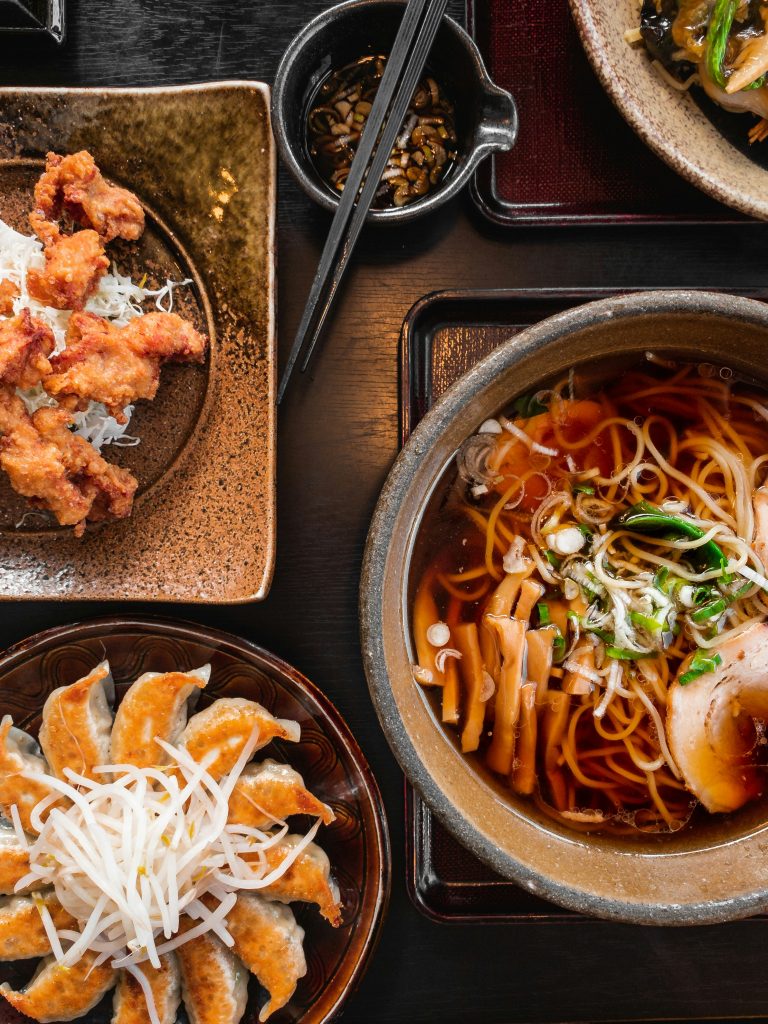
The beauty of Japanese cuisine lies in its incredible accessibility. You do not need to visit expensive restaurants to enjoy a world-class meal, as high-quality ingredients are standard across the country.
From humble convenience stores to prestigious Michelin-starred establishments, the level of care put into every dish is remarkable. Dining in Japan is an experience that celebrates both tradition and modern innovation.
Budgeting for Your Food Journey
Managing your food budget is easier than you might think when traveling through this country. A standard, satisfying meal at a casual eatery typically costs around 1,000 yen, making it very affordable to eat well on a daily basis.
Budget restaurants and local eateries are found all around Japan and do not require long queues. You can easily balance your itinerary by mixing these quick, affordable bites with an occasional splurge on high-end Japanese cuisine.
Planning your spending allows you to enjoy the best dining in Japan without any stress. By prioritizing your favorite dishes, you ensure that your food journey remains both authentic and budget-friendly throughout your entire trip.
Planning this trip?
Our partner Voyada’s trip plan AI builds a day-by-day plan with flights, hotels and a real total cost for your dates — in about a minute, free.
Plan my vacation →Mastering the Art of Sushi and Sashimi
Sushi in Japan is a distinct experience compared to what you’re used to. Unlike international versions, authentic Japanese cuisine emphasizes the fish’s purity. Whether you opt for a casual conveyor belt or an intimate omakase counter, the quality is unparalleled.
Regional Variations in Freshness
Geography significantly influences the quality of your meal. Coastal towns serve the freshest catches, with fish often reaching your plate within hours of being caught. This proximity ensures every bite is firm and full of flavor.
Inland areas, though, rely on advanced distribution networks to maintain quality. Even far from the ocean, the handling of raw seafood is of the highest standard. Chefs take immense pride in selecting the finest ingredients available in their region.
Understanding Seasonal Fish Availability
To fully appreciate Japanese cuisine, eating with the seasons is key. Each month introduces a new variety of fish, making the menu dynamic throughout the year. Opting for what’s in season ensures the most vibrant flavors and textures.
For instance, fatty tuna is highly valued in colder months when it naturally accumulates oils. Spring brings lighter, delicate white fish that complements crisp vinegar rice beautifully. Always consult your chef for the day’s recommendation to savor the best Japanese cuisine at that time.
The Comfort of Ramen and Noodle Culture
Ramen is a must-try for every traveler, standing out among popular Japanese foods. Its origins are rooted in Chinese dishes introduced in Yokohama Chinatown. Yet, it has evolved into a unique cultural icon. Today, you’ll find countless variations, each reflecting the creativity of local chefs.
Regional Broth Styles
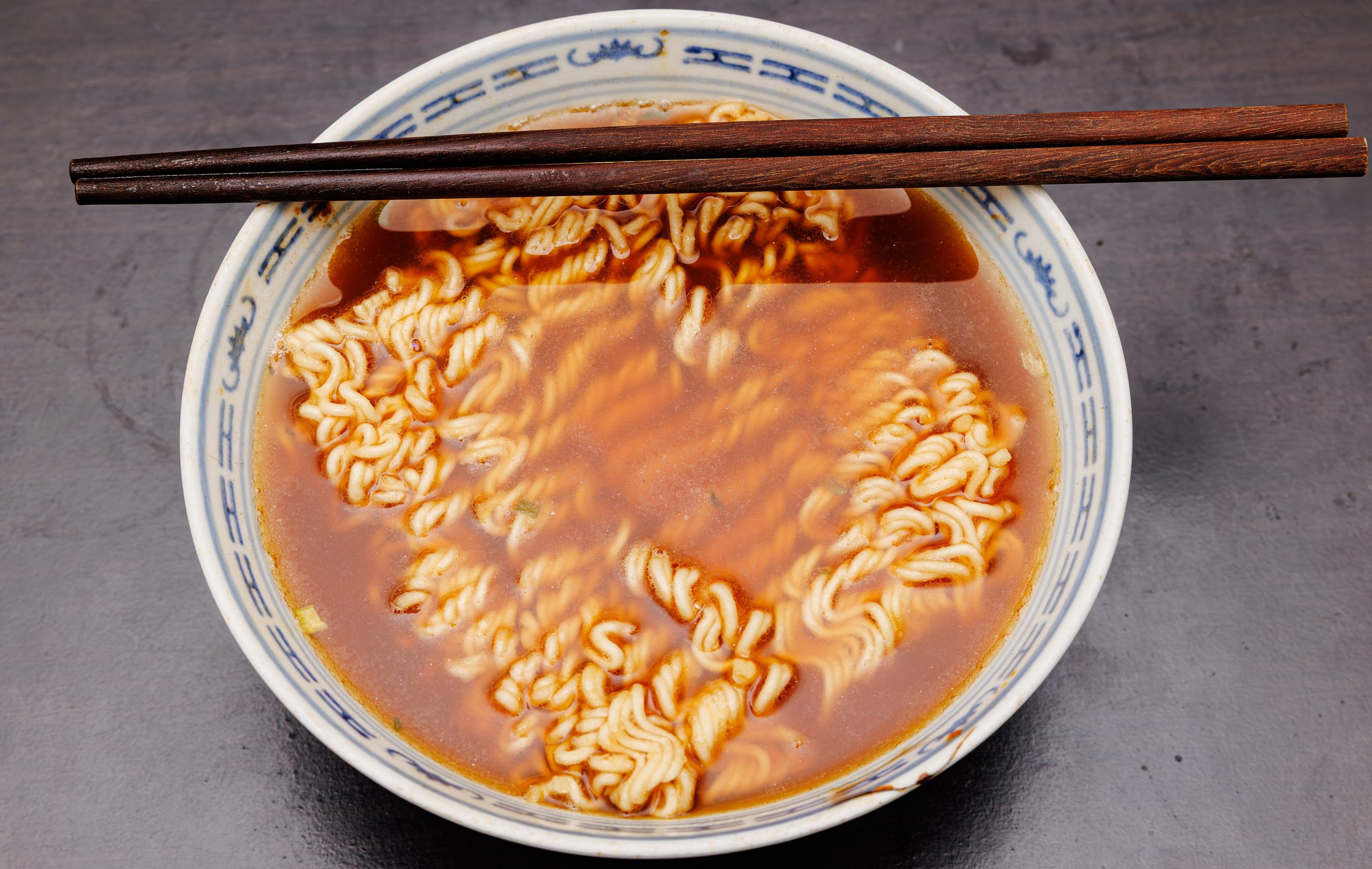
The diversity of ramen flavors is truly remarkable. You might find rich, creamy tonkotsu broth made from pork bones or a lighter, savory shoyu base seasoned with soy sauce. Each region boasts its own recipe, often incorporating local ingredients for a distinct flavor.
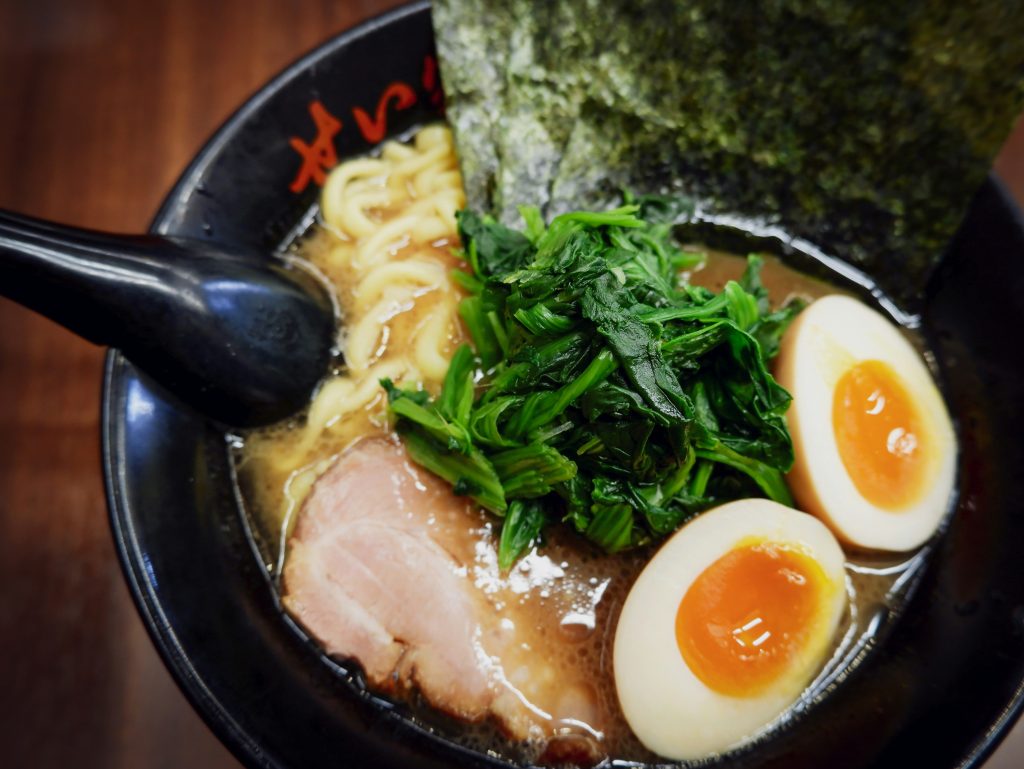
Some shops specialize in miso-based broths, providing a deep, earthy warmth ideal for colder days. You can customize your bowl by choosing the firmness of your noodles or the intensity of the soup. This personalization makes finding the best food in Japan an engaging and rewarding journey.
Ordering Etiquette at Vending Machines
Many local ramen shops use ticket vending machines to streamline the ordering process. Upon entering, look for the machine near the door to purchase your meal ticket before sitting down. Simply insert your cash, press the button for your desired dish, and collect your ticket.
Once seated, hand your ticket to the staff member behind the counter. They may inquire about your preferences for noodle texture or broth strength. Following these simple steps ensures a smooth experience as you enjoy one of Japan’s most iconic meals.
Exploring Authentic Japanese Street Food
As you stroll through Japan’s vibrant streets, you’ll find culinary gems on every corner. This culture of quick, on-the-go meals offers a glimpse into local life. It’s perfect for both newcomers and seasoned travelers, making Japanese street food a must-try.
Must-Try Savory Snacks
Start your food journey with the enticing smell of sizzling batter. Takoyaki, or octopus balls, is a favorite for its unique taste. These hot treats come with tangy sauce and dried bonito flakes.
Okonomiyaki, a savory pancake, is another must-try. It’s filled with cabbage, meat, or seafood. Vendors have honed these recipes over years, ensuring each bite is flavorful. Enjoying these while walking through a bustling market is unforgettable.
Sweet Treats and Festival Favorites
Don’t miss out on the sweet side of Japanese snacks. Taiyaki, a fish-shaped cake, is a crowd-pleaser. Traditionally filled with red bean paste, modern versions offer custard or chocolate.
At festivals, look for melon bread stalls. These soft buns with a cookie-like crust are loved by all. Trying these treats is a delightful way to end your day, immersing you in Japan’s festive spirit.
The Sophistication of Kaiseki and Traditional Dining
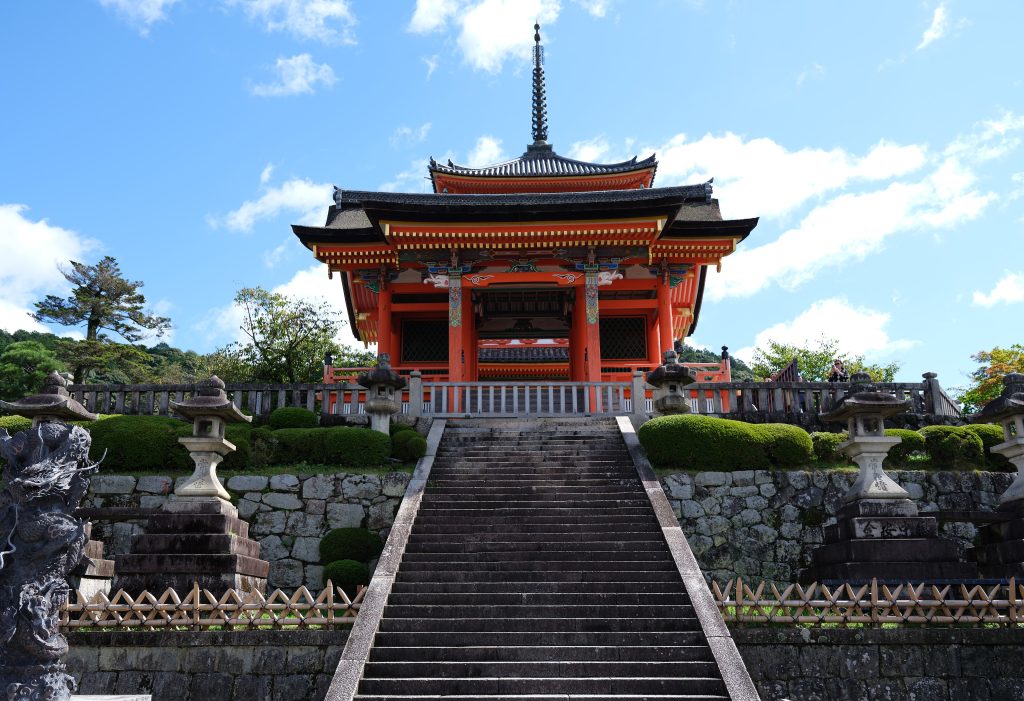
Entering a quiet, traditional dining room for a multi-course feast is a highlight of any trip to Japan. This style of dining represents the pinnacle of culinary refinement. Every detail is carefully considered to create a perfect harmony of taste, texture, and visual beauty. It’s the best way to explore the depth of traditional Japanese dishes in a serene environment.
What to Expect from Multi-Course Meals
Kaiseki is more than just dinner; it’s a slow, deliberate experience lasting several hours. You’ll be served a series of small, meticulously prepared plates. These highlight the freshest ingredients of the current season. Each course tells a story, reflecting the natural beauty of the time of year.
These authentic Japanese meals focus on the “shun,” or peak season. The menu changes frequently. You might find delicate sashimi, simmered vegetables, or grilled fish, all presented on pottery chosen to complement the food. This artistic approach ensures your eyes are as satisfied as your palate.
Navigating Traditional Etiquette
Dining in a formal setting requires mindfulness to show respect for the chef and the atmosphere. When you enter, you may be asked to remove your shoes. So, wearing clean, presentable socks is a good idea. Keep your voice low to maintain the peaceful environment that defines these spaces.
Interacting with your server is part of the experience. They will often explain the inspiration behind each dish. Feel free to ask questions about the ingredients, as this shows your appreciation for the craft. By following these simple customs, you ensure a respectful and memorable encounter with one of the most sophisticated traditions in the world.
Deep Dive into Wagyu and Japanese Beef
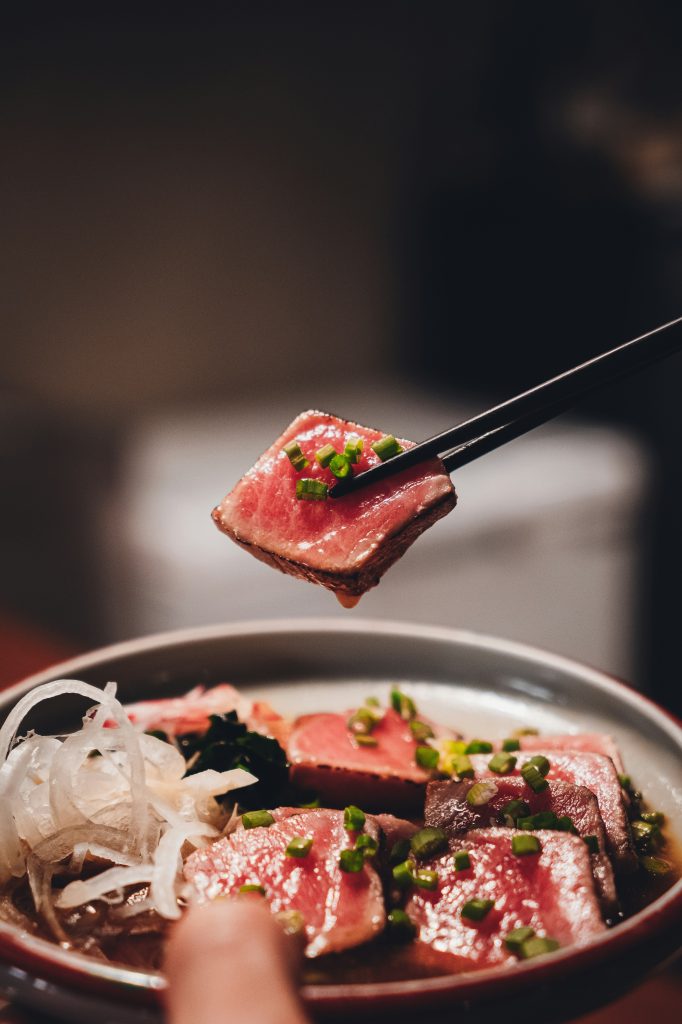
In Japan, experiencing authentic Wagyu beef is a unique delight. Known for its rich, buttery flavor and melt-in-your-mouth texture, it’s a must-try for any visitor. Whether you’re a seasoned foodie or just curious, learning about Wagyu beef will enhance your dining adventures.
Understanding Beef Grading Systems
When perusing menus in Japan, you’ll often see labels like A5. This grading system assesses beef quality and yield. The letter indicates the yield grade, while the number reflects marbling, color, and texture quality.
An A5 rating is the pinnacle of quality, showing exceptional marbling and fat distribution. Understanding these grades lets you appreciate the craftsmanship in every slice. It ensures you know the value of the premium meat you’re enjoying.
Cooking Styles: Teppanyaki vs. Yakiniku
Choosing your cut is just the beginning. Next, decide how it’s prepared. Teppanyaki involves a chef cooking the meat on a flat iron griddle before your eyes. This method offers precise temperature control and a dynamic dining experience.
Yakiniku, on the other hand, is a more interactive experience. You grill raw, high-quality cuts at your table. It’s a fun, social way to enjoy Wagyu beef with others, allowing you to control the doneness of each piece.
The Versatility of Izakaya Dining
Entering an izakaya is akin to stepping into Japan’s social living room. These lively pubs are the ultimate spots for locals to unwind with drinks and a variety of popular Japanese foods. The atmosphere is always buzzing, making it ideal for diving into authentic culture.
Prefer to travel it with a guide?
There are 46 Japan tours on TripToGo, from short city breaks to multi-week routes.
View Japan tours →How to Order Small Plates
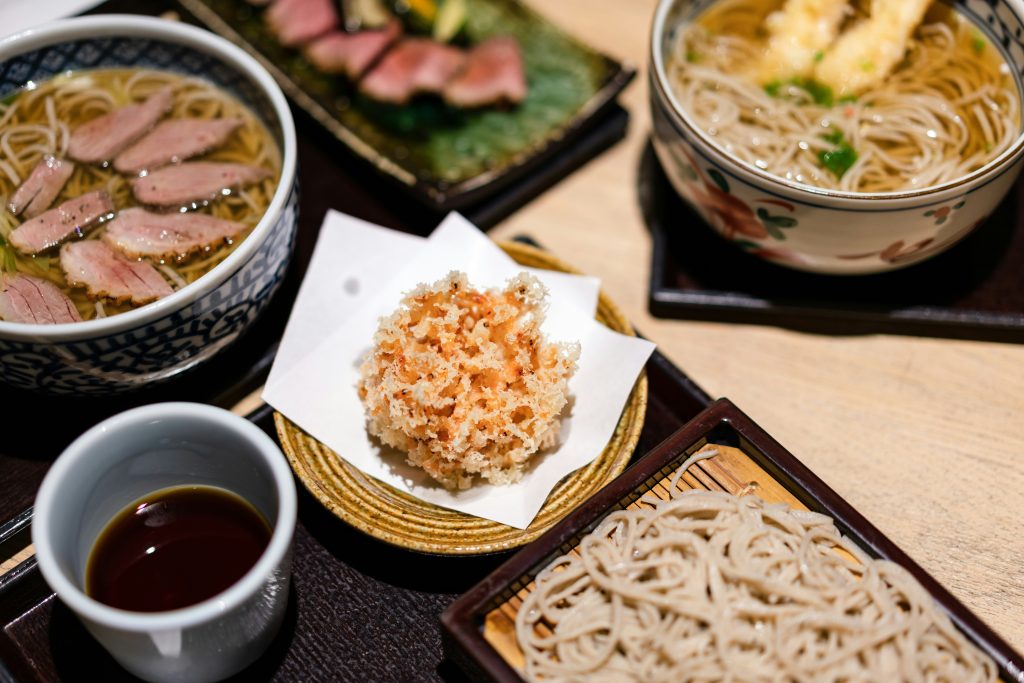
Dining at an izakaya is a communal experience. Instead of ordering a single large dish, groups should choose several small plates to share. This way, everyone can enjoy a variety of flavors in one sitting.
Upon arrival, you’ll receive an “otoshi,” a small appetizer brought to your table. Then, browse the menu and select items like grilled skewers, sashimi, or crispy fried chicken. The aim is to keep the food flowing as you chat and relax throughout the night.
Pairing Drinks with Local Delicacies
No izakaya visit is complete without exploring the drink menu. Pair your meal with traditional sake, earthy shochu, or a refreshing highball. These drinks are chosen to enhance the flavors of the popular Japanese foods on the menu.
If the choices seem daunting, don’t hesitate to ask the staff for recommendations. They’re usually eager to suggest a drink that complements your order. Embracing this casual dining style will help you enjoy your night like a local.
Japanese Breakfast Traditions
To truly grasp the local culture, start your day with a hearty, authentic Japanese meal. This approach gives you the energy needed to explore bustling city streets or serene mountain trails. It’s a great way to align with the country’s daily rhythms.
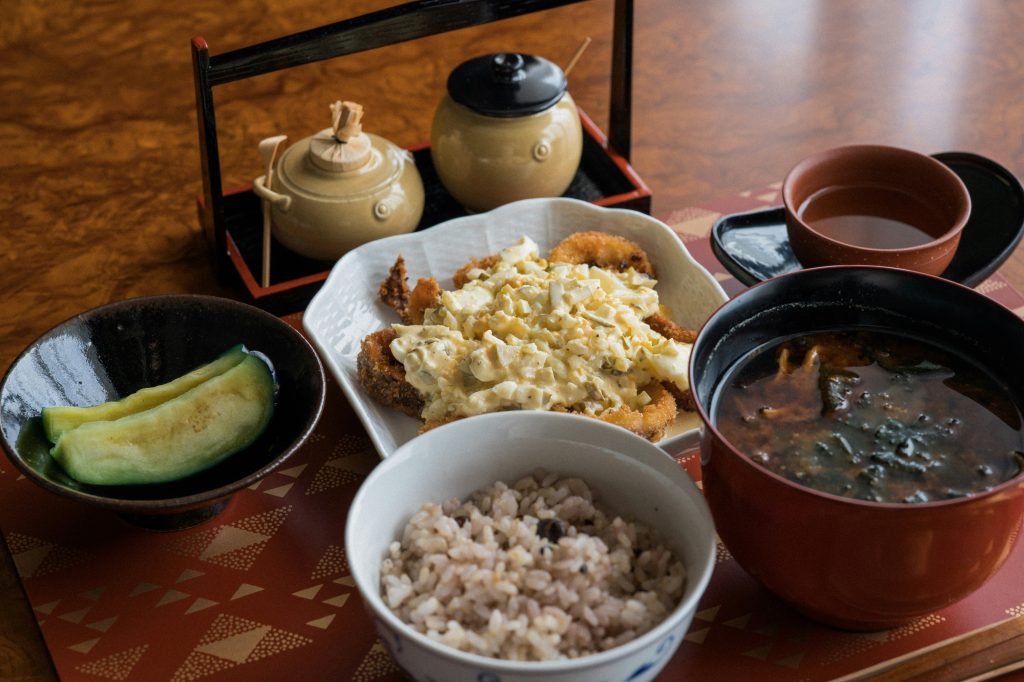
Western vs. Traditional Japanese Breakfasts
A traditional Japanese breakfast differs significantly from Western options like sweet pastries or cold cereals. You’ll find a balanced meal with grilled fish, steaming miso soup, fluffy white rice, and pickled vegetables. These foods offer sustained energy throughout your morning.
On the other hand, modern hotels often provide Western-style breakfasts, including scrambled eggs, toast, and coffee. While convenient, these options miss the unique nutritional benefits of local cuisine. Opting for traditional meals allows you to savor the distinct flavors of authentic Japanese dishes.
Where to Find the Best Morning Meals
At a traditional ryokan, you’ll enjoy a full, multi-course breakfast in your room or a communal area. These experiences are a highlight for food enthusiasts. They feature seasonal ingredients prepared with meticulous care and attention to detail.
In urban hotels, seek out local cafes that specialize in “teishoku” or set meals. These places open early to cater to commuters and travelers. Visiting these local gems ensures you enjoy authentic Japanese meals every day of your trip.
Navigating Convenience Store Cuisine
Forget everything you know about gas station snacks because Japanese convenience stores, known locally as konbini, are on an entirely different level. These shops are legendary for their incredible variety and high standards. If you want to find the best food in Japan without breaking your budget, these stores are your ultimate destination.
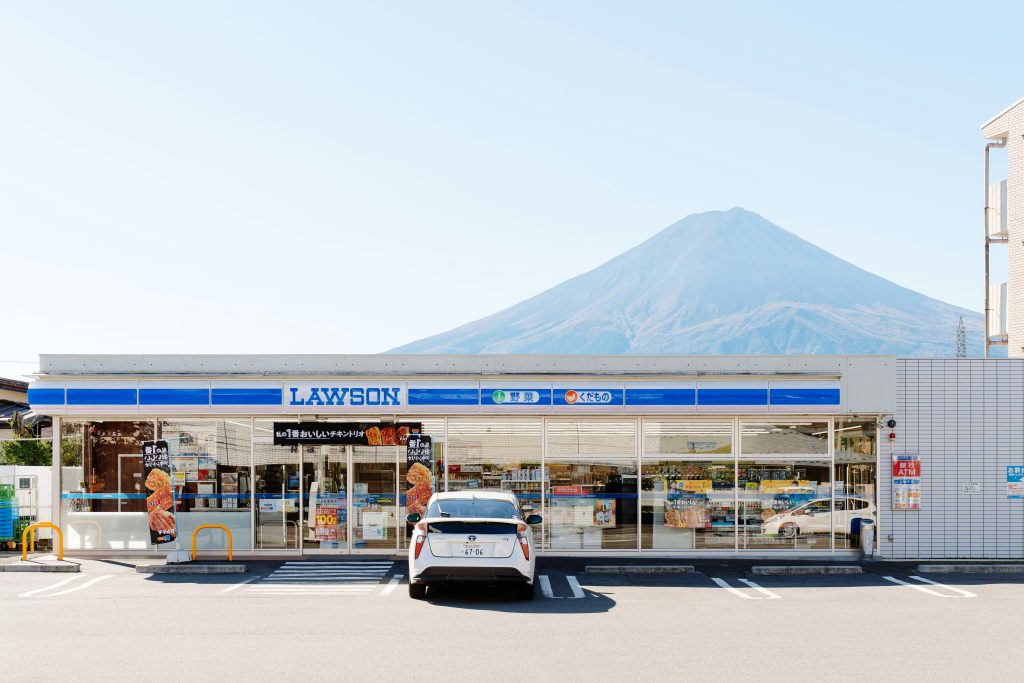
High-Quality Options for Quick Bites
Major chains like 7-Eleven, Lawson, and FamilyMart offer prepared meals that feel like they came from a restaurant kitchen. You will find everything from fresh salads and bento boxes to gourmet pasta dishes. These items are perfect for travelers who need a fast, reliable meal between sightseeing stops.
The quality control in these stores is truly impressive. Chefs prepare fresh batches daily to ensure that every item meets strict standards. It is a fantastic way to enjoy a high-quality meal while you are on the move.
Must-Try Items for Travelers on the Go
When you step inside, start your culinary adventure with an onigiri. These rice balls come wrapped in crispy seaweed and feature fillings like salted salmon, tuna mayo, or pickled plum. They are the quintessential must-try japanese food for anyone exploring the country.
Do not miss the famous egg salad sandwiches, which are soft, creamy, and surprisingly addictive. For a savory treat, head to the hot food counter near the register. You can grab crispy karaage, which is Japanese-style fried chicken, or juicy pork buns that are perfect for a chilly afternoon.
These convenience stores offer a unique look into local eating habits. By sampling these snacks, you are experiencing some of the best food in Japan in the most authentic way possible. It is an easy, affordable, and delicious strategy for any busy traveler.
Regional Specialties Across the Archipelago
Japan’s diverse landscape, from snowy north to tropical south, is a treasure trove of local dishes. Exploring beyond major cities reveals the true essence of traditional Japanese cuisine. Each region’s unique ingredients are shaped by its climate and history.
Northern Flavors and Hokkaido Dairy
Hokkaido is a culinary paradise, known for its vast landscapes and pristine environment. It’s famous for high-quality dairy products, including rich butter and creamy soft-serve ice cream. You must try these. The region also offers some of the freshest cold-water seafood, like succulent crab and sweet scallops.
These ingredients are key to many authentic Japanese meals in the north. Local chefs use them to create hearty dishes that warm the soul. Whether at a bustling market or a quiet inn, the produce’s quality is evident.
Southern Delights and Okinawa Influences
Traveling south to Okinawa reveals a different side of Japan’s food culture. The island’s tropical climate and trade history influence its unique pork-based dishes. Enjoy savory slow-cooked pork belly that melts in your mouth, often with local stir-fried vegetables.
The south’s vibrant culture is also reflected in its street food at local festivals. These snacks often feature local ingredients like purple sweet potatoes and bitter melon. They offer a bold contrast to mainland flavors. Embracing these regional differences is the best way to experience Japan’s culinary landscape.
Seasonal Eating and Limited-Time Flavors
Japanese cuisine’s beauty lies in its deep connection to the seasons. Locals celebrate by eating ingredients at their peak. This makes every meal a celebration of the current season.
This focus on freshness turns simple meals into unforgettable experiences. Whether dining at upscale restaurants or enjoying street food, menus reflect the season’s bounty. This ensures every bite is a taste of the freshest available ingredients.
The Importance of Shun in Japanese Cooking
In Japan, “shun” means the best time for an ingredient’s flavor and nutrition. Chefs seek these peak moments to capture the essence of the season. This dedication to quality is central to Japanese cuisine.
Ingredients like bamboo shoots in spring or fatty fish in winter are prized. These items highlight the season’s best offerings. This approach guarantees diners enjoy the finest produce available.
Limited-Edition Seasonal Snacks
Seasonality also applies to snacks and convenience store treats. Many brands offer limited-edition flavors for just a few weeks. These seasonal snacks are eagerly awaited by locals and visitors.
Look for cherry blossom sweets in spring or chestnut desserts in autumn. These treats are a highlight of Japanese street food. They offer a unique taste of Japan and a fun cultural experience.
Keep an eye out for these seasonal snacks during your travels. Trying them is a great way to immerse yourself in local culture. It’s a chance to enjoy a unique taste of Japan.
Practical Tips for Dining Out in Japan
Learning a few basic dining habits will enhance your dining experience in Japan. The food culture is very welcoming, but knowing the local etiquette is key. It ensures a smooth experience for you and the restaurant staff. Understanding these small details makes dining in Japan a truly stress-free adventure.
Tipping Culture and Payment Methods
Remember, tipping is not practiced in Japan. In fact, leaving extra money on the table can cause confusion or be seen as rude. Excellent service is already considered a standard part of the hospitality you receive.
When it comes to paying your bill, cash is the most reliable method, even in smaller shops or rural areas. While many modern restaurants and chains now accept credit cards or digital payments, always keep some yen handy. Being prepared for these payment preferences makes dining in Japan much more convenient.
Handling Dietary Restrictions and Allergies
Navigating menus with food allergies might seem daunting, but preparation is key. Many restaurants are happy to accommodate your needs if you communicate them clearly. Using a printed translation card that lists your specific allergies in Japanese is a highly effective strategy.
If you do not have a card, simple phrases or pointing to ingredients on a menu can also work wonders. Always try to inform the staff before you place your order to ensure your meal is prepared safely. With these simple tools, you can enjoy the incredible variety of dining in Japan while staying safe and comfortable.
Before you go: turn this guide into a day-by-day plan. Our partner Voyada is a free travel itinerary generator that builds the trip with flights, hotels and a real total cost for your dates — in about a minute.
Create itinerary for trip →How to Eat Well in Japan: Etiquette and Ordering
Eating is half the reason to visit Japan. A few habits help you order confidently and dine like a local.
- Noodle etiquette: slurping is polite — but never stick chopsticks upright in rice or pass food chopstick-to-chopstick.
- Use the ticket machines at ramen and gyudon shops (often with photos or English) — pay up front, hand over the ticket.
- Don’t overlook cheap gems: konbini food is genuinely good, and depachika (department-store food halls) are a feast.
- No tipping — a simple ‘gochisousama’ on the way out is the thanks.
- Eat regionally: Osaka street food, Hiroshima okonomiyaki, Hokkaido seafood and Kobe beef reward travelling for flavour.
Conclusion
Your exploration of Japan’s flavors is a continuous journey, filled with discovery and delight. By venturing from street snacks to traditional dishes, you’ve learned to dine like a local. This knowledge empowers you to fully immerse yourself in the culinary scene.
Embark on further culinary adventures by exploring small, hidden shops. These unassuming places often serve the most genuine and authentic meals. They are true culinary treasures waiting to be discovered.
Dining in Japan transcends mere sustenance; it’s a cultural immersion that connects you to the nation’s essence. Armed with this understanding, you’re ready to navigate menus and savor a diverse array of Japanese cuisine with confidence.
Now, it’s time to craft your food-focused travel plans. Prepare to indulge in the finest flavors Japan has to offer. This journey promises to create unforgettable memories that will stay with you forever.
FAQ
What is the average cost of dining in Japan for a budget traveler?
How do I know which fish to order when eating sushi?
Is it difficult to use the ticket vending machines at ramen shops?
Where are the best places to find authentic japanese street food?
What should I wear and expect during a formal Kaiseki meal?
What is the difference between Teppanyaki and Yakiniku when eating Wagyu?
Are japanese convenience stores actually a good option for travelers?
Should I leave a tip at restaurants in Japan?
How can I handle food allergies or dietary restrictions?
Do I need to book a restaurant in advance in Japan?
For everyday eating, no. Ramen counters, izakaya, department store food halls and convenience stores are all walk-in, and the usual move at a popular place is to queue rather than book. Reservations matter for a narrow band: small sushi counters, kaiseki restaurants, ryokan dinners and famous rooms with only a handful of seats, which can fill weeks or months ahead. Many of those take bookings only by telephone in Japanese, so ask your hotel front desk to call on your behalf. Treat a confirmed booking as binding, because no-shows are taken seriously and some restaurants will charge you for one.
How do I order if I do not speak Japanese?
Easier than most visitors expect. Tourist areas usually have an English or picture menu, and simply asking whether one exists is enough to produce it. Plastic food models in the window, photographs on the wall and tablet ordering in chain restaurants all let you point or tap, and ticket machines increasingly have an English button. A phone translation app that reads text through the camera copes with handwritten specials. If a place has no menu at all, it is almost always a counter serving one dish, so sitting down and saying please is genuinely enough. Staff are used to visitors and will steer you.
Is it safe to eat raw fish, and what about raw chicken?
Raw seafood in Japan is tightly regulated and generally low risk. Fish for sushi is handled to strict standards and often frozen first to control parasites, though anisakis cases still occur, and pregnant travellers, young children and anyone with a weakened immune system should be cautious with anything raw. Raw or lightly seared chicken, served as torisashi or tataki in parts of Kyushu and at some izakaya, is a different matter. Campylobacter lives in the guts of healthy birds, freshness does not remove it, Japan’s own health authorities advise against eating chicken raw, and cases occur every year. If in doubt, order the chicken cooked.
Why was I charged for a small dish I did not order?
That is otoshi, sometimes called tsukidashi: the little appetiser an izakaya brings unprompted. It is neither a mistake nor a scam. In a country with no tipping it works as a per person cover charge, paying for your seat and table service, and locals are charged it too. It is typically a few hundred yen a head and is usually noted somewhere on the menu or a wall sign. Some places will waive it if you ask before ordering, but many will not, and sending the dish back rarely removes the charge. Bars with a separate table charge work the same way, so check before sitting down for a single drink.
What time do restaurants open and close in Japan?
Earlier than many visitors assume. Lunch runs in a tight window around midday, after which plenty of small restaurants shut completely for a few hours before reopening in the early evening. Dinner service often begins around six, and last orders commonly fall an hour or so before the posted closing time, so turning up late can see you refused even with the lights still on. Izakaya, ramen shops and convenience stores run later, and a few ramen counters open through the night. Many independent places also close one fixed day each week, and popular dishes sell out, so go early for anything you particularly want.
Do restaurants charge for water, and is the tap water safe?
Tap water is safe to drink throughout Japan. Sit down almost anywhere and you will be brought a glass of iced water or a cup of hot green tea without asking, refilled as needed and included in the price, so there is no need to order a drink simply to have something on the table. A hot or cold hand towel usually arrives on the same basis. Carry a reusable bottle and fill it at your accommodation, or buy cheaply from vending machines and convenience stores, which are everywhere. The one thing worth reading closely is the bill, since some restaurants and bars add a seat or service charge.