Table of Contents
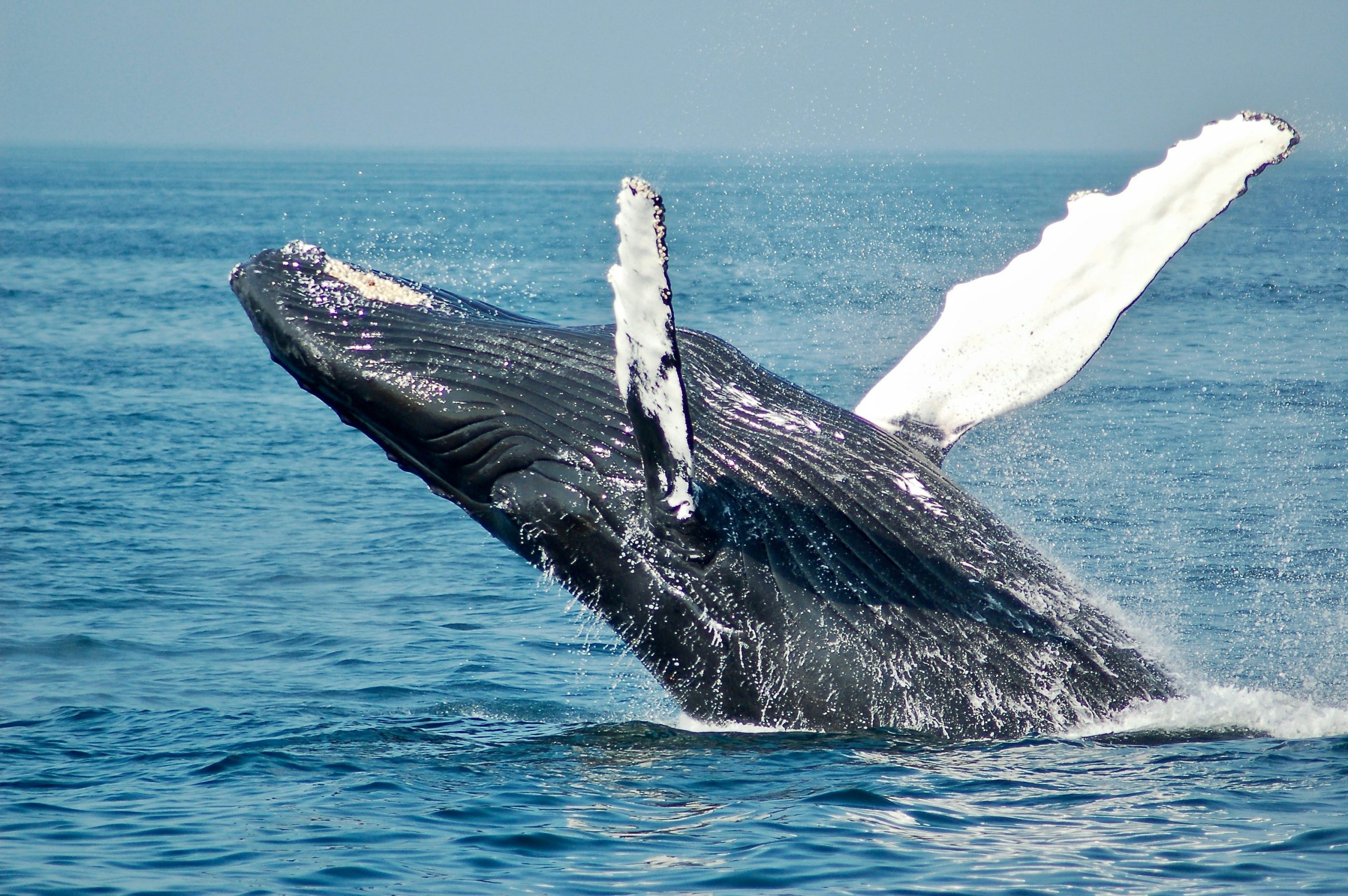
ToggleDid you know a single blue whale can eat up to 16 tons of krill in a day? Seeing these massive creatures in their natural home is a life-changing experience. It’s a top choice for many travelers. Yet, finding these gentle giants isn’t just about luck. It takes careful planning, considering the right time and place.
We’ve put together a list of the top spots for your next marine adventure. By focusing on these prime locations, you can avoid the common pitfalls. Our guide helps you plan better, while also teaching you to respect marine life during your trip.
Key Takeaways
- Whale watching is a premier bucket-list activity requiring strategic planning.
- Success depends heavily on choosing the right season and specific geographic zones.
- Reliable destinations offer higher probabilities of sightings for travelers.
- Responsible tourism practices protect the animals during your visit.
- Expert guidance helps you maximize your chances of a life-changing experience.
Best Places to Watch Whales at a Glance
Where and when to see whales worldwide, by species and season — then the full guide below.
| Where | Species | Best season | Why it makes the list |
|---|---|---|---|
| Húsavík, Iceland | Humpback, blue, minke | Jun–Aug | Europe’s whale-watching capital; blue whales in early summer |
| The Azores, Portugal | Sperm, blue, 20+ species | Apr–Sep | A third of the world’s cetacean species; blue whales in spring |
| Kaikōura, New Zealand | Sperm whale | Year-round | Resident sperm whales — sightings any month |
| Hermanus, South Africa | Southern right, humpback | Jun–Nov | World-class land-based viewing from the cliffs |
| Baja California, Mexico | Gray whale | Jan–Mar | Curious grays approach the boats in the lagoons |
| Vancouver Island, Canada | Orca, gray | May–Sep (orca) | The world’s most-studied orca pods; grays pass Mar–Apr |
| Alaska (Glacier Bay) | Humpback, orca | Jun–Sep | Humpbacks bubble-net feeding in summer |
| Mo’orea, French Polynesia | Humpback (swim-with) | Jul–Nov | One of the few places you can legally swim with humpbacks |
✈️ TripToGo Travel Deals
Get notified about great travel deals
Hand-picked flight, hotel and destination deals, straight to your inbox. No spam, unsubscribe anytime.
🎉 Thank you for subscribing!
You’re all set — the best travel deals are on their way.
It's All About Timing, and Choosing Responsible Tours: Key Facts
Whale watching is entirely about being in the right place in the right season. The same ocean is empty or teeming depending on the month — humpbacks feed in Alaska and Iceland in summer, southern rights calve off South Africa June–November, and grays fill Baja’s lagoons January–March. Match the destination to the species and the calendar above.
A few places deliver year-round or land-based options: Kaikōura and Dominica have resident whales any month, and Hermanus offers some of the planet’s best viewing straight from the cliffs — no boat, no seasickness.
Choose responsible operators. Look for boats that follow approved minimum-distance rules and operate in a World Cetacean Alliance Whale Heritage Area — renamed from Whale Heritage Sites in 2023. General guidance: World Cetacean Alliance.
The Best Places to Watch Whales in Maui, Hawaii
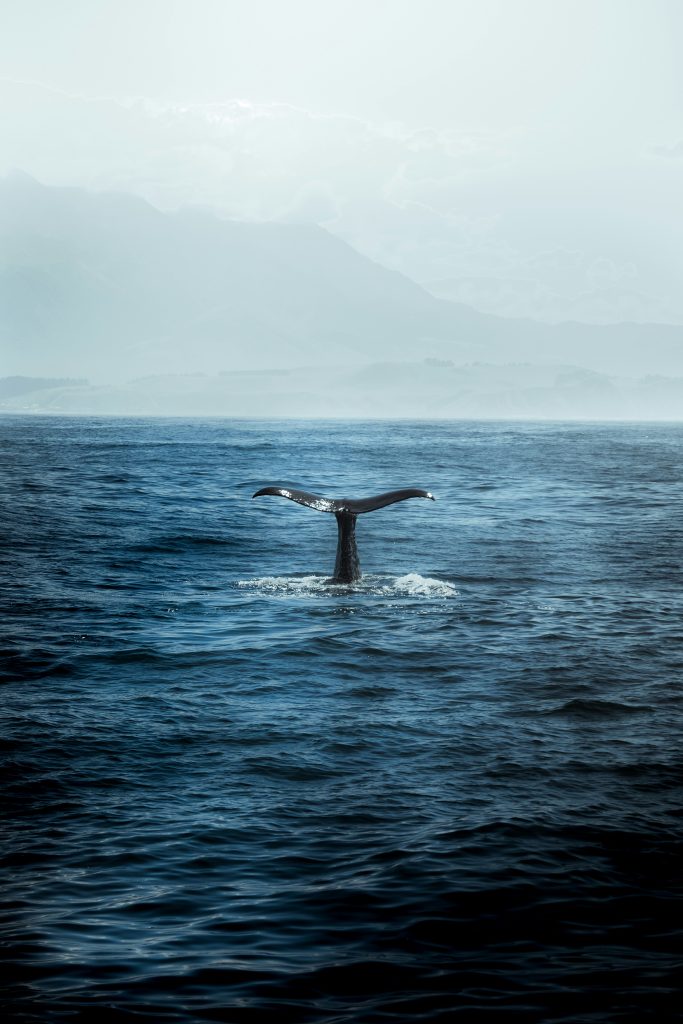
Every year, the Maui Nui Basin’s warm waters become a bustling nursery for thousands of humpback whales. Upwards of 10,000 of these gentle giants migrate to the region, making it a top whale watching spot globally.
Peak Season and Migration Patterns
The humpback whale season in Hawaii spans from December to April. During these months, the shallow, protected channels between Maui, Molokai, and Lanai offer ideal conditions for mating and calving.
February and March are the peak times for sightings. These months see high activity levels, ensuring spectacular breaches, tail slaps, and mother-calf pairs.
Budgeting for Boat Tours and Shore Viewing
Prices range from $80 to $150 per person, depending on the vessel size and excursion duration. For an up-close experience, boat tours are a great investment.
For those on a budget, Maui offers excellent whale watching spots from the shoreline. South Maui beaches like Wailea and Makena provide great views of spouts and breaches without any cost.
To enhance your experience, bring high-quality binoculars to the beach. Combining affordable boat tours with casual shore-based viewing is the best way to enjoy the season while keeping costs low.
Planning this trip?
Our partner Voyada’s travel AI planner builds a day-by-day plan with flights, hotels and a real total cost for your dates — in about a minute, free.
Help me plan a trip →Hermanus, South Africa: The Land-Based Whale Capital
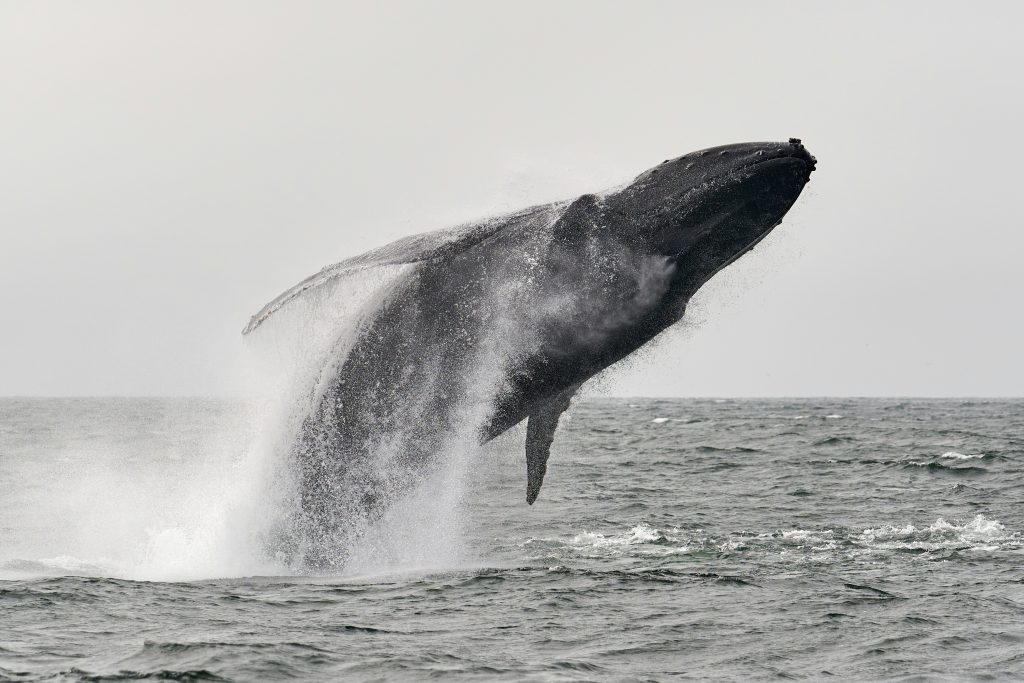
Imagine walking along a scenic cliff path while massive whales breach just meters away. Hermanus is widely considered one of the premier whale watching locations in the world. It offers an experience that requires no boat at all. This coastal town provides a unique vantage point for nature lovers who want to stay on dry land.
Why Southern Right Whales Choose This Coast
The sheltered bays of the Western Cape serve as a perfect nursery for Southern Right whales. These gentle giants migrate here to mate and give birth in the calm, protected waters. The bay’s shallow and quiet nature allows whales to come remarkably close to the shoreline.
To help visitors track these movements, the town employs a famous “whale crier.” This local expert uses a kelp horn to signal when whales are spotted nearby. It is one of the most charming traditions among all top whale watching spots, ensuring you never miss a moment of the action.
Optimal Viewing Months and Travel Logistics
The town features a stunning 12-km coastal footpath known as the Cliff Path, which is free for everyone to enjoy. If you plan to visit, aim for the peak season between June and November. During these months, the chances of seeing whales are at their highest.
Hermanus is located about 75 miles from Cape Town, making it an easy two-hour drive for those exploring South Africa. The path is equipped with built-in telescopes and comfortable benches, making it easy to spend hours scanning the horizon. While the viewing itself costs nothing, you should budget for local accommodation and dining, which vary depending on your travel style.
Husavik, Iceland: The Whale Watching Hub of the North
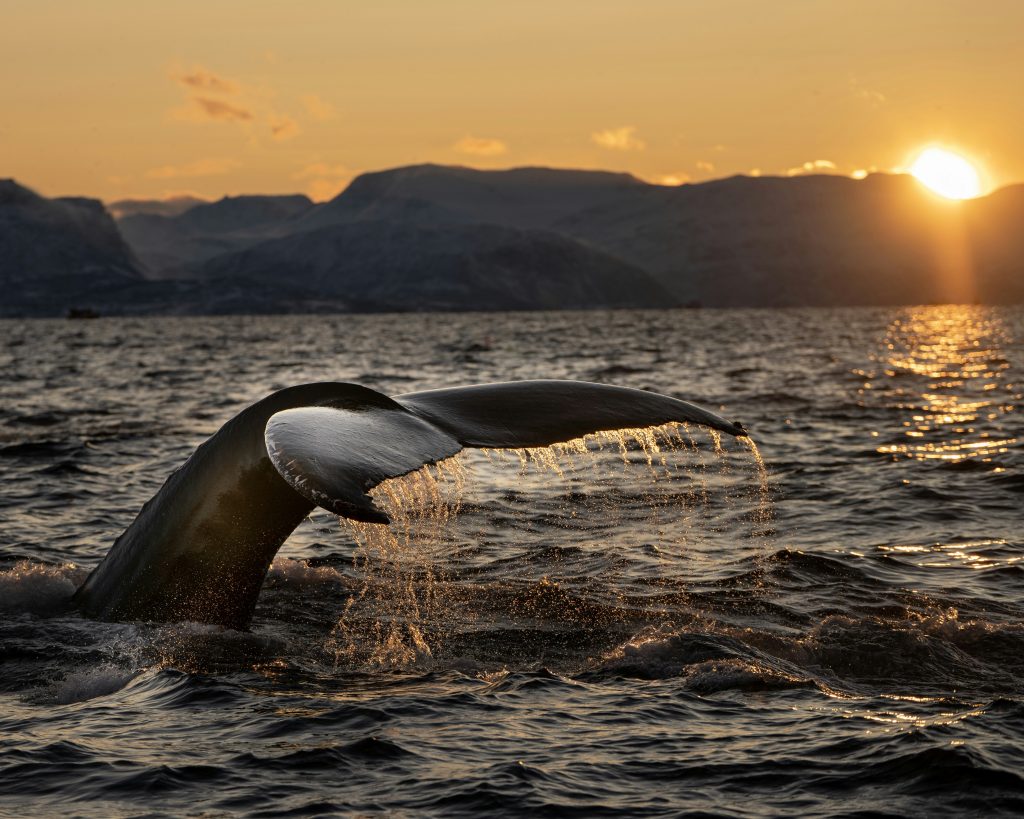
Imagine standing on a boat under the midnight sun as a humpback whale breaches the icy waters of Skjalfandi Bay. This charming town is widely considered the whale watching capital of Iceland. It offers dramatic volcanic backdrops for your sightings. It remains one of the most iconic whale watching locations for travelers who crave adventure in the North Atlantic.
Species You Will Encounter in Skjalfandi Bay
The nutrient-rich waters of Skjalfandi Bay attract a stunning variety of marine life throughout the summer months. You will frequently spot humpback whales, known for their playful surface behavior. Occasionally, lucky observers might even catch a glimpse of the massive blue whale or the elusive minke whale.
Beyond the giants, the bay is home to white-beaked dolphins and harbor porpoises. These smaller cetaceans often swim alongside the boats, providing endless entertainment for photographers. The biodiversity here is truly world-class, making it a highlight for any nature lover.
Navigating Costs and Weather Conditions
Planning a trip to one of the top whale watching spots requires careful attention to the Arctic climate. The best months for sightings are between May and August when the weather is mildest and the days are longest. Even in summer, temperatures can drop quickly, so bring waterproof layers and warm clothing to stay comfortable on the water.
Budgeting for your excursion is straightforward, as most tours range from $80 to $150 per person depending on the vessel type. Traditional oak boats offer a classic experience, while high-speed RIB boats provide a faster, more intimate encounter. Always book your tour in advance to secure your spot, as July and August are peak travel seasons.
Baja California, Mexico: The Gray Whale Nursery
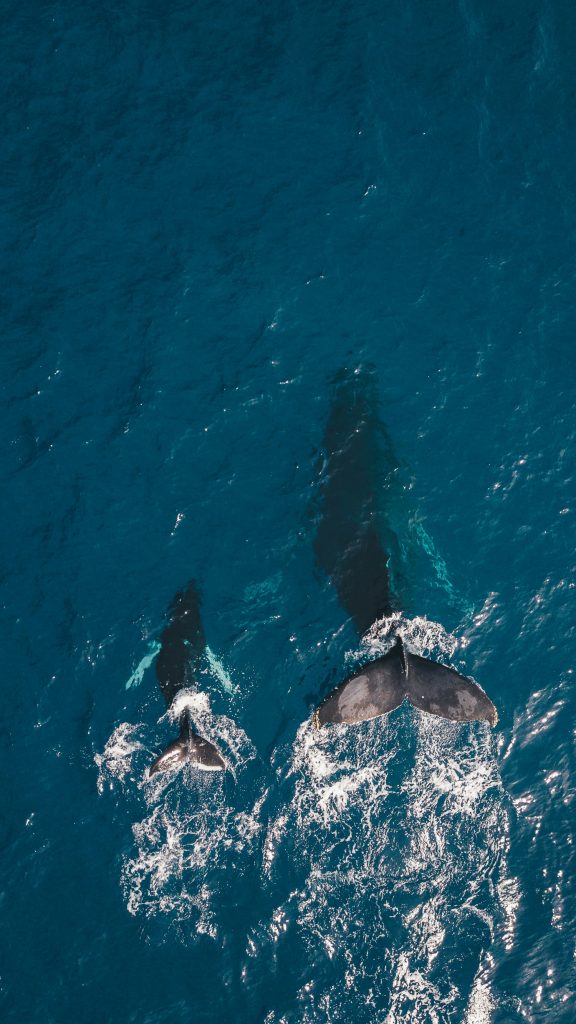
Traveling to Mexico’s remote coast uncovers a magical whale watching spot. Baja California is a critical sanctuary for gray whales. They migrate thousands of miles to birth and nurture their young in its shallow, protected waters.
This area is renowned for its unique whale behavior. Unlike others, these gray whales often seek out small boats to interact with humans. This encounter is a humbling experience, attracting visitors from around the world.
San Ignacio Lagoon and Magdalena Bay Experiences
San Ignacio Lagoon and Magdalena Bay are key spots for these close interactions. San Ignacio is celebrated for its conservation efforts, maintaining a pristine environment for the whales.
When planning your visit, opt for licensed, responsible tour operators. They ensure safe interactions between humans and whales, preserving the ecosystem’s balance. Relying on local experts is vital for exploring these remote locations.
Best Times for Close Encounters
The best time to visit these nurseries is from late January to early April. Mothers and calves still gather here, though calf numbers hit record lows in 2025 and 2026, so temper your expectations.
Costs vary, but a multi-day package ranges from $1,500 to $3,000, depending on comfort and duration. Travelers should budget for the journey to remote spots and daily boat excursions. Reaching these locations involves flying to Loreto or La Paz and then driving through the desert.
Booking your trip well in advance is key to securing a spot. With proper planning, the effort to reach these serene lagoons is rewarded with unforgettable memories.
Kaikoura, New Zealand: Year-Round Sperm Whale Sightings
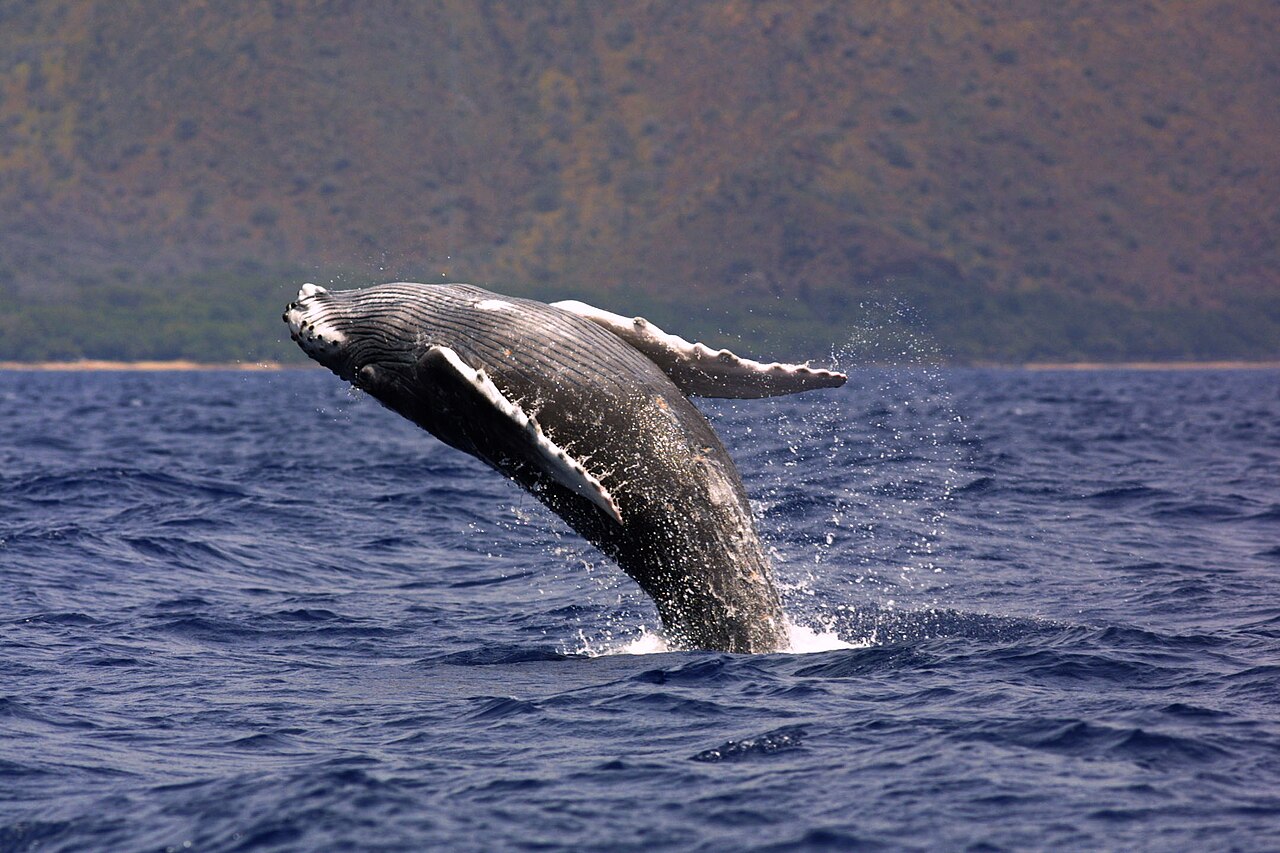
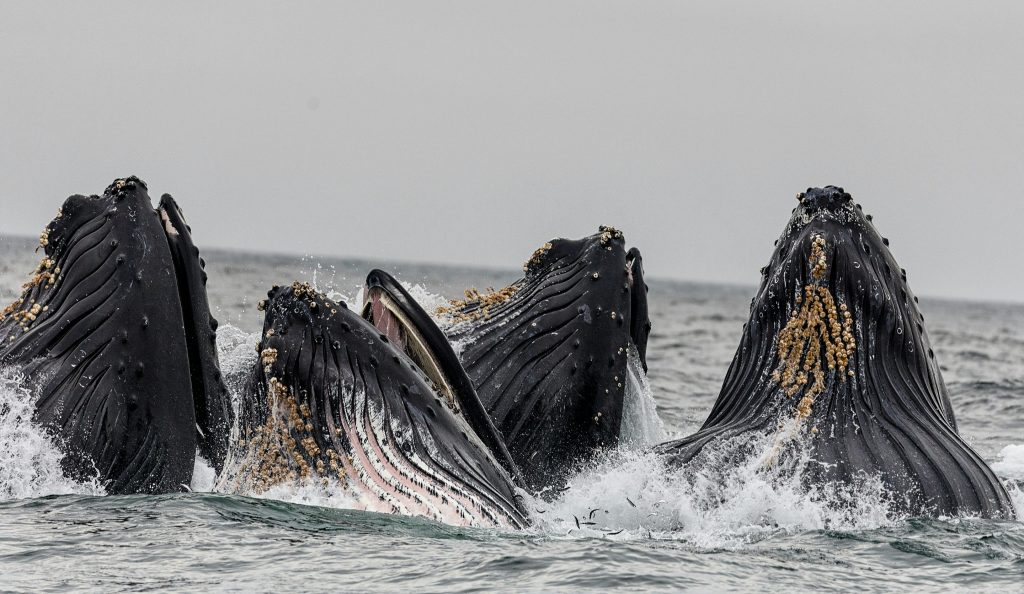
Kaikoura is renowned as a leading whale watching destination, thanks to its unique underwater landscape. Situated on the east coast of New Zealand’s South Island, this quaint town offers a rare chance to see massive sperm whales in their natural habitat all year round.
Geographic Advantages of the Kaikoura Canyon
The Kaikoura Canyon is the key to this marine abundance. This deep-sea trench is remarkably close to the shore. It creates an ideal setting for nutrient-rich currents to rise to the surface.
These currents are driven by the collision of tectonic plates. This process stirs up organic matter from the deep ocean floor. As a result, a diverse range of marine life is attracted, ensuring sperm whales have a reliable hunting ground all year.
Planning Your Trip and Tour Expectations
Prices are about NZ$165 per adult (roughly US$100), rising to NZ$185 from 1 October 2026. Expect to spend about two to three hours on the water for a standard boat tour.
While sperm whales are the main draw, you might also see dusky dolphins or fur seals. The weather in this region can change quickly. It’s best to book your tour for the start of your stay to allow for rescheduling.
Visiting between June and August can offer calmer seas, though whales are present year-round. As a top whale watching spot, Kaikoura offers an unforgettable experience for those eager to connect with the deep-sea giants.
The Azores, Portugal: A Mid-Atlantic Sanctuary
Seeking the ultimate whale watching experience? The Azores, a volcanic archipelago in the Atlantic, is your destination. Nestled in the heart of the ocean, it offers a pristine environment for marine life. It’s a paradise for those who crave raw, unspoiled nature.
Diverse Species and Deep-Sea Biodiversity
The waters around the Azores are a sanctuary for 28 whale and dolphin species. Witness the majestic blue whale or the elusive sperm whale, a permanent resident. The unique underwater landscape provides a rich feeding ground, attracting these giants all year.
The ocean floor’s steep drop near the coast means you’re close to deep-sea habitats. This proximity makes the Azores a premier whale watching destination. The unmatched biodiversity here offers endless opportunities for sightings.
Logistics for Island Hopping and Tours
Planning a trip to the Azores requires some coordination, but it’s worth it. Most visitors start on São Miguel Island, flying into Ponta Delgada. From there, short flights or ferries connect you to other islands like Pico or Faial. The best time for calm seas and frequent sightings is April to October.
Tour prices vary from $60 to $100, depending on the boat and tour length. Local operators use traditional look-out towers to spot whales, guiding boats for optimal encounters. This blend of old and new ensures a memorable whale watching experience.
Vancouver Island, Canada: Orcas and Humpbacks
If you dream of witnessing massive whales breach against the rugged Canadian coastline, Vancouver Island is your ultimate destination. This region is renowned as one of the top spots for whale watching. It offers travelers a chance to connect with nature in its purest form. Whether you’re a seasoned explorer or a first-time visitor, the Pacific Northwest provides an unforgettable marine adventure.
Telegraph Cove and Victoria Hotspots
Telegraph Cove, located on the northern end of the island, serves as a gateway to the famous Johnstone Strait. This area is world-renowned for its resident orca pods that frequent the calm, protected waters. Visitors can expect to spend several hours on the water, with many tours departing daily during the peak summer months.
Victoria, situated on the southern tip, offers a different but equally thrilling experience. It is a convenient hub for those traveling from the United States, often accessible via a short ferry ride or flight from Seattle. Here, you can easily spot humpback whales and transient orcas while enjoying the charm of the provincial capital.
Seasonal Variations and Wildlife Regulations
The best time to visit is between May and October, when marine activity is at its highest. During these months, the weather is generally mild, making it easier to navigate the coastal waters. Expect to pay between $100 and $200 per person for a high-quality boat tour, depending on the duration and the type of vessel.
Conservation is a top priority in these waters, and strict wildlife regulations are enforced to protect the animals. Tour operators must maintain a specific distance from whales to ensure the pods are not disturbed. By choosing certified eco-friendly companies, you contribute to the preservation of these magnificent creatures while enjoying one of the top spots for whale watching in the world.
Dominica: The Caribbean Sperm Whale Capital
Dominica is a standout among global whale watching spots, one of the few places with year-round sperm whales. This lush Caribbean island offers a warm-water alternative for those seeking tropical relaxation alongside world-class marine encounters.
Understanding Resident Sperm Whale Pods
The deep, sheltered waters around Dominica create a perfect nursery for these deep-diving giants. The ocean floor drops off rapidly near the coast, providing safety and abundant food for mothers and calves just a short distance from shore.
These pods often socialize or rest near the surface. Observing their complex family structures offers a rare glimpse into the lives of one of the ocean’s most enigmatic species.
Permits and Responsible Tourism Practices
The local government enforces strict regulations on boat operators to protect these magnificent creatures. Every tour must operate under specific permits to ensure the whales remain undisturbed during your visit.
Private boat tour costs vary, but expect to pay between $80 and $150 per person for a half-day excursion. The best months for a trip are between November and March, when sea conditions are calmest.
Always choose certified operators who prioritize the welfare of the animals over the perfect photo. By following these responsible practices, you help preserve this unique whale watching destination for future generations.
Hervey Bay, Australia: The Humpback Highway
Hervey Bay is a unique spot for whale watching, with its calm waters providing intimate encounters. It’s a top choice for those wanting to connect deeply with nature. Dubbed the “Humpback Highway,” it offers a front-row view of the humpback whales’ annual migration.
Why Humpbacks Pause in These Protected Waters
Hervey Bay’s geography creates a sanctuary for humpback whales. K’gari, formerly Fraser Island, shelters the bay, with its calm, shallow waters ideal for resting. Mothers often bring their calves here to teach them survival skills before their journey to the Antarctic.
The whales’ relaxed state in these waters makes them curious and active. You’ll often see them breaching, tail-slapping, or spy-hopping near tour boats. This makes Hervey Bay a prime spot for witnessing whales in their natural, social behavior.
Tour Costs and Travel Planning
The best time to visit is between mid-July and late October, when the bay is bustling with whales. You can drive about 3.5 hours north of Brisbane or take a short flight to the local airport.
Half-day boat tours cost between $100 to $180 USD per person, based on the vessel and amenities. Planning your budget is easy, with options for all. Booking in advance, peak months of August and September, is recommended to secure your spot.
Always check the weather forecast before heading out, as it can change quickly. Dress in layers and wear sun protection to stay comfortable. With proper timing, your trip will be an unforgettable experience in a world-renowned whale watching destination.
Tromso, Norway: Winter Orca Expeditions
Tromso, Norway, is a prime destination for whale watching in the winter. This Arctic city is the entrance to frozen fjords, where nature’s display is unmatched. For those seeking adventure and a unique marine life experience, Tromso is the ultimate destination.
Tracking Herring Runs in the Arctic Circle
Orcas congregate here due to the herring migration into the fjords. From November to January, these whales engage in a feeding frenzy. The fish’s proximity to the surface makes the orcas’ activity and visibility exceptional.
Costs range from $150 to $250 per person, and these are long 7 to 12 hour days. Travelers arrive at Tromso Airport, connected to major European cities. Most tours now run north to Skjervøy, where the herring have shifted.
Essential Gear and Cold-Weather Preparation
Adapting to the Arctic climate is essential for a successful trip. Emphasize warmth to fully appreciate these unique destinations. Begin with a moisture-wicking base layer, then add a wool or fleece mid-layer to retain heat.
A windproof, waterproof outer layer is critical, as sea spray and winds can be harsh. Insulated boots, thermal gloves, and a warm hat that covers your ears are also necessary. Many operators provide thermal suits, but bringing your own high-quality gear ensures comfort.
Keep camera batteries warm by storing them inside your jacket. Cold temperatures quickly drain batteries, and missing the perfect shot is undesirable. With proper preparation, your winter expedition to Norway will be a memorable travel highlight.
San Juan Islands, Washington: Pacific Northwest Giants
The San Juan Islands, located in the Salish Sea, are renowned as a top whale watching destination. This archipelago provides a breathtaking setting for those seeking to witness marine giants. The area’s cool, nutrient-rich waters foster a thriving environment for various wildlife year-round.
Southern Resident Orca Conservation Efforts
The San Juan Islands are home to the critically endangered Southern Resident orcas. These whales face severe threats, including food scarcity and habitat disruption. Since January 2025 every vessel, kayaks included, must stay 1,000 yards from Southern Residents, so tours now focus on Bigg’s orcas and humpbacks.
Your visit supports essential research and conservation efforts. Many tour companies contribute a portion of their earnings to groups dedicated to preserving salmon runs. By choosing responsible operators, you actively contribute to the preservation of these magnificent creatures for generations to come.
Best Departure Points and Tour Durations
Most visitors start their whale watching journey from Friday Harbor on San Juan Island or Anacortes on the mainland. These locations offer easy access to prime whale watching sites. Travel times to the main feeding grounds vary, ranging from thirty minutes to over an hour, depending on your starting point.
Prices vary from $120 to $180 per person, influenced by vessel size and excursion length. Whale watching tours typically last between three and five hours. The peak season, from May to September, offers the best weather and highest chances of spotting whales in action.
Mirissa, Sri Lanka: Blue Whales in the Indian Ocean
Mirissa, on Sri Lanka’s southern tip, is a hotspot for blue whale sightings. Its coastal location near the continental shelf creates a deep-water haven. This sanctuary draws massive marine life, just a few miles from the shore.
Known globally for its whale watching, Mirissa attracts many. It offers a unique chance to see blue whales in their natural setting. This experience is both intimate and awe-inspiring, making it a must-do for many.
The Migration Path of the World’s Largest Animal
Blue whales migrate across the world’s oceans, with the Indian Ocean being a key route. They follow nutrient-rich currents that bring them to Sri Lanka’s southern coast. The deep waters near the continental shelf are their perfect feeding ground.
From November to April, the seas are calm, and food is plentiful. This makes it a prime time for spotting these whales. Witnessing a blue whale breach or surface for air is a humbling experience, reminding us of nature’s vastness.
Managing Expectations and Sea Conditions
While sightings are common, remember you’re observing wild animals in an unpredictable setting. Sea conditions can change quickly, so be prepared for swells. Always choose reputable tour operators who prioritize safety for both passengers and whales.
Prices range from $40 to $70 per person, based on the boat’s size and amenities. Boat tours usually last three to five hours, starting early to catch the best light. By setting realistic expectations and respecting the ocean, your whale watching adventure in Mirissa will be rewarding.
Antarctica: The Ultimate Expedition for Whale Enthuasiasts
Antarctica is the ultimate destination for those seeking the world’s most majestic marine giants. Reaching this remote wilderness requires significant effort. Yet, the reward is access to some of the most prime whale watching sites on the planet. The sheer scale of the landscape combined with the abundance of wildlife makes it a bucket-list destination for any serious nature lover.
Species Diversity in the Southern Ocean
The nutrient-rich waters of the Southern Ocean serve as a massive feeding ground during the austral summer. From December to March, the icy bays teem with life as whales arrive to feast on abundant krill. You will frequently encounter humpback whales breaching near icebergs, while minke whales are often spotted darting through the frigid currents.
Blue whales, the largest animals to ever exist, survive here in tiny numbers — a sighting is genuinely exceptional luck. Seeing these massive creatures in their natural habitat is a humbling experience. It defines these prime whale watching sites. The biodiversity found here is unmatched, providing photographers and researchers a unique window into polar marine life.
Cost Considerations for Expedition Cruises
Expedition cruises typically range from $8,000 to over $20,000 per person, depending on the vessel and the length of the journey. Planning a trip to the bottom of the world is a major financial commitment. These costs cover your transport, meals, and expert-led excursions. You must also factor in expensive flights to gateway cities like Ushuaia, Argentina.
Because these voyages are limited by weather and ice conditions, booking your spot at least 12 to 18 months in advance is recommended. Travel times are extensive, often requiring several days of transit just to reach the Antarctic Peninsula. Despite the high price tag and long travel distances, the opportunity to visit these prime whale watching sites remains the pinnacle of adventure for dedicated enthusiasts.
Essential Gear and Tips for Every Whale Watcher
Knowing where to see whales is just the start. Being ready for the adventure is equally important. Whether you’re heading out in summer or winter, your comfort and preparation are key. The right tools ensure you capture every moment perfectly.
Photography Equipment and Camera Settings
Catching a whale’s breach requires a fast shutter speed. Aim for at least 1/1000th of a second to freeze the action. A versatile zoom lens, like a 70-300mm, is perfect for capturing marine life from a distance.
Keep your camera safe from salt spray with a waterproof bag or cover. For the best whale photos, remember that lighting is everything. Early morning or late afternoon light offers the softest glow for wildlife photography.
Managing Seasickness and Comfort on the Water
Binoculars are vital for spotting whales from afar. Opt for a pair with image stabilization to combat the boat’s rocking motion. High-quality optics help identify species before they reach your boat.
Seasickness can spoil the trip, so take preventative medication an hour before setting off. Dressing in layers is essential, as temperatures can drop quickly. Staying hydrated and keeping your eyes on the horizon helps maintain balance and enjoy the ride.
When budgeting, include the cost of quality gear alongside tour fees. Long travel times to prime spots mean bringing snacks and a portable charger. Proper preparation turns a simple boat ride into an unforgettable wildlife encounter.
Before you go: turn this guide into a day-by-day plan. Our partner Voyada is a free vacation planner that builds the trip with flights, hotels and a real total cost for your dates — in about a minute.
Build an itinerary →Whale-Watching Tips
Whale watching is all about timing — each region has its own season and star species.
- Match the region to the month: Iceland (summer), Hawaii and Baja Mexico (winter), Alaska (summer), Hermanus in South Africa (June to November).
- Book responsible, licensed operators that keep a respectful distance.
- Morning trips often mean calmer seas — bring layers and seasickness remedies.
- Research your target species by region and month before booking.
- Land-based viewing (Hermanus, Big Sur) is a free alternative in the right season.
The Complete List: 15 of the World's Best Whale-Watching Spots
Whale watching is all about being in the right place at the right time. Here’s a fuller global list, with the species and seasons that make each one special.
- The Azores (Portugal) — up to 28 species; sperm whales year-round, blue whales in spring.
- Húsavík (Iceland) — humpbacks, minke, blue and fin whales; best in summer.
- Kaikōura (New Zealand) — sperm whales year-round; humpbacks and orcas seasonally.
- Hermanus (South Africa) — southern right whales close to shore, June–November (land-based viewing).
- Baja California (Mexico) — friendly grey whales in the lagoons, January–March.
- Vancouver Island (Canada) — resident and transient orcas, plus humpbacks, in summer.
- French Polynesia (Tahiti/Moorea) — swim with humpbacks, July–November.
- Juneau & Alaska (USA) — humpbacks bubble-net feeding in summer.
- Mirissa (Sri Lanka) — blue whales and sperm whales, roughly November–April.
- Andenes & Tromsø (Norway) — orcas and humpbacks chasing herring in winter.
- Península Valdés (Argentina) — southern right whales, June–December.
- Silver Bank (Dominican Republic) — a humpback breeding ground; swim encounters in winter.
- Maui (Hawaii, USA) — thousands of humpbacks, December–April.
- Hervey Bay (Australia) — humpback nursery on the migration, July–November.
- Antarctica — the ultimate: humpbacks, minke and orcas on an expedition cruise, Nov–Mar.
Official resource: for the latest, authoritative information, see NOAA Fisheries’ responsible whale-watching guidance.
Conclusion
Seeing a whale breach the surface is a memory that stays with you forever. It connects you deeply to our oceans and the magnificent creatures that live there.
You now have the knowledge to find the best places to watch whales around the world. Whether it’s the icy waters of Antarctica or the warm lagoons of Mexico, your next adventure is waiting.
Choosing where to see whales helps support ethical tourism. Responsible operators focus on animal welfare and teach about marine biology. Your decision greatly impacts conservation efforts globally.
Choose your favorite spot from this list today. Bring your camera, get ready for the weather, and head to the coast. The ocean is calling, and these gentle giants are eager to meet you in their home.
FAQ
What are the best places to watch whales for the first time?
Where is the best "where to see whales" from the shore?
Which whale watching destinations offer the chance to see blue whales?
What should I look for in an ultimate whale watching guide to choose a tour operator?
Are there any top whale watching spots that are available year-round?
What is the best time of year to visit these prime whale watching sites?

John Dawson
How close can boats legally get to whales?
In the US, federal guidelines require vessels to stay at least 100 yards (about 90 metres) from large whales such as humpbacks, and 500 yards from North Atlantic right whales, an endangered species with extra protections. Rules vary by country and species: Washington State now requires 1,000 yards from the endangered Southern Resident orcas specifically, up from a former 300-yard limit. Reputable tour operators build these distances into their routes rather than chasing whales for a closer look.
Is it legal to swim with whales?
It depends heavily on the destination: swimming with humpback whales is permitted and regulated in a handful of places, including Moorea in French Polynesia, but is illegal in most of the world, including US and Canadian waters, to protect both whales and swimmers. Where it is allowed, licensed operators enforce strict rules on group size, distance and behaviour around the animals. Always book through a properly licensed operator rather than an informal arrangement.
Where can you legally swim with humpback whales?
Moorea, in French Polynesia, is one of the few places in the world where swimming with humpback whales is both legal and well established, typically from July to November when whales arrive to breed and calve in its sheltered waters. Licensed operators keep groups small and follow strict in-water guidelines to avoid disturbing mothers and calves. Tonga is another well-known spot for the same experience elsewhere in the Pacific.
What is the best time to see gray whales in Baja California?
January to March is the best window, when gray whales gather in Baja California’s sheltered lagoons, such as San Ignacio and Ojo de Liebre, to calve and nurse their young. The whales here are famously curious and sometimes approach small boats on their own, an interaction unique to this migration stop. Numbers thin out by April as the whales begin their journey back north to Arctic feeding grounds.
When can you see orcas near Vancouver Island?
May to September is peak season for resident orca pods around Vancouver Island, which have been studied longer than almost any other orca population in the world. Gray whales pass through the same waters slightly earlier, typically March to April, on their northbound migration. Multiple whale species overlapping through the season make this one of the more reliable regions for a sighting on any given trip.
How do you get to Kaikōura for whale watching?
Kaikōura sits on New Zealand’s South Island, roughly a 2.5-hour drive north of Christchurch along the coastal Route 1, making it an easy day trip or overnight stop for most visitors. Whale watching tours depart directly from the town, and both boat and small-plane options are available if you want an aerial view alongside the tours on the water. Booking ahead is worthwhile in the busier summer months (December–February), when both whale watching and general tourist traffic peak.
What is bubble-net feeding?
Bubble-net feeding is a cooperative hunting technique used by humpback whales, most famously observed in Alaska’s Glacier Bay area, in which a group blows a ring of bubbles around a school of fish to trap them before lunging up through the centre with mouths open. It is one of the more spectacular behaviours whale watchers hope to witness, typically visible June to September when humpbacks are feeding heavily in Alaskan waters. Not every group performs it, so sightings are never guaranteed.
How much does a whale watching tour typically cost?
A standard 2–3 hour whale watching boat tour typically costs around $50–120 per adult, depending on the destination, boat size and season. Land-based viewing, such as from the cliffs at Hermanus in South Africa, is often free or very low cost, while specialised trips like swimming with humpbacks in Moorea or multi-day expeditions cost considerably more. Prices tend to rise during each location’s peak season.
What should I wear on a whale watching tour?
Layered, warm and windproof clothing is essential even in relatively mild climates, since boats generate their own wind chill and open water is noticeably colder than land. Waterproof outer layers help with sea spray, and non-slip, closed-toe shoes are safer on a moving deck than sandals. Sunglasses and sunscreen matter too, since glare off the water is stronger than most people expect, even on overcast days.
Do whale watching tours guarantee a sighting?
No reputable operator can guarantee a sighting, since whales are wild animals and their movements vary with food availability, weather and season. That said, well-chosen destinations and timing, such as Kaikōura’s resident sperm whales or Baja California during peak gray whale season, offer very high success rates, often quoted at 90% or higher by local operators. Many companies offer a free return trip if no whales are spotted on the first outing.
Is whale watching harmful to whales?
Poorly regulated whale watching can stress animals, particularly when too many boats crowd a single whale or approach too closely or too fast. Operators that follow distance guidelines, limit boat numbers and cut engines near whales have a much lower impact, and responsible tourism revenue also funds a good deal of whale research and conservation. Choosing a tour operator with a visible commitment to these guidelines, rather than one promising guaranteed close encounters, makes a real difference.
Can you see whales in the Mediterranean?
Yes, fin whales and sperm whales can be seen in parts of the Mediterranean, particularly the Pelagos Sanctuary between France, Monaco and Italy, and around Greece’s Hellenic Trench. Sightings are less predictable than at dedicated whale watching hotspots like Iceland or the Azores, and numbers are lower since Mediterranean populations are smaller. Summer months generally offer the calmest seas and best visibility for a tour in this region.
When do humpback whales migrate?
Humpback whales generally spend summer, roughly May to September in the northern hemisphere, feeding in cold, nutrient-rich waters such as Alaska and Iceland, then migrate to warmer tropical waters to breed and calve over winter. This pattern is why the same species can be watched feeding off Alaska in July and, months later, breeding near Moorea or Australia. Exact timing varies by population and hemisphere.
What is the biggest whale species in the world?
The blue whale is the largest animal known to have ever lived, reaching lengths of up to 30 metres and weighing as much as 150–180 tonnes, considerably larger than the biggest dinosaurs. A single blue whale can eat up to 16 tons of krill in a day during feeding season. Despite their size, they are notoriously hard to spot compared with more surface-active species like humpbacks, since they spend more time feeding at depth.
What's the difference between a minke whale and a humpback whale?
Minke whales are much smaller, reaching around 7–10 metres, with a slender body and pointed snout, while humpbacks grow to roughly 12–16 metres and are known for long pectoral fins and dramatic breaching. Humpbacks are generally easier to spot due to their surface behaviour, including breaching and tail-slapping, while minkes tend to surface briefly and quietly, making them harder to photograph. Both species can appear in the same waters, such as around Iceland, depending on the season.
Do you need seasickness medication for a whale watching tour?
It depends on your personal tolerance and the sea conditions at your destination, but taking a seasickness tablet an hour or so before boarding is a sensible precaution if you are prone to motion sickness. Smaller, faster boats and rougher open-water locations, such as Kaikōura, tend to produce more motion than larger, more stable vessels in sheltered waters. Staying on deck in fresh air and focusing on the horizon also helps if symptoms start during the trip.
Is the Azores a good place to see whales?
Yes, the Azores is considered one of the best whale watching destinations in the world, with around a third of all known cetacean species recorded in its waters. Sperm whales are resident and can be seen for much of the year, while blue whales and other migratory giants pass through in spring, typically April to June, on their way to northern feeding grounds. The islands’ position along a major migration route, combined with deep water close to shore, makes sightings unusually reliable.