Table of Contents
ToggleTravelling out of season can cut the cost of a trip substantially. While many flock to Europe in summer, winter offers a magical, quiet charm that’s wallet-friendly.
Choosing the right spots lets you enjoy world-class culture without the crowds or high prices. Planning your trip during this time means big savings on flights and cozy accommodations.
Exploring these hidden gems gives you an authentic look at local life, unlike peak tourist seasons. We’ve curated a list of the best winter destinations in Europe for those seeking value and unforgettable memories in snowy, festive city centers.
Key Takeaways
- Off-season travel significantly reduces your total trip expenses.
- Lower demand leads to cheaper flights and hotel rates.
- Visiting during colder months offers a more authentic local experience.
- Smart planning helps you enjoy luxury for a fraction of the cost.
- Snowy landscapes provide a unique and beautiful backdrop for your photos.
✈️ TripToGo Travel Deals
Get notified about great travel deals
Hand-picked flight, hotel and destination deals, straight to your inbox. No spam, unsubscribe anytime.
🎉 Thank you for subscribing!
You’re all set — the best travel deals are on their way.
Strategic Planning for Affordable Winter Travel
Smart travel begins long before packing your bags, aiming for budget-friendly European adventures. A proactive approach to your itinerary can help secure top european winter getaways without breaking the bank. Preparation is key to keeping your wallet happy while exploring.
Selecting the Right Months for Maximum Savings
Timing is critical for stretching your travel budget. Europe’s peak season is during the December holidays, driving prices up for flights and accommodation.
Traveling in January or February can significantly lower costs. These months offer a serene atmosphere, perfect for enjoying landmarks without crowds. Local businesses also offer more deals during this quieter time.
Managing Transportation Costs Between Cities
25% of the ticket price is the minimum compensation when an EU train arrives 60 to 119 minutes late at your final destination, rising to 50% for delays of 120 minutes or more.
Traveling between cities doesn’t have to be costly. Comparing regional rail passes to budget-friendly options like FlixBus or BlaBlaCar Bus can save money.
Booking tickets in advance is essential for finding the cheapest fares. Many rail operators provide early-bird discounts, cheaper than same-day tickets.
Using overnight trains or buses can also save on accommodation costs. This strategy is popular among travelers aiming to maximize time and money at top european winter getaways.
All 10 Budget Winter Cities at a Glance
55.7% of the EU average: that was Bulgaria’s 2025 price level for restaurants and hotels, against 69.5% in Czechia, 80.5% in Poland and 142.0% in Denmark.
The whole list compared — realistic daily budgets and what each city does best in winter.
| City | Daily budget (pp) | Winter superpower |
|---|---|---|
| Budapest | $55–80 | Thermal baths steaming in the snow |
| Krakow | $45–70 | Storybook square, pierogi and cellar bars |
| Sofia | $40–60 | Cheapest capital in the EU — though Vitosha’s ski lifts are shut |
| Prague | $60–90 | Fairy-tale bridges without summer crowds |
| Riga | $50–75 | Art Nouveau streets and Baltic cosiness |
| Sarajevo | $35–55 | Olympic-mountain skiing for pocket change |
| Bucharest | $45–65 | Grand boulevards, lowest café prices around |
| Tallinn | $55–80 | Medieval old town under snow |
| Belgrade | $40–60 | Europe’s liveliest winter nightlife per dollar |
| Vilnius | $45–70 | Baroque lanes and Uzupis quirk |
Daily budgets cover a private double room, meals out, transit and one paid sight — January–February prices, per person.
Winter Pricing: Key Facts
Why winter is the cheat code: these cities are 30–50 percent cheaper in January–February than in summer, and the things that make them special — thermal baths, candlelit cellars, snow on medieval roofs — are better in the cold.
December is its own animal: Christmas-market season pushes prices up until early January — if the markets are the point, see our guide to Europe’s best Christmas markets; if savings are the point, aim for mid-January onward.
Two-city combos that work by train or bus: Budapest + Vienna, Krakow + Prague (see our Prague guide), Riga + Tallinn + Vilnius as a Baltic triangle. For the bigger budget picture, our Europe trip cost breakdown covers 26 countries.
Turn one of these cities into a full winter break
Our partner Voyada’s trip planner AI builds the itinerary, prices the flights and stays, and keeps it inside your budget — in about a minute, free.
Help me plan a trip →Budapest: The Ultimate Value Destination
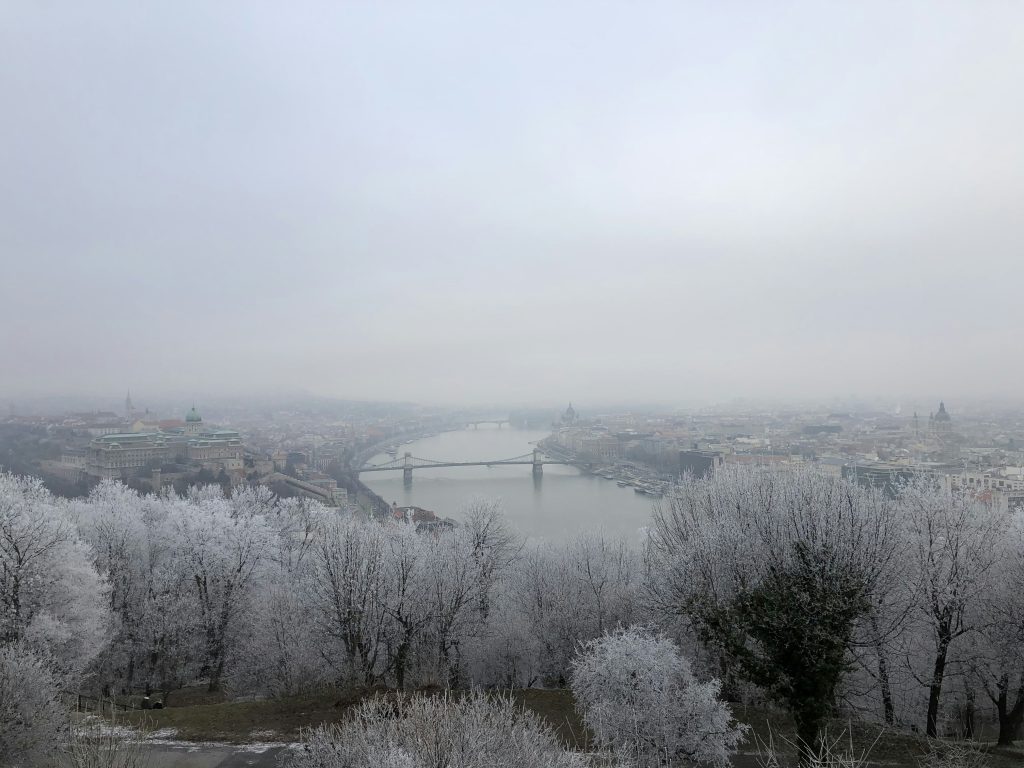
Budapest is a top pick for budget-conscious travelers, blending grand history with a modern vibe. It offers a unique experience that’s both affordable and rich. From strolling along the Danube to discovering hidden courtyards, the city is a treasure trove for those on a budget.
Thermal Baths and Affordable Nightlife
Visiting Budapest’s thermal baths is a must in winter. Széchenyi Baths lets you soak in outdoor pools in the cold air; Gellért is closed for renovation until 2028. These historic spots are surprisingly affordable, making them a luxurious yet budget-friendly option.
At night, the city buzzes with life in its ruin bars. These bars, set in old buildings, offer a unique and affordable nightlife. Enjoy local drinks in a lively atmosphere without breaking the bank.
Navigating Public Transit on a Shoestring
Traveling around Budapest is both efficient and budget-friendly. The city has a vast network of trams, buses, and metro lines. A multi-day travel card is a cost-effective way to explore, saving you money over individual tickets.
The yellow trams are not just a mode of transport; they also showcase the city’s stunning architecture. Budapest ensures that even the most budget-conscious traveler can enjoy its streets with ease and comfort.
Krakow: History and Hospitality on a Budget
Free Monday admission, 10am to 4pm, covers Wawel Royal Castle’s State Rooms and Crown Treasury in December 2026, exhibitions otherwise costing 57 and 47 PLN, with ticket numbers limited.
Krakow is a top choice for budget-conscious travelers in Europe. This Polish city offers a unique mix of history and hospitality. It’s a place where your money goes further than in many other major cities.
Exploring the Old Town Without Entrance Fees
Free Tuesday entry (otherwise 45 PLN) opens the Rynek Underground beneath what UNESCO calls Europe’s largest market square, heart of Krakow’s 149.65-hectare historic centre, World Heritage-listed since 1978.
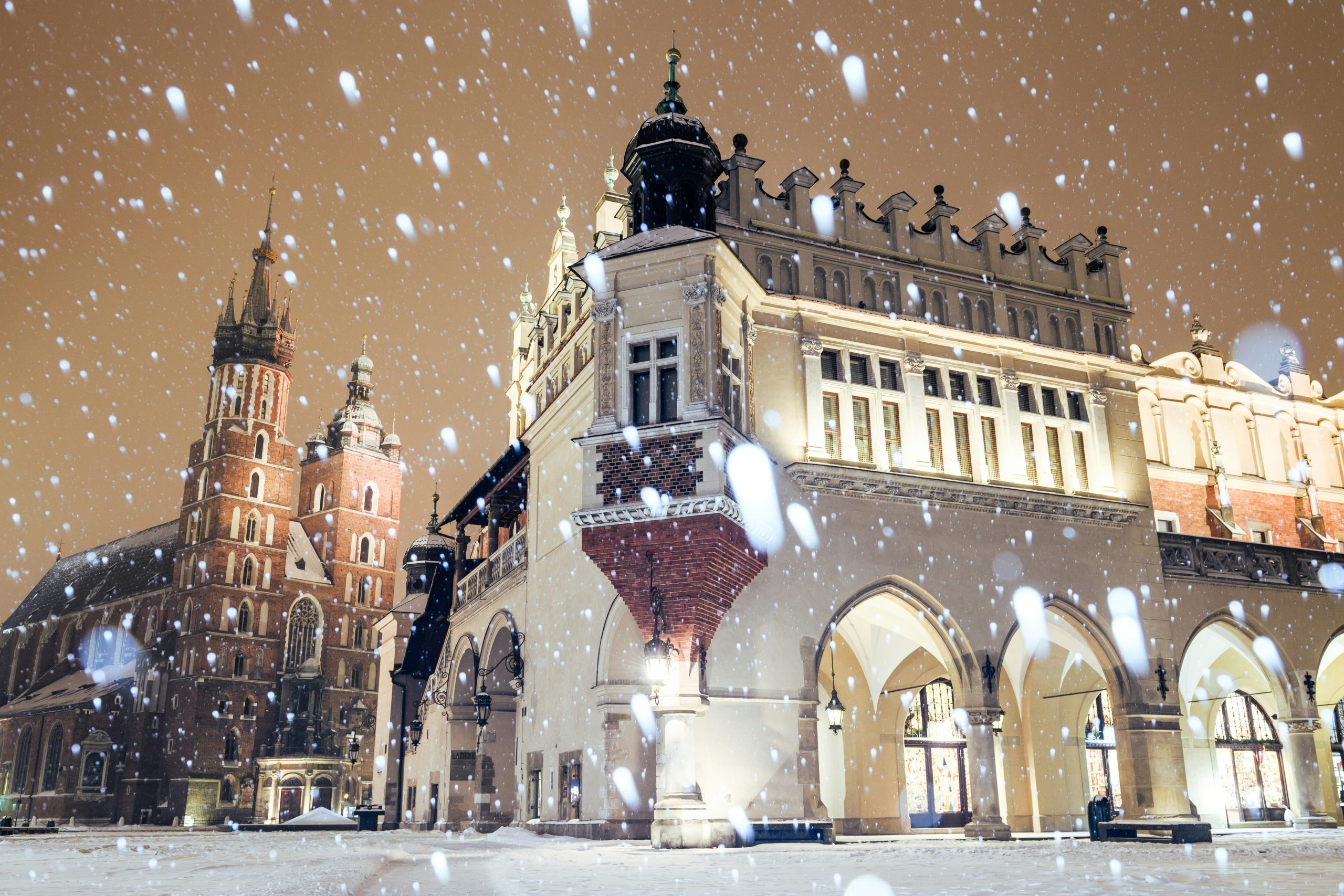
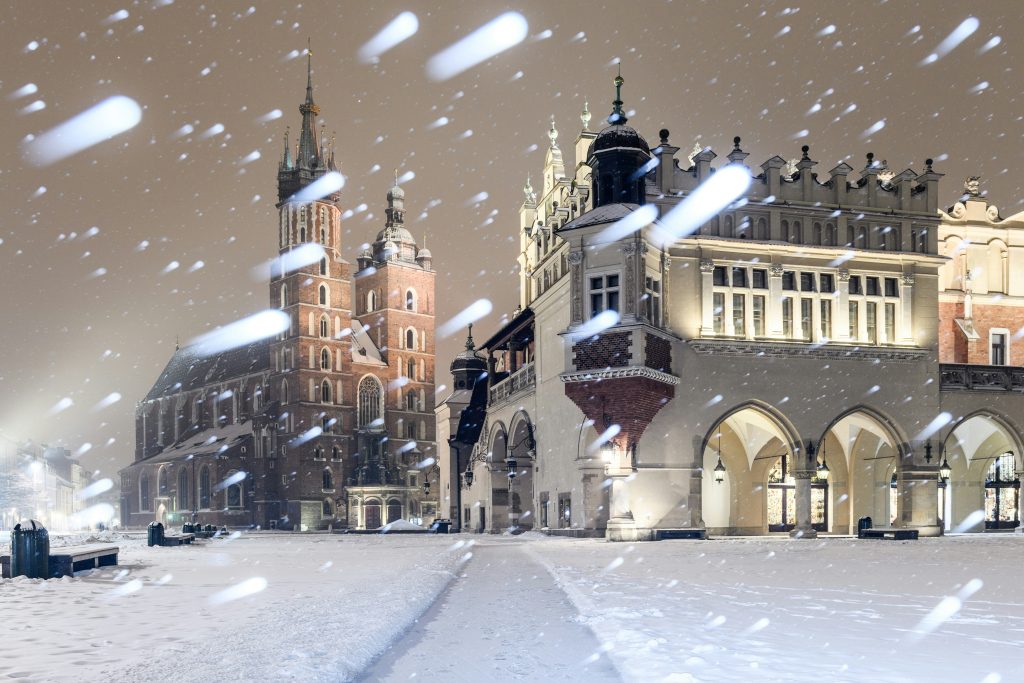
The Main Market Square is the heart of Krakow and free to explore. You can admire the Cloth Hall and St. Mary’s Basilica without spending a penny. Walking these streets in the snow is magical and free.
Take a self-guided walking tour to find hidden courtyards and historic plaques. Many beautiful churches let you in for free during non-service hours. These moments offer a deep connection to the local heritage.
Dining Strategies for Authentic Polish Cuisine
For affordable, authentic Polish food, visit a traditional “Bar Mleczny.” These places offer hearty dishes at low prices. Enjoy pierogi or borscht for just a few dollars.
Steer clear of pricey restaurants on the main square. Instead, explore side streets for better deals. This way, you get to enjoy Krakow’s charm without breaking the bank.
Sofia: The Hidden Gem of the Balkans
Sofia, nestled at the base of Vitosha Mountain, offers a unique mix of history and outdoor activities. Unlike more popular winter spots in Europe, this Bulgarian capital remains a hidden treasure. It’s perfect for those seeking a seasonal experience without the hefty costs of Western destinations.
Proximity to Affordable Ski Resorts
Sofia sits below Vitosha Mountain, but its cable lifts have been shut since 2024, so check before you count on skiing there. You can enjoy a morning hike on Vitosha and then relax with coffee in a historic cafe.
With Vitosha’s lifts closed, Bansko is the nearest working resort and still far cheaper than the Alps. This makes it ideal for beginners or families looking to enjoy winter sports affordably. You can have a mountain adventure without breaking the bank.
Cultural Landmarks and Free Walking Tours
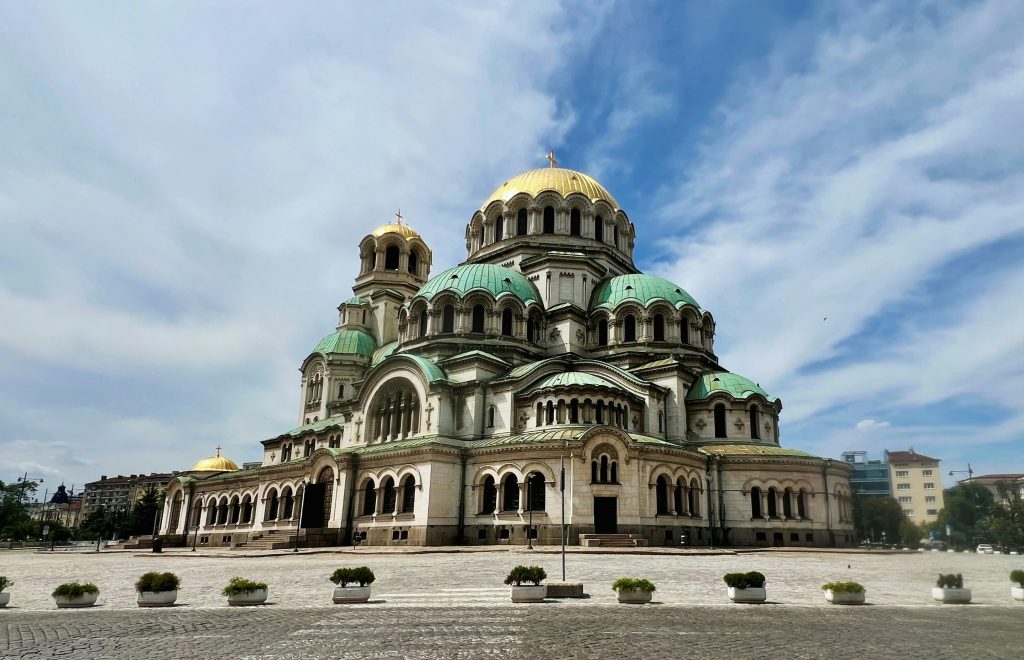
Sofia seamlessly blends ancient history with modern life. You can explore the stunning Alexander Nevsky Cathedral or the Roman city of Serdica ruins. These sites offer a glimpse into the region’s rich heritage.
Joining a free walking tour led by local experts is a great way to discover Sofia’s hidden gems. These tours are an excellent way to learn about the city’s history while keeping costs low. It’s a hidden gem among famous winter destinations in Europe for the curious traveler.
Prague: Winter Magic Without the Peak Season Prices
1.09 million overnight stays made February Prague’s quietest month of 2025, 42 percent below December’s 1.89 million peak.
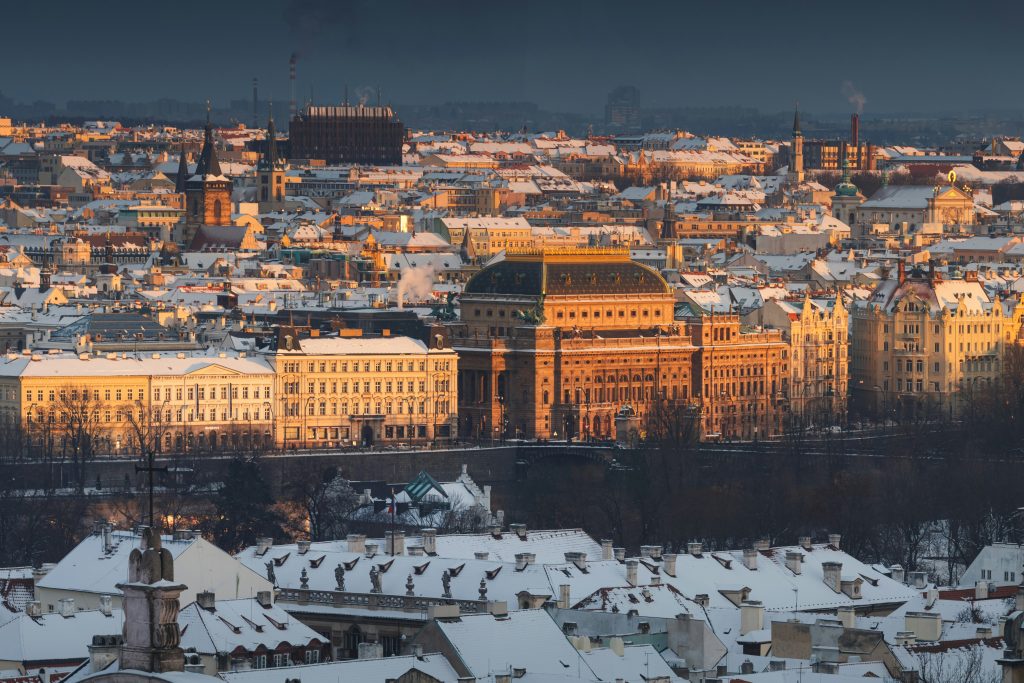
Seeking a renowned winter destination in Europe? Look no further than Prague’s golden spires. This city turns into a snowy wonderland, reminiscent of classic storybooks. Enjoy this magical atmosphere without the high prices of summer travel.
Finding Value in the Off-Peak Months
For the best savings, plan your visit for late January or February. The holiday crowds have gone, and prices for accommodations plummet. Local guesthouses and boutique hotels offer significantly better rates than the busy December season.
Walking Routes to Avoid Tourist Traps
The Charles Bridge is iconic but can be crowded and pricey. Instead, explore the Vinohrady district for authentic Prague life. This area boasts beautiful architecture, local cafes, and parks with stunning city skyline views.
Another excellent route is Letná Park. It lets you avoid tourist traps while enjoying a serene walk along the Vltava River. These paths offer a budget-friendly way to experience Prague’s fairy-tale charm without overspending.
Riga: Baltic Charm at a Fraction of Western Costs
87.4% of the EU average was Latvia’s 2025 restaurant and accommodation price level, versus 116.8% in Austria; UNESCO counts over 300 high-value Art Nouveau buildings in Riga’s historic centre beyond its medieval core.
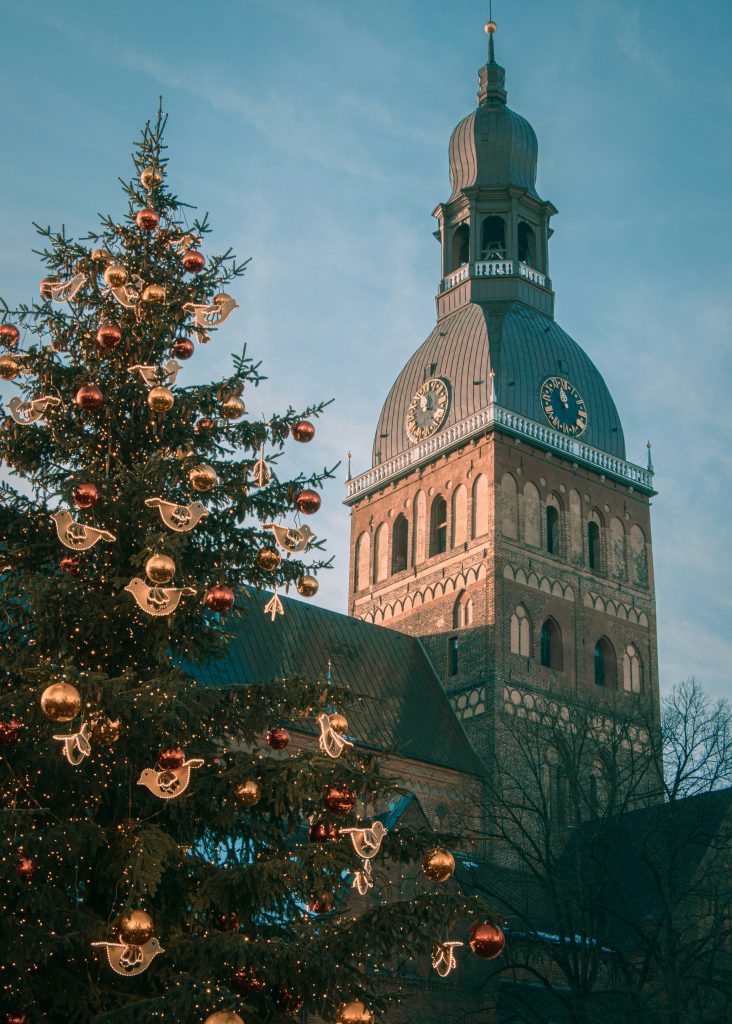
When planning your winter travel in Europe, don’t miss out on Latvia’s stunning capital. Riga offers a unique Baltic charm that’s both visually striking and wallet-friendly. It’s a perfect spot for those who want to explore historic streets without the hefty price tags of Western European capitals.
Art Nouveau Architecture and Winter Markets
Riga is renowned for its impressive Art Nouveau buildings. During the colder months, you can stroll through the city center’s quiet streets to admire these detailed facades. The crisp air highlights the carvings and colors against the winter sky.
The city’s festive winter markets come alive as the season progresses. These local hubs are perfect for finding handmade crafts and warming up with a hot drink. The atmosphere is cozy and authentic, giving you a genuine glimpse into Latvian traditions.
Budget-Friendly Baltic Culinary Experiences
82.6% to 88.2% of the EU average: Baltic restaurant and accommodation price levels in 2025; Latvia’s large grey peas, Latvijas lielie pelēkie zirņi, have held EU protected designation of origin status since 2015.
Exploring the local food scene is a highlight of any Baltic trip. You can enjoy hearty, traditional meals that warm you up throughout the day. Many local taverns offer lunch specials, like grey peas with bacon or rye bread soup, at very low costs.
Choosing local eateries is a smart budget move while enjoying top-quality ingredients. By opting for spots favored by residents, you dodge tourist traps and get great value. Embracing these culinary traditions is a fantastic way to enhance your affordable winter travel in Europe.
Sarajevo: A Unique Cultural Crossroads
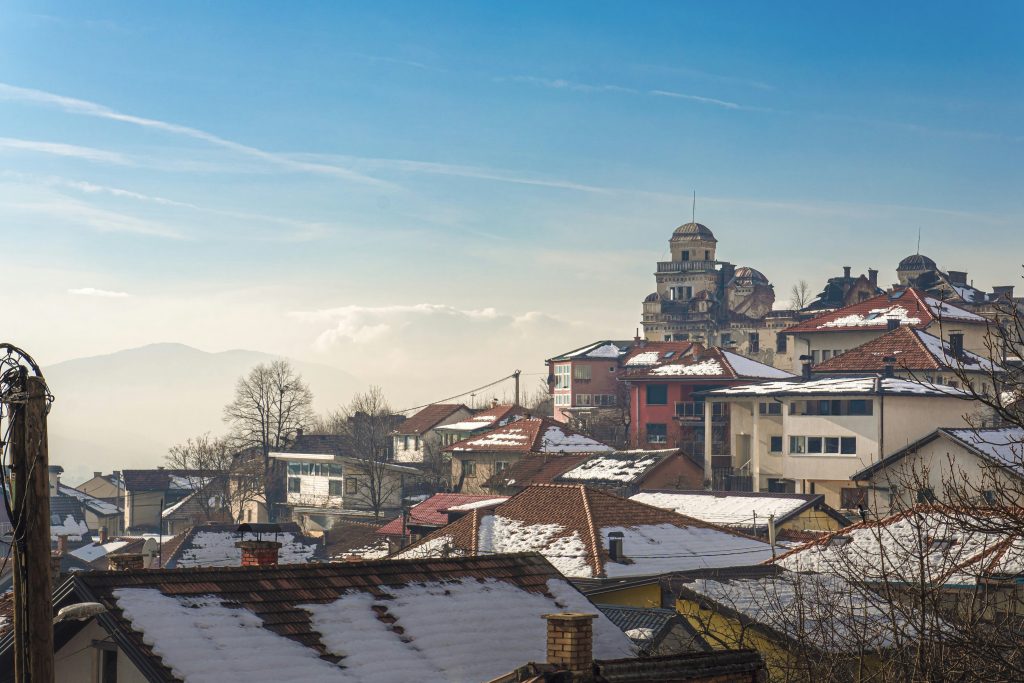
Discover why Sarajevo is quickly becoming a favorite destination for those planning winter travel in Europe. This city serves as a fascinating bridge where East meets West, creating a unique atmosphere for every visitor.
Historical Significance and Low Daily Expenses
Walking through Sarajevo’s streets feels like stepping through time. You’ll find a beautiful mix of Ottoman-era bazaars and elegant Austro-Hungarian architecture standing side by side.
Beyond the history, the city remains one of the most affordable spots on the continent. Your daily budget will stretch much further here compared to major Western capitals. This allows you to enjoy authentic meals and cozy cafes without stress.
Mountain Access and Winter Sports Opportunities
If you crave fresh air and adrenaline, you are in luck. Sarajevo is surrounded by stunning mountains that hosted the 1984 Winter Olympics. These mountains provide world-class terrain for skiing and snowboarding.
Mountains like Jahorina and Bjelašnica are just a short drive from the city center. These slopes offer incredible value for your winter travel in Europe. It’s easy to balance urban exploration with exciting outdoor sports.
Whether you are a beginner or a seasoned pro, the local resorts provide a welcoming environment. You can spend your mornings on the slopes and your evenings enjoying the vibrant culture of the city center.
Bucharest: Urban Exploration and Low-Cost Living
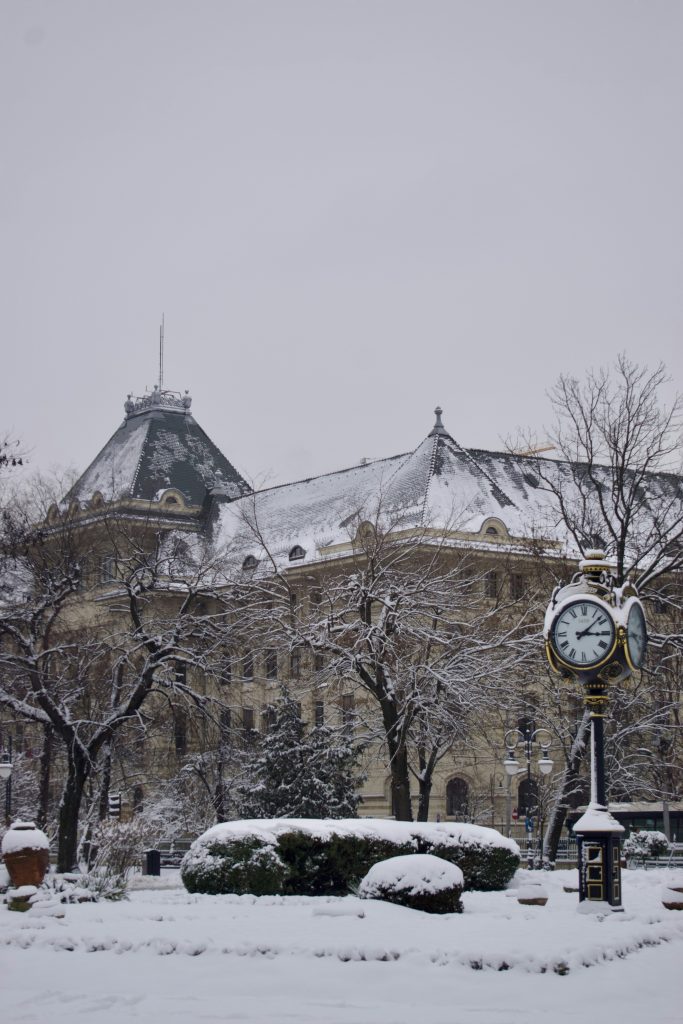
If you seek unique european winter vacation ideas, Bucharest, Romania’s capital, is a hidden gem. This vibrant city offers a perfect blend of grand architecture and surprisingly low daily costs. You can immerse yourself in the local vibe without straining your wallet.
Museums and Parks for the Frugal Traveler
Bucharest boasts many cultural treasures that remain affordable, even in the cold months. The Village Museum is a must-visit, providing an open-air glimpse into traditional Romanian life at a low cost. It offers a serene escape from the city’s hustle and keeps your vacation ideas on track.
Herastrau Park remains stunning, even with snow. Walking here is free and lets you see the city through the eyes of a local. Also, many galleries offer free entry days, so check local listings before venturing out.
Navigating the City via Efficient Public Transport
Traveling around Bucharest is budget-friendly and efficient, thanks to its reliable public transport. The STB system covers the city with buses, trams, and trolleybuses that run often. You can buy a rechargeable card at most kiosks, making it easy to travel as you explore.
The metro system is another excellent way to quickly reach major landmarks. It’s clean, safe, and avoids traffic that can slow down surface travel. Using these transit options, you can make the most of your time and focus on discovery, not logistics.
Tallinn: Medieval Atmosphere on a Budget
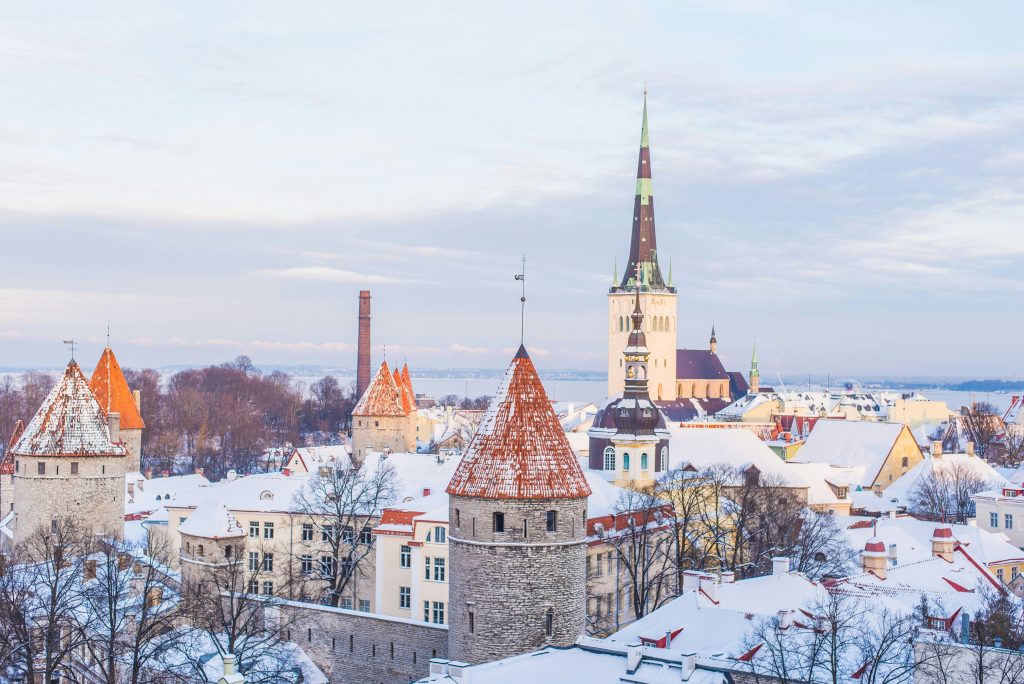
Tallinn emerges as a premier destination for those seeking a budget-friendly winter getaway. Its rich history and affordability make it a standout among european winter vacation ideas. The city’s medieval charm is enhanced by the snow, transforming its cobblestone streets into a winter wonderland.
Exploring the Walled City in the Snow
The Old Town, a UNESCO-listed gem, is the heart of Tallinn. It retains much of its medieval character, inviting visitors to explore its narrow alleys and ancient walls. Unlike many attractions, entry here is free, allowing for hours of discovery without cost.
Winter brings a serene quality to Tallinn, with fewer tourists and a tranquil vibe. A must-see is the Toompea Hill viewpoint. From there, you can admire the snow-draped rooftops and church spires, creating a breathtaking scene.
Smart Spending on Local Food and Drink
Exploring Tallinn’s culinary scene doesn’t have to drain your wallet. Look for traditional taverns off the beaten path to enjoy authentic Estonian cuisine at lower prices. These hidden gems offer a taste of local culture without the hefty price tag.
Indulge in hearty dishes like thick soups or roasted pork with sauerkraut, staples of Estonian cuisine. Many taverns offer lunch specials that are both delicious and budget-friendly. These deals allow you to savor the local flavors while keeping your expenses in check.
Belgrade: Vibrant Energy and Low Daily Costs
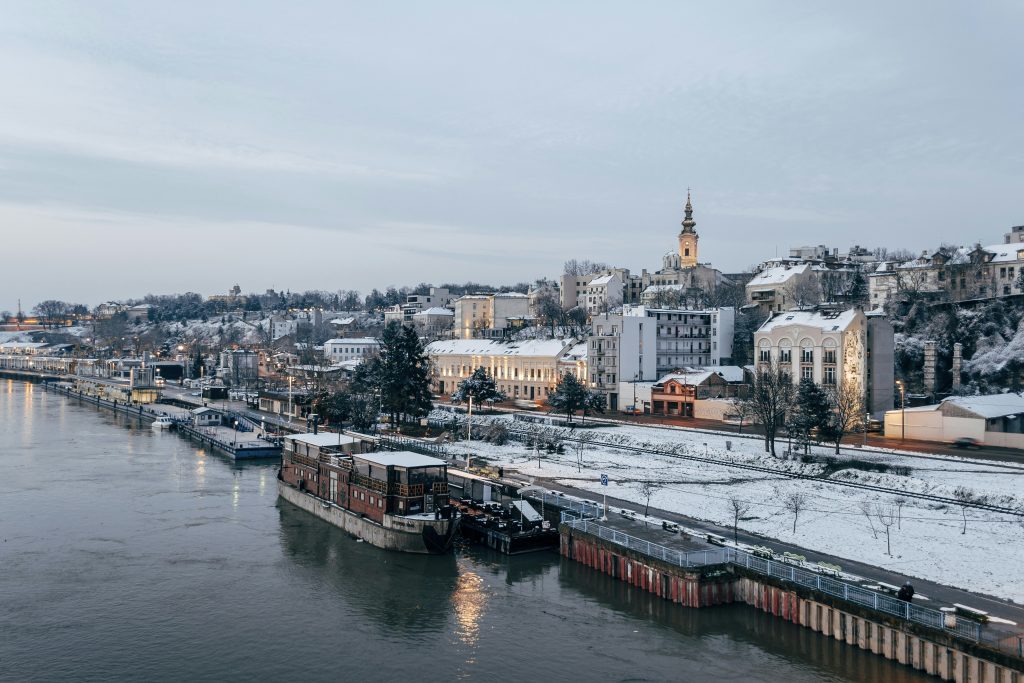
Belgrade is a vibrant, high-energy capital that stands out as one of the most affordable spots in Europe. Unlike many travelers who head to Western capitals, Belgrade offers a unique pulse. It’s authentic and budget-friendly, making it an exciting europe winter holiday destination for those seeking culture without the high price tag.
Riverside Walks and Fortress Exploration
The heart of the city is the historic Kalemegdan Fortress. Walking through these ancient stone walls is free and offers a stunning view of the city skyline. It’s the perfect spot to soak in history while enjoying the crisp winter air.
From the fortress, you can easily wander down to the confluence of the Sava and Danube rivers. These riverside paths are popular with locals, providing a peaceful escape from the urban bustle. Exploring these landmarks is a fantastic way to experience the city’s soul while keeping your daily expenses at a minimum.
Maximizing Your Budget in the Serbian Capital
Dining in Belgrade is a highlight for any visitor looking to stretch their funds. Instead of expensive tourist traps, head to local bakeries known as “pekara” for delicious, affordable pastries. These spots are staples of the local diet and provide a filling meal for just a few dollars.
When it comes to socializing, the city’s cafe culture is legendary. You can spend hours in a cozy coffee shop enjoying the atmosphere without feeling pressured to overspend. By choosing local markets for snacks and sticking to neighborhood eateries, you will find that your money goes much further here than in other europe winter holiday destinations.
Vilnius: Baroque Beauty and Affordable Stays
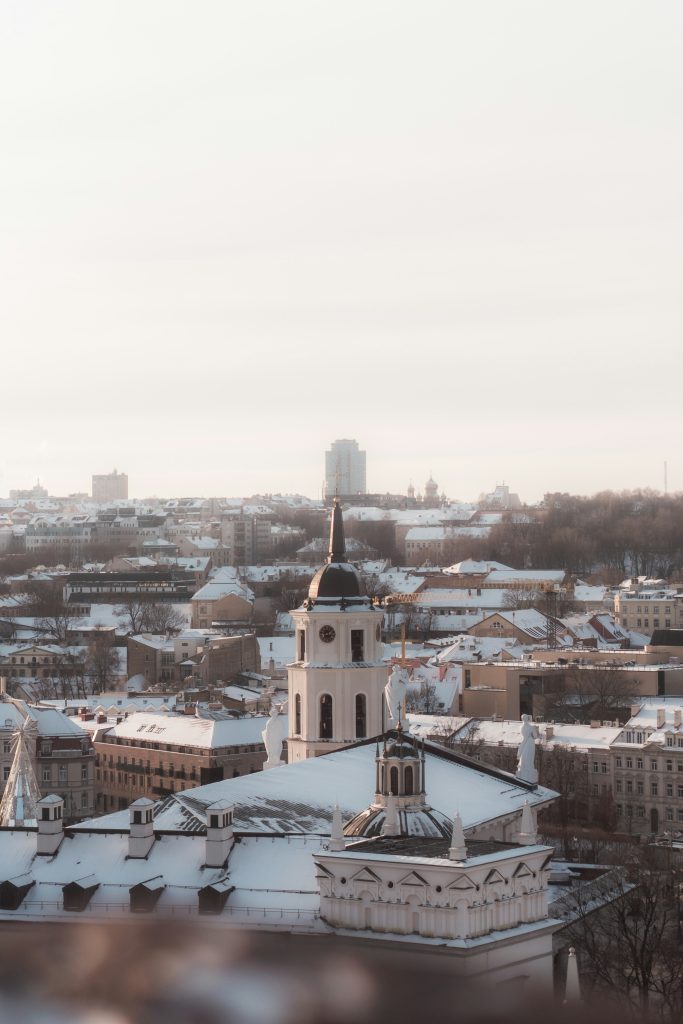
Lithuania’s capital is a hidden treasure for budget-conscious travelers. It offers stunning Baroque architecture and a serene vibe in winter. Your budget will go further here than in many other major cities.
Walking Tours and Local Markets
Free walking tours are a great way to explore the Old Town’s history. Led by locals, these tours reveal the city’s secrets. You’ll see hidden courtyards and grand churches without spending a penny.
Post-tour, visit the historic Halė Market for a taste of authentic Lithuanian life. It’s ideal for a warm, affordable snack or unique souvenirs. The lively atmosphere contrasts beautifully with the quiet, snowy streets.
Day Trips to Nearby Castles and Nature
Don’t miss Trakai Island Castle, a short bus ride from the city. This red-brick fortress is enchanting against a frozen lake backdrop. It’s a highlight for those seeking the best winter destinations in Europe.
For nature lovers, the surrounding forests offer peaceful trails for winter hikes. The crisp air and snow-covered pines offer a tranquil escape. These accessible excursions make your winter getaway memorable and budget-friendly.
The Best Winter Destinations Europe Has to Offer
Exploring the best winter destinations in Europe reveals a tale of value. Western capitals often come with a hefty price tag. Yet, other regions offer a more wallet-friendly experience. Understanding these regional differences is key to planning a budget-friendly trip.
Comparing Regional Costs and Accessibility
Travel costs vary greatly based on your destination. Western Europe’s higher accommodation and dining prices can quickly deplete your budget. On the other hand, smaller cities provide affordable lodging and public transit, making them ideal for budget-conscious travelers.
Accessibility is another critical factor in your spending. Many budget-friendly hubs boast low-cost airlines and efficient rail networks. By choosing a well-connected base, you can explore nearby areas without breaking the bank.
Why Eastern and Central Europe Lead the Way
Eastern and Central Europe are the go-to spots for budget travelers. They offer a mix of rich history, stunning architecture, and vibrant culture at lower costs. Enjoying hearty meals, cozy stays, and museums becomes affordable, without the worry of overspending.
The lower cost of living in these regions stretches your travel budget further. This affordability makes them the top choices for those seeking authentic charm without the high prices of peak seasons. Opting for these destinations ensures you maximize your dollar’s value.
Essential Packing Tips for Cold-Weather Travel
Visiting the best European cities in winter requires the right gear. Efficient packing keeps costs down and ensures comfort while exploring. By selecting the right items, you can dodge expensive fees and navigate airports smoothly.
Layering Strategies to Save Luggage Fees
Mastering layering is key to traveling light in cold weather. Begin with a moisture-wicking base layer, like merino wool, which is both lightweight and resistant to odors. Next, add a thin fleece or sweater for warmth. Finish with a high-quality, windproof outer shell.
Wearing your heaviest items, such as your coat and boots, on the plane saves space in your carry-on. This method allows you to pack a week’s worth in a single small bag. It’s ideal for the best European cities in winter, where you’ll be moving between trains and cobblestone paths.
Must-Have Gear for Winter Urban Exploration
Comfortable, waterproof walking boots are essential. You’ll spend hours on snow-covered sidewalks, so prioritize grip and warmth. Choose boots that are already broken in to avoid blisters.
A portable power bank is also vital, as cold temperatures quickly drain your phone’s battery. Touchscreen-compatible gloves will keep your hands warm while navigating or taking photos. These small items make your winter adventure enjoyable, not a chore.
Managing Your Daily Budget While Traveling
Enjoying the best European cities in winter without financial stress is possible. The charm of snowy streets and festive markets is undeniable. Yet, managing your spending ensures your trip remains within budget. Preparation is key to keeping your finances healthy while exploring.
Tracking Expenses and Avoiding Hidden Fees
Begin by using a mobile app or a notebook to track your spending. This practice helps you see where your money goes and avoids unnecessary purchases. Before traveling, check your bank’s fees for international transactions.
Many travelers lose money by choosing the wrong currency conversion options. Always choose the local currency to avoid bad exchange rates. Carry some local cash for vendors who might not accept cards.
Leveraging Local Grocery Stores and Markets
Eating out for every meal can quickly deplete your funds. Visit local grocery stores for fresh bread, cheeses, and fruits for picnics or breakfast. This approach is a smart way to enjoy winter in Europe without overspending.
Local outdoor markets are also great for budget travelers. You can find quality ingredients at lower prices than tourist restaurants. Embracing these local shopping habits lets you experience the culture through food without straining your budget.
Safety and Practical Considerations for Winter
Exploring Europe’s top cold-weather spots is an incredible adventure, but it demands some extra planning. By focusing on safety and logistics, your winter trip will be both smooth and memorable. Taking these steps early can help you avoid common issues while you enjoy the snowy views.
Navigating Shorter Daylight Hours
One major adjustment in winter is the limited daylight. Prioritize outdoor activities and photography during the middle of the day when the sun is highest. Save indoor activities like visiting museums or cozy cafes for the late afternoon and evening.
Planning your itinerary around these shorter days helps you make the most of your time. Always check the sunset times for your location, as they vary across the continent. Being aware of the time ensures you avoid walking in the dark.
Staying Connected and Mobile on a Budget
Staying connected is key for navigation and safety, but you don’t have to break the bank. Consider buying a local prepaid SIM card or using an eSIM app for affordable data plans. These are often cheaper than international packages from your home carrier.
Download offline maps for your destination before leaving your hotel to save on data. Having a reliable map on your phone ensures you can always find your way. With these tools, you can explore Europe’s cold-weather spots confidently while keeping your budget in check.
Before you go: turn this guide into a day-by-day plan. Our partner Voyada is a free itinerary maker that builds the route with flights, hotels and a real total cost for your dates — in about a minute.
Make an itinerary →Europe in Winter: Where to Go
Winter is one of Europe’s best-value seasons — if you match the destination to what you want.
- Choose your theme: Christmas markets (Central Europe), Northern Lights (Lapland, Iceland), skiing (the Alps), or city breaks (Vienna, Prague, Budapest). Skiers can check the best time to visit Switzerland for ski season and the shoulder-season lift closures to plan around.
- Chasing sun? The Canary Islands stay mild all winter.
- January–February are cheapest (post-holiday) — dress warm and plan for short daylight.
- Book festive-season stays early.
- Eastern Europe offers the best value — and some coastal and island spots wind down.
The Complete List: 14 Winter City Breaks in Europe
Europe in winter is magical and often cheaper — here’s a fuller list of cities that shine in the cold, and what makes each special.
- Vienna (Austria) — imperial grandeur, concerts and glorious Christmas markets.
- Prague (Czechia) — a snow-dusted fairytale, cheap and beautiful.
- Budapest (Hungary) — thermal baths, ruin bars and value.
- Kraków (Poland) — a medieval square and market, superb value.
- Strasbourg & Colmar (France) — Alsace’s gingerbread Christmas heartland.
- Bruges (Belgium) — canals, cocoa and cosy squares.
- Tallinn (Estonia) — a chocolate-box medieval old town under snow.
- Riga (Latvia) — Art Nouveau elegance and a lively market.
- Salzburg (Austria) — Mozart, mountains and twinkling markets.
- Zagreb (Croatia) — a repeat ‘best Christmas market’ winner.
- Ljubljana (Slovenia) — a small, festive capital by the Alps.
- Edinburgh (Scotland) — Hogmanay and a dramatic winter skyline. Our guide to the best things to do in Edinburgh covers the Castle, the Royal Mile and Arthur’s Seat.
- Seville (Spain) — a mild, sunny winter-sun city break.
- When: January–February are cheapest (post-holiday); dress warm, plan for short daylight, and book festive-season stays early — Eastern Europe offers the best value.
Frequently Asked Questions
What are the cheapest European cities for a winter break?
Eastern and Central Europe offer the best value in winter — Kraków, Budapest, Prague, Bucharest and Riga have low prices, festive Christmas markets and few crowds. Portugal and southern Spain are milder budget picks.
When is the cheapest time for a European city break?
January and February, after New Year and outside school holidays, are the cheapest, with the lowest flights and hotels. Avoid the Christmas-market peak in December if budget is the priority.
Is Europe worth visiting in winter?
Absolutely — fewer tourists, lower prices, snow-dusted old towns, Christmas markets and cosy cafés. Pack warm layers and expect shorter daylight hours.
How much does a week in a budget European city cost in winter?
Around 250 to 600 US dollars per person for seven days in the cheapest cities, excluding flights. That covers a private double room, meals out, local transit and one paid sight a day at January and February prices. Sarajevo sits at the bottom of the range at roughly 35 to 55 dollars a day, while Prague and Tallinn run closer to 60 to 90. Christmas market weeks in December cost noticeably more.
When do Europe's Christmas markets run?
Most open in the last week of November and close on or just before Christmas Eve, though several of the bigger city markets carry on into early January. That festive period is the most expensive stretch of the European winter, with hotel rates and flights climbing in Vienna, Prague, Budapest and Krakow. If the markets are the point, book stays months ahead. If value is the point, travel from mid-January instead.
Which European cities are most likely to have snow in winter?
The Baltic capitals and inland Central Europe give the best odds. Tallinn, Riga, Vilnius, Krakow and Prague regularly see snow settle on their old towns between December and February, and Sarajevo and Sofia sit below mountains that hold it for months. Coastal and southern cities such as Seville rarely see any. Snow is never guaranteed anywhere, so pick a city you would still enjoy in grey, damp weather.
How many cities should you visit on a winter trip to Europe?
Two cities in a week is the comfortable maximum, and one is often better in winter, when short days and cold weather slow everything down. Pairs that work well by train or bus include Budapest with Vienna, Krakow with Prague, and Riga with Tallinn as a Baltic run. Allow a full travel day between them. Moving every two nights eats your budget in transport and wastes the cheap accommodation you booked.
How short are the days in Europe in winter?
Roughly six to seven hours of daylight in the Baltic capitals around the winter solstice, rising to about eight or nine hours in Budapest, Belgrade and Sofia. Sunset in Tallinn in late December comes shortly after three in the afternoon. Plan outdoor sightseeing and photography for the middle of the day, and save museums, thermal baths and cafes for the long evenings. Days lengthen noticeably by mid-February right across the continent.
Where should you go in Europe in winter for warm weather?
The Canary Islands stay mild all winter and are the reliable choice for sunshine, with Seville and southern Spain a good mainland alternative for a city break in the low teens. Portugal’s Algarve is similar. None of these are beach weather in January, but they suit walking, eating outdoors at lunchtime and longer daylight than the north. Flights to the Canaries rise sharply over Christmas and again in the February half-term weeks.
Can you combine a city break with skiing in Europe?
Yes, and it is one of the cheapest ways to ski. Vitosha rises behind Sofia but its lifts have been shut since 2024, so Sarajevo is now the reliable ski-and-city pairing on this list. Sarajevo sits below Jahorina and Bjelasnica, which hosted the 1984 Winter Olympics. Lift passes and rental at both cost a fraction of Alpine prices, which suits beginners and families.
What is the cheapest way to travel between European cities in winter?
Long-distance buses are usually the cheapest, with operators such as FlixBus and BlaBlaCar Bus covering most of Central and Eastern Europe. Rail is more comfortable and often competitive if you book early, since most operators release discounted advance fares weeks ahead and charge far more on the day. Overnight buses and trains save a night of accommodation. Compare a regional rail pass against individual advance tickets before you commit to one.
What should you pack for a European city break in winter?
Layer rather than pack bulk: a merino base layer, a thin fleece or jumper, and a windproof outer shell handle most conditions. Waterproof walking boots with grip matter most, since you will spend hours on wet cobbles and slush. Add touchscreen gloves, a hat and a power bank, as cold drains phone batteries fast. Wear your coat and boots on the plane and a week fits into a single cabin bag.
How far ahead should you book a winter trip to Europe?
Book accommodation for late November to early January at least three to four months ahead, as the Christmas market cities fill early and rates climb steadily. For mid-January to February you have far more freedom, and late deals are common. Flights follow the same pattern. Booking rail and bus tickets in advance is worth doing in any month, since advance fares are considerably cheaper than buying on the day of travel.
Are Central and Eastern European cities safe for solo travellers in winter?
They rank among the safer city destinations in Europe, with low rates of violent crime and good public transport. The winter-specific risks are practical ones: icy pavements, early darkness and limited daylight for walking unfamiliar routes. Carry a power bank so your phone does not die in the cold, download offline maps before you set out, and stick to lit main streets after dark. A local prepaid SIM or eSIM keeps you connected cheaply.
What is there to do in Europe in winter besides Christmas markets?
Plenty, and much of it is better in the cold. Budapest’s Szechenyi baths are at their best when steam rises off the outdoor pools, with Gellert shut until 2028, Krakow’s cellar bars and milk bars suit long dark evenings, and free walking tours run year-round in Sofia, Riga and Vilnius. Museums and galleries are quiet in January. Add a viewpoint such as Tallinn’s Toompea Hill for snow-covered rooftops and church spires. If Stockholm is on your winter shortlist, our guide to the best things to do in Stockholm covers whether it is worth visiting in winter.
Conclusion
Europe becomes a magical place when the cold sets in. You now know how to explore the best cold-weather spots in Europe without spending a lot. This knowledge opens up a world of possibilities for your next trip.
Traveling smart means making thoughtful choices. By focusing on local markets and using public transport, you discover authentic experiences. These hidden spots offer rich history and vibrant culture at a lower cost than major cities.
Ready to explore Europe’s best cold-weather spots? Start planning now. Choose a city that interests you and find flight deals with a fare-alert tool. Don’t forget to pack your warmest clothes for a journey of snowy streets and cozy cafes.
Your next adventure is just a few clicks away. Grab your passport and dive into the crisp European winter air. The memories you make in these affordable cities will stay with you forever.