
Table of Contents
ToggleEurope is a treasure trove of cultural heritage, breathtaking landscapes, and vibrant city life. It boasts over 400 cities, each with a unique blend of history, art, and entertainment. From Venice’s romantic canals to Paris’s historic landmarks, each city offers its own charm and attractions. These draw millions of travelers every year. For official, up-to-date visitor information, see Visit Europe, the European Travel Commission’s official site.
Whether you’re a history buff, a foodie, or an adventure-seeker, Europe’s diverse cities have something for everyone. The continent is home to some of the world’s most iconic destinations, making it a traveler’s paradise. With so many options, planning the perfect European vacation can be daunting. But knowing the best cities to visit can make all the difference.
Key Takeaways
- Europe offers a diverse range of cultural, historical, and entertainment experiences.
- The continent is home to over 400 cities, each with its unique charm.
- From iconic landmarks to local cuisine, there’s something for every traveler.
- Planning a European vacation requires knowing the top destinations.
- Europe’s cities cater to all interests, making it a traveler’s paradise.
✈️ TripToGo Travel Deals
Get notified about great travel deals
Hand-picked flight, hotel and destination deals, straight to your inbox. No spam, unsubscribe anytime.
🎉 Thank you for subscribing!
You’re all set — the best travel deals are on their way.
The Twelve at a Glance
Every city on this list, the one thing it does best, and when to go — then the full case for each below.
| City | The one thing | Days | Best window |
|---|---|---|---|
| Paris | The Louvre, café life, the world’s most walkable grandeur | 3–4 | Apr–Jun, Sep–Oct |
| Rome | 2,000 years of history on every corner | 3 | Apr–May, Oct |
| Barcelona | Gaudí + beach + tapas in one city | 3 | May–Jun, Sep |
| Amsterdam | Canal rings, world-class art, bike culture | 2–3 | Apr–May (tulips), Sep |
| London | Museums (free!), theatre, royal pageantry | 3–4 | May–Sep |
| Prague | Europe’s best-preserved fairy tale — at half the price | 2 | Apr–May, Sep–Dec |
| Vienna | Palaces, opera standing-room for €15, coffeehouses | 2–3 | Apr–Jun, Sep, Dec |
| Dubrovnik | The walled city above the Adriatic | 2 | May–Jun, Sep–Oct |
| Edinburgh | Castle-crowned drama; the Fringe in August | 2 | May–Sep |
| Berlin | Living history and Europe’s edgiest culture | 3 | May–Sep |
| Santorini | The caldera sunset every screensaver stole | 2 | May–Jun, Sep–Oct |
| Budapest | Thermal baths, Parliament, ruin bars — Europe’s best value grandeur | 2–3 | Apr–Jun, Sep–Oct |
Routes, Borders and Budgets: Key Facts
Chain them by rail, not planes: the classic pairs are quick train hops — London–Paris 2¼ h by Eurostar, Vienna–Prague 4 h, Vienna–Budapest 2½ h, Amsterdam–Paris 3¼ h. A 2-week first trip comfortably strings 3–4 cities; more than that and you spend the holiday in stations. Our Europe trip planning guide maps the booking timeline.
2026 border paperwork, in one line: the EU’s EES biometric registration is live at Schengen borders (allow buffer time on your first entry), and the ETIAS authorisation (around €20) has not launched yet, with no confirmed start date, so nothing to file yet — official info at travel-europe.europa.eu. Note London is outside Schengen: crossing to/from the UK is a full border, so put it at the start or end of the route.
The price spread across this list is 3x: Prague and Budapest deliver palace-and-opera trips at roughly half of what London and Paris cost; Santorini and Dubrovnik peak brutally in July–August. Budget per city with our Europe trip cost guide, and if you lean December, three of these cities host Europe’s best Christmas markets.
Go deeper on the ones we’ve mapped: our 3-day Paris itinerary, Vienna guide, Prague guide and Greece timing guide (for Santorini’s shoulder-season trick) cover four of the twelve in day-by-day detail.
Which three make your trip?
Our partner Voyada’s trip planning AI strings your picks into a rail-smart route with flights, hotels and a real total cost for your dates — in about a minute, free.
Plan an itinerary →What Makes European Cities the Top Travel Destinations
European cities are the pinnacle of travel destinations, thanks to their rich history, breathtaking architecture, and vibrant cultural scenes. These cities have long been a beacon for travelers, providing a wide range of experiences that satisfy every interest.
The historical significance of European cities is a major draw. Places like Rome, Paris, and Athens are filled with history, featuring landmarks such as the Colosseum, the Eiffel Tower, and the Acropolis. These sites offer a window into the past and enhance the cities’ cultural vibrancy.
Cultural richness is another hallmark of European cities. They boast world-class museums like the Louvre in Paris and the Uffizi Gallery in Florence. The culinary scene is equally diverse, with each city presenting its unique flavors, from French cuisine to Italian pasta and Spanish tapas.
Modern attractions also contribute to the allure of European cities. These cities are alive with vibrant nightlife, shopping districts, and entertainment options. Whether you’re into exploring historic areas, enjoying local festivals, or just relaxing in a traditional café, there’s something for everyone.
In conclusion, European cities’ blend of historical significance, cultural richness, and modern attractions makes them ideal for travelers. Whether you’re a seasoned explorer or embarking on your first European journey, these cities promise unforgettable experiences.
Paris, France: The Eternal City of Romance and Culture
Paris, the City of Light, is a timeless destination that embodies the essence of romance and culture. This captivating city has been a magnet for travelers for centuries. It draws millions to its charming streets, historic landmarks, and world-class museums.
Why Paris Captivates Millions of Visitors
Paris’s allure lies in its unique blend of traditional and modern elements. From quaint cafes and charming boutiques to grand boulevards and historic monuments, Paris offers an unforgettable experience. The city’s rich cultural heritage, including its art, literature, and music, is palpable in its many museums, galleries, and performance venues.
Iconic Attractions From the Eiffel Tower to the Louvre
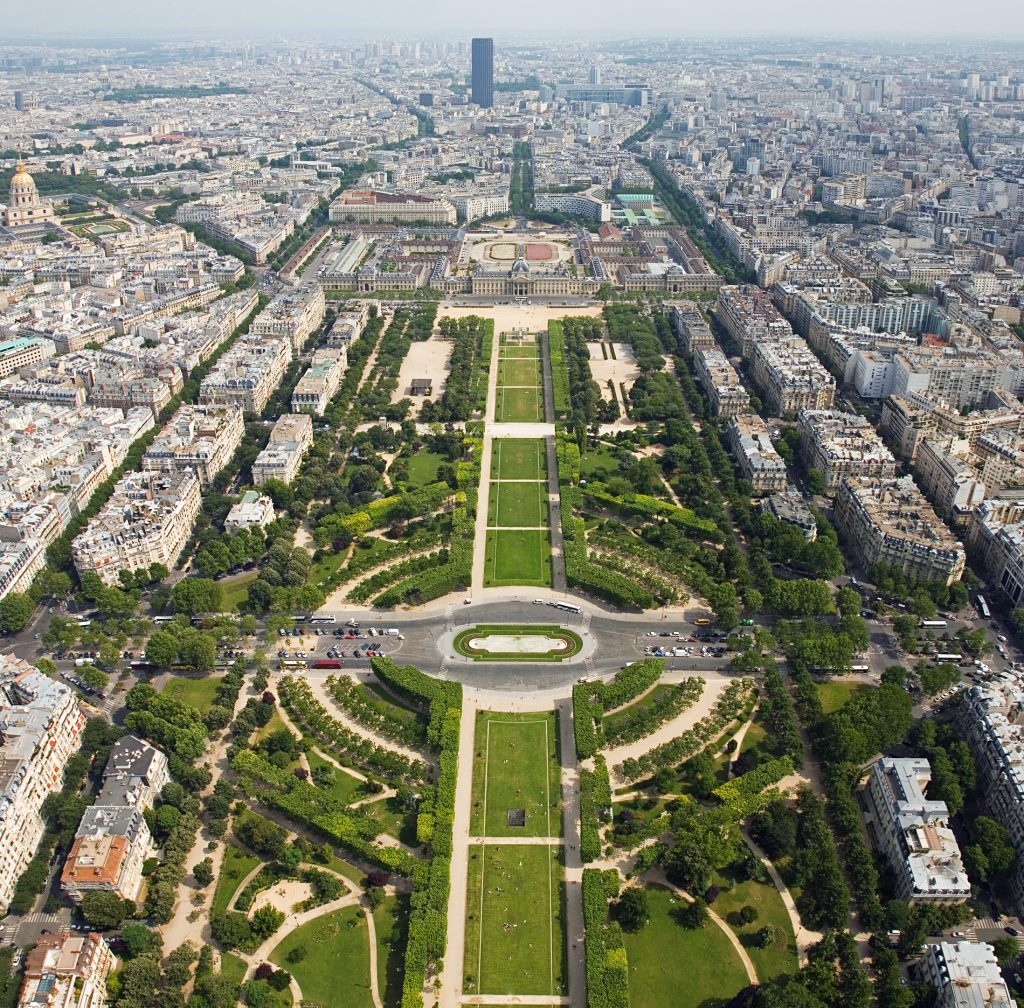
No visit to Paris would be complete without seeing its most famous landmarks. The Eiffel Tower, built for the 1889 World’s Fair, stands as an iconic symbol of the city, providing breathtaking views. The Louvre Museum, housed in a stunning palace, is home to an impressive collection of art and artifacts, including the Mona Lisa. Other must-visit attractions include Notre-Dame Cathedral, Arc de Triomphe, and the Champs-Élysées.
Charming Neighborhoods and Parisian Lifestyle
Beyond its iconic landmarks, Paris’s charm lies in its diverse neighborhoods, each with its own unique character. From the artistic vibe of Montmartre to the chic boutiques of Le Marais, there’s a neighborhood to suit every taste. Visitors can experience the quintessential Parisian lifestyle by strolling along the Seine, enjoying a coffee at a sidewalk cafe, or exploring the city’s many markets and food halls.
Whether you’re drawn to Paris’s romantic ambiance, cultural institutions, or simply its joie de vivre, the city is sure to captivate your heart. As one of Europe’s most beloved destinations, Paris continues to inspire and enchant travelers from around the world.
Rome, Italy: Where Ancient History Comes Alive
Rome is a city unlike any other, rich in history and architectural wonders. As you stroll through its streets, the ancient and modern merge, crafting a memorable journey. This blend of eras offers a unique experience that stays with you.
Exploring the Colosseum and Roman Forum
The Colosseum and Roman Forum are testaments to Rome’s ancient past. Here, gladiators once clashed, and ancient temples stood. Walking through these sites, you can almost hear the whispers of history.
The Colosseum, a symbol of Rome, showcases the city’s engineering and the Roman Empire’s grandeur. The Roman Forum, with its ruins of markets and temples, offers a peek into the lives of ancient Romans.
Vatican City's Artistic and Spiritual Treasures
Vatican City, nestled within Rome, is a city-state home to the Pope and the Catholic Church. It’s famous for its artistic and spiritual riches, including the Sistine Chapel and St. Peter’s Basilica. These sites are among the most revered in the world.
The Vatican Museums are a treasure trove of art, featuring works by Michelangelo and Raphael. Visitors can marvel at the stunning architecture and beautiful gardens within the Vatican.
Authentic Italian Food and Local Experiences
Rome’s culinary scene is a must-experience. Italian cuisine, celebrated for its simplicity and use of fresh ingredients, offers a culinary adventure. From carbonara to pizza, and gelato to espresso, the flavors of Italy are everywhere.
Exploring Rome’s local markets and food shops gives you a taste of authentic Italian life. Here, you can sample local specialties, buy fresh produce, and experience Rome’s famous hospitality.
Barcelona, Spain: Gaudí's Masterpiece by the Mediterranean
Barcelona, the capital of Catalonia, is celebrated for its architectural marvels, pristine beaches, and lively cultural scene. This city seamlessly merges modernism with heritage, positioning itself as a top European destination.
Architectural Wonders of Antoni Gaudí
Antoni Gaudí’s creations showcase Barcelona’s architectural prowess. His iconic Sagrada Família, a UNESCO World Heritage Site, draws millions each year.
Other highlights include Park Güell, with its mosaic benches and panoramic views, and Casa Batlló, famous for its vibrant façade and unique design.
Beach Life Meets Urban Sophistication
Barcelona’s beaches, like Barceloneta and Nova Icària, offer a unique mix of urban amenities and beachside tranquility. Visitors can indulge in fresh seafood, engage in water sports, and soak up the sun along the Mediterranean.
The beachfront promenade is perfect for leisurely walks, cycling, or simply enjoying the sea views.
Catalan Culture, Tapas, and Vibrant Nightlife
Barcelona thrives as a cultural center, with a rich heritage evident in its museums, galleries, and festivals. The city celebrates its Catalan culture through events like La Mercè and La Diada de Sant Jordi.
The local cuisine boasts delectable tapas, featuring favorites like patatas bravas and escalivada. The nightlife is equally vibrant, with a variety of bars, clubs, and flamenco shows for every preference.
Amsterdam, Netherlands: Canals, Culture, and Dutch Heritage
The Netherlands’ capital, Amsterdam, is celebrated for its canals, art scene and historic sites — but budget for Europe’s steepest tourist tax at 12.5% of the room rate. This enchanting city combines cultural depth with breathtaking views, making it a prime spot for travelers.
Navigating the Picturesque Canal Ring
Amsterdam’s Canal Ring is a UNESCO World Heritage Site, boasting canals from the 17th century. Exploring the city’s historic heart by boat tour offers a fresh view of its architectural legacy.
Anne Frank House, Van Gogh Museum, and Art Scene
Amsterdam boasts some of the world’s most influential cultural museums, like the Anne Frank House and the Van Gogh Museum. The Anne Frank House offers a moving look into Anne Frank’s life during WWII. The Van Gogh Museum, on the other hand, houses the largest collection of Vincent Van Gogh’s works.
The city’s art scene goes beyond these museums, with many galleries displaying works by both local and international artists. Amsterdam’s cultural landscape is rich and varied, from contemporary art to classical masterpieces.
Cycling Culture and Nearby Windmill Villages
Amsterdam is renowned for its cycling culture, with bike-friendly roads and scenic paths. Visitors can rent bikes to explore the city, enjoying the fresh air and relaxed vibe. Nearby, windmill villages like Zaanse Schans and Kinderdijk offer a peek into the Netherlands’ industrial past and picturesque landscapes.
These windmill villages are a testament to Dutch engineering and provide a charming day-trip from Amsterdam. They showcase the region’s natural beauty and cultural heritage.
London, United Kingdom: A Perfect Blend of History and Modernity
London, the vibrant capital of the United Kingdom, is a city where ancient history and modern culture blend seamlessly. It is one of the world’s most visited cities, providing a diverse range of experiences for all interests.
Royal Palaces, Big Ben, and Historic Landmarks
London boasts some of the world’s most iconic landmarks, including Buckingham Palace, the official residence of the British monarch, and Big Ben, a globally recognized clock tower. Visitors can witness the Changing of the Guard ceremony at Buckingham Palace, a tradition spanning over 200 years.
The city’s historic landmarks, such as the Tower of London and Westminster Abbey, offer a glimpse into its rich history. They span from medieval times to the present day.
World-Class Museums and Theater District
London is renowned for its cultural institutions. The British Museum houses a vast collection of artifacts from around the world. The National Gallery features works by artists such as Van Gogh and Leonardo da Vinci.
The city’s theater district, known as the West End, is famous for its vibrant performing arts scene. Numerous theaters host a variety of productions, from musicals to classical plays.
Eclectic Neighborhoods from Notting Hill to Shoreditch
London’s neighborhoods are as diverse as its population. From the trendy boutiques and street food markets of Shoreditch to the charming, laid-back atmosphere of Notting Hill, famous for its annual carnival and Portobello Road Market.
Each neighborhood offers a unique experience. Whether it’s exploring the historic streets of Covent Garden, visiting the trendy bars of Camden, or enjoying the multicultural cuisine available throughout the city.
Prague, Czech Republic: The Fairy Tale Capital of Europe
Prague, the capital of the Czech Republic, is a city that feels like stepping into a fairy tale. Its cobblestone streets, historic buildings, and iconic landmarks captivate travelers from around the world. This destination is a true marvel.
Medieval Architecture and Gothic Splendor
Prague is famous for its well-preserved medieval architecture, reflecting a rich history spanning centuries. The city’s Gothic splendor is evident in its numerous churches and buildings. Many have been meticulously maintained or restored to their former glory.
The city’s architecture is adorned with intricately carved stone and stunning stained glass windows. Structures like the Týn Church showcase the city’s architectural heritage.
Prague Castle, Charles Bridge, and Old Town Square
Prague’s iconic landmarks are a significant part of its allure. The Prague Castle, one of the largest castle complexes in the world, is a must-see. It features the stunning St. Vitus Cathedral and the Old Royal Palace.
Charles Bridge, with its statues of saints and breathtaking views of the Vltava River, is another iconic spot. The Old Town Square, famous for its Astronomical Clock, is a hub of activity. The clock’s hourly show is a highlight.
Affordable Luxury and Traditional Czech Beer Culture
Prague offers a unique blend of luxury and affordability, attracting travelers. From high-end hotels to boutique accommodations, finding a comfortable place to stay is easy without overspending.
Czech beer culture is another highlight of Prague. The city is home to some of the world’s best breweries. Enjoying a cold pint in one of the many traditional pubs is a quintessential Prague experience.
Vienna, Austria: Imperial Elegance and Musical Heritage
Vienna, Austria’s capital, is a treasure trove of imperial elegance, classical music, and traditional coffeehouses. This city has been a cultural hub for centuries, attracting visitors from around the world. It boasts grand palaces, opera houses, and a rich history.
Schönbrunn Palace and Hofburg Imperial Complex
Vienna’s imperial past is showcased in its stunning palaces, with Schönbrunn Palace and the Hofburg Imperial Complex being two of the most significant landmarks. Schönbrunn Palace, a former summer residence of the Habsburgs, is a masterpiece of Baroque architecture. It features beautifully manicured gardens and fountains.
The Hofburg Imperial Complex, the former principal imperial palace of the Habsburg dynasty, is another must-visit attraction. It offers a glimpse into the lives of royalty through its opulent state apartments and the Spanish Riding School.
Classical Music Legacy and Opera Houses
Vienna is renowned for its contribution to classical music, having been home to legendary composers such as Mozart, Beethoven, and Strauss. The city’s opera houses, including the Vienna State Opera, host a variety of performances throughout the year. These performances showcase the rich musical heritage of Vienna.
Visitors can enjoy a range of musical experiences, from opera and ballet to concerts and recitals. This makes Vienna a paradise for classical music enthusiasts.
Viennese Coffeehouse Tradition and Culinary Scene
No visit to Vienna is complete without experiencing its traditional coffeehouse culture. These cozy establishments have been a staple of Viennese life for centuries. They serve as hubs for socializing, reading, and enjoying a cup of coffee.
Vienna’s culinary scene is equally impressive, with a range of traditional dishes such as Wiener Schnitzel, Sacher Torte, and Apfelstrudel. It also offers modern culinary innovations.
Dubrovnik, Croatia: The Pearl of the Adriatic Coast
Dubrovnik, known as the Pearl of the Adriatic, is a stunning medieval walled city where swimwear off the beach draws a 150 euro fine that captivates visitors from around the globe. Its allure lies not only in its well-preserved ancient architecture but also in its breathtaking natural setting along the Adriatic coast.
Walking the Magnificent Medieval City Walls
Walking along Dubrovnik’s magnificent medieval city walls is an unforgettable experience. These fortifications, remarkably preserved, offer a unique glimpse into the city’s rich history. They provide panoramic views of the old town and the sparkling Adriatic Sea. As you stroll along the walls, you’ll discover hidden passages, ancient fortresses, and stunning vistas that make Dubrovnik truly unforgettable.
Game of Thrones Filming Locations
Dubrovnik’s stunning architecture and picturesque landscapes made it a prime location for filming scenes in the hit series Game of Thrones. Fans of the show can walk in the footsteps of their favorite characters by visiting iconic locations such as King’s Landing, the Red Keep, and the streets of Qarth. This connection to the popular series adds a layer of excitement and fantasy to any visit to Dubrovnik.
Island Hopping and Crystal-Clear Waters
Beyond the city walls, Dubrovnik is surrounded by the crystal-clear waters of the Adriatic, providing endless opportunities for island hopping and exploration. Visitors can take a boat tour to nearby islands such as Lokrum, known for its lush botanical garden and serene beaches, or explore the charming island of Korčula, with its quaint villages and rich history. The turquoise waters and secluded coves make for a perfect day trip or a relaxing escape from the city.
Whether you’re drawn to history, fantasy, or nature, Dubrovnik has something to offer. Its unique blend of medieval charm, cultural significance, and natural beauty makes it a must-visit destination on any European travel itinerary.
Edinburgh, Scotland: Historic Beauty and Scottish Spirit
Edinburgh, Scotland’s capital, is a city that perfectly blends historic beauty with a vibrant cultural scene. It’s a treasure trove of historical landmarks, cultural festivals, and traditional Scottish charm. This captivating city offers a unique experience for all who visit.
Edinburgh Castle Perched Above the City
Edinburgh Castle, a historic fortress, dominates the city’s skyline, sitting atop Castle Rock. It has seen many significant events in Scotland’s history, including wars and royal coronations. Visitors can explore grand halls, see the Scottish Crown Jewels, and enjoy stunning views of the city.
The Royal Mile and Old Town Atmosphere
The Royal Mile, Edinburgh’s main street, is a charming thoroughfare with shops, restaurants, and historical landmarks. Strolling down this iconic street, you’ll feel the city’s rich history and cultural heritage. The Old Town area boasts picturesque streets, quaint alleyways, and charming squares, each with its own unique character.
Edinburgh Fringe Festival and Year-Round Culture
Edinburgh is famous for its vibrant cultural scene, highlighted by the Edinburgh Fringe Festival, the world’s largest arts festival. This annual event features a wide range of performances, including theater, comedy, and music. The city also hosts various cultural events and exhibitions throughout the year, ensuring there’s always something new to discover.
Edinburgh seamlessly blends tradition with modernity. Whether you’re interested in history, culture, or the Scottish spirit, there’s something for every traveler. This city offers a unique experience that will leave a lasting impression.
Berlin, Germany: Europe's Creative and Historic Powerhouse
Berlin, a city marked by significant historical events, now thrives as a center of art, culture, and nightlife. It seamlessly merges its storied past with contemporary creativity. This blend offers a unique travel experience to all who visit.
Berlin Wall, Holocaust Memorial, and WWII History
The Berlin Wall stands as a poignant reminder of the city’s tumultuous past. The Holocaust Memorial, with its haunting architecture, honors the victims of the Holocaust. At Bernauer Strasse, the Berlin Wall Memorial includes a section of the original wall and a documentation center.
Berlin’s WWII history is deeply ingrained in its museums and memorials. These sites offer a somber reflection on the past. The German History Museum provides a detailed look at Germany’s history, including its role in WWII.
Museum Island and Cultural Institutions
Museum Island is a cultural gem in Berlin, a UNESCO World Heritage site. It houses five of Berlin’s most significant museums, including the Alte Nationalgalerie and the Neues Museum (the Pergamon is closed for renovation until June 2027). Visitors can explore a vast collection of art and artifacts, spanning ancient civilizations to modern masterpieces.
Beyond Museum Island, Berlin’s arts scene is vibrant, with numerous galleries and cultural events. The city’s cultural calendar is packed with exhibitions, performances, and festivals celebrating its rich heritage.
Alternative Art Scene and Legendary Nightlife
Berlin’s alternative art scene is a major attraction, with areas like Kreuzberg and Neukölln showing the city’s avant-garde side. From street art to underground clubs, Berlin’s nightlife is renowned. It offers a variety of venues for every taste.
The city’s nightlife is as diverse as its population, featuring everything from techno clubs to jazz bars. Visitors can explore the famous Berlin nightlife in areas like Mitte and Kreuzberg. These places have clubs and bars that stay open late into the night.
Santorini, Greece: Volcanic Island Paradise
Santorini, a volcanic island in Greece, is celebrated for its stunning caldera views. It’s a top spot for travelers. The island boasts picturesque whitewashed houses and blue-domed churches, creating a breathtaking scenery.
Breathtaking Caldera Views and Sunset Spots
The caldera in Santorini is a standout feature, with panoramic views of the Aegean Sea. Visitors can take in these views from various spots, best during sunset. Oia village is a prime location to see this natural wonder.
Oia and Fira's Whitewashed Architecture
Oia and Fira are Santorini’s main villages, famous for their whitewashed architecture. Their narrow cobblestone streets and alleys are filled with traditional Greek houses. This creates a quaint, romantic atmosphere. Exploring these villages, you’ll find local shops, restaurants, and cafes.
Unique Volcanic Beaches and Local Wineries
Santorini boasts unique volcanic beaches like Red Beach, best reached by taxi boat as the cliff path often closes, and the black sands of Kamari and Perissa. These beaches are known for their colored sand and pebbles. The island is also renowned for its local wineries, producing top-quality wines from indigenous grapes. Visitors can tour these wineries and sample some of Greece’s finest wines.
In conclusion, Santorini, Greece, is a dream destination. It offers a blend of natural beauty, cultural heritage, and unique experiences. From its breathtaking caldera views to its charming villages and volcanic beaches, Santorini caters to all types of travelers.
Budapest, Hungary: Thermal Baths and Danube Grandeur
Budapest, with its rich history and thermal baths, shines as a unique gem in Eastern Europe. This captivating city offers a mix of cultural experiences, historical landmarks, and modern attractions. It caters to all kinds of travelers.
Széchenyi Thermal Bath and Spa Culture
Széchenyi Thermal Bath, one of Budapest’s most famous attractions, is the largest and most beautiful. Visitors can relax and rejuvenate in the warm waters, surrounded by stunning architecture. The thermal baths are not just for relaxation; they are a key part of Hungarian culture. They offer a unique experience that combines wellness with social interaction.
Buda Castle and Hungarian Parliament Building
Budapest boasts significant historical landmarks like Buda Castle and the Hungarian Parliament Building. Buda Castle, a UNESCO World Heritage Site, houses several museums and offers panoramic views of the city. The Hungarian Parliament Building, with its impressive Neo-Gothic architecture, is a must-see. It symbolizes the country’s rich history and political significance.
Ruin Pubs and Budget-Friendly European Elegance
Budapest is also known for its vibrant nightlife, highlighted by its ruin pubs. These unique bars are set in abandoned buildings, providing a quirky and eclectic atmosphere. Budapest’s mix of historical grandeur, cultural richness, and budget-friendly options makes it an attractive destination. It offers an authentic European experience without the high cost.
Budapest has something for everyone, whether you’re into history, culture, relaxation, or nightlife. Its unique blend of thermal baths, historical landmarks, and modern attractions makes it a must-visit in Europe.
Essential Tips for Planning Your European City Tour
Europe, with its rich history and diverse cultures, is a traveler’s paradise. Knowing when and how to explore it is key to a successful trip. Several factors can make or break your experience as you prepare for your European city tour.
Best Times to Visit Popular European Cities
Understanding the best seasons to visit Europe is essential for a pleasant trip. Spring (April-May) and autumn (September-October) are generally the best times. The weather is mild, and there are fewer tourists compared to the peak summer months.
For instance, visiting Paris in spring allows you to enjoy the city’s gardens and parks in bloom. Autumn in Rome offers a comfortable climate for exploring ancient ruins without the summer crowds.
Getting Around Europe by Train, Plane, and Bus
Europe is well-connected by an extensive network of trains, planes, and buses. This makes it relatively easy to travel between cities. Trains are often the most convenient way to see the countryside and can be quite comfortable.
For longer distances or to save time, flying is a viable option. Many budget airlines offer affordable fares. Buses are another cost-effective choice, ideal for shorter distances or when traveling on a tight budget.
Budgeting Your Trip and Avoiding Tourist Traps
Budgeting is a critical aspect of planning your European city tour. Accommodation options range from budget-friendly hostels to luxury hotels. Eating local cuisine at street food stalls or local eateries not only saves money but also provides an authentic culinary experience.
To avoid tourist traps, consider visiting local markets or shopping at local stores instead of tourist-centric areas. Researching your destinations beforehand can help you identify must-see attractions and avoid overpriced touristy spots.
Before you go: turn your shortlist into a day-by-day plan. Our partner Voyada is a free trip builder that sequences the cities, trains and hotels with a real total cost — in about a minute.
Make a trip itinerary →Building a Europe City Route
String Europe’s great cities together the smart way and you’ll see more with less transit.
- Cluster geographically (say Paris–Amsterdam–Berlin) to cut travel time.
- Use fast trains and budget flights, and give each city 2–3 nights.
- Travel in shoulder season and book major sights ahead.
- Balance the big hitters with one smaller gem.
- Don’t over-hop — constant moving is exhausting and eats your days.
The Complete List: 15 Must-Visit European Cities
Europe’s great cities each offer something distinct. Here’s a fuller list of the ones most worth a place on your map.
- Paris (France) — art, romance and unmatched food.
- Rome (Italy) — 2,500 years of history in one walkable city.
- London (UK) — world-class museums, theatre and parks.
- Barcelona (Spain) — Gaudí, beaches and tapas.
- Amsterdam (Netherlands) — canals, bikes and great museums.
- Vienna (Austria) — imperial grandeur and coffee-house culture.
- Prague (Czechia) — a fairytale old town and cheap, superb beer.
- Florence & Venice (Italy) — Renaissance art and canal magic.
- Berlin (Germany) — history, nightlife and creative energy.
- Lisbon (Portugal) — trams, tiles and Atlantic light.
- Budapest (Hungary) — thermal baths and Danube views.
- Madrid (Spain) — grand plazas, the Prado and late-night energy.
- Istanbul (Turkey) — where Europe meets Asia, with epic history.
- Athens (Greece) — the Acropolis and a buzzing food scene.
- Also worth it: Dubrovnik, Edinburgh, Copenhagen, Kraków and Seville.
Conclusion
Europe is a treasure trove of cultures, histories, and landscapes, attracting travelers from around the globe. The romantic canals of Amsterdam, the historic grandeur of Rome, and the artistic vibrancy of Paris are just a few examples. Each city provides a unique experience, making it a premier destination.
City breaks in Europe are more than just sightseeing. They’re about diving into local cultures, enjoying authentic cuisines, and making memories that last a lifetime. Whether you’re captivated by Santorini’s Mediterranean charm, Vienna’s imperial elegance, or Berlin’s creative pulse, there’s something for everyone.
Planning your next European adventure is straightforward, with numerous destinations to explore. Consider the best times to visit, transportation options, and accommodations to enhance your journey. This guide will help you navigate the diversity and richness Europe has to offer.
FAQ
What are the best European cities to visit for a first-time traveler?
How do I plan a trip to multiple European cities?
What is the best time to visit European cities?
Are there budget-friendly options for accommodations in European cities?
What are some must-try experiences in European cities?
How can I avoid tourist traps in European cities?
What are some tips for getting around European cities?
Are there any free attractions in European cities?
How can I stay safe while traveling in European cities?
Do you need a visa to visit European cities?
It depends on your nationality. Travellers from countries such as the United States, Canada, Australia and the United Kingdom can currently enter the Schengen area for short tourist stays without a visa, while others must apply for a Schengen visa in advance. Two things are changing. The European Union’s Entry/Exit System now registers non-EU travellers biometrically at external borders, which can slow your first crossing, so allow extra time. The ETIAS travel authorisation, a low-cost online permission rather than a visa, has not launched and has no confirmed start date, so there is nothing to apply for yet; ignore any site selling it. Check the official EU travel pages before departure.
How long can you stay in Europe as a tourist?
Visa-free visitors to the Schengen area are usually limited to 90 days in any rolling 180-day period, counted across the whole zone rather than country by country, so three weeks in Spain and two in Italy come out of the same allowance. The window rolls: on any given day you look back over the previous 180 days and count every day spent inside. Entry and exit days both count. Overstaying can mean fines or a future entry ban, and the new biometric border records make it easy to spot. Countries outside Schengen, including the United Kingdom, Ireland and Turkey, run separate limits of their own.
What is the city tourist tax and will you have to pay it?
Most European cities charge an overnight tourist or city tax, collected by your accommodation rather than included in the rate you booked, and often payable on arrival or at checkout. It may be a flat amount per person per night, banded by the property’s star rating, or a percentage of the room rate, and several cities have raised theirs recently or capped it after a set number of nights. Children are frequently exempt or charged less. A handful of places also charge day visitors separately at peak times. Set aside a little per person per night and ask your accommodation what applies, since rates are revised most years.
Do you need to tip in European cities?
Far less than in North America, and never on the same scale. Service is usually built into menu prices, and in several countries a service charge is printed on the bill, so a tip is a gesture rather than an obligation. Rounding up, or leaving roughly five to ten per cent for good table service, is normal in most places, less again in the Nordic countries, and in a few tipping is close to unknown. Bar service, counter service and takeaway rarely attract anything. Card terminals do not always offer a tip line, so keep a few coins. If in doubt in a particular city, watch what locals do.
Should you carry cash or rely on cards in European cities?
Cards and phone payments cover most of a city break, but the balance differs sharply by country. Northern Europe is close to cashless, and some cafes, museums and buses there decline notes altogether, while parts of southern and central Europe still run on cash for markets, small restaurants, taxis and public toilets. Carrying a modest amount in the local currency while treating the card as your default is the safest approach. Remember that not every country uses the euro; several keep their own currency, so a multi-city route can mean handling more than one. When a terminal offers to charge you in your home currency, decline and pay in the local one.
Which European cities are the cheapest to visit?
Central and eastern Europe is where your money goes furthest. Cities such as Prague, Budapest, Krakow and Sofia typically cost around half what Paris, London, Amsterdam or the Nordic capitals do for a comparable hotel, meal and museum ticket, and none of them is a compromise on beauty or history. Portugal, mainland Greece, Spain away from the coast in peak weeks and the Baltic capitals sit somewhere in between. Timing matters as much as geography: an expensive city in November can undercut a cheap one in August, so shifting your dates is often worth more than swapping the destination.