

Table of Contents
ToggleDid you know that Portugal basks in over 300 days of sunshine annually? This makes it a prime destination for those seeking warmth and cultural experiences. For official, up-to-date visitor information, see Visit Portugal, the official tourism site.
Deciding when to visit Portugal depends on your travel preferences. Whether you’re after serene beach retreats or lively city events, our guide is here to assist. It ensures your trip is tailored to your desires.
We detail the seasonal weather and budget-friendly periods to ease your planning. By grasping these local insights, you can design an itinerary that meets your adventure and comfort needs.
✈️ TripToGo Travel Deals
Get notified about great travel deals
Hand-picked flight, hotel and destination deals, straight to your inbox. No spam, unsubscribe anytime.
🎉 Thank you for subscribing!
You’re all set — the best travel deals are on their way.
Key Takeaways
- Spring and autumn offer the most comfortable temperatures for sightseeing.
- Summer months bring peak crowds and higher prices for coastal resorts.
- Winter provides a peaceful atmosphere and significant savings for budget travelers.
- Regional weather varies greatly between the northern mountains and southern beaches.
- Planning ahead ensures you secure the best deals on flights and local lodging.
Understanding the Seasonal Climate in Portugal
Planning your trip to Portugal requires understanding its weather. This country boasts a varied climate, ranging from the cool, Atlantic-influenced north to the warm, sunny south.
Whether you dream of mountain air or sandy beaches, knowing what to expect is key. This knowledge helps you pack the right clothes. Let’s explore how each season influences your travel in this beautiful country.
Springtime Bloom and Mild Temperatures
Spring in Portugal is enchanting, with mild weather and blooming flowers. The countryside transforms into a colorful paradise, ideal for outdoor adventures.
This season offers perfect temperatures for exploring historic cities or hiking along the coast. The soft sunlight makes sightseeing a joy, without the summer heat.
Summer Heat and Coastal Breezes
Summer brings warmer weather, more pronounced in inland areas. Temperatures soar, making the interior hot during the day.
The Atlantic coast offers a cool respite for beach lovers. Coastal breezes provide a welcome relief from the sun, keeping coastal towns cool and breezy.
Autumn Harvest and Golden Landscapes
Autumn brings a golden hue to Portugal as the landscape readies for cooler months. It’s the best time for harvests, including wine.
The weather remains pleasant for travelers. Enjoy crisp mornings and warm afternoons, perfect for vineyard visits or rural explorations.
Winter Mildness and Regional Variations
Winter in Portugal is milder than much of Europe. While it may rain, temperatures rarely freeze in popular spots.
Regional differences are significant. The north is wetter and cooler, while the Algarve in the south enjoys more sun and warmth, even in winter.
Best Time to Visit Portugal: Month by Month
Portugal is a year-round destination, but the sweet spots vary by region and interest. Here is the whole year at a glance, plus the best months for each part of the country.
| Month | Weather | Lisbon high / low | Crowds | Best for |
|---|---|---|---|---|
| January | Mild, some rain | 15° / 8° | Low | City breaks, low prices |
| February | Mild, almond blossom | 16° / 9° | Low | Quiet, great value |
| March | Spring begins | 18° / 10° | Low-mid | Wildflowers, sightseeing |
| April | Mild, pleasant | 19° / 11° | Mid | Shoulder-season sweet spot |
| May | Warm, sunny | 22° / 13° | Mid-high | Ideal weather, festivals |
| June | Warm, festive | 25° / 16° | High | Santos Populares, Sao Joao |
| July | Hot, dry, busy | 28° / 18° | Very high | Beaches, peak season |
| August | Hot, dry, busiest | 28° / 18° | Very high | Beaches, highest prices |
| September | Warm, sea still warm | 26° / 17° | High | Best beach month + fewer crowds |
| October | Mild, golden | 22° / 14° | Mid | Douro harvest, shoulder season |
| November | Cooler, some rain | 18° / 11° | Low | City, value, calm |
| December | Mild, festive | 15° / 9° | Low | Christmas, mild city breaks |
Average Lisbon temperatures (°C); the Algarve runs warmer and the north cooler and wetter. Plan with Visit Portugal.
Best Time to Visit Portugal by Region
| Region | Best months | Notes |
|---|---|---|
| Lisbon & central coast | May, June, September | Mild Atlantic climate; skip the August heat and crowds |
| Porto & the North | May–October | Greener but wetter winters; best late spring to early autumn |
| The Algarve | April–June, September–October | Portugal’s mildest climate; beaches June–September, packed in August |
| Douro Valley | September–October (harvest), May–June | Hot inland summers; the grape harvest is the highlight |
| Madeira | Year-round (spring best) | “Eternal spring”; flowers peak April–May |
| Azores | June–September | Mild and changeable; warmest and driest in summer |
Picked your window? Price the trip
Tell our partner Voyada’s travel AI planner your dates and it builds the full Portugal trip for that window — flights, hotels and a real total cost — in about a minute, free.
Plan my vacation→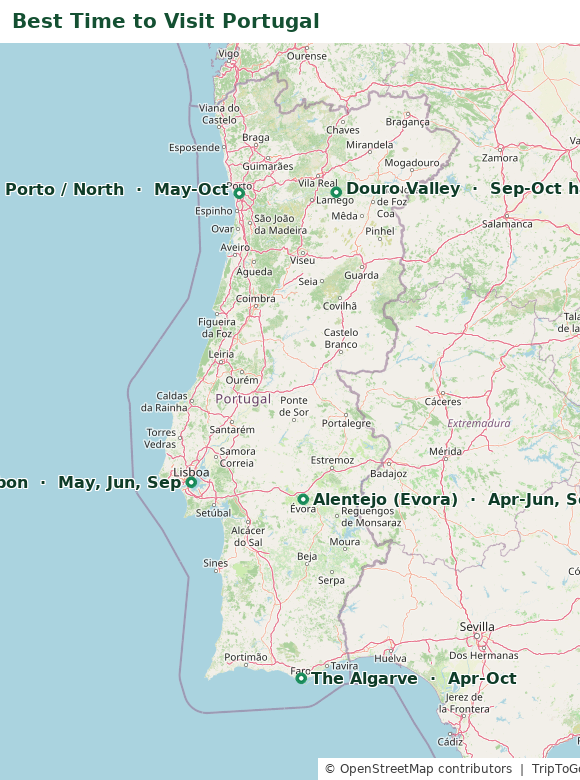
Best Time to Visit Portugal: Key Facts
Best time overall: spring (April–June) and autumn (September–October) — warm, lively and far less crowded than midsummer.
Best for beaches: September (warm sea, thinner crowds) and June; July–August are the hottest and busiest.
Cheapest: November–February (outside the holidays) — quiet and great value, though some Algarve resorts wind down.
Best for festivals: June, for the Santos Populares and Porto’s Festa de Sao Joao.
Best for wine: the Douro harvest in September–October.
By region: the Algarve has the mildest climate, the north is greener but wetter, and Madeira feels spring-like all year.
Peak Season in Portugal: What to Expect
Knowing the peak season in Portugal is key to a stress-free vacation. This period, from May to September, peaks in July and August. These months are filled with festivals, outdoor dining, and endless sunshine.
While the atmosphere is lively, it also means planning is essential for popular spots. This ensures a smooth experience amidst the crowds.
Navigating Crowds in Lisbon and Porto
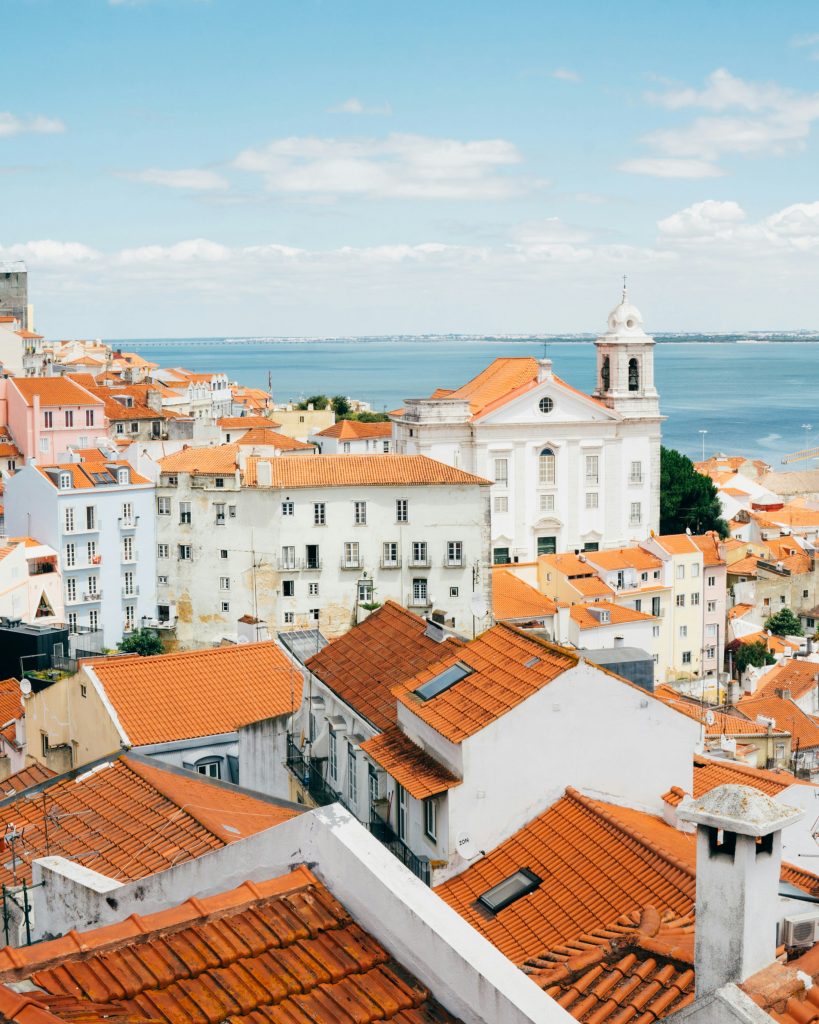
Lisbon and Porto see a lot of visitors in summer. To dodge the crowds, start your sightseeing early. This way, you beat the tour buses.
Exploring side streets instead of main tourist paths can be quieter. Smaller villages near these cities offer a peaceful retreat and authentic culture.
Managing Higher Costs During July and August
Prices for flights and accommodations soar in peak season. Booking early can help you save. This way, you secure better rates.
Consider staying in the countryside or smaller coastal towns to save money. This approach lets you enjoy city life by day and a peaceful, affordable place at night.
The Benefits of Visiting During the Shoulder Season
Traveling during the shoulder season offers a unique mix of comfort and savings. Many seasoned travelers prefer these periods for their relaxed pace, unlike the busy summer months. By traveling when crowds are thinner, you connect more deeply with local culture and landscapes.
Why April, May, September, and October Win
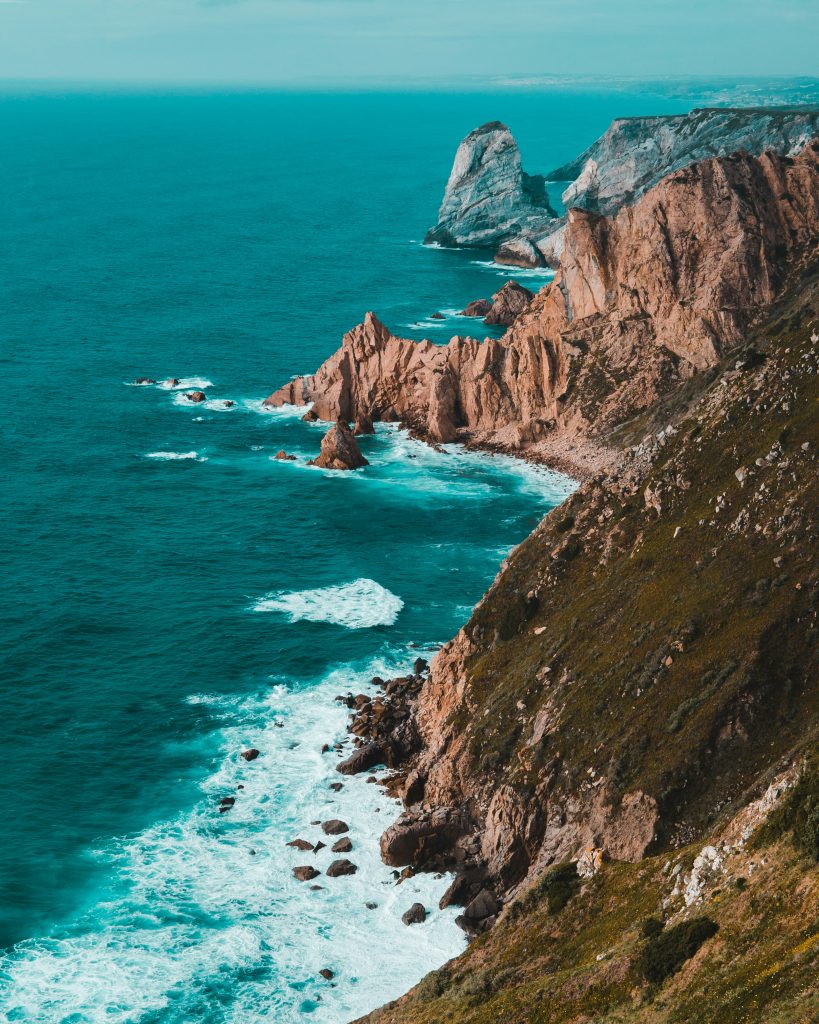
These months are considered the best for exploring Portugal. Spring brings vibrant landscapes, while autumn offers a golden glow to vineyards and hills. The weather is mild, ideal for sightseeing or hiking.
Unlike peak season, these months let you visit popular sites like the Jerónimos Monastery without feeling overwhelmed. Enjoy outdoor cafes and coastal walks with ample space. Temperatures are perfect for walking tours, avoiding the intense heat of July and August.
Balancing Weather and Budget
Traveling during these times offers financial benefits. With lower demand, you can find better rates on hotels and guesthouses. This stretches your budget without sacrificing quality or comfort.
Flights are also more affordable, leaving you funds for authentic dining or local tours. Timing your trip right balances beautiful weather with smart spending. It’s the best way to enhance your travel experience while keeping costs in check.
Off-Peak Time in Portugal: Savings and Solitude
Traveling during the off-peak season in Portugal offers a unique experience. The summer months are bustling, but winter brings a calm atmosphere. It’s ideal for those wanting to immerse themselves in local culture without the crowds.
Exploring Portugal on a Budget
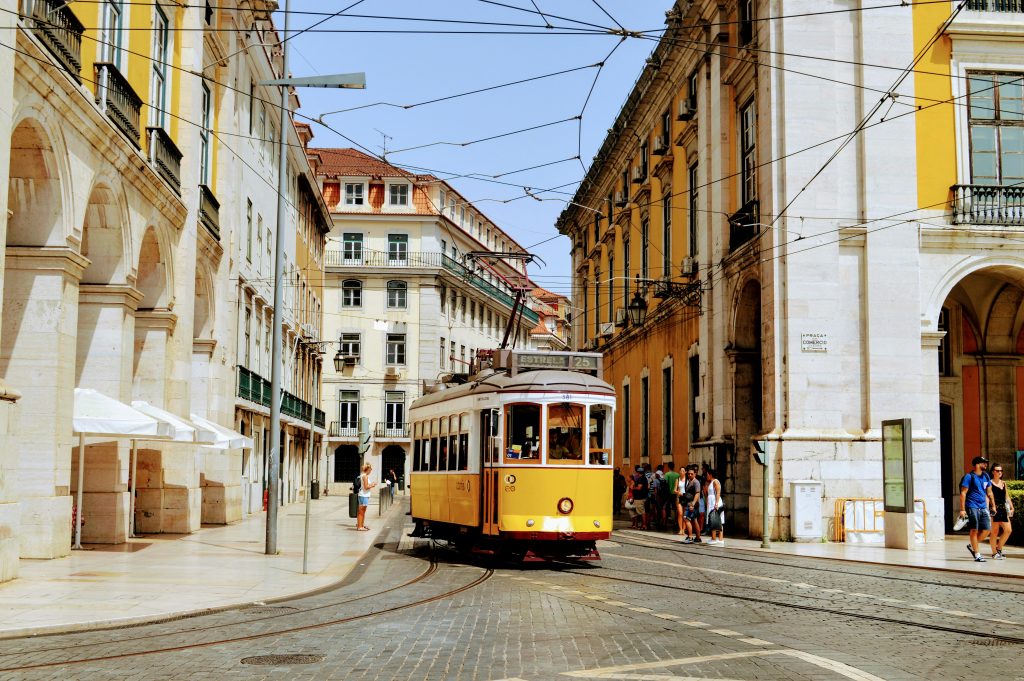
Traveling off-peak in Portugal significantly reduces costs. Hotel rates plummet, allowing you to enjoy luxury for less. This is a major perk for budget-conscious travelers.
Dining out is also more affordable. Restaurants cater to locals, not tourists, making meals more budget-friendly. This extra cash can be spent on experiences that might be too pricey in the summer.
The Reality of Winter Closures and Reduced Hours
Despite the savings, winter travel in Portugal comes with its challenges. Be prepared for cooler weather and occasional rain. This might alter your plans.
Some attractions or coastal resorts may have shorter hours or close temporarily. Yet, the quiet and authentic experience is often worth it. With proper planning and research, you can have a great trip during the off-peak season.
Regional Weather Patterns Across the Country
To master your travel plans, understanding the weather in Portugal is essential. The country’s geography creates distinct zones, surprising travelers who are not prepared.
Knowing these regional differences is vital for a smooth trip. Whether you dream of beach days or vineyard tours, being aware of what to expect is key.
Coastal Atlantic Climate vs. Inland Heat
The Atlantic coastline is known for its refreshing, salty breezes. These winds moderate temperatures, making coastal regions a top choice for escaping the heat.
In contrast, inland areas like the Alentejo region experience a more intense climate. Summer temperatures here can be scorching, requiring careful planning for outdoor activities.
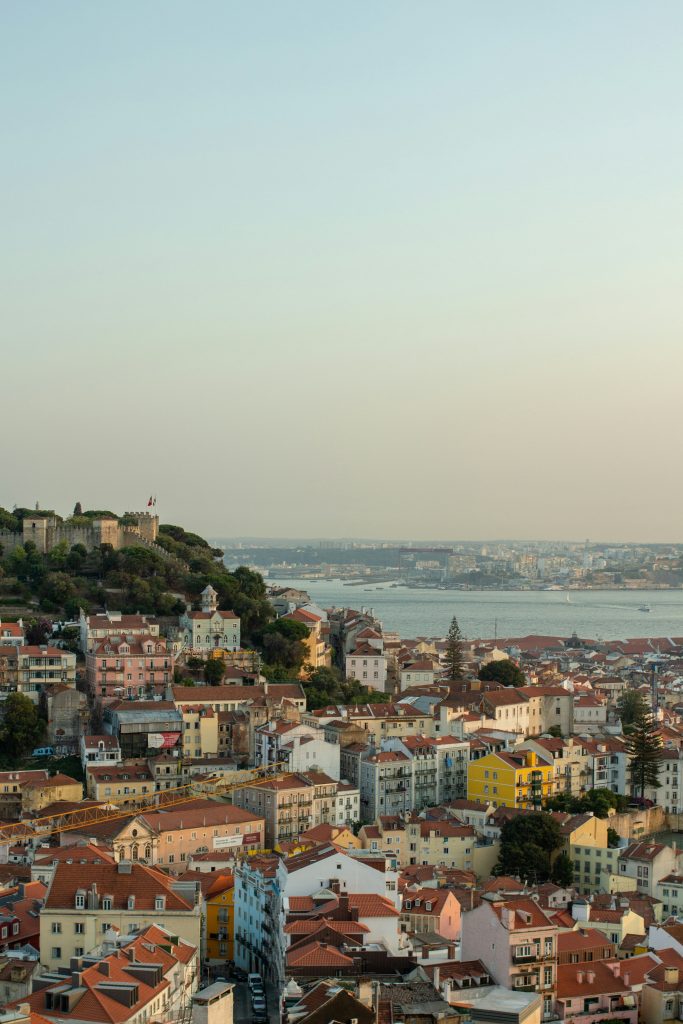
The Unique Microclimate of the Algarve
The southern coast of the Algarve boasts a unique microclimate. This region remains temperate and inviting for most of the year.
While the rest of the country may face chilly winds or heavy rain, the Algarve stays sunny and mild. It’s ideal for those seeking to avoid extreme temperature swings.
Weather Expectations in the Douro Valley
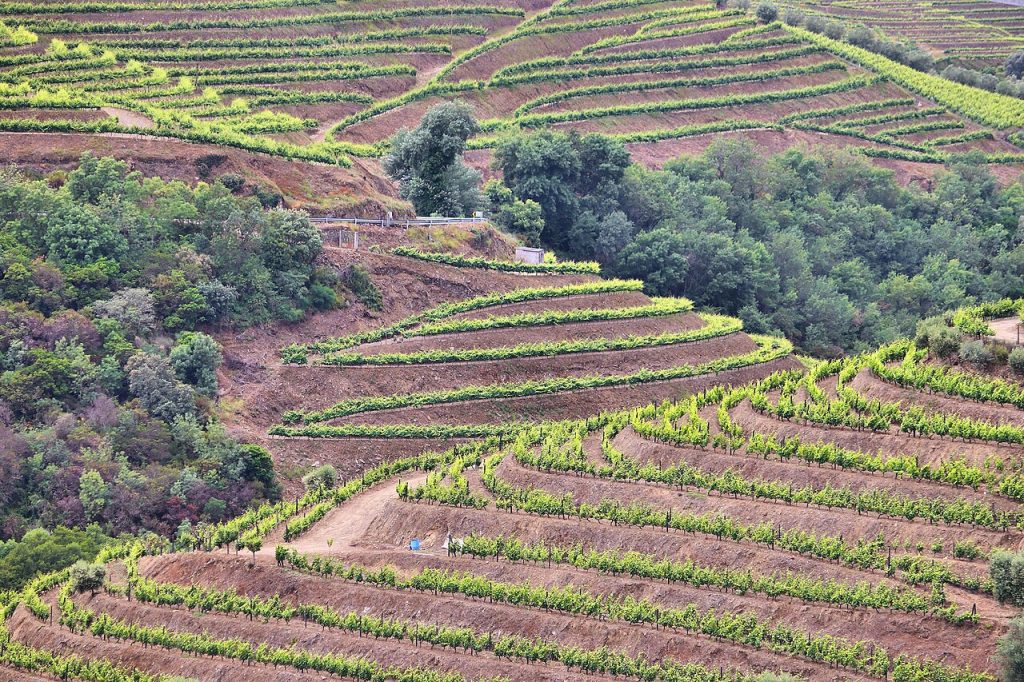
The Douro Valley has its own distinct conditions, essential for its world-famous vineyards. The valley’s mountains create a unique environment for grape cultivation.
Expect hot, dry summers and cooler winters in this region. These conditions define the character of local wines.
Planning Your Trip to Portugal Based on Activities
Planning your trip to Portugal around your favorite activities makes it unforgettable. By focusing on your interests, you can align your travel dates with the local rhythm. Identifying the best months for your visit ensures optimal conditions for your activities.

Best Months for Surfing and Water Sports
Surfers will find the Atlantic coastline a paradise. Autumn and winter months offer the most consistent swells. These cooler months are ideal for those seeking a challenge on the waves.
Ideal Timing for Wine Tasting and Vineyard Tours
Wine lovers should plan their visit for the early autumn harvest. Vineyards are bustling with activity, and the landscape is golden. Witnessing grape picking and enjoying mild weather makes it a perfect time.
When to Visit for Cultural Festivals and Events
June is key for experiencing local traditions. Cities like Lisbon and Porto come alive with street festivals. These celebrations offer a glimpse into Portuguese culture, making June an ideal month for music, food, and community spirit.
Budgeting for Your Portugal Vacation
Portugal is a hidden gem in Western Europe, affordable if you manage your spending wisely. Knowing how seasonal demand affects prices helps stretch your travel budget. Visiting during off-peak times in Portugal allows you to enjoy the country without breaking the bank.
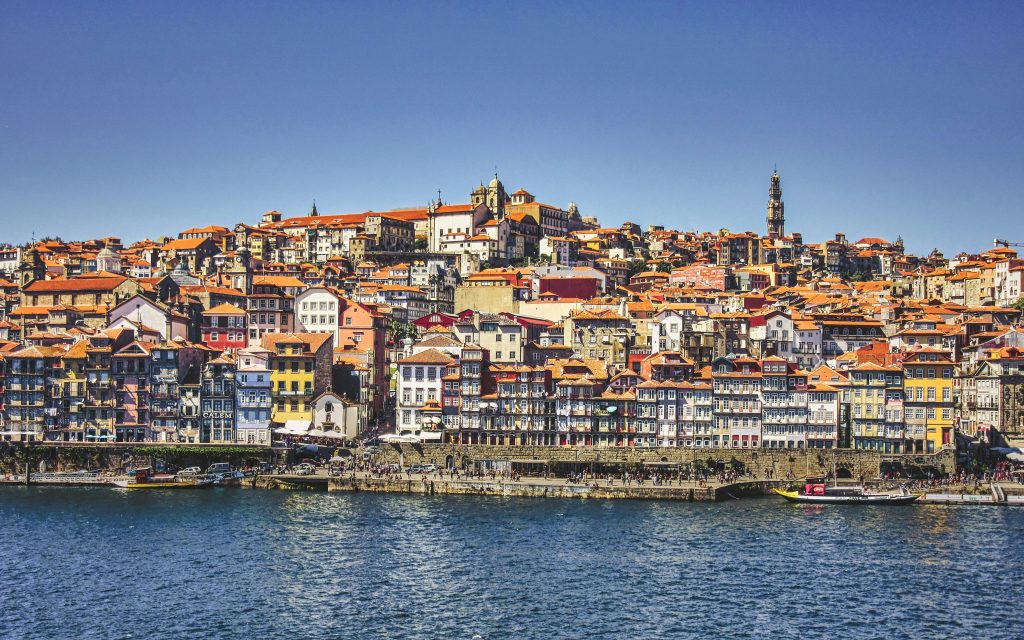
Average Daily Costs by Season
In peak summer months, July and August, prices for lodging and dining skyrocket. Tourist hotspots like Lisbon and the Algarve see a significant price increase. Winter months, on the other hand, offer the lowest daily expenses.
Mid-range travelers can maintain a comfortable budget by balancing local markets and occasional restaurant meals. A small buffer for unexpected expenses ensures you can fully immerse in local culture without financial strain.
Strategies for Finding Affordable Accommodations
Staying outside major cities can save a lot of money. Properties just a short distance from the city center offer better value. This way, you can experience authentic neighborhoods while saving on nightly rates.
Booking early is key for budget travelers. Many accommodations offer discounts for early bookings. Being flexible with your travel dates also opens up more affordable options during off-peak times.
Transportation Costs and Distance Considerations
Traveling around Portugal is easy but can be costly if not planned. Trains are efficient and cost-effective for long trips between cities like Porto and Lisbon. Always book train tickets online to get the best prices.
Renting a car for exploring remote areas requires considering fuel and toll costs. These expenses can add up, so compare car rental costs to public transit to find the best option for your budget.
Top Places to Visit in Portugal and When to Go
Exploring Portugal’s top spots is an adventure, knowing when to go makes it even better. The country’s beauty is year-round, but some areas stand out in specific months. Planning your trip with the local weather in mind means less time waiting and more time enjoying the views.
Lisbon: The Best Time for City Exploration
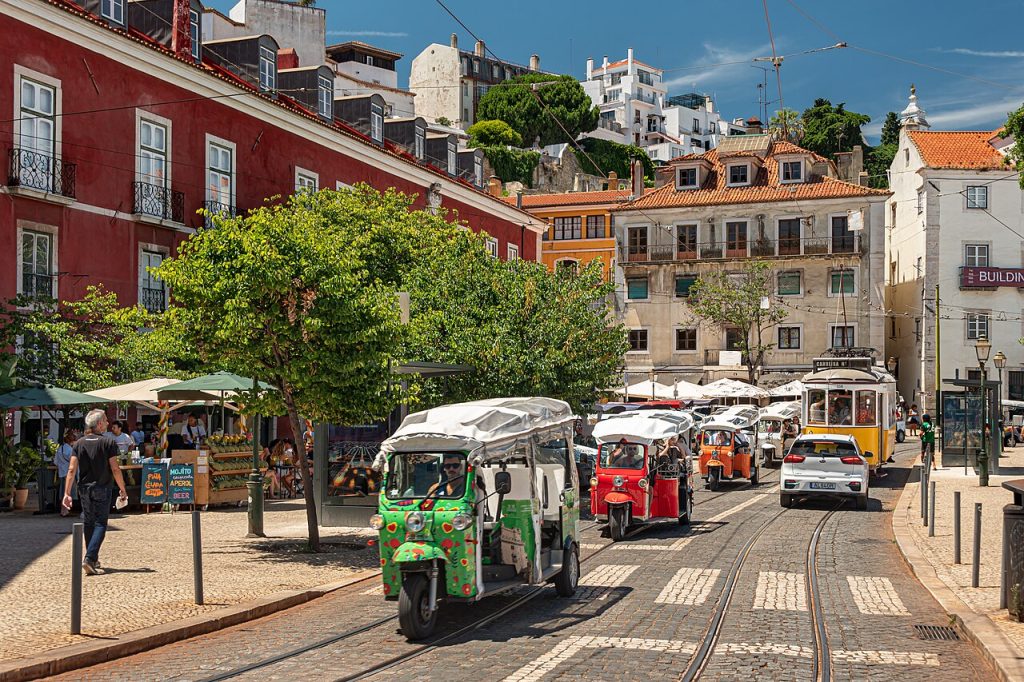
Lisbon, the vibrant capital, offers unique experiences in every season. Spring and autumn are the best times for walking and sightseeing. The mild temperatures allow you to explore the city’s hills and historic areas without the summer heat.
Porto and the North: Timing Your Visit
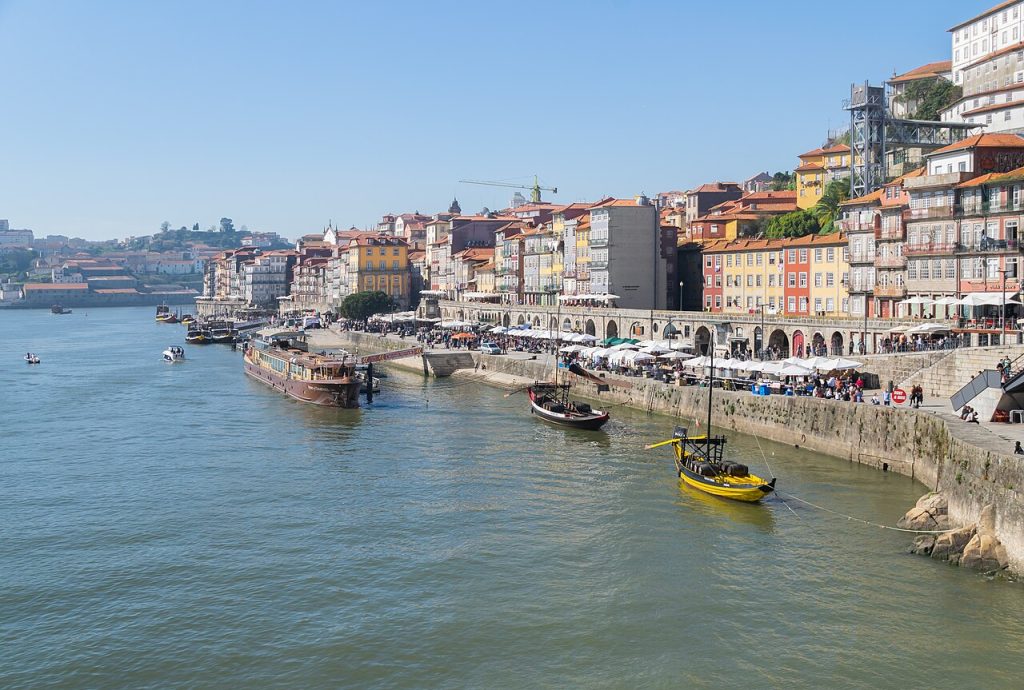
Porto and the north have a cooler, greener vibe all year. Late spring is enchanting, with blooming vineyards and lively riverfronts. This time offers pleasant weather and fewer tourists than the peak summer.
The Algarve: Balancing Beach Days and Crowds
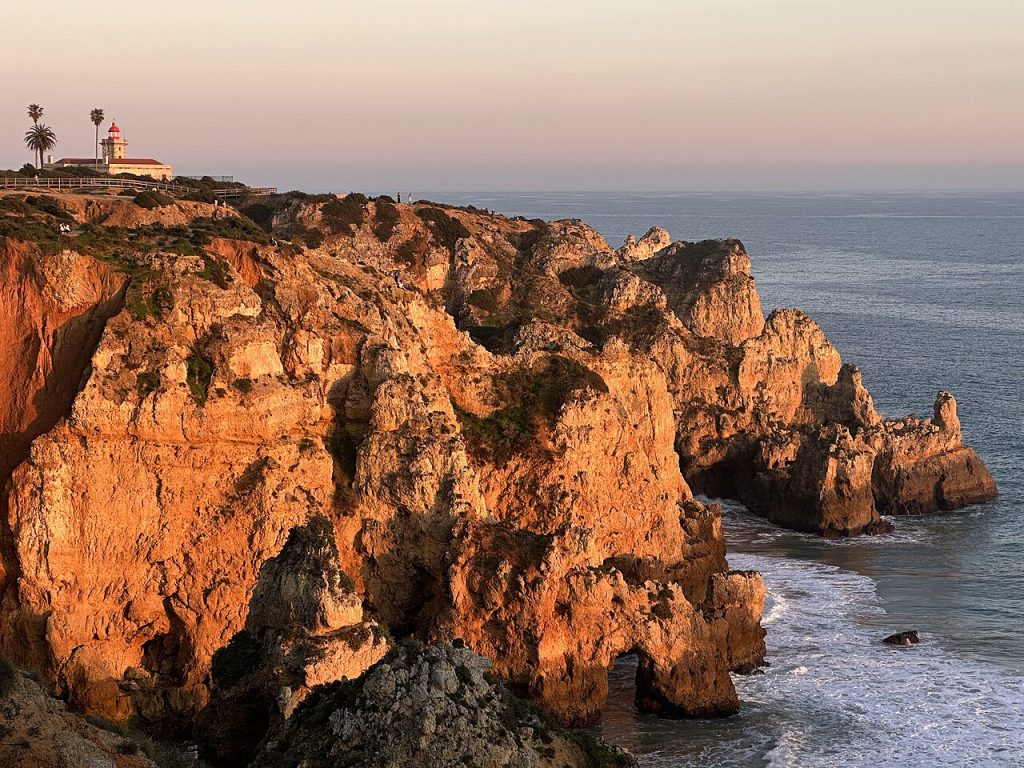
The Algarve is known for its beautiful coast, but it’s busier in July and August. For a peaceful beach experience, visit in the shoulder season. May, June, and September have lots of sunshine and fewer tourists at the popular spots.
Sintra and Cascais: Avoiding the Day-Trip Rush
Sintra and Cascais are must-sees, but they’re often crowded. To see the fairy-tale palaces of Sintra without long lines, visit on a weekday. Traveling in the off-season offers a quieter, more intimate experience of these historic sites.
Essential Portugal Travel Tips for Every Season
Preparing for your trip is key to a stress-free journey. By following these practical tips, you can enjoy Portugal’s beauty and culture without worrying about the details.
Packing Essentials for Variable Weather
The weather in Portugal can change quickly. You might start your day in a cool coastal breeze and end it in the hot sun of an inland valley.
Always pack in layers. Bring a light jacket or sweater that you can easily add or remove as the temperature changes between mountains and sea.
Navigating Public Transportation and Rental Cars
Getting around is easy with Portugal’s efficient train and bus network. These are great for traveling between big cities like Lisbon and Porto without the hassle of driving.
For exploring rural areas or hidden beaches, renting a car is best. Just be aware that parking in historic city centers can be challenging, so plan your routes carefully.
Understanding Local Dining Etiquette and Hours
Dining is a big part of the local culture, meant to be savored slowly. You’ll notice dinner hours are later than in the United States.
Enjoy the local pace by taking your time at meals. This is a key tip for truly experiencing the local way of life.
The Best Time to Visit Portugal for Food and Wine Lovers
If you’re a true foodie, timing your trip to Portugal is key for an unforgettable vacation. The country’s flavors change throughout the year, rewarding those who plan around local harvests and specialties. Finding the best time to visit Portugal can unlock exclusive experiences not available in other months.
Seasonal Culinary Highlights
Portugal’s menu changes with the seasons, featuring fresh ingredients. You can enjoy iconic treats like sweet Rocha pears or hearty pork dishes. These staples are a delicious foundation for any trip, no matter when you go.
Aligning your travel with food festivals lets you dive deeper into the culture. Whether it’s fresh seafood in spring or rich stews in winter, the best time to visit Portugal depends on your preferences.
Harvest Season in the Wine Regions
Autumn is magical for wine enthusiasts, with the Douro Valley alive during the grape harvest. This tradition offers a rare look at wine-making from vine to bottle.
Visiting during harvest season lets you see the landscape turn golden and red. It’s the perfect time to pair wine tastings with fresh produce. Planning your trip around these highlights makes every meal a celebration of Portuguese heritage.
Navigating Distances and Travel Times Between Major Hubs
Mastering transit is key when planning a trip to Portugal. The country’s size may seem compact, but travel times vary greatly. Knowing this helps you make the most of your time exploring, not stuck in transit.
Train Travel Efficiency Across the Country
Portugal’s rail network connects major cities efficiently. The Alfa Pendular trains, for instance, are a favorite for Lisbon to Porto trips. They offer a fast way to avoid city traffic, arriving in the city center feeling refreshed.
Trains provide a stress-free journey, allowing you to enjoy the scenery. Most stations are in central locations, making it easy to get to your accommodation. Booking tickets early can save money and secure your preferred time slot.
Driving Times and Road Trip Logistics
Renting a car offers the freedom to explore the countryside. When planning your trip, remember driving times are often longer than GPS estimates. Always plan extra time for charming villages or scenic stops.
Driving on highways is generally easy, but local roads can be narrow. Be ready for tolls on major roads. A flexible itinerary lets you take spontaneous detours, making your drive memorable.
Cultural Events and Holidays to Consider
Planning your visit around local holidays can turn a regular vacation into a memorable cultural dive. As you explore Portugal’s highlights, aligning your trip with these celebrations offers a unique peek into the nation’s heart.
Major National Holidays and Their Impact
Portugal celebrates several national holidays that can change your trip’s rhythm. On these days, many businesses, museums, and shops shut down to honor the occasion.
Public transport schedules often get reduced to Sunday hours during these times. It’s smart to check the national calendar before setting your travel dates to dodge any surprises.
Local Festivals and Regional Celebrations
But it’s not just national holidays that make Portugal vibrant. The country comes alive with its local festivals. You might find Lisbon’s loud street parties in June or Lamego’s solemn pilgrimages.
These events offer a genuine experience that standard guides can’t match. Immersing yourself in these traditions is a must for anyone looking to truly experience Portugal and connect with local life.
Practical Considerations for Your Portugal Itinerary
Planning a trip to Portugal requires a balance between logistics and spontaneity. While it’s tempting to leave everything to chance, a solid plan ensures you enjoy your trip more. Here are some key Portugal travel tips to help you plan a smooth and memorable journey.
Booking Flights and Accommodations in Advance
Booking flights and hotels early is essential, more so during the summer months. Coastal towns and historic city centers quickly fill up, leaving little for late planners. By booking early, you secure better rates and a wider choice of charming places to stay.
Flexibility as a Key Travel Strategy
While a structured plan is useful, don’t overbook your days. Leave room for the unexpected to make your trip magical. This way, you can enjoy a leisurely cafe visit, explore hidden alleys, or spend more time in a village that catches your eye.
Being flexible turns a typical vacation into an adventure. You might stumble upon a local festival or a scenic spot not in your guidebook. Keeping your plans open lets you follow your curiosity and discover new things.
Before you go: turn this guide into a day-by-day plan. Our partner Voyada is a free online trip planner that builds the route with flights, hotels and a real total cost for your dates — in about a minute.
Make an itinerary →Portugal Trip Planning Tips
Portugal is compact, friendly and excellent value — a couple of logistics tips keep a week smooth.
- Go spring or early autumn; the Algarve is packed July–August, and winter is mild but wetter.
- Lisbon + Sintra + Porto by train needs no car; rent one only for the Douro, Alentejo or Algarve.
- Understand the electronic road tolls if you rent, and book Sintra’s palaces early.
- It’s superb value — pastéis de nata, seafood, vinho verde and Fado.
- In Lisbon, use the trams and the Santa Justa lift — the Glória, Bica and Lavra funiculars are still closed after the 2025 accident.
Portugal: Month-by-Month Guide
A quick month-by-month reference for planning — at a glance, when to go and what each month brings.
| Month | Verdict | What to expect |
|---|---|---|
| January | Low | Mild in the south, wet in the north; quiet and cheap. |
| February | Quiet | Mild; almond blossom in the Algarve. |
| March | Shoulder | Spring warming; a lovely, quieter time. |
| April | Good | Warm and blooming; ideal, with fewer crowds. |
| May | Great | Warm and sunny; ideal and pre-peak. |
| June | Busy | Warm; the Santos Populares festivals; crowds building. |
| July | Peak | Hot and dry; the Algarve packs out. |
| August | Peak | Hottest; peak crowds — book ahead. |
| September | Great | Warm and ideal; harvest; crowds easing. |
| October | Great | Mild and pleasant; the surf season. |
| November | Quiet | Cooler and wetter; mild in the south. |
| December | Low | Mild (south); festive; low season. |
Frequently Asked Questions
When is the best time to visit Portugal?
Spring (March–May) and early autumn (September–October) are ideal — warm, sunny and less crowded than summer. July–August is hot and busy on the Algarve; winter is mild but wetter.
Is Portugal expensive?
Portugal is one of Western Europe’s best-value destinations. Meals, wine and lodging cost noticeably less than in Spain, France or Italy, especially outside Lisbon and the Algarve.
How many days do you need in Portugal?
Seven days covers Lisbon, Sintra and Porto; 10–14 days lets you add the Algarve, the Douro Valley or the Alentejo.
What is the cheapest time of year to visit Portugal?
November to February is the cheapest window, outside Christmas and New Year. Flights and hotel rates drop across Lisbon, Porto and the Algarve, and restaurants shift back to local prices. The trade-off is cooler, wetter weather in the north and some Algarve resorts winding down for the season. February is a good compromise, with almond blossom in the south and Lisbon highs of around 16C. Book a city break rather than a beach week in these months.
When is the best time to visit Portugal for beach weather?
June to September gives the warmest, driest beach weather, and September is the pick of them. The Atlantic has had all summer to warm up, Lisbon still averages highs of around 26C, and the July and August crowds have started to thin. June works well too, though the sea is cooler. If you want the Algarve at its quietest, try early October, when daytime highs are still around 22C and the water stays swimmable.
Is Portugal worth visiting in November or December?
Yes, if you are planning a city trip rather than a beach holiday. Lisbon averages highs of around 18C in November and 15C in December, the Algarve stays milder still, and prices sit at their lowest of the year. Expect more rain, particularly in Porto and the north, and shorter days. December adds Christmas lights and festive markets in the main cities. Pack a waterproof and keep a few indoor alternatives on your list.
What is the hottest month in Portugal?
July and August are the hottest, with Lisbon averaging highs of around 28C and the inland Alentejo running considerably hotter. The Atlantic coast is more comfortable, as sea breezes take the edge off, while the Douro Valley and the interior can feel punishing in the afternoon. These are also the busiest and priciest months on the Algarve. If you travel then, plan sightseeing for early morning and keep the middle of the day for the coast.
When is the rainy season in Portugal?
Most rain falls between November and March, and it is heavily weighted towards the north. Porto and the Minho are green because they are genuinely wet in winter, while the Algarve keeps far more sunshine through the same months. Summer is close to dry nationwide, and spring showers taper off through April and May. A light waterproof and a layer you can add or remove cover you for any month outside July and August.
What is the best time to visit the Algarve?
April to June and September to October are the sweet spots. The Algarve has the mildest climate in Portugal, so these months bring warm sunshine without August’s heat, packed beaches and peak prices. The sea is swimmable from roughly June to September, with September the warmest for swimming. Winter stays mild and cheap, though some resort restaurants and hotels close. Weekdays are noticeably quieter than weekends at the popular beaches in any season.
What is the best time to visit Porto and northern Portugal?
May to October suits the north best. Winters there are greener but wetter and cooler than in the south, so late spring through early autumn gives the most reliable weather for riverfront walks, port lodges and vineyard visits. Late May brings blossoming vineyards and lighter crowds than midsummer. September and October coincide with the Douro grape harvest, when the valley turns gold and red. June adds Porto’s Festa de Sao Joao on the night of the 23rd.
What is the best time to visit Madeira?
Madeira works year-round because it has a spring-like climate, but April and May stand out, when the island’s flowers peak. Temperatures stay mild through the winter, which makes it a useful escape when mainland Portugal is wet. Expect changeable conditions on the north coast and in the mountains at any time of year, including cloud that sits well below the summits. Pack layers and a light waterproof for the levada walks, even in summer.
What should I pack for Portugal?
Pack layers whatever the month, because a cool Atlantic morning and a hot inland afternoon can happen on the same day. Bring a light jacket or jumper for evenings from October to May, plus a compact waterproof. Comfortable shoes with grip matter more than most people expect, as Lisbon and Porto are steep and their pavements are polished stone. Add sun protection and swimwear for June to September, and a warmer layer for the north in winter.
When is the best time to surf in Portugal?
Autumn and winter bring the most consistent Atlantic swell, roughly October through March, which is when the big-wave season peaks. October is a favourite because the swell has arrived but the water and the air are still mild. Beginners are better served by summer, when conditions are gentler and surf schools run daily along the Algarve and the Lisbon coast. A wetsuit is worth having in every season, including August.
When are Portugal's biggest festivals?
June is the month for festivals. The Santos Populares fill Lisbon’s Alfama with street parties, grilled sardines and paper decorations through the middle of the month, and Porto’s Festa de Sao Joao takes over the city on the night of 23 June. September and October bring the Douro grape harvest, which many wine estates open up to visitors. Book accommodation early for June, as rates in both cities rise sharply around those dates.
When is the best time to visit the Azores?
June to September is the most reliable window, when the islands are at their warmest and driest and the sea is comfortable for swimming and diving. Even then the Azores are famously changeable: mid Atlantic weather can serve sun, cloud and rain in one afternoon, and the high ground holds cloud when the coast is clear, so pack layers and a waterproof whatever the month. Spring is the season for whale watching, when migrating whales pass the islands, and the hydrangeas that line the roads flower around midsummer. Winter is mild but wet and windy, with more disruption to the flights and ferries that link the islands.
Conclusion
Portugal offers a unique experience for every traveler, regardless of the season. This country rewards those who align their travel goals with the right season and local climate. You now possess the knowledge to craft a trip that fits your personal style and budget.
Using this Portugal vacation guide, you can confidently navigate the diverse regions from the Douro Valley to the Algarve. The beauty of the landscape remains constant, whether you seek the vibrant energy of summer festivals or the quiet charm of a winter escape.
Your next step is to identify your must-see destinations and monitor flight prices for your preferred dates. Booking early often secures the best value for your stay in cities like Lisbon or Porto. Keep this Portugal vacation guide nearby as you finalize your itinerary details.
You are ready to begin planning an unforgettable adventure across this stunning nation. Pack your bags and prepare to discover the rich culture and history waiting for you. The perfect time to explore is whenever you decide to take the leap.