
Table of Contents
ToggleThe capital of the United States, Washington, DC is a city of grand monuments, world-class museums that are mostly free, and living history at every turn. The National Mall alone stretches two miles from the US Capitol to the Lincoln Memorial, and around it there are more things to do in DC than most visitors can fit into a week.
This guide ranks the 40 best things to do in Washington DC, grouped by theme: monuments and memorials, the Smithsonian and other museums, Capitol Hill and the seat of government, Arlington, neighbourhoods and food, parks, nights out and day trips. Each entry gives the cost, whether you need a ticket and how far ahead to book. After the list you’ll find free things to do in DC, ideas for kids, 1- to 4-day itineraries, where to stay and the best time to visit.
Key Takeaways
- The National Mall runs two miles from the Capitol to the Lincoln Memorial, and its memorials are open 24 hours a day.
- The Smithsonian museums are free, but the Air and Space Museum and the National Museum of African American History and Culture need free timed-entry passes.
- Book ahead for the Washington Monument (tickets released 30 days out), Library of Congress passes, Capitol tours, and White House tours (7 to 90 days ahead through your member of Congress).
- Cherry blossom peak bloom most often falls between the last week of March and the first week of April.
- Metro reaches both Reagan National and Dulles airports, so you don’t need a car in the city.
Washington, DC at a Glance
The headline sights at a glance, with what each costs, whether you need to book and how long to allow (the full list of 40 follows):
| Attraction | Cost | Booking | Time to allow |
|---|---|---|---|
| National Mall memorials | Free | None; open 24 hours | Half a day |
| Washington Monument | Free ($1 fee per advance ticket) | Timed ticket, 30 days ahead or same day from 8:45am | 1 hour |
| National Air and Space Museum | Free | Free timed-entry pass | 2–3 hours |
| National Museum of Natural History | Free | None | 2–3 hours |
| National Museum of African American History and Culture | Free | Free timed-entry pass | 3–4 hours |
| National Gallery of Art | Free | None | 2 hours |
| US Holocaust Memorial Museum | Free | Free timed ticket for the Permanent Exhibition | 2–3 hours |
| International Spy Museum | Paid, priced by date | Book early for lower prices | 2.5–3 hours |
| US Capitol tour | Free | Reserve online, or walk in by 2:30pm | 2 hours with security |
| Library of Congress | Free | Free timed-entry ticket | 1 hour |
| National Archives | Free | Optional $1 reserved entry | 1–1.5 hours |
| Ford’s Theatre | Free same day; small fee online | Ticket needed | 1–1.5 hours |
| White House tour | Free | Through your member of Congress, 7–90 days ahead | A morning |
| Arlington National Cemetery | Free (tram tour extra) | None | 2–3 hours |
| Pentagon tour | Free | 14–90 days ahead | 2 hours with security |
| National Zoo | Free | Free entry pass | 3 hours |
| Georgetown | Free to explore | None | Half a day |
| Mount Vernon | $30 adults | Timed mansion tour; reserve online | 3 hours or more |
✈️ TripToGo Travel Deals
Get notified about great travel deals
Hand-picked flight, hotel and destination deals, straight to your inbox. No spam, unsubscribe anytime.
🎉 Thank you for subscribing!
You’re all set — the best travel deals are on their way.
Monuments and Memorials on the National Mall
1. Walk the National Mall from the Capitol to the Lincoln Memorial
The heart of the capital is the National Mall, a long green expanse lined with the nation’s most famous landmarks. It is two miles from the Lincoln Memorial to the Capitol Building, and the Park Service warns that visitors are often surprised by how much walking they do, so allow a full morning or afternoon and wear comfortable shoes. Start at the US Capitol, pass the Smithsonian museums and the Washington Monument, then continue past the World War II Memorial and along the Reflecting Pool to the Lincoln Memorial. The memorials are free and open 24 hours a day, and park rangers run programmes from guided bike tours to nighttime walks. Walking the Mall is the essential Washington experience and the best introduction to the city.
2. Ride to the Top of the Washington Monument
Rising more than 555 feet above the city, the Washington Monument has an observation level at 500 feet with eight windows, two on each side, reached by a 70-second elevator ride. Entry is free, but you need a timed ticket. Advance tickets on Recreation.gov are released daily at 10am, 30 days before the visit date, with more released the day before, and each carries a non-refundable $1 service charge. Free same-day tickets are handed out first come, first served from 8:45am at the Washington Monument Lodge, up to six per person aged 16 or over. The monument is open daily from 9am to 5pm except Independence Day and December 25, and it also closes one day a month for maintenance, so check the NPS schedule; thunderstorms or high winds can close it temporarily, and you should be at the screening area 15 minutes before your entry time.
3. Stand Before Lincoln at the Lincoln Memorial
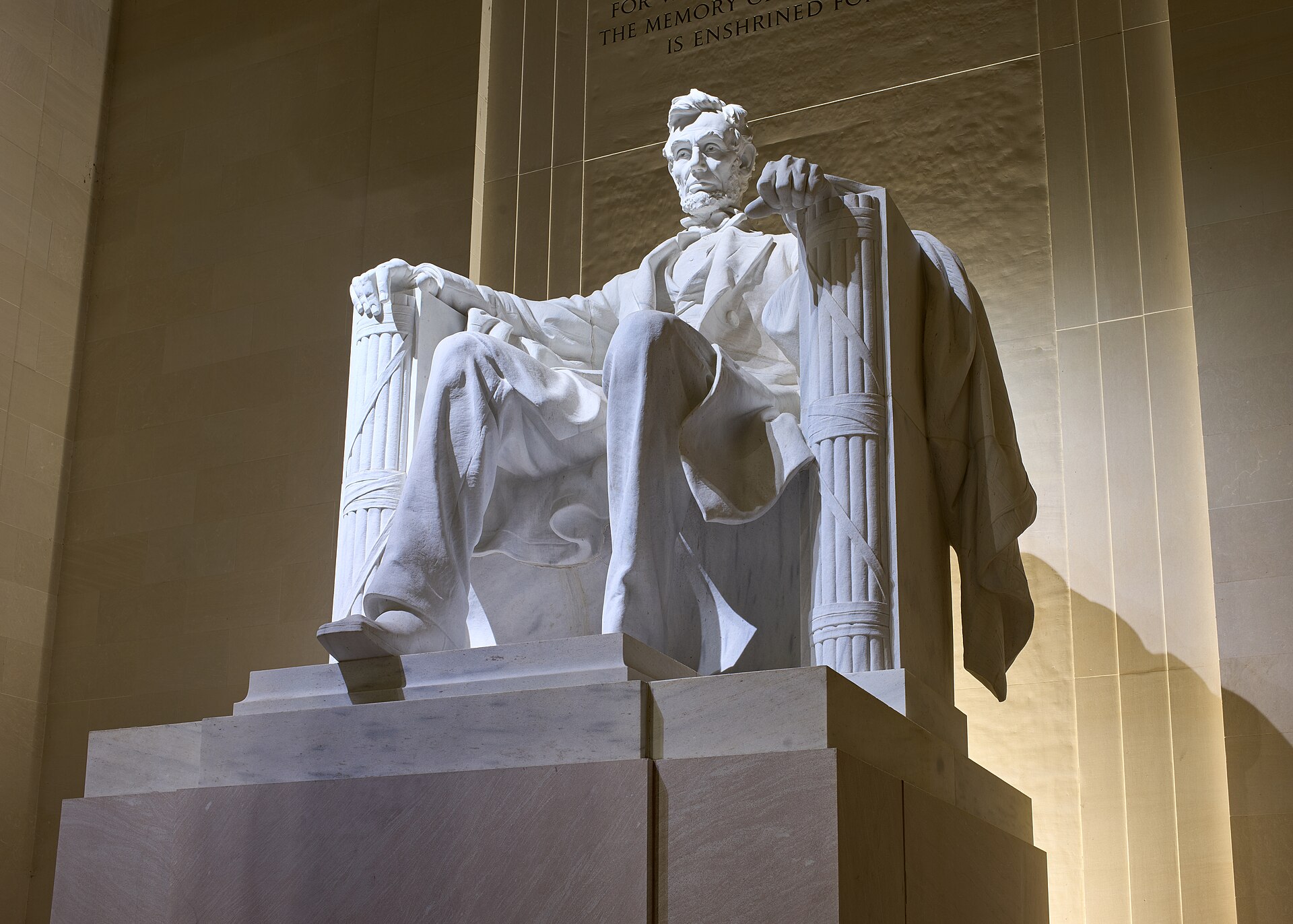
At the western end of the Mall, the Lincoln Memorial is ringed by 36 Doric columns, one for each state in the Union when Lincoln died, and inside sits a 19-foot statue of Lincoln designed by the sculptor Daniel Chester French. The chamber and steps are free and open to the public. An engraved stone on the steps marks the spot where Martin Luther King Jr. delivered his “I Have a Dream” speech during the March on Washington on August 28, 1963. From the top of the steps, the view east along the Reflecting Pool to the Washington Monument and the Capitol is one of the great sights of the city.
4. Visit the World War II, Korean War and Vietnam Veterans Memorials
Between the Washington Monument and the Reflecting Pool, the World War II Memorial was formally dedicated on May 29, 2004. Its Freedom Wall holds 4,048 gold stars, each representing 100 American military deaths, above the words “Here We Mark the Price of Freedom.” Near the Lincoln Memorial, the black granite wall of the Vietnam Veterans Memorial carries the names of more than 58,000 service members who died or remain missing. Across the Reflecting Pool, the Korean War Veterans Memorial completes the trio. All three are free, open around the clock and within a 10-minute walk of each other.
5. Circle the Tidal Basin: the Jefferson, FDR and MLK Memorials
South of the Washington Monument, the path around the Tidal Basin links three more memorials. The domed Jefferson Memorial, dedicated on April 13, 1943, the 200th anniversary of Jefferson’s birth, shelters a 19-foot bronze statue of him holding the Declaration of Independence. The Franklin Delano Roosevelt Memorial spreads across outdoor rooms, one for each of Roosevelt’s four terms, with granite walls, waterfalls and sculpture, while the Martin Luther King Jr. Memorial centres on the Stone of Hope, a carving of King that surges forward from the rock. Allow about two hours to walk the loop and see all three, and in the warmer months you can rent paddle boats on the basin itself.
6. See the Cherry Blossoms Around the Tidal Basin
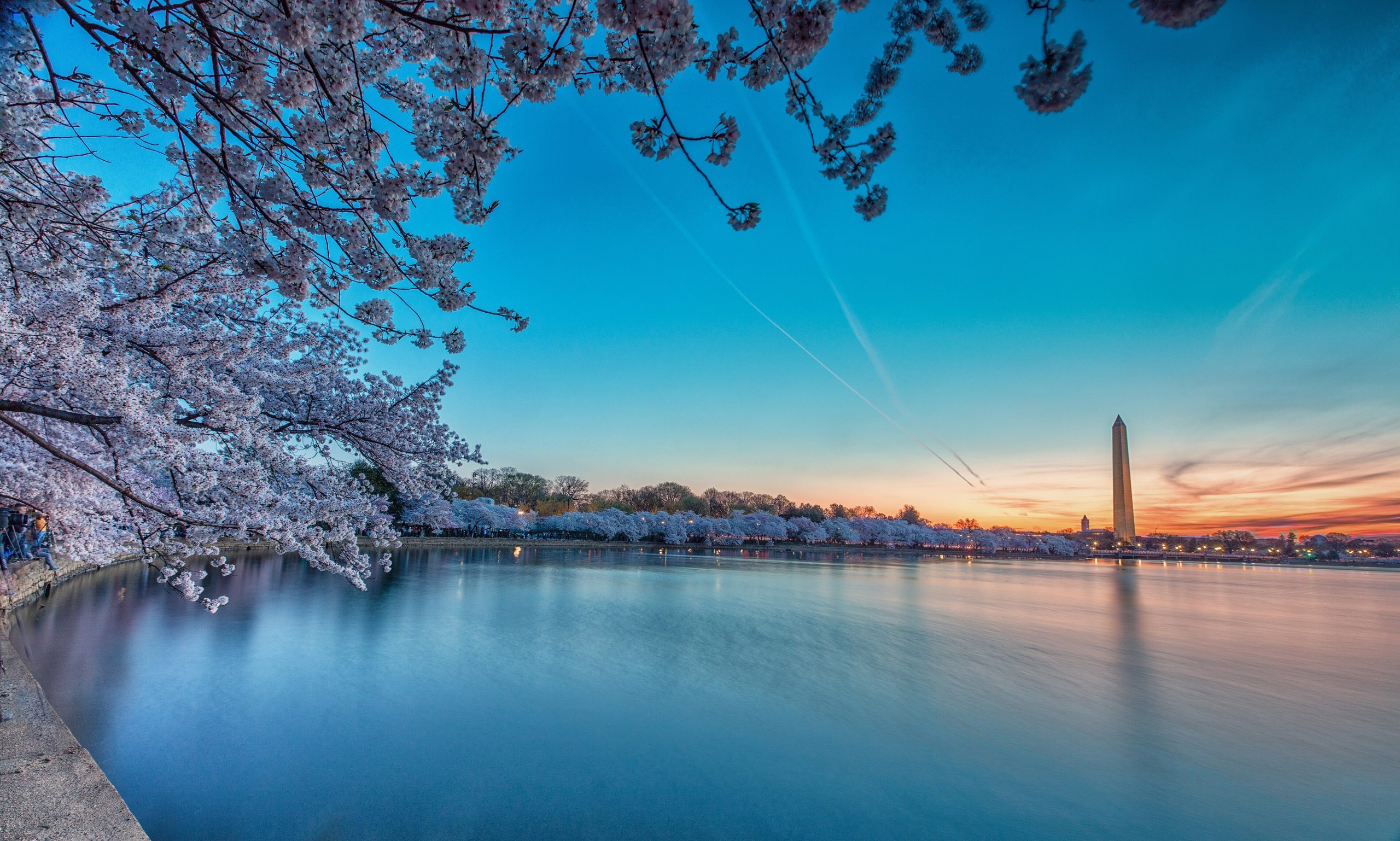
Washington’s most famous spectacle is the spring bloom of the cherry trees around the Tidal Basin, a 1912 gift from the city of Tokyo. The Park Service defines peak bloom as the day when 70% of the Yoshino cherry blossoms are open, and says it most likely falls between the last week of March and the first week of April, although it has come as early as March 15 (1990) and as late as April 18 (1958). The National Cherry Blossom Festival runs from March 20 to April 11, 2027, marking 100 years since the first festival in 1927, with a kite festival on the Washington Monument grounds on March 27 and the parade along Constitution Avenue on April 10. Go at sunrise on a weekday for the thinnest crowds, and book hotels early, because blossom season is the busiest and priciest time of the year in DC.
7. See the Monuments at Night
The memorials never close, and they are at their most atmospheric after dark, when floodlights pick out the Lincoln Memorial, the Washington Monument and the Jefferson Memorial reflected in the Tidal Basin. The Park Service describes the early evening and early morning as “beautiful and tranquil times to visit,” and rangers lead nighttime walks that are listed on the National Mall and Memorial Parks calendar. If you’d rather not walk the two miles, guided evening trolley and bus tours loop between the floodlit memorials, and a Capital Bikeshare day pass ($10 for unlimited 45-minute rides on classic bikes) is a cheap way to cover the distance yourself. Monument-hopping after dinner is one of the best free things to do in DC at night.
Planning a trip to Washington, DC?
Our partner Voyada’s AI itinerary planner builds a day-by-day plan with flights, hotels and a real total cost for your dates — in about a minute, free.
Plan trip with AI →The Smithsonian and Other Museums
Lining the Mall are the Smithsonian’s museums, which are free, and most are open every day except December 25, typically from 10am to 5:30pm. Two of the most popular, Air and Space and the African American history museum, need free timed-entry passes, so reserve those first. There are more than a dozen to choose from, so pick a few that interest you rather than trying to see everything:
| Museum | Don't miss | Entry | Time to allow |
|---|---|---|---|
| National Air and Space Museum | 1903 Wright Flyer, Apollo 11 command module Columbia | Free timed-entry pass, all ages | 2–3 hours |
| National Museum of Natural History | Hope Diamond, Hall of Fossils—Deep Time | Free, no pass | 2–3 hours |
| National Museum of African American History and Culture | Emmett Till’s casket, Harriet Tubman’s hymnal | Free timed-entry pass, all ages | 3–4 hours |
| National Museum of American History | Star-Spangled Banner, Dorothy’s ruby slippers | Free, no pass | 2 hours |
| National Gallery of Art | Leonardo’s Ginevra de’ Benci | Free, no pass | 2 hours |
| US Holocaust Memorial Museum | The Permanent Exhibition | Free timed ticket | 2–3 hours |
| International Spy Museum | Spy gadgets and interactive missions | Paid, priced by date | 2.5–3 hours |
| Planet Word | Hands-on galleries about language | Free (suggested $15 donation), timed pass | 1.5–2 hours |
8. National Air and Space Museum
The National Air and Space Museum has completed the renovation that began in 2018, with 20 reimagined galleries. Look for the 1903 Wright Flyer, the Apollo 11 command module Columbia, John Glenn’s Friendship 7 capsule, Amelia Earhart’s Lockheed Vega 5B, the Spirit of St. Louis and a moon rock you can touch. Entry is free, but every visitor, whatever their age, needs a free timed-entry pass, and passes don’t limit how long you stay. For the really big hardware, the museum’s Steven F. Udvar-Hazy Center in Chantilly, Virginia, near Dulles Airport, displays Space Shuttle Discovery; entry there is free too, with $15 parking for most vehicles before 4pm.
9. National Museum of Natural History
Across the Mall, the National Museum of Natural History is free with no passes needed, which makes it the easiest big museum to drop into without planning. Its blockbusters are the Hope Diamond in the second-floor Harry Winston Gallery and the dinosaurs and fossils of the David H. Koch Hall of Fossils—Deep Time on the first floor. It is open 10am to 5:30pm daily except December 25, and it is a favourite first stop with children.
10. National Museum of African American History and Culture
Opened in 2016 near the Washington Monument, the National Museum of African American History and Culture is one of the most powerful museums in the country. Its history galleries on the lower concourses move from “Slavery and Freedom 1400–1877” to “A Changing America: 1968 and Beyond” and include Emmett Till’s glass-topped casket and Harriet Tubman’s hymnal, while the upper floors celebrate music, sport and culture. Every visitor needs a free timed-entry pass: advance passes are released on a rolling 30-day basis, and same-day passes go online at 8:15am Eastern. Start at the bottom and allow at least three hours.
11. National Museum of American History
Next door, the National Museum of American History holds the Star-Spangled Banner, the original flag that inspired the national anthem, along with Dorothy’s ruby slippers from The Wizard of Oz. Admission is free, advance registration is not required, and it is open 10am to 5:30pm every day except December 25.
12. National Gallery of Art and the Sculpture Garden
Not part of the Smithsonian but just as free, the National Gallery of Art is open 10am to 5pm daily (closed December 25 and January 1), and you don’t need passes or tickets for its galleries, exhibitions or guided tours. Its West Building holds old masters including Ginevra de’ Benci, the only painting by Leonardo da Vinci in the Americas, and the East Building focuses on modern art. Outside, the Sculpture Garden hosts Jazz in the Garden, a series of free Friday concerts in summer, and turns into an ice rink in winter, usually from late November to early March; check the National Gallery’s site for each winter’s dates, admission and skate-rental prices.
13. US Holocaust Memorial Museum
Just off the Mall at 100 Raoul Wallenberg Place SW, the US Holocaust Memorial Museum tells the history of the Holocaust through survivor testimony, artefacts and film. The museum is free and open daily from 10am to 5:30pm except Yom Kippur and Christmas Day, but free timed-entry tickets are required for the Permanent Exhibition, which you enter by 4:30pm. Book them online before your visit. The nearest Metro is Smithsonian (Orange, Blue and Silver lines), one block east. Next door, the Bureau of Engraving and Printing runs free 45-minute currency production tours on weekdays; tickets can be reserved online, and a limited number of same-day tickets go online at 8am.
14. International Spy Museum and Planet Word
Two museums outside the Smithsonian family stand out. The International Spy Museum at L’Enfant Plaza is one of the city’s most popular paid attractions, packed with real spy gadgets and interactive missions. Tickets are priced by date, so the earlier you book the cheaper they are (up to 30% less in advance), children 6 and under go free, and most visitors spend two and a half to three hours inside. Downtown at 925 13th Street NW, Planet Word is a hands-on museum of language with free general admission and a suggested $15 donation; timed passes for ages 2 and up are released on the first of each month for the following month, and it is closed on Tuesdays.
Capitol Hill and the Seat of Government
15. Tour the US Capitol
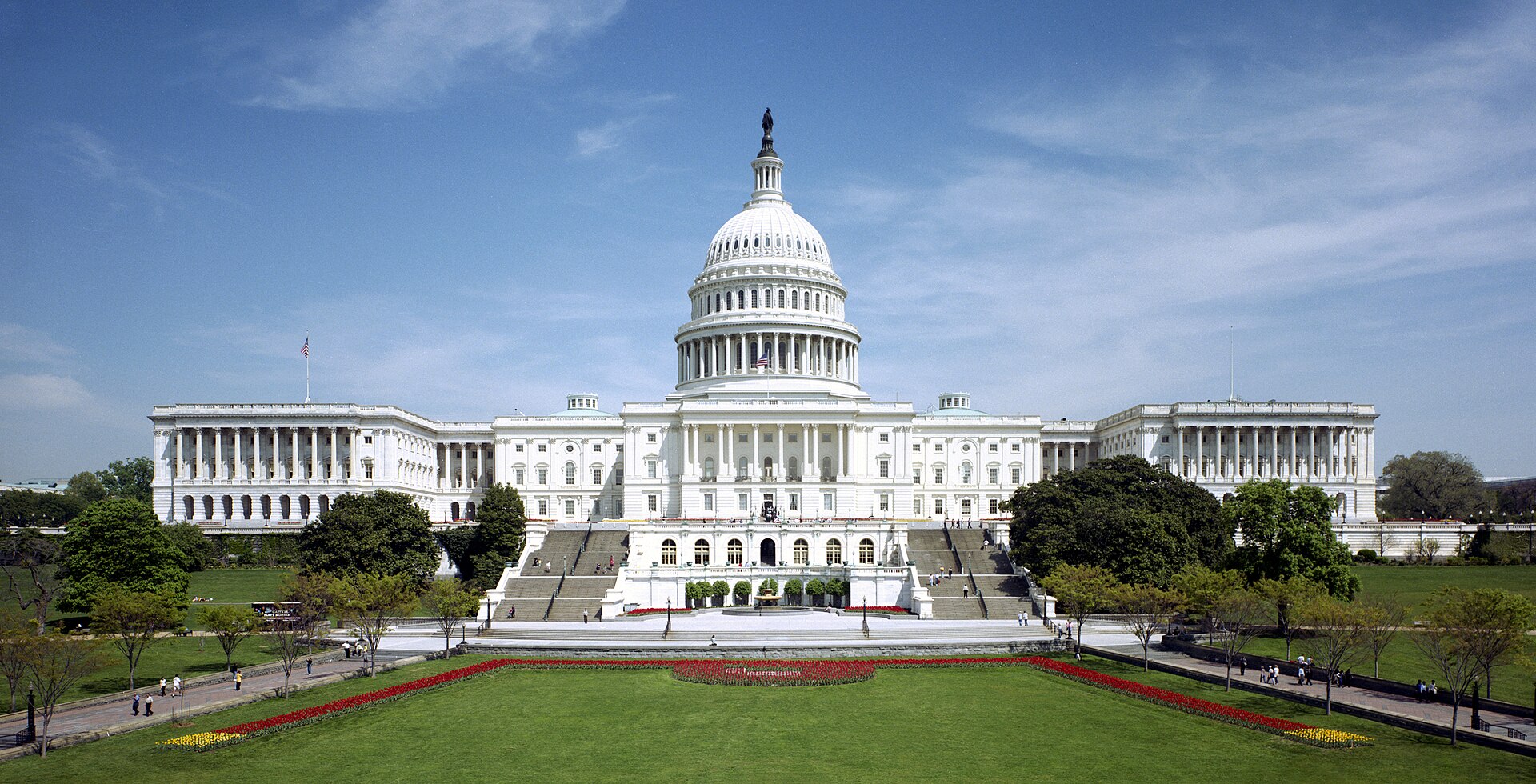
At the eastern end of the Mall, the gleaming white US Capitol is the seat of Congress and one of the world’s most recognisable buildings. The only way to see its historic rooms is a free guided tour from the underground Capitol Visitor Center on the East Front, which takes you to the Crypt, the Rotunda beneath the dome and National Statuary Hall. The visitor center is open 8:30am to 4:30pm Monday to Saturday (closed Thanksgiving, Christmas Day, New Year’s Day and Inauguration Day), and the last tour of the day leaves at 3:20pm. Reserving a time online is recommended, but walk-ins are put on the next available tour if you arrive by 2:30pm; allow time for security screening. Your senator’s or representative’s office can also arrange tours.
16. Admire the Great Hall of the Library of Congress
Across First Street, the Thomas Jefferson Building of the Library of Congress has one of the most ornate interiors in the country, yet many visitors overlook it. Entry is free with a timed-entry ticket, which you can reserve up to 30 days ahead, and same-day tickets are released online at 9am Eastern. The building is open Tuesday to Saturday from 10am to 5pm, with late opening until 8pm on Thursdays. Short, free walkthroughs of the domed Main Reading Room run Tuesday to Friday from 10:30 to 11:30am and 2 to 3pm, plus Thursday evenings from 5 to 7pm.
17. Visit the Supreme Court
Next door, the Supreme Court building is open to the public Monday to Friday from 9am to 3pm, with free admission; it is closed on weekends and federal holidays. On days when the Court is not sitting, 30-minute lectures in the courtroom itself explain how the Court works, and Court sessions, including the handing down of opinions, are open to the public. Court business can affect access, so check the Court’s calendar on the morning of your visit.
18. See the Declaration of Independence at the National Archives
On the Mall’s north side, the Rotunda of the National Archives Museum displays the Charters of Freedom: the original Declaration of Independence, Constitution and Bill of Rights. The museum is free and open 10am to 5:30pm every day except Thanksgiving and Christmas Day, with last admission 30 minutes before closing. Tickets are not required, but $1 timed-entry reservations are worth booking at busy times such as spring break and summer. Enter on the Constitution Avenue side; the nearest Metro is Archives-Navy Memorial-Penn Quarter on the Yellow and Green lines.
19. Step Inside Ford's Theatre and the Petersen House
Ford’s Theatre is where John Wilkes Booth shot President Abraham Lincoln at about 10:15pm on April 14, 1865, during a performance of Our American Cousin. Lincoln was carried across the street to the Petersen House, where he died at 7:22am the next morning. Both are part of a National Historic Site open every day except Thanksgiving and December 25, and one ticket covers the museum, the theatre and the Petersen House. Same-day tickets are free from the theatre box office, while advance reservations through the Ford’s Theatre Society carry a small fee. It is still a working theatre, so check the schedule before you go.
20. See the White House and Lafayette Square
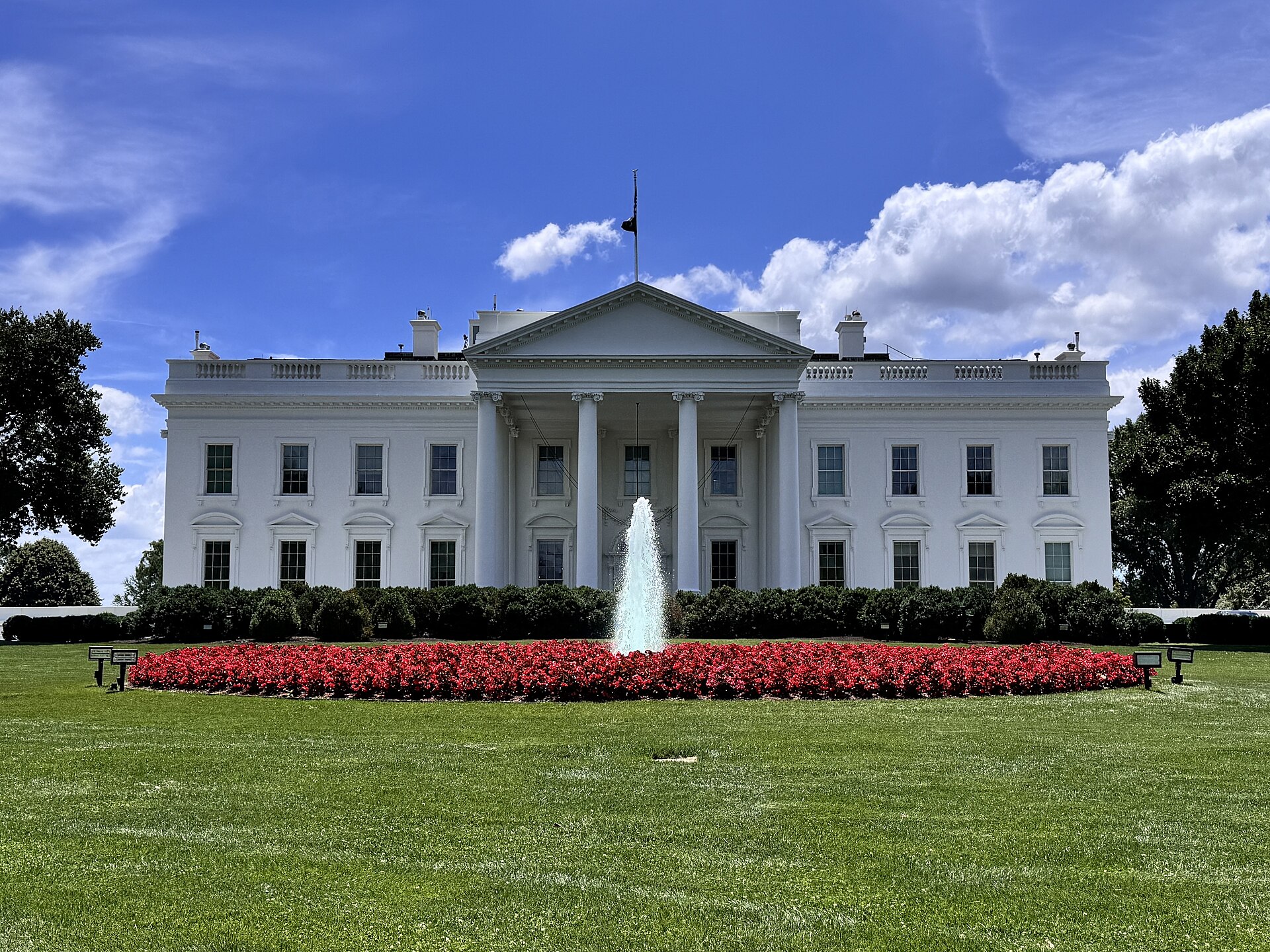
No visit is complete without seeing the White House. You can photograph its north side from Pennsylvania Avenue and Lafayette Square and its south side from the Ellipse. Public tours are free but must be requested through your member of Congress 7 to 90 days in advance; they generally run from 7:30 to 11:30am Tuesday to Thursday and 7:30am to 1:30pm on Fridays and Saturdays, excluding federal holidays, and schedules can change at short notice even after a tour is confirmed. If you can’t get a tour, the free White House Visitor Center at 1450 Pennsylvania Avenue NW is open 7:30am to 4pm daily, with exhibits about the house and the people who have lived in it.
Arlington National Cemetery and the Pentagon
21. Watch the Changing of the Guard at Arlington National Cemetery
Just across the Potomac in Virginia, the 639-acre Arlington National Cemetery is a place of profound reflection, with row upon row of white headstones across rolling hills. The highlight is the Changing of the Guard at the Tomb of the Unknown Soldier, held every half hour from April 1 to September 30 and every hour on the hour from October 1 to March 31; soldiers of the 3rd US Infantry Regiment guard the Tomb 24 hours a day. The cemetery is open daily from 8am to 5pm, and its main entrance is a five-minute walk from the Arlington Cemetery Metro stop. The grounds are hilly and spread out, so consider the paid interpretive tram, which stops at John F. Kennedy’s gravesite, and take in the views back across the river to the monuments of the Mall.
22. Visit the Pentagon Memorial and Tour the Pentagon
A short Metro ride south, the outdoor Pentagon Memorial honours the 184 people killed at the Pentagon and aboard American Airlines Flight 77 on September 11, 2001, with a bench for each victim, arranged by age, set over a pool of water lit from below. It is open 24 hours a day. Guided tours of the Pentagon itself are free but by reservation only, booked well in advance (the tour office asks for 14 to 90 days), and run on weekdays only, never on weekends or federal holidays; every visitor needs an accepted government-issued photo ID.
Neighbourhoods, Markets and Food
Plenty of the best things to do in DC have nothing to do with exhibits. If you’re looking for things to do in DC besides museums, head for the neighbourhoods, where locals eat, shop and go out.
23. Stroll Georgetown, the C&O Canal and the Exorcist Steps
Historic Georgetown charms with cobbled side streets, Federal townhouses, and lively shopping and dining along M Street and the waterfront. It is also Mile 0 of the C&O Canal, which runs 184.5 miles along the Potomac to Cumberland, Maryland; its flat towpath makes a peaceful walk or bike ride, and replica canal boat rides operate in Georgetown with the nonprofit Georgetown Heritage. Film fans climb the Exorcist Steps at 36th and Prospect Streets, the 75 steep stone stairs where Father Karras falls in the 1973 film, which became a designated historic landmark in 2015. Georgetown has no Metro station of its own, so walk from Foggy Bottom, take a bus or ride a bikeshare.
24. Eat Seafood at the Wharf and Explore Navy Yard
On the Southwest waterfront, the Wharf is a buzzing district of restaurants, bars, music venues and piers. Its Municipal Fish Market, long known as the Maine Avenue Fish Market, dates to 1805 and is billed as the oldest continuously operating open-air fish market in the United States; its stalls sit on floating barges, so you can pick up steamed crabs, oysters or a crab cake and eat on the pier. Further east along the Anacostia River, Navy Yard has its own riverfront restaurants and bars around Nationals Park.
25. Browse Eastern Market on Capitol Hill
A few blocks behind the Capitol, Eastern Market at 225 7th Street SE has served the Capitol Hill neighbourhood for more than 150 years. The indoor market hall of food stalls opens Tuesday to Saturday from 8am to 6pm and on Sundays from 8am to 5pm, and on weekends the outdoor market fills with farm produce and handmade arts and crafts from 9am to 4pm. It is closed on Mondays. Weekend brunch here followed by a walk among Capitol Hill’s rowhouses is a classic local morning.
26. Graze Your Way Through Union Market
In the NoMa area northeast of Union Station, Union Market is a mid-century market hall that was restored and reopened in 2012 and now houses more than 40 local food vendors, surrounded by the restaurants and bars of the Union Market District. It is a short walk from NoMa-Gallaudet U Metro station and the best place to sample DC’s food scene in one stop.
27. Eat a Half-Smoke at Ben's Chili Bowl on U Street
DC’s signature dish is the half-smoke, the city’s own take on a chili dog: a sausage in a bun smothered in chili. The place to try one is U Street’s Ben’s Chili Bowl, opened by Ben and Virginia Ali on August 22, 1958, and now regarded as a civil rights landmark as well as a restaurant. U Street was once the heart of Black culture in America and the home turf of Duke Ellington, and today it is one of the city’s liveliest strips for music and late nights.
28. Walk Embassy Row and Dupont Circle
Massachusetts Avenue NW, known as Embassy Row, runs through Dupont Circle and Upper Northwest past grand mansions flying the flags of the countries whose embassies they house. Dupont Circle itself is a good base for cafés, bookshops and restaurants. In May, the Passport DC festival opens dozens of embassies to the public on the first two Saturdays of the month, through the Around the World Embassy Tour and the EU Embassies’ Open House, and most of its events are free.
29. Visit Washington National Cathedral
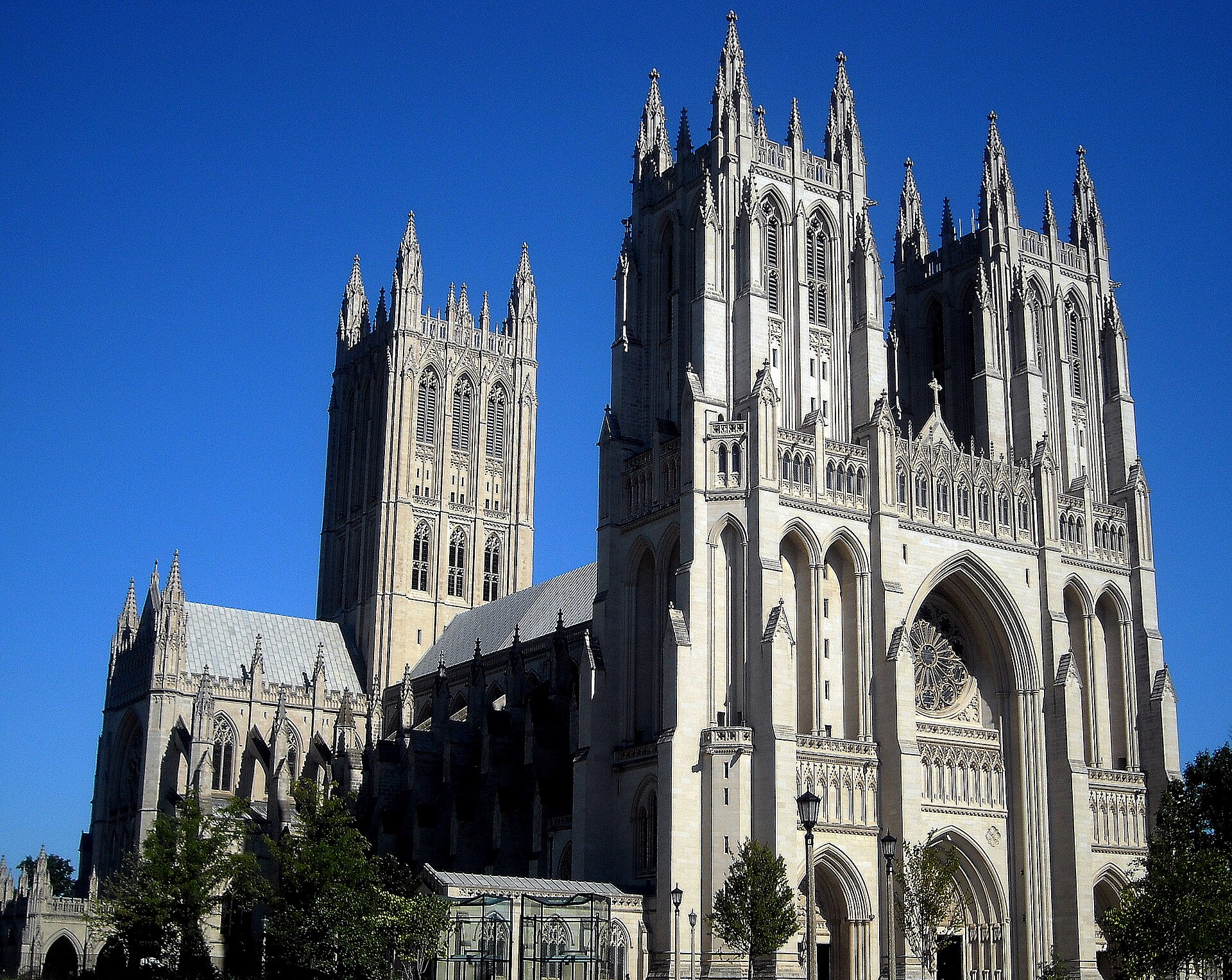
On high ground in Northwest DC, Washington National Cathedral is a vast Gothic-style church whose highlights include the Space Window and the Canterbury Pulpit, with tower climbs offered on themed guided tours. Sightseeing tickets are paid and prices vary by date and tour, but there is never a charge for worship services or private prayer. Sightseeing hours change day to day around services and events, so check the cathedral’s calendar before you go.
Parks, Gardens and the Outdoors
30. See the Giant Pandas at the National Zoo
The Smithsonian’s National Zoo covers 163 acres within Rock Creek Park, and admission is free, though every visitor, including infants, needs a free entry pass. Giant pandas live on Asia Trail: Bao Li and Qing Bao arrived in October 2024. The zoo is open from 8am to 4pm (last entry 3pm), with animal buildings open from 9am to 3:30pm. It sits on a hill, so either walk uphill from Woodley Park-Zoo station or arrive on the level from Cleveland Park station; both are about half a mile away.
31. Step Into the US Botanic Garden
At the foot of Capitol Hill, the US Botanic Garden is free and needs no tickets. Its glass Conservatory, open 10am to 5pm daily, holds desert plants, a tropical forest and orchids; the gated outdoor gardens are open 7:30am to 5pm, or until 7pm from April 1 to September 15; and Bartholdi Park across Independence Avenue is open from dawn to dusk. Federal Center SW Metro is about three blocks away. On a cold or rainy day it is one of the most rewarding free things to do in DC.
32. Hike Rock Creek Park
Cutting through Northwest DC, Rock Creek Park is a 1,754-acre national park that Congress created in 1890, with wooded trails along the creek that make it hard to believe you are in a capital city. The Park Service also looks after 99 other sites around the city, including Meridian Hill Park and Dumbarton Oaks Park. It is a favourite with locals for running, cycling and horseback riding.
33. Find the Capitol Columns at the National Arboretum
In Northeast DC, the free US National Arboretum is open 8am to 5pm every day except December 25 (last entry 4:30pm). Its most photographed sight is the National Capitol Columns, 22 sandstone Corinthian columns that once stood on the Capitol’s east portico and were moved here in 1958, and the National Bonsai & Penjing Museum, open 10am to 4pm, is free too. Across the Anacostia River, Kenilworth Park & Aquatic Gardens is one of DC’s true hidden gems: waterlilies peak in June and lotuses in July, when the park holds its Lotus and Water Lily Festival, and the flowers are at their best early in the morning, before the midday heat closes them.
34. Explore Theodore Roosevelt Island and the Mount Vernon Trail
The Potomac is the city’s playground. A footbridge from the Virginia shore leads to Theodore Roosevelt Island, a wooded island with miles of trails and a bronze statue of Roosevelt standing and pointing; bikes are not allowed on the island. It sits by the northern end of the paved Mount Vernon Trail, an 18-mile path that follows the river past Old Town Alexandria to George Washington’s estate and is open from 6am to 10pm. Canoes, kayaks and paddleboards can be rented from boathouses on the Georgetown waterfront in the warmer months, and Capital Bikeshare costs $1 to unlock plus $0.15 a minute on a classic bike or $0.35 on an e-bike.
Things to Do in DC at Night
After the floodlit monuments (number 7), DC’s evenings revolve around shows, games and bars.
35. Catch a Show
The Kennedy Center on the Potomac has long been the city’s flagship stage, known for its free Millennium Stage performances, but its board has voted to close the main building for a renovation of about two years and the timing is tied up in the courts, so check its own calendar before planning around a show there. There is plenty more: Ford’s Theatre stages plays in the room where Lincoln was shot, Arena Stage and the Shakespeare Theatre Company run full seasons, and touring bands play the Anthem at the Wharf and the 9:30 Club near U Street. Out in Vienna, Virginia, Wolf Trap National Park for the Performing Arts hosts performances at its Filene Center and Theatre-in-the-Woods.
36. Cheer On the Nationals, Capitals or Wizards
From spring to early autumn, a Washington Nationals baseball game at Nationals Park on the Anacostia riverfront is a relaxed night out. The ballpark is about a block from Navy Yard-Ballpark station on the Green Line, and Metro adds extra Green Line trains before and after each game. In the colder months, the NHL’s Capitals and the NBA’s Wizards play at Capital One Arena in Chinatown, above Gallery Place-Chinatown station.
37. Go Bar-Hopping on U Street, 14th Street and Adams Morgan
For nightlife, U Street and nearby 14th Street NW are packed with bars, live music and late-night food, Adams Morgan along 18th Street is younger and rowdier, and Penn Quarter and Chinatown cluster restaurants and bars around Capital One Arena. Several hotels and restaurants have rooftop bars with views of the Washington Monument. Among the best things to do in DC for couples are dinner at the Wharf followed by a moonlit walk around the Tidal Basin, or a play at Ford’s Theatre.
Day Trips from DC
38. Tour George Washington's Mount Vernon
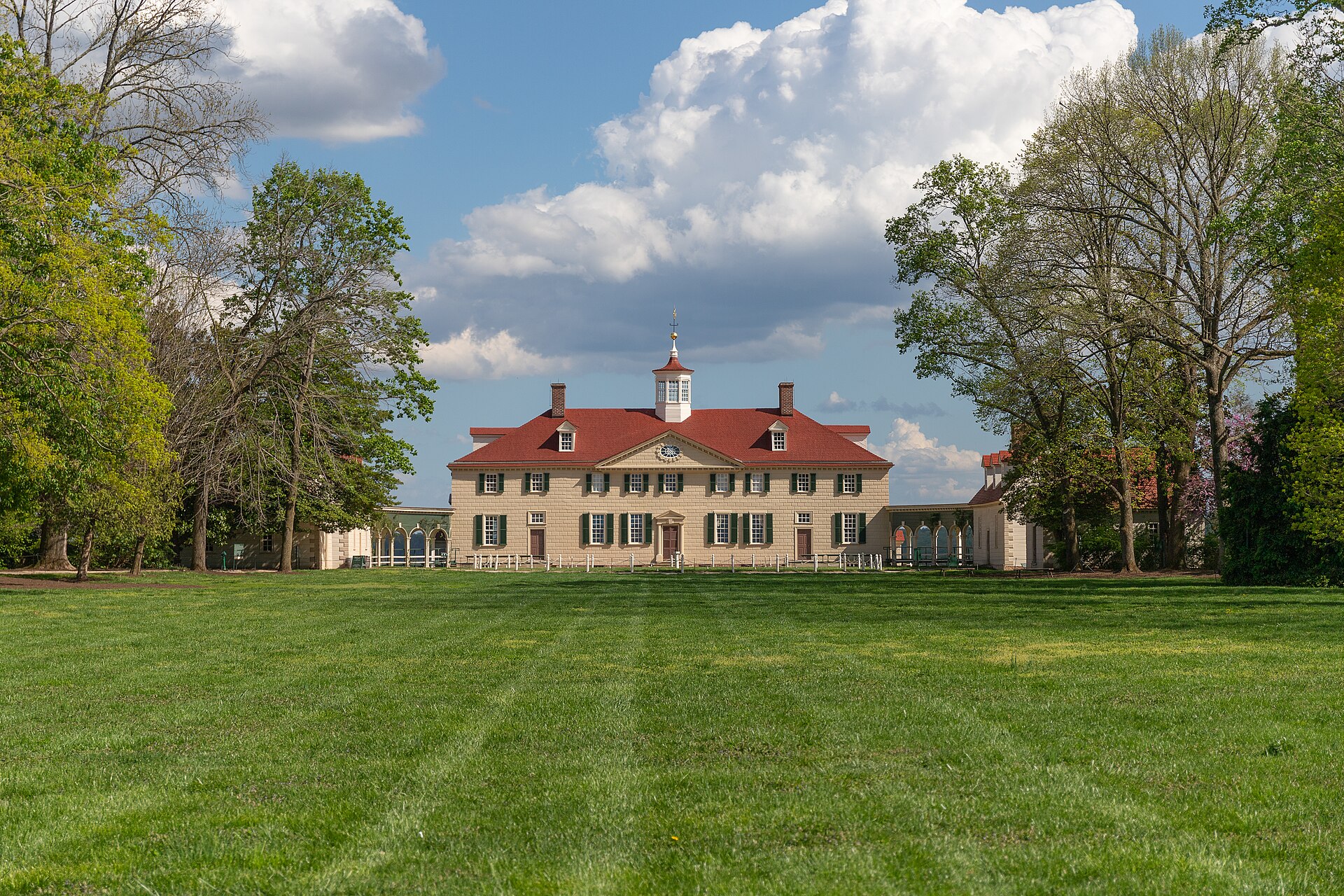
Just 15 miles south of DC, Mount Vernon was George Washington’s home, and its mansion and gardens look out over the Potomac. General admission is $30 for adults (12 and up) and $16 for ages 6 to 11, and children 5 and under go free. Entry to the mansion is by guided tour, and reserving a timed ticket online carries a $2 fee per person. The estate opens at 9am, closing at 4pm from November to March and 5pm from April to October, and you should allow three hours or more. You can also cycle there along the Mount Vernon Trail.
39. Wander Old Town Alexandria
Across the river in Virginia, Old Town Alexandria is a historic port town of brick sidewalks, rowhouses, independent shops and waterfront restaurants. Take the Blue or Yellow line to King St-Old Town station, then hop on the free King Street Trolley, which runs about every 15 minutes from 11am to 11pm, seven days a week, down King Street towards the waterfront. Water taxis also link Old Town with DC and with National Harbor in Maryland.
40. See the Falls at Great Falls Park
Only 15 miles from the capital, Great Falls Park in Virginia is where the Potomac builds up speed and crashes over steep, jagged rocks into narrow Mather Gorge. Three overlooks are a five- to ten-minute walk from the visitor centre, and the 800-acre park opens at 7am and closes 30 minutes after sunset. Entry costs $20 per private vehicle or $10 per person on foot or bike, valid for seven days. The Maryland side of the falls is part of the C&O Canal National Historical Park.
| Day trip | Getting there | Cost | Time to allow |
|---|---|---|---|
| Mount Vernon | 15 miles south by car, or the 18-mile Mount Vernon Trail by bike | $30 adults, $16 ages 6–11 | 3 hours or more |
| Old Town Alexandria | Metro Blue or Yellow line to King St-Old Town, then the free trolley | Free to explore | Half a day |
| Great Falls Park | 15 miles by car | $20 per vehicle | 2–3 hours |
| Udvar-Hazy Center | Chantilly, Virginia, near Dulles Airport | Free; $15 parking before 4pm | 2–3 hours |
| Baltimore | MARC Penn Line train from Union Station, about 1 hour, weekends too | Train fare | A full day |
| National Harbor | Water taxi from Old Town Alexandria, or by car | Free to explore | Half a day |
Free Things to Do in DC
Few cities give away this much. Free things to do in DC include:
- The monuments and memorials of the National Mall and Tidal Basin, open 24 hours a day (entries 1–7).
- The Washington Monument: free same-day tickets from 8:45am, or $1 per ticket booked ahead.
- The Smithsonian museums and the National Zoo, with free passes where needed (entries 8–11 and 30).
- The National Gallery of Art and summer’s free Jazz in the Garden concerts.
- The US Capitol, Library of Congress and Supreme Court (entries 15–17).
- The National Archives and the US Holocaust Memorial Museum.
- The Bureau of Engraving and Printing currency tour on weekdays.
- Ford’s Theatre, with free same-day tickets from the box office.
- Arlington National Cemetery and the Pentagon Memorial.
- The US Botanic Garden, National Arboretum and Kenilworth Aquatic Gardens.
- Rock Creek Park, the C&O Canal towpath and Theodore Roosevelt Island.
- Planet Word (suggested donation) and Passport DC embassy open houses in May.
Because the headline sights cost nothing, hotels and food are the big expenses on a DC trip, so it pays to plan a travel budget that puts your money where it matters.
Things to Do in DC with Kids
Washington is one of the easiest US cities for families because so many of its top attractions are free, so it costs nothing to leave when little legs give out. The best things to do in DC with kids:
- National Air and Space Museum for rockets, planes and the touchable moon rock, and the Udvar-Hazy Center for Space Shuttle Discovery.
- National Museum of Natural History for dinosaurs and the Hope Diamond, no passes needed.
- National Zoo to see the giant pandas Bao Li and Qing Bao.
- International Spy Museum for older children (under-7s free), and Planet Word for word games.
- Bureau of Engraving and Printing to watch money being printed.
- Paddle boats on the Tidal Basin in the warmer months, and the Blossom Kite Festival in spring.
- Ice skating in the Sculpture Garden and ZooLights at the zoo in winter.
Allow four to five days for a family trip, with one or two museums a day, a Mall walk broken into shorter stretches and a half day at the zoo, and plan indoor afternoons in July, when highs average 90°F. For more ideas for trips with children, browse these family vacation ideas.
How Many Days Do You Need in DC? 1- to 4-Day Itineraries
| Day | Morning | Afternoon | Evening |
|---|---|---|---|
| Day 1: The Mall | Washington Monument (timed ticket), World War II Memorial | Air and Space or Natural History museum | Lincoln Memorial, Tidal Basin and the monuments at night |
| Day 2: Capitol Hill | US Capitol tour and Library of Congress | National Archives, then American History or NMAAHC | Seafood dinner at the Wharf |
| Day 3: Across the river | Arlington National Cemetery and the Changing of the Guard | Georgetown and the C&O Canal | A half-smoke on U Street, then live music |
| Day 4: Your pick | Mount Vernon or Old Town Alexandria | National Zoo or the Holocaust Museum | A show, or a Nationals game in season |
With only one day, follow Day 1 and add the White House from Lafayette Square on your way past. With two, add Day 2. Book the timed tickets first, since the Washington Monument, Capitol, Air and Space Museum and NMAAHC slots are what fix the shape of each day.
Getting Around & Where to Stay
Central Washington is very walkable, and the Metro covers almost everything else, so you don’t need a car. Metrorail fares run from $2.25 to $6.75 on weekdays between 5am and 9:30pm and from $2.25 to $2.50 on weekday evenings and weekends; tap a SmarTrip card or a contactless credit or debit card at the faregates at both ends of your trip. Metrobus costs $2.25. The Metro also serves both airports: Reagan National has its own station on the Blue and Yellow lines, and Dulles is on the Silver Line. Capital Bikeshare is handy for hopping along the Mall ($1 to unlock, then $0.15 a minute on a classic bike, or a $10 day pass), and Union Station has trains north to Baltimore and New York. If you are flying in, it pays to know the best day to book flights, and if you are adding New York to the trip, see the best times to visit New York City.
Most first-time visitors stay downtown, near the Mall, or in neighbourhoods with a Metro station, and rates climb sharply in cherry blossom season, so book early for spring. How the main areas compare:
| Area | Best for | Close to |
|---|---|---|
| Penn Quarter and Downtown | First-timers who want the Metro hub and museums on foot | National Archives, Ford’s Theatre, Capital One Arena |
| Capitol Hill | History and quieter rowhouse streets | US Capitol, Library of Congress, Eastern Market |
| Dupont Circle | Restaurants, cafés and a neighbourhood feel | Embassy Row, U Street, the Red Line |
| Georgetown | Charm, shopping and the waterfront (no Metro) | C&O Canal, Exorcist Steps |
| The Wharf and Southwest | Waterfront dining and live music | Fish Market, Tidal Basin, Holocaust Museum |
| Arlington, Virginia | Airport access and Metro into DC | Arlington National Cemetery, Pentagon, Reagan National |
Best Time to Visit Washington, DC
Spring (late March to May) is the classic time, when the cherry blossoms peak around the Tidal Basin (most often in the last week of March or the first week of April) and average highs climb from 57°F in March to 77°F in May, though it is also the busiest and most expensive season. Autumn (September to November) is just as pleasant, with highs easing from 81°F in September to 58°F in November, plus fall colour and thinner crowds once school is back. Summer is hot and humid, with July highs averaging 90°F, and busy with families and school groups, while winter is cold but quiet, with January highs around 45°F, holiday events and the shortest lines. For the best mix of weather and sightseeing, aim for April to May or late September to October. Temperatures below are NOAA 1991–2020 climate normals for Reagan National Airport.
| Month | Avg high / low | Rain | What's on |
|---|---|---|---|
| January | 45°F / 30°F | 2.9 in | Sculpture Garden ice rink, quiet museums |
| February | 48°F / 32°F | 2.6 in | Ice rink, the lowest crowds |
| March | 57°F / 39°F | 3.5 in | National Cherry Blossom Festival begins |
| April | 68°F / 48°F | 3.2 in | Peak bloom (often), festival parade |
| May | 77°F / 58°F | 3.9 in | Passport DC embassy open houses |
| June | 85°F / 68°F | 4.2 in | Jazz in the Garden, Kenilworth waterlilies |
| July | 90°F / 72°F | 4.3 in | Fourth of July on the Mall, lotus festival |
| August | 88°F / 71°F | 3.3 in | Hot and humid; museum days |
| September | 81°F / 64°F | 3.9 in | Thinner crowds after Labor Day |
| October | 69°F / 52°F | 3.7 in | Fall colour, ideal walking weather |
| November | 58°F / 42°F | 2.9 in | Holiday market, ZooLights and the ice rink open |
| December | 49°F / 35°F | 3.4 in | National Christmas Tree, holiday lights |
Festivals and Seasonal Events in DC
Beyond the cherry blossoms (number 6), the city’s calendar is busiest in spring and summer. In May, Passport DC opens embassies to the public. Every summer the free Smithsonian Folklife Festival celebrates living cultural traditions, often overlapping the Fourth of July, and on Independence Day itself the National Mall fireworks have in recent years been launched from the Lincoln Memorial Reflecting Pool area, with viewing areas reached through security checkpoints, so arrive early and bring water.
Things to Do in DC in Winter and at Christmas
Winter is DC’s quietest season, which makes it a great time for the museums, and there are plenty of things to do in DC in winter outdoors too. The National Christmas Tree stands on the Ellipse south of the White House; the 2026 lighting ceremony is on December 3 (free tickets are allocated by an online lottery on Recreation.gov), and the tree and its surrounding displays are open to visitors from early December through New Year’s Day. The DowntownDC Holiday Market runs from November 13 to December 23, 2026, on F Street NW between 7th and 9th Streets, in front of the National Portrait Gallery (Gallery Place-Chinatown Metro). The Sculpture Garden ice rink usually opens in late November, and ZooLights at the National Zoo runs from November 20, 2026, to January 3, 2027, with tickets required for everyone aged 3 and up. On the coldest days, retreat to the US Botanic Garden’s Conservatory. Note that the Bureau of Engraving and Printing closes from December 24 to January 2, and most Smithsonian museums close only on December 25.
Related Guides
Frequently Asked Questions
What are the top things to do in Washington, DC?
The top things to do in Washington, DC are walking the National Mall from the Capitol to the Lincoln Memorial, riding up the Washington Monument, exploring the free Smithsonian museums (Air and Space, Natural History and the African American history museum lead the list), touring the US Capitol, seeing the Declaration of Independence at the National Archives, watching the Changing of the Guard at Arlington National Cemetery and strolling Georgetown, ideally in cherry blossom season.
Are the Smithsonian museums really free?
Yes. Every Smithsonian museum in Washington, including the National Air and Space Museum, the National Museum of Natural History and the National Museum of African American History and Culture, is free to enter, as are the National Zoo and the separate National Gallery of Art. A few need free timed passes: Air and Space and NMAAHC require them for all visitors, and the zoo needs a free entry pass. The only costs are extras such as parking at the Udvar-Hazy Center ($15 before 4pm).
How many days do you need in Washington, DC?
Three to four days lets you walk the Mall and its memorials, visit two or three Smithsonian museums, tour the Capitol and Library of Congress, see the White House and Arlington, and explore Georgetown. One day covers the Mall’s memorials, the Washington Monument and one museum. With five days or more, add Mount Vernon, Old Town Alexandria or Great Falls; the 1- to 4-day itineraries above show how to split it.
When do the cherry blossoms bloom in DC?
Peak bloom, when 70% of the Yoshino cherry blossoms around the Tidal Basin are open, most often falls between the last week of March and the first week of April, according to the National Park Service, though it has ranged from March 15 to April 18. The exact date depends on the weather. The 2027 National Cherry Blossom Festival runs from March 20 to April 11, so book accommodation well in advance.
Do you need a car in Washington, DC?
No. Central DC is very walkable, and Metrorail reaches the main neighbourhoods and both Reagan National and Dulles airports, with fares from $2.25 to $6.75 on weekdays and $2.25 to $2.50 on evenings and weekends. A car is more hassle than help downtown. Hire one only for day trips such as Great Falls Park or Mount Vernon.
Is Washington, DC safe to visit?
Yes, Washington DC is generally safe for visitors, and the areas tourists spend most time in, the National Mall, Georgetown, Capitol Hill and downtown, see heavy foot traffic and a strong police presence. The Mall and the main downtown streets stay busy and well lit into the evening, which is why the floodlit monuments are a popular night walk. As in any big city, pickpocketing can happen in crowded spots, so learn how to avoid pickpockets, stick to busy streets late at night and take the Metro or a rideshare rather than walking through quiet residential areas.
Is Washington, DC expensive to visit?
Hotels and restaurants put DC in the pricier bracket of US cities, especially in cherry blossom season and around major events, but the biggest sights cost nothing: the Smithsonian museums, the National Gallery, the National Mall, the Capitol tour, the National Archives and Arlington National Cemetery are all free. Getting around is cheap too, with Metro fares from $2.25 and a $10 Capital Bikeshare day pass, so a sightseeing budget can stay low even when the hotel bill does not.
When is the best time to visit Washington, DC?
Spring (late March to May) and autumn (September to November) are the best times, with average highs between the high 50s and low 80s°F, comfortable walking weather and, in spring, the famous cherry blossoms. Summer is hot and humid, with July highs averaging 90°F and school-group crowds, while winter is cold but quiet, with shorter museum queues, holiday events and lower hotel prices outside the holidays.
How do you get tickets to tour the White House?
White House public tours are free but must be requested through your member of Congress, between 7 and 90 days before the date you want. Tours generally run from 7:30 to 11:30am Tuesday to Thursday and 7:30am to 1:30pm on Fridays and Saturdays, excluding federal holidays. Request as early as the window allows, and be aware that tours can be cancelled or rescheduled at short notice, even after they are confirmed.
How do you get tickets to tour the US Capitol?
Capitol tours are free and start at the Capitol Visitor Center, which is open 8:30am to 4:30pm Monday to Saturday. Reserve a day and time online through the visitor center’s tour booking site, or ask your senator’s or representative’s office to arrange one. Walk-ins are put on the next available tour, but arrive by 2:30pm, since the last tour leaves at 3:20pm, and allow time for security screening.
Do you need a reservation to go up the Washington Monument?
You need a timed ticket to go up, but it is free. Advance tickets on Recreation.gov are released daily at 10am, 30 days ahead, with more released the day before, and each carries a non-refundable $1 service charge. Free same-day tickets are handed out first come, first served at the Washington Monument Lodge from 8:45am, up to six per person aged 16 or over. Popular spring and summer slots go fast.
What are the best free things to do in DC?
The best free things to do in DC are the National Mall memorials, the Smithsonian museums, the National Zoo, the National Gallery of Art, the US Capitol tour, the Library of Congress, the National Archives and the Changing of the Guard at Arlington National Cemetery. The Washington Monument is free on same-day tickets, and the US Botanic Garden, Rock Creek Park and the C&O Canal towpath cost nothing either.
What is there to do in DC at night?
The classic night out is a walk or bike ride between the floodlit memorials, which are open 24 hours a day. After that, catch a play at Ford’s Theatre or Arena Stage, a concert at the Anthem or the 9:30 Club, or a Nationals, Capitals or Wizards game, then head for the bars of U Street, 14th Street or Adams Morgan, or a rooftop bar with a view of the Washington Monument.
What can you do in DC besides museums and monuments?
Plenty. Eat a half-smoke at Ben’s Chili Bowl on U Street, browse Eastern Market and Union Market, eat crabs at the Wharf’s Municipal Fish Market, stroll Georgetown and the C&O Canal, walk Embassy Row, hike Rock Creek Park, see the pandas at the National Zoo, catch a Nationals game or take a day trip to Old Town Alexandria, Mount Vernon or Great Falls.
What can you do in DC in one day?
In one day, walk the National Mall: go up the Washington Monument in the morning with a timed ticket, see the World War II Memorial, then spend the afternoon in one Smithsonian museum such as Air and Space or Natural History. Finish at the Lincoln Memorial and the Tidal Basin memorials around sunset, and see the White House from Lafayette Square on the way. The full walk is two miles plus detours.
What are the best things to do in DC with kids?
The top picks for families are the National Air and Space Museum, the dinosaurs at the National Museum of Natural History, the giant pandas at the National Zoo, the International Spy Museum for older children, Planet Word, the Bureau of Engraving and Printing tour and paddle boats on the Tidal Basin. Most are free, so allow four to five days and one or two museums a day.
What is there to do in DC at Christmas and in winter?
See the National Christmas Tree on the Ellipse (lit on December 3 in 2026 and open to visitors through New Year’s Day), shop the DowntownDC Holiday Market on F Street (November 13 to December 23, 2026), skate at the National Gallery’s Sculpture Garden rink (usually late November to early March) and see ZooLights at the National Zoo (November 20 to January 3). Winter is also the quietest time for the museums.
What are some hidden gems in Washington, DC?
Hidden gems include the Great Hall and Main Reading Room walkthroughs at the Library of Congress, the lotus and waterlily ponds of Kenilworth Aquatic Gardens in summer, the National Capitol Columns at the National Arboretum, Theodore Roosevelt Island, the Exorcist Steps in Georgetown, the Bureau of Engraving and Printing currency tour and the Pentagon Memorial, which is open 24 hours a day.
How long does it take to walk the monuments in DC?
It is two miles from the Capitol to the Lincoln Memorial, and the loop around the Tidal Basin to the Jefferson, FDR and Martin Luther King Jr. memorials adds more on top. Allow three to four hours to see the main memorials at a comfortable pace, more if you go up the Washington Monument, and wear good shoes: the Park Service says visitors are often surprised how far they walk.
Do you need tickets for the Holocaust Museum?
Yes for the main exhibition. The US Holocaust Memorial Museum is free, but free timed-entry tickets are required for its Permanent Exhibition; reserve them online before your visit, and expect a small online transaction fee. The building is open 10am to 5:30pm daily except Yom Kippur and Christmas Day, and the last entry to the Permanent Exhibition is at 4:30pm.
Can you tour the Pentagon?
Yes. Pentagon tours are free and guided, but by reservation only: book 14 to 90 days in advance. Tours run on weekdays only, not on weekends or federal holidays, and every visitor needs an accepted photo ID. The outdoor Pentagon Memorial needs no booking and is open 24 hours a day.
Where can you see the Declaration of Independence?
The original Declaration of Independence is displayed in the Rotunda of the National Archives Museum on Constitution Avenue, alongside the Constitution and the Bill of Rights. Entry is free, it is open 10am to 5:30pm every day except Thanksgiving and Christmas Day, and optional $1 timed reservations help at busy times. The nearest Metro is Archives-Navy Memorial-Penn Quarter.
How often is the Changing of the Guard at Arlington?
The Changing of the Guard at the Tomb of the Unknown Soldier takes place every half hour from April 1 to September 30 and every hour on the hour from October 1 to March 31, during the cemetery’s opening hours of 8am to 5pm. The Tomb itself is guarded 24 hours a day by soldiers of the 3rd US Infantry Regiment. Arrive a few minutes early to get a good view.
Where should you stay in Washington, DC?
First-time visitors do best in Penn Quarter and downtown, close to the Mall and the main Metro interchanges. Capitol Hill suits history lovers, Dupont Circle has the best neighbourhood feel and restaurants, Georgetown is the most charming but has no Metro station, the Wharf is good for waterfront dining, and Arlington in Virginia is handy for Reagan National Airport.
Planning Your Washington, DC Trip
Washington, DC delivers history and grandeur like nowhere else: the monument-lined National Mall, the free Smithsonian museums, the Capitol, the National Archives and the White House, and moving Arlington, all in a walkable capital with lively neighbourhoods and great food. Give it three or four days, book the timed tickets for the Washington Monument, Capitol and the busiest museums first, and time a spring visit for the cherry blossoms if you can. If you are planning more American city breaks, try the best things to do in Los Angeles on the opposite coast.
Before you go: turn this guide into a day-by-day plan. Our partner Voyada is a free trip builder that builds the trip with flights, hotels and a real total cost for your dates — in about a minute.
Create a travel itinerary →