
Table of Contents
ToggleFramed by Puget Sound, the Cascade and Olympic mountains and evergreen forest, Seattle is Washington’s largest city and one of the most rewarding in the US to explore: a public market trading since 1907, a 605-foot Space Needle left over from the 1962 World’s Fair, ferries crossing the Sound, and neighbourhoods built around coffee, live music and the water.
This guide ranks the 30 best things to do in Seattle, Washington, grouped by area so you can plan whole days around them: downtown and Pike Place Market, Seattle Center, the waterfront, the neighbourhoods and the parks. After the list come the best day trips from Seattle, free, kid-friendly and rainy-day picks, sample itineraries, how to get around, where to stay and when to go. Prices are standard adult prices taken from each attraction’s own site in November 2026.
Key Takeaways
- Pike Place Market (founded 1907) is the essential first stop; go early on a weekday to beat the crowds.
- Seattle Center puts the Space Needle ($35–$55 timed tickets), Chihuly Garden and Glass and MoPOP within a few minutes’ walk of each other.
- The walk-on ferry to Bainbridge Island costs adults $11.35 leaving Seattle and nothing coming back; youth 18 and under ride free.
- Many top sights are free: Kerry Park, Discovery Park, Gas Works Park, the Olympic Sculpture Park, the Central Library, the Ballard Locks and Klondike Gold Rush National Historical Park.
- July and August are the driest months, with under an inch of rain each on average; November to January are the wettest.
- You don’t need a car in the city: Link light rail ($3) links the airport and downtown in about 38 minutes.
The 30 Best Things to Do in Seattle at a Glance
Use this table to shortlist and plan. Costs are standard adult prices checked on official sites in November 2026; “free” means no admission charge, and “ticketed” means prices vary by date, so check before you go.
| # | Attraction | Area | Adult cost | Time needed |
|---|---|---|---|---|
| 1 | Pike Place Market | Downtown | Free to wander | 2–3 hours |
| 2 | Seattle Art Museum & Olympic Sculpture Park | Downtown / Belltown | Sculpture park free; museum ticketed | 1–3 hours |
| 3 | Seattle Central Library | Downtown | Free | 45 minutes |
| 4 | Sky View Observatory or Smith Tower | Downtown / Pioneer Square | Ticketed | 1 hour |
| 5 | Pioneer Square, Underground Tour & Klondike museum | Pioneer Square | Klondike free; tour ticketed | 2 hours |
| 6 | Chinatown-International District & Wing Luke Museum | C-ID | Museum $25.95 | 2–3 hours |
| 7 | Museum of Flight | South of downtown | $29 (free first Thursday, 5–9 p.m.) | 3–4 hours |
| 8 | Space Needle | Seattle Center | $35–$55 | 1–1.5 hours |
| 9 | Chihuly Garden and Glass | Seattle Center | $40–$45 | 1–2 hours |
| 10 | Museum of Pop Culture (MoPOP) | Seattle Center | Ticketed | 2 hours |
| 11 | Pacific Science Center & the monorail | Seattle Center | Monorail $4 one way | 2–3 hours |
| 12 | Overlook Walk & Waterfront Park | Waterfront | Free | 1 hour |
| 13 | Seattle Aquarium | Waterfront (Pier 59) | Ticketed; 3 and under free | 2 hours |
| 14 | Seattle Great Wheel | Waterfront (Pier 57) | Ticketed | 30–45 minutes |
| 15 | Ferry to Bainbridge Island | Colman Dock | $11.35 on foot, return free | Half day |
| 16 | Whale watching or a harbour cruise | Waterfront | Ticketed | 1–4 hours |
| 17 | Kerry Park viewpoint | Queen Anne | Free | 30 minutes |
| 18 | Fremont & the Fremont Troll | Fremont | Free | 1–2 hours |
| 19 | Gas Works Park | Lake Union (north shore) | Free | 1 hour |
| 20 | Ballard Locks | Ballard | Free | 1–2 hours |
| 21 | Lake Union & MOHAI | South Lake Union | MOHAI $25 | 2–3 hours |
| 22 | Capitol Hill & Volunteer Park | Capitol Hill | Free park | 2–3 hours |
| 23 | Discovery Park | Magnolia | Free | 2–4 hours |
| 24 | Alki Beach by water taxi | West Seattle | Water taxi from $5 | Half day |
| 25 | Golden Gardens | Ballard | Free | 1–3 hours |
| 26 | Arboretum & Japanese Garden | Washington Park | Arboretum free; garden ticketed | 2 hours |
| 27 | Woodland Park Zoo | Phinney Ridge | Ticketed | 3–4 hours |
| 28 | Seafood and a food tour | Citywide | Varies | 2–3 hours |
| 29 | A coffee crawl | Capitol Hill / Pike Place | Price of a coffee | 2 hours |
| 30 | A game, a gig or a show | SoDo / Seattle Center / downtown | Varies | An evening |
✈️ TripToGo Travel Deals
Get notified about great travel deals
Hand-picked flight, hotel and destination deals, straight to your inbox. No spam, unsubscribe anytime.
🎉 Thank you for subscribing!
You’re all set — the best travel deals are on their way.
Downtown Seattle, Pike Place Market and Pioneer Square
1. Explore Pike Place Market
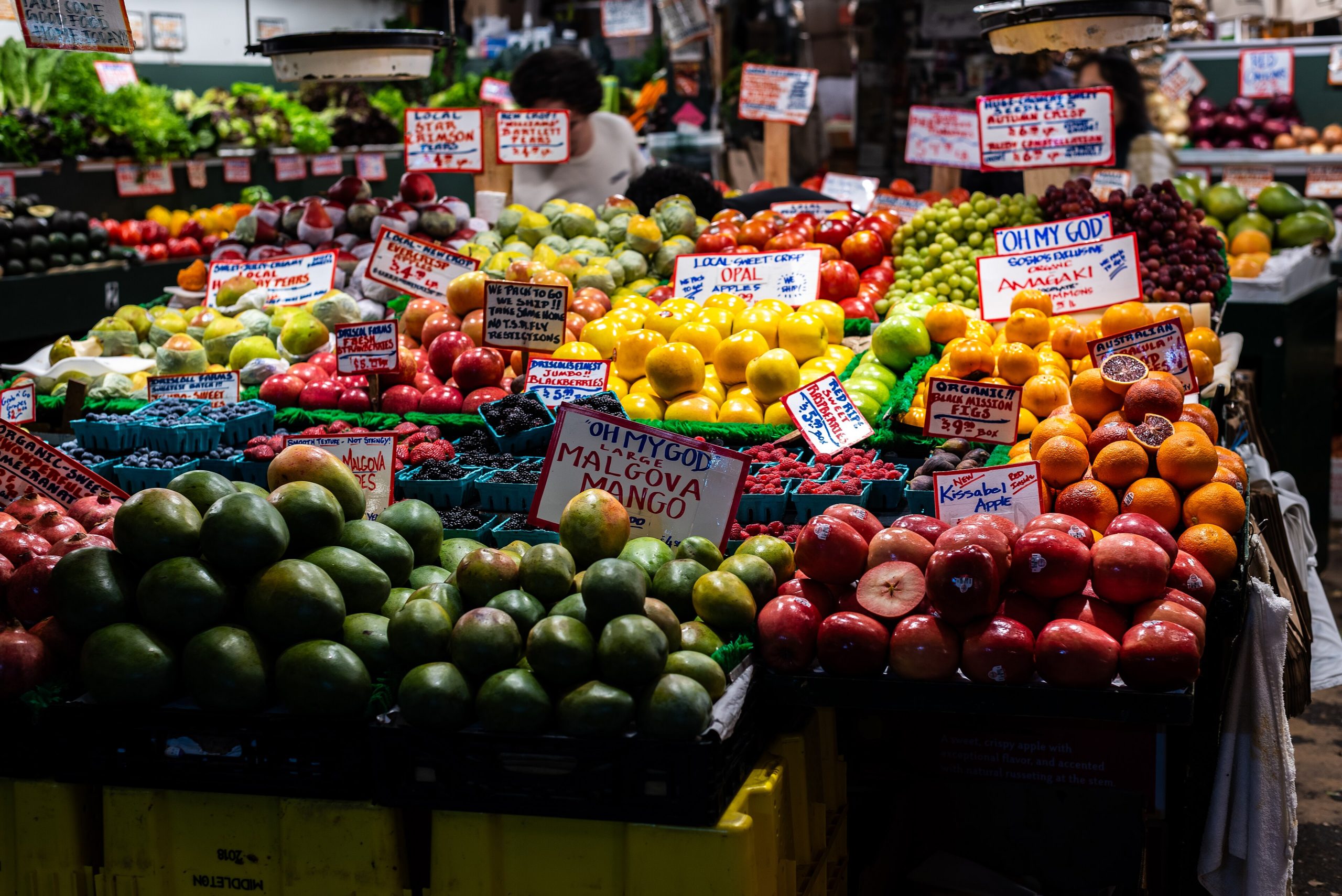
Founded in 1907, Pike Place Market is one of the oldest and largest continuously operating public markets in the United States, with more than 220 independently owned shops and restaurants, 180-plus craftspeople and 70-plus farmers, and it opens 363 days a year. Start under the Public Market sign and clock, where the fishmongers at Pike Place Fish Market toss salmon over the counter, then work through the arcades of flower stalls, produce and craft tables. Just outside are two famous stops: the original Starbucks on Pike Place, which nearly always has a queue, and the (delightfully gross) Gum Wall in Post Alley below the market. The MarketFront extension, opened in 2017, adds a plaza with views over Elliott Bay. Free to wander and endlessly atmospheric, the market is busiest from late morning on summer weekends, so come early on a weekday for the stalls and the fish-throwing without the crush.
2. See the Seattle Art Museum and the Olympic Sculpture Park
A few blocks south of the market on First Avenue, the Seattle Art Museum (SAM) is easy to spot by Hammering Man, the 48-foot kinetic sculpture at its entrance; the museum dates back to the 1930s and its collections span art from around the world. On a dry day, SAM’s outdoor branch is even better. The Olympic Sculpture Park in Belltown is free, covers 9 acres running down to Elliott Bay and holds nearly 20 large installations, including Alexander Calder’s bright red Eagle, framed against the water and the Olympic Mountains. Walk there along the waterfront from Pike Place Market, and keep the museum itself for a rainy afternoon. SAM also runs the Seattle Asian Art Museum in Volunteer Park (see number 22).
3. Explore the Seattle Central Library
Even if you never borrow a book, the Seattle Central Library at 1000 Fourth Avenue is one of the city’s great free sights. Designed by Rem Koolhaas and opened on May 23, 2004, the 11-floor glass-and-steel building is stacked like a set of offset boxes wrapped in a diamond-patterned skin. Ride the escalators up through the Books Spiral, a continuous ramp of shelving, to the 10th-floor reading room, where sloping glass walls look out toward Elliott Bay. Allow about 45 minutes. The library opens daily at 10 a.m. and closes at 8 p.m. Tuesday to Thursday and 6 p.m. on other days, which makes it a useful dry stop between downtown sights.
4. Take In the View from Sky View Observatory or Smith Tower
The Space Needle isn’t the only way to get above the city. Sky View Observatory occupies the 73rd floor of Columbia Center, Seattle’s tallest skyscraper, and looks down on the Space Needle itself, with Puget Sound, the Cascades and, on clear days, Mount Rainier beyond. For history rather than height, Smith Tower in Pioneer Square was completed in 1914; you ride up in a manually operated elevator to its 35th-floor observatory, which doubles as a cocktail bar with Prohibition-era charm. Both are ticketed. Sky View suits photographers who want the whole skyline; Smith Tower is the better choice for an early-evening drink with a view.
5. Go Below Pioneer Square on the Underground Tour
Pioneer Square is where Seattle began, a district of red-brick and stone buildings rebuilt after the Great Seattle Fire of 1889. Because the city then rebuilt on top of itself, the old storefronts and sidewalks were left below the new street level, and Bill Speidel’s Underground Tour, a 75-minute guided walking tour that starts beneath Doc Maynard’s Public House at 614 First Avenue, takes you through them with plenty of humour about the city’s rowdy early days. A few blocks south, the Seattle unit of Klondike Gold Rush National Historical Park is free: its museum in the historic Cadillac Hotel tells how Seattle outfitted the gold seekers heading north to the Klondike, with exhibits, a park film and ranger programmes in summer. Finish at Waterfall Garden Park, a hidden pocket park built around a man-made waterfall.
6. Eat and Explore in the Chinatown-International District
Just east of Pioneer Square, the Chinatown-International District brings together Seattle’s Chinatown, Japantown and Little Saigon. Walk in under the 45-foot Chinatown Gate on South King Street, decorated with more than 8,000 imported tiles, then explore Hing Hay Park, the Uwajimaya Asian supermarket and food hall, and the Seattle Pinball Museum. The neighbourhood’s anchor is the Wing Luke Museum of the Asian Pacific American Experience, a National Park Service affiliated area whose exhibitions tell real stories of Asian Pacific Americans in the Northwest, including actor and martial artist Bruce Lee. Admission is $25.95 for adults, the museum is open Wednesday to Sunday from 10 a.m. to 5 p.m., and a complimentary tour of a historic hotel runs on a first-come, first-served basis. Come hungry: dim sum, noodles and pho are the obvious lunch.
7. Spend a Morning at the Museum of Flight
South of downtown on East Marginal Way South, beside King County International Airport (Boeing Field), the Museum of Flight holds one of the country’s largest air and space collections, from early flying machines to jets and spacecraft. Across the road, the Aviation Pavilion shelters the larger aircraft, open from 11 a.m. to 4 p.m. The museum is open daily from 10 a.m. to 5 p.m.; adults pay $29 and youth aged 5 to 17 pay $21, children 4 and under are free, and admission is free for everyone from 5 to 9 p.m. on the first Thursday of each month. Allow at least three hours. Aviation fans can add Boeing’s Future of Flight in Mukilteo, about 25 miles north of the city, on the drive to Whidbey Island or the San Juans.
Seattle Center: Space Needle, Chihuly and MoPOP
8. Go Up the Space Needle
Built for the 1962 World’s Fair, the 605-foot Space Needle is still the city’s defining landmark and the centrepiece of Seattle Center, the 74-acre former fairground that the City of Seattle runs as an arts and cultural campus. A 43-second elevator ride lifts you 520 feet to the observation levels: the upper observation deck has open-air glass walls, and one floor down The Loupe is the world’s first and only rotating glass floor, with a walk-up bar. General admission runs from $35 to $55 depending on the date and time, with reduced prices for youth aged 5 to 12 and seniors 65 and over. Tickets are timed in 15-minute arrival slots, but once inside you can stay until closing, so book a slot an hour before sunset to see the city by day and lit up at night. Save it for a clear day, when Mount Rainier and the Olympic Mountains are on show.
9. Marvel at Chihuly Garden and Glass
Right beside the Space Needle, Chihuly Garden and Glass is a showcase for the work of Tacoma-born glass artist Dale Chihuly: eight galleries of vivid, otherworldly glass sculpture, a soaring Glasshouse with a huge suspended centrepiece, and a garden where glass forms grow among the plants. It is one of the most photogenic things to do in Seattle, and it changes with the light, so see the garden in daylight even if you go up the Space Needle after dark. Allow one to two hours. General admission is $40 to $45 for adults, and the venue is open year-round, generally from 10 a.m. to 5 p.m. (from 11 a.m. on Thursdays and Fridays, and until 4:30 p.m. on Saturdays). Combination tickets with the Space Needle are sold too.
10. Explore the Museum of Pop Culture (MoPOP)
You can’t miss the Museum of Pop Culture. Frank Gehry’s shimmering, crumpled building at Seattle Center is clad in about 3,000 panels made from 21,000 individually cut and shaped shingles, and it holds 140,000 square feet of exhibitions on music, film, science fiction, fantasy and video games. Seattle’s own music history is the big draw, from Jimi Hendrix to the grunge years, and two exhibitions open on November 21, 2026: Jimi Hendrix: West Coast Seattle Boy and Puget Sound Stories: Seattle Music + Beyond. Hands-on spaces such as the Sound Lab let you try instruments yourself. MoPOP is open daily from 10 a.m. to 5 p.m.; buy online for plan-ahead pricing, and Washington residents get 15% off with ID.
11. Take the Kids to Pacific Science Center and Ride the Monorail
Seattle Center’s best stop for families is Pacific Science Center, set around the white arches and pools of the 1962 fair’s science pavilion. General admission covers the hands-on exhibits, the Tropical Butterfly House and unlimited planetarium and daytime laser shows (free timed tickets required); it is open Wednesday to Sunday from 10 a.m. to 5 p.m., with the entrance on the Seattle Center side near the Armory. Outside, children run through the jets of the International Fountain on warm days. Get here on the Seattle Center Monorail from Westlake Center downtown: it has run since 1962, the ride takes about two minutes, and a one-way ticket costs $4 for adults and $2 for ages 6 to 18, with ORCA cards accepted at the gates.
Things to Do on the Seattle Waterfront and Puget Sound
12. Walk the Overlook Walk and Waterfront Park
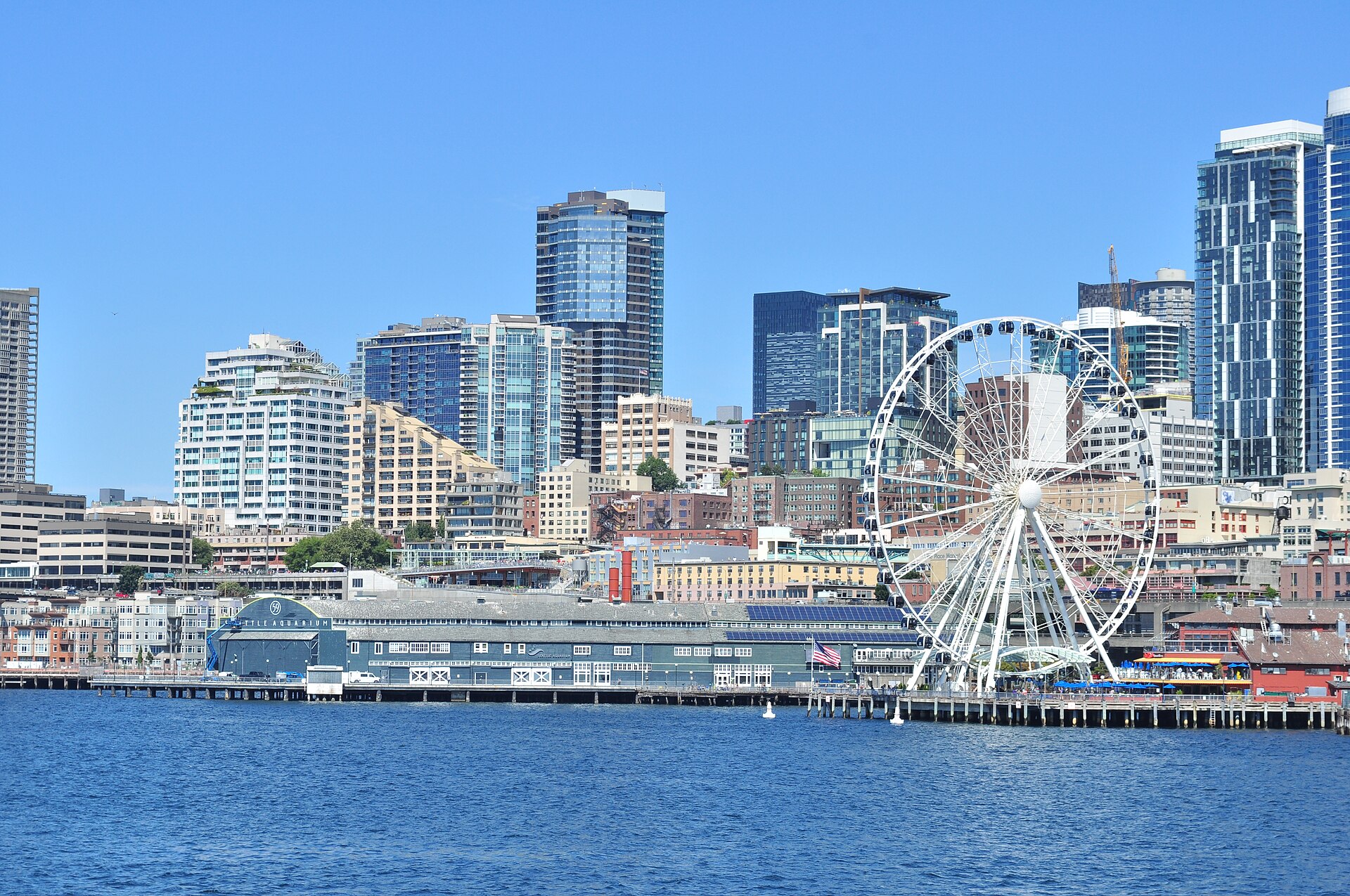
For decades an elevated highway cut downtown off from Elliott Bay. After the Alaskan Way Viaduct came down in 2019, the City of Seattle rebuilt the shoreline as Waterfront Park, part of an $806 million programme completed in 2025. The centrepiece is the Overlook Walk, finished in 2024: an elevated park that steps down from Pike Place Market’s MarketFront to the waterfront beside the Seattle Aquarium, with terraces, seating and views across the bay to the Olympic Mountains. Below it, a promenade and protected bike lane run along Alaskan Way, and the rebuilt Pier 58, completed in 2025, adds lawns, a jellyfish-themed play structure and the restored FitzGerald fountain. It is all free, and it is the simplest answer to what to do near Pike Place Market: walk down to the water rather than around the block.
13. Visit the Seattle Aquarium and Its Ocean Pavilion
At the foot of the Overlook Walk on Pier 59, the Seattle Aquarium concentrates on the waters right outside: tide pools, sea otters, harbour seals and a giant Pacific octopus are the long-running favourites. Across the public plaza, the Ocean Pavilion opened in 2024 and adds the Reef, the aquarium’s largest tropical habitat, seen from above at the Overlook and from below through the Window on the Reef, plus the Archipelago, a mangrove forest and coral lagoon. The aquarium is open daily from 9:30 a.m. to 6 p.m., with last entry at 5 p.m.; children 3 and under are free and youth aged 4 to 12 pay a reduced price. Walk-up tickets are limited at busy times, so reserve an entry time online for summer weekends.
14. Ride the Seattle Great Wheel
Next door on Pier 57, the Seattle Great Wheel rises 175 feet above the pier at the edge of Elliott Bay. Its enclosed gondolas give a lower but closer view than the Space Needle: the ferries sliding in and out of Colman Dock, the Overlook Walk and the downtown towers, with the Olympics across the water. It works in any weather and is at its best at dusk, when the wheel itself lights up. On the same pier, Miner’s Landing is home to Wings Over Washington, a flying-theatre ride over the state’s mountains, coast and forests, which keeps younger children happy on a wet afternoon.
15. Ride the Ferry to Bainbridge Island
The cheapest sightseeing cruise in town is a Washington State Ferries sailing from Colman Dock to Bainbridge Island. The crossing takes about 35 minutes, and walk-on passengers pay only when leaving Seattle: $11.35 for adults and $5.65 for seniors, with youth 18 and under free (fares checked November 2026), while the return trip costs nothing. Ride out on the open deck for the Olympic Mountains, then come back on the outer deck facing the city for the classic view of the skyline with Mount Rainier behind it on clear days. On Bainbridge, the village of Winslow is a short walk up from the terminal, with cafés, tasting rooms and waterfront paths. Sailings run all day, year-round; check the seasonal timetable, and leave the car behind unless you are heading on to the Olympic Peninsula.
16. Go Whale Watching or Take a Harbor Cruise
Puget Sound and the wider Salish Sea are among the best places in the US to see orcas. Bigg’s (transient) killer whales, which hunt seals and porpoises, can turn up in any month, while the endangered Southern Resident orcas, just 76 whales at the July 2026 census by the Center for Whale Research, use Washington’s inland waters from spring through fall. Humpbacks and gray whales are seen in Puget Sound too. Whale-watching boats leave from the downtown waterfront in season, with more departing from Anacortes and the San Juan Islands farther north; Washington law keeps boats 1,000 yards from Southern Residents, so bring binoculars. If whales aren’t the goal, Argosy Cruises runs narrated harbor cruises around Elliott Bay from the waterfront piers, an easy hour on the water. To see how the Salish Sea compares with other hotspots, read about the best places to watch whales around the world.
Planning a trip to Seattle?
Our partner Voyada’s tour planner online builds a day-by-day plan with flights, hotels and a real total cost for your dates — in about a minute, free.
Plan trip with AI →Seattle Neighborhoods, Viewpoints and Lakes
17. Catch the Skyline View from Kerry Park
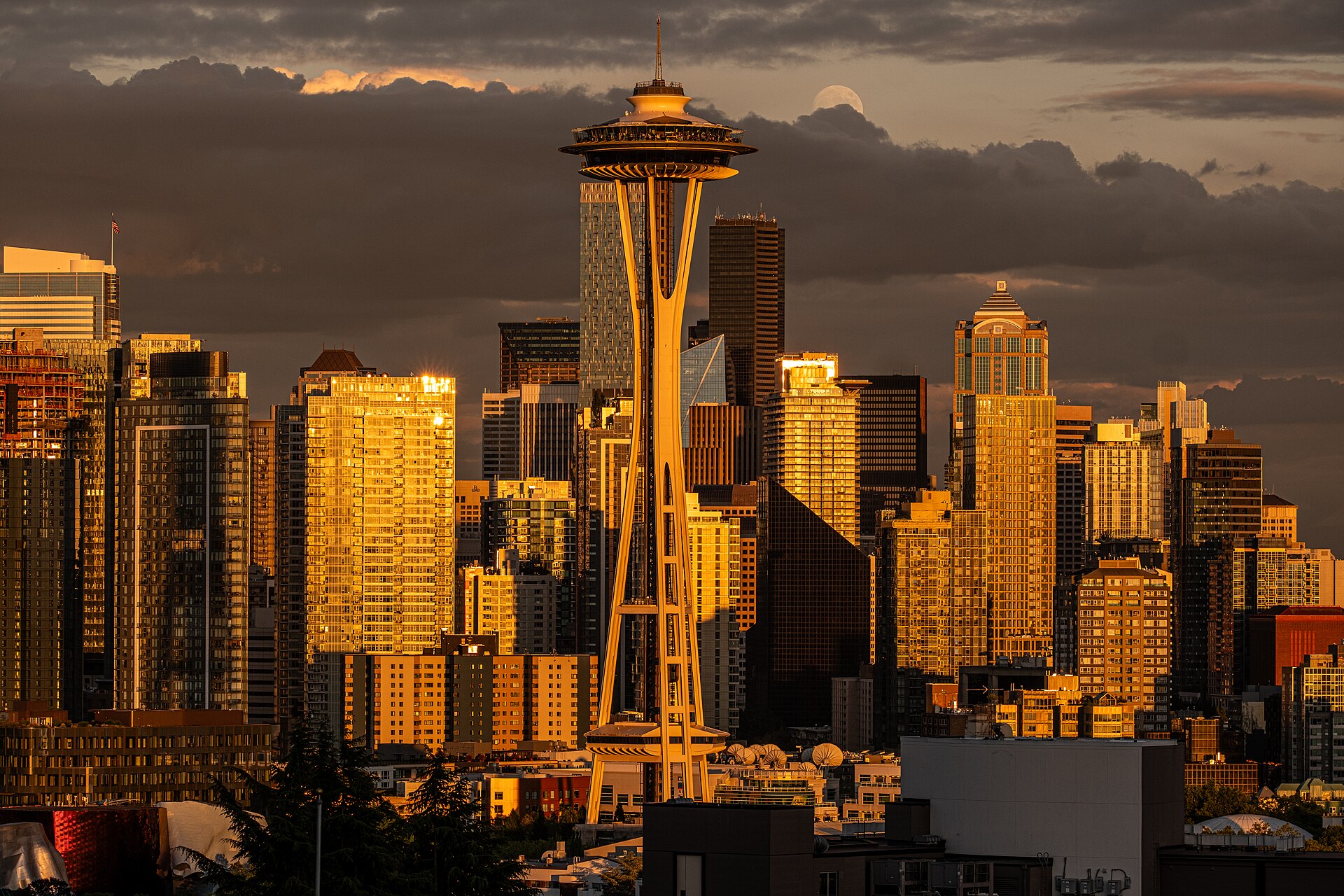
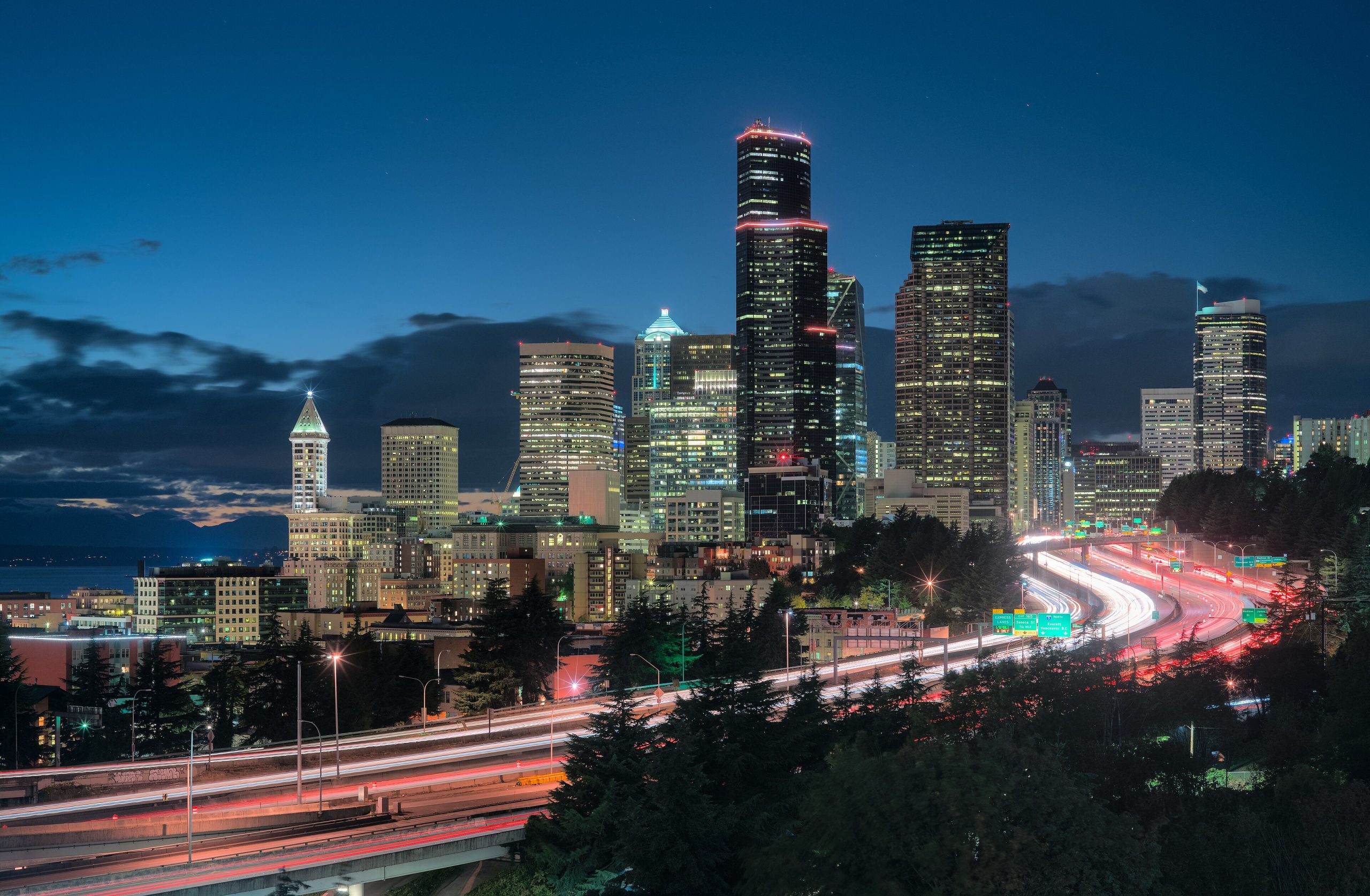
For the postcard shot of Seattle, head up Queen Anne Hill to Kerry Park at 211 West Highland Drive. The small viewpoint looks straight over the Space Needle to downtown and Elliott Bay, with Mount Rainier rising behind on clear days. Photographers line the wall at sunset, and after dark the city parks department calls it “almost a fantasy scene”, with lit ferries gliding across the water and the Needle glowing below. It is free and open from 6 a.m. to 10 p.m. Parking on the surrounding residential streets is tight, so take a bus or rideshare up the hill and walk down through Lower Queen Anne to Seattle Center afterwards.
18. Find the Fremont Troll and Explore Fremont
Fremont calls itself the Center of the Universe, and it is Seattle’s quirkiest neighbourhood. Its best-known resident is the Fremont Troll, an 18-foot concrete sculpture crouched under the north end of the Aurora Bridge and gripping an old Volkswagen Beetle in one hand. It was created in 1990 after a Fremont Arts Council competition to reclaim the dark space under the bridge, and climbing on it is part of the visit. From the troll, wander down to the Ship Canal and follow the Burke-Gilman Trail along the water, browse the Fremont Sunday Market, one of the city’s longest-running year-round markets, and watch floatplanes glide in to land on Lake Union. Gas Works Park is a short walk east along the trail.
19. Picnic at Gas Works Park
On the north shore of Lake Union, Gas Works Park turned the rusting towers of a former gasification plant into one of the most distinctive parks in the country. Climb the big grassy hill, a favourite for kite flying, to the sundial at the top for a view across the lake to the downtown skyline, with seaplanes landing and sailboats crossing in front; it is a classic sunset spot. The 19-acre park is free, open from 6 a.m. to 10 p.m., and the Burke-Gilman Trail runs past its parking lot. One rule to know: the lake sediment here contains hazardous substances, so swimming, wading, fishing and launching boats from the park are all prohibited, and a sediment clean-up project is scheduled for 2026 to 2030.
20. Watch Boats and Salmon at the Ballard Locks
The Hiram M. Chittenden Locks, known to everyone as the Ballard Locks, lift and lower boats between salty Puget Sound and the fresh water of Lake Union and Lake Washington, and they celebrated their centennial in 2017. Watching kayaks, fishing boats and yachts rise or fall in the chambers is oddly absorbing, and the site draws more than a million visitors a year. Across the locks, the 21-step fish ladder is the only route for salmon heading from the Sound to Lake Washington: the U.S. Army Corps of Engineers says sockeye peak in July, Chinook in the last two weeks of August and coho in the last two weeks of September. The grounds and the 7-acre Carl S. English Jr. Botanical Garden are free to explore; the visitor centre and fish-ladder viewing room have had extended closures, so check the Corps’ page before you go. Afterwards, head into Ballard for the National Nordic Museum and the restaurants of Ballard Avenue.
21. Get Out on Lake Union
Lake Union sits in the middle of the city, and the best way to see it is from the water. Rent a kayak or paddleboard, hire one of the Electric Boat Company’s 10-passenger electric boats for a picnic cruise past the houseboats (including the floating home from Sleepless in Seattle), or splurge on a Kenmore Air seaplane flight, which takes off from the lake. At the south end in South Lake Union, the 12-acre Lake Union Park is home to the Center for Wooden Boats and MOHAI, the Museum of History & Industry, a 50,000-square-foot museum of Seattle and Puget Sound history; adults pay $25 and youth 14 and under are free. A few blocks away, the three glass domes of the Seattle Spheres hold plants from more than 30 countries.
22. Spend an Afternoon on Capitol Hill and in Volunteer Park
Capitol Hill is Seattle’s liveliest neighbourhood, packed with independent coffee bars, record shops and restaurants, and it has the city’s busiest nightlife along Pike and Pine streets. At its north end, Olmsted-designed Volunteer Park, a Seattle Landmark since 2011, holds the Volunteer Park Conservatory, completed in 1912, and the Seattle Asian Art Museum, which reopened after a 2018–2020 renovation and expansion. Climb the brick water tower (open 10 a.m. to dusk) for a free view over the city, and frame the Space Needle through Isamu Noguchi’s Black Sun sculpture. From July until the first frost, the Puget Sound Dahlia Association’s beds are in full bloom. Capitol Hill has its own light rail station, a few minutes’ ride from downtown.
Parks, Beaches and Gardens
23. Hike to the Lighthouse in Discovery Park
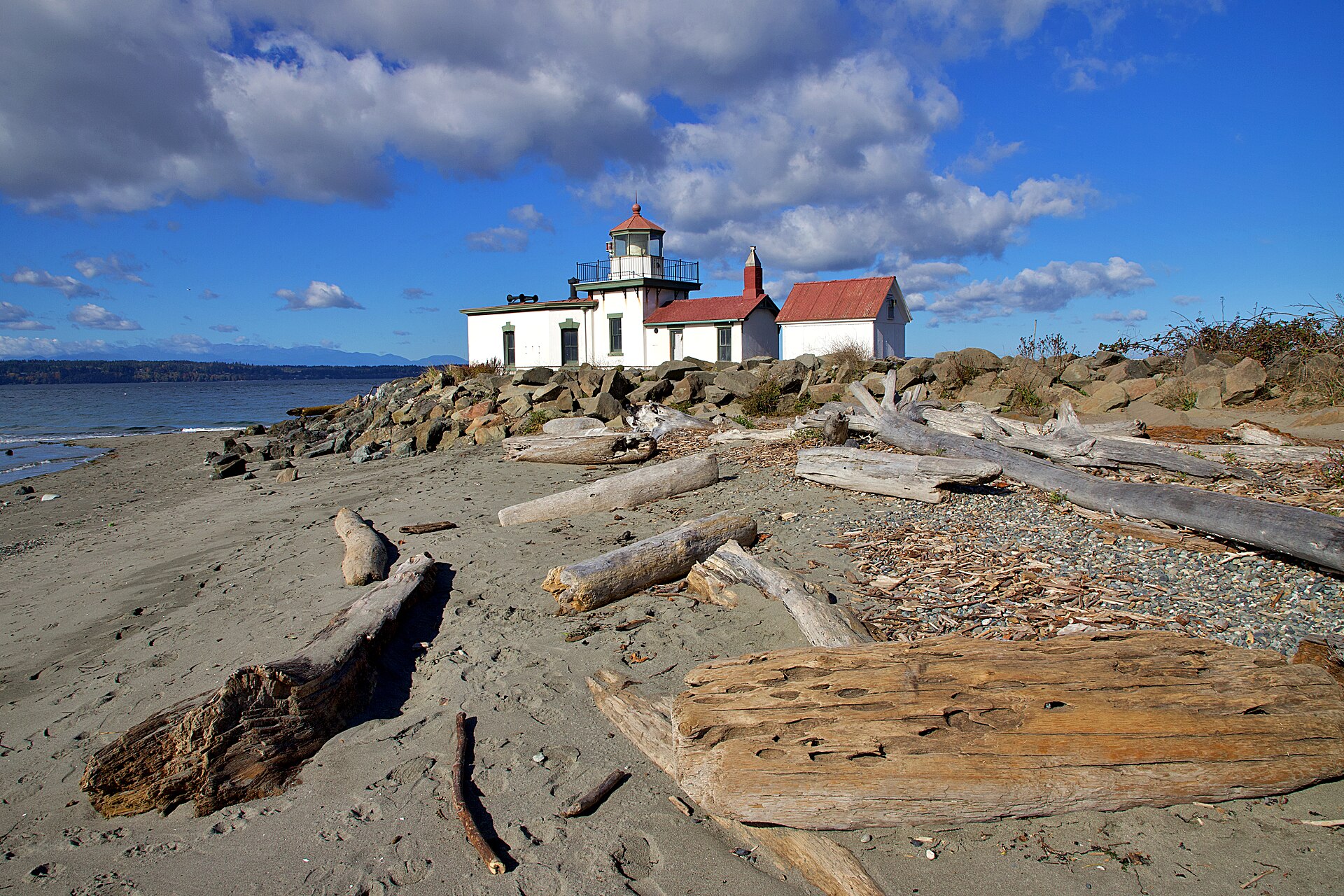
Seattle’s largest park, Discovery Park covers 560 acres of the former Fort Lawton army base on Magnolia Bluff. Trails lead through forest and meadow to sea cliffs and two miles of protected tidal beach, with views of both the Cascades and the Olympic Mountains; the classic outing drops down to the West Point Lighthouse at the tip of the point. The park also holds the Daybreak Star Indian Cultural Center, which grew out of the 1970 occupation of Fort Lawton led by Bernie Whitebear. It is open from 4:30 a.m. to 11 p.m. Two things to know: the visitor centre is closed until summer 2027 after flood damage, and only ADA placard holders may park at the beach, so walk down from the North, East or South lots.
24. Take the Water Taxi to Alki Beach
Seattle’s favourite summer beach, Alki Beach Park in West Seattle is a 2.5-mile strip from Alki Point to Duwamish Head, where the city’s first white settlers landed in November 1851 and Chief Seattle and his people helped them build their first cabin. Getting there is half the fun: the King County Water Taxi crosses Elliott Bay from downtown in 10 to 15 minutes, with fares from $5 and youth 18 and under free, and connects with shuttles to the beach. Walk or cycle the waterfront path, grab fish and chips and look back across the bay at the skyline. The water stays between 46 and 56°F, so most people paddle rather than swim, and the beach fire pits open from Memorial Day weekend to Labor Day.
25. Watch the Sunset at Golden Gardens
At the north end of Ballard, Golden Gardens Park faces west across Puget Sound to the Olympic Mountains, which makes it Seattle’s best sunset beach. Developed in 1907 at the end of an electric streetcar line, it has sandy beaches, two wetlands and a short loop trail, forest paths on the bluff, a fishing pier and an off-leash dog area (dogs are not allowed on the beach itself). In summer the first-come, first-served fire pits fill early on warm evenings. The park is open until 10:30 p.m. from May to September and 11:30 p.m. the rest of the year, though the parking lot gates do not open until 7 a.m.
26. Stroll the Washington Park Arboretum and Japanese Garden
East of Capitol Hill, the Washington Park Arboretum is a free, 230-acre collection of trees and gardens managed jointly by the University of Washington Botanic Gardens and the City of Seattle, with trails along Azalea Way and the shore of Lake Washington. At its south end, the Seattle Japanese Garden is a 3.5-acre formal garden designed and built under the supervision of Japanese garden designer Juki Iida in 1960, at its best with spring blossom and autumn maples. The garden charges admission and closes from December through February for maintenance; after a 2026 restoration most of it reopened on July 28, 2026, with the north section closed through November 2026 for wall construction.
27. Visit Woodland Park Zoo
The top pick among things to do in Seattle with kids, Woodland Park Zoo in Phinney Ridge opened in 1899 and spreads over 92 acres with more than 1,000 animals of about 300 species, in habitats such as the African Savanna, Tropical Asia, the Living Northwest Trail and the Humboldt penguin exhibit. Winter hours are 9:30 a.m. to 4 p.m. daily (until 6 p.m. from May 1), and buying general admission four or more days ahead saves 10%. On winter evenings the WildLanterns festival lights up the grounds from November 13, 2026 to January 17, 2027, from 4 to 9 p.m. on most nights. Next door, the free 2.5-acre Rose Garden is worth a detour in early summer.
Food, Coffee, Sports and Nightlife
28. Eat Seattle Seafood and Join a Food Tour
Seattle eats from the cold waters around it: wild Pacific salmon, Dungeness crab, geoduck and briny Puget Sound oysters. Start at Pike Place Market, where you can graze on chowder, smoked salmon and oysters at the counters, then deepen it with a food tour; Visit Seattle lists expert-led tours of Pike Place, doughnuts, coffee, chocolate and wine. Beyond seafood, try a plate of Seattle-style teriyaki, the city’s homegrown fast food, dim sum and pho in the Chinatown-International District, and the beer: Seattle has more than 70 breweries, with the biggest cluster in Ballard, where you can walk from one brewer’s taproom to the next. Book waterfront seafood restaurants ahead for sunset tables in summer.
29. Go on a Seattle Coffee Crawl
Seattle built America’s modern coffee habit, and drinking it is a local ritual. The original Starbucks at Pike Place Market draws long queues for its vintage logo, but the city’s coffee culture runs much deeper. Note that the Starbucks Reserve Roastery on Capitol Hill, long a coffee pilgrimage, closed permanently on September 25, 2025, along with the SoDo Reserve store, so don’t plan around it. Instead, spend a morning working through Capitol Hill’s independent espresso bars and roasters around Pike and Pine streets, then continue to Fremont or Ballard. A coffee crawl is also one of the best things to do in Seattle on a grey day.
30. Catch a Game, a Gig or a Show
Seattle is a big sports town. The Mariners play baseball at T-Mobile Park from spring into early autumn, the Seahawks (NFL) and the Sounders (MLS) play at Lumen Field next door in SoDo, and the Kraken play NHL hockey at Climate Pledge Arena in Seattle Center. For live music, the city that produced Jimi Hendrix and the grunge era still has a deep club scene from Capitol Hill to Ballard, and the historic theatre district downtown includes the Moore Theatre (opened 1907), the 5th Avenue Theatre (1926) and the Paramount Theatre (1928). Add the talks and concerts at Town Hall Seattle, a former church dating from 1916, and there is something on most nights of the week.
Best Day Trips from Seattle
Some of the best things to do near Seattle are an hour or two from downtown: a glaciated volcano, a 270-foot waterfall, wine country, rainforest and islands. This is how the classic day trips from Seattle compare; a car is the easiest way to reach all of them except Bainbridge.
| Destination | Getting there | Best for | Good to know |
|---|---|---|---|
| Mount Rainier (Paradise) | Car; Ashford is about 85 miles from Sea-Tac | Wildflower meadows, glacier views | $30 per vehicle for 7 days, cards only; check for any timed-entry system |
| Snoqualmie Falls | Car via I-90, less than 30 miles east | A short waterfall stop | Open sunrise to sunset; free lot across the street, $7 an hour beside the falls |
| Woodinville wine country | Car, about 30 minutes | Tastings at 130-plus wineries | Book tastings and a driver |
| Olympic National Park | Ferry to Bainbridge or Kingston, then Hwy 101 | Rainforest, coast, Hurricane Ridge | Too big for one day; stay a night |
| Mount St. Helens | Car, south on I-5 | Volcanic landscapes | Johnston Ridge Observatory closed after a 2023 landslide |
| Leavenworth | Car over Stevens Pass on US 2 | Bavarian-style village, Christmas lights | Village of Lights November 27 to December 24, 2026 |
| San Juan Islands | Car to Anacortes, then ferry | Orcas, island villages | Ferry to Friday Harbor roughly 70–90 minutes |
Mount Rainier National Park
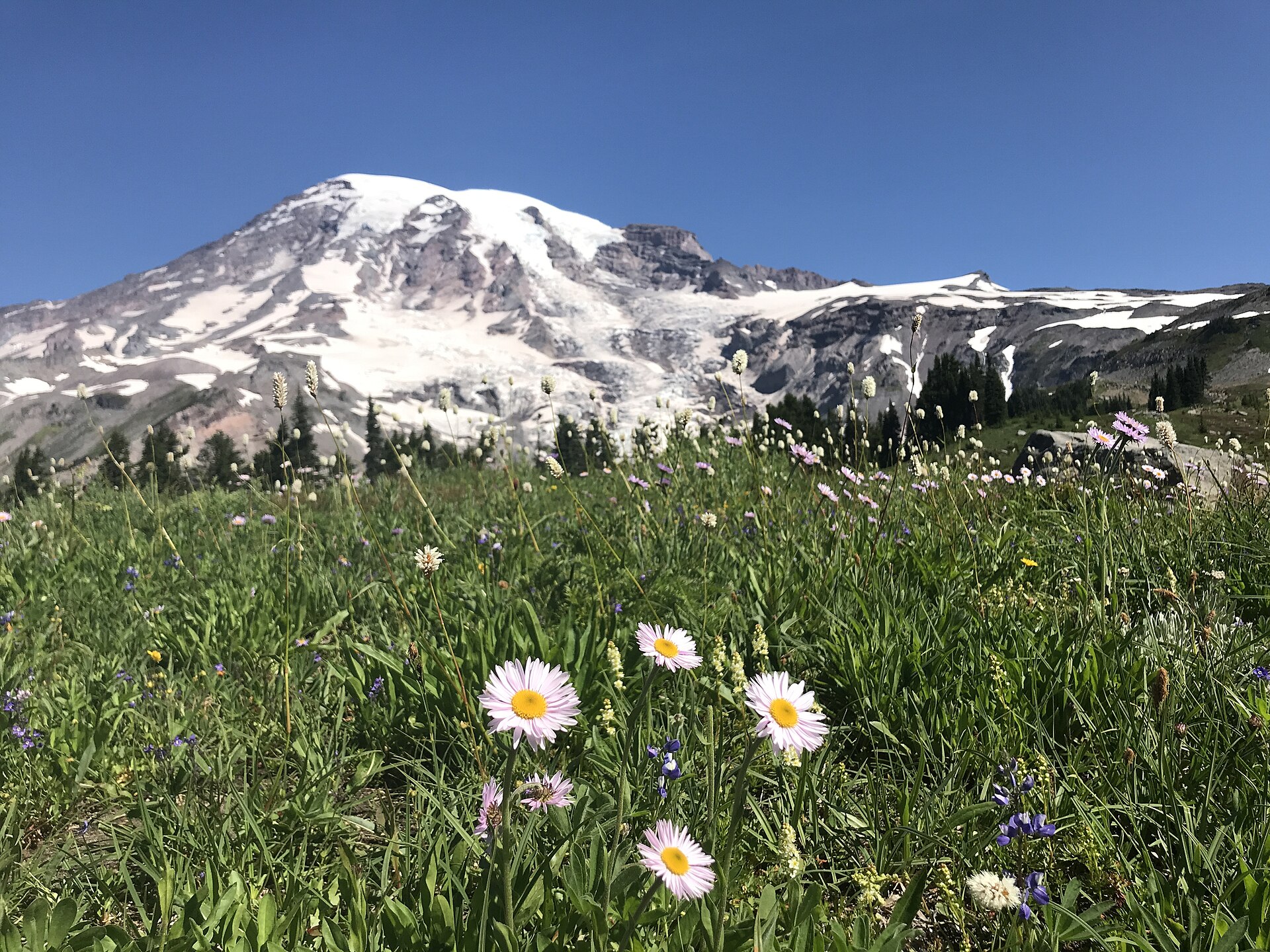
The 14,410-foot volcano that floats over the Seattle skyline is the region’s greatest day trip. Head for Paradise on the south side: the gateway town of Ashford is about 85 miles from Sea-Tac Airport, and from Longmire it is another 12 miles and 25 minutes up to Paradise’s visitor centre, wildflower meadows and trailheads. A private-vehicle pass costs $30 for seven days and the park does not accept cash. On summer weekends the Paradise lot fills by late morning, so Mount Rainier National Park suggests visiting on weekdays and arriving early in the morning or late in the afternoon; check the park website for any timed-entry system before you go. From November 1 the Longmire–Paradise road closes nightly through winter, and all vehicles must carry snow chains, so check the road status on the morning you go.
Snoqualmie Falls
Less than 30 miles east of Seattle off I-90, Snoqualmie Falls plunges about 270 feet into a rocky gorge, and it is the easiest big-nature stop from the city. The park around the falls is open from sunrise to sunset every day of the year, with two observation decks in the upper park and a trail down to a lower viewing area by the river. Parking across the street is free; the lot beside the falls costs $7 an hour. Combine it with the old railway town of Snoqualmie, or continue east into the Cascades for a hike, and you have an easy half day that works in any season.
Woodinville Wine Country
About 30 minutes northeast of downtown, Woodinville has more than 130 wineries and tasting rooms, most pouring wines made from grapes grown east of the Cascades. The anchor is Chateau Ste. Michelle, whose Woodinville estate runs a 75-minute Grand Estate Tour with a tasting for $55 per person (reservations suggested) and a summer concert series in its outdoor amphitheatre; its tasting room is open daily. Book tastings ahead at weekends, and arrange a designated driver or a guided tour, as the wineries are spread across the valley and the warehouse district.
Olympic National Park
Mountains, temperate rainforest and wild Pacific coast make Olympic National Park one of the great national parks, but it is too big for a day. The National Park Service suggests Port Angeles as a base for Hurricane Ridge, where Clallam Transit shuttles run from May to early September, Forks for the Hoh Rain Forest, and a base near Lake Crescent. From Seattle, take the ferry to Bainbridge or Kingston and drive on to Highway 101, crossing the Hood Canal Bridge, which closes periodically for boat traffic. Plan at least one night, and check road conditions in fall and winter.
Mount St. Helens
The volcano that erupted on May 18, 1980 is a long drive south of Seattle, and its headline viewpoint is out of action. Johnston Ridge Observatory has been closed since a 2023 landslide destroyed the 85-foot Spirit Lake Outlet Bridge on State Route 504. WSDOT now expects the replacement bridge and road to be finished in spring 2027, after which the U.S. Forest Service still has to restore power and repair the observatory before it reopens to the public. Until then, Mount St. Helens is better as a stop on a road trip toward Portland than as a day trip from Seattle; check the Forest Service’s updates before you go.
Leavenworth
Across the Cascades on US 2 over Stevens Pass, Leavenworth is a Bavarian-themed mountain village of painted, timbered façades, beer halls and riverside trails along the Wenatchee River and Icicle Creek. It is busiest in December, when the Village of Lights: Christmastown festivities run from November 27 to December 24, 2026, with the lights on daily through the end of February. In winter, storms on Stevens Pass can require chains or traction tires, so check the pass report before you drive, especially at night, and expect paid parking downtown during the festival.
The San Juan Islands
For a weekend rather than a day, the San Juan Islands are the Northwest’s classic island escape, with orca watching from the shore, lavender farms, quiet roads for cycling and small harbour towns. Washington State Ferries leave from Anacortes, and direct sailings to Friday Harbor take roughly 70 to 90 minutes; vehicle reservations are strongly recommended and WSDOT advises arriving 45 to 60 minutes early. See how they compare with other islands in America. If you are carrying on north across the border, our Vancouver itinerary picks up where this guide ends.
Best Things to Do in Seattle by Trip Type
Short on time, or planning fun things to do in Seattle for a particular crowd? These are the strongest picks from the list for each kind of trip.
| Trip type | Top picks | Why |
|---|---|---|
| First visit | Pike Place Market, Space Needle, Chihuly Garden and Glass, Overlook Walk, Bainbridge ferry | The icons, linked by a short walk, the monorail or a ferry |
| Couples | Kerry Park at sunset, Smith Tower’s observatory bar, Woodinville tastings, a dusk ferry | Views, wine and slow evenings |
| Kids | Woodland Park Zoo, Pacific Science Center, Seattle Aquarium, Museum of Flight, Alki Beach | Animals, hands-on exhibits and room to run |
| Free | Kerry Park, Discovery Park, Olympic Sculpture Park, Central Library, Ballard Locks, Klondike museum | No admission charge |
| Rainy day | MoPOP, Museum of Flight, Chihuly galleries, Central Library, Underground Tour | All or mostly indoors |
| At night | Space Needle after dark, Capitol Hill bars, a Mariners or Kraken game, the theatre district | Venues open late |
| Summer | Alki Beach, Golden Gardens, Lake Union kayaking, Mount Rainier’s meadows | The driest, warmest months |
| Winter | WildLanterns at the zoo, Leavenworth’s lights, museums, the Chihuly Glasshouse | Indoor sights and festive events |
Free Things to Do in Seattle
- Pike Place Market – browse the stalls, watch the fish throwing and find the Gum Wall.
- Overlook Walk and Waterfront Park – the rebuilt shoreline from the market down to the piers.
- Kerry Park – the classic skyline view, best at sunset.
- Olympic Sculpture Park – 9 acres of outdoor art above Elliott Bay.
- Seattle Central Library – landmark architecture and the 10th-floor reading room.
- Klondike Gold Rush National Historical Park – a free museum and film in Pioneer Square.
- Ballard Locks – boats in the chambers, the fish ladder and the botanical garden.
- Discovery Park, Gas Works Park and Golden Gardens – trails, skyline views and beaches.
- Volunteer Park water tower – a free climb for city views, 10 a.m. to dusk.
- Museum of Flight – free from 5 to 9 p.m. on the first Thursday of each month.
Things to Do in Seattle with Kids
Seattle is easy with children, not least because youth 18 and under ride Link light rail, the King County Water Taxi and the Bainbridge ferry (as foot passengers) for free, and youth with a Youth ORCA card ride the monorail free. The best things to do in Seattle with kids are Woodland Park Zoo, Pacific Science Center and the International Fountain, the Seattle Aquarium, the Museum of Flight, the jellyfish play structure on Pier 58 and a ferry ride on the open deck. In summer add Alki Beach and Golden Gardens; on wet days, MoPOP and Wings Over Washington. For more trips that work with children, browse these family vacation ideas.
Things to Do in Seattle on a Rainy Day
Seattle averages about 156 days a year with measurable rain, so it is well set up for grey weather. For things to do in Seattle on a rainy day, stay under cover at MoPOP, the Museum of Flight, Chihuly’s galleries and Glasshouse, the Seattle Art Museum, MOHAI, the Wing Luke Museum, the Central Library and the Seattle Aquarium, or join the Underground Tour. Pike Place Market’s covered arcades and a coffee crawl on Capitol Hill fill the gaps.
Things to Do in Seattle at Night
After dark, go up the Space Needle for the city lights (it stays open into the evening year-round; check the day’s closing time), stand at Kerry Park as the ferries glide past, or ride the Great Wheel when it lights up. Capitol Hill along Pike and Pine streets has the busiest nightlife, with clubs and late bars; Ballard and Belltown are close behind. Add a show in the theatre district, a gig, a Kraken or Mariners game, and, from November to January, WildLanterns at the zoo until 9 p.m.
Non-Touristy Things to Do in Seattle
For unique things to do in Seattle away from the cruise-day crowds, try these hidden gem picks, all mentioned above:
- Waterfall Garden Park – a pocket park with a waterfall in Pioneer Square.
- Seattle Pinball Museum – playable machines in the Chinatown-International District.
- Center for Wooden Boats – historic small craft on Lake Union.
- Carl S. English Jr. Botanical Garden – 7 acres beside the Ballard Locks.
- Daybreak Star Indian Cultural Center – in Discovery Park.
- Fremont Sunday Market – one of the city’s longest-running year-round markets.
- The water taxi to West Seattle – skyline views for $5.
Seattle Itinerary: Things to Do in Seattle for a Day, 2 Days or 3 Days
With only one day in Seattle, follow Day 1. With 3 days, follow all three and you will see the city properly; three days is also enough to fit in a museum if it rains.
| Day | Morning | Afternoon | Evening |
|---|---|---|---|
| Day 1 (if you have 1 day) | Pike Place Market early, Overlook Walk, Seattle Aquarium | Monorail to Seattle Center: Chihuly Garden and Glass, MoPOP | Space Needle at sunset, then Kerry Park |
| Day 2 | Pioneer Square, the Underground Tour and the Klondike museum | Ferry to Bainbridge Island and back | Dinner and bars on Capitol Hill |
| Day 3 | Ballard Locks, then Discovery Park or Golden Gardens | Fremont Troll, Gas Works Park, a kayak on Lake Union | A game, a gig or a show |
| Day 4 (optional) | Mount Rainier (Paradise), leaving early | Or Snoqualmie Falls and Woodinville | Back in the city for seafood |
Getting Around Seattle Without a Car
A car isn’t needed for the city core. Downtown, Pike Place Market, the waterfront, Pioneer Square and the Chinatown-International District are all walkable (if hilly), and buses fill the gaps to Fremont, Ballard and Discovery Park. Link light rail runs from Sea-Tac Airport through downtown, Capitol Hill and the University District for a flat $3 adult fare, and youth 18 and under ride free. Pay with an ORCA card, the region’s reloadable transit card that also works on buses, the monorail and the water taxi, or tap a contactless bank card on Link. Downtown traffic and parking are slow and expensive, so keep a rental car for the days you leave the city.
| Option | Adult fare | Best for |
|---|---|---|
| Link light rail | $3 flat fare; youth 18 and under free | Airport, downtown, Capitol Hill, University District |
| Seattle Center Monorail | $4 one way; $2 ages 6–18 | Westlake Center to Seattle Center in about 2 minutes |
| Washington State Ferries | $11.35 on foot, charged leaving Seattle only | Bainbridge Island and the Olympic Peninsula |
| King County Water Taxi | From $5; youth free | West Seattle and Alki Beach (10–15 minutes), Vashon Island (about 22 minutes) |
| Rental car | Rental plus parking | Mount Rainier, Snoqualmie Falls, Woodinville, the Cascades |
Where to Stay in Seattle
Most first-time visitors stay downtown, but each area suits a different trip. Summer is Seattle’s busiest season, so book early for July and August; rooms are easier to find from November to March.
| Area | Best for | What it’s like |
|---|---|---|
| Downtown / Pike Place | First-timers without a car | Walk to the market, the waterfront, SAM and light rail |
| Belltown | Couples, food and bars | Between Pike Place and Seattle Center, near the Olympic Sculpture Park |
| Lower Queen Anne / Seattle Center | Families, Space Needle fans | Walk to Seattle Center; Kerry Park is up the hill |
| South Lake Union | Business travellers | Modern hotels near Lake Union, MOHAI and the Spheres |
| Capitol Hill | Nightlife and cafés | Own light rail station; walk to bars, cafés and Volunteer Park |
| Pioneer Square | Game days, history | Historic district a short walk from Lumen Field and T-Mobile Park |
Best Time to Visit Seattle
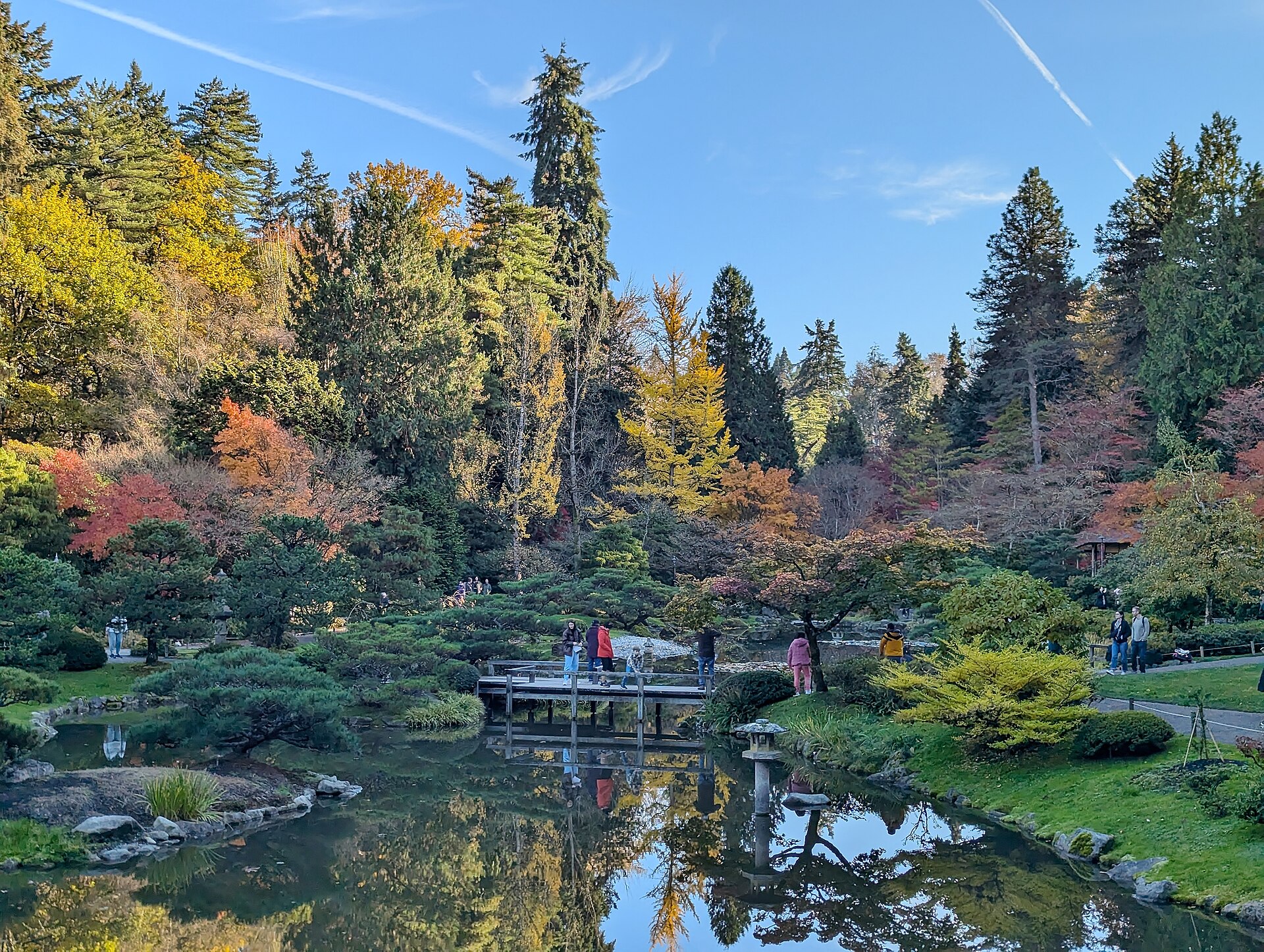
Seattle’s rainy reputation is about frequency rather than volume: Sea-Tac Airport averages 39.34 inches of precipitation a year, spread over about 156 days with measurable rain, according to NOAA’s 1991–2020 climate normals. Summer (July to September) is the clear winner: July averages just 0.60 inches of rain over about five wet days, highs reach the upper 70s and long evenings suit the waterfront, ferries and Mount Rainier, though it is also the busiest season. Late spring (May and June) and October are good shoulder months. From November to January, each month averages close to six inches of rain and highs of 47–52°F, which makes it the season for museums, coffee and festive events rather than mountain views.
| Season | Avg high / low (°F) | Rain per month (in) | Best things to do |
|---|---|---|---|
| Winter (Dec–Feb) | 47–50 / 37–38 | 3.8–5.8 | Museums, WildLanterns, Leavenworth’s lights, snow at Paradise |
| Spring (Mar–May) | 54–66 / 40–49 | 1.9–4.2 | Japanese Garden reopens in March, Arboretum blooms, Mariners season begins |
| Summer (Jun–Aug) | 71–78 / 53–57 | 0.6–1.5 | Beaches, ferries, Lake Union, Rainier’s meadows, sockeye at the Locks in July |
| Fall (Sep–Nov) | 52–72 / 41–54 | 1.6–6.3 | Coho at the Locks in late September, autumn colour, Seahawks games |
The best things to do in Seattle in summer are outdoors: beach fires at Alki and Golden Gardens, kayaking on Lake Union and wildflowers at Paradise; Olympic National Park and the San Juans also rank among the best places to travel in August. Things to do in Seattle in winter lean indoors and festive: museums, the Chihuly Glasshouse, WildLanterns at the zoo and a weekend among Leavenworth’s Christmas lights.
Related Guides
Frequently Asked Questions
What is Seattle best known for?
Seattle is known for Pike Place Market, the space-age Space Needle, its coffee culture (the birthplace of Starbucks and the American coffee scene), its music heritage (grunge and Jimi Hendrix), its scenic setting on Puget Sound with views of Mount Rainier, and the tech industry.
How many days do you need in Seattle?
Three days covers the highlights: Pike Place Market, the waterfront and Seattle Center on day one, Pioneer Square and a ferry to Bainbridge Island on day two, and the Ballard Locks, Fremont and a park on day three. With one day, stick to the market, the Overlook Walk and the Space Needle. Add a fourth day for Mount Rainier, or two nights for Olympic National Park.
Is the Space Needle worth it?
Yes — the Space Needle is Seattle’s iconic symbol, and the 520-foot observation deck offers breathtaking 360-degree views of the city, Puget Sound and (on a clear day) Mount Rainier, made more thrilling by the rotating glass floor and open-air deck. It pairs perfectly with Chihuly Garden and Glass next door.
What is there to do in Seattle when it rains?
Plenty — explore the covered Pike Place Market, the Museum of Pop Culture, the Museum of Flight, the Seattle Art Museum, Chihuly Garden and Glass, the aquarium, and the city’s famous coffee shops and Pioneer Square’s underground tour. Seattle is well set up for grey days.
Is the Bainbridge Island ferry worth it?
Yes. The 35-minute Washington State Ferries crossing from Colman Dock is the cheapest way to see Seattle from the water: walk-on adults pay $11.35 leaving Seattle (fares checked November 2026), seniors $5.65 and youth 18 and under nothing, and the trip back is free. Ride the outer deck on the return for the skyline with Mount Rainier behind it, and allow an hour or two to walk up into Winslow on Bainbridge.
When is the best time to visit Seattle?
July to September is the best time to visit Seattle. Sea-Tac averages highs of 72–78°F and less than two inches of rain a month, and the mountains are most often visible, though it is also the busiest season. May, June and October are quieter shoulder months, while November to January are the wettest, with close to six inches of rain a month, better for museums and indoor sights.
Is Seattle safe for tourists?
Yes, Seattle is generally safe for visitors sticking to the main tourist areas, Pike Place Market, the waterfront, Seattle Center and Capitol Hill. As in most big US cities, some downtown areas, particularly around Third Avenue and parts of Pioneer Square, can feel less comfortable after dark due to visible homelessness and occasional petty crime, so it’s sensible to stay in well-lit, busy areas at night and use a rideshare rather than walking long distances alone. Daytime sightseeing throughout the city is straightforward and safe.
Is Seattle expensive compared to other big US cities?
Yes, Seattle is one of the more expensive US cities to visit, especially for hotels in summer. Paid sights add up too: the Space Needle costs $35–$55 and Chihuly Garden and Glass $40–$45 for adults. Balance them with the many free things to do in Seattle, including Pike Place Market, Kerry Park, Discovery Park, the Olympic Sculpture Park and the Ballard Locks, and use the $3 light rail rather than taxis.
How many rainy days does Seattle get a year?
About 156 days a year bring at least a hundredth of an inch of rain at Sea-Tac Airport, but only about 93 bring a tenth of an inch or more, according to NOAA’s 1991–2020 climate normals; the annual total is 39.34 inches. Most of it falls from October to April: November averages 6.31 inches, while July averages just 0.60 inches over about five wet days, so summer visitors usually see little rain.
How much does it cost to go up the Space Needle?
General admission costs $35 to $55 for adults, depending on the date and time, with reduced prices for youth aged 5 to 12 and seniors 65 and over (prices checked November 2026). Tickets are timed in 15-minute arrival slots, but once inside you can stay on the observation levels until closing. Combination tickets with Chihuly Garden and Glass are also sold, so book online ahead for the slot you want, ideally before sunset.
When's the best time for whale watching near Seattle?
You can see orcas near Seattle in any month, because Bigg’s (transient) killer whales, which hunt seals and porpoises, are present year-round. The endangered Southern Residents, 76 whales at the July 2026 census, use Washington’s inland waters mainly from spring to fall, and humpbacks and gray whales are seen in Puget Sound too. Tours leave from the Seattle waterfront and from Anacortes and the San Juan Islands, and state law keeps boats 1,000 yards from Southern Residents.
How much does the Seattle Center Monorail cost?
A one-way ride costs $4 for adults and $2 for youth aged 6 to 18 and reduced-fare riders (seniors 65 and over, riders with disabilities and Medicare card holders), and children under 5 ride free; a round trip is twice the price. You can also tap an ORCA card at the gates. The ride between Westlake Center downtown and Seattle Center, beside the Space Needle, takes about two minutes and has run since 1962.
How do you get from Seattle-Tacoma airport to downtown?
Take Link light rail. From baggage claim, follow the Link signs up one level to the skybridge, cross Skybridge Six and turn left through the parking garage to SeaTac/Airport station; free electric carts run between the skybridge and the station from 5 a.m. to midnight. Trains leave every 8 to 10 minutes for most of the day, take about 38 minutes to downtown and cost a flat $3 for adults, with youth 18 and under free. Taxis and rideshares leave from the third floor of the garage.
Can you visit Mount Rainier as a day trip from Seattle?
Yes, but it is a full day. Ashford, the gateway town on the Paradise side, is about 85 miles from Sea-Tac Airport, and Paradise is another 25 minutes beyond Longmire, so leave early. In summer the park suggests visiting on weekdays and arriving early in the morning or late in the afternoon for parking; check for any timed-entry system before you go. A private vehicle pays $30 for seven days, by card only. From November 1 the road above Longmire closes nightly and chains are required in winter, so check road status before you go.
What can you do in Seattle in one day?
With one day in Seattle, start at Pike Place Market before the crowds, walk the Overlook Walk down to the waterfront and the Seattle Aquarium, then ride the two-minute monorail from Westlake Center to Seattle Center for Chihuly Garden and Glass and MoPOP. Book a Space Needle slot near sunset and finish at Kerry Park for the night view. Everything links up on foot and by monorail, so you will not need a car.
What can you see in Seattle in 3 days?
In three days you can see Pike Place Market, the waterfront and Seattle Center on day one, Pioneer Square, the Underground Tour and a ferry to Bainbridge Island on day two, and the Ballard Locks, the Fremont Troll, Gas Works Park and Discovery Park or Golden Gardens on day three. Evenings go to Kerry Park, Capitol Hill and a game or show. Add a fourth day for Mount Rainier.
Is Seattle worth visiting?
Yes. Few US cities pack so much into a small area: a public market trading since 1907, a World’s Fair landmark, ferries across Puget Sound, salmon climbing a fish ladder and a 14,410-foot volcano on the horizon. Add strong museums, coffee and seafood, plus day trips to Mount Rainier, Olympic and North Cascades national parks, and Seattle suits first-timers, families and outdoor travellers. Visit in summer for the best weather.
What are the best free things to do in Seattle?
The best free things to do in Seattle are wandering Pike Place Market, walking the Overlook Walk and Waterfront Park, the Kerry Park viewpoint, the Olympic Sculpture Park, the Seattle Central Library, Klondike Gold Rush National Historical Park, the Ballard Locks and fish ladder, and Discovery Park, Gas Works Park and Golden Gardens. The Museum of Flight is free from 5 to 9 p.m. on the first Thursday of each month.
What is a good budget for a trip to Seattle?
Your hotel will be the biggest cost, highest in summer, so budget for that first, then add sightseeing. Typical adult prices checked in November 2026: Space Needle $35–$55, Chihuly Garden and Glass $40–$45, Museum of Flight $29, MOHAI $25, Wing Luke Museum $25.95, the Bainbridge ferry $11.35 round trip on foot, Link light rail $3 a ride and the monorail $4. Many top sights are free.
What should you avoid doing in Seattle?
A few things not to do: don’t drive and park downtown when light rail, the monorail and your feet will do; avoid Pike Place Market at midday on summer weekends if you can; don’t swim or wade at Gas Works Park, where the lake sediment is contaminated; don’t spend the Space Needle on a cloudy day if your dates are flexible; and keep boats 1,000 yards from Southern Resident orcas, as state law requires.
What is there to do in Seattle before a cruise?
Seattle’s ships sail from the Bell Street Cruise Terminal at Pier 66, about a 20-minute walk or 6-minute drive from Westlake Station, and the Smith Cove Cruise Terminal at Pier 91, about 15 minutes by car. Before a cruise from Pier 66 you can walk to Pike Place Market, the Overlook Walk, the Seattle Aquarium and the Olympic Sculpture Park; from Pier 91, Kerry Park and Seattle Center are a short ride away.
Can you take a guided tour of Seattle?
Yes. Popular choices are Bill Speidel’s Underground Tour, a 75-minute guided walking tour beneath Pioneer Square; a food tour of Pike Place Market, one of several themed tours Visit Seattle lists, from doughnuts to coffee; narrated harbor cruises on Elliott Bay; and free ranger programmes at Klondike Gold Rush National Historical Park in summer. Guided day tours also run to Mount Rainier, Olympic and North Cascades national parks.
What is there to do in Seattle in winter?
Things to do in Seattle in winter lean indoors and festive. WildLanterns lights up Woodland Park Zoo from November 13, 2026 to January 17, 2027, and Leavenworth’s Village of Lights runs from November 27 to December 24, 2026. MoPOP, the Museum of Flight, the Chihuly Glasshouse, the Underground Tour and Pike Place Market work in any weather. Expect highs of 47–50°F and pack a waterproof layer.
Planning Your Seattle Trip
Seattle rewards a plan built around neighbourhoods and weather. Give it three days: one for Pike Place Market, the waterfront and Seattle Center, one for Pioneer Square and a ferry to Bainbridge Island, and one for the Ballard Locks, Fremont and the parks, then add Mount Rainier if the mountain is out. Come between July and September for the driest weather and clearest views, and keep the museums, the coffee crawl and the Underground Tour for grey days.
Before you go: turn this guide into a day-by-day plan. Our partner Voyada is a free itinerary planner that builds the trip with flights, hotels and a real total cost for your dates — in about a minute.
Plan my trip for me →