
Table of Contents
ToggleAncient Aztec pyramids, colonial palaces, world-class museums, leafy bohemian neighbourhoods and a street-food scene like no other — Mexico City is one of the world’s great, and most underrated, capitals. If you’re wondering about the best things to do in Mexico City, CDMX rewards you with layers of history, art and flavour, all buzzing with irrepressible energy.
From exploring Aztec ruins in the heart of downtown and walking the Avenue of the Dead at Teotihuacán to floating the canals of Xochimilco and eating your way through Roma and Condesa, there’s far more here than a first visit can hold. Deciding what to do in Mexico City comes down to time and taste, so this guide ranks 34 of the best things to do, grouped by area, with opening days, 2026 entry prices and how long each one takes.
You’ll also find the practical side: free things to do, a Mexico City itinerary for 2 to 5 days, the best time to visit, where to stay, how to get around and which big sights close on Mondays.
✈️ TripToGo Travel Deals
Get notified about great travel deals
Hand-picked flight, hotel and destination deals, straight to your inbox. No spam, unsubscribe anytime.
🎉 Thank you for subscribing!
You’re all set — the best travel deals are on their way.
Key Takeaways
- Mexico City (CDMX) packs Aztec ruins, colonial palaces, world-class museums and one of the world’s great street-food scenes into one high-altitude capital.
- Top things to do: the Zócalo & Templo Mayor, Teotihuacán, the Frida Kahlo Museum, the National Museum of Anthropology, Xochimilco and lucha libre.
- Plan around Mondays: the Anthropology Museum, the Templo Mayor and the Frida Kahlo Museum all close, while Teotihuacán and Museo Soumaya open daily.
- Frida Kahlo Museum tickets (MXN 320) are sold online only, so book before you go.
- The dry season (Nov–Apr) is the best time; Day of the Dead festivities run from mid-October to mid-November.
- The city sits at 2,240 m (7,350 ft), so take it easy on day one, and base yourself in walkable Roma or Condesa.
Best Things to Do in Mexico City at a Glance
Here’s how the must-see sights compare on area, time needed and cost. Prices are 2026 rates in Mexican pesos (MXN) for visitors from abroad, taken from the official sources linked in each section below.
| Thing to do | Area | Time needed | Cost (MXN) | Good to know |
|---|---|---|---|---|
| Zócalo & Metropolitan Cathedral | Centro Histórico | 1–2 hours | Free | Start here; the Templo Mayor is next door |
| Templo Mayor | Centro Histórico | 2 hours | INAH ticket | Closed Mondays |
| Palacio Nacional murals | Centro Histórico | 1–1.5 hours | Guided tour | Reserve ahead by email |
| Palacio de Bellas Artes | Alameda Central | 1–2 hours | Museum ticket | Home of the Ballet Folklórico |
| National Museum of Anthropology | Chapultepec | 3–4 hours | 210 | Closed Mondays |
| Museo Soumaya | Polanco | 1–2 hours | Free | Open daily |
| Frida Kahlo Museum | Coyoacán | 1–2 hours | 320 | Online tickets only; closed Mondays |
| Xochimilco trajinera | Xochimilco | 2–3 hours | 750 per boat per hour | Up to 18 people per boat |
| Teotihuacán | State of Mexico, about 1 hour away | Half a day | 210 | Open daily, 8am–5pm |
| Lucha libre | Arena México, Doctores | 2–3 hours | Ticketed | Tuesday & Friday nights, Sunday afternoons |
| Street food & markets | Citywide | Any time | A few dollars a meal | Pick busy stalls that cook to order |
Planning a Mexico City trip?
Our partner Voyada’s itinerary generator builds a day-by-day plan with flights, hotels and a real total cost for your dates — in about a minute, free.
Plan trip with AI →Must-See Things to Do in Mexico City's Historic Centre
The sights you must see in Mexico City cluster within a short walk of the Zócalo. The UNESCO-listed Historic Centre, inscribed in 1987 together with Xochimilco, was built directly on top of the Aztec capital of Tenochtitlan, so pyramid ruins, baroque churches and an Art Deco skyscraper share the same few blocks. Go Tuesday to Sunday if you can: the Templo Mayor and most big museums close on Mondays.
1. Stand in the Zócalo & Visit the Metropolitan Cathedral
The heart of the centre is the Zócalo, officially the Plaza de la Constitución and one of the world’s largest city squares, where the city stages its parades, concerts and Day of the Dead installations. The baroque Metropolitan Cathedral fills the north side, sinking slowly and visibly into the old lakebed; the Palacio Nacional runs along the east side; and the excavated Templo Mayor lies just off the north-east corner. The square and the cathedral are free to enter. Allow an hour or two, and come back after dark, when the facades are floodlit.
2. Explore the Templo Mayor, Heart of Aztec Tenochtitlan
To grasp the city’s deep roots, visit the Templo Mayor just off the Zócalo, the excavated great pyramid of Tenochtitlan, the Aztec capital that once stood on an island in a vast lake where the modern metropolis now sprawls. Wooden walkways cross the temple platforms, and the on-site museum displays more than 7,000 objects recovered in the excavations of 1978–1982, including the massive stone disc of the dismembered goddess Coyolxauhqui. The museum follows the layout of the temple itself, with rooms for Huitzilopochtli, god of war, on one side and Tláloc, god of rain, on the other. It’s open Tuesday to Sunday, 9am to 5pm (closed Mondays); allow two hours.
3. See the Diego Rivera Murals at the Palacio Nacional
The seat of Mexico’s government, the Palacio Nacional on the Zócalo holds the most famous of all the Diego Rivera murals: Epopeya del pueblo mexicano (Epic of the Mexican People), an unfinished cycle that tells the country’s story from the Aztec world to the 20th century, climbing the main staircase and running along the upper corridors. Visits are by guided tour only, reserved in advance by email with the Finance Ministry (SHCP), so book before your trip and carry your passport on the day. Allow 60 to 90 minutes.
4. Visit the Palacio de Bellas Artes & See the Ballet Folklórico
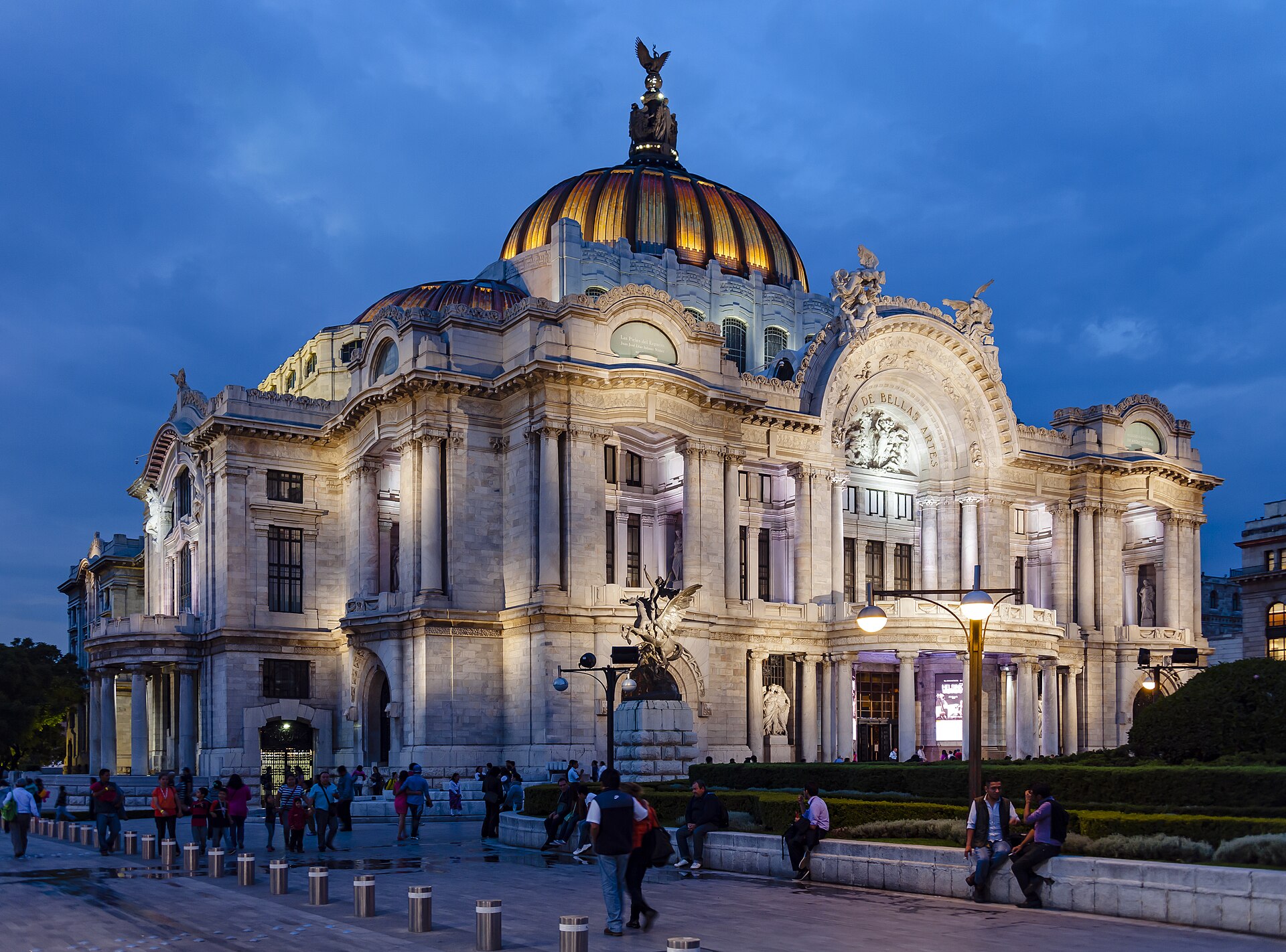
The Palacio de Bellas Artes is Mexico City’s cultural jewel. Begun in 1904 to a design by Italian architect Adamo Boari and finished with Federico Mariscal’s Art Deco interiors, it finally opened on 29 September 1934. Its theatre curtain is a Tiffany glass mosaic of nearly a million pieces showing the Popocatépetl and Iztaccíhuatl volcanoes, and the upper floors hang some of the country’s greatest murals, including Rivera’s recreated Man at the Crossroads and works by Orozco, Siqueiros and Tamayo. The theatre is home to the Ballet Folklórico de México, a whirl of regional costume, music and dance; check the Bellas Artes calendar for performance dates and book ahead. For the classic photo of the domes against the skyline, head to the café terrace on an upper floor of the Sears building opposite.
5. Ride Up the Torre Latinoamericana
For the definitive view over the centre, ride up the Torre Latinoamericana on Eje Central. Completed in 1956, the 44-storey tower was the first skyscraper successfully built in a highly active seismic zone and has ridden out several major earthquakes since. The observation deck at the top looks straight down on Bellas Artes and the Alameda Central, and the building also holds a museum about the tower and the city, plus bars and restaurants on its upper floors. Go an hour before sunset to see the city by day and then lit up; allow about an hour.
6. Admire the Casa de los Azulejos & the Palacio Postal
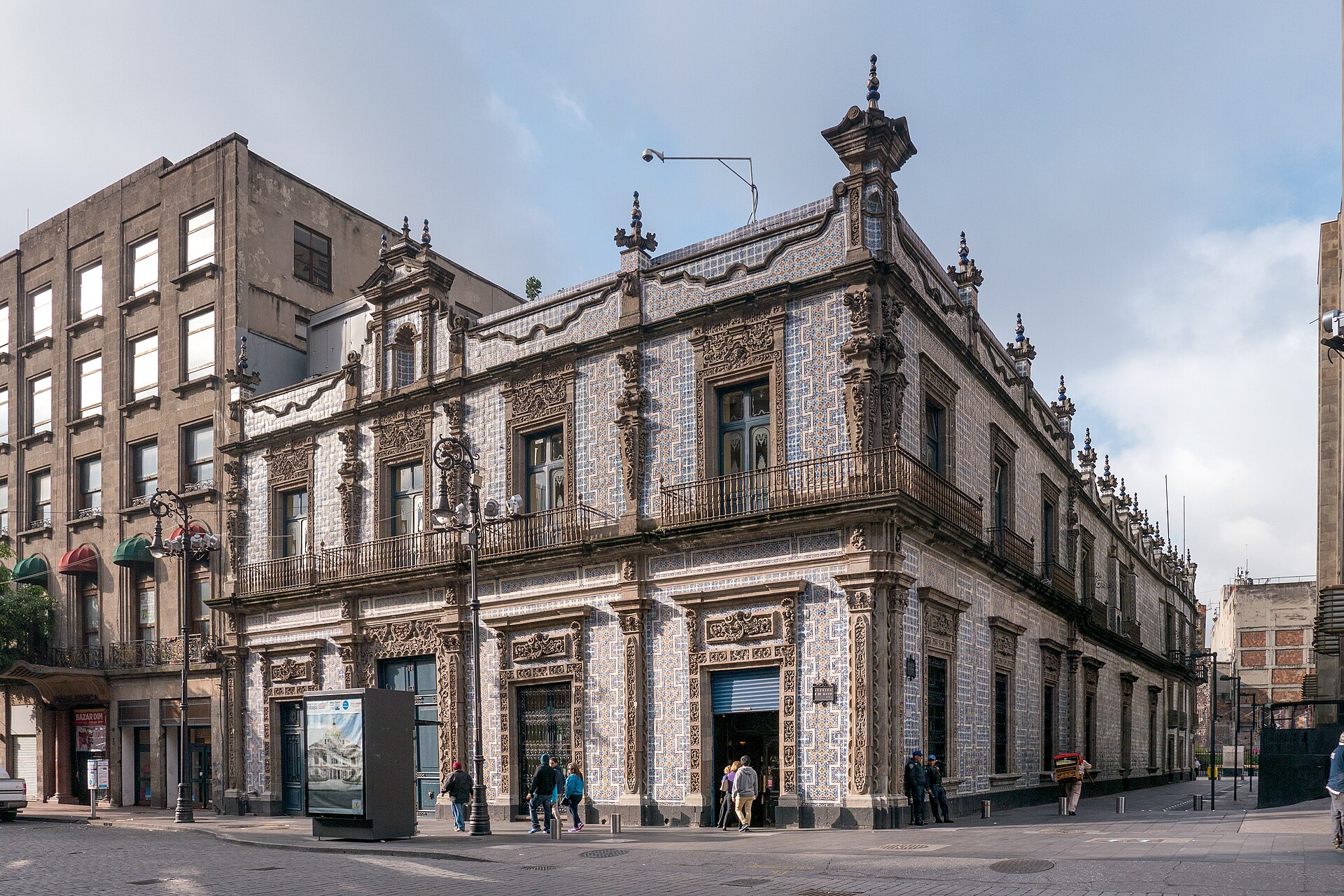
Two of the centre’s most photogenic buildings sit a few steps from Bellas Artes. The Casa de los Azulejos (House of Tiles) on pedestrianised Avenida Madero is an 18th-century palace wrapped in blue-and-white Puebla tiles; it has housed a Sanborns restaurant and store since 1919, so you can have breakfast in its courtyard and see José Clemente Orozco’s 1925 mural Omniscience on the stairs for the price of a coffee. Across Eje Central from Bellas Artes, the Palacio Postal, designed by Adamo Boari and opened in 1907, dazzles with marble staircases and bronze work cast in Florence, and it still works as a post office, so you can mail a postcard home.
7. Follow the Diego Rivera Mural Trail
Mexico City is the world capital of muralism, and following the Diego Rivera trail is a superb way to read its history off the walls. Beyond the Palacio Nacional and Bellas Artes, seek out his vast frescoes around the courtyards of the Secretaría de Educación Pública, a few blocks north of the Zócalo, and his panoramic Dream of a Sunday Afternoon in the Alameda Central at the Museo Mural Diego Rivera beside the Alameda. Out at the UNAM university campus, a UNESCO World Heritage Site since 2007, murals by Siqueiros and Juan O’Gorman’s mosaic-covered Central Library continue the story. Allow a full day to see them all, or pick two to fit around the centre’s other sights.
Chapultepec, Polanco & the Best Museums in Mexico City
Mexico City has one of the largest collections of museums of any city on earth, and the best of them cluster in and around Bosque de Chapultepec and neighbouring Polanco. Plan museum days for Tuesday to Sunday: the INAH-run museums, including the Anthropology Museum, close on Mondays.
8. Spend Half a Day at the National Museum of Anthropology
One of the world’s great museums, the National Museum of Anthropology (Museo Nacional de Antropología) opened in 1964 in a landmark building by architect Pedro Ramírez Vázquez. Arranged around a vast courtyard shaded by a giant umbrella fountain, its halls trace every ancient Mexican civilisation, from the Olmec and Zapotec to the Maya, culminating in the Mexica (Aztec) hall and its centrepiece, the carved Sun Stone, the so-called Aztec Calendar. It’s open Tuesday to Sunday, 9am to 6pm, and general entry is MXN 210 in 2026 (half price for Mexican nationals and residents, who also get in free on Sundays). Go early and allow at least three to four hours; it’s enormous.
9. Explore Chapultepec Park & Chapultepec Castle
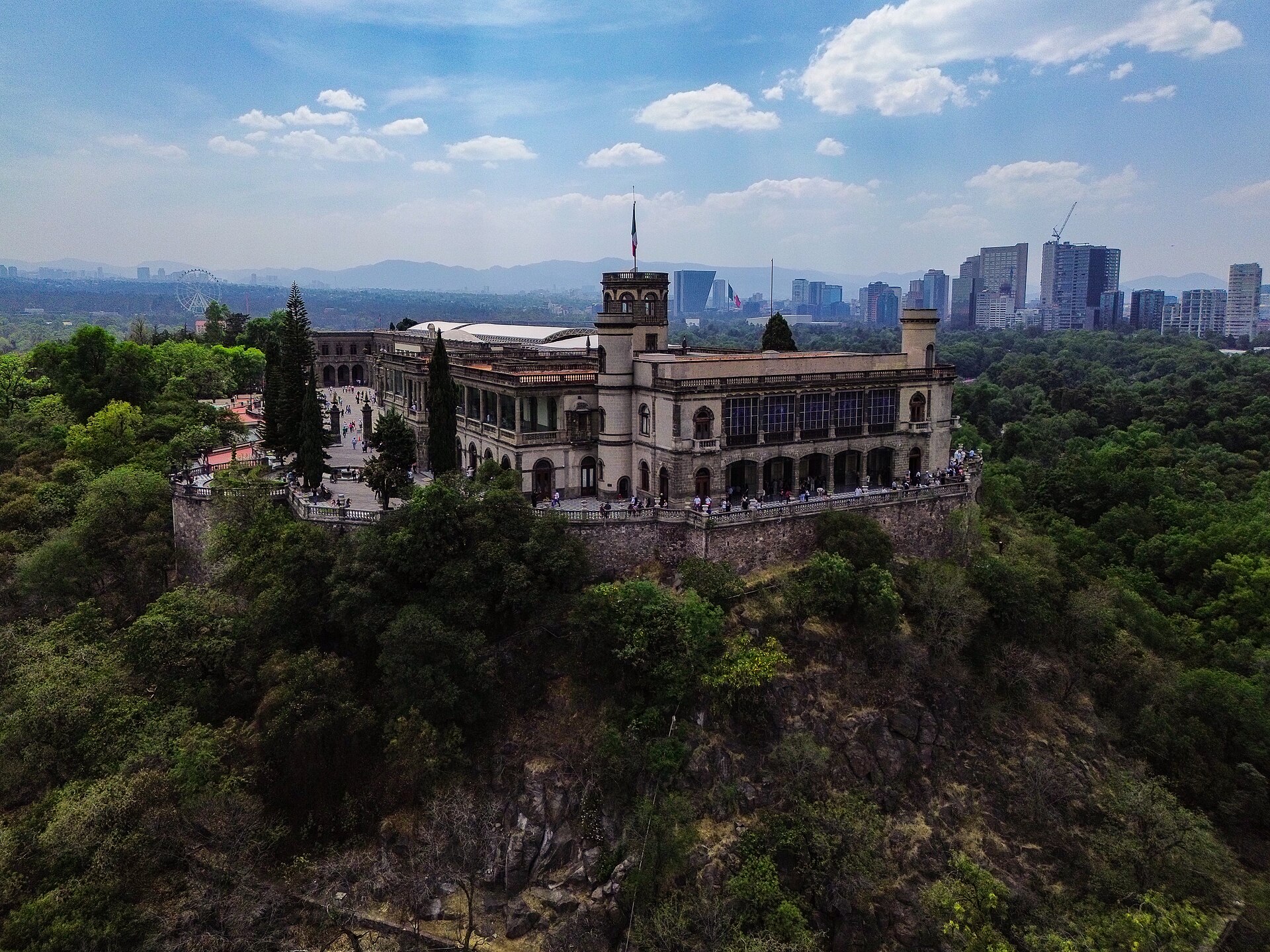
Larger than New York’s Central Park, the forested Bosque de Chapultepec is the city’s green lung, dotted with lakes, museums and a zoo. Crowning its hill, Chapultepec Castle, once the residence of Emperor Maximilian, houses the National History Museum: opulent rooms, more murals and sweeping views down the Paseo de la Reforma. Add the Anthropology and Tamayo museums, a rowing boat on the lake and the zoo, and you could easily spend a whole day here. Weekdays are calmer; on Sundays local families pour in.
10. See Museo Soumaya & Museo Jumex in Polanco
Ritzy Polanco is Mexico City’s answer to Beverly Hills, with designer boutiques, embassies and fine dining along Avenida Presidente Masaryk. Its cultural stars sit side by side at Plaza Carso: the shimmering, silver-tiled Museo Soumaya, whose collection of some 66,000 works includes a whole floor of Rodin and his circle, is free to enter and open daily from 10:30am to 6:30pm, while next-door Museo Jumex shows top-tier contemporary art. Allow two hours for both, then wander leafy Parque Lincoln and treat yourself to lunch in one of the neighbourhood’s celebrated restaurants.
11. Book a Tour of Casa Luis Barragán
Design lovers should not miss Casa Luis Barragán in the Tacubaya area, the house and studio the architect built for himself in 1948 and a UNESCO World Heritage Site since 2004. Behind a plain street front lie luminous rooms, bold coloured walls and a walled garden that made Barragán one of the most influential architects of the 20th century. Entry requires tickets bought in advance on the house’s website, subject to availability, and visitors must be at least 12 years old.
12. Add MUNAL, Anahuacalli & More Great Museums
Several more museums rival the big names. Downtown, the Museo Nacional de Arte (MUNAL) gathers centuries of Mexican painting in a grand palace; in Chapultepec, the Museo Tamayo shows modern and contemporary art; on the UNAM campus in the south, the MUAC is the city’s leading contemporary art museum; and Diego Rivera’s volcanic-stone temple of a museum, the Anahuacalli, displays his pre-Hispanic collection. A tip worth knowing: a Frida Kahlo Museum ticket includes entry to the Anahuacalli, also in Coyoacán. Add a thriving gallery scene in Roma and San Rafael, and an extra day of museums is easily filled.
13. Browse the Hanging Shelves of Biblioteca Vasconcelos
One of the most striking buildings in the city is a public library. Opened in 2006 beside Buenavista station, the Biblioteca Vasconcelos was designed by architect Alberto Kalach as a vast, light-filled hall in which steel bookshelves seem to hang in mid-air, holding a collection of over 600,000 volumes. It’s free to visit, surrounded by gardens, and takes 45 minutes to an hour; on a Saturday, pair it with the Tianguis Cultural del Chopo counterculture market nearby.
Best Neighbourhoods to Explore: Coyoacán, San Ángel, Roma & Condesa
Some of the best days in CDMX involve no headline sight at all, just a neighbourhood, its plaza, its market and a long lunch. These are the most rewarding to wander.
14. Visit the Frida Kahlo Museum (Casa Azul) in Coyoacán
South of the centre, cobbled Coyoacán is the city’s most romantic quarter, with leafy plazas, a lively market, churches and café terraces. Its magnet is the cobalt-blue Casa Azul, where Frida Kahlo was born, lived with Diego Rivera and died, now the Frida Kahlo Museum, a moving portrait of her life, work and wardrobe. There are no in-person ticket sales: general admission is MXN 320, sold online only, and the museum is closed on Mondays, so book days ahead, especially for weekends. Nearby, the fortified Leon Trotsky House preserves the exiled revolutionary’s final home, bullet holes and all. Allow half a day for the museum, Coyoacán’s plazas and lunch at the Mercado de Coyoacán.
15. Shop the Bazaar Sábado in San Ángel
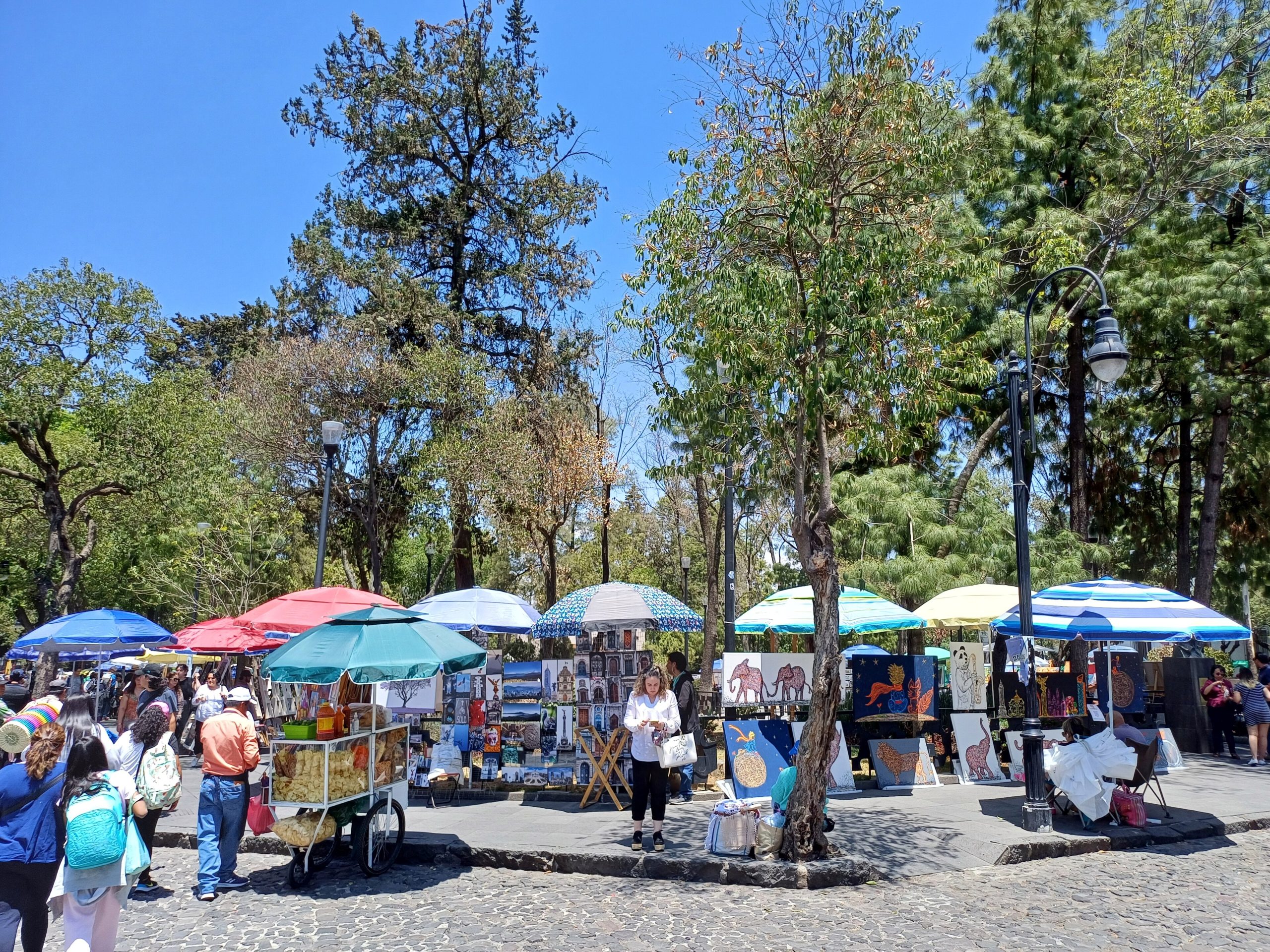
Neighbouring Coyoacán, colonial San Ángel feels like a village of cobbled lanes, bougainvillea and grand old homes. Come on a Saturday for the famous Bazaar Sábado, when its plazas fill with artists selling paintings and crafts. Visit the Diego Rivera and Frida Kahlo studio-house museum, a modernist landmark, and the San Jacinto church, then linger over a long lunch at the storied San Ángel Inn in one of the city’s most charming corners. Allow half a day, and pair it with Coyoacán, a short ride away.
16. Wander Roma Norte & Condesa
The adjoining neighbourhoods of Roma Norte and Condesa are CDMX at its most walkable and stylish: Art Deco apartment blocks and early-20th-century mansions, shady boulevards like Avenida Ámsterdam, indie boutiques, galleries, cantinas and some of the city’s best restaurants and cafés. Their green hearts are Parque México and Parque España in Condesa, Art Deco oases full of dog-walkers and joggers, while Roma’s Plaza Río de Janeiro and the food hall Mercado Roma on Calle Querétaro make easy stops. Spend an afternoon here with no plan beyond coffee, tacos and a mezcal at sundown; most visitors also choose to stay here.
17. Discover Juárez, Santa María la Ribera & Other Barrios
Beyond the headline areas, CDMX rewards neighbourhood wandering. Belle-époque Juárez and the Zona Rosa buzz with bars and Korean food; Santa María la Ribera charms with its Moorish kiosk and old mansions; and leafy Del Valle and Narvarte offer a local, residential feel with great cheap eats. Each has its own markets, cafes and character — exploring them is the best way to feel the everyday pulse of this vast, layered city.
Xochimilco, Street Food & Markets
18. Float the Canals of Xochimilco on a Trajinera
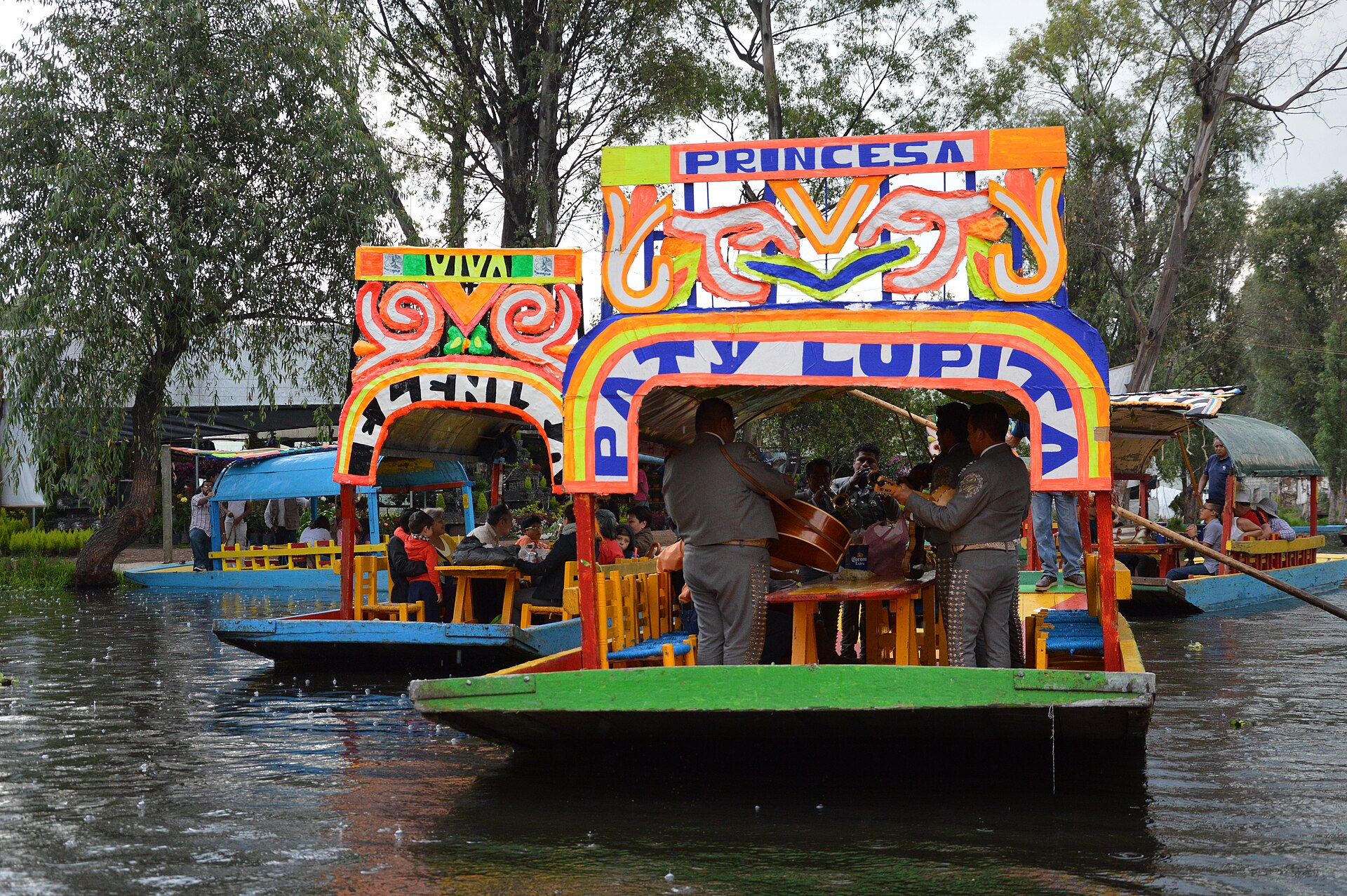
In the far south, UNESCO-listed Xochimilco preserves the last stretch of the Aztec lake and its chinampas (floating gardens). Hire a brightly painted trajinera punt and drift the canals past mariachi boats, food vendors and flower growers; on weekends it’s a joyous party-boat scene, while weekday mornings are quieter and more scenic. Boats are priced per boat, not per person: the borough sets an official rate of MXN 750 an hour for up to 18 passengers at the official embarcaderos (landings), so a group splits the cost. Most trips last one to three hours; from the Cuemanco landing, the trip to the eerie Island of the Dolls is a four-hour route, according to the city’s tourism office. Mariachis and food are paid for separately.
19. Eat Tacos al Pastor & Take a Street Food Tour
Mexico City is a global food capital, and eating is a headline act. Graze street food from dawn to late night: tacos al pastor shaved from the spit, suadero and carnitas for a few pesos each, quesadillas and huaraches at the markets, and tamales from morning carts. A guided food tour of the Centro or Roma is the easiest way to learn what to order and where, and a cooking class adds skills to take home. At the other end of the scale sit some of the world’s most celebrated restaurants, Pujol and Quintonil among them, which need booking well ahead. Wash it all down with aguas frescas, a michelada or a glass of smoky mezcal.
20. Dunk Churros at El Moro
A Mexico City institution, Churrería El Moro began in 1935, when Spanish immigrant Francisco Iriarte set up a small churro cart in the Zócalo before moving into number 42 of the old San Juan de Letrán street, today’s Eje Central. Order churros hot from the fryer with one of its thick hot chocolates for dunking, or try a consuelo, a churro sandwich filled with ice cream. It’s a short walk from both the Torre Latinoamericana and Bellas Artes, so it slots neatly into a day in the centre.
21. Browse the Markets: La Merced, Sonora, San Juan & La Lagunilla
The city’s mercados are a feast for the senses. The sprawling La Merced is one of the largest markets in the Americas, and in the same district the Mercado de Sonora (the Sonora market) is famous for herbalists and stalls of magic and occult goods, alongside pottery, Day of the Dead supplies and alebrijes. The gourmet Mercado de San Juan sells exotic ingredients and edible insects; the Mercado de Jamaica overflows with flowers year-round; and for crafts, La Ciudadela gathers folk art from across Mexico under one roof. On Sundays, La Lagunilla hosts the city’s best-known antiques market, from about 9am to 3pm, spilling over many blocks around its antiques building. Dive in for a cheap market lunch, and keep your phone and wallet zipped away in the crowds.
Things to Do in Mexico City at Night
22. Cheer at Lucha Libre in Arena México
For a night of pure Mexican theatre, catch lucha libre, masked and high-flying wrestling, at the raucous Arena México in the Doctores neighbourhood, the ‘cathedral’ of the sport. The main shows run on Tuesday and Friday evenings and Sunday afternoons, and Sunday is the most family-friendly. Acrobatic técnicos (good guys) battle scheming rudos amid a roaring crowd and cold beers. Buy a colourful mask outside, join the chants, and take a ride-hailing car there and back or go with a group tour, as Doctores is not a neighbourhood to wander at night.
23. Hire a Mariachi Band at Plaza Garibaldi
For a quintessential Mexican night, head to Plaza Garibaldi, the spiritual home of mariachi. Dozens of costumed bands gather to tune up and tout for hire, and you can pay a group to serenade you with rancheras and boleros over a shot of tequila or a warming pulque. The adjoining Museum of Tequila and Mezcal explains the spirits, and the surrounding cantinas keep the music going — boisterous, atmospheric and unmistakably Mexican.
24. Drink in Cantinas, Rooftops & Cocktail Bars
The city’s nights are as rich as its days. Sip a cocktail on a rooftop bar overlooking the floodlit Zócalo or Bellas Artes, dive into a historic cantina, where traditional places bring botanas (snacks) with each round, or work through the mezcalerías of Roma and Condesa. Mexico City is also one of the world’s great cocktail cities: Licorería Limantour in Roma Norte and the hidden speakeasy bars Handshake and Hanky Panky in Juárez regularly feature on international best-bar lists, so reserve ahead. Dinner at 9pm is normal here, so pace yourself and use ride-hailing apps to hop between neighbourhoods.
Unique Things to Do in Mexico City
Beyond the headline sights, these are the more unusual ways to see the city, from Mexico’s holiest shrine to cable cars over the rooftops and car-free Sundays.
25. Visit the Basilica of Guadalupe & Tlatelolco
In the north stands the Basilica of Our Lady of Guadalupe, Mexico’s holiest site and one of the most-visited Catholic shrines on earth, drawing millions of pilgrims to the image of the Virgin. The modern basilica sits beside the tilting old one and a hilltop garden of chapels; entry is free, and the crowds peak around the feast day on 12 December. Nearby, the Plaza de las Tres Culturas at Tlatelolco layers Aztec ruins, a colonial church and modern Mexico in a single, poignant square.
26. Ride the Cablebús for Cheap City Views
Mexico City’s public cable cars, the Cablebús, glide over the rooftops on three lines, and a ride costs a flat MXN 7, whatever the distance, paid with the rechargeable Integrated Mobility (MI) card sold at Metro stations. Line 2 in the east holds the Guinness record as the world’s longest urban cable car line, while Line 3 swings over the western part of Bosque de Chapultepec, with a stop at the Cineteca Chapultepec. The system runs daily until 11pm. It’s the cheapest sightseeing ride in town; avoid weekday rush hours, when commuters fill the cabins.
27. Cycle Paseo de la Reforma on a Sunday
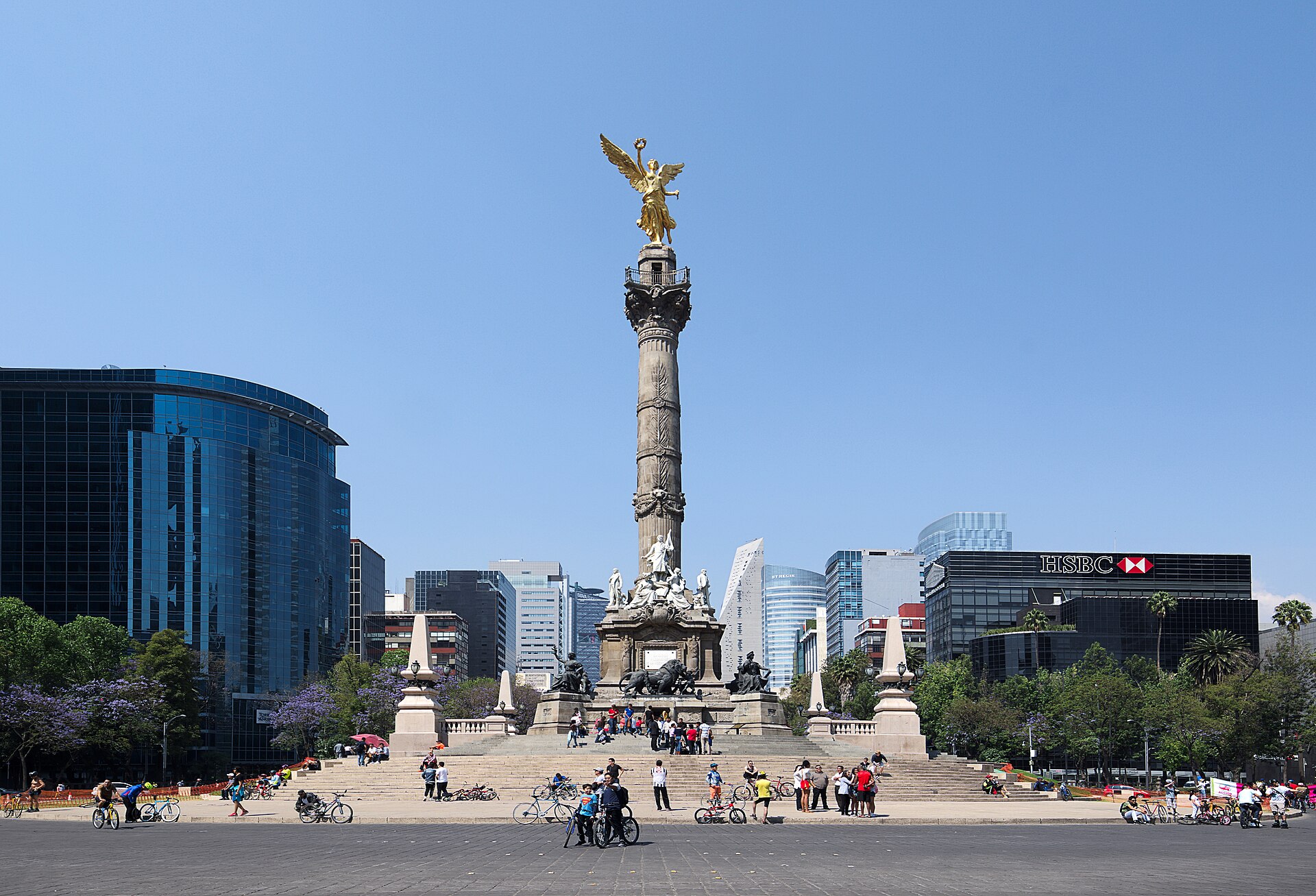
Every Sunday except the last of the month, from 8am to 2pm, the city closes stretches of the grand Paseo de la Reforma and other main avenues to cars for the Muévete en Bici ride, and cyclists, runners and skaters take over. Bring your own bike, or rent an Ecobici public bike with a one-day pass for MXN 134 through the Ecobici app, and pedal past the Ángel de la Independencia towards the centre. Joining the ride is free, and it’s one of the best things to do in Mexico City on a Sunday.
Best Day Trips from Mexico City
The highlands around the capital hold ancient cities, colonial towns and natural wonders, most within two hours. Teotihuacán is the classic first trip and is easy by public bus or tour; the others reward an early start or, for Taxco, Tolantongo and the monarch reserves, an overnight stay. Here’s how they compare (road times vary with traffic).
| Day trip | Direction | Travel time each way | Best for |
|---|---|---|---|
| Teotihuacán | North-east | About 1 hour | Pyramids; first-timers |
| Puebla & Cholula | East | About 2 hours | Colonial architecture, mole, the Great Pyramid of Cholula |
| Tepoztlán | South | About 1–1.5 hours | A cliff-top pyramid hike and a craft market |
| Taxco | South-west | About 3 hours | Silver shopping and hillside views (best overnight) |
| Monarch butterfly reserves | West | 3–4 hours | Nature, November to March only |
| Tula | North | About 1.5 hours | Toltec ruins without the crowds |
| Grutas Tolantongo | North (Hidalgo) | Around 4 hours | Thermal pools and caves (best overnight) |
| Nevado de Toluca | West | About 2–2.5 hours | Volcano crater lakes and high-altitude hiking |
28. Teotihuacán: Pyramid of the Sun & the Avenue of the Dead
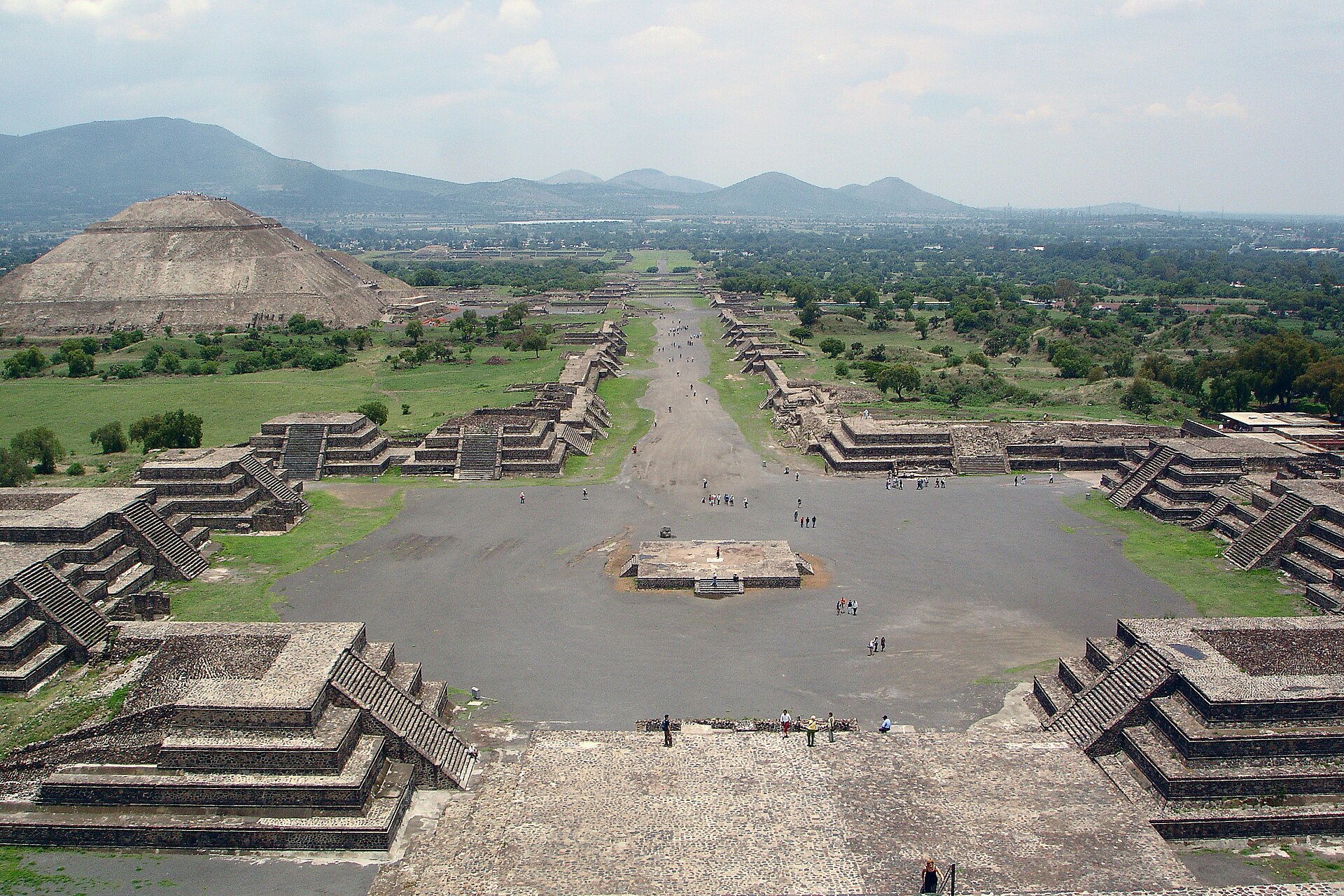
About an hour north-east of the city rise the UNESCO-listed pyramids of Teotihuacán, heart of a great city built between the 1st and 7th centuries AD, long before the Aztecs. Walk the ceremonial Avenue of the Dead between the colossal Pyramid of the Sun, which UNESCO measures at 75 metres high on a base of 225 by 222 metres, and the Pyramid of the Moon, then admire the feathered-serpent carvings of the Ciudadela and the carved pillars of the Quetzalpapálotl Palace. Go at opening to beat the heat and crowds, or float over the ruins at dawn in a hot-air balloon.
Practical details: the site is open daily from 8am to 5pm, and entry costs MXN 210 in 2026 (MXN 105 for Mexican nationals and residents, who enter free on Sundays). Don’t plan on climbing: when INAH reopened the Pyramid of the Moon to climbers, it limited them to the first level, the Pyramid of the Sun has stayed closed to climbing, and access can change at short notice, so check INAH’s notices before you go. Buses marked “Pirámides” leave from the Terminal de Autobuses del Norte, the site has two museums (Teotihuacan Culture and the Beatriz de la Fuente Mural Museum), and there’s little shade, so bring water, a hat and sunscreen. Allow five to six hours including travel.
29. Puebla & Cholula
Two hours east, the UNESCO-listed colonial city of Puebla dazzles with tiled facades, baroque churches and a superb food scene — this is the home of mole poblano and chiles en nogada. Next door, Cholula hides the largest pyramid by volume on earth beneath a hilltop church, with the Popocatépetl volcano smoking behind. Together they make one of the best and easiest day trips from the capital.
30. Tepoztlán
A favourite weekend escape, the magical mountain town of Tepoztlán lies about an hour south. This bohemian pueblo mágico is famed for its dramatic cliffs, its buzzing artisan and food market, and the strenuous but rewarding hike up to the clifftop Tepozteco pyramid, with sweeping valley views. Add crystal shops, mezcal, and the local speciality of ice cream in wild flavours, and it’s a refreshing, spiritual change of pace from the city.
31. Taxco, the Silver Town
Cascading down a steep hillside three hours southwest, Taxco is one of Mexico’s prettiest colonial towns — a maze of white houses, red roofs and cobbled lanes crowned by the spectacular pink-stone Santa Prisca church. Long famous for silver, its shops brim with handmade jewellery. Ride the cable car for the view, wander the plaza with a coffee, and shop for silver straight from the source — best as an overnight given the distance.
32. The Monarch Butterfly Reserves (November to March)
One of nature’s great spectacles unfolds within reach of the city each winter. From roughly November to March, hundreds of millions of monarch butterflies blanket the fir forests of the UNESCO-listed reserves in Michoacán and the State of Mexico, having migrated from Canada and the US. Hiking up to see the trees dripping with orange wings, filling the air when the sun breaks through, is unforgettable — a long but magical seasonal day trip.
33. Tula & the Toltec Atlantes
For pyramid-lovers who want to escape the Teotihuacán crowds, Tula — capital of the Toltecs, about 90 minutes north — rewards with its atmospheric ruins and, above all, the towering stone Atlantes: 4.5-metre warrior columns standing atop a pyramid. It’s quieter and less polished than the big sites, but for anyone fascinated by ancient Mexico it’s a rewarding, uncrowded half-day into the country’s deep pre-Hispanic past.
34. Grutas Tolantongo & the Nevado de Toluca
Two natural escapes round out the list. North in Hidalgo state, Grutas Tolantongo is a canyon of caves and a warm turquoise river, with some 40 terraced thermal pools clinging to the cliff and fed by water from the river; it’s far enough that most visitors stay a night. West of the city, the Nevado de Toluca volcano is, at 4,680 metres, Mexico’s fifth-highest mountain, and you can walk into its crater to the Sun and Moon lakes. The protected area opens Tuesday to Sunday, 8am to 3pm, with entry at MXN 125; it’s cold at the top year-round, so pack layers and go slowly at that altitude.
Free Things to Do in Mexico City
- Zócalo & Metropolitan Cathedral – the great square and its cathedral, with views into the Templo Mayor excavations from the street.
- Museo Soumaya – some 66,000 works, including a floor of Rodin, free and open daily.
- Biblioteca Vasconcelos – the hanging bookshelves of the city’s most striking library.
- Palacio Postal & Casa de los Azulejos – step inside for the marble, bronze and tiles.
- Basilica of Guadalupe – Mexico’s holiest shrine, free to enter.
- Bosque de Chapultepec – lakes, trails and weekend crowds in the city’s great park.
- Coyoacán & San Ángel – plazas, churches and the Saturday art stalls of the Bazaar Sábado.
- Muévete en Bici – Sunday mornings on car-free Paseo de la Reforma.
- Free Sundays (residents only) – INAH museums and sites, including the Anthropology Museum and Teotihuacán, are free on Sundays for Mexican nationals and residents with ID; visitors from abroad pay the standard fee.
Mexico City Itinerary: How to Spend 2 to 5 Days
Group the sights by area to cut down on traffic, and start on a Tuesday if you can, because so many museums close on Mondays. If you arrive on a Monday, spend it at Teotihuacán, Museo Soumaya or Xochimilco, which all stay open. This plan covers the essentials in four days, with a fifth for markets and slower neighbourhoods.
| Day | Morning | Afternoon | Evening |
|---|---|---|---|
| Day 1: Historic Centre | Zócalo, Metropolitan Cathedral, Templo Mayor | Palacio Nacional murals (booked tour), Bellas Artes, Casa de los Azulejos | Torre Latinoamericana at sunset, churros at El Moro |
| Day 2: Chapultepec | National Museum of Anthropology | Chapultepec Castle, then Polanco and Museo Soumaya | Dinner in Polanco or Roma Norte |
| Day 3: The south | Frida Kahlo Museum (pre-booked), Coyoacán | Xochimilco trajinera, or San Ángel on a Saturday | Lucha libre (Tuesday or Friday) or Plaza Garibaldi |
| Day 4: Teotihuacán | Leave early for the pyramids | Back by mid-afternoon to rest | Food crawl in Roma Norte and Condesa |
| Day 5: Markets & art | La Merced and the Sonora market, or La Lagunilla on a Sunday | Biblioteca Vasconcelos or MUNAL | Cocktail bars in Juárez or Roma |
With 2 days, follow days 1 and 2: the Historic Centre, then Chapultepec and the Anthropology Museum, with tacos in Roma in between. With 3 days, add day 3 for Frida Kahlo, Coyoacán and Xochimilco. With a week, follow all five days and add a day trip to Puebla and Cholula plus a slower day in Juárez or Santa María la Ribera. There’s easily a fortnight’s worth here for the curious.
Mexico City with Kids
CDMX is surprisingly great for families. Kids love the boat rides and mariachis of Xochimilco, the interactive Papalote children’s museum and the zoo in Chapultepec Park, and exploring the pyramids at Teotihuacán. Add the aquarium, the axolotls (Mexico’s famous salamanders), the Sunday-afternoon lucha libre show at Arena México, and endless churros and ice cream, and there’s more than enough to keep younger travellers happy alongside the culture.
Best Time to Visit Mexico City
The dry season, from November to April, is the best time to visit Mexico City, with sunny, mild days and cool evenings. The city sits at a lofty 2,240 m (7,350 ft), so it’s temperate year-round rather than tropical, with an average temperature of 16°C (61°F). Winter (December to February) brings bright days, but nights and early mornings can drop close to freezing, so pack a warm layer. April and May are the hottest, haziest months, before the rains. May to October is the rainy season, though showers usually come as short, heavy afternoon bursts, leaving mornings sunny and the city greener.
For things to do in Mexico City in November and December, the calendar is packed: Day of the Dead festivities run from mid-October to mid-November, the Corona Capital music festival usually falls in mid-to-late November (20–22 November in 2026), pilgrims fill the Basilica for the feast of the Virgin of Guadalupe on 12 December, and neighbourhood posadas run from 16 to 24 December. Independence celebrations fill the Zócalo on the night of 15 September. These are magical but busy times, so book ahead.
| Months | Weather | What’s on |
|---|---|---|
| Nov–Feb | Dry and sunny; cold nights that occasionally approach freezing | Day of the Dead (to mid-Nov), Guadalupe feast (12 Dec), posadas (16–24 Dec), Día de Reyes (6 Jan) |
| Mar–May | Dry and warm, hottest and haziest in April and May; rains start in May | Jacarandas in bloom (Feb–early Apr), Vive Latino festival (mid-March), Holy Week |
| Jun–Oct | Rainy season: sunny mornings, short afternoon storms, greener and quieter | Pride parade (last Saturday of June), Independence (15–16 Sep), Day of the Dead build-up (from mid-Oct) |
Day of the Dead in Mexico City
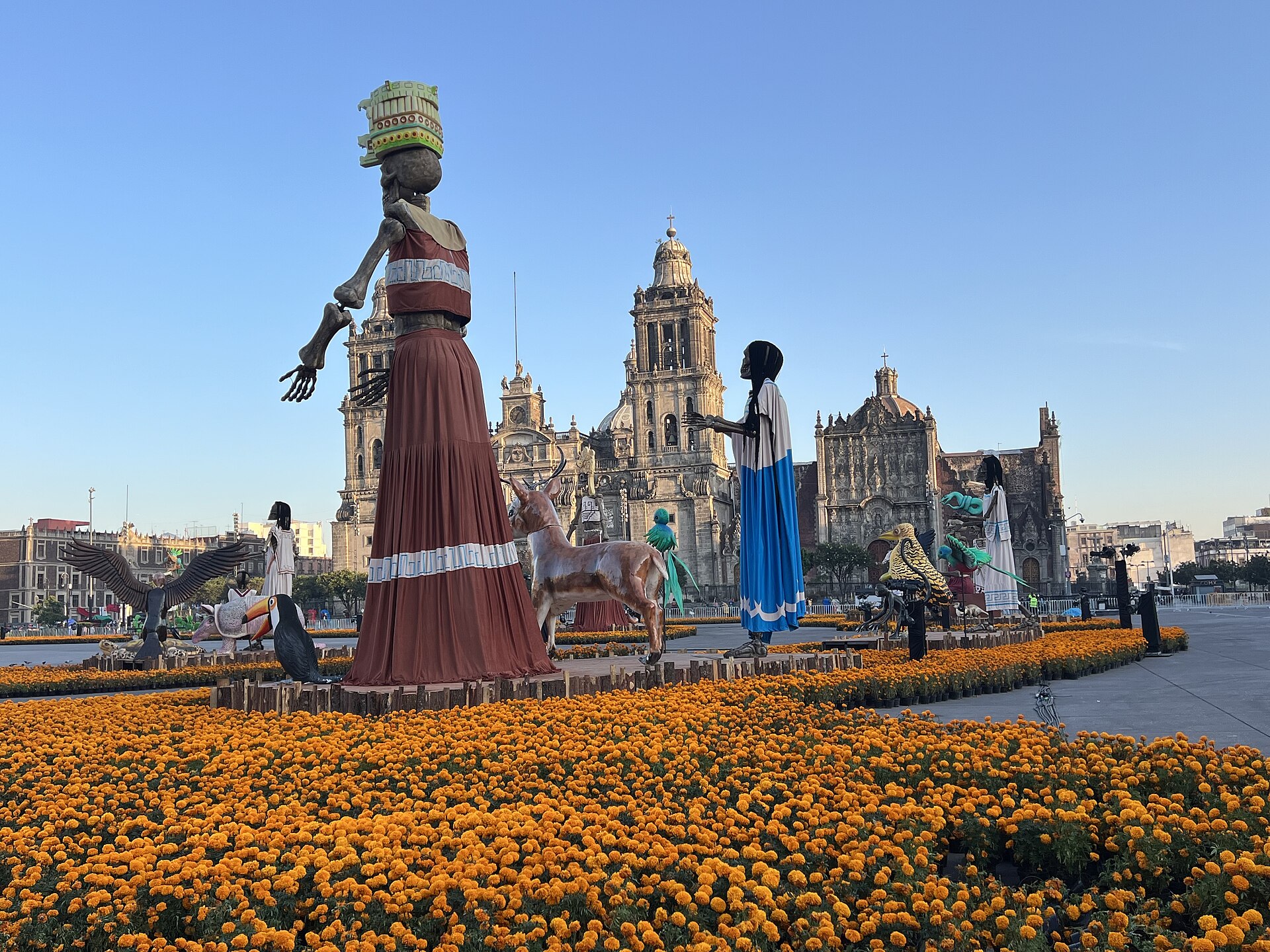
If you can, time your visit for Día de Muertos (around 1–2 November), when the city bursts into colour to honour the dead. Marigold-strewn ofrendas (altars) appear everywhere, the Zócalo fills with giant installations and skeletal catrinas, and a huge parade winds down the Reforma. Cemeteries glow with candles as families gather. Joyful rather than macabre, it’s one of the world’s great cultural celebrations — book far ahead, as the city fills up.
Where to Stay in Mexico City
For most visitors, the leafy, walkable neighbourhoods of Roma and Condesa are the ideal base — Art Deco streets full of cafes, restaurants and boutique hotels, safe and central. The Centro Histórico puts you among the big sights (livelier by day than night); glossy Polanco offers luxury; and Juárez balances the two. Wherever you choose, staying near a Metrobús or metro line makes the sprawling city easy to navigate. Book well ahead for Day of the Dead and the December holidays.
| Neighbourhood | Best for | Pros | Trade-offs |
|---|---|---|---|
| Roma Norte | First-timers, food lovers | Walkable, central, cafés and restaurants | Busy nightlife streets can be noisy |
| Condesa | Couples, families | Leafy parks and Art Deco streets | Quieter at night than Roma |
| Centro Histórico | Sightseers on a budget | Steps from the main sights; good value | Quiet once the day crowds leave |
| Polanco | Luxury travellers | Top hotels and restaurants near Chapultepec | Pricier, less local feel |
| Juárez | Nightlife, value | Between Roma and Reforma, great bars | Zona Rosa blocks are loud at weekends |
| Coyoacán | Slow travel, repeat visitors | Village feel, close to the Frida Kahlo Museum | Long rides to the centre in traffic |
Getting to and Around Mexico City
Most international flights land at Mexico City International Airport (MEX), close to the centre, with abundant connections across the US and beyond; from there, use the authorised taxi stands inside the terminal or a ride-hailing app. Despite its size, CDMX is easy and cheap to navigate. The Metro has 12 lines and 195 stations, and every ride costs MXN 5 regardless of distance or transfers, paid with the rechargeable Integrated Mobility (MI) card, which costs MXN 15 and also works on the dedicated-lane Metrobús and the Cablebús. Carriages get packed at rush hour. Ride-hailing apps are inexpensive, reliable and safer than hailing street taxis, and the main tourist neighbourhoods are pleasant to explore on foot. Traffic is heavy, so allow plenty of time, and remember the altitude (2,240 m) can leave you breathless at first.
| Option | Cost (MXN) | Best for |
|---|---|---|
| Metro | 5 per ride | Fast, cheap trips outside rush hour |
| Metrobús | Flat fare on the MI card | Trips along main avenues such as Insurgentes and Reforma |
| Cablebús | 7 per ride | Views and hillside neighbourhoods |
| Ecobici | 134 for a one-day pass | Short hops around Roma, Condesa, Polanco and the centre |
| Ride-hailing apps | Varies with distance and traffic | Night trips, airport runs, Arena México |
| Authorised airport taxis | Prepaid at terminal booths | Arrivals with luggage |
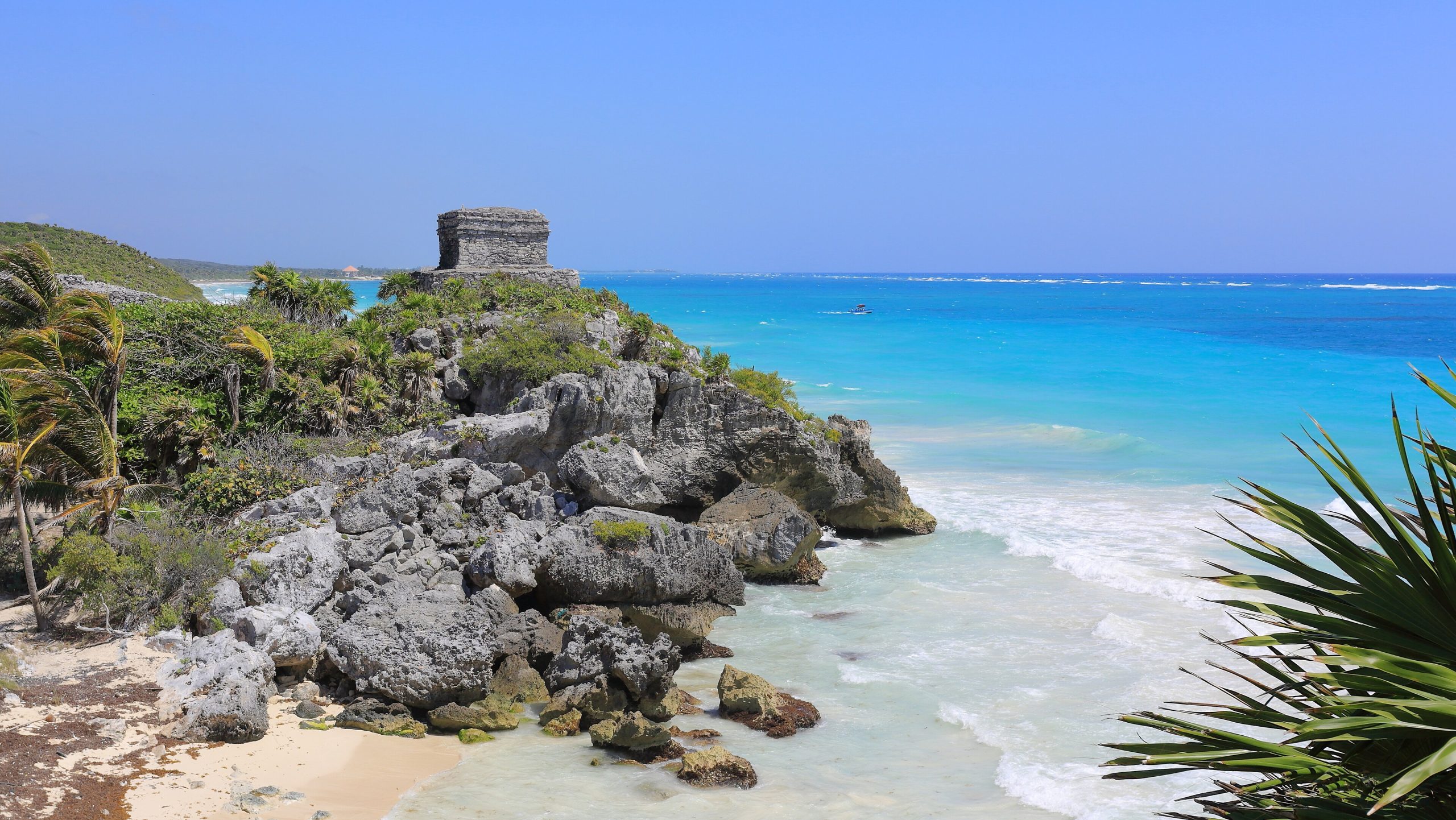
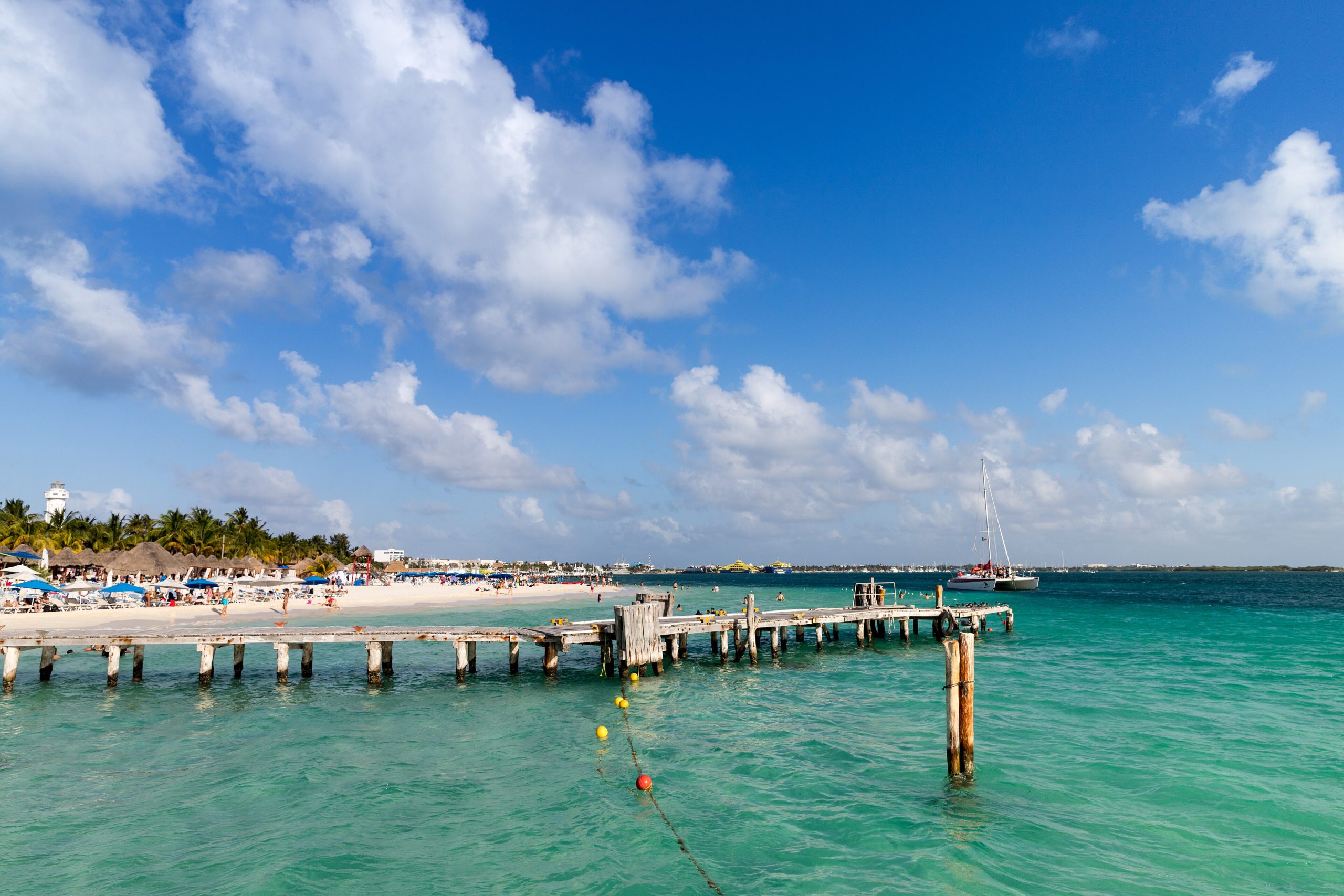
US citizens can visit Mexico for tourism without a visa (it’s one of the visa-free countries for US passport holders), and Mexico City pairs easily with the Caribbean coast: a non-stop flight to Cancún takes around two to two and a half hours, so you can add the best things to do in Cancún or the ruins and beaches of Tulum to the same trip.
Is Mexico City Safe? Practical Tips
Mexico City is far safer for tourists than its reputation suggests, with millions enjoying trouble-free visits. Stick to the well-touristed neighbourhoods (Roma, Condesa, Polanco, Coyoacán, the Centro by day), use ride-hailing apps rather than street taxis, and keep your phone and wallet out of sight on the packed Metro and in crowded markets, as the city’s tourism office also advises; these tips on how to avoid pickpockets apply here. Watch your drinks, use ATMs inside banks or malls, and check your government’s travel advice for areas outside the city. Travelling solo? This guide to travelling alone for the first time covers the basics.
A few more tips: take it easy on your first day at altitude, stay hydrated and use sun protection, as the UV is strong. Stick to bottled or filtered water. Carry small notes and coins for markets, tacos and tips; in restaurants, leaving around 10%, or up to 15% for great service, is customary. A little Spanish goes a long way.
What’s Open in Mexico City on a Monday?
Monday is the day to avoid museum-hopping. The National Museum of Anthropology, the Templo Mayor and the Frida Kahlo Museum all close on Mondays, as do many other museums. Plenty stays open, though: Teotihuacán (daily, 8am–5pm), Museo Soumaya (daily), the Zócalo and Metropolitan Cathedral, the Basilica of Guadalupe, Xochimilco’s boats and the markets. That makes Monday the ideal day for the pyramids or a morning on the canals.
What Not to Do in Mexico City
- Don’t hail taxis on the street – use ride-hailing apps or authorised taxi stands.
- Don’t drink tap water – stick to bottled or filtered water, and be wary of ice outside established restaurants.
- Don’t plan big sightseeing on a Monday – the major museums close.
- Don’t turn up at the Frida Kahlo Museum without a ticket – there are no in-person sales.
- Don’t overdo day one – at 2,240 m, exertion and alcohol hit harder until you acclimatise.
- Don’t flash valuables – keep phones and cameras discreet in crowds and on the Metro.
- Don’t skip the street food – just choose busy stalls where food is cooked in front of you.
Mexico City on a Budget
Mexico City is a bargain by world-capital standards. Many top sights cost little or nothing: the Zócalo, the cathedral, Museo Soumaya, the parks and the Basilica are free, a Metro ride costs MXN 5, and street tacos and market comida corrida set lunches feed you for a few dollars. Note that free Sunday entry at INAH museums and archaeological sites applies to Mexican nationals and residents only; visitors from abroad pay the standard fee. Neighbourhoods like the Centro and Juárez offer good-value beds, so it’s easy to experience the city richly without spending much at all.
Typical 2026 costs for visitors from abroad, from the official sources linked above:
| Item | Cost (MXN) |
|---|---|
| Metro ride | 5 |
| Cablebús ride | 7 |
| Ecobici one-day pass | 134 |
| Museo Soumaya | Free |
| Nevado de Toluca protected area | 125 |
| National Museum of Anthropology | 210 |
| Teotihuacán | 210 |
| Frida Kahlo Museum (includes the Anahuacalli) | 320 |
| Xochimilco trajinera | 750 per boat per hour, up to 18 people |
Is Mexico City Worth Visiting?
Mexico City is one of the world’s great capitals and hugely underrated. It layers Aztec ruins, colonial grandeur and cutting-edge art and food into one vast, endlessly fascinating metropolis, all at remarkably low prices and with famously warm hospitality. It’s big, high and intense, but focus on a few neighbourhoods, take it slow at altitude, and it rewards you like few places on earth. Don’t let outdated fears keep you away.
Frequently Asked Questions
What is Mexico City best known for?
Mexico City is famous for its layers of history — Aztec ruins like the Templo Mayor beneath a grand colonial and modern capital — along with world-class museums (the Anthropology Museum, Frida Kahlo’s Casa Azul), the nearby pyramids of Teotihuacán, the floating gardens of Xochimilco, and one of the greatest street-food scenes on earth.
How many days do you need in Mexico City?
Four days is ideal — enough to explore the historic centre, visit the major museums, take a day trip to Teotihuacán, experience Xochimilco and Coyoacán, and eat your way through Roma and Condesa. Five or more days lets you go deeper or add more day trips.
What is the best time to visit Mexico City?
The dry season, November to April, is best — sunny, mild days thanks to the high altitude. Time it for the spectacular Day of the Dead in early November if you can. May to October is the rainy season, but showers usually come as short afternoon bursts, leaving mornings sunny.
Is Mexico City safe for tourists?
The main tourist neighbourhoods (Roma, Condesa, Coyoacán, the Centro) are generally safe with sensible precautions. Use registered taxis or ride-hailing apps rather than hailing on the street, keep valuables discreet, stick to well-visited areas (especially at night), and check current local advice. Millions of visitors enjoy the city safely each year.
How do you get around Mexico City?
The city has a cheap, extensive metro and Metrobús, but many visitors rely on affordable ride-hailing apps like Uber and Didi for convenience and safety. Traffic is heavy, so allow time. The main tourist neighbourhoods are pleasant to explore on foot.
Is Teotihuacán worth visiting?
Yes. Teotihuacán, with its 75-metre Pyramid of the Sun and the Pyramid of the Moon, is one of the world’s great archaeological sites and an easy day trip about an hour from the city. It’s open daily from 8am to 5pm, and entry for visitors from abroad is MXN 210 in 2026. Climbing is restricted, so plan to admire the pyramids from the plazas and the Avenue of the Dead, or book a dawn hot-air balloon flight for the view from above.
Is Mexico City safe for solo female travellers?
Many solo women travel comfortably in Mexico City by sticking to sensible precautions: base yourself in Roma, Condesa or Polanco, use app-based taxis or the pink women-only taxis and metro carriages rather than hailing cabs on the street, and avoid walking alone late at night in unfamiliar areas. The tourist-heavy neighbourhoods and sights are well policed and busy with foot traffic during the day. Petty crime like pickpocketing on crowded metro lines is more common than violent crime against tourists, so keep bags zipped and valuables out of back pockets, especially in markets and on public transport.
Is Mexico City expensive to visit?
No, it’s one of the better-value major capital cities to visit, especially for anything priced in pesos rather than dollars. Street food and local restaurant meals can cost as little as 50-150 pesos (roughly 3-8 US dollars), metro and bus fares are a few pesos, and even good mid-range hotels in Roma or Condesa often run 1,500-3,000 pesos (about 80-160 US dollars) a night. Costs rise if you stick to international hotel chains, upscale Polanco restaurants or private guided tours, but a comfortable trip on a moderate budget is easy to put together.
Is it true that Mexico City is sinking?
Yes – Mexico City was built on the drained bed of Lake Texcoco, and decades of pumping groundwater from the soft clay beneath it have caused significant subsidence. Parts of the city have sunk by several metres over the past century, and in the worst-affected neighbourhoods the ground continues to sink by up to around 50 centimetres a year, among the fastest urban subsidence rates in the world. You can see the effects in tilted colonial buildings and cracked pavements in the historic centre, and it remains a real, ongoing infrastructure and flooding challenge for the city.
How many airports does Mexico City have?
The greater Mexico City area is served by three airports. Most international and domestic flights use Mexico City International Airport (Benito Juarez, AICM), close to the city centre and the main choice for tourists. Felipe Angeles International Airport, opened in 2022 north of the city, handles a growing number of domestic and some international routes and can mean a longer transfer into town. Toluca International Airport, west of the city, mainly serves budget and regional flights. Always check which airport your flight uses, since transfer times and costs differ significantly between them.
How far is Mexico City from Cancun?
Cancun is around 1,600 km (roughly 1,000 miles) from Mexico City, on the opposite side of the country on the Yucatan Peninsula. Flying is the only realistic option for most travellers, taking around 2 to 2.5 hours non-stop, with frequent daily flights on multiple airlines. There’s no useful direct bus or train link for a journey this long, since overland travel would take well over a day. Many visitors combine the two as separate legs of a trip: a few days of culture and history in Mexico City, then a flight to the beaches of the Riviera Maya.
Do US citizens need a visa to visit Mexico City?
No, US citizens don’t need a visa for tourist visits to Mexico of up to 180 days, just a valid passport. On arrival you’ll be issued a Forma Migratoria Multiple (FMM), a short tourist permit, either as a paper slip or automatically for those flying in, and it’s worth keeping until you leave since you may be asked to show it on departure. Entry requirements can change, so it’s always worth double-checking the current rules on Mexico’s National Immigration Institute website before you travel.
What should you wear in Mexico City?
Layer up: at over 2,200 metres altitude, Mexico City has a mild but changeable climate, with warm, sunny afternoons and noticeably cool mornings and evenings year-round, plus a real chance of afternoon rain showers from around May to October. A light jacket or sweater for evenings, comfortable walking shoes for the city’s uneven pavements and cobblestones, and a compact umbrella or rain jacket in the wet season cover most days. Smart-casual works for most restaurants and bars, and locals generally dress a little more polished than a typical beach-holiday backpacker look.
How much does the Mexico City metro cost?
A single Metro ride costs MXN 5 (under 30 US cents), regardless of distance or transfers, making it one of the cheapest metros of any major capital. Pay with the rechargeable Integrated Mobility (MI) card, which costs MXN 15 at station ticket booths and also works on the Metrobús and Cablebús. Carriages get very crowded at rush hour, and women and children can use the designated carriages at the front of the train. Combine it with ride-hailing apps for late-night trips.
Is it safe to eat street food in Mexico City?
Yes, for most visitors, and skipping it would mean missing the best of the city. Follow the crowds: a stall with a queue of locals turns its ingredients over quickly, and anything griddled, fried or boiled in front of you is cooked to order. Be more careful with raw salsas, unpeeled fruit and anything left sitting at room temperature. Stick to bottled or filtered water, which is what households here use too, and take the same care with ice and fresh juices outside established restaurants. Carry rehydration sachets just in case, ease in over the first day or two rather than eating everything at once, and sanitise your hands before you eat.
How should you spend 3 days in Mexico City?
Spend day one in the Historic Centre (the Zócalo, Templo Mayor, Palacio Nacional murals and Bellas Artes), day two in Chapultepec at the National Museum of Anthropology and the castle, with lunch in Polanco, and day three in Coyoacán at the pre-booked Frida Kahlo Museum, followed by Xochimilco. Start on a Tuesday if you can, since the big museums close on Mondays, and add a fourth day for Teotihuacán.
What are the best free things to do in Mexico City?
The Zócalo and Metropolitan Cathedral, Museo Soumaya (free and open daily), the Biblioteca Vasconcelos, the Basilica of Guadalupe, Bosque de Chapultepec and the plazas of Coyoacán and San Ángel all cost nothing. On most Sundays you can also join the free Muévete en Bici ride on Paseo de la Reforma. Free Sunday entry at INAH museums applies only to Mexican nationals and residents.
What are the best things to do in Mexico City at night?
Catch lucha libre at Arena México on a Tuesday or Friday night, hire a mariachi band at Plaza Garibaldi, have a drink on a rooftop overlooking the floodlit Zócalo or Bellas Artes, and explore the cantinas, mezcalerías and cocktail bars of the Centro, Roma Norte, Condesa and Juárez. Use ride-hailing apps to move between neighbourhoods after dark.
What is open in Mexico City on a Monday?
Teotihuacán (8am to 5pm daily), Museo Soumaya, the Zócalo and Metropolitan Cathedral, the Basilica of Guadalupe, Xochimilco’s trajineras and the markets all open on Mondays. The National Museum of Anthropology, the Templo Mayor and the Frida Kahlo Museum close, as do many other museums, so Monday is the best day for Teotihuacán, Xochimilco or a market morning.
Do you need to book the Frida Kahlo Museum in advance?
Yes. The museum has no in-person ticket sales, so you must buy tickets online through its official website. General admission is MXN 320 and includes entry to Diego Rivera’s Anahuacalli Museum, also in Coyoacán. It closes on Mondays, and weekend slots sell out days ahead, so book as soon as your dates are fixed.
What is Mexico City like in winter?
Winter, from December to February, is dry and sunny with mild afternoons, but at 2,240 m nights and early mornings can drop close to freezing, so pack a warm jacket and layers for the evenings. It’s a festive time to visit, with the feast of the Virgin of Guadalupe on 12 December, posadas from 16 to 24 December and Día de Reyes on 6 January.
What should you not do in Mexico City?
Don’t hail taxis on the street, drink tap water, flash phones and valuables in crowds, or plan museum visits for a Monday, when the big ones close. Don’t arrive at the Frida Kahlo Museum without an online ticket, and don’t overdo your first day at altitude. Do try the street food, choosing busy stalls that cook to order.
What is there to do in Mexico City on a Sunday?
Sunday is one of the liveliest days: join the Muévete en Bici ride on car-free Paseo de la Reforma (8am to 2pm, except on the last Sunday of the month), browse La Lagunilla’s antiques market, picnic in Chapultepec Park and catch the family lucha libre show at Arena México in the afternoon. Museums are busier because entry is free for Mexican residents.
Final Thoughts: Planning Your Mexico City Trip
Mexico City is a revelation — a capital where ancient pyramids, world-class art and the best tacos of your life all share the same electric streets. Explore the Zócalo and Templo Mayor, walk the Avenue of the Dead at Teotihuacán, meet Frida in Coyoacán, float the canals of Xochimilco and eat everything in sight. Base yourself in Roma or Condesa, visit in the November-to-April dry season (Day of the Dead is magical), take it easy with the altitude, and use ride-hailing apps to get around. Give it four days, and CDMX will completely win you over.
Before you go: turn this guide into a day-by-day plan. Our partner Voyada is a free trip builder that builds the trip with flights, hotels and a real total cost for your dates — in about a minute.
Build a travel itinerary →