
Table of Contents
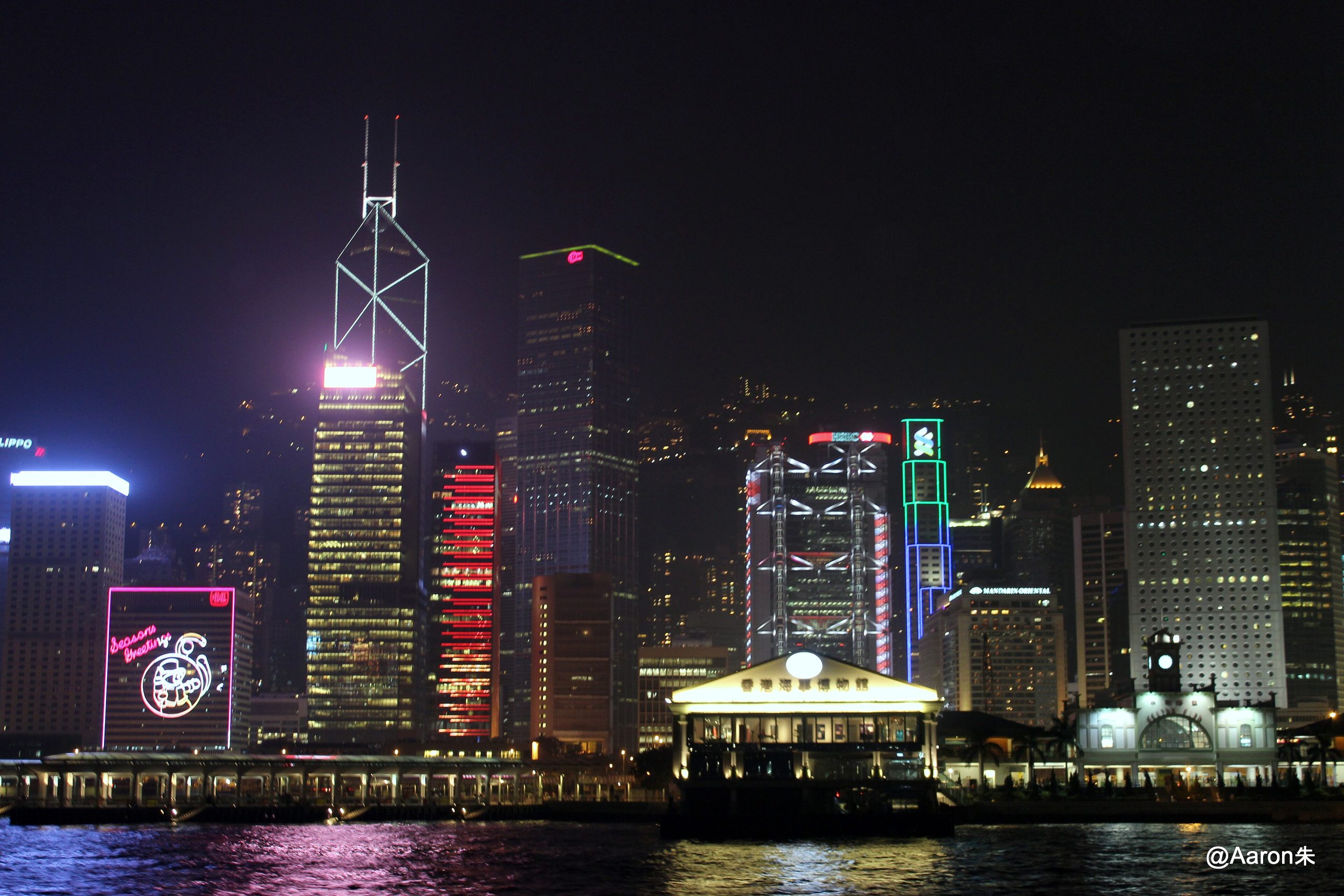
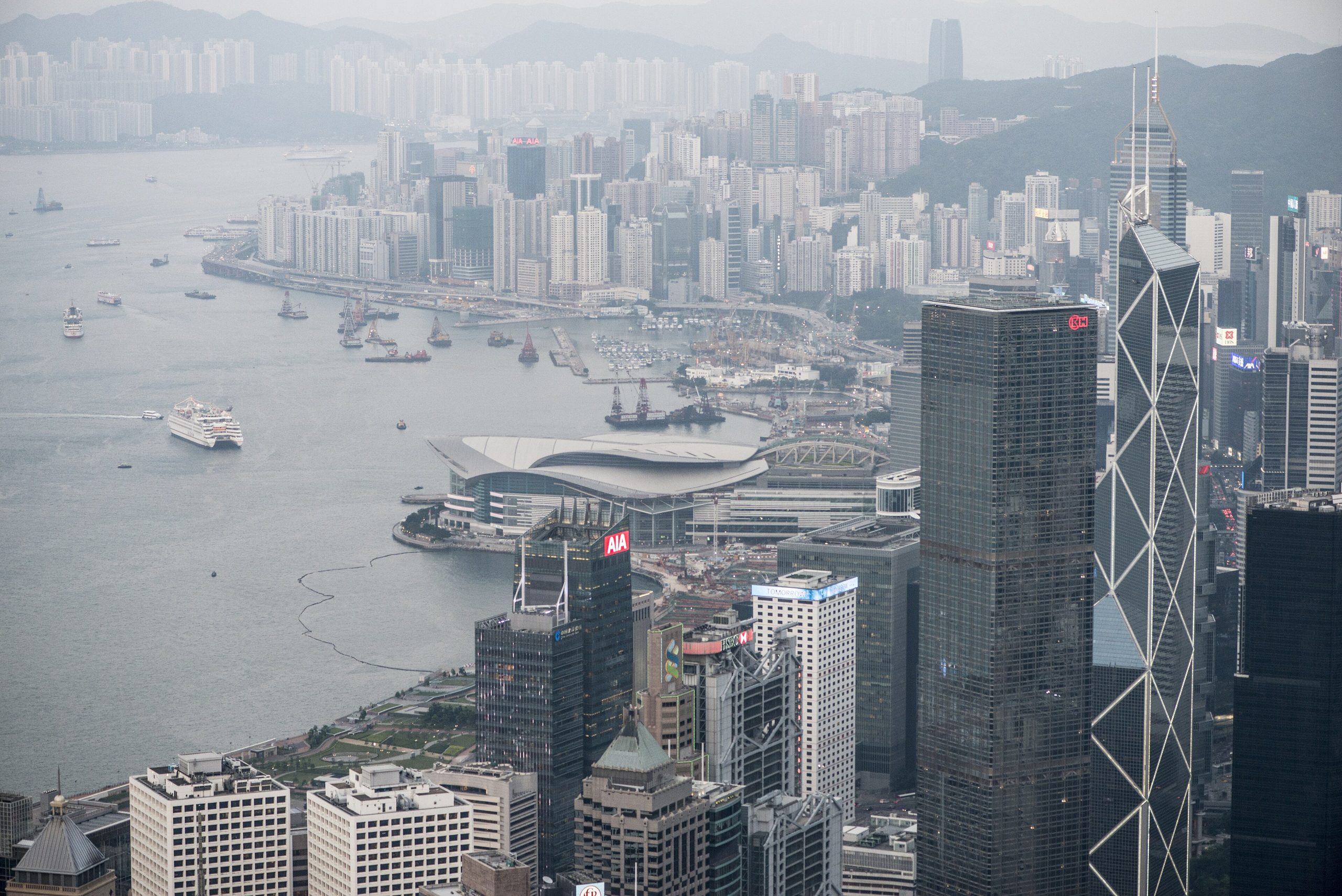
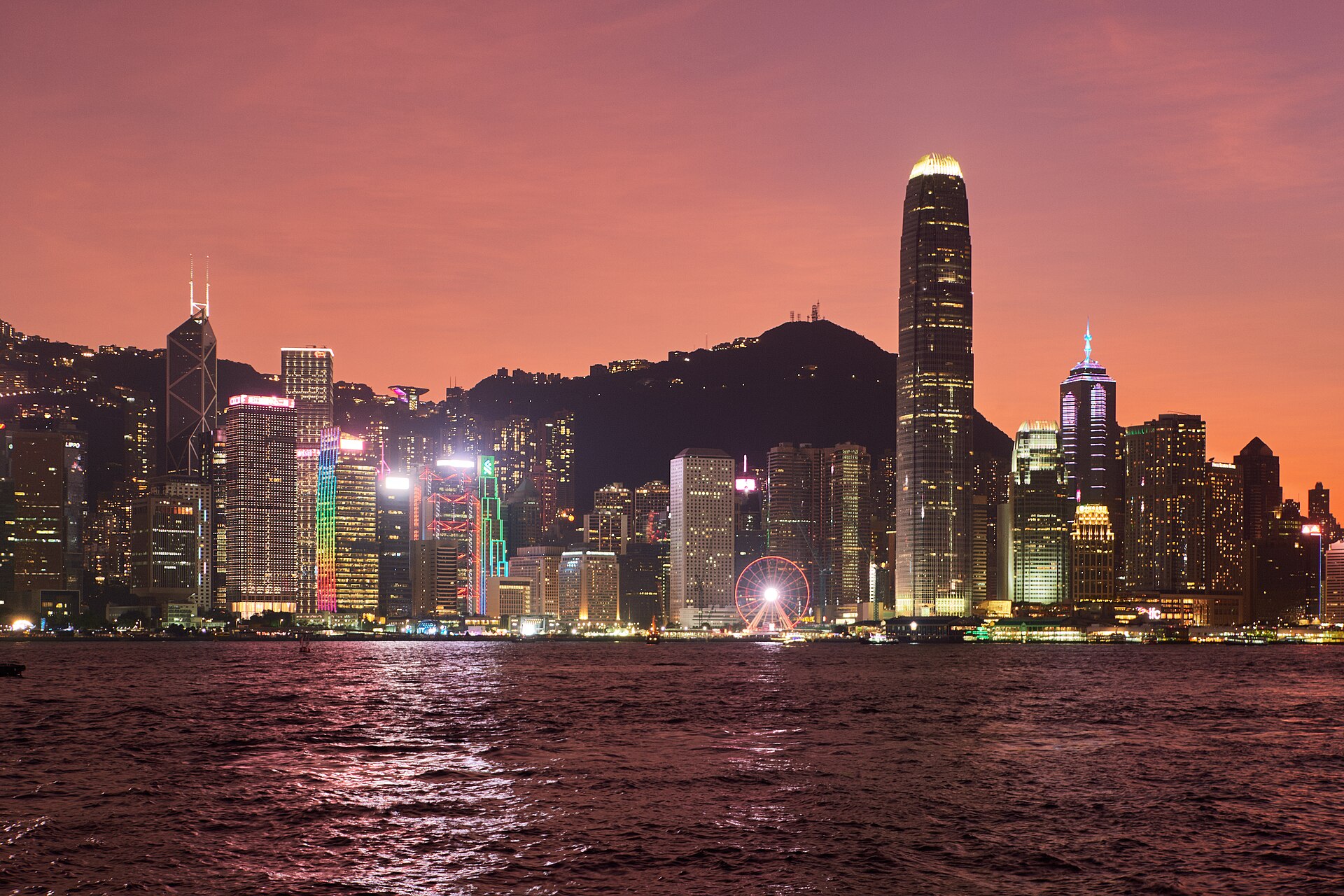
ToggleFew skylines thrill like Hong Kong’s — a forest of towers rising from Victoria Harbour against a backdrop of green peaks. But this dazzling city is far more than its view: it’s an intoxicating collision of East and West, of dim sum palaces and Michelin-cheap noodle shops, of neon markets and serene temples, of frantic streets and, astonishingly, some of the best hiking and beaches in Asia, all within a short ride of the centre.
This complete guide covers what to do in Hong Kong — the essential sights, the food, the markets, the temples and the green escapes — with a quick list of the 25 best things to do in Hong Kong and the top places to visit in Hong Kong for first-timers. It also covers everything you need to plan: itineraries, where to stay, getting around with an Octopus card, the best time to visit, day trips to Macau, and the practical tips that make this famously easy city even easier.
✈️ TripToGo Travel Deals
Get notified about great travel deals
Hand-picked flight, hotel and destination deals, straight to your inbox. No spam, unsubscribe anytime.
🎉 Thank you for subscribing!
You’re all set — the best travel deals are on their way.
Key Takeaways
- The view: Victoria Peak at sunset, and the harbour by Star Ferry.
- Don’t miss: the Big Buddha on Lantau, Kowloon’s night markets, and dim sum.
- Time needed: 2–3 days for the city, plus a day for Macau or an island.
- Getting around: buy an Octopus card — it runs the MTR, ferries, trams and shops.
- When to go: autumn (Oct–Dec) for warm, clear, comfortable weather.
25 Best Things to Do in Hong Kong: The Quick List
These are the Hong Kong attractions and experiences that belong on a first trip, roughly in order of how essential they are. Each one is covered in more detail further down.
- Ride the Peak Tram to Victoria Peak for the city’s definitive skyline view.
- Cross Victoria Harbour on the Star Ferry, a harbour crossing for under US$1.
- Watch A Symphony of Lights at 8pm from the Tsim Sha Tsui promenade or the Avenue of Stars.
- See the Big Buddha and Po Lin Monastery on Lantau Island, via the Ngong Ping 360 cable car.
- Wander the stilt houses of Tai O, a fishing village on Lantau’s west coast.
- Browse Temple Street Night Market for stalls, fortune tellers and street food.
- Explore Mong Kok’s markets: the Ladies’ Market, Flower Market, Goldfish Market and Bird Garden.
- Eat dim sum, the city’s essential meal.
- Ride a ‘ding ding’ tram along Hong Kong Island for HK$3.30.
- Climb the Mid-Levels Escalator to SoHo, PMQ and Tai Kwun.
- Visit M+ and the Hong Kong Palace Museum in West Kowloon.
- Shake fortune sticks at Wong Tai Sin Temple.
- Find calm at Chi Lin Nunnery and Nan Lian Garden.
- Step into Man Mo Temple in Sheung Wan.
- Climb to the Ten Thousand Buddhas Monastery in Sha Tin.
- Hike the Dragon’s Back to the beach at Shek O.
- Spend a beach afternoon at Repulse Bay and Stanley.
- Take a ferry to Lamma or Cheung Chau, the car-free outlying islands.
- Spend a day at Hong Kong Disneyland.
- See the pandas and thrill rides at Ocean Park.
- Bet HK$10 at the Wednesday night races at Happy Valley Racecourse.
- Drink in Lan Kwai Fong or at a harbour-view rooftop bar.
- Explore Sai Kung and the volcanic coast of the UNESCO Global Geopark.
- Take afternoon tea at The Peninsula, a Kowloon institution since 1928.
- Day-trip to Macau by ferry or across the Hong Kong–Zhuhai–Macao Bridge.
Hong Kong’s Essential Sights at a Glance
The sights that anchor almost every Hong Kong trip.
| Sight | Best for | Time |
|---|---|---|
| Victoria Peak | The iconic skyline view | 2–3 hr |
| Star Ferry & the harbour | Cheap, classic Hong Kong | 1 hr |
| Big Buddha (Lantau) | A serene half-day | Half day |
| Kowloon markets | Neon & street life | 2–3 hr |
| West Kowloon (M+, Palace Museum) | Art & culture | Half day |
| Dragon’s Back / islands | Hiking & beaches | Half–full day |
| Dim sum | The essential meal | 1–2 hr |
Victoria Peak: Hong Kong’s Iconic View
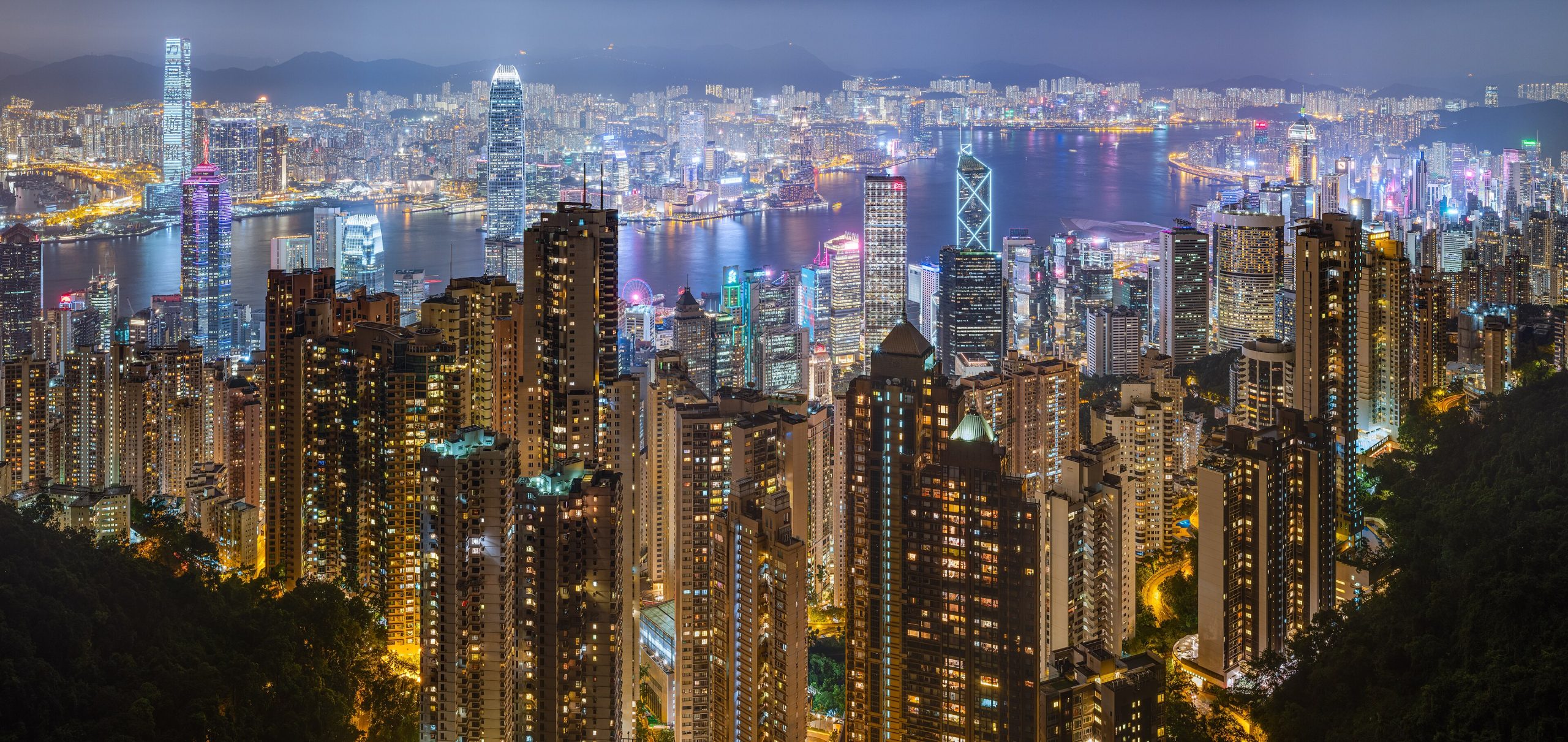
No trip to Hong Kong is complete without riding to the top of Victoria Peak for the city’s definitive view — a jaw-dropping panorama of skyscrapers marching down to Victoria Harbour, with the hills of Kowloon beyond. The historic Peak Tram, a steep funicular running since 1888, is an attraction in itself, climbing at an almost impossible angle to the Peak Tower and its Sky Terrace 428 viewing deck.
Go up in the late afternoon to catch the view by day, at sunset and lit up after dark all in one visit, and walk the flat, leafy Peak Circle Walk for quieter, equally stunning angles away from the crowds. Book Peak Tram tickets ahead to skip the long queue. Since 29 December 2025 an adult Peak Tram ticket costs HK$82 one way or HK$116 return (about US$10.50 / US$15), with combo tickets that add the Sky Terrace 428 viewing deck.
Victoria Harbour and the Star Ferry
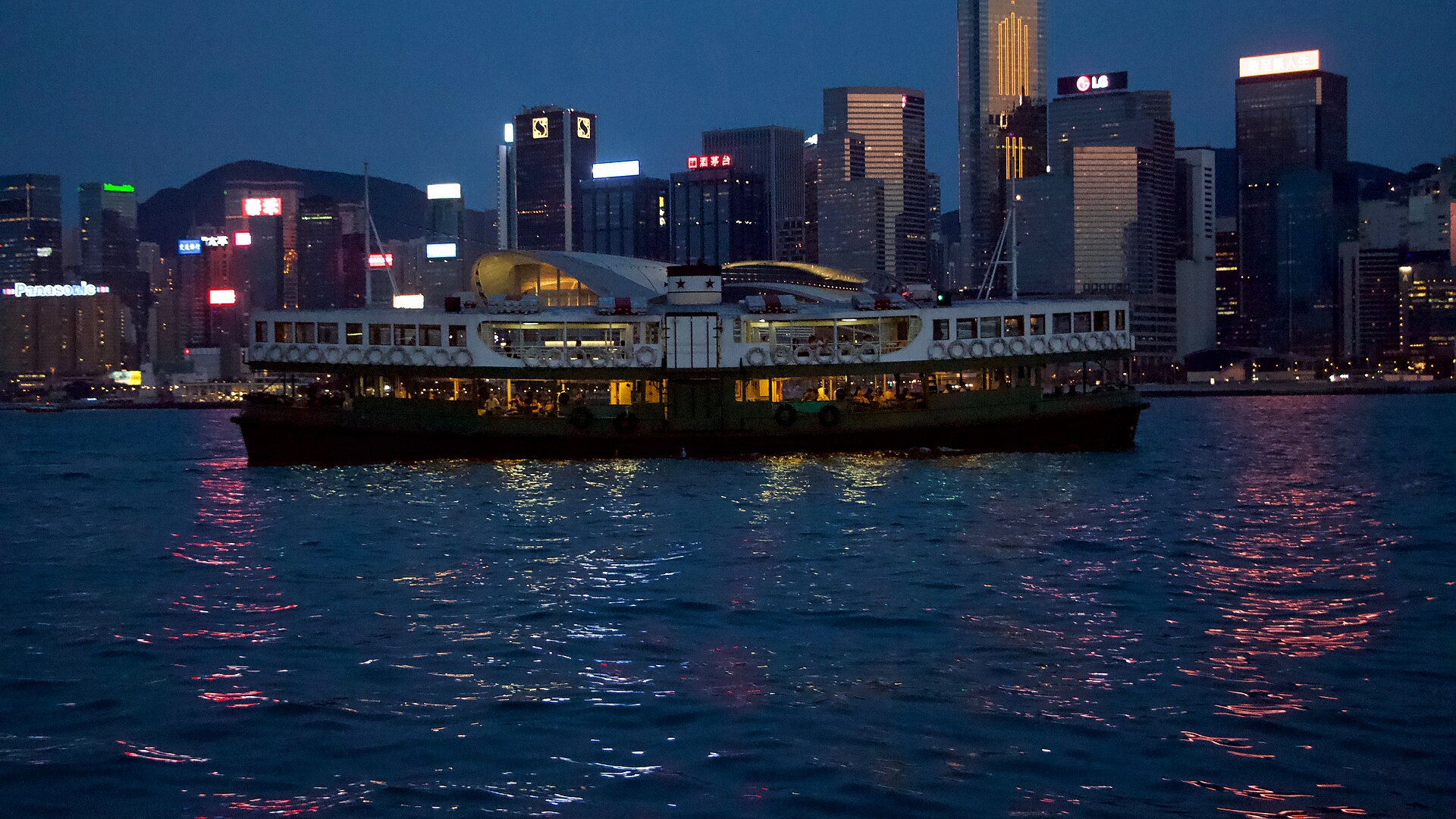
Victoria Harbour is the beating heart of Hong Kong, and crossing it on the humble green-and-white Star Ferry — for a few Hong Kong dollars — is one of the world’s great cheap travel experiences, with the skyline rising on both sides. Every night at 8pm the Symphony of Lights, a laser-and-light show, plays across the harbour towers; watch it from the Tsim Sha Tsui promenade or the Avenue of Stars, Hong Kong’s tribute to its film industry.
For a longer time on the water, a harbour cruise (including the classic red-sailed Aqua Luna junk boat) frames the skyline beautifully at dusk. However you do it, seeing the towers from the harbour is essential Hong Kong.
Central and Hong Kong Island
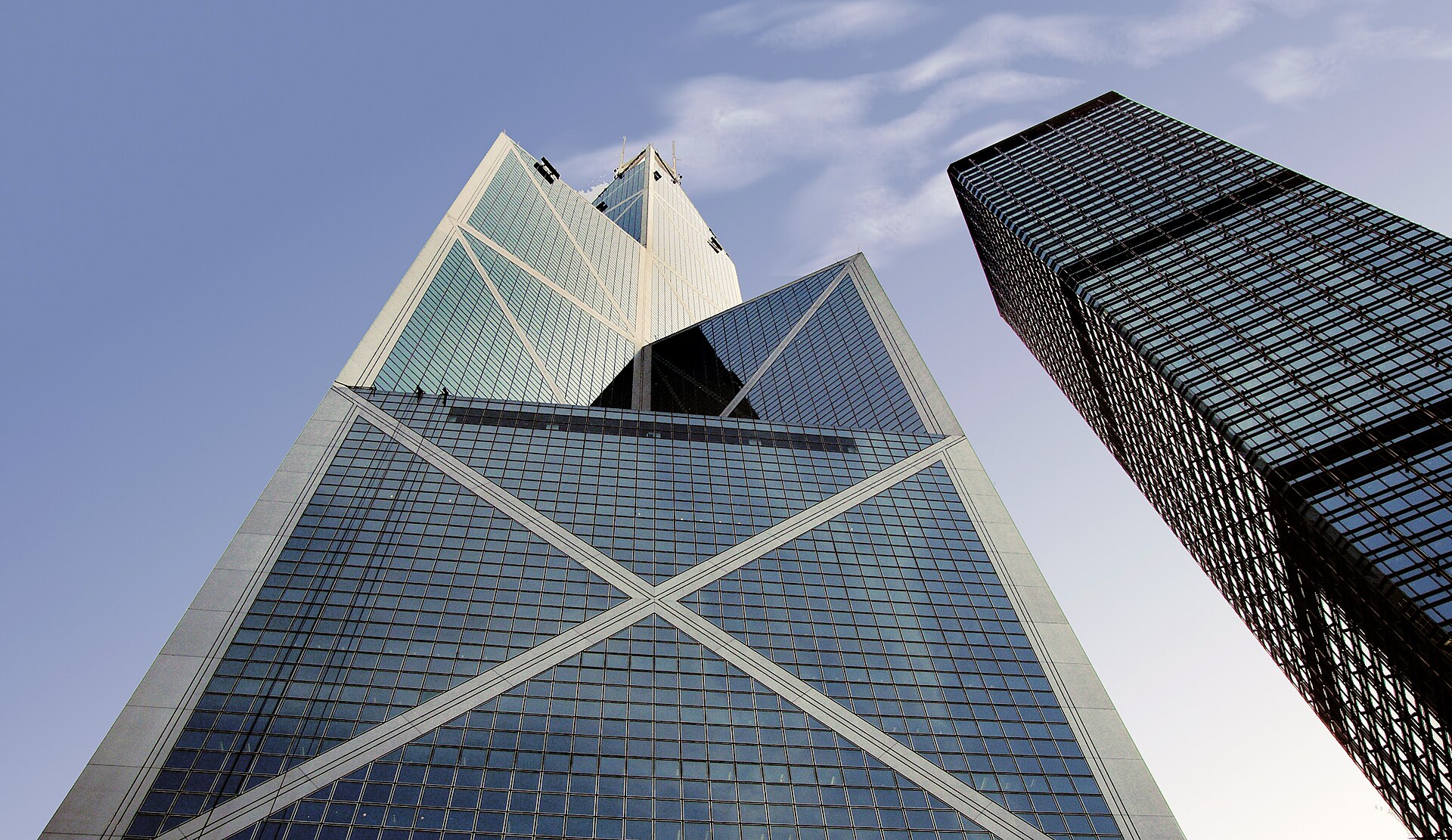
Central is the dense, vertical core of Hong Kong Island, where colonial relics sit beneath gleaming towers. Ride the Mid-Levels Escalator — the world’s longest outdoor covered escalator system — up through the bars and restaurants of SoHo, browse the design shops of the restored PMQ and Tai Kwun heritage-and-arts complex, and step into the incense-wreathed Man Mo Temple in nearby Sheung Wan.
Around it, the island’s neighbourhoods each have a flavour: buzzing Wan Chai, shopping-mad Causeway Bay, and the hip, harbourfront cafes of Kennedy Town. Hop between them on the rattling old double-decker trams (‘ding dings’), a joyfully slow way to see the island for a couple of dollars.
Kowloon: Tsim Sha Tsui and Beyond
Across the harbour, Tsim Sha Tsui (TST) serves up the postcard skyline view, world-class museums and relentless shopping. The waterfront promenade is the best spot for the Symphony of Lights, while the revitalised West Kowloon Cultural District is home to the superb M+ museum of visual culture and the Hong Kong Palace Museum, showcasing treasures from Beijing’s Forbidden City.
Head deeper into Kowloon for the real, gritty Hong Kong: the neon-soaked streets and markets of Mong Kok, and the food-and-fabric workshops of up-and-coming Sham Shui Po, the city’s best neighbourhood for cheap eats and local life.
The Big Buddha and Lantau Island
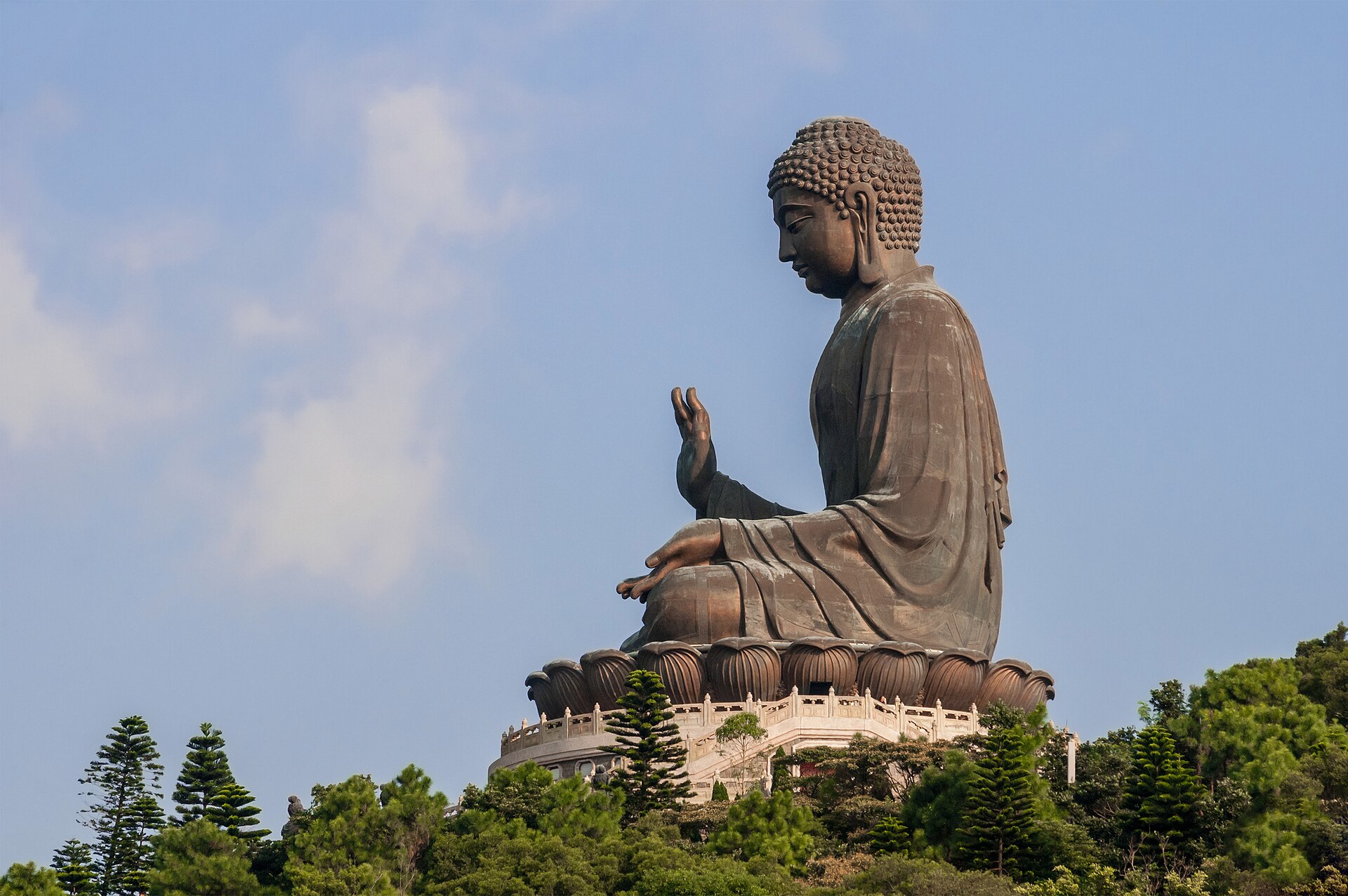
For a complete change of pace, ride the Ngong Ping 360 cable car high over the hills of Lantau Island to the giant Tian Tan Buddha — a 34-metre bronze Buddha seated serenely atop a hill, reached by 268 steps. Beside it sits the Po Lin Monastery, where you can eat an excellent vegetarian lunch, and the pretty Ngong Ping village.
Make a day of Lantau by adding the stilt-house fishing village of Tai O, with its seafood stalls and (if you’re lucky) pink dolphins, or a beach at Cheung Sha. It’s a reminder that green, rural Hong Kong sits surprisingly close to the neon.
Markets and Street Life
Hong Kong’s markets are a sensory feast and some of the best free entertainment in the city. After dark, the Temple Street Night Market in Kowloon buzzes with stalls, fortune tellers and open-air dai pai dong food; by day, Mong Kok’s themed streets deliver the Ladies’ Market (fashion and souvenirs), the Flower Market, the Goldfish Market and the twittering Yuen Po Bird Garden.
On the island’s south side, the seaside Stanley Market pairs bargain shopping with a breezy waterfront and beach. Haggle gently, keep an eye on your belongings in the crush, and treat the markets as much for the atmosphere as the shopping.
Nearby Aberdeen is the place for a short sampan ride around the typhoon shelter, where fishing boats and houseboats still crowd the water between the harbourfront and Ap Lei Chau island. Ocean Park is close by on the MTR South Island Line, so the two pair well in a south-side day.
Shopping: Malls, Markets & Tailors
Hong Kong is a shopper’s city, tax-free and endlessly varied:
- Gleaming malls: IFC and Harbour City for luxury, K11 and the Mong Kok complexes for everything else.
- Street markets: the Ladies’ Market, Temple Street Night Market and Sneaker Street.
- Bespoke tailoring: a Hong Kong tradition — a made-to-measure suit or shirt in a couple of days.
Things to Do in Hong Kong at Night
Hong Kong’s nightlife is as vertical as its skyline — the tourism board flags the hotspots:
- Lan Kwai Fong & SoHo: the buzzing bar-and-club quarters in Central, linked by the Mid-Levels Escalator.
- Rooftop bars: sky-high cocktails with jaw-dropping harbour views from Hong Kong’s tallest towers.
- Local & low-key: the dai pai dong street-food stalls and cha chaan teng for a cheaper night.
The city’s best night out is often not a bar at all. On most Wednesday evenings during the racing season, which runs from September to July, the floodlit Happy Valley Racecourse fills with office workers and visitors for races that start around 7pm. Entry to the public enclosure costs HK$10, paid by Octopus card, and the trackside beer gardens are the cheapest good time in town. Check race dates on the Hong Kong Tourism Board site before you go.
For a single evening, string the classics together: Victoria Peak at sunset, the Star Ferry across the harbour, A Symphony of Lights at 8pm from the Tsim Sha Tsui promenade, then the stalls and fortune tellers of Temple Street Night Market, which come alive after dark.
Temples, Gardens and Culture
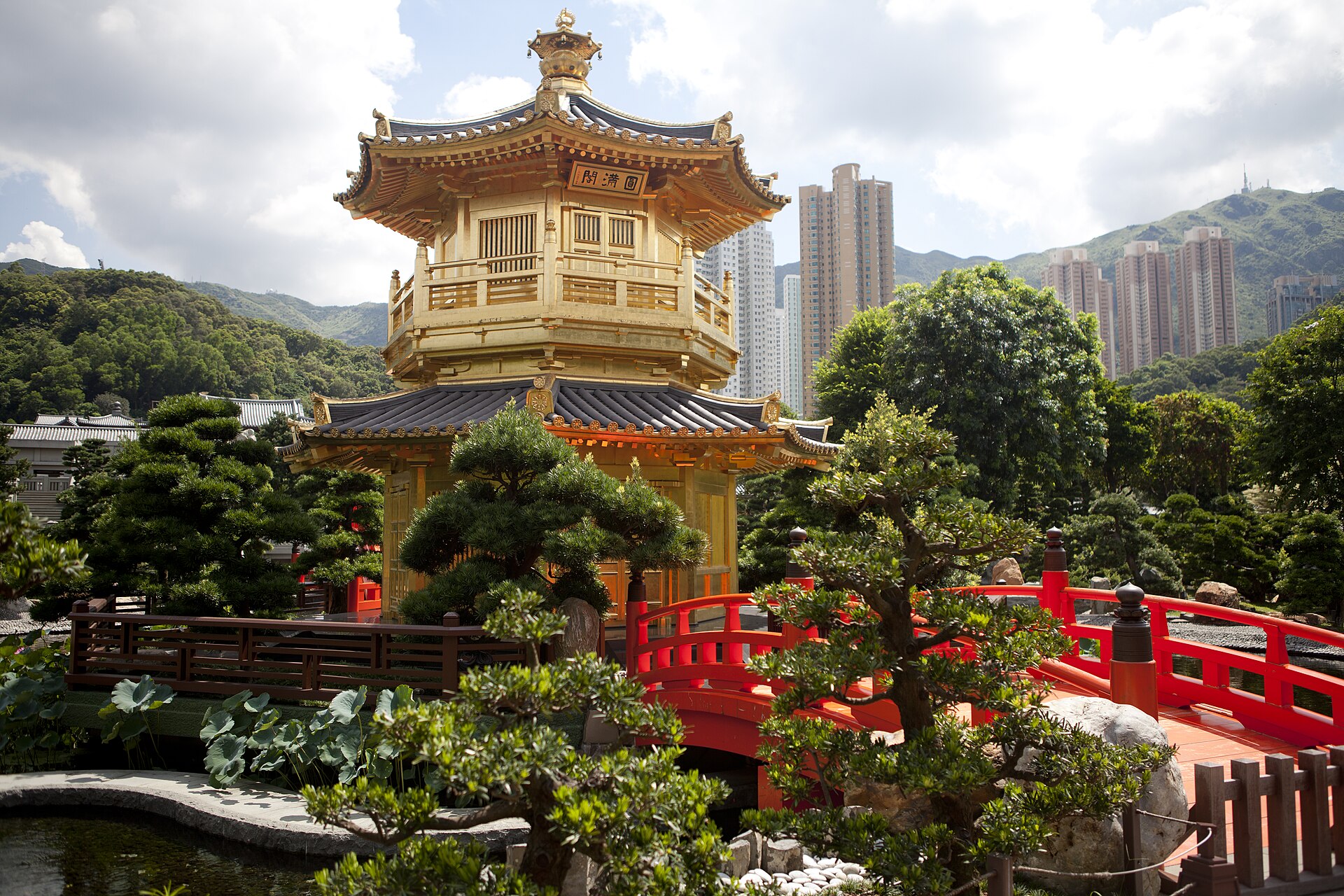
Between the skyscrapers, Hong Kong keeps pockets of deep calm. The vibrant Wong Tai Sin Temple is a riot of colour and incense where worshippers shake fortune sticks; the serene Chi Lin Nunnery and its adjoining Nan Lian Garden form a flawless Tang-dynasty-style oasis of timber halls, koi ponds and bonsai in the middle of Kowloon.
Add the historic Man Mo Temple in Sheung Wan and the colonial-era buildings of Tai Kwun and the former Marine Police Headquarters, and you have a cultural counterpoint to the shopping and skylines — often just steps from the busiest streets.
Out in the New Territories, the Ten Thousand Buddhas Monastery in Sha Tin is one of the city’s most memorable climbs: around 400 steps lined with life-size golden statues, each with a different face, lead up a wooded hillside to the temple halls and a red pagoda. It’s free and a short walk from Sha Tin MTR station (Exit B); combine it with the Hong Kong Heritage Museum, a short MTR ride away at Che Kung Temple station.
For green space in the city, Hong Kong Park in Central has a walk-through aviary, ponds and a tea-ware museum beneath the towers, all free. In Kowloon City, Kowloon Walled City Park sits on the site of the once-notorious walled enclave, demolished in the early 1990s and replaced by Jiangnan-style gardens with a few relics of the old settlement.
Beaches, Hikes and the Outlying Islands
It surprises first-timers, but Hong Kong is astonishingly green — roughly three-quarters of it is countryside, beaches and hills. The famous Dragon’s Back ridge hike serves up sweeping sea views and finishes near the surf beach of Shek O; the calmer Repulse Bay is the classic city beach; and the MacLehose and Wilson trails offer serious walking.
The car-free outlying islands are a joy: laid-back Lamma for seafood and easy trails, and pretty Cheung Chau with its temples, beaches and famous bun festival — both a cheap ferry ride from Central. They’re the perfect antidote to a few intense days in the city.
Sai Kung and the New Territories
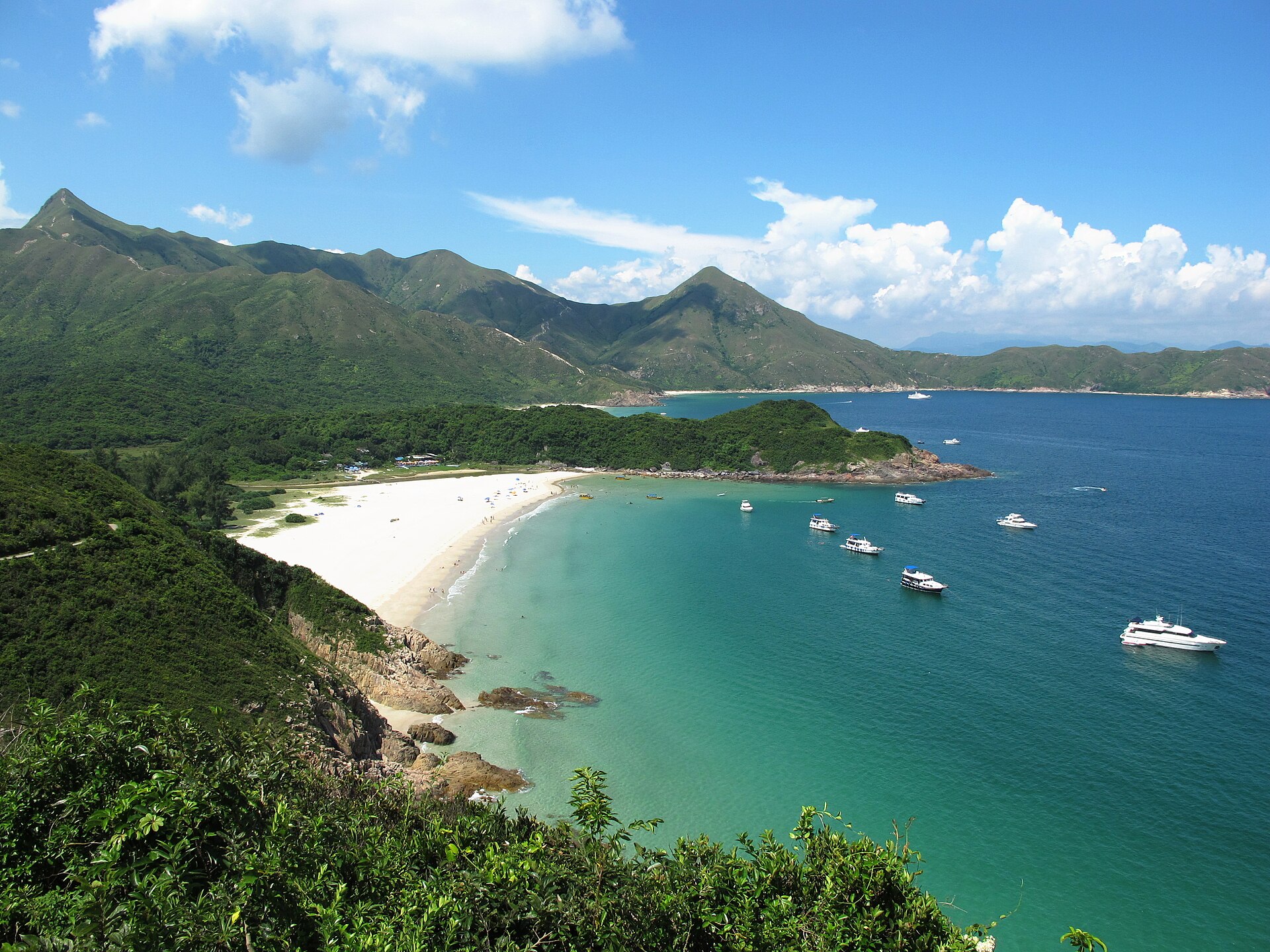
The seaside town of Sai Kung, in the eastern New Territories, is Hong Kong’s back garden: a waterfront of seafood restaurants and kaito boats that ferry visitors to quiet beaches and islands. It’s the gateway to the Hong Kong UNESCO Global Geopark, whose Sai Kung Volcanic Rock Region is known for its towering hexagonal rock columns. Further north, the Hong Kong Wetland Park in Tin Shui Wai offers boardwalks and bird hides on the edge of the mangroves.
Things to Do in Hong Kong with Kids: Disneyland and Ocean Park
Families are spoilt for choice. Hong Kong Disneyland on Lantau is a full, world-class day out with the requisite castle and China-specific attractions, while home-grown Ocean Park combines a marine-life theme park with thrill rides, cable-car views and giant pandas. Both are easy to reach and best visited on a weekday with tickets booked in advance.
Museums and Things to Do in Hong Kong on a Rainy Day
Hong Kong’s museums are the obvious refuge when typhoon or rainstorm signals go up, and several rank among the best in Asia. Most of them cluster in Tsim Sha Tsui and West Kowloon, so a wet day needs very little travel.
- M+ — the West Kowloon museum of visual culture: design, architecture, film and contemporary art, with a harbour-view terrace.
- Hong Kong Palace Museum — treasures on loan from Beijing’s Palace Museum in the Forbidden City.
- Hong Kong Museum of Art — Chinese painting, calligraphy and antiquities on the Tsim Sha Tsui waterfront.
- Hong Kong Space Museum — the egg-shaped dome next door, with a planetarium-style Space Theatre that suits children.
- Hong Kong Museum of History — its revamped permanent exhibition, the Hong Kong Story, reopened on 1 April 2026 after a renovation that began in 2020, with free admission.
- Malls and food halls — Harbour City and K11 Musea in Tsim Sha Tsui are linked by covered walkways and full of restaurants.
A rainy afternoon is also the excuse for the city’s grandest indulgence: afternoon tea in the lobby of The Peninsula in Tsim Sha Tsui, in a grand hotel that opened in 1928. It’s popular, so arrive early or expect a queue.
What to Eat in Hong Kong
Hong Kong is one of the world’s great food cities, and eating is a headline attraction in its own right. The essential ritual is dim sum — steamer baskets of har gow, siu mai, char siu bao and egg tarts, ideally over a leisurely brunch. Beyond it lies a whole culinary world, much of it astonishingly cheap.
| Dish | What it is | Where to try |
|---|---|---|
| Dim sum | Steamed & fried small plates | Tim Ho Wan, Maxim’s Palace (City Hall) |
| Wonton noodles | Springy noodles in shrimp-wonton broth | Mak’s Noodle, Tsim Chai Kee |
| Roast goose / char siu | Lacquered barbecue meats | Yat Lok, Kam’s Roast Goose |
| Cha chaan teng fare | Milk tea, pineapple bun, French toast | Any neighbourhood cafe |
| Street snacks | Egg waffles, fish balls, curry squid | Mong Kok & Sham Shui Po streets |
Don’t miss a cha chaan teng (Hong Kong-style cafe) for silky milk tea and a pineapple bun, and seek out the budget spots recognised in the MICHELIN Guide Hong Kong — a plate of roast-goose rice or a round of dim sum can be world-class for well under US$10. Listings change every year, so check the latest guide before you go.
Free Things to Do in Hong Kong
Hong Kong has a reputation for being expensive, but many of its best experiences cost nothing or next to nothing. For full daily budgets, see our Hong Kong travel cost guide.
- A Symphony of Lights — the 8pm harbour show, free from the Tsim Sha Tsui promenade and the Avenue of Stars.
- Hikes — the Dragon’s Back, the Peak Circle Walk and the MacLehose Trail are all free; you only pay the bus fare.
- Temples and gardens — Wong Tai Sin, Man Mo, Chi Lin Nunnery, Nan Lian Garden and the Ten Thousand Buddhas Monastery charge no entry.
- Parks — Hong Kong Park’s aviary and Kowloon Walled City Park.
- Tai Kwun — the former Central Police Station compound is free to wander.
- Markets — Temple Street, the Ladies’ Market and the Flower Market cost nothing to browse.
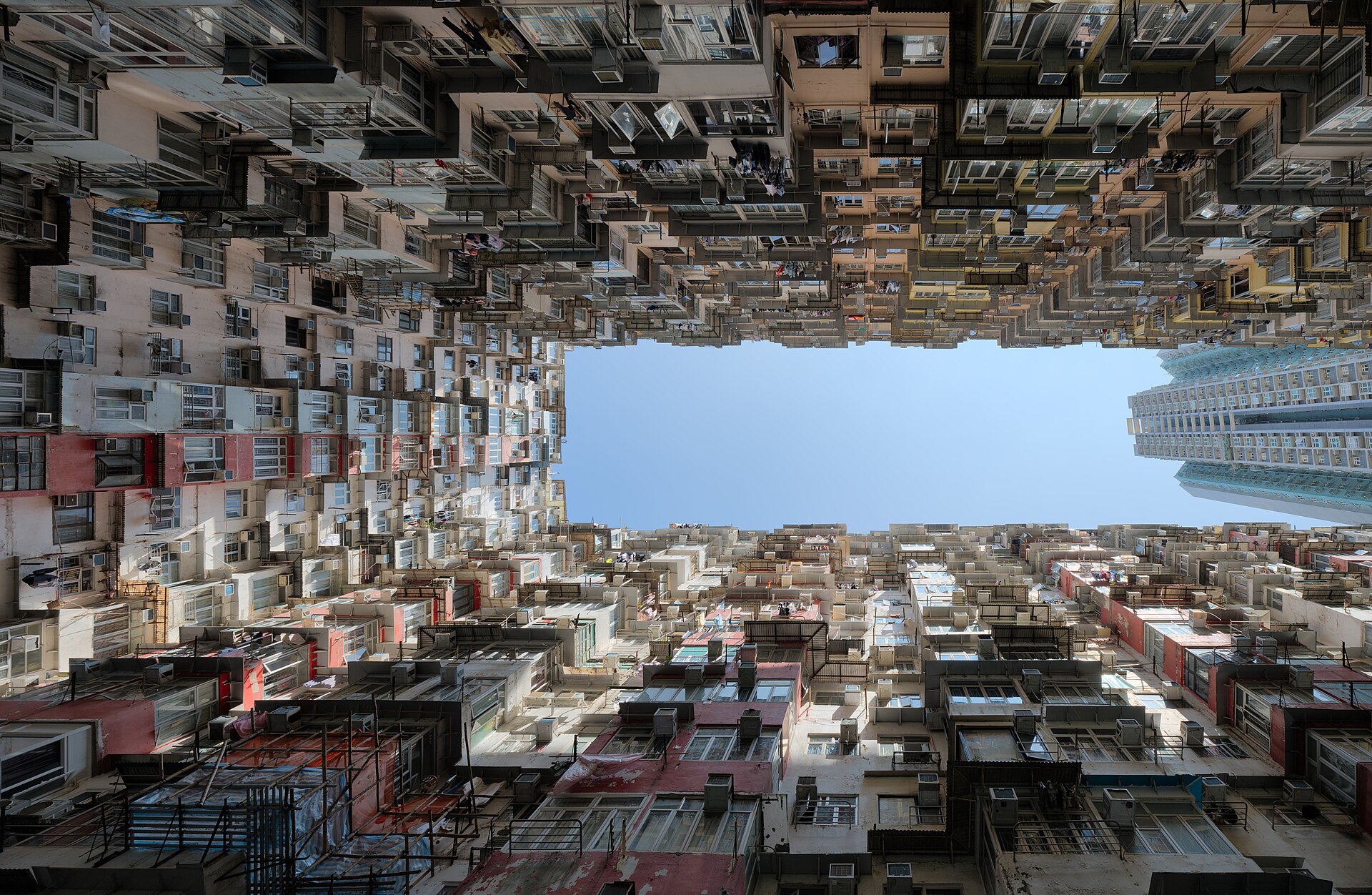
- Photo spots — the rainbow-painted Choi Hung Estate and the tightly packed ‘Monster Building’ apartment blocks in Quarry Bay.
- Almost free — the Star Ferry (HK$4–6.50) and the trams (HK$3.30) are the cheapest sightseeing rides in town.
How to Spend 1, 2 or 3 Days in Hong Kong
How many days in Hong Kong is enough? Two to three covers the highlights. The city is compact and superbly connected, so you can see a lot fast, and the plan below shows the best things to do in Hong Kong for 3 days, two days or a single day. Heading on to Korea afterwards? Our Hong Kong and Seoul itinerary links the two.
| You have… | Focus | Highlights |
|---|---|---|
| 1 day | The greatest hits | Victoria Peak → Central & SoHo → Star Ferry → TST harbourfront & Symphony of Lights |
| 2 days | Add culture & markets | + Big Buddha & Lantau, Mong Kok markets, dim sum |
| 3 days | Add nature or Macau | + Dragon’s Back hike or an outlying island, or a Macau day trip |
Base yourself near an MTR station and you can criss-cross the city and harbour with ease. Keep an evening free for the harbour at night — it’s the moment Hong Kong shows off.
Planning your Hong Kong trip?
Our partner Voyada’s AI powered trip planner builds a day-by-day plan with flights, hotels and a real total cost for your dates — in about a minute, free.
Plan trip with AI →Where to Stay in Hong Kong
Where you base yourself shapes your trip, though the excellent MTR means nowhere central is far.
| Area | Best for | Vibe |
|---|---|---|
| Tsim Sha Tsui (Kowloon) | Skyline views, museums, shopping | Buzzing, harbourfront, every budget |
| Central / Sheung Wan | Nightlife, dining, sights | Upscale, convenient, pricey |
| Causeway Bay | Shopping and food | Lively, dense, mid-to-high |
| Wan Chai | Value & nightlife on the island | Central, characterful |
| Mong Kok | Markets & local life on a budget | Frenetic, cheap, authentic |
For a first visit, Tsim Sha Tsui offers the best mix of that iconic harbour view, transport and value, while Central and Sheung Wan suit those who want to be in the dining-and-nightlife heart of the island.
Getting Around Hong Kong
Hong Kong has one of the world’s best public-transport systems, and the key to all of it is the Octopus card — a tap-and-go smartcard you buy on arrival and use on the MTR, buses, trams, ferries and even in shops and cafes.
| Mode | Cost | Notes |
|---|---|---|
| MTR (metro) | HK$5–60 (~$0.65–8) | Fast, spotless, English signage; tap Octopus |
| Star Ferry | HK$4–6.50 (~$0.50–0.85) | The scenic harbour crossing |
| Tram (‘ding ding’) | HK$3.30 (~$0.40) | Slow, charming island rides |
| Airport Express | HK$120 (~$15) to Hong Kong Station, Central, by Octopus | ~24 min from the airport |
| Taxi | HK$29 flag + extras | Cheap-ish; red on the island, green in the NT |
Grab an Octopus card (or use its app) as your first move — it makes everything seamless. The Airport Express is the fastest way into town, and for short hops the MTR almost always beats a taxi.
The Best Time to Visit Hong Kong
Hong Kong has a humid subtropical climate, and timing makes a real difference.
| Season | What to expect |
|---|---|
| Autumn (Oct–Dec) | The best window — warm, dry, clear and comfortable |
| Winter (Jan–Feb) | Mild and cool; occasionally grey, great for hiking |
| Spring (Mar–Apr) | Warming up but often humid and foggy |
| Summer (May–Sep) | Hot, very humid and typhoon season — dramatic storms |
Autumn, roughly October to early December, is the clear winner for pleasant weather and clear harbour views. Summer is hot, sticky and prone to typhoons (which can shut down transport for a day), while winter is cool, quiet and ideal for hiking.
Day Trips: Macau and the Islands
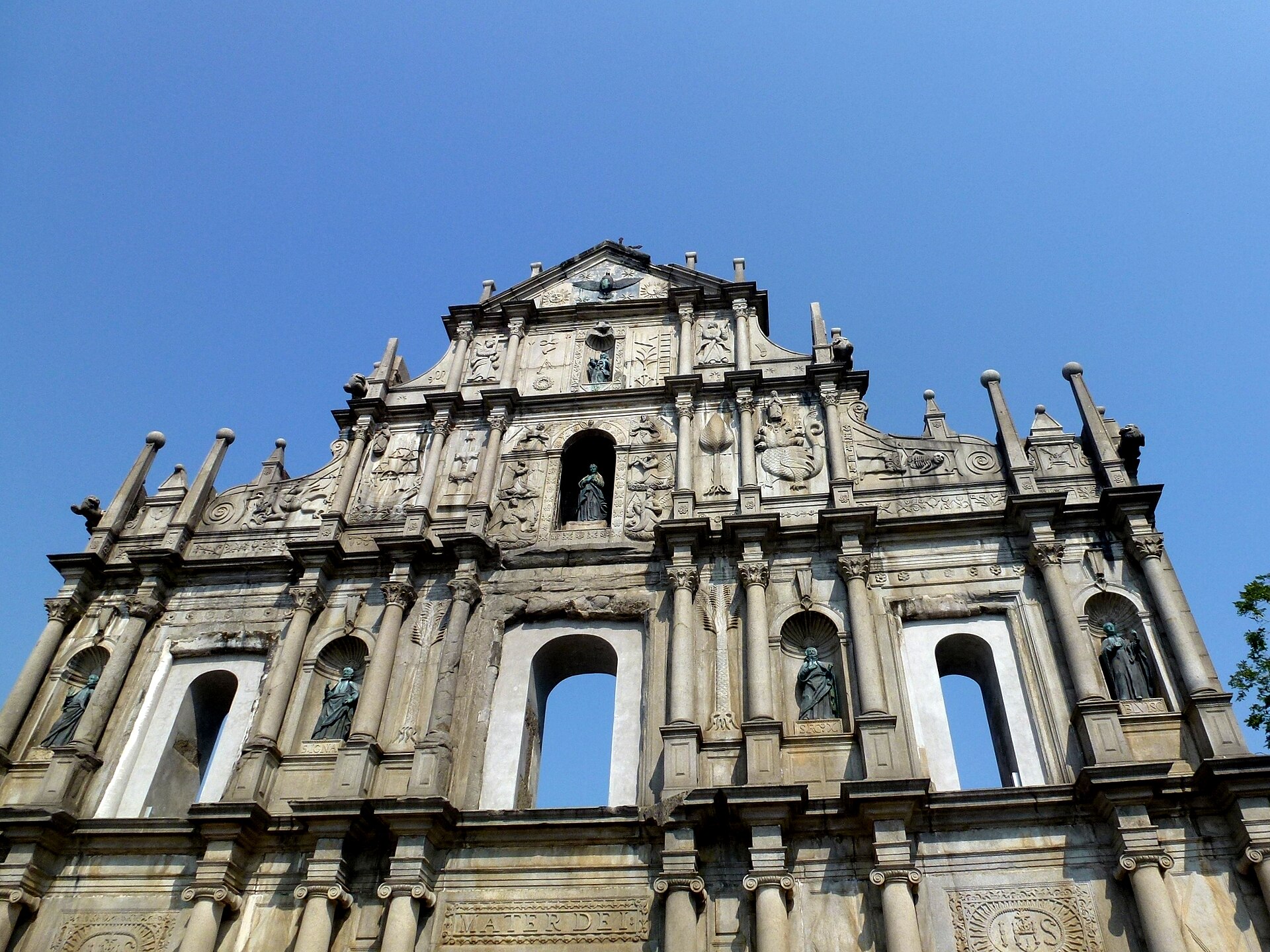
Hong Kong makes a great base for a day or two further afield. Top of the list is Macau — the former Portuguese colony an hour away by ferry (or via the vast Hong Kong–Zhuhai–Macau Bridge), where baroque churches, egg tarts and Cantonese-Portuguese food sit alongside Asia’s biggest casinos. Note that Macau is a separate territory with its own immigration, so bring your passport.
Closer to home, the outlying islands — Lamma, Cheung Chau and Peng Chau — make lovely, low-key escapes, and Lantau’s Big Buddha is an easy half-day. The mainland Chinese city of Shenzhen is also just over the border, though you’ll need the right visa arrangement to cross. If you’re tempted to go deeper into the mainland, our China travel cost guide covers budgets.
Hong Kong Travel Tips
Hong Kong is one of Asia’s easiest cities for Western visitors, but a few pointers help:
- Visas: most nationalities (including US, UK, EU, Canada, Australia) enter visa-free for 30–90 days; US citizens get up to 90 days. Check yours with the Hong Kong Immigration Department, but it’s usually a non-issue.
- Currency: the Hong Kong dollar (HK$), separate from mainland China’s yuan; cards and Octopus are widely accepted.
- Internet: unlike the mainland, Hong Kong has open internet — Google, WhatsApp and social media all work normally.
- Language: Cantonese is the mother tongue, but English is an official language and widely spoken.
- Octopus card: buy one on arrival for effortless transport and payments.
- Weather: in summer, watch for typhoon signals, which can pause transport and close attractions.
Frequently Asked Questions
Is Hong Kong worth visiting?
Absolutely. Hong Kong packs one of the world’s great skylines, superb and famously cheap food, buzzing markets, serene temples and surprisingly wild hiking and beaches into one compact, easy-to-navigate city. It’s also a fascinating meeting of Chinese and Western culture, and one of Asia’s most rewarding short breaks.
How many days do you need in Hong Kong?
Two to three days covers the highlights — Victoria Peak, the harbour and Star Ferry, the Big Buddha, the markets and plenty of dim sum. Add a day for a Macau day trip, an outlying island, or a hike like the Dragon’s Back if you have longer.
Do I need a visa for Hong Kong?
Most nationalities — including US, UK, EU, Canadian and Australian citizens — can enter Hong Kong visa-free for 30 to 90 days for tourism. Hong Kong has its own immigration separate from mainland China, so check your passport’s allowance, but for most visitors it’s a simple, stamp-on-arrival affair.
What is the best way to get around Hong Kong?
The MTR metro is fast, spotless and English-signed, and the key to everything is the Octopus card — a tap-and-go smartcard you buy on arrival and use on the MTR, buses, trams, ferries and in shops. The Star Ferry and the old trams are cheap, scenic ways to travel too.
What food is Hong Kong famous for?
Above all, dim sum — steamer baskets of dumplings, buns and egg tarts. Beyond that, Hong Kong is renowned for wonton noodles, roast goose and char siu, milk tea and pineapple buns in cha chaan teng cafes, and some of the world’s cheapest Michelin-starred meals.
What is the best time to visit Hong Kong?
Autumn, roughly October to early December, is the best time — warm, dry and clear, with the sharpest harbour views. Winter is mild and good for hiking, spring is humid and foggy, and summer is hot, sticky and prone to typhoons that can briefly disrupt travel.
Is Hong Kong expensive to visit?
It can be, but it doesn’t have to be. Hotels and cocktails are pricey, but public transport is cheap, many top sights are free or low-cost, and the food — from street snacks to Michelin-cheap noodle shops — is superb value. Budget travelers can eat and get around remarkably cheaply.
Is Hong Kong safe for tourists?
Very. Hong Kong is one of the safest major cities in the world, with low crime and an easy, welcoming feel for visitors. Normal city sense applies — watch your belongings in crowded markets — and in summer keep an eye on typhoon warnings, which can pause transport.
Is Hong Kong good for nightlife?
Excellent. Lan Kwai Fong and the surrounding SoHo district in Central are the heart of the scene, packed with bars and clubs and connected by the world’s longest outdoor escalator. For something more memorable, head to one of Hong Kong’s famous rooftop bars for cocktails with a soaring view over Victoria Harbour. For a cheaper, more local night, grab drinks and snacks at a dai pai dong street stall.
What happens if a typhoon hits while I am in Hong Kong?
The city runs a public warning scale and it dictates everything. At signal three life carries on; when signal eight goes up Hong Kong effectively stops, with offices, shops, schools and attractions closing, ferries tied up, buses and trams withdrawn and flights disrupted, although the underground railway usually keeps a reduced service running. The observatory normally gives a couple of hours’ notice, which is your window to get back to the hotel and buy food. Black rainstorm warnings have a similar effect. Stay indoors and away from windows, keep off the hiking trails and the seafront, and accept that a day of your itinerary may vanish.
How hard is the Dragon's Back hike, and when should I avoid it?
As a walk it is moderate rather than hard: a few hours on a well-made ridge path, a steady climb at the start, sea views most of the way and a finish near the beach at Shek O. The catch is the weather. Long stretches of the ridge carry almost no shade, and in the humid months heat exhaustion is the real hazard on a trail that looks undemanding, and there is no quick way off it once you have committed. Start early, carry far more water than feels necessary, and skip it entirely when a very hot weather or thunderstorm warning is in force.
Do people speak English in Hong Kong?
Enough that you will rarely be stuck. English is an official language alongside Chinese, so signs, transport announcements, museum labels and most menus are bilingual, and staff in hotels, attractions and larger shops generally speak it well. Cantonese is what people actually use with each other, and in older neighbourhoods, market stalls, taxis and small family restaurants you may fall back on pointing, photographs and a translation app. Having your destination written in Chinese characters to show a taxi driver solves most difficulties. A hello and a thank you in Cantonese is appreciated, but nobody expects it of visitors.
Is the tap water safe to drink in Hong Kong?
The supply is treated to international standards and residents drink it, so what leaves the mains is fine. The doubt is the plumbing inside older buildings, where ageing pipes and rooftop tanks can affect what reaches your tap. In a modern hotel, drinking it is unremarkable; in older guesthouses many people run the tap for a while first, use the kettle, or stick to filtered water. Boiling is not needed for disinfection. Public refill stations are increasingly common around the city, so carrying a bottle saves money and plastic on a hot, sticky day of sightseeing.
Do I need a visa to visit Macau or mainland China from Hong Kong?
Hong Kong, Macau and mainland China each run their own immigration, so every one of those hops is a proper border crossing. Carry your passport for Macau, where most Western visitors are admitted without a visa for a short stay, and allow time for queues at the ferry terminal or the road bridge. The mainland, including Shenzhen just over the boundary, is a separate question: some nationalities now qualify for visa-free entry under schemes that have been widening, while others must arrange a visa in advance. Check your own passport’s position before you commit to the day trip.
Hong Kong Disneyland or Ocean Park, which is better with children?
It depends on the ages in your group. Disneyland, out on Lantau, is the gentler and more polished day out: characters, parades and rides almost nobody is too nervous for, and as one of the smaller Disney parks it fits comfortably into a single visit. Ocean Park, on the island’s south side, mixes aquariums, giant pandas and hillside cable-car views with serious roller coasters, which suits older children, teenagers and adults far better and rewards a full day. With a mixed-age family and only one day spare, Disneyland causes fewer arguments, while thrill-seekers will prefer Ocean Park.
What are the best things to do in Hong Kong for first-time visitors?
On a first visit, prioritise Victoria Peak by Peak Tram, a Star Ferry crossing, A Symphony of Lights at 8pm, the Big Buddha on Lantau Island, Temple Street Night Market and a proper dim sum meal. Those six fit into two days. With a third day, add the Dragon’s Back hike, an outlying island such as Lamma or a Macau day trip. Base yourself in Tsim Sha Tsui or Central for the easiest access.
What can you do in Hong Kong on a rainy day?
Head for the museums: M+ and the Hong Kong Palace Museum in West Kowloon, and the Museum of Art, Space Museum and Museum of History in Tsim Sha Tsui, all within a short walk or MTR ride of each other. Covered malls such as Harbour City, a long dim sum lunch or afternoon tea at The Peninsula fill the rest of the day. Avoid hikes and the Peak when rainstorm warnings are up.
What are the best free things to do in Hong Kong?
A Symphony of Lights on the harbour at 8pm, hiking the Dragon’s Back, the temples (Wong Tai Sin, Man Mo, Chi Lin Nunnery and Nan Lian Garden), Hong Kong Park’s aviary, Tai Kwun and the street markets are all free. The Museum of History’s Hong Kong Story exhibition is free too, and the Star Ferry (from HK$4) and trams (HK$3.30) cost well under US$1.
Can you leave the airport on a Hong Kong layover?
Yes, if your passport allows visa-free entry, as US, UK, EU, Canadian and Australian passports do. With six or more hours between flights, the Airport Express reaches Hong Kong Station in Central in about 24 minutes, enough for the Peak or a Star Ferry crossing. With less time, stay on Lantau: the Ngong Ping 360 cable car to the Big Buddha leaves from Tung Chung, a short ride on bus S1 from the airport.
How do you get to the Big Buddha?
Take the MTR Tung Chung Line to Tung Chung, then either ride the Ngong Ping 360 cable car, a 5.7-kilometre, roughly 25-minute trip over the hills, or catch New Lantao Bus route 23 to Ngong Ping. From the village it’s a short walk to Po Lin Monastery and the 268 steps up to the Tian Tan Buddha. Allow at least half a day, and check cable car maintenance closures before you go.
How much money do you need for 3 days in Hong Kong?
Hotels are the big variable. Food and transport are cheap: an Octopus card loaded with HK$200 to HK$300 covers most MTR, tram and ferry rides for three days, and you can eat well at noodle shops and cha chaan teng for HK$60 to HK$120 a meal. Add the Peak Tram, Ngong Ping 360 and drinks, which add up fast. Our Hong Kong travel cost guide breaks budgets down by travel style.
What should you not do in Hong Kong as a tourist?
Don’t eat or drink on the MTR, as it’s banned and fines apply, and stand on the right on escalators so people can pass on the left. Avoid sticking chopsticks upright in rice, keep your voice down on public transport, and don’t set out on hiking trails when a typhoon, rainstorm or very hot weather warning is in force. Haggle in markets, but politely.
Planning Your Hong Kong Trip
Hong Kong is one of the easiest and most exhilarating cities in Asia to visit: compact, superbly connected, English-friendly and endlessly surprising. Grab an Octopus card, ride to the Peak, cross the harbour on the Star Ferry, eat your way through the dim sum houses and markets, and leave a day for the Big Buddha or an island escape. Give it two or three days and this glittering city delivers far more than its famous skyline. If Hong Kong is the first stop of a bigger Asia trip, the best things to do in Seoul make a natural next stop.
Before you go: turn this guide into a day-by-day plan. Our partner Voyada is a free travel itinerary planner that builds the trip with flights, hotels and a real total cost for your dates — in about a minute.
Create an itinerary →