Table of Contents
ToggleDid you know that over 18 million international travelers visit this Southeast Asian destination every year? Despite the massive crowds, most people struggle to see the best sights because they lack a clear plan. A two-week window offers the perfect balance of bustling cities and serene natural wonders.
This guide provides the most efficient path for your first trip. By focusing on a structured route, you can navigate the unique geography of the country without feeling rushed or overwhelmed by complex logistics.
We have designed this specific vietnam itinerary to help you maximize your time on the ground. Whether you are craving street food in Hanoi or cruising through limestone karsts, this top vietnam itinerary ensures you hit every highlight while keeping your stress levels low.
Key Takeaways
- A two-week duration is ideal for covering major regions without burnout.
- Focus on a north-to-south route to save travel time and energy.
- Prioritize a mix of urban exploration and outdoor adventure.
- Use domestic flights to bridge long distances between key hubs.
- Plan your transit in advance to avoid common tourist pitfalls.
The Vietnam Itinerary at a Glance
The classic north-to-south route with days per stop — then the full day-by-day plan below.
| Stop | Days | Why |
|---|---|---|
| Hanoi | 2–3 days | The atmospheric capital — Old Quarter, street food, day base for Ninh Binh |
| Ha Long / Lan Ha Bay | 1–2 days | Overnight cruise among the limestone karsts — book a reputable boat |
| Ninh Binh (optional) | 1 day | ‘Ha Long on land’ — rice-paddy karsts by rowboat, easy from Hanoi |
| Hoi An & Da Nang | 2–3 days | Lantern-lit old town, tailors, beaches — central Vietnam’s highlight |
| Hue (optional) | 1 day | Imperial citadel and tombs, between Hoi An and the north |
| Ho Chi Minh City & Mekong | 2–3 days | Buzzing south, war history, Cu Chi tunnels, a Mekong Delta day |
✈️ TripToGo Travel Deals
Get notified about great travel deals
Hand-picked flight, hotel and destination deals, straight to your inbox. No spam, unsubscribe anytime.
🎉 Thank you for subscribing!
You’re all set — the best travel deals are on their way.
Travel One Direction, Three Climate Zones, the E-Visa: Key Facts
Vietnam is long — travel it in one direction. The classic route runs north to south (Hanoi → Ha Long → Hoi An → Ho Chi Minh City), using cheap 1–2-hour domestic flights to skip the long overland legs. Ten to fourteen days covers the highlights comfortably; two weeks lets you add Sapa or the Mekong properly.
Weather runs on three zones, not one, so there is no single perfect month countrywide — the north is best October–April, the centre (Hoi An) February–August, the south December–April. Aim for the overlap or accept some regional rain; central Vietnam floods October–November (see our Hoi An guide).
Entry and logistics: most visitors need Vietnam’s e-visa, issued only at the official evisa.gov.vn — avoid lookalike sites. Still choosing a country? Our Thailand vs Vietnam comparison helps. Official resource: Vietnam Tourism.
Essential Planning for Your Vietnam Itinerary
Creating a solid plan is key to making the most of your Vietnam trip. Organizing your logistics early lets you dive into the vibrant culture and breathtaking scenery. A well-structured itinerary is your guide to a seamless and memorable journey.
Determining Your Trip Duration
Vietnam’s diverse regions demand your full attention. While ten days can cover the highlights, a two-week trip offers a more relaxed pace. This extra time allows you to fully experience local markets and hidden coastal gems without feeling rushed.
Visa Requirements and Entry Procedures
US citizens are not visa-exempt and need an e-visa; the 45-day waiver covers mainly European and East Asian nationalities. Understanding entry rules is simpler than many think. Always check the latest government updates before booking your flights to ensure your documents are in order.
Mapping Your Route: North to South vs. South to North
Choosing your direction is a critical part of planning your trip. Most travelers decide based on their arrival airport, starting in Hanoi or Ho Chi Minh City. Both paths offer incredible experiences, so choose the one that fits your flight deals best.
Traveling from north to south ends your trip with the Mekong Delta’s tropical warmth. On the other hand, heading from south to north builds excitement for Sapa’s dramatic mountain landscapes. Regardless of your choice, you’re set for an unforgettable journey through Vietnam.
Planning this trip?
Our partner Voyada’s trip plan AI builds a day-by-day plan with flights, hotels and a real total cost for your dates — in about a minute, free.
Plan my vacation →Best Time to Visit and Weather Patterns
Creating the perfect vietnam itinerary requires understanding the timing of your visit. The country’s vast length means weather patterns differ greatly by location. By planning ahead, you can ensure a comfortable journey through Vietnam’s diverse landscapes.
Understanding Regional Climate Variations
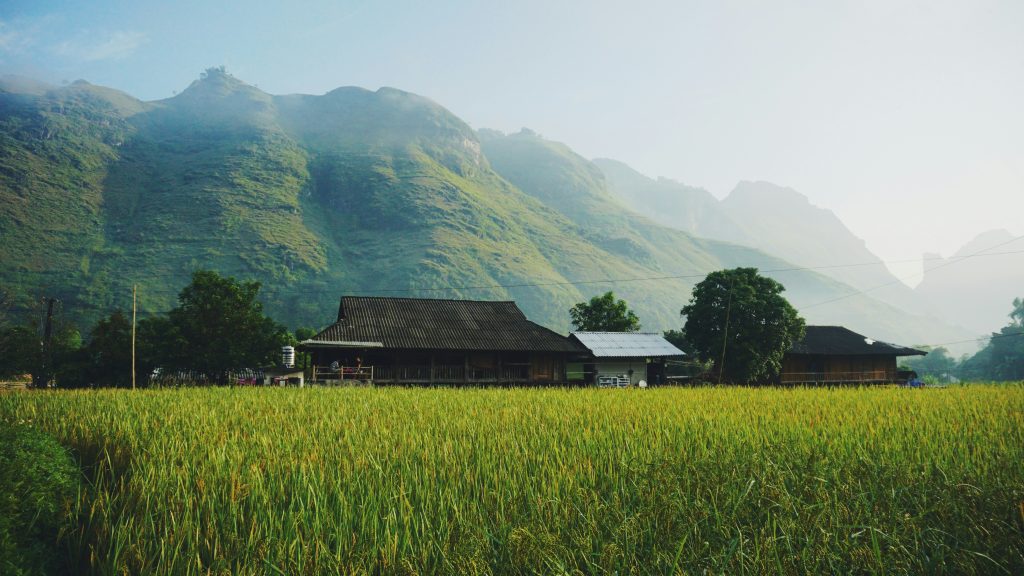
Northern Vietnam has four distinct seasons, with cold winters in the mountains and hot, humid summers. The central region enjoys a tropical climate, warm all year but rainy in autumn. Southern Vietnam is hot, with a wet and dry season.
When planning your top vietnam itinerary, consider these climate differences. You might need a heavy jacket in Sapa and light linen in the Mekong Delta. Packing layers is essential for adapting to these regional variations.
Peak Season vs. Shoulder Season Benefits
Most tourists visit from December to April, when the weather is most stable. Yet, this period also sees more crowds at popular spots. May or September, the shoulder seasons, offer pleasant weather with fewer tourists.
Traveling in these months can be cost-effective. You’ll save on flights and accommodations and enjoy shorter lines at attractions. It’s ideal for those aiming to stretch their travel budget.
Avoiding Monsoon and Typhoon Risks
Monsoon rains are a natural part of Vietnam’s climate but can disrupt travel. Typhoons hit the central coast from August to November. Regularly checking local weather forecasts is key to staying safe and adjusting your plans if needed.
Traveling during the rainy season requires flexibility. While storms can occur, they often clear quickly, revealing lush landscapes. Staying informed helps you navigate weather changes without disruption.
Budgeting for Your First Trip
Embarking on a customized Vietnam itinerary requires a clear financial plan. Despite its affordability, a well-thought-out budget ensures a stress-free journey. Whether you seek a budget-friendly adventure or a luxurious experience, Vietnam caters to all budgets.
Daily Cost Estimates for Budget, Mid-Range, and Luxury Travelers
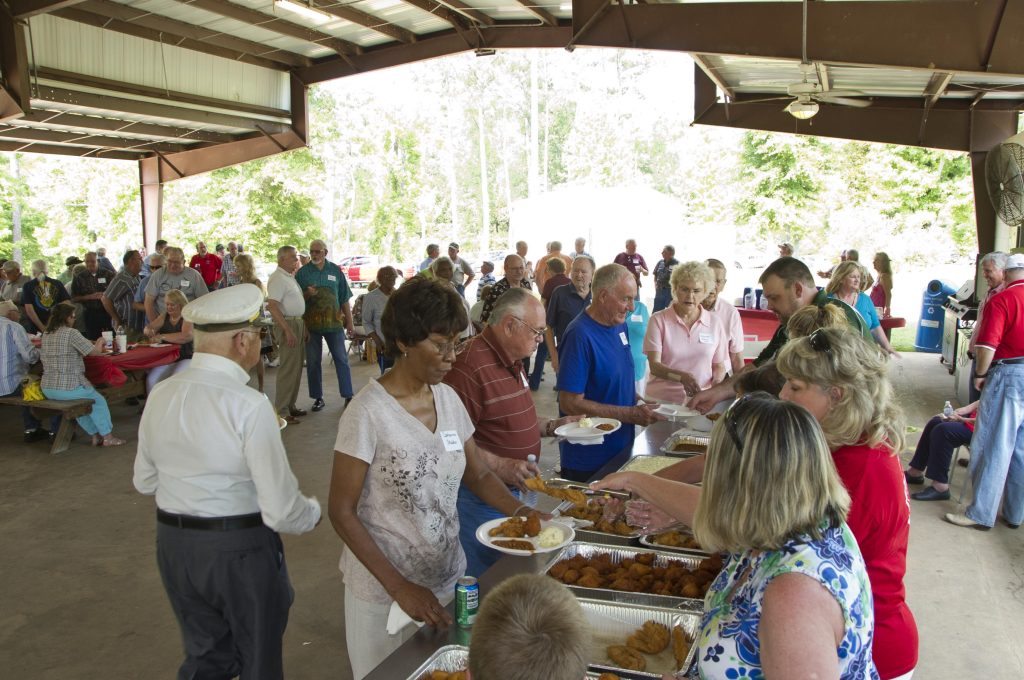
Budget-conscious travelers can explore Vietnam on $30 to $45 daily. This covers the cost of hostels, street food, and local transport. Your money stretches further here than in many other places.
Mid-range travelers should budget $70 to $120 daily. This allows for private hotels, train cabins, and a mix of street food and restaurants. Luxury seekers can expect to spend over $200 daily for top-tier resorts, private tours, and gourmet dining.
Hidden Costs to Account For
Small expenses can quickly add up. Always budget for visa fees, which vary by nationality. Also, remember to save for entrance fees at historical sites and temples, usually paid in cash.
Tipping is optional but appreciated in upscale settings. Don’t forget travel insurance and occasional ride-hailing costs. A small buffer in your budget can prevent unexpected expenses.
Currency Exchange and ATM Usage
The Vietnamese Dong (VND) is the local currency. While some places accept credit cards, cash is preferred for everyday purchases. You’ll need small bills for street vendors and local markets.
ATMs are common in cities like Hanoi, Da Nang, and Ho Chi Minh City. Most accept international debit cards, but inform your bank before traveling. Withdraw larger amounts to minimize fees from local banks.
Navigating Vietnam: Transportation Options
Vietnam stretches out as a long, stunning country. The right transport choice greatly influences your journey. To craft the best vietnam itinerary, balance speed with the allure of scenic views. A mix of travel modes saves time while allowing you to soak in the local beauty.

Domestic Flights for Long Distances
Domestic flights are essential for bridging the distance between the north and south. Airlines like Vietnam Airlines and VietJet offer numerous connections between key cities. This method keeps your itinerary on track, leaving more time for exploration.
The Experience of Overnight Trains
For those who enjoy a more leisurely pace, Vietnam’s rail network offers a scenic journey. An overnight train ride is a quintessential adventure that also saves on accommodation costs. Though slower than flying, it enriches your customized vietnam itinerary with a unique flavor.
Options range from soft sleepers to hard berths, catering to various comfort levels. Witnessing the countryside’s transformation outside your window is a cherished experience. It’s a calm way to move between areas, avoiding the hassle of airport procedures.
Using Ride-Hailing Apps for City Travel
Upon arriving in a city, navigating is made easy by modern tech. Ride-hailing apps like Grab are highly recommended. They offer a safe, clear, and cost-effective way to traverse urban landscapes.
These apps display prices upfront, eliminating the need for haggling. Booking a car or motorbike taxi is just a few taps away. Leveraging these apps ensures your customized vietnam itinerary remains seamless and worry-free.
Northern Vietnam: Hanoi and Ha Long Bay
Exploring the rugged beauty of northern Vietnam is essential for crafting the ultimate Vietnam itinerary. This region is the cultural heart of the country, blending chaotic city life with serene natural wonders. A customized Vietnam itinerary should highlight these iconic northern spots, catering to both the adventurous and those seeking tranquility.

Exploring the Old Quarter of Hanoi
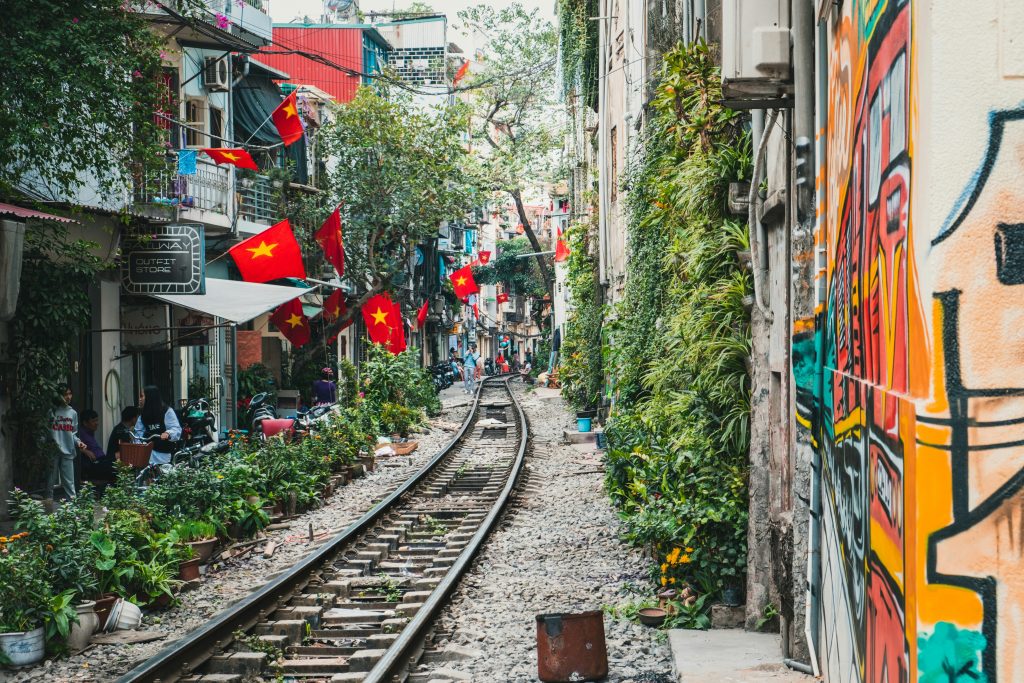
Hanoi’s Old Quarter is a sensory explosion, with narrow streets, colonial architecture, and endless motorbikes. Hours can be spent wandering through its maze-like alleys, uncovering hidden cafes and traditional craft shops. Don’t miss the chance to try authentic street food like Pho or Bun Cha amidst the vibrant local atmosphere.
Choosing the Right Ha Long Bay Cruise
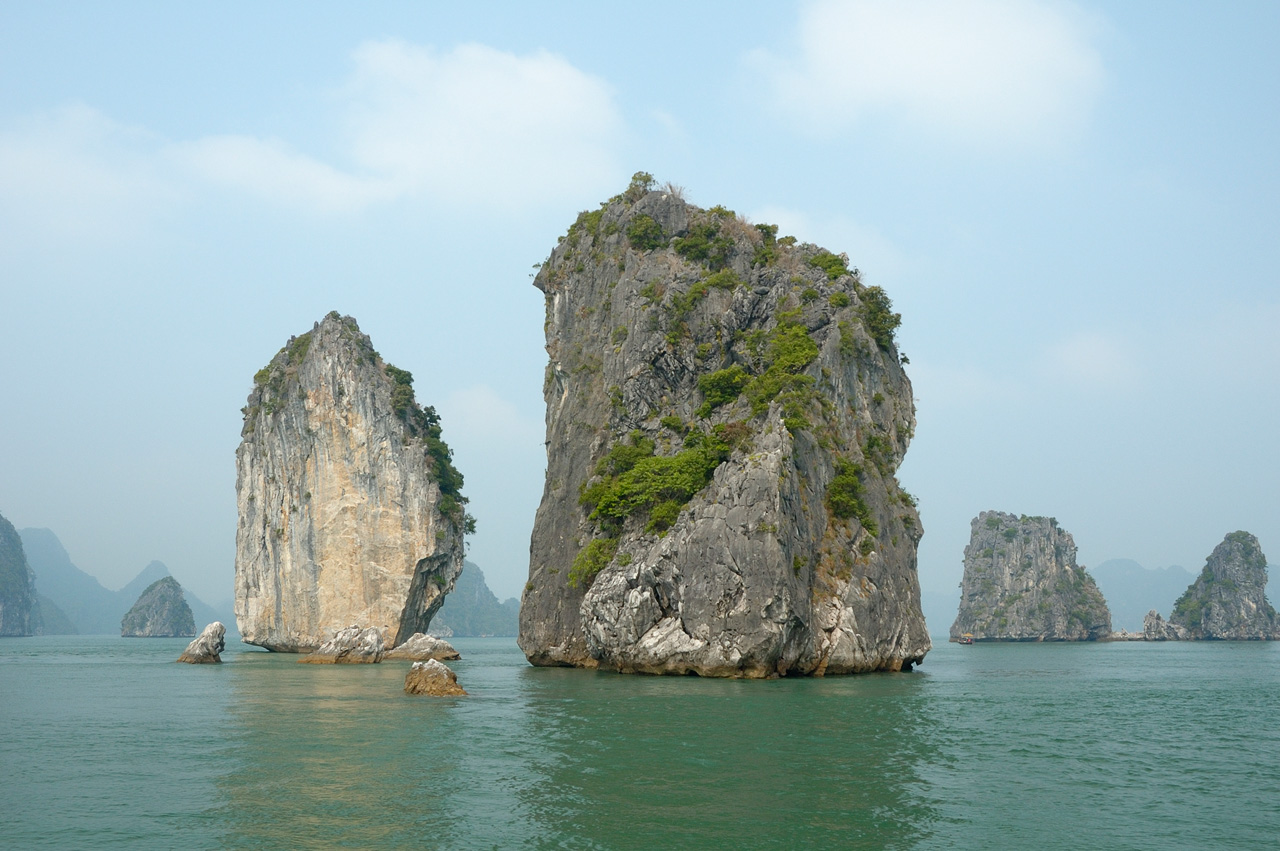
Choosing the right Ha Long Bay cruise is key to enjoying its emerald waters and limestone karsts. Opt for smaller boats to explore quieter areas of the bay, avoiding the crowds. Always check recent reviews for safety standards and excursion quality to make your trip unforgettable.
Mountain Escapes: Sapa and Ha Giang
The northern mountains of Sapa and Ha Giang offer breathtaking landscapes. Sapa boasts stunning views of terraced rice fields and opportunities to connect with local ethnic minority communities. Ha Giang’s winding roads provide a rugged, off-the-beaten-path experience. Including these mountain regions will make your Vietnam itinerary truly unforgettable.
Central Vietnam: Heritage and Coastal Charm
Seeking the heart of Vietnam? Look no further than central Vietnam. This region is the cultural core, blending imperial history with coastal tranquility. It’s a key destination for those seeking a genuine experience.
The Ancient Town of Hoi An
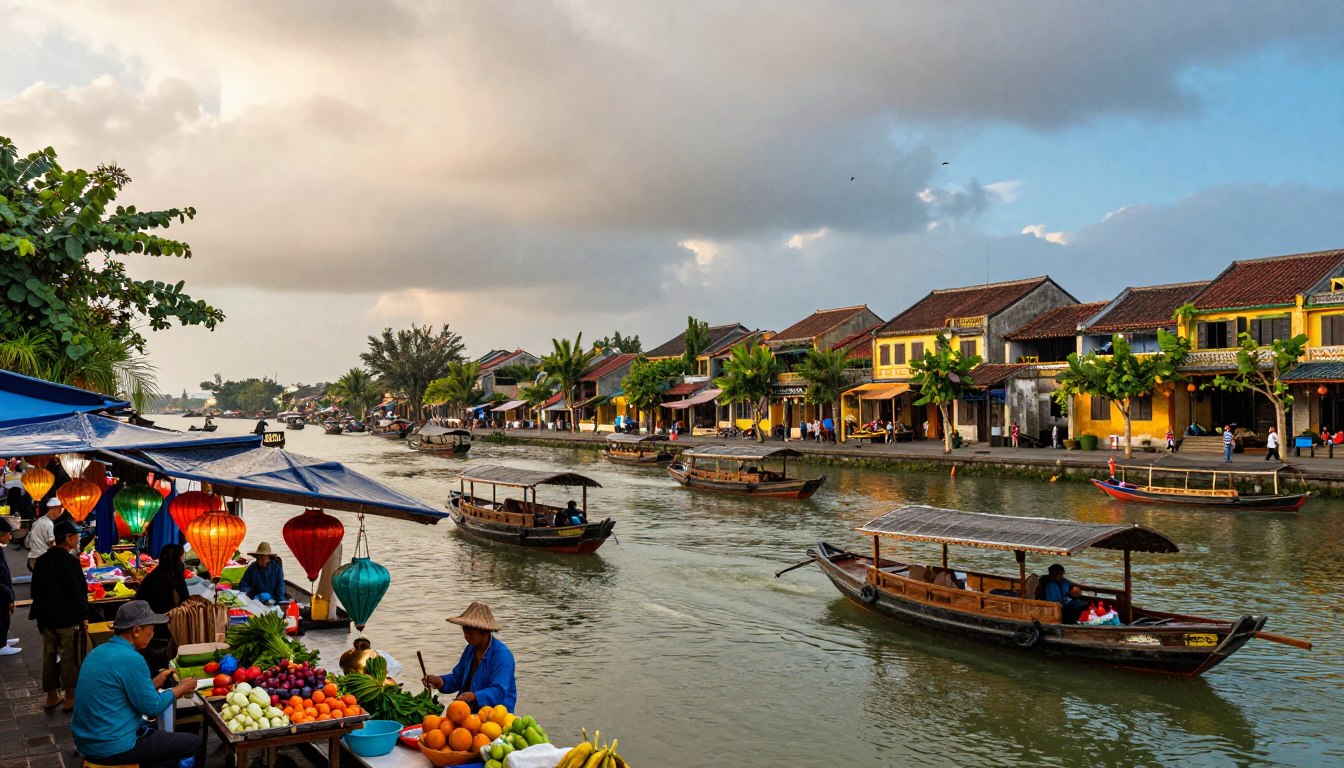
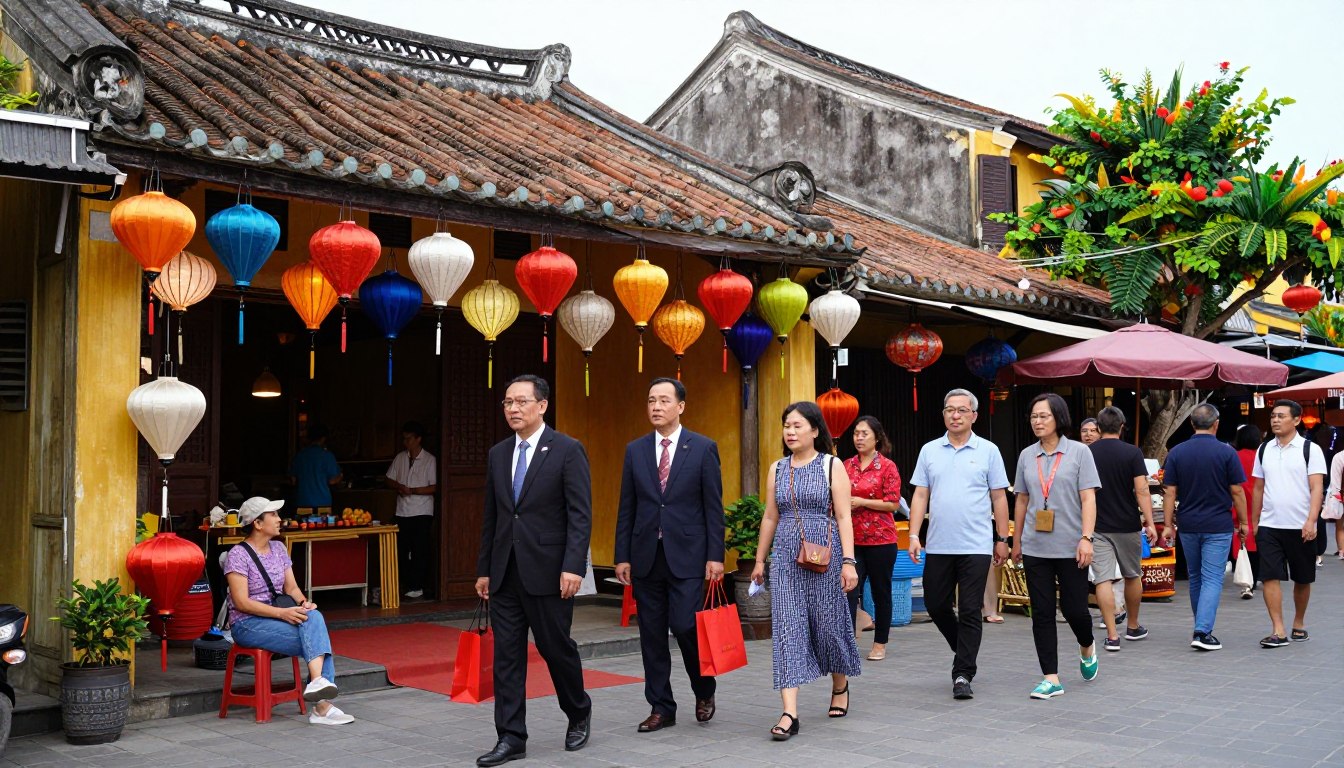
Hoi An is renowned for its preserved architecture and vibrant lantern-lit streets. Walking here is like stepping into a bygone era, filled with color and calm. Don’t miss the local street food, considered some of Vietnam’s finest.
Imperial History in Hue
Hue is a treasure trove for history buffs, with its massive citadel and ornate royal tombs. These sites offer a glimpse into the opulence of a long-lost dynasty. Exploring them is a must for any Vietnam itinerary.
Relaxing on the Beaches of Da Nang
After immersing yourself in history, Da Nang’s beaches offer a serene retreat. Their soft sands and clear waters are a perfect respite from sightseeing. It’s the perfect place to unwind before continuing your journey.
This region embodies the spirit of an ultimate Vietnam itinerary. Whether exploring ancient alleys or relaxing by the sea, it offers a unique blend of heritage and natural beauty. Every traveler finds something unforgettable here.
Southern Vietnam: Ho Chi Minh City and the Delta
Your ultimate vietnam itinerary is not complete without experiencing Ho Chi Minh City and the Mekong Delta. This area is alive with energy, rich in history, and surrounded by lush rivers. It offers a perfect contrast to the quieter north.
War History and Modern Life in Ho Chi Minh City
Ho Chi Minh City, once known as Saigon, is a bustling metropolis that never rests. Spend your days at the War Remnants Museum and the Reunification Palace to grasp the country’s complex history. These sites provide a somber reflection on the past, while the city streets pulse with modern dreams.
Travelers on a budget can find hostels for under $15 a night. For those seeking luxury, world-class hotels are available. The best time to visit is between December and April, when the weather is dry and pleasant. Ride-hailing apps make navigating the city easy, keeping costs low and travel times efficient.
Exploring the Mekong Delta Waterways
A short drive from the city leads to the Mekong Delta’s serene waterways. This area is the agricultural heart, known for its floating markets and lush fruit orchards. It’s essential for those seeking a slower pace in their vietnam travel itinerary.
Most visitors spend a day or two exploring the delta by boat. Guided tours that include local homestays offer a chance to experience authentic river life. The dry season is the best time to visit, ensuring easier travel along the winding canals.
Island Getaways: Phu Quoc
Want this planned for you?
TripToGo has 15 Vietnam itineraries, each with its own departure dates and a full list of what's included.
Browse Vietnam trips →Phu Quoc offers a relaxing end to your trip after the urban exploration. This island is famous for its pristine white sand beaches and crystal-clear waters. It’s the ideal place to unwind before returning home.
Reaching the island is easy via a short domestic flight from Ho Chi Minh City, taking about one hour. The best months to visit are from November to March, when the skies are clear and the seas are calm. Vietnamese beaches are not always supervised, though, and tidal changes and strong winds can still cause hazardous currents and rip tides, so check local flags and conditions before swimming. Whether you prefer lounging on the beach or exploring the local night markets, Phu Quoc provides a peaceful conclusion to your journey.
Cultural Etiquette and Local Customs
Being a thoughtful guest in Vietnam opens doors to genuine connections and unforgettable memories. Following local customs shows respect for the rich heritage that makes your vietnam travel itinerary special. Embracing these simple social norms ensures positive and rewarding interactions throughout your journey.
Dress Codes for Temples and Pagodas
Vietnam is home to many sacred sites that require modest clothing. When visiting temples or pagodas, ensure your shoulders and knees are covered. Carry a light scarf or sarong in your day bag to stay prepared.
Removing your shoes before entering prayer halls is essential. Look for shoe racks near the entrance to keep the area tidy. These small gestures show your appreciation for these beautiful locations’ spiritual significance.
Interacting with Locals Respectfully
Vietnamese people are known for their warmth and hospitality toward visitors. A friendly smile can break the ice during your daily adventures. When greeting someone, a slight nod or polite bow is appreciated, though a handshake is also acceptable in modern settings.
Always use both hands when giving or receiving items, such as business cards or money. This action is seen as a sign of respect and gratitude. Being mindful of your body language will make locals eager to share their culture with you.
Understanding the Concept of Saving Face
The concept of “saving face” is vital in Vietnamese social harmony. It means avoiding public embarrassment or confrontation at all costs. Keeping your cool, even in frustrating situations, is the best approach to handling minor travel hiccups.
If you encounter a misunderstanding, address it calmly and patiently. Raising your voice or showing anger will only make the situation worse. Following this advice will help you maintain the flow of your ultimate vietnam itinerary while building lasting bridges with the people you meet.
Staying Connected and Managing Finances
A successful vietnam trip planner must include a solid strategy for local data and cash management. Handling these logistics early allows you to focus on the beauty of the country. By preparing your digital and financial tools, you ensure a seamless experience from start to finish.
Purchasing Local SIM Cards and Data Plans
Getting online is incredibly easy once you land at any major international airport. You will find numerous kiosks with affordable tourist SIM cards and generous data packages. These plans are usually valid for the duration of your stay and provide reliable coverage across both urban and rural areas.
Simply present your passport at the counter to register your new number. The staff will typically handle the installation and activation for you on the spot. This quick process ensures you have navigation and translation tools at your fingertips immediately.
Using Digital Wallets and Cash
While digital payments are growing in popularity, Vietnam remains a cash-heavy society. You will need physical currency for street food stalls, local markets, and small shops. It is wise to keep a mix of small denominations handy for daily transactions.
Major hotels and upscale restaurants now accept credit cards and mobile payment apps. But, relying solely on digital wallets can be risky in remote regions. Always carry enough cash to cover your immediate needs when exploring new vietnam itinerary ideas.
Tipping Culture in Vietnam
Tipping is not mandatory in the country, but it is always appreciated for exceptional service. In local cafes or small eateries, you are not expected to leave a tip. If you enjoy a great meal at a high-end restaurant, rounding up the bill or leaving a small percentage is a kind gesture.
For tour guides or drivers who go above and beyond, a modest tip is a wonderful way to show your gratitude. Keep your approach casual and sincere. Your generosity will be warmly received by those who help make your travels memorable.
Health, Safety, and Travel Insurance
When crafting your vietnam trip planner, prioritize safety above all else. Taking proactive measures ensures your focus remains on the country’s wonders, not on preventable issues.
Recommended Vaccinations and Medical Precautions
Book a visit to a travel clinic or your primary care physician at least six weeks before your trip. They will advise on necessary vaccinations, such as Hepatitis A and Typhoid, common for Southeast Asia travelers.
Stay healthy by drinking only bottled or purified water. Refrain from ice in street drinks and ensure food is well-cooked to dodge common stomach problems.
Common Travel Scams to Avoid
In tourist hotspots, vigilance is key. Be cautious of unlicensed taxi drivers; opt for reputable apps or hotel-booked cars instead.
Street vendors might try to sell you something after a photo. A polite “no” usually suffices to avoid any issues.
Importance of Comprehensive Travel Insurance
Travel insurance is not a luxury when planning your vietnam itinerary ideas. It’s your safety net for medical emergencies, trip cancellations, or lost luggage.
Ensure your policy covers medical evacuation, vital in remote areas. A good plan offers the confidence to explore without worry.
Packing Essentials for Diverse Climates
Mastering your luggage strategy is key to a stress-free journey across Vietnam’s varied landscapes. You’ll face sweltering humidity in the south and crisp mountain air in the north. Versatility is your best ally. A solid vietnam trip planner helps you prepare for the different environments you’ll encounter.
Clothing for Tropical Heat and Mountain Cold
Pack lightweight, breathable fabrics like linen or moisture-wicking synthetics for the tropical heat in cities like Ho Chi Minh City. These materials dry quickly and keep you cool during long days of exploration. For the northern highlands, bring a warm fleece or a light down jacket.
Layering is key to managing temperature shifts between regions. A simple base layer paired with a windbreaker will keep you comfortable in chilly evenings in Sapa or Ha Giang. Always carry a lightweight rain poncho, as sudden showers can occur regardless of the season.
Footwear for Walking and Hiking
Your footwear choice should balance comfort with your activities. Sturdy, broken-in walking shoes are essential for navigating the uneven sidewalks of the Old Quarter in Hanoi. For trekking through terraced rice fields, reliable hiking boots with good grip are necessary.
For casual beach days or quick trips to the local market, high-quality sandals are sufficient. Avoid bringing too many pairs of shoes, as they take up valuable space. Focus on one pair for walking, one for hiking, and one for relaxing.
Must-Have Travel Gear and Electronics
Keeping your devices charged is vital when moving between provinces. A high-capacity power bank is a lifesaver for long bus rides or train journeys. Don’t forget a universal travel adapter, as power outlets can vary across different types of accommodations.
Protecting your electronics from humidity and rain is wise. Invest in a waterproof dry bag to keep your camera and phone safe during boat trips in Ha Long Bay or the Mekong Delta. These small additions will ensure your gear stays functional throughout your entire adventure.
Culinary Adventures and Dining Tips
Eating your way through Vietnam is the best way to truly understand its heart and soul. As you explore Vietnam itinerary options, you’ll find every region offers a unique blend of fresh ingredients and complex flavors. This culinary journey turns every meal into a memorable experience.
Must-Try Street Food Dishes
Start your morning with a steaming bowl of Pho, the iconic noodle soup that defines local breakfast culture. For a quick lunch, grab a crispy Banh Mi sandwich filled with savory meats, pickled vegetables, and fresh cilantro.
Don’t miss Bun Cha, a delicious dish of grilled pork served with rice noodles and a side of fresh herbs. These dishes are staples you must sample to fully appreciate the local food scene.
Navigating Food Safety and Hygiene
Many travelers worry about street food, but you can eat safely by following a few simple rules. Always look for stalls that have a high turnover of local customers, as this indicates fresh ingredients.
Choose vendors who cook food to order right in front of you. It’s also wise to stick to bottled water and avoid ice in rural areas if you have a sensitive stomach.
Coffee Culture and Tea Traditions
Coffee is more than just a drink here; it’s a vital social ritual. You must try the famous Vietnamese egg coffee, which offers a rich, creamy texture that feels like a dessert in a cup.
If you prefer something lighter, explore the deep-rooted tea traditions found in local cafes. Sipping a cup of fragrant lotus tea while watching the world go by is the perfect way to relax during your travels.
Before you go: turn this guide into a day-by-day plan. Our partner Voyada is a free personalized trip planner that builds the trip with flights, hotels and a real total cost for your dates — in about a minute.
Make an itinerary →Insider Tips for a Smoother Vietnam Trip
Vietnam rewards a little planning around its geography and logistics. These are the practical calls that make a first trip run smoothly.
- The country has two climates at once: when the north (Hanoi, Sapa) is cool and misty, the south (Ho Chi Minh City) is warm and dry — check the weather for each leg, not ‘Vietnam’ as a whole. For a beach leg, see our guide to Nha Trang weather month by month.
- Fly the long hops. Domestic flights between Hanoi, Da Nang and Ho Chi Minh City are cheap and save days versus the train or bus — use them to spend more time on the ground.
- Sort the e-visa in advance on the official evisa.gov.vn only — ignore the copycat sites that charge a markup.
- Do Ha Long Bay as an overnight cruise, not a rushed day trip — the early morning and evening on the water, after the day boats leave, are the whole point.
- Carry cash (dong) for street food and small vendors, use Grab for cheap metered rides, and be cautious crossing roads — walk at a steady, predictable pace and let the motorbikes flow around you.
Vietnam: Alternative Routes & Where to Stay
Vietnam’s long shape makes routing simple — north to south, or the reverse. Here are the options and bases.
- Classic (2 weeks): Hanoi + Ha Long + Hue + Hoi An + Ho Chi Minh City.
- Shorter (10 days): Hanoi + Ha Long + Hoi An + HCMC, flying the long hops.
- With more time: add Sapa in the north or Phu Quoc for the beach.
- Where to stay: Hanoi (the Old Quarter), Hoi An (near the Old Town or An Bang beach), HCMC (District 1).
- Transport: fly the long legs, sort your e-visa in advance, and use Grab in the cities.
Conclusion
Vietnam offers a world of discovery, rich history, and genuine hospitality. You now have the basics to explore the north, center, and south. This will make your journey both realistic and deeply rewarding.
Take a moment to plan your travel dates. Booking flights early can secure the best rates. When exploring Vietnam itinerary options, remember that flexibility often leads to authentic discoveries.
This guide is your roadmap to a life-changing adventure. You have the tools to navigate bustling cities, serene landscapes, and vibrant markets with confidence. Start planning your own unforgettable journey through this fascinating nation today.
Whether you choose to wander through Hanoi’s streets or relax on Phu Quoc’s shores, your adventure awaits. Use this framework to build the trip of your dreams. Pack your bags and get ready to see the world from a new perspective.
FAQ
How many days do you need in Vietnam?
What is the most efficient route through Vietnam?
When should I book a trip to Vietnam?
Can I get a custom-planned trip to Vietnam?
Where should food lovers go in Vietnam?
How much should I budget for a trip to Vietnam?
What is a good Vietnam itinerary for adventure travel?
Do I need a visa for Vietnam?
Ben Jackson
How does Tet affect a trip to Vietnam?
Significantly, and it is worth checking before you fix your dates. Tet, the lunar new year, falls in late January or February depending on the year, and it is the one week when the country stops. Domestic flights, trains and buses sell out well ahead as millions travel home, fares climb, and many museums, offices, smaller restaurants and family-run shops close for the first few days. It is a beautiful time to be there if you are staying put in one city rather than moving around. If your dates overlap, book transport and rooms far earlier than you normally would and keep the route short on legs.
Is it safe to swim at Vietnam's beaches?
Treat the sea with respect. Many Vietnamese beaches are not lifeguarded, and both the FCDO and Smartraveller note that strong currents and rip tides have caused deaths, with conditions changing quickly around tide and wind. Where flags are flown, follow them and stay inside the marked area; where nothing is flown, ask at your accommodation or a beach cafe before going in, and never swim alone, at night, or after drinking. Conditions on the central coast worsen markedly in the autumn storm months. If a current takes you, do not fight it: stay afloat, raise an arm to signal, and swim parallel to the shore once it eases.
What happens to my plans if a typhoon hits?
Storms reach Vietnam mainly between August and November, and the central coast bears the brunt, with Hoi An flooding in some autumns. A named system usually gives several days of warning, so follow the national meteorological agency’s forecasts once you are inside a fortnight of travel. Build slack into any coastal leg rather than connecting tightly, be ready to flip the route and do the north or the south first, and take insurance that covers cancellation and delay. Airlines commonly waive change fees once a storm advisory is issued, so contact yours early rather than waiting for the cancellation to come to you.
Is an overnight Ha Long Bay cruise worth it, or will a day trip do?
An overnight trip is the better use of your time if you can spare it. A day trip burns several hours on the road from Hanoi in each direction and puts you on the water at the busiest part of the day, while staying aboard buys you the bay at dawn and dusk once the day boats have gone, plus a quiet paddle and a cave without the queues. Choose a smaller boat, book directly with the cruise company through its own website, and ask what safety equipment and cabin standard you are getting. If your schedule is genuinely tight, Ninh Binh from Hanoi gives comparable scenery in a single day.
Do I need cash in Vietnam, or can I pay by card?
Bring both, but expect to use cash daily. Street food, markets, small cafes and short rides are cash transactions, and that is where most of your day happens. Hotels, larger restaurants and supermarkets in Hanoi, Da Nang and Ho Chi Minh City generally take cards, sometimes with a surcharge. The QR payment system locals use usually requires a Vietnamese bank account, so it is not a substitute for visitors. Cash machines are easy to find in cities and charge a fee per withdrawal, so take out larger amounts less often and keep the bulk in your hotel safe. Watch the zeros: the big notes look alike.
What should I pack for a trip that runs the length of the country?
Pack for two climates at once. The south and the coast are hot and humid year-round, so light, quick-drying clothes, sandals and a sun hat do most of the work. The northern mountains around Sapa and Ha Giang can be genuinely cold and misty in winter, so add a fleece or light down layer and a windproof shell rather than one bulky coat. Bring a rain jacket whatever the month, shoulder and knee cover for temple visits, broken-in walking shoes for uneven pavements, a dry bag for boat days, and a power bank for long transfers. Laundry is cheap everywhere, so pack less than you think.
What scams or hassles catch first-time visitors out?
Nothing dramatic, mostly small stuff that a little care avoids. Use a ride-hailing app or a car arranged by your accommodation instead of flagging down unmarked taxis, and agree any motorbike fare before you set off. Count your change carefully, since notes of very different value look alike. Be wary of the friendly stranger who offers a tour, a shoeshine or to take your photo and then names a price, and of shops that quietly swap the item you chose for another. Keep your bag on the pavement side of the street and off the back of a chair, and leave your passport in the hotel safe.