Table of Contents
ToggleMost of the world’s best-known winter resorts sit in the Alpine range. This vast mountain chain is the pinnacle for winter sports. It offers unmatched terrain and deep cultural roots, unmatched anywhere else on Earth.
If you seek the ultimate winter getaway, the Alps are your best bet. They boast the most reliable snow and stunning scenery. Our guide simplifies the search for the best skiing in Europe, tailored to your skill level and travel style.

We provide actionable insights, from high-altitude glacier resorts to quaint villages. These places embody the true essence of the mountain experience. Prepare for a journey that combines thrilling descents with the legendary après-ski culture that makes these peaks famous worldwide.
✈️ TripToGo Travel Deals
Get notified about great travel deals
Hand-picked flight, hotel and destination deals, straight to your inbox. No spam, unsubscribe anytime.
🎉 Thank you for subscribing!
You’re all set — the best travel deals are on their way.
Key Takeaways
- The Alps offer the most reliable snow conditions and diverse terrain for all skill levels.
- High-altitude glacier resorts provide excellent opportunities for early and late-season trips.
- Authentic mountain villages offer a unique cultural experience beyond just the slopes.
- Planning your trip requires balancing challenging runs with local après-ski traditions.
- Expert guidance helps you navigate the vast options available across the continent.
Planning Your European Ski Vacation
Planning your European ski vacation requires balancing your budget with the terrain. You need to ensure your destination fits your skill level and travel goals.
Traveling abroad offers a significant advantage in lift access costs. Daily lift ticket prices are often lower than in major U.S. destinations.
Ski-in/ski-out accommodations are a top priority for many. They allow you to spend more time on the mountain, avoiding long shuttle rides and complex logistics.
We will dive into navigating the vast networks of top ski resorts in Europe. Whether you seek challenging off-piste routes or high-quality family-friendly ski schools, focusing on your priorities is key. This ensures your trip meets all your expectations.
Planning this trip?
Our partner Voyada’s travel planning AI builds a day-by-day plan with flights, hotels and a real total cost for your dates — in about a minute, free.
Plan a trip for me →Best Skiing in Europe at a Glance
The Alpine resorts worth the trip, each with its signature draw — the full guide follows below.
| Resort / area | Country | Why it makes the list |
|---|---|---|
| Les Trois Vallées | France | World’s largest linked area (600+ km) — Méribel, Courchevel, Val Thorens; something for everyone |
| Val d’Isère / Tignes | France | High, snow-sure ‘Espace Killy’ with world-famous après-ski |
| Chamonix | France | The extreme-skiing capital under Mont Blanc — the Vallée Blanche off-piste run |
| Zermatt | Switzerland | Car-free, Matterhorn views, glacier skiing up to 3,900 m — ski into Italy |
| St Anton (Arlberg) | Austria | Austria’s biggest linked area — legendary off-piste and après |
| Sölden | Austria | Glacier resort with three 3,000 m peaks — long, reliable season |
| Dolomites / Cortina | Italy | Jaw-dropping scenery, the Sella Ronda circuit, sunny slopes and better value |
Why Europe Beats the US on Value, and Matching Your Level: Key Facts
Europe out-skis North America on scale and price. The Alps hold the world’s largest linked areas (the Trois Vallées alone tops 600 km), and lift passes typically run €65–95 a day — roughly a third of walk-up prices at Vail or Aspen. That value gap is the single biggest reason to ski Europe.
Match the resort to your level: France’s Trois Vallées and Val d’Isère suit all abilities with huge terrain; Chamonix and St Anton are for confident skiers chasing steeps and off-piste; the Italian Dolomites win on scenery, sun and price for intermediates and families.
Season and snow: the Alps run roughly December to April, with high and glacier resorts (Val Thorens, Zermatt, Sölden, Tignes) the most snow-sure early and late. Book Christmas and February half-term weeks far ahead. Official resource: check each resort’s national tourism board for current lift and snow status.
The Best Skiing in Europe: Regional Overview
Exploring the best skiing in Europe reveals a world of varied landscapes. From the Pyrenees’ rugged peaks to the Austrian and Swiss Alps’ high-altitude glaciers, each range has its own tale. This diversity sets the stage for an unforgettable skiing adventure.
Every region brings its own unique charm to your skiing experience. Some places offer high-speed slopes for thrill-seekers, while others provide gentle, scenic trails for a more relaxed ride. This variety ensures there’s something for everyone, regardless of your skiing style.
Knowing the regional differences is key to planning your trip. You might crave the lively atmosphere of Austrian villages or the gourmet culture of French resorts. Each region offers a distinct vibe that can enhance your skiing journey.
By understanding your preferences and skill level, you can pinpoint the perfect skiing destination. This approach ensures you find a spot that aligns with your skiing goals and personal style.
Chamonix-Mont-Blanc: The Steep and Deep Experience
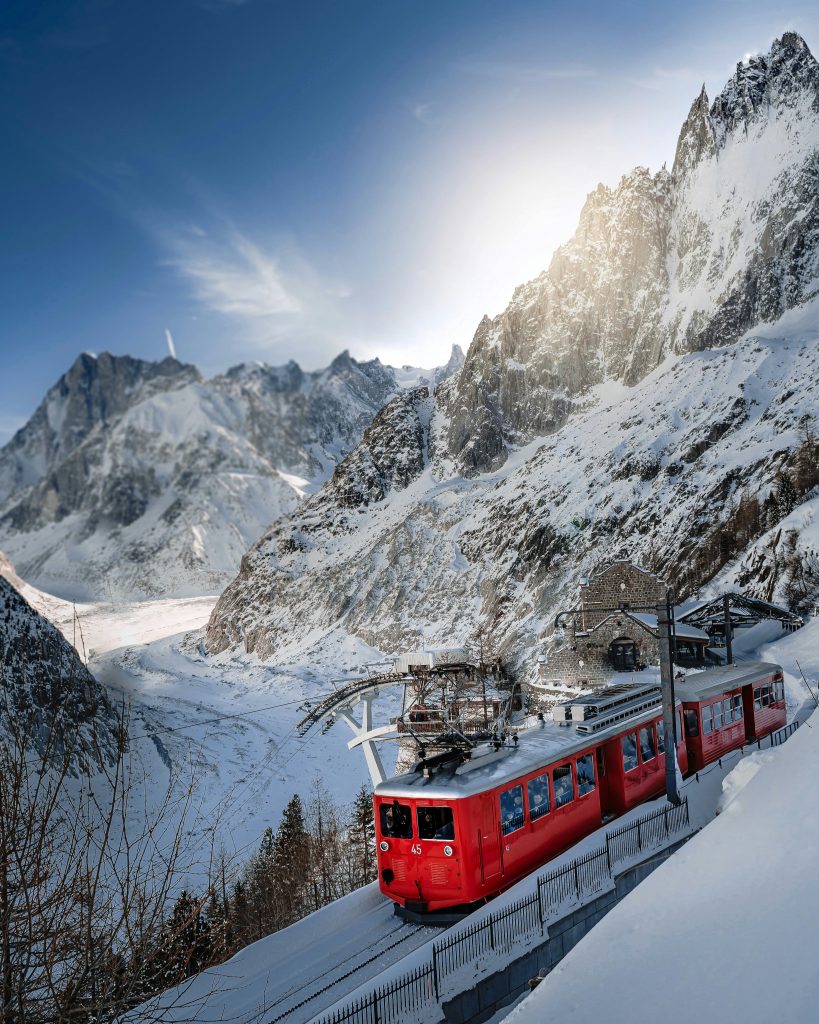
Chamonix, nestled at the foot of Mont Blanc, is a legendary destination for mountain enthusiasts. It offers a variety of ski areas, each with its own unique thrill. With a single day pass, you can explore these distinct terrains. It’s the go-to spot for expert skiers seeking high-altitude adventures and top-notch off-piste routes.
Terrain Characteristics and Difficulty Levels
The terrain in Chamonix is notoriously rugged, requiring advanced technical skills. You’ll encounter vast areas of steep chutes, deep powder bowls, and challenging glacier runs. Safety is a top concern, given the wild nature of the landscape.
For iconic routes like the Vallée Blanche, consider hiring a local guide. A professional guide ensures safe navigation of the glacier and uncovers hidden snow spots away from the crowds. This adds a layer of security, allowing you to explore with confidence.
Best Months for Optimal Snow Conditions
Timing your visit is key for the best snow conditions. Aim for January to March to enjoy the high-altitude runs at their finest. During this time, the snow is deep and reliable, ideal for steep descents.
Early season snow can be unpredictable, and late spring warms up, affecting lower slopes. Mid-winter offers the most consistent quality, making it the best time for serious enthusiasts.
Travel Logistics from Major European Hubs
Most fly into Geneva Airport, just 60 miles away. Traveling to Chamonix is easy for international visitors. From there, a shuttle or private transfer takes about 75 to 90 minutes to reach Chamonix.
Shared shuttle services cost between $40 and $80, depending on the provider and booking time. The train journey from Geneva is scenic but takes longer than a direct shuttle. Booking in advance helps manage costs and reduces stress.
Zermatt: Iconic Views and High-Altitude Reliability
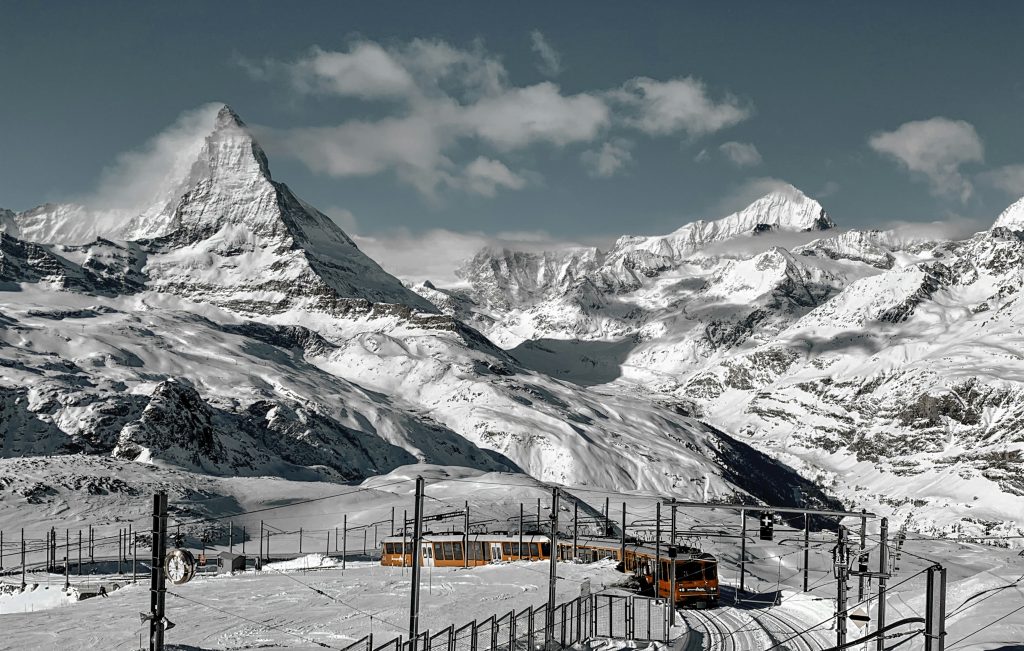
Zermatt is a top choice for skiing holidays in Europe, known for its high altitude. This quaint, car-free village is under the Matterhorn’s watchful eye. Every ski run here feels like stepping into a postcard, thanks to the dramatic scenery.
Navigating the Village and Mountain Access
Reaching Zermatt is a journey, one of the longest in the Alps. The village’s car-free status means most visitors arrive by train. This adds to the genuine mountain feel. Electric taxis and buses then efficiently transport you to your lodging.
The Klein Matterhorn lift takes you to 3,883 meters. The mountain’s infrastructure is top-notch, catering to avid skiers. This high altitude ensures great snow all season, even when lower areas get soft.
Budgeting for Swiss Prices and Lift Passes
Switzerland, and Zermatt in particular, comes with a premium price tag. Be ready for higher costs on lodging and local services. Yet, the snow’s reliability and vast terrain make it a solid investment for your skiing holidays.
To manage expenses, consider skiing into Italy. Dining and drinks are cheaper there. This way, you can enjoy Swiss luxury while keeping your budget in check with Italian hospitality.
St. Anton am Arlberg: The Heart of Austrian Après-Ski
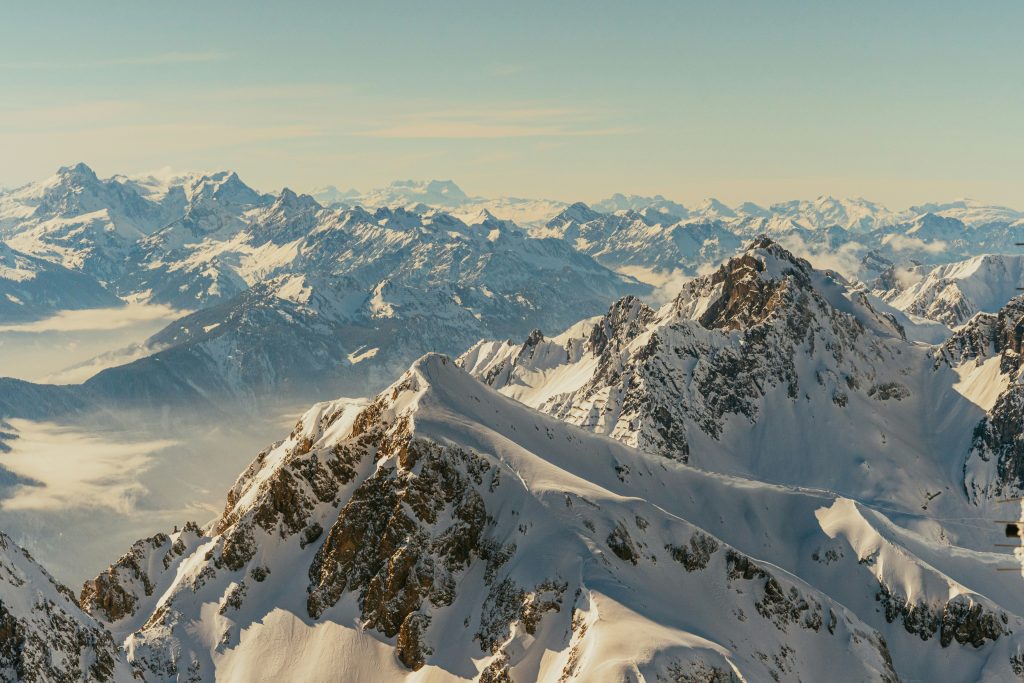
St. Anton am Arlberg is a top choice for those seeking to test their limits on the slopes. It serves as the entrance to the vast Arlberg region, with 305km of interconnected pistes. The village is renowned for its lively après-ski scene, extending the day’s excitement well into the night.
Why This Destination Suits Intermediate and Expert Skiers
The terrain here caters to thrill-seekers. Recent improvements, like the Flexenbahn, have opened up vast new areas. This link enables skiers to explore a wide range of slopes in a single day.
Intermediate skiers will find numerous groomed runs to hone their skills. Experts, on the other hand, can tackle the famous off-piste trails. The diverse landscape ensures a new experience every day, making it a premier destination for those seeking technical challenges.
Managing Travel Times from Innsbruck or Zurich
Accessing this ski paradise is easy for international visitors. Flights to Zurich or Innsbruck are followed by efficient rail connections. The train journey offers breathtaking views of Austria’s countryside as you approach the Arlberg mountains.
For a more direct path, shuttle services run regularly from both airports. These services are reliable, eliminating the need to navigate mountain roads yourself. Upon arrival, the village’s compact layout makes it easy to reach the main lifts on foot or by bus.
Val d'Isère and Tignes: The Espace Killy Advantage
Planning your next winter escape? Val d’Isère and Tignes, with their interconnected slopes, are a top pick among the best alpine ski resorts. This vast area caters to all, from beginners to experts. It boasts a diverse terrain, including the legendary La Face run, a true challenge for advanced skiers.
Understanding the Interconnected Lift System
The Espace Killy area is renowned for its extensive lift network, linking Val d’Isère and Tignes seamlessly. With over 300 kilometers of groomed pistes, you can ski vast distances without needing a bus or car. This makes it ideal for those aiming to spend more time on the slopes.
The lift system is optimized for efficiency, allowing easy travel from high-altitude glaciers to the valley floor. Whether seeking fresh powder or wide-open groomers, the layout ensures a day filled with skiing, not waiting in lines.
Cost-Effective Strategies for Dining and Lodging
Despite its fame, you can have a great trip without overspending. Booking lodging outside main village centers can save money. Many find self-catering apartments offer flexibility and cost savings on food.
For dining, local bakeries and markets are cheaper alternatives for mountain lunches. By adopting these strategies, you can enjoy the best of Europe’s ski resorts while keeping costs down.
Cortina d'Ampezzo: Italian Style and Dolomite Scenery
Cortina d’Ampezzo, nestled in the Italian Dolomites, is a top European ski destination. It offers a unique mix of high-fashion Italian culture and stunning mountain landscapes. This combination is unmatched anywhere else.
Whether you’re an expert or a casual skier, the scenery here is breathtaking. It’s no wonder this place is a favorite for those seeking elegance and excitement on the slopes.
The Unique Appeal of the Dolomiti Superski Pass
The Dolomiti Superski pass is a major draw. It gives you access to a vast network of slopes. This ensures you’ll always find new places to ski.
The Sellaronda circuit is a highlight of the pass. This 40km route connects four mountain passes, allowing you to ski through the Dolomites in a day. It’s a must-try for anyone visiting these top ski destinations.
Best Times to Visit for Fewer Crowds
For a more relaxed skiing experience, timing is key. Late January or early March are the best times to visit. These periods avoid the holiday crowds that fill the village.
During these times, you’ll enjoy shorter lift lines and more space on the slopes. Don’t forget to try authentic Italian cuisine at a local mountain hut. It’s the perfect way to end a day of skiing.
Verbier: Challenging Terrain for Advanced Skiers
Verbier is a top choice for advanced skiers seeking steep slopes and deep powder. It’s renowned for its rugged, high-altitude terrain, making it a premier destination for those who dare to push their limits.
The village of Verbier offers a sophisticated atmosphere, complementing the challenging runs. It’s the ideal setting for a lively social scene after the lifts close.
Off-Piste Opportunities and Safety Requirements
Verbier is celebrated for its vast backcountry access, attracting experts worldwide. It provides endless opportunities to explore untouched snow, away from the groomed trails.
Yet, safety is non-negotiable when venturing into the backcountry. Always carry essential safety gear, such as a beacon, shovel, and probe.
Before heading out, it’s critical to check the latest avalanche reports. This ensures your adventure remains both enjoyable and safe.
Transportation Tips for International Visitors
Traveling to Verbier from the United States is straightforward. The Swiss rail system offers a world-class service to get you there efficiently.
Trains from Geneva airport reach Le Châble via Martigny, then a cable car lifts you into the resort. This journey is scenic, allowing you to unwind and appreciate the views as you begin your vacation.
Advance planning for your transit ensures more time on the slopes. Verbier is one of the most accessible and rewarding ski destinations in Europe, blending challenge with convenience.
Courchevel: Luxury and Extensive Interconnected Slopes
Planning a high-end ski vacation in Europe often leads to Courchevel. This iconic destination is the crown jewel of the French Alps, boasting an incredible array of terrain. Whether you’re a seasoned pro or a casual cruiser, the resort’s vastness ensures each day is unique.
Navigating the Three Valleys Network
Courchevel is part of the Three Valleys, the largest interconnected ski area globally. With over 500 kilometers of groomed slopes, you can explore vast landscapes without repetition. The world-class lift system efficiently connects valleys, saving time.
This seamless connectivity maximizes your time on the snow, reducing wait times. You can easily switch between high-altitude bowls and scenic forest runs. It’s a playground for those seeking the best ski vacation in Europe.
Balancing Luxury Costs with Practical Accommodations
Despite its opulent hotels and Michelin-starred dining, Courchevel is more accessible than many think. You don’t have to spend a fortune to enjoy its world-class terrain. Staying in the lower villages offers practical, budget-friendly options.
These areas provide quick access to the main lift network, ensuring a full mountain experience. Many find staying in these quieter spots more authentic and cost-effective. With proper planning, you can enjoy Courchevel’s prestige without overspending.
Saas-Fee: The Glacier Village for Early and Late Season
Travelers often choose Saas-Fee for its high-altitude charm and traditional vibe. This Swiss village offers breathtaking glacier views and a unique atmosphere. It’s perfect for those seeking quality skiing without the crowds of bigger resorts.
Why High Altitude Matters for Snow Security
Saas-Fee’s high elevation is its main attraction. The slopes’ high altitude ensures excellent snow conditions all year. It’s a top choice for early or late season skiing in Europe.
Unlike lower resorts, Saas-Fee’s snow stays fresh and crisp. The terrain’s consistency offers a stress-free skiing experience for all levels.
Family-Friendly Features and Village Atmosphere
The village’s car-free status creates a peaceful environment for families. Traditional wooden chalets and narrow streets enhance the Swiss charm. It’s a haven for those seeking a serene ski vacation.
Whether teaching kids to ski or seeking a quiet retreat, Saas-Fee is ideal. The village focuses on the joy of the mountains and genuine hospitality.
Kitzbühel: Historic Charm and World-Class Racing
Kitzbühel stands out as a true gem in European skiing. It seamlessly blends medieval charm with modern luxury. This creates a unique atmosphere that feels both timeless and alive. It’s a favorite among those who seek a rich cultural experience alongside their skiing adventures.
The Experience of Skiing the Streif
The Streif is renowned as the world’s most famous downhill course. It’s a test of skill for professional racers. While the elite get to race, intermediate and expert skiers can try their hand on parts of this legendary run. Skiing here offers an unparalleled adrenaline rush, embodying the essence of Kitzbühel.
It’s important to be honest about your skill level before tackling the steeper parts. When the race isn’t on, the mountain opens up for those eager to follow in the footsteps of legends. For serious skiers, this is a must-do experience.
Accessibility and Travel Times from Munich
Kitzbühel is a breeze to reach for travelers flying into Germany. A two-hour drive or train ride from Munich makes it perfect for those planning to explore the Alps. Its proximity ensures a seamless transition from airport to slopes.
The efficient rail connections make getting to the mountains stress-free. Whether you’re here for a weekend or a longer stay, the easy access means more time on the slopes and less on the road.
Val Gardena: Gateway to the Sella Ronda Circuit
Val Gardena stands out as a gem among Europe’s top ski slopes. It serves as the main entry for the renowned Sella Ronda, a vast circuit around the Sella Massif. It’s a must-visit for anyone seeking the best of the Dolomite mountains.
The Logistics of the Sella Ronda Loop
The Sella Ronda is a dream for those who love to explore while enjoying breathtaking views. The route is well-marked, making it easy to navigate, even for first-time visitors. Most skiers can finish the loop in a day, provided they start early and maintain a steady pace.
The circuit connects four valleys, providing a wide variety of terrain. It’s considered one of Europe’s most impressive ski slope collections. Just remember to keep track of time to return before the evening lifts close.
Cultural Highlights and Local Cuisine
Val Gardena offers more than just skiing; it’s a cultural treasure. The region’s unique blend of Italian and Ladin influences is unmatched. This heritage is evident in the local architecture, language, and the warm welcome of the mountain villages.
Make time to try the local cuisine after skiing. The food here combines Mediterranean flavors with hearty Alpine dishes. Dining in a cozy mountain hut is the perfect way to experience why this area is a favorite among food enthusiasts.
Les Deux Alpes: High-Altitude Snow Security
Planning your next winter escape? Les Deux Alpes is a top pick for skiing in Europe. Its massive glacier ensures snow all season. It’s ideal for those seeking endless skiing without ice melting worries.
Terrain Variety for All Skill Levels
Unlike Sölden’s 15km Schwarze Schneid, Les Deux Alpes offers a more compact yet thrilling terrain variety. The mountain’s layout caters to all, from novices to pros. Beginners have wide, gentle slopes for learning. Experts, on the other hand, can tackle steep, challenging runs.
Budget Considerations for Mid-Range Travelers
Les Deux Alpes is budget-friendly, making it a great choice for those watching their expenses. It offers a variety of affordable lodging options within the village. Enjoy top-notch skiing without overspending.
Choosing Les Deux Alpes means getting more value for your money. It’s perfect for those who value quality snow and fun over high prices.
Andermatt: The Rising Star of Swiss Skiing
Discover why Andermatt is rapidly climbing the ranks as one of the best places to ski in Europe. This charming village has undergone a massive transformation. It has evolved from a sleepy mountain town into a premier alpine hub. Now, it offers a sophisticated experience that rivals the most famous resorts in the world.
Recent Infrastructure Upgrades and Modern Amenities
The resort has invested heavily in state-of-the-art lift systems. These systems whisk skiers to high-altitude terrain in record time. You will find that these upgrades have significantly reduced wait times, even during the busiest weeks of the season.
Alongside the mountain improvements, the village now features luxury hotels and high-end dining options. These cater to every comfort, elevating the skiing experience.
Getting There: Train Connections and Proximity
Reaching this destination is remarkably simple thanks to Switzerland’s world-class rail network. Frequent train connections link the village to major hubs like Zurich and Lucerne. This makes it a convenient choice for international travelers.
Because of this accessibility, it remains one of the best places to ski in Europe. It’s perfect for those who prefer a stress-free journey into the heart of the mountains.
Logistics for US Travelers: Flights, Transfers, and Costs
Your skiing adventure in Europe begins long before hitting the slopes. Planning your transfers in advance makes international travel smoother.
Comparing Rental Car vs. Rail Travel
The European rail system is often more convenient than renting a car. Driving on narrow, snowy roads can be daunting for those not familiar with local conditions.
Trains provide a relaxing way to reach your destination, with breathtaking alpine views. They save you from parking fees and winter tire needs, making them ideal for skiing holidays in Europe.
Managing Currency Exchange and Tipping Expectations
Managing your budget is essential for a successful trip abroad. Researching current currency exchange rates before leaving the United States can help avoid high fees at airports.
Tipping expectations in Europe are generally lower than in the United States. A small gesture is appreciated, but you don’t need to match American tipping percentages.
By preparing for these logistical details, your skiing holidays in Europe will focus on the slopes. A bit of planning ensures a seamless mountain adventure.
Before you go: turn this guide into a day-by-day plan. Our partner Voyada is a free vacation planner that builds the trip with flights, hotels and a real total cost for your dates — in about a minute.
Build an itinerary →Planning a European Ski Trip
Europe’s Alps offer world-class skiing across four countries — here’s how to plan one.
- The season runs roughly December–April; higher resorts are more snow-sure than lower, cheaper ones.
- Pick your country: France (huge linked areas), Austria (value, charm and legendary après), Switzerland (scenery, pricey), Italy (the Dolomites, good value).
- Book passes, lessons and rentals ahead, and consider ski-in/ski-out lodging.
- Insurance covering skiing is essential — and check the snow reports.
- Shoulder weeks (January) are cheaper than the school-holiday peaks.
The Complete List: 15 Top European Ski Resorts
The Alps hold the world’s best skiing across four countries. Here’s a fuller list, matched to what each resort does best.
- Les Trois Vallées (France) — the world’s largest linked ski area (Courchevel, Méribel, Val Thorens).
- Chamonix (France) — legendary steep and off-piste terrain beneath Mont Blanc.
- Val d’Isère & Tignes (France) — the vast, snow-sure Espace Killy.
- Zermatt (Switzerland) — skiing under the Matterhorn, with glacier runs.
- Verbier (Switzerland) — a freeride mecca with lively après.
- St. Moritz (Switzerland) — glamorous, high-altitude and reliable.
- St. Anton (Austria) — steep slopes and Austria’s most famous après-ski.
- Kitzbühel (Austria) — a storybook town and the fearsome Hahnenkamm.
- Ischgl & Sölden (Austria) — big, snow-sure areas with party energy.
- Cortina d’Ampezzo (Italy) — glamour and jaw-dropping Dolomites scenery.
- Val Gardena / Sella Ronda (Italy) — the classic Dolomites circuit, great value.
- Bansko (Bulgaria) — the best budget skiing in Europe.
- Grandvalira (Andorra) — big terrain at gentler prices.
- Planning: the season runs roughly December–April; higher resorts are more snow-sure; book passes, lessons and rentals ahead and get insurance that covers skiing.
Official resource: for the latest, authoritative information, see Visit Europe (official).
Conclusion
Choosing the perfect mountain destination is the first step to an unforgettable winter adventure. You might dream of the opulence found in luxury ski chalets in Europe or the exhilaration of skiing untouched powder. Each resort has its own distinct charm, waiting to be discovered.
Every resort has its own unique personality. Whether you’re drawn to St. Anton’s lively nightlife or the serene beauty of a Swiss village, your ideal getaway is out there. The right choice can transform your trip into a cherished memory.
With the knowledge you’ve gained, navigating complex lift systems and managing your budget will be a breeze. Finding the perfect ski chalets in Europe will make your experience even more special. It’s more than just a trip; it’s a journey to remember for a lifetime.
Now, it’s time to take action. Pick your top two favorite resorts and check availability for your preferred dates. Secure your spot on the slopes. Your dream winter vacation is just a few clicks away.
FAQ
Which of the top ski resorts in Europe offer the most reliable snow for early or late-season trips?
What are the best alpine ski resorts for travelers who want a mix of challenging terrain and luxury?
Is it possible to access the top ski slopes in Europe without a rental car?
How can I manage my budget while planning skiing holidays in Europe?
Why is the Dolomiti Superski pass considered such a great value for the best skiing in Europe?
What should expert skiers know about safety when exploring the steep terrain in Chamonix?
Which resort is best for those who want to experience both world-class racing and historic charm?
Is skiing in Europe worth it?
Yes, for most skiers the combination of scenery, resort villages and interconnected terrain makes European skiing, especially in the Alps, well worth it. A single lift pass can open up hundreds of kilometres of linked slopes across several resorts or even countries, something few destinations elsewhere can match. The main trade-offs are the cost of getting there from North America and the popularity of peak weeks, both easy to plan around.
Is skiing cheaper in Europe than in the US?
On the whole, yes, day lift passes and accommodation in the Alps tend to undercut major US resorts, particularly in France and Austria. A day pass in France or Austria typically runs around €40–80, compared with well over $150–200 at many big-name American resorts. Switzerland is the exception, with lift passes running 30–50% higher than neighbouring France or Austria.
Why is skiing considered expensive in Europe?
The core costs, lift passes, ski hire, lessons and accommodation, add up quickly even where individual prices are reasonable, and a strong exchange rate can make things feel pricier for dollar-based travellers. Switzerland in particular has some of the highest prices in the world for both lift passes and hotels. Costs also spike sharply during Christmas, New Year and February half-term weeks, when demand from local skiers peaks alongside international visitors.
Is skiing in Japan cheaper than skiing in Europe?
Japan has traditionally undercut the Alps on lift passes and on-mountain accommodation, particularly outside its most famous resorts like Niseko, which has become notably pricier in recent years. Flights to Japan cost more for most Europeans and North Americans than a short hop to the Alps, which can offset the on-the-ground savings. Overall value depends heavily on which specific resorts are being compared and current exchange rates.
How dangerous is skiing in the Alps?
Skiing carries real risk, but serious accidents are uncommon relative to the millions of skier days recorded across the Alps each winter. Published estimates put Alps-wide fatalities at well under 100 a year, with collisions and off-piste falls the leading causes rather than lift or equipment failures. Avalanches account for a smaller but more serious share of deaths, mostly among off-piste and backcountry skiers rather than those on marked runs.
When is the best time to go skiing in Europe?
Mid-January to early March generally offers the most reliable snow cover and fully open terrain across the Alps, with late February and early March adding longer daylight hours. Early season (late November–December) can be excellent at high-altitude and glacier resorts but riskier at lower ones, while April brings spring skiing conditions and lower prices at resorts that stay open that late. Christmas and February half-term weeks bring the biggest crowds and highest prices regardless of snow conditions.
Is December a good time to go skiing in Europe?
December can be a good time to ski, particularly at high-altitude or glacier resorts that reliably have snow by early winter, but lower-elevation resorts are more exposed to a late start to the season. Christmas week itself is extremely busy and expensive, so the quieter first half of the month tends to offer better value once the snow has arrived. Checking recent snow reports before booking is worthwhile for early-season trips.
Is March good for skiing in Europe?
Yes, March is often one of the best months for skiing in Europe, combining a typically deep mid-winter snowpack with noticeably longer, sunnier days than January. Conditions can turn slushy by afternoon at lower altitudes as temperatures rise, so many skiers plan for cold mornings and softer afternoon snow. Crowds and prices are usually lower than over the Christmas and February peak weeks, aside from Easter if it falls in March.
What should I wear skiing in Europe?
Layering is the key principle: a moisture-wicking base layer, an insulating mid-layer such as fleece, and a waterproof, breathable outer jacket and salopettes. Add ski socks, gloves or mittens, a helmet, goggles and sunscreen, since UV exposure is stronger at altitude even on cloudy days. Conditions can shift quickly in the mountains, so packing a spare layer or neck gaiter for sudden cold snaps is a sensible habit.
Which countries have the best skiing in Europe?
France, Austria, Switzerland and Italy hold most of the Alps’ best-known ski terrain, each with a distinct character: France for sheer scale and high-altitude resorts, Austria for value and après-ski culture, Switzerland for prestige and scenery, and Italy for the Dolomites and generally lower prices. Beyond the Alps, Andorra and parts of Scandinavia offer solid, more budget-friendly alternatives for skiers not chasing the biggest vertical drops.
How much does a week-long ski trip in Europe cost?
A budget week, self-catered accommodation in a mid-range resort with hired equipment, can be done for around €800–1,200 per person excluding flights. A mid-range trip with half-board accommodation, a six-day lift pass and a couple of lessons typically runs around €1,500–2,500, while a luxury chalet week in a premium Swiss or French resort can easily exceed €4,000. Flights, transfers and ski hire are usually the most variable costs.
Do I need travel insurance for skiing in Europe?
Yes, travel insurance with specific winter sports cover is strongly recommended, since standard policies often exclude skiing injuries and mountain rescue costs. Look for cover that includes piste closure, off-piste rescue if you plan to ski beyond marked runs, and repatriation, as a helicopter evacuation from an Alpine resort can run into thousands of euros without it. EU nationals should also carry a valid GHIC or EHIC card as a backup, though it does not replace full insurance.
What does a lift pass typically cost in the Alps?
A single-day adult lift pass typically costs around €40–80 in France, Austria and Italy during peak season, while Switzerland generally runs 30–50% higher for comparable terrain. Multi-day and season passes bring the daily rate down significantly, and passes covering interconnected resort areas, like the Dolomiti Superski or Les Portes du Soleil, offer more skiing for the price than a single-resort ticket. Booking online in advance is usually cheaper than buying at the lift.
Are European ski resorts good for beginners?
Yes, many European resorts cater well to beginners, with dedicated nursery slopes, ski schools offering lessons in English and gentle green runs separate from busier intermediate terrain. Lower-altitude, family-oriented resorts in Austria and France tend to suit first-timers best, since they usually have gentler overall terrain than the high-altitude resorts favoured by experts. Booking lessons in advance, especially during peak weeks, is worthwhile as good instructors get booked up quickly.
Is avalanche risk a real concern when skiing in the Alps?
Yes, avalanches are a genuine risk in the Alps, though almost entirely for those skiing off-piste or in the backcountry rather than on patrolled, marked runs. Switzerland and Austria each record an average of around 20–24 avalanche deaths a year, the large majority involving skiers or riders who left marked terrain. Anyone planning off-piste skiing should carry a transceiver, probe and shovel, check the daily avalanche bulletin, and ideally hire a certified mountain guide.
Which European ski resorts are best for families?
Resorts with strong childcare infrastructure and gentle terrain, such as Serfaus-Fiss-Ladis in Austria, known for its free underground people-mover and extensive kids’ clubs, tend to top family recommendations. Smaller, car-free or traffic-light French resorts like Les Gets and La Plagne are also popular for families wanting easy ski-in/ski-out access without a sprawling resort to navigate. Look for a resort offering a dedicated children’s ski school area separate from the main slopes.