
Table of Contents
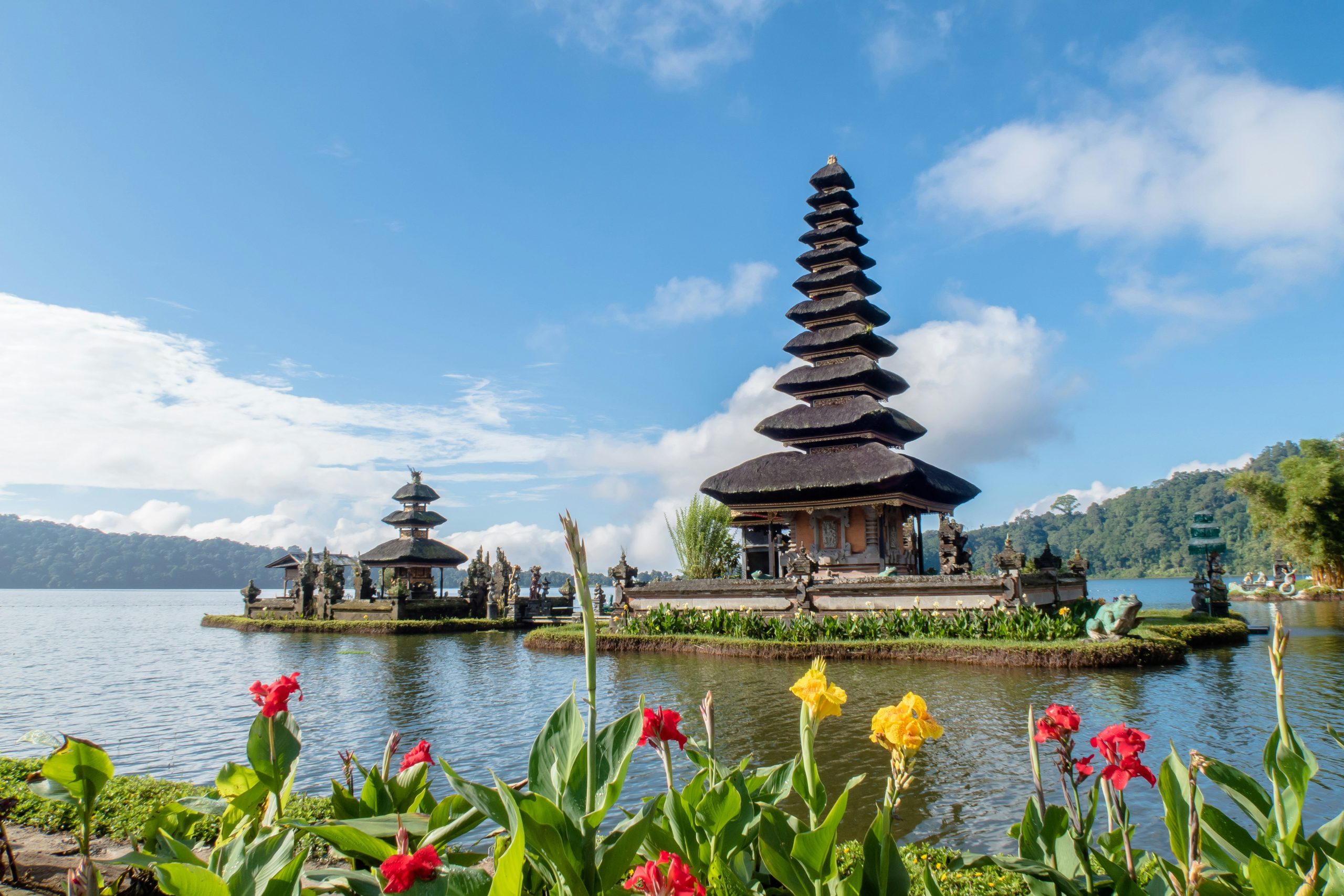
TogglePalm-fringed beaches, emerald rice terraces, clifftop temples and a laid-back island soul — Bali is a tropical dream, and timing your trip well makes all the difference. Knowing the best time to visit Bali means the difference between sun-soaked beach days and dodging afternoon downpours, and it shapes everything from surfing to crowds to cost.
The short answer: the dry season (roughly April to October) is the best and most popular time, with the shoulder months offering the sweet spot of great weather and thinner crowds. But the lush, quiet wet season has real rewards too. This guide breaks it all down by season and month.
You’ll also find the best times for surfing, diving and the rice terraces, the one island-wide closure to plan around (Nyepi), how to get there, and what to know before you go. Let’s find your perfect time to visit Bali.
✈️ TripToGo Travel Deals
Get notified about great travel deals
Hand-picked flight, hotel and destination deals, straight to your inbox. No spam, unsubscribe anytime.
🎉 Thank you for subscribing!
You’re all set — the best travel deals are on their way.
Key Takeaways
- Bali has two seasons: the dry season (Apr–Oct) is the best time; the wet season (Nov–Mar) is lush, quiet and cheaper.
- The dry shoulder months (May, June, September) are the sweet spot — great weather, fewer crowds than July–August.
- The dry season is best for beaches and west-coast surfing; diving is good year-round.
- It’s warm and humid year-round — the real variables are rain, crowds and price, not temperature.
- Plan around Nyepi (the Balinese Day of Silence, usually March), when the whole island shuts down for 24 hours.
Best Time to Visit Bali at a Glance
The best time to visit Bali at a glance.
| Season | Months | Weather | Notes |
|---|---|---|---|
| Dry (peak) | Jul–Aug | Sunny, dry | Best weather; busiest & priciest |
| Dry (shoulder) | Apr–Jun, Sep–Oct | Sunny, dry | The sweet spot; fewer crowds |
| Wet | Nov–Mar | Humid, afternoon rain | Lush & green; cheapest & quietest |
Bali's Two Seasons
Bali has just two seasons — dry and wet — and knowing the difference is the key to a great trip. As a tropical island near the equator, it’s warm and humid year-round (daytime temperatures hover around 30°C/86°F), so the real question isn’t temperature but rain, crowds and what you want to do.
The dry season (roughly April to October) is the best and most popular time to visit, with sunny skies and lower humidity ideal for beaches, surfing, temples and rice-terrace walks. The wet season (November to March) brings lush green landscapes, fewer crowds and lower prices, along with warm afternoon downpours. This guide breaks it all down. Official resource: Wonderful Indonesia.
Planning a Bali trip?
Our partner Voyada’s trip planning AI builds a day-by-day plan with flights, hotels and a real total cost for your dates — in about a minute, free.
Plan trip with AIThe Dry Season (April to October): The Best Time
This is Bali at its best. The dry season brings sunny days, lower humidity, calm seas and minimal rain — perfect for the beaches of the south, island-hopping to the Gilis or Nusa Penida, hiking Mount Batur at sunrise, and exploring temples and the rice terraces of Ubud in comfort. Many southern beaches are unpatrolled, though, and rough seas and strong rip currents have caused drownings even in fine weather, so it is worth swimming between the flags where lifeguards are on duty and asking locally about conditions. It’s also prime surf season on the popular west-coast breaks like Uluwatu and Canggu.
The trade-off is crowds and prices, which peak in July and August (European summer holidays) and again around Christmas and New Year. If you want the best weather without the biggest crowds, target the shoulder months of April, May, June and September — arguably the sweet spot of the whole year.
The Wet Season (November to March): Lush & Quiet
The wet season is greener, cheaper and calmer — and much better than its reputation. Rain typically comes in heavy but short afternoon or overnight bursts rather than all-day drizzle, leaving plenty of sunshine, and it makes the rice terraces and jungle spectacularly lush and photogenic. Crowds thin out and accommodation prices drop, so it’s a great time for a relaxed, better-value trip.
The downsides: higher humidity, occasional heavy downpours and storms (January and February are the wettest), rougher seas on some coasts, and the chance of seaweed or debris on southern beaches. If you don’t mind the odd shower and want fewer people and lower prices, the wet season can be a real treat.
Best Time for Specific Bali Experiences
- Beaches & sunbathing: the dry season (April to October).
- Surfing the west coast (Uluwatu, Canggu): dry season, best swells around May to September.
- Diving & snorkelling: year-round; manta rays off Nusa Penida, and mola mola (sunfish) roughly July to October.
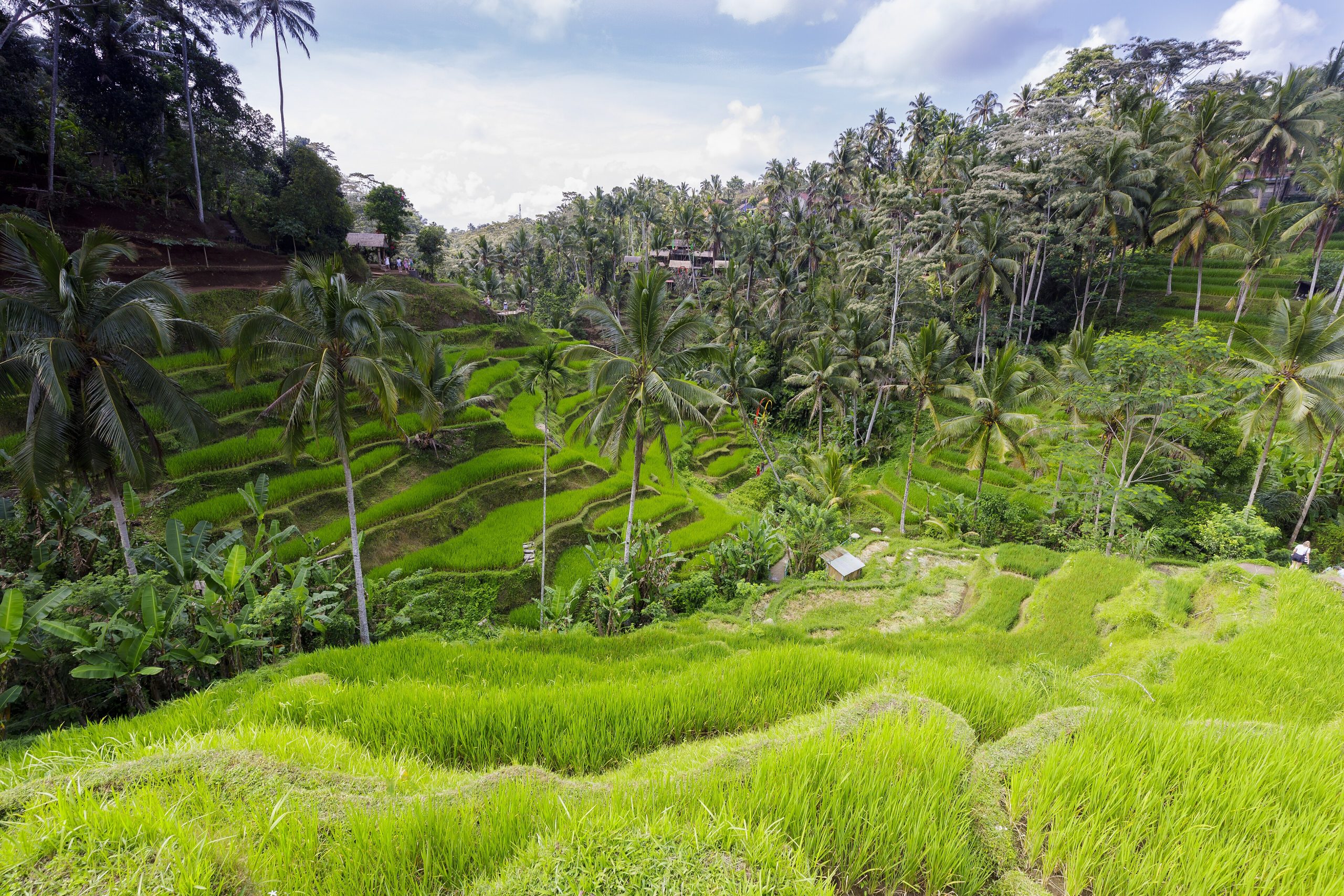
- Rice terraces at their greenest: the wet season and just after (Nov to April) — though they’re beautiful year-round.
- Fewest crowds & best value: the wet season, and the dry shoulder months of May, June and September.
- Mount Batur sunrise hike: the dry season, for the clearest skies.
Bali Month by Month
| Months | Season | Notes |
|---|---|---|
| Apr–Jun | Dry (shoulder) | Excellent weather, fewer crowds — the sweet spot |
| Jul–Aug | Dry (peak) | Best weather but busiest & priciest |
| Sep–Oct | Dry (shoulder) | Great weather, quieter — another sweet spot |
| Nov–Dec | Wet begins | Lush & green; busy again over Christmas/New Year |
| Jan–Mar | Wet (peak) | Wettest & most humid; cheapest & quietest |
Watch Out for Nyepi (Balinese New Year)
One date to know: Nyepi, the Balinese Day of Silence (usually in March), when the entire island shuts down for 24 hours — no flights, no going outside, no lights, even for tourists (you stay in your hotel). It’s a fascinating, deeply spiritual observance, and the colourful ogoh-ogoh parades the night before are spectacular — just plan around the closure if your trip overlaps it.
How to Get There
Bali’s Ngurah Rai International Airport (DPS) near Denpasar is well connected across Asia and Australia, with long-haul routes usually connecting via hubs like Singapore, Doha or Jakarta. On arrival, most nationalities get a visa on arrival or e-VOA (check current rules). Getting around the island is usually by private driver, taxi apps or scooter — traffic in the south can be heavy, so factor in travel time. Because a Bali trip often combines the south, Ubud and the islands, an AI planner can line up the flights, timing and stays for your dates in about a minute.
What to Know Before You Go
A few tips: pack light, breathable clothing plus a rain jacket and a modest sarong for temple visits (often provided at entrances). Whatever the season, bring reef-safe sunscreen and insect repellent. Respect local customs at temples and ceremonies, be cautious with tap water (drink bottled or filtered), and ride scooters only if experienced and insured. Give yourself at least 7–10 days to enjoy the beaches, Ubud and an island or two without rushing.
Related Guides
The Cheapest Time & Avoiding the Crowds
When you go changes both the price and the pace of a Bali trip:
- Best value: the shoulder months of April–May and September–October deliver dry-season blue skies with lower prices and fewer crowds.
- Cheapest: the wet season (November–March, outside the holidays) brings the lowest hotel rates and a lush, quiet island.
- Busiest and priciest: July and August, plus the Christmas and New Year period, when Bali fills up.
- Watch the holidays: Australian school breaks and Chinese New Year also spike demand, so book well ahead.
Bali's Microclimates
Bali is small but surprisingly varied, so conditions differ across the island:
- The south (Bukit, Uluwatu, Canggu): the driest and sunniest area, and the best bet in the shoulder and wet seasons.
- The central highlands (Ubud, Munduk): cooler, greener and noticeably wetter, with more cloud and afternoon rain.
- The Nusa Islands & east: drier than the mainland, and excellent in the dry season for cliffs, beaches and diving.
Frequently Asked Questions
What is the best month to visit Bali?
May, June and September are ideal — dry-season weather (sunny and less humid) with fewer crowds than the July–August peak. April and October are also excellent. These shoulder months offer the best balance of good weather, availability and value.
What are the wet and dry seasons in Bali?
The dry season runs roughly April to October (sunny, less humid, best for beaches and surfing) and the wet season November to March (lush and green, with warm afternoon downpours, fewer crowds and lower prices). It’s warm year-round, so rain, not temperature, is the main variable.
Is it worth visiting Bali in the wet season?
Yes — it’s better than its reputation. Rain usually comes in short afternoon bursts rather than all day, the rice terraces and jungle are spectacularly green, and you’ll enjoy fewer crowds and lower prices. Just pack a rain jacket and expect higher humidity, with January and February the wettest.
When is the best time to surf in Bali?
The dry season, roughly May to September, is prime time for Bali’s famous west-coast breaks like Uluwatu and Canggu, with consistent swells and offshore winds. In the wet season, surfers switch to the east-coast breaks, which work better then.
What is Nyepi and how does it affect travel?
Nyepi is the Balinese Day of Silence (usually in March), when the entire island shuts down for 24 hours — no flights, no going outdoors, and lights kept low, even for tourists, who stay in their hotels. The ogoh-ogoh parades the night before are spectacular. Plan around the closure if your trip overlaps it.
How many days do you need in Bali?
Allow at least 7–10 days to enjoy the southern beaches, cultural Ubud and a nearby island like Nusa Penida or the Gilis without rushing. Two weeks lets you add the quieter north or east and travel at a more relaxed island pace.
What is the cheapest time to visit Bali?
The wet season, roughly November to March (outside the Christmas and New Year peak), is the cheapest, with the lowest hotel rates and a lush, quiet island. For dry weather at a better price, the shoulder months of April–May and September–October offer the best balance of sunshine, value and smaller crowds.
Does it rain all day in Bali during the wet season?
Usually not — even in the wet season (November to March), rain tends to come in short, heavy tropical downpours, often in the late afternoon or evening, with plenty of sunshine in between. The landscape is at its greenest and prices are low, so the wet season can be a rewarding time to visit if you stay flexible.
What is the busiest time in Bali?
July and August are the busiest, along with the Christmas and New Year holidays, when Bali is at its most crowded and expensive. Australian school holidays and Chinese New Year also bring surges. For the dry season without the crush, aim for the shoulder months of May, June, September or early October.
Is Bali safe, and what should you actually watch out for?
The sea is the biggest risk. Rip currents along the west and south coasts, including the beaches around Kuta, Legian, Seminyak and Canggu, drown visitors every year, and many beaches are unpatrolled with little or no warning signage. Swim between the flags where lifeguards are on duty, ask locally before going in, and stay out when the surf is up. The wet season adds heavy downpours, flash flooding, landslides in the highlands, rougher seas and slick roads, which make scooter crashes more likely. Mosquito-borne illness is present year-round, and a doctor or travel health service can advise on precautions. Read your government’s travel advisory before you go.
When is the best time to dive and snorkel in Bali?
You can dive all year, but conditions and sightings shift with the season. The dry months, roughly April to October, bring calmer seas, easier boat crossings and the clearest water, which is why most divers aim for them. Manta rays are seen off Nusa Penida throughout the year, most reliably in the dry season. The oceanic sunfish, or mola mola, shows up when cold upwelling brings it into diveable depths, broadly around July to October, and those same currents make the sites cold and demanding, so they suit experienced divers. Wet-season run-off and plankton can cut visibility and cancel crossings, so allow a spare day.
Do you have to pay a tourist levy to enter Bali?
Yes. Foreign visitors pay a one-off provincial tourist levy on top of any visa fee, introduced to help fund cultural preservation and environmental protection on the island. It is charged once per entry rather than per night, and you pay through the official provincial portal or app before travelling, or at a counter on arrival at the airport, receiving a QR code voucher that officials may ask to see. Indonesian nationals and several residency and non-tourist visa categories are exempt. Use only the official provincial government site, as copycat pages charge more. The amount and the process have both changed since launch, so check the current figure yourself.
What is the best time to visit Ubud and the rice terraces?
Ubud sits in the central highlands, which are cooler, greener and noticeably wetter than the southern beaches, with cloud and afternoon rain arriving more often and lingering longer. For walking, cycling and temple visits, the dry months from about April to October are the most comfortable, and the shoulder months either side of the July and August peak are calmer again. The rice terraces are at their most vivid during the wet season and just after it, so arriving at the tail of the rains gives you emerald fields with improving weather. Start early whichever month you choose, as the terraces fill up by mid-morning.
When should you plan a trip to Nusa Penida or the Gili Islands?
Island hopping is easiest in the dry season, roughly April to October, when the water is calmest and fast-boat crossings are most reliable. These are open-sea routes in exposed water, and between November and March swell and wind cause delays and same-day cancellations, with the Nusa Penida crossing usually the rougher of the two. Whatever the month, leave a buffer day before an onward flight rather than crossing back on the morning you fly, take motion sickness precautions if you are prone to it, and check conditions the day before. Cliff viewpoints and steep beach paths are also slippery after rain.
Are there other Balinese holidays to plan around besides Nyepi?
Yes, though none shuts the island the way Nyepi does. Galungan and Kuningan, the biggest Balinese Hindu celebration, run over about ten days on a 210-day ritual calendar, so they land at different points each year and can fall twice in one. Expect decorated penjor poles along the roads, temple ceremonies, family businesses closed and fewer drivers about, while tourist areas largely carry on. Individual temple anniversary festivals happen constantly and can close a site to visitors or call for a sarong and sash. Indonesian national holidays, the end of Ramadan and local school breaks also lift domestic visitor numbers, so check the Balinese calendar when fixing dates.
Final Thoughts: Timing Your Bali Trip
Bali is a joy at any time of year — the trick is matching the season to your plans. Come in the dry season (April to October) for the best beach and surf weather, and aim for the shoulder months of May, June or September to enjoy the sunshine without the biggest crowds. Or embrace the lush, quiet, better-value wet season if you don’t mind the odd downpour. Just plan around Nyepi, pack for the tropics, and give yourself time to slow down. Do that, and the Island of the Gods will steal your heart.
Before you go: turn this guide into a day-by-day plan. Our partner Voyada is a free itinerary creator that builds the trip with flights, hotels and a real total cost for your dates — in about a minute.
Build a travel itinerary →