
Table of Contents
ToggleTravellers rushing between Rome and Venice miss Italy‘s culinary gem? While others get lost in tourist traps, you can find a city that rejuvenates your senses.
This vibrant destination offers a perfect blend of medieval history and modern energy. It’s the ideal place to slow down and live like a local.
Our carefully crafted bologna itinerary makes exploring the city easy. We focus on meaningful experiences that make the most of your time. You’ll discover hidden spots, climb ancient towers, and savor the world’s best pasta in a personal setting.
Key Takeaways
- Discover why this city is the perfect mid-trip reset for travelers.
- Learn how to balance famous landmarks with authentic local experiences.
- Master the art of efficient sightseeing without feeling rushed.
- Find the best spots to enjoy world-class regional cuisine.
- Gain practical tips for navigating the historic city center like a pro.
✈️ TripToGo Travel Deals
Get notified about great travel deals
Hand-picked flight, hotel and destination deals, straight to your inbox. No spam, unsubscribe anytime.
🎉 Thank you for subscribing!
You’re all set — the best travel deals are on their way.
Essential Logistics for Your Bologna Trip
Before you indulge in pasta and history, let’s tackle the practical aspects of your Italian journey. Mastering the basics of bologna logistics ensures your time is spent enjoying the city, not fretting over transit or timing.
Best Months to Visit for Ideal Weather
Timing is key when planning your visit to this vibrant city. The shoulder seasons of spring, from April to June, and autumn, from September to October, offer the most pleasant temperatures for walking.
Summer months can be unbearably hot, making the famous porticoes feel like a sauna. By choosing these milder months, you ensure a more comfortable experience while exploring the historic streets.
Navigating Bologna: Travel Times and Transportation
Getting into the city center is incredibly efficient thanks to modern infrastructure. The Marconi Express monorail is the fastest way to travel, connecting the airport to the central station in just 7 minutes for a fare of €12.80.
Once you arrive at the central station, you are perfectly positioned to reach most major landmarks on foot. The city is highly walkable, and understanding these simple bologna logistics will help you move like a local from the moment you land.
Budgeting for Your Stay: Daily Cost Estimates
Bologna offers great value compared to other major Italian tourist hubs. A comfortable daily budget for a mid-range traveler typically falls between $120 and $180 per day, covering meals, local transport, and entry fees.
You can easily save money by enjoying a casual aperitivo instead of a formal dinner every night. Keeping a clear eye on your daily spending allows you to splurge on those incredible regional specialties that make this city a culinary capital.
Planning a trip to Bologna?
Our partner Voyada’s trip planning AI builds a day-by-day plan with flights, hotels and a real total cost for your dates — in about a minute, free.
Plan trip with AIThe Architectural Heart of the City
Exploring Bologna’s historic center is like entering a medieval fantasy. The city’s streets glow warmly at sunset, thanks to its red-brick buildings. A bologna travel guide will highlight how the city’s layout has remained largely unchanged over the centuries.
The architecture in Bologna creates a sense of closeness, despite its size. You’ll stroll through endless porticoes, which offer protection and a peek into the past. Each turn reveals new details, from intricately carved facades to weathered stone.
Piazza Maggiore and the Basilica di San Petronio
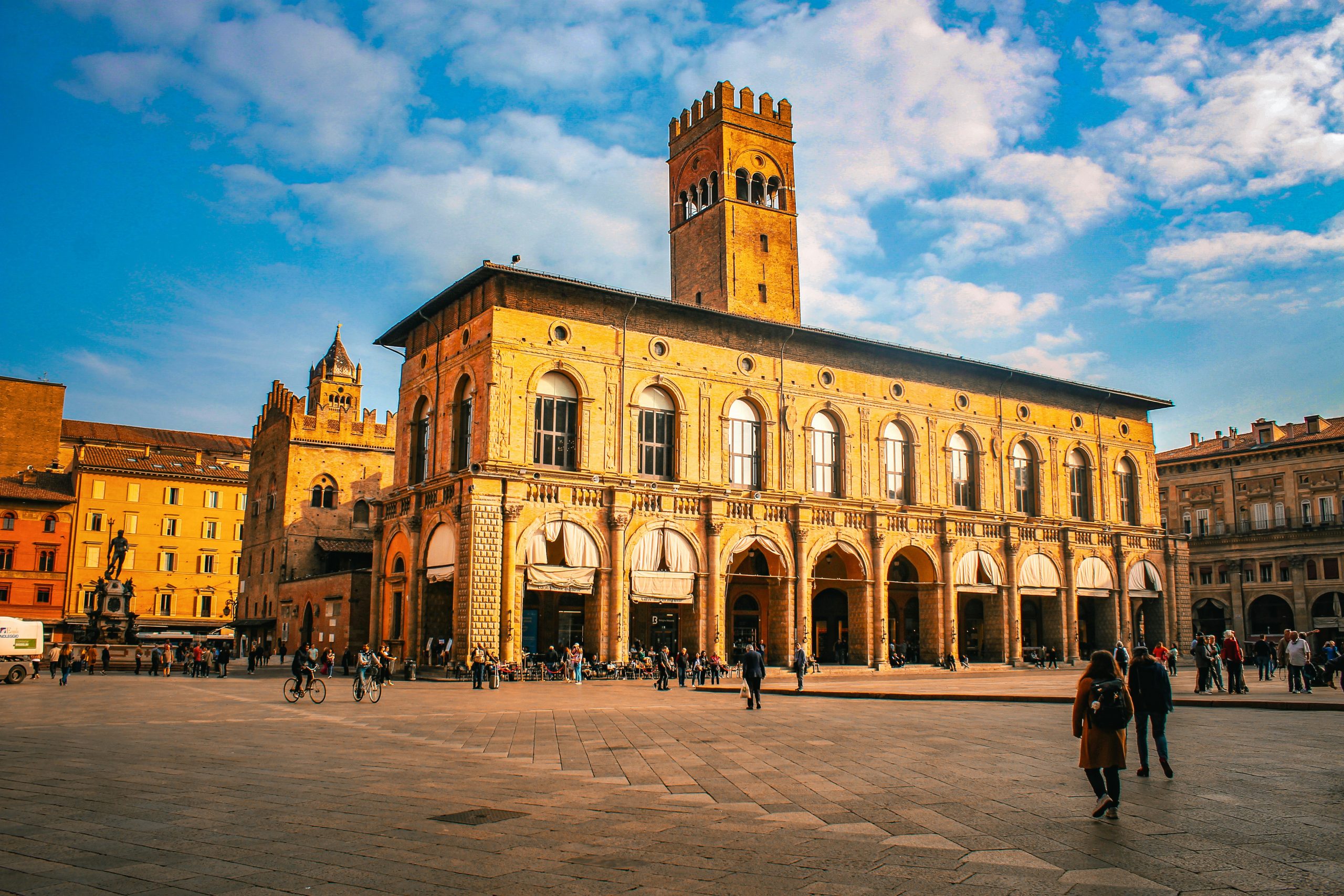
Piazza Maggiore is the city’s heart, a place to sit, watch people, and enjoy local life. The square is dominated by the Basilica di San Petronio’s massive, unfinished facade.
Visiting the Basilica di San Petronio is free, but there might be a small fee for photos. It’s a landmark that anchors the city center.
The Two Towers: Climbing Asinelli for Panoramic Views
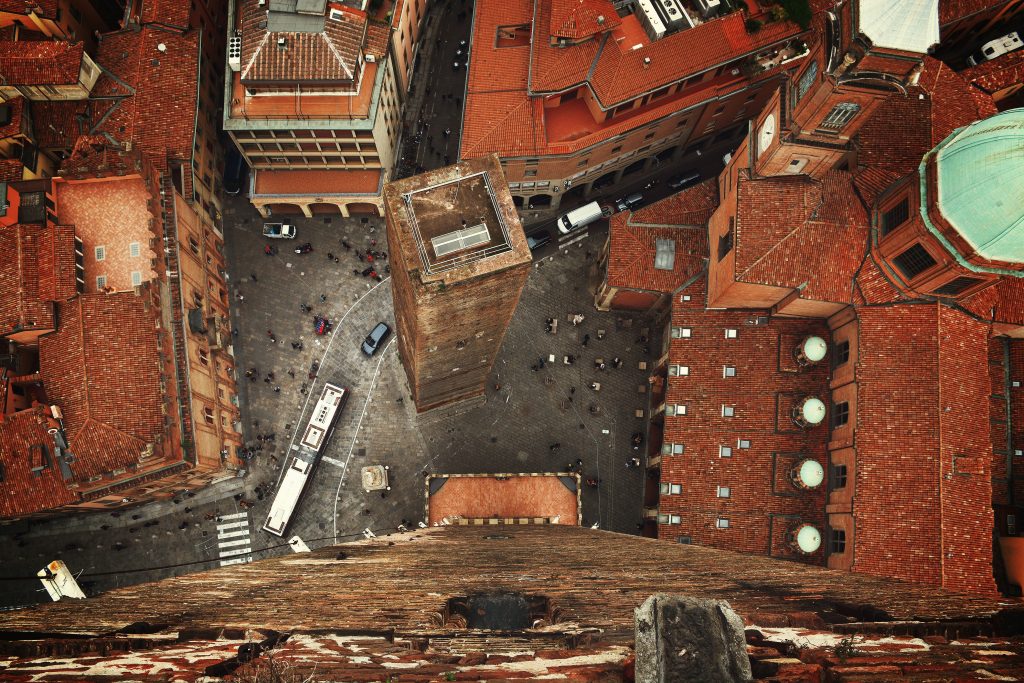
The Two Towers, Asinelli and Garisenda, are iconic symbols of Bologna’s skyline. They represent the rivalry between medieval noble families. Climbing the Asinelli Tower normally offers a panoramic view of the city, though the climb has been closed since 2023 while safety work continues on the neighbouring Garisenda tower.
When the tower is open again, the climb is challenging, but the view from the top makes it worth it. You’ll see the city’s red-tiled roofs stretching to the horizon.
Exploring the Medieval Quadrilatero District
The Quadrilatero district, near the main square, has been Bologna’s main market for centuries. It’s a maze of streets filled with the scents of fresh pasta and aged cheese.
Walking through these alleys, you’ll find the best local produce and cured meats. It’s perfect for picking up ingredients or enjoying a snack. Take your time to explore the small shops and discover the culinary traditions of the region.
A Culinary Deep Dive into Bologna
Bologna, affectionately called “La Grassa” or “The Fat One,” stands as Italy’s undisputed gastronomic capital. The city’s food culture is unparalleled, with a deep-rooted tradition. To truly appreciate Bologna, understanding its local dining ethos is essential.
Understanding the Local Food Culture
The essence of Bologna’s culinary culture lies in its commitment to quality and seasonality. Locals cherish tradition, preferring recipes that have been passed down through generations. This commitment to excellence makes every meal a celebration of regional heritage.
Self-Guided Food Tour Strategies
Embarking on a self-guided food tour in Bologna allows you to experience the city like a local. Begin by charting a course through historic markets and small, family-run delis. This approach lets you savor artisanal cheeses and cured meats at your own pace.
Concentrate on the narrow streets near the central market area. Avoiding the main tourist squares will lead you to more authentic spots with high-quality offerings. Keep your schedule flexible, as the best discoveries often arise from unexpected detours.
Must-Try Regional Specialties
Sampling authentic tagliatelle al ragù is a must. Unlike the tomato-heavy sauces found elsewhere, Bologna’s version features a slow-cooked meat base. This dish, typically priced between €12 and €18, is a staple at traditional trattorias.
Don’t miss out on local mortadella and tortellini served in a delicate broth. These dishes embody the pride of Emilia-Romagna, providing a genuine taste of local life. Each bite is a testament to the land and the people who have refined these recipes over centuries.
Day One: The Historic Center Highlights
Embarking on your journey through the bologna historic center offers a captivating mix of history and local charm. This area is brimming with must-see places in bologna that encapsulate the city’s distinct essence. Walking these streets, you’ll feel transported back in time yet surrounded by a lively, modern ambiance.
Morning Walk Through the Porticoes
Start your day by exploring the famous porticoes that span the city. These UNESCO-listed walkways offer a protected route, shielding you from the elements. As you stroll past elegant storefronts and historic structures, they establish the pace for your day.
Afternoon Visit to the Archiginnasio
Following a light lunch, visit the Archiginnasio, the former main building of the oldest university in the Western world. Here, you can see the Anatomical Theatre, where medical students studied in the 1600s. Entry to this historic site, costing around €10 with an audioguide, is an affordable highlight of your visit.
Evening Aperitivo Culture
As dusk approaches, immerse yourself in the local tradition of aperitivo. Choose a quaint spot in the bologna historic center for a drink and small snacks. This leisurely activity is ideal for unwinding and observing the local culture after a day of exploration.
Day Two: Art, Culture, and Hidden Gems
Explore beyond the main squares to uncover a world of intellectual history and hidden beauty. Today, we dive into the academic heart of the city, revealing the true essence of bologna art and culture. You’ll discover that this city offers more than just its famous food, with layers of history in every quiet corner.
The University District and Botanical Gardens
Begin your day in the University District, home to the oldest university in the Western world. The streets are alive with youthful energy and historical significance, setting the stage for a memorable morning stroll. Be sure to visit the Botanical Gardens, a tranquil green space that offers a respite from the city’s hustle and bustle.
Santo Stefano: The Seven Churches Complex
Next, visit the Basilica of Santo Stefano, known as the Seven Churches. This complex is a stunning example of religious architecture, providing a serene environment for contemplation. It showcases the rich bologna art and culture, where time appears to pause amidst ancient stone.
Finding the Secret Canals of Bologna
Bologna once boasted a network of canals, similar to Venice. Though most are now hidden, glimpses of these can be seen through small windows in the walls. The most famous viewing spot is Via Piella, which offers a charming and unexpected view of the city.
Exploring these hidden spots offers a local perspective on the city. These bologna hidden gems provide a refreshing contrast to the bustling markets and busy piazzas. Take your time to wander, as the best discoveries often happen when you step off the beaten path.
Day Three: Beyond the City Walls
On your third day in Bologna, explore beyond the historic city walls for a new view. The center buzzes with life, but the hills offer a serene retreat. This completes your bologna itinerary 3 days perfectly.
The Sanctuary of the Madonna di San Luca
The Sanctuary of the Madonna di San Luca sits atop the Colle della Guardia. It’s a landmark visible from across the city. This basilica is a spiritual haven, cherished by both locals and visitors.
At the top, you’re greeted with panoramic views of the hills and the city’s red rooftops. It’s the perfect place to reflect and take your last photos.
Walking the World’s Longest Portico
The path to the sanctuary is as remarkable as the destination. You’ll walk the world’s longest portico, a nearly four-kilometer covered walkway.
This architectural wonder boasts 666 individual porticos, shielding you from the elements. The gentle incline adds a physical challenge, making your arrival at the sanctuary even more rewarding.
Afternoon Leisure and Local Markets
After descending, spend your afternoon enjoying the city’s relaxed vibe. Visit the local markets to find authentic regional goods before departing.
Exploring the stalls is a great way to conclude your bologna itinerary 3 days. You can find aged balsamic vinegar or handmade pasta. These markets offer the perfect souvenirs to remember your trip.
Crafting Your Perfect Bologna Itinerary
A memorable journey combines discovery with relaxation. When creating your bologna itinerary, it’s tempting to fill every hour with sights. Yet, leaving room for the unexpected makes a trip truly feel like a vacation.
Balancing Sightseeing with Downtime
Over-planning can lead to exhaustion, not enjoyment. Aim to see one or two major attractions each morning. Then, leave afternoons open for wandering.
This strategy allows for spontaneous visits to local wine bars. Enjoying a glass of Pignoletto at a sidewalk cafe is just as valuable as visiting a cathedral. These quiet moments often become the trip’s highlights.
Customizing Your Schedule for Interests
Your bologna itinerary should mirror your passions. History enthusiasts might spend hours in ancient university archives. Culinary lovers should prioritize long lunches at traditional trattorias.
Don’t stick to a rigid plan if it doesn’t thrill you. Swap a museum visit for a market stroll if you prefer. Tailoring your bologna itinerary to your interests ensures an authentic, personal experience.
Day Trip Ideas from Bologna
Bologna is an ideal starting point for exploring the Emilia-Romagna region. Its central location makes it easy to reach iconic Italian cities in under an hour. These day trip ideas from Bologna allow you to experience the best of Italy without the need to constantly change hotels.
Visiting Modena for Balsamic and Cars
Modena, just 20 to 30 minutes away by regional train, is a must-see for food enthusiasts and car aficionados. It’s renowned for its traditional balsamic vinegar production. Visitors can tour local acetaie to witness how this liquid gold is aged to perfection.
Modena is also the heart of Italy’s motor valley. Car enthusiasts should explore the rich Ferrari history in local museums. It’s a great addition to your day trip ideas from Bologna.
Exploring Ravenna’s Byzantine Mosaics
Ravenna is a must-visit for those passionate about art and history. It boasts some of the world’s most stunning Byzantine mosaics. Many of these sites are UNESCO World Heritage treasures.
The train ride from Bologna to Ravenna takes about an hour. Walking through Ravenna’s quiet streets feels like a journey back in time. These artistic wonders offer a beautiful contrast to Bologna’s vibrant atmosphere.
Quick Rail Connections to Florence
Florence, the heart of Tuscany, is surprisingly close to Bologna. High-speed trains can take you there in just 35 to 40 minutes. It’s a top choice for first-time visitors.
You can spend your morning admiring the Duomo and your evening back in Bologna for a hearty pasta dinner. Always book your high-speed tickets in advance for the best prices. Efficient rail travel ensures your excursions are seamless and stress-free.
Navigating the Local Dining Scene
To fully immerse yourself in Bologna’s dining culture, understanding the local rhythm is key. Dining out here is more than just eating; it’s a way to connect with the city’s heritage. By grasping a few basic rules, you can dine like a local.
Distinguishing Between Trattorias and Osterias
Exploring Bologna’s streets reveals various dining options. Trattorias are formal places that serve traditional, multi-course meals. They’re great for enjoying local pasta dishes over a sit-down dinner.
Osterias, on the other hand, offer a casual, wine-centric setting. Ideal for a quick glass of Pignoletto with small plates or cured meats, they provide a laid-back, welcoming vibe.
Making Reservations and Timing Your Meals
When planning your day around food, timing is critical. Lunch falls between 12:30 PM and 2:30 PM, while dinner starts around 7:30 PM or 8:00 PM. Arriving too early often results in locked doors.
Reservations are essential for popular spots, even more so on weekends. A simple phone call or online booking can prevent disappointment. Proper planning makes navigating Bologna’s dining scene much smoother.
Practical Tips for First-Time Visitors
Mastering a few essential habits can make your visit to Bologna seamless and stress-free. By following these practical tips, you can focus more on enjoying the city’s atmosphere and less on logistics.
Safety and Local Etiquette
Bologna is a safe and welcoming city for travelers. Always be mindful of your belongings in crowded spots like the train station or busy markets. When visiting historic churches, dress modestly by covering your shoulders and knees as a sign of respect.
Being polite is key when interacting with locals. A simple “buongiorno” when entering a shop or “grazie” after a purchase is always appreciated. Italians prefer a relaxed pace, so avoid rushing through meals or speaking loudly in quiet areas.
Connectivity and Language Basics
Staying connected is straightforward with local Wi-Fi hotspots. Yet, getting a local SIM card at the airport or city center is often more reliable. Most residents speak some English, but learning basic Italian phrases will earn you warm smiles and better service.
Managing your money is critical during your trip. Use a no-fee debit card to withdraw euros from local bank ATMs to avoid unnecessary charges. Following these tips ensures you stay within your budget while enjoying all that Bologna has to offer.
Shopping for Authentic Souvenirs
Bringing home a piece of Bologna is the perfect way to keep your travel memories alive long after you return. Instead of settling for mass-produced trinkets, you can find treasures that truly reflect the spirit of this vibrant city. Choosing the right bologna souvenirs ensures that your gifts are as meaningful as the experiences you enjoyed during your stay.
Where to Buy Local Produce and Goods
The historic Quadrilatero market district remains the premier destination for high-quality local produce and artisanal goods. Here, you can browse stalls filled with aged Parmigiano Reggiano, authentic balsamic vinegar from nearby Modena, and handmade pasta tools. These items offer a genuine taste of the region that you simply cannot find in standard gift shops.
Beyond food, look for small workshops that specialize in leather goods or traditional ceramics. Supporting these local artisans helps preserve the city’s rich cultural heritage while providing you with a unique, high-quality item. Always look for labels that indicate local production to ensure you are getting the real deal.
Avoiding Tourist Traps in the City Center
Navigating the main thoroughfares can sometimes lead you toward shops filled with generic, overpriced items. To avoid these tourist traps, try to venture into the smaller side streets just a few blocks away from the main squares. Authentic shops often have a more modest storefront and focus on a specific craft.
If a shop sells everything from plastic keychains to cheap t-shirts, it is likely not the best place for authentic bologna souvenirs. Trust your instincts and look for places where locals are actually shopping. By taking the time to explore, you will find much better value and a much more personal connection to the items you bring home.
The Best Things to Do in Bologna for Every Traveler
Bologna is a city that warmly welcomes all visitors, whether you’re traveling with family or exploring solo. It’s easy to find the best activities in Bologna because the city perfectly blends history, culture, and local charm. This makes it an ideal destination for everyone.
Family-Friendly Activities
Planning your trip to Bologna reveals a plethora of family activities centered around outdoor spaces and interactive learning. The Giardini Margherita, the city’s largest park, offers a perfect green escape. Here, children can run freely and enjoy the fresh air.
The Museum of Zoology is another great spot for families. It features fascinating exhibits that captivate younger travelers. Don’t forget to indulge in local gelato, a treat that delights visitors of all ages.
Solo Traveler Recommendations
For solo travelers, Bologna is a vibrant student city. This atmosphere makes solo travel here incredibly rewarding. The streets buzz with energy and social opportunities.
Visit the local university district to engage in conversations in cozy cafes. The city is safe and easy to navigate. This allows you to explore hidden gems and historic porticoes at your own pace, stress-free.
Essential Bologna Sightseeing Tips
Unlocking Bologna’s magic requires smart travel. Planning your day ahead ensures a stress-free visit to iconic landmarks. These tips will help you explore Bologna’s top attractions without feeling rushed.
Optimizing Your Time at Top Attractions
Start your day early to beat the rush. Visiting the Two Towers in the morning avoids the worst of the crowds, though the Asinelli climb itself remains closed for safety work, so check ahead in case that has changed by the time you travel. You’ll capture stunning photos and enjoy a serene view of the skyline.
Grouping your visits by location saves time. Many historic sites are close together, making it easy to plan a route. This approach keeps your day efficient and enjoyable.
Managing Crowds and Peak Hours
Bologna’s vibrant atmosphere can make popular spots busy during the day. If lines are long, visit smaller gems during peak hours. Return to major landmarks in the late afternoon or early evening for fewer crowds.
Check museum and church hours in advance, as they may close midday. Being flexible and avoiding busy times leads to a more authentic visit. These tips are designed to enhance your experience in this beautiful city.
Frequently Asked Questions
How many days do you need in Bologna?
Two full days cover the essentials: the historic centre with Piazza Maggiore, the Basilica di San Petronio and the Archiginnasio on day one, then the university district, Santo Stefano and the hidden canals on day two. A third day lets you walk up to San Luca and spend the afternoon in the Quadrilatero market. One day works as a stopover between Florence and Venice, but you will only scratch the centre.
Is Bologna worth visiting?
Yes, particularly if you want an Italian city that still works as a living city rather than a museum piece. It holds the oldest university in the Western world, a network of UNESCO-listed porticoes that includes a near four-kilometre covered walk up to San Luca, a medieval skyline of towers, and the strongest regional food culture in the country. It also offers better value than Florence or Venice and sits within easy reach of both.
When is the best time to visit Bologna?
April to June and September to October are the comfortable months, with mild temperatures for walking the porticoes and the historic centre. Summer gets uncomfortably hot, and the covered walkways trap the heat rather than relieving it. Winter is quiet and cheap, though damp and often foggy. Whatever the month, start sightseeing early: the Two Towers and Piazza Maggiore are quietest first thing, and many churches close in the middle of the day.
How do you get from Bologna airport into the city centre?
Take the Marconi Express monorail, which runs from the airport to Bologna Centrale station in about seven minutes for a fare of roughly 12.80 euros. From the station most of the historic centre is walkable, so you rarely need onward transport. The city is compact and flat, and the porticoes keep you dry and shaded on the walk. Pick up a local SIM at the airport if you want reliable data for maps.
How much does a day in Bologna cost?
Around $120-180 per day for a mid-range traveller, covering accommodation, meals, local transport and entry fees. That is noticeably less than Florence or Venice. Entry costs are low too: the Basilica di San Petronio is free to enter, and the Archiginnasio with its Anatomical Theatre costs around 10 euros with an audioguide. Swap one formal dinner for an aperitivo with small plates and you can cut the daily total further without missing anything.
What should you eat in Bologna?
Tagliatelle al ragu is the dish to start with, made with a slow-cooked meat sauce rather than the tomato-heavy version served abroad, and typically priced around 12 to 18 euros in a traditional trattoria. Follow it with tortellini in brodo and mortadella from the Quadrilatero market stalls, and drink the local Pignoletto. For shopping, the Quadrilatero has aged Parmigiano Reggiano, balsamic vinegar from nearby Modena and fresh pasta.
Can you climb the Two Towers in Bologna?
The Asinelli Tower has been closed to climbers since October 2023, after safety concerns emerged about the leaning neighbouring Garisenda tower. Stabilisation work on the Garisenda is under way and expected to take some time, and no reopening date for the Asinelli climb has been confirmed. When it does reopen, its staircase is steep and narrow, so the climb will not suit anyone uneasy with heights or confined spaces, but for now both towers can only be admired and photographed from Piazza di Porta Ravegnana. Check the official Due Torri website for the latest access updates before you travel.
What is there to see beyond the main squares in Bologna?
The Basilica of Santo Stefano, known as the Seven Churches, is a layered complex of interlinked chapels that most day-trippers miss. The university district around Via Zamboni holds the Botanical Gardens and a student atmosphere, and Via Piella has a small window in the wall that opens onto one of the city’s surviving canals. Giardini Margherita is the largest park. The quieter side streets also hold the better food shops.
What are the best day trips from Bologna?
Modena is 20 to 30 minutes away by regional train, for traditional balsamic vinegar acetaie and the motor valley museums. Ravenna takes about an hour and holds some of the finest Byzantine mosaics in the world, several of them UNESCO listed. Florence is 35 to 40 minutes on a high-speed train, close enough to see the Duomo in the morning and be back for dinner. Book high-speed tickets in advance for the cheapest fares.
How long does it take to walk to San Luca?
The covered walk up to the Sanctuary of the Madonna di San Luca runs for nearly four kilometres beneath 666 arches, and takes most people around an hour to an hour and a half uphill at a steady pace. The incline is gentle at first and steepens towards the top. The reward is a view over the hills and the city’s red rooftops. Go in the morning in summer, as the climb is warm work.
What time do restaurants serve lunch and dinner in Bologna?
Lunch runs from about 12:30pm to 2:30pm and dinner starts around 7:30pm or 8:00pm. Arrive earlier and you will often find the kitchen shut, which catches out visitors used to eating at six. Book ahead for popular trattorias, especially at weekends, as a walk-in table is far from guaranteed. Trattorias serve traditional multi-course meals; osterias are the casual, wine-led option for a glass of Pignoletto with cured meats.
Before you go: turn this guide into a day-by-day plan. Our partner Voyada is a free itinerary creator that builds the trip with flights, hotels and a real total cost for your dates — in about a minute.
Build a travel itinerary →Which area of Bologna should you base yourself in?
In the historic centre, ideally within a short walk of Piazza Maggiore, which puts the porticoes, the Quadrilatero and most of the evening life on your doorstep in a city compact enough that you will barely touch a bus. Streets immediately around the square carry a premium but save you the walk back at midnight. The university quarter near Via Zamboni is cheaper and livelier, if noisier on term-time weekends. Near Bologna Centrale suits a single night or an early train at the cost of atmosphere, and the immediate station surroundings feel bleak after dark. Rooms on the main streets can be loud, so ask for one facing a courtyard.
What closes in Bologna during the August holidays?
Through the first three weeks of the month a large share of family-run trattorias and independent shops shut for the Ferragosto holidays, with a chiusura estiva notice taped to the door, and some of the places you might build a trip around will be among them. What stays open tends to be the tourist-facing end of the market. Locals leave, and the city runs at reduced capacity until roughly the final week, when most reopen. It is the weakest window of the year here, and not only because of the heat. If August is your only option, go early or very late in it, check opening dates for anything you have set your heart on, and lean on the summer events programme for evenings.
What is there to do in Bologna when it rains?
Of all Italian cities this is the one built for it. Bologna has tens of kilometres of porticoes, a large share of them in the centre, so you can cross most of the old city and reach the main squares, the Quadrilatero and the university quarter without getting wet. Beyond simply walking, the anatomical theatre and the old university library, the layered chapels of Santo Stefano, the civic museums and the covered market halls all work better in poor weather than good. Summer storms arrive suddenly and pass quickly, and are best waited out under an arcade with a coffee. A wet Bologna, porticoes gleaming and shopfronts lit, is arguably the better version.
Is Bologna safe to walk around at night?
Generally yes. The centre stays busy until late, the porticoes are well lit, and Bologna rates among the safer mid-sized Italian cities, with violent crime against visitors rare. The realistic risk is pickpocketing in crowds, particularly around the main squares, the Two Towers and the busy shopping streets in the late afternoon, and on packed buses, so keep your phone and wallet out of back pockets and off cafe tables. The area immediately around Bologna Centrale and the park beside it is the one place worth avoiding on foot after dark; take a taxi if you arrive late. In the student nightlife quarter at weekends the issue is noise rather than danger.
Conclusion
Bologna invites travelers to explore its ancient porticoes with an open mind. This city offers a unique blend of historic grandeur and a vibrant, modern lifestyle. It’s a place where the past and present coexist beautifully.
You now have a detailed bologna itinerary to guide your journey through Italy’s heart. View this plan as a flexible guide, not a strict schedule. The most memorable moments often come from unexpected discoveries, like a hidden piazza or a local bakery.
Make sure to enjoy the authentic flavors of the region. Whether it’s fresh tagliatelle at a local trattoria or watching the sunset from the hills, your time here will be unforgettable. It’s a chance to immerse yourself in the local culture and cuisine.
Book your train tickets to Bologna Centrale and get ready for an adventure. Your exploration of this culinary and cultural capital begins the moment you arrive. Pack your bags and prepare to experience the best of Italian life.